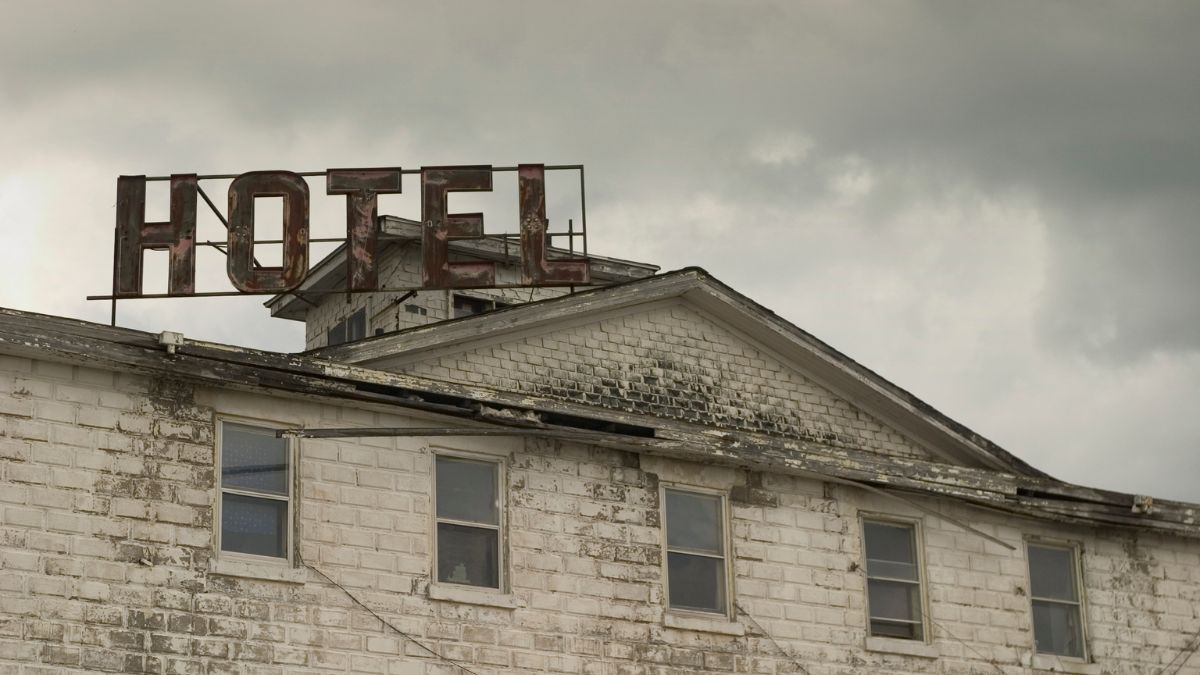
A poorly managed hotel rarely announces itself with obvious disasters. Instead, it reveals itself through small overlooked details that accumulate into a deeply uncomfortable stay. Knowing what to watch for can save travelers from wasted money and frustrating nights far from home. These subtle red flags appear in every corner of a property and are easy to spot once you know what to look for.
Lobby Smell
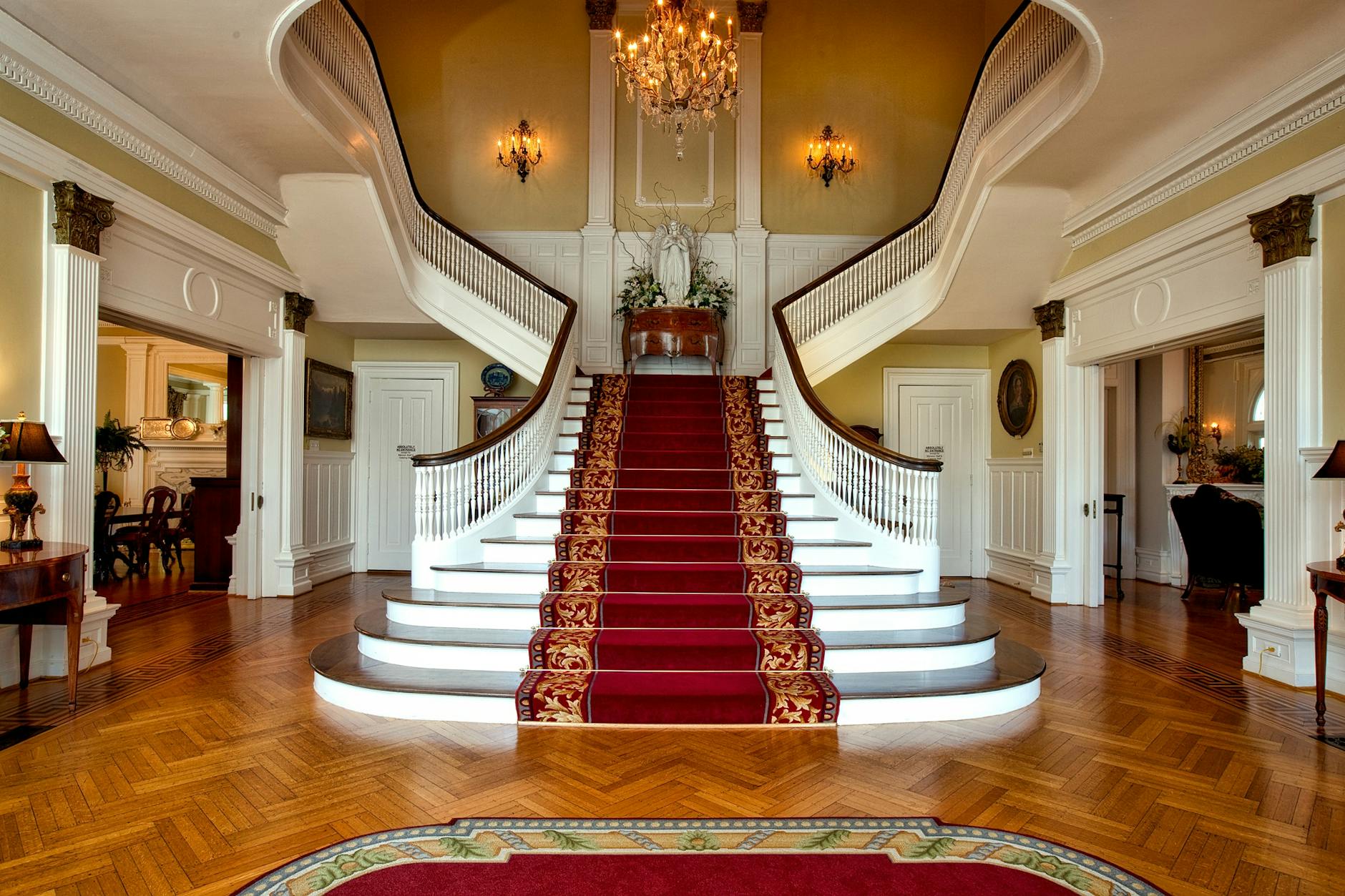
The first breath inside a hotel tells a story that management cannot easily hide. A stale or musty odor lingering in the entrance area points to inadequate ventilation and inconsistent deep cleaning routines. Well-run hotels invest in air filtration systems and scent management as part of their standard operating procedures. A smell of damp carpet or old cigarette smoke in a non-smoking property signals neglect that almost certainly extends to guest rooms as well.
Front Desk
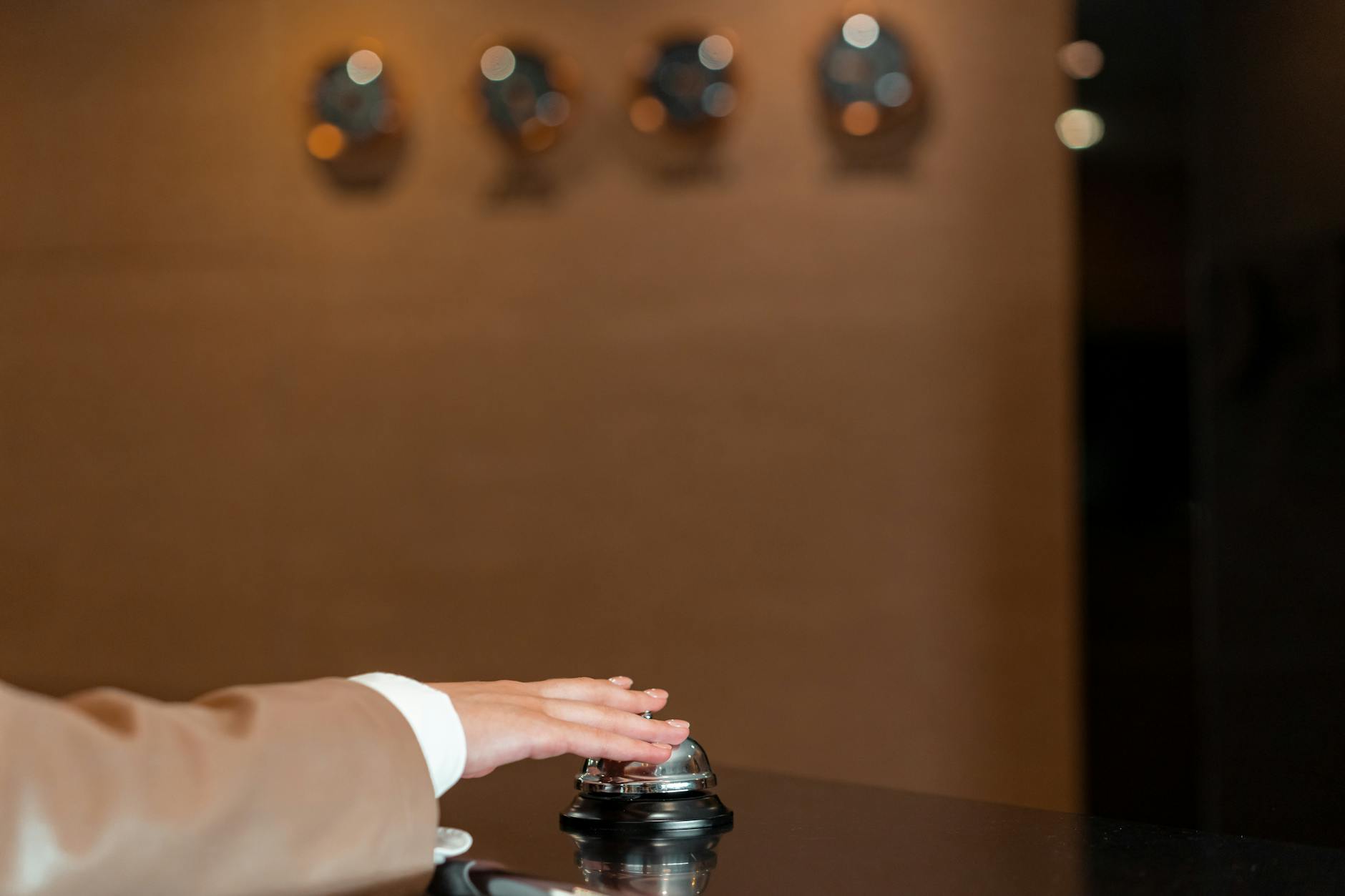
A disorganized check-in area is one of the clearest early indicators of poor hotel management. Staff who seem uncertain about reservation details or who must repeatedly consult colleagues for basic questions reflect inadequate training. Long unexplained waits at arrival with no acknowledgment or apology point to a culture that undervalues guest experience. The front desk sets the tone for an entire stay and a chaotic one rarely improves as the visit continues.
Elevator Buttons
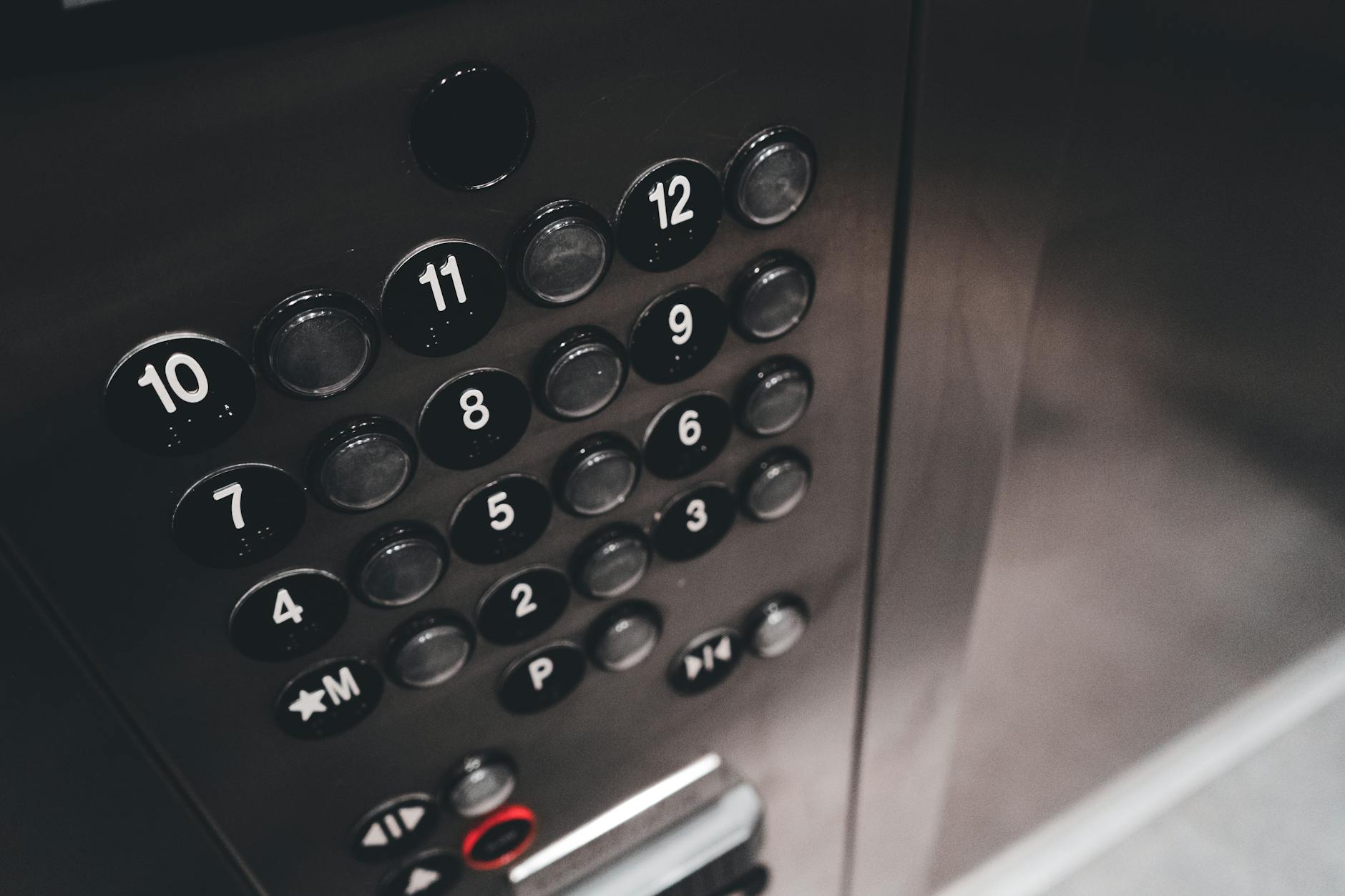
Grimy or sticky elevator buttons are a small detail that reveals volumes about housekeeping standards throughout the property. These high-touch surfaces require daily cleaning and are a reliable measure of how seriously staff take hygiene protocols. Buttons with worn-off labels that have never been replaced suggest a maintenance backlog and an ownership that defers basic upkeep. A well-managed hotel treats these details as a direct reflection of its overall commitment to guest comfort.
Hallway Lighting
Dim or flickering corridor lights point to a maintenance team that either lacks resources or simply fails to conduct regular property inspections. Burned-out bulbs left unreplaced for extended periods suggest that no systematic walk-through routine exists at the property. Poor hallway lighting also raises legitimate safety concerns for guests navigating the building at night. Attentive hotel management replaces faulty lighting within hours and treats any guest-facing area as a priority.
Room Door
A hotel room door that requires repeated attempts to open or close properly is a sign of deferred maintenance on a basic security feature. Misaligned door frames and stiff or loose handles suggest that reported issues are not being logged or acted upon by staff. The condition of a door also reflects the general age management of the property and whether renovations are scheduled or perpetually postponed. Guests should feel confident that the most fundamental boundary of their private space functions without effort.
Bed Linen

Thin or pilling bed linen that has clearly been washed beyond its useful life is a reliable sign of cost-cutting at the expense of guest comfort. Quality hotels replace linens on a regular cycle and monitor fabric condition as part of laundry management standards. Sheets with faint staining that survived laundering suggest that housekeeping quality controls are either absent or routinely ignored. A restful night depends significantly on the quality of the bedding and poorly maintained linen undermines the core promise of any hotel stay.
Bathroom Grout
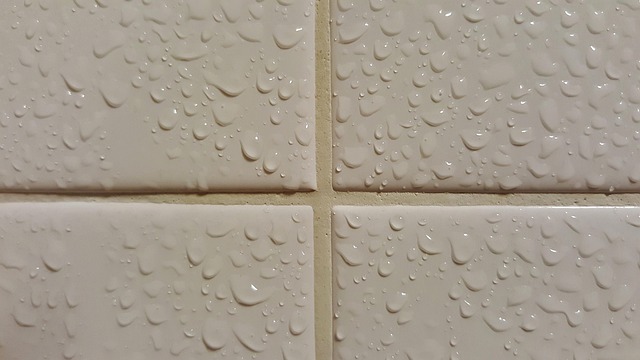
Discolored or crumbling grout in the bathroom is a detail that exposes long-term neglect hiding behind a surface clean. Grout requires periodic treatment and resealing and its deterioration indicates that maintenance schedules are either nonexistent or largely decorative. Black or pink mold forming along tile lines points to moisture management failures that can affect air quality in the entire room. Hotels that allow bathrooms to reach this condition are typically operating well below industry hygiene benchmarks.
Breakfast Area
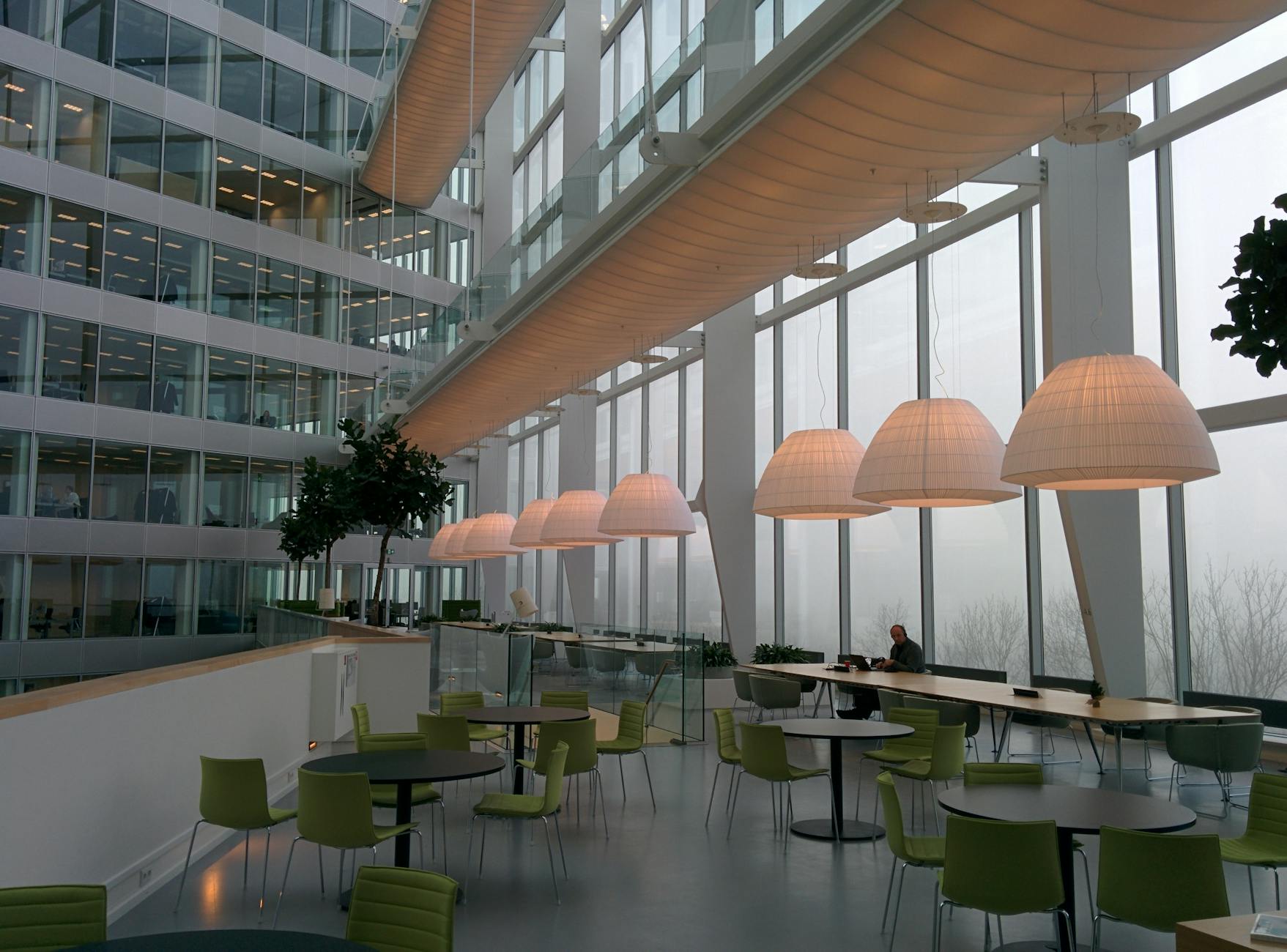
A poorly stocked or disorganized breakfast buffet reveals how a hotel approaches the one daily moment when most guests interact with food service simultaneously. Trays left empty for extended periods and spills that go unattended indicate insufficient staffing during peak morning hours. Lukewarm hot items and dried-out pastries suggest that food is prepared far in advance without proper temperature monitoring. The breakfast experience is a direct window into how well operations are coordinated across multiple departments at once.
Room Service Menu
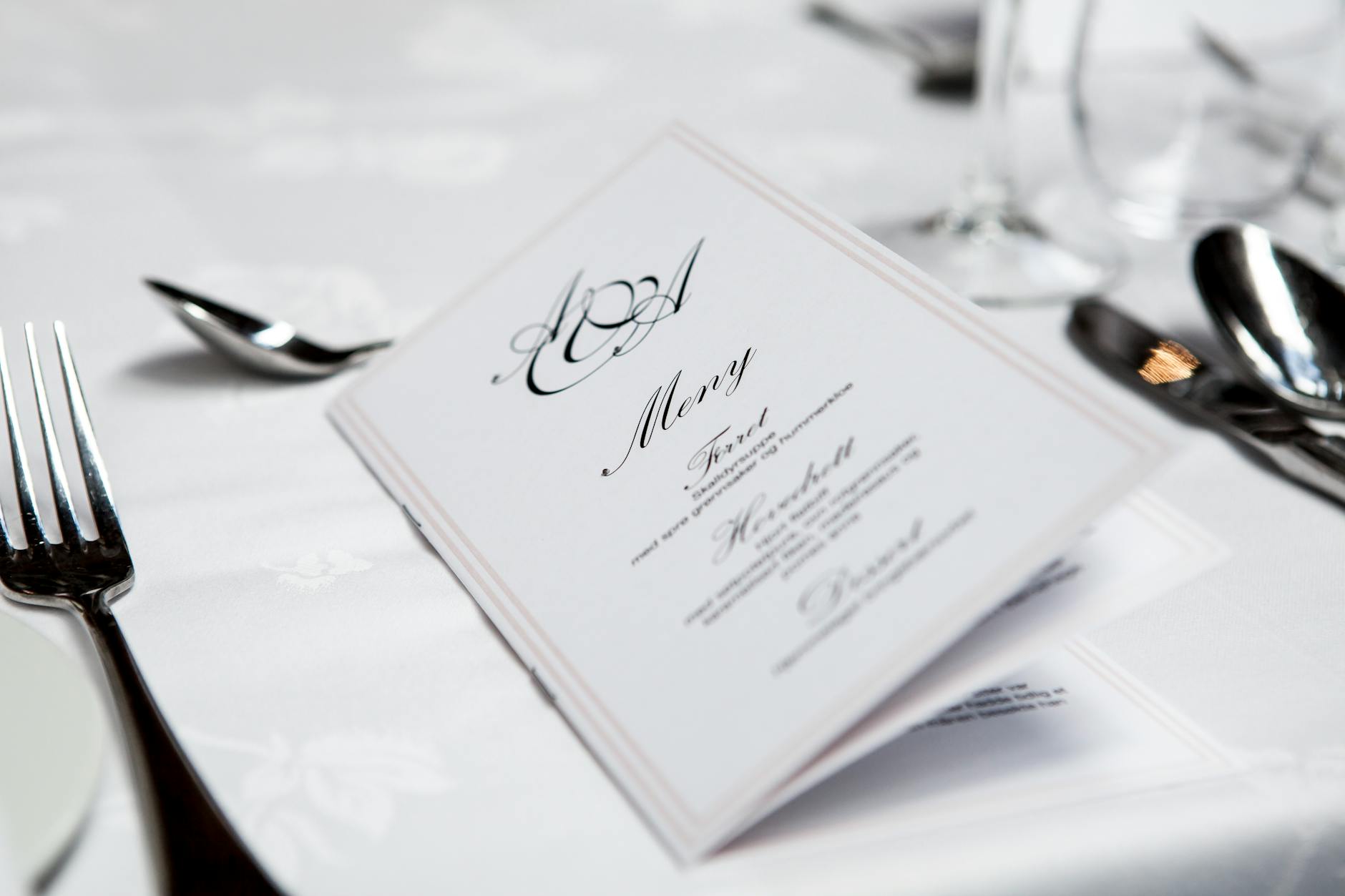
An outdated room service menu with crossed-out items or handwritten corrections signals that the hotel is operating without consistent administrative oversight. Menus that have not been updated to reflect current kitchen offerings create confusion and lead to disappointing orders. Excessive delays beyond stated delivery times with no proactive communication point to a disconnect between front-of-house promises and back-of-house execution. A well-run property treats its room service operation as an extension of its core hospitality commitment.
Pool Area

A poorly maintained pool area is one of the more visible signs that a hotel is cutting corners on upkeep and guest amenities. Cloudy water that lacks proper chemical balance points to inadequate monitoring by maintenance staff responsible for daily testing. Broken sun loungers left in position without replacement or repair suggest that no one is conducting routine inspections of the outdoor facilities. The pool is often a deciding factor for guests choosing a property and its neglect sends a clear message about overall management priorities.
Guest Reviews

A pattern of recent negative reviews across multiple booking platforms is one of the strongest external signals of a hotel in operational decline. Management that fails to respond to guest feedback or replies with generic deflecting language is demonstrating a fundamental disregard for reputation management. Recurring complaints about the same specific issues across different reviews indicate that problems are systemic rather than isolated. Travelers who consult reviews carefully before booking are far better equipped to avoid properties that consistently underdeliver.
WiFi Speed
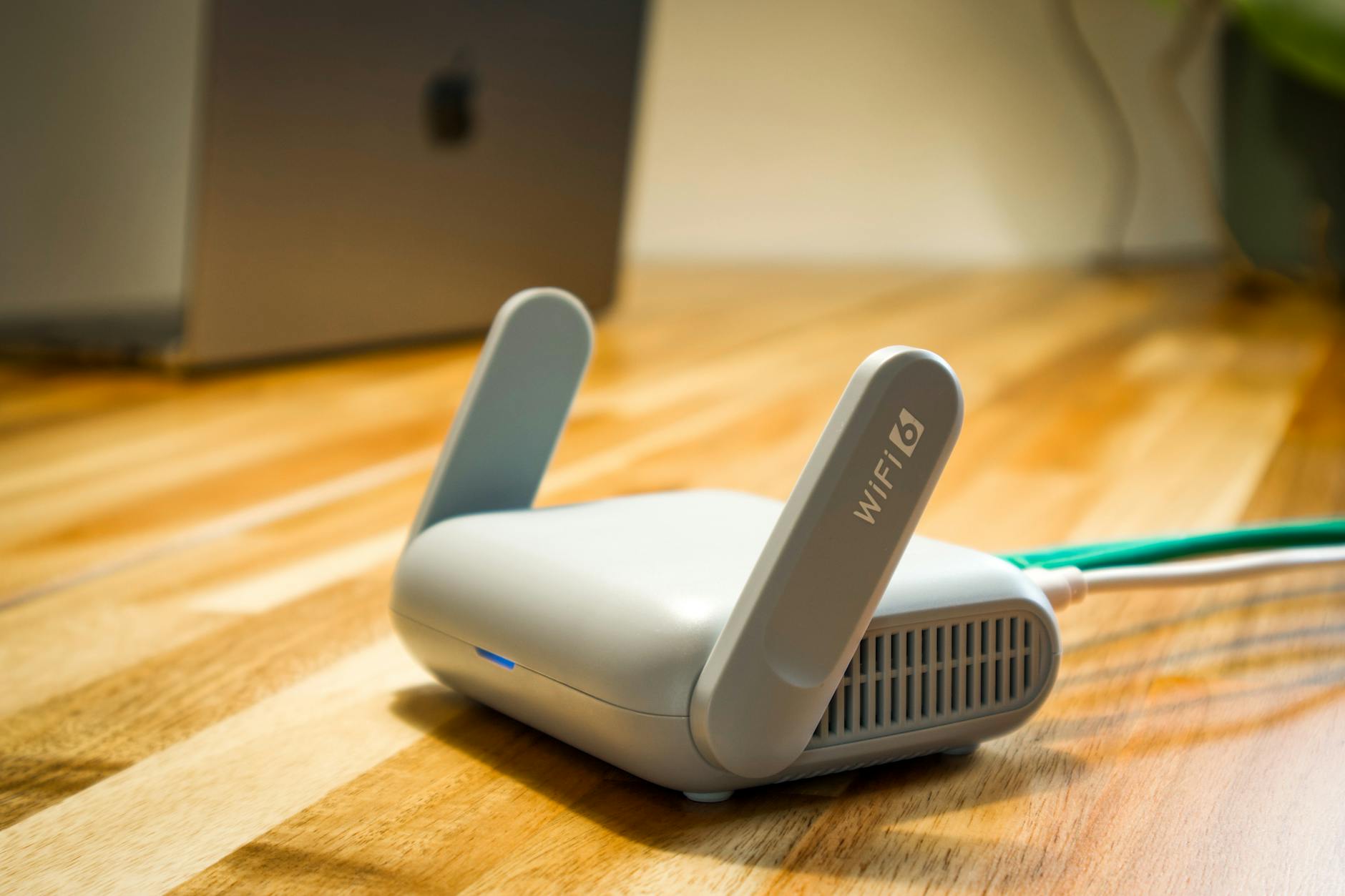
Unreliable or barely functional WiFi in an era when connectivity is a standard expectation is a clear sign of underinvestment in infrastructure. A hotel that has not upgraded its network capacity to accommodate multiple devices per guest is failing to meet contemporary traveler needs. Connection problems that persist after contacting the front desk suggest that technical support systems are either outsourced poorly or entirely absent. Reliable internet access is now considered a basic utility and its absence reflects a property that has not kept pace with guest expectations.
Towel Quality

Rough or threadbare towels handed out as standard issue reveal a housekeeping supply chain that prioritizes cost over guest experience. Towel quality degrades over time with industrial washing and hotels that do not rotate stock regularly allow this decline to go unaddressed. Towels that shed lint or fail to absorb properly make even a well-designed bathroom feel neglected and low-budget. The tactile experience of everyday amenities like towels is a surprisingly powerful signal of how much care a property actually invests in its guests.
Staff Uniforms
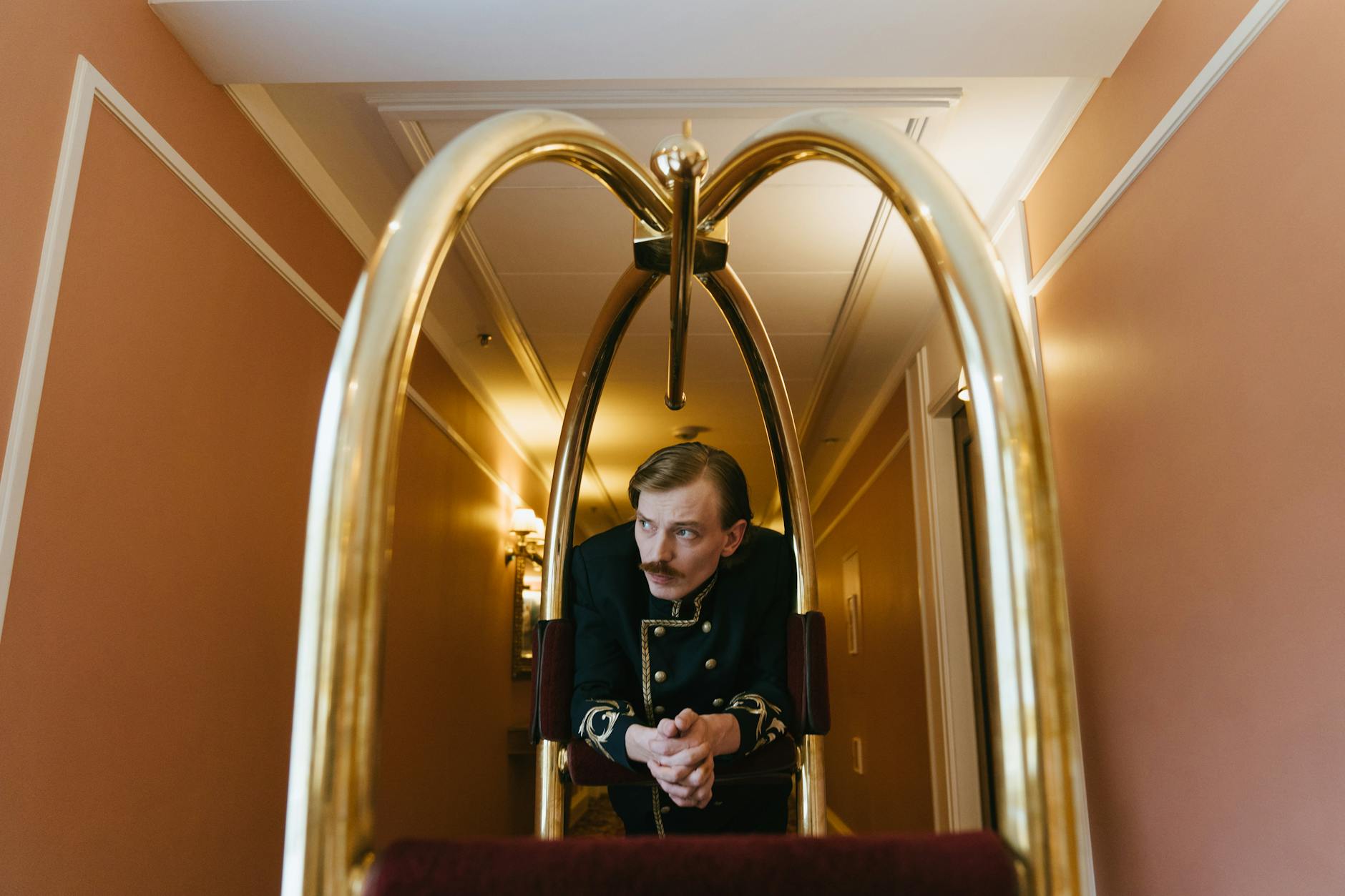
Wrinkled or mismatched staff uniforms indicate that management does not enforce presentation standards as part of its daily operations. A hotel’s front-facing team represents the brand at every guest interaction and their appearance reflects the culture set from the top down. Torn name badges worn sideways or missing entirely suggest that employee guidelines are loosely defined and loosely followed. Properties that take pride in their service consistently ensure that staff appearance aligns with the image they project in their marketing.
Noise Insulation
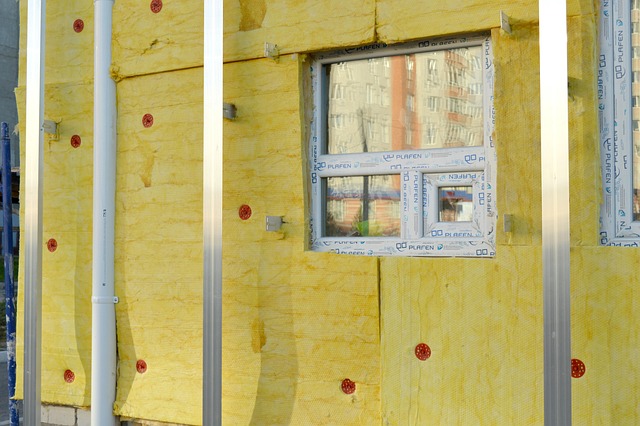
Thin walls that allow neighboring conversations and corridor activity to penetrate guest rooms point to construction shortcuts and an absence of soundproofing standards. Guests who can hear every footstep from the floor above are experiencing a property that was built or renovated without adequate investment in acoustic comfort. A pattern of noise complaints across reviews confirms that management is aware of the issue but has not pursued remediation. Quality sleep is the central purpose of a hotel room and noise infiltration directly undermines the most fundamental guest need.
Mini Bar

A mini bar stocked with expired products or items priced with no visible menu is a small but telling sign of sloppy room management procedures. Expiry dates on snacks and beverages require routine checking and any lapse suggests that room inspections are either infrequent or superficial. Missing items that were never restocked after a previous guest point to a housekeeping checklist that exists on paper but is not consistently followed. These details matter because they collectively communicate how much attention staff actually pays to the individual guest experience.
Bin Areas
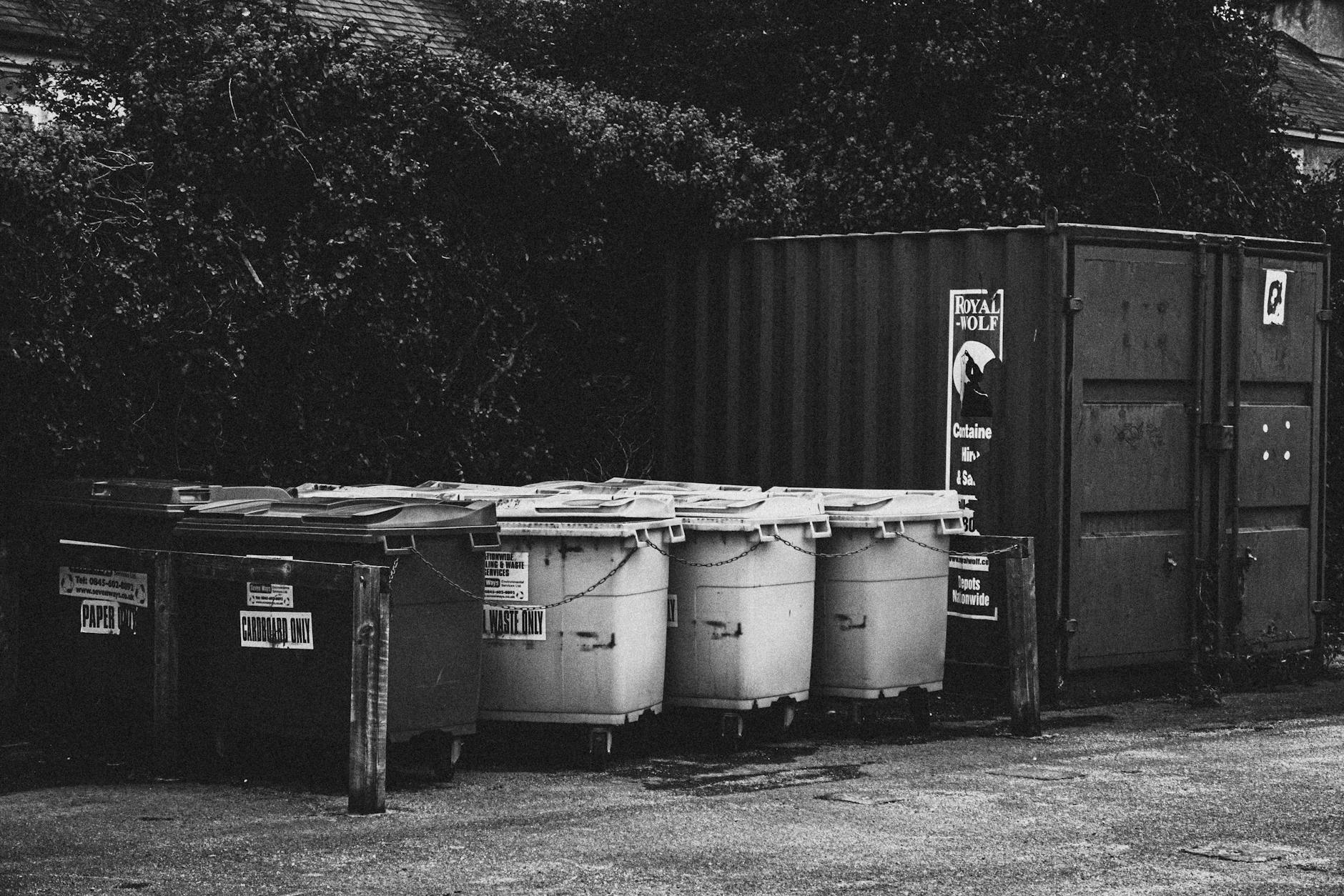
Overflowing or foul-smelling waste disposal areas near stairwells or service corridors reveal operational failures hidden just out of the typical guest sightline. Bin storage that backs up during busy periods indicates inadequate scheduling of cleaning shifts relative to occupancy levels. When internal areas that guests are not meant to see are neglected this severely it almost always reflects standards that bleed into guest-facing spaces too. Well-managed properties treat every corner of a building as if it were subject to a guest inspection at any moment.
Check Out Process
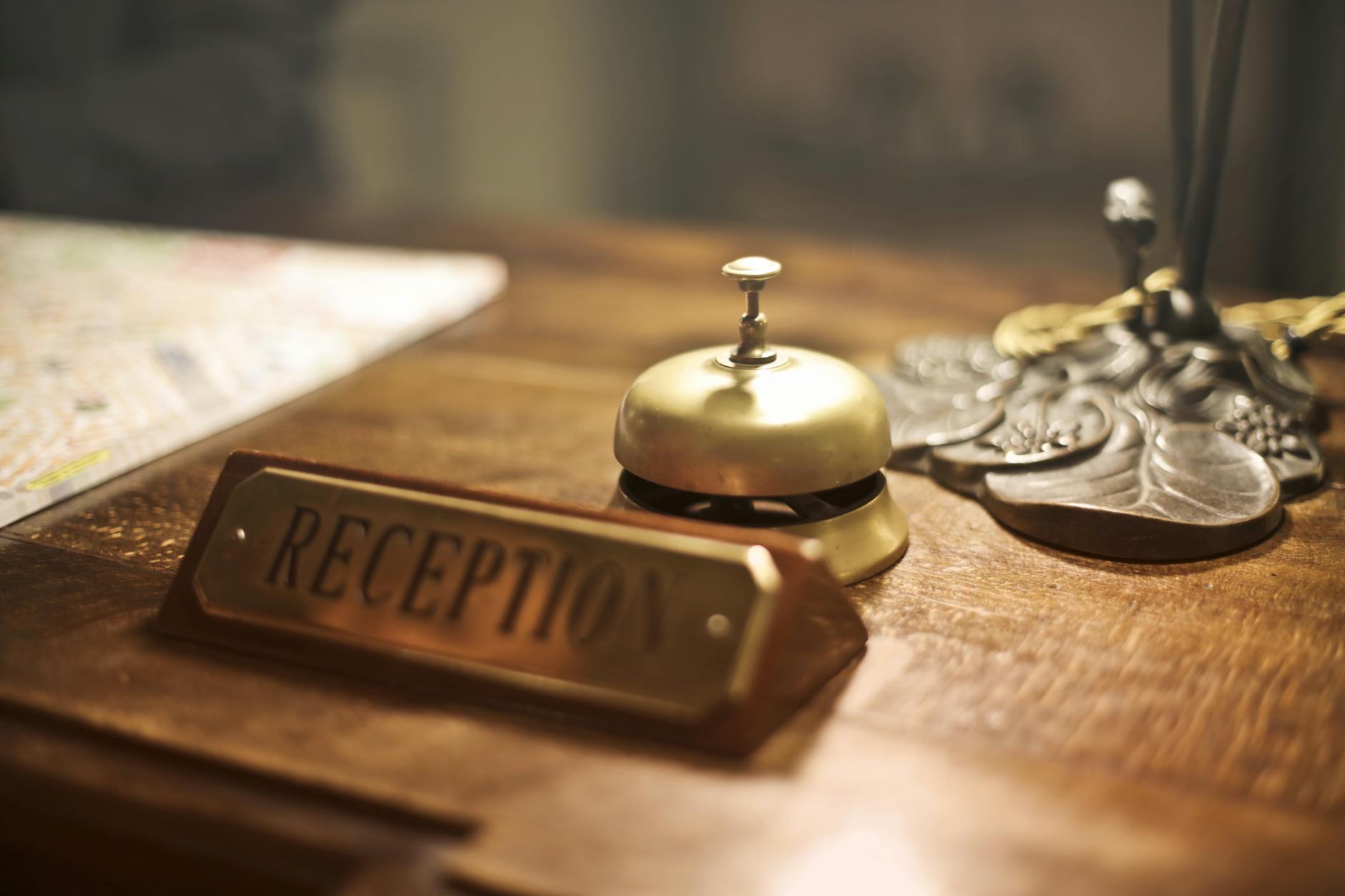
A disorganized or disputed checkout process where charges appear that were never communicated during the stay points to significant administrative failures. Billing errors that require lengthy corrections at the desk suggest that the property management system is poorly maintained or staff are inadequately trained in its use. A hotel that makes departing guests feel like they are navigating a negotiation rather than completing a transaction has failed at one of the most critical hospitality touchpoints. The final impression of a stay is shaped heavily by whether the departure process is seamless and transparent.
Ceiling Condition
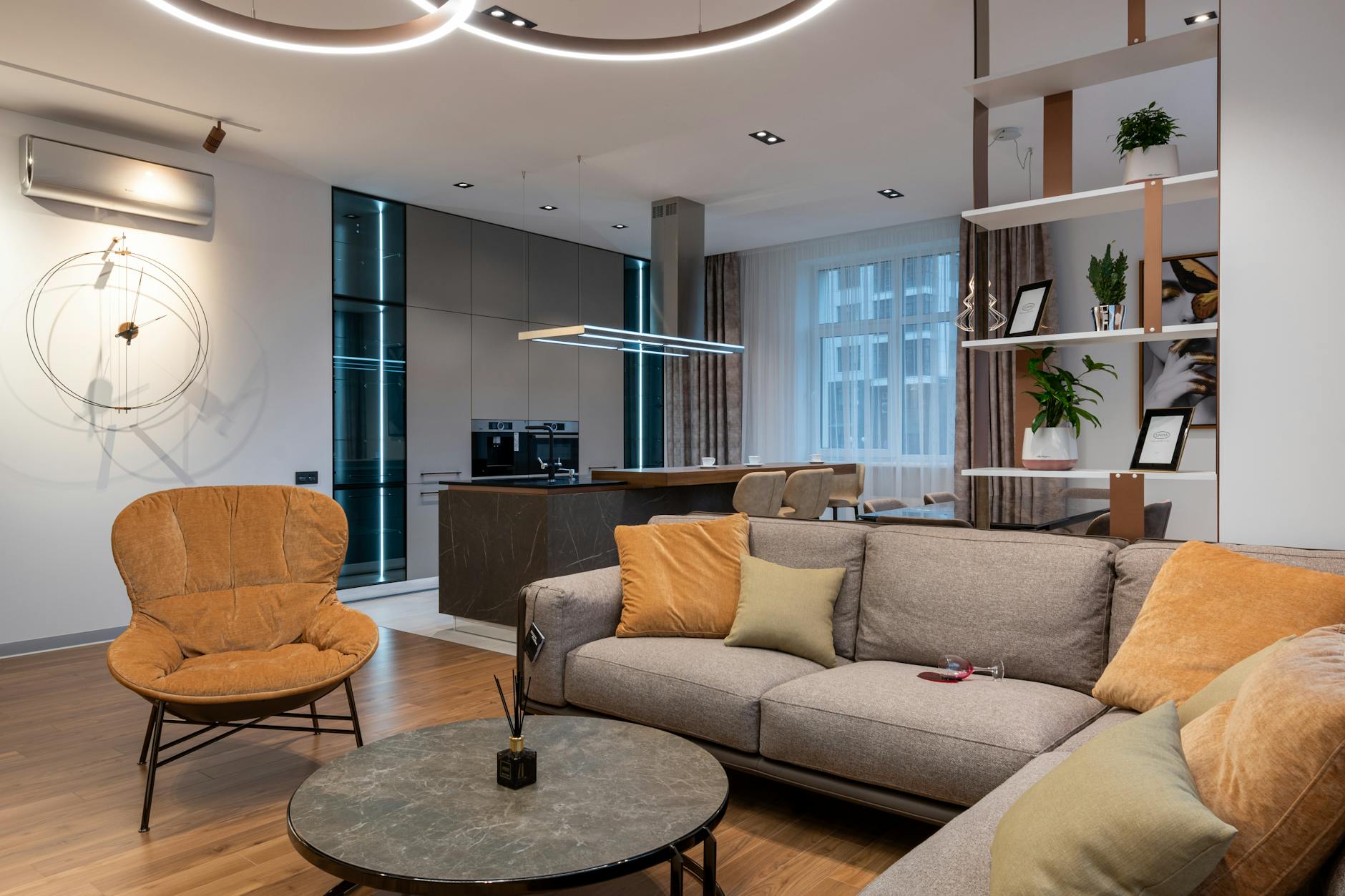
Water stain rings or bubbling paint on bedroom ceilings indicate ongoing or unresolved moisture issues that management has chosen to paint over rather than properly repair. These marks are signs of leaks or condensation problems that require structural attention and their presence suggests that cosmetic concealment is the preferred maintenance strategy. Guests who notice ceiling damage should be aware that the underlying cause is almost certainly still active and potentially worsening. A responsible hotel addresses the source of any water intrusion immediately and documents the repair rather than disguising the evidence.
Air Conditioning
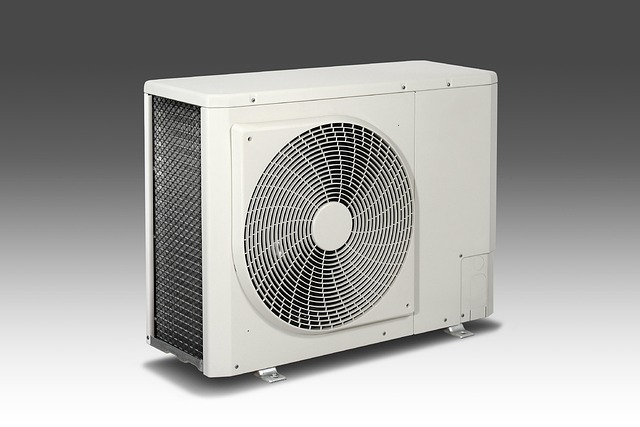
An air conditioning unit that rattles produces unpleasant odors or fails to reach the selected temperature points to equipment that has gone without servicing for an extended period. HVAC systems in hotel rooms require regular filter changes and mechanical inspections to function at standard. A unit that simply recirculates warm or stale air regardless of the thermostat setting makes a room genuinely uncomfortable and difficult to sleep in. Temperature control is one of the most frequently cited factors in guest satisfaction surveys and its failure reflects poorly on the property’s technical maintenance program.
Key Cards
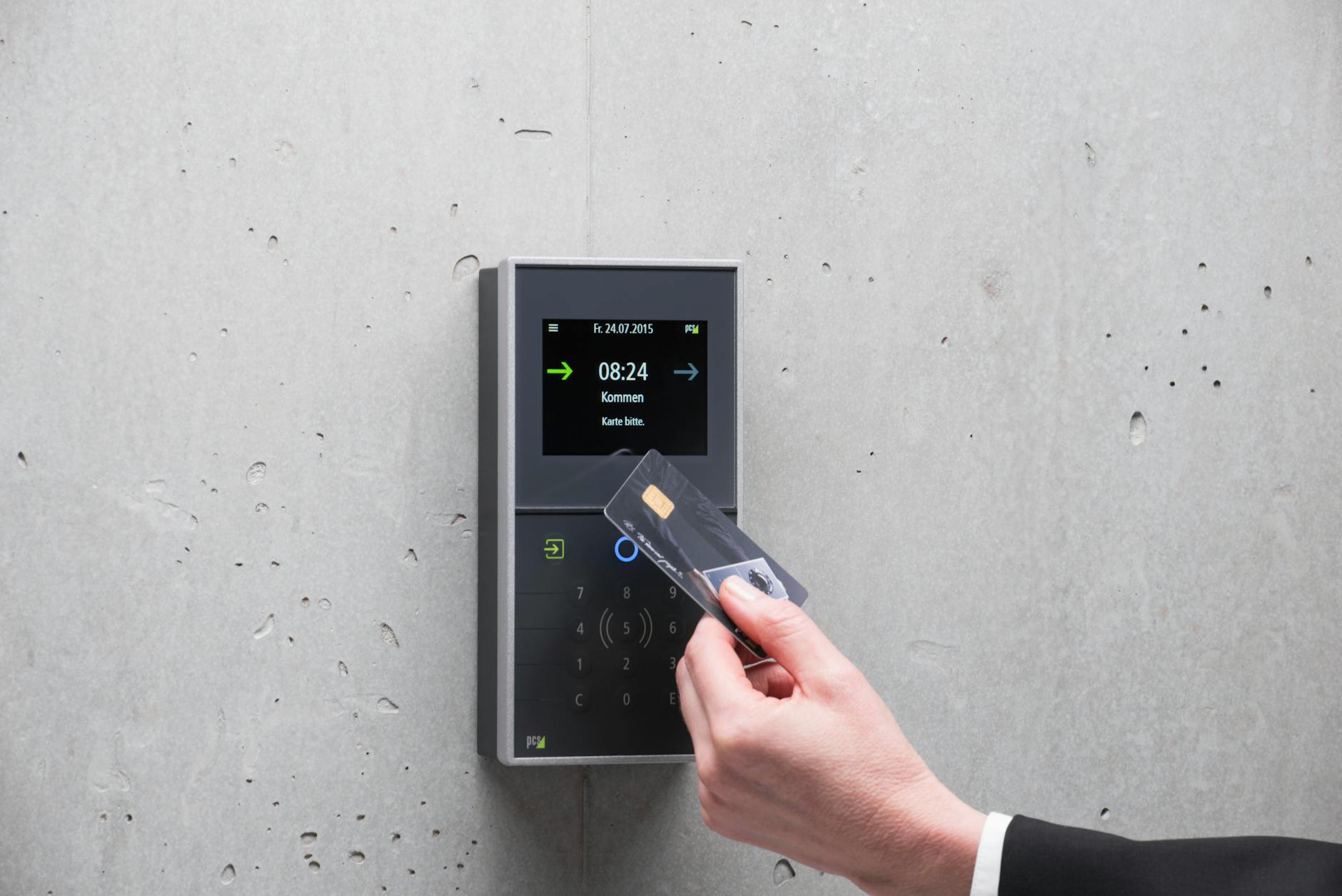
Key cards that demagnetize repeatedly or fail on the first attempt are a low-level but persistent frustration that signals an aging door lock system in need of replacement. Properties still operating hardware that is incompatible with current card encoding technology are likely deferring a range of infrastructure upgrades simultaneously. Multiple trips back to the front desk for card replacements during a single stay compound the frustration and eat into valuable guest time. Technology maintenance is a legitimate measure of hotel investment and a failing key card system is a quiet but consistent red flag.
Concierge Knowledge
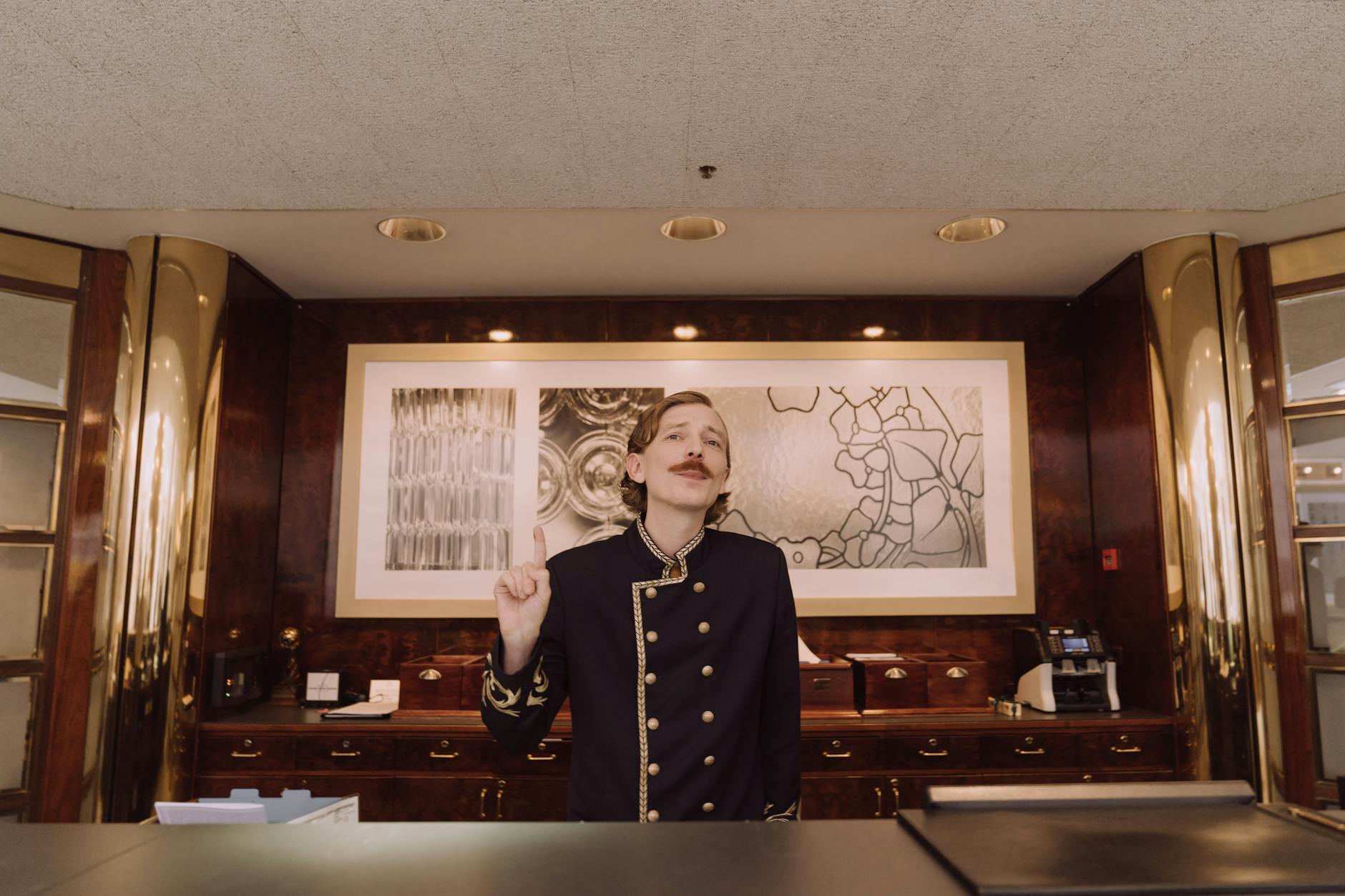
A concierge or front desk team that cannot name a single local restaurant confidently or provides incorrect directions to nearby attractions reveals a lack of staff training and local knowledge investment. Guests rely on hotel teams for trustworthy recommendations and a team that is visibly uninformed erodes confidence in the property’s overall service culture. Printed local guides that are clearly several years out of date and left without updates compound this impression. A hotel that genuinely invests in its guest experience ensures that the team representing it understands the destination as well as the property itself.
Gym Equipment

A fitness room containing broken machines that are taped off or simply left in disrepair with no visible repair timeline is a reliable sign of selective amenity management. Hotels that market a gym as a feature of the property but allow its equipment to fall into a degraded state are presenting misleading value to guests. Weights missing from racks and cardio machines with flickering screens indicate that no one is conducting regular equipment checks or acting on reported faults. The gym is a secondary amenity for many travelers but its condition functions as a proxy for how thoroughly the entire property is managed.
Plumbing Sounds
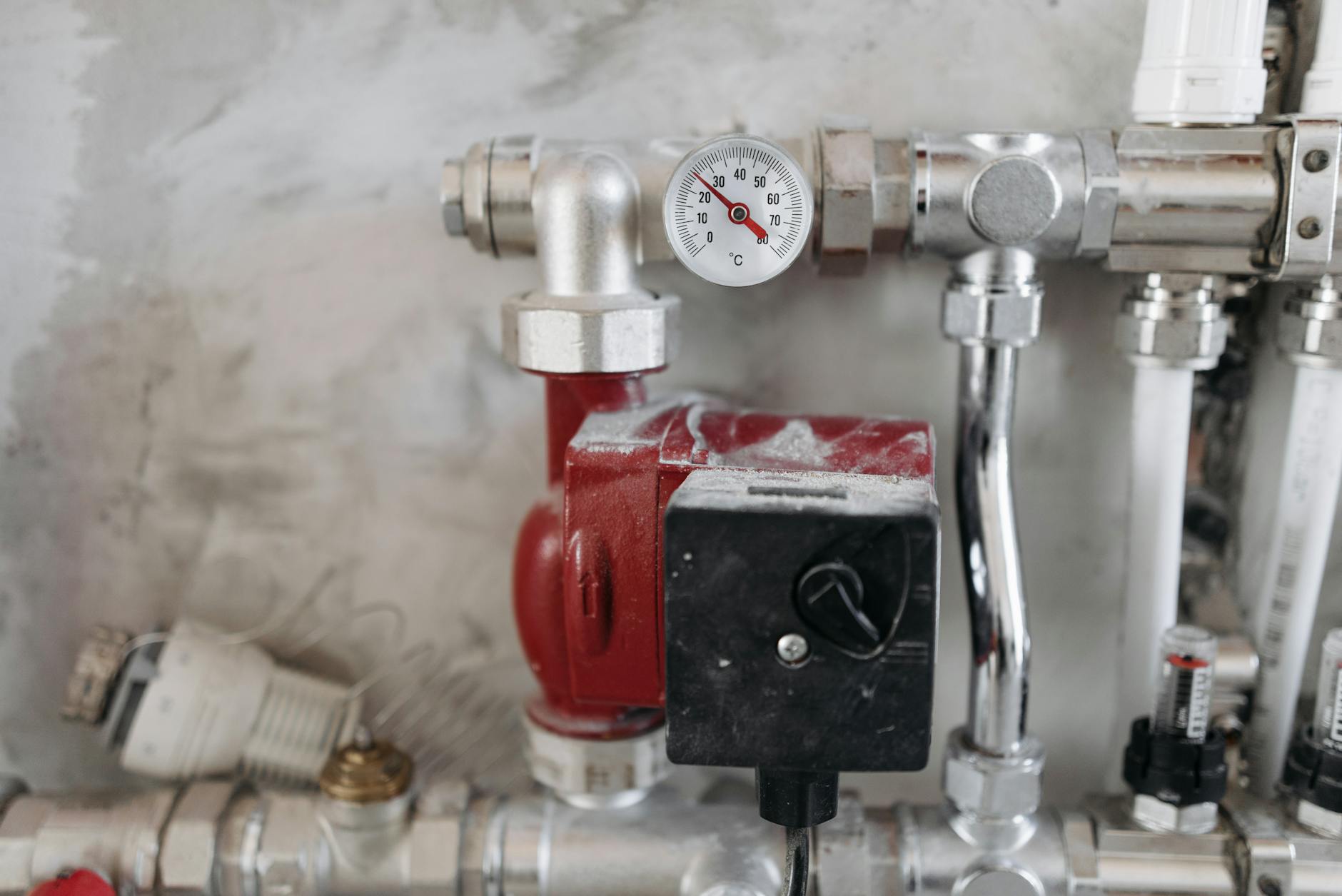
Banging pipes loud water hammer in walls or drains that empty unusually slowly point to plumbing infrastructure that has not been properly maintained or upgraded. These are not minor quirks but indicators of systemic issues that affect comfort and in some cases hygiene throughout a stay. A shower that takes several minutes to produce warm water wastes guest time and signals that water system balancing has been overlooked entirely. Functional plumbing is so fundamental to the hotel experience that its failure at any level reflects directly on the seriousness with which management approaches its responsibilities.
Clock Radios
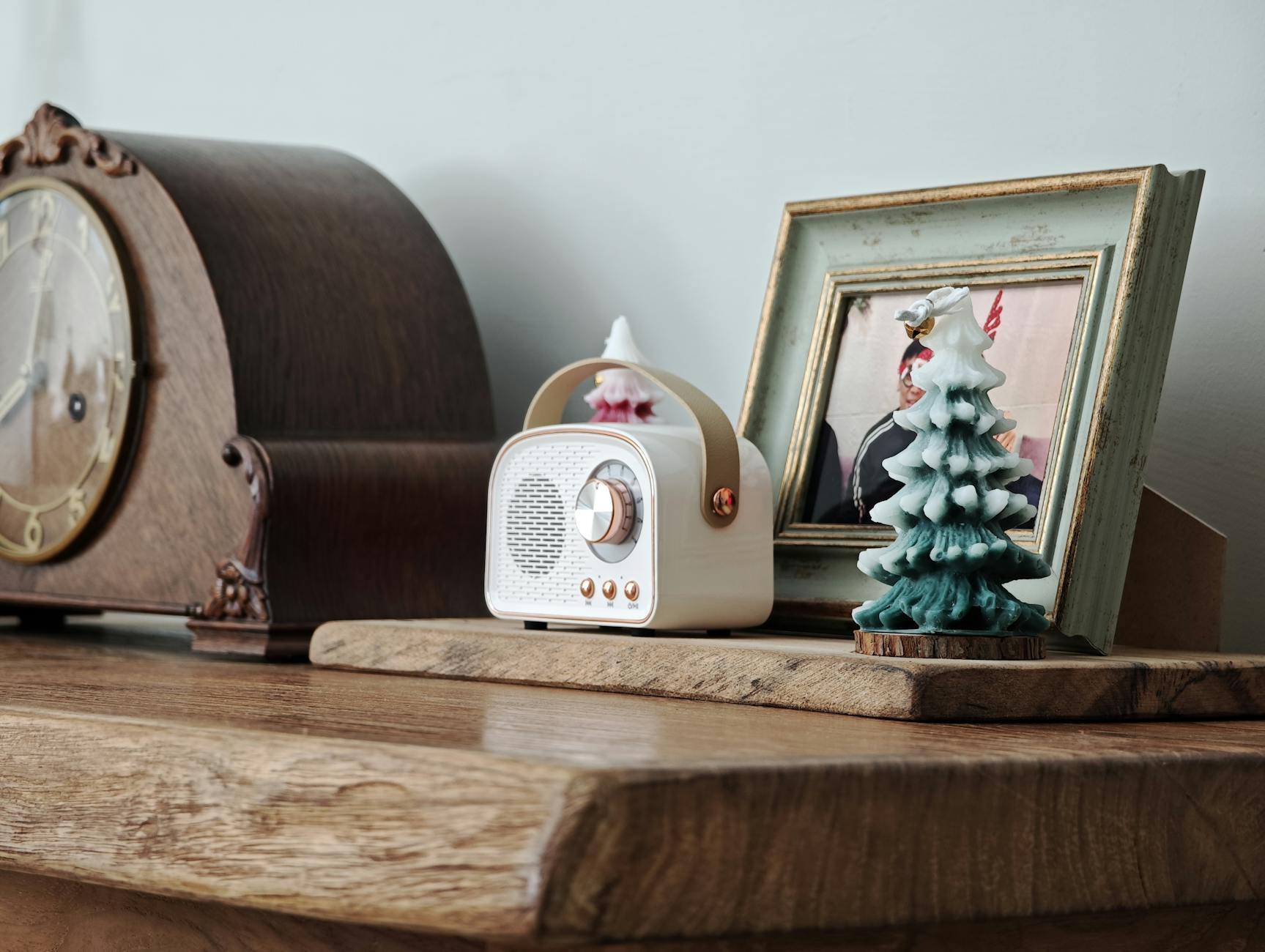
A bedside clock displaying the wrong time or an alarm clock that a previous guest has set and left uncorrected is a small detail that reveals a housekeeping team not working through a thorough room reset checklist. These items take seconds to verify and correct making their neglect a disproportionately telling sign of slack procedure. Personal settings left over from prior guests also create an uncomfortable sense that the room has not been fully prepared for its new occupant. The standard of a hotel room reset reflects directly on the culture of care that management instills in its housekeeping operation.
Recognizing these signs early can help travelers make informed decisions mid-stay or avoid problematic properties altogether so share your own hotel red flag experiences in the comments.