
The human body offers constant feedback about its internal state, and many of the earliest indicators of accelerated aging are easy to overlook or dismiss. Understanding these signals can make a meaningful difference in how proactively a person approaches their long-term health. Recognising the patterns early allows for lifestyle adjustments that can slow or even reverse some of these changes. The following fifteen signs are worth paying close attention to at any age.
Skin Elasticity
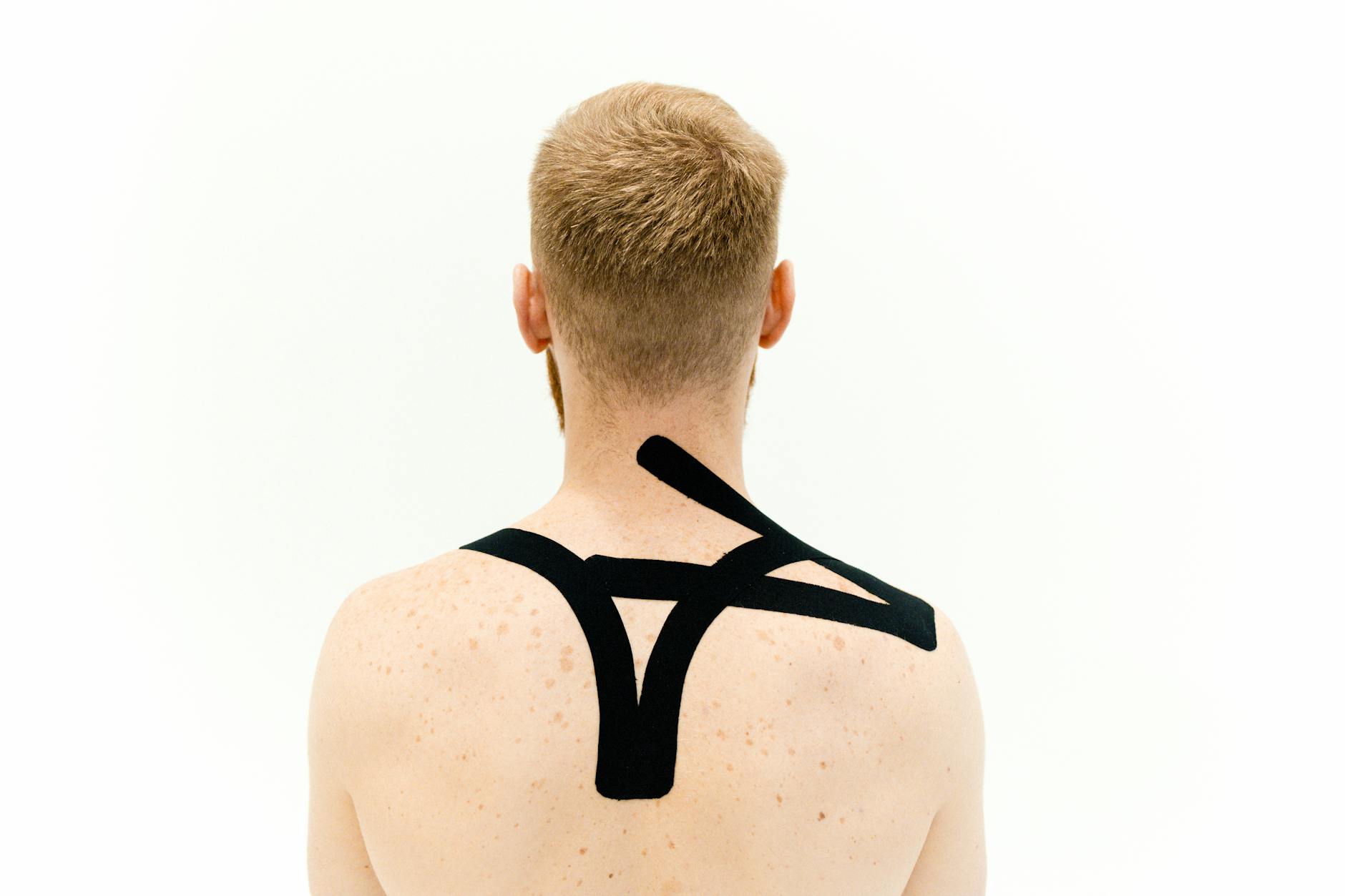
Skin that takes longer than usual to bounce back after being gently pinched is one of the earliest measurable signs of premature aging. Collagen and elastin production naturally declines with age, but environmental stressors like UV exposure and chronic dehydration accelerate the process significantly. Thinning skin that bruises easily or develops fine lines well before midlife is a signal worth taking seriously. A diet low in antioxidants and high in processed sugars has been directly linked to faster collagen breakdown. Prioritising hydration and sun protection are among the most evidence-backed strategies for preserving skin integrity.
Wound Healing
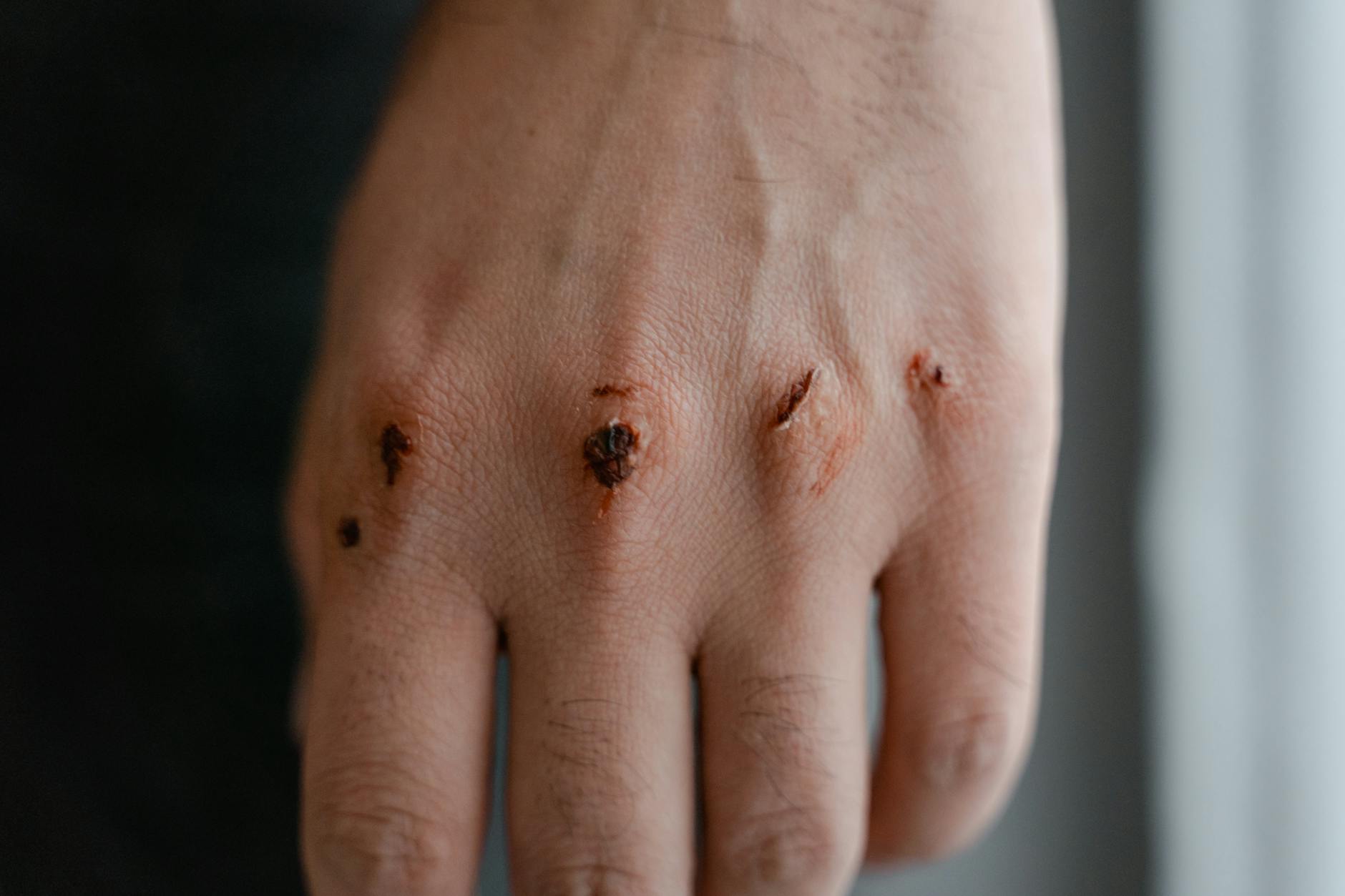
A small cut or bruise that lingers far longer than expected can indicate that cellular repair processes are not functioning optimally. Healthy tissue regeneration depends on efficient circulation, adequate nutrient absorption and stable blood sugar levels. When any of these systems are compromised, the body’s ability to heal itself slows considerably. Chronic inflammation caused by poor diet or unmanaged stress is a well-documented contributor to sluggish wound recovery. Wounds that repeatedly take weeks to heal warrant a conversation with a healthcare professional.
Chronic Fatigue

Persistent tiredness that sleep does not resolve is one of the most commonly reported signs of a body aging under strain. Mitochondrial function declines as cells age, reducing the body’s capacity to produce and sustain energy efficiently. Hormonal imbalances, thyroid irregularities and poor nutrient absorption can all compound this effect. Research consistently links sedentary lifestyles with accelerated cellular aging, making physical activity an important protective factor. Fatigue that feels disproportionate to activity levels is a meaningful signal that internal systems may need support.
Memory Lapses

Occasional forgetfulness is normal, but frequent difficulty recalling recent events or losing train of thought mid-sentence can reflect early cognitive aging. The brain’s hippocampus is particularly sensitive to elevated cortisol levels produced by chronic stress, which can impair memory formation and retrieval. Poor sleep quality directly affects the brain’s overnight detoxification process, leaving it less equipped to consolidate memories. Diets low in omega-3 fatty acids and B vitamins have been associated with faster cognitive decline. Consistent mental challenges, quality sleep and stress management all play documented roles in preserving memory function.
Joint Stiffness

Waking up with joints that take considerable time to loosen up is a common indicator that cartilage and synovial fluid are under strain. Cartilage does not regenerate easily, making early protective habits particularly valuable for long-term joint health. Excess body weight significantly increases mechanical load on the knees, hips and spine, accelerating wear. Chronic low-grade inflammation driven by lifestyle factors such as poor diet and inactivity is increasingly recognised as a driver of premature joint deterioration. Regular low-impact movement such as swimming or cycling helps maintain joint lubrication and surrounding muscle strength.
Hair Thinning
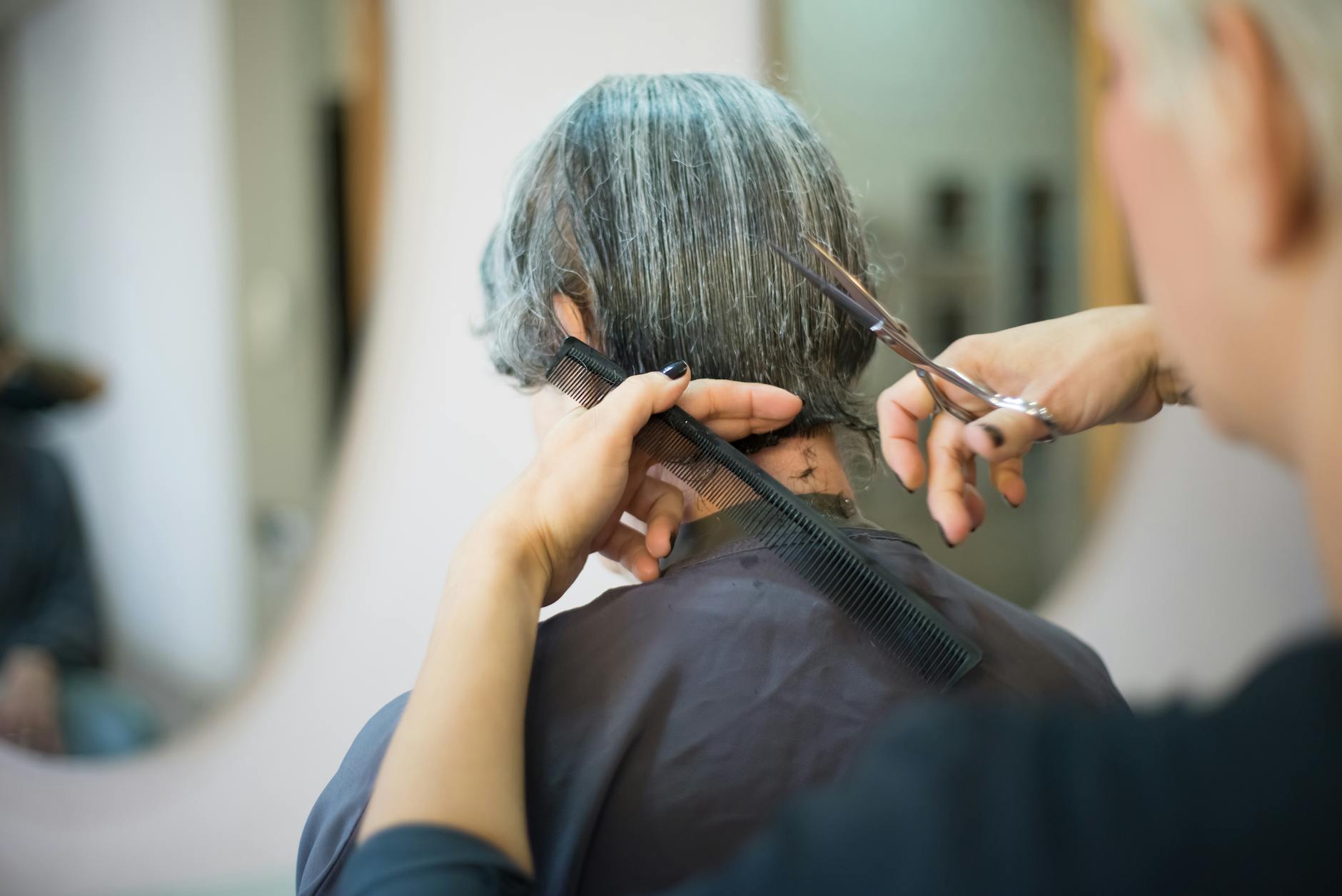
Hair that sheds excessively or noticeably loses its density before midlife can reflect a range of internal imbalances. Iron deficiency, thyroid dysfunction and chronically elevated stress hormones are among the most frequent biological triggers. Hair follicles are highly sensitive to nutritional status, and diets lacking in protein, zinc and biotin can visibly accelerate thinning. Scalp health is also closely tied to circulation, meaning that sedentary habits may contribute to reduced follicle nourishment over time. While some hair thinning is genetic, rapid or early onset changes often point to modifiable underlying causes.
Sleep Quality

Difficulty falling asleep, frequent waking or consistently unrefreshing sleep are strongly associated with accelerated biological aging. Studies using epigenetic markers have found that poor sleepers show measurably older biological ages than their chronological age would suggest. Disrupted sleep impairs the body’s ability to regulate cortisol, repair cellular damage and maintain healthy immune function. The relationship between sleep and aging is bidirectional, meaning that the effects compound over time if patterns are left unaddressed. Sleep hygiene practices including consistent bedtimes, reduced screen exposure and a cool sleeping environment have meaningful measurable effects.
Gut Health

Increasing digestive discomfort, bloating, irregularity or food sensitivities that were not present in earlier years often signal a shift in gut microbiome health. The diversity of beneficial gut bacteria naturally declines with age, but this process can be significantly hastened by antibiotic overuse, high-sugar diets and chronic stress. A compromised gut barrier allows inflammatory compounds to enter the bloodstream, contributing to systemic aging at the cellular level. The gut-brain axis means that declining gut health frequently coincides with mood and cognitive changes. Fermented foods, diverse plant fibre intake and reduced ultra-processed food consumption are among the most researched ways to support microbiome resilience.
Muscle Mass

Gradual but noticeable loss of muscle definition or physical strength earlier than expected is a condition known as premature sarcopenia. Muscle tissue is metabolically active and its decline accelerates fat accumulation, weakens bone density and reduces insulin sensitivity. Inadequate dietary protein is a primary driver, particularly in people following restrictive eating patterns without professional guidance. Resistance training has the most robust body of evidence for preserving and rebuilding muscle tissue at any age. Even two sessions per week of strength-focused exercise have been shown to significantly slow the rate of muscle loss.
Eye Health
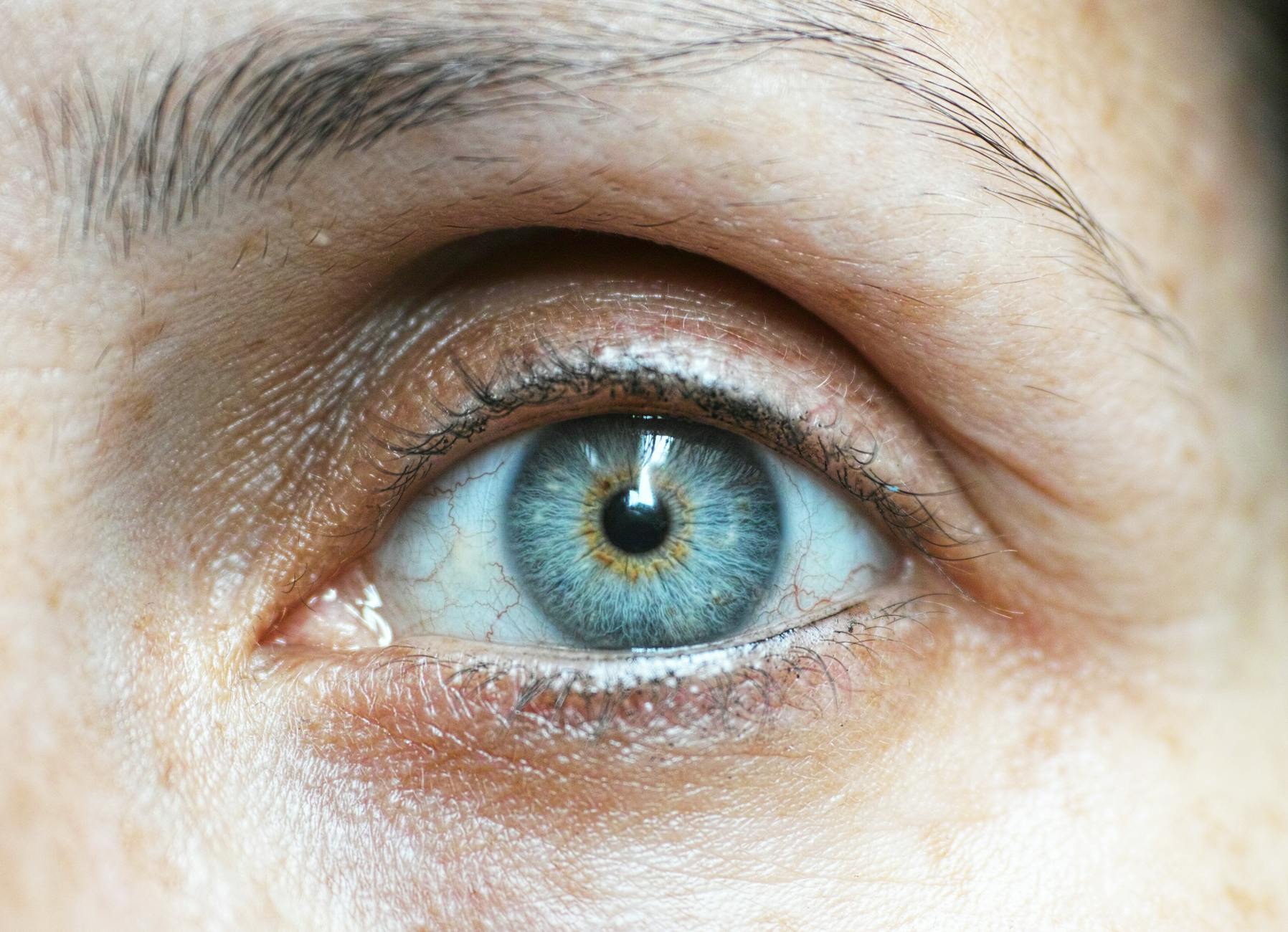
Increasing difficulty adjusting between near and far distances or heightened sensitivity to light and glare can appear earlier than expected in people whose bodies are aging rapidly. Oxidative stress is a key driver of lens and retinal deterioration, and it accumulates faster in individuals with high inflammation or poor antioxidant intake. Excessive screen time without adequate blue light protection adds additional strain to the visual system over time. Nutrients such as lutein, zeaxanthin and vitamin A play documented protective roles in maintaining retinal health. Regular eye examinations are important for catching early structural changes that lifestyle modifications can help slow.
Nail Health

Nails that are brittle, ridged, slow-growing or prone to splitting often reflect deficiencies in key nutrients and reduced circulatory efficiency. Protein, iron, biotin and silica are among the building blocks most directly involved in maintaining strong nail structure. Vertical ridging that becomes more prominent over time can indicate suboptimal nutrient absorption rather than just surface dryness. Nails also respond to thyroid function and blood sugar regulation, making changes in their appearance a useful window into broader metabolic health. Topical treatments offer limited benefit when the root cause is nutritional or circulatory rather than environmental.
Libido

A significant and unexplained decline in sexual drive is one of the more personal but physiologically meaningful signs of accelerated hormonal aging. Testosterone levels in both men and women decline naturally over time, but lifestyle factors including obesity, chronic stress and poor sleep can sharply accelerate this process. Hormonal health is tightly interconnected with cardiovascular function, metabolic rate and emotional wellbeing. Low libido accompanied by fatigue, mood changes and weight fluctuation suggests a broader hormonal picture worth investigating clinically. Strength training, quality sleep and stress reduction have each been shown to support healthier testosterone levels across genders.
Gum Health
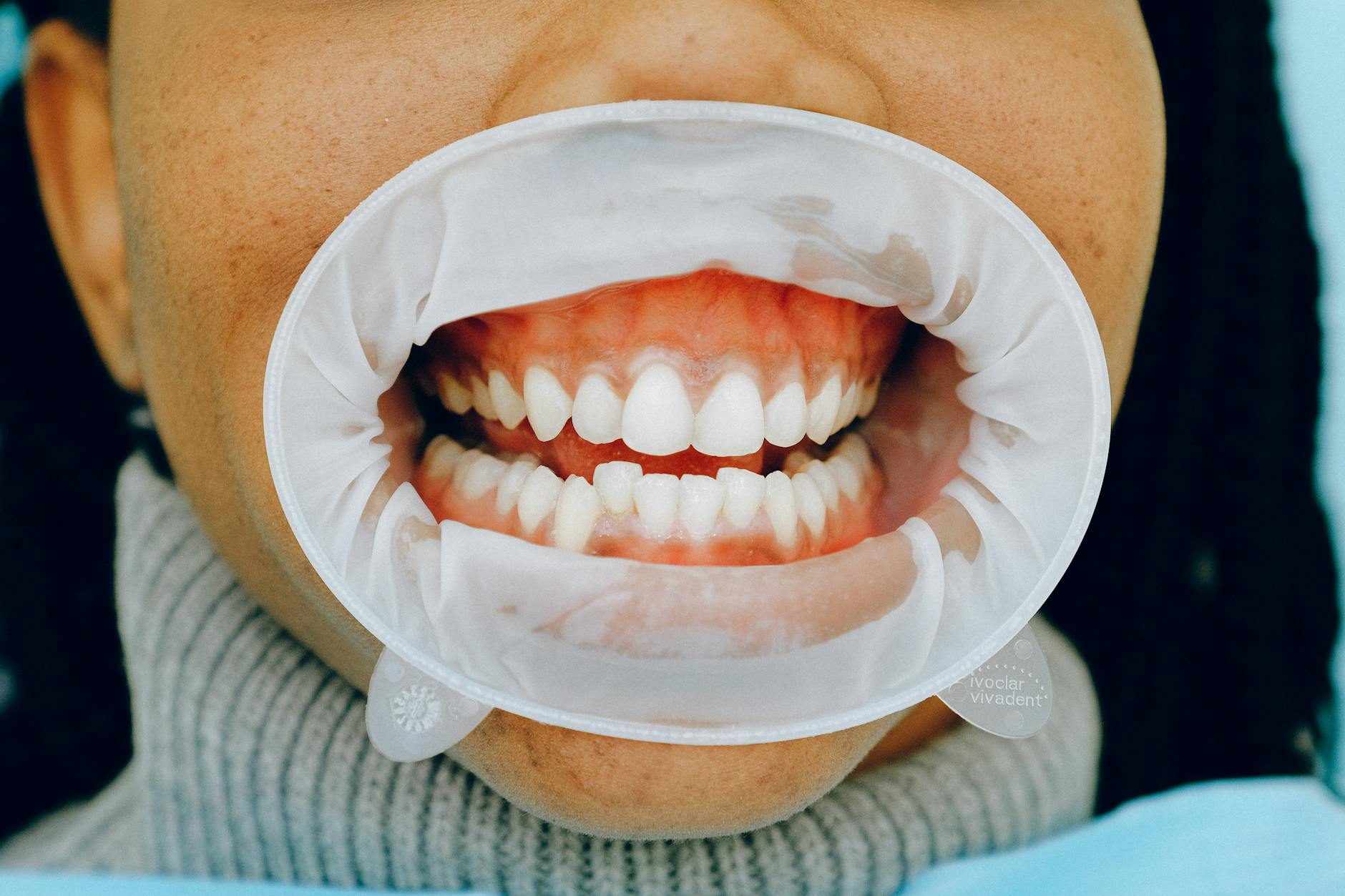
Receding gums, increased tooth sensitivity or bleeding during brushing can indicate that the body’s connective tissues are breaking down faster than they should. Gum disease is not purely a dental issue and has been extensively linked to systemic inflammation, cardiovascular risk and accelerated biological aging. Vitamin C deficiency weakens the collagen structures that hold gum tissue in place, making dietary intake directly relevant. Chronic stress and elevated cortisol have also been associated with slower gum tissue repair and greater susceptibility to infection. Consistent oral hygiene combined with anti-inflammatory dietary habits is the most effective approach to long-term gum preservation.
Cold Sensitivity

An increasing inability to tolerate cold temperatures that was not present in earlier years can point to declining thyroid function, reduced muscle mass or circulatory inefficiency. Muscle tissue generates a significant proportion of the body’s heat, meaning that its loss directly affects thermoregulation. Hypothyroidism, which becomes more common with age and under chronic stress, is a particularly frequent cause of unexplained cold sensitivity. Iron deficiency anaemia reduces the blood’s oxygen-carrying capacity and is another well-documented contributor to feeling cold regardless of the environment. Persistent and worsening cold intolerance is a symptom that warrants blood work to identify any underlying imbalances.
Balance Decline

Subtle but progressive difficulty with balance or coordination is one of the earlier neurological signs that the body’s aging process may be outpacing its chronological age. The vestibular system, proprioception and muscle response times all contribute to balance and each can be affected by inflammation, nutritional deficiencies and physical inactivity. Falls become a major health risk as balance deteriorates, making early awareness and intervention particularly valuable. Exercises focused on stability such as single-leg standing, yoga and tai chi have strong evidence for improving proprioceptive function at any age. Decline in this area is often more preventable than people realize when addressed before significant deterioration sets in.
If any of these signs resonate with you, share which ones you have noticed in yourself and what changes have made the biggest difference in the comments.