
Hiring a contractor is one of the most significant decisions a homeowner can make, and the quality of their work affects everything from safety to resale value. Most problems don’t announce themselves with dramatic failures but instead creep in through small, easy-to-miss details that compound over time. Learning to spot these warning signs early can save thousands of dollars and months of frustration. Whether you’re mid-renovation or just starting a project, knowing what to watch for puts the power back in your hands.
Missed Deadlines

A contractor who consistently arrives late or skips scheduled days without communication is showing you exactly how they value your time and money. Occasional delays happen in any trade, but a pattern of no-shows signals poor project management and a likely overextension across too many jobs. When excuses arrive before apologies, the dynamic has already become a problem. A professional contractor maintains a realistic schedule and communicates proactively when timelines shift. Chronic lateness almost always translates into a longer, more expensive project.
Vague Invoices

Billing documents that lack itemized breakdowns make it nearly impossible to verify whether you’re being charged fairly for labor and materials. A trustworthy contractor provides clear line items covering specific tasks, quantities, and costs so there are no surprises at the end. When you ask for clarification and receive deflection rather than detail, that’s a significant red flag. Vague invoices also make it difficult to compare costs against market rates or dispute charges if something goes wrong. Financial transparency is a basic professional standard, not an optional courtesy.
Skipped Permits

Any contractor who suggests bypassing permits to “save time” or “cut costs” is prioritizing convenience over your legal and physical safety. Permits exist to ensure that work is inspected and meets building codes designed to protect homeowners and future occupants. Unpermitted work can void homeowner’s insurance, trigger fines, and create serious complications when selling the property. A reputable contractor knows which permits are required for your project type and handles the paperwork as a routine part of the job. If yours is reluctant to pull permits, treat it as a nonnegotiable deal-breaker.
Uneven Grout Lines
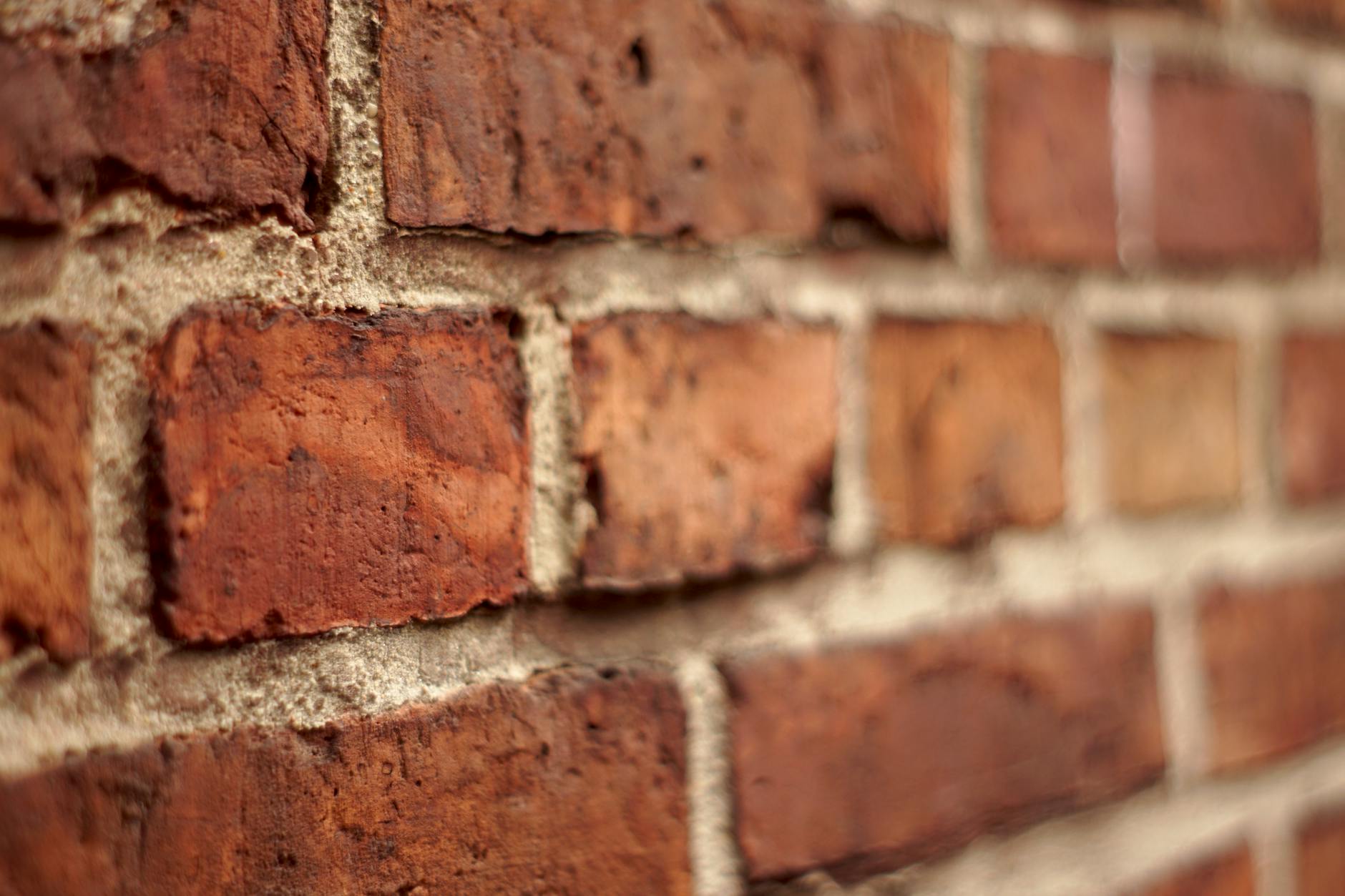
Irregular or inconsistent grout lines in tiling work are one of the clearest visible indicators of poor craftsmanship and rushed installation. Proper tiling requires careful measurement, leveling, and patience to ensure each tile is aligned before grout is applied. When lines waver or spacing shifts across a surface, it means the foundational steps were skipped or performed carelessly. This kind of error is difficult and costly to correct once the grout has cured and set in place. Grout lines may seem like a small detail, but they reflect the overall standard of care applied throughout a project.
Peeling Paint
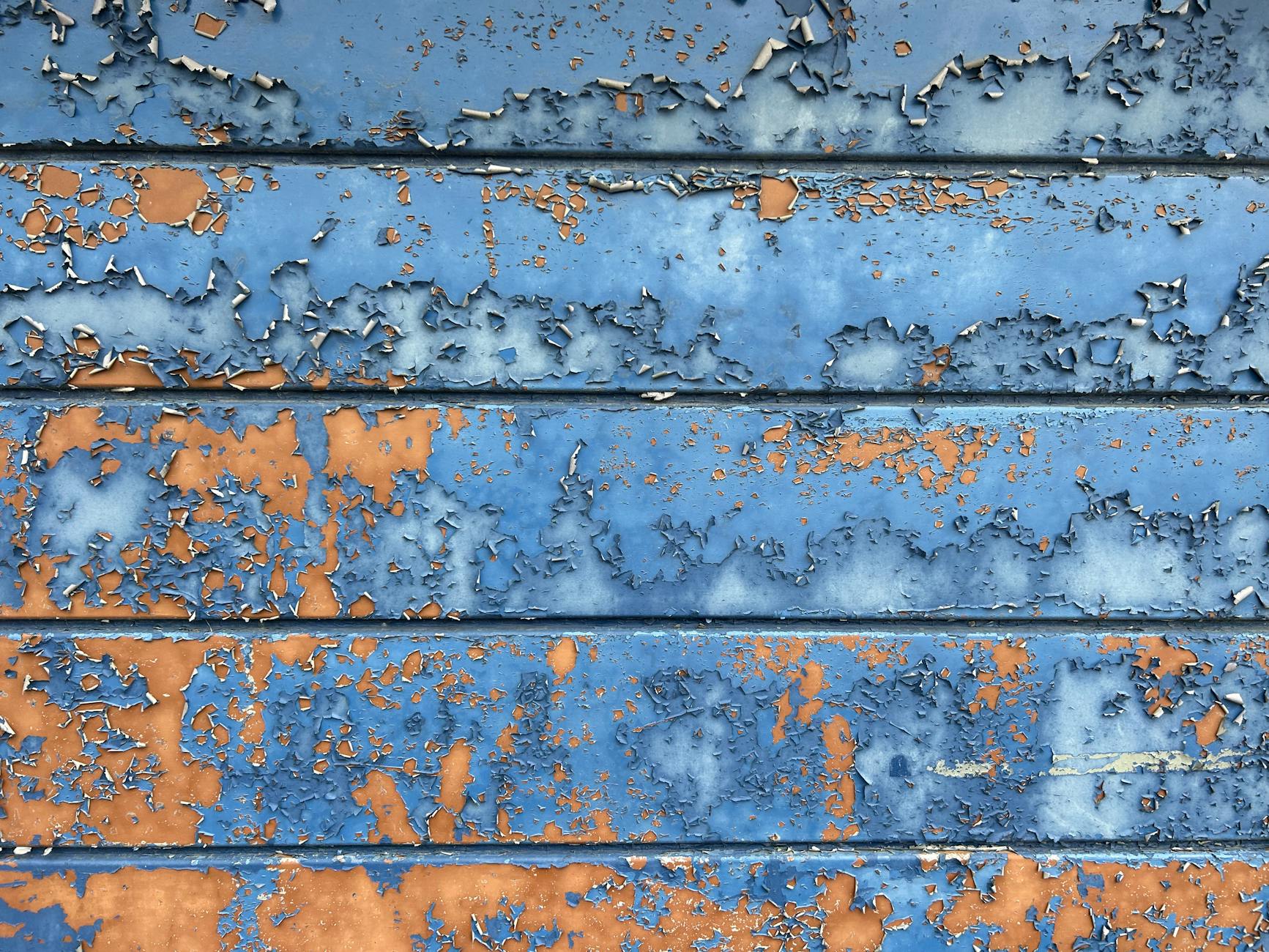
Fresh paint that begins to bubble, crack, or peel within weeks of application is a clear sign that proper surface preparation was never performed. Walls must be cleaned, primed, and sometimes sanded before any coat is applied for it to bond correctly and last. When a contractor skips these foundational steps to finish faster, the results degrade quickly and the surface often needs to be redone entirely. Peeling paint also allows moisture to penetrate walls, creating potential mold and structural issues beneath the surface. The visible finish is only as durable as the invisible preparation behind it.
Cash-Only Demands

A contractor who insists exclusively on cash payments and refuses to provide receipts is operating outside the boundaries of professional accountability. Legitimate businesses accept traceable payment methods and issue documentation for every transaction as a matter of standard practice. Cash-only arrangements make it nearly impossible to dispute charges, prove payment, or seek legal recourse if the work is substandard. This payment style also frequently indicates that the contractor is not reporting income or carrying proper insurance. Protecting yourself financially starts with insisting on a paper trail from day one.
Wrong Materials
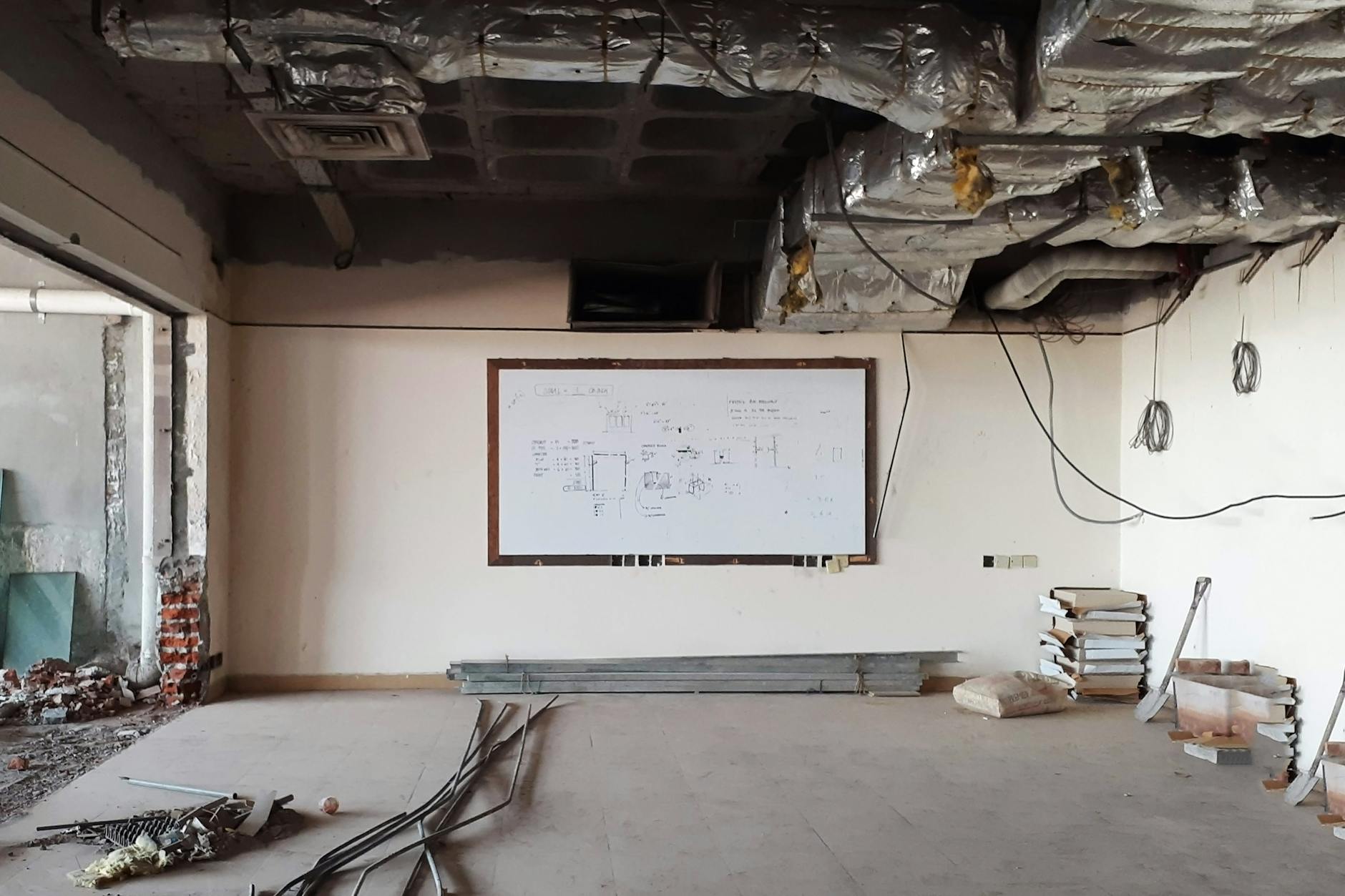
A contractor who substitutes specified materials without prior discussion or written agreement is violating both your trust and your contract. Every material choice in a renovation affects performance, longevity, and aesthetic outcome in ways that significantly impact your investment. Cheaper substitutions may look acceptable initially but fail far sooner than the materials you agreed to and paid for. If you notice materials on site that differ from your specifications, ask for documentation confirming their grade and origin. Never assume a substitution is equivalent without independent verification from a neutral source.
Poor Caulking

Caulking applied in uneven blobs, with gaps, or in the wrong product type for the surface is a telltale sign of inexperienced work. In wet areas like bathrooms and kitchens, improper caulking allows water to infiltrate behind tiles and fixtures, eventually causing mold, rot, and structural damage. A skilled tradesperson applies caulk in smooth, consistent lines that form a complete and watertight seal across every joint. When caulking looks messy or irregular, it usually means corners were cut to speed up the finishing stage. What appears to be a cosmetic flaw is frequently a gateway to much larger water damage problems.
No Written Contract

Beginning any project without a signed, detailed contract leaves you entirely vulnerable if disputes arise over scope, cost, or timeline. A professional contractor expects to work within a written agreement that protects both parties and outlines responsibilities clearly. Contractors who resist putting terms in writing often do so because vague arrangements make it easier to add charges or dispute what was originally promised. The contract should specify materials, milestones, payment schedules, and procedures for handling unexpected issues. Without it, you have no enforceable foundation to stand on if the relationship deteriorates.
Exposed Wiring
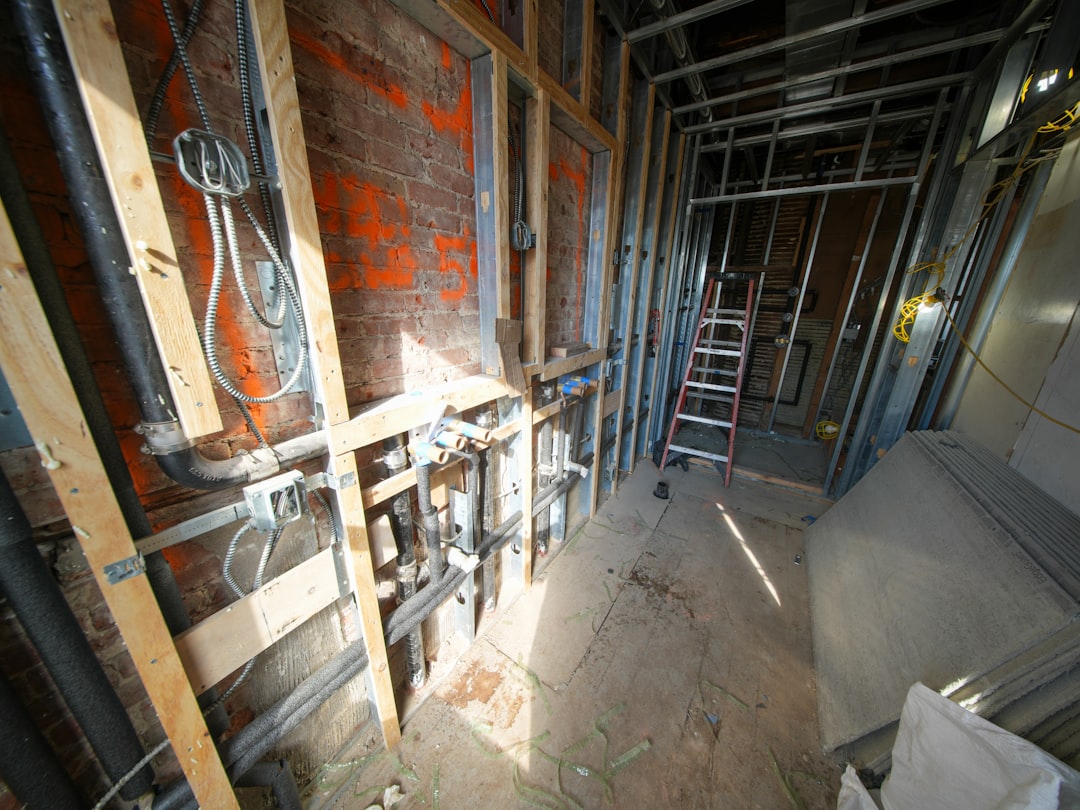
Any visible or loosely capped electrical wiring left unaddressed during or after a renovation is a serious safety hazard that should never be ignored. Electrical work requires precision, proper insulation, and code-compliant installation to prevent fire, shock, and long-term system failures. A contractor who leaves wiring in an unsafe state either lacks the expertise to handle it correctly or is rushing through the job without adequate oversight. Even if electrical work falls outside the contractor’s primary trade, they are responsible for coordinating safe conditions across the job site. Exposed wiring is never acceptable and always warrants an immediate and direct conversation.
Ignored Punch Lists

A punch list documents the remaining tasks and corrections that need to be completed before a project is considered finished and payment is finalized. When a contractor dismisses, ignores, or repeatedly delays working through that list, it reveals a lack of commitment to delivering a complete and quality result. Many homeowners make the mistake of releasing final payment before the punch list is fully resolved, which removes all remaining leverage. Every item on that list represents something that was promised and not yet delivered to the agreed standard. Insisting on completion before signing off is not difficult. It is simply necessary.
Sloppy Trim Work
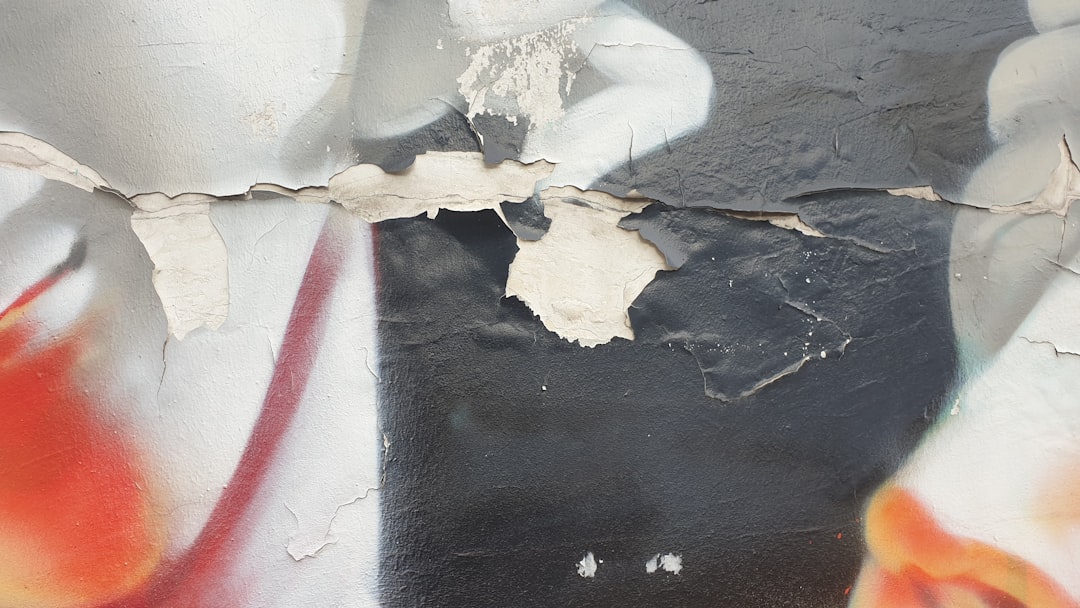
Trim and molding that doesn’t align at corners, leaves visible gaps, or sits unevenly against walls signals a lack of attention to the finishing details that define a polished renovation. Trim work is among the last things installed, and skilled contractors treat it as an opportunity to elevate the overall appearance of a space. Gaps are typically filled with caulk and painted over in an attempt to disguise misaligned cuts rather than correct them at the source. From a buyer’s perspective, poor trim work immediately communicates that craftsmanship throughout the rest of the home may be equally careless. The finishing touches are what separate a competent job from a truly professional one.
Unlicensed Subcontractors

A general contractor who brings in unlicensed or unverified subcontractors without your knowledge is taking a risk that falls entirely on you as the homeowner. Subcontractors working without credentials or insurance create liability exposure if someone is injured or if their work causes damage to your property. You have the right to ask for the license numbers and insurance certificates of every person working in your home. Professionals in the trade have no objection to this request and typically provide documentation without hesitation. If your contractor responds with irritation or avoidance, that reaction tells you everything you need to know.
Wet Lumber
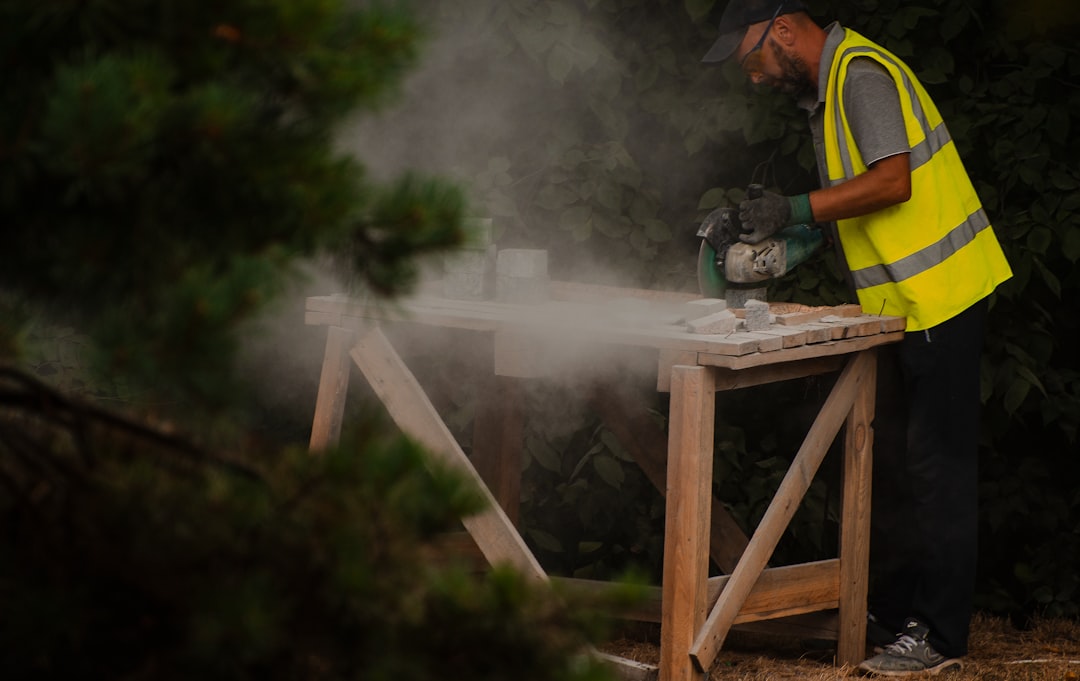
Lumber that is visibly warped, wet, or inadequately dried before installation will shrink, shift, and crack as it dries inside walls, floors, or frames. This movement leads to visible gaps, squeaking floors, uneven surfaces, and in some cases compromised structural integrity over time. Reputable contractors source properly dried materials and inspect them before use to prevent exactly this kind of long-term problem. If you notice lumber on site that appears damp, discolored, or warped, raise the concern before it is built into your home. Materials that go in wrong rarely come back out easily.
Disappearing Workers
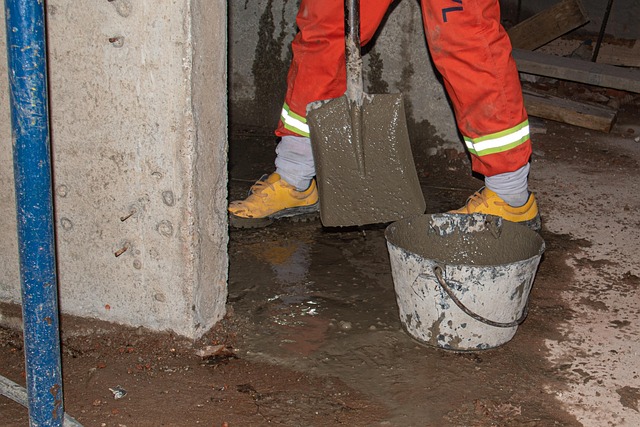
A job site that goes quiet for days at a time without explanation suggests that your contractor has taken on too many projects and is dividing attention in ways that damage your timeline. Active construction projects require consistent daily presence to maintain momentum, coordinate deliveries, and catch issues before they escalate. When workers vanish and calls go unanswered, the project stalls in ways that can trigger a cascade of scheduling and cost problems. A professional contractor keeps you informed of any necessary pauses and provides a revised timeline immediately. Silence is never a professional communication strategy.
Cracked Drywall
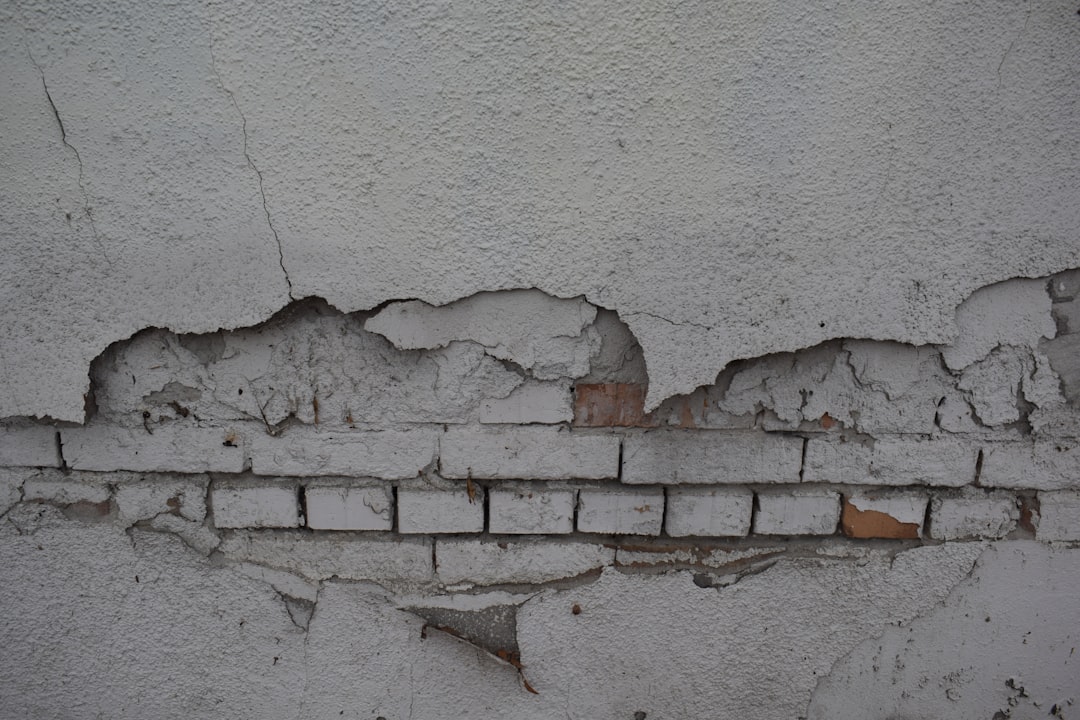
Small cracks that appear in newly installed or freshly painted drywall are frequently a sign of improper installation, insufficient fastening, or the use of materials with inconsistent moisture content. While hairline cracks at corners can sometimes result from natural settling, widespread or recurring cracking points to a workmanship problem that will only worsen over time. Drywall should be properly taped, mudded, and sanded before painting, with seams fully reinforced to prevent future movement. When cracks appear shortly after work is completed, the underlying installation process is almost certainly at fault. Addressing this early is significantly less expensive than waiting until the damage becomes structural.
Missing Cleanup

A job site that is consistently left with debris, dust, sharp materials, and waste scattered at the end of each workday signals a lack of basic professional standards. Beyond the obvious safety risks posed by nails, offcuts, and broken materials, chronic mess indicates a contractor who doesn’t take pride in their working environment. Cleanliness on a job site correlates strongly with organization, attention to detail, and the quality of the final product. A contractor who respects your home maintains it carefully throughout the project, not just at the final handover. Daily cleanup is not an extra service. It is a baseline expectation.
Ignored Water Damage

A contractor who discovers signs of water intrusion, rot, or moisture damage and continues working without flagging the issue is either unqualified or deliberately avoiding responsibility. Existing water damage must be fully remediated before new materials are installed on top of it, or the problem will continue to grow beneath the surface. Covering damaged substrate with fresh tile, drywall, or flooring traps moisture and accelerates deterioration in ways that are vastly more expensive to repair later. You should expect your contractor to stop work and clearly communicate any hidden damage they uncover during demolition or construction. A professional treats discovery as part of the job, not as an inconvenience.
Rushed Inspections
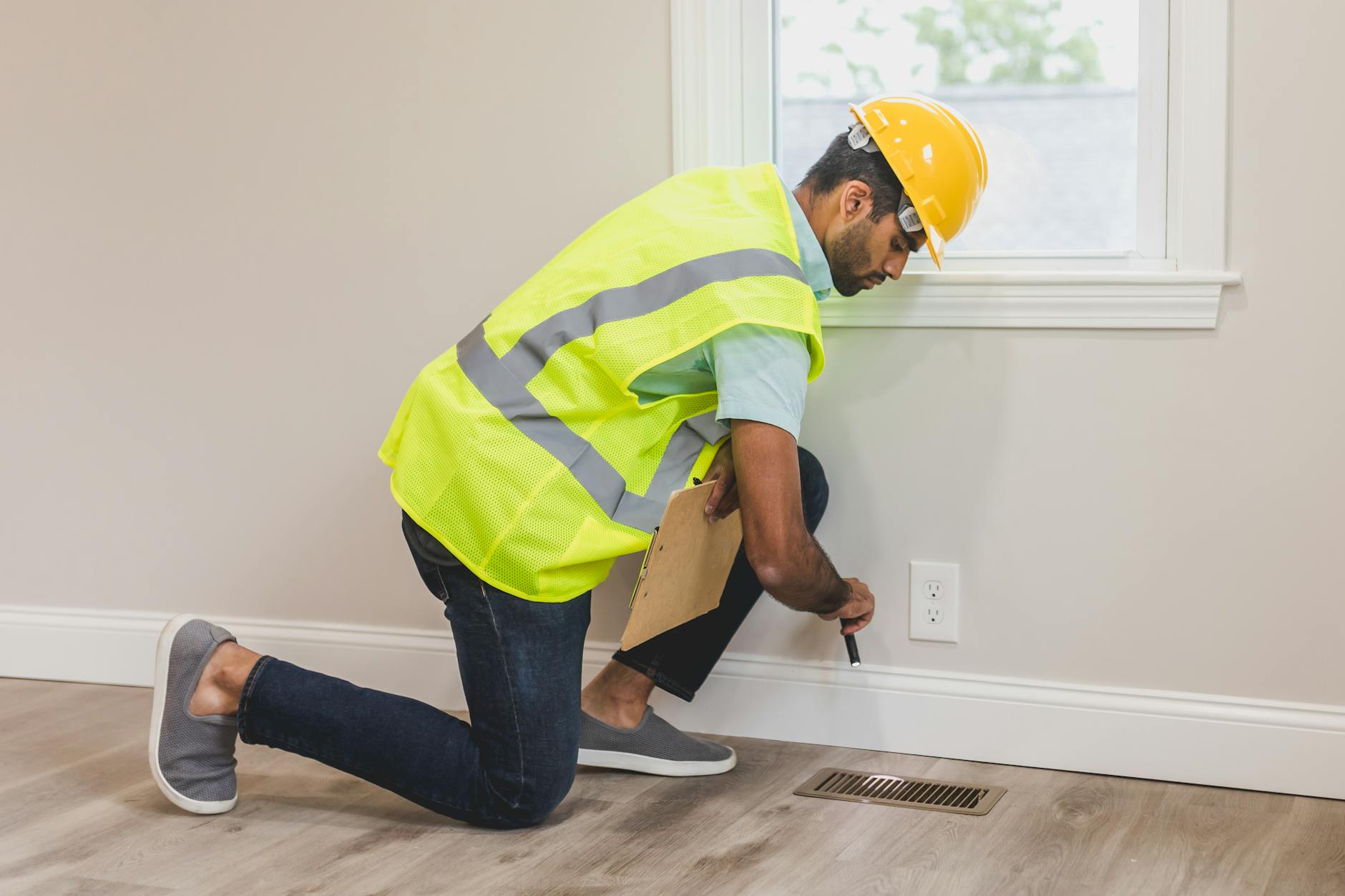
A contractor who rushes you to sign off on completed stages before you’ve had adequate time to review the work is prioritizing their payment schedule over your right to a careful inspection. Each milestone in a project should be examined thoroughly before you authorize the next phase or release the associated payment. Feeling pressured to approve quickly is a deliberate tactic that removes your ability to identify and document problems while the contractor still has accountability. Take the time you need, ask questions, and if necessary bring in an independent inspector before signing anything. No legitimate professional will object to a reasonable and thorough review process.
Unlevel Floors
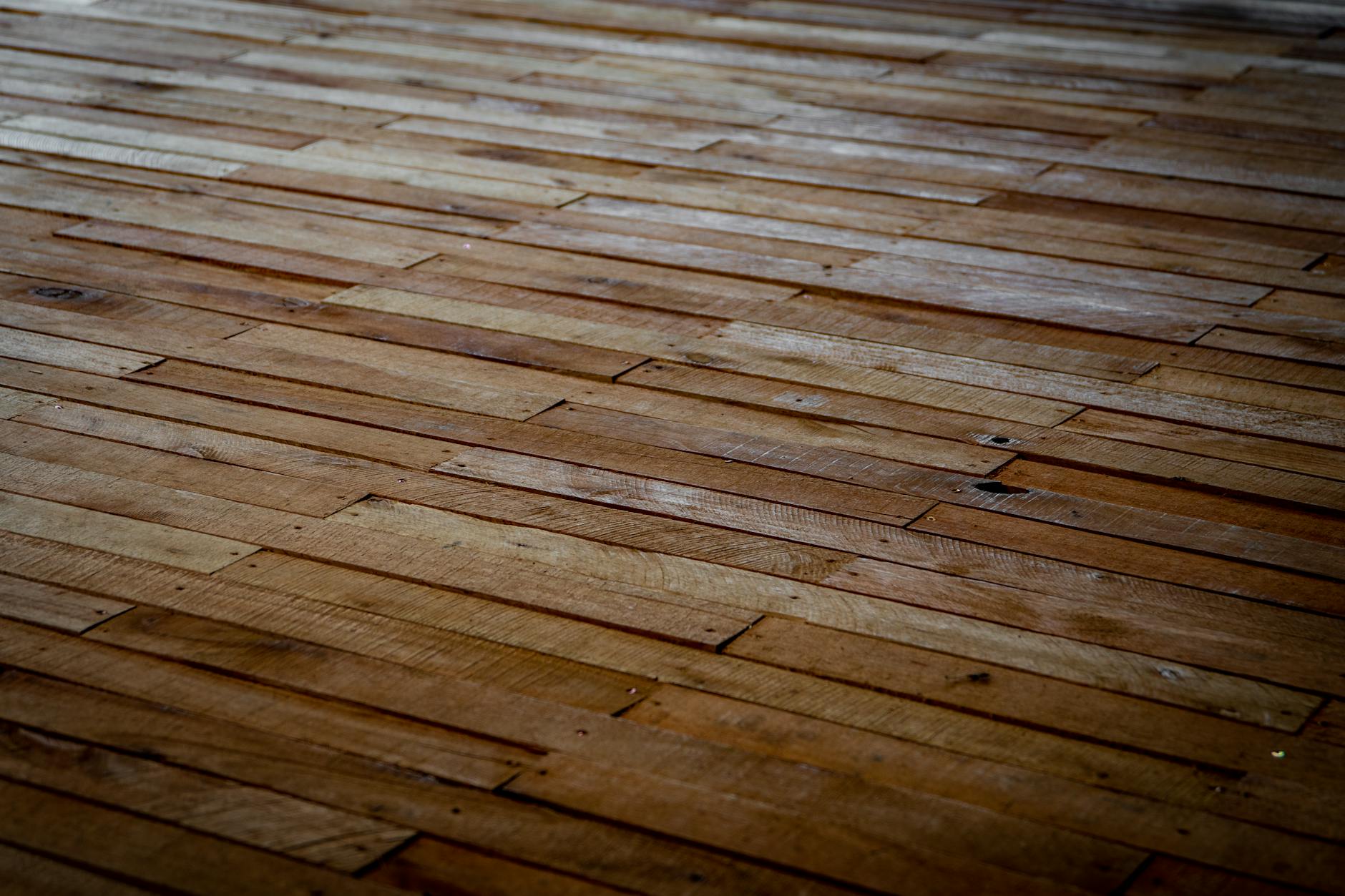
Floors that are visibly uneven, springy underfoot, or produce a hollow sound when walked upon suggest that subfloor preparation was inadequate or that structural issues were ignored before the surface material was installed. Leveling compound, shimming, or subfloor replacement is often necessary before laying tile, hardwood, or luxury vinyl, and skipping these steps results in premature cracking and shifting. An experienced contractor assesses the subfloor condition as part of the initial project planning and factors remediation into the timeline and budget. When this step is skipped in the interest of speed, the surface finish suffers visibly within a short period of use. A truly level floor is one of the most fundamental signs of quality construction.
If you’ve spotted any of these warning signs in your own renovation, share your experience in the comments.