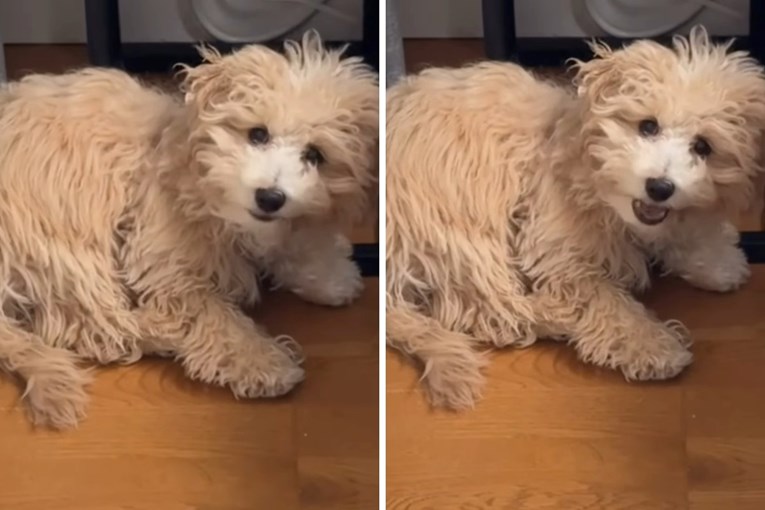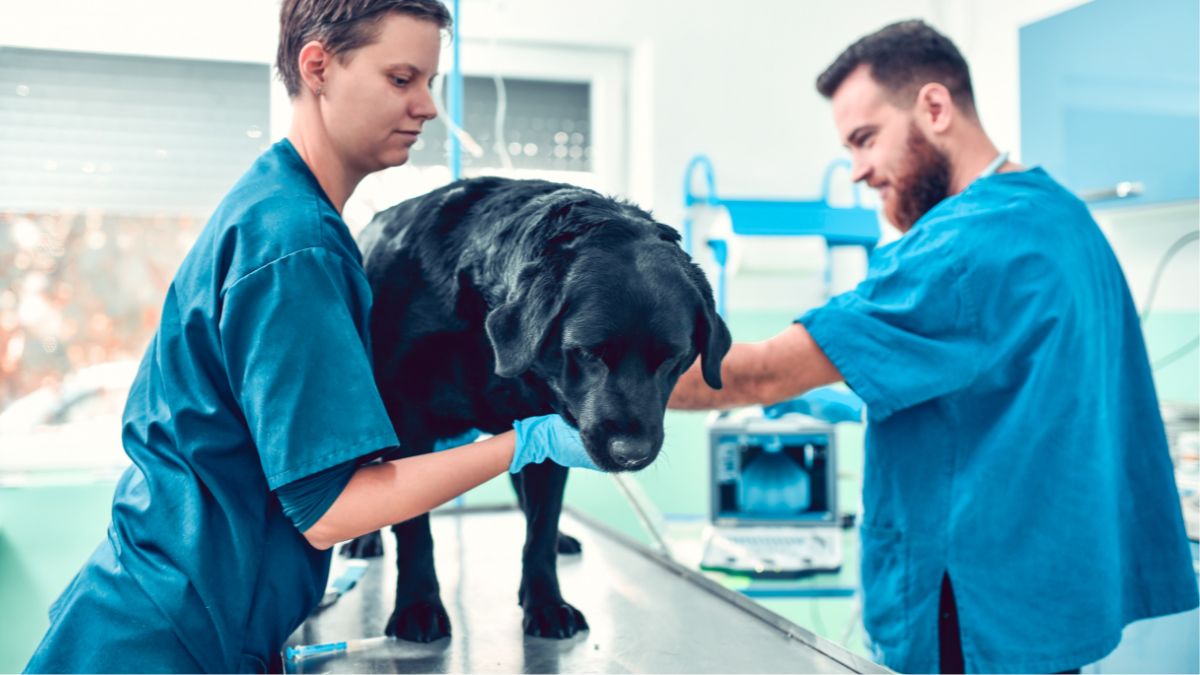
Dogs are instinctively wired to conceal discomfort, a survival trait inherited from their wild ancestors that makes pain difficult to detect even in the most attentive owners. Many of the signs that something is wrong are quiet and easy to dismiss as tiredness, aging, or a change in mood. Recognizing these subtle cues early can make a meaningful difference in a dog’s quality of life and long-term health. The following signs are worth paying close attention to, especially when they appear consistently or in combination.
Appetite Changes
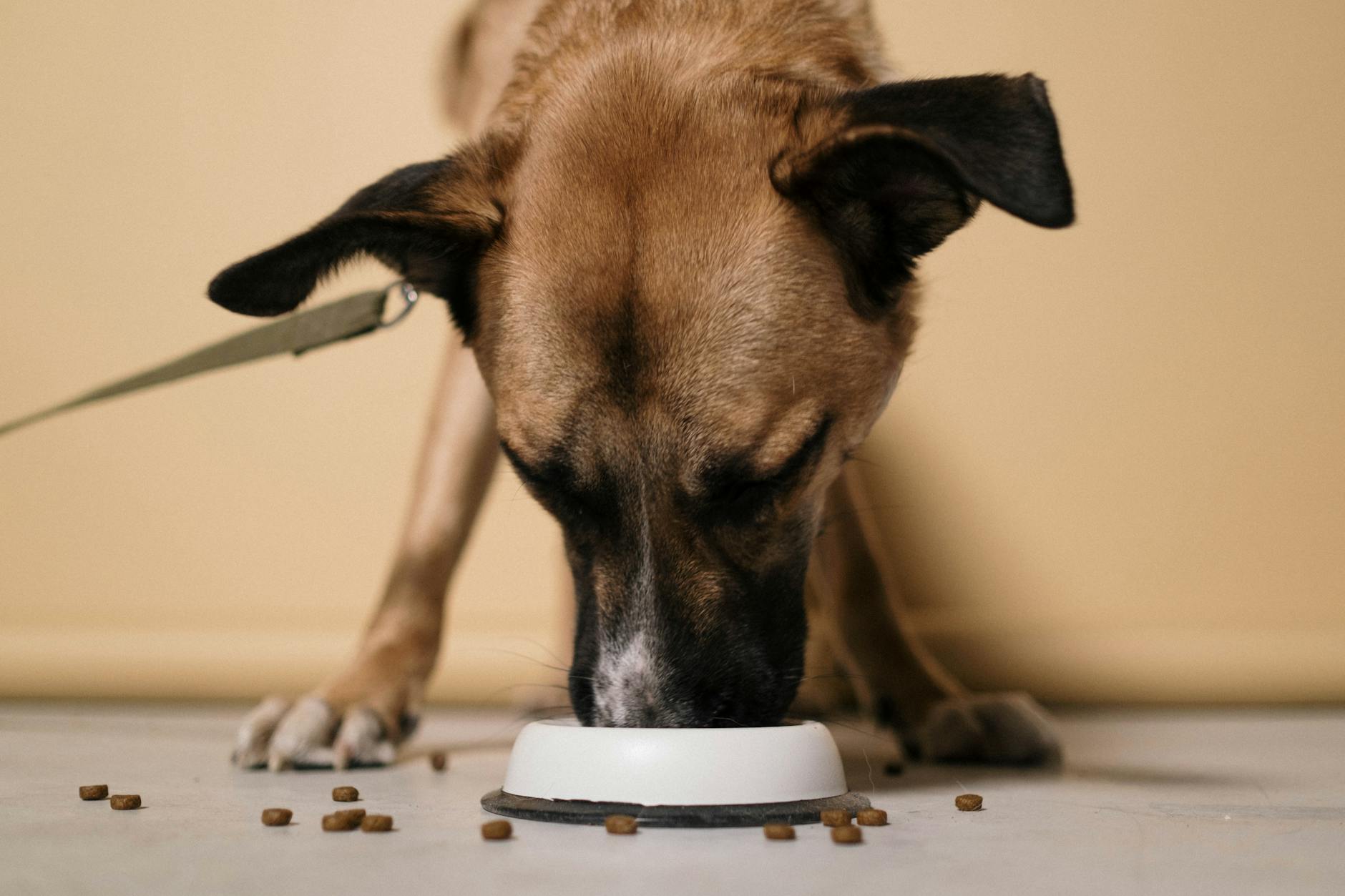
A dog that suddenly loses interest in food or begins eating far less than usual may be experiencing underlying discomfort rather than simple pickiness. Pain in the mouth, throat, stomach, or joints can make eating feel difficult or unpleasant. Some dogs in pain will approach their bowl with apparent interest but then walk away without eating, a behavior often mistaken for stubbornness. Monitoring eating patterns over several days is one of the most reliable early indicators that something may be wrong. Any significant or prolonged change in appetite warrants a veterinary evaluation.
Excessive Licking
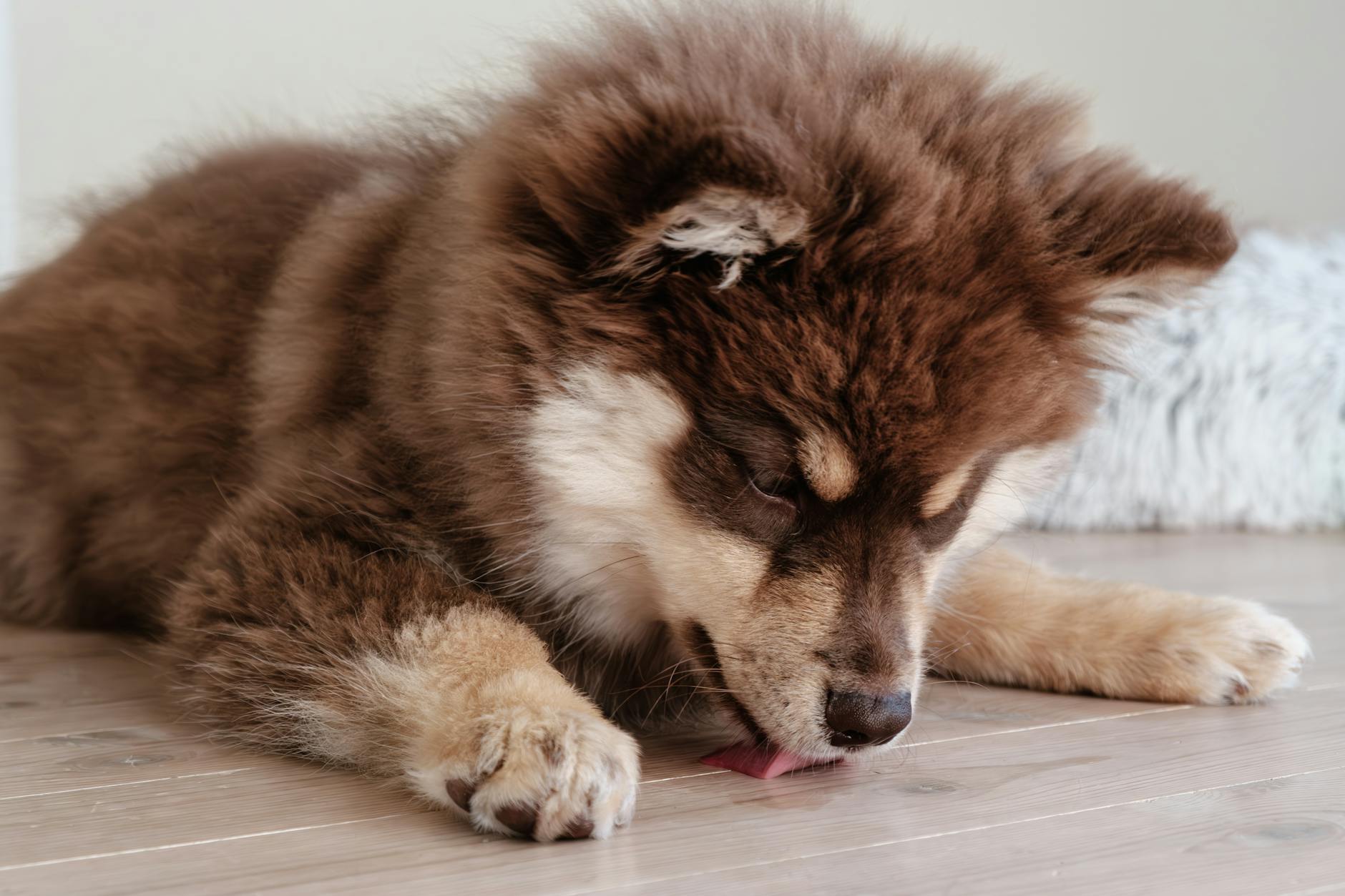
When a dog repeatedly licks a specific area of their body, they are often trying to soothe a source of pain or irritation beneath the surface. This behavior is particularly telling when it targets a joint, limb, or the abdomen rather than a visible wound. The licking can cause secondary skin issues such as redness or hair loss, which may distract owners from the original cause. Dogs may also lick their paws excessively when experiencing generalized pain or stress related to internal discomfort. It is worth investigating any compulsive or localized licking that persists beyond a day or two.
Altered Posture
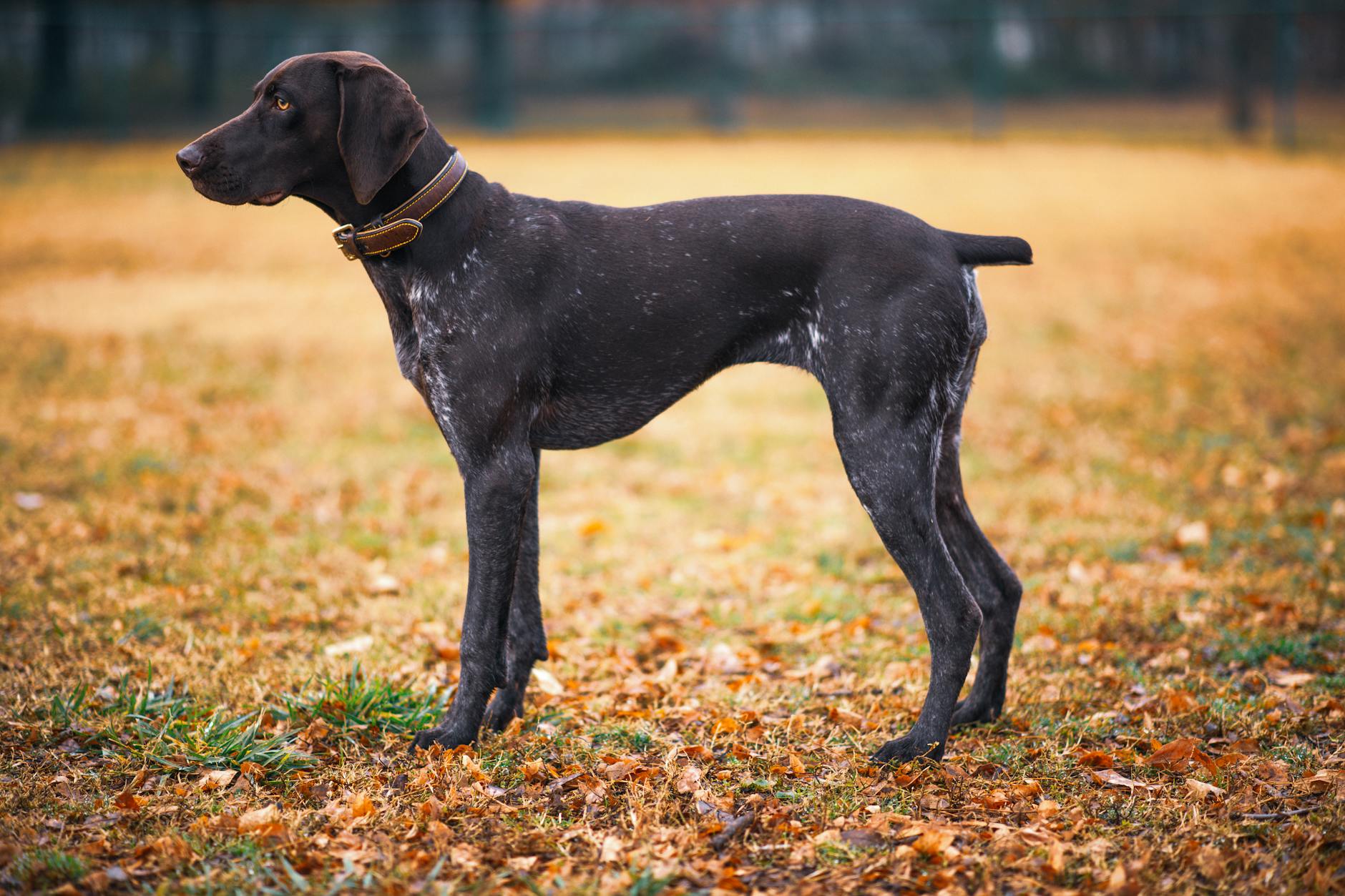
A dog carrying pain will often shift the way they hold their body in subtle but telling ways. They may stand with their back arched, carry their head lower than usual, or lean their weight away from an affected limb. Some dogs will tuck their abdomen upward when experiencing abdominal discomfort, a posture sometimes described as a prayer position. These postural changes can be easy to overlook, particularly in dogs with thick coats that conceal body shape. Comparing how a dog stands and moves today versus a few weeks ago can help identify gradual changes.
Sleep Pattern Shifts
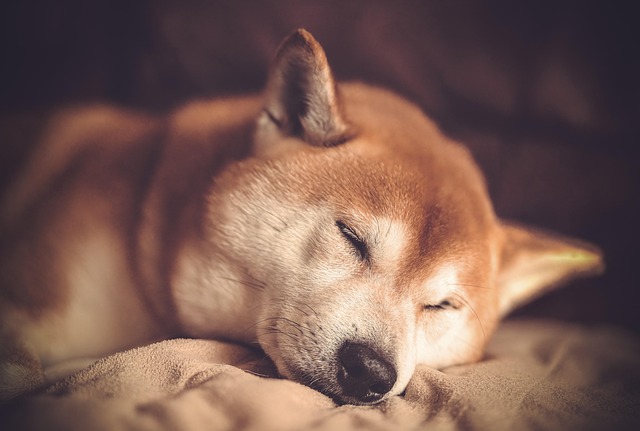
Dogs in pain often experience disrupted sleep, waking more frequently during the night or struggling to find a comfortable resting position. A dog that repeatedly circles, adjusts, and repositions before lying down may be working around joint or muscle pain. Conversely, some dogs in pain sleep far more than usual as the body responds to the effort of managing discomfort. Changes in where a dog chooses to sleep can also be significant, such as avoiding stairs to reach a usual sleeping spot or seeking softer surfaces. Any marked shift in sleep quality or duration should prompt closer observation.
Facial Tension
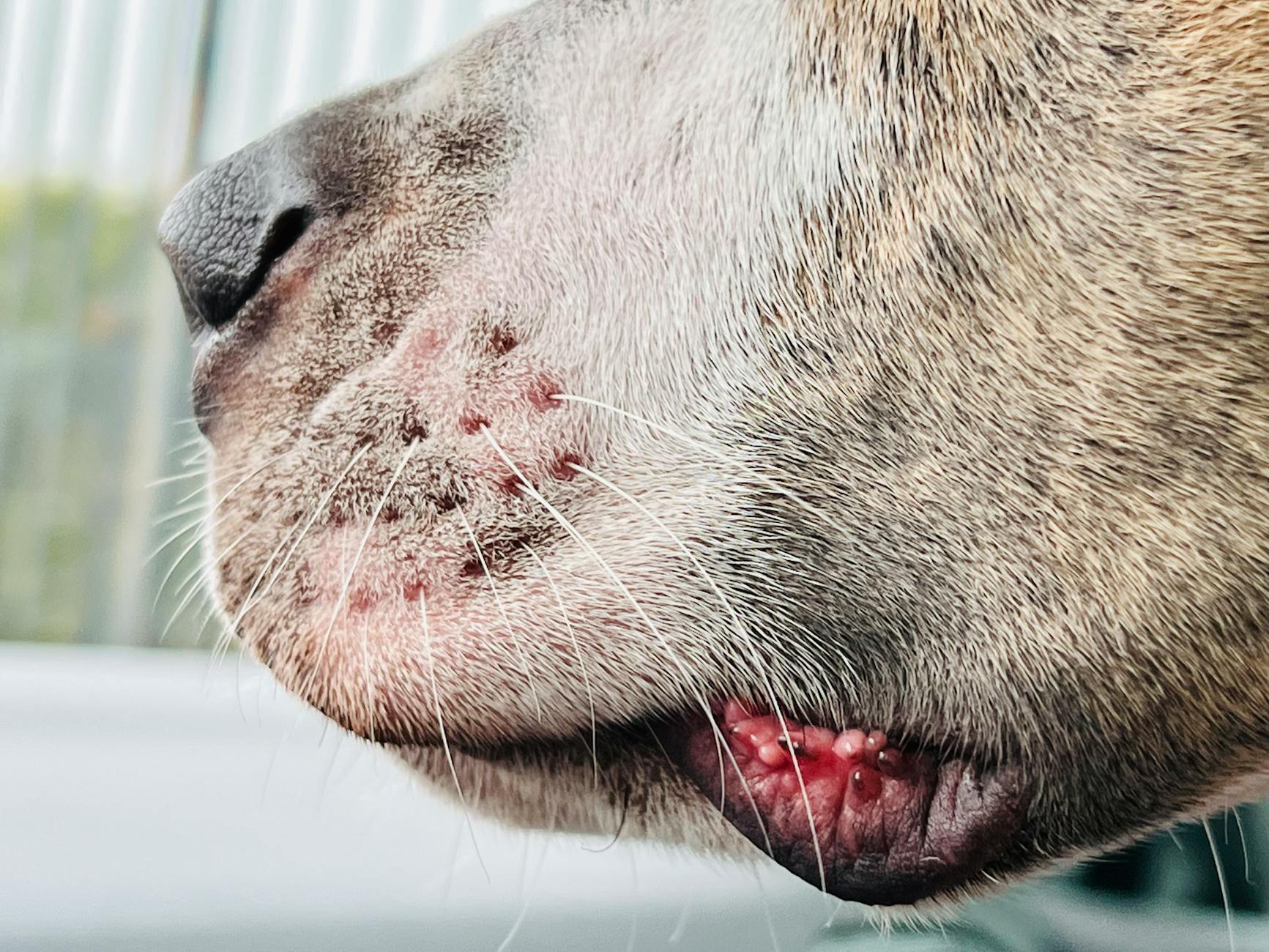
The face offers some of the most telling early signals of pain in dogs, though they are among the most frequently missed. A dog in discomfort may hold their eyes partially closed, squint more than usual, or have a glazed and unfocused gaze. The muscles around the muzzle and forehead may appear tighter, giving the face a strained or drawn expression. Ears may be held flatter or further back than usual even in the absence of fear or anxiety. Researchers studying canine pain have developed facial coding systems that confirm these expressions as reliable pain indicators.
Withdrawal Behavior
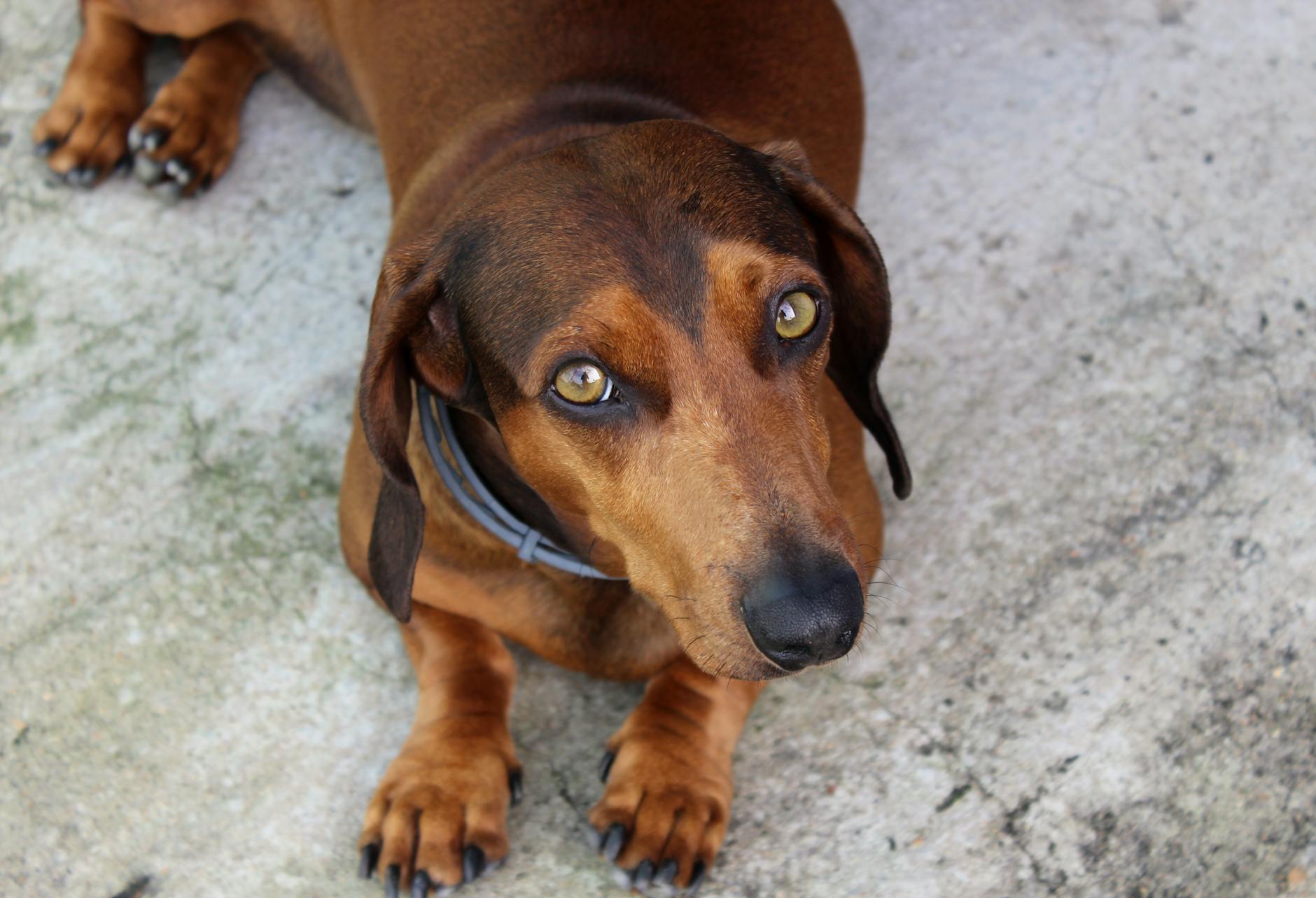
A normally sociable dog that begins avoiding family members, retreating to isolated spots, or no longer seeking affection may be experiencing pain rather than a shift in personality. Social withdrawal is a protective instinct, as dogs in discomfort often avoid contact to prevent being touched in a sensitive area. This change can develop gradually enough that owners attribute it to the dog simply becoming more independent with age. Reluctance to be petted in certain areas, flinching when touched, or moving away during grooming are all worth noting. Behavioral withdrawal that does not resolve within a couple of days should be assessed by a veterinarian.
Restlessness
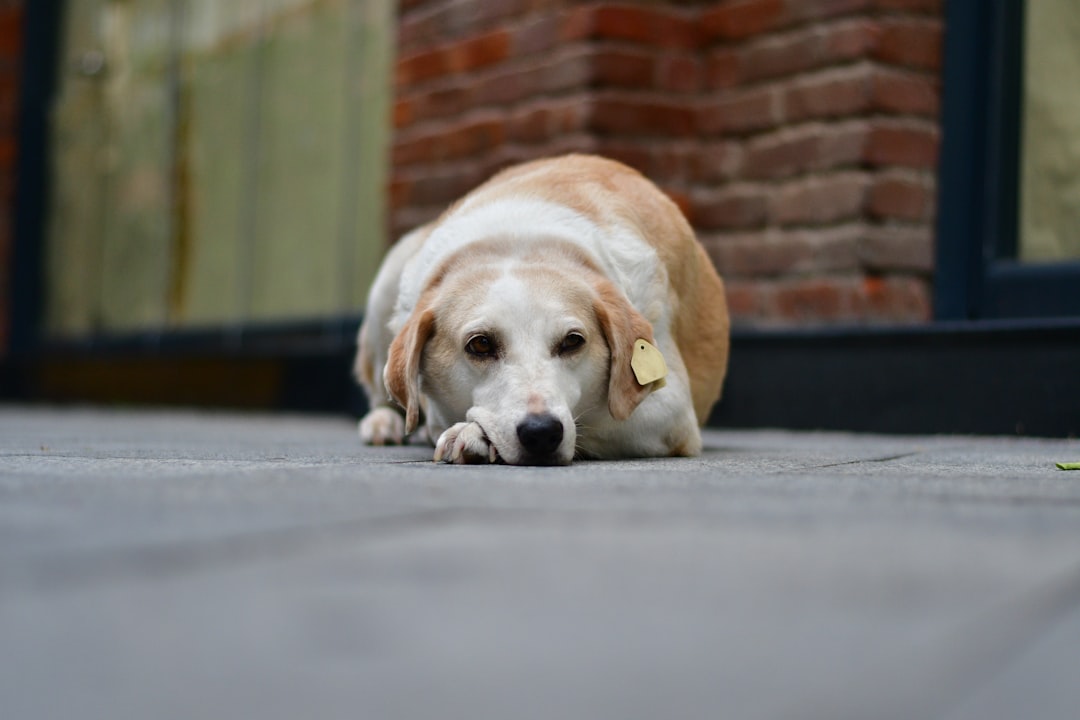
A dog that seems unable to settle, paces around the home, or repeatedly gets up and lies back down may be struggling with internal discomfort. Restlessness caused by pain differs from excitement or anxiety in that it tends to persist regardless of environmental changes and lacks an obvious trigger. Some dogs become clingy and shadow their owners when in pain, seeking proximity as a form of comfort rather than displaying their usual independence. This behavior is particularly common with conditions such as bloat, orthopedic pain, or early neurological issues. When restlessness appears alongside other signs such as panting or loss of appetite, it becomes a more urgent signal.
Breathing Changes
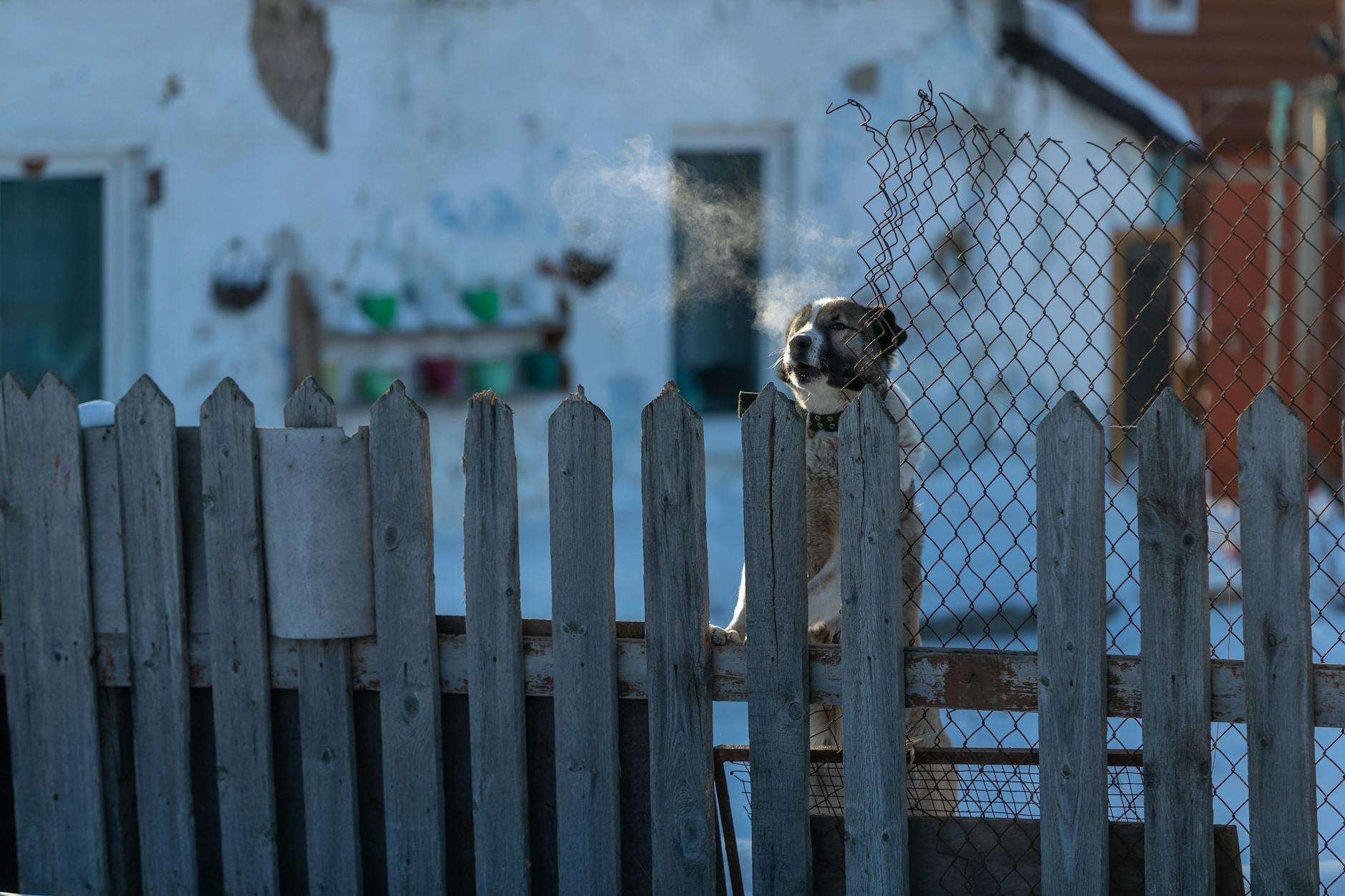
Subtle shifts in breathing rate or pattern can indicate that a dog is experiencing pain, even when no other obvious symptoms are present. A dog resting quietly but breathing faster than normal or taking noticeably shallower breaths may be managing discomfort in the chest, abdomen, or musculoskeletal system. Panting without an obvious cause such as heat or exercise is one of the more recognized signs of pain in dogs and is frequently underestimated by owners. Some dogs will also sigh heavily and repeatedly, which can reflect both physical discomfort and the stress that accompanies it. Any unexplained change in breathing pattern during rest is worth bringing to a vet’s attention.
Reduced Grooming
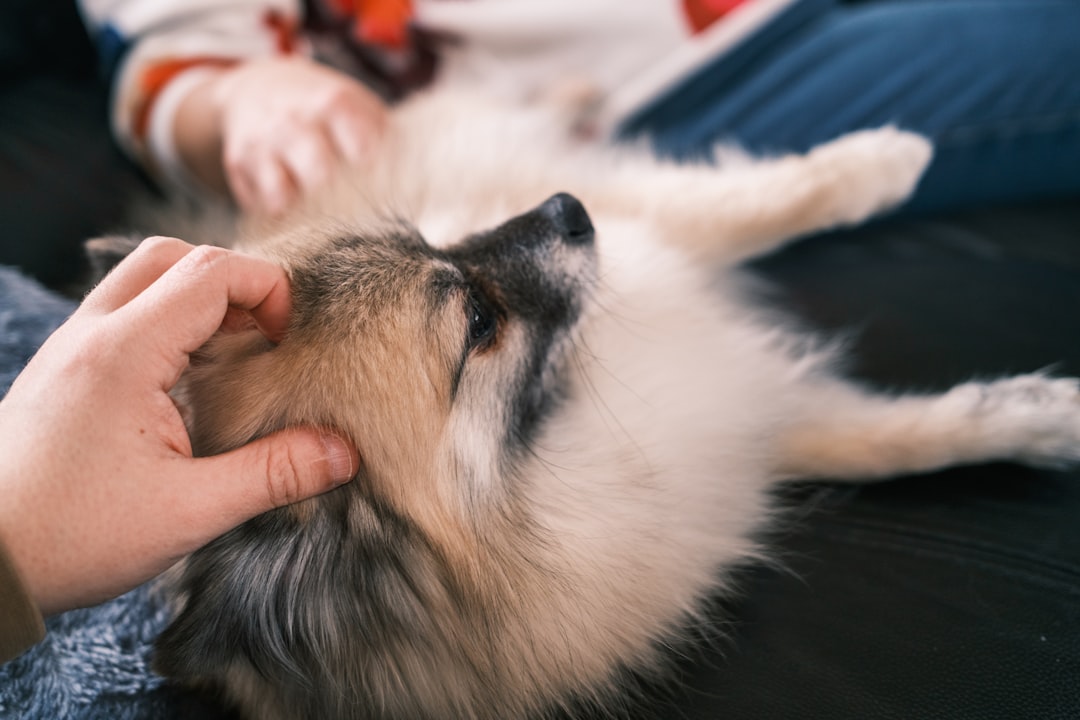
A dog that has stopped grooming itself at its usual level may be in too much discomfort to perform the physical movements that self-care requires. Joint pain, abdominal tenderness, or muscle soreness can all make reaching certain areas of the body feel difficult or painful. The result is often a coat that appears duller, more matted, or unkempt in areas that were previously well-maintained. Conversely, some dogs over-groom a painful area as a coping response, creating patchy or irritated patches of skin. Either extreme in grooming behavior is worth monitoring when it represents a change from a dog’s normal routine.
Eye Changes
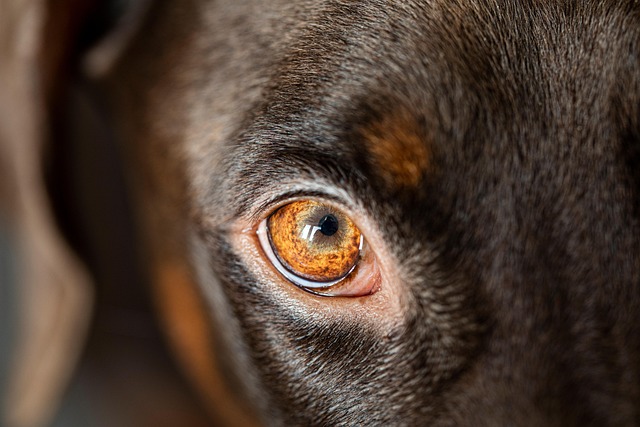
The eyes can reflect pain even when the rest of the body appears relatively normal and the dog is not vocalizing discomfort. Redness, cloudiness, or a change in pupil size can all accompany various forms of pain, particularly headaches, eye conditions, or neurological discomfort. Some dogs in pain will keep one or both eyes partially closed even in comfortable lighting conditions. A glassy or dull appearance in the eyes, when combined with low energy and reduced engagement, is a meaningful signal to watch for. Regular eye checks as part of a routine observation habit can help owners catch changes before they become more serious.
If you noticed any of these signs in your dog, share your experience in the comments.