High-end makeup is a serious investment, and knowing when it has turned is just as important as knowing how to apply it. Luxury formulas often contain active ingredients, preservatives, and delicate pigments that degrade over time in ways that are not always obvious at first glance. A product can look perfectly fine in its packaging while quietly harboring bacteria, broken-down actives, or unstable compounds that can irritate the skin or deliver disappointing results. Learning to recognize the subtler warning signs of spoiled makeup helps protect both the skin and the money spent on these premium products.
Foundation Shade Shift
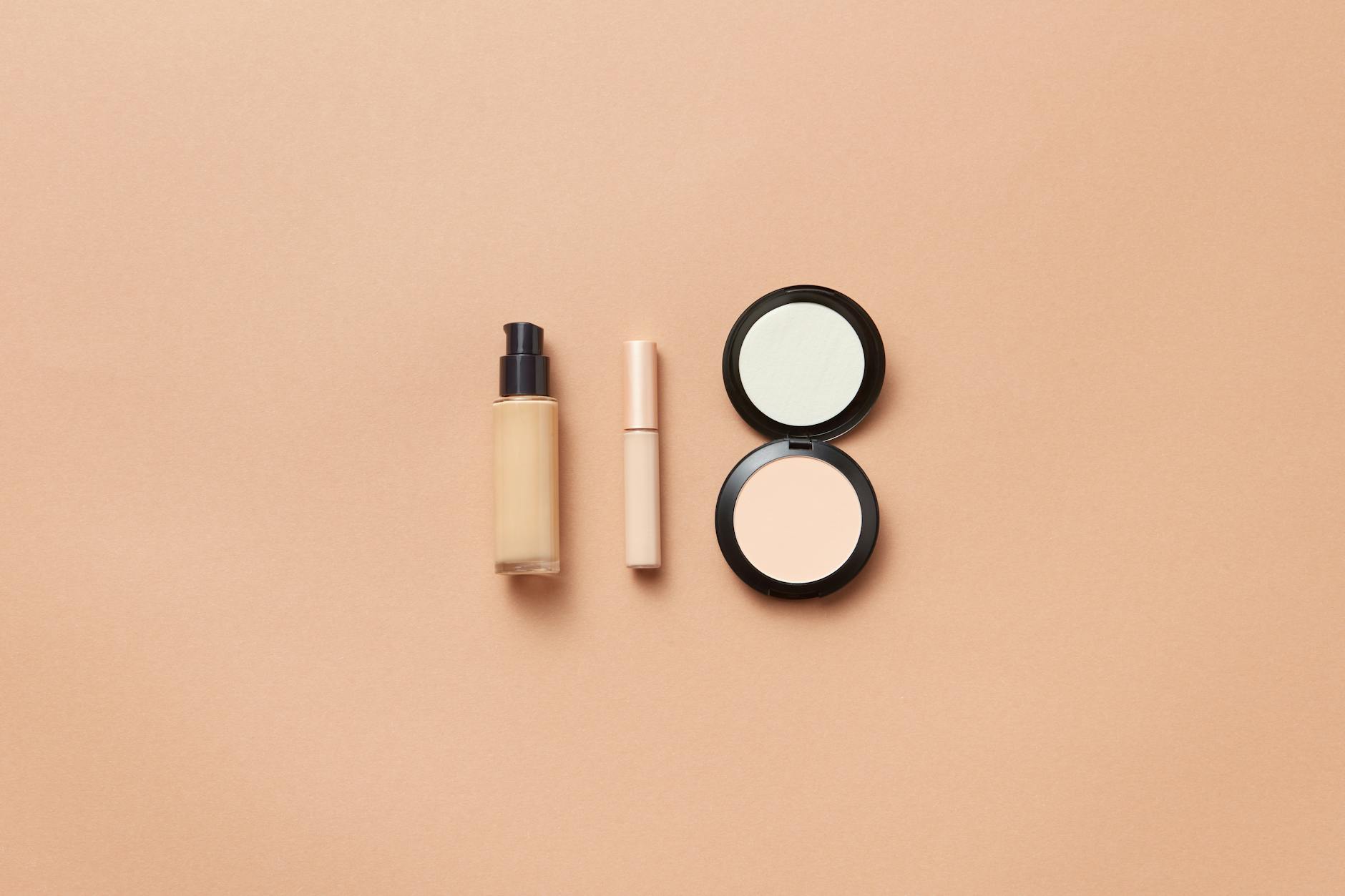
A luxury foundation that once matched the skin perfectly may begin to oxidize and shift toward an orange or yellow tone long before the expiration date printed on the packaging. This color change is caused by the breakdown of pigments and oils within the formula reacting to air exposure over time. The shift is often gradual, making it easy to dismiss at first as a lighting issue or seasonal skin tone change. Applying an off-color foundation can leave a visible mismatch at the jawline that no amount of blending will fully correct. Holding the product up against a white surface in natural light is one of the clearest ways to detect this pigment change early.
Mascara Clumping
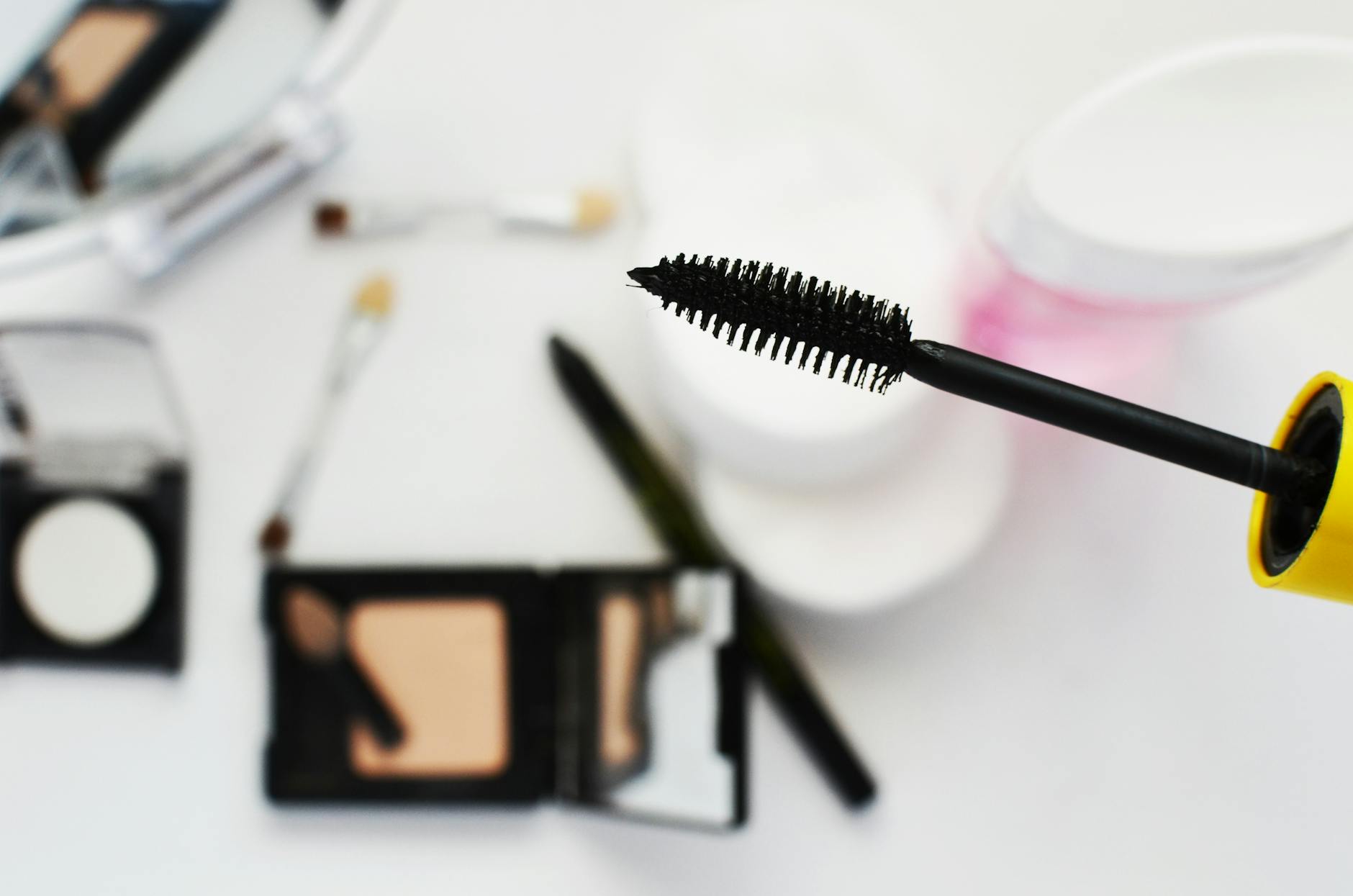
A mascara that once delivered smooth, separated lashes but now applies in thick, uneven clumps is a strong indicator that the formula has begun to dry out and degrade. Air enters the tube every time the wand is removed, progressively breaking down the formula and encouraging bacterial growth inside the dark, moist environment. High-end mascaras rely on carefully balanced polymers and conditioning agents that lose their integrity faster than many consumers expect. An unusual rubbery or stringy texture on the wand is a reliable sign that the product is past its prime. Mascara has one of the shortest shelf lives of any makeup product and should generally be replaced every three months regardless of how much remains.
Lipstick Texture Change
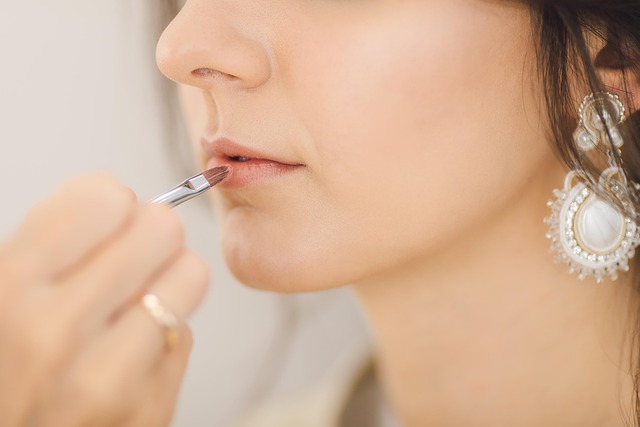
A luxury lipstick that was once smooth and creamy but now feels grainy, waxy, or unusually hard against the lips is signaling that its emollient base has broken down. The oils and butters in premium lipstick formulas are prone to separation and rancidity, particularly when stored in warm environments like a bathroom or a car. A thin layer of moisture forming on the surface of the bullet is another classic sign of oil separation within the product. The color payoff will also begin to suffer, with patchy or streaky application replacing the rich, even deposit the product once delivered. Any sour or crayon-like smell accompanying these texture changes confirms that the formula has gone rancid.
Eyeshadow Fallout
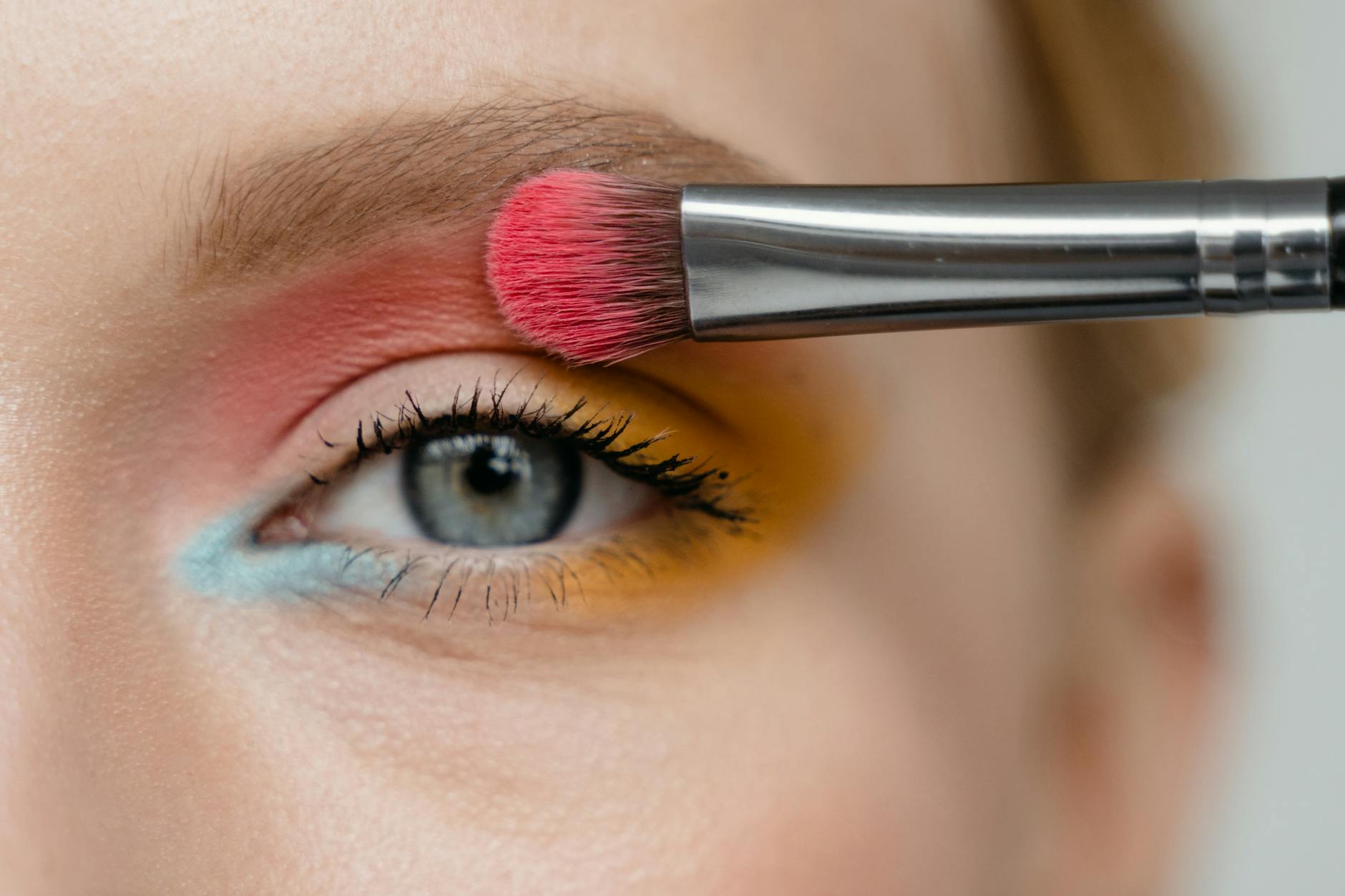
An eyeshadow palette that was once smooth and highly pigmented but now crumbles excessively and kicks up a cloud of fallout with every brush stroke has likely passed its peak. The binders that hold pressed powder formulas together degrade over time, especially when exposed to humidity or oils from the fingers. High-end eyeshadows are formulated with finely milled particles that can separate and settle unevenly within the pan as the formula ages. The color intensity will often appear washed out compared to the vibrant payoff the palette delivered when new. Visible cracks radiating across the surface of the pan are one of the most obvious physical signs that the product is no longer in good condition.
Concealer Separation
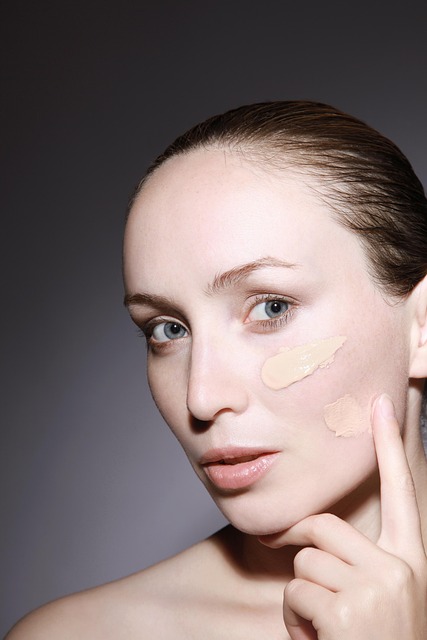
A high-end concealer that has begun to separate into a thin liquid layer sitting on top of a thick, dense base is no longer performing as formulated. Shaking or stirring the product back together may temporarily restore its appearance but does not reverse the underlying formula breakdown. Separated concealer applies unevenly, often settling into fine lines and texture rather than smoothing over them as intended. The coverage will be inconsistent, with some areas appearing overly thick while others look sheer and patchy. This separation happens more quickly in liquid and cream formulas that contain high proportions of water alongside oils and pigments.
Blush Color Change
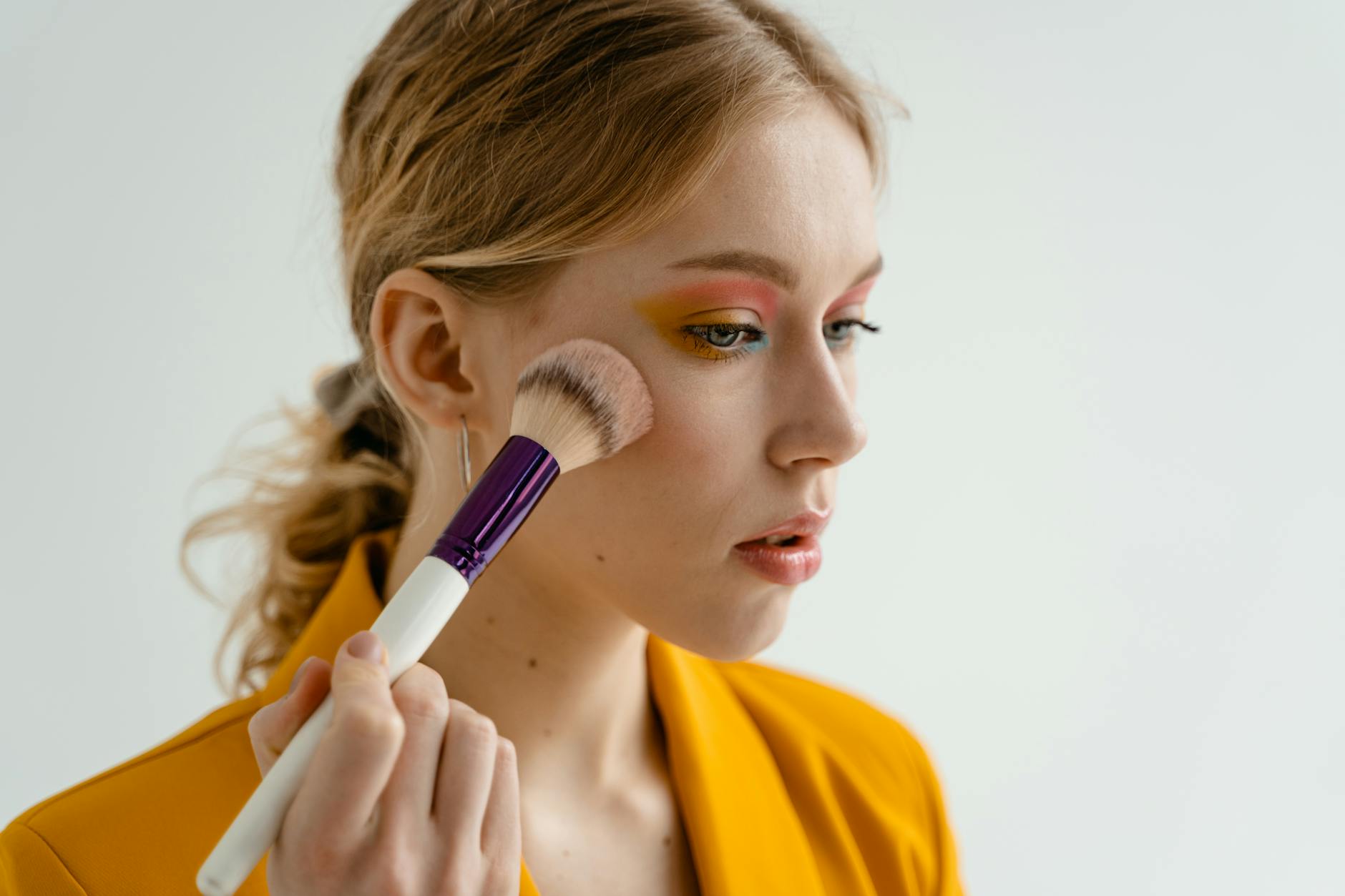
A powder or cream blush that has shifted noticeably in tone since it was first purchased is a sign that its dye molecules have begun to destabilize and fade. Premium blush formulas often contain light-reactive pigments that are particularly vulnerable to prolonged exposure to sunlight and air. A coral blush that has faded toward a dull peach or a berry shade that has shifted muddy and flat is no longer delivering the effect it was designed to produce. The texture of a degraded blush will also feel different on the brush, often picking up less product or transferring inconsistently onto the skin. Storing blush in a cool, dark drawer rather than on an open vanity significantly slows down this type of pigment degradation.
Highlighter Oxidation
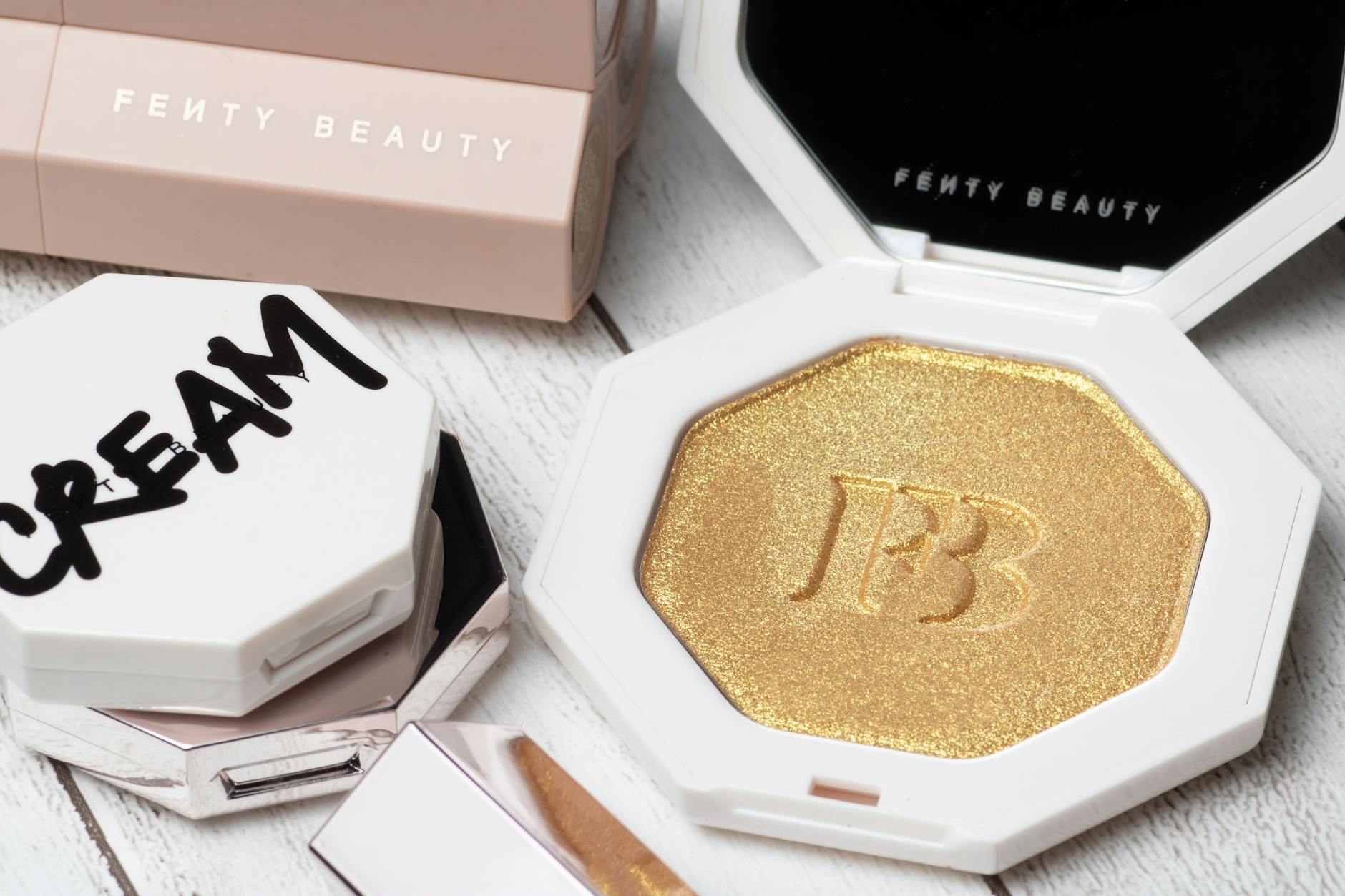
A powder highlighter that once produced a bright, multidimensional glow but now looks flat, chalky, or off-color on the skin has likely experienced oxidation of its metallic pigments. The light-reflecting particles in luxury highlighting formulas are particularly sensitive to moisture and air exposure, causing them to lose their reflective quality over time. A greasy or tacky film forming on the surface of the pan is a strong indicator that the binding agents in the formula have broken down. The pressed powder may also become harder and more difficult to pick up with a brush, requiring more pressure that can damage the bristles. Any change in the way the product photographs compared to when it was new is a useful point of comparison for detecting this type of degradation.
Setting Spray

A setting spray that has developed visible particles floating in the liquid, a change in scent, or an unusual cloudiness in what was once a clear formula has almost certainly passed its usable life. These products contain preservatives that keep bacteria and mold from growing within the water-based formula, and those preservatives break down over time. An expired setting spray not only fails to set makeup effectively but also risks introducing harmful microorganisms directly onto the face in a fine mist. The pump mechanism may also begin to clog or sputter inconsistently as the formula thickens and the internal components degrade. Most setting sprays carry a shelf life of around twelve months once opened, after which even a pleasant-smelling product should be retired.
Lip Gloss Stickiness
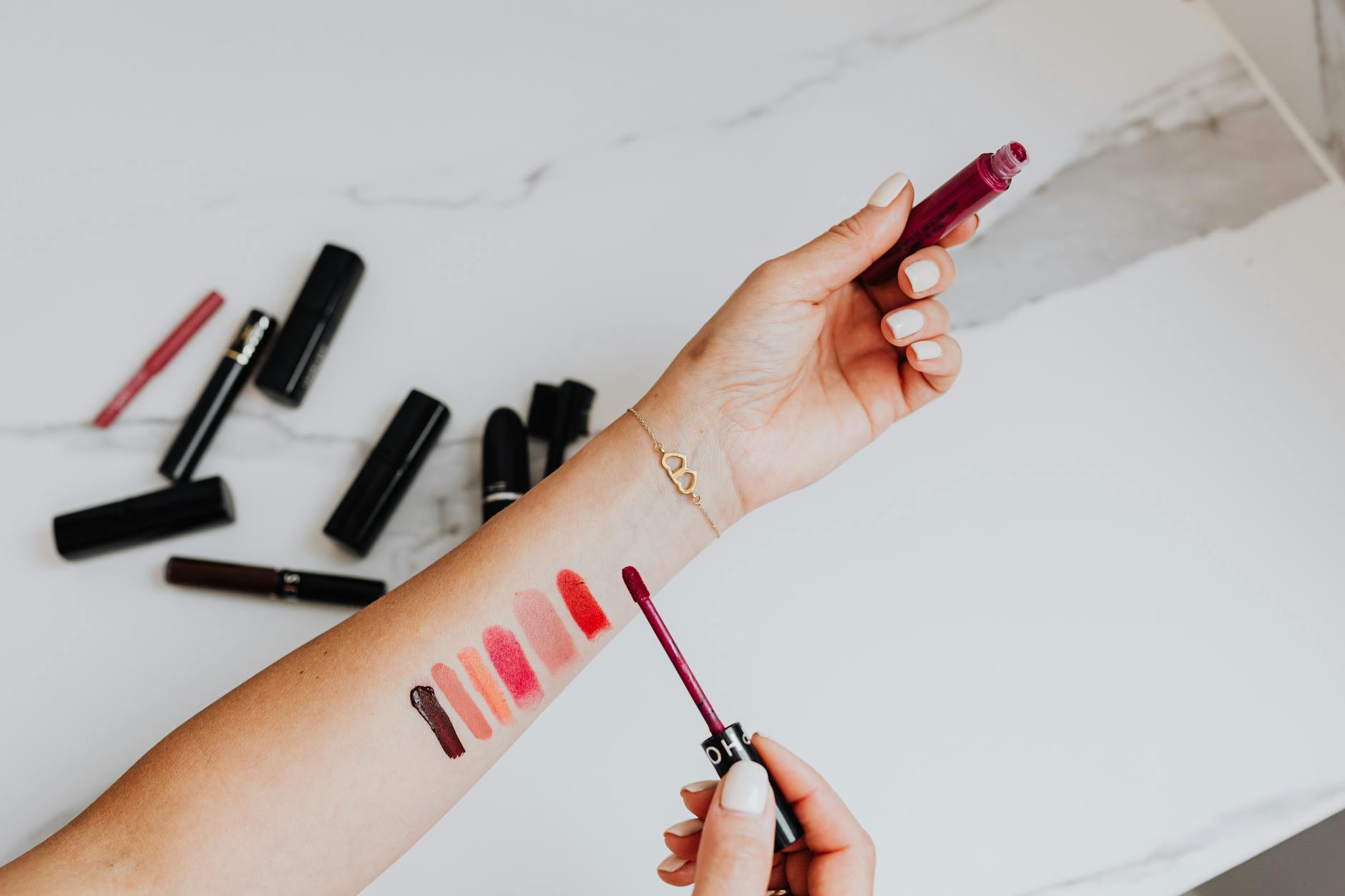
A lip gloss that has become unusually thick, stringy, or uncomfortably sticky compared to its original texture is showing signs that its formula has begun to break down. The polymers and oils responsible for the smooth, glossy finish in premium formulas thicken and polymerize further over time, changing the application feel entirely. A gloss that was once comfortable to wear but now feels heavy and difficult to distribute evenly across the lips should be examined more closely. An off smell, particularly anything reminiscent of paint or chemicals, is a definitive sign that the formula has degraded beyond safe use. The color in tinted glosses will also often shift or become patchy as the pigments separate from the thickening base.
Powder Foundation Cracking
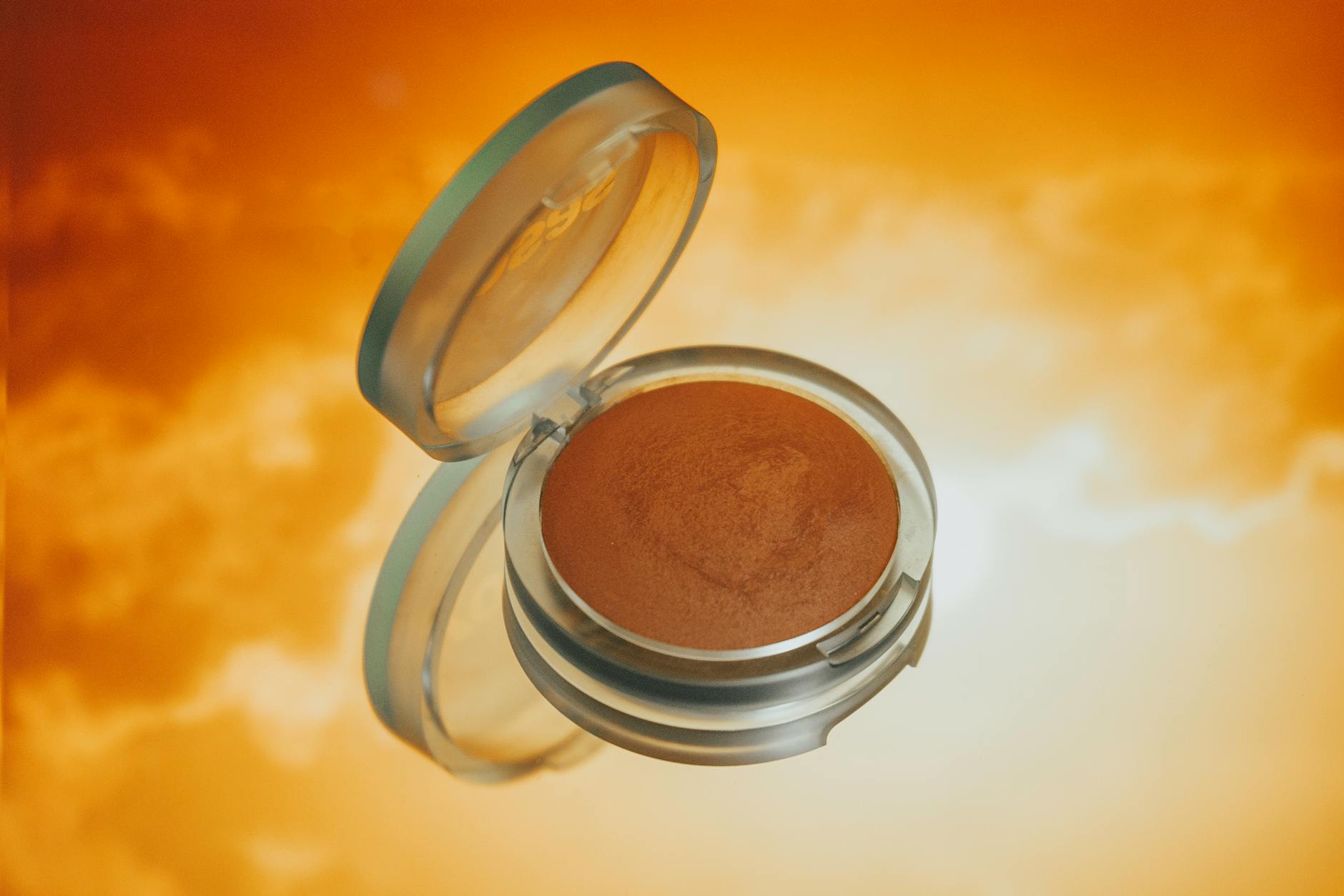
A powder foundation that has developed deep cracks or a hard, glazed surface is no longer holding its formula together as intended. The binders in pressed powder foundations weaken with repeated use, exposure to humidity, and the introduction of oils and bacteria from brushes and sponges. A glazed surface in particular indicates that the formula has been repeatedly exposed to oils that have saturated and hardened within the pressed product. This altered texture causes the powder to apply unevenly, with some areas picking up too much product and others barely transferring any color at all. Even a premium powder foundation in this condition will provide uneven coverage and may cause pilling or flaking throughout the day.
Liquid Eyeliner Drying
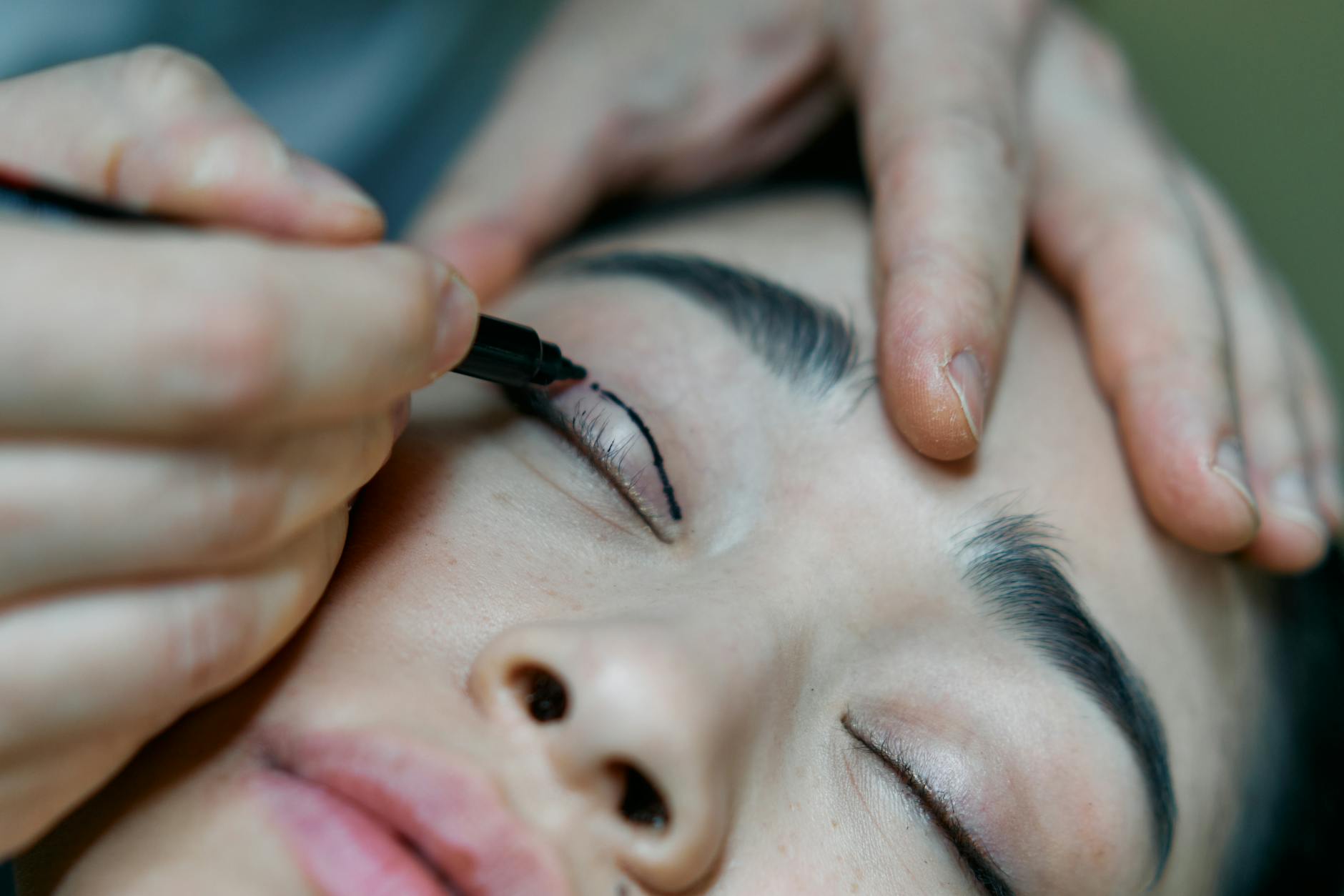
A liquid eyeliner pen or pot that has become difficult to work with due to thickening, separation, or a scratchy application tip is a clear sign the formula has dried out and degraded. The solvents that keep liquid eyeliner fluid evaporate each time the product is opened, progressively thickening the formula and making smooth lines increasingly difficult to achieve. Attempting to add water or product to thin it out introduces bacteria and further destabilizes the formula. A premium liquid eyeliner in this condition will drag uncomfortably across the eyelid, increasing the risk of tugging on the delicate skin and causing irritation. The line quality will also become inconsistent, with gaps, skipping, and uneven pigment deposit replacing the precise, sharp results the product once delivered.
Cream Blush Separation
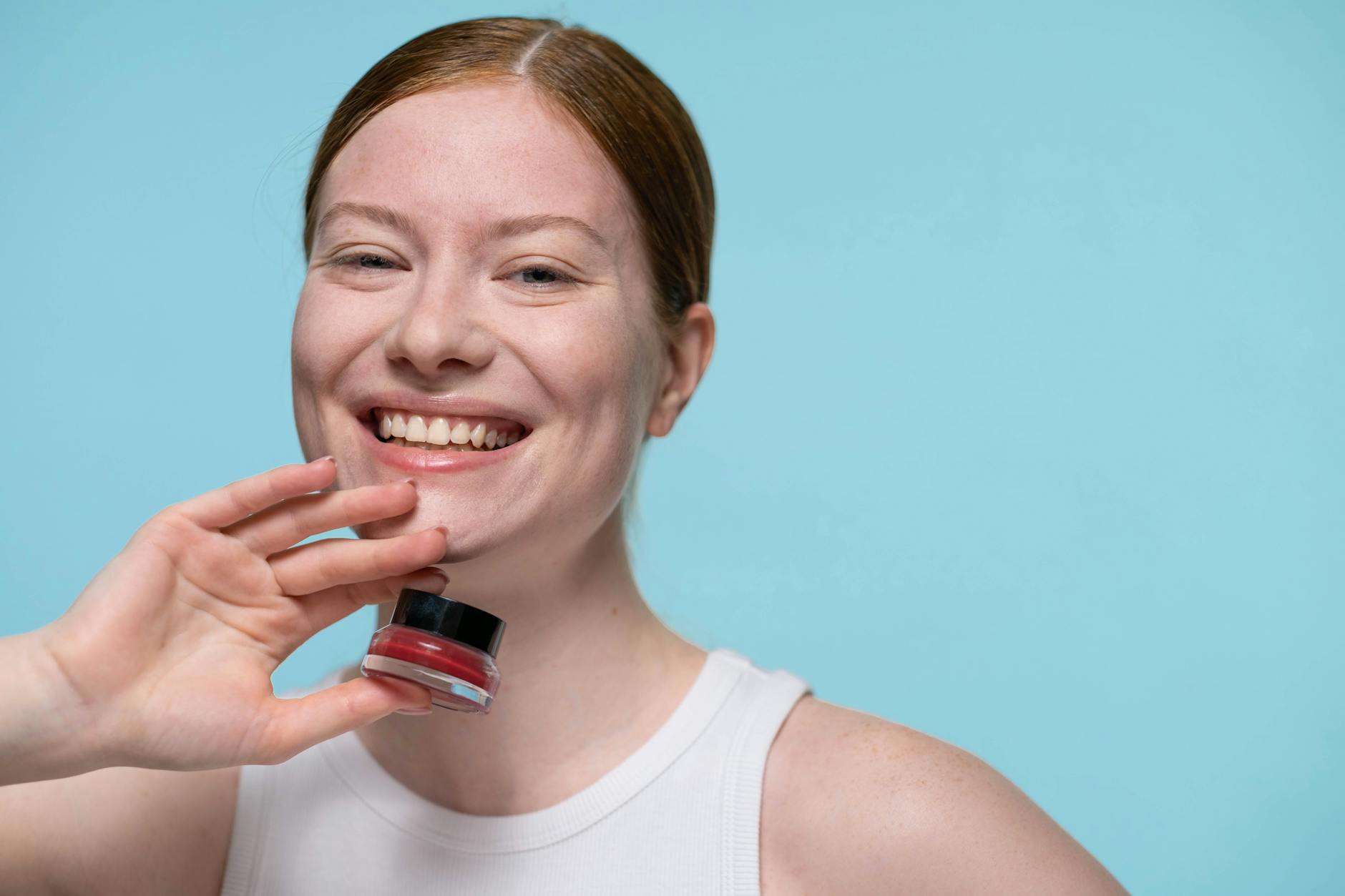
A cream blush that has become greasy, shiny, or has developed an oily ring around the edges of the pan is showing clear signs of oil separation within the emulsion. Cream products are inherently more prone to degradation than powder formulas because their water and oil components are constantly working to separate back into their original states. A formula in this condition will apply too heavily in some areas and barely transfer in others, making natural-looking placement nearly impossible. The staying power of a degraded cream blush will also decrease significantly, fading or migrating much faster than it did when the product was fresh. Any ammonia-like or sour odor accompanying these physical changes is a definitive sign the product should be discarded immediately.
Eyebrow Pomade
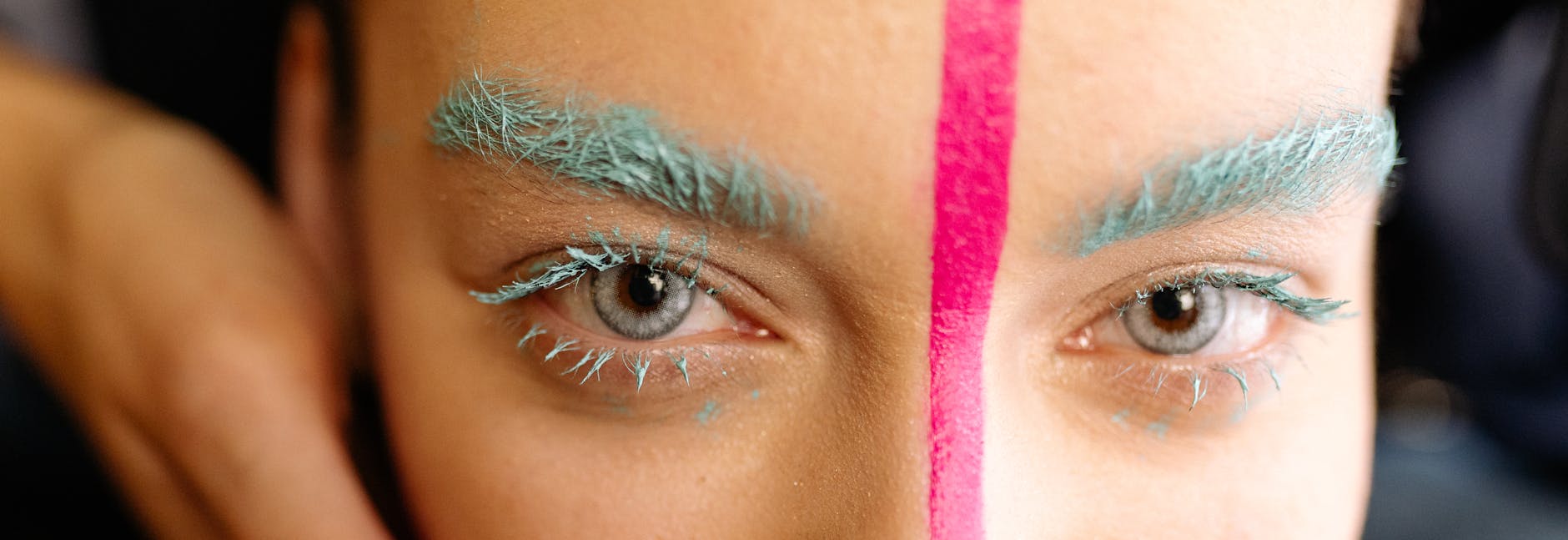
An eyebrow pomade that has begun to dry out, harden in the pot, or develop a skin across the surface is past its period of reliable performance. These cream-to-wax formulas rely on a delicate balance of emollients and waxes that are highly vulnerable to air exposure and temperature changes. A hardened pomade will apply with too much resistance, pulling at the brow hairs and skin rather than gliding smoothly to fill and define. The pigment deposit from a degraded pomade will often look harsh and unblended rather than the soft, buildable result the product delivered when fresh. Any white or grayish discoloration appearing on the surface of the product is a sign that the wax components have bloomed and the formula is no longer stable.
Primer Separation
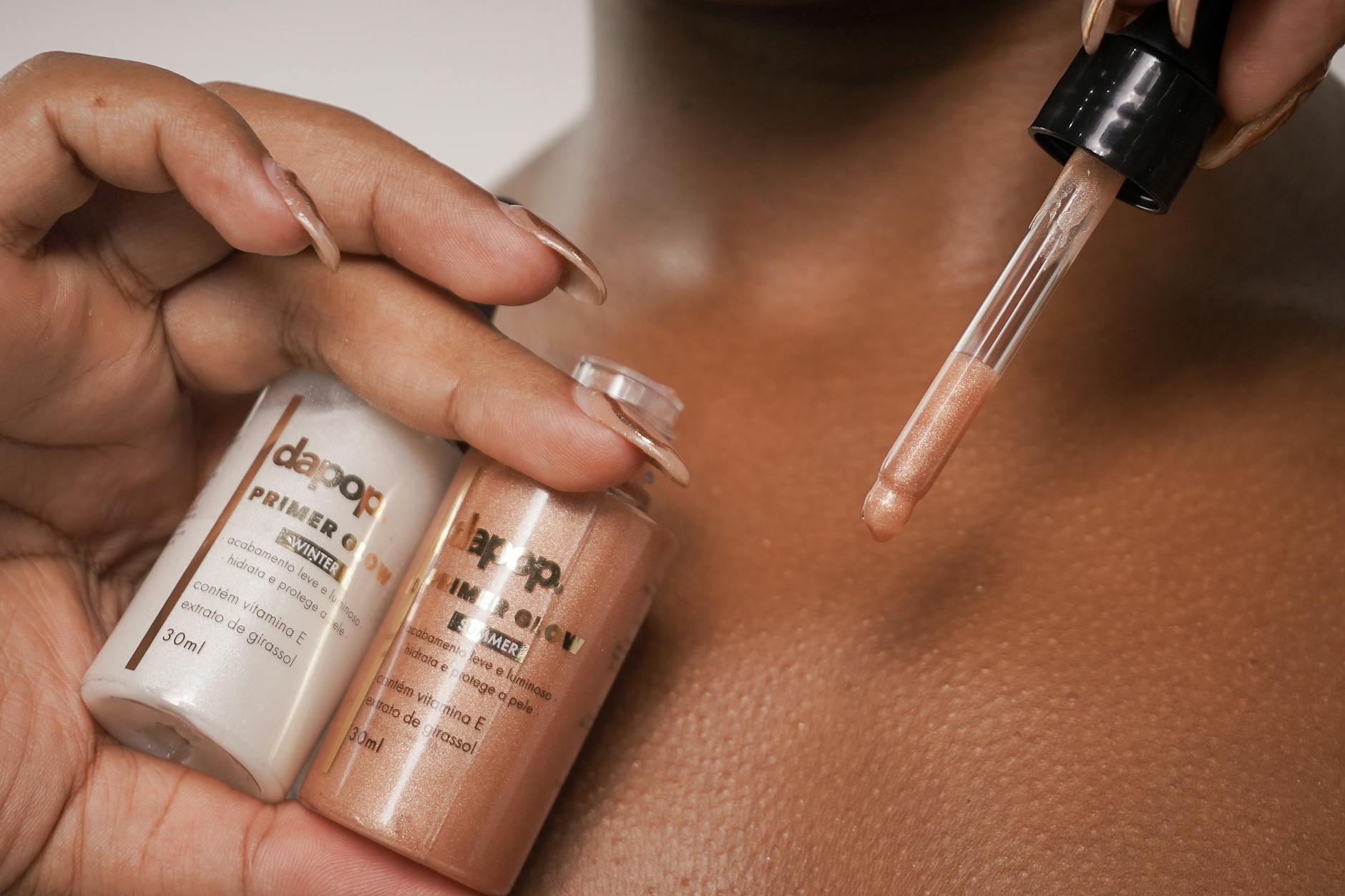
A face or eye primer that has separated into distinct layers, developed a watery consistency, or changed color since it was first opened can no longer be relied upon to create the base it was designed to deliver. Primers typically contain silicones, polymers, or skin-caring actives that begin to degrade and separate when the emulsion breaks down over time. Applying a separated primer to the face can cause makeup applied on top to slide, crease, or ball up rather than adhere smoothly. The skin-smoothing or pore-filling effect the primer once provided will be significantly reduced or entirely absent. A product that smells rancid or chemical in any way should be removed from the routine immediately regardless of how much product remains.
Bronzer Texture
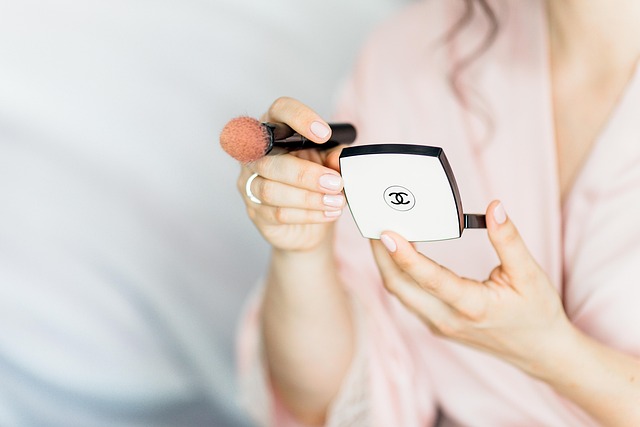
A bronzer that was once silky and blendable but now feels hard, powdery, or unusually chalky against the brush and skin has deteriorated beyond its best use. The finely milled pigments and skin-smoothing ingredients in premium bronzers can settle, compact, and change texture as the binders holding them together weaken over time. A bronzer in this condition will apply too heavily and with less control, making a natural sun-kissed effect difficult to achieve without patchy or muddy results. The warm tones in the formula may also shift slightly, particularly in bronzers with red or orange undertones that are sensitive to oxidation. Swatching the product on the back of the hand and comparing it to a photo taken when the product was new is a useful way to identify subtle color shifts over time.
Nail Polish Thickening
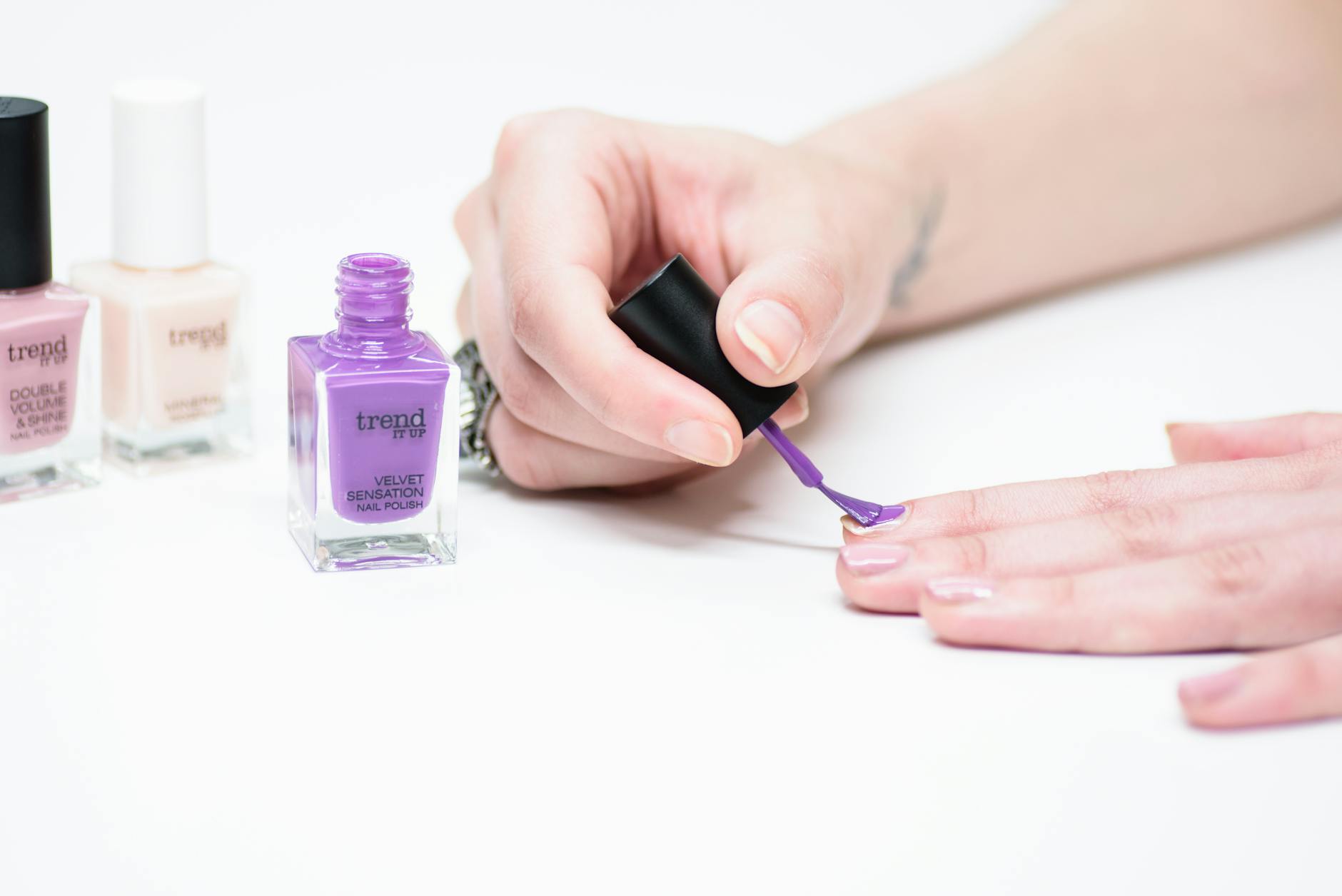
A luxury nail polish that has become thick, stringy, or difficult to brush out evenly onto the nail has undergone significant formula degradation. The solvents in nail polish evaporate slowly through the bottle cap and brush seal each time the product is used or even just stored over time. As those solvents escape, the remaining formula becomes increasingly viscous and prone to bubbling, streaking, and uneven application. A thickened polish will also take far longer to dry than when it was new, increasing the risk of smudging during the curing process. Unlike many other makeup products, nail polish can sometimes be partially restored with a few drops of nail polish thinner, though this is only effective in the early stages of thickening.
Contour Powder Fading
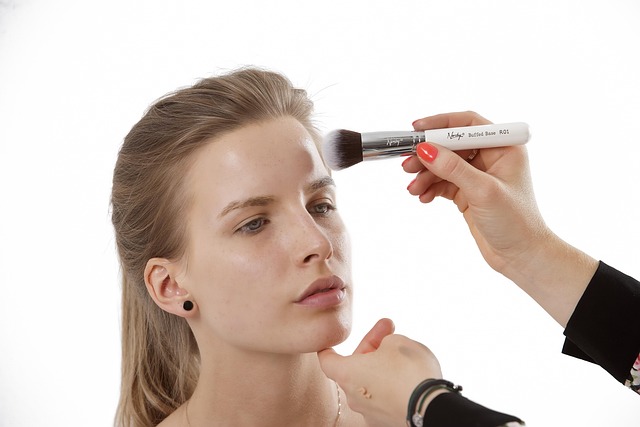
A contour powder that has significantly faded in the pan or now applies with noticeably less color payoff than it once did has experienced pigment breakdown that cannot be reversed. The cool-toned pigments typically used in contour shades are among the more volatile in powder formulas, particularly when exposed to light or stored in humid bathroom environments. A faded contour powder will require heavy-handed application to produce any visible effect, which in turn creates a harsh and unblended result rather than a natural shadow. The texture of the powder may also feel slightly different on the brush, with less of the fine, silky pickup that makes precise contouring possible. Moving the product away from direct light and humidity can slow further degradation but cannot restore pigments that have already faded.
Setting Powder
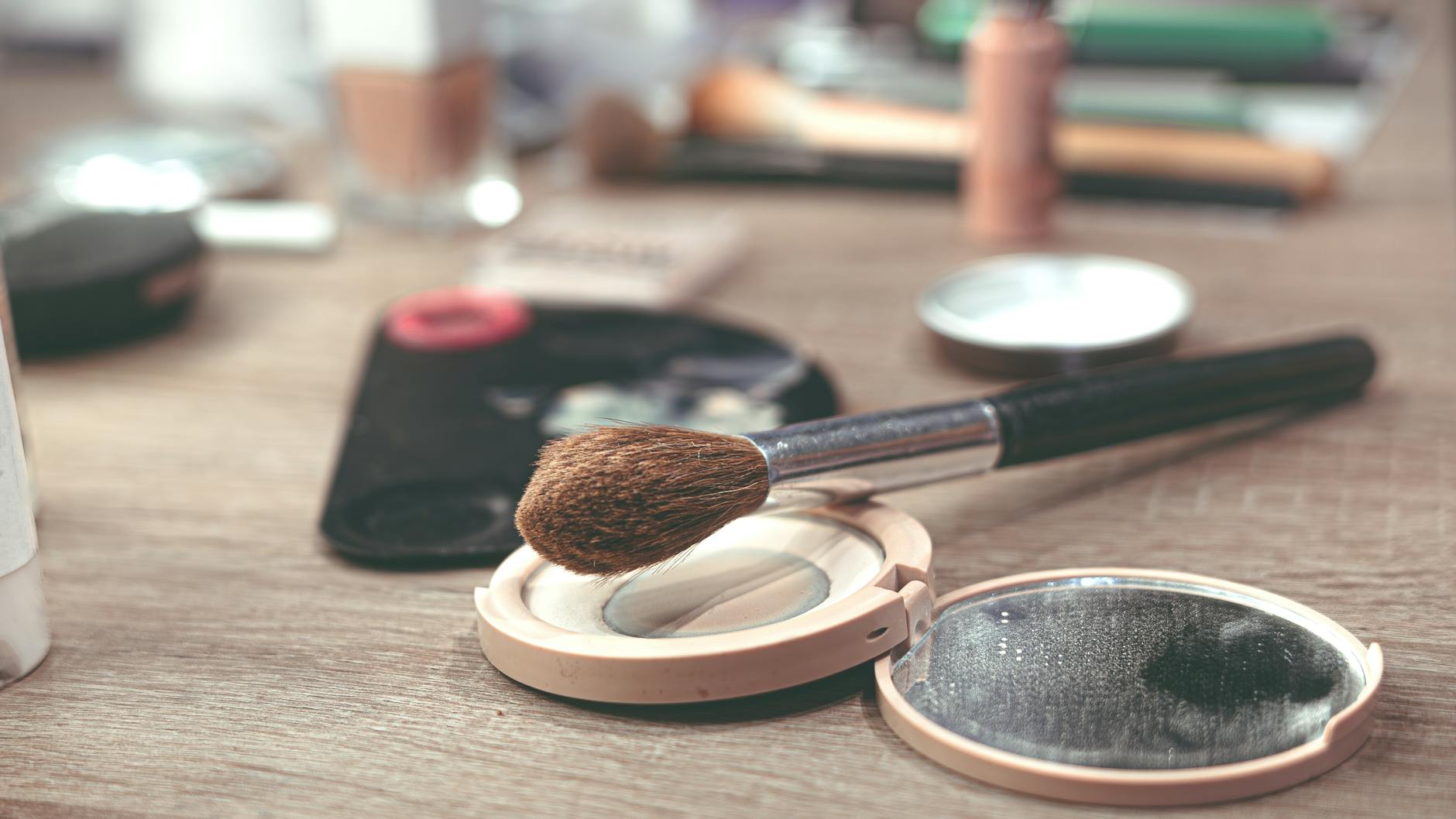
A loose or pressed setting powder that has developed an unusual smell, shifted in tone toward yellow or gray, or begun to cake and apply unevenly on the skin is no longer performing as formulated. Setting powders are often overlooked when it comes to expiration because their dry formula seems inherently shelf-stable, but the pigments, silica particles, and skin-caring ingredients they contain do break down over time. A yellowed setting powder applied over foundation can cast an unflattering tint across the complexion that is particularly visible in photographs and under certain lighting. A caking or cakey application is a sign that humidity or oils from brushes have begun to compromise the pressed formula from the inside. Translucent powders that have visibly yellowed in the pan should always be replaced rather than used, as the discoloration will transfer onto the skin.
Mascara Smell
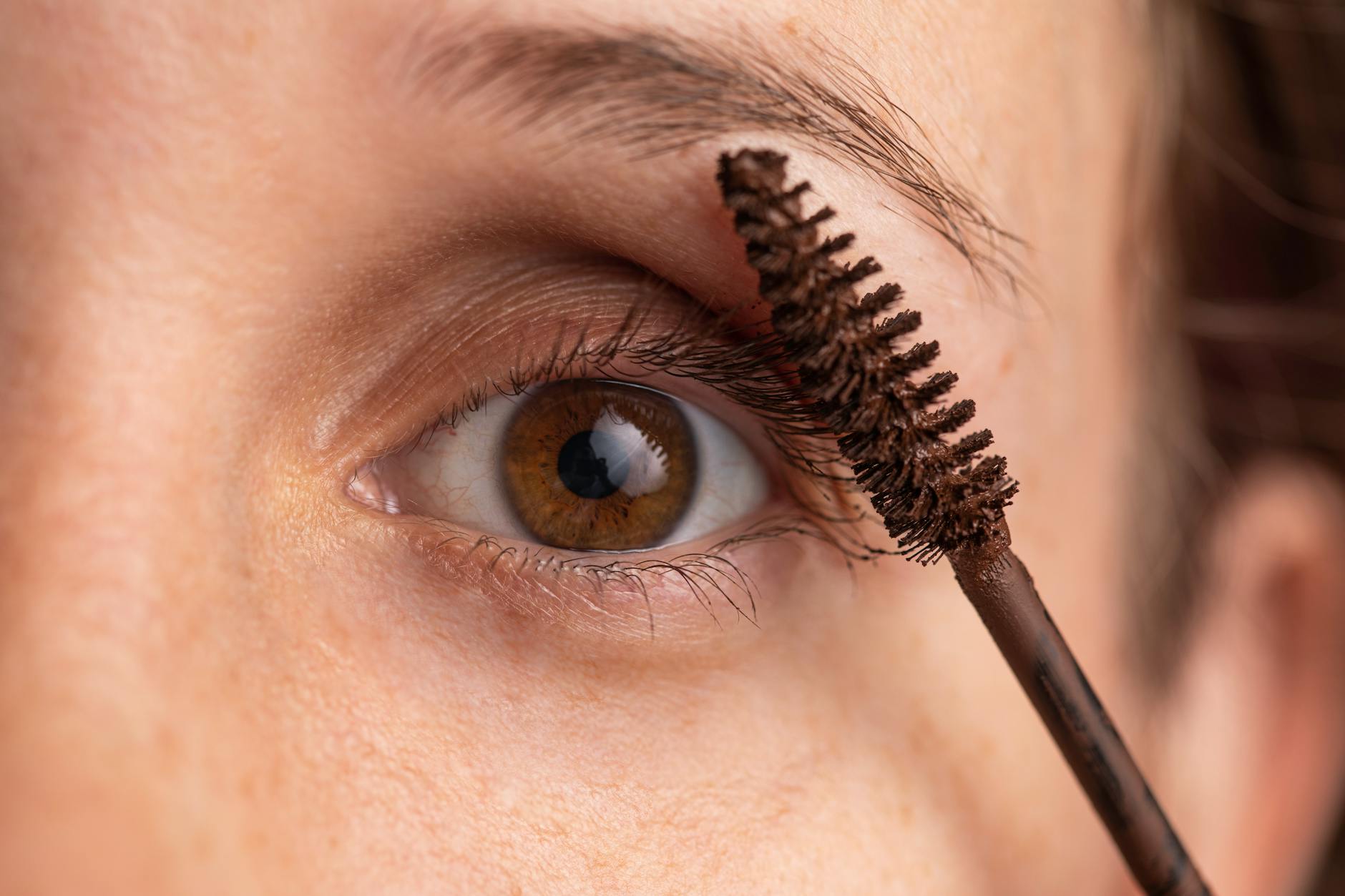
A mascara that has developed a noticeably different smell from when it was first opened is carrying one of the clearest and most overlooked signs of formula degradation and bacterial contamination. The dark, moist interior of a mascara tube is one of the most hospitable environments for bacteria to multiply, and an off or unusual odor is a direct signal that this process is well underway. Many consumers focus on texture and performance when assessing mascara condition, overlooking scent entirely as a diagnostic tool. Any sour, fishy, or chemical smell emanating from the wand or tube warrants immediate disposal of the product regardless of how much remains. Applying contaminated mascara to the eye area carries a real risk of infection that far outweighs the cost of replacing even the most expensive tube.
Lip Liner Drying
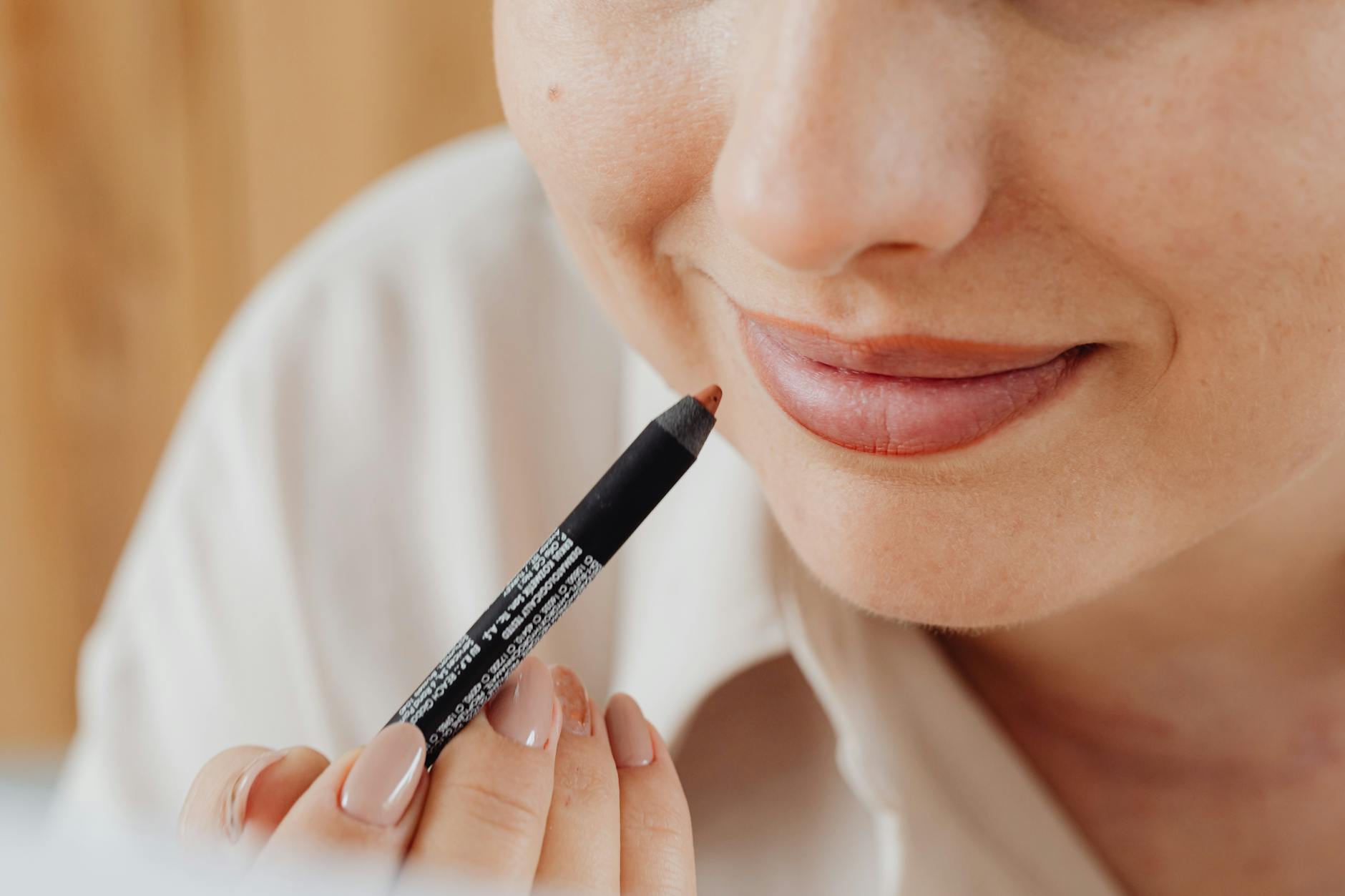
A luxury lip liner that has become dry, crumbly, or prone to snapping during application or sharpening has deteriorated past the point of reliable use. The wax and emollient base in premium lip liners is designed to glide smoothly along the lip line with minimal pressure, and a dry formula requires the kind of tugging that can cause uneven application and discomfort. A crumbling liner will also sharpen poorly, breaking at the tip and making a precise point difficult to achieve. The pigment deposit from a dried-out liner tends to appear patchy and faded rather than the sharp, defined line the product was designed to create. Storing lip liners horizontally rather than upright and keeping caps on firmly can slow the drying process, but a product that has already become brittle should be replaced.
Blush Brush Residue
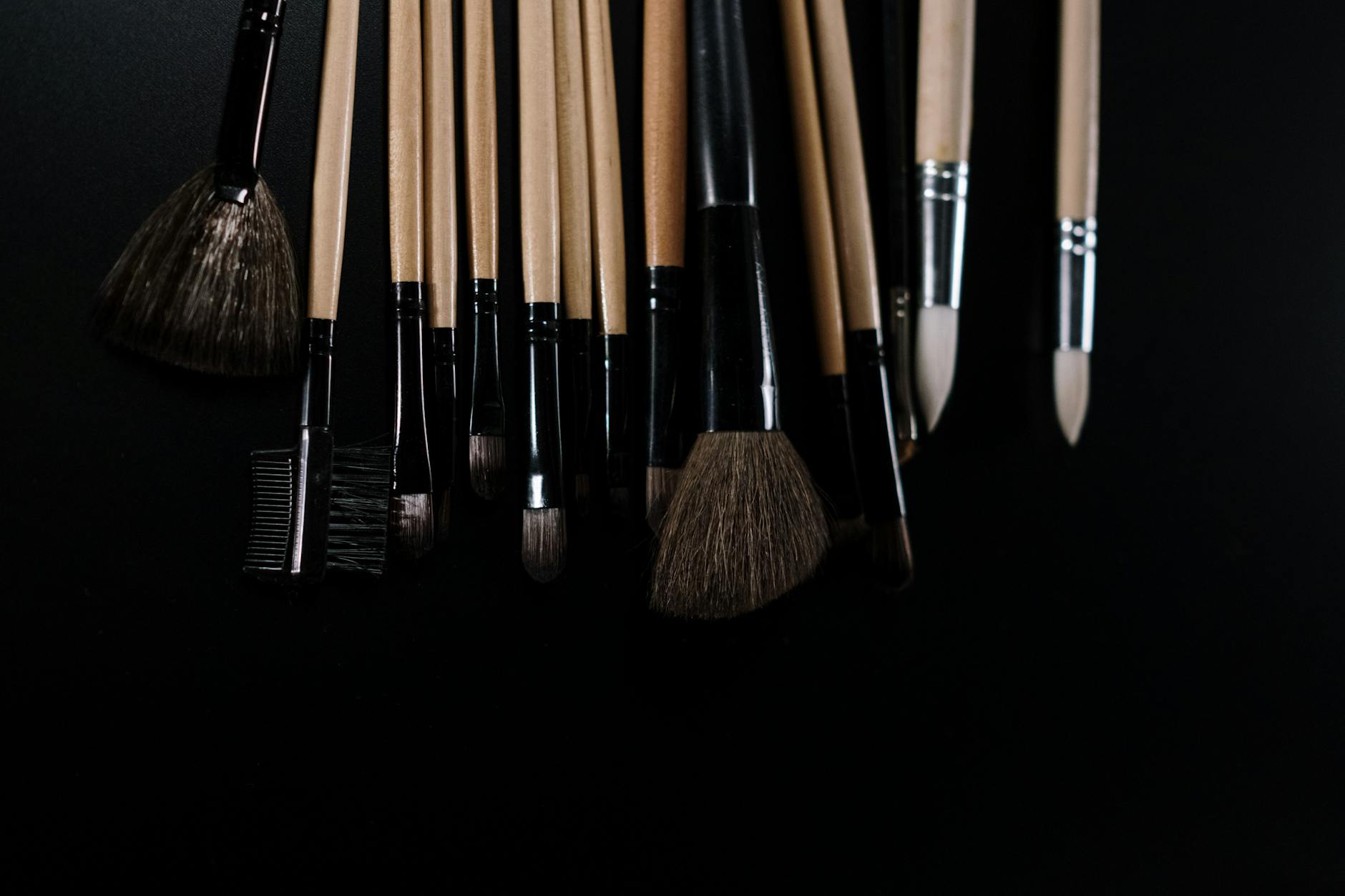
A pressed or cream blush that leaves an unusual residue on the brush that does not brush off cleanly onto the skin is carrying a sign that its formula has begun to break down in ways that affect its performance at the point of application. Normally, a well-formulated blush should transfer cleanly and evenly from the pan to the brush and then from the brush to the skin without leaving behind a sticky, greasy, or discolored film. A residue that stains the brush fibers or changes color when rubbed onto a white tissue suggests that pigment stability within the formula has been compromised. This type of breakdown is especially common in cream and liquid blush formulas that contain high concentrations of dyes and oils. Regularly cleaning brushes and applicators also makes this type of product degradation easier to detect early, as the residue becomes immediately visible against clean bristles.
If you have ever spotted one of these signs in your own makeup collection, share your experience in the comments.