Many homeowners overlook the early indicators of mold growth until the issue becomes severe and expensive to remediate. Detecting these spores early requires careful observation of both your physical environment and your personal health. Identifying subtle changes in humidity or surface textures can save you significant structural damage in the long run. The following signs often point to hidden moisture issues that allow mold colonies to thrive unnoticed.
Persistent Musty Odors

A lingering earthy smell often signals the presence of mold even before visible signs appear. This scent resembles the odor of damp socks or rotting leaves and typically gets stronger in enclosed spaces. Air fresheners or scented candles might mask the smell temporarily but they cannot eliminate the source of the issue. You should investigate areas with poor ventilation if this heavy scent persists despite thorough cleaning.
Peeling or Bubbling Wallpaper

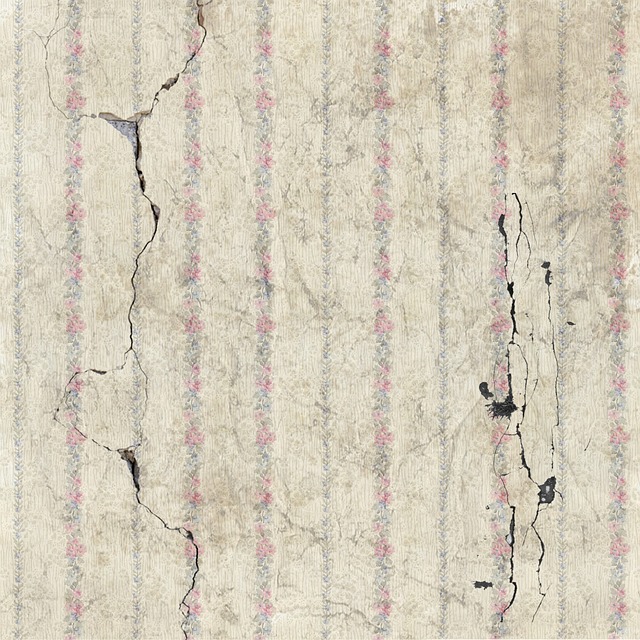
Moisture trapped behind wall coverings disrupts the adhesive and causes the paper to lift away from the surface. You might notice unusual lumps or bubbles appearing on the surface of the paper as the drywall beneath becomes damp. This separation creates a perfect pocket for mold to grow without being immediately visible to the naked eye. Ignoring these surface irregularities can lead to extensive damage to the underlying sheetrock.
Discolored Grout Lines
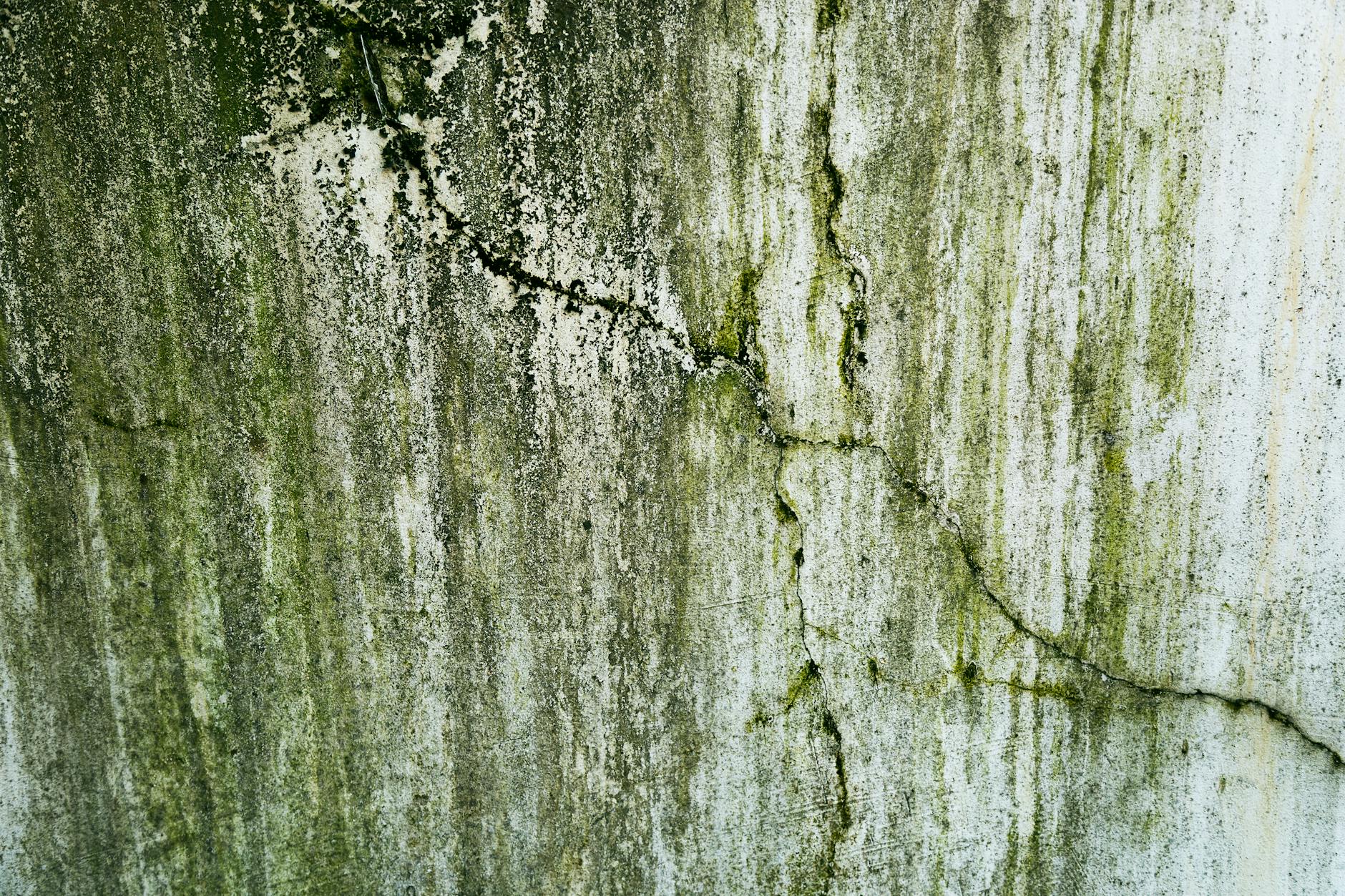
Grout in bathrooms and kitchens is porous and absorbs moisture easily if it is not properly sealed. Dark stains that reappear shortly after scrubbing often indicate that mold has taken root deep within the material. The discoloration may start as a faint pink or orange hue before turning into black spots. Bleaching the surface only addresses the cosmetic issue while the roots of the fungus remain intact.
Unexplained Allergy Symptoms

Mold spores are potent allergens that can trigger physical reactions even when the mold is hidden. You might experience a runny nose or itchy eyes that seem to vanish whenever you leave your house. These symptoms often mimic seasonal hay fever but persist year round regardless of the weather outside. Tracking when you feel congestion can help pinpoint if your home environment is the primary cause.
Dark Spots on Window Sills

Condensation often collects at the bottom of window panes and drips onto the sill below. This constant moisture creates a prime breeding ground for mold colonies that look like simple dirt or grime. Regular dusting might smear these spots rather than removing them completely. You should check the corners of your windows frequently for any dark accumulation that returns after cleaning.
Warped Wooden Floors
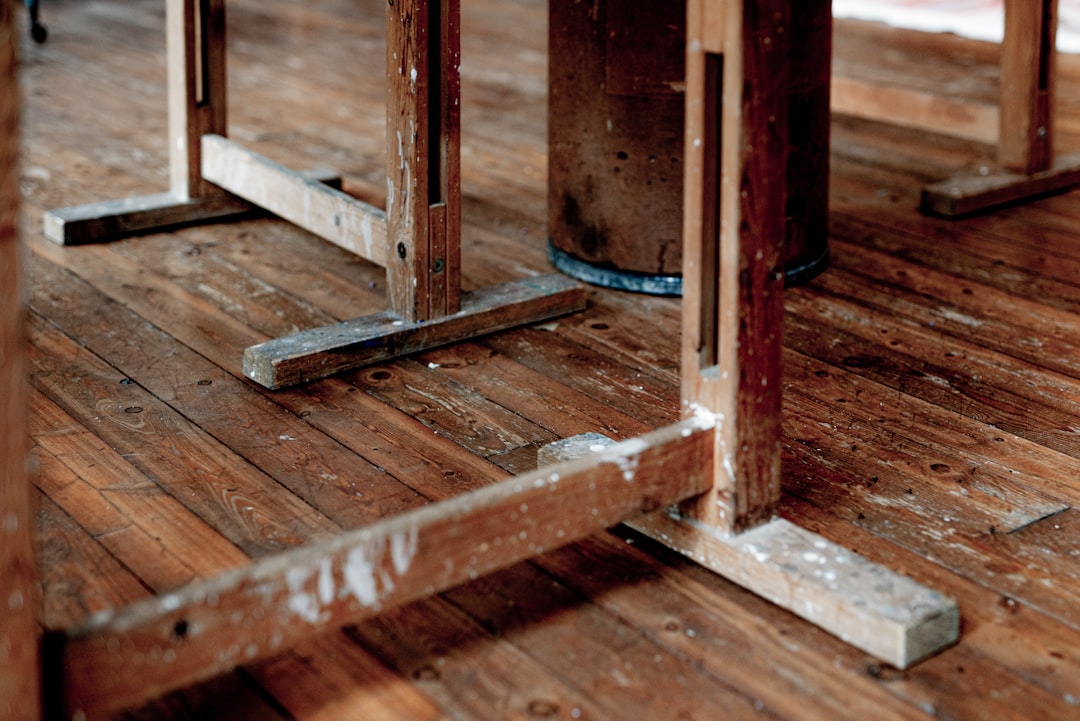
Excess moisture underneath your flooring can cause wooden planks to cup or buckle unexpectedly. This warping suggests that water is seeping into the subfloor and creating a damp environment where mold thrives. You might notice that certain boards feel uneven or squeak more than usual when you walk over them. Addressing the source of the moisture is necessary to stop the wood from rotting further.
Bubbling Paint on Walls
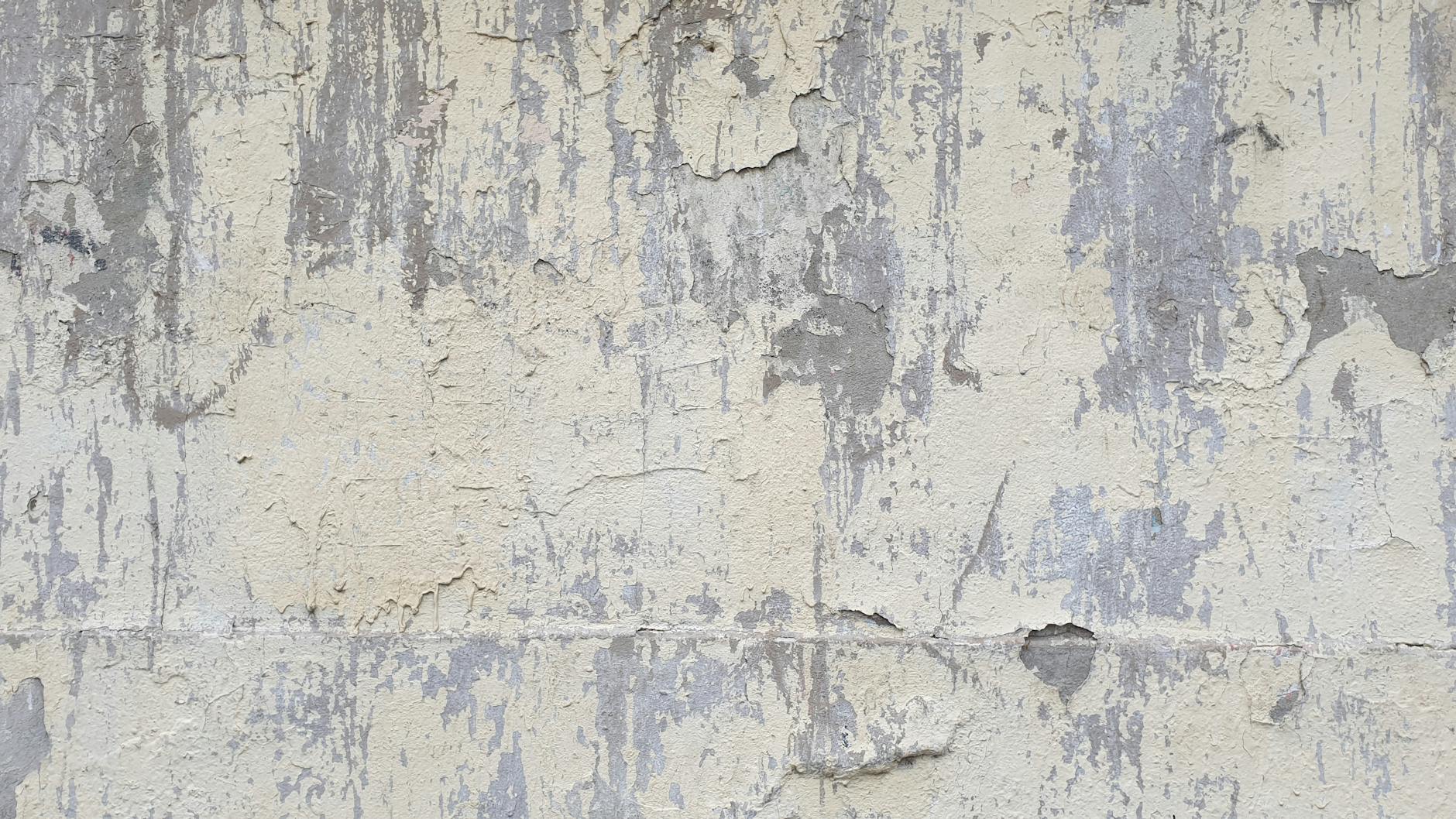
Paint loses its bond with the wall when moisture gathers between the drywall and the coating. This loss of adhesion results in cosmetic bubbling or cracking that peels away easily when touched. It usually indicates a leak inside the wall cavity or high humidity levels in the room. Scraping away the paint often reveals damp drywall or visible mold growth underneath.
Condensation on Glass Surfaces

Frequent fogging on the inside of your windows indicates that the humidity levels in your home are too high. This excess moisture settles on cold surfaces and eventually drips down into walls or onto floors. Managing indoor humidity is crucial because mold only needs a damp surface and organic material to survive. You should treat persistent condensation as a warning sign that your ventilation needs improvement.
Tiny Black Dots on Furniture

Mold does not strictly stick to walls and can easily transfer to upholstered furniture or wooden cabinets. Small speckles that resemble ground pepper might appear on the back of sofas or inside dark closets. These spores feed on dust and fabric fibers in areas with stagnant air flow. moving furniture away from exterior walls helps improve circulation and prevents this accumulation.
Persistent Coughing or Wheezing

Inhaling airborne mold spores can irritate the respiratory system and cause a chronic cough. This reaction is often a defense mechanism as your body tries to expel the foreign particles from your lungs. The coughing typically worsens at night or when you spend extended periods in specific rooms. You should consult a professional if your respiratory issues coincide with other home maintenance problems.
Soggy or Soft Drywall
Water damage compromises the structural integrity of drywall and makes it feel soft or spongy to the touch. You can test suspect areas by gently pressing against the wall to see if the material yields under pressure. This texture change confirms that moisture has saturated the gypsum core and likely facilitated mold growth. Replacing the affected panels is usually required to remove the colony completely.
Rusty Pipes or Nails

High humidity levels that support mold growth also accelerate the oxidation process on metal surfaces. You might see rust forming on under-sink pipes or on the heads of nails in your attic. This corrosion suggests that the air contains too much moisture for a healthy home environment. Controlling the dampness will stop both the rust and the potential for mold expansion.
Strange Smells from Air Conditioning

Your HVAC system can circulate mold spores throughout the entire house if the unit itself is contaminated. A sour or stale smell coming from the vents when the air conditioning turns on is a major red flag. Moisture often accumulates on the cooling coils or in the drip pans and allows bacteria to flourish. Professional cleaning of the ducts and unit is necessary to restore healthy air quality.
Itchy or Irritated Skin

Direct contact with mold spores or mycotoxins can cause skin irritation or unexplained rashes. You might notice dry patches or hives that do not respond to standard lotions or creams. These dermatological issues often flare up after wearing clothes stored in damp closets. Washing fabrics in hot water helps but finding the mold source is essential for relief.
Discolored Attic Insulation

Roof leaks often drip directly onto the insulation in your attic and cause the material to stay wet for long periods. Fiberglass insulation typically looks gray or black when it is infested with mold colonies. This discoloration ruins the insulating properties of the material and spreads spores into the living areas below. You should inspect the attic regularly for any signs of water intrusion or darkened fiberglass.
White Powdery Substance on Brick
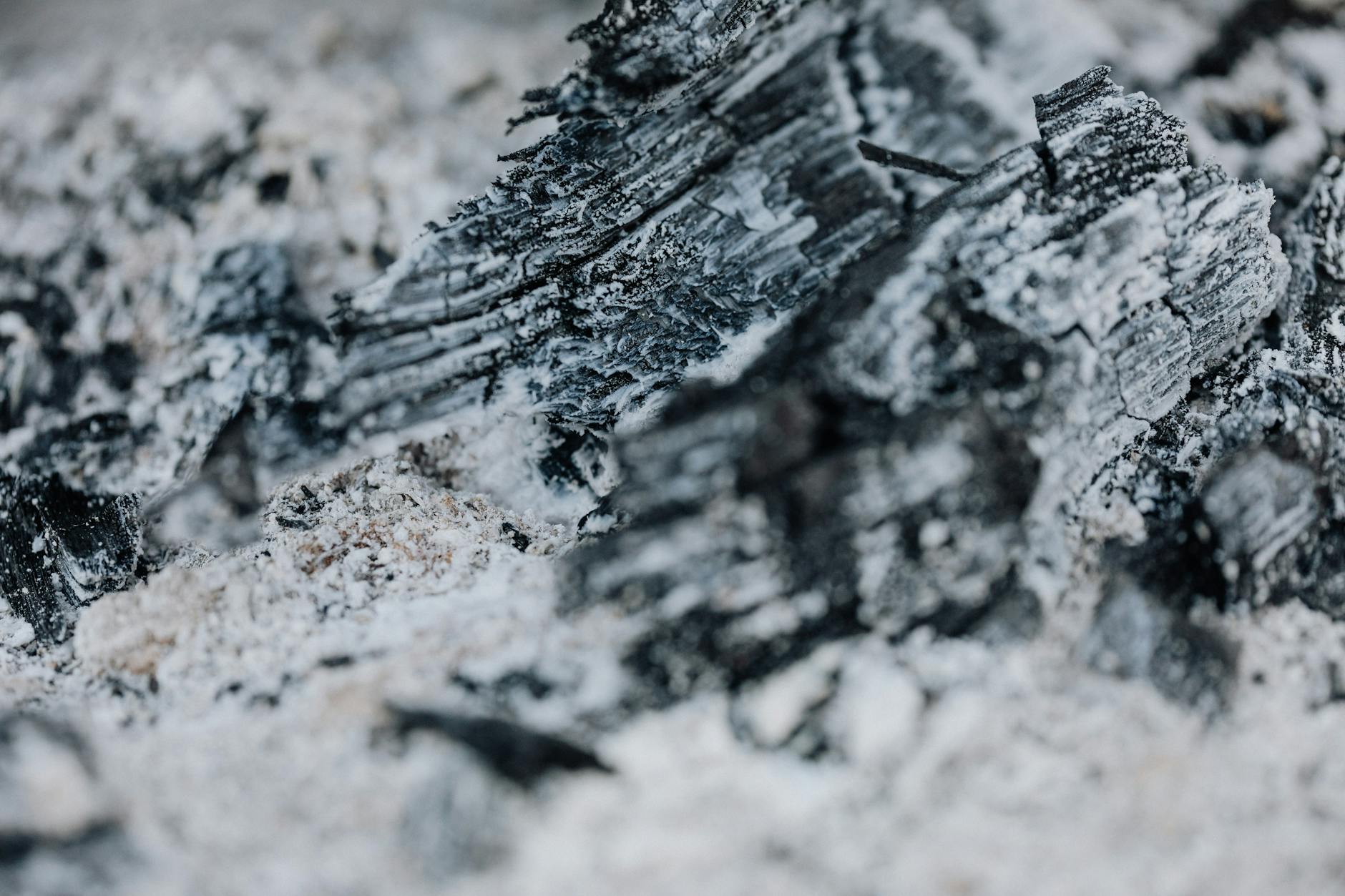
Efflorescence is a white salty deposit that forms on brick or concrete when water moves through the masonry. While this powder is not mold itself it proves that moisture is migrating through your foundation walls. This dampness creates the perfect conditions for mold to grow on organic materials nearby. Waterproofing the foundation is often necessary to stop the moisture transfer.
Stains on Carpeting or Rugs
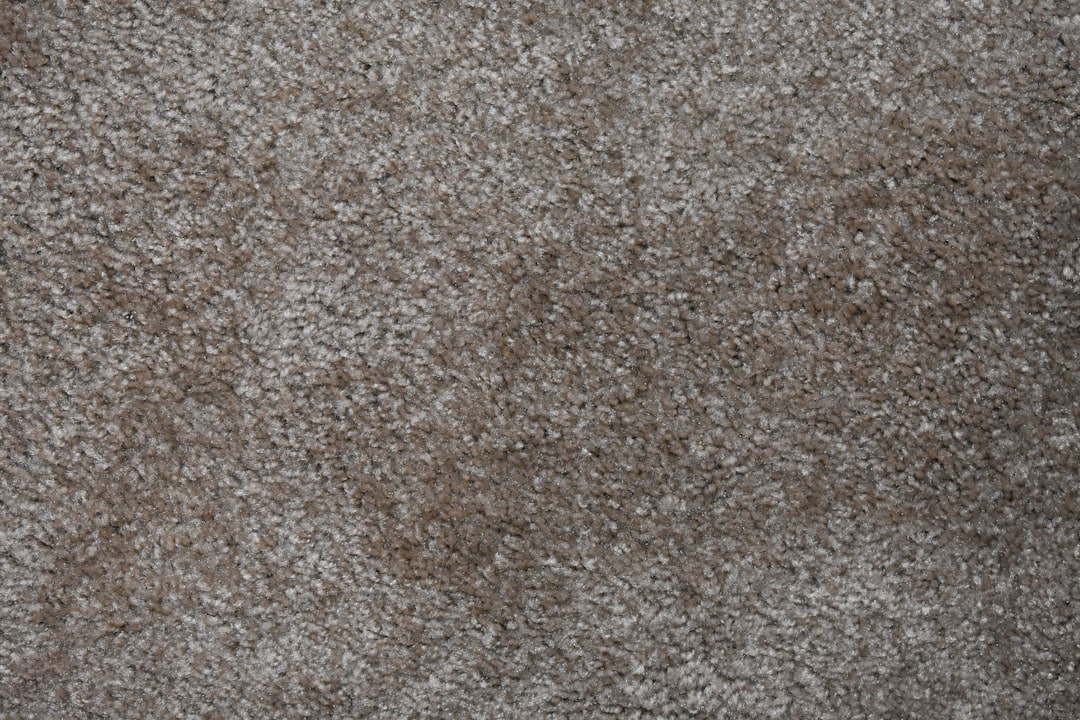
Spills that are not dried immediately can seep through the carpet fibers and soak the padding underneath. You might see dark circular stains emerging on the surface weeks after the initial spill occurred. These marks indicate that mold is growing from the bottom up and eating the backing of the carpet. Pulling up the carpet is often the only way to confirm the extent of the subfloor damage.
Increased Asthma Flare Ups

People with asthma are particularly sensitive to the presence of mold spores in the indoor air. You might notice that your inhaler usage increases significantly when you are spending time at home. The microscopic spores act as triggers that constrict airways and make breathing difficult. Improving indoor air quality is vital for managing these respiratory conditions effectively.
Slimy Film on Shower Curtains

A pinkish or orange slime that coats the bottom of shower liners is actually a bacterium often found alongside mold. This biofilm indicates that the bathroom stays wet for too long after daily use. Regular scrubbing removes the film but improving ventilation prevents it from returning quickly. You should wash or replace shower curtains frequently to minimize bacterial buildup.
Musty Smell in Clothing

Clothes stored in damp closets or dressers can absorb the ambient moisture and develop a distinct mildew odor. You might find that garments feel slightly damp or clammy when you take them off the hanger. This smell is difficult to remove without washing the items in very hot water. Using dehumidifiers in storage areas helps protect your wardrobe from moisture damage.
Dark Rings on Ceilings

Water leaks from the roof or upper-level plumbing often manifest as circular brown or yellow stains on the ceiling. These rings show where water has pooled and saturated the plaster or drywall material. Mold often grows on the hidden side of the ceiling before the stain becomes visible below. You must identify and fix the leak source before repainting the stained area.
Gaps Between Floorboards
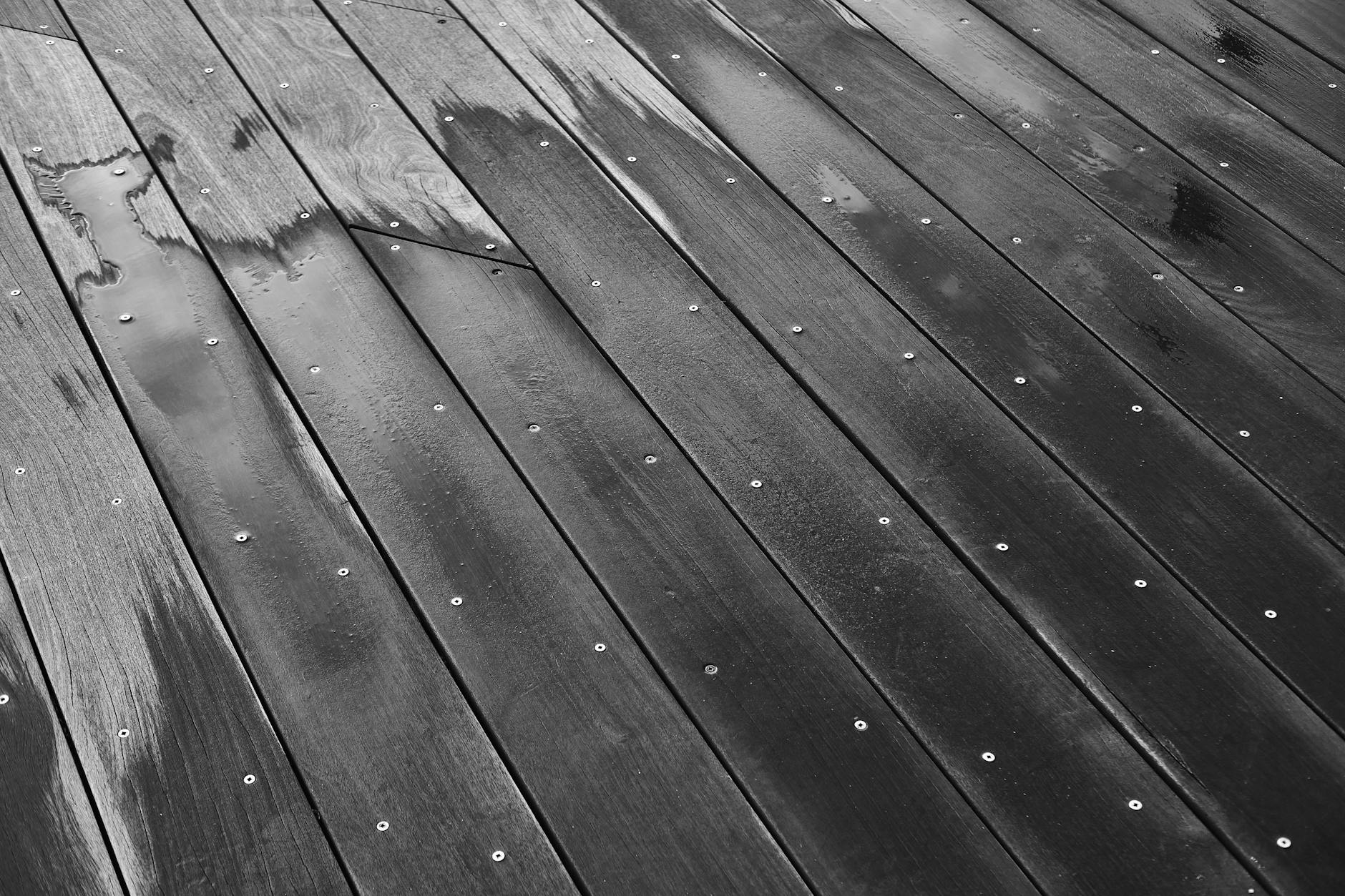
Hardwood floors expand and contract naturally but excessive moisture causes them to swell and then shrink drastically. Large gaps appearing between the planks often signal that the wood has undergone severe moisture cycling. This movement suggests that the humidity levels in the home are fluctuating to dangerous extremes. Stable climate control helps preserve the flooring and prevents mold in the cracks.
Dust That Returns Quickly
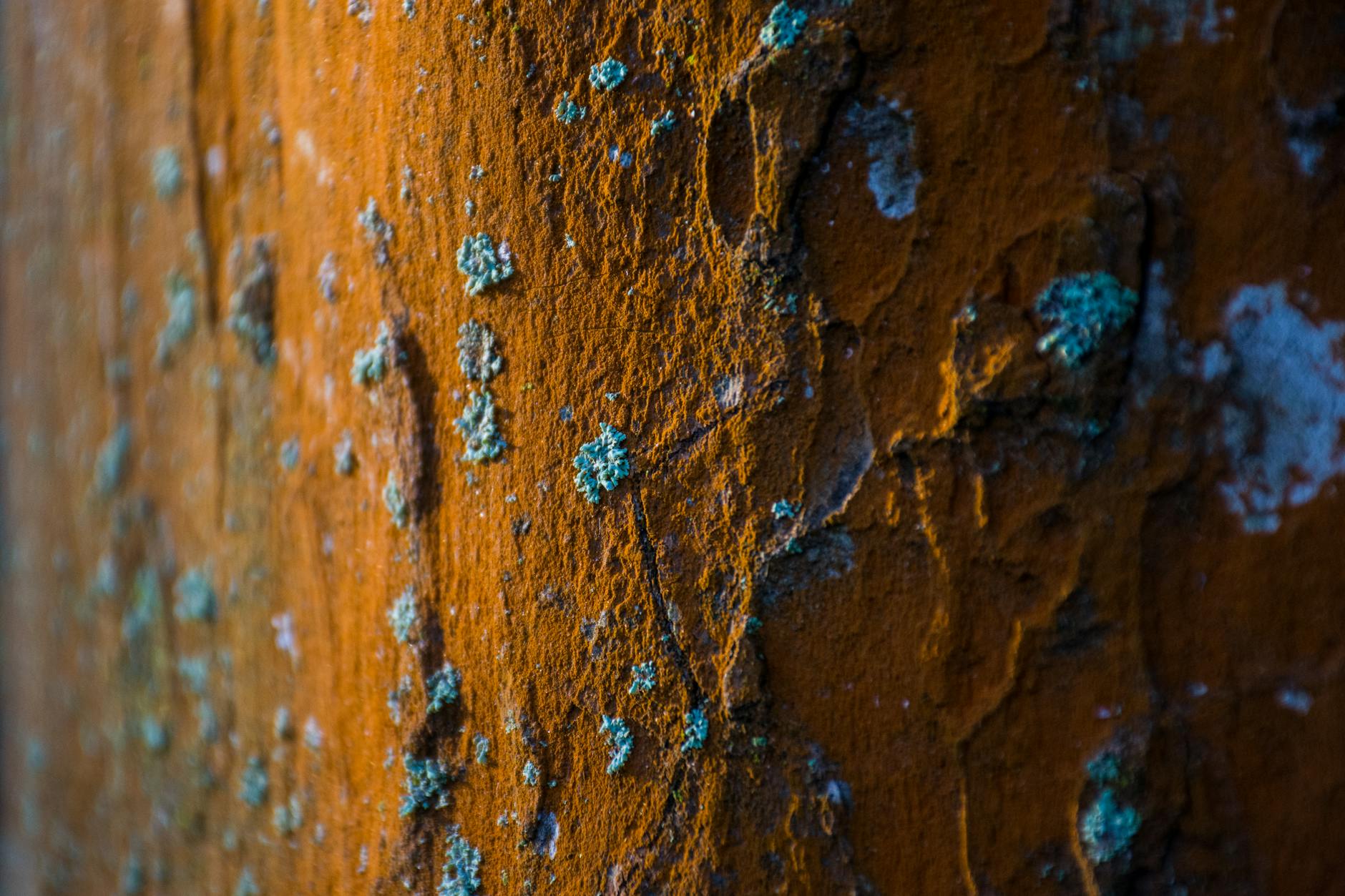
Mold colonies sometimes resemble heavy dust accumulation on surfaces like ventilation covers or baseboards. You might notice that this specific dust feels greasy or smears when you try to wipe it away. It tends to reappear in the exact same pattern shortly after you have cleaned the area. Testing the substance can confirm if it is simple household dust or active mold growth.
Water Bugs or Silverfish
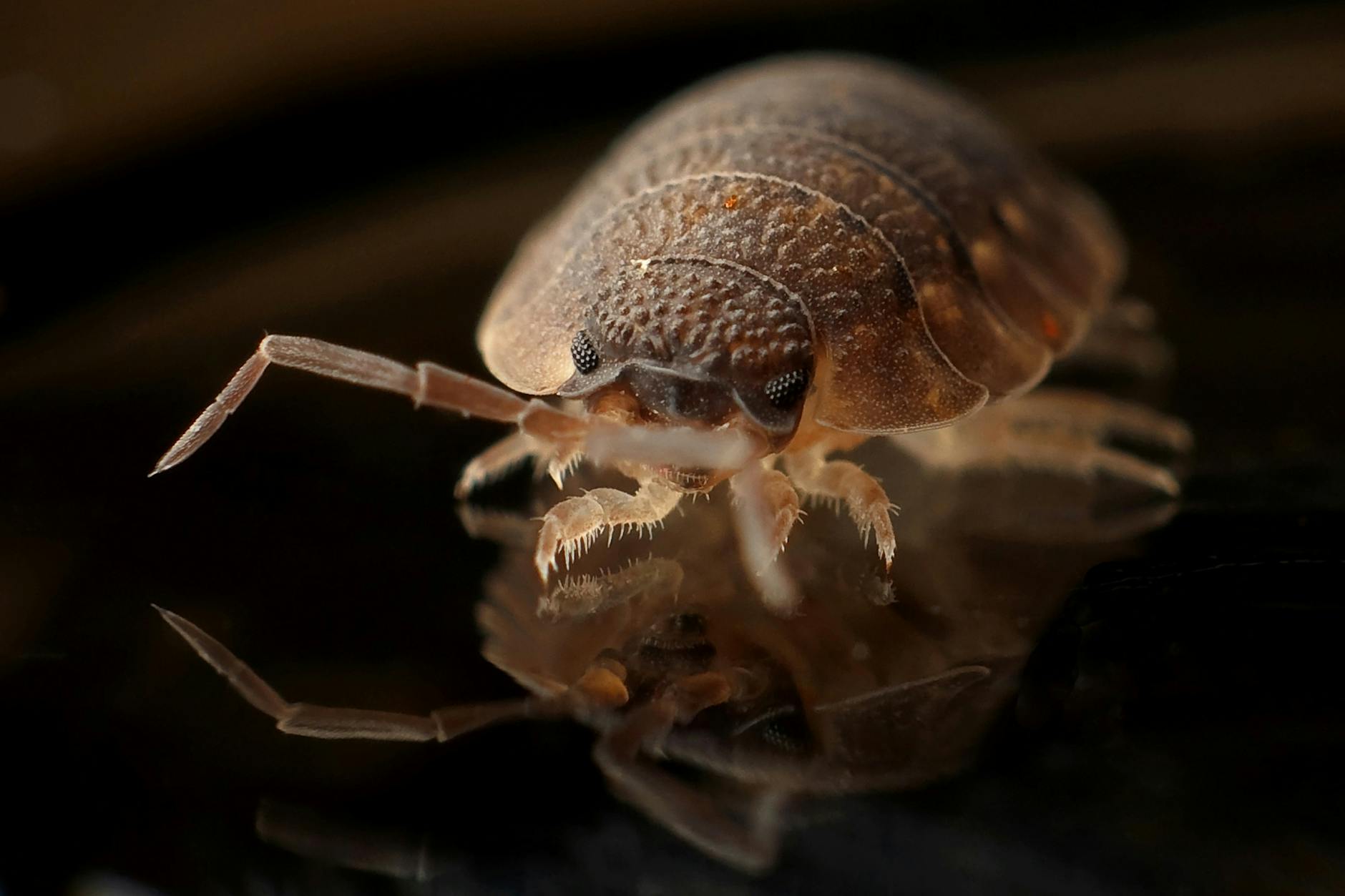
Certain pests like silverfish and cockroaches are attracted to damp environments where they can find water. Seeing these insects frequently in your home suggests there is a hidden moisture source nearby. They often feed on the microscopic molds that grow on paper or glue in humid areas. Eliminating the moisture usually drives these pests away and stops the mold.
Headaches While at Home

Chronic headaches or migraines that improve when you leave the house can be a symptom of toxic mold exposure. The inflammation caused by inhaling spores affects the sinuses and can lead to persistent pressure in the head. You might track your symptoms to see if they correlate with time spent in specific rooms. Improving ventilation and air filtration often alleviates this discomfort.
Share your thoughts on which of these signs you have noticed in your own home in the comments.