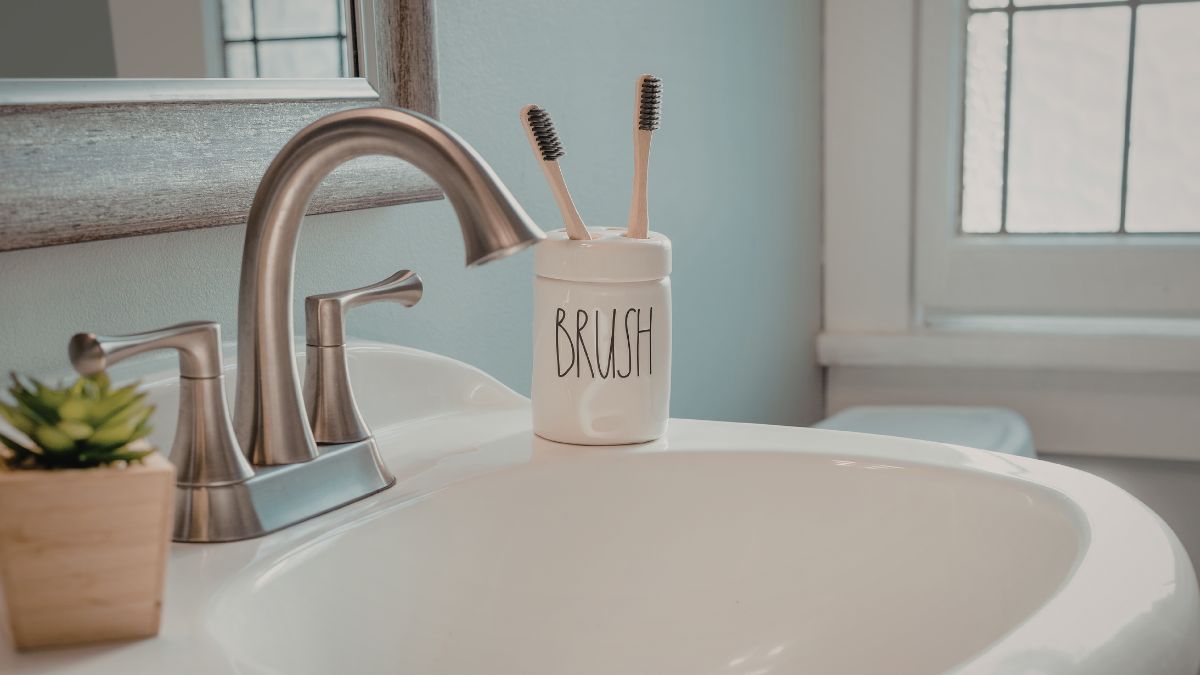
Home hygiene researchers, behavioral psychologists, and cleaning industry professionals have collectively documented a phenomenon that sits uncomfortably at the intersection of domestic trust, professional standards, and personal health that most homeowners never think to investigate until something feels subtly wrong in a way they cannot immediately articulate. The toothbrush is one of the most intimate personal hygiene tools a person owns, and its potential misuse as a cleaning implement by household staff represents a boundary violation whose health implications extend from bacterial transmission and chemical contamination to the more diffuse psychological discomfort of discovering that the tools of one’s most private routines have been repurposed without consent. The signs documented below have been compiled from cleaning industry professional accounts, home hygiene research, oral health specialist observations, and the reported experiences of homeowners who have pieced together the evidence after the fact.
Bristle Spreading
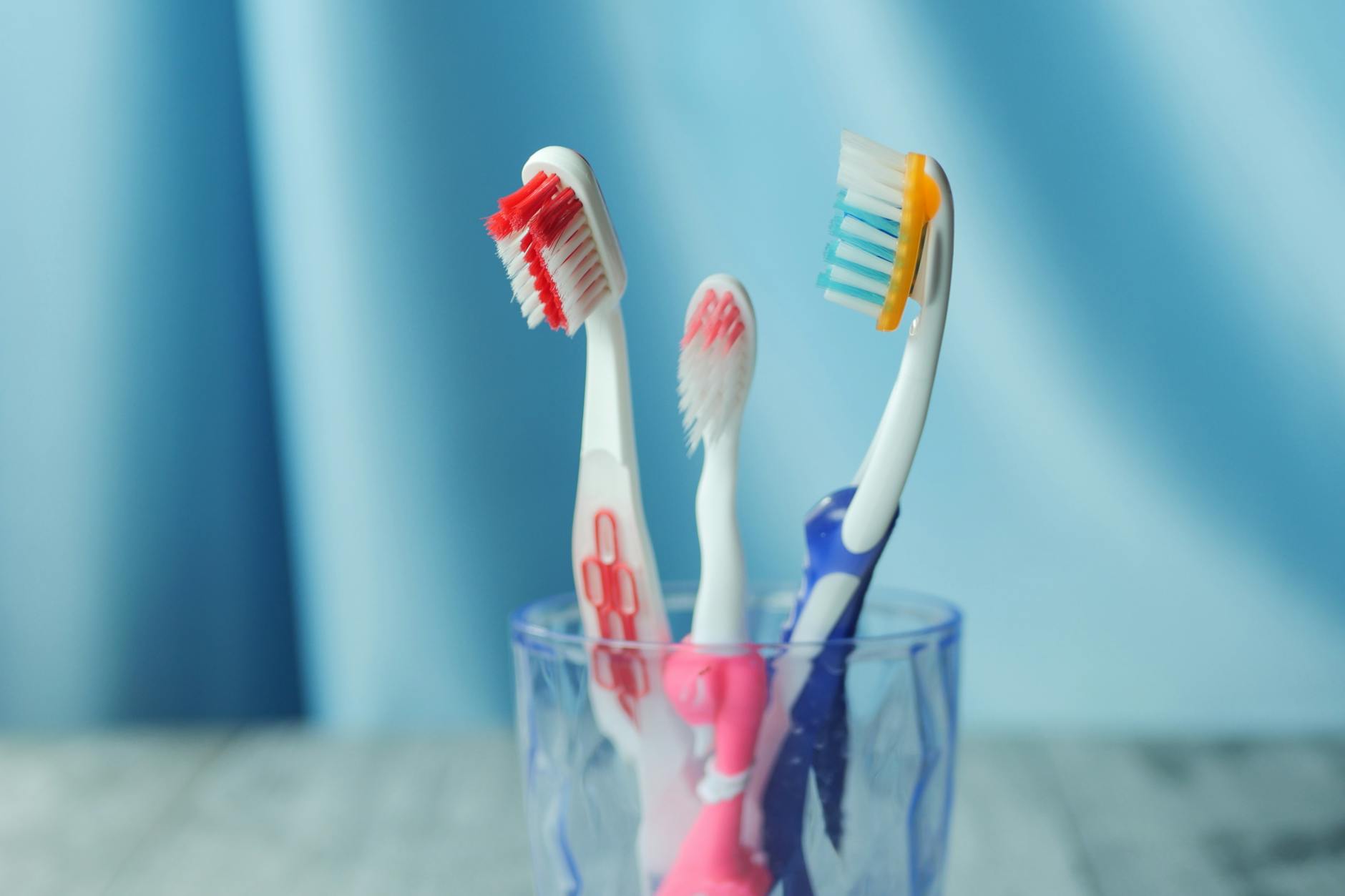
A toothbrush whose bristles have spread outward from their original upright configuration into a flattened or fanned pattern significantly faster than the normal wear timeline associated with tooth brushing alone is exhibiting a mechanical deformation pattern that dental hygienists and product engineers identify as characteristic of lateral scrubbing pressure rather than the gentler vertical and circular motions of standard oral hygiene practice. The forces applied during sink scrubbing, grout cleaning, and tap polishing are directionally and mechanically distinct from those applied during tooth brushing, and the bristle deformation pattern they produce reflects those differences in ways that are detectable to anyone familiar with normal toothbrush wear progression. Oral health product researchers who study toothbrush longevity note that standard twice-daily brushing produces bristle fatigue over a predictable timeline that is significantly longer than what homeowners who have subsequently identified cleaning misuse report experiencing. A toothbrush that looks several months old after only a few weeks of apparent use has been subjected to mechanical stresses that tooth brushing alone does not explain.
Chemical Taste

Experiencing an unusual chemical, soapy, or synthetic flavor during tooth brushing that cannot be attributed to the toothpaste itself and that persists or recurs across multiple brushing sessions is a sensory signal that oral medicine specialists identify as consistent with residual cleaning product contamination of the bristle surface or handle. The bristles of a toothbrush used to apply or scrub with cleaning products retain traces of those chemicals within the bristle matrix in amounts that are insufficient to produce visible residue but that are detectable through taste during subsequent use with moisture activation. Dental hygienists who have heard patient accounts of unexplained chemical taste during brushing note that the most commonly described flavors, including soapy, bleachy, slightly bitter, or generically synthetic, correspond closely to the flavor profiles of the surface cleaning products most commonly used in bathroom maintenance. A persistent unexplained chemical flavor that appears after cleaning days and resolves between them is one of the more diagnostically specific sensory signals in this collection.
Positioning Changes
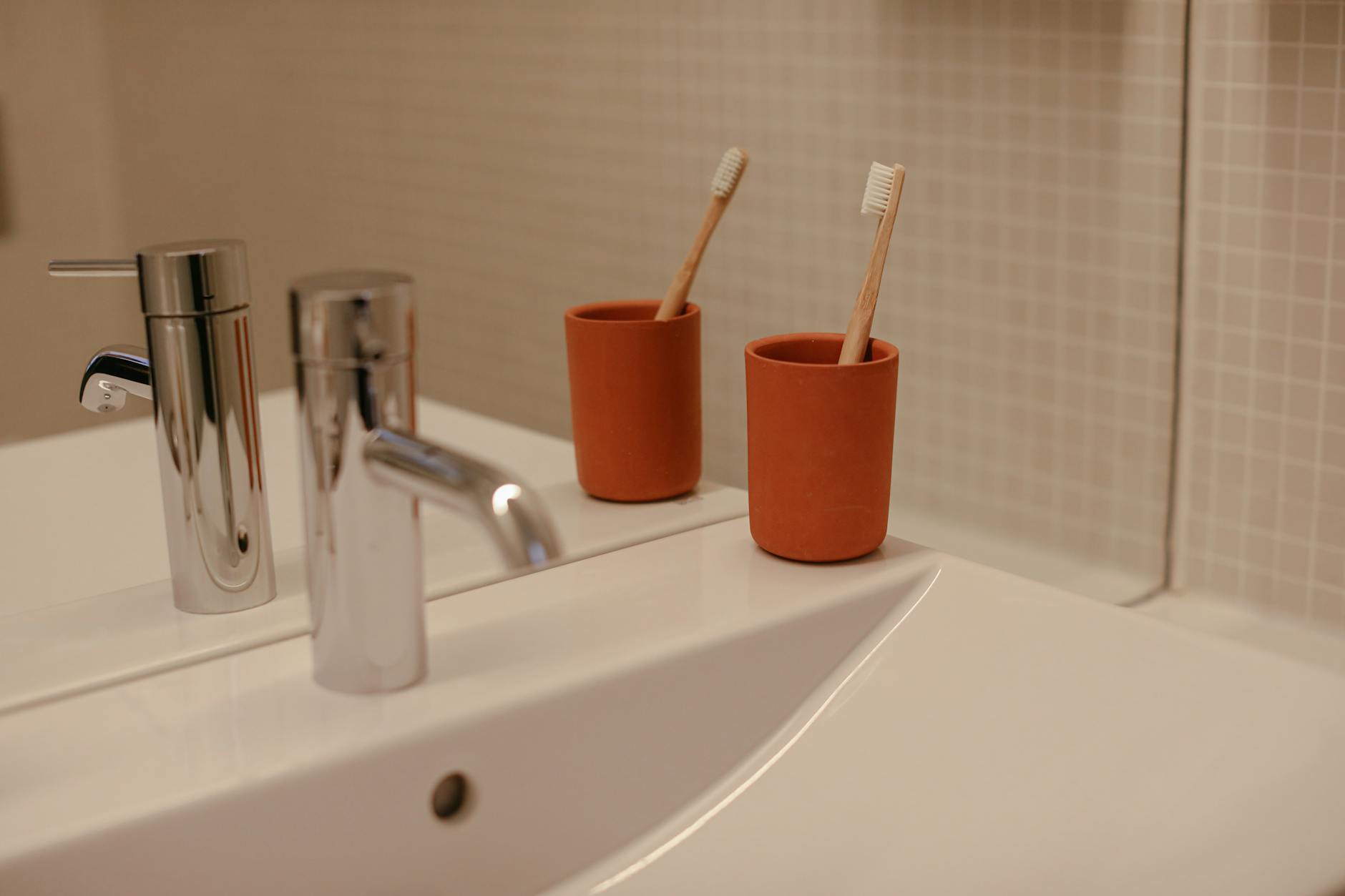
Finding the toothbrush in a slightly different position, orientation, or location than where it was left after the previous use is an observational signal that requires either deliberate monitoring or a strong spatial memory for one’s own domestic routines to detect, but that cleaning industry professionals and home organization researchers identify as one of the most consistent indirect indicators of unauthorized object handling during a cleaning visit. The replacement of an object after use almost never returns it to exactly its original position, angle, or orientation unless the replacer is aware of the original position and is making a deliberate effort to recreate it accurately. A toothbrush that is consistently found at a slightly different angle in its holder, with its bristle end facing a different direction, or positioned differently relative to adjacent items after cleaning days represents a pattern of repositioning that does not occur through household members’ own use because the same person’s habitual placement behavior is highly consistent. Forensic behavioral researchers who study object displacement in domestic spaces note that the pattern of small positional changes across multiple cleaning visits is significantly more informative than any single instance of displacement.
Sink Residue
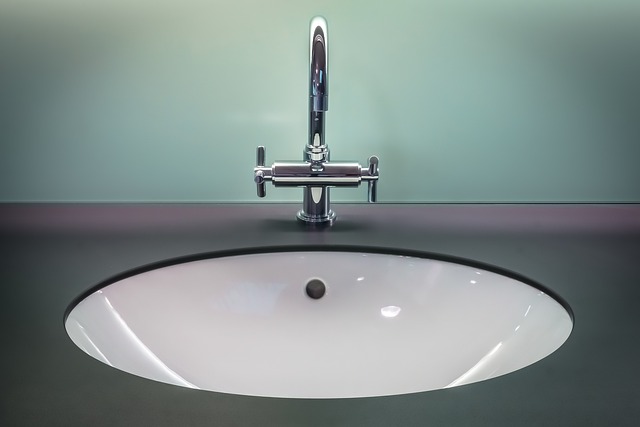
Observing toothpaste residue, bristle marks, or the characteristic circular scrubbing patterns left by a brush head on sink surfaces that would not be present if conventional cleaning tools had been used is a physical evidence category that cleaning quality researchers and home hygiene specialists identify as one of the most directly observable consequences of toothbrush cleaning misuse. The bristle diameter and spacing of a toothbrush create distinctive mark patterns on polished sink surfaces that differ measurably from those left by dedicated cleaning brushes, sponges, or cloths, and toothpaste compounds used as an abrasive cleaning agent leave a chemical residue signature on sink surfaces that is distinct from the cleaning products contained in the housekeeper’s official supply kit. Bathroom surface material researchers note that the fine abrasive compounds in most toothpastes create microscopic surface marking patterns on chrome, ceramic, and porcelain bathroom fixtures that are visible under certain lighting conditions and that their presence in areas outside the toothbrushing zone raises questions about the implement through which they arrived there. Finding toothpaste residue in the drain area, on the faucet handles, or along the sink rim rather than exclusively in the basin center is spatially inconsistent with normal toothbrushing splash patterns.
Moisture Retention
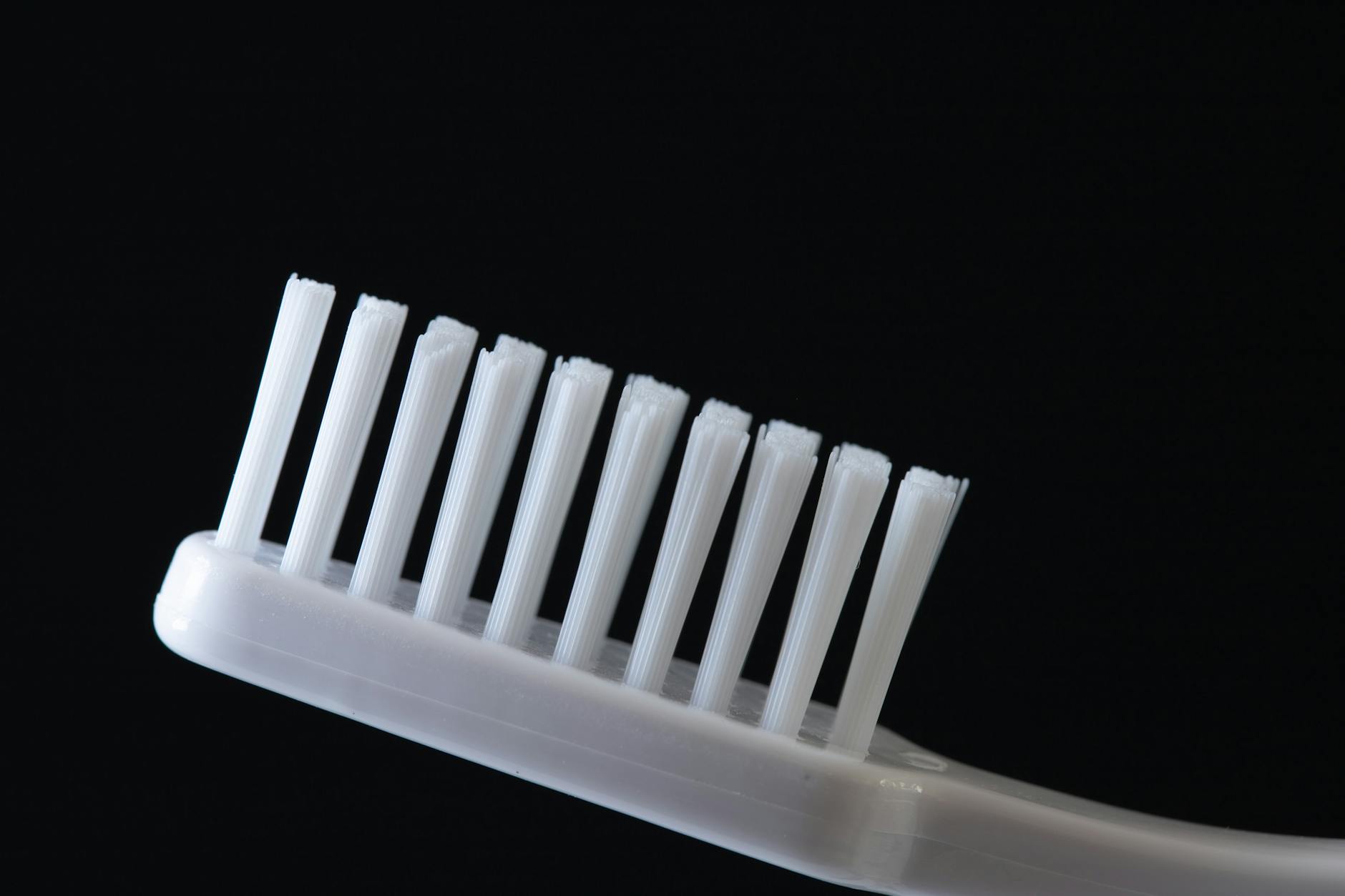
A toothbrush that is consistently damp, wet, or slower to dry than its normal post-use timeline when checked after cleaning visits but before any household member’s own use represents a hydration state that the drying physics of a standard bathroom environment cannot account for unless the toothbrush has been wetted more recently than its last known legitimate use. Oral hygiene product researchers who study toothbrush drying rates in bathroom environments note that a toothbrush stored upright in standard bathroom humidity conditions reaches a measurably drier state within two to three hours of use and that discovering a significantly wetter brush at the beginning of a cleaning day, when hours have passed since the last household member brushed their teeth, represents a moisture timeline discrepancy. The extent and distribution of moisture retention on a toothbrush also carries diagnostic information, with water distributed across the handle, the base of the bristle head, and the bristle exterior rather than concentrated in the bristle mass being more consistent with rinsing after cleaning use than with the residual moisture pattern of tooth brushing. Homeowners who have established the baseline drying timeline of their toothbrush through deliberate observation are significantly better positioned to identify moisture anomalies than those who have not.
Handle Marks
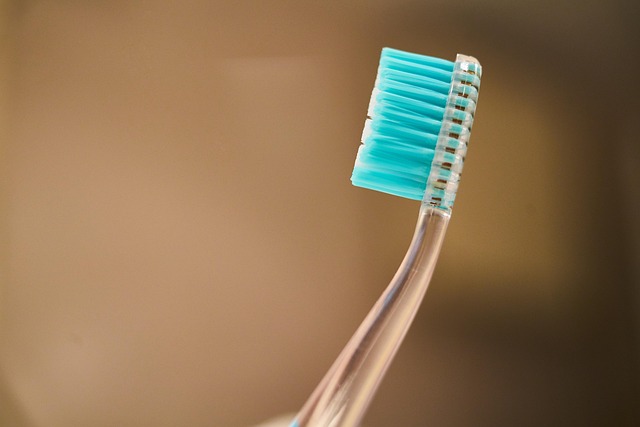
Examining the handle of a toothbrush under good lighting for grip marks, residue transfers, finger pressure impressions in softer rubber handle components, or surface scratches inconsistent with the holder type in which the brush is stored is a physical evidence approach that forensic object analysis researchers identify as capable of revealing handling patterns distinct from the owner’s own grip style and hand geometry. Toothbrush handles in softer thermoplastic rubber or silicone grip zones retain impressions and surface marks from applied pressure that differ between individuals based on hand size, grip strength, and the angle of approach during use. A cleaning-use grip applies pressure in a downward scrubbing direction that differs mechanically from the grip geometry of tooth brushing and can produce distinctive lateral compression marks on soft handle components that are inconsistent with the handle’s normal use pattern. Dental product engineers who design toothbrush handles for specific grip comfort note that the handle surface evidence of use direction and grip geometry is more informative than most users recognize.
Oral Health Changes
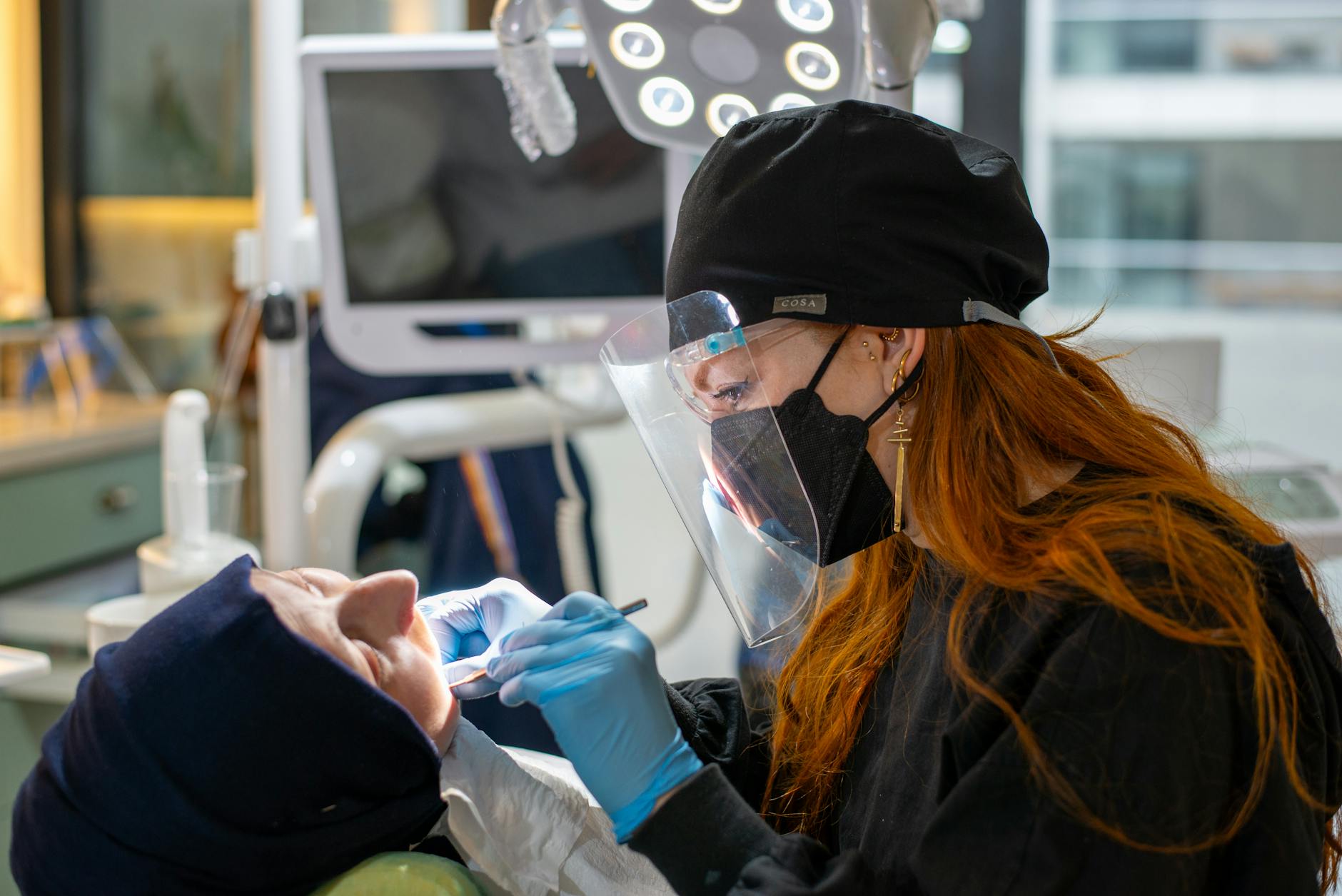
Experiencing unexplained oral health changes including unusual gum irritation, increased sensitivity, a persistent film sensation on teeth, or oral infections that cannot be attributed to changes in diet, dental product formulation, or oral hygiene practice is a clinical signal that dental medicine researchers and periodontists identify as potentially consistent with bacterial contamination of oral hygiene tools through contact with non-sterile surfaces. The bacterial and chemical profile of a sink surface used with cleaning products differs substantially from the oral microbial environment that toothbrush bristles normally contact, and the introduction of surface bacteria, cleaning product residues, and drain-adjacent biological material into the oral cavity through a contaminated toothbrush creates a microbial disruption to the oral environment that the immune response of healthy gingival tissue registers as irritation. Dental hygienists who investigate the environmental causes of unexplained oral inflammation in otherwise health-compliant patients have documented cleaning product contamination of oral hygiene tools as an identified cause in a sufficient number of cases to include it as a standard environmental inquiry in their patient history protocols. The temporal correlation between cleaning visit days and the onset or worsening of oral symptoms is a pattern that patients rarely identify without specific prompting from their dental care provider.
Cleaning Product Smells
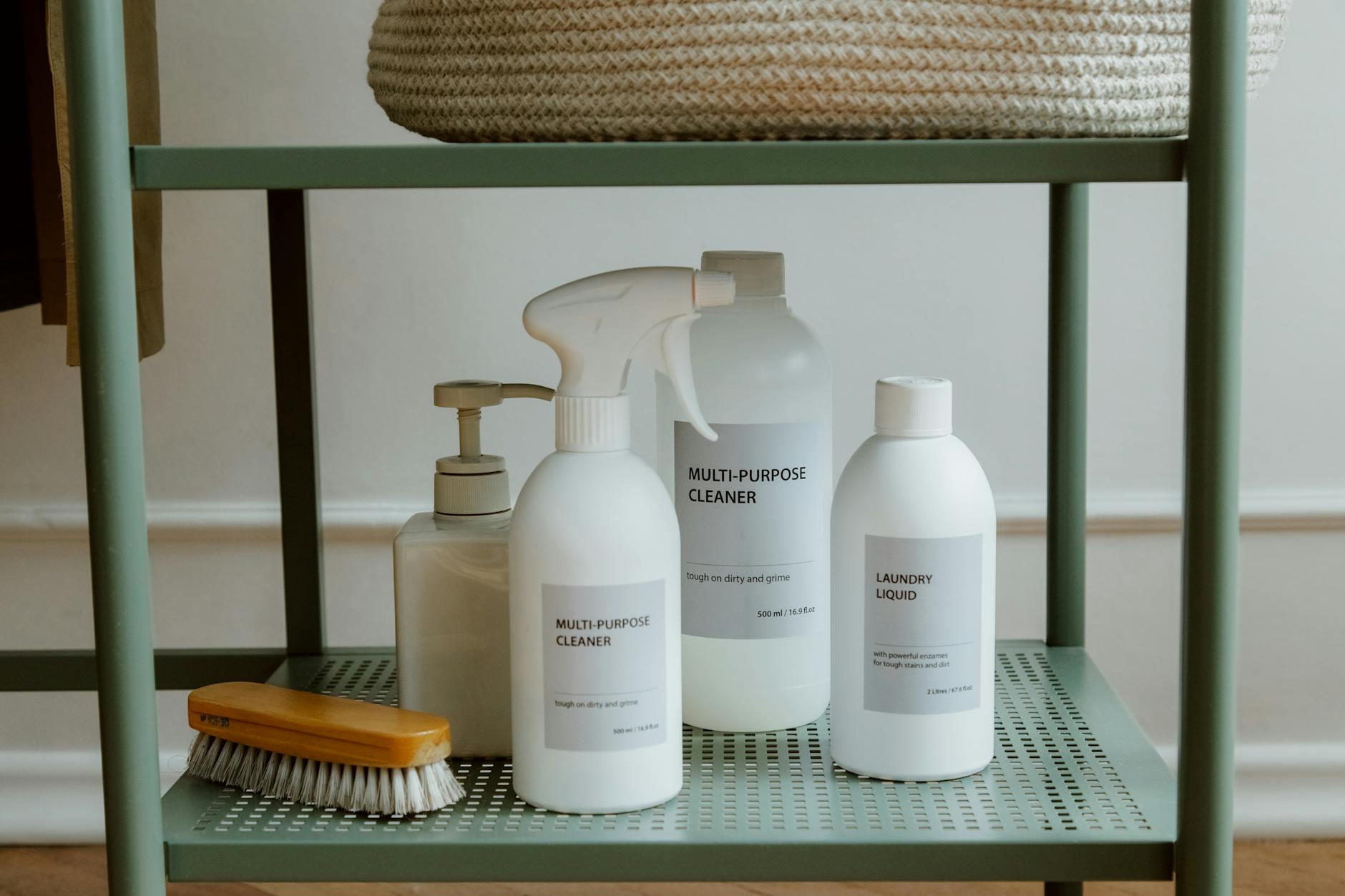
Detecting a faint but identifiable cleaning product odor emanating from the toothbrush before use, at a moment when no cleaning product has been applied to the brush by any household member, is a chemical contamination signal whose sensory accessibility makes it one of the more immediately actionable indicators in this collection. The volatile organic compounds in household cleaning products including surfactants, fragrances, disinfectants, and solvent carriers have characteristic odor profiles that persist on the bristle surfaces of a toothbrush used for cleaning purposes even after rinsing, because the bristle matrix retains chemically absorbed compounds at the fiber surface level that water rinsing does not fully remove. Oral health product chemists who have studied the absorption and retention of environmental chemical compounds in toothbrush bristle materials note that the porous fiber structure of nylon bristles is specifically efficient at absorbing and retaining volatile aromatic compounds from liquid cleaning products. Smelling one’s toothbrush before use is not a practice that most people maintain, but those who do as a result of suspicion report that the presence of a detectable cleaning product odor is one of the most immediately convincing indicators of misuse because its alternative explanations are limited.
Discoloration Patterns
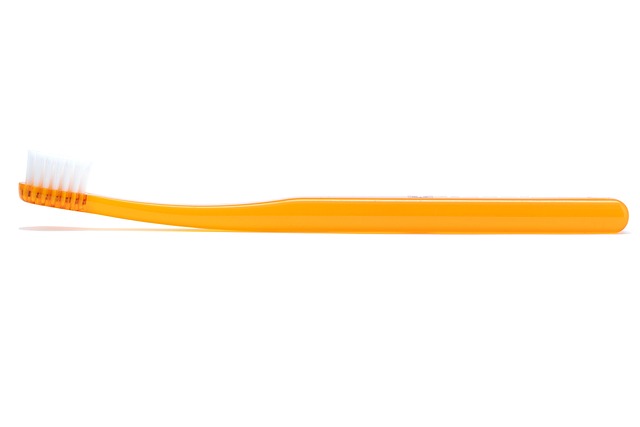
Observing unusual discoloration, staining, or color changes on the toothbrush bristles, particularly in patterns that are inconsistent with the staining typically associated with toothpaste formulation, coffee or tea consumption, or normal oral use, is a physical evidence category whose interpretation requires familiarity with the normal appearance of one’s own toothbrush after standard use. Cleaning product contact produces characteristic discoloration patterns in toothbrush bristle material that differ from oral use staining, with bleach-containing products causing a lightening or whitening of colored bristle tips, while mineral-containing cleaning products leave deposits that create a graying or chalky discoloration distinct from the uniform staining associated with dietary chromogens. Toothbrush material scientists who study the effects of cleaning chemical contact on bristle polymer chemistry note that oxidizing cleaning agents including bleach, peroxide-based cleaners, and chlorine-releasing products cause measureable changes to the optical properties of nylon bristle material at concentrations consistent with diluted cleaning product use. A toothbrush with bristle tips that are noticeably lighter, whiter, or more chemically bleached in appearance than the bristle base or than adjacent bristles suggests contact with an oxidizing cleaning agent that no toothpaste formulation contains.
Replacement Timing
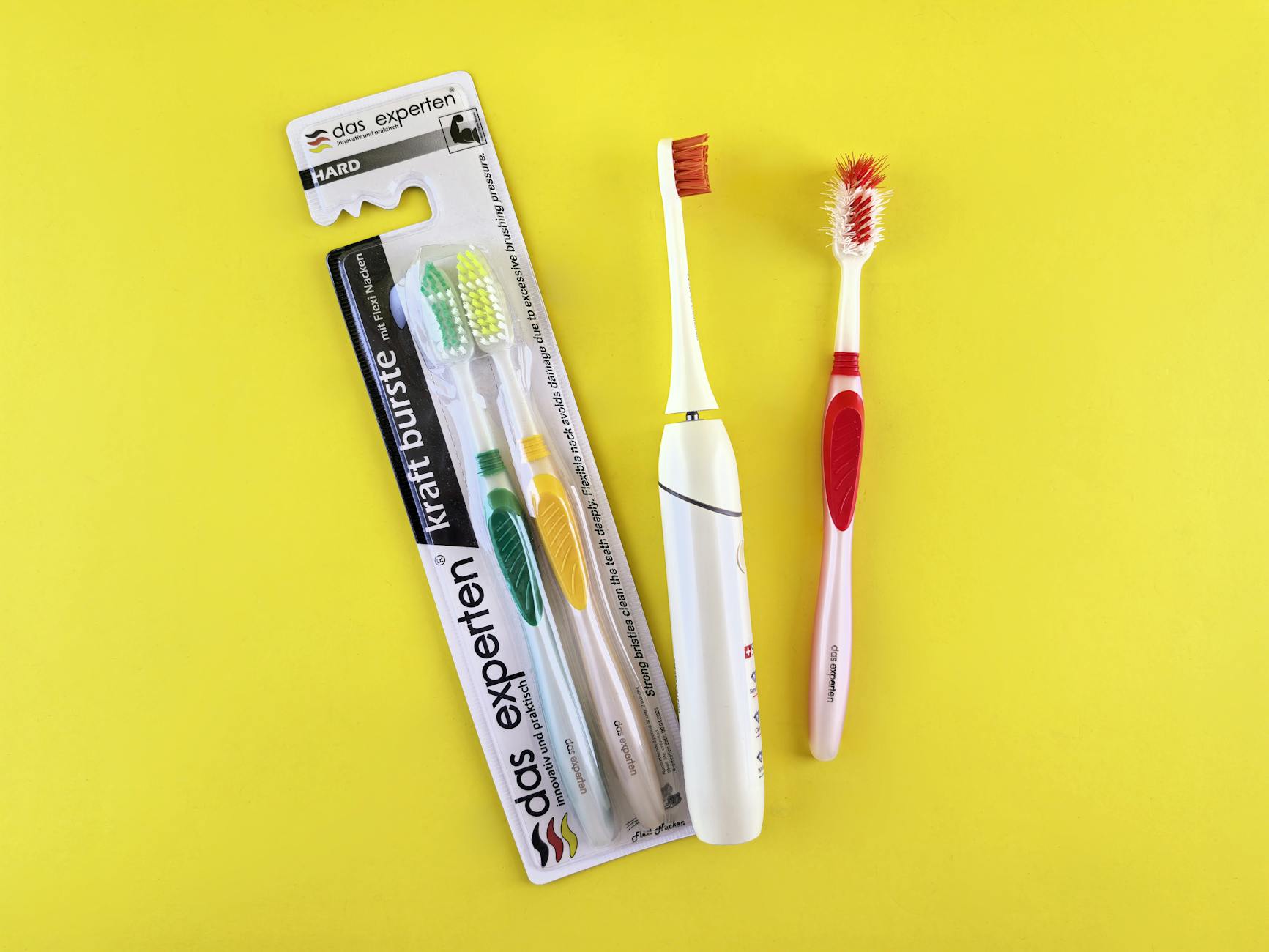
Noticing that a toothbrush requires replacement significantly sooner than the standard three to four month replacement timeline recommended by dental health organizations, despite consistent and normal tooth brushing practice, is a durability signal that toothbrush engineers identify as indicative of mechanical stress accumulation beyond what oral hygiene use alone produces. The mechanical lifespan of a modern toothbrush is calibrated by manufacturers to withstand a predictable number of brushing cycles at the forces typically applied during oral hygiene practice, and the significantly greater mechanical forces applied during surface scrubbing accelerate the wear timeline in ways that are visible in both bristle deformation and handle stress marks. Dental hygienists who counsel patients on toothbrush replacement timing note that patients who report their toothbrushes wearing out much faster than expected without any change in their brushing technique or frequency are presenting a durability anomaly that deserves investigation into the conditions of the toothbrush’s use environment. A toothbrush that needs replacement after six weeks of apparent normal use has experienced approximately twice its expected mechanical load, a discrepancy that the addition of periodic surface scrubbing use between household member brushing sessions would explain with mathematical consistency.
Cleaner Denial Patterns
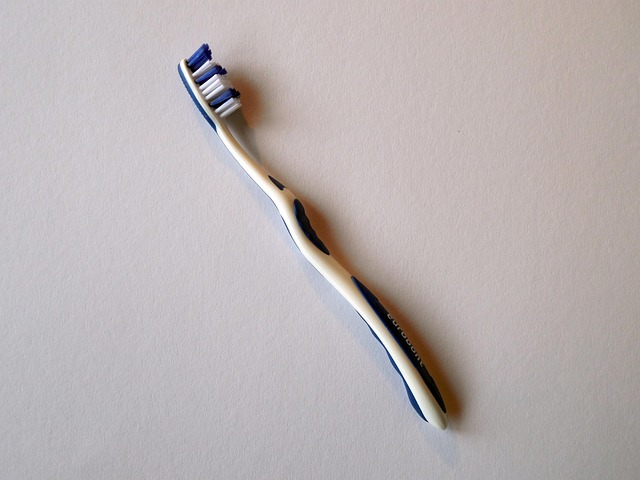
Observing a pattern in which a housekeeper is consistently and specifically defensive, evasive, or subject-changing when questions arise about the cleaning tools they use for sink and bathroom fixture maintenance, even in the context of otherwise open professional communication, is a behavioral signal that occupational psychology researchers who study workplace deception identify as more informative than any single denial instance. The psychological dynamics of workplace deception in domestic service environments involve the maintenance of a professional self-presentation that conflicts with a concealed practice, and the cognitive and emotional resources required to sustain that maintenance produce observable behavioral changes in contexts where the concealed practice is approached conversationally. Domestic staffing agency professionals who conduct performance and conduct investigations note that specific and recurring evasiveness about a defined subset of topics, in the context of otherwise cooperative professional communication, is one of the more reliable behavioral indicators of concealed practices in household staff management. A housekeeper who freely discusses every aspect of their cleaning routine except the specific tools they use for bathroom fixtures is compartmentalizing professional transparency in exactly the area where the concern is located.
Adjacent Tool Dryness
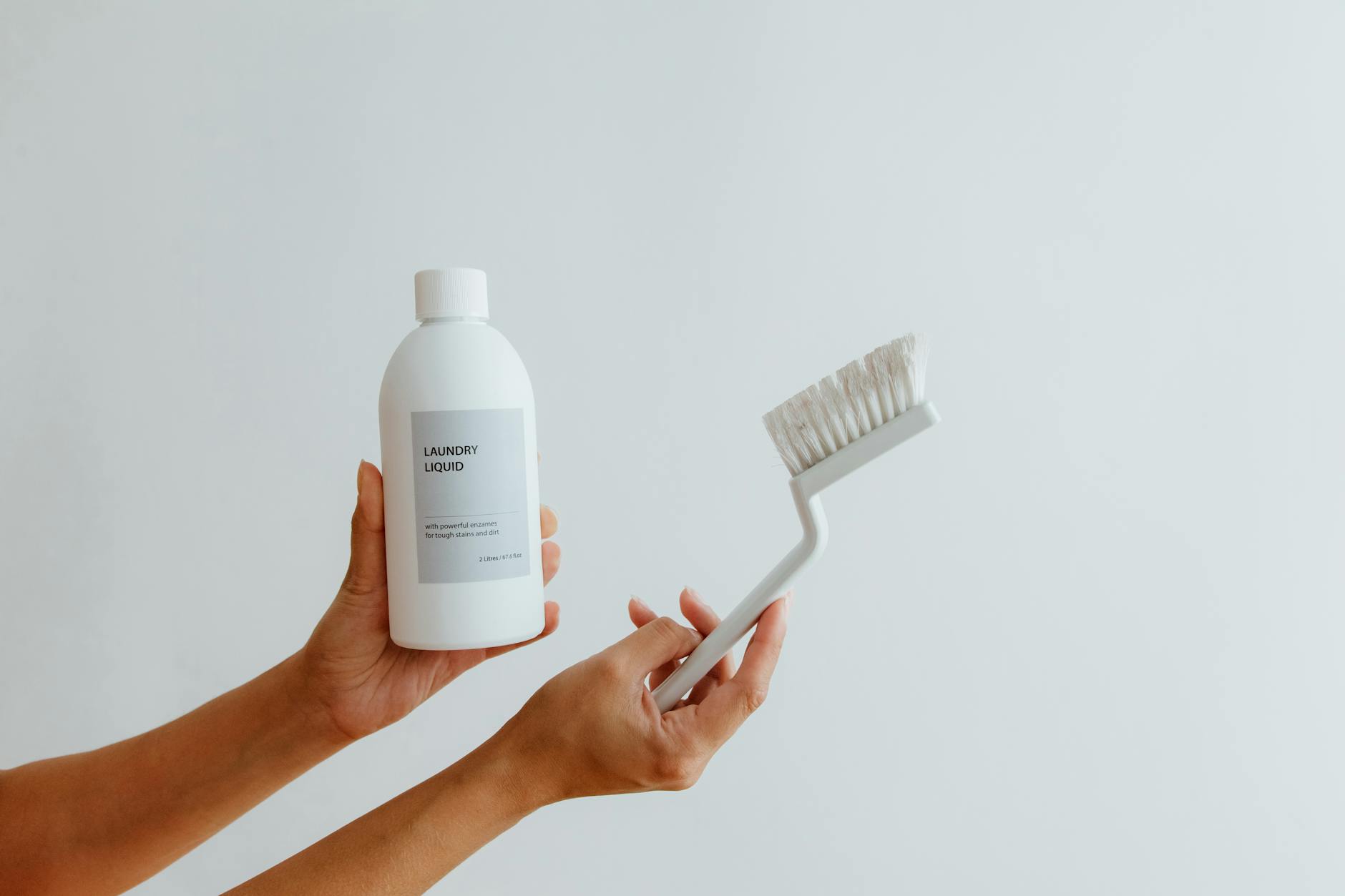
Finding that the dedicated cleaning brushes, scrubbing pads, and bathroom cleaning tools that should be wet or damp after use during a cleaning visit are conspicuously dry when examined shortly after the cleaner has departed is a negative evidence pattern that home hygiene researchers identify as raising legitimate questions about which implements were actually used for bathroom fixture cleaning during the visit. If the dedicated cleaning tools are dry and the toothbrush is damp, the physical state of both objects simultaneously provides a more complete account of what was and was not used during the cleaning session than the state of either object alone. Cleaning industry quality assurance professionals who conduct post-service inspections note that the moisture state of dedicated cleaning implements is a standard inspection criterion precisely because it provides verifiable evidence of whether the correct tools were deployed for specific cleaning tasks. The pattern of dry dedicated cleaning tools coinciding with an unexpectedly damp toothbrush across multiple cleaning visits is a physical evidence correlation whose alternative explanations are limited and whose most parsimonious interpretation is the one the homeowner is most reluctant to accept.
Toothpaste Depletion
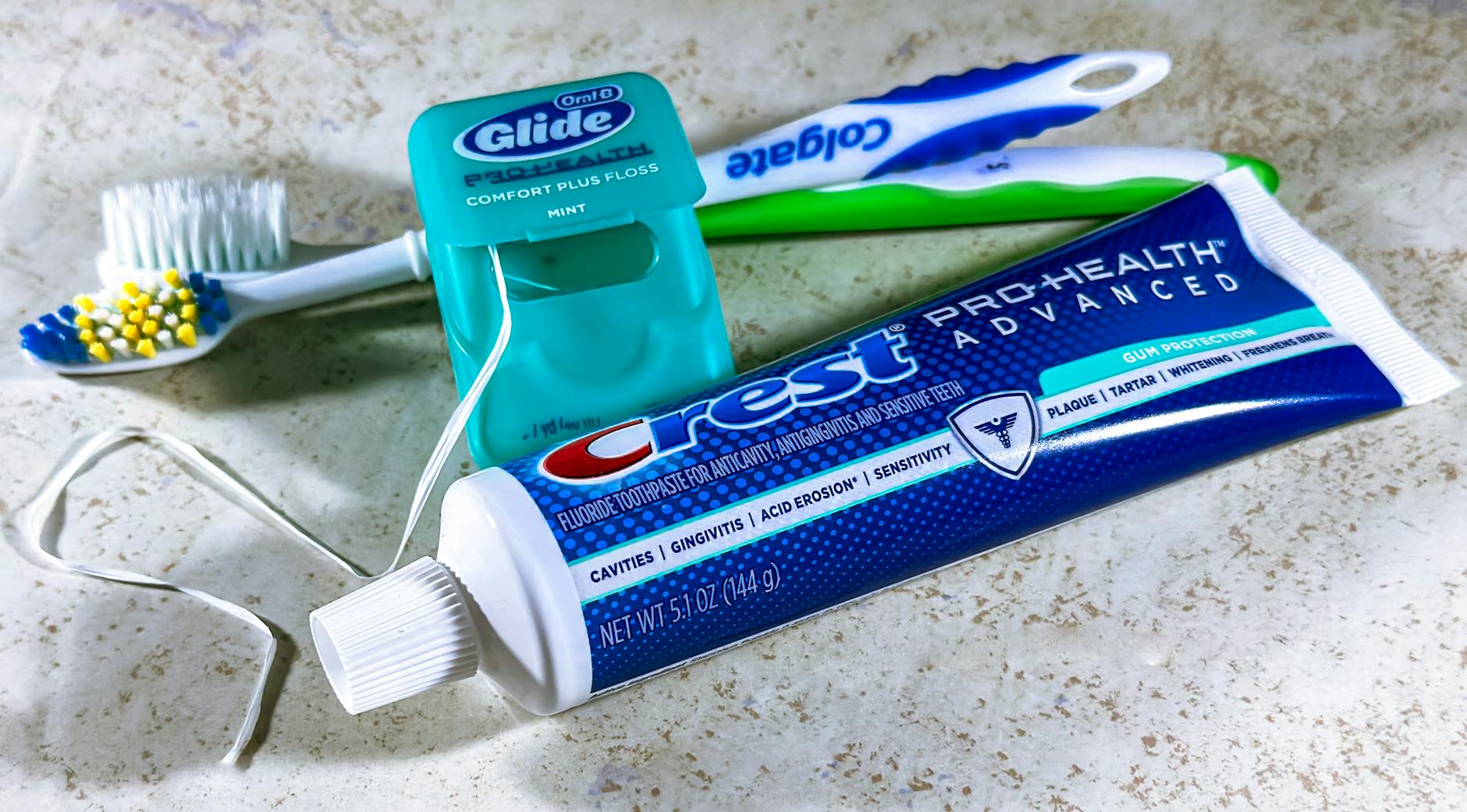
Observing that toothpaste is depleted at a rate inconsistent with the number of household members and their known brushing frequency, and whose depletion rate correlates with cleaning visit days, is a consumption anomaly that domestic resource management researchers identify as a secondary indicator of toothbrush misuse in the specific scenario where the cleaner uses the homeowner’s toothpaste as an abrasive cleaning agent in combination with the toothbrush. Toothpaste is occasionally used as a mild abrasive polish for chrome bathroom fixtures, tap fittings, and sink surfaces precisely because its mild abrasive compound content produces a polishing effect without the scratching risk associated with more aggressive cleaning abrasives. The consumption of toothpaste for cleaning purposes rather than purely oral hygiene purposes creates a depletion rate that exceeds what the household’s oral hygiene practice alone accounts for, a discrepancy that becomes visible when the homeowner has established a baseline consumption rate from periods without cleaning visits. Dental product consumption researchers note that the quantity of toothpaste required for effective surface polishing is comparable to that used in a standard brushing session, meaning that periodic cleaning use produces a depletion addition that is detectable in household consumption monitoring.
Bristle Odor Profile
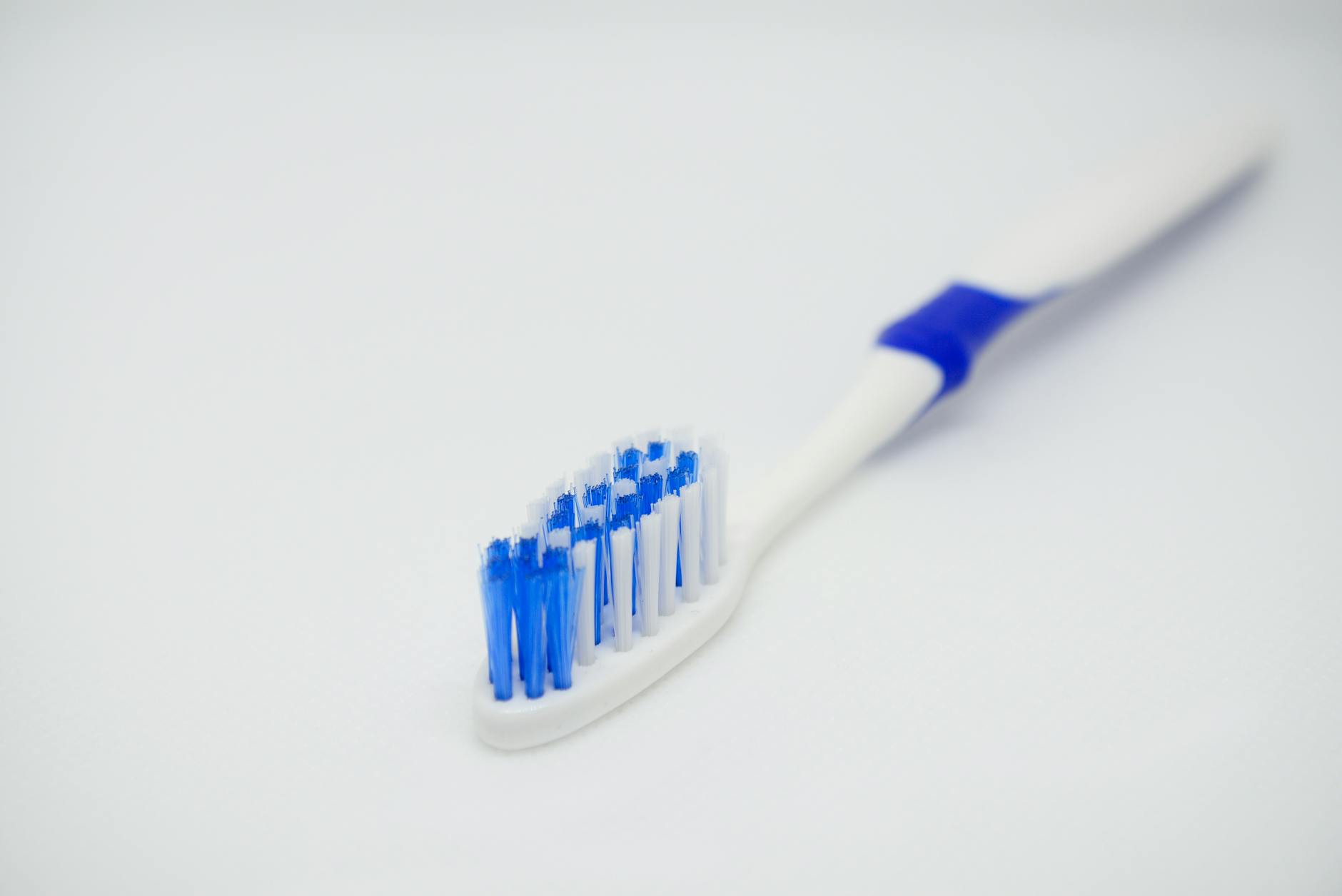
Conducting a deliberate olfactory assessment of toothbrush bristles before application of toothpaste and comparing the detected odor profile to the known scent environment of the bathroom and to the fragrance profiles of the cleaning products used in the household is a sensory investigation approach that fragrance chemistry researchers and home hygiene specialists identify as capable of detecting chemical contamination signatures that visual inspection alone would miss. The bristle matrix of a toothbrush that has contacted scented cleaning products retains the volatile aromatic compounds of those products in amounts that survive rinsing and that are detectable by careful olfactory assessment before the masking application of toothpaste fragrance. Sensory science researchers who study human olfactory discrimination note that most people can reliably distinguish between the characteristic odor profiles of bathroom cleaning products, drain cleaning agents, tap polishing compounds, and the baseline odor profile of a clean toothbrush stored in its normal bathroom environment. The presence of any cleaning product fragrance signature on a bristle assessed before toothpaste application is an odor source that has only one plausible explanation given the toothbrush’s location and the absence of any legitimate reason for cleaning product contact.
Camera Evidence
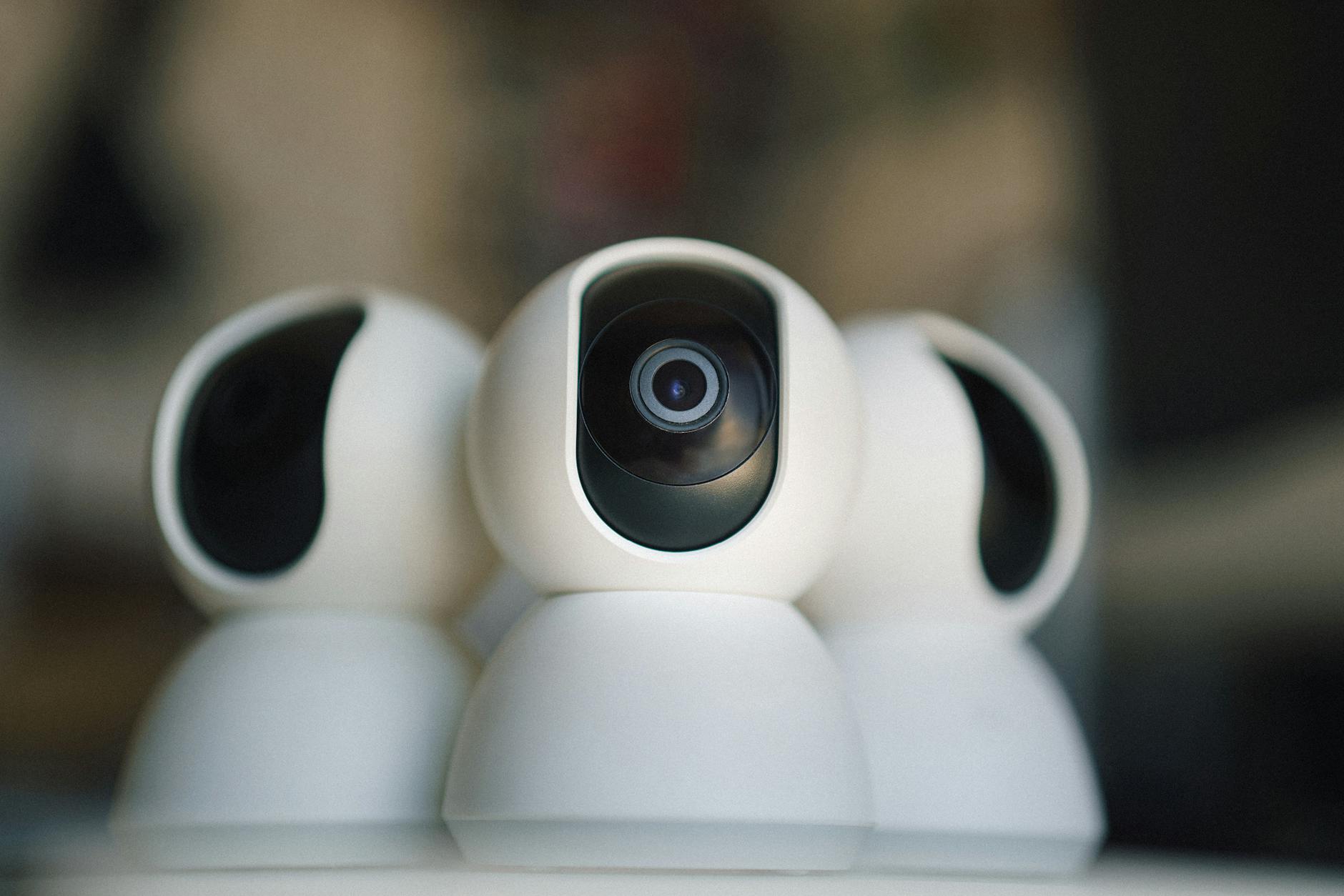
Installing a small, discreet camera covering the bathroom counter and sink area before a cleaning visit and reviewing the footage afterward is the most direct and conclusive evidence-gathering approach available to a homeowner who has accumulated sufficient indirect indicators to justify a definitive investigation. Home security technology researchers note that the availability, affordability, and discreet form factor of modern micro cameras has made video evidence gathering a practical option for resolving domestic suspicions that previously required either direct confrontation or indefinite uncertainty. Legal advisors who work with homeowners in domestic staff disputes note that video evidence gathered in one’s own home is legally obtained in most jurisdictions and represents the most persuasive form of evidence available for any subsequent employment or contractual dispute. The homeowner who discovers conclusive video evidence of toothbrush misuse is in a significantly stronger position for any subsequent conversation with the housekeeper or their agency than one who presents a collection of indirect indicators that are individually deniable.
Social Media Research

Reviewing the social media accounts and online professional profiles of the housekeeper for content related to cleaning tips, cleaning hacks, or household maintenance approaches that mention toothbrushes as cleaning tools may reveal a professional philosophy or cleaning methodology that includes the use of repurposed oral hygiene implements as a standard practice rather than as an individual improvisation. Cleaning industry social media content researchers who study the professional cleaning community’s online presence note that the use of old toothbrushes as cleaning tools for grout, fixtures, and tight spaces is a widely shared and specifically endorsed technique in professional cleaning content communities, and that individual cleaners who have internalized this methodology may not maintain a strict distinction between old toothbrushes designated for cleaning and current toothbrushes belonging to household members. The discovery that a housekeeper actively promotes, follows, or has saved content specifically endorsing toothbrush cleaning methods in their online activity does not constitute proof of specific misuse but establishes a professional framework within which misuse would be methodologically consistent rather than individually aberrant. Employment background researchers who advise homeowners on domestic staff evaluation note that social media content provides a window into professional methodology that formal employment screening does not capture.
Grout Improvement

Noticing that the grout lines in bathroom tile, the crevices around tap fittings, and the tight spaces around sink drain surrounds are consistently cleaner after housekeeping visits than the cleaning results achievable with the standard brush and cleaning tool inventory that the housekeeper has been observed bringing to the property is a cleaning outcome anomaly that professional cleaning quality researchers identify as circumstantially consistent with the use of a supplementary implement whose bristle size and reach characteristics match those of a toothbrush. Professional cleaning quality assessors who evaluate bathroom cleaning outcomes note that the specific cleaning result profile achieved by toothbrush scrubbing in grout lines and fixture crevices is distinctive and not easily replicated by the flat-face scrubbing surfaces of standard bathroom cleaning implements. The absence of any observed supplementary narrow-bristle cleaning tool in the housekeeper’s kit combined with cleaning outcomes that specifically reflect narrow-bristle implement use creates an equipment-to-outcome discrepancy that domestic service researchers identify as requiring an alternative implement explanation. A homeowner who cannot account for the implement that produced the cleaning results they observe is in possession of an outcome that implies a tool they have not identified.
Bristle Debris
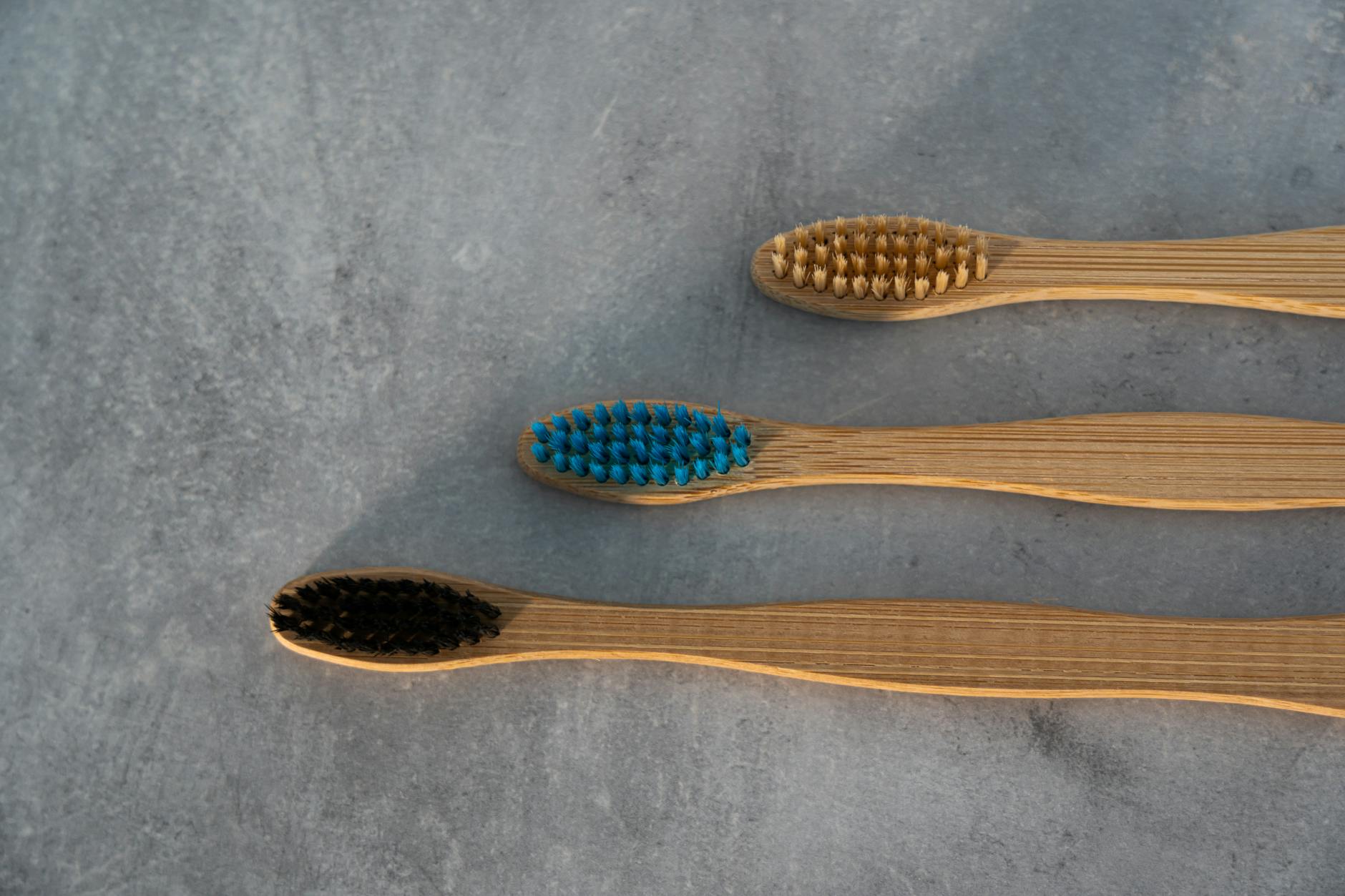
Finding microscopic debris in the toothbrush bristles that is inconsistent with oral hygiene use, including mineral deposits from hard water, soap scum particles, drain residue, or cleaning compound granules, is a physical evidence category that oral hygiene product researchers identify as detectable through close visual examination under magnification or bright directional lighting. The debris profile of a toothbrush used exclusively for tooth brushing reflects the mineral and organic content of the oral environment including calcium phosphate compounds from saliva, food particles, and toothpaste abrasive residue, while the debris profile of a brush used for sink cleaning includes hard water mineral deposits, soap scum compounds, and surface cleaning product residue that are not present in the oral environment. A magnifying glass examination of bristle debris in the base region of the bristle tuft, where cleaning product residue concentrates through capillary action during surface scrubbing, can reveal the presence of material whose origin is inconsistent with oral hygiene use. Dental product material scientists who have conducted bristle debris analysis as part of product performance research note that the composition of bristle-trapped debris is significantly more informative about the use history of the brush than visual assessment of the bristle surface alone.
Handle Temperature
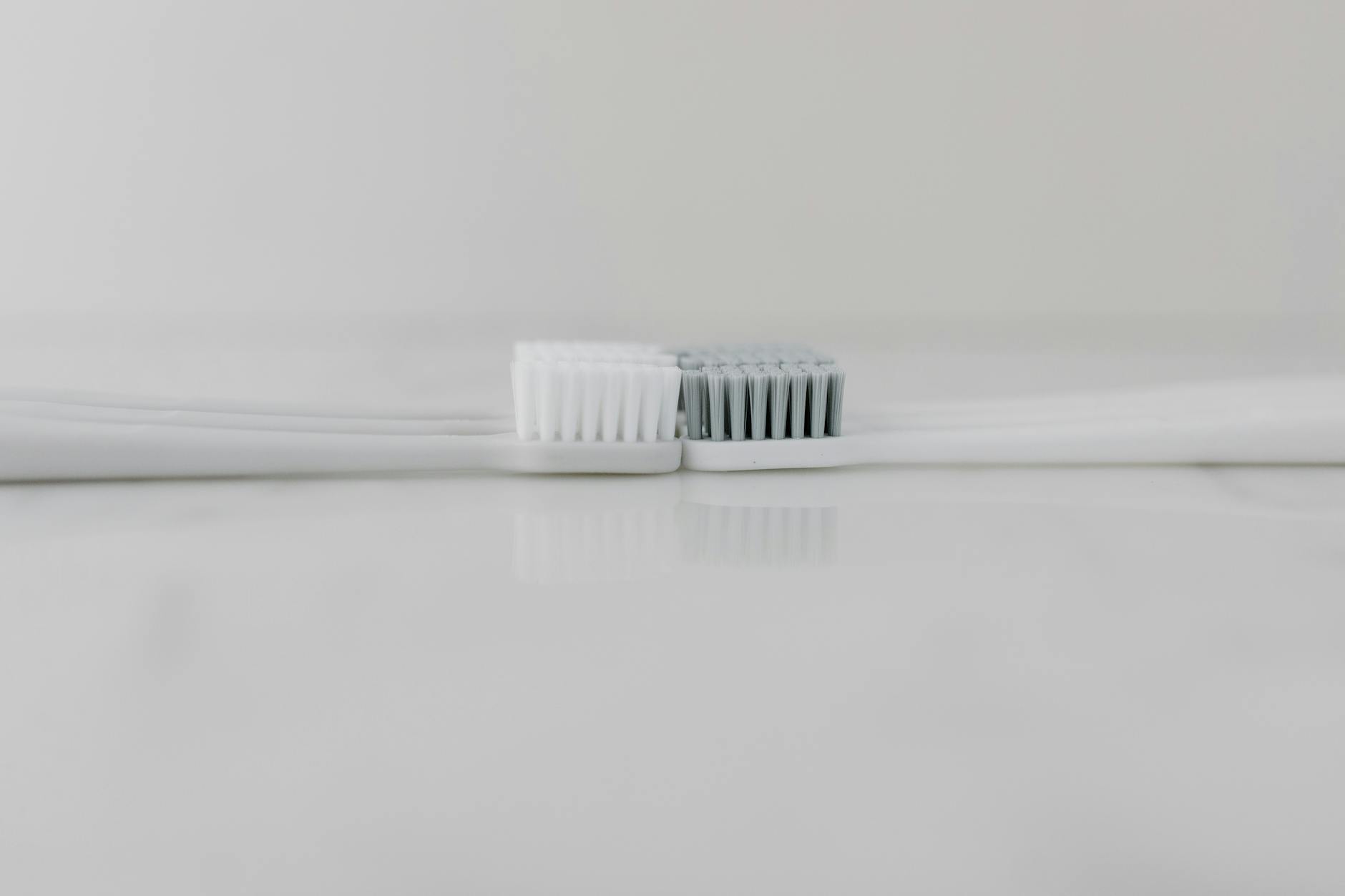
Finding that the toothbrush handle is warmer than ambient bathroom temperature when retrieved from its holder after a cleaning visit, at a time when no household member has used it, is a thermal evidence signal that physical property researchers identify as consistent with recent handling by a warm human hand in a closed-grip scrubbing motion. An object stored in a temperature-stable bathroom environment reaches thermal equilibrium with its surroundings over a period of approximately thirty to sixty minutes after human handling, and the detection of a handle that is above ambient temperature at a time when the toothbrush should have been untouched for several hours suggests recent physical contact by a warm hand. The grip-intensive nature of scrubbing motions transfers more hand warmth to a handle than the lighter grip of tooth brushing, producing a more significant temperature elevation per unit of contact time. Homeowners who have established the baseline temperature behavior of their toothbrush in its storage context through deliberate assessment are positioned to identify the thermal anomaly that recent unauthorized handling produces.
Cleaning Supply Audit

Conducting a systematic inventory of the cleaning products brought to the property by the housekeeper and comparing the quantity of cleaning product consumed during a visit with the observable cleaning outcomes achieved reveals a consumption-to-outcome ratio that professional cleaning operations management researchers identify as a potential indicator of supplementary cleaning methods that extend the effective reach of a given quantity of cleaning product beyond what standard application methods would achieve. A toothbrush used as a supplementary cleaning implement for tight spaces and fixture crevices allows a smaller quantity of cleaning product to achieve more comprehensive coverage than the same product applied with a standard cleaning brush, because the toothbrush’s narrow profile and directional bristle action delivers cleaning compound more efficiently to confined surfaces. A housekeeper who consistently achieves cleaning outcomes in bathroom fixture detail areas that exceed what the observed product consumption should support may be supplementing their standard cleaning tool kit with an implement that extends cleaning product efficiency in ways that standard tools do not. Cleaning operations researchers who study the relationship between cleaning product consumption and cleaning outcome quality note that significant positive efficiency anomalies in specific cleaning areas typically reflect either superior technique or supplementary tool use that the standard kit inventory does not capture.
Behavioral Shift Post-Discovery

Observing that a housekeeper whose behavior, cleaning tool handling, and bathroom cleaning approach changes in specific and targeted ways immediately following any household conversation about cleaning tools, cleaning methods, or oral hygiene product placement is exhibiting a behavioral adaptation that occupational behavioral psychologists identify as consistent with the adjustment of a concealed practice in response to perceived detection risk rather than the implementation of a new cleaning instruction. A housekeeper who spontaneously and specifically begins bringing their own narrow-bristle cleaning tool after a general conversation about cleaning standards, or who begins asking specifically where the homeowner would like their toothbrush stored, or who becomes specifically and uncharacteristically careful about the bathroom counter arrangement after a routine domestic discussion, is demonstrating topically specific behavioral change whose precise focus on the relevant area is more informative than its surface appearance of professional responsiveness. Behavioral deception researchers who study the behavioral signatures of concealed workplace practices note that behavioral change in response to detection risk characteristically targets the precise behaviors that constitute the concealed practice rather than representing a general improvement in professional conduct. The specificity of the behavioral shift, concentrated in exactly the area of concern rather than distributed across general professional practice, is the diagnostic detail that distinguishes an adaptation to perceived detection risk from a genuine response to professional feedback.
Professional Reference Patterns
Investigating the professional references and employment history of the housekeeper with specific attention to the length of previous employment relationships, the reasons previous employers discontinued the relationship, and any patterns in the specific circumstances surrounding the end of prior domestic service positions may reveal a history of professional practice standards that have previously created employer concern without being explicitly named in reference communications. Domestic staffing industry researchers who study the employment history patterns of household staff note that the professional references provided by domestic workers are subject to the social dynamics of reference communication that make explicit negative disclosure uncommon even in cases where the employer’s decision not to continue the relationship was driven by specific conduct concerns. Reference conversations that involve notably short employment durations, vague positive statements without specific behavioral evidence, or a pattern of employment with multiple different households over short periods may indicate a professional history in which practice standard concerns have recurred without being directly communicated through formal reference channels. A domestic staffing agency professional who reviews reference patterns with attention to duration and specificity rather than simply to positive or negative valence is conducting a significantly more informative reference check than one who accepts positive characterizations at face value without examining the evidence basis on which they rest.
Environmental Control Testing
Establishing a set of deliberate environmental controls before a cleaning visit, including photographing the exact position of the toothbrush in its holder from a consistent camera angle, placing an imperceptible marking on the brush handle in a location that contact during cleaning grip would disturb, or positioning a small item near the toothbrush holder in a way that would be displaced by its removal and replacement, is an evidence-gathering methodology that home security researchers and domestic conduct investigators identify as the most systematically reliable approach available to homeowners who want to move from suspicion to verifiable evidence. The controlled condition approach transforms the subjective assessment of positional changes, displacement patterns, and usage indicators into an objective comparison between documented pre-visit conditions and observed post-visit conditions that can be evaluated against a clear baseline rather than against the imprecise standard of the homeowner’s memory. Behavioral investigation researchers who design environmental monitoring protocols for domestic settings note that the most effective control conditions are those whose disturbance is unambiguously detectable but whose presence as monitoring tools is not obvious to the person being monitored. A homeowner who conducts three to five consecutive cleaning visits under controlled monitoring conditions, documenting pre and post-visit evidence systematically, has assembled an evidential record that is significantly more defensible in any subsequent confrontation or dispute than the accumulated informal observations that typically precede formal action.
Direct Inquiry Response
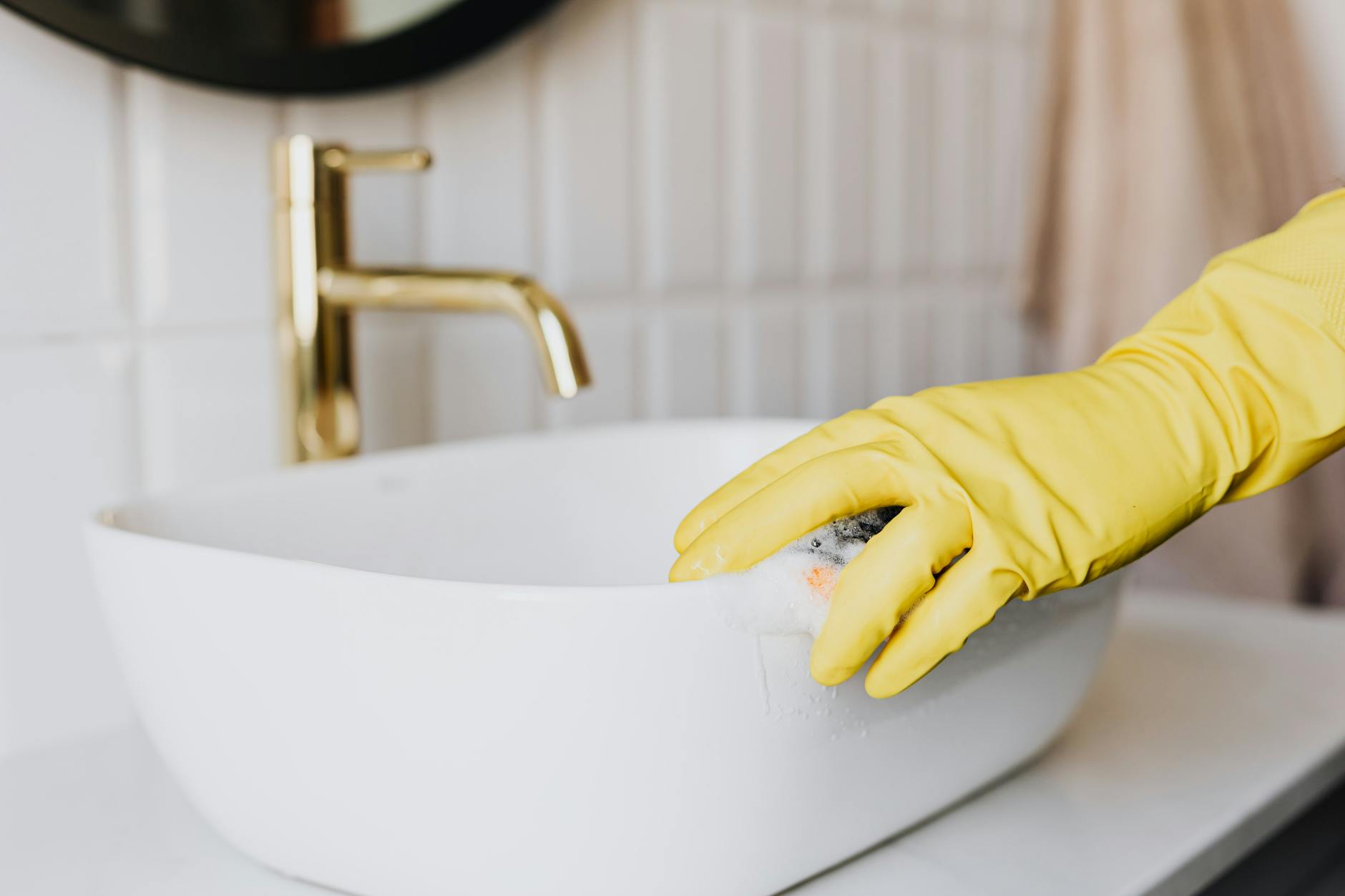
Asking the housekeeper directly and without warning whether they use or have ever used the household toothbrushes as part of their bathroom cleaning methodology and carefully observing both the verbal content and the nonverbal behavioral response to the question is a direct evidence-gathering approach whose value lies as much in the behavioral data it generates as in the verbal answer it receives. Deception detection researchers who study the response dynamics of individuals asked directly about concealed practices note that the specific combination of verbal content, response latency, emotional regulation effort, and the presence or absence of clarifying questions in the response to an unexpected direct inquiry provides more behavioral information than either the verbal answer alone or the indirect observational evidence accumulated through environmental monitoring. The housekeeper who responds to a direct inquiry about toothbrush use with immediate denial accompanied by visible emotional regulation effort, specific detail avoidance, and a rapid subject change is producing a behavioral response profile that deception researchers distinguish from the response profile of a person to whom the question’s premise is genuinely surprising and implausible. A calm, direct, and non-accusatory question asked at an unexpected moment in a professional conversation is one of the most efficient behavioral evidence-gathering tools available to a homeowner who has accumulated sufficient indirect indicators to justify a direct professional inquiry.
Share your own experiences with household staff conduct concerns and the approaches that helped you address them effectively in the comments.