
The relationship between a client and a personal trainer is built entirely on trust, and most fitness professionals take that responsibility seriously. However, the fitness industry is largely unregulated in many countries, and the gap between genuinely qualified coaches and those operating with ulterior motives can be difficult to spot. Some trainers benefit financially or professionally from keeping clients dependent, plateaued, or confused about their own progress. Recognizing the subtle warning signs of a counterproductive training relationship can be the difference between genuine transformation and years of spinning your wheels.
Cardio Overload

Prescribing excessive amounts of steady-state cardio while consistently minimizing resistance training is one of the most common ways progress gets quietly derailed. Chronic cardio without adequate strength work accelerates muscle loss which directly suppresses the metabolic rate and makes fat loss increasingly difficult over time. A well-informed trainer understands that muscle tissue is the primary driver of resting calorie burn and programs accordingly. Clients who spend every session on the treadmill while weights gather dust nearby should ask pointed questions about the reasoning behind their programming structure.
Vague Programming

Delivering workouts verbally on the spot with no written plan and no measurable progression structure leaves clients with nothing to track and nothing to compare over time. Legitimate strength and conditioning programs are periodized meaning they follow logical phases of increasing intensity and volume that build on each other systematically. A trainer who cannot produce a written program or explain the reasoning behind exercise selection is likely improvising rather than coaching. Without documented programming it becomes impossible to identify what is working and equally impossible to hold a trainer accountable for a lack of results.
Supplement Pushing

A trainer who consistently steers conversations toward branded supplements they personally sell or receive commission from has introduced a financial conflict of interest into the coaching relationship. Most recreational exercisers achieve their goals through whole food nutrition and consistent training without requiring any supplementation beyond basic deficiencies identified by a doctor. The supplement industry generates billions in annual revenue partly by exploiting the trust clients place in fitness professionals who recommend products. When supplement sales become a recurring feature of training sessions it is reasonable to question whether the advice being given serves the client’s body or the trainer’s income.
Goal Shifting

Gradually moving the goalposts by introducing new secondary goals whenever a primary objective approaches success prevents clients from ever experiencing the satisfaction of completion. A trainer who pivots from fat loss to muscle building to athletic performance in rapid succession keeps clients permanently in the early adaptation phase where results feel elusive. This pattern is particularly effective at maintaining dependence because clients feel they are always progressing toward something without ever arriving. Clear goal documentation at the outset of a training relationship provides important protection against this form of quiet manipulation.
Diet Mystification

Overcomplicating nutrition advice with constantly shifting protocols, contradictory guidance, or an insistence that eating well requires perpetual professional supervision is a significant red flag. The foundational principles of fat loss nutrition are well-established and straightforward enough to be understood and implemented independently by any motivated adult. A trainer who makes clients feel that their diet is too complex to manage without ongoing paid guidance is manufacturing dependency rather than building capability. Genuine nutrition coaching empowers clients with transferable knowledge rather than creating a reliance on continued paid advice.
Progress Dismissal

Minimizing or redirecting attention away from genuine client achievements such as improved strength numbers, better endurance metrics, or measurable body composition changes undermines confidence and distorts perception of progress. A trainer who responds to visible improvements with immediate focus on remaining deficiencies rather than acknowledgment of gains is applying a psychological pattern that keeps clients feeling perpetually inadequate. Confidence in one’s own body and capabilities is a documented driver of long-term exercise adherence and a good trainer actively cultivates it. Clients who never feel good enough despite consistent effort should examine whether their trainer’s feedback style is genuinely motivational or quietly corrosive.
Rest Day Guilt

Creating anxiety around scheduled rest days or actively discouraging adequate recovery time contradicts every established principle of exercise science and physical adaptation. Muscle growth and fat loss adaptations occur during recovery periods rather than during the training sessions themselves and inadequate rest measurably impairs both. A trainer who implies that taking rest days reflects a lack of commitment is prioritizing the appearance of effort over the physiology of actual results. Overtraining syndrome is a clinically recognized condition with measurable hormonal and metabolic consequences that makes weight loss significantly harder to achieve.
Metric Avoidance

Refusing to take baseline measurements, declining to schedule regular progress assessments, or dismissing objective tracking tools as unimportant removes the accountability infrastructure that separates effective coaching from expensive companionship. Without starting measurements there is no meaningful way to evaluate whether a program is producing results or simply generating activity. Trainers who avoid metrics often do so because metrics create clear evidence of whether their methods are working. Clients paying for results rather than entertainment are entitled to regular objective assessments and should treat persistent avoidance of measurement as a meaningful warning sign.
Injury Normalization
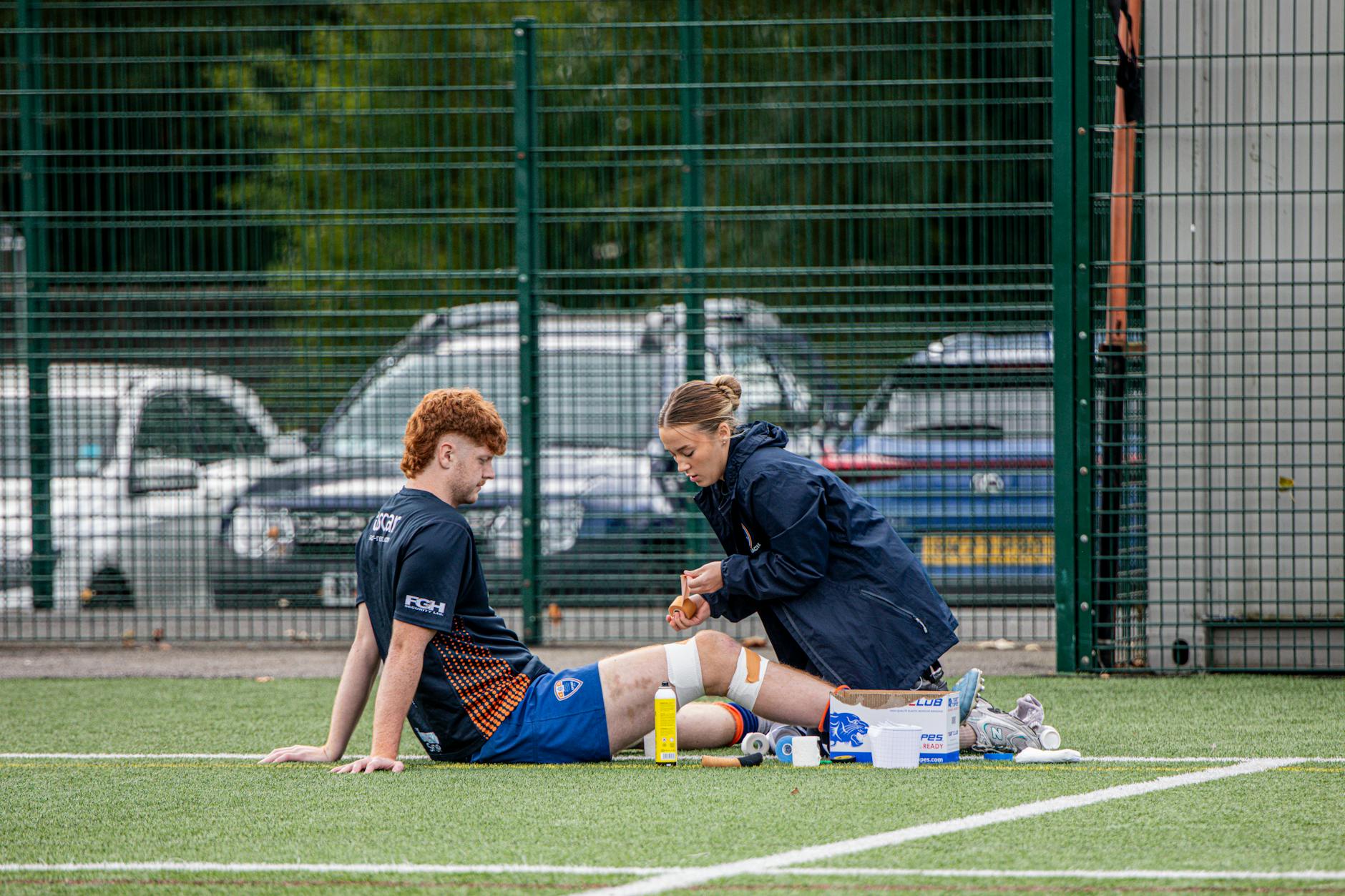
Casually dismissing client reports of persistent joint pain, unusual fatigue, or recurring discomfort as a normal part of the training process is both irresponsible and potentially harmful. Acute muscle soreness from novel exercise stimuli is normal but chronic pain in tendons, joints, or connective tissue is a physiological signal that requires attention and program modification. A trainer who pushes through reported pain complaints without modifying technique, load, or exercise selection is creating injury conditions that will ultimately halt progress entirely. Injuries are among the most common and most avoidable causes of long-term training program failure.
Exclusivity Manufacturing

Insisting that the specific methods, protocols, or techniques used in sessions are proprietary or too advanced for clients to research independently is a manipulation designed to deepen dependence. Every legitimate training methodology has a documented evidence base that is publicly available and a qualified trainer welcomes client curiosity about the science behind their programming. Framing knowledge as something that only the trainer possesses rather than something they are actively transferring to the client inverts the entire purpose of coaching. Clients should be becoming progressively more self-sufficient over time rather than feeling increasingly unable to train effectively without their trainer present.
Session Padding

Spending significant portions of paid training time on extended warm-up conversations, non-essential stretching rituals, or equipment setup that adds no training value quietly erodes the quality of the session without appearing to do so. A well-structured sixty-minute training session should contain a brief warm-up, a substantial working block, and a short cool-down with very little dead time in between. Clients who notice that their sessions consistently feel light or that the actual challenging work portion feels disproportionately brief should begin timing the functional segments independently. Billing full rates for sessions that deliver half the intended stimulus is a subtle financial exploitation that compounds into significant lost progress over a training cycle.
Comparison Tactics

Regularly referencing other clients’ results as a motivational device creates performance anxiety and shame rather than genuine drive and completely ignores individual physiological differences between people. Factors including genetics, hormonal profiles, sleep quality, stress levels, and dietary history mean that two people on identical programs will produce meaningfully different results. A trainer who uses other clients as benchmarks rather than the individual’s own previous performance is applying a pressure tactic that benefits engagement metrics rather than actual outcomes. Sustainable fitness motivation is built on personal progress benchmarks and a qualified coach understands and applies this principle consistently.
Complexity Creep

Gradually introducing increasingly elaborate exercise variations, obscure movement patterns, or unnecessarily complex equipment without a clear performance rationale keeps clients feeling perpetually like beginners regardless of how long they have been training. The most effective exercises for body composition change are well-established compound movements that have been validated by decades of research and practical application. Novelty for its own sake interferes with the progressive overload principle which requires consistent repetition of the same movements with gradually increasing demands. Clients who find themselves learning entirely new exercises every few sessions rather than getting stronger at a core set of movements should question the educational value of what they are receiving.
Calorie Confusion

Providing contradictory or deliberately confusing information about energy intake needs prevents clients from developing the basic nutritional literacy required to manage their own eating patterns independently. The relationship between caloric intake and body weight is one of the most thoroughly documented principles in nutritional science and its fundamentals are not genuinely complicated. A trainer who presents this as a deeply complex and shifting mystery that only they can navigate is creating confusion that serves continued reliance rather than client education. Understanding one’s own approximate caloric needs is a foundational self-management skill that every good trainer should be actively helping clients develop.
Accountability Deflection

Consistently attributing a client’s lack of results to factors outside the training program such as stress, age, or genetics while never examining the program design itself removes the coach from any professional accountability. While lifestyle factors genuinely do influence results a pattern of always locating the problem in the client rather than the methodology is a deflection strategy that protects the trainer from scrutiny. Qualified coaches regularly audit their own programming in response to stalled client results and make evidence-based adjustments accordingly. A trainer who never questions their own methods when a client plateaus is either professionally incurious or actively avoiding accountability for outcomes.
Fake Urgency

Creating artificial pressure to purchase additional sessions, upgrade to premium packages, or commit to longer contracts at moments when clients express doubt about their progress is a sales manipulation that exploits vulnerability. Clients who raise questions about results are seeking honest evaluation and a qualified trainer responds with transparent assessment rather than a commercial opportunity. High-pressure sales tactics embedded within coaching relationships represent a fundamental breach of the professional trust that effective training depends upon. Any moment in which expressing doubt about progress results in a financial pitch rather than an honest conversation should be treated as a serious warning sign.
Homework Absence

Failing to provide any guidance on activity, movement, or lifestyle habits outside of paid sessions keeps the entire scope of a client’s fitness development artificially confined to the time they are paying for. Effective coaches understand that meaningful body composition change requires behavioral shifts across the whole week rather than two or three hours of supervised exercise. Providing clients with simple movement habits, walking targets, or basic nutrition frameworks for non-session days dramatically accelerates results and represents basic coaching thoroughness. A trainer who has no interest in what a client does between sessions has no genuine interest in maximizing that client’s outcomes.
Sleep Ignorance

Completely ignoring sleep quality as a variable in a weight loss program overlooks one of the most powerful and well-researched modulators of fat loss, muscle retention, and appetite regulation. Chronic sleep deprivation measurably elevates cortisol and ghrelin while suppressing leptin creating a hormonal environment that actively resists fat loss regardless of training and dietary effort. A trainer who never asks about sleep patterns and never adjusts training load in response to reported sleep disruption is ignoring a major pillar of the physiology they are claiming to manage. Clients who are consistently undertrained in recovery quality will plateau at a level that appears to reflect their body’s limitations but actually reflects their trainer’s incomplete approach.
Benchmark Absence

Never establishing concrete measurable targets at the beginning of a training relationship means there is no agreed standard against which success or failure can be objectively evaluated. Outcome-oriented coaching begins with specific numerical goals attached to realistic timeframes based on established rates of physiological adaptation. Without these benchmarks a training relationship can drift indefinitely through vague effort and general activity without either party being accountable to a defined outcome. Clients who have been training for months without ever having discussed specific targets with their trainer should initiate that conversation and evaluate the response they receive carefully.
Hormone Dismissal

Ignoring or minimizing the role of hormonal factors including thyroid function, cortisol levels, and reproductive hormones in a client’s weight loss response prevents a complete and accurate understanding of what is actually driving their results. These factors are particularly relevant for female clients and for anyone over forty whose hormonal profile meaningfully influences how the body responds to training and dietary stimuli. A trainer who attributes all progress and plateaus purely to calories and exercise without ever acknowledging endocrine variables is working with an incomplete physiological model. Clients whose results are chronically inconsistent with their documented effort levels should consult an endocrinologist independently of their training relationship.
Technique Neglect

Spending minimal time on movement quality and form correction while prioritizing intensity and volume creates a training environment where injury risk accumulates quietly beneath visible effort. Poor technique in foundational movements including squats, deadlifts, and overhead pressing patterns loads joints and connective tissue inappropriately and creates compensation patterns that impair long-term athletic development. A trainer who celebrates heavy lifts regardless of how they were executed is prioritizing the appearance of progress over the structural integrity required to sustain it. Clients who have never received detailed technique coaching on their primary exercises should regard this as a significant gap in the quality of instruction they are receiving.
Stress Indifference

Failing to account for a client’s overall psychological and physiological stress load when designing training intensity means adding a significant additional stressor to a system that may already be compromised. Elevated cortisol from work pressure, relationship difficulties, or poor sleep directly impairs fat oxidation and promotes abdominal fat storage regardless of how well a training program is designed on paper. Effective coaches regularly check in about life stress and modulate training demand accordingly understanding that a lighter session during a high-stress week produces better outcomes than a maximal effort that further taxes an already strained system. Trainers who apply the same intensity regardless of reported life circumstances are following a template rather than coaching a person.
Knowledge Gatekeeping

Responding to client questions about exercise science or nutritional research with dismissiveness, condescension, or deliberate vagueness rather than genuine engagement suggests either a knowledge deficit or an active desire to maintain informational control. A confident and qualified professional welcomes informed clients and treats their curiosity as an asset to the coaching relationship rather than a challenge to their authority. Clients who ask reasonable questions about why specific exercises or protocols have been chosen deserve clear and substantiated answers grounded in established principles. Consistent evasiveness in response to legitimate technical questions is a significant indicator that a trainer’s expertise may not support the scrutiny it is being asked to withstand.
Social Media Priority

A trainer who is visibly more focused on filming content, photographing sessions for posting, or managing their online profile during paid training time is directing their professional attention away from the person they are being compensated to coach. The client’s session is not content inventory and treating it as such represents a fundamental misunderstanding of the professional relationship and its obligations. Distracted coaching produces incomplete technique feedback, missed form corrections, and a general reduction in the quality of cueing that directly impacts training outcomes. Clients who notice that their trainer’s phone engagement during sessions consistently exceeds their coaching engagement should address this directly and evaluate the response.
Plateau Passivity

Responding to a client’s extended weight loss plateau with reassurance and continuation of the same program rather than systematic investigation and meaningful adjustment is a coaching failure dressed as patience. Metabolic adaptation to a training and dietary stimulus is a well-understood physiological process that requires periodic program restructuring to overcome. A qualified trainer actively monitors for plateau signals and implements evidence-based modifications to training volume, intensity distribution, or nutritional periodization in response. Clients who have been on the same program for months without results and without any proposed changes from their trainer should treat that passivity as a direct reflection of their trainer’s professional engagement with their outcomes.
Share your own experiences with personal trainers and the red flags you wish you had noticed sooner in the comments.