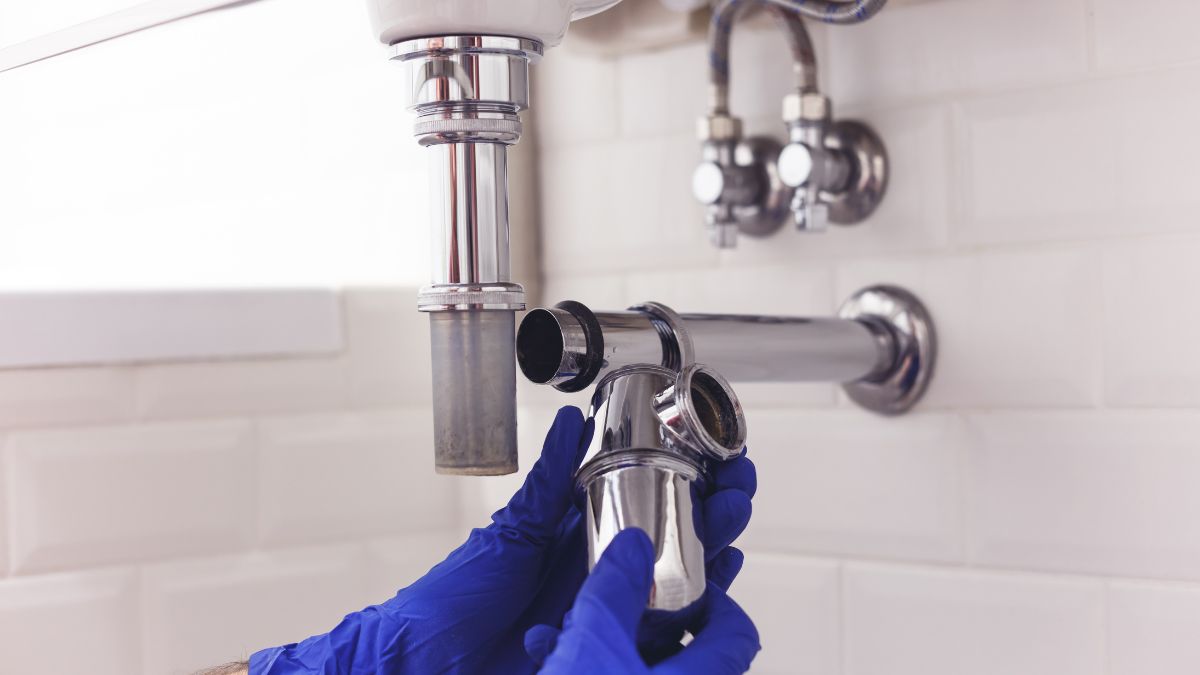
The plumbing industry is built on trust, because most homeowners have no practical way of verifying what is happening inside their walls, under their floors, or beneath their property. A skilled tradesperson with bad intentions operates in one of the most information-asymmetric environments in the service industry, where the customer cannot see the problem, cannot assess the solution, and cannot easily verify the work after it is complete. Fraudulent plumbing practices cost homeowners billions of dollars annually across documented cases, insurance claims, and consumer protection complaints. The following signs are drawn from consumer protection reports, plumbing industry watchdog findings, and accounts from honest plumbers who have described what deliberate damage looks like when they have been called in to assess another tradesperson’s work.
Unexplained Wet Patches

A wet patch that appears in a location the plumber worked near but did not explicitly mention is one of the earliest visible signs that something has been deliberately disturbed. Genuinely incidental leaks discovered during a job are almost always disclosed immediately because a professional has a liability interest in documenting anything they found rather than caused. A wet patch that appears after the plumber has left and in proximity to recent work but was never mentioned during the visit is a pattern that consumer protection agencies specifically flag as suspicious. The location of the moisture relative to the work performed matters enormously here, because water does not travel far from its source in a short period. Any new moisture appearing within days of a plumbing visit in the area where work was done warrants immediate independent assessment before any further engagement with the original tradesperson.
Vague Itemized Bills

A legitimate plumbing invoice describes specific work performed, parts installed, their individual costs, and the time spent on each task with enough detail that the customer can verify the charges against the work completed. A deliberately vague bill that lists broad categories like general repair or pipe maintenance without specifying what was repaired or which pipe was addressed is a document designed to obscure rather than inform. This vagueness is not accidental in experienced tradespeople who produce invoices regularly and know exactly what level of detail is standard in their industry. Consumer protection organizations consistently identify unexplained line items and catch-all descriptions as a primary indicator of inflated or fraudulent billing. Requesting a fully itemized invoice before payment is a right that homeowners have in most jurisdictions and a request that honest tradespeople fulfill without hesitation.
Repeat Emergency Calls

A pattern of emergency callouts to the same property within a short period following a plumber’s initial visit is a statistical anomaly that deserves scrutiny. Plumbing systems do not typically fail in rapid succession across multiple unrelated points unless there is a systemic underlying problem that should have been identified and communicated during the first visit. A plumber who returns for a second emergency call within weeks of completing work and presents it as an unrelated coincidence is offering an explanation that does not hold up against the physical reality of how plumbing systems age and fail. Emergency rates are substantially higher than standard service rates, meaning each additional callout generates disproportionate revenue relative to the work involved. Tracking the dates, locations, and nature of every plumbing problem on a property and comparing them against visit records creates a timeline that makes patterns of suspicious recurrence visible.
Unnecessary Part Replacements
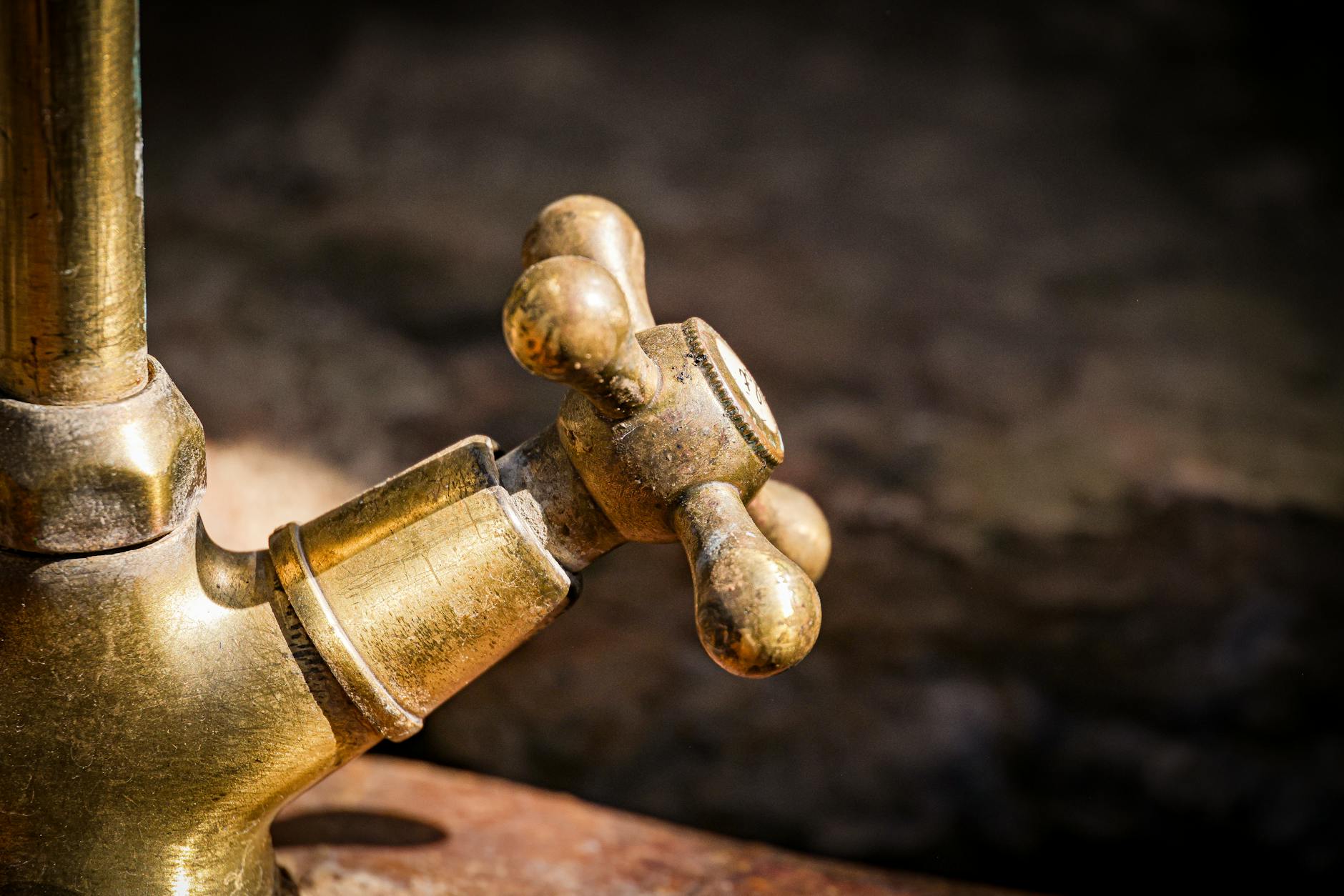
Recommending the replacement of a component that could be repaired, or replacing a functional part alongside a faulty one without explaining why, is a practice that inflates both parts costs and labor time simultaneously. A plumber who arrives to address a dripping tap and returns with an invoice that includes a replaced valve, new supply lines, and updated fittings has either found a genuinely deteriorated system or has created one. The distinction between necessary and unnecessary replacement is rarely explained to the customer in plain language, and an honest tradesperson should be able to articulate exactly why each replaced component could not be repaired or retained. Photographs of removed parts, particularly parts that appear undamaged, are a concrete indicator that replacement was chosen over repair for financial rather than technical reasons. Asking to see the removed components before they are disposed of is a standard consumer protection practice that legitimate plumbers accommodate without resistance.
Pressure Testing Fraud
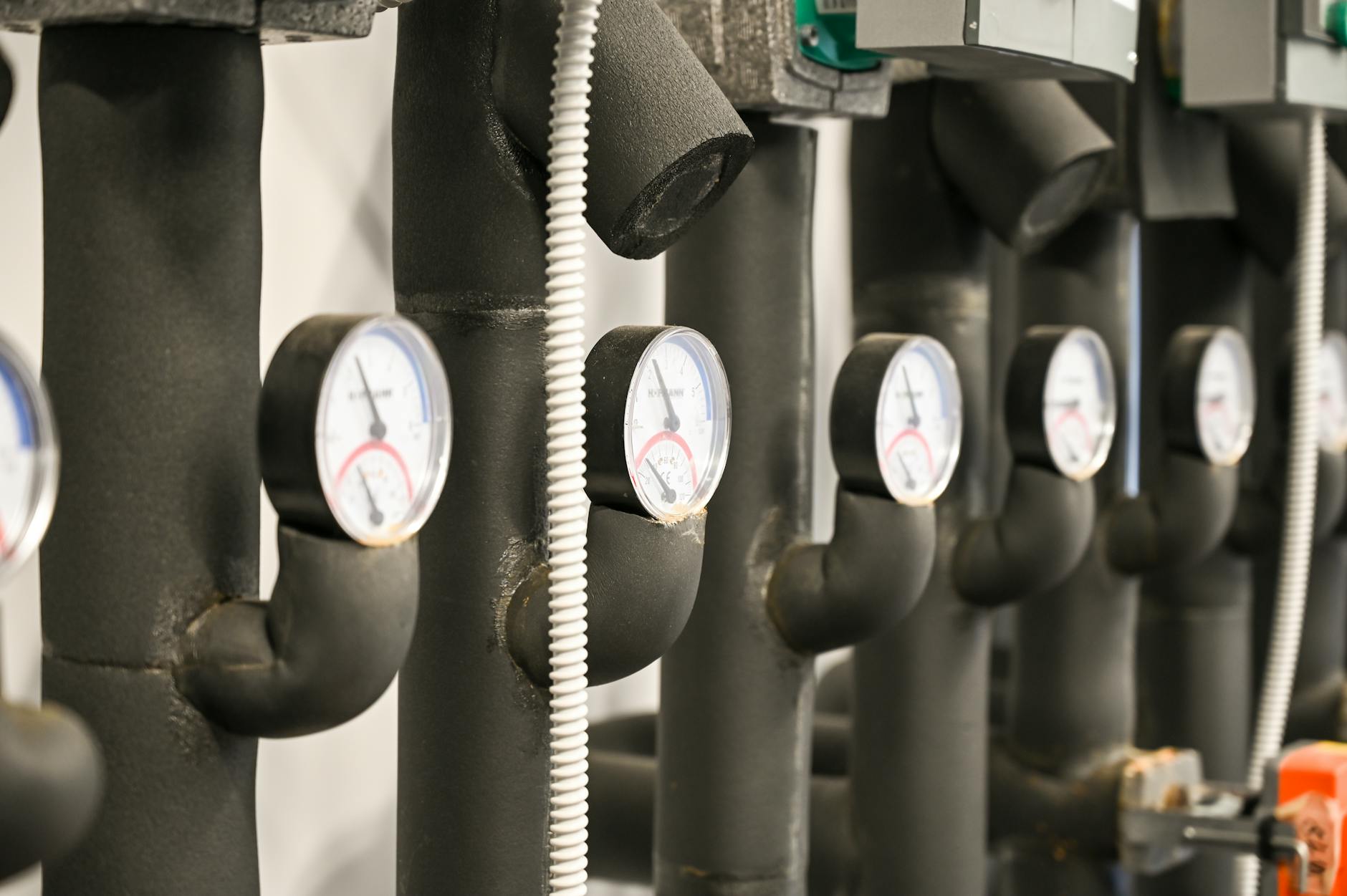
Pressure testing is a legitimate diagnostic tool used to identify leaks in a closed pipe system, but it can be manipulated to produce a false positive result that justifies further excavation or repair work. A plumber who performs a pressure test without allowing the customer to observe the process, who does not explain the baseline and result readings, or who proceeds directly to invasive repair work based on a test the customer never witnessed has created an unverifiable diagnosis. Legitimate pressure test results can be documented with dated photographs, written readings, and a clear explanation of what the numbers indicate and why they require the proposed solution. Consumer complaints filed with trade licensing boards frequently describe scenarios where pressure testing was cited as the justification for extensive work that subsequent independent assessment found to be unnecessary. Requesting a written record of any diagnostic test result before authorizing repair work is a standard practice that protects the homeowner against fabricated findings.
Camera Inspection Upselling
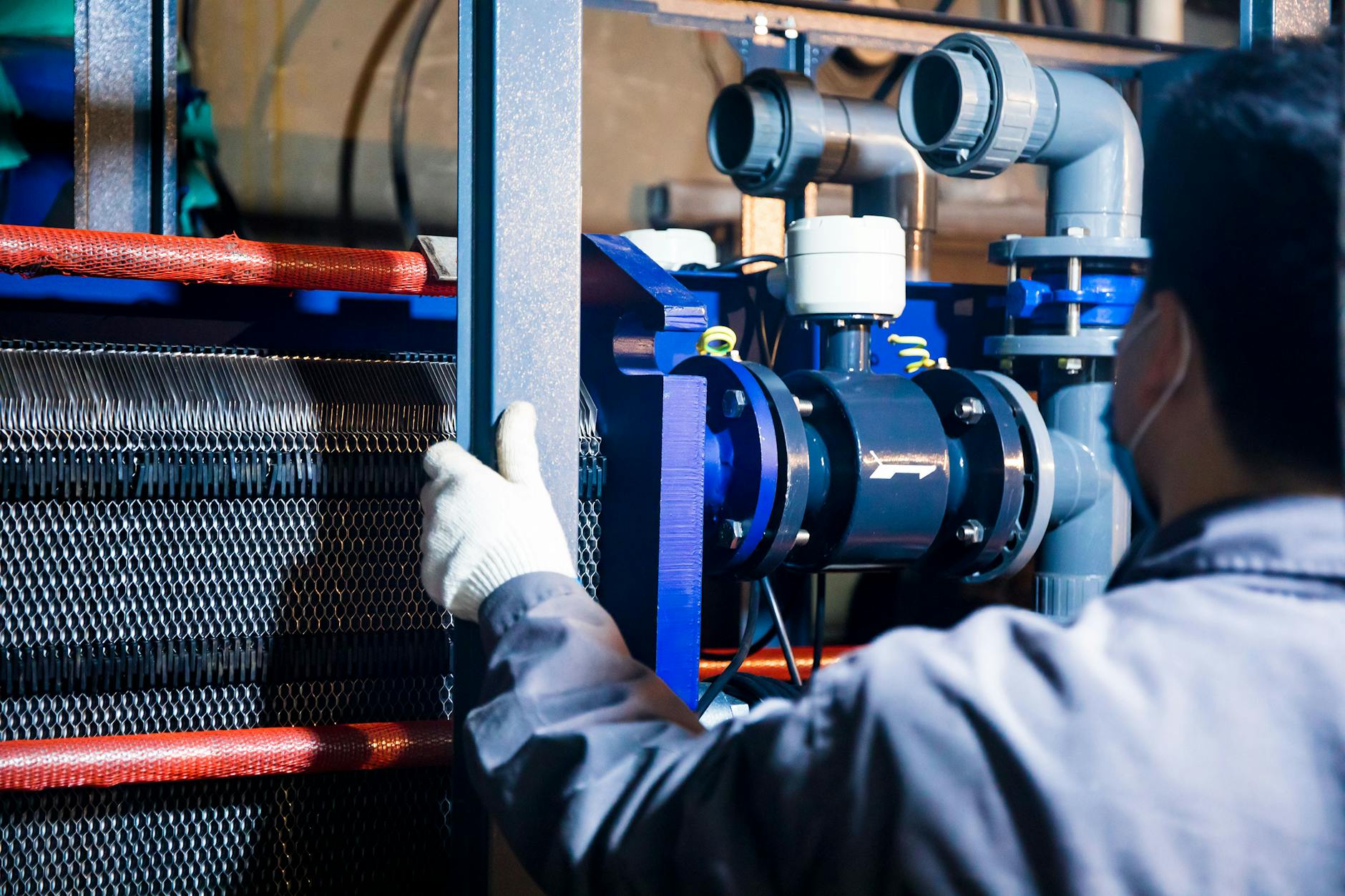
Drain camera inspections are a genuine and useful diagnostic tool, but the footage can be misrepresented, taken from a different property, or edited to show damage that does not exist in the pipe being assessed. A plumber who insists on a camera inspection as the first response to a minor blockage and who cannot provide timestamped, location-verified footage from the specific drain in question is presenting unverifiable evidence for a potentially expensive recommendation. Consumer protection agencies in multiple countries have documented cases where plumbers showed customers stock footage or footage from previous jobs as evidence of damage requiring immediate remediation. The footage should show identifiable markers of the specific pipe being inspected, should be taken in the customer’s presence where possible, and should be provided to the customer as a file they retain. Any recommendation for pipe relining, excavation, or full replacement based solely on camera footage that the customer cannot verify should be independently assessed before authorization.
Joints Left Finger-Tight
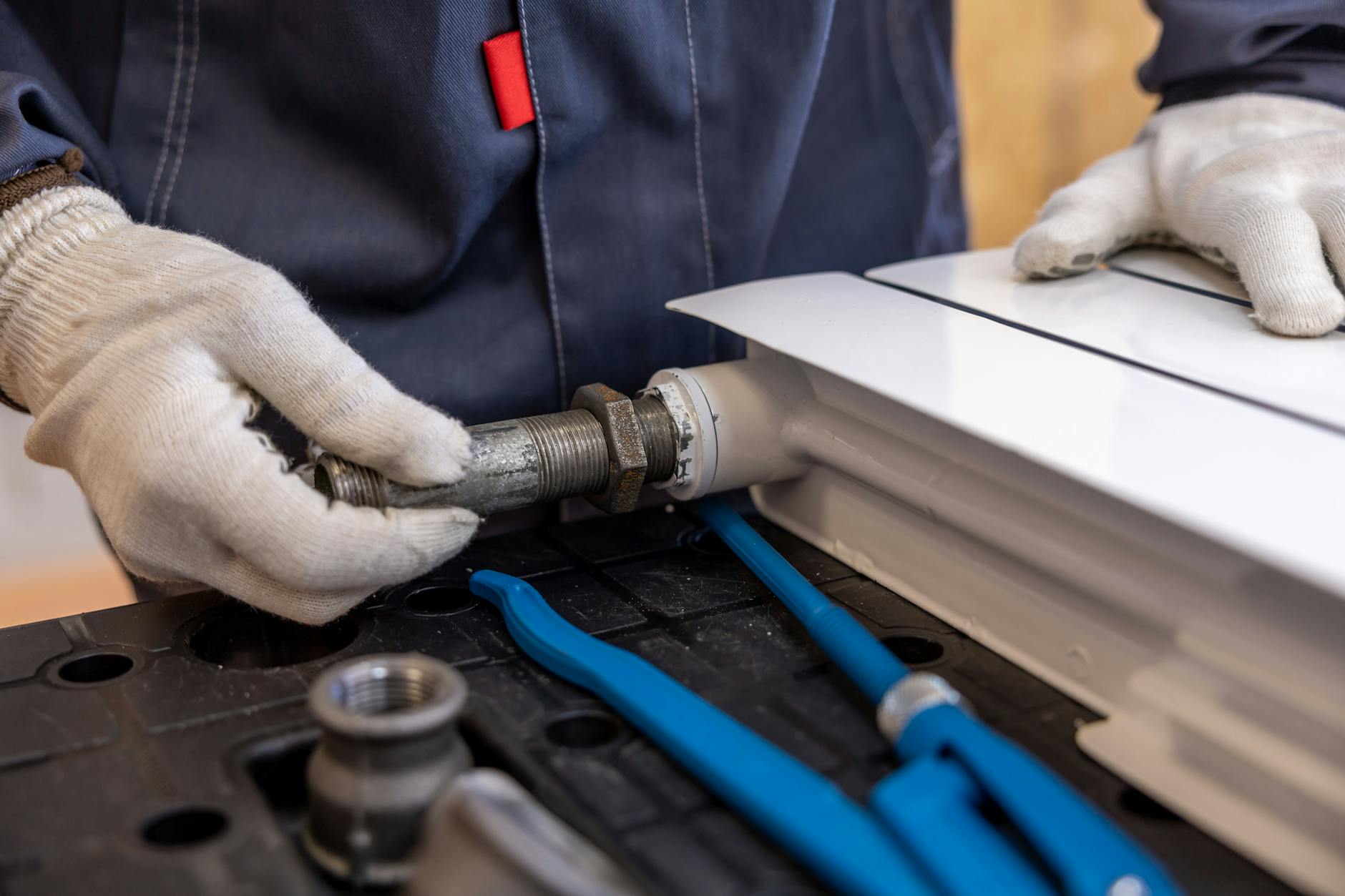
A pipe joint that has been deliberately left finger-tight rather than properly secured will hold pressure initially and then begin to weep or leak within days to weeks of the plumber’s visit, creating what appears to be a new problem requiring further attention. This form of sabotage is particularly difficult to detect because the joint looks correct, is in the right location, and the leak develops on a timeline that creates distance between the cause and the symptom. An independent plumber assessing a finger-tight joint after a leak develops will typically describe it as a fitting that worked loose over time, which is a plausible enough explanation that it rarely triggers immediate suspicion. The pattern becomes visible only when multiple joints in the area of previous work are found to be inadequately secured rather than a single isolated fitting. Asking an independent plumber to assess the security of all fittings in the work area, not just the one that is leaking, is the diagnostic step that reveals deliberate patterns versus coincidental failure.
Sealant Omission
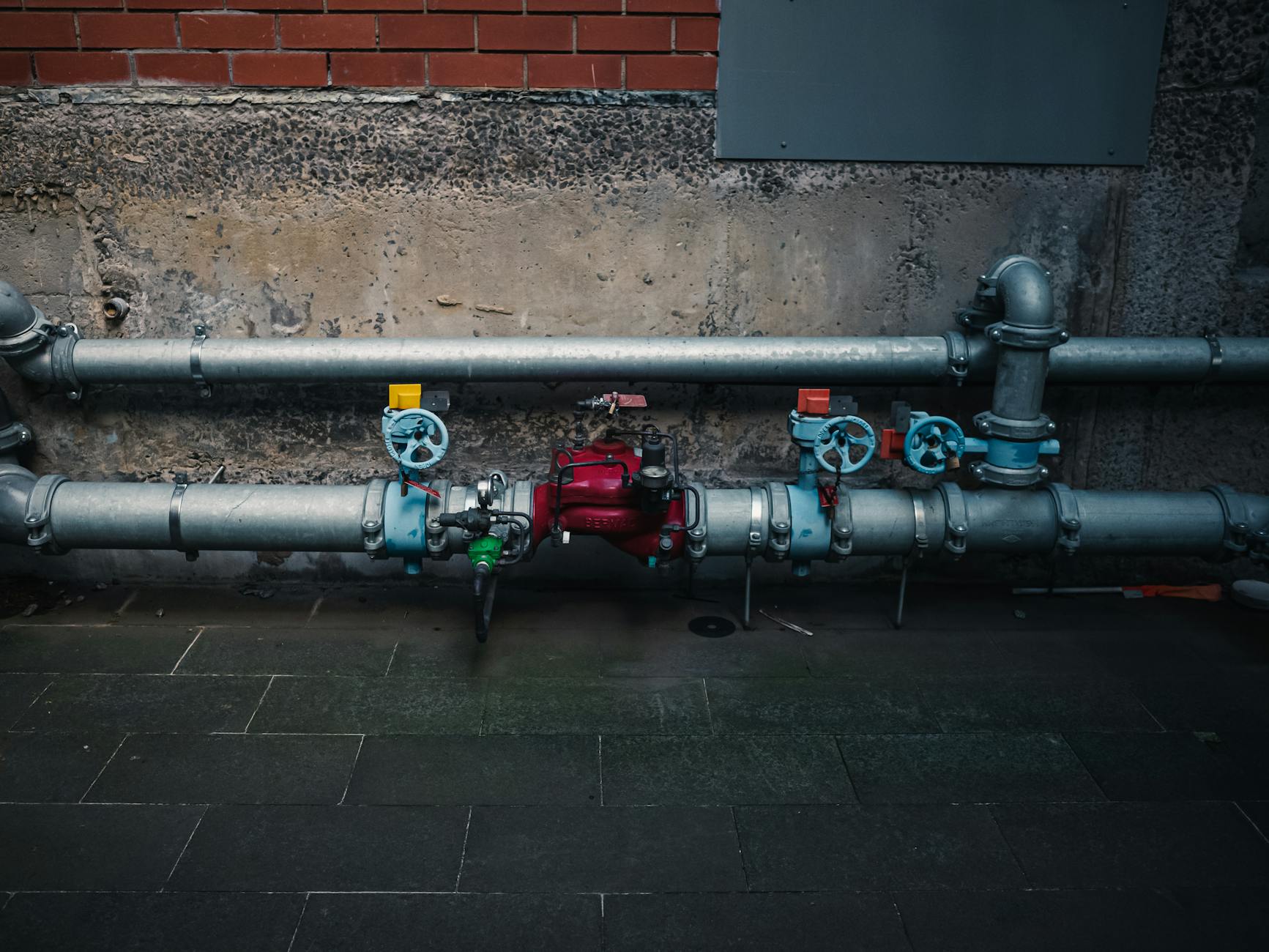
Plumbing connections that require thread sealant tape or pipe joint compound to achieve a watertight seal will leak predictably and progressively if those materials are omitted during installation. A plumber who installs threaded fittings without sealant has created a connection that appears complete, passes a brief visual inspection, and will begin to fail within days or weeks depending on water pressure and usage. The omission of sealant is invisible after installation because the materials are applied inside the joint, not on any externally visible surface. When an independent plumber dismantles a leaking connection and finds no sealant material on the threads, the absence is diagnostic of either incompetence or deliberate omission, both of which are grounds for formal complaint. Homeowners who watch a plumber work and notice that no sealant tape or compound is being applied to threaded connections should raise the question before the fitting is fully assembled.
Inflated Emergency Markups
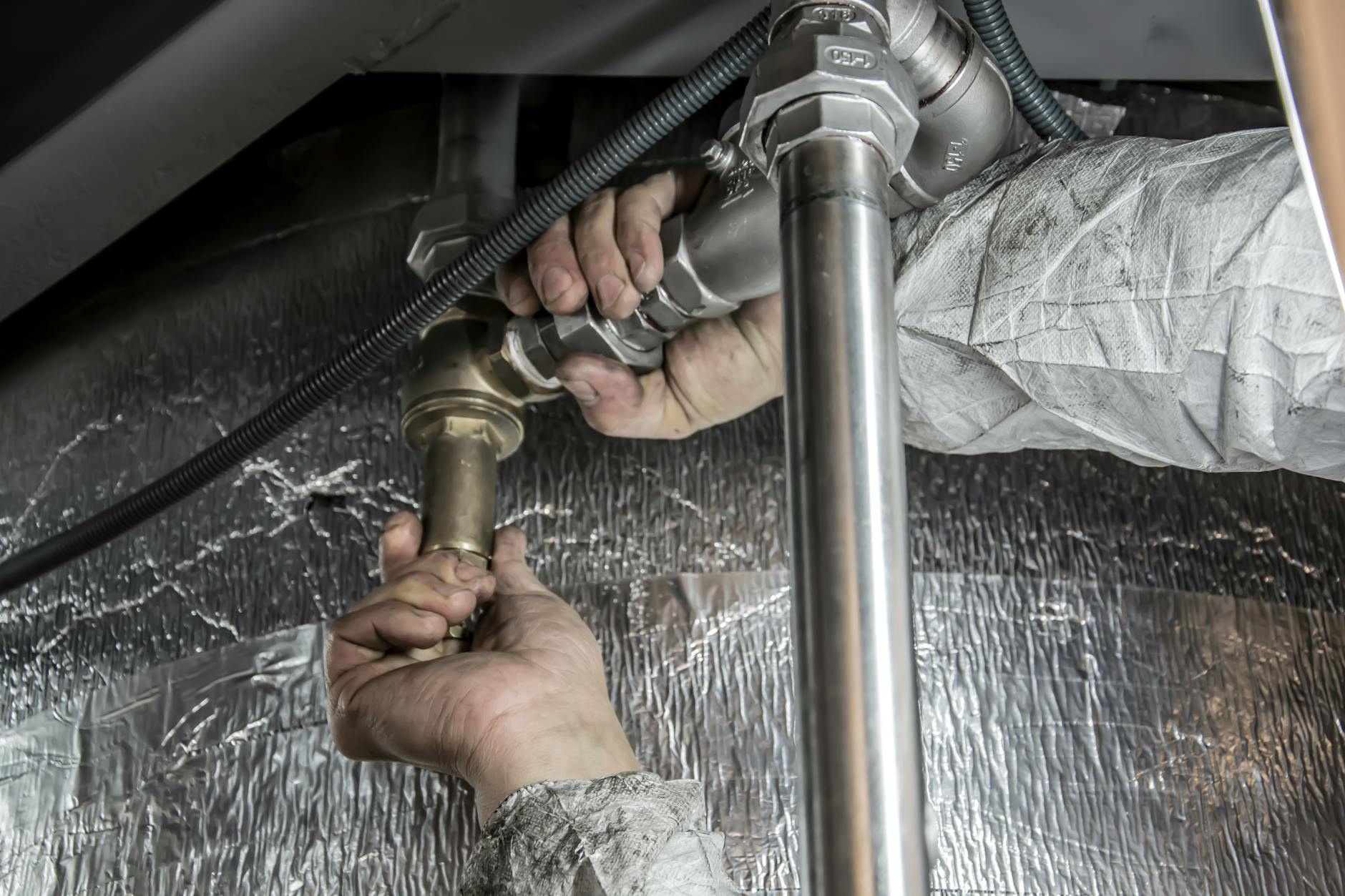
Standard plumbing rates vary between regions and are generally published or easily verifiable through trade association guidelines, making significant deviations from those benchmarks identifiable. A plumber who charges emergency rates for work scheduled in advance, who applies a callout fee and a labor rate simultaneously without explaining the double charge, or whose invoice total bears no proportional relationship to the time spent on site is exhibiting billing behavior that consumer protection bodies specifically flag. Fraudulent plumbers who create the leak also control the timing of the emergency call, meaning they can manufacture the urgency that justifies the premium rate. Comparing any invoice against published rate guidelines from the relevant trade licensing body in the area takes less than ten minutes and immediately identifies whether the charges fall within the expected range. Invoices that include unexplained surcharges, vague emergency premiums, or rates that are multiples of the published standard should be disputed in writing before payment is made.
Drain Blockage Creation
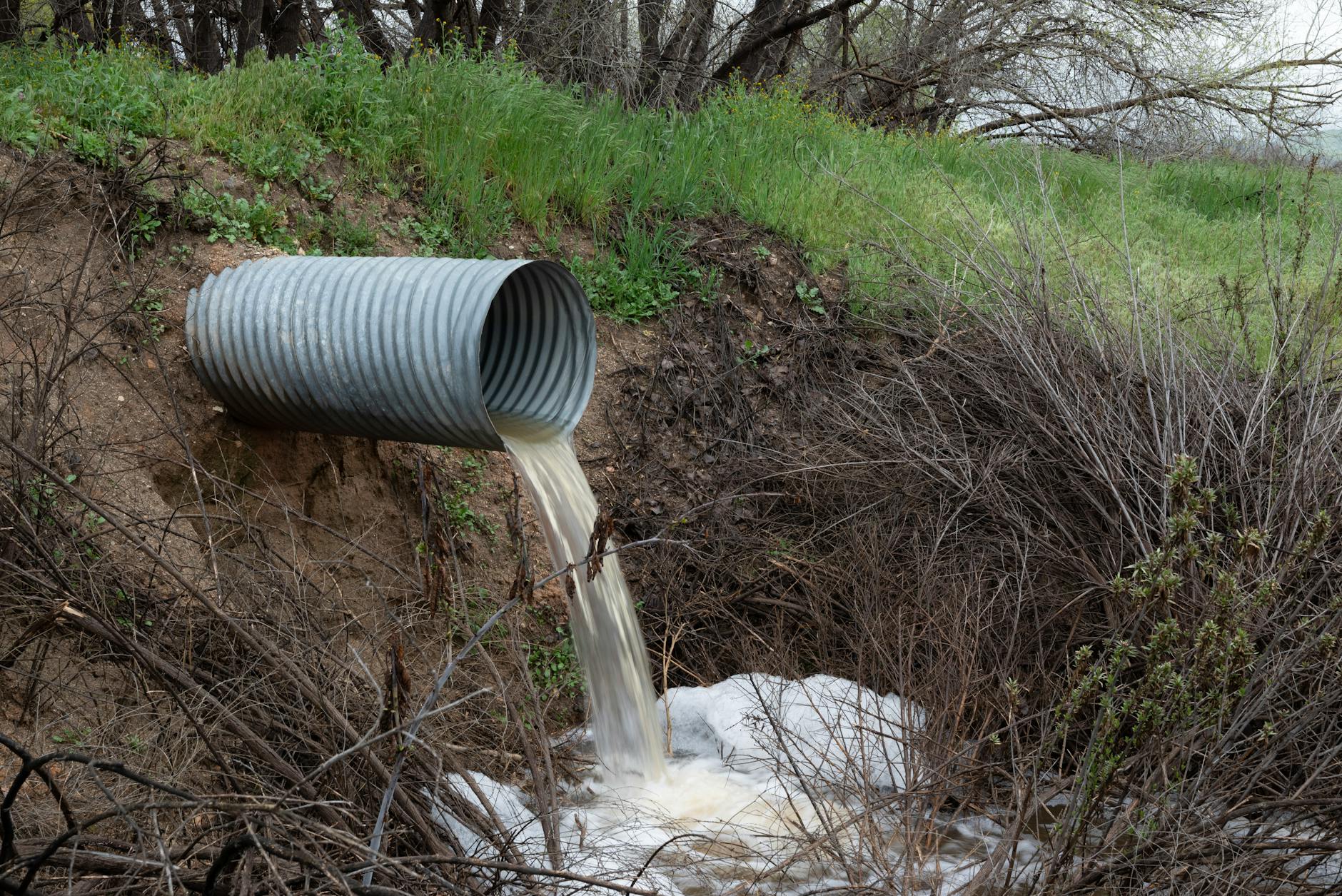
Deliberately introducing material into a drain during a visit to create a future blockage is a form of sabotage that is particularly difficult to identify because blockages are common, expected, and entirely explicable as normal household plumbing events. A plumber who has access to drain cleanouts, inspection points, or open pipework during a visit has the opportunity to introduce material that will not cause an immediate problem but will restrict flow progressively over subsequent weeks. The resulting callout for a slow drain or complete blockage appears unrelated to the previous visit and generates a standard service fee for a problem the plumber created. Comparing the nature and location of new blockages against the access points a previous plumber worked near is the first diagnostic step in identifying this pattern. CCTV drain inspection by an independent operator after any unexplained blockage in a recently serviced system can identify whether the obstruction material is consistent with household waste or with something introduced from outside the normal waste stream.
Excessive Diagnosis Time

A plumber who spends an unusually long time in assessment before presenting findings, who accesses multiple areas of the property during what was described as a focused diagnostic visit, or who requests access to mechanical spaces unrelated to the reported problem is exhibiting behavior that warrants observation. Legitimate diagnosis is purposeful and targeted, moving from the reported symptom to the most probable cause with the efficiency of someone who has diagnosed similar problems many times before. Extended diagnostic periods that generate significant labor charges before any work has been authorized are a billing mechanism that creates revenue from time spent, not from problems solved. Homeowners who remain present and observant throughout a diagnostic visit are substantially less likely to be targets of extended time padding because the risk of being caught is higher. Establishing a clear expectation of the time required for diagnosis before the plumber begins work, and asking for an update if that time is exceeded, is a simple practice that reduces exposure to this form of overcharging.
Pipe Scoring
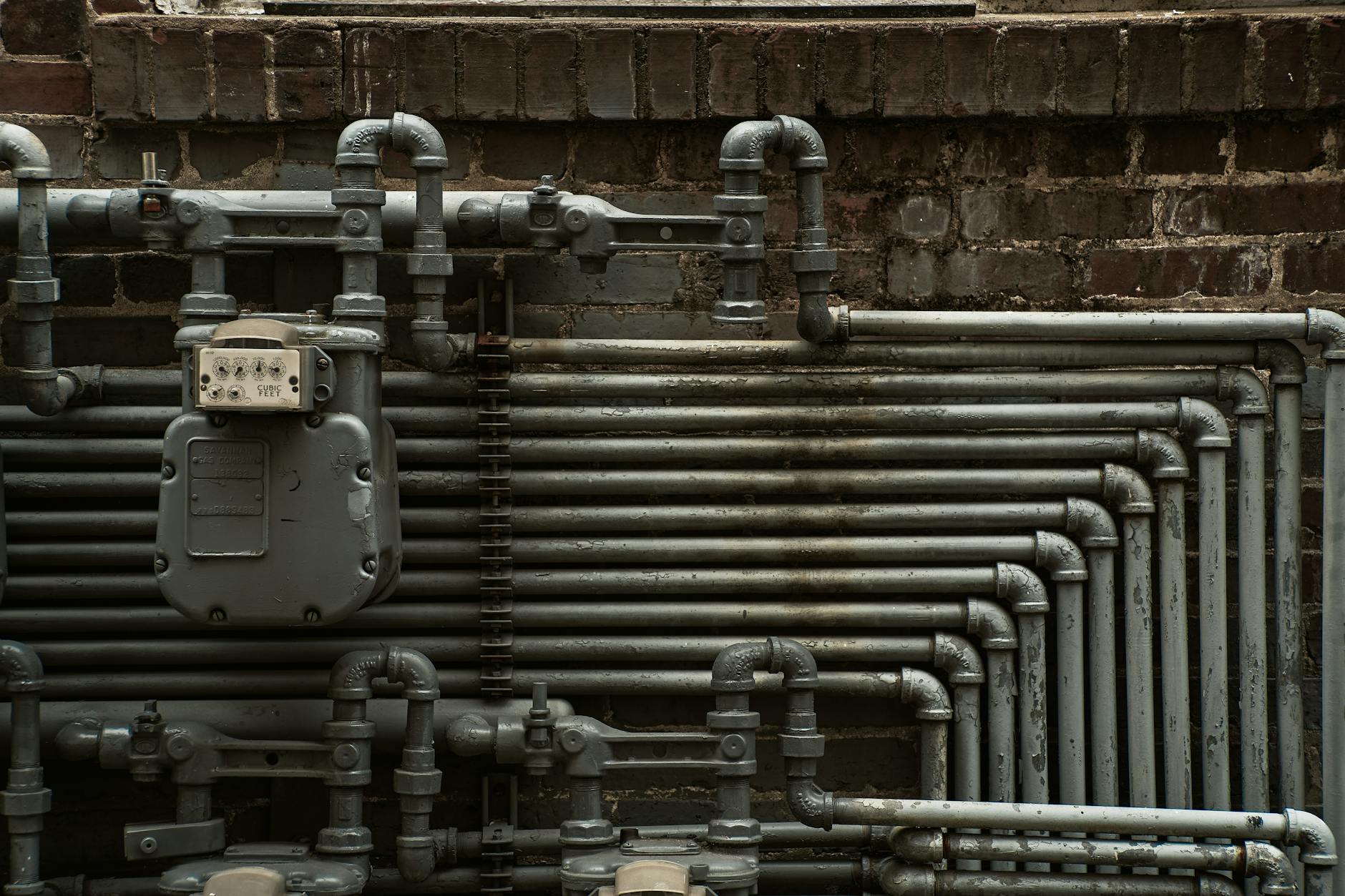
A pipe that has been lightly scored or nicked with a tool during a visit will develop a pinhole leak or a crack within days to months depending on the material, water pressure, and the depth of the damage. Scoring is performed in locations that are not directly visible during a standard site visit, typically behind fixtures, inside wall cavities if accessible, or at the back of under-sink cabinets where the customer is not looking. The resulting leak appears to be a natural failure of aging pipework, which in older properties is entirely plausible and rarely questioned. A plumber who worked in the area and is called back to repair the leak is returning to address damage they created, billing a second time for access to a problem they manufactured on the first visit. Independent assessment of a pinhole leak or crack in a recently serviced system should include examination of the failure point for tool marks, which are distinguishable from fatigue cracks and corrosion damage under close inspection.
Misdiagnosed Root Cause
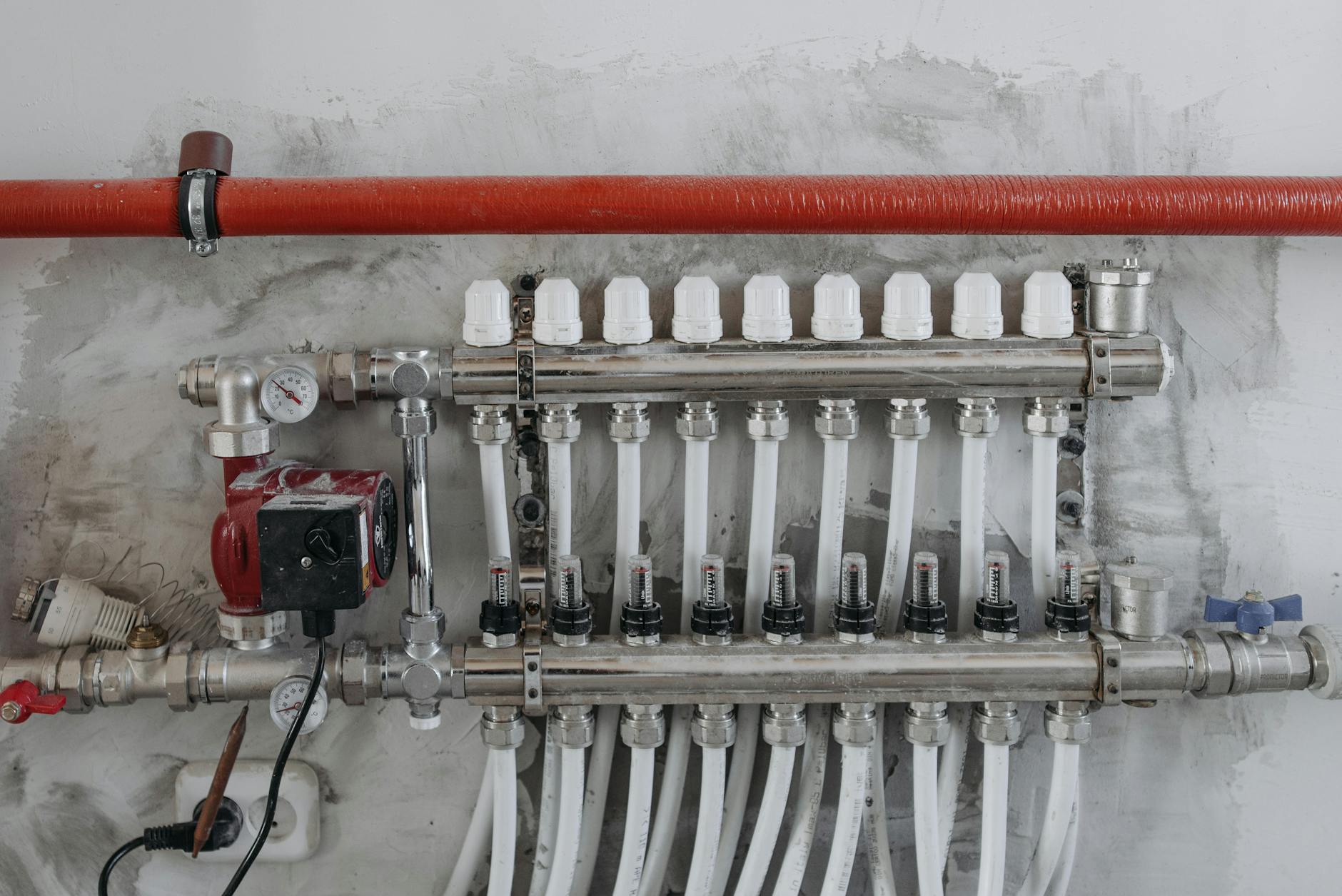
Addressing a symptom while deliberately misidentifying the cause ensures that the original problem persists and generates repeat callouts without the plumber ever having solved the underlying issue. A drain that blocks repeatedly because of a root intrusion or a structural defect that is never disclosed will continue to generate service fees indefinitely if the plumber treats each occurrence as an isolated blockage rather than a symptom of a known underlying condition. Legitimate plumbers have a professional and in many jurisdictions legal obligation to disclose known defects that fall outside the scope of the current job, even when addressing them would require a different specialist. A plumber who has assessed a system thoroughly and repeatedly addresses the same symptom without ever identifying or disclosing a root cause is either incompetent or is protecting a recurring revenue stream. Requesting a written assessment of root cause with every repair, not just a description of the work performed, creates a paper trail that makes misdiagnosis patterns visible over time.
Unexplained Material Costs
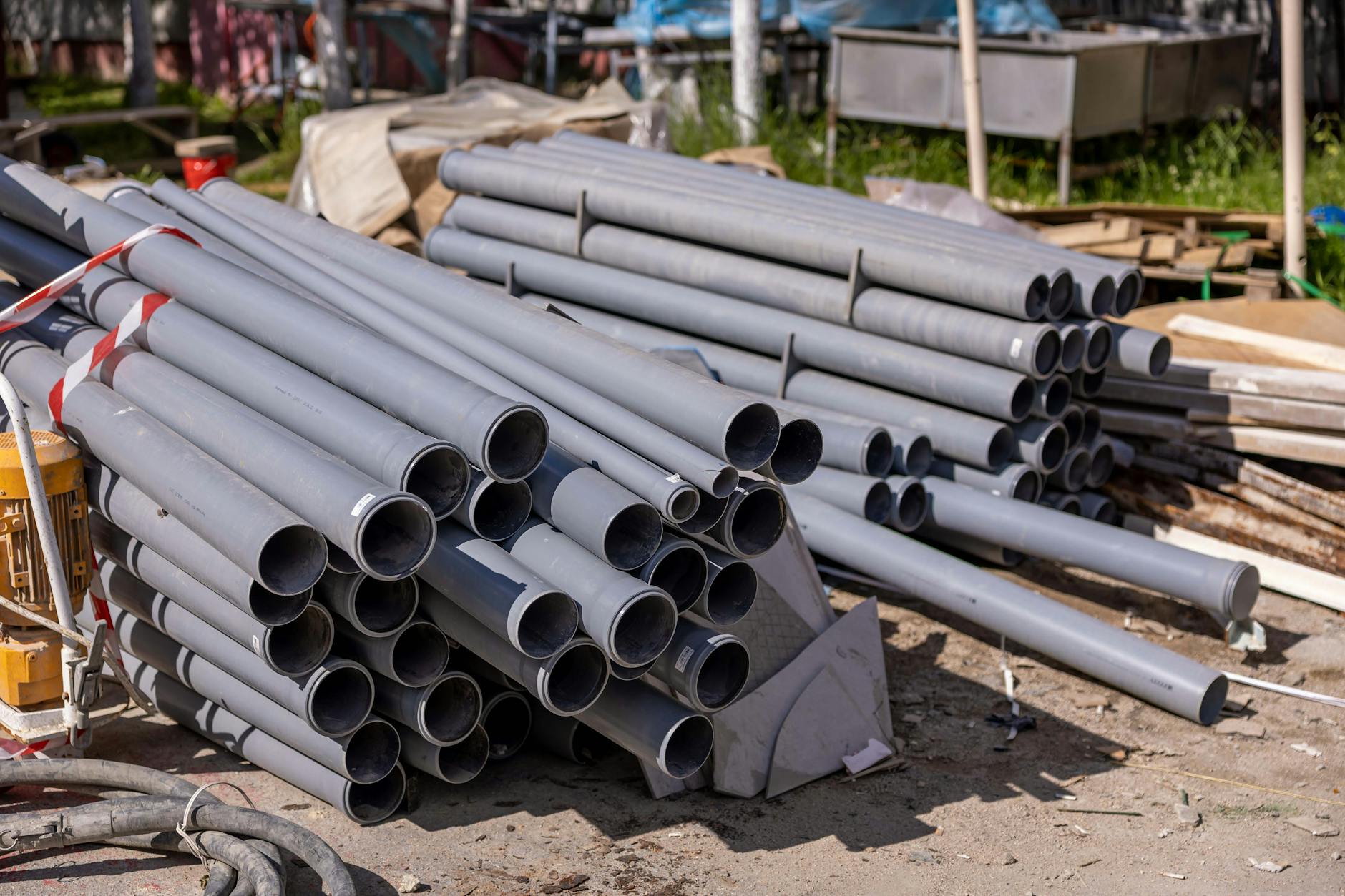
Parts and materials charges on a plumbing invoice should correspond to components that are physically present in the finished work and verifiable by inspection. An invoice that includes material costs for components the homeowner cannot identify, that do not correspond to anything visibly installed, or that are listed at prices substantially above retail without explanation is a document that warrants line-by-line verification. Fraudulent material charges are one of the most common forms of plumbing invoice inflation documented in consumer protection case studies, because most homeowners do not know the retail price of plumbing components and cannot easily verify whether a listed part was actually used. Asking the plumber to identify each charged component in the finished installation, and cross-referencing the listed price against the retail price at a standard trade supplier, is a verification process that takes minutes and immediately surfaces unsupported charges. Plumbers who installed the parts they billed for have no difficulty pointing to each component in the work.
Fixture Damage During Visits
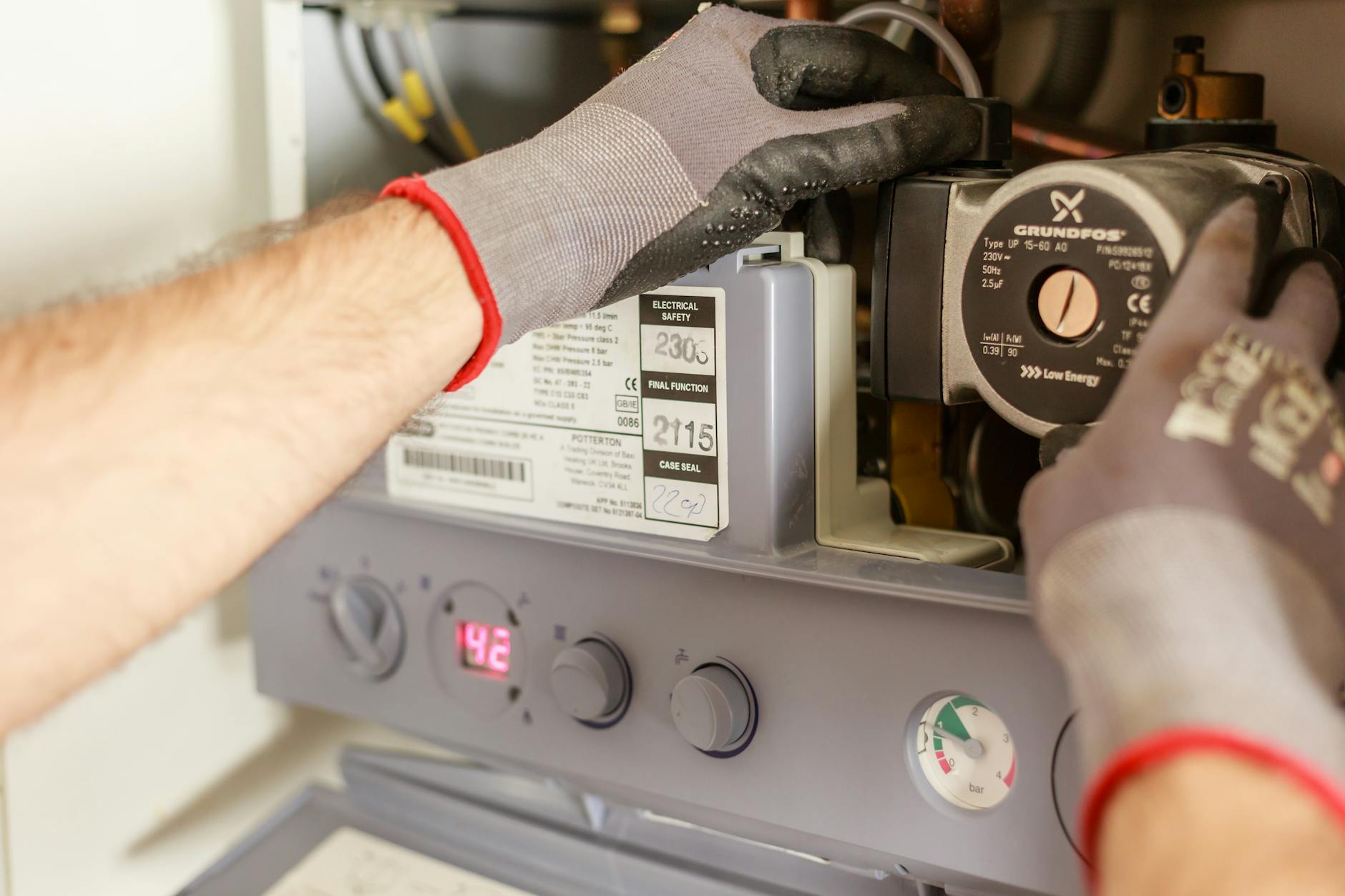
Scratches, chips, stress cracks, or other physical damage to fixtures in the area where a plumber worked can be introduced deliberately during a visit and then used as evidence of existing deterioration requiring replacement. A bathroom fixture that was intact before a plumber arrived and has a crack or chip after they leave is either a coincidence or a consequence of the visit, and only a documented pre-visit condition assessment can establish which it is. Photographing all fixtures in the relevant area before a plumber begins work takes two minutes and creates dated visual evidence of pre-existing condition that makes any damage introduced during the visit immediately attributable. Fraudulent fixture damage is typically positioned in a location that makes it plausible as wear-related deterioration rather than impact damage, such as along a joint line or at a connection point where stress cracks naturally occur. Consumer protection complaints involving fixture damage frequently describe plumbers who discovered the damage during their visit and quoted immediately for replacement without any suggestion that the damage might be recent.
Unnecessary Permits

Building permits for plumbing work are genuinely required for certain categories of work in most jurisdictions, but the threshold for permit-required work varies and is sometimes misrepresented to justify additional administrative charges. A plumber who insists that a simple fixture replacement or minor repair requires a permit that must be obtained and charged to the customer is either misinformed or is generating an additional revenue line from a bureaucratic process that does not apply. Permit fees are publicly listed by local building authorities and can be verified in minutes, making claims about permit costs that significantly exceed the published fee immediately identifiable. The permit process also creates an official record of work performed that some fraudulent plumbers actively avoid by misrepresenting work as permit-exempt, which is the opposite of insisting on unnecessary permits but reflects the same underlying motivation of managing documentation in their favor. Verifying permit requirements directly with the local building authority before authorizing any work described as permit-required is a straightforward step that removes the plumber as the sole source of information on this point.
Loose Inspection Covers

Access panels and inspection covers in walls, floors, and ceilings that were disturbed during a plumbing visit and replaced incorrectly or not fully secured create ongoing moisture pathways that damage surrounding materials progressively. A cover plate left slightly unseated allows condensation, minor spray from nearby fittings, and humidity from the pipe cavity to migrate into wall or floor materials in a way that produces mold, rot, and structural damage over months. The connection between a poorly replaced access cover and subsequent water damage is not obvious to a homeowner who does not know the cover was disturbed, and a returning plumber can attribute the damage to the pipe system rather than the access point. Checking that all access covers, inspection plates, and panel fixings in the work area have been correctly replaced and fully secured before the plumber leaves the property is a simple visual check that takes thirty seconds. Any cover that is not seated correctly should be raised with the plumber before they leave, with the response documented if it is dismissive or evasive.
False Urgency Tactics
A plumber who describes a situation as requiring immediate action to prevent catastrophic damage, without providing specific technical evidence for that assessment, is using a pressure tactic that is well documented in consumer fraud literature across multiple service industries. Genuine emergencies in plumbing are typically self-evident, involving active water flow, visible structural compromise, or an immediate safety risk that the homeowner can themselves perceive. A problem that is described as urgent by the plumber but that presents no visible or detectable symptoms to the homeowner is a claim that should be supported by specific diagnostic evidence before any emergency authorization is given. False urgency creates a decision-making environment in which the homeowner bypasses their normal verification process, authorizes work without getting a second opinion, and pays emergency rates for a problem that may not have existed before the visit. Consumer protection agencies consistently identify false urgency as the most common enabling tactic in home services fraud, and the advice across all of them is the same: any genuine emergency can withstand a one-hour delay to get a second opinion.
Water Meter Manipulation
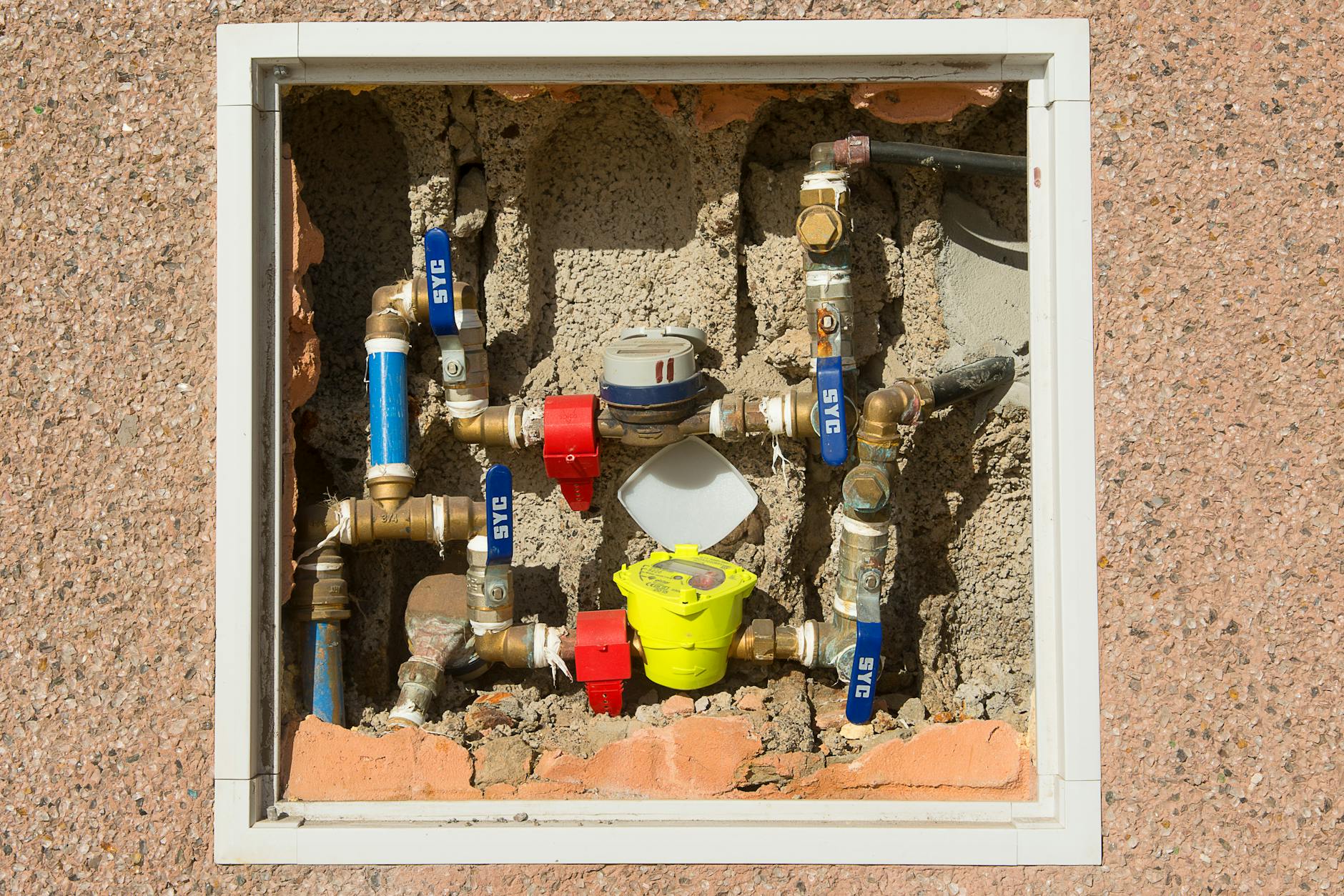
A water meter that shows elevated consumption following a plumbing visit, without any corresponding increase in household usage, is evidence of a leak that did not exist before the visit or of a connection that has been deliberately left partially open. Checking the water meter reading before and after a plumbing visit establishes a baseline that makes any change in consumption attributable to the visit rather than to subsequent use. Some fraudulent plumbers create slow, below-floor leaks that do not manifest as visible damage immediately but register on the meter as elevated consumption, providing the evidence base for a claim of significant pipe failure. Water company data showing consumption trends over time can be requested in most jurisdictions and used to establish whether elevated usage coincides with the timing of plumbing visits to the property. A household whose water consumption increases significantly following a plumbing visit should request an independent assessment before contacting the original tradesperson.
Overlooked Simple Fixes
A problem that has a simple, inexpensive solution being presented as requiring complex, expensive intervention is one of the most fundamental forms of service fraud across all trade categories. A dripping tap that requires a new washer costing pennies and five minutes of labor being diagnosed as requiring full tap replacement is a classic example that appears repeatedly in consumer protection case studies. The technical knowledge gap between a plumber and most homeowners is precisely what makes this form of misrepresentation effective, because the customer has no independent basis for evaluating whether the proposed solution is proportionate to the problem. Requesting a written explanation of why the simpler solution is not viable, in plain language, before authorizing any work beyond the most basic repair is a consumer protection step that forces the plumber to articulate a technical justification. An honest plumber who has ruled out the simpler fix can explain exactly why it is insufficient, and that explanation can be verified by an independent assessment if the justification seems unclear.
Post-Visit Access Requests
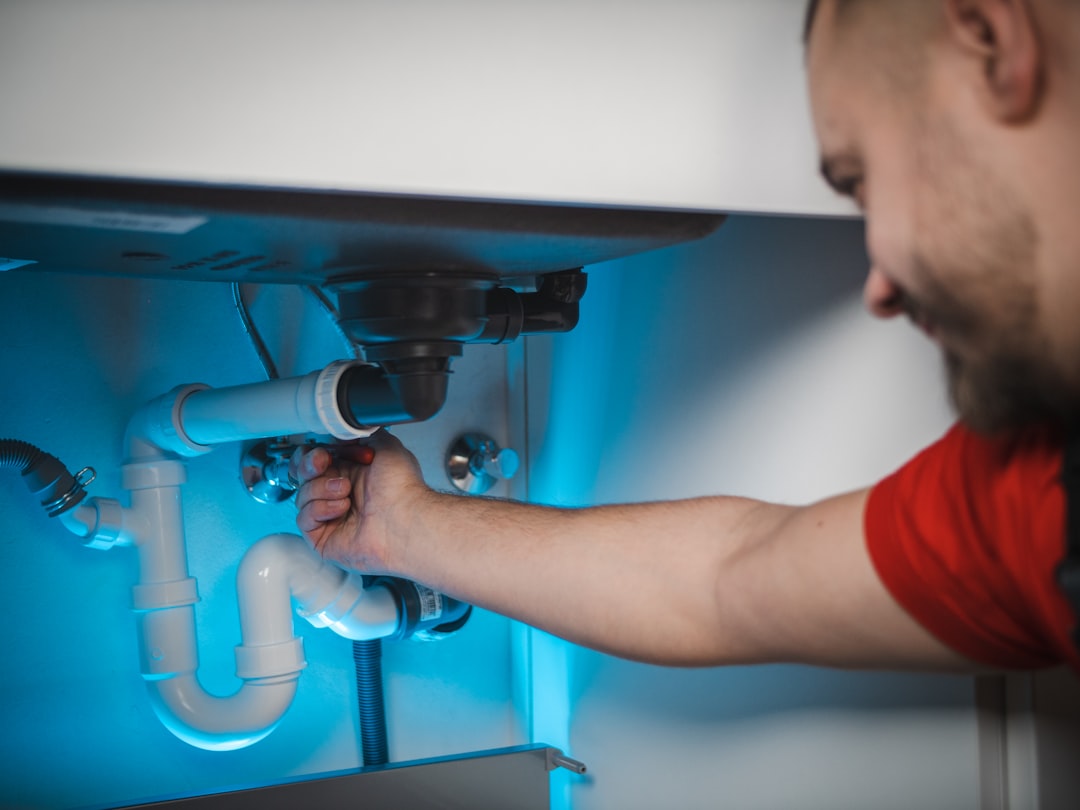
A plumber who contacts the homeowner shortly after completing a job to request a follow-up visit for an unrelated problem they noticed but did not mention during the original visit is exhibiting a pattern that consumer fraud specialists specifically identify as suspicious. A legitimate professional who identifies an additional problem during a visit discloses it before leaving, when the customer can ask questions and make an informed decision without time pressure. A post-visit contact about a newly remembered problem creates a scenario where the homeowner cannot verify whether the issue was genuinely present during the original visit or has been introduced in the interim. The timing of these contacts often follows a pattern where the homeowner has had no opportunity to have the property independently assessed between the original visit and the follow-up suggestion. Treating any post-visit contact about a new problem as a separate engagement requiring independent verification before the original plumber is re-engaged is a protective practice that significantly reduces exposure to follow-on fraud.
Documentation Resistance

A plumber who resists photographing their work, who declines to provide a written scope before starting, who is evasive about providing their licensing number, or who produces invoices that cannot be cross-referenced against any verifiable record is operating with a deliberate lack of accountability. Legitimate tradespeople in most jurisdictions are required to carry licensing documentation, to provide written invoices, and to stand behind their work with a warranty that assumes some level of documentation. Resistance to documentation at any stage of the engagement, from initial scoping through to final invoice, is a behavioral indicator that the tradesperson anticipates a scenario where documentation would work against them. Consumer protection complaints that result in successful outcomes for homeowners almost universally involve cases where the homeowner has retained dated photographs, written quotes, invoices, and records of all communications. Building a complete documentation file for every plumbing engagement, regardless of how minor the job appears, is the single most effective protective practice available to a homeowner.
Visible Tool Marks
Fresh scratches, gouges, or indentations on pipe surfaces, fittings, or fixtures in the area of a recent plumbing visit that are inconsistent with the type of work performed are physical evidence of contact that should not have occurred during legitimate service. Tool marks on a pipe that was not part of the job scope, on a fitting adjacent to the work area, or on a surface that would only be contacted by deliberate action rather than incidental access are indicators of interference. Photographing the work area in detail after the plumber leaves, specifically examining all pipe surfaces and fittings within reach of where they were working, creates a visual record that can be compared against any subsequent damage claim. A plumber who returns to address a leak and whose tools are a precise match for marks found at the failure point is presenting physical evidence that points toward responsibility for the failure. Independent plumbers with experience in fraud assessment describe tool mark examination as one of the most reliable physical diagnostics available when deliberate pipe damage is suspected.
If you have encountered suspicious plumbing behavior or have tips for protecting yourself from dishonest tradespeople, share your experience in the comments.