Stress has a way of building quietly in the background long before it announces itself in obvious ways. The body and mind send out small, easy-to-dismiss signals that something is seriously off balance. Recognizing these early warning signs can be the difference between catching a problem before it escalates and facing a full physical or emotional breakdown. Many of these signs are so common that people mistake them for personality traits or minor inconveniences. Learning to read them correctly is one of the most important investments you can make in your long-term wellbeing.
Jaw Clenching
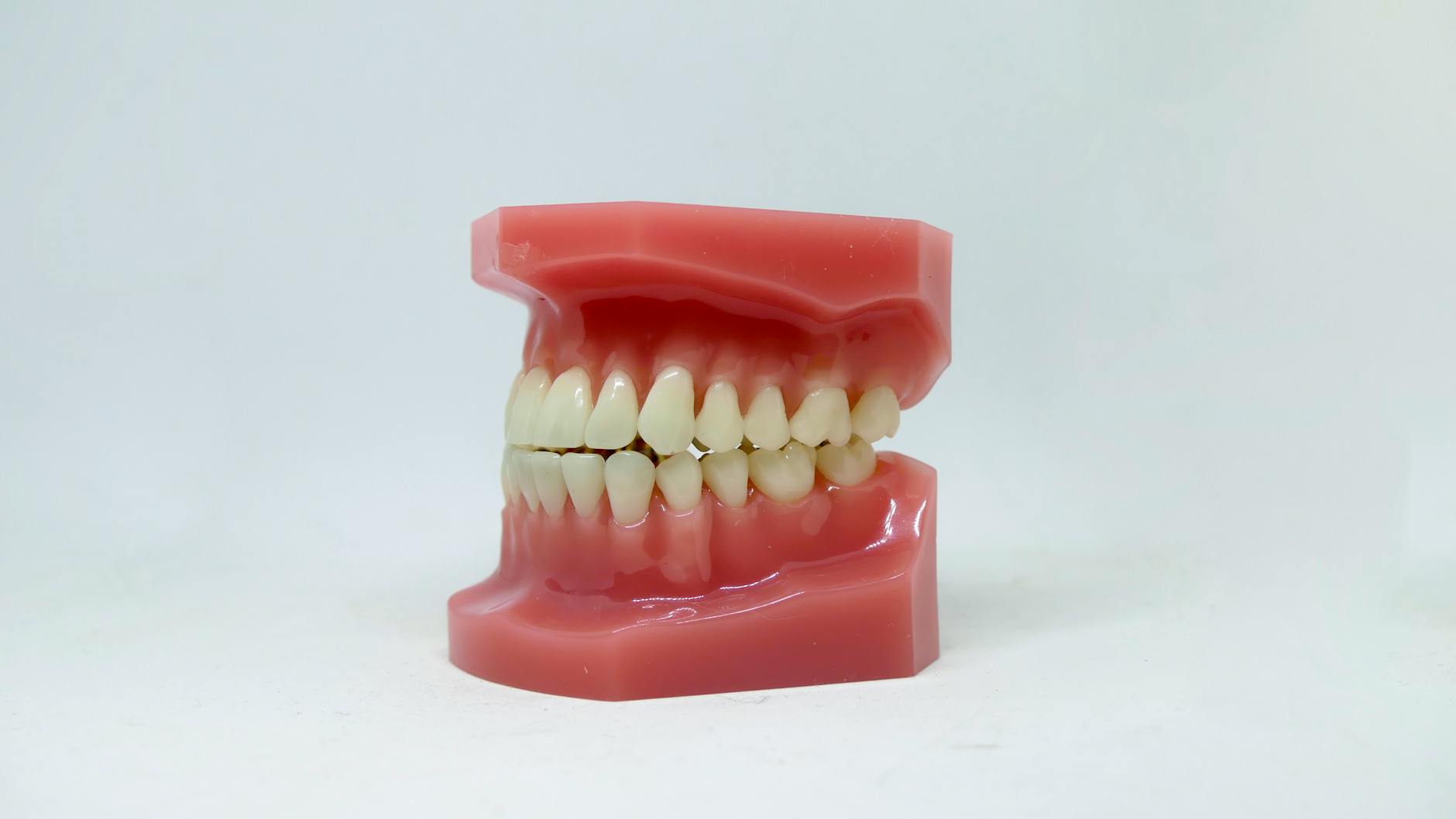
Chronic stress triggers tension in the masseter muscles that run along the jaw, causing involuntary clenching throughout the day and night. Many people are completely unaware this is happening until a dentist points out worn enamel or micro-fractures in the teeth. The surrounding muscles in the neck and temples tighten in response, creating a cascade of discomfort that spreads upward and outward. Over time this pattern contributes to temporomandibular joint dysfunction, a painful condition that can affect chewing and speaking. Persistent jaw tightness without an obvious dental cause is a reliable signal that the nervous system is under significant strain.
Hair Loss
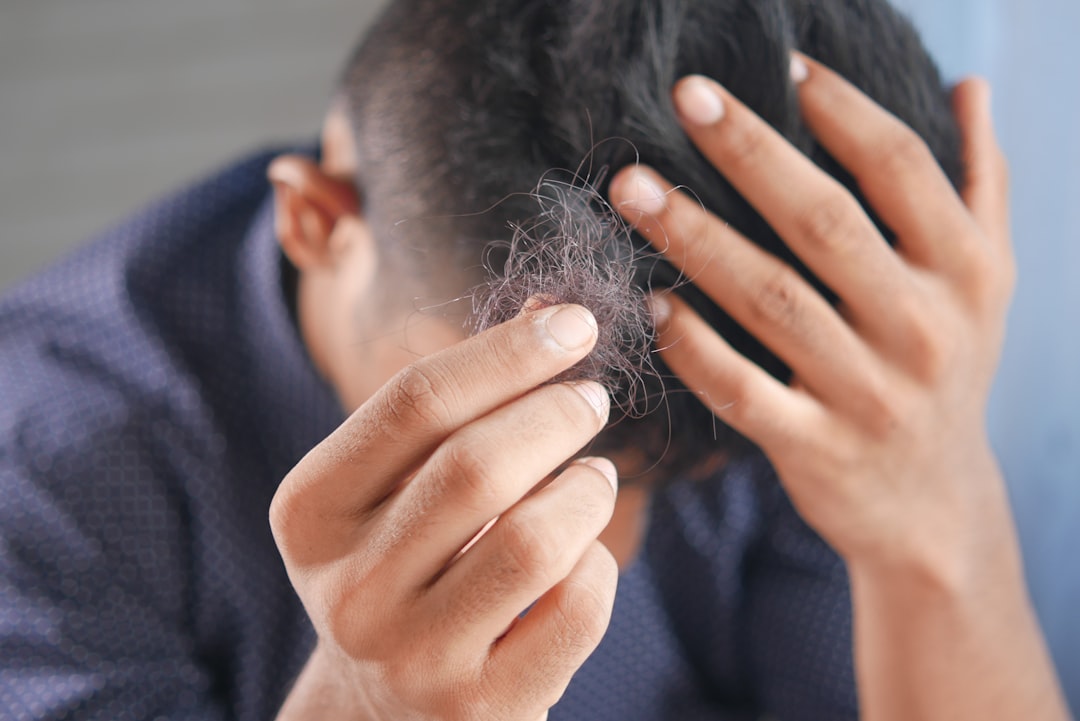
Elevated cortisol levels disrupt the natural growth cycle of hair follicles, pushing large numbers of them into a resting phase simultaneously. This results in a condition called telogen effluvium, where noticeable shedding occurs several weeks or even months after a major stressful period. The delay between the trigger and the visible hair loss often makes the connection difficult to identify without professional guidance. People frequently attribute the shedding to nutritional deficiencies or hormonal changes without considering chronic psychological stress as the root cause. Unusual increases in hair found on pillows, in shower drains, or on hairbrushes warrant a closer look at overall stress load.
Skin Breakouts
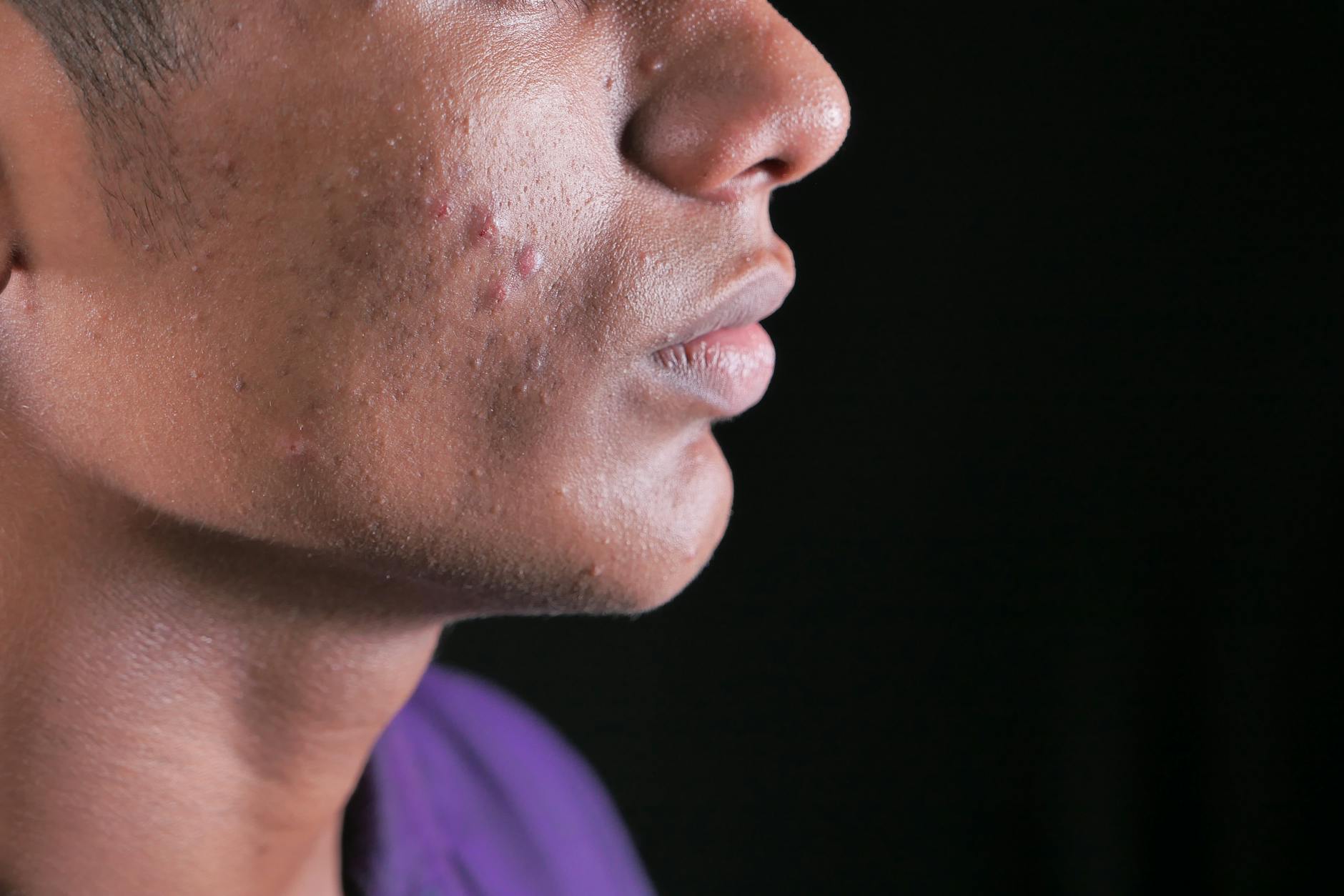
The skin is deeply connected to the nervous system through a communication pathway researchers refer to as the brain-skin axis. When stress hormones surge, sebaceous glands produce excess oil which creates the ideal environment for acne-causing bacteria to thrive. Inflammatory responses triggered by cortisol can also aggravate existing skin conditions such as eczema, psoriasis, and rosacea. Adults who rarely experienced skin problems earlier in life may find persistent breakouts appearing along the jawline or cheeks during prolonged periods of pressure. Skin that suddenly becomes reactive or difficult to manage is often reflecting an internal stress response rather than a topical problem.
Forgetfulness
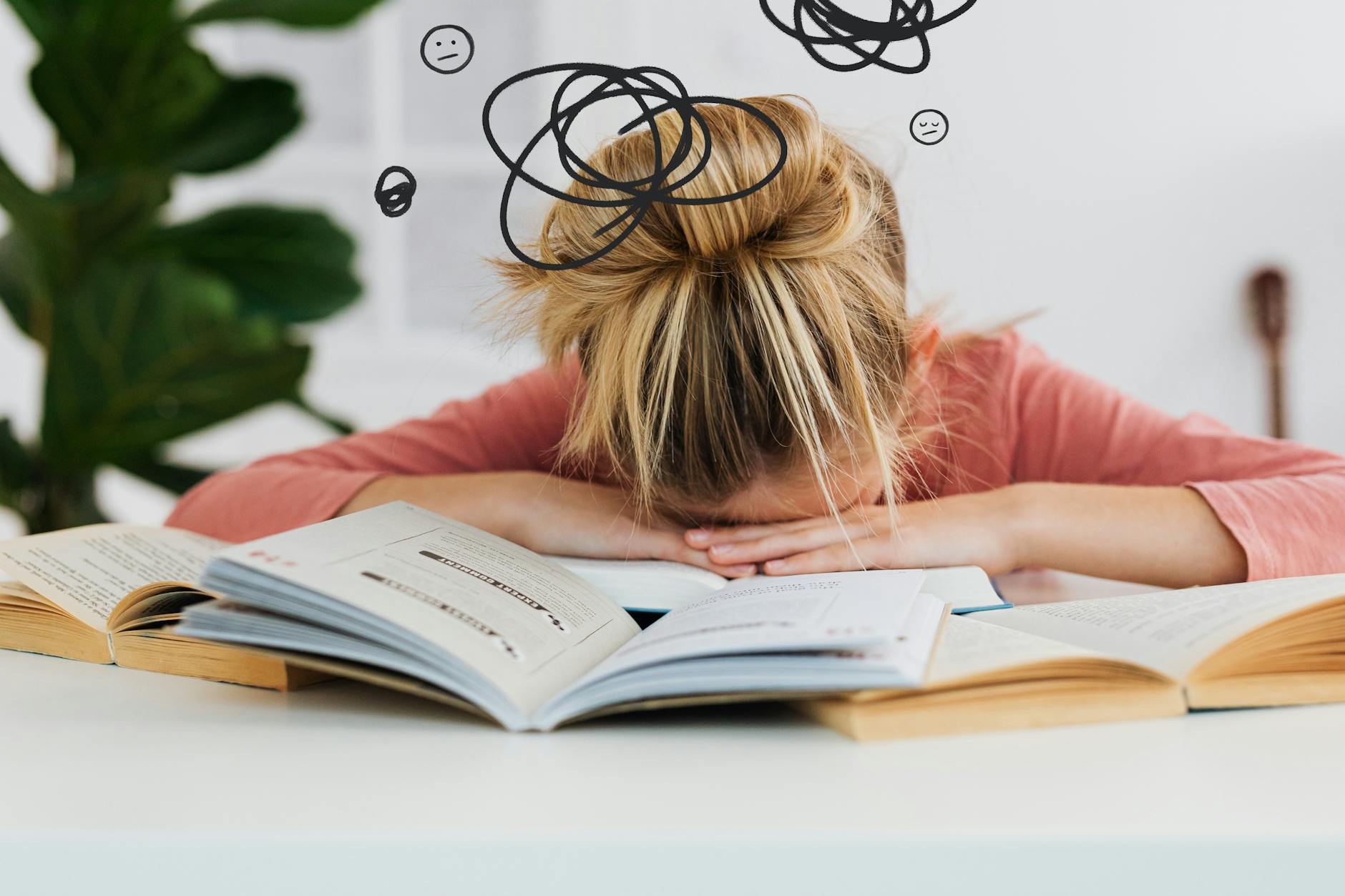
Short-term memory lapses become noticeably more frequent when the brain is operating under prolonged stress. The hippocampus, the region responsible for forming and retrieving memories, is particularly sensitive to cortisol and begins to function less efficiently under sustained hormonal pressure. Forgetting where keys were placed, missing appointments, or blanking on familiar names are among the earliest cognitive symptoms to emerge. This kind of stress-related forgetfulness is distinct from the occasional absent-mindedness most people experience and tends to worsen progressively rather than stay stable. When memory gaps begin to interfere with daily responsibilities it is a strong indicator that the stress load has exceeded what the brain can comfortably manage.
Disrupted Sleep

Falling asleep feels impossible and yet exhaustion is constant, a paradox that is one of the most telling signs of a dysregulated stress response. Elevated cortisol at night interferes with the natural drop in alertness that allows the body to transition into deep restorative sleep. People under high stress often wake between two and four in the morning with racing thoughts that make returning to sleep difficult. The resulting sleep deprivation then amplifies cortisol production the following day, locking the body into a self-reinforcing cycle. Chronic disrupted sleep that does not respond to standard sleep hygiene practices is frequently rooted in unaddressed psychological or physiological stress.
Appetite Changes

Stress hormones exert powerful influence over hunger signals, and the effects can swing dramatically in either direction. Some people find their appetite completely suppressed, eating far too little without any conscious intention to restrict food intake. Others experience intense cravings for high-calorie comfort foods as the brain seeks quick dopamine rewards to counteract emotional discomfort. The gut and brain are in constant communication through the vagus nerve, meaning psychological stress directly alters digestive function and hunger regulation. Unexplained and persistent shifts in eating patterns are worth examining as potential indicators of a stress level that the body is actively struggling to manage.
Heart Palpitations
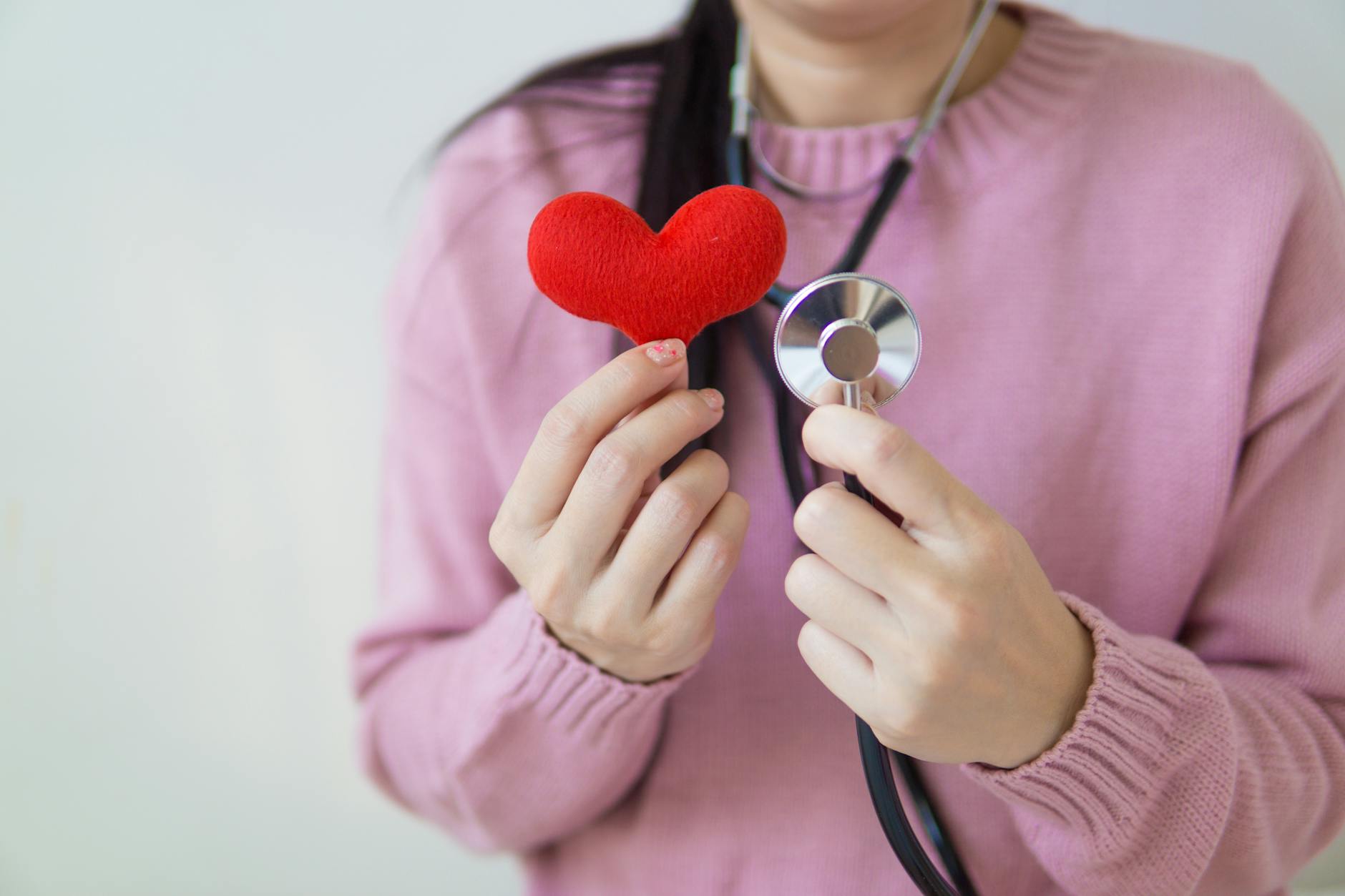
A sudden awareness of the heartbeat, fluttering sensations in the chest, or episodes of the heart seeming to skip a beat can all be stress-related rather than cardiac in origin. The sympathetic nervous system releases adrenaline during stress responses, causing the heart rate to increase and rhythm to momentarily become irregular. These episodes are particularly common during quiet moments such as lying in bed or sitting at a desk, when the body finally slows down enough for awareness to catch up. While palpitations should always be evaluated by a medical professional to rule out cardiac causes, stress is one of the most frequently identified contributing factors. A pattern of recurring palpitations tied to demanding periods in life is a meaningful physical signal worth taking seriously.
Digestive Issues
The enteric nervous system that governs gut function is exquisitely sensitive to psychological stress, earning the gut its reputation as the body’s second brain. Symptoms such as bloating, cramping, alternating constipation and diarrhoea, and nausea frequently appear or intensify during high-stress periods. Cortisol alters gut motility, changes the composition of the intestinal microbiome, and increases intestinal permeability in ways that create significant discomfort. People with no prior digestive history sometimes develop irritable bowel syndrome symptoms during extended periods of sustained psychological pressure. Digestive complaints that follow the rhythm of stressful life events rather than dietary changes are a strong indication that the gut-brain stress axis has become overactivated.
Eye Twitching
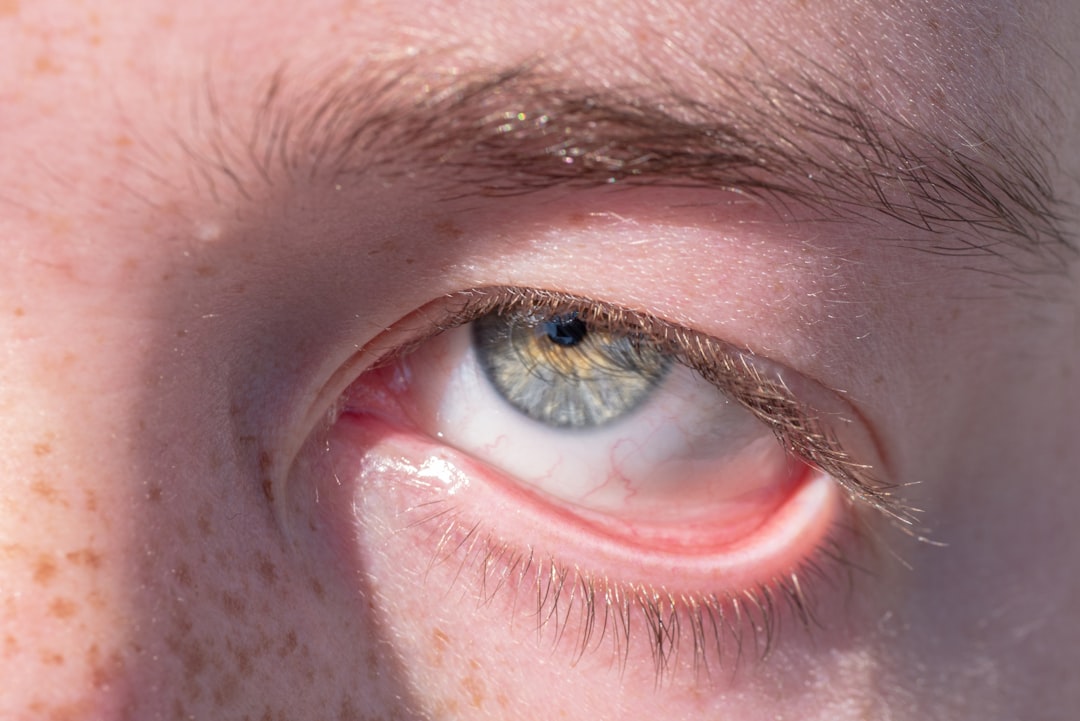
Involuntary twitching of the eyelid, technically called myokymia, is a minor but persistent sign that the nervous system is under excessive load. The repetitive, uncontrollable spasms occur when overstimulated nerve fibres around the eye begin firing erratically due to fatigue and stress. Most episodes are brief and harmless but they tend to return frequently during particularly demanding periods and can last for days or even weeks. The twitching is often worsened by caffeine consumption and sleep deprivation, both of which are common companions to high-stress lifestyles. Persistent eye twitching that keeps recurring across different days and circumstances is a reliable, if often underestimated, signal from the nervous system that it needs relief.
Low Libido

Sexual desire is highly sensitive to the hormonal environment created by chronic stress, and a sustained drop in libido is one of its most consistent consequences. Cortisol actively suppresses the production of reproductive hormones including testosterone and oestrogen in both men and women. The psychological weight of stress also redirects mental focus away from intimacy toward perceived threats and unresolved concerns. Relationship quality can suffer as a result, creating additional emotional strain that compounds the original stress. A prolonged and unexplained reduction in sexual interest that coincides with a demanding period in life is worth examining as a physiological symptom rather than dismissing as a relationship or character issue.
Cold Sores
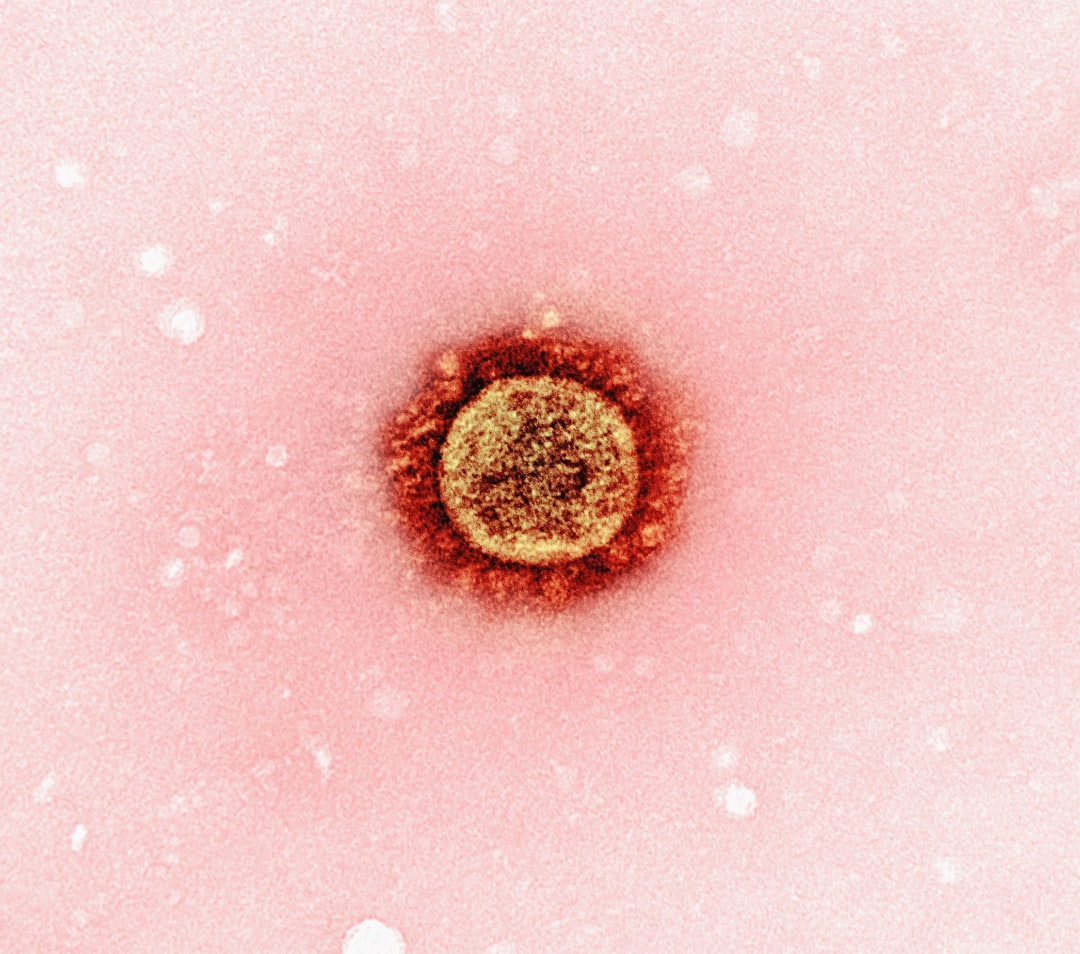
The herpes simplex virus that causes cold sores remains dormant in nerve tissue for years and is held in check by a properly functioning immune system. Chronic stress suppresses immune function by diverting the body’s resources toward the perceived emergency that stress hormones signal. This immune suppression creates an opportunity for dormant viruses like HSV-1 to reactivate and produce visible outbreaks around the lips or mouth. People who notice cold sores appearing with striking regularity during stressful periods rather than randomly are observing a direct immune response to psychological pressure. Frequent outbreaks that cluster around demanding life events are a measurable sign that the immune system is being consistently compromised by stress.
Chronic Headaches
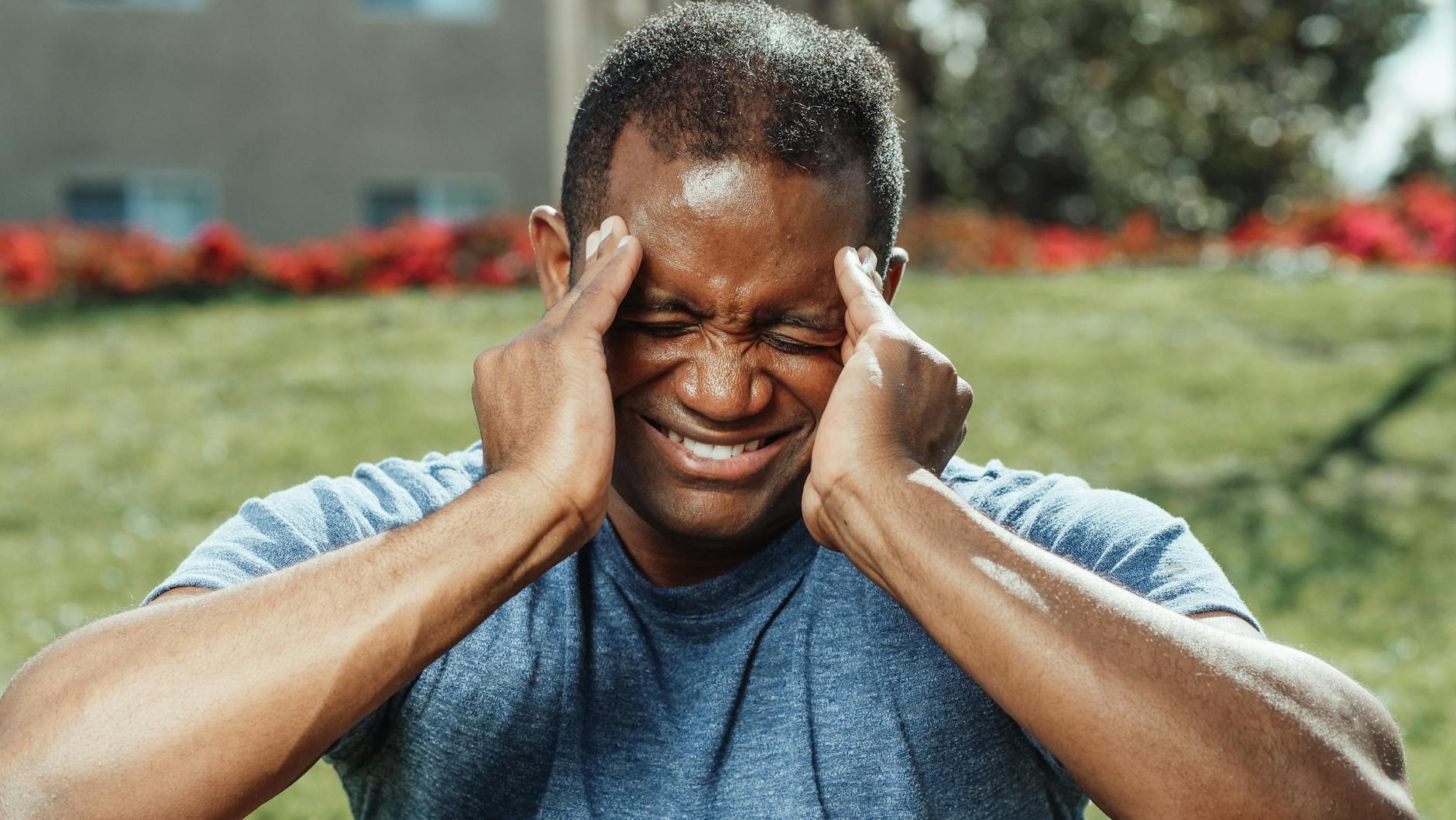
Tension headaches that settle around the temples, forehead, or base of the skull and return day after day are among the most common physical manifestations of prolonged stress. The sustained muscle contraction in the neck, shoulders, and scalp caused by a chronically activated stress response creates steady pressure that builds over time. Stress also alters pain sensitivity by affecting serotonin levels, making the nervous system more reactive to pain signals it might otherwise dampen. People who find themselves reaching for pain relief multiple times per week may be masking a stress symptom rather than addressing a standalone physical problem. Headache patterns that intensify during demanding weeks and ease during periods of rest are a particularly telling diagnostic pattern.
Teeth Grinding
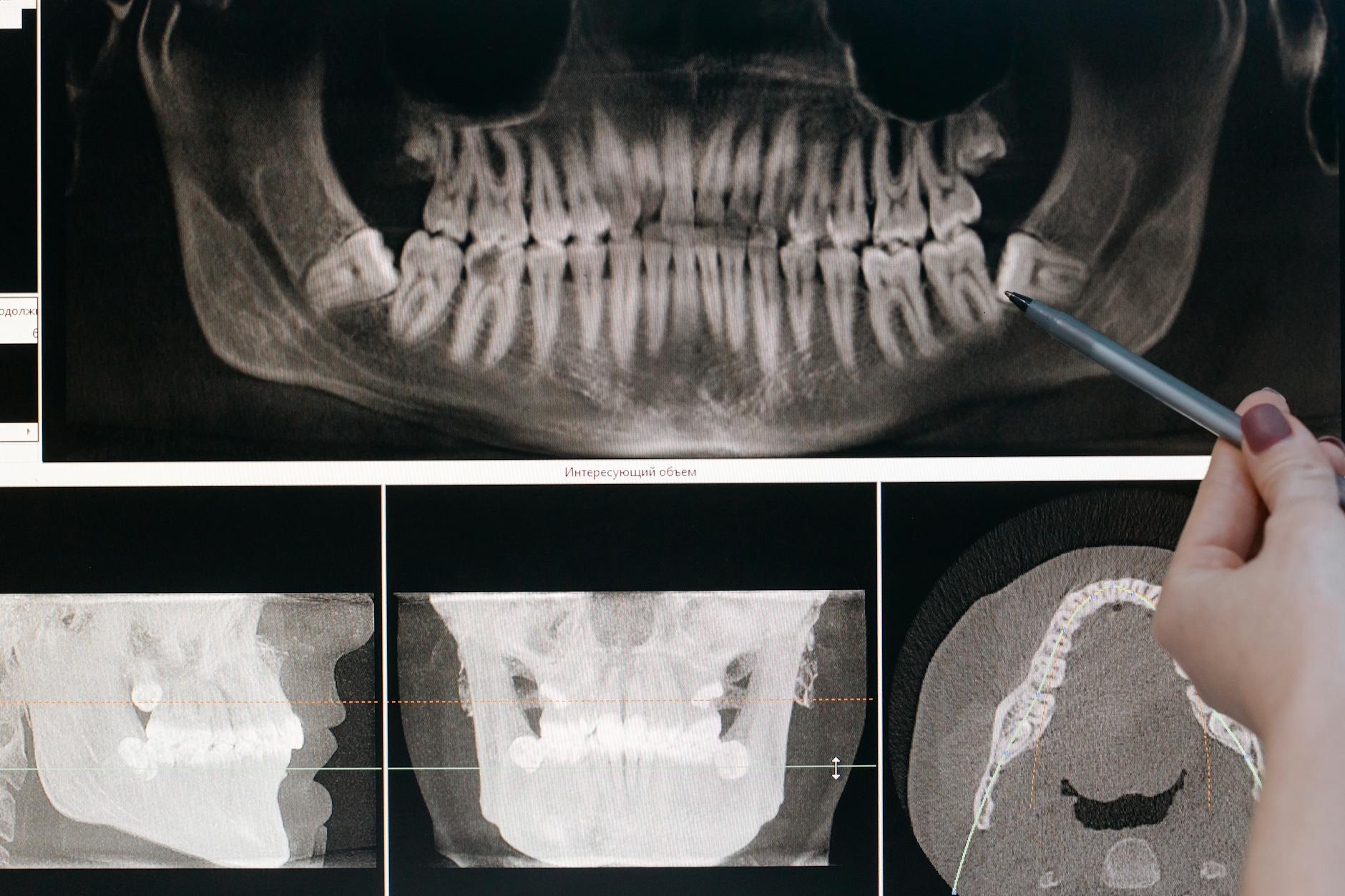
Bruxism, the unconscious grinding or clenching of teeth during sleep, is strongly associated with elevated psychological stress and anxiety. The jaw exerts extraordinary force during nocturnal grinding episodes, with pressures that can reach several times greater than those produced during normal chewing. Over time this damages tooth enamel, causes jaw pain, contributes to morning headaches, and can lead to tooth sensitivity. Many people are unaware they grind their teeth at all until a partner mentions the sound or a dentist identifies the characteristic wear patterns. A new or worsening bruxism diagnosis is frequently a physical record of unprocessed stress being discharged through the body during sleep.
Shoulder Tension

The trapezius muscles that run from the neck across the top of the shoulders are among the first sites in the body to accumulate physical stress. A chronically activated fight-or-flight response causes these muscles to contract protectively, as though bracing for impact, and the tension often becomes so habitual that it feels normal. People under sustained stress frequently describe their shoulders as permanently raised toward their ears without conscious awareness. This chronic contraction restricts blood flow, contributes to headaches and neck pain, and signals that the body has been locked in a state of physiological defence for too long. Tightness in this region that does not respond to stretching or massage and returns immediately after release is a reliable indicator of systemic stress.
Brain Fog
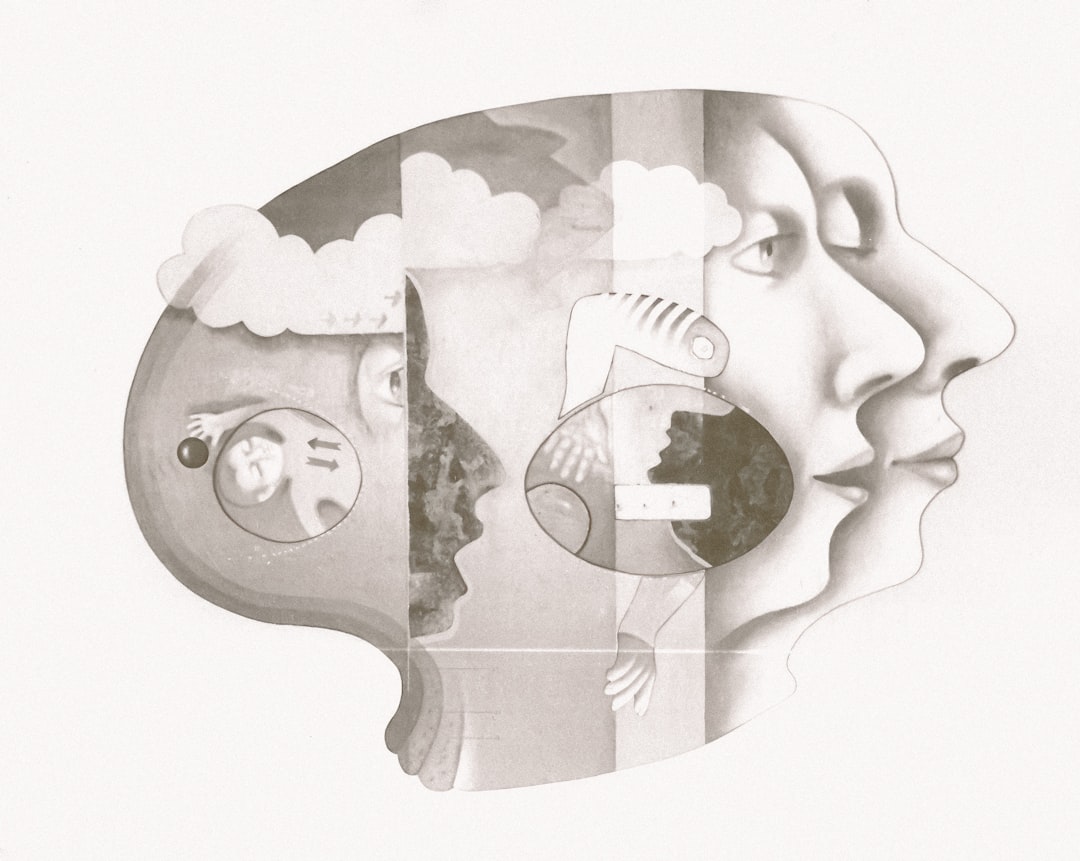
An inability to think clearly, difficulty concentrating, slow processing speed, and a general sense of mental haziness collectively describe brain fog, a symptom that stress reliably produces. The prefrontal cortex responsible for executive function and clear reasoning is impaired by high cortisol levels, reducing cognitive precision and responsiveness. Tasks that once felt automatic begin to require unusual amounts of effort, and completing complex thinking feels genuinely laborious. The fog often lifts temporarily during relaxed weekend mornings only to return immediately with the resumption of stressful routines. Persistent cognitive sluggishness that follows the pattern of life pressures rather than illness or sleep alone is a strong neurological sign that stress levels have become physiologically problematic.
Mood Swings

Emotional regulation depends heavily on stable neurotransmitter activity, which chronic stress directly undermines by depleting serotonin, dopamine, and GABA over time. People under dangerously high stress find their emotional range becoming increasingly unpredictable, shifting rapidly from irritability to sadness to numbness within short windows. Small frustrations that would previously have been absorbed without difficulty begin triggering disproportionate emotional reactions. The regulatory capacity of the prefrontal cortex weakens as the stress response keeps the more reactive limbic system in a state of heightened activity. Mood instability that feels uncharacteristic and cannot be explained by obvious emotional triggers is often a biochemical symptom of a nervous system in crisis.
Frequent Illness
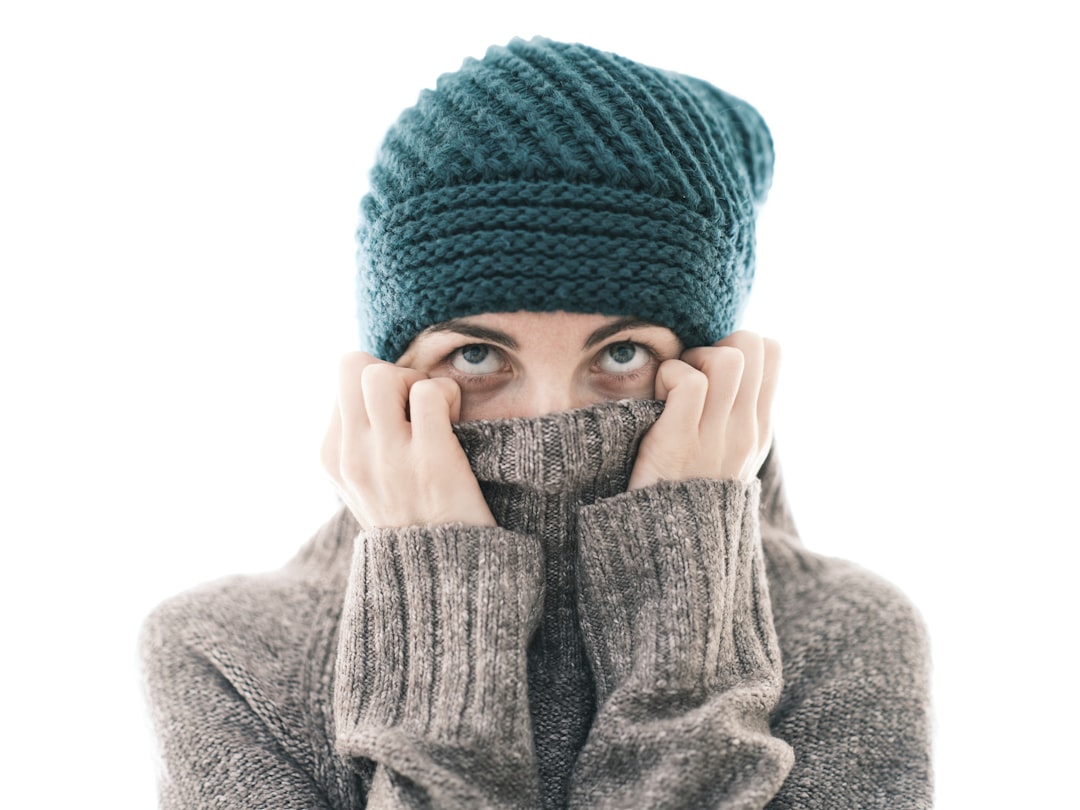
A body under chronic stress is a body with a compromised immune system, as the ongoing production of stress hormones systematically suppresses immune cell activity. People managing dangerously high stress levels find themselves catching every cold that circulates, experiencing longer recovery times, and dealing with recurring minor infections. Natural killer cell activity decreases, inflammatory responses become dysregulated, and the gut microbiome shifts in ways that further weaken systemic immunity. This pattern becomes particularly noticeable when one person within a household or workplace repeatedly gets sick while others remain healthy under the same exposure conditions. Getting ill more often than seems reasonable, or taking significantly longer to recover from routine illnesses, is a direct reflection of immune resources being redirected by persistent stress.
Nail Biting
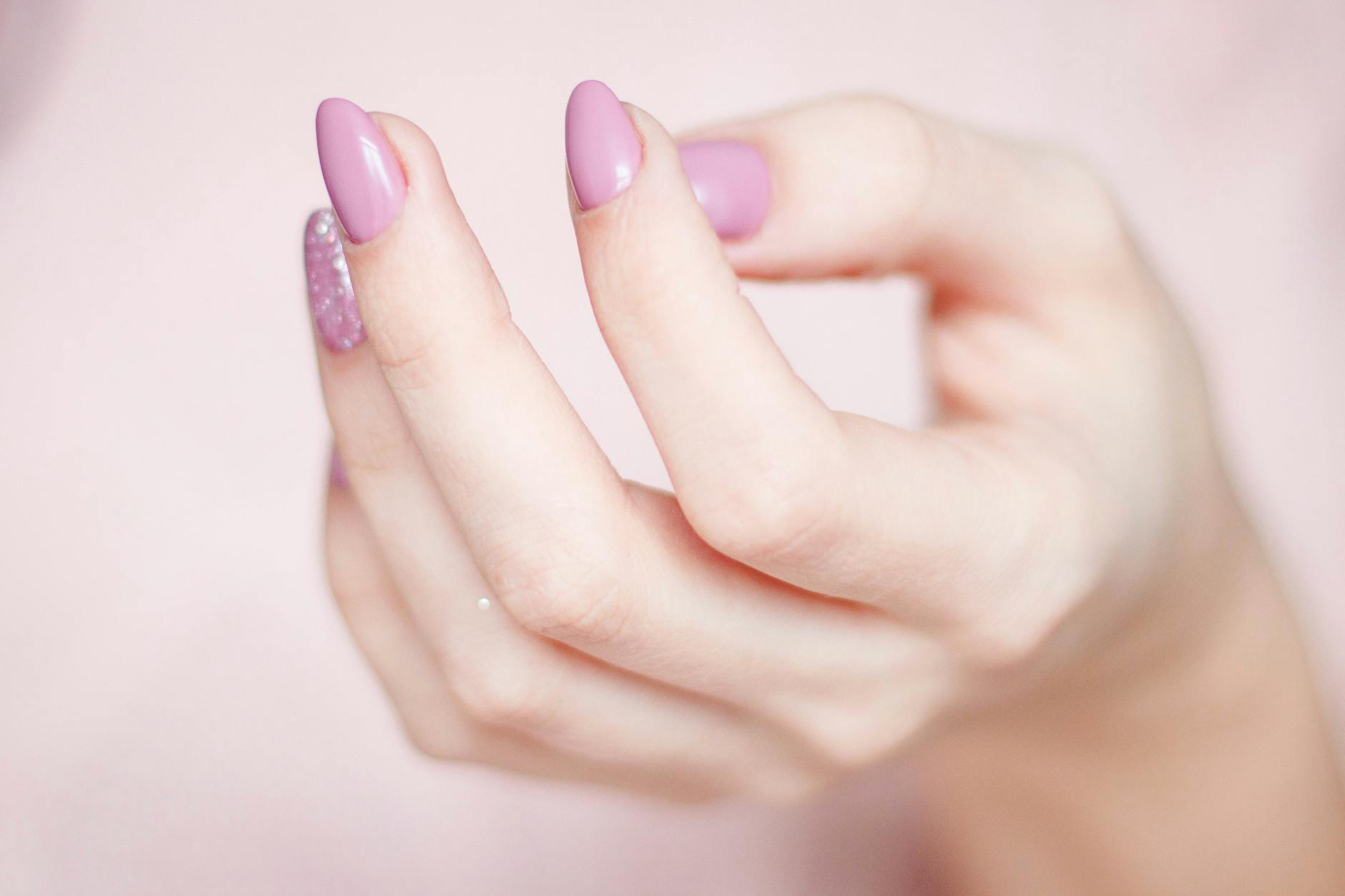
While nail biting is often dismissed as a nervous habit formed in childhood, its persistence or reappearance in adulthood is frequently linked to elevated anxiety and unmanaged stress. The behaviour belongs to a category of body-focused repetitive actions that the nervous system uses to self-regulate in the absence of more effective coping strategies. Research has found that people prone to these repetitive behaviours score higher on measures of frustration intolerance, a trait that intensifies considerably under high stress. The act temporarily stimulates sensory receptors in a way that interrupts anxious rumination, providing brief relief that reinforces the pattern over time. An increase in the frequency or intensity of nail biting following a rise in life pressures is a behavioural marker worth paying attention to.
Decision Fatigue

The mental resources required to make decisions draw on the same cognitive reserves that stress systematically erodes, resulting in a pronounced inability to make even minor choices. People experiencing dangerous stress levels describe standing frozen in front of a wardrobe or a restaurant menu feeling genuinely overwhelmed by options that would normally require no deliberation at all. The prefrontal cortex that governs logical decision-making becomes progressively less accessible as cortisol levels remain chronically elevated. This can lead to either complete avoidance of decisions or impulsive choices made simply to end the discomfort of the deliberation process. When routine decisions begin to feel like significant mental burdens, the cognitive costs of chronic stress have likely reached a level that warrants direct intervention.
Social Withdrawal

A natural response to overwhelm is to retreat from social interaction, conserving energy and reducing the cognitive load of managing relationships and conversations. People under dangerously high stress often cancel plans with increasing frequency, allow messages to go unanswered for days, and find social environments that were previously enjoyable now feel exhausting or threatening. This withdrawal tends to deepen isolation, which further reduces the emotional support available and compounds the original stress load. The irony is that meaningful social connection is one of the most effective biological regulators of the stress response, making withdrawal one of the most counterproductive stress behaviours to allow to continue unchecked. A noticeable and sustained pull toward isolation during difficult life periods is a significant psychological warning sign that the stress response has moved well beyond manageable levels.
If any of these signs resonate with your daily experience, share which ones surprised you most in the comments.