
A great tour guide can transform an ordinary trip into a truly memorable experience, but not every guide behind the microphone has the depth of knowledge to back up their confidence. Tourists often trust guides implicitly, which makes it all the more important to recognize when something feels off. These subtle warning signs can help you stay informed, ask better questions, and get the most out of your travel investment.
Vague Answers

When a guide responds to questions with broad, noncommittal statements rather than concrete facts, it often signals a shallow understanding of the subject. A knowledgeable guide can typically provide specific dates, names, historical context, or cultural nuance without hesitation. Vagueness is sometimes masked by enthusiasm or storytelling flair, which can make it easy to overlook. Consistent lack of specificity across multiple topics is one of the clearest early indicators that the information being shared may not be reliable.
Deflection Tactics

Redirecting questions with humor, a change of subject, or a promise to “come back to that later” is a common way for underprepared guides to avoid exposing gaps in their knowledge. While no guide can be expected to know everything, a skilled professional will acknowledge uncertainty and offer to find the answer rather than sidestepping entirely. Repeated deflection across different areas of inquiry is a pattern worth noting. Travelers who ask follow-up questions are often best positioned to spot this behavior early in a tour.
Contradicting Themselves
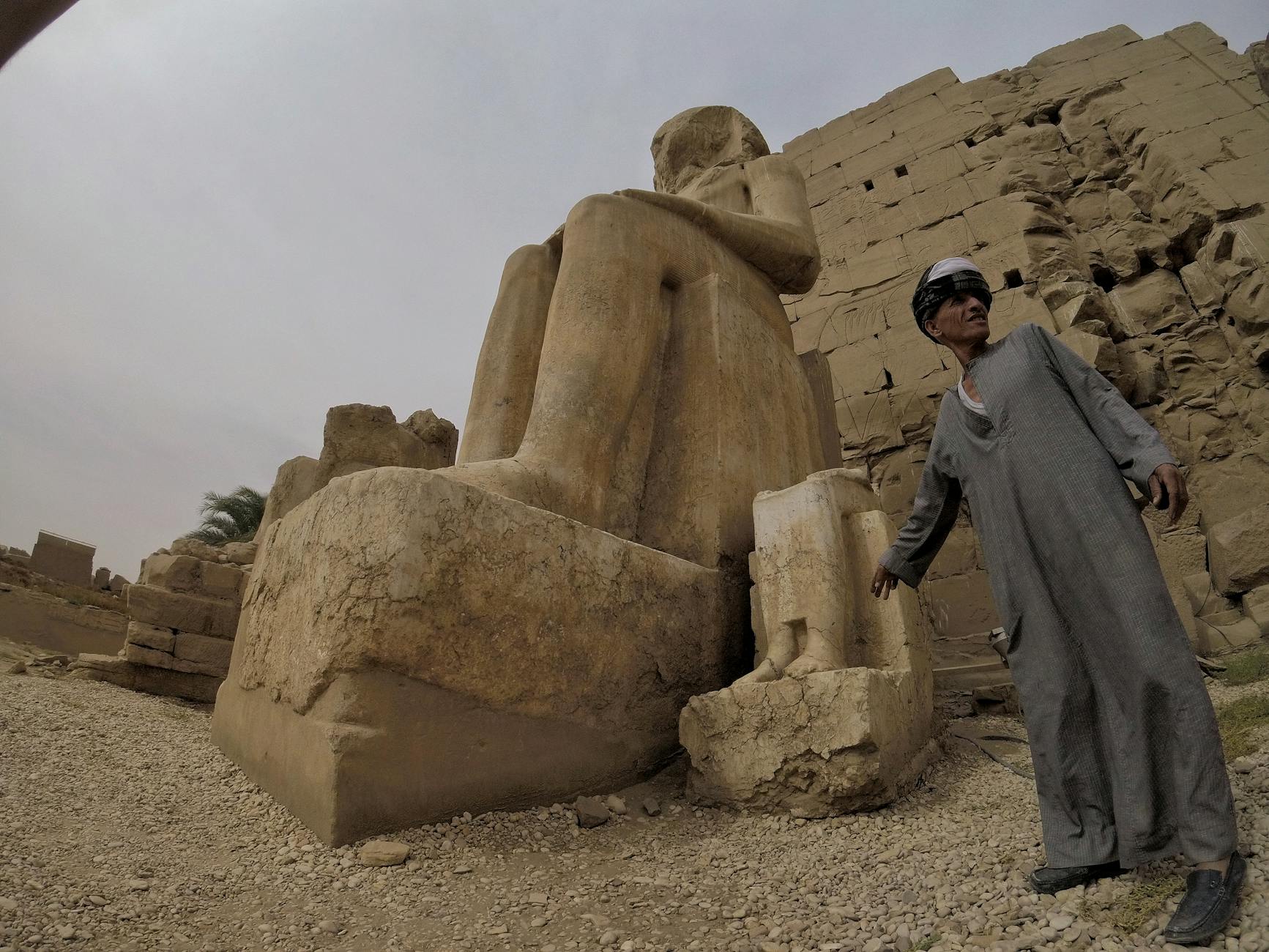
A guide who gives one version of a historical event at the start of a tour and a different version later on is likely working from memory rather than solid expertise. Inconsistencies in dates, names, or sequences of events are telltale signs that the information has not been properly verified or studied. These contradictions may seem minor in isolation but can add up to a picture of unreliable narration. Cross-referencing a few key facts with a travel guidebook or reputable app can help identify when this is happening.
Generic Descriptions

Describing a centuries-old cathedral simply as “very old and very beautiful” without offering architectural details, historical significance, or cultural context is a sign that a guide is working from surface-level familiarity. High-quality guides enrich each stop with layered information drawn from genuine research and local knowledge. Generic descriptions tend to feel interchangeable and could apply to almost any similar landmark anywhere in the world. Travelers seeking depth and authenticity will quickly notice the absence of specific, meaningful content.
Crowd-Following Navigation

A guide who consistently leads groups to the most obvious, heavily touristed spots without offering any insight into lesser-known alternatives may be relying entirely on a standard script rather than genuine local expertise. Knowledgeable guides typically have a sense of the destination beyond the main attractions, including hidden gems, local favorites, or context that enriches the broader experience. Defaulting exclusively to crowd-heavy locations without explanation suggests limited engagement with the destination outside of formal duties. This pattern becomes especially apparent in cities where off-the-beaten-path options are plentiful and well-documented.
Reading From Notes

Glancing repeatedly at a phone, pamphlet, or notebook during explanations suggests that the information being shared has not been internalized. A guide with genuine expertise typically speaks with fluency and confidence, drawing on a well of knowledge built over years of study and experience. Occasional reference to notes for a precise statistic or quote is entirely normal, but dependence on written material throughout a tour points to insufficient preparation. The flow and credibility of a guided experience are significantly diminished when the presenter is clearly reading rather than sharing.
Wrong Pronunciations
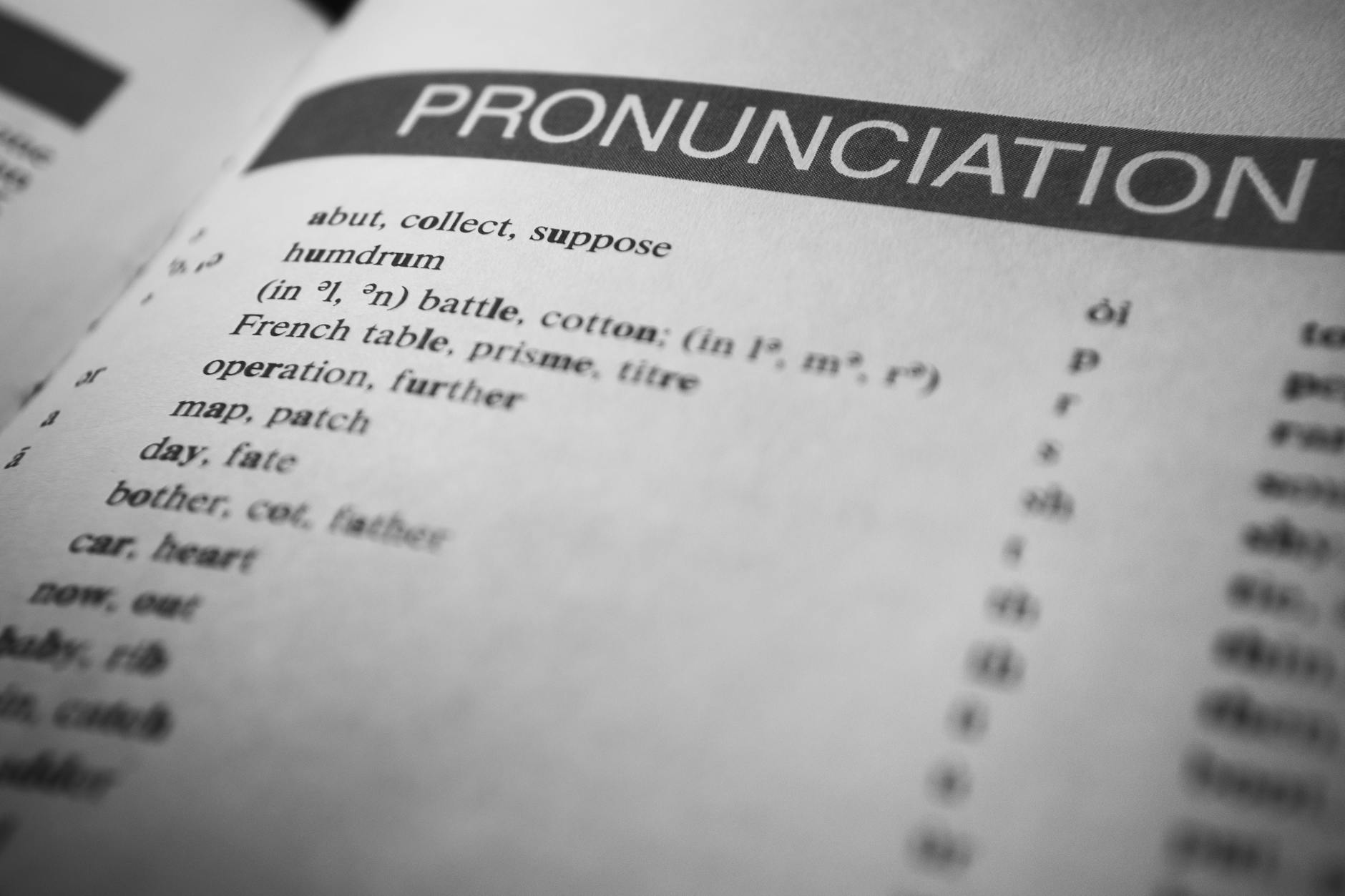
Consistently mispronouncing the names of local landmarks, historical figures, artists, or cultural terms is a subtle but telling sign of limited familiarity with the destination. Guides who are deeply versed in a place or subject naturally absorb the correct pronunciation of key terms through repeated exposure and study. A single mispronunciation is understandable, but a pattern across multiple important names suggests the guide has not spent meaningful time engaging with the material at a native or scholarly level. For travelers with some prior knowledge of the destination, this can be one of the quickest red flags to spot.
Avoiding Locals
A guide who avoids interaction with local shopkeepers, residents, or community members during a tour may lack the genuine community connections that elevate a guided experience. Guides with deep roots in a destination often have warm, established relationships with locals that offer travelers authentic and spontaneous moments of cultural immersion. The absence of these interactions can indicate that the guide is operating purely from a rehearsed routine rather than genuine belonging within the local fabric. Travelers who notice this pattern may be missing out on one of the richest dimensions of guided exploration.
Filler Phrases

Overuse of phrases such as “as you can see” or “this is very significant” without following up with substantive explanation is a verbal habit that often masks a lack of deeper content. These filler phrases create the impression of authority while delivering very little actual information. A well-prepared guide uses language purposefully, with each sentence adding context, historical weight, or cultural meaning to the experience. When filler dominates the narration, it is worth paying closer attention to how much concrete information is actually being communicated.
Outdated Information

Sharing facts about a destination that have since changed, such as describing a closed museum as open or citing population figures from decades ago, suggests the guide has not kept their knowledge current. The best guides regularly update their understanding of a destination to reflect recent developments in history, culture, urban planning, and local policy. Presenting outdated information with the same confidence as accurate facts can mislead travelers and diminish the overall quality of the experience. Checking a few details against a current travel resource can help reveal whether a guide’s knowledge base is being actively maintained.
Rushed Pacing

Moving through stops too quickly, without allowing time for questions or meaningful observation, is often a sign that a guide lacks the depth of content needed to fill the allotted time with quality information. Skilled guides pace their tours deliberately, using each location as an opportunity to build a layered narrative rather than simply checking off a list. Rushing can also be a strategy to prevent travelers from noticing inconsistencies or asking probing questions. A tour that feels hurried rarely reflects a guide who is genuinely confident in their material.
Ignoring Questions
Dismissing or minimizing questions from the group, whether through brief non-answers or visible discomfort, is a significant sign that a guide may be operating near the limits of their knowledge. Curious travelers often ask questions that venture beyond the standard script, and a truly knowledgeable guide welcomes these moments as a chance to demonstrate expertise. A pattern of discouraging questions creates a one-directional experience that limits engagement and depth. Guides who genuinely know their subject tend to view audience curiosity as an asset rather than a challenge.
Unverifiable Claims
Sharing dramatic or highly specific anecdotes that cannot be found in any reputable historical or cultural record is a red flag that a guide may be embellishing to fill gaps in knowledge. Colorful stories are a legitimate and enjoyable part of guided tours, but they should be clearly framed as local legend or folklore rather than presented as established fact. When extraordinary claims are made with total confidence and no acknowledgment of their speculative nature, travelers are right to approach them with healthy skepticism. Doing a quick search on a notable claim after a tour can sometimes reveal a significant gap between storytelling and historical reality.
Have you ever noticed any of these signs during a tour? Share your experiences in the comments.