
Traveling to a new city is one of life’s great pleasures, but even well-meaning visitors can unknowingly rub locals the wrong way or miss the unspoken rules that keep a destination respectful and enjoyable for everyone. These behaviors are rarely loud or obvious — they creep in through small habits, misplaced assumptions, and a general lack of awareness about how things work beyond your home turf. The good news is that recognizing these patterns is the first step toward becoming a more thoughtful and welcome guest. Here are twenty subtle ways you might be making a worse impression than you think.
Blocking the Sidewalk

Standing still in the middle of a busy pedestrian path to check your phone or consult a map is one of the most common ways tourists disrupt the flow of daily life. Cities have rhythms, and locals rely on uninterrupted movement to get to work, appointments, and errands on time. Stepping to the side before stopping is a simple adjustment that signals awareness of your surroundings. Most cities have designated areas or quieter streets where you can pause and reorient without affecting foot traffic. This small habit makes a significant difference in how you are perceived by the people who live there.
Speaking Too Loudly
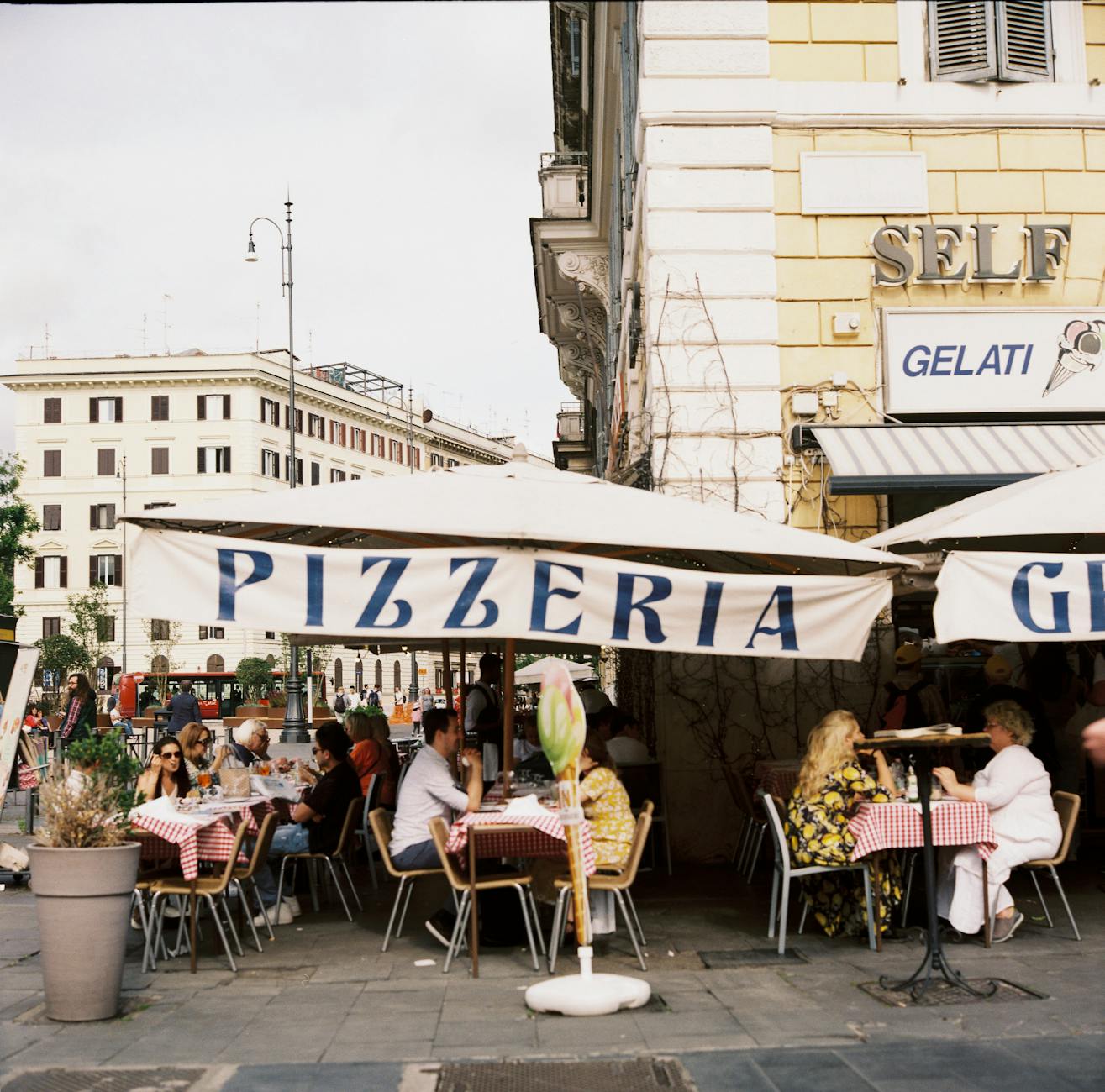
Tourists often underestimate how sound carries in urban environments, particularly in restaurants, public transit, and residential neighborhoods. Locals calibrate their voices to the ambient noise level around them, while visitors frequently project above it without realizing. This is especially noticeable in quieter cultural settings such as markets, temples, or independent cafés where a relaxed atmosphere is part of the appeal. Matching the energy of a space rather than imposing your own is a mark of genuine cultural awareness. Volume control is one of the easiest adjustments to make and one of the most appreciated.
Ignoring Queue Culture
Every city has its own unspoken rules about how lines form and how turns are taken, and failing to observe them signals a lack of respect for local customs. In some cities, orderly single-file queuing is taken extremely seriously, while in others a more fluid system operates that still has its own internal logic. Jumping ahead, hovering too close, or not noticing that a queue exists at all can cause real frustration among locals. Watching what others do before inserting yourself into any waiting situation is always the safest approach. Respecting the queue is respecting the community.
Photographing People
Pointing a camera or phone at a local without asking permission is a breach of privacy that many tourists overlook in their enthusiasm to document everything. Street vendors, market workers, and residents going about their daily routines are not attractions — they are people deserving of basic dignity. In many cultures, being photographed without consent carries genuine discomfort or even spiritual significance. Asking first, even through a gesture and a smile, transforms an intrusive moment into a genuine human exchange. The images you take with permission are almost always more meaningful anyway.
Haggling Inappropriately

Bargaining is an expected and respected practice in some markets around the world, but applying it indiscriminately in places where fixed pricing is the norm comes across as rude and dismissive. Walking into a small local shop or artisan stall and immediately negotiating the price signals that you do not value the maker’s work or understand the cultural context. Equally, haggling aggressively in places where gentle negotiation is acceptable can sour what should be a warm exchange. Researching the norms of commerce in your destination before you arrive prevents these awkward missteps. Knowing when to bargain and when to simply pay is a form of cultural literacy.
Using Only Tourist Restaurants
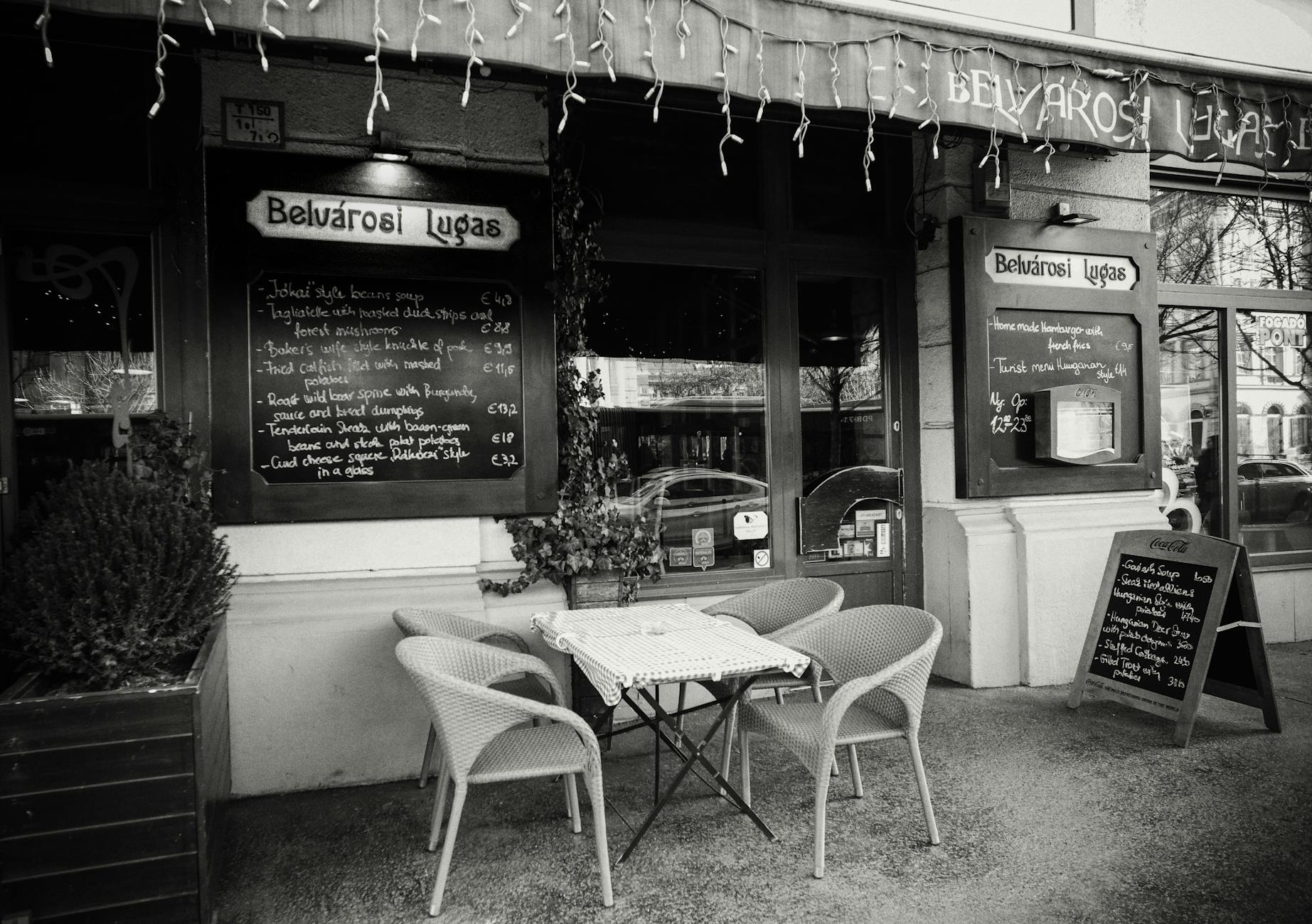
Eating exclusively at establishments that cater to visitors means you are spending your money in places that often import their ingredients, pay lower wages, and produce a diluted version of the local cuisine. Locals rarely eat in the restaurants clustered around major attractions, and for good reason — the food is typically overpriced and underwhelming. Venturing a few streets away from the main square almost always reveals more authentic and affordable options. Choosing neighborhood spots, market stalls, and family-run establishments supports the local economy in a far more meaningful way. Your taste buds and your budget will both thank you.
Assuming Everyone Speaks English
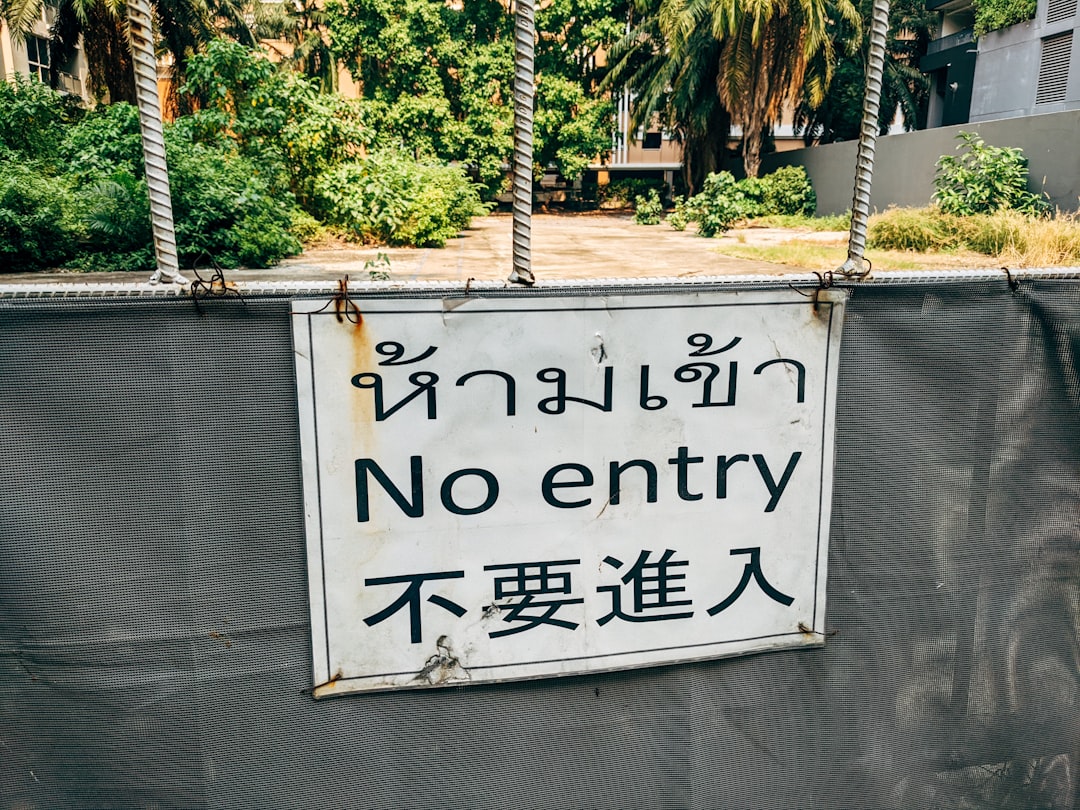
Approaching every interaction with the immediate expectation that the other person speaks English is a form of cultural entitlement that many travelers do not recognize in themselves. Even in countries with high English proficiency, leading with a few words in the local language demonstrates effort, respect, and goodwill. A simple greeting or thank-you in the local tongue changes the entire dynamic of an exchange. It signals that you see yourself as a guest rather than a consumer passing through. Even a clumsy attempt at the local language is almost universally received with warmth.
Dressing Inappropriately

Wearing beachwear in a city center, entering a religious site in shorts, or dressing in ways that clash sharply with local modesty standards sends a message of indifference to the culture you are visiting. Researching dress codes before you arrive is one of the most basic acts of preparation a traveler can make. Many sacred or historic sites will turn you away entirely if you are not dressed correctly, which wastes your time and causes unnecessary friction. Packing a lightweight scarf or layer gives you the flexibility to adapt to different environments throughout the day. Dressing with awareness is one of the most visible ways to show that you did your homework.
Tipping Incorrectly

Tipping customs vary dramatically from country to country, and getting them wrong in either direction can cause confusion or offense. In Japan, leaving a tip can be seen as insulting, while in the United States, not tipping a service worker is considered genuinely disrespectful. In many European countries, a small rounding-up of the bill is appreciated but a large American-style gratuity can feel out of place. Taking five minutes before your trip to understand local tipping etiquette ensures your gratitude is expressed in a way that actually lands well. Money is one of the most culturally loaded forms of communication there is.
Touching Everything

Running your hands along ancient stonework, picking up items in a market without intention to buy, or handling artifacts in cultural spaces causes cumulative damage that individual tourists rarely consider. The oils from human skin accelerate the deterioration of surfaces that have survived centuries of history. Market vendors in many cultures find it impolite to have their goods handled repeatedly without a genuine inquiry. Adopting a look-first approach in both historic and commercial settings is a sign of maturity and respect. Your restraint contributes to the preservation of places that millions of people share.
Littering or Leaving Waste

Dropping rubbish on the street, leaving food packaging at a scenic viewpoint, or abandoning single-use items on a beach harms the environment and signals a complete disregard for the place you are visiting. Many cities maintain their beauty through significant civic effort and community pride, and tourists who undermine that create a real burden. Some destinations have introduced fines for littering specifically because visitor behavior has become a serious problem. Carrying a small bag for your own waste until you find a proper bin is a minimal inconvenience with a large positive impact. Treating a destination as you would your own home is the baseline standard of responsible travel.
Ignoring Local Transport
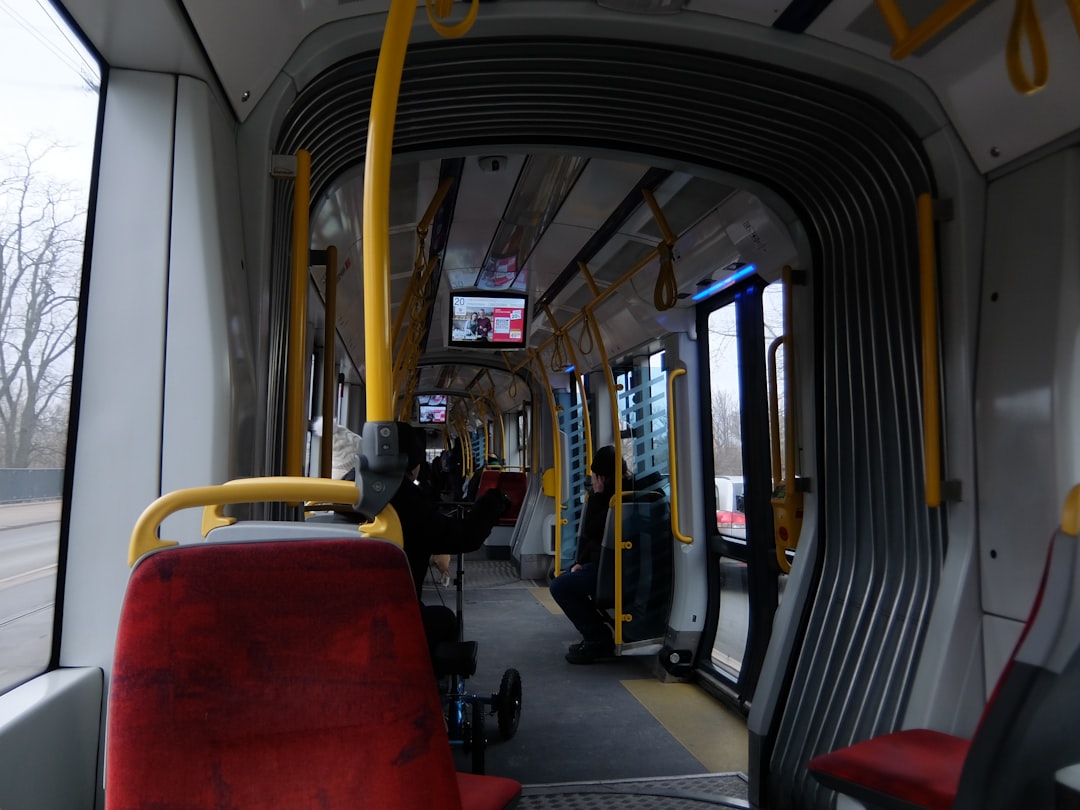
Relying solely on taxis or ride-share apps rather than engaging with public transportation means missing one of the most authentic windows into daily life in any city. Buses, trams, and metro systems move the way a city actually breathes, and navigating them gives you a far richer sense of place than a car window ever can. Using local transit also reduces congestion and environmental impact in cities that are already managing high visitor numbers. Most transit systems now have apps or English-language interfaces that make them far more accessible to visitors than they were a generation ago. Getting on a local bus is often the most interesting thing you can do in a new place.
Visiting During Peak Hours
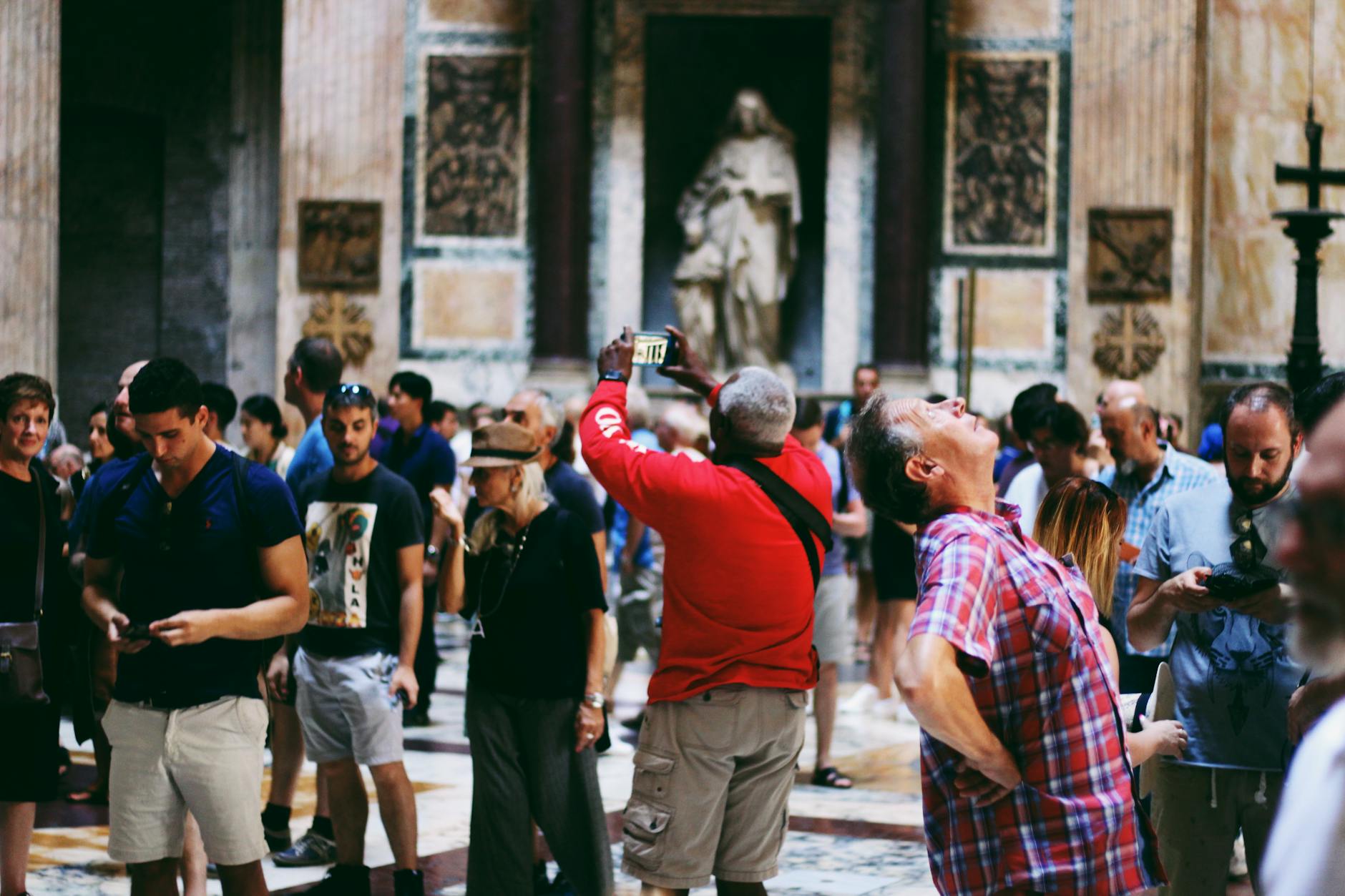
Arriving at a major attraction at the most crowded time of day is a choice that harms both your own experience and that of everyone around you. Iconic sites become genuinely unpleasant and difficult to appreciate when they are packed to capacity, and locals who use those spaces for recreation or reflection are effectively pushed out. Shifting your visit by just an hour or two in either direction can transform the entire experience. Many of the world’s most photographed places look completely different — and feel entirely peaceful — in the early morning light. Timing is one of the most underrated tools in a thoughtful traveler’s kit.
Over-Negotiating with Vendors
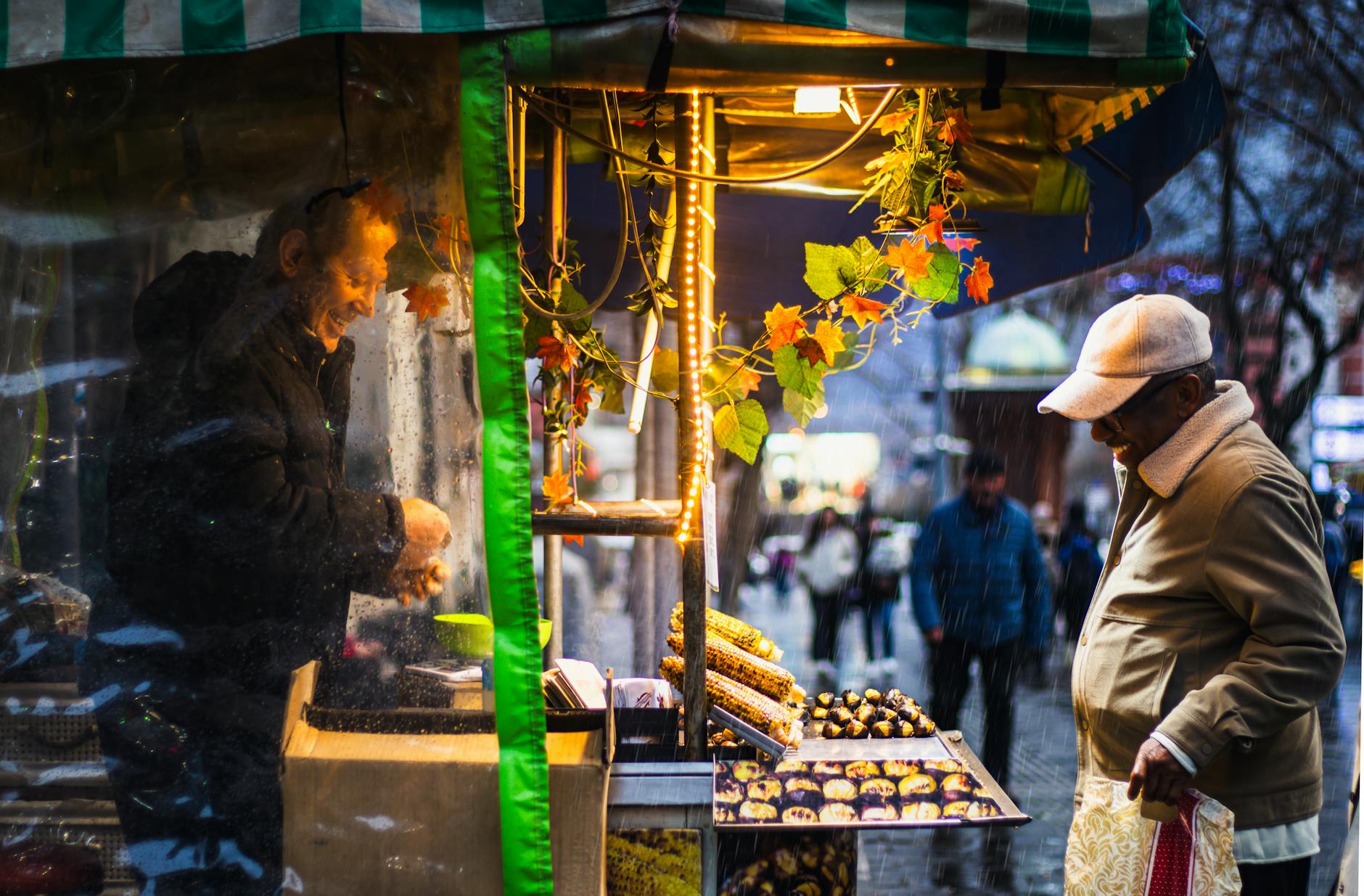
There is a meaningful difference between savvy shopping and grinding down a small-scale vendor for the sake of saving a trivial amount of money. Street sellers and market traders in many parts of the world operate on extremely thin margins, and aggressive price negotiation by wealthy visitors can cause real financial harm. The satisfaction of winning a negotiation is rarely worth the cost to someone whose livelihood depends on fair payment for their work. Paying a fair price — and occasionally a generous one — is one of the most direct ways tourism can benefit a local community. Generosity in small transactions has an outsized ripple effect.
Treating Locals as Props

Expecting residents to perform their culture for your entertainment, asking intrusive questions about their traditions, or treating an entire community as a backdrop for your travel content reduces real people to aesthetic elements. This dynamic is particularly common in rural or indigenous communities that attract visitors specifically because of their cultural distinctiveness. Curiosity is healthy, but it should always be accompanied by humility and the recognition that you are a guest in someone else’s daily reality. Genuine interest in a person is expressed through listening, not just questioning. The most memorable travel encounters happen when both parties feel equally respected.
Disrupting Religious Sites
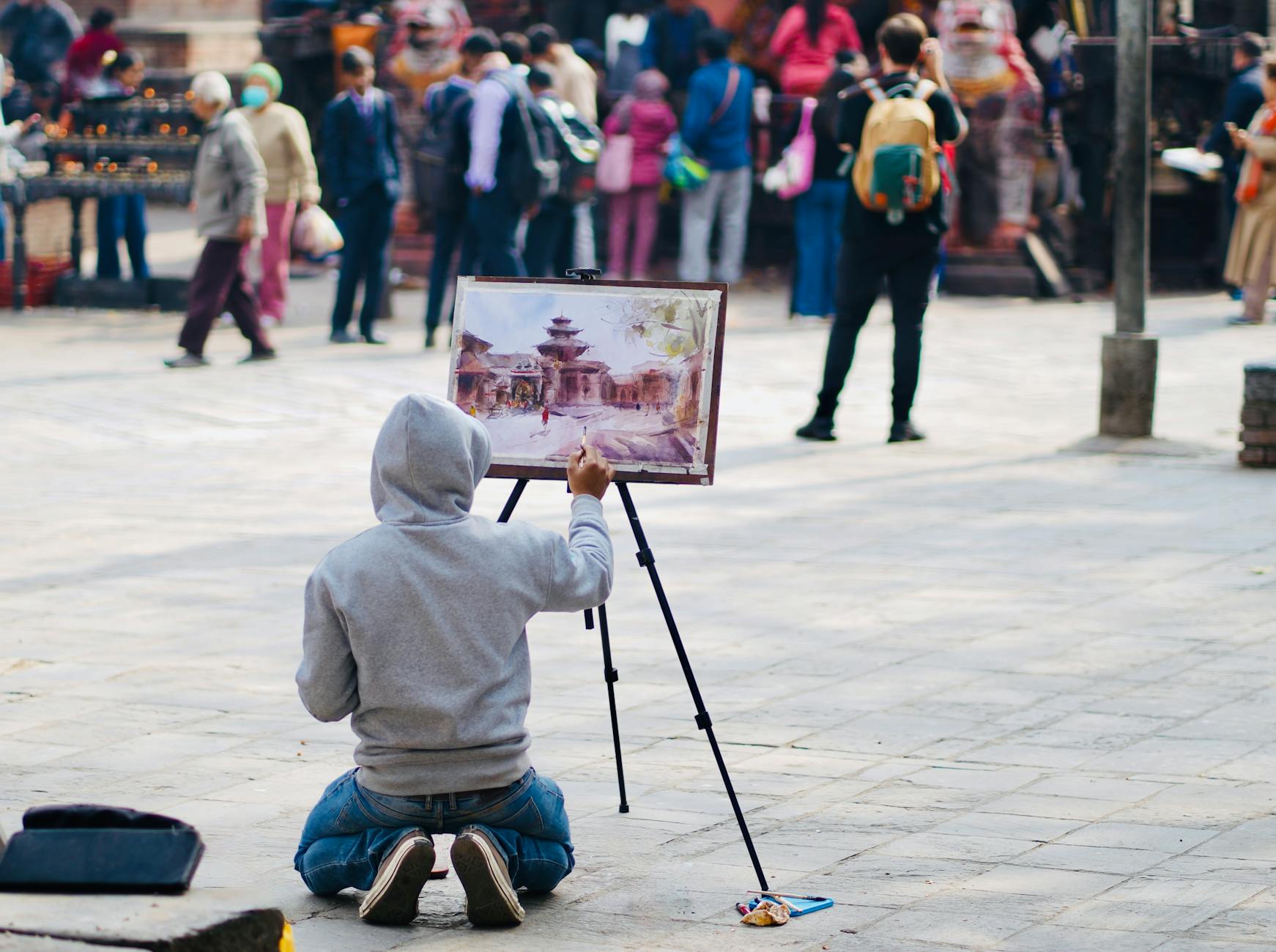
Treating temples, mosques, cathedrals, and other sacred spaces as photo opportunities rather than active places of worship is one of the most common and least self-aware forms of tourist behavior. Many of these sites are still in active daily use by communities of faith, and the presence of camera-wielding visitors during prayer or ritual can be genuinely disruptive and disrespectful. Following posted instructions, silencing your phone, and moving quietly through these spaces are the minimum expectations. Observing a moment of genuine stillness in a sacred space is often far more rewarding than any photograph. Reverence costs nothing and leaves a powerful impression.
Posting Geotagged Content
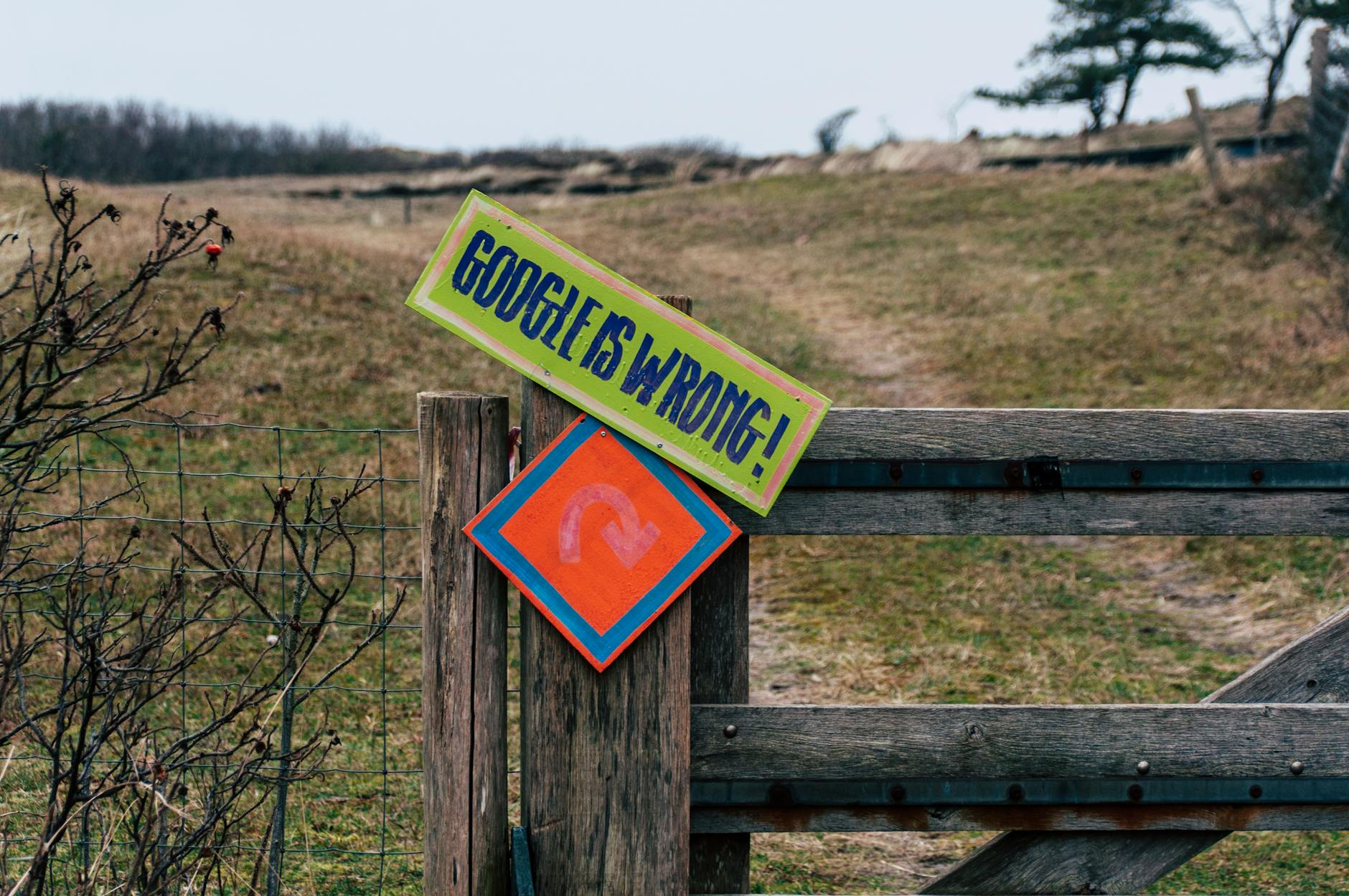
Sharing the precise location of hidden beaches, quiet local neighborhoods, or undiscovered viewpoints on social media accelerates the very overtourism that destroys what made those places special in the first place. Once a location is widely geotagged, it can go from peaceful to overcrowded within a matter of weeks. Many fragile natural and cultural sites have been permanently altered by the viral attention that geotagged posts attract. Enjoying a discovery without broadcasting its coordinates is a quiet but meaningful act of stewardship. Some of the most beautiful places in the world remain beautiful precisely because not everyone knows exactly where they are.
Ignoring Business Hours

Assuming that shops, restaurants, and attractions operate on the same schedule as your home country leads to frustration and unintentional rudeness. Many European countries observe a midday closure, while some Asian cities run businesses late into the evening but open much later in the morning. Showing up at a restaurant just before closing time and expecting full service places real pressure on staff who are preparing to end their workday. Checking hours in advance is a basic courtesy that takes less than a minute and prevents a range of awkward situations. Respecting the working rhythms of a place is a form of respecting the people who work there.
Underestimating Local Laws

What is legal or socially acceptable at home may carry significant penalties in another country, and many tourists discover this the hard way. Jaywalking, public drinking, photography restrictions near government buildings, and rules around certain types of clothing or behavior vary enormously across cultures and legal systems. Ignorance is rarely accepted as a defense, and the consequences can range from a fine to a genuinely serious legal situation. A brief review of local laws and customs before you arrive is not excessive caution but simply responsible preparation. Knowing the rules of the place you are visiting is part of taking that place seriously.
Leaving No Positive Trace

Being a good tourist is not only about avoiding harm — it is also about actively contributing something to the places you visit. Choosing locally owned accommodation, buying directly from artisans, leaving a considered review for a small business, or simply engaging warmly with the people you meet all leave a quiet but real positive mark. Tourism has the potential to be a genuine force for cultural exchange and economic support when it is approached with intention. The traveler who passes through a city and leaves it slightly better than they found it is a rare and genuinely welcome guest. Every thoughtful choice you make on the road adds up to a travel identity that opens doors rather than closing them.
Which of these habits have you noticed in yourself or others while traveling? Share your experiences in the comments.