The term superfood has no official medical definition and often serves as a powerful branding tool for the food industry. Marketers frequently attach this label to exotic ingredients to justify steep price tags despite the existence of cheaper domestic alternatives. Many of these foods offer valid nutritional value yet fail to deliver the miraculous cures or transformations promised in advertisements. Consumers can usually obtain the same vitamins and minerals from a balanced diet of whole fruits and vegetables found in standard grocery stores. Understanding the science behind these trends helps shoppers make more financially sound decisions for their long-term health.
Acai Berries

These purple fruits from the Amazon rainforest are touted for their high antioxidant content and anti-aging properties. Research shows that domestic fruits like blueberries and blackberries contain comparable levels of antioxidants without the heavy price tag. Most acai bowls served in cafes contain significant amounts of added sugar and toppings that can spike blood glucose levels. The environmental impact of shipping these perishable berries globally also raises sustainability concerns for eco-conscious consumers.
Coconut Oil

Wellness influencers often promote this tropical oil as a miracle cure for metabolism boosting and heart health. Health organizations caution that coconut oil is extremely high in saturated fat which can raise LDL cholesterol levels when consumed in excess. The medium-chain triglycerides often cited in weight loss studies are present in much smaller amounts in commercial coconut oil than consumers realize. Olive oil remains a far superior choice for cardiovascular health due to its proven profile of heart-healthy unsaturated fats.
Himalayan Pink Salt

This distinctive salt is mined in Pakistan and marketed as a purer alternative to table salt due to its trace mineral content. The actual amount of minerals such as magnesium and calcium is so negligible that it offers no real health advantage. Both pink salt and standard table salt consist almost entirely of sodium chloride and impact blood pressure in the exact same way. Spending extra money on this colorful seasoning provides aesthetic value rather than a nutritional upgrade.
Agave Nectar

Many people switch to agave believing it is a healthier and more natural alternative to refined white sugar or corn syrup. This sweetener is actually highly processed and contains a higher percentage of fructose than high-fructose corn syrup. Excessive fructose consumption acts differently in the body than glucose and is linked to insulin resistance and fatty liver disease. Despite its low glycemic index marketing claims it remains a concentrated sugar that should be used sparingly.
Bone Broth

This trendy beverage is essentially a rebranding of the traditional stock that home cooks have made for centuries. Companies charge a premium for liquid that claims to improve joint health and skin elasticity through collagen ingestion. The digestive system breaks down dietary collagen into individual amino acids rather than depositing it directly into the skin or joints. A simple homemade vegetable or chicken soup provides similar hydration and comfort at a fraction of the retail cost.
Activated Charcoal

Black charcoal products appear in everything from lemonades to burger buns with claims of detoxifying the body. Medical professionals use activated charcoal in emergency rooms to treat specific poisonings because it binds to substances in the stomach. Consuming it recreationally can actually bind to essential nutrients and medications which prevents their absorption into the bloodstream. The human liver and kidneys are already highly efficient at filtering toxins without the need for gritty supplements.
Manuka Honey

This specific type of honey from New Zealand commands an incredibly high price due to its antibacterial properties. While it may show promise for topical wound healing most people consume it orally where digestion neutralizes many of its unique compounds. It contains the same amount of sugar and calories as regular clover honey found in the plastic bear bottle. Diabetic individuals and those watching their sugar intake should treat it just like any other sweetener.
Wheatgrass

Juice bars often sell shots of this grassy liquid as a concentrated source of chlorophyll and vitamins. The nutritional density of wheatgrass is not significantly superior to common leafy greens like spinach or kale. Many consumers find the taste unpalatable and must mask it with sweet fruit juices to get it down. Eating a varied salad provides the same benefits along with necessary fiber that juiced grass lacks.
Goji Berries
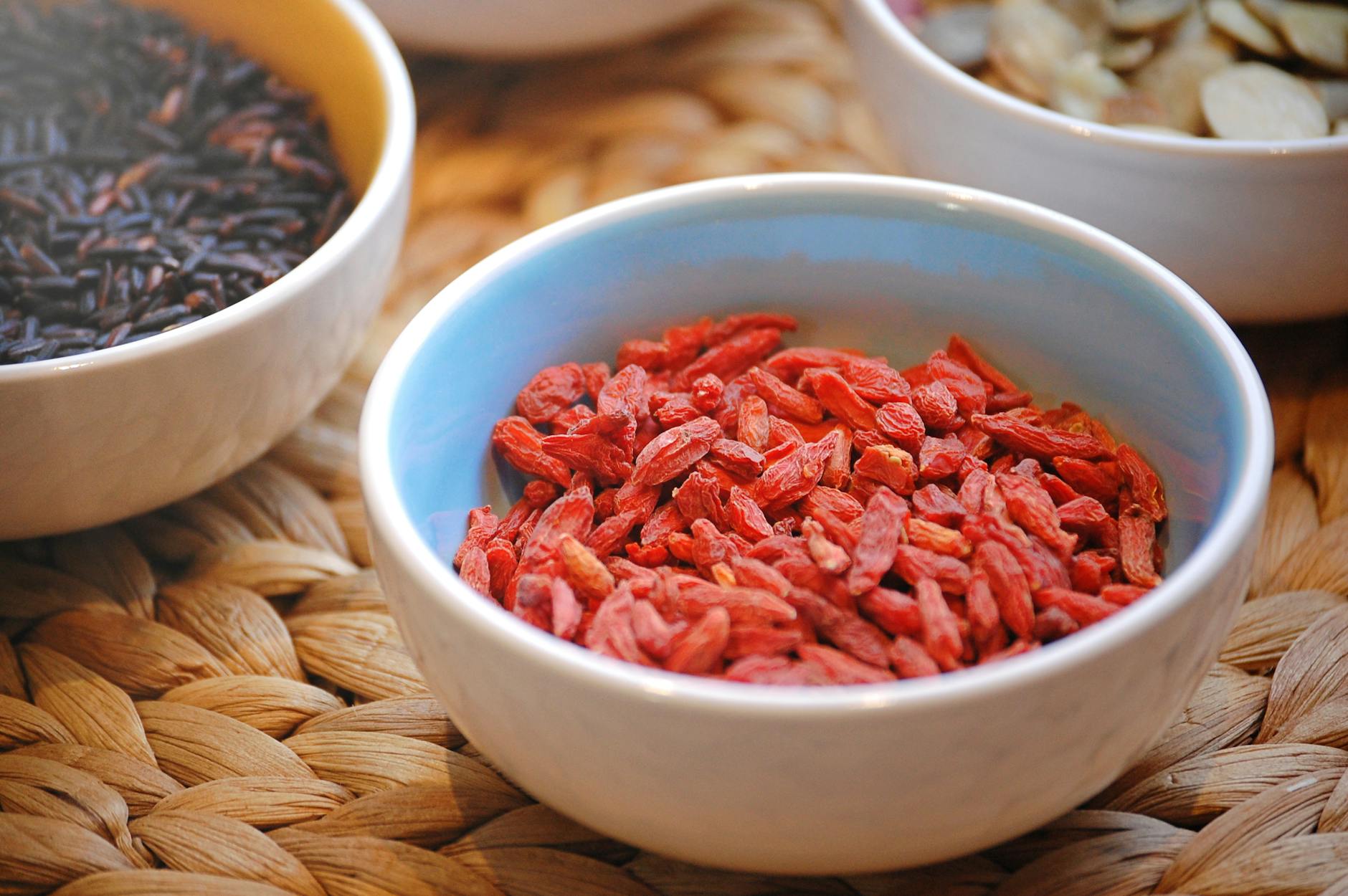
These bright red berries from China have been used in traditional medicine but are now sold at premium prices in health food stores. They provide vitamin A and iron yet these nutrients are easily found in carrots and leafy greens for much less money. Some studies suggest goji berries can interact negatively with blood thinners and diabetes medications. Dried fruit also concentrates sugar which makes portion control important for those monitoring caloric intake.
Apple Cider Vinegar

Enthusiasts claim a daily shot of this vinegar melts fat and cures digestive issues almost instantly. Scientific evidence supporting significant weight loss or blood sugar regulation from vinegar alone remains weak and inconclusive. The high acidity of the liquid can erode tooth enamel and irritate the throat lining if consumed without dilution. It works best as a flavorful ingredient in salad dressings rather than a standalone health supplement.
Celery Juice

Social media trends propelled this watery green juice into the spotlight as a cure-all for autoimmune diseases and inflammation. Drinking celery juice removes the beneficial fiber found in the whole stalk which is crucial for gut health and satiety. Most of the claims surrounding its healing powers are anecdotal and lack rigorous scientific backing. Eating whole celery stalks with peanut butter or hummus is a more balanced way to enjoy this vegetable.
Chlorophyll Water

Bottled water infused with chlorophyll promises to clear skin and detoxify the blood for a high retail price. Green vegetables naturally contain chlorophyll and packaging them in a bottle does not make the compound more effective. The body digests and absorbs nutrients better from whole food sources than from isolated supplements in water. Drinking plain water and eating a side of broccoli is a more effective strategy for hydration and nutrition.
Chia Seeds
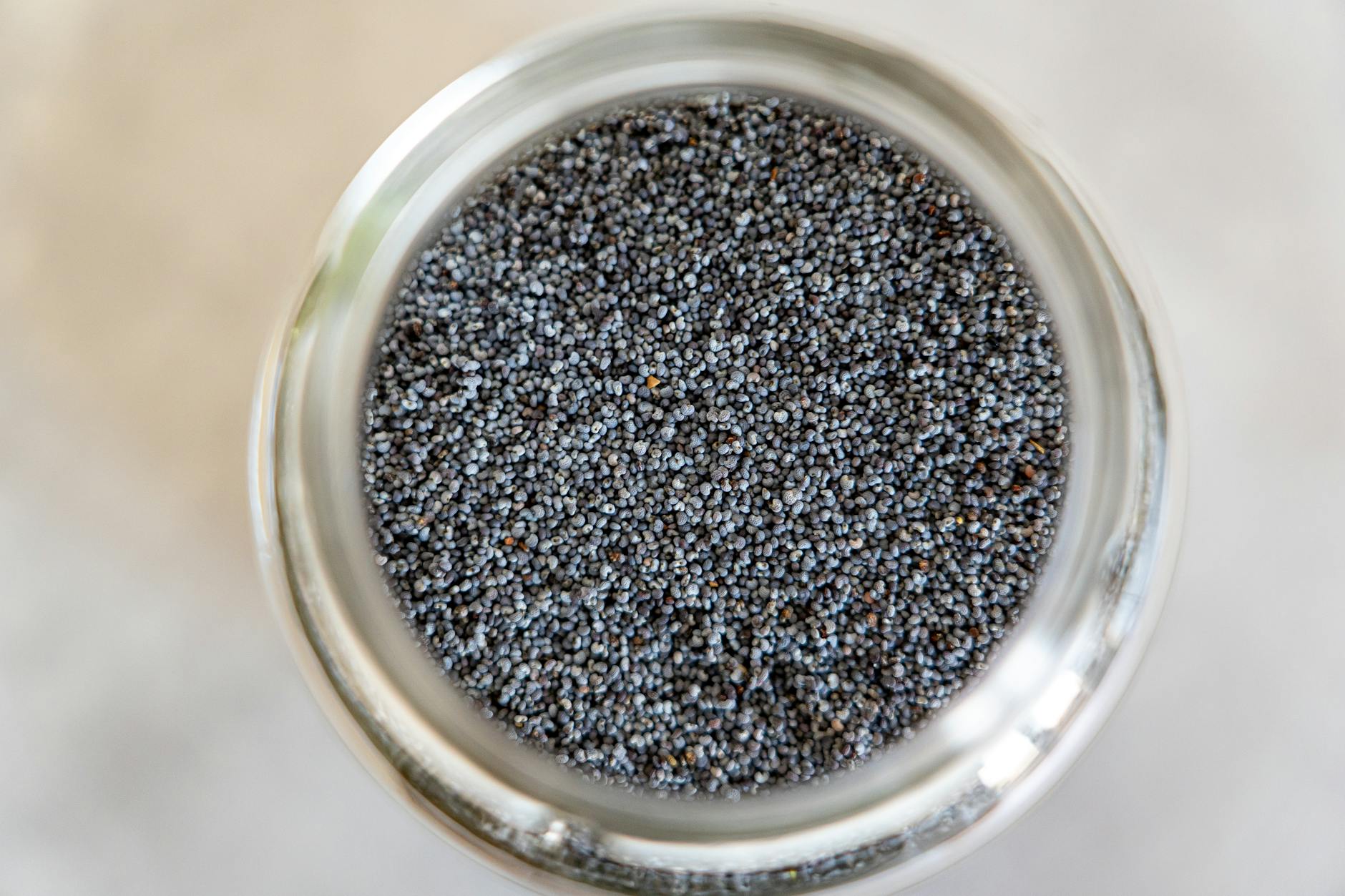
These tiny seeds are praised for their omega-3 fatty acid content and ability to create pudding-like textures. Flaxseeds offer a similar nutritional profile including fiber and healthy fats but usually cost significantly less. The omega-3s in plant sources are less bioavailable to the body than those found in fatty fish like salmon. While healthy they are not the only or most efficient way to obtain these essential fatty acids.
Spirulina

This blue-green algae is sold as a powder or tablet and marketed as a potent protein source for vegans. You would need to consume an unrealistically large amount of the powder to get the same protein found in a serving of lentils or tofu. The algae can sometimes be contaminated with heavy metals depending on where and how it was harvested. Most people find the swampy taste difficult to mask without adding strong sweeteners to their smoothies.
Bee Pollen

Fans of this supplement claim it enhances athletic performance and reduces allergy symptoms through desensitization. Serious allergic reactions including anaphylaxis can occur in people who are sensitive to pollen or bee stings. The protein and vitamin content per serving is quite low compared to standard food sources. There is limited clinical evidence to support the widespread claims of boosted immunity or stamina.
Kombucha

This fermented tea is widely popular for its probiotic content and potential gut health benefits. Many commercial brands are loaded with added sugar to make the sour taste palatable for the general public. The probiotic strains found in kombucha may not survive the digestion process in sufficient numbers to impact the microbiome. Yogurt and kefir are often more reliable and protein-rich sources of beneficial bacteria.
Turmeric

This bright yellow spice is famous for containing curcumin which is an anti-inflammatory compound. Curcumin is very poorly absorbed by the body unless it is paired with black pepper and a source of fat. Taking turmeric supplements or drinking turmeric lattes often fails to deliver the high doses required for clinical anti-inflammatory effects. Using it as a culinary spice is delicious but unlikely to replace medical treatment for pain.
Maca Root

Powdered maca root from the Andes is sold as a booster for energy and hormonal balance. The research supporting its effects on libido and energy is limited and often funded by supplement manufacturers. It has a distinct earthy flavor that can overpower other ingredients in baked goods or shakes. Regular exercise and adequate sleep are far more effective methods for maintaining consistent energy levels.
Moringa

The leaves of the moringa tree are dried and powdered to create a supplement rich in vitamins and minerals. While nutritious it is not chemically superior to a standard multivitamin or a diet rich in local greens. Imported superfood powders often sit on shelves for months which can degrade their potency over time. Fresh locally grown Swiss chard or collard greens provide similar nutrients with better flavor and texture.
Camu Camu

This Amazonian fruit is marketed aggressively for having the highest vitamin C content of any botanical source. Most people already get sufficient vitamin C from common citrus fruits and peppers without needing expensive powders. The body excretes excess vitamin C through urine so megadosing provides no additional immune benefit. Relying on a varied diet is more practical than sourcing rare fruit powders for a single vitamin.
Lucuma

Known as the gold of the Incas this fruit powder is used as a low-glycemic sweetener in desserts. It still contains carbohydrates and calories that affect the body similarly to other fruit sugars. The maple-like flavor is pleasant but does not justify the high cost of importation and processing. Using small amounts of maple syrup or dates achieves a similar taste profile for baking.
Hemp Seeds

These seeds are a good source of plant protein and healthy fats but come with a premium price tag. Sunflower seeds and pumpkin seeds offer crunch and nutrition for a fraction of the cost per pound. The association with cannabis marketing often inflates the price despite the seeds containing no psychoactive properties. They are a healthy addition to a diet but not a nutritional necessity for most people.
Quinoa

This South American grain became famous as a complete protein containing all nine essential amino acids. Combining rice and beans creates a complete protein profile that is just as effective and much more affordable. The global demand for quinoa has previously raised prices so high that local farmers in the Andes struggled to afford their staple crop. A diverse rotation of grains including oats and barley offers a broader range of nutrients.
Kale

This leafy green became the poster child for healthy eating and appeared in everything from salads to chips. Spinach and collard greens offer similar vitamin profiles and are often easier to digest when eaten raw. The fibrous texture of raw kale requires massaging or fine chopping to make it palatable for many diners. Variety in leafy greens is better for health than exclusively consuming one trendy vegetable.
A2 Milk

Dairy companies market A2 milk as easier to digest for people who struggle with lactose or milk proteins. Scientific consensus indicates that for truly lactose-intolerant individuals the protein type makes little difference in digestibility. The product is significantly more expensive than standard cow milk or plant-based alternatives. People with genuine dairy allergies must avoid all milk proteins regardless of the beta-casein variant.
Chlorella

Similar to spirulina this freshwater algae is promoted for its ability to bind to heavy metals and detoxify the body. The human body has its own sophisticated detoxification system that does not require algal assistance to function. The hard cell wall of chlorella makes it difficult for humans to digest and access the nutrients inside. Supplements vary widely in quality and can be expensive for the minimal benefits provided.
Cacao Nibs

These crushed bits of cocoa beans are sold as a healthy alternative to chocolate chips due to their antioxidant content. They are extremely bitter and lack the creamy texture that makes chocolate enjoyable for most people. Consumers often end up adding sugar or honey to recipes to counteract the intense bitterness of the nibs. Dark chocolate with a high cocoa percentage offers similar benefits with a much more palatable flavor.
Noni Juice

Derived from a tropical fruit in the coffee family this juice is marketed to boost immunity and fight inflammation. The flavor is famously pungent and unpleasant often described as resembling blue cheese or vomit. High levels of potassium in noni juice can be dangerous for individuals with kidney issues or those on certain medications. There is insufficient evidence to support the lofty health claims that justify its exorbitant cost.
Reishi Mushrooms

Medicinal mushrooms are currently trending for their supposed ability to reduce stress and boost the immune system. Most culinary mushrooms like shiitake and cremini also contain beta-glucans and beneficial compounds for a much lower price. The therapeutic doses used in studies are rarely matched by the small amounts found in coffee blends or powders. Eating cooked mushrooms as part of a meal is a tastier and more reliable way to gain their nutritional benefits.
Collagen Supplements

The wellness industry drives billions in sales claiming ingested collagen smooths wrinkles and strengthens nails. Digestion breaks these proteins down into amino acids that the body uses wherever they are needed most. You cannot direct the body to send those specific amino acids to your face or hair simply by drinking a shake. Eating adequate protein from chicken or beans provides the same building blocks for the body to maintain its tissues.
Please share your own experiences with these popular food trends in the comments.