Your car warranty is one of the most valuable protections you have as a vehicle owner, yet it can disappear faster than most drivers realise. Manufacturers and dealerships include strict conditions in warranty agreements that many people never read carefully before signing. Certain routine habits and seemingly harmless choices can quietly strip away that coverage without any warning. Understanding what triggers a warranty void is essential for protecting your investment and avoiding costly repair bills down the road.
Aftermarket Parts
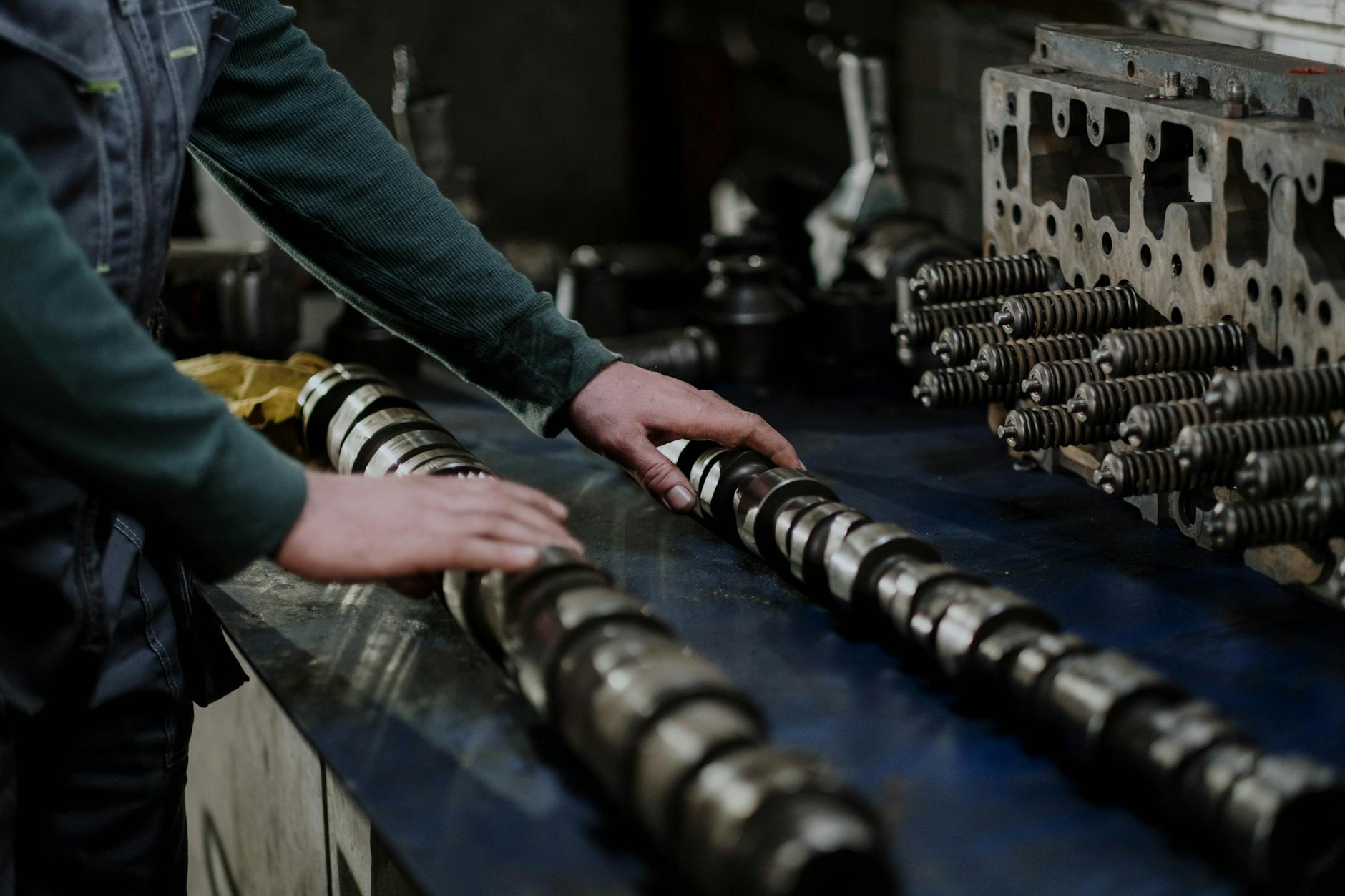
Installing components that did not come from the original manufacturer can raise serious red flags during a warranty claim. Many drivers upgrade their vehicles with third-party exhaust systems, suspension kits or performance chips without realising the consequences. If a dealership determines that an aftermarket part contributed to a mechanical failure, the related repairs may no longer be covered. Not all modifications automatically void the entire warranty, but the burden of proof often falls on the vehicle owner. Checking compatibility guidelines before any upgrade is a responsible step every car owner should take.
Oil Changes
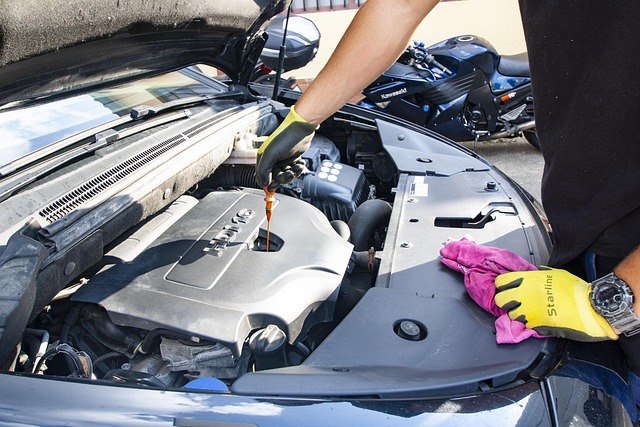
Skipping scheduled oil changes is one of the most common ways drivers unknowingly compromise their warranty standing. Most manufacturers require oil to be changed at specific mileage or time intervals using a recommended grade or specification. Using the wrong viscosity or an unapproved oil type can be flagged as neglect if engine problems arise later. Warranty agreements typically include clauses that allow manufacturers to deny claims resulting from improper or delayed maintenance. Keeping dated receipts and service records is the most reliable way to demonstrate that maintenance has been performed correctly.
Salvage Title

Purchasing a vehicle that has previously been issued a salvage title can immediately affect its warranty eligibility. A salvage designation indicates that the car was once declared a total loss by an insurance company due to significant damage. Manufacturers generally consider such vehicles to fall outside the standard coverage framework from the moment of reissuance. Even if the car appears fully repaired and roadworthy, the warranty status may have been permanently altered before the new owner took possession. Buyers in the used vehicle market should always run a full title history check before finalising any purchase.
Odometer Tampering
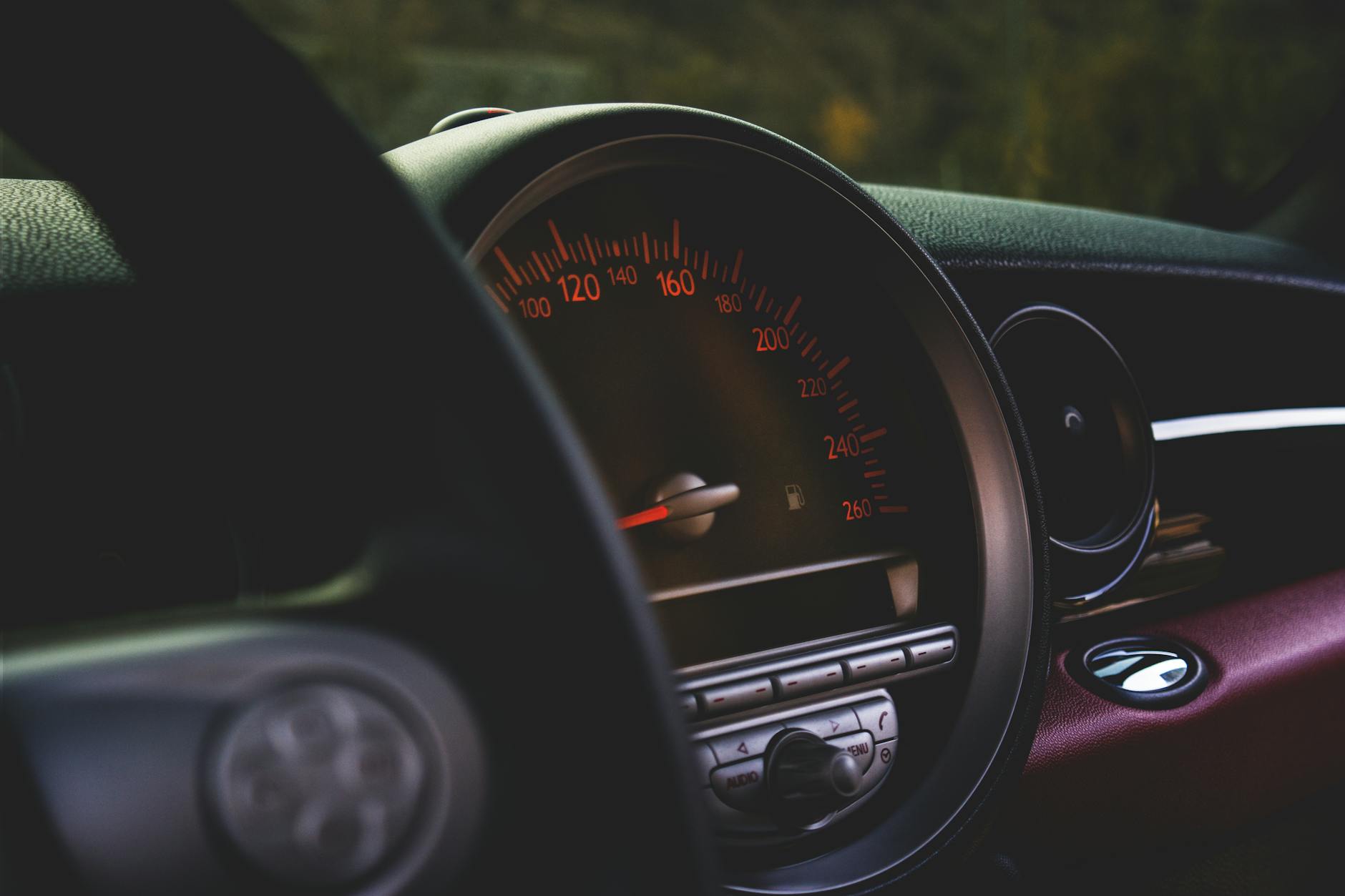
Altering or tampering with a vehicle’s odometer reading is not only illegal but also constitutes an immediate and complete warranty violation. Mileage records are used by manufacturers to track maintenance intervals and determine whether a claim falls within the covered period. Any discrepancy between recorded and actual mileage can trigger an investigation and result in a denied claim. Modern vehicles store odometer data in multiple electronic control units, making tampering far easier to detect than many people assume. The legal and financial consequences of this action far outweigh any perceived benefit.
Street Racing

Using a vehicle in any form of competitive racing or timed driving event voids manufacturer warranty coverage almost universally. Warranty agreements are written on the assumption that a car will be driven under normal road conditions and standard traffic situations. The extreme stress placed on engines, brakes, tyres and drivetrains during racing activity accelerates wear far beyond what standard coverage is designed to address. Even a single documented incident at a track or racing event can be cited as grounds for denial. Insurance coverage may also be separately affected, compounding the financial risk significantly.
Flood Damage
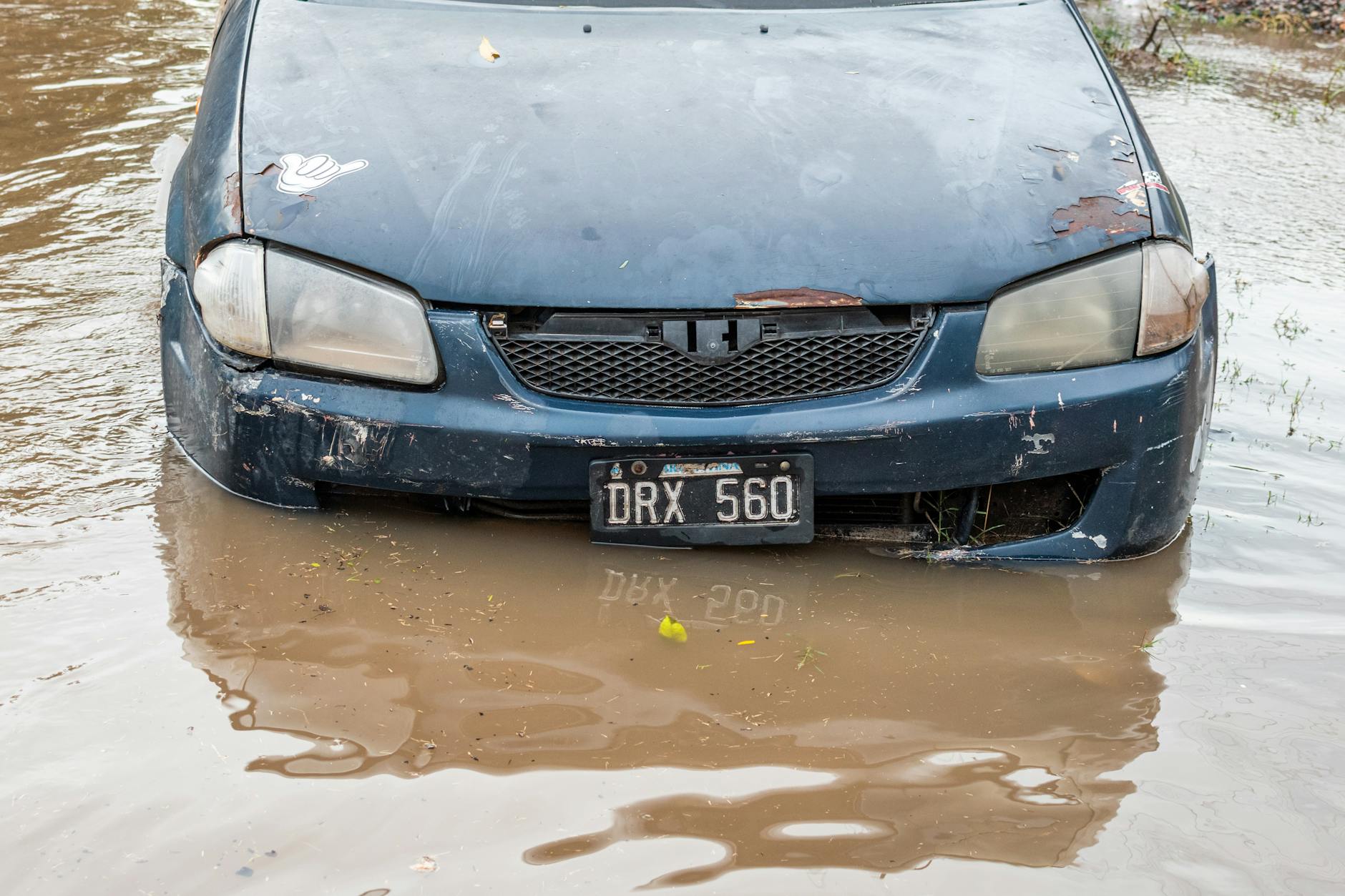
Driving through deep water or repeatedly operating a vehicle in flooded conditions can cause damage that triggers a warranty void. Water intrusion into electrical systems, the engine bay or the transmission is treated as environmental misuse in most warranty agreements. Manufacturers expect vehicles to be operated within the environmental parameters outlined in the owner’s manual. If a dealership identifies corrosion or water damage during a warranty inspection, the claim for related components is likely to be rejected. Avoiding flooded roads protects not only the mechanical integrity of the car but also its long-term warranty standing.
Engine Tuning
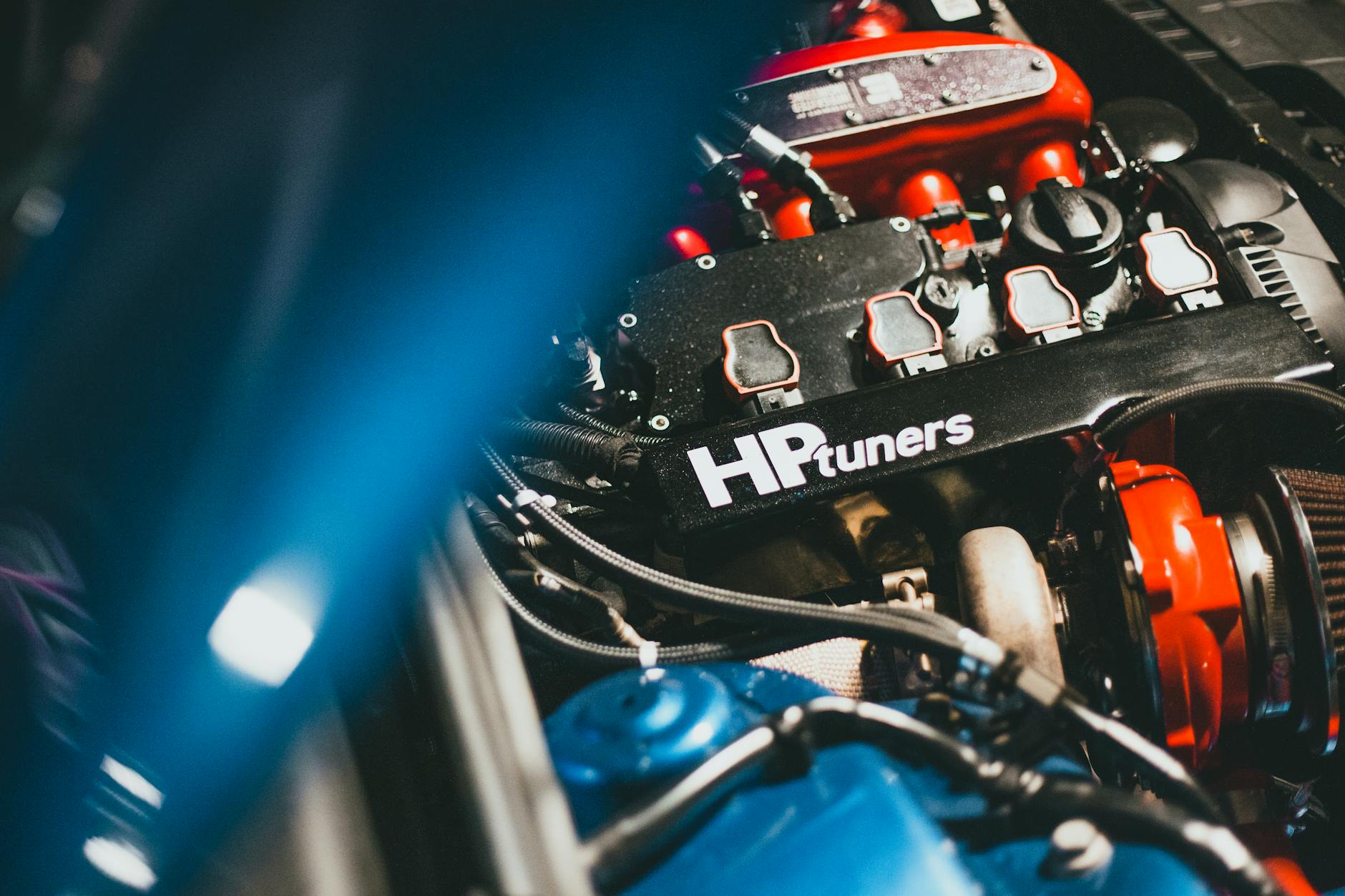
Reprogramming or flashing the engine control unit to alter factory performance settings is a direct route to losing powertrain warranty coverage. Tuning software modifies fuel maps, ignition timing and boost pressure in ways that exceed the tolerances the manufacturer originally engineered. Dealerships can detect ECU modifications through diagnostic tools during any service visit, even if the tune has been removed afterward. Many manufacturers use write counters within the ECU to record whether the software has ever been altered. The performance gains achieved through tuning rarely justify the loss of coverage on one of the most expensive components in the vehicle.
Wrong Fuel
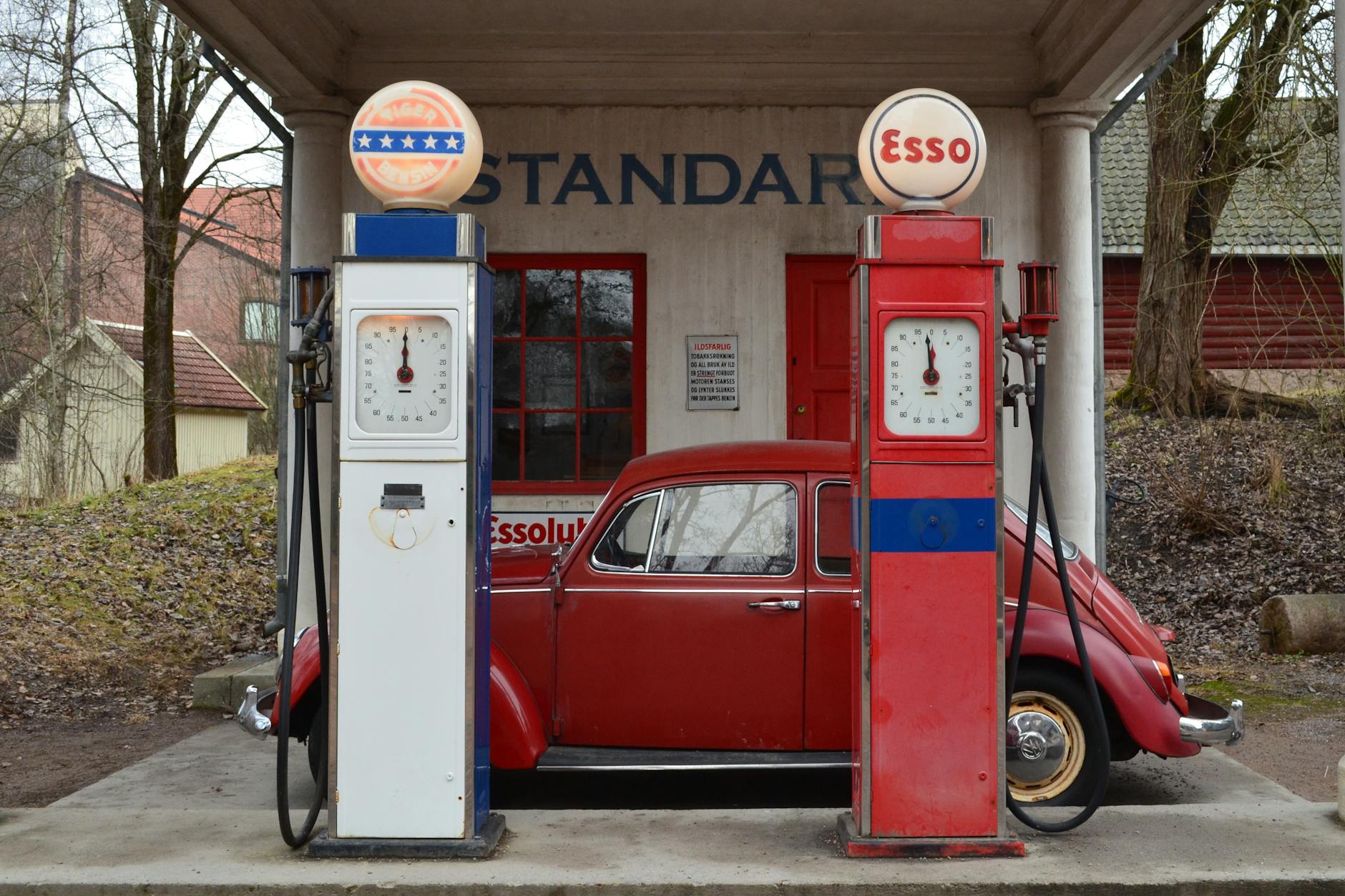
Filling a petrol engine with diesel or introducing any incorrect fuel type can cause catastrophic damage that falls entirely outside warranty protection. Fuel system contamination affects injectors, fuel pumps and internal engine components in ways that are both extensive and expensive to repair. Most warranty documents explicitly state that damage caused by operator error during refuelling is excluded from coverage. Even partial contamination from a single incorrect fill can be sufficient grounds for a full claim denial. Fuel caps with clear labelling and a moment of attention at the pump are simple preventative measures that cost nothing.
Neglected Recalls

Ignoring a manufacturer recall notice and failing to have the relevant work completed can jeopardise warranty coverage on related systems. Recalls are issued to correct known defects and bring vehicles into compliance with the manufacturer’s current safety and performance standards. If a vehicle suffers a fault that is directly connected to an outstanding recall, the claim may be denied on the basis that the owner did not take the required corrective action. Recall completion is free of charge and performed at authorised dealerships within a reasonable timeframe. Staying registered with the manufacturer and monitoring recall databases ensures that no notices go unaddressed.
Overloading

Consistently carrying loads that exceed the manufacturer’s stated payload capacity causes structural and mechanical stress that falls outside the warranty’s designed parameters. Gross vehicle weight ratings exist to define the upper limits of safe and covered operation for every model. Overloading affects suspension components, brake performance, tyre integrity and chassis alignment in ways that accumulate over time. If a dealership identifies wear patterns consistent with overloading during a warranty inspection, the affected parts may not be covered. The payload specifications listed in the owner’s manual are a straightforward reference point that every driver should consult before hauling heavy cargo.
Improper Storage

Storing a vehicle incorrectly for extended periods can create conditions that void coverage on several key systems. Batteries left to drain completely, tyres allowed to develop flat spots and fuel that degrades in a stagnant tank are all outcomes of poor storage practice. Manufacturers expect that even infrequently used vehicles will be maintained according to the storage guidelines provided in the owner’s documentation. Moisture accumulation during outdoor or poorly ventilated storage can accelerate corrosion in ways that a dealership may classify as owner neglect. A basic preparation routine before any extended period of non-use is a straightforward way to preserve both the vehicle and its warranty.
Grey Market Import
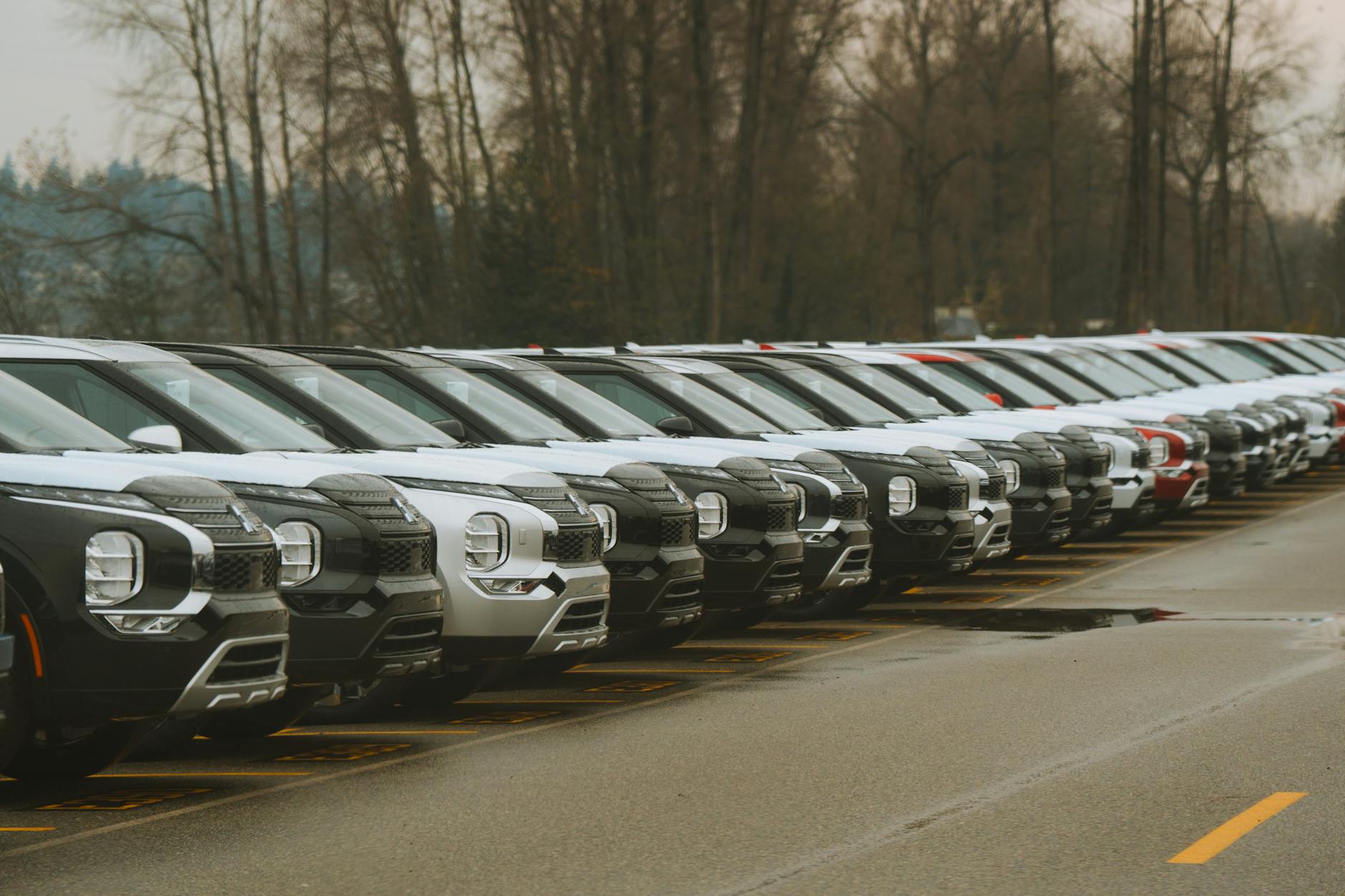
Purchasing a vehicle that was originally manufactured and certified for a different regional market introduces a range of warranty complications. Grey market imports often carry specifications and emissions configurations that do not match the standards of the country in which they are being registered and driven. Manufacturers typically restrict warranty coverage to vehicles sold through their authorised local distribution networks. Parts availability and software compatibility may also differ, creating additional obstacles during any service or claim process. Buyers attracted by the pricing of parallel imports should seek independent legal and mechanical advice before committing to a purchase.
Tyre Swaps
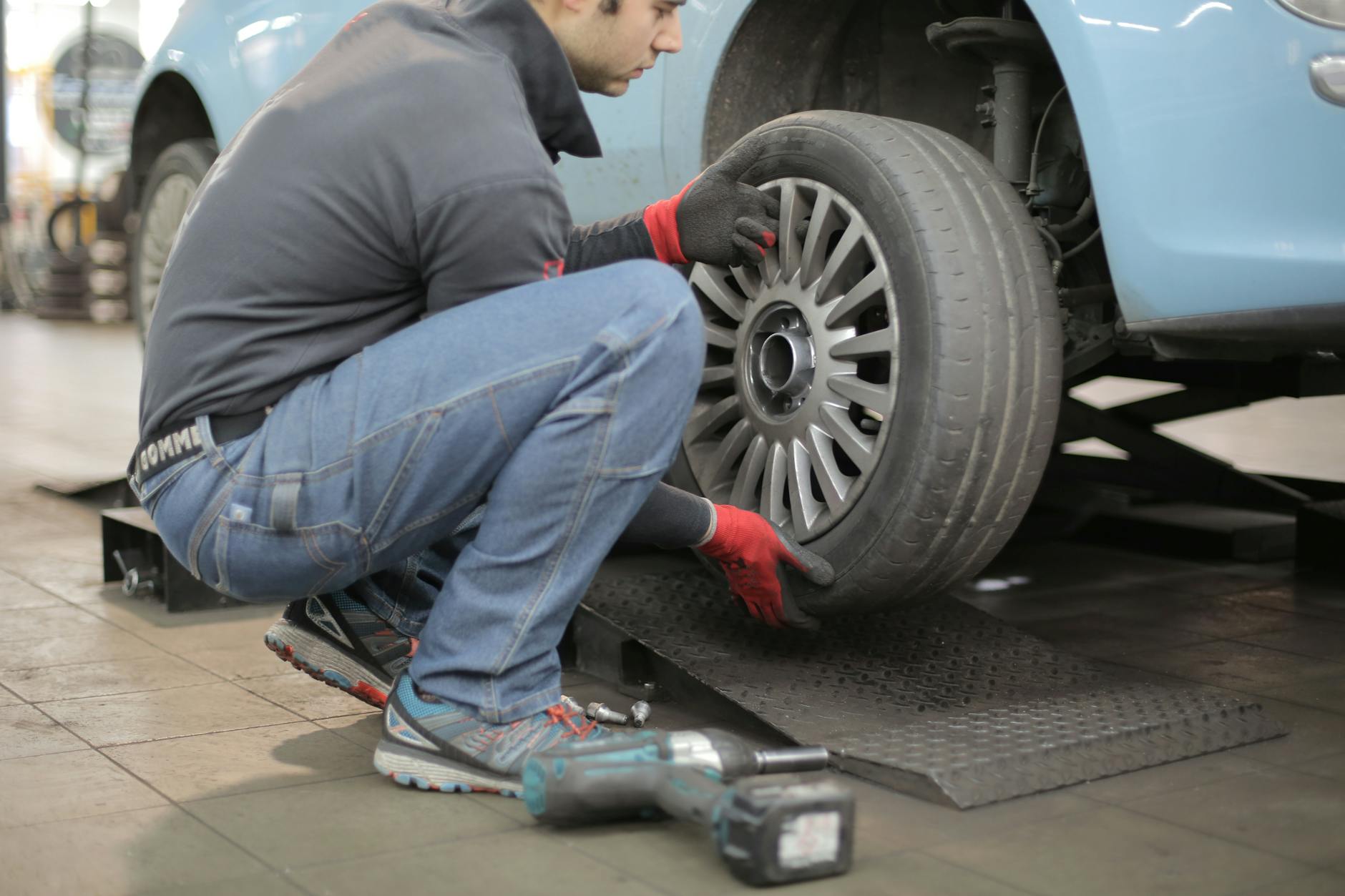
Fitting tyres that differ significantly from the manufacturer’s recommended size, load rating or speed rating can affect warranty coverage on suspension and steering components. Tyre specifications are matched to the vehicle’s engineering tolerances and directly influence handling, braking distances and the load placed on wheel bearings and hubs. A dealership assessing a warranty claim related to suspension wear will often inspect tyre fitment as part of the diagnostic process. Running oversized or undersized tyres can also interfere with electronic stability and traction control systems in modern vehicles. The approved tyre specifications for every model are printed in the owner’s manual and often on a placard inside the driver’s door jamb.
Pest Infestation
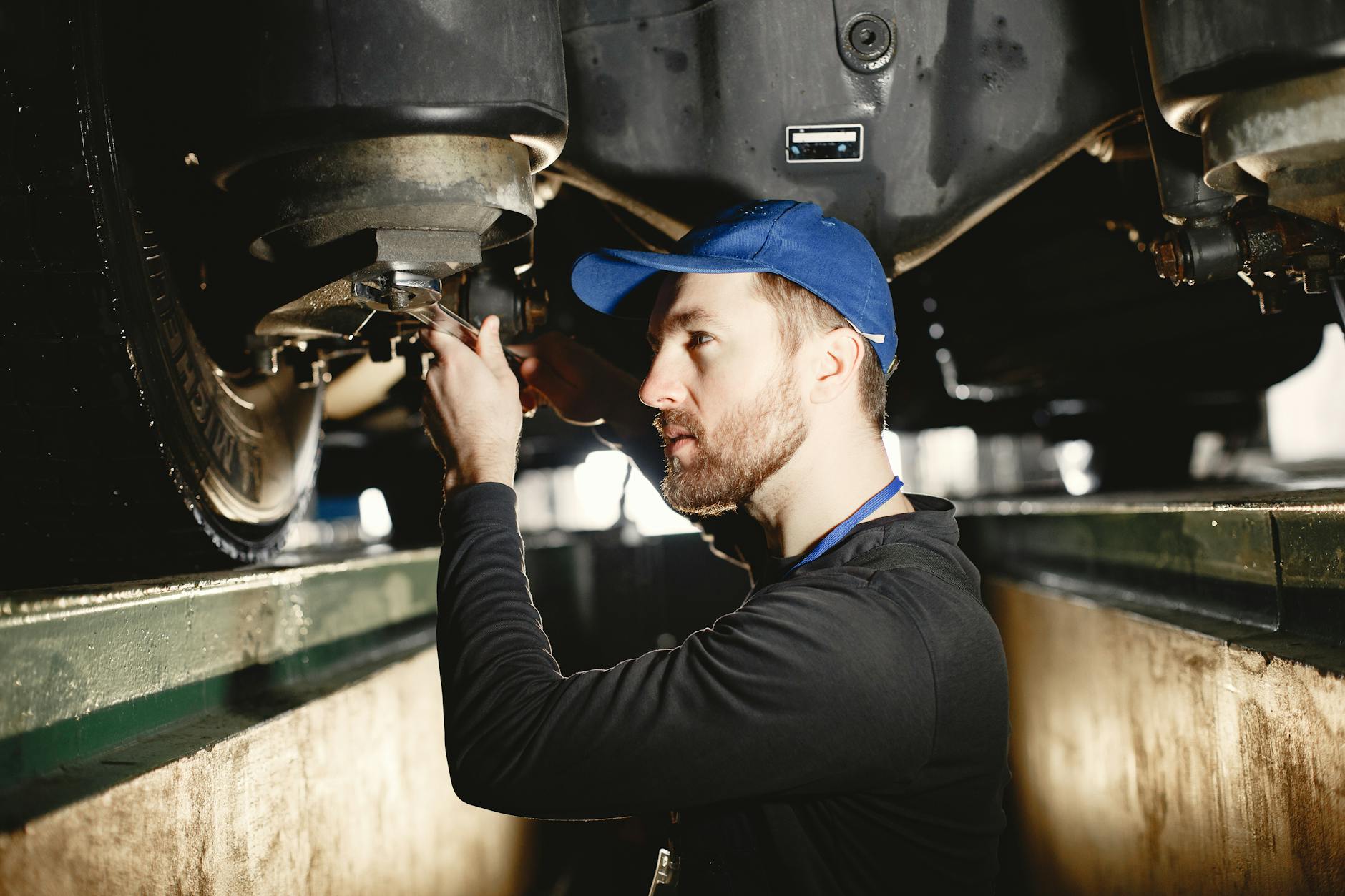
Rodent or insect damage to wiring harnesses and interior components is excluded from manufacturer warranty coverage in virtually every agreement. Pests are capable of chewing through electrical insulation, brake lines and coolant hoses, causing failures that can be both dangerous and costly. Warranty contracts define covered damage as resulting from manufacturing defects rather than external biological causes. Vehicles parked in rural areas, garages or near food sources are particularly vulnerable to this type of damage. Pest deterrent products designed specifically for vehicles are widely available and represent a practical low-cost preventative measure.
Unlicensed Repairs
Having warranty-related work performed by a repair shop that is not authorised by the manufacturer can result in those repairs being excluded from future coverage consideration. Manufacturers require that all warranty work be conducted by trained technicians using approved diagnostic tools and genuine replacement parts. An unauthorised workshop may lack access to the technical service bulletins and software updates that govern how covered repairs should be completed. Documentation from non-authorised repairers is generally not accepted as proof of compliant maintenance in a warranty dispute. Authorised dealerships and service centres maintain the certified records that protect the owner’s legal position throughout the warranty period.
Used Oil Additives
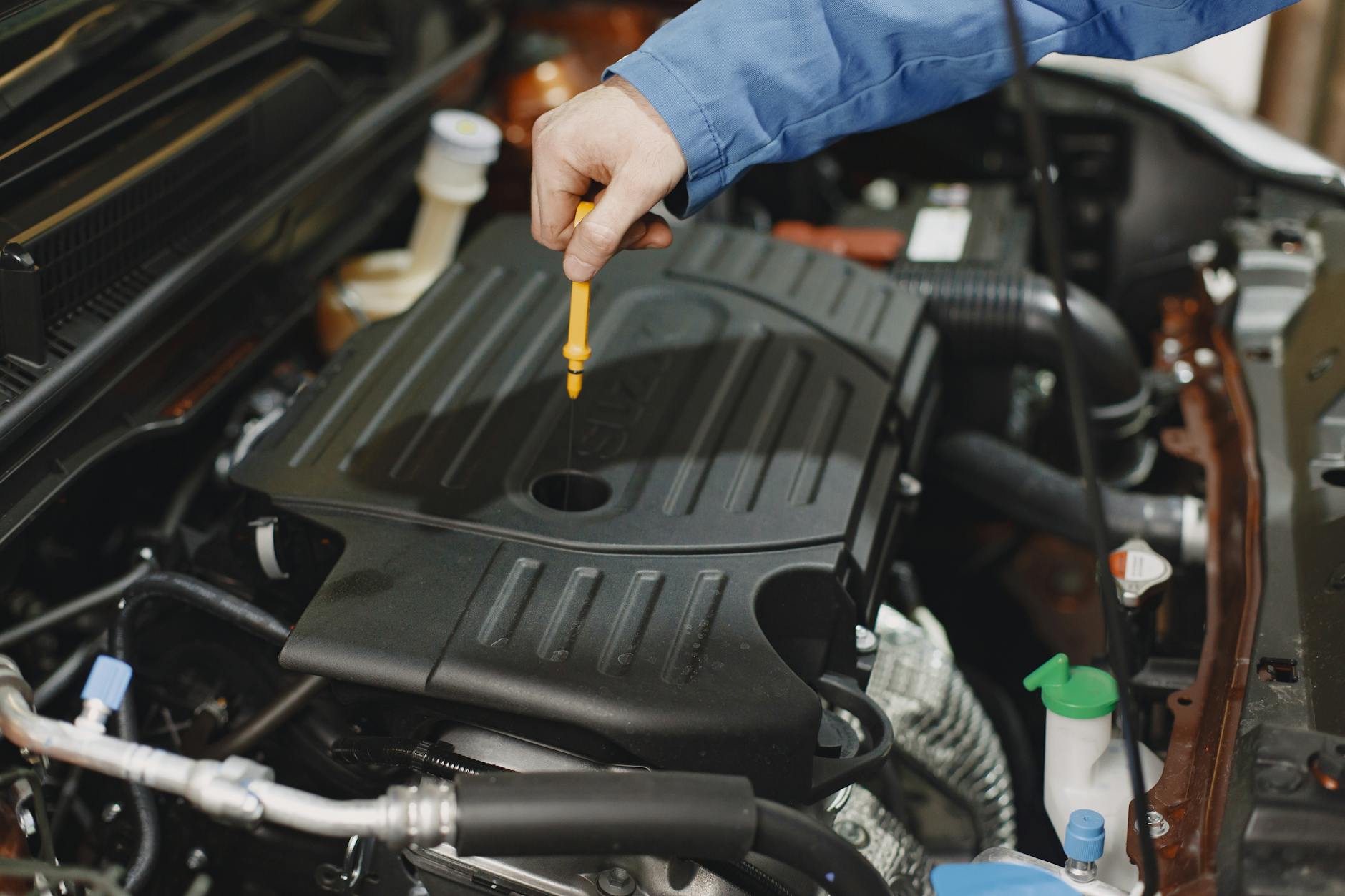
Introducing third-party oil additives or engine treatments into the lubrication system can void powertrain warranty coverage if they are not approved by the manufacturer. Formulations that alter viscosity, friction coefficients or detergent levels in ways not accounted for in the original engineering can cause measurable long-term damage. A dealership performing an engine inspection is able to identify the presence of certain chemical additives through oil analysis. Manufacturers design their engines to operate within precisely defined lubrication parameters and any deviation is treated as owner interference. The only additives that can be safely used without warranty risk are those explicitly approved in the vehicle’s technical documentation.
DIY Bodywork
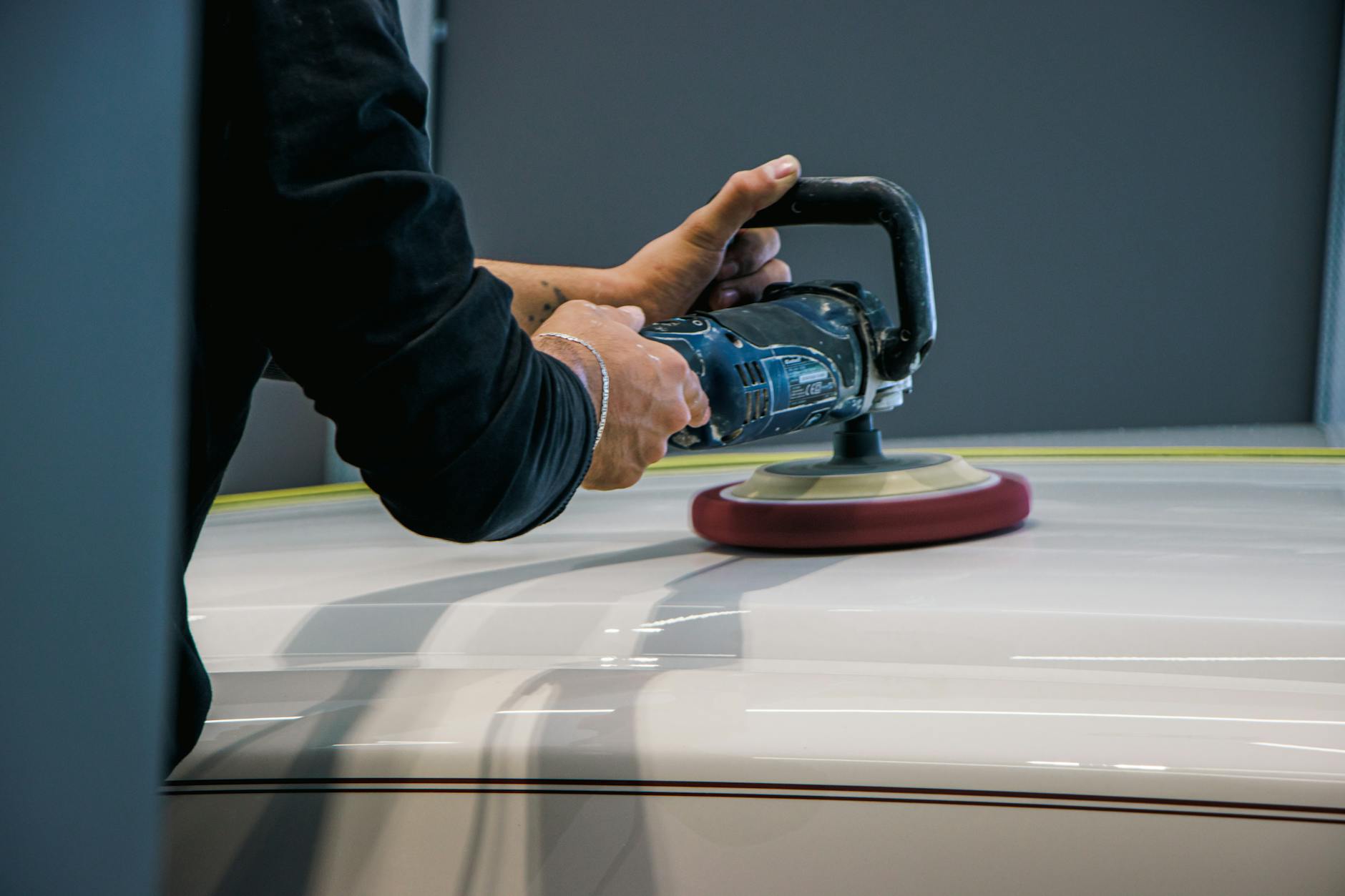
Carrying out amateur repairs to the vehicle’s body or paintwork using non-approved materials can void coverage on corrosion protection warranties. Most manufacturers offer multi-year anti-corrosion warranties that are conditional on the original factory paint and sealant layers remaining intact and properly maintained. Sanding, filling or repainting panels without following approved refinishing processes can introduce moisture pathways that accelerate rust formation. A dealership assessing a corrosion claim will examine the paint history of the affected panel before approving any coverage. Professional bodywork completed by a manufacturer-approved repairer is the only safe route for maintaining corrosion warranty eligibility after accident damage.
Towing Beyond Limits
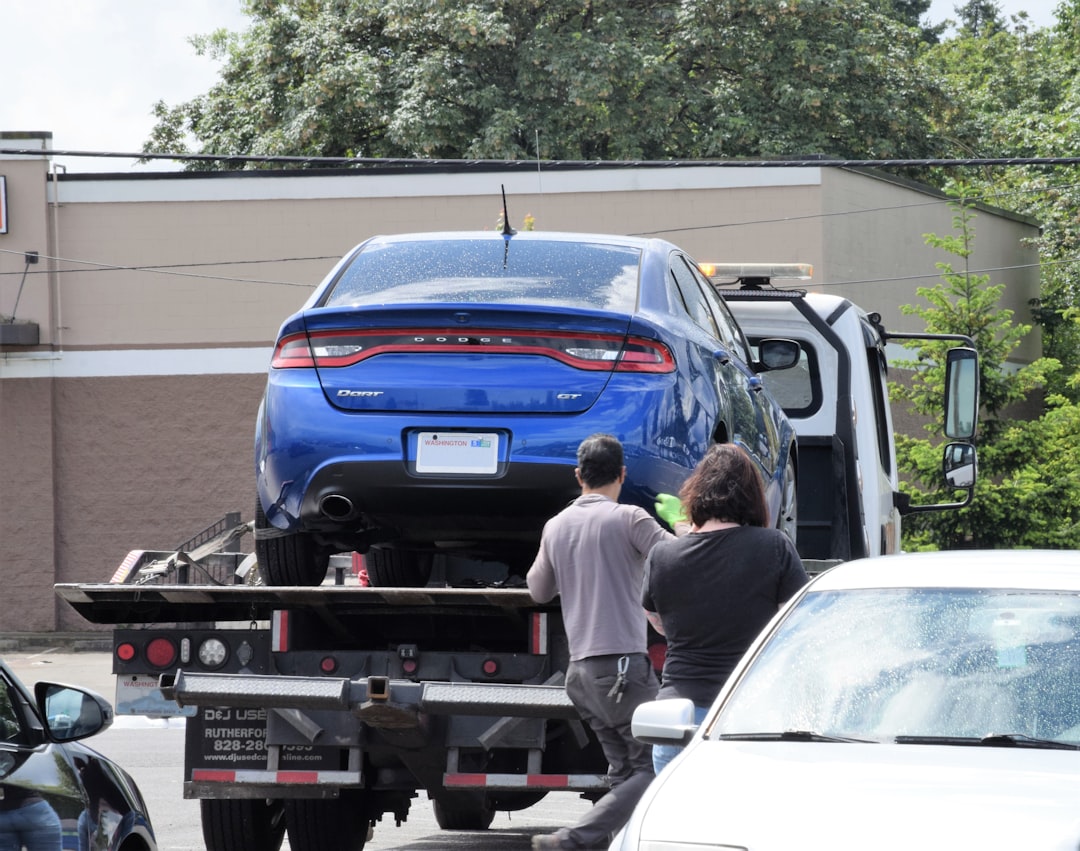
Using a vehicle to tow loads that exceed the manufacturer’s rated maximum towing capacity creates mechanical stress that voids related warranty protections. Towing ratings are calculated based on the structural limits of the chassis, the thermal tolerance of the transmission and the rated capacity of the braking system. Regularly exceeding these limits accelerates wear on components in ways that fall well outside the scope of normal covered use. Transmission overheating, chassis flex and premature brake wear are common outcomes that a dealership will link directly to overloading during a claim assessment. The maximum towing capacity is a firm engineering boundary and not a conservative suggestion with built-in margin for excess use.
Contaminated Coolant
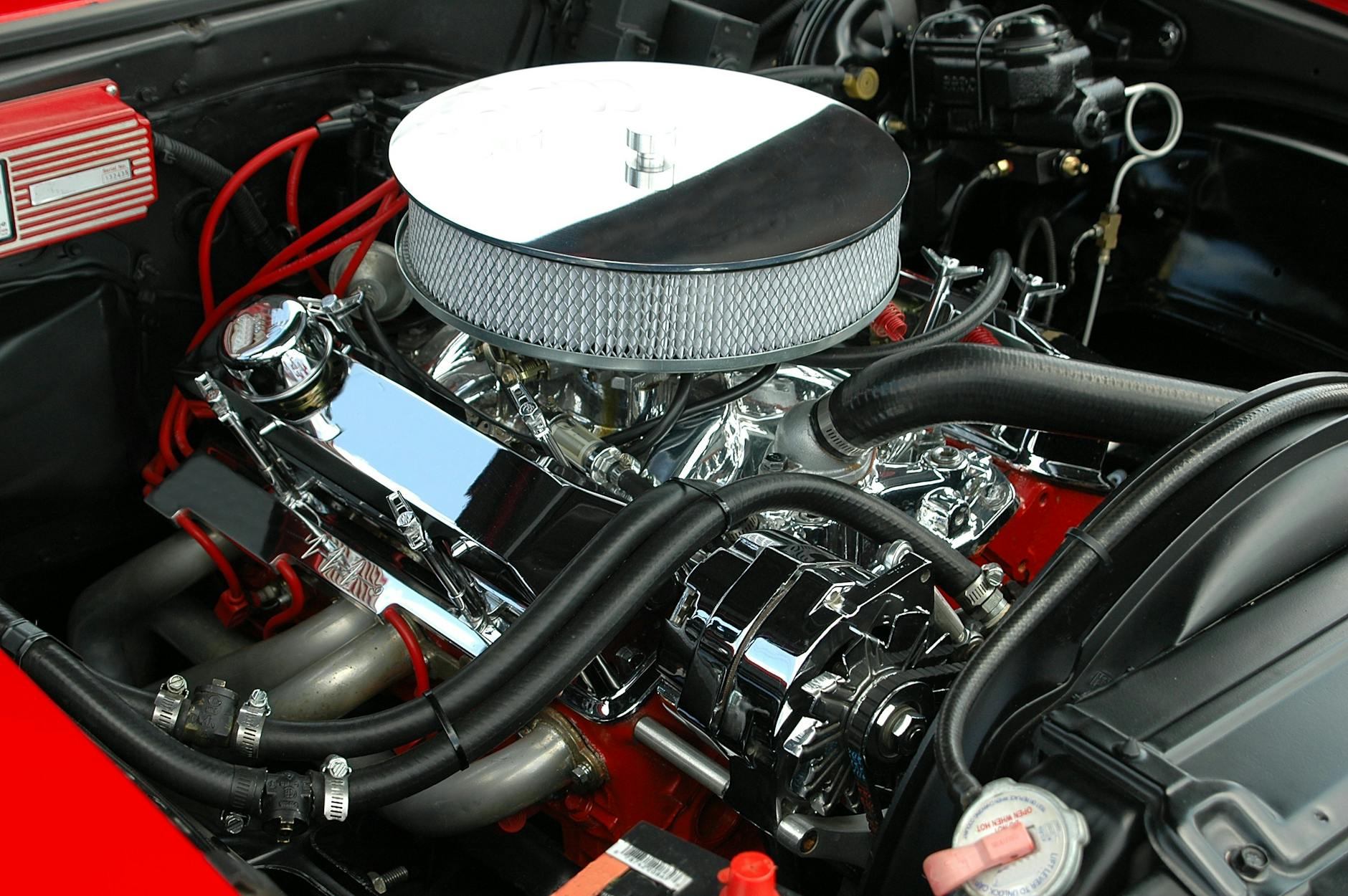
Topping up the cooling system with tap water or an incompatible coolant mixture can cause corrosion and scaling within the engine and radiator that voids cooling system warranty coverage. Manufacturers specify coolant types by chemical composition because different metals within the cooling circuit require particular corrosion inhibitors to remain protected. Using a mismatched product strips those inhibitors and accelerates internal degradation in ways that are detectable during a warranty inspection. Coolant contamination can also affect water pump seals and thermostat operation, broadening the scope of the damage beyond the radiator alone. The correct coolant specification is listed in the owner’s manual and should be verified before any top-up is performed.
Brake Modifications
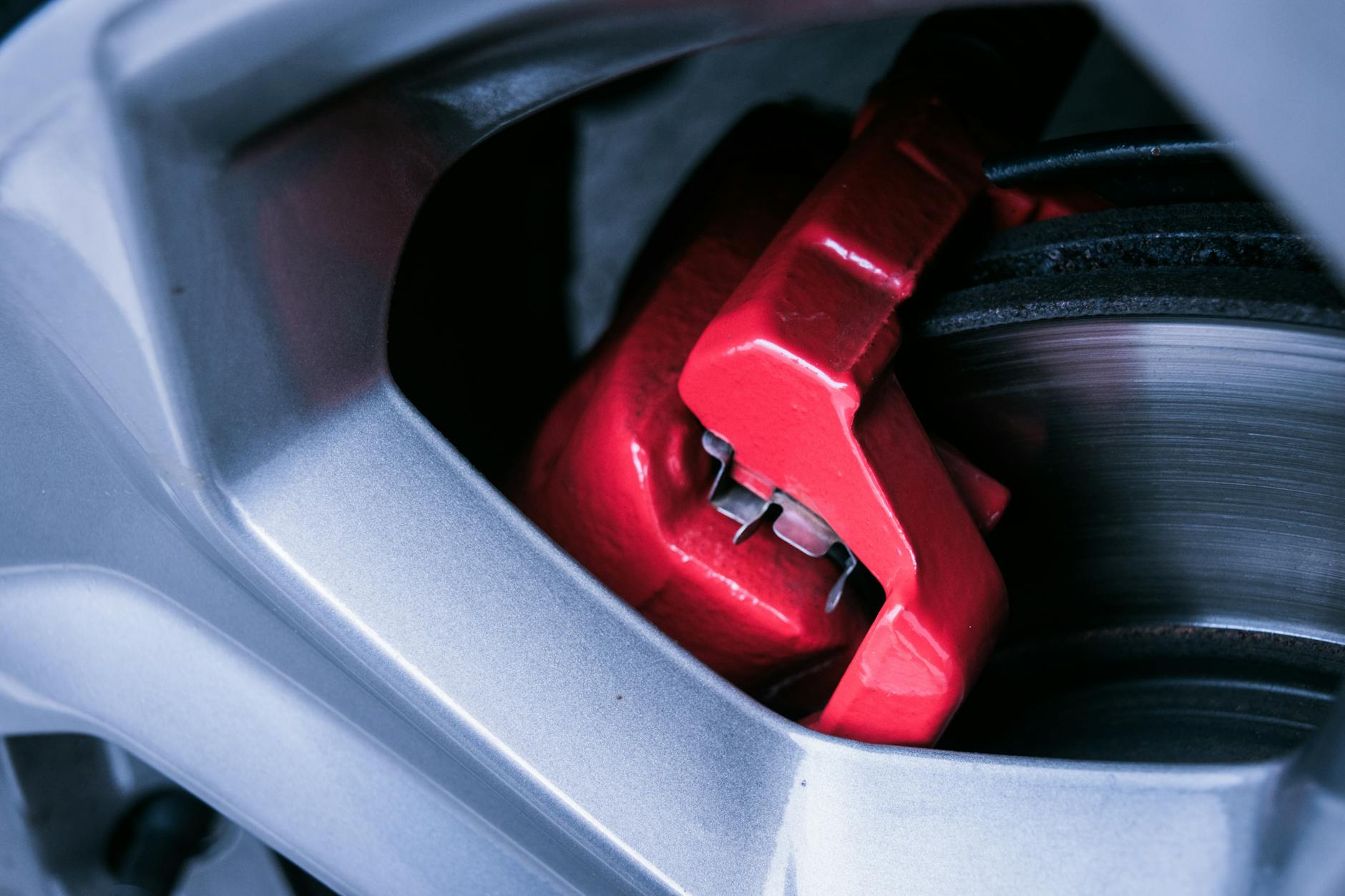
Replacing factory brake components with performance or budget alternatives that fall outside manufacturer specifications can void coverage on the entire braking system. Brake systems are engineered as integrated units where rotor diameter, pad compound and calliper pressure are all calibrated to work together within defined tolerances. Fitting oversized rotors or high-friction pads alters heat distribution and pedal feel in ways the ABS and stability control systems were not programmed to accommodate. A dealership will inspect brake component origins when assessing any claim involving steering pull, vibration or abnormal stopping distances. Approved brake service parts are available through authorised channels and represent the only risk-free option for replacement work.
Suspension Lifts
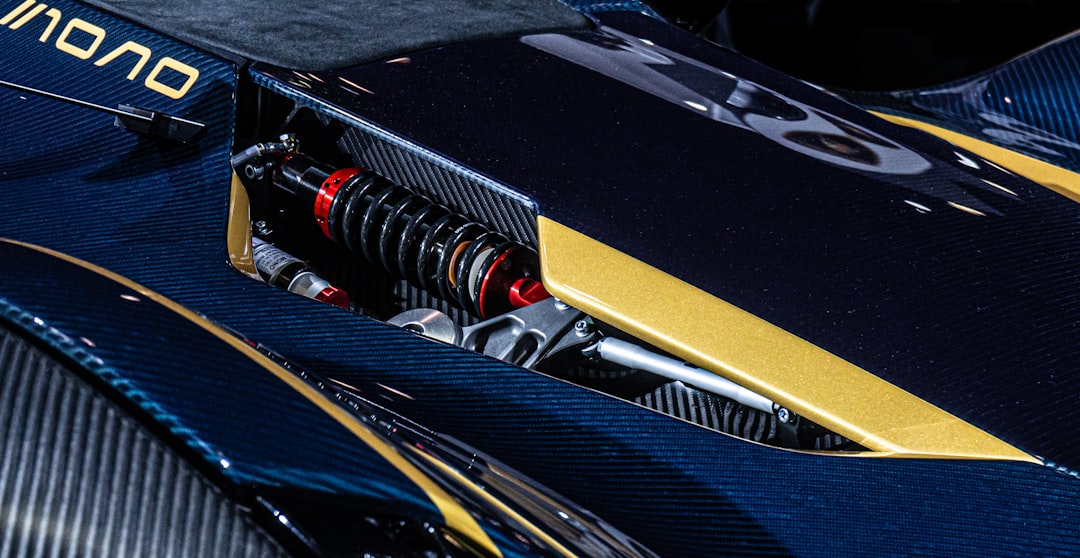
Fitting a lift kit or lowering springs that alter the factory ride height takes the vehicle outside the manufacturer’s engineering envelope and typically voids suspension warranty coverage. Suspension geometry is precisely tuned to ensure correct steering alignment, tyre wear patterns and load distribution across all driving conditions. Altering ride height changes the angles of control arms, tie rods and drive shafts in ways that introduce stress concentrations not present in the original design. Electronic systems including traction control and hill descent assist may also behave unpredictably after a height modification. Any suspension modification should be evaluated against the specific warranty terms before installation proceeds.
Ignoring Warning Lights
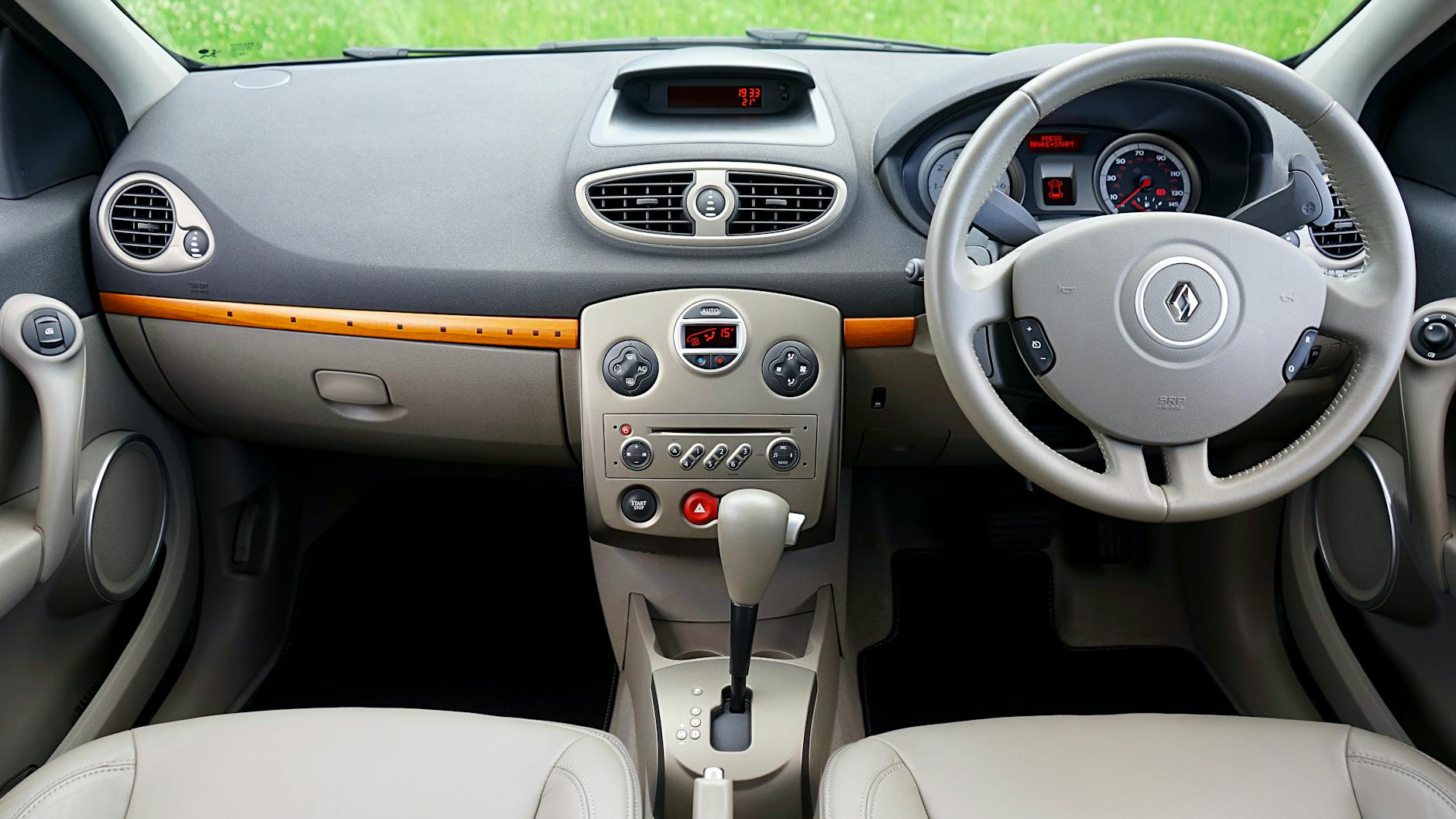
Continuing to drive a vehicle after a warning light has illuminated and choosing not to investigate the fault is classified as operator neglect in most warranty agreements. Dashboard warning systems are designed to alert drivers to conditions that require prompt attention before they escalate into major failures. If a covered component sustains additional damage because the vehicle was operated after a relevant warning appeared, the manufacturer may limit or deny the claim. Modern diagnostic systems log fault codes with timestamps, providing dealerships with a clear record of how long a fault was present before service was sought. Responding promptly to warning lights is one of the simplest ways to preserve both the vehicle and its warranty protection.
Chip Tuning
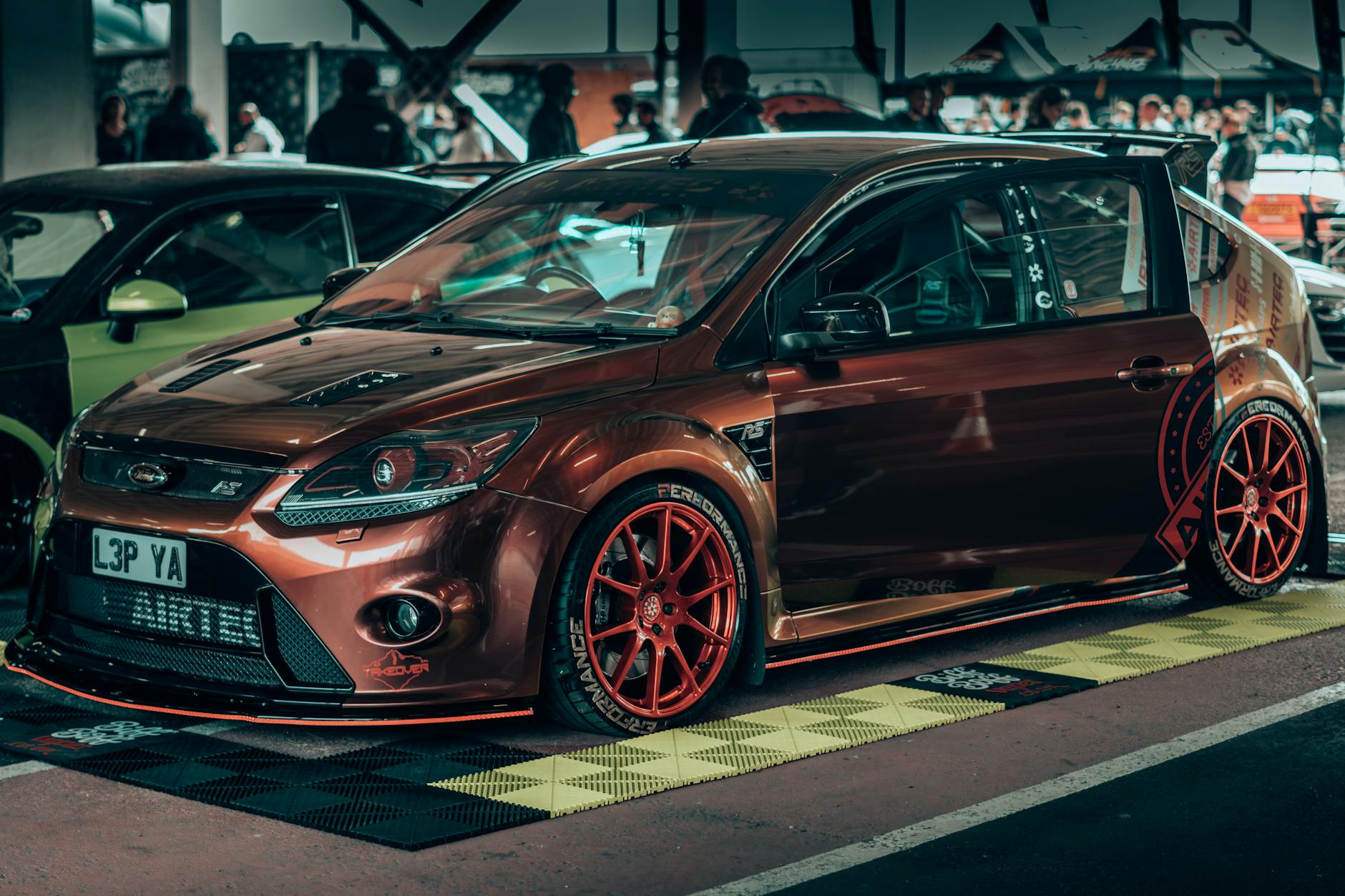
Installing a performance chip or piggyback tuning device that intercepts and modifies engine management signals alters the vehicle in ways that directly breach standard warranty terms. Unlike full ECU reflashing, piggyback devices are often marketed as non-invasive, but manufacturers do not recognise that distinction within their warranty agreements. These devices modify fuelling and ignition signals in real time, placing engine components under stress that exceeds factory-rated parameters. Diagnostic scans can identify the electrical signatures of piggyback devices even after they have been removed from the vehicle. The marketing claims of reversibility associated with these products do not carry legal weight within a manufacturer warranty framework.
Extended Idling

Habitually leaving a vehicle running at idle for extended periods beyond manufacturer guidelines contributes to engine wear that can be cited as a basis for warranty denial. Prolonged idling causes incomplete combustion, which leads to carbon deposits on injectors, valves and piston rings over time. Manufacturers include recommended idling limits in their owner documentation because the lubrication and cooling systems are not operating at peak efficiency during stationary running. Turbocharged engines are particularly vulnerable to the effects of extended idling due to the thermal demands placed on turbocharger bearings. Minimising unnecessary idling time protects both the mechanical condition of the engine and its warranty standing.
Remote Starter Install
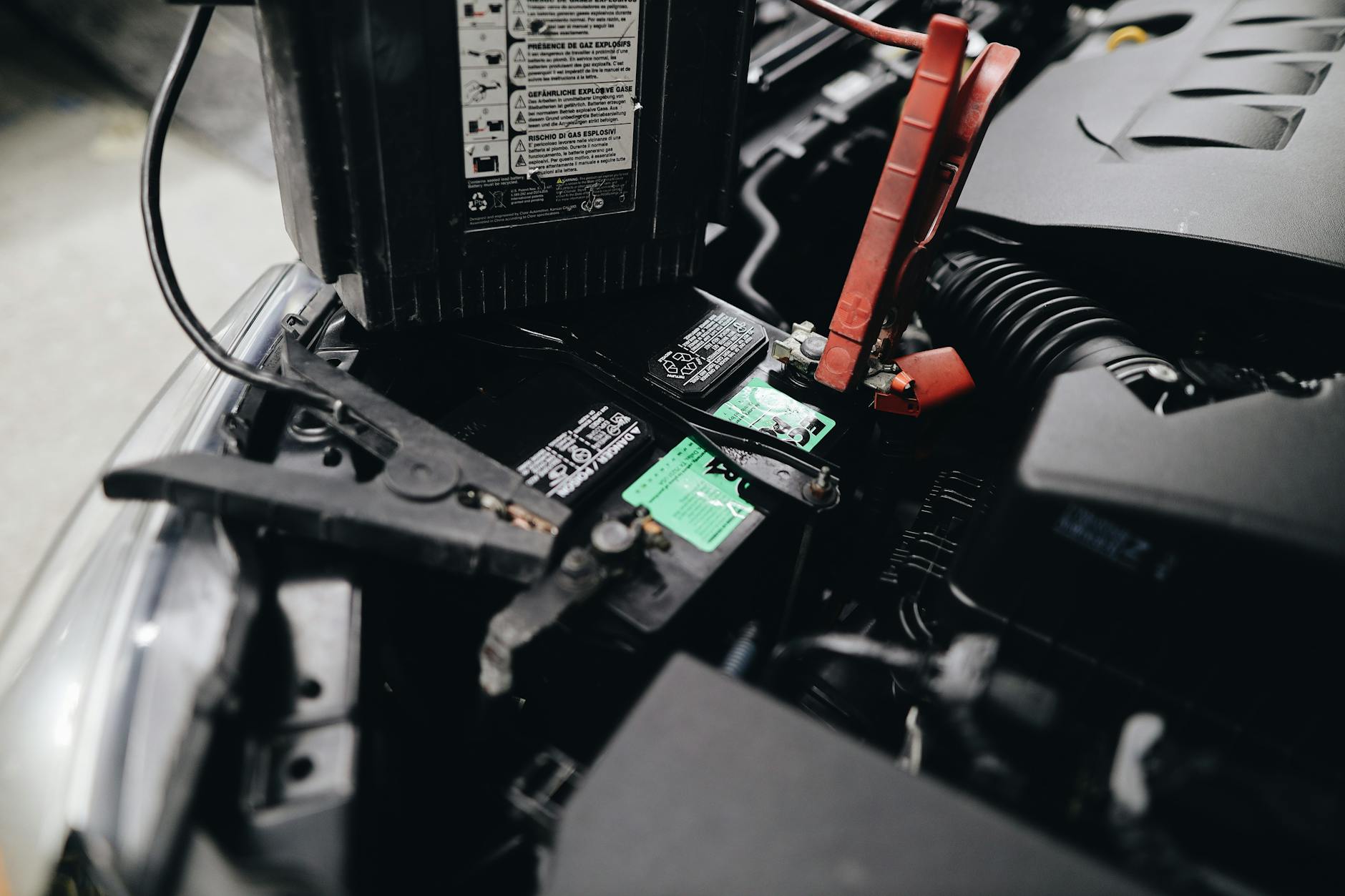
Fitting an aftermarket remote start system involves splicing into ignition and security wiring in ways that most manufacturers explicitly prohibit under their warranty terms. The installation process creates additional electrical junctions within circuits that were designed as closed factory systems. Faults arising from aftermarket remote starters can cascade into failures of the immobiliser, central locking or engine management systems. Dealerships are able to identify aftermarket wiring additions during routine diagnostic inspections or warranty claim assessments. Manufacturer-approved remote start systems installed by authorised technicians are available for many models and represent the only covered route for adding this convenience feature.
Have you ever had a warranty claim denied for an unexpected reason? Share your experience in the comments.