Many people reach for a comforting cup of tea as part of their nightly wind-down routine without realizing the potential hormonal ripple effects that can follow. Certain compounds found in popular tea varieties interact with key systems in the body responsible for regulating sleep hormones, thyroid function, stress response, and reproductive balance. The timing of tea consumption, the type of tea chosen, and even the water temperature used can all play a role in how significantly these effects manifest. Understanding the relationship between your evening brew and your endocrine system can help you make smarter choices for long-term hormonal health. Here are 25 surprising reasons why your evening tea ritual could be quietly working against your body.
Caffeine Content
Many teas marketed as relaxing still contain measurable levels of caffeine that can suppress melatonin production in the brain. Even low-caffeine varieties like white tea or green tea retain enough stimulant compounds to delay the natural rise of sleep hormones in the evening hours. Melatonin suppression disrupts the body’s circadian rhythm, which directly influences cortisol patterns the following morning. Repeated disruption of this cycle has been linked to hormonal imbalances affecting energy, mood, and metabolism. Choosing a fully caffeine-free herbal option is the only way to eliminate this particular risk entirely.
Phytoestrogens

Several popular tea varieties contain plant-based compounds that mimic estrogen in the human body. Red clover tea, licorice root tea, and certain herbal blends are among the most concentrated sources of phytoestrogens consumed in the evening. When consumed regularly at night, these compounds can accumulate and interfere with the body’s natural estrogen signaling pathways. This is particularly relevant for individuals with estrogen-dominant conditions or those navigating hormonal transitions such as perimenopause. The impact varies depending on an individual’s existing hormone levels and gut microbiome composition.
Fluoride Levels

Traditionally brewed black and green teas are among the highest dietary sources of naturally occurring fluoride. High fluoride intake has been studied in relation to thyroid function, particularly its potential to affect the thyroid gland’s ability to produce hormones efficiently. The thyroid regulates metabolism, body temperature, and reproductive hormone balance, making its disruption a significant concern. Evening consumption means this mineral is processed during overnight hours when the body is in repair mode. Opting for loose-leaf teas from younger tea leaves or herbal alternatives can significantly reduce fluoride exposure.
Aluminum Exposure
Tea plants are known bioaccumulators of aluminum from the soil in which they grow. Older tea leaves and lower-quality tea bags tend to contain higher concentrations of this metal compared to premium whole-leaf varieties. Aluminum has been studied for its potential to interfere with hormone receptor sensitivity, particularly in relation to estrogen pathways. Consuming aluminum-rich teas in the evening gives the body a prolonged exposure window during sleep when detoxification processes are active. Switching to high-quality loose-leaf teas sourced from mineral-low soils is a practical reduction strategy.
Cortisol Disruption

The act of consuming a hot beverage late in the evening can trigger a mild thermogenic response in the body. This rise in core body temperature signals alertness to the adrenal glands, which respond by modulating cortisol output. Elevated cortisol in the evening hours directly opposes the body’s natural hormonal wind-down process. Chronically elevated evening cortisol has been associated with disrupted sleep architecture, increased abdominal fat storage, and impaired immune function. The body’s cortisol curve is one of the most sensitive hormonal systems affected by late-day stimulation of any kind.
Tannin Absorption
Tannins are polyphenolic compounds present in high concentrations in black, green, and oolong teas. These compounds bind to minerals in the digestive tract, significantly reducing the absorption of iron and zinc consumed around the same time. Both iron and zinc play essential supporting roles in thyroid hormone production and testosterone synthesis. Evening tea consumption is often closest in timing to the body’s overnight metabolic activity, where mineral availability becomes particularly important. Individuals already low in these minerals may find that regular evening tea accelerates deficiency-related hormonal symptoms.
Melatonin Interference
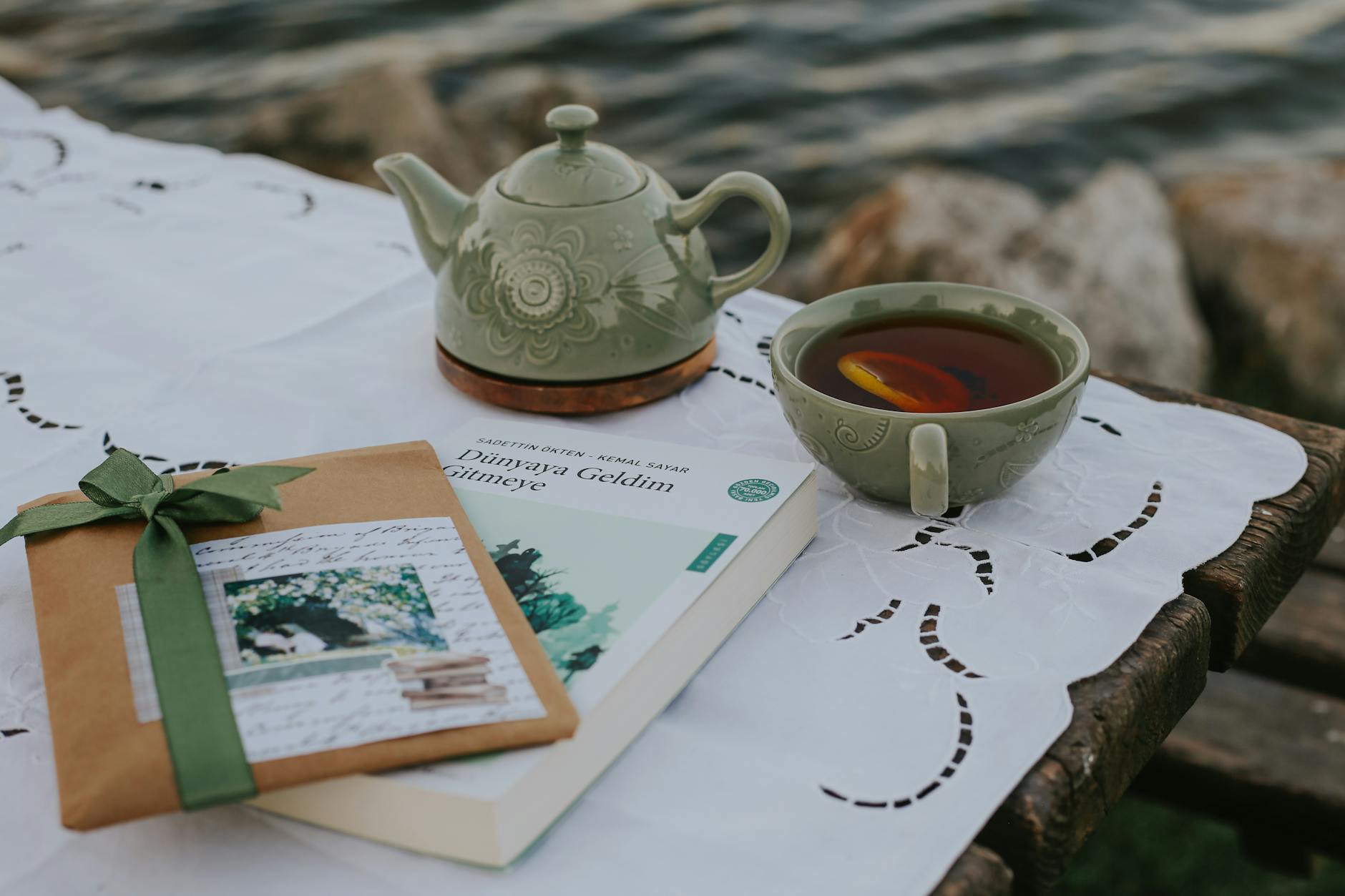
Certain herbal teas contain compounds that directly influence the pineal gland’s production of melatonin. Peppermint, in particular, has been noted in research for its mild stimulating properties that can counteract drowsiness rather than promote it. Chamomile is widely believed to support sleep, yet its effects on melatonin pathways remain more complex than commonly understood. When melatonin production is inconsistent or delayed, the downstream effects on reproductive hormones and insulin sensitivity become measurable over time. Hormonal health is deeply intertwined with sleep quality in ways that a single nightly tea choice can significantly influence.
Licorice Root
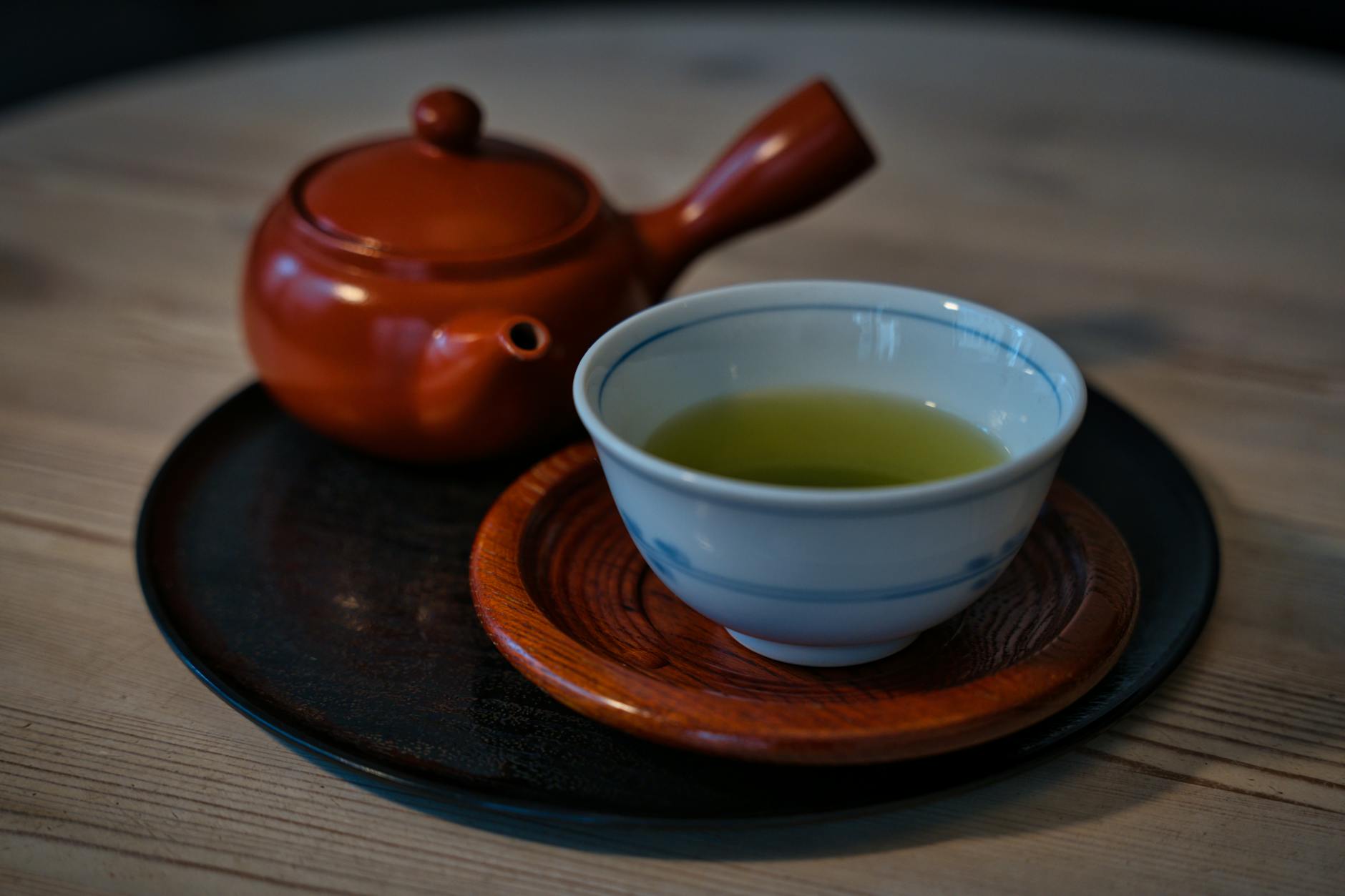
Licorice root tea is a common ingredient in commercial herbal blends and is frequently chosen for its naturally sweet flavor. The primary active compound in licorice root, glycyrrhizin, has a well-documented effect on the body’s cortisol metabolism. It inhibits the enzyme responsible for breaking down cortisol, effectively raising circulating cortisol levels in the body. Regular evening consumption of licorice root tea can therefore contribute to chronically elevated cortisol, which suppresses progesterone production and disrupts the hormonal balance between stress and reproductive systems. Even blends containing licorice as a secondary ingredient can deliver meaningful quantities of glycyrrhizin over time.
Spearmint Tea
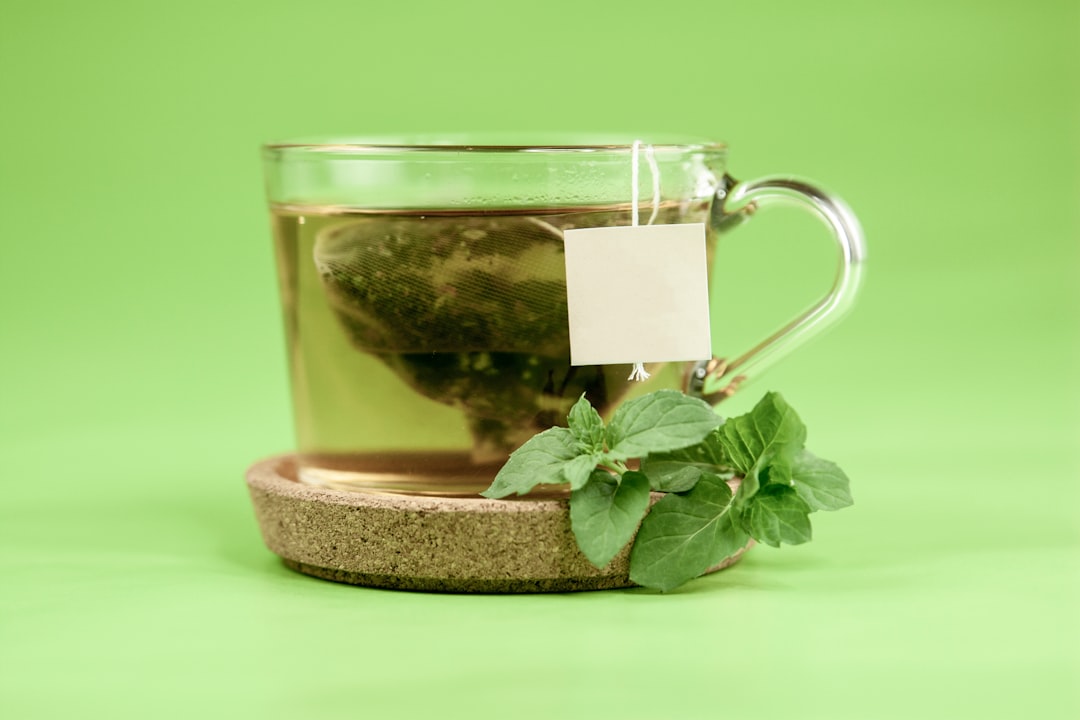
Spearmint tea has gained popularity as a natural remedy for conditions related to excess androgens such as polycystic ovary syndrome. The anti-androgenic properties of spearmint are real and have been documented in clinical settings, but this also means the tea actively alters hormone levels with regular use. Consuming spearmint tea in the evening adds another hormonal variable to the body’s overnight recalibration process. For individuals without androgen excess, regular consumption may gradually suppress testosterone levels beyond what is considered optimal. Hormonal interventions through diet and drink always carry the risk of overshooting the intended effect.
Valerian Root
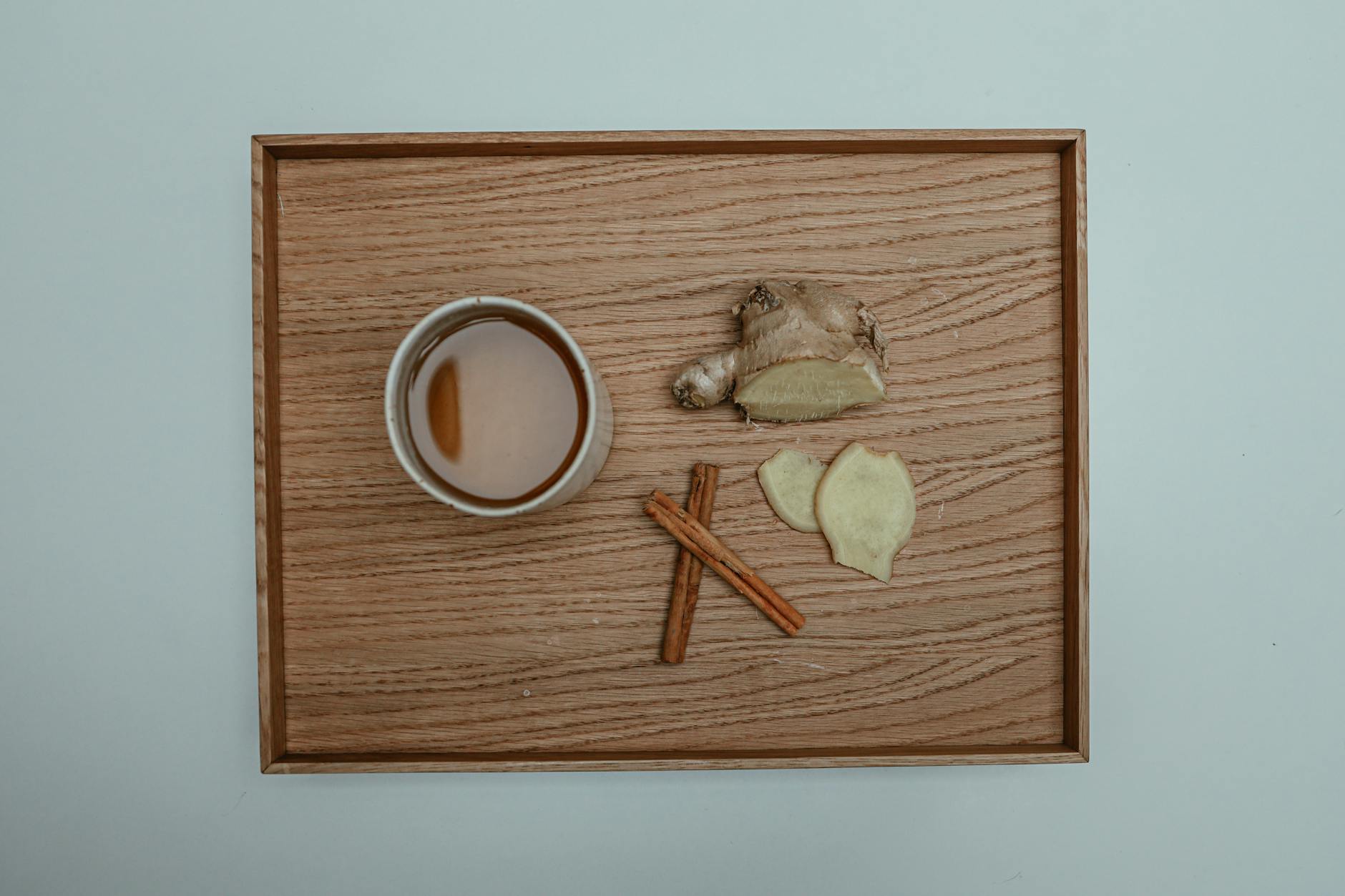
Valerian root is a widely used herbal remedy for sleep and anxiety and appears as a key ingredient in many evening tea blends. This plant interacts with GABA receptors in the brain, producing a calming effect that can also dampen the nervous system’s hormonal signaling. Prolonged use has been associated with changes in thyroid hormone metabolism in some individuals. The sedative properties of valerian can also blunt the natural nocturnal surge of growth hormone, which typically occurs in the early hours of deep sleep. Growth hormone is critical for muscle repair, fat metabolism, and overall hormonal balance in both men and women.
Chamomile Overuse
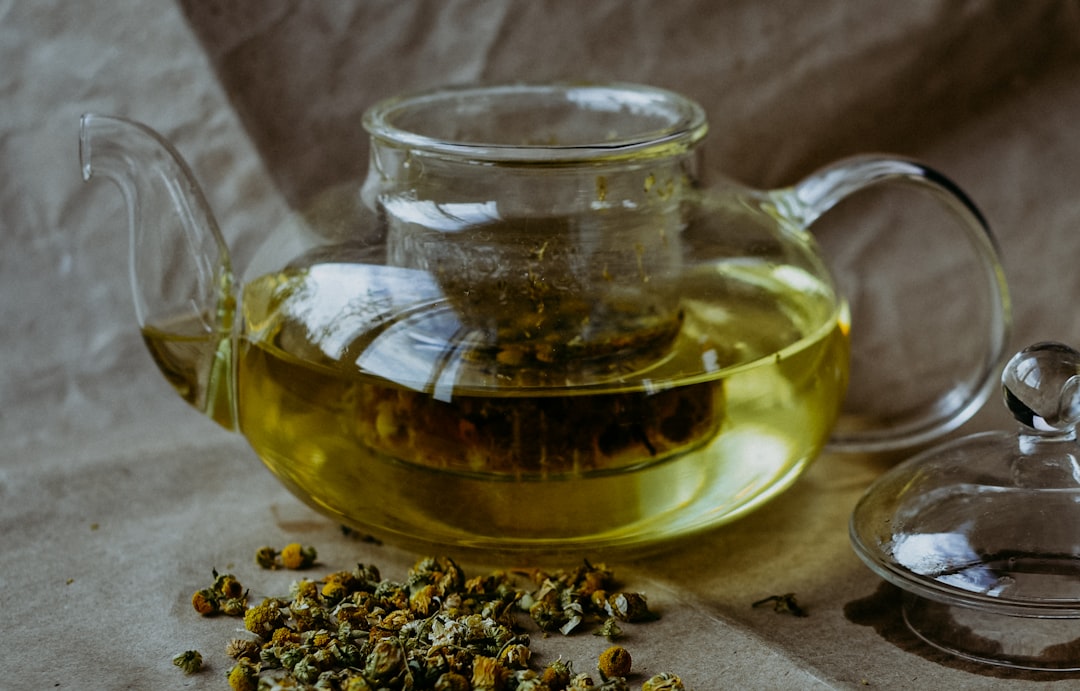
Chamomile tea is one of the most universally recommended evening beverages due to its mild sedative reputation. However, chamomile belongs to the same plant family as ragweed and chrysanthemum, and contains compounds that interact with estrogen receptors. Daily high-dose consumption of chamomile has been explored in research for its potential to influence estrogen-sensitive tissues. While occasional use is considered benign for most people, nightly consumption over extended periods creates a cumulative estrogenic exposure that warrants consideration. Individuals with conditions sensitive to estrogen fluctuation should be particularly mindful of this effect.
Soy-Based Blends
Certain wellness teas include soy-derived ingredients in their formulations, sometimes listed under terms like soy lecithin or soy isoflavones. Soy is one of the most potent dietary sources of phytoestrogens available and has a well-established influence on human estrogen pathways. Evening consumption means these compounds are processed during overnight hours without the metabolic activity of the daytime to moderate their effects. Individuals with thyroid conditions should be especially cautious, as soy isoflavones have been shown to compete with thyroid hormone synthesis in certain contexts. Reading tea blend labels thoroughly is a necessary step for anyone managing hormone-sensitive conditions.
Plastic Tea Bags
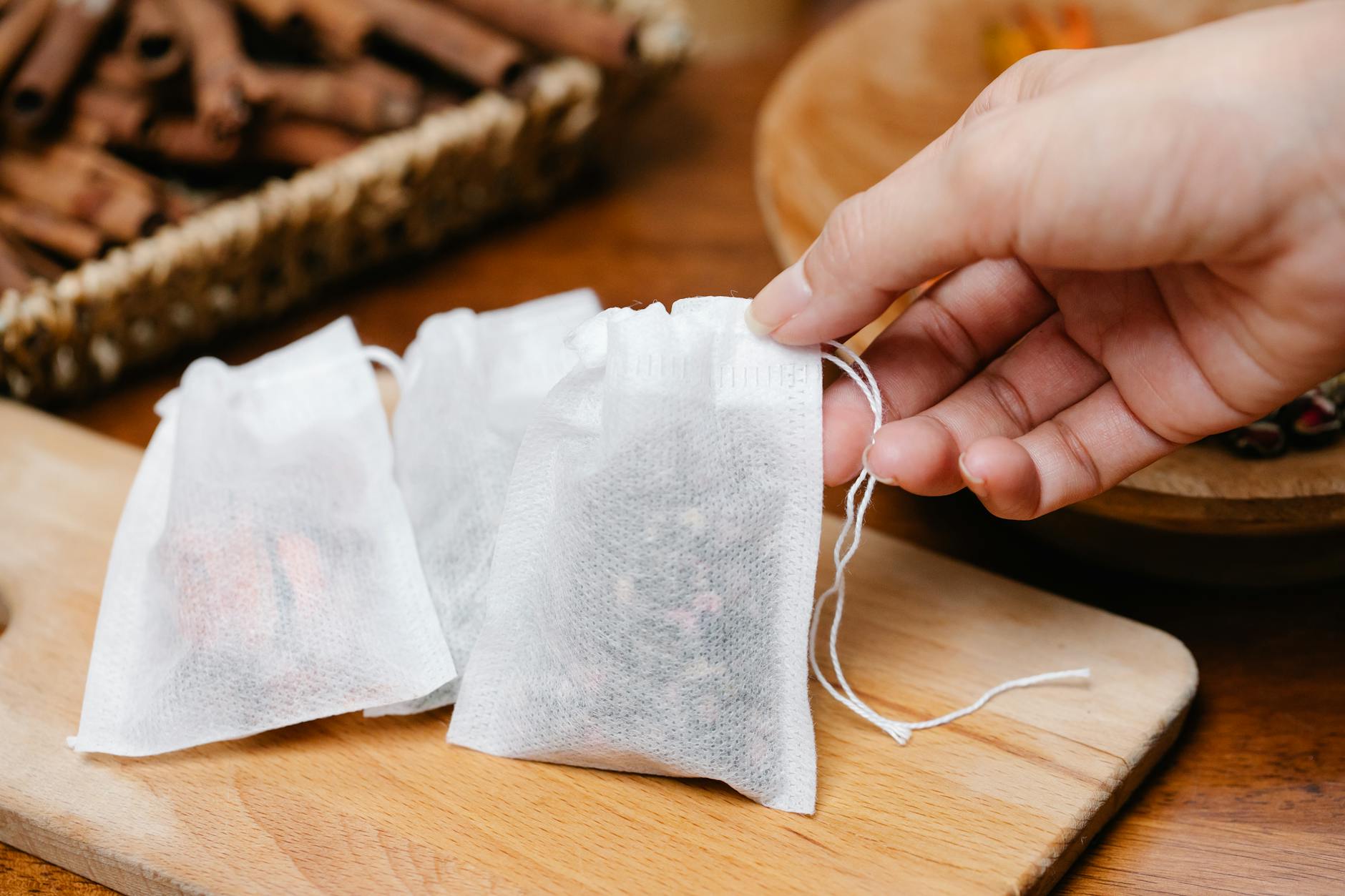
A significant proportion of commercially available tea bags are made with plastic-based mesh materials designed to hold their shape when submerged in hot water. When these bags are steeped in water at high temperatures, microplastics and synthetic compounds can leach directly into the brewed tea. Many of these plastic-derived compounds are classified as endocrine disruptors, meaning they interfere with the body’s hormone signaling at very small concentrations. Evening exposure to endocrine disruptors is particularly concerning as the body’s hormonal repair and regulation processes peak during overnight rest. Switching to unbleached paper bags or loose-leaf infusers eliminates this risk entirely.
Bleached Filters

Paper tea bags are often processed with chlorine bleaching agents to achieve a clean white appearance. These bleaching processes can leave trace residues of dioxins and chlorinated compounds in the finished bag material. Dioxins are recognized endocrine disruptors with a strong affinity for hormone receptor sites, particularly those linked to reproductive hormones. The body stores fat-soluble compounds like dioxins in adipose tissue, meaning repeated small exposures from nightly tea rituals can accumulate meaningfully over time. Unbleached brown paper tea bags or loose-leaf alternatives avoid this source of hormonal disruption entirely.
Ashwagandha Blends

Ashwagandha is an adaptogenic herb that has become a popular addition to evening stress-relief teas due to its reputation for lowering cortisol. While its cortisol-modulating effects are real and well-researched, ashwagandha also influences thyroid hormone levels by stimulating the production of T3 and T4. For individuals with undiagnosed thyroid conditions, this stimulation can push hormone levels outside the optimal range without any obvious immediate symptoms. Nightly consumption compounds this effect over weeks and months in ways that may not be immediately apparent. Adaptogens are pharmacologically active substances and should be treated with the same respect given to supplements and medications.
Estrogenic Herbs

Certain herbal tea ingredients including red raspberry leaf, dong quai, and fennel seed carry significant estrogenic activity in the body. These herbs are sometimes included in blends marketed toward women’s wellness or hormonal balance without adequate disclosure of their potency. Consuming multiple estrogenic herbs in combination within a single tea blend can produce an amplified hormonal effect that exceeds what any one ingredient would produce alone. The evening timing means these compounds interact with overnight hormonal cycles including the pulsatile release of luteinizing hormone, which regulates ovulation and progesterone production. Hormonal wellness teas should be selected based on individual hormone profiles rather than general marketing claims.
Blood Sugar Response

Hot sweetened teas consumed in the evening hours can trigger an insulin response that disrupts overnight metabolic hormone function. Even natural sweeteners such as honey or agave have a meaningful glycemic impact when added to tea and consumed without accompanying food. Elevated insulin levels in the evening suppress growth hormone release, which typically peaks during the first cycle of deep sleep. This suppression interferes with overnight tissue repair, fat metabolism, and the regulation of appetite hormones for the following day. Drinking tea unsweetened in the evening is a straightforward way to preserve overnight hormonal function.
Hydration Timing
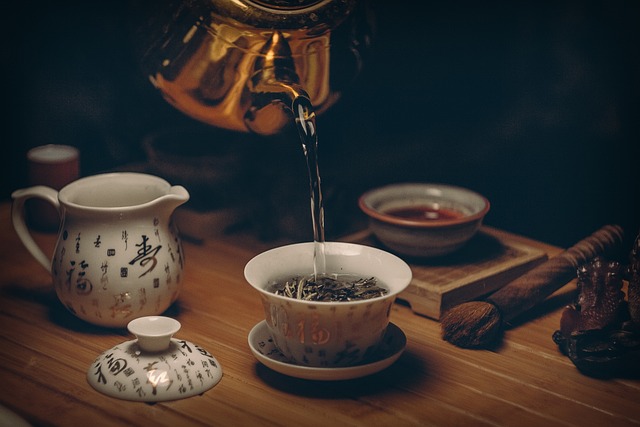
Consuming large volumes of tea in the late evening hours can increase nighttime urination, fragmenting the sleep cycle significantly. Fragmented sleep directly disrupts the pulsatile release of key hormones including growth hormone, prolactin, and luteinizing hormone, all of which are predominantly secreted during uninterrupted sleep phases. The relationship between sleep fragmentation and hormonal disruption compounds over time rather than resolving after a single poor night. Cortisol levels the following morning are typically elevated in response to fragmented sleep, initiating a stress-hormone cascade that affects mood, energy, and appetite regulation. Limiting fluid intake in the final two hours before sleep is a widely recommended strategy for protecting sleep-dependent hormonal processes.
Nightshade Teas

Teas derived from plants in the nightshade family, including ashwagandha which is technically a nightshade, contain alkaloids that can influence nervous system and endocrine function. Nightshade alkaloids affect acetylcholine pathways and can indirectly modulate the hormonal communication between the brain and adrenal glands. Individuals with nightshade sensitivity may experience heightened hormonal reactivity to these compounds without connecting the source to their evening beverage. The cumulative alkaloid load from nightly consumption is rarely considered in the context of hormonal health management. Awareness of the botanical origins of tea ingredients allows for more informed choices when managing complex hormonal conditions.
Heavy Metal Content

Teas sourced from regions with high soil contamination can carry measurable concentrations of heavy metals such as lead, cadmium, and arsenic. These metals are endocrine disruptors at low chronic exposure levels and are particularly problematic when consumed during overnight hours when the body’s detoxification capacity operates differently than during waking hours. The liver and kidneys work to process these compounds during sleep, diverting resources from hormonal synthesis and repair functions. Long-term heavy metal accumulation has been associated with disruptions in cortisol, estrogen, and thyroid hormone pathways. Choosing teas from certified organic sources with documented third-party testing is the most effective safeguard against this form of exposure.
Digestive Disruption

The gastrointestinal system plays a central role in hormone metabolism, particularly in the processing and elimination of used estrogen metabolites. Tannin-rich teas consumed in the evening can slow gastrointestinal motility, impairing the body’s ability to efficiently eliminate estrogen through the digestive tract overnight. When estrogen is not cleared effectively, it can be reabsorbed into circulation through a process involving intestinal bacteria, elevating total estrogen load. This mechanism, known as enterohepatic recirculation, is a significant but underappreciated factor in estrogen dominance conditions. Maintaining healthy digestive function through appropriate evening food and beverage choices directly supports hormonal clearance.
Adaptogen Stacking

Many commercially available evening teas contain multiple adaptogenic herbs in a single blend, marketing this as a comprehensive stress and hormone support formula. However, combining adaptogens such as rhodiola, ashwagandha, holy basil, and maca in a single product creates an unpredictable hormonal environment due to the complex and sometimes opposing mechanisms of each ingredient. This phenomenon, known informally as adaptogen stacking, can produce effects on the HPA axis that are far less predictable than consuming any single adaptogen in isolation. The HPA axis governs the relationship between the brain, adrenal glands, and cortisol output, making its overstimulation a significant hormonal concern. Simpler tea formulations with single active ingredients allow for more controlled and observable effects on hormonal health.
Sleep Temperature
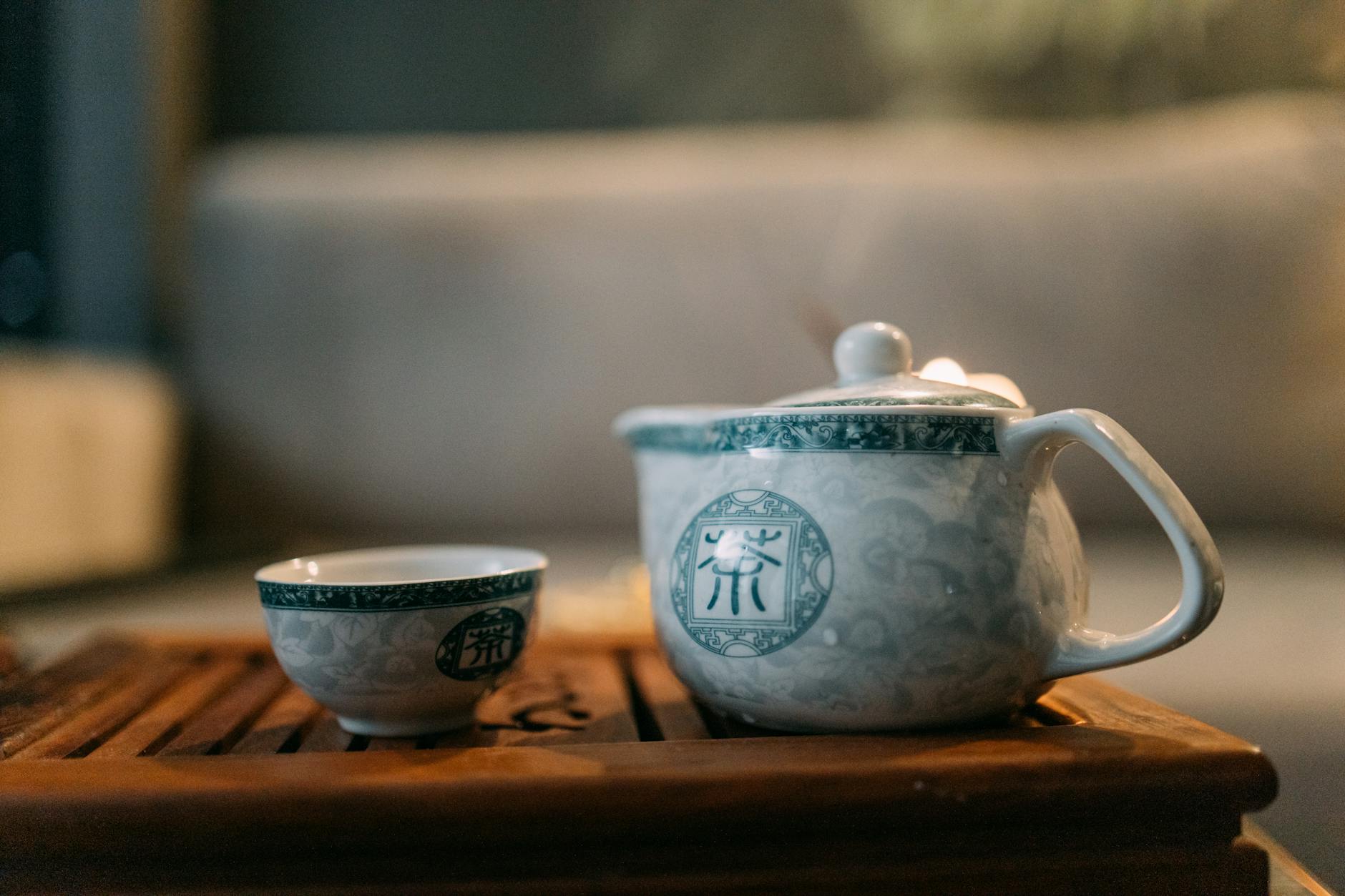
The temperature at which tea is consumed has a direct physiological effect on core body temperature regulation, which is closely tied to hormonal sleep cycles. Drinking very hot tea in the late evening raises core body temperature at precisely the time the body needs it to drop in order to initiate sleep hormone production. The natural decline in core body temperature is a key trigger for melatonin release and the onset of restorative sleep phases. Disrupting this cooling process delays the hormonal cascade associated with deep sleep, including growth hormone secretion and overnight cortisol regulation. Allowing tea to cool to a warm rather than hot temperature before drinking is a practical way to preserve this thermal hormonal signal.
Gut Microbiome Impact
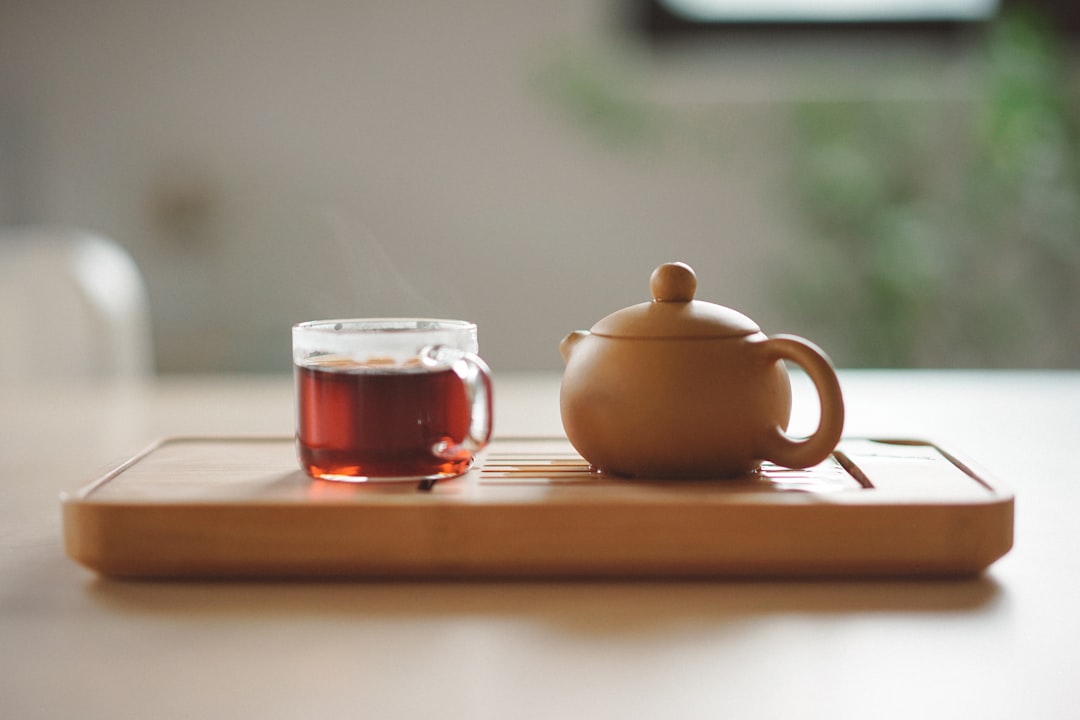
The gut microbiome is responsible for processing and regulating a significant proportion of the body’s circulating hormones, particularly estrogen and thyroid hormones. Certain antimicrobial compounds found in teas including green tea catechins and oregano-based herbal blends can alter the composition of gut bacteria with regular nightly use. Shifts in microbiome composition affect the activity of beta-glucuronidase, an enzyme involved in estrogen recirculation, with measurable downstream effects on total estrogen levels. The overnight period is when the gut microbiome is most metabolically active in processing hormonal byproducts, making evening tea composition particularly relevant. Supporting a diverse and balanced gut microbiome through varied dietary choices is one of the most effective strategies for maintaining hormonal equilibrium.
Ritual Dependency
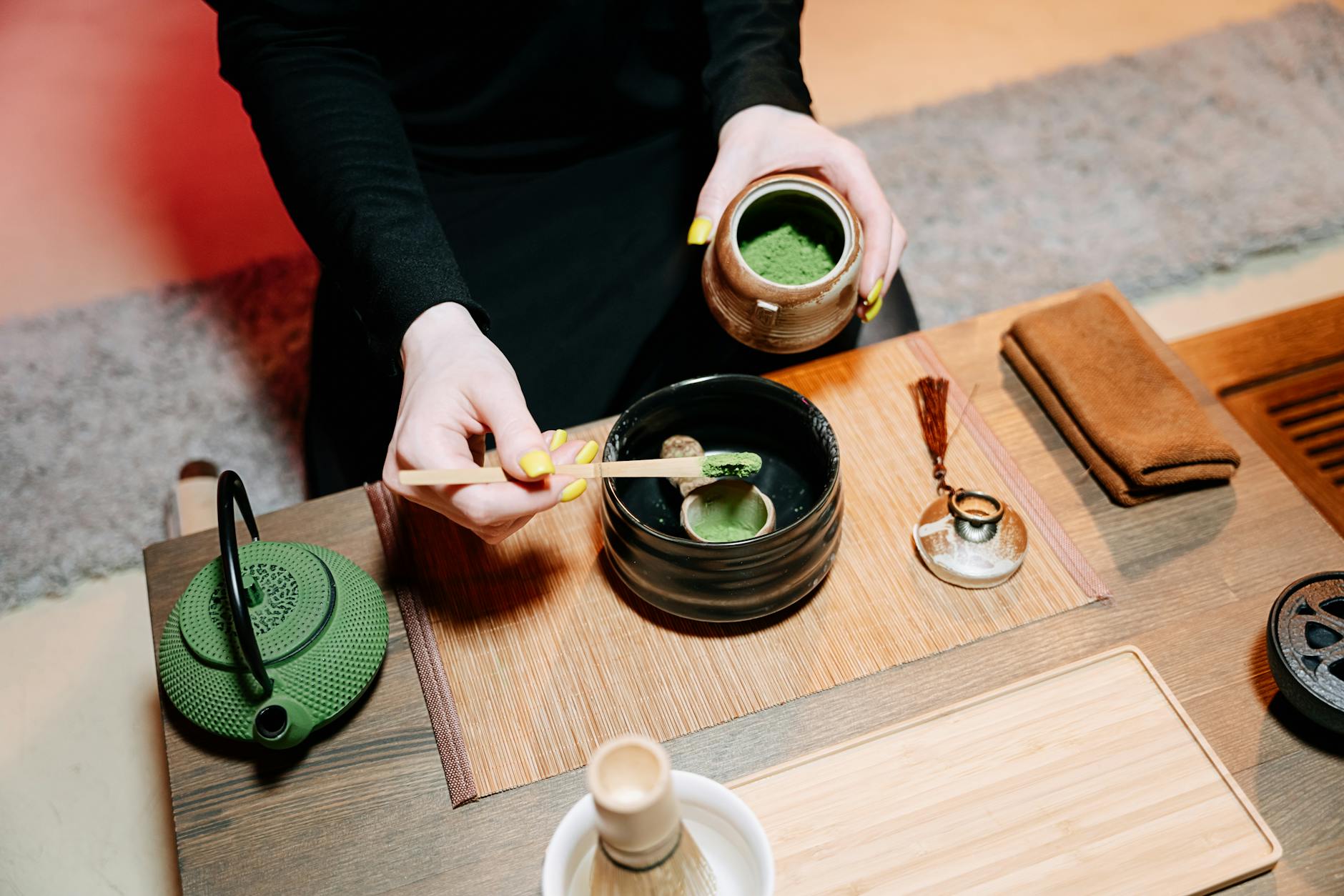
The psychological dimension of an evening tea ritual can create a dependency loop that influences the body’s hormonal stress response in subtle but meaningful ways. When the ritual is disrupted, whether by travel, schedule changes, or ingredient unavailability, the body may produce a mild cortisol spike in response to the absence of the expected calming signal. This conditioned stress response is a product of the hypothalamic-pituitary-adrenal axis learning to anticipate the ritual as a hormonal cue. Over time, the body’s ability to self-regulate its evening cortisol decline can become partially dependent on the external cue of the tea ritual rather than operating independently. Building flexibility into any wellness habit is an important strategy for maintaining autonomous hormonal regulation.
If your evening tea routine has you rethinking what’s in your mug, share your thoughts and experiences in the comments.