Recreating that restaurant-quality magic in your own kitchen can feel like chasing a mystery with no clear answer. Professional chefs rely on a combination of techniques, ingredients, and equipment that most home cooks simply are not aware of. Understanding what actually happens behind the kitchen doors of your favorite restaurants can completely transform the way you approach cooking at home. The gap between a good home-cooked meal and a truly exceptional one often comes down to a handful of surprisingly simple but overlooked factors. These are the most eye-opening reasons your homemade meals fall just short of the restaurant experience.
Salt

Restaurants use significantly more salt than the average home cook would ever feel comfortable adding. Salt is applied at multiple stages of cooking rather than just at the end, which builds deep flavor throughout the entire dish. Professional chefs season pasta water, blanching water, sauces, and proteins separately and generously. Without this layered approach, food can taste flat even when the recipe has been followed perfectly. Learning to season boldly and at every stage is one of the most transformative shifts a home cook can make.
Butter
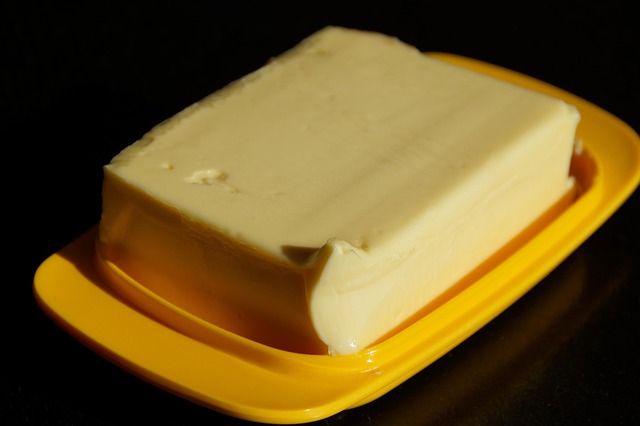
One of the most closely guarded habits in professional kitchens is the generous finishing of dishes with cold butter right before plating. This technique creates a silky richness and a glossy appearance that is nearly impossible to achieve any other way. Restaurant sauces, vegetables, and pastas often receive a final spoonful of cold butter that is swirled in off the heat to emulsify everything together. Home cooks tend to skip this step entirely, which leaves dishes tasting leaner and less luxurious than their restaurant counterparts. Even a small amount of quality butter added at the very end makes a remarkable difference to the final result.
Burner Heat
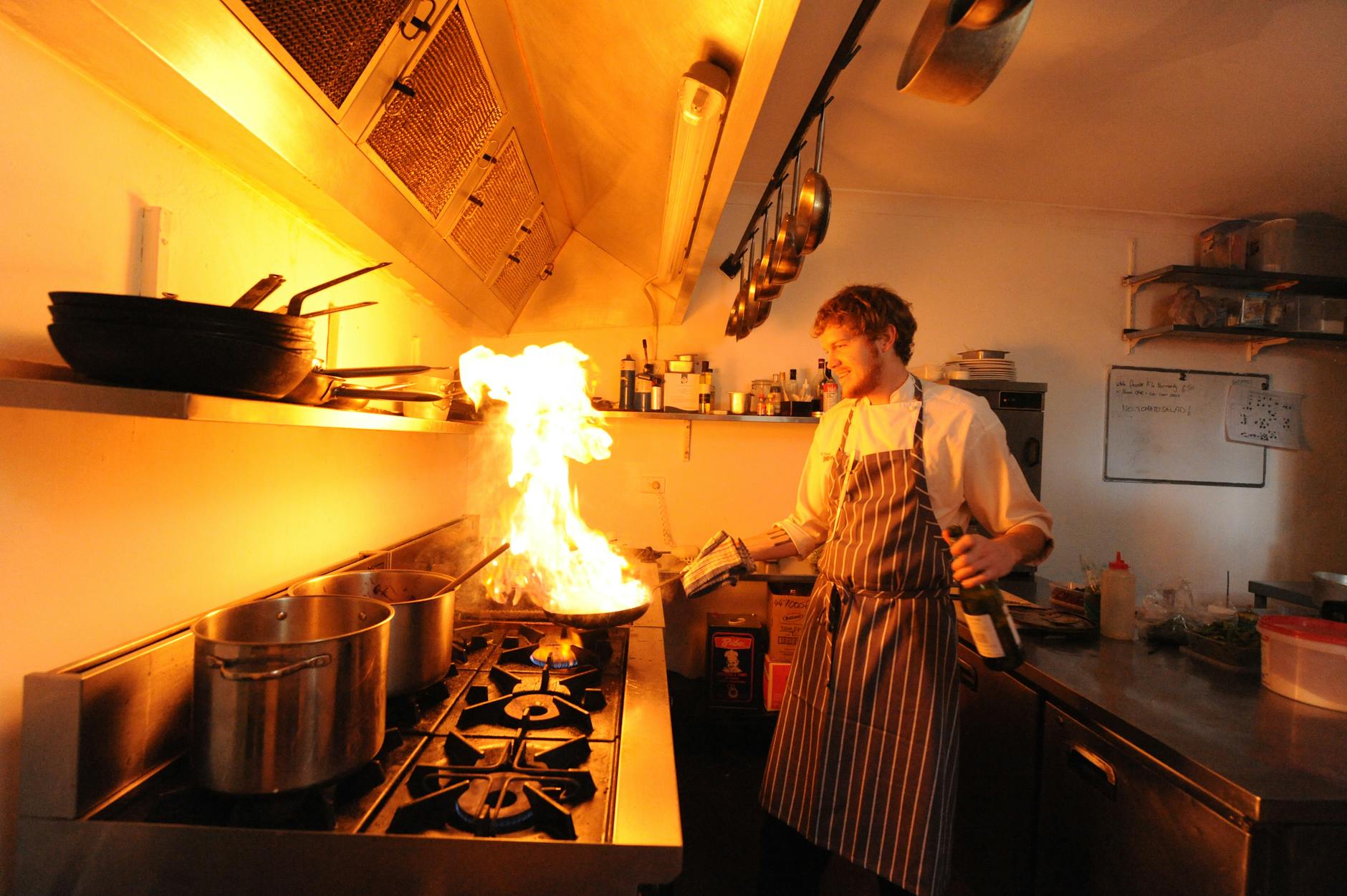
The burners in professional restaurant kitchens produce heat levels that a standard home stove simply cannot match. This intense heat creates the Maillard reaction more effectively, producing the deep caramelization and charred edges that define restaurant-quality proteins and vegetables. When a home stove cannot reach those temperatures, food often steams rather than sears, resulting in a paler color and a less complex flavor profile. Cast iron pans and carbon steel cookware can help compensate by retaining heat more efficiently than standard non-stick options. Preheating pans thoroughly for several minutes before adding any food is the closest a home cook can get to replicating that professional sear.
Mise en Place
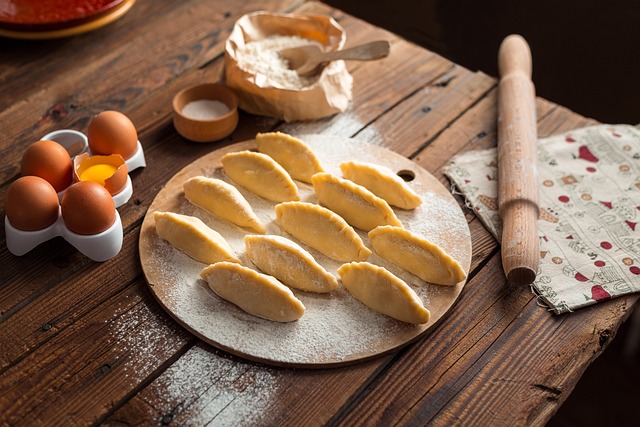
Professional chefs prepare and organize every single ingredient before cooking ever begins. This practice eliminates the frantic searching, chopping, and measuring that interrupts the flow of home cooking and causes timing errors. When you have to stop mid-cook to dice an onion or measure out a spice, heat fluctuates and food overcooks or sits idle for too long. Restaurants produce consistently excellent dishes partly because the actual cooking happens quickly and with full attention. Adopting this method at home requires more upfront preparation time but results in dishes cooked with far greater precision and control.
Cooking Fat
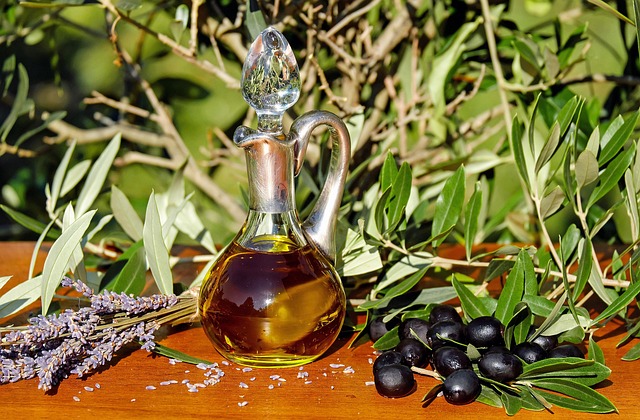
Restaurants cook with far more fat than most home recipes suggest, and that fat is often of a higher quality or a different variety than what home cooks typically use. Duck fat, clarified butter, and high-quality olive oils are common in professional kitchens and contribute significantly to depth of flavor. Fat is also responsible for carrying fat-soluble flavor compounds throughout a dish, meaning the more fat is present during cooking, the more flavorful the result. Home cooks who reduce fat in the interest of health often unknowingly sacrifice much of the dish’s richness and complexity. Using the right fat generously and at the correct temperature is a foundational principle of professional cooking.
Fresh Herbs
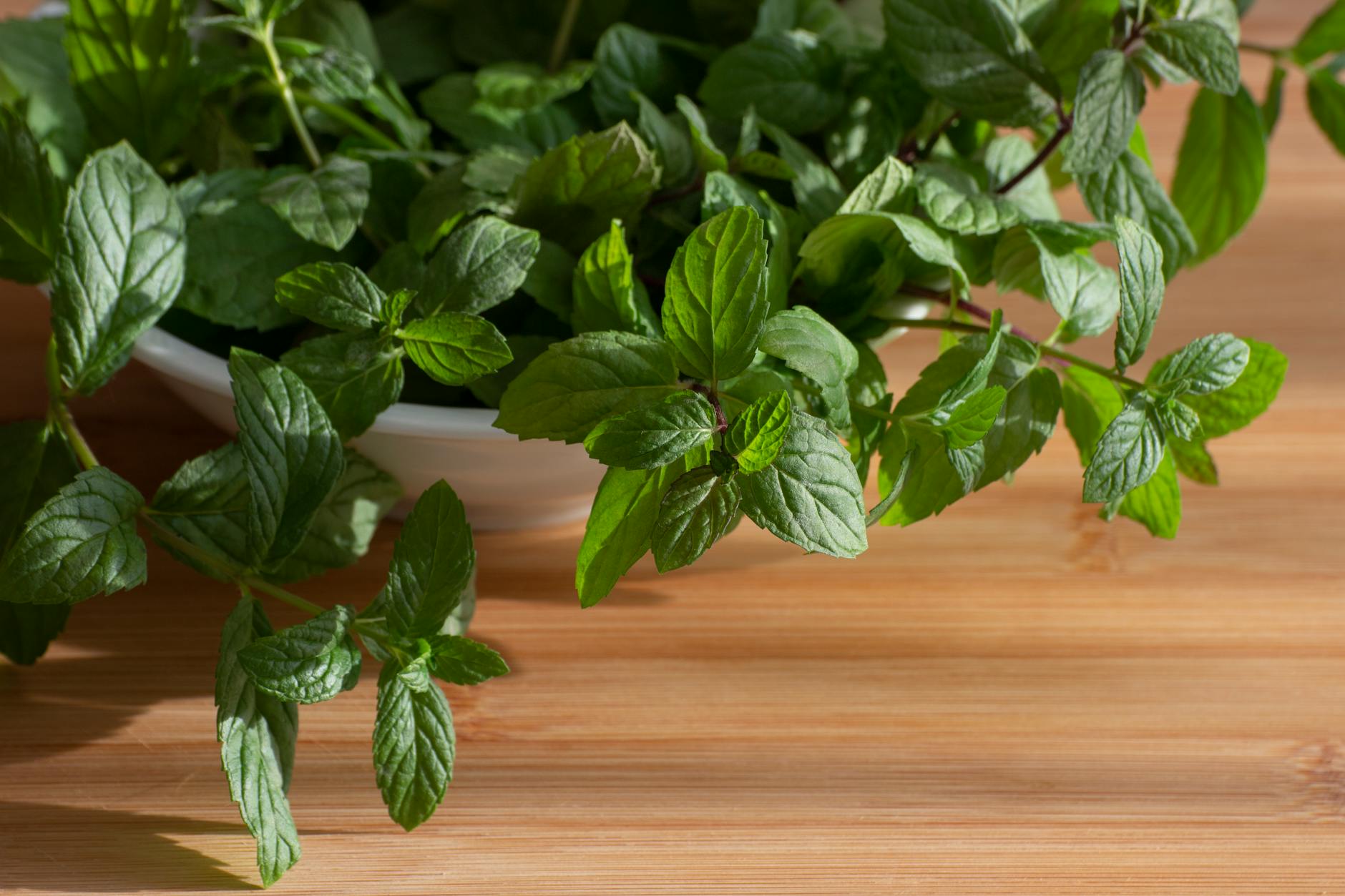
Restaurants prioritize fresh herbs over dried ones in nearly every application where the herb is meant to be tasted prominently. Fresh herbs deliver brighter, more volatile aromatics that transform a dish in a way that dried alternatives simply cannot replicate. They are also added at the right moment in the cooking process, with delicate herbs like basil and parsley reserved for the very end to preserve their freshness. Home kitchens often default to dried herbs for convenience, which can introduce a dusty, muted flavor rather than a vibrant one. Keeping a small selection of fresh herbs on hand and learning when to use them versus their dried counterparts is a simple upgrade with a noticeable impact.
Bone Broth
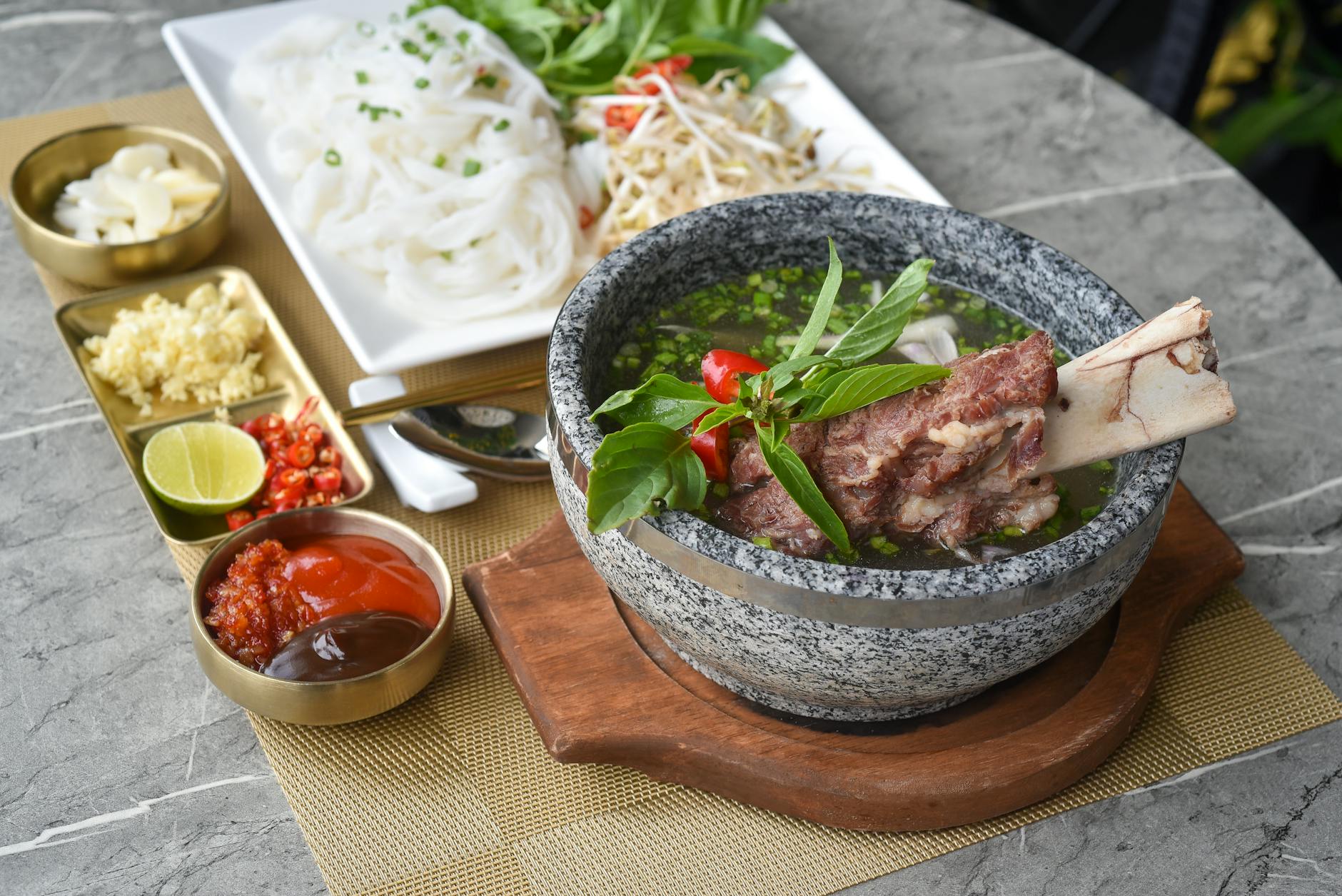
The stocks and broths used in restaurant kitchens are made in-house from roasted bones, aromatics, and hours of careful simmering. These house-made liquids form the backbone of sauces, soups, and braises and carry an incredible depth that commercial stock in a carton cannot replicate. Store-bought stock often contains added salt, preservatives, and flavor shortcuts that alter the final taste of a dish in subtle but noticeable ways. Even a small amount of a well-made homemade stock added to a pan sauce elevates the dish to a different level entirely. Batch-cooking and freezing homemade stock on weekends is one of the most efficient ways to bring restaurant-level flavor into everyday home cooking.
Resting Meat
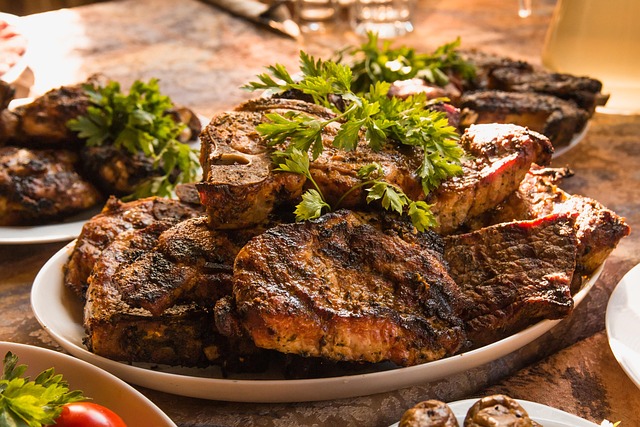
One of the most consistent mistakes home cooks make is cutting into meat immediately after it comes off the heat. Resting allows the muscle fibers to relax and reabsorb the juices that have been pushed to the center during cooking, resulting in a much more tender and moist bite. Restaurants plate and rest proteins as a non-negotiable step regardless of the cut or the cooking method used. Skipping this step means those flavorful juices run straight onto the cutting board rather than staying in the meat where they belong. Even five to ten minutes of resting on a warm plate covered loosely can dramatically improve the texture and juiciness of any protein.
Umami
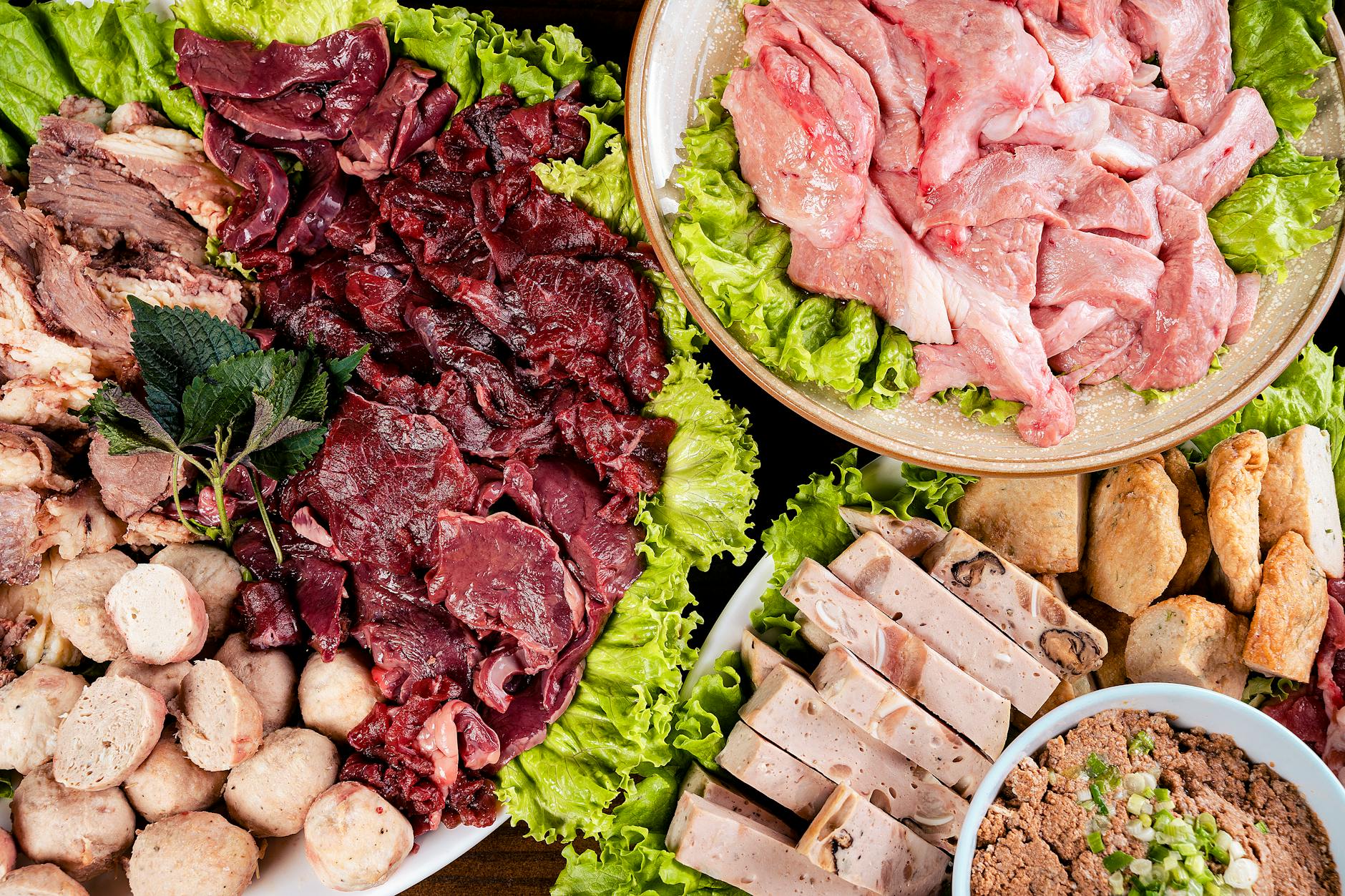
Restaurants use umami-rich ingredients to add a savory depth that makes dishes taste more complete and satisfying without the diner being able to identify exactly why. Ingredients like fish sauce, anchovy paste, parmesan rinds, soy sauce, and miso paste are deployed quietly in the background of many dishes to amplify overall flavor. This invisible layer of savoriness is what makes restaurant food feel rounded and craveable in a way that home-cooked versions often do not. Most home cooks are unaware of this technique because the individual umami ingredient is rarely detectable in the finished dish. Incorporating even one umami booster into a recipe creates a noticeable transformation in the overall depth and complexity of flavor.
Seasoning Layers
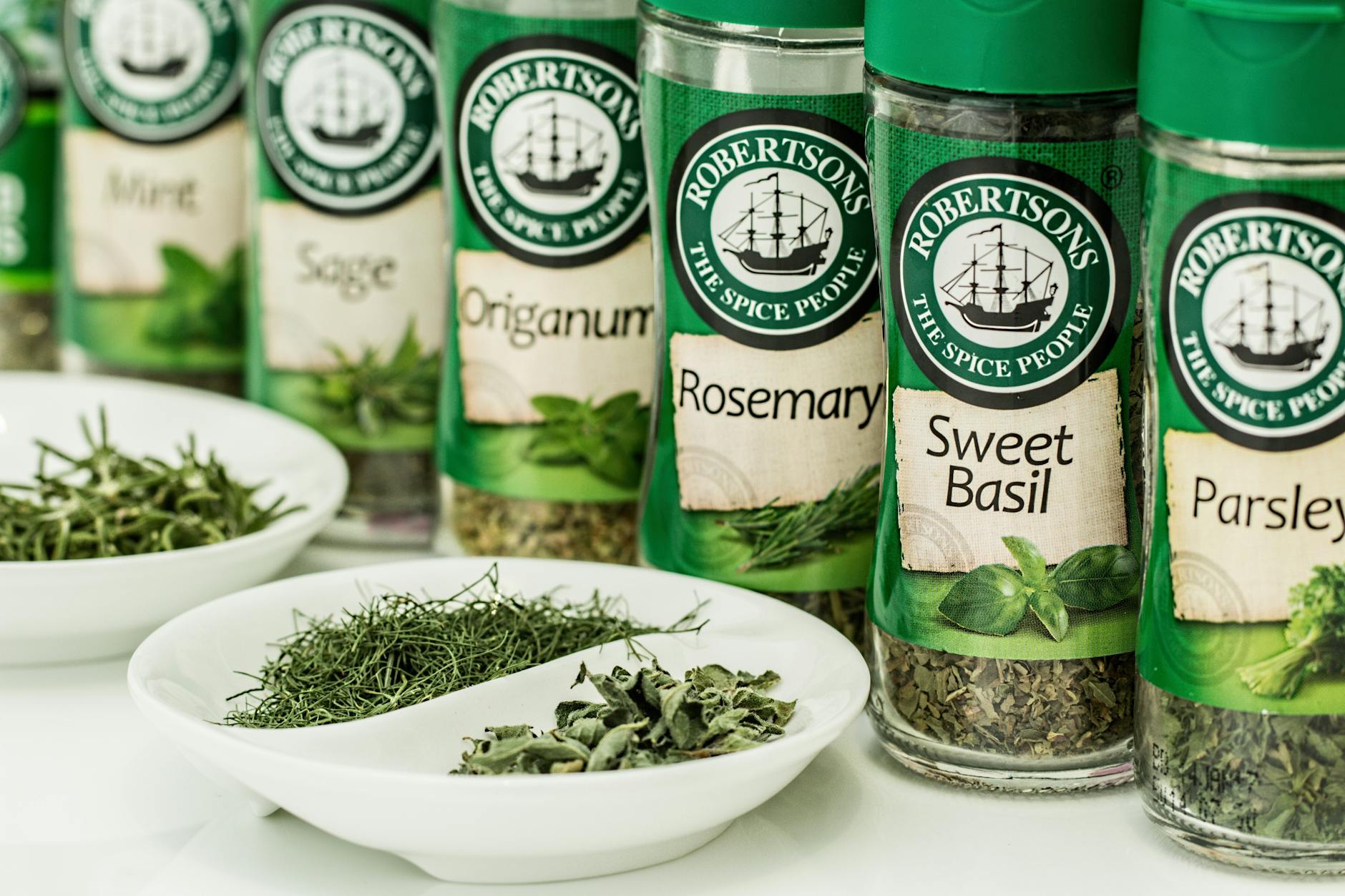
Professional chefs understand that seasoning is not a one-time act at the end of cooking but rather a process that happens continuously throughout. Each component of a dish receives its own seasoning at the appropriate stage, creating a multi-dimensional flavor that cannot be achieved by salting a finished plate. Vegetables are seasoned before roasting, proteins are seasoned before and after searing, and sauces are adjusted multiple times as they reduce. This careful accumulation of seasoning means that every element of the dish is fully flavored on its own before it ever joins the others on the plate. Home cooks who season only at the very end are essentially trying to fix a structural issue at the last possible moment.
Acid Balance
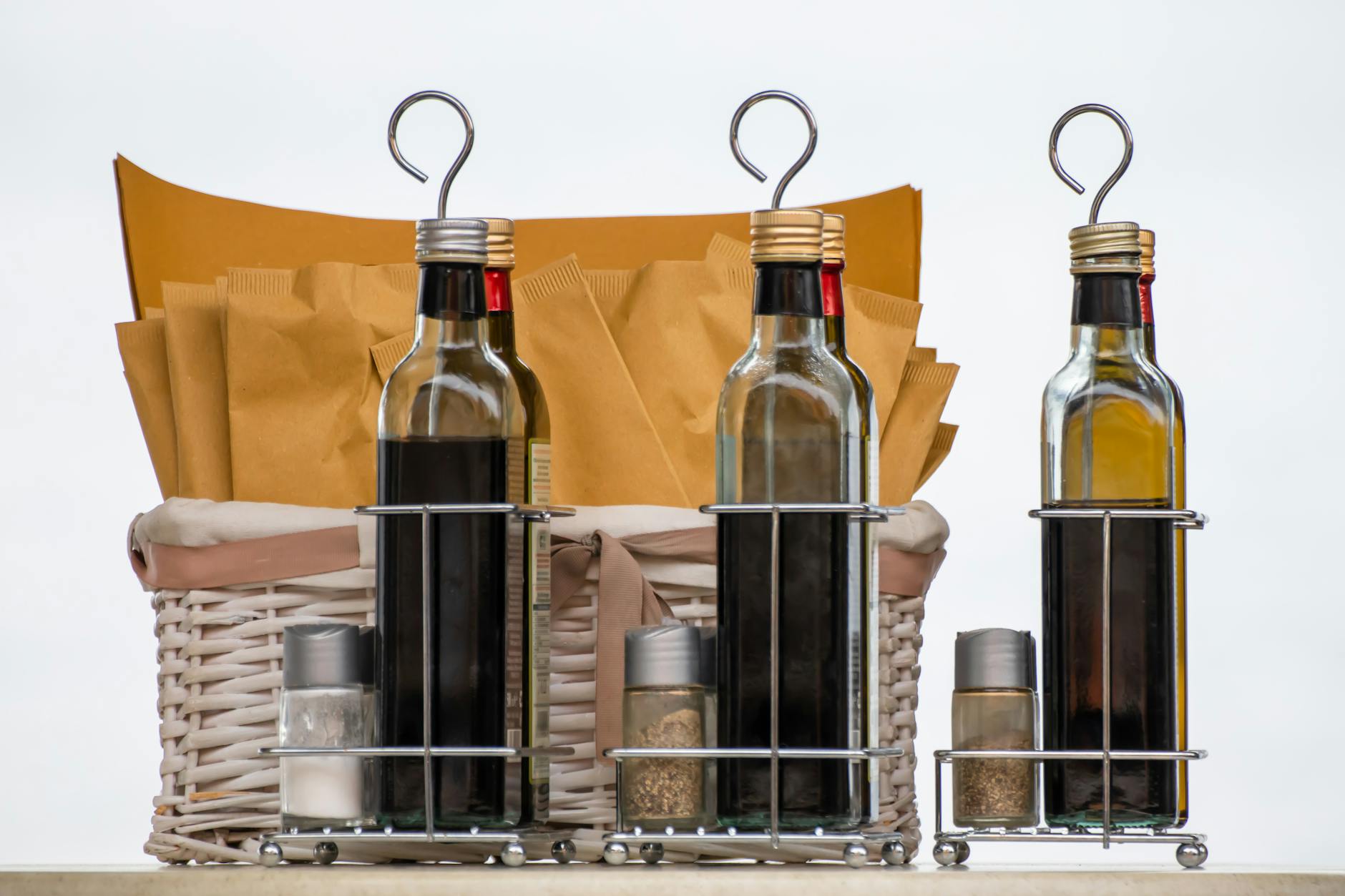
A squeeze of lemon juice, a splash of vinegar, or a touch of wine is one of the most powerful finishing tools a professional chef uses to bring a dish into balance. Acid brightens flavors, cuts through richness, and makes the other components of a dish taste more vivid and defined. Many home cooks overlook acid entirely, which can leave dishes tasting heavy, flat, or one-dimensional even when everything else has been done correctly. Restaurants use acid precisely and often invisibly, meaning the diner rarely tastes the sourness itself but notices that everything suddenly tastes more alive. Getting comfortable with finishing dishes with a small amount of acid is one of the fastest ways to close the gap between home cooking and professional results.
Knife Skills
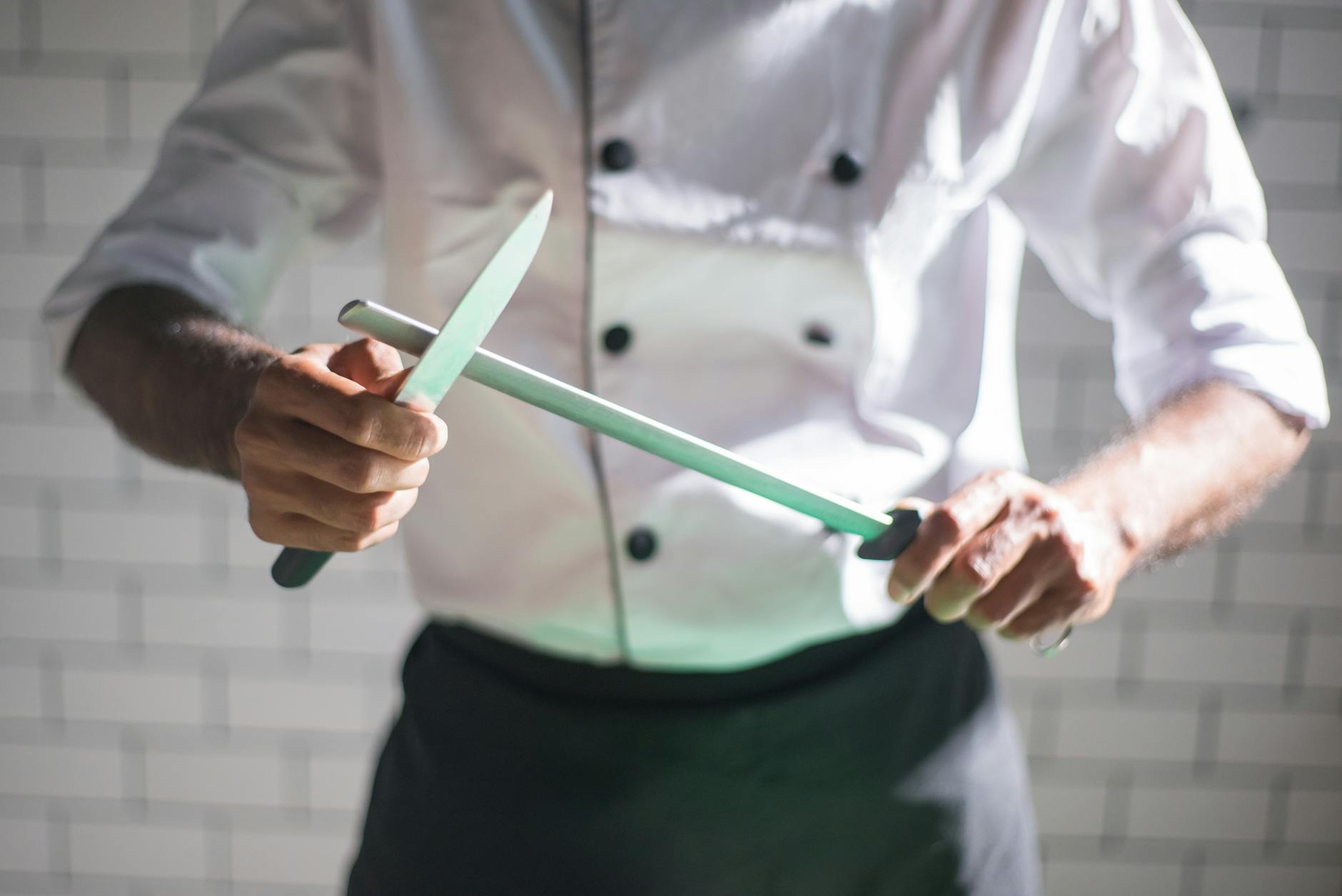
The way ingredients are cut has a direct effect on how they cook and how they taste in the finished dish. Uneven cuts mean that some pieces overcook while others remain underdone, which produces inconsistency in texture throughout a single dish. Professional chefs spend years developing precise knife skills so that every cut is uniform, which ensures even cooking and a consistent result every time. Rough or irregular cuts also affect the surface area exposed to heat, which changes the rate and quality of browning and caramelization. Investing time in improving basic knife skills and learning fundamental cuts like a julienne, brunoise, or chiffonade makes a measurable difference in the quality of home cooking.
Cast Iron
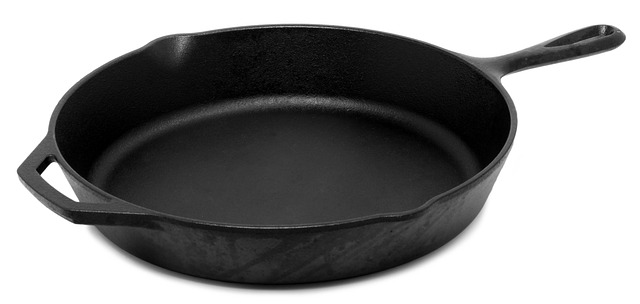
The cookware used in restaurant kitchens is designed to handle extreme heat, retain it evenly, and develop a natural seasoning that improves with every use. Cast iron and carbon steel pans create a level of heat distribution and retention that translates directly into better searing, better crust formation, and more even cooking overall. Thin non-stick pans, which are common in home kitchens, lose heat rapidly when food is added and struggle to recover quickly enough to maintain a proper sear. Restaurant cooks rely on heavy, well-seasoned pans that have been broken in over time and perform at a level that new cookware simply cannot match. Building a small collection of high-quality heavy cookware is an investment that pays off immediately in the quality of the food produced.
Oven Temperature
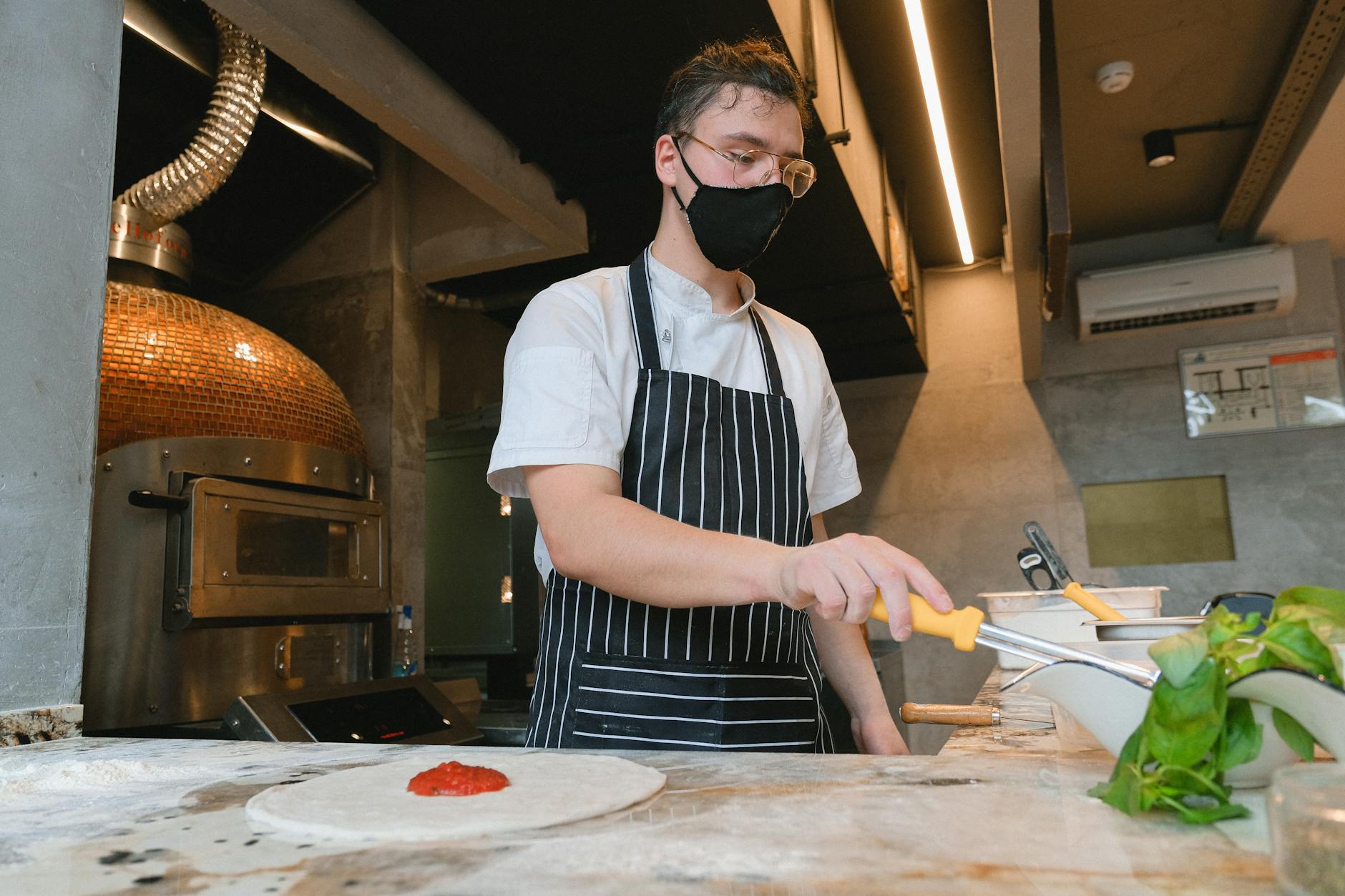
Restaurant ovens run hotter, more consistently, and more accurately than the vast majority of home ovens. Most home ovens have a temperature variance of anywhere between twenty and fifty degrees from the dial setting, which can quietly sabotage baking, roasting, and braising results. Restaurants rely on calibrated equipment and understand exactly how their ovens perform at every temperature. A simple oven thermometer placed inside the home oven immediately reveals whether the set temperature is actually being reached. Adjusting for this discrepancy by using a thermometer, fully preheating the oven, and avoiding the temptation to peek too frequently makes a significant improvement in the consistency of oven-cooked dishes.
Food Plating
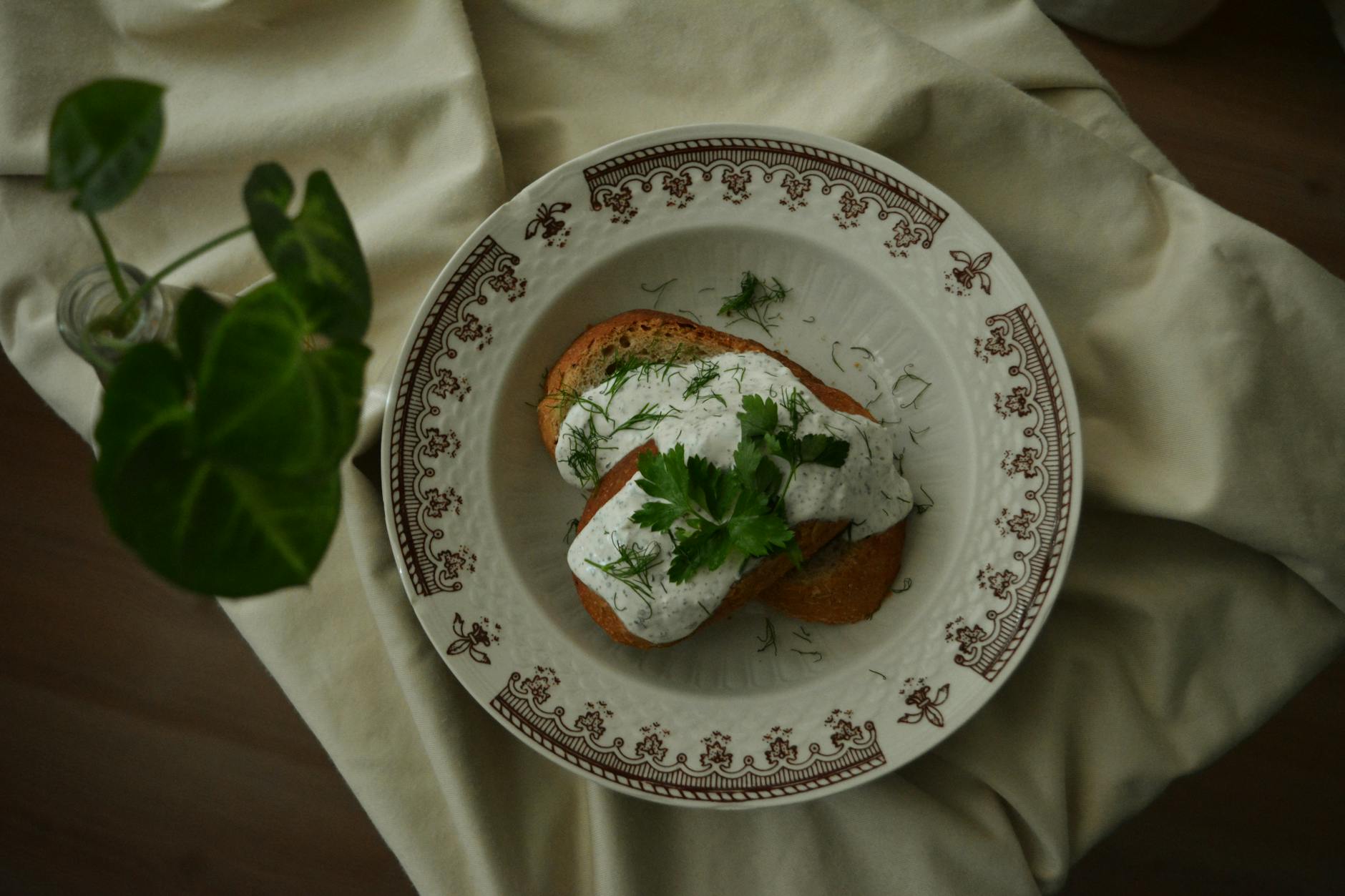
Restaurants understand that the visual presentation of a dish activates anticipation and influences how the food is perceived before the first bite is even taken. Strategic plating techniques like height, negative space, sauce placement, and garnishing are all employed to make a dish feel special, considered, and worth the price. Home cooks typically transfer food directly from the pan to the plate without any thought given to visual composition or temperature management. Using warmed plates, wiping rims clean, and even adding a simple fresh herb garnish creates an immediate sense of occasion that elevates the entire dining experience. The way a dish looks genuinely affects how it tastes, which is why presentation is treated as a fundamental skill in every professional kitchen.
Share your own kitchen discoveries and cooking breakthroughs in the comments!