Your morning shower is supposed to wake you up and prepare you for the day ahead, yet certain habits practiced during that time may actually be working against your energy levels. Researchers and wellness experts have identified a number of common shower behaviors that disrupt the body’s natural rhythms and leave you feeling drained before the day has even begun. Understanding the science behind temperature, timing, and routine can help you make small adjustments that deliver noticeable results. The following 23 reasons may surprise you with how much your daily shower is influencing your overall energy and alertness.
Hot Water
Water that is too hot causes blood vessels to dilate rapidly, triggering a drop in blood pressure that leaves many people feeling lightheaded and sluggish. The body expends significant energy trying to regulate core temperature after prolonged heat exposure, which creates a fatiguing effect that can last for hours. Hot showers also stimulate the parasympathetic nervous system, the same system responsible for rest and digestion, essentially signaling to your body that it is time to wind down. Excess heat strips the skin of natural oils, prompting an inflammatory response that quietly taxes the immune system throughout the day. Switching to a cooler temperature during the final minutes can counteract much of this fatigue-inducing response.
Shower Length
Spending more than ten minutes in the shower prolongs the body’s exposure to steam and heat, extending the parasympathetic response that promotes drowsiness. Longer showers also delay the morning routine, compressing the time available for breakfast, hydration, and mental preparation. The extended steam environment raises ambient humidity levels around the face, reducing oxygen intake efficiency in a subtle but measurable way. Prolonged water exposure softens the skin barrier and increases transepidermal water loss, which the body must work to compensate for throughout the day. Keeping showers to a focused five to eight minutes preserves energy and maintains the body’s readiness for activity.
Shower Timing
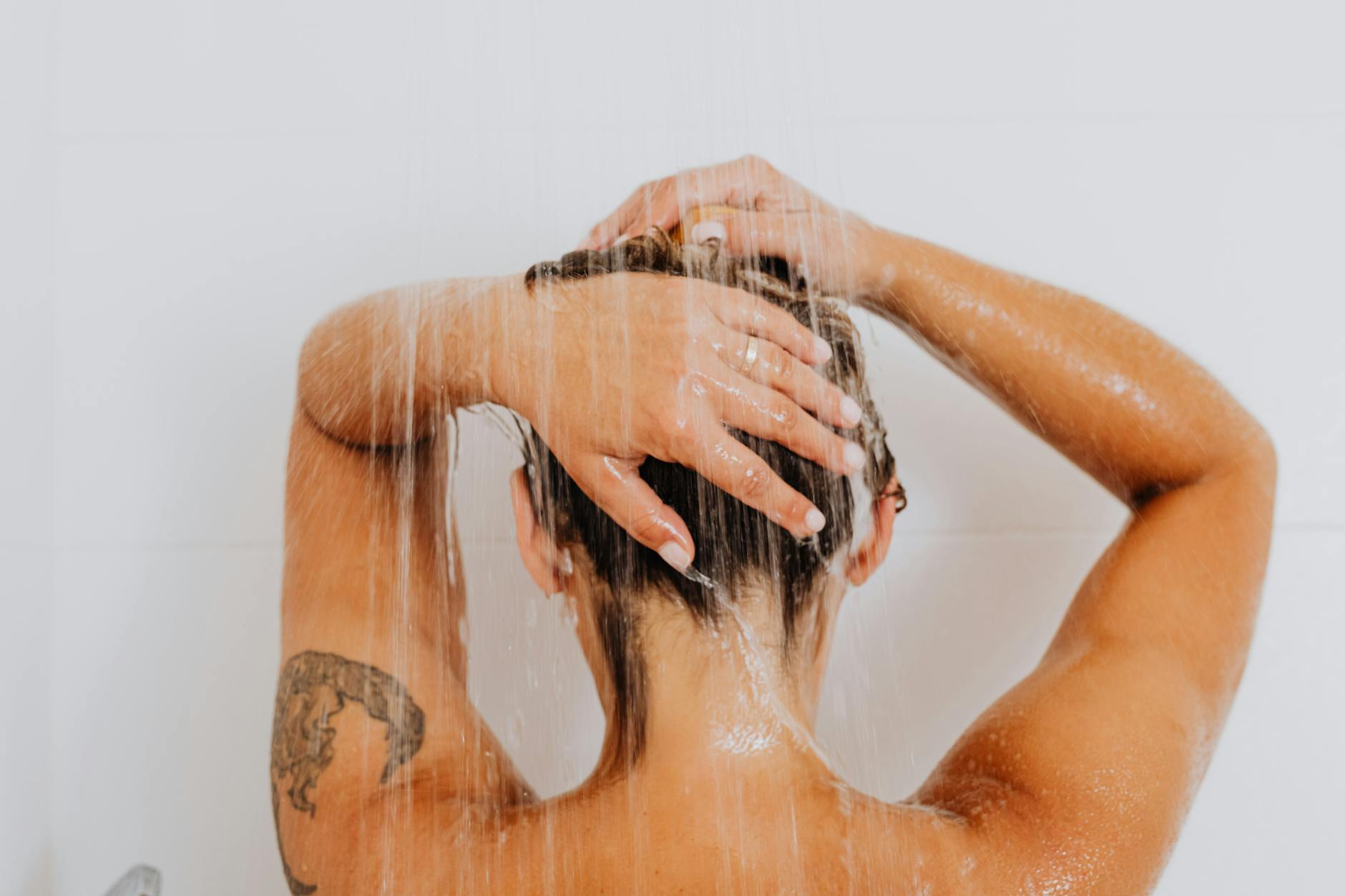
Showering immediately after waking interrupts the cortisol awakening response, a natural hormonal surge that peaks around thirty minutes after rising and plays a key role in morning alertness. The body is in a transitional state during the first fifteen minutes after waking and is particularly sensitive to temperature and sensory input. Taking a shower too early in the morning can blunt this natural hormonal peak before it reaches its full energizing potential. Many sleep researchers suggest allowing the body to complete its natural awakening process before introducing external stimuli like water and steam. A short delay of twenty to thirty minutes after waking may significantly improve how energized you feel for the rest of the morning.
Harsh Shampoo
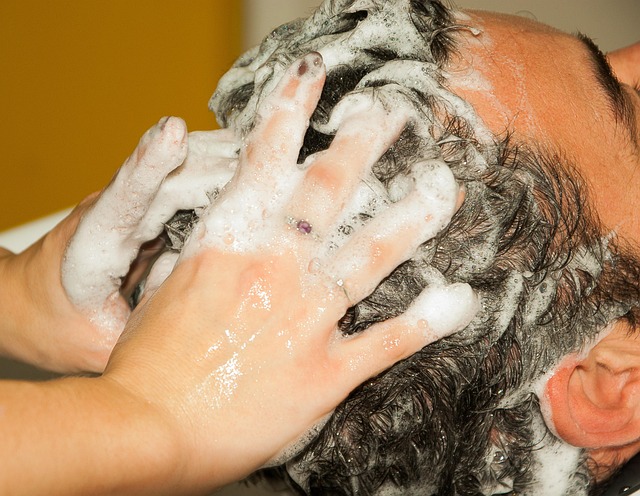
Many conventional shampoos contain sulfates and synthetic fragrances that are absorbed through the scalp during warm showers when pores are open. These chemical compounds have been linked to mild endocrine disruption, which can interfere with cortisol and thyroid hormone regulation throughout the day. The scalp is one of the most absorbent surfaces on the body, making product choice during shower time particularly significant for systemic health. A disrupted hormonal baseline can manifest as persistent low energy, brain fog, and reduced motivation even when sleep quality has been adequate. Choosing sulfate-free and fragrance-free formulas reduces unnecessary chemical load on the body first thing in the morning.
Artificial Lighting
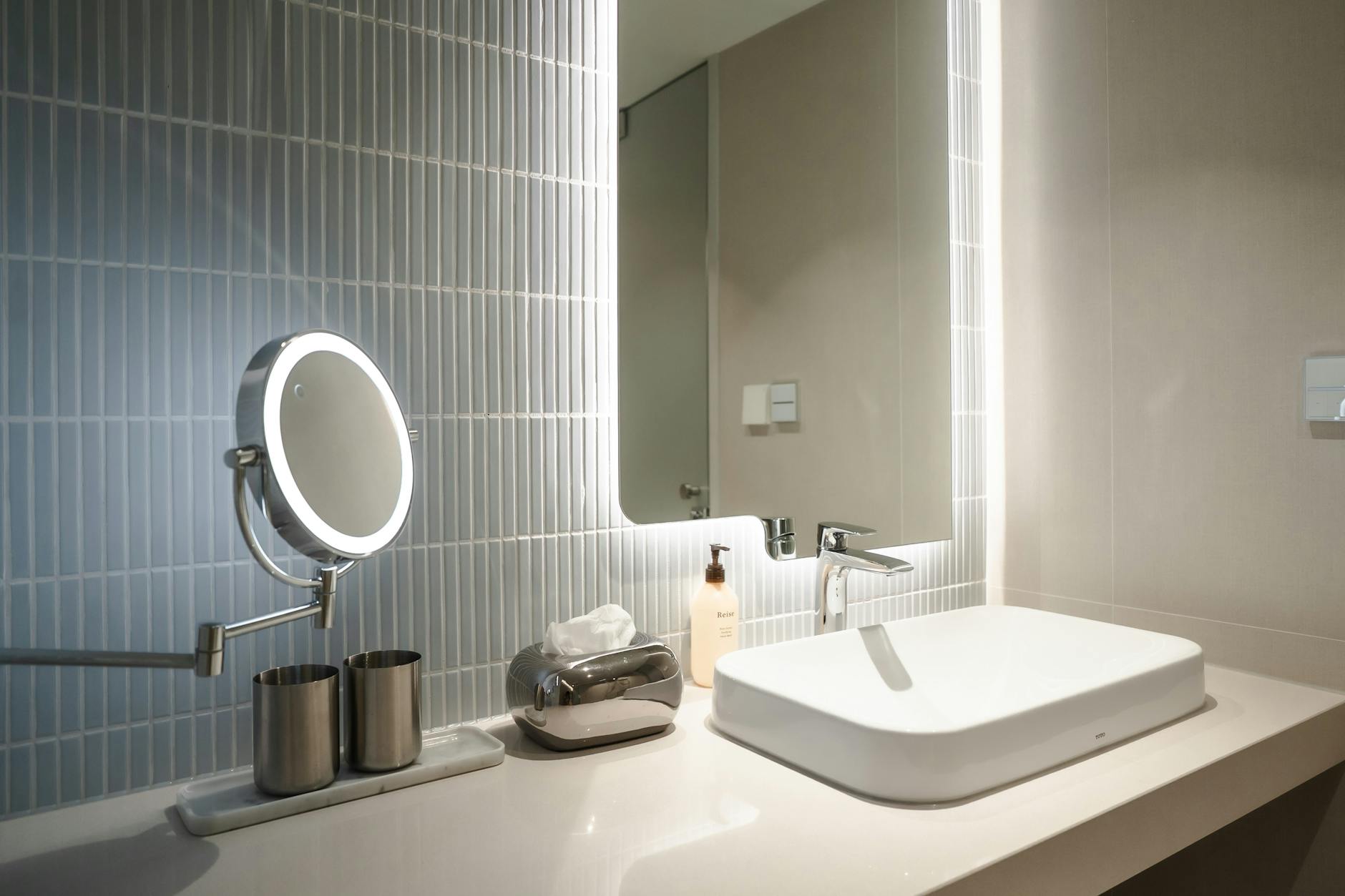
Most bathrooms rely on bright overhead fluorescent or cool-toned LED lighting that emits significant amounts of blue light. Blue light exposure in the morning, before natural daylight has had a chance to properly calibrate the circadian rhythm, can confuse the brain’s internal clock. This miscalibration affects the timing of melatonin suppression and cortisol release, which are both critical to sustaining daytime energy. The enclosed, windowless nature of most bathrooms means that artificial light is the sole visual input during this sensitive period. Warmer-toned lighting in the bathroom or simply opening a window nearby during the shower can help synchronize the body’s natural wake cycle more effectively.
Cold Shock Absence

The absence of any cold water exposure during a morning shower means the body misses a powerful opportunity to activate the sympathetic nervous system. Cold exposure triggers the release of norepinephrine, a neurotransmitter and hormone that improves focus, alertness, and resilience to stress. Without this activation, the nervous system remains in a more passive state, which can translate into reduced mental sharpness during the early hours of the day. Even a brief ten to thirty second cold rinse at the end of a shower has been shown to meaningfully improve reported energy levels and mood. Gradually introducing this practice can transform the shower from a fatigue contributor into a genuine energizing ritual.
Steam Inhalation
Enclosed shower steam reduces the concentration of oxygen in the immediate breathing environment, particularly in bathrooms with poor ventilation. Breathing lower-oxygen air for several minutes first thing in the morning can cause a subtle but real reduction in cerebral oxygenation. This mild hypoxic effect contributes to the post-shower grogginess that many people mistakenly attribute to poor sleep. The warm, humid air also increases feelings of heaviness and relaxation in the muscles, reinforcing physical fatigue rather than counteracting it. Opening a window or running an exhaust fan during the shower significantly improves air quality and helps maintain alertness.
Dry Skin Response
When the skin barrier is compromised by daily hot showers and harsh soaps, the body initiates low-grade inflammatory signaling to repair the damage. Chronic inflammation, even at mild levels, is a well-documented contributor to persistent fatigue and reduced cognitive performance. The skin is the body’s largest organ and its stress response has systemic consequences that extend well beyond surface-level discomfort. Many people who experience unexplained afternoon energy crashes may be experiencing a delayed inflammatory response triggered by their morning shower habits. Using gentle, pH-balanced cleansers and applying moisturizer immediately after showering can reduce this inflammatory burden considerably.
Skipping Contrast

Contrast hydrotherapy, the practice of alternating between warm and cool water, is a technique used by athletes and wellness practitioners to stimulate circulation and reduce fatigue. When warm water alternation is skipped in favor of a single steady temperature, the cardiovascular system does not receive the same activation stimulus. Improved circulation from contrast exposure helps deliver oxygen and glucose to the brain more efficiently in the hours following the shower. Studies on hydrotherapy consistently show that contrast protocols outperform single-temperature showers in measures of perceived energy and recovery. Incorporating just two or three brief alternations at the end of a shower can produce a noticeable lift in morning vitality.
Shower Gels

Many conventional shower gels contain synthetic preservatives such as parabens and isothiazolinones that are readily absorbed through warm, porous skin. These compounds have been associated with disruption to mitochondrial function at the cellular level, which directly affects the body’s ability to produce and sustain energy. The foaming agents used in many gels, particularly sodium lauryl sulfate, can also trigger localized skin inflammation that signals systemic stress. The cumulative daily exposure to these ingredients adds a biochemical burden that many bodies quietly manage at the cost of baseline energy. Opting for natural or minimally processed cleansing bars and gels reduces this unnecessary metabolic load each morning.
Poor Ventilation
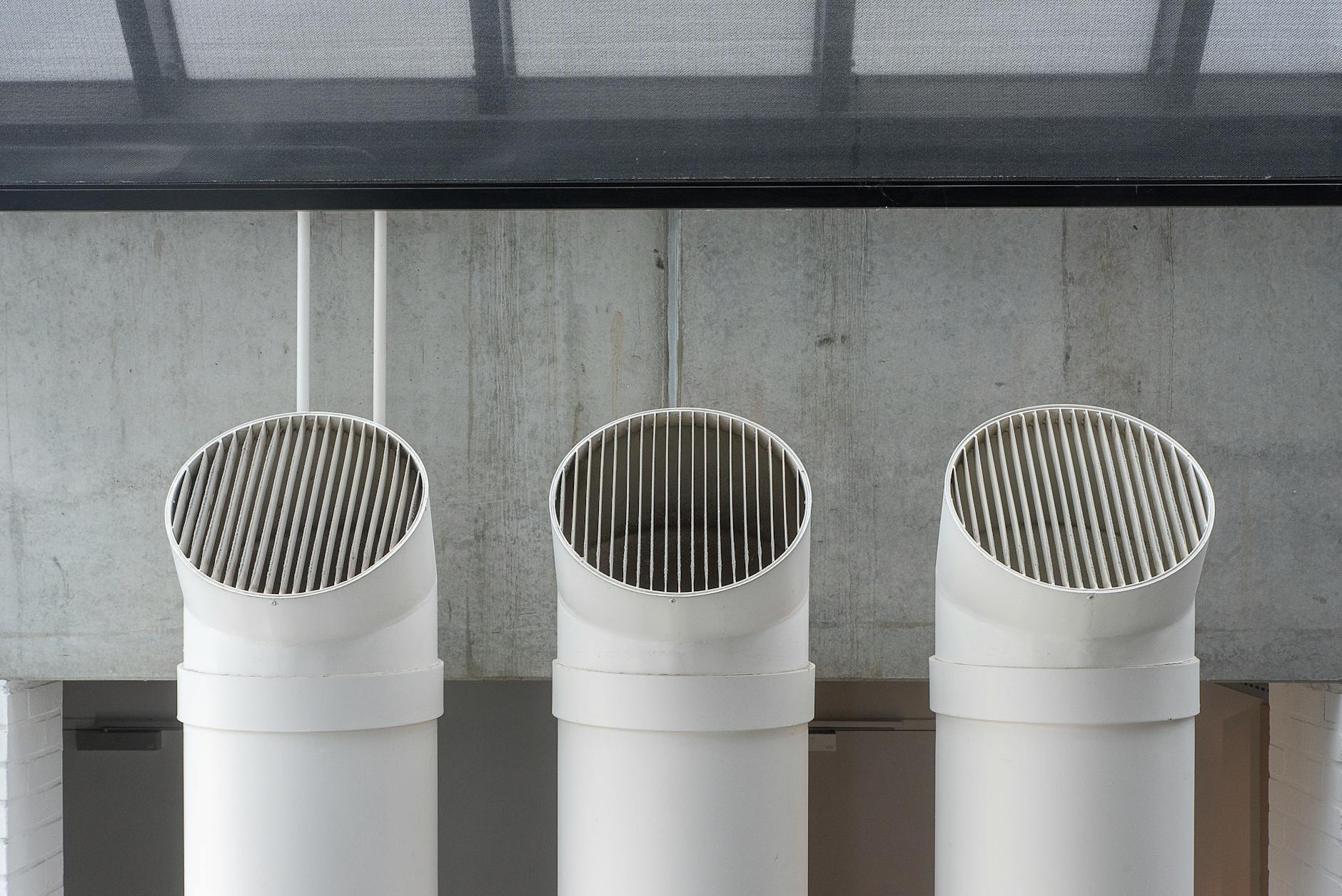
Bathrooms without adequate ventilation trap carbon dioxide exhaled during the shower in an increasingly confined space. Rising carbon dioxide levels, even modestly above outdoor ambient concentrations, impair cognitive function and induce feelings of fatigue and heaviness. This effect is amplified when the shower runs for longer periods and when the bathroom door remains closed throughout. Many people exit the shower already breathing slightly compromised air without any awareness that the environment itself has become a factor in their tiredness. Running a fan, cracking a door, or showering with a window slightly open maintains air quality and supports clearer thinking throughout the morning.
Water Pressure
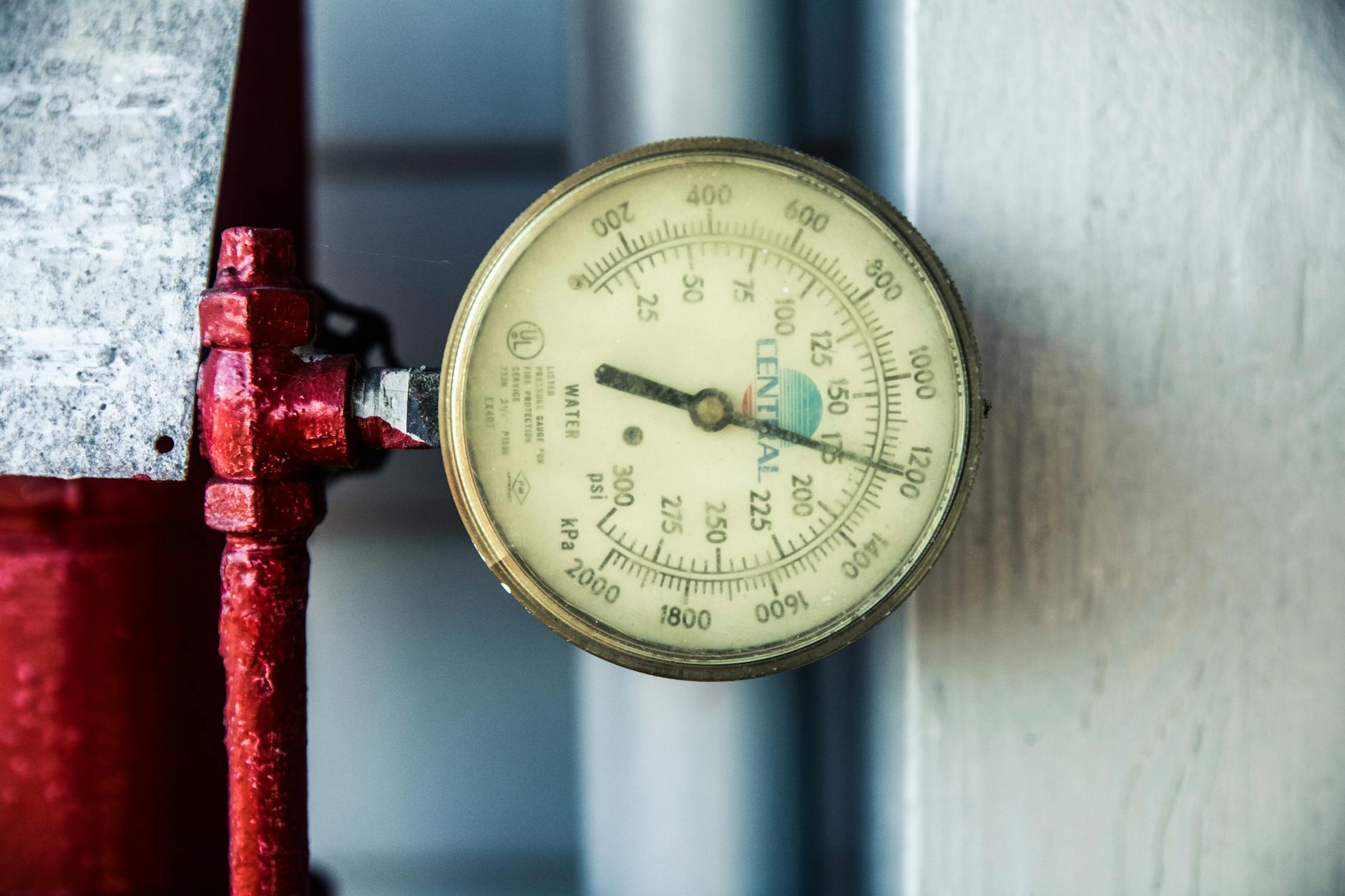
Excessively high water pressure on the neck and upper back can trigger a mild vasovagal response in some individuals, causing a temporary drop in heart rate and blood pressure. This physiological response, while brief, initiates a parasympathetic cascade that can generate feelings of calm and sleepiness shortly afterward. The neck and cervical spine region contains baroreceptors that are particularly sensitive to external pressure, making shower habits in this area especially relevant. Individuals who consistently direct strong water pressure at the neck may be inadvertently conditioning a fatigue response into their morning routine. Adjusting spray direction toward the back or reducing pressure settings can minimize this unintended calming effect.
Shower Cadence
Performing every shower in an identical, automatic sequence reduces sensory engagement and promotes a meditative, low-arousal mental state. When the brain operates on autopilot, it does not generate the alerting signals associated with novel or engaging activity. This habitual low-stimulation state can persist beyond the shower itself and set a passive, unfocused tone for the hours that follow. Neuroscience research consistently shows that novelty and variation stimulate dopamine release, which is closely tied to motivation and energy. Introducing small changes such as adjusting the shower order, temperature, or products used can re-engage the brain’s alerting networks in the morning.
Overthinking Space

The shower is one of the few environments in modern life that is free from screens and external input, which causes the default mode network of the brain to activate strongly. While default mode network activity supports creativity and reflection, it also generates rumination and anticipatory anxiety when the day ahead holds stressors. This mental activity during the shower can trigger a low-level stress response that elevates cortisol beyond its optimal alerting range, contributing to early burnout of the day’s energy reserves. Many people arrive at work already mentally fatigued from the cognitive and emotional processing that occurred during an otherwise ordinary shower. Practicing intentional mindfulness during shower time or listening to focused audio content can redirect mental energy more productively.
Scalp Circulation
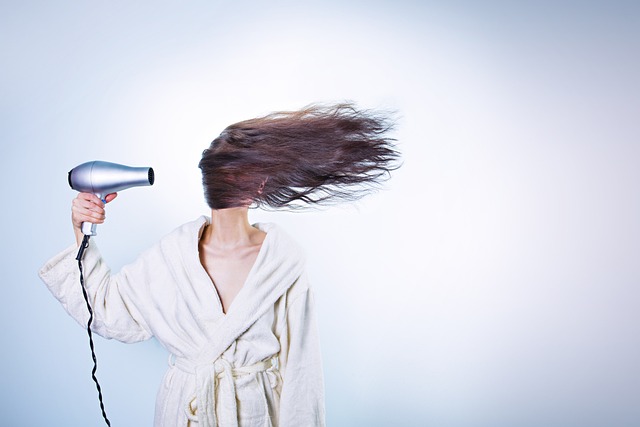
Neglecting scalp massage during shampooing is a missed opportunity to stimulate a highly vascularized area of the body that directly influences cerebral blood flow. The scalp contains a dense network of blood vessels connected to the temporal and occipital regions of the brain, and mechanical stimulation of these vessels has been shown to enhance circulation. Improved cerebral blood flow translates to better oxygen delivery to the brain, which supports mental clarity and reduces the sluggishness that follows a passive shower. Many wellness practitioners recommend two to three minutes of firm circular scalp massage during shampooing as a simple daily practice for cognitive energy. This small adjustment costs no additional time and delivers measurable alertness benefits throughout the morning.
Soap Fragrance

Synthetic fragrances used in soaps and body washes are among the most complex chemical mixtures encountered in daily personal care, often containing dozens of undisclosed compounds. Some of these aromatic chemicals interact with olfactory receptors and neurological pathways in ways that promote relaxation rather than stimulation, making them counterproductive in a morning context. Lavender, chamomile, and certain musks commonly found in shower products are well-documented for their sedative properties, which may be desirable at night but work against morning alertness. The enclosed steam environment of a shower amplifies inhalation exposure to these aromatic compounds considerably compared to open-air use. Choosing products scented with citrus, peppermint, eucalyptus, or rosemary leverages aromachology to support rather than undermine morning energy.
Water Temperature Swings
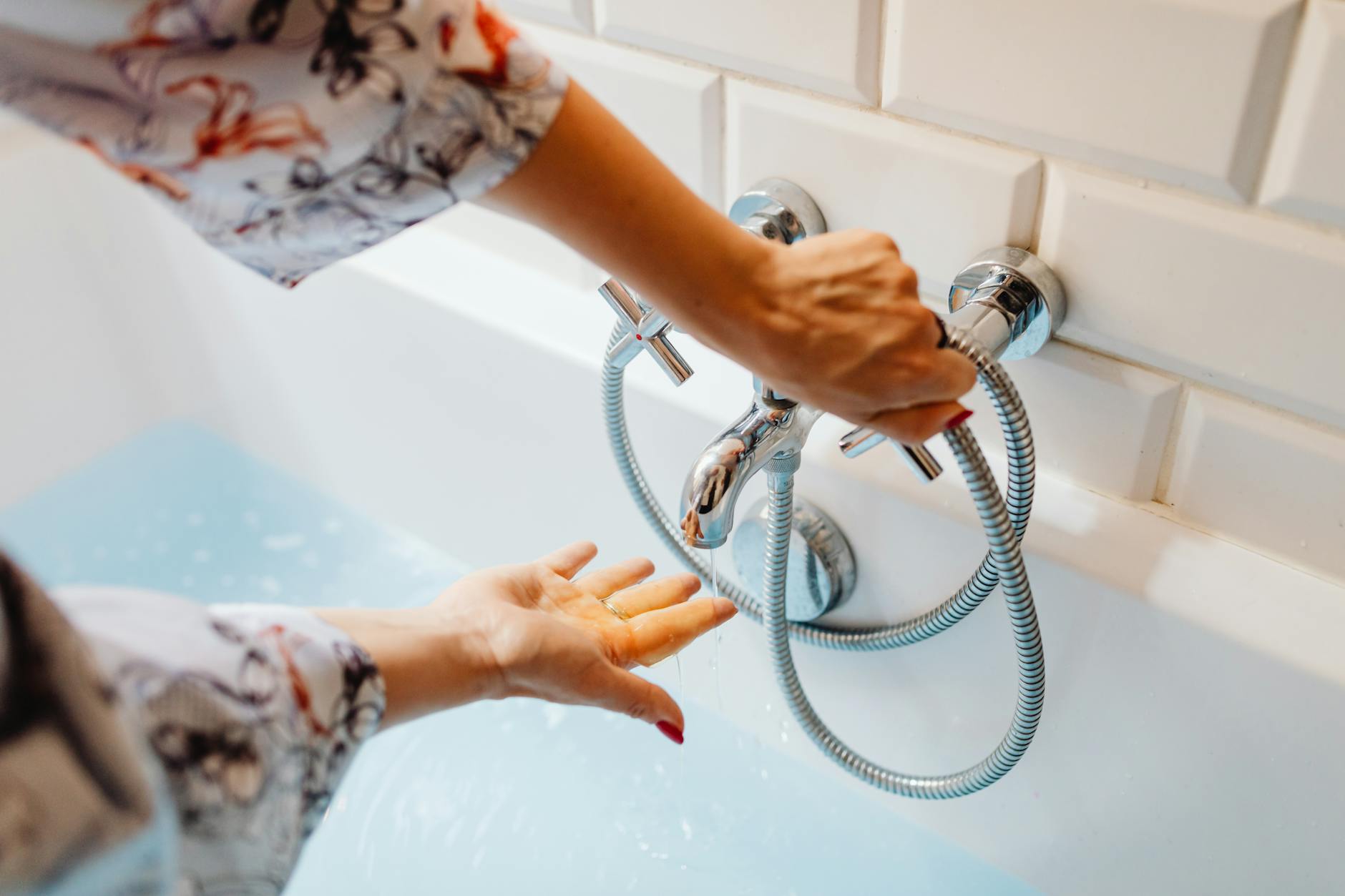
Fluctuating water temperature during a shower, caused by inconsistent water heater output or shared plumbing, forces the body to continuously thermoregulate in response to changing stimuli. Repeated thermoregulation is an energy-intensive process that draws on the body’s glucose reserves and activates the hypothalamus in a way that promotes fatigue. The unpredictability of temperature swings also generates a low-level stress response that keeps the nervous system in a reactive rather than focused state. This combination of metabolic demand and mild stress primes the body for exhaustion rather than engagement during the hours that follow. Thermostatic shower valves that maintain a consistent temperature are a worthwhile investment for those experiencing unexplained morning fatigue.
Rushed Routine
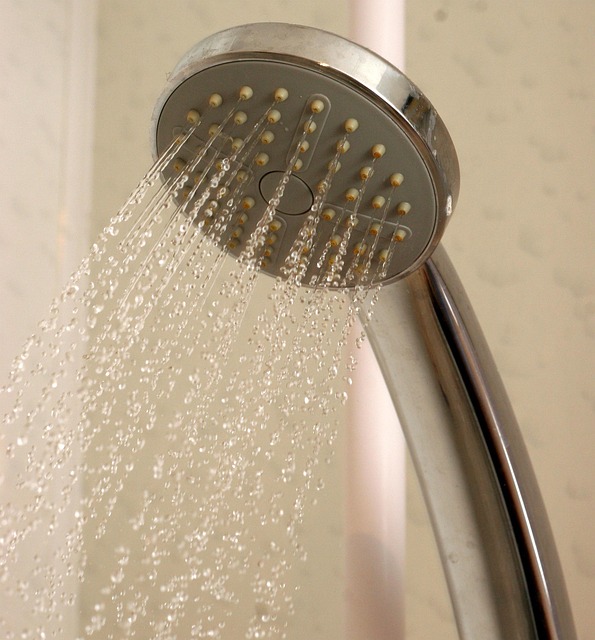
Showering under time pressure activates the sympathetic stress response and elevates cortisol to levels that, while temporarily alerting, lead to an energy crash within two to three hours. The combination of hurried movement, elevated heart rate, and anxious thinking during a rushed shower sets a high-stress physiological baseline for the entire morning. This state of urgency is particularly fatiguing because it draws down the same stress-hormone reserves the body would otherwise rely on for sustained focus and resilience later in the day. The post-adrenaline dip that follows a stressful morning shower is one of the most common yet overlooked contributors to mid-morning fatigue. Building five additional minutes into the morning schedule to allow for an unhurried shower can stabilize cortisol levels and extend the window of productive energy.
Hard Water

Tap water in many urban areas contains elevated levels of calcium, magnesium, and chlorine, collectively known as hard water minerals. These minerals react with soap and shampoo to form compounds that coat the skin and hair with a thin residue that is difficult to rinse away completely. This residue has been shown to impair skin barrier function and disrupt the microbiome of the scalp, both of which contribute to systemic inflammatory signaling over time. Chlorine exposure during hot showers is also absorbed transdermally and through inhalation of chlorinated steam, adding a chemical detoxification burden to the body’s morning workload. Installing a shower filter designed to reduce chlorine and hard water mineral content is a practical solution that reduces this cumulative fatigue contribution.
Eye Strain

Many people check their phone immediately before entering the shower and immediately upon exiting, sandwiching the shower between intense blue light exposure at a time when the eyes are most sensitive. The abrupt transition between the bright reflective environment of a tiled bathroom and the warm darkness recommended for post-shower wind-down creates ocular stress that triggers tension headaches and visual fatigue. Eye strain activates the trigeminal nerve and surrounding musculature, leading to a form of physical fatigue that radiates from the face through the neck and shoulders. This cumulative tension from the morning routine can significantly reduce concentration capacity and perceived energy levels before the workday has begun. A brief period of eye rest after the shower, avoiding screens for at least ten minutes, allows the visual system to recalibrate without generating unnecessary fatigue.
Post-Shower Chill
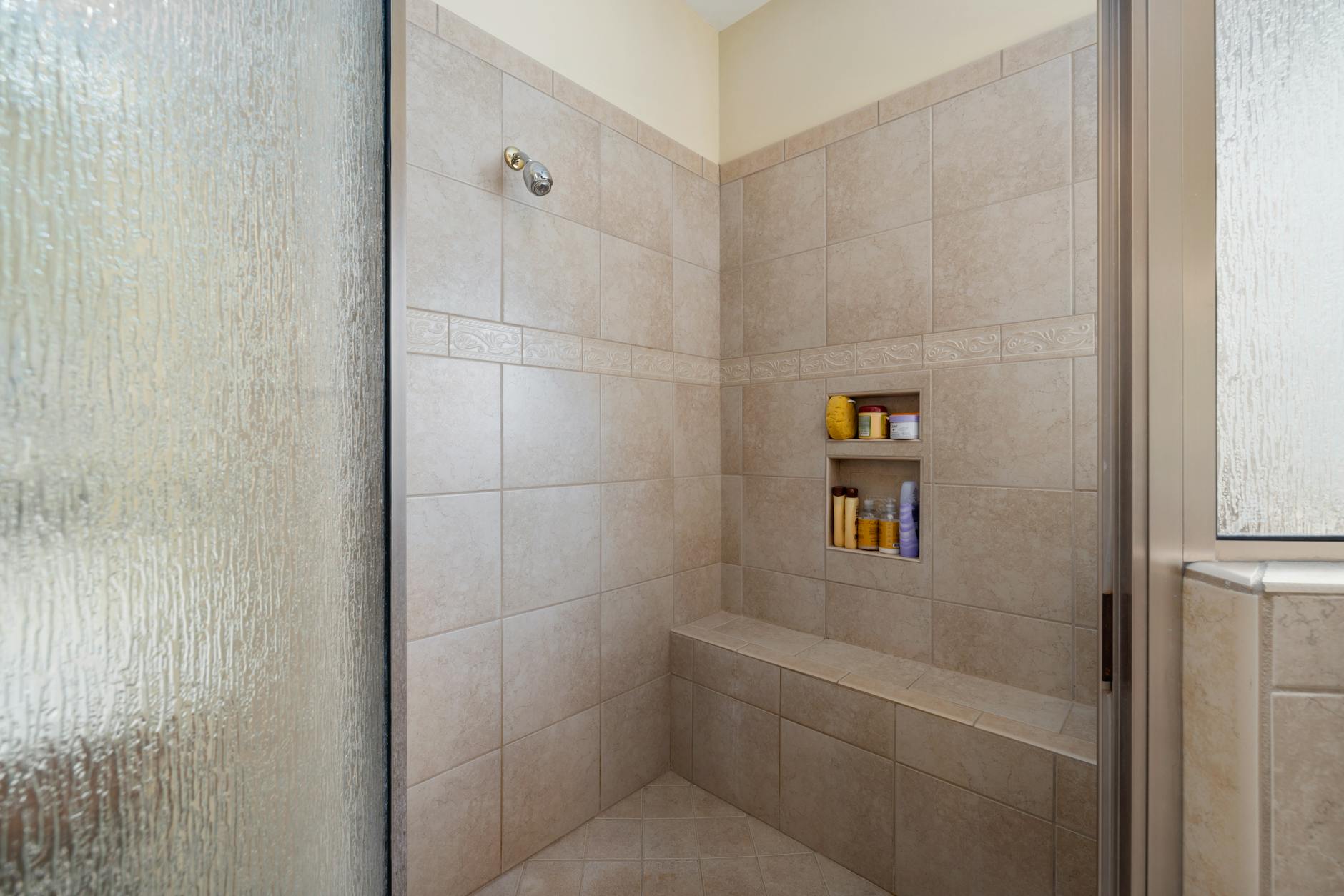
Failing to dry off and dress quickly after a shower allows body temperature to drop below its optimal alerting range, particularly in cooler climates or air-conditioned environments. The rapid heat loss from wet skin activates thermoreceptors that signal the hypothalamus to conserve energy rather than expend it on alertness and activity. This conservation mode is physiologically similar to the pre-sleep cooling process that the body uses to initiate drowsiness at night. Many people interpret the post-shower fatigue they experience as tiredness from poor sleep when in fact it is a thermoregulatory response triggered by inadequate warm-up after washing. Drying thoroughly and dressing in warm layers immediately after exiting the shower keeps body temperature stable and maintains the physiological conditions necessary for sustained morning energy.
Mindless Habit

Approaching the shower as a purely mechanical necessity rather than an intentional wellness practice means that none of its potential alerting benefits are actively engaged. Research on behavioral activation shows that purposeful routines, where each action is performed with conscious awareness and intent, produce higher levels of dopamine and norepinephrine than automatic ones. The shower represents a daily opportunity to set the neurochemical tone for the morning through deliberate choices about temperature, scent, movement, and mental focus. When this opportunity is squandered through habitual mindlessness, the body and brain simply continue the low-arousal pattern established during sleep rather than transitioning into an alert and energized state. Treating the shower as an active wellness ritual rather than a passive hygiene task may be the single most impactful change available within the existing morning routine.
Small changes to a deeply ingrained daily habit can produce surprisingly significant shifts in how energized and mentally clear you feel throughout the day. If any of these reasons resonated with your own morning experience, share your thoughts in the comments.