The relationship between pet ownership and human wellbeing has been studied from many angles, but the specific influence of a pet’s daily routine on the mental health of the people who care for them represents a dimension of this relationship that receives far less attention than it deserves. Most pet owners understand in a general sense that their animals bring joy and companionship, but the mechanisms through which a pet’s schedule, habits, and behavioral patterns actively shape the psychological state of their human caregivers operate at a level of specificity that goes well beyond simple companionship. The daily rhythms established around feeding, walking, playing, and sleeping create a biological and psychological framework for human life that influences everything from cortisol levels to social connection in ways that most owners have never consciously examined. The following 24 reasons reveal the surprising depth of influence that your pet’s routine is already having on your mental health, for better and occasionally for worse.
Morning Feeding
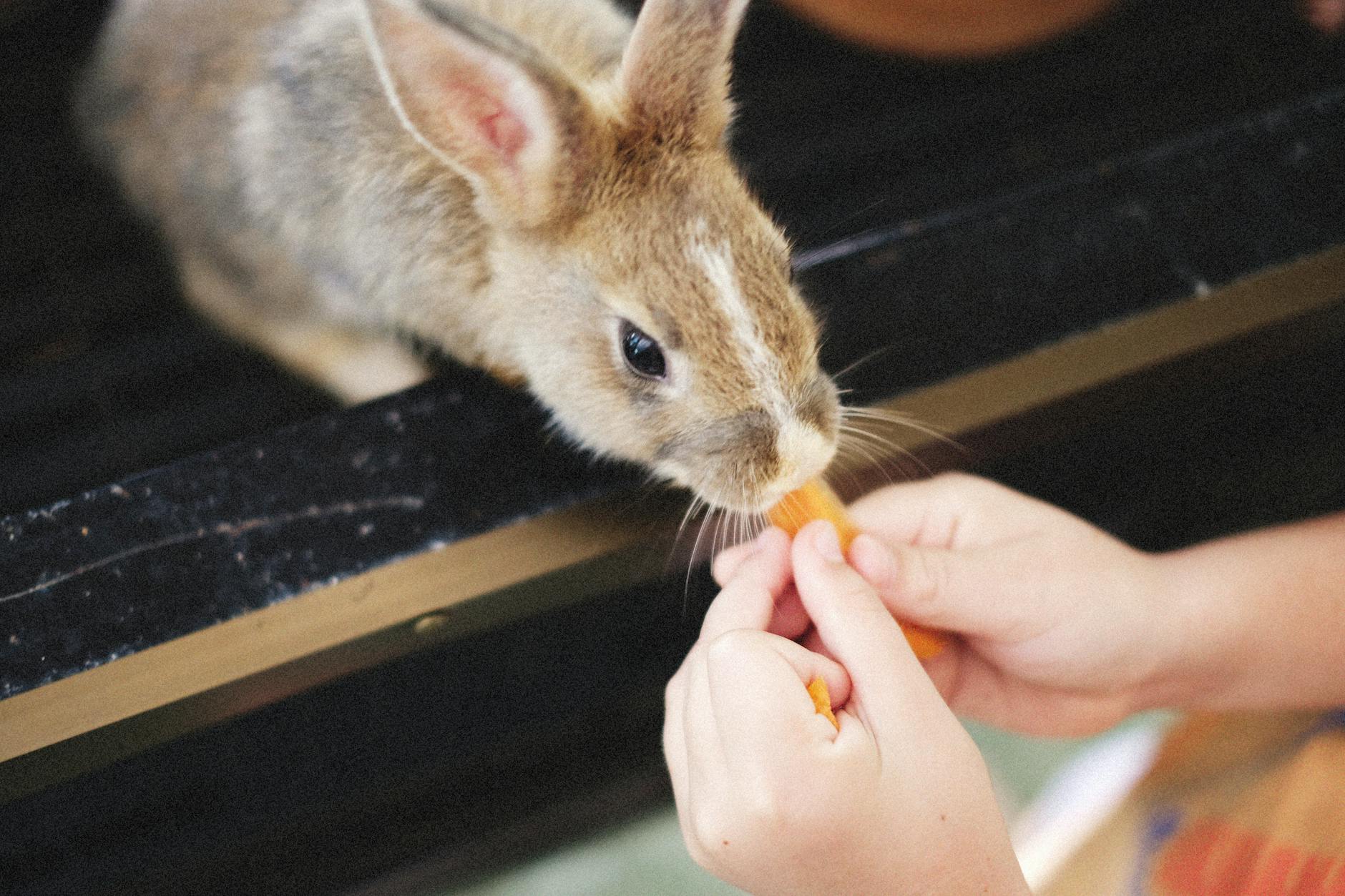
The obligation to rise at a consistent time to feed a pet imposes a circadian anchor on the human caregiver that sleep researchers identify as one of the most powerful regulators of mood, cognitive performance, and long-term mental health available outside clinical intervention. Irregular wake times are among the most reliably documented contributors to mood instability and anxiety in the general population, and the pet feeding schedule removes the decision about when to rise from the domain of daily willpower into the category of non-negotiable external demand. This externally imposed consistency is particularly beneficial for individuals who struggle with the motivational inertia of depression, for whom the absence of morning obligation frequently allows the sleep schedule drift that worsens depressive symptoms over time. The predictability of the morning feeding routine also activates anticipatory reward circuitry in the human brain before the day’s more complex demands have been encountered, providing an early daily dose of purposeful action whose neurochemical benefits extend well into the morning hours. Clinical psychologists who work with patients managing mood disorders consistently note that the presence of a pet with a morning feeding requirement is one of the most effective naturalistic anchors for the sleep schedule consistency that underpins stable mood regulation.
Walk Schedules

The non-negotiable physical activity embedded in a dog’s daily walk requirement provides human caregivers with a structured exercise obligation that bypasses the motivational barriers that cause most voluntary exercise intentions to fail during periods of low mood or high stress. Exercise is among the most robustly evidenced interventions for anxiety and depression available in the psychological literature, with effect sizes in moderate depression comparable to pharmacological treatment in several well-designed studies, yet the motivational cost of initiating voluntary exercise during precisely the periods when it would be most beneficial is consistently underestimated. The dog’s walk requirement converts exercise from a self-directed choice into a caregiving responsibility, a psychological reframe that activates different motivational systems and produces compliance during emotional states that would reliably prevent self-directed exercise. The outdoor exposure embedded in walk schedules provides additional mental health benefit through natural light exposure that regulates melatonin and serotonin production, particularly during morning walks that coincide with the period when light exposure has its strongest circadian regulatory effect. Psychiatrists who study lifestyle factors in mental health outcomes note that dog owners demonstrate physical activity levels that exceed non-owners by margins sufficient to explain a meaningful portion of the documented mental health advantage that pet ownership research consistently identifies in this group.
Nap Synchrony

The tendency of pet owners to synchronize their own rest periods with those of their animals creates an inadvertent napping practice that has documented benefits for cognitive restoration and emotional regulation that most owners have never consciously attributed to their pet’s influence. Cats and dogs sleep significantly more than humans across a twenty-four hour period, and their sleeping presence creates a permission structure for human rest that the productivity culture of modern life otherwise actively suppresses. Research on nap behavior in adults consistently shows that short rest periods of twenty to thirty minutes improve mood, reduce cortisol, and restore executive function in ways that extend the quality of afternoon and evening cognitive performance, and pet-synchronized napping delivers these benefits through what feels like companionable leisure rather than deliberate health management. The physical warmth and rhythmic breathing of a sleeping pet alongside a resting human has been shown to activate parasympathetic nervous system responses that accelerate the relaxation process and deepen the quality of rest obtained during these periods. Sleep researchers who study naturalistic napping behavior note that pet owners report both higher napping frequency and higher reported nap quality than non-owners, a pattern that appears to be mediated by the social permission and environmental conditions that the pet’s own sleep behavior creates.
Evening Rituals

The cluster of caregiving activities that pets require in the evening hours, including final feeding, grooming, play, and settling, creates a transition ritual between the demands of the working day and the rest period that psychological research consistently identifies as important for sleep quality and emotional processing. The absence of clear transition rituals between work and rest is a documented contributor to the rumination and hyperarousal that characterize the sleep onset difficulties experienced by a significant proportion of the working adult population. A pet’s evening routine imposes a structured sequence of activities with a clear beginning and end that functions as a behavioral boundary between the day’s demands and the night’s recovery, a boundary that many people without this external structure fail to create independently. The sensory dimensions of evening pet care, including physical contact, warmth, and the social attention of an animal, activate oxytocin release that directly counteracts the cortisol elevation associated with end-of-day stress accumulation. Clinical sleep specialists who assess lifestyle factors in insomnia cases frequently note that patients with pets describe more consistent pre-sleep routines than those without, and that the pet-mediated routine elements appear to be doing behavioral sleep hygiene work that the patient has not consciously designed.
Feeding Precision
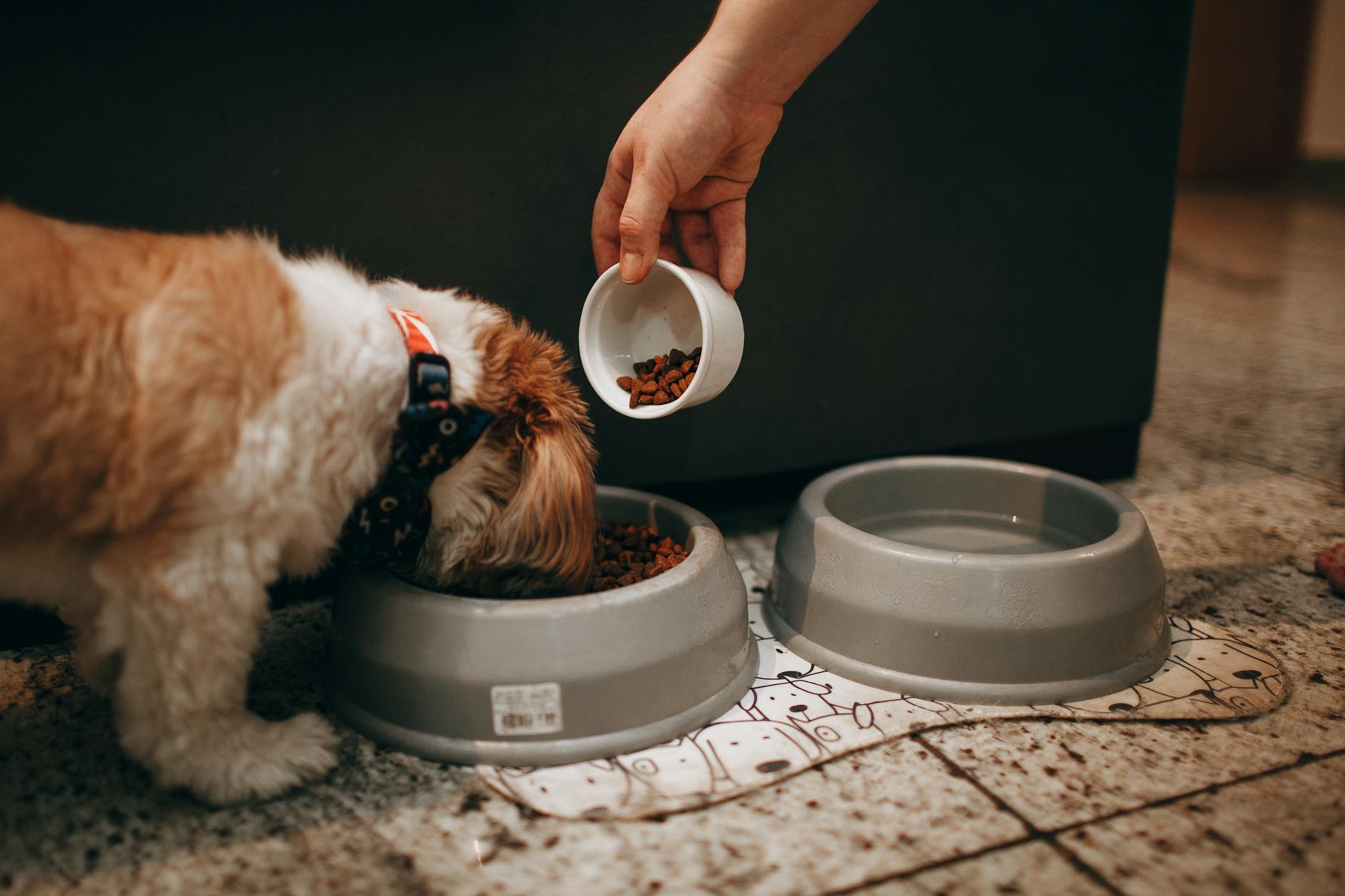
The requirement to measure, prepare, and deliver food to a pet at consistent times and in specific quantities instills a precision and mindfulness about nurturing behavior that many pet owners find transfers beneficially to their own relationship with eating, hydration, and self-care. The attentiveness required to monitor a pet’s food intake, body condition, and appetite changes creates a daily practice of careful observation that some mental health practitioners describe as a form of mindful attention training with practical caregiving application. Pet owners who spend time each day thinking carefully about the nutritional quality and appropriateness of their animal’s diet frequently report increased awareness of their own dietary choices, a spillover effect that nutritional psychologists have begun to examine systematically. The satisfaction derived from preparing and delivering food that an animal receives with visible pleasure activates reward circuitry associated with nurturing behavior that has documented mood-stabilizing effects across the literature on caregiving and wellbeing. Animal behaviorists who study the human side of the pet feeding relationship note that the daily feeding interaction is one of the richest sources of the positive emotional experiences that accumulate into the overall mental health benefit of pet ownership, with the consistency of the routine amplifying rather than diminishing the emotional reward over time.
Grooming Sessions

Regular grooming interactions between pet and owner involve sustained physical contact, focused attention, and mutual calm that create a physiological state in the human participant that closely mirrors the documented effects of mindfulness meditation on stress hormone levels and nervous system activation. The repetitive physical action of brushing, stroking, and handling an animal during grooming sessions activates the same tactile reward pathways that human-to-human touch engages, providing sensory input that many adults living alone or in low-touch environments are chronically deprived of without recognition of the deprivation. Research on touch deprivation in adult human populations consistently links insufficient tactile contact with elevated anxiety, increased depression risk, and impaired immune function, making the grooming-derived touch an inadvertent corrective for a pervasive modern deficit. The focused attention required during grooming also interrupts the default mode network rumination that underlies much of the chronic worry and self-critical thinking associated with anxiety and depression, functioning as a naturalistic attention redirection that produces present-moment engagement without the effortful quality of deliberate mindfulness practice. Occupational therapists who use animal-assisted interventions in clinical settings note that grooming activities in particular produce measurable reductions in client anxiety and stress indicators, a response pattern that appears to operate through multiple simultaneous biological and psychological pathways.
Veterinary Scheduling
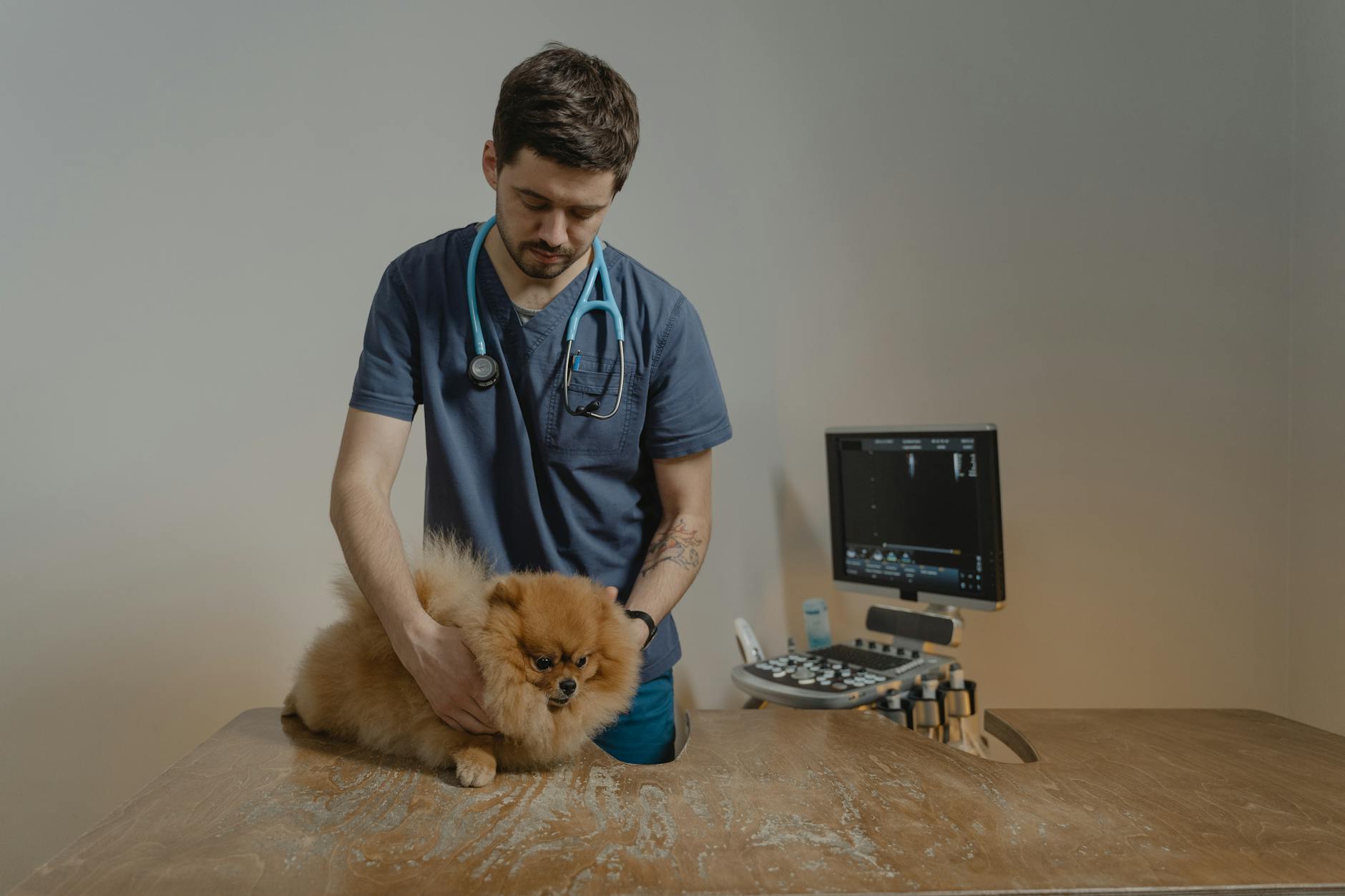
The responsibility of tracking, scheduling, and attending veterinary appointments for a pet introduces a healthcare management practice into the caregiver’s life that has documented spillover effects on the caregiver’s own health engagement behaviors. Research on the relationship between pet healthcare management and owner healthcare engagement consistently finds that pet owners who are attentive to their animals’ preventive care needs demonstrate higher rates of their own preventive health screening and medical appointment adherence than the general population. The psychological mechanism appears to involve the activation of health responsibility through caregiving that then generalizes to self-directed health behavior, particularly in individuals who would otherwise deprioritize their own health needs. The veterinary appointment itself also provides a regular interaction with an animal health professional whose questions about the pet’s behavior, diet, and routine often prompt reflective attention to aspects of the animal’s life that the owner may have been managing automatically rather than thoughtfully. Public health researchers who study the relationship between pet ownership and owner health behaviors note that the veterinary visit’s role in activating health-oriented thinking and behavior represents an underutilized point of potential human health intervention that some forward-thinking veterinary practices have begun to explicitly acknowledge in their client communication.
Bedtime Presence

The presence of a pet at the human’s sleeping location creates a sleeping environment with documented effects on perceived safety, warmth, and social comfort that influence sleep quality and the psychological state associated with falling asleep in ways that are only beginning to receive systematic research attention. The evolutionary psychology of sleeping alongside a companion animal involves ancient mechanisms related to threat detection and social safety that operate below conscious awareness, with the animal’s sensory alertness providing a background monitoring function that some humans experience as a reduction in the hypervigilance that prevents sleep onset in anxiety-prone individuals. Survey research on pet sleeping arrangements consistently finds that the majority of pet owners who allow pets in the sleeping space report improved subjective sleep quality and feelings of security, even when objective sleep measures show some disruption from animal movement. The ritual of settling a pet for the night creates a clear behavioral end-point to the day’s responsibilities that functions as a psychological permission to rest, a closure that people without this ritual frequently report difficulty creating independently. Sleep medicine researchers who study pet-owner sleep arrangements note that the relationship between pet sleeping presence and human sleep quality appears to be highly individual, with anxiety-prone individuals reporting disproportionate benefit from the security perception that an alert companion animal provides during the vulnerable state of sleep.
Play Schedules

The daily play requirements of pets, particularly cats and dogs, impose regular intervals of physical and mentally engaging activity on human caregivers that function as naturalistic breaks from the sustained cognitive effort and sedentary posture associated with modern work and screen use. Research on cognitive restoration theory consistently shows that brief periods of engaging, non-work-directed activity improve subsequent concentration capacity, creative problem-solving ability, and emotional regulation in ways that simply stopping work without redirecting attention does not. The play interaction with a pet is particularly effective as a restorative break because it combines physical movement, sensory engagement, social interaction, and positive emotion in a package whose individual components each independently support cognitive and emotional recovery. The unpredictability and humor of animal play behavior also generates genuine laughter in human participants at rates that solitary break activities do not reliably produce, and laughter’s physiological effects include cortisol reduction, endorphin release, and immune function enhancement that extend beyond the play period itself. Occupational psychologists who study work break behavior and recovery note that pet-directed play breaks demonstrate recovery profiles in subsequent cognitive performance measures that compare favorably with formally structured rest breaks, suggesting that the obligatory nature of the pet’s play needs is creating valuable human recovery intervals that willpower-based break scheduling frequently fails to deliver.
Separation Anxiety

The experience of a pet’s separation anxiety, manifested through distress behaviors when the owner leaves and relief behaviors upon return, provides human caregivers with a daily tangible experience of being needed and missed that has documented effects on human self-worth and sense of relational significance. The fundamental human need to matter to others is identified across multiple theoretical frameworks in psychology as a core component of psychological wellbeing, and the pet’s unconditional and undisguised expression of attachment directly addresses this need in a form uncomplicated by the social dynamics that make human expressions of need and attachment more ambiguous. For individuals experiencing social isolation, relationship difficulties, or professional contexts that provide limited positive relational feedback, the pet’s daily demonstration of specific attachment to the owner provides a consistent relational affirmation whose effects on mood and self-perception are measurable rather than merely anecdotal. The responsibility awareness created by knowing that a specific being experiences distress in the owner’s absence also introduces a form of purpose and accountability that motivates return, routine maintenance, and planning behavior that supports the structural predictability associated with better mental health outcomes. Attachment researchers who study human-animal bonds note that the attachment behaviors that pets display toward specific individuals activate the same caregiving motivational systems in humans that respond to infant attachment signals, producing neurobiological responses that support both the caregiver’s wellbeing and the quality of the bond itself.
Routine Disruption

Deviations from the established pet routine, whether caused by travel, illness, schedule changes, or household disruption, provide human caregivers with a sensitive early warning system for their own stress levels through the pet’s behavioral response to environmental and schedule changes. Many animals, particularly dogs and cats, demonstrate measurable behavioral changes in response to alterations in the household routine before the human members of the household have consciously registered the stress level that is producing those changes. Owners who learn to read their pet’s routine sensitivity as a reflection of household stress dynamics gain access to a form of biofeedback that prompts earlier intervention in developing stress situations than self-monitoring alone typically produces. The reverse relationship also operates productively, as the necessity of maintaining the pet’s routine during personal disruption creates a behavioral anchor that supports the owner’s own routine maintenance during periods when the structure of daily life is most at risk of dissolving under stress. Clinical psychologists who incorporate pet ownership into treatment planning for patients with anxiety and mood disorders note that the bidirectional routine regulation between pet and owner is one of the most therapeutically valuable aspects of the relationship, providing both early warning function and structural support simultaneously.
Social Facilitation

The predictable social interactions generated by a pet’s public presence during walks, visits to pet-friendly spaces, and neighborhood encounters create a consistent social engagement opportunity for the human caregiver that operates without the motivational cost of deliberately pursuing social contact. Social isolation is among the most robustly documented risk factors for depression, anxiety, and cognitive decline across the lifespan, and the pet-mediated social interaction provides regular doses of human connection for individuals whose life circumstances might otherwise produce significant isolation. The pet functions as a social catalyst that lowers the initiation barrier for conversation between strangers by providing a shared topic, a physical focal point, and a social permission structure that bypasses the awkwardness of unprompted approach. Research on loneliness and pet ownership consistently finds that dog owners in particular report higher rates of meaningful social interaction and larger social networks than non-owners at equivalent demographic profiles, with the walk-related social contact representing a significant component of this difference. Community health researchers who study social isolation interventions note that pet-mediated social contact has qualities that deliberately engineered social programs struggle to replicate, including the naturalness of the interaction, its predictable recurrence, and the genuine shared interest that animal ownership creates among a broad cross-section of community members.
Financial Planning

The ongoing financial responsibility of pet care introduces a category of future-oriented financial thinking and planning behavior into the caregiver’s life that has documented relationships with the sense of control and forward orientation that mental health researchers associate with resilience and positive psychological functioning. Individuals who engage in regular financial planning demonstrate lower anxiety about financial uncertainty, greater sense of personal agency, and higher life satisfaction scores than those who manage finances reactively, and the pet’s predictable and plannable costs provide a concrete and emotionally motivating framework for developing these planning behaviors. The necessity of budgeting for veterinary care, food, and incidental pet costs prompts engagement with financial management tools and practices that then generalize to other areas of household financial planning for many owners. The pet insurance decision in particular requires the kind of probabilistic future-oriented thinking about health risks and financial protection that, once applied to the pet’s situation, frequently prompts owners to review their own insurance coverage and emergency fund adequacy for the first time. Financial psychologists who study the relationship between financial behavior and mental health note that the concrete, emotionally invested financial planning that pet ownership motivates appears to build financial management skills and habits that persist beyond the pet-specific context and improve overall household financial wellbeing.
Noise and Silence

The ambient sounds produced by a pet’s daily routine, including movement, vocalization, and the particular acoustic signature of an animal going about its life in a shared space, create an auditory environment that many owners find profoundly affects their experience of being alone in their home. The silence of an empty home is a documented trigger for loneliness and anxiety in individuals who are sensitive to environmental solitude cues, and a pet’s ambient sounds transform the acoustic character of solitude from absence to presence in a way that meaningfully changes the psychological experience of being alone. Research on auditory environment and mood consistently shows that low-level natural sounds, including those produced by animals, reduce cortisol and activate parasympathetic nervous system responses that support relaxation and emotional security. The specific sound of a pet’s breathing, movement, and occasional vocalization during the owner’s own periods of rest or focused work creates a background social presence that partially addresses the social brain’s need for companion signals without requiring active engagement. Environmental psychologists who study the relationship between acoustic environment and psychological wellbeing note that the soundscape created by a pet’s routine presence is one of the most underappreciated mechanisms through which animal companionship delivers its documented mental health benefits, operating continuously through the shared living environment rather than only during direct interaction.
Health Monitoring
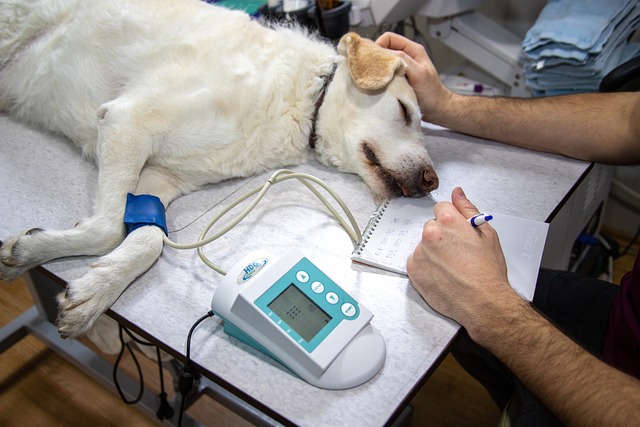
The daily attentiveness required to monitor a pet’s health, appetite, behavior, and physical condition develops in the human caregiver a practice of careful observational attention that mental health researchers recognize as functionally related to the mindful awareness associated with better psychological outcomes. Noticing subtle changes in an animal’s demeanor, energy level, or routine behavior requires sustained attentive presence that interrupts the automatic pilot mode of daily functioning and creates moments of focused present-moment awareness that occur multiple times throughout the day. The health monitoring responsibility also introduces a form of purposeful responsibility that provides meaning and structure to daily activity in ways that benefit individuals who struggle with the sense of purpose deficit associated with depression and existential anxiety. The early detection capability developed through consistent health monitoring, when a change in the pet’s routine signals a developing health issue before it becomes serious, provides the caregiver with a tangible experience of their attentiveness having meaningful protective consequence that reinforces the monitoring behavior and the associated sense of competent caregiving. Veterinary behaviorists who study the human side of the pet health relationship note that owners who are closely attuned to their pet’s routine health indicators demonstrate caregiving attentiveness that extends to their human relationships and self-monitoring in ways that suggest the observational practice developed through pet health monitoring generalizes broadly across the caregiver’s attentive behaviors.
Sensory Grounding
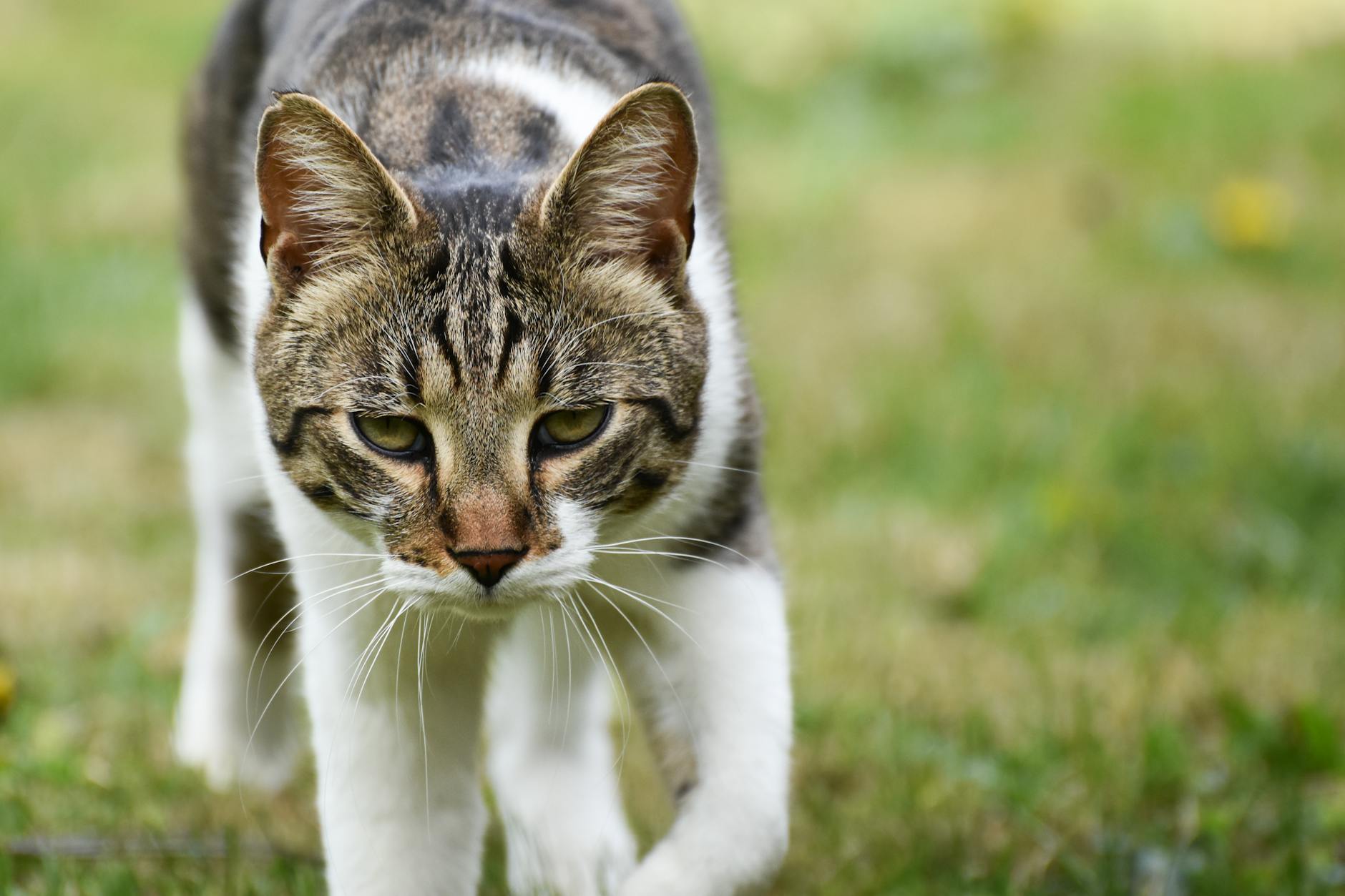
The tactile, visual, auditory, and olfactory sensory experience of interacting with a pet during routine care activities provides a reliable grounding stimulus that mental health practitioners increasingly recognize as a naturalistic version of the sensory grounding techniques used therapeutically for anxiety, dissociation, and trauma-related distress. Grounding techniques that direct attention to immediate sensory experience are among the most widely used and empirically supported interventions for interrupting the ruminative and anticipatory thought patterns that characterize anxiety and depressive disorders, and a pet’s routine care demands deliver this sensory redirection multiple times daily without requiring deliberate therapeutic intention. The specific combination of warmth, texture, movement, and responsive behavior that characterizes physical interaction with an animal provides a particularly rich sensory grounding experience whose effectiveness appears related to the social and biological significance of the stimuli involved rather than merely their sensory intensity. Individuals managing trauma-related conditions have shown particular responsiveness to animal-mediated grounding in clinical research, with the non-judgmental and consistently present quality of the animal’s sensory availability providing grounding opportunities that are available regardless of the cognitive and emotional state of the person accessing them. Trauma-informed therapists who incorporate animal-assisted elements into treatment programs note that the routine care activities of pet ownership provide between-session grounding practice at a frequency and consistency that deliberate therapeutic homework rarely achieves.
Accountability Structure

The non-negotiable nature of a pet’s care requirements creates an accountability structure for the human caregiver’s daily functioning that operates as a consistent external demand during periods when internal motivation is insufficient to maintain the routines that support mental health. Depression in particular is characterized by a collapse of internal motivation and the erosion of routine that accelerates symptomatic deterioration, and the pet’s care needs impose a minimum daily functional requirement that interrupts this collapse at a point where self-directed motivation is entirely absent. The pet’s care requirements are specific, time-bound, and met with immediate visible feedback in the form of the animal’s response, creating a task structure with characteristics that behavioral activation research identifies as particularly effective for re-engaging the motivational systems dampened by depressive states. The social nature of the accountability, experienced as responsibility to a specific dependent being rather than adherence to an abstract personal rule, activates relational motivation systems that are more robust to the motivational erosion of depression than purely self-directed commitments. Psychologists who use behavioral activation as a treatment approach for depression consistently note that clients with pets have a built-in activation structure that provides the minimum daily engagement with purposeful activity that the approach requires, giving these clients a naturalistic therapeutic advantage that clinicians are increasingly explicit about incorporating into treatment planning.
Emotional Mirroring
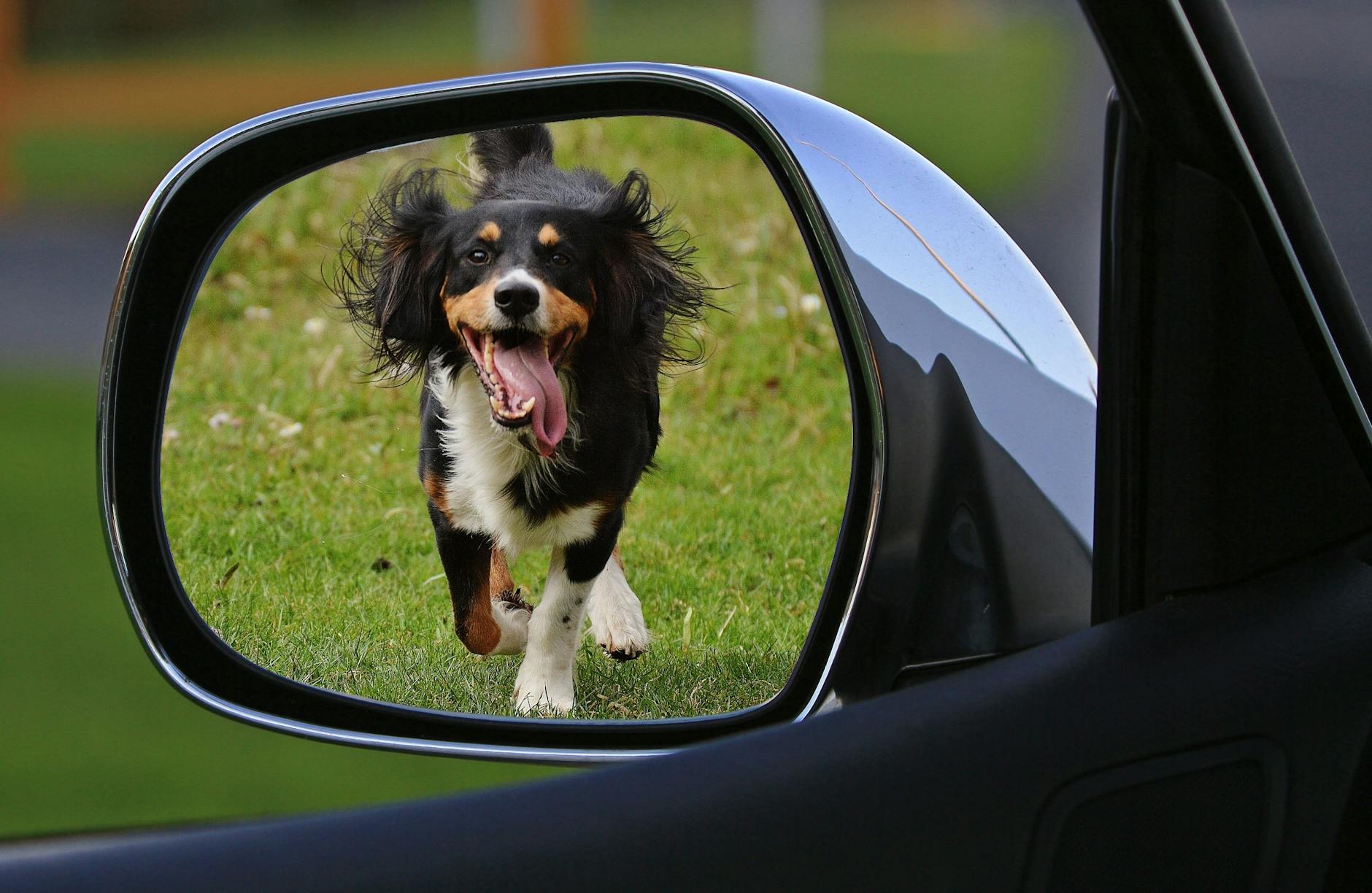
The capacity of domesticated animals, particularly dogs, to read and respond to human emotional states creates a daily feedback experience for the owner in which their emotional condition is reflected back through the animal’s behavioral response in ways that both validate the emotional experience and motivate its regulation. Dogs in particular demonstrate sensitivity to human emotional cues that has been shaped over thousands of years of co-evolution, and their behavioral response to owner distress, including approach, physical contact, and attentive orientation, provides an immediately validating response to emotional experience that many human social interactions fail to deliver with equivalent reliability or absence of judgment. The experience of being emotionally read accurately and responded to with consistent warmth is one of the core therapeutic elements of effective human therapeutic relationships, and the pet’s naturalistic delivery of this experience across the daily routine creates a form of emotional attunement that has measurable effects on the owner’s willingness to process and express emotional states rather than suppressing them. Research on emotional regulation and social support consistently finds that the perception of being understood and responded to during emotional distress is more important than the specific content of the support offered, a finding that explains a significant portion of the mental health benefit that pet owners report in terms that extend beyond simple companionship. Comparative psychologists who study human-animal emotional communication note that the sophistication of the dog’s emotional reading capacity relative to other domesticated species appears to be a specific product of domestication selection pressure that has created an animal whose social attunement to human emotional states is genuinely without parallel in the non-human animal world.
Unconditional Acceptance
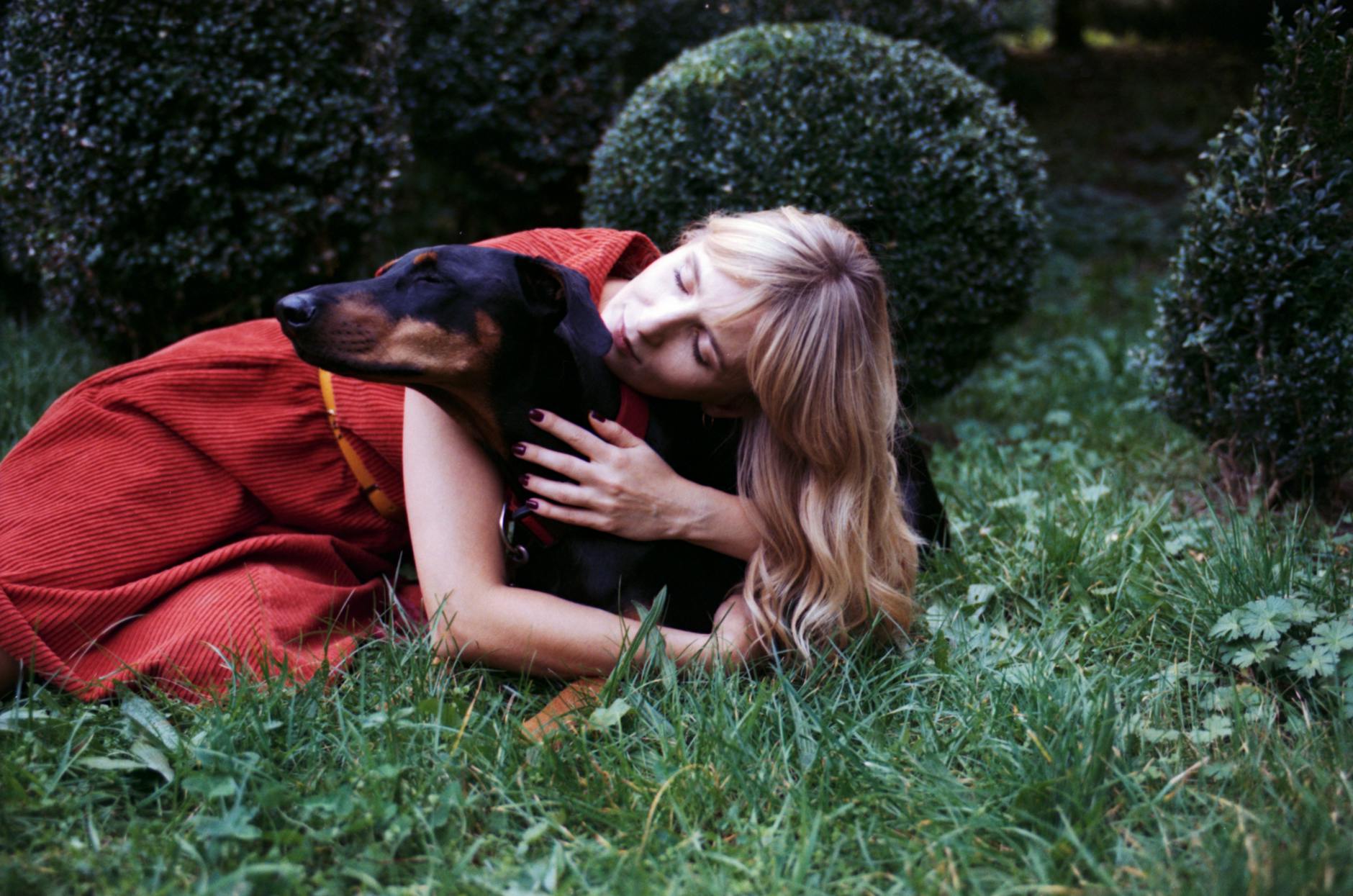
The complete absence of conditional regard in a pet’s response to its owner, whose affection and attachment remain consistent regardless of the owner’s productivity, appearance, social performance, or emotional state, provides a relational experience whose psychological rarity in adult human life makes its impact on self-perception and stress disproportionate to its apparent simplicity. The conditional nature of much adult social approval, where acceptance is experienced as contingent on performance, appearance, and behavior, is a documented source of chronic psychological stress that contributes to the perfectionism, social anxiety, and self-criticism that characterize many common mental health difficulties. Daily interaction with a being whose positive orientation toward the owner is genuinely unconditional provides repeated experiential evidence against the conditional acceptance beliefs that anxiety and depression sustain, creating a naturalistic counterargument to negative self-evaluation that operates through experience rather than cognition. The therapeutic power of unconditional positive regard is recognized across multiple schools of psychotherapy as a core mechanism of psychological change, and the pet’s consistent delivery of this relational experience through the routine interactions of daily care represents an ongoing naturalistic therapeutic exposure that accumulates meaningfully across the years of a pet relationship. Humanistic psychologists who study the conditions necessary for psychological growth and self-acceptance note that the pet relationship’s delivery of unconditional regard at the frequency and reliability that daily routine creates may represent one of the most significant underappreciated therapeutic resources available in ordinary human life.
Outdoor Exposure

The outdoor time generated by a pet’s exercise and elimination needs provides the human caregiver with regular exposure to natural environments, daylight, and seasonal variation that indoor-dominant modern lifestyles increasingly fail to deliver through voluntary behavior alone. Research on the mental health effects of nature exposure consistently demonstrates dose-dependent benefits for anxiety, depression, attention restoration, and stress recovery that operate through multiple biological pathways including autonomic nervous system regulation, cortisol reduction, and attention network restoration. The pet’s outdoor needs convert nature exposure from an optional lifestyle enhancement that competes with work, screen time, and social obligations into a routine care activity that occurs regardless of competing priorities, delivering the mental health benefits of nature contact to caregivers who might otherwise spend days or weeks in predominantly indoor environments. The sensory richness of outdoor environments encountered during pet-directed walks, including variable light, wind, temperature, and natural sounds, provides a degree of sensory variety that indoor environments do not replicate and that research on sensory environment and cognitive function suggests is important for maintaining the neural flexibility associated with creative thinking and emotional resilience. Environmental health researchers who study the relationship between outdoor exposure and mental health outcomes note that pet owners, particularly dog owners, demonstrate outdoor exposure patterns that more closely resemble public health recommendations for nature contact than those of the general population, suggesting that the pet’s routine needs are functionally compensating for a deficit in deliberate nature engagement that modern lifestyle patterns consistently produce.
Loss Preparation

The awareness that a pet’s lifespan will be significantly shorter than the owner’s creates an ongoing low-level engagement with themes of attachment, loss, and mortality that, while emotionally challenging, provides a form of grief preparation and existential reflection that psychological research increasingly recognizes as contributing to mature emotional functioning and reduced death anxiety in some contexts. The predictability of pet loss within a relationship whose attachment depth is genuine but whose grief is more socially acknowledged than some ambiguous losses provides many owners with their first adult experience of anticipatory grief and the mourning process in a context that, while painful, is supported by growing cultural recognition of pet bereavement as legitimate. The care intensification that accompanies awareness of a pet’s aging and declining health creates a caregiving presence and attentiveness that many owners describe as among the most emotionally meaningful periods of the pet relationship, activating values around compassion and prioritization that produce lasting changes in the owner’s relationship with their own time and attention. Grief researchers who study pet bereavement note that the mourning process following pet loss often engages psychological growth mechanisms similar to those documented following other significant losses, with many owners reporting lasting positive changes in their relationship with attachment, impermanence, and present-moment appreciation as outcomes of the grief process. Existential psychologists who study the role of mortality awareness in psychological development note that the regular engagement with the finite nature of a beloved companion’s life that pet ownership provides is a naturalistic form of the mortality salience that philosophical and therapeutic traditions across cultures have identified as a pathway to clarified values and deepened engagement with the present moment.
Purpose Generation

The daily requirement to care for a dependent being generates a consistent experience of purpose that mental health research across virtually every theoretical tradition identifies as among the most fundamental contributors to psychological wellbeing and resilience in the face of adversity. The sense of being needed by a specific being whose wellbeing is genuinely dependent on the caregiver’s continued engagement provides a form of purpose that is concrete, daily, and independent of the performance evaluations, social comparisons, and existential uncertainties that make purpose in other life domains more fragile and contingent. For individuals navigating life transitions, retirement, bereavement, relationship dissolution, or the identity disruption associated with mental health difficulties, the pet’s consistent need for care provides a purpose anchor that maintains daily structure and meaning during periods when other sources of purpose have been temporarily or permanently removed. The immediacy of the pet’s need expression, which is communicated through behavior that demands response in the present moment rather than through abstract future orientation, creates a form of present-tense purpose that is particularly effective for individuals whose mental health difficulties involve difficulty connecting to future-oriented motivation. Positive psychologists who study the relationship between purpose and wellbeing across the lifespan consistently find pet ownership among the most accessible and reliably effective sources of daily purpose available to adults across the full demographic range, with the purpose-generating mechanism operating independently of the owner’s professional role, social relationships, and physical capacity in ways that make it particularly resilient across life’s changing circumstances.
Identity Anchoring

The identity dimension of being a responsible and loving pet owner provides a stable self-concept component that remains consistent across the professional failures, relationship difficulties, and social uncertainties that periodically undermine other aspects of adult identity. Identity stability, meaning the experience of a consistent and positively evaluated sense of self across changing circumstances, is a documented protective factor for mental health that reduces vulnerability to the identity-threatening experiences that are a normal component of adult life. The daily behavioral evidence of competent and caring pet ownership provides repeated experiential confirmation of an identity that the owner can access regardless of performance in other life domains, creating a psychological resource whose availability during identity threats from other directions supports resilience and recovery. The social identity component of pet ownership, including community membership among owners of the same species or breed, engagement with online and physical communities centered on pet care, and the shared identity of animal lover, extends this anchoring function beyond the private self-concept into the social identity domain. Self-concept researchers who study the psychological functions of pet ownership across different life phases note that the identity anchoring function of the pet owner role becomes particularly significant during major life transitions including retirement, relocation, divorce, and health changes, when other identity-conferring roles are being renegotiated and the consistency of the caregiving identity provides continuity that supports psychological stability through the transition period.
If your pet’s daily routine has shaped your mental health in ways you have never put into words, share your experience in the comments.