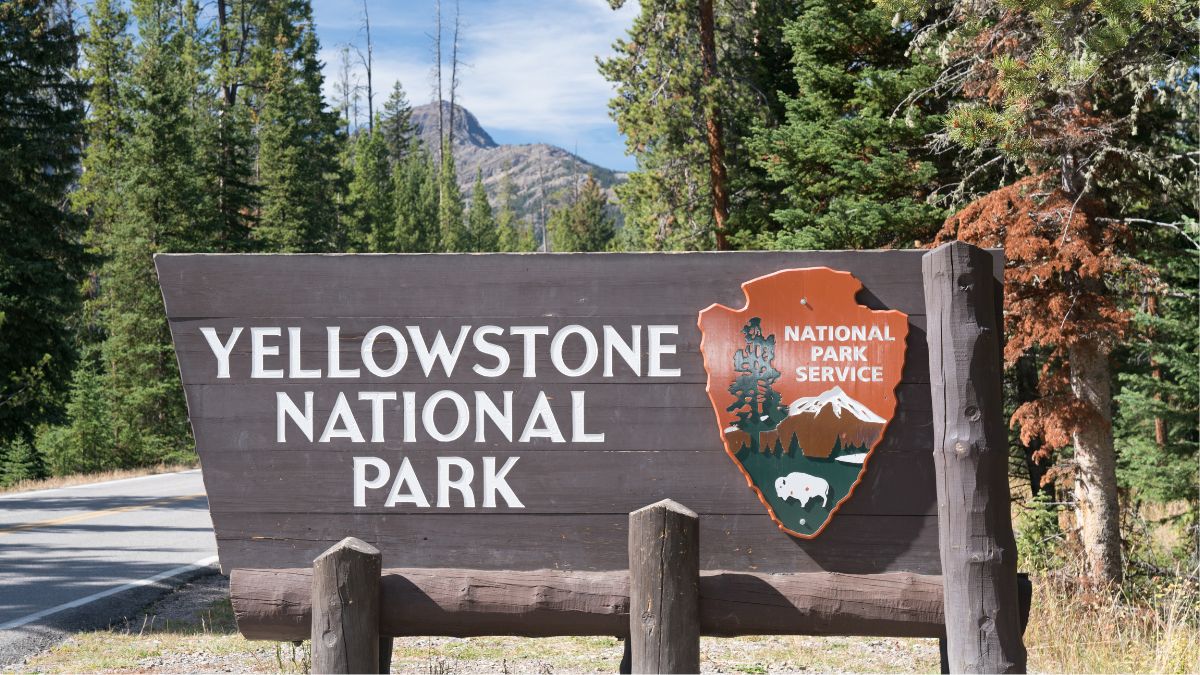
America’s national parks are among the most protected landscapes on earth, and the rules governing visitor behavior go far beyond the obvious. Many of these regulations surprise first-time visitors and even seasoned outdoor enthusiasts who assume common sense is enough to guide their actions. Understanding what is and is not permitted before you arrive can mean the difference between a seamless adventure and an unexpected fine or removal from the park. These guidelines exist to preserve delicate ecosystems, protect wildlife, and ensure that millions of visitors can continue to enjoy these irreplaceable spaces for generations to come.
Drone Flying
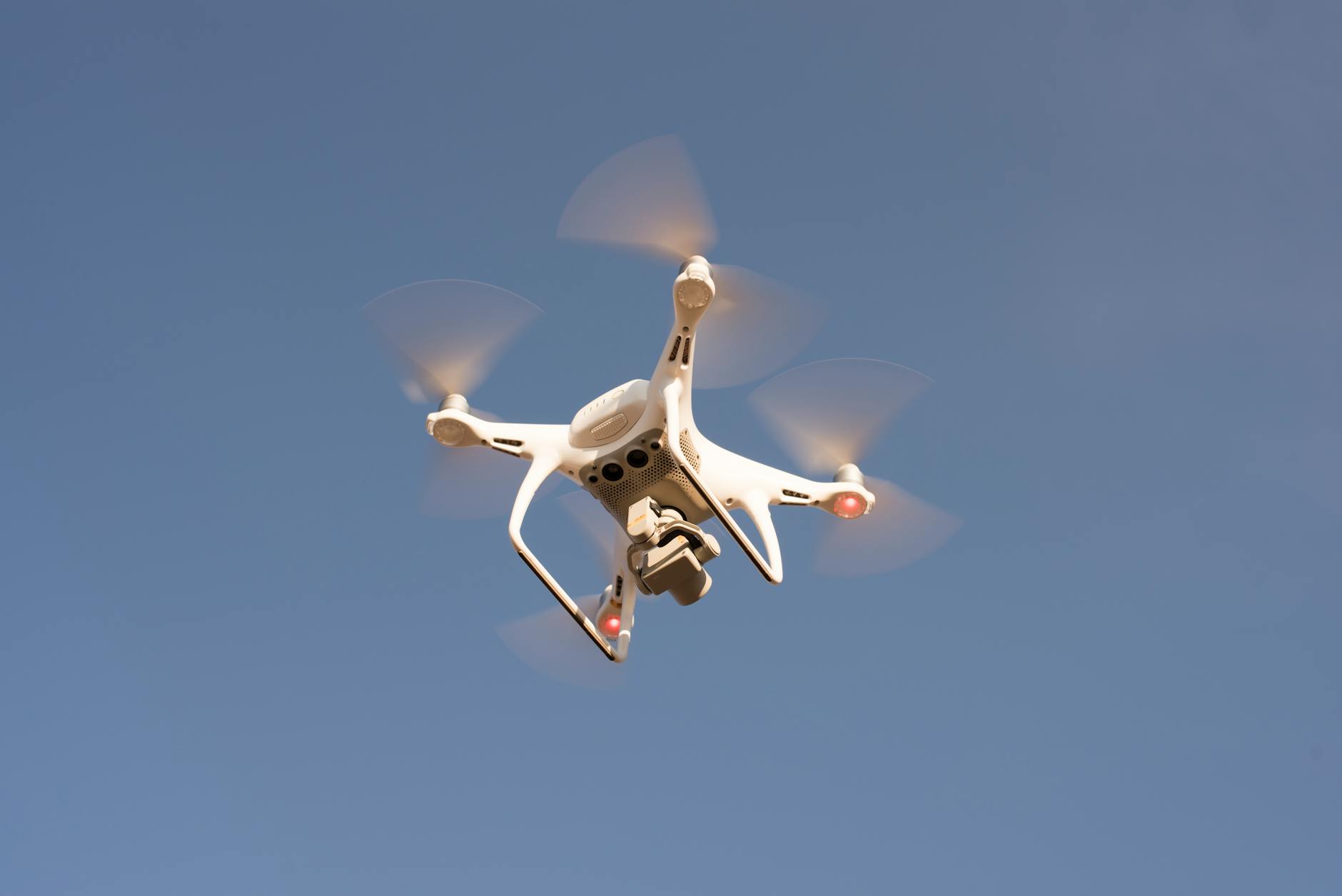
Operating an unmanned aircraft of any kind is prohibited in all national parks across the country. The Federal Aviation Administration and the National Park Service jointly enforce this ban, which was put in place to protect wildlife from disturbance and preserve the natural soundscape. Drones have been shown to stress animals, disrupt nesting birds, and create noise pollution that interferes with the wilderness experience other visitors seek. Violations can result in significant fines and confiscation of equipment. The rule applies even in remote backcountry areas where no rangers are visibly present.
Rock Collecting
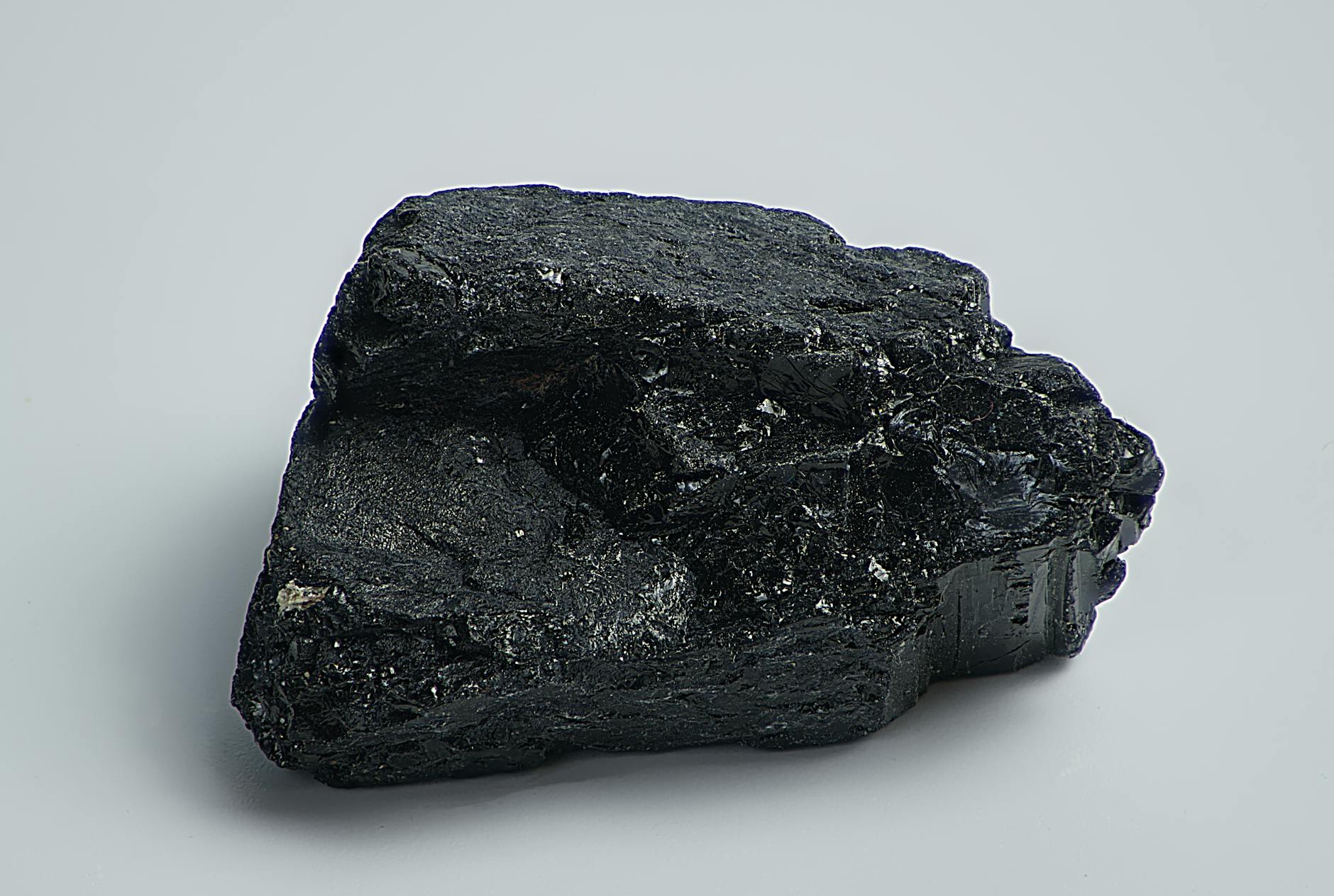
Picking up rocks, minerals, or geological formations and taking them home is strictly forbidden throughout the national park system. This includes everything from small pebbles at the trailside to colorful stones found near hydrothermal features. The cumulative effect of millions of visitors each pocketing a single souvenir would strip park landscapes of their natural character within years. Rangers actively enforce this rule and visitors have been fined for carrying out even small quantities of material. Petrified wood, crystals, and fossils are among the most commonly confiscated items at park checkpoints.
Feeding Wildlife
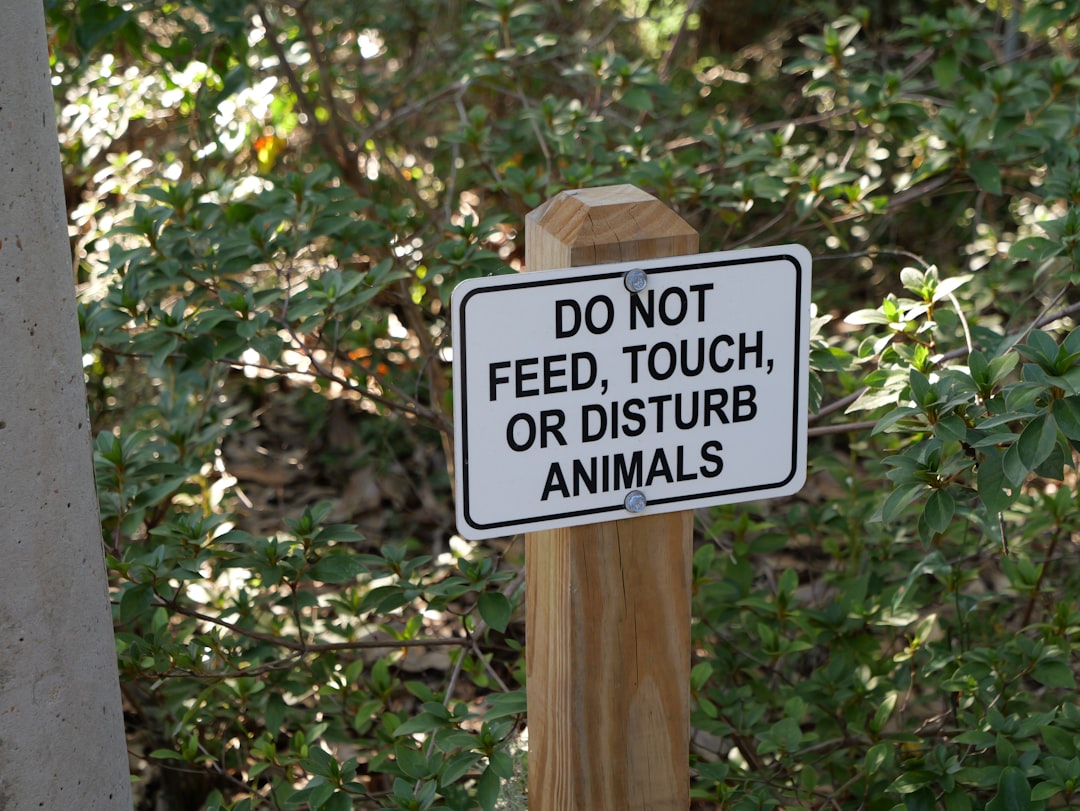
Offering food to any wild animal, whether intentionally or by leaving snacks unattended, is a federal violation in every national park. Animals that become conditioned to human food lose their ability to forage naturally and often become aggressive toward visitors. This behavioral shift frequently leads to the animal being euthanized by park managers as a public safety measure. The rule extends to indirect feeding such as leaving a sandwich unwrapped on a picnic table while you step away. Bear canisters and wildlife-proof food storage are required in many parks precisely because of this regulation.
Wildflower Picking

Removing any plant material, including wildflowers, grasses, leaves, and seeds, from national park land is prohibited under federal law. Even a single picked bloom can disrupt pollination cycles and reduce seed dispersal in ecosystems that depend on precise natural balances. Some wildflower meadows take decades to recover from repeated human interference, and certain species found in parks exist nowhere else on earth. The rule applies equally to pressed flowers for journals and blooms gathered for informal trailside photography props. Visitors are encouraged to photograph flowers extensively but to leave every stem exactly where they found it.
Off-Trail Hiking
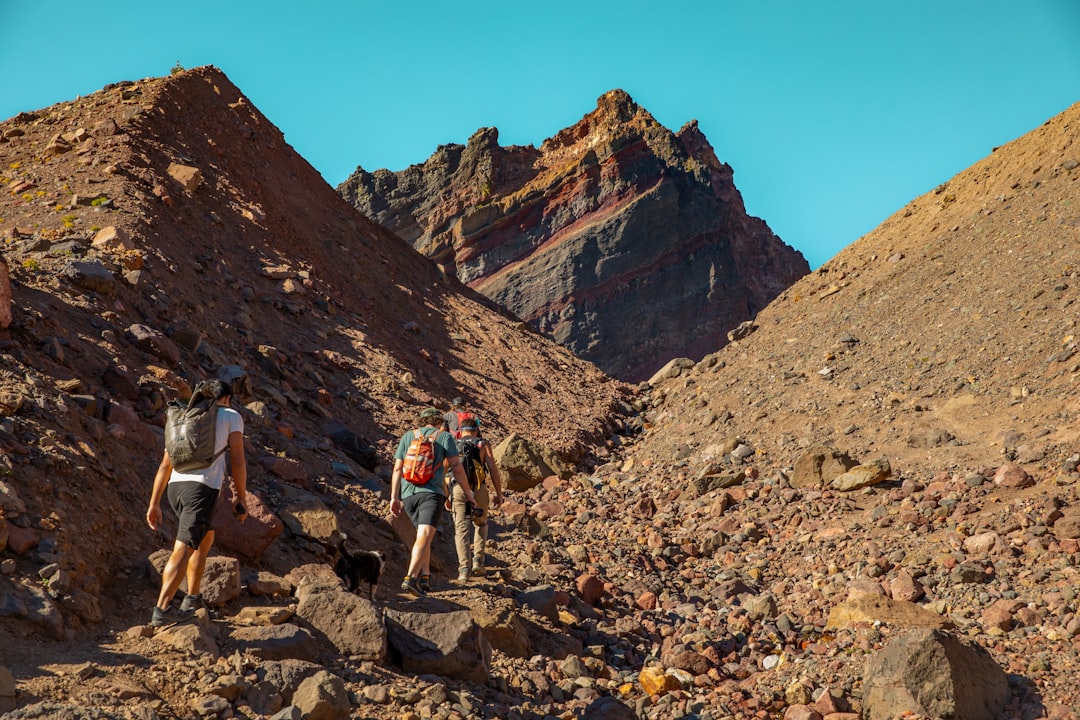
Venturing off designated trails without a permit or specific backcountry authorization is prohibited in most national parks. Cryptobiotic soil crusts, which take centuries to form, can be destroyed by a single footstep in parks like Arches and Canyonlands. Park managers designate trails carefully to minimize human impact on the most sensitive vegetation and wildlife corridors. Hikers who go off-trail in areas with rare plant species risk trampling habitat that supports entire food chains. Rangers can issue citations on the spot and repeat offenders may be banned from the park entirely.
Soap in Natural Water

Using soap, shampoo, or any cleansing product directly in or near natural water sources including lakes, rivers, and hot springs is strictly regulated. Even products labeled as biodegradable can alter the pH balance of small water bodies and harm aquatic organisms that are highly sensitive to chemical changes. In geothermal areas such as those found in Yellowstone, introducing foreign substances into thermal pools can damage the microbial communities that scientists study as some of the oldest life forms on earth. Bathing regulations require visitors to wash at least two hundred feet from any natural water source. Portable camp wash basins are the recommended alternative throughout the park system.
Metal Detecting
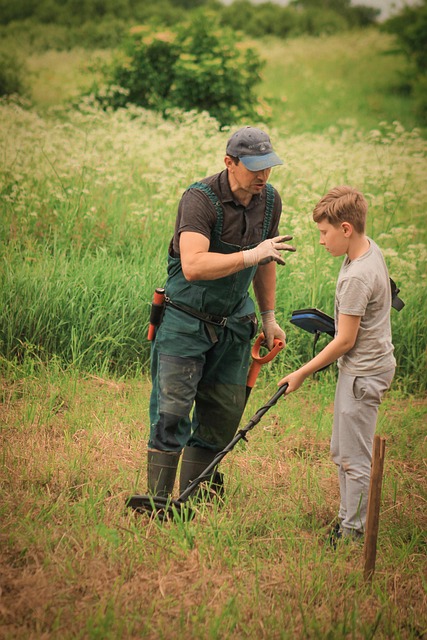
Bringing a metal detector into any national park and using it to search for buried objects is a federal offense under the Archaeological Resources Protection Act. National park land often contains culturally significant artifacts, Civil War relics, Indigenous objects, and geological specimens that are considered part of the public heritage. Disturbing the soil to retrieve these items, even accidentally, can destroy irreplaceable archaeological context that researchers rely on for historical documentation. The law applies regardless of whether the visitor intends to keep or report what they find. Penalties include fines of up to one hundred thousand dollars and potential imprisonment for serious violations.
Campfire Restrictions
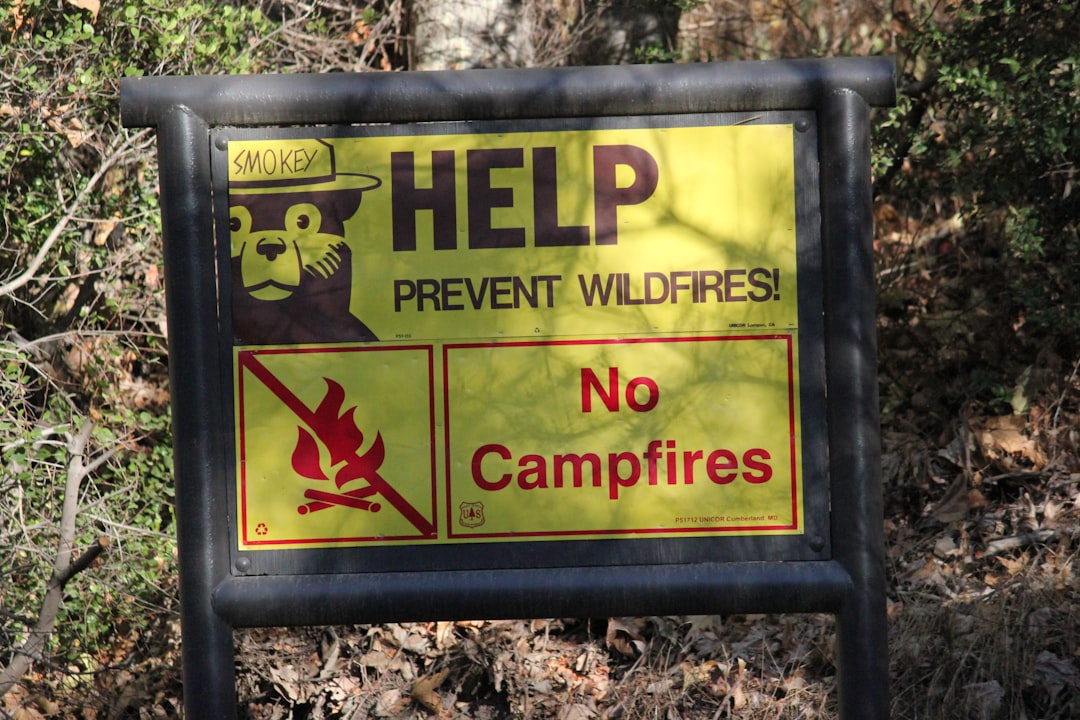
Building a campfire outside of designated fire rings or during periods of elevated fire danger is prohibited throughout the national park system. In drought conditions, many parks issue complete fire bans that supersede the standard rules, and these are enforced rigorously by rangers patrolling campgrounds and backcountry zones. Visitors who start unauthorized fires can be held financially liable for the full cost of firefighting operations, which can reach millions of dollars in severe cases. Even using a camp stove in a fire-restricted area requires checking current conditions before departure. The regulations change seasonally and vary by park, making pre-trip research essential.
Glow-in-the-Dark Items

Several national parks designated as International Dark Sky Parks prohibit artificial lighting that disrupts nighttime conditions, including glow sticks, LED poi, and illuminated accessories used during evening hours. These parks, which include Natural Bridges and Big Bend, are specifically managed to protect one of the rarest experiences available to modern visitors: authentic darkness. Artificial light pollution interferes with nocturnal wildlife behavior, disrupts migration patterns in certain bird species, and degrades the astronomical viewing that draws thousands of visitors to these locations each year. Rangers enforce lighting ordinances and may ask visitors to extinguish non-compliant light sources immediately. Approved red-light headlamps are the recommended alternative for nighttime navigation.
Geocaching
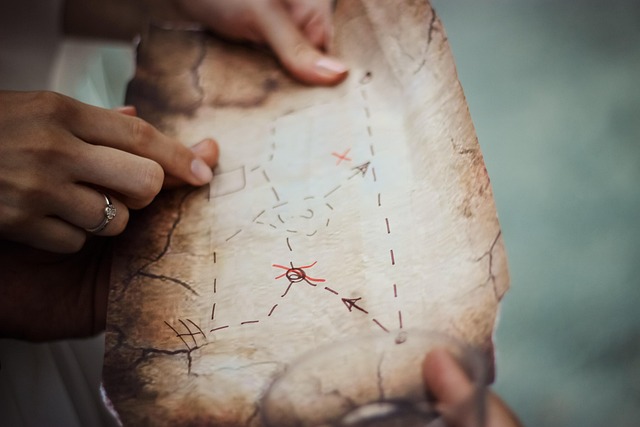
Traditional geocaching, which involves burying or concealing containers and logging GPS coordinates for others to find, is prohibited in most national parks without prior written authorization. The act of hiding objects disturbs vegetation and soil, and the search process can lead participants off established trails into sensitive habitat zones. Some parks have approved modified programs under strict conditions, but unsanctioned caches found by rangers are removed immediately. The prohibition extends to leaving any personal item behind as part of a game, challenge, or social media trend. Visitors wishing to participate in similar activities are encouraged to explore designated recreation areas outside park boundaries.
Hover Craft and Air Boats
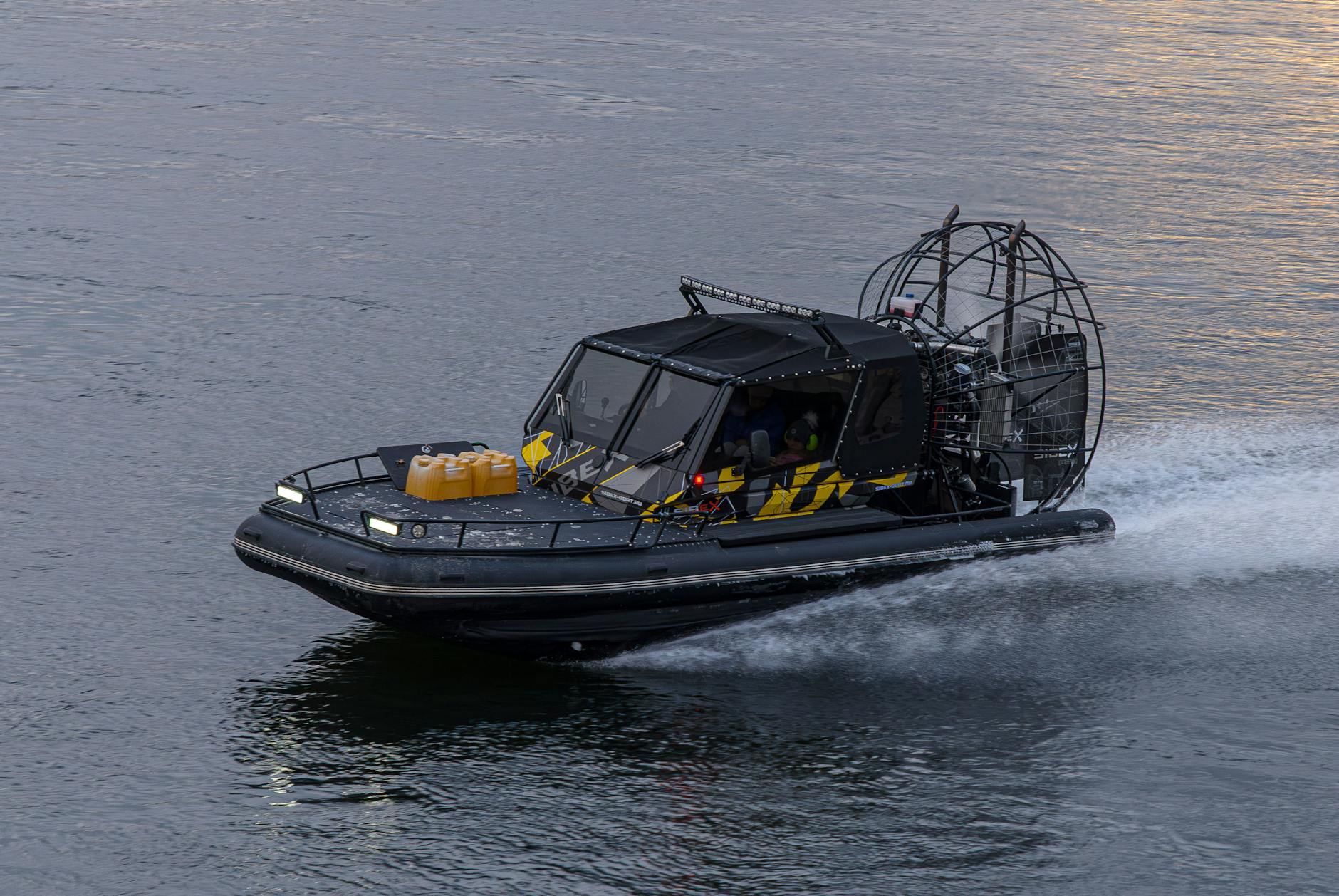
Operating air boats, hovercraft, and similar surface-effect watercraft is prohibited in most national park water systems because of the severe ecological disturbance they create. These vehicles generate extreme noise levels that stress fish populations, nesting waterbirds, and aquatic mammals in ways that conventional boats do not. In shallow marsh environments such as those found in Everglades National Park, the physical pressure wave produced by hovercraft can uproot aquatic vegetation and churn sediment that smothers benthic organisms. The regulations distinguish these vehicles from standard motorized craft, which are themselves subject to strict speed and access restrictions. Visitors arriving with these vehicles are turned away at park entry points.
Chalk Marking
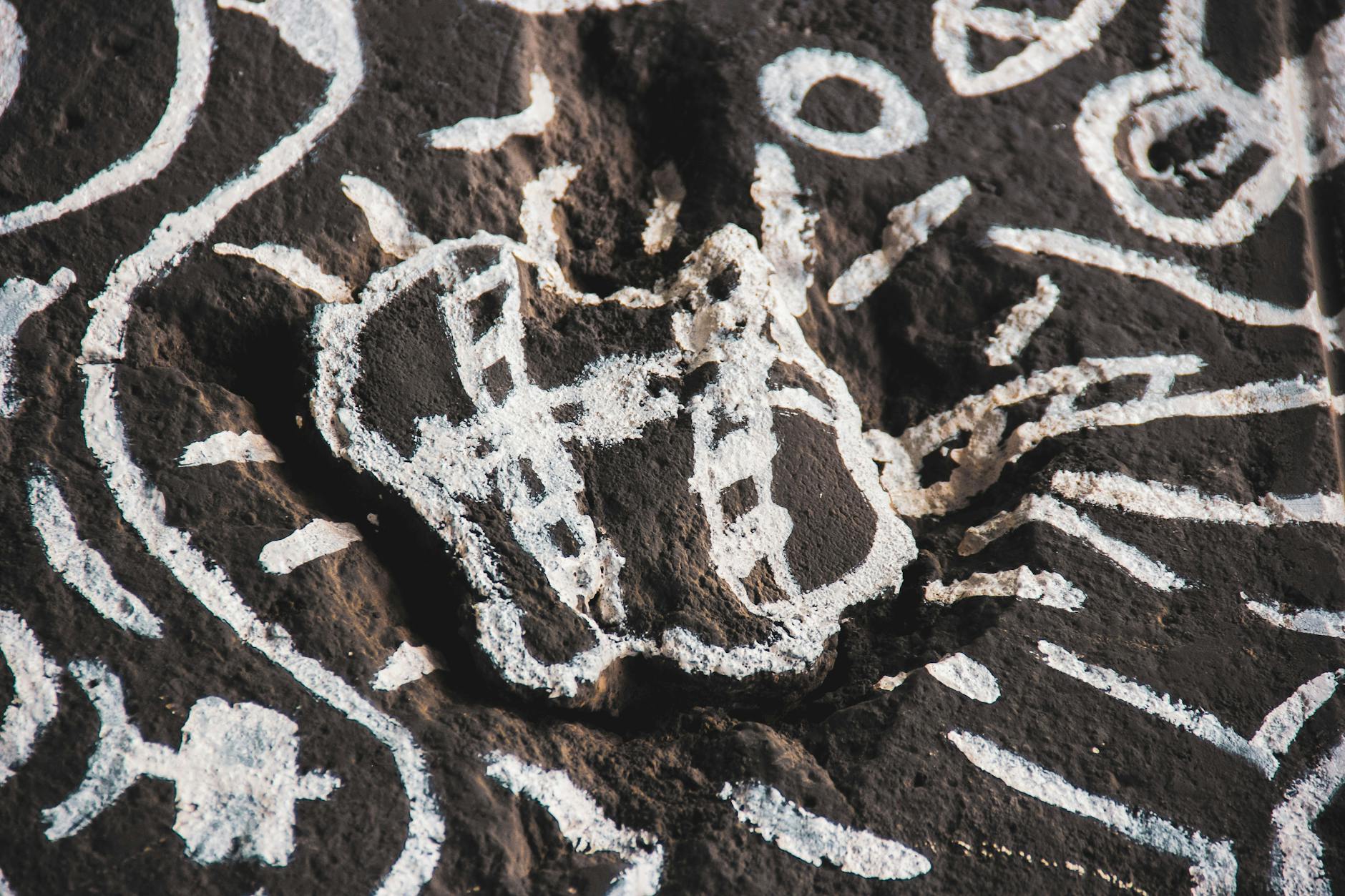
Applying chalk, paint, or any marking substance to rocks, cliff faces, boulders, or trail surfaces is prohibited under national park resource protection regulations. Climbers accustomed to using chalk on outdoor routes are often surprised to find that even temporary chalk marks are considered a form of resource degradation in parks where the visual character of stone surfaces is protected. The rule extends to chalk arrows used for route navigation and chalk-drawn grids used in children’s play areas within park campgrounds. Cleaning chalk from porous sandstone and granite can cause micro-abrasion damage that accumulates over years of repeated treatment. Leave No Trace principles require that all surfaces be left in the exact condition in which they were found.
Removing Sand
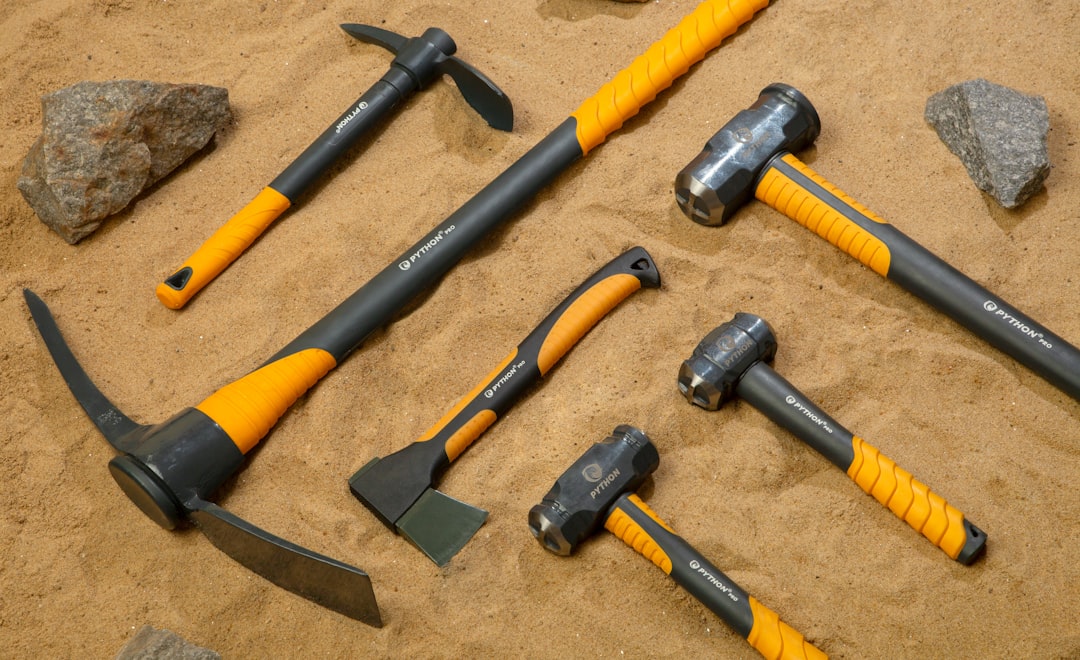
Carrying sand away from national park beaches, dunes, or riverbanks in containers or bags is treated as resource removal and is subject to the same prohibitions as rock or plant collection. Beach ecosystems depend on precise sediment balances, and the loss of material from dune systems can accelerate erosion and destabilize vegetation that anchors those formations. In parks with rare mineral sand compositions, such as White Sands National Park, the material itself has scientific and aesthetic value that is irreplaceable. Rangers have stopped visitors at exit points with containers holding sand collected from protected shorelines. The regulation is applied regardless of the quantity removed or the purpose stated by the visitor.
Disturbing Thermal Features
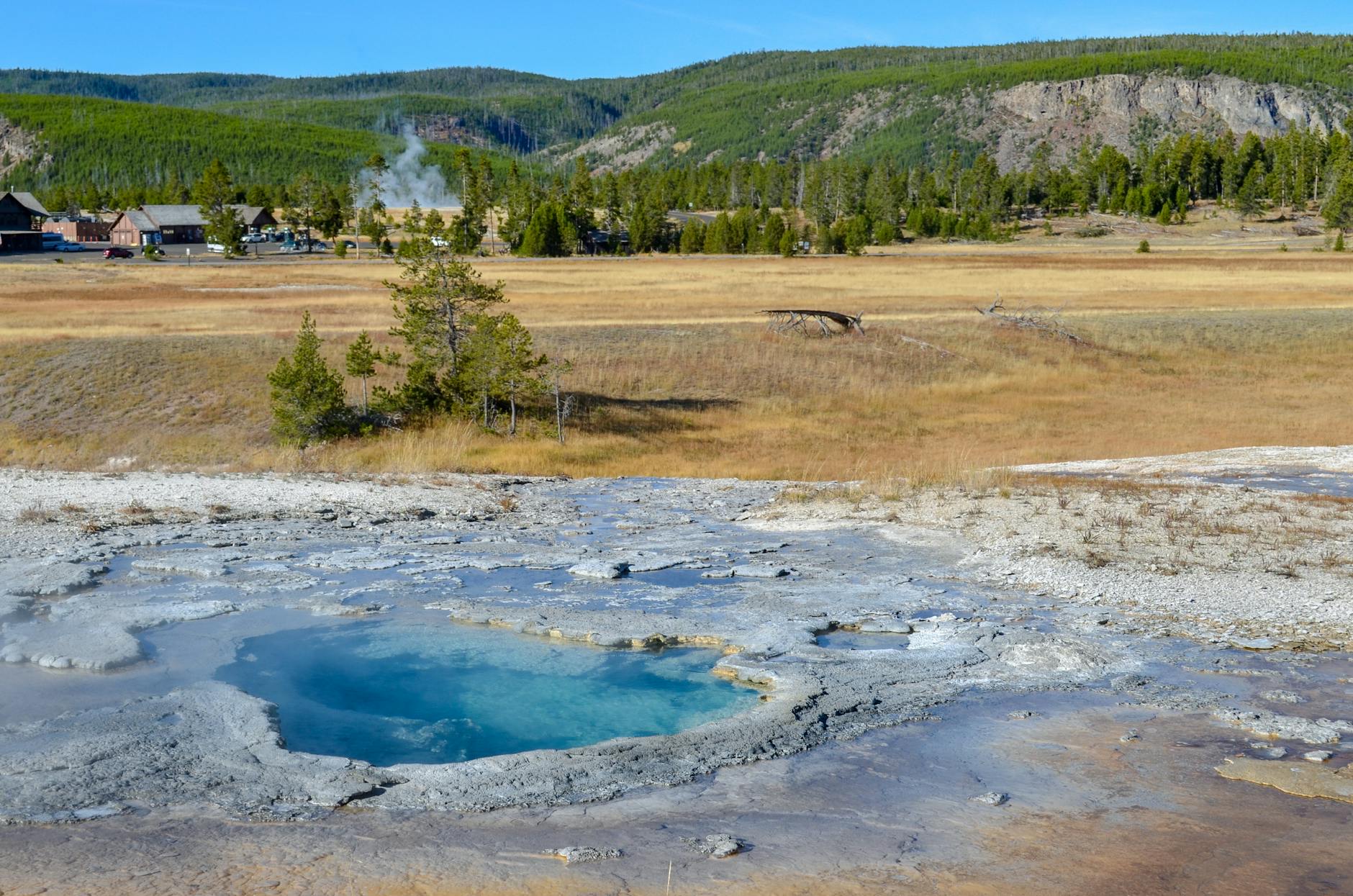
Walking off boardwalks or touching thermal features including geysers, hot springs, mudpots, and fumaroles is one of the most strictly enforced rules in geothermal parks. The thin mineral crust surrounding thermal pools can collapse without warning, dropping a person into water that reaches temperatures above two hundred degrees Fahrenheit. Beyond the safety risk, the introduction of foreign objects, skin oils, and contaminants into thermal pools destroys the rare microbial mats that represent millions of years of biological evolution. Yellowstone rangers have documented hundreds of thermal injury incidents over the decades, many involving visitors who left the designated boardwalk for a closer look or a photograph. The legal penalties for willful thermal feature disturbance include federal charges and lifetime bans from the park.
Pet Rules
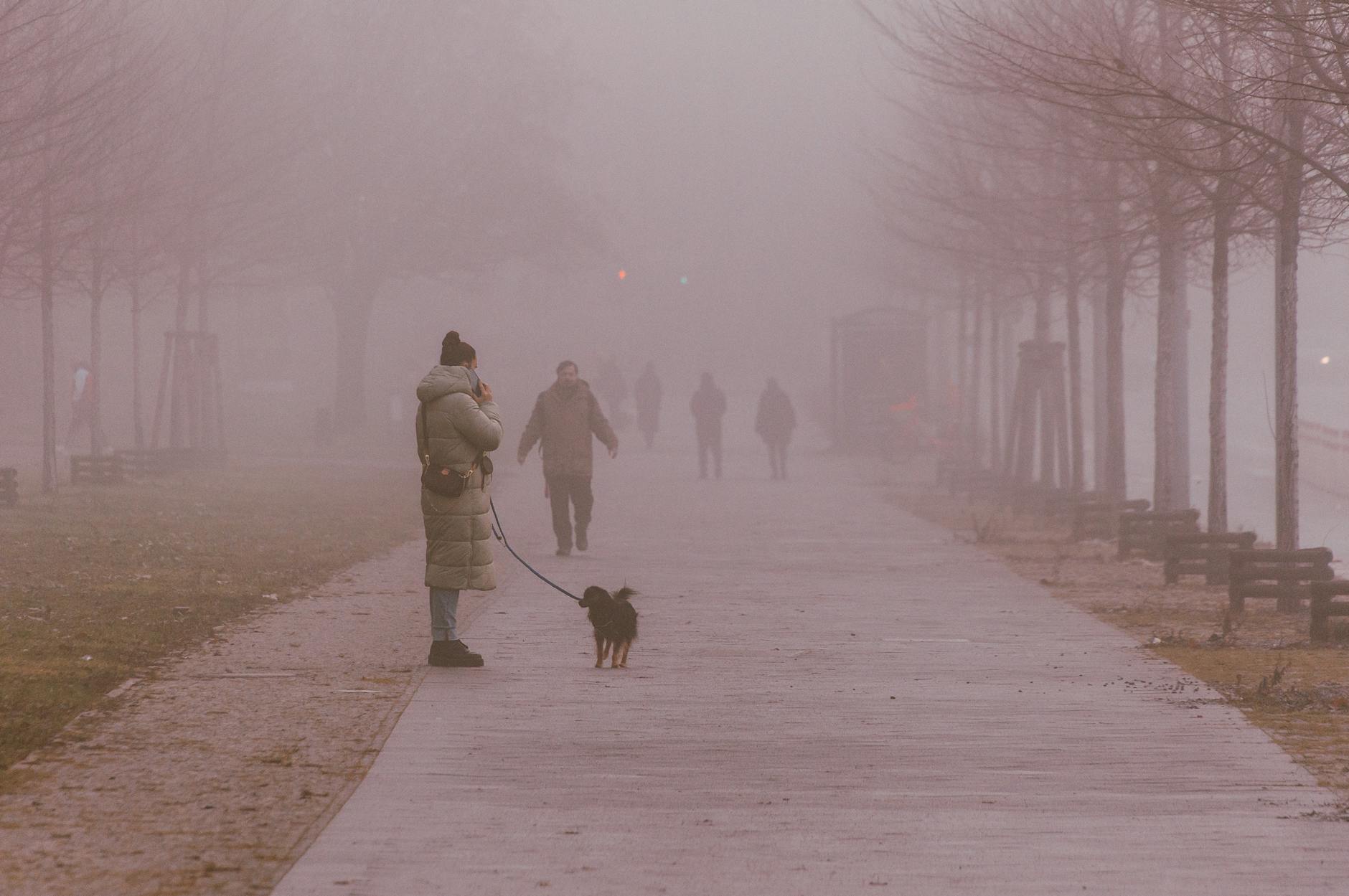
Bringing pets into national parks is permitted in many locations but subject to a set of restrictions that are stricter than those in most other recreational areas. Dogs must remain on leashes no longer than six feet at all times and are prohibited from entering any backcountry trail, wilderness zone, ranger station, or visitor center. The restriction exists because domestic animals carry scents and behaviors that disturb wildlife even when kept calm by their owners. In parks with active predator populations such as mountain lions or wolves, unleashed pets have triggered encounters that endangered both animals and their owners. Some parks have begun providing kenneling services at entrance facilities to accommodate visitors who wish to explore restricted areas without leaving their animals in vehicles.
Fossil Handling
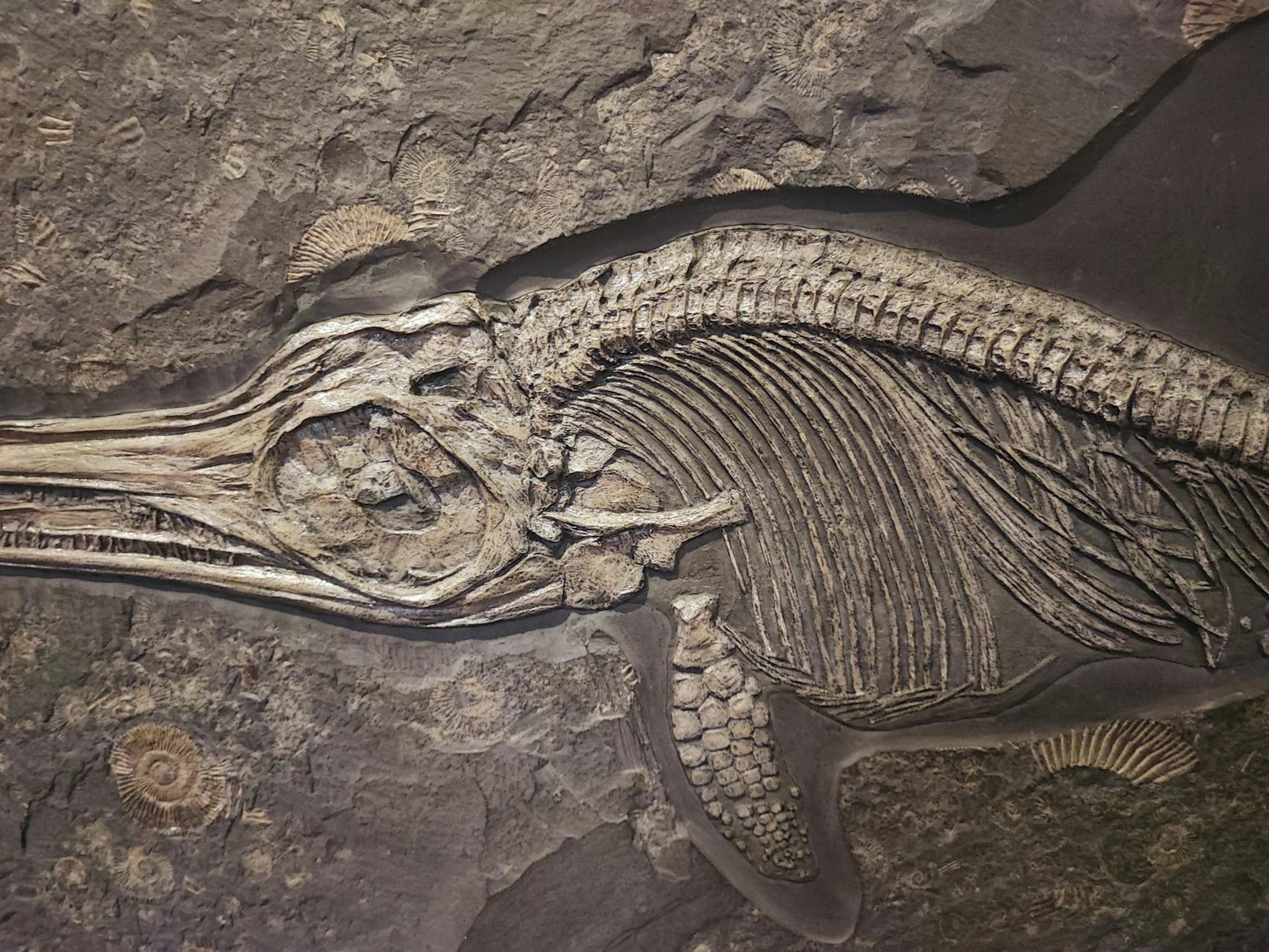
Touching, moving, photographing with props placed on, or attempting to extract fossils embedded in park rock is prohibited under the Paleontological Resources Preservation Act. National parks contain some of the world’s most scientifically significant fossil deposits, and even gentle handling can cause fragile specimens to deteriorate or break. The law applies to fossils that are fully exposed at the surface as well as those that are partially buried and visible to passing hikers. Researchers working within parks must obtain specific federal permits before conducting any paleontological study that involves physical contact with specimens. Visitors who discover new fossil exposures are encouraged to document the location using GPS and report the find to park rangers rather than interacting with the material.
Hunting and Trapping
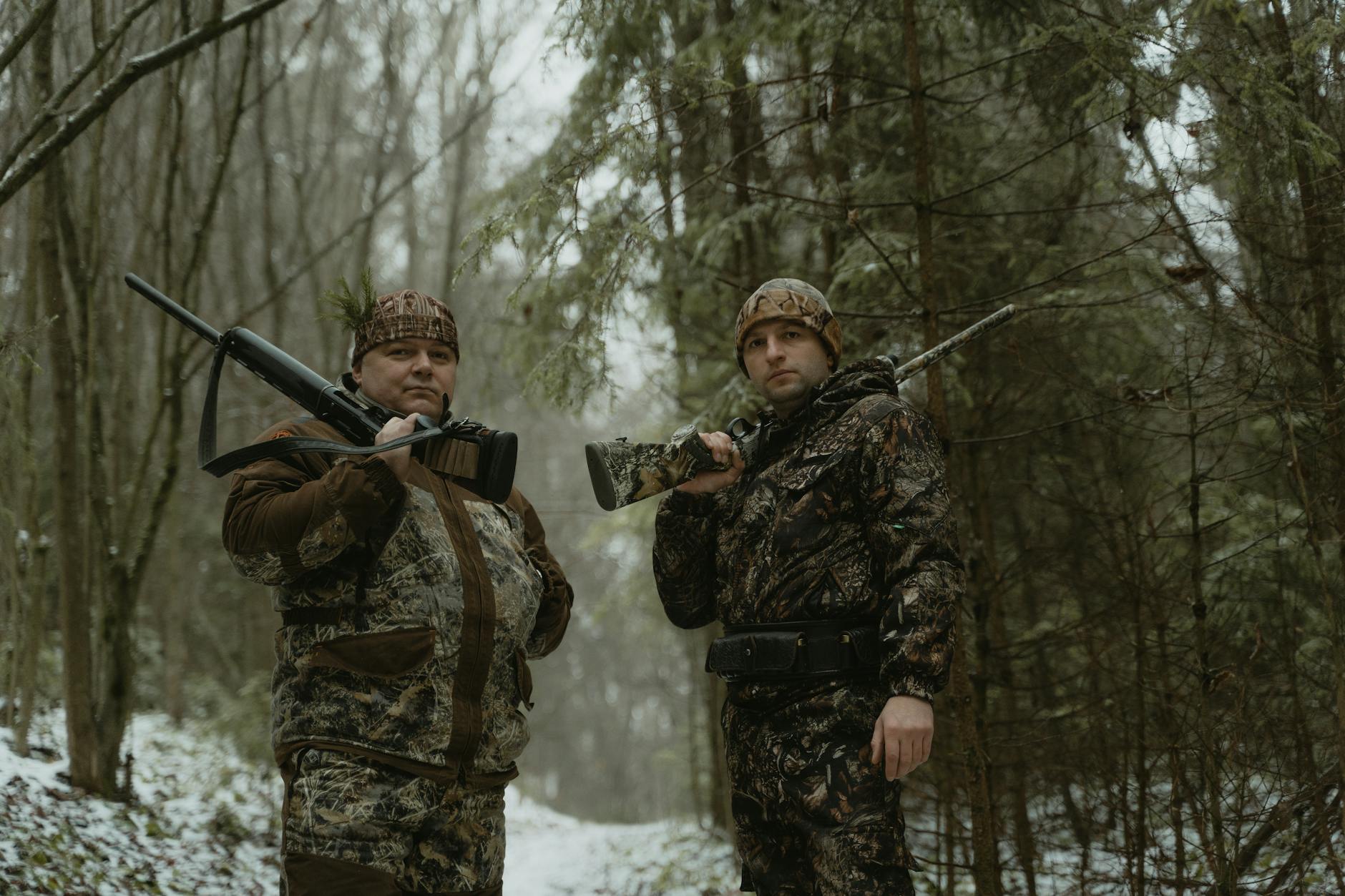
Hunting, trapping, and the discharge of firearms for any purpose other than self-defense against wildlife are prohibited within national park boundaries. This distinguishes national parks from national forests and Bureau of Land Management land, where hunting is permitted under state licensing systems. The prohibition reflects the founding mission of the park system to serve as wildlife sanctuaries where animals live free from harvest pressure. Poaching incidents do occur and are investigated by dedicated law enforcement rangers who carry full federal arrest authority. Visitors carrying legally owned firearms must comply with storage and transport regulations that vary by park and by state law in the surrounding jurisdiction.
Rollerblades and Skateboards

Using skateboards, inline skates, scooters, and similar wheeled recreational devices on park roads, trails, and visitor areas is prohibited in the vast majority of national parks. The rule exists to prevent conflicts between high-speed wheeled users and pedestrians sharing narrow pathways, and to protect paved surfaces in parks where maintenance budgets are limited. Rangers have discretion to enforce the rule at viewpoints and plaza areas where the prohibition is not always clearly posted. Electric scooters and similar micro-mobility devices fall under the same restriction unless a park has made a specific exception through its general management plan. Bicycles are treated as a separate category and are permitted on designated bike routes in many parks.
Underwater Removal
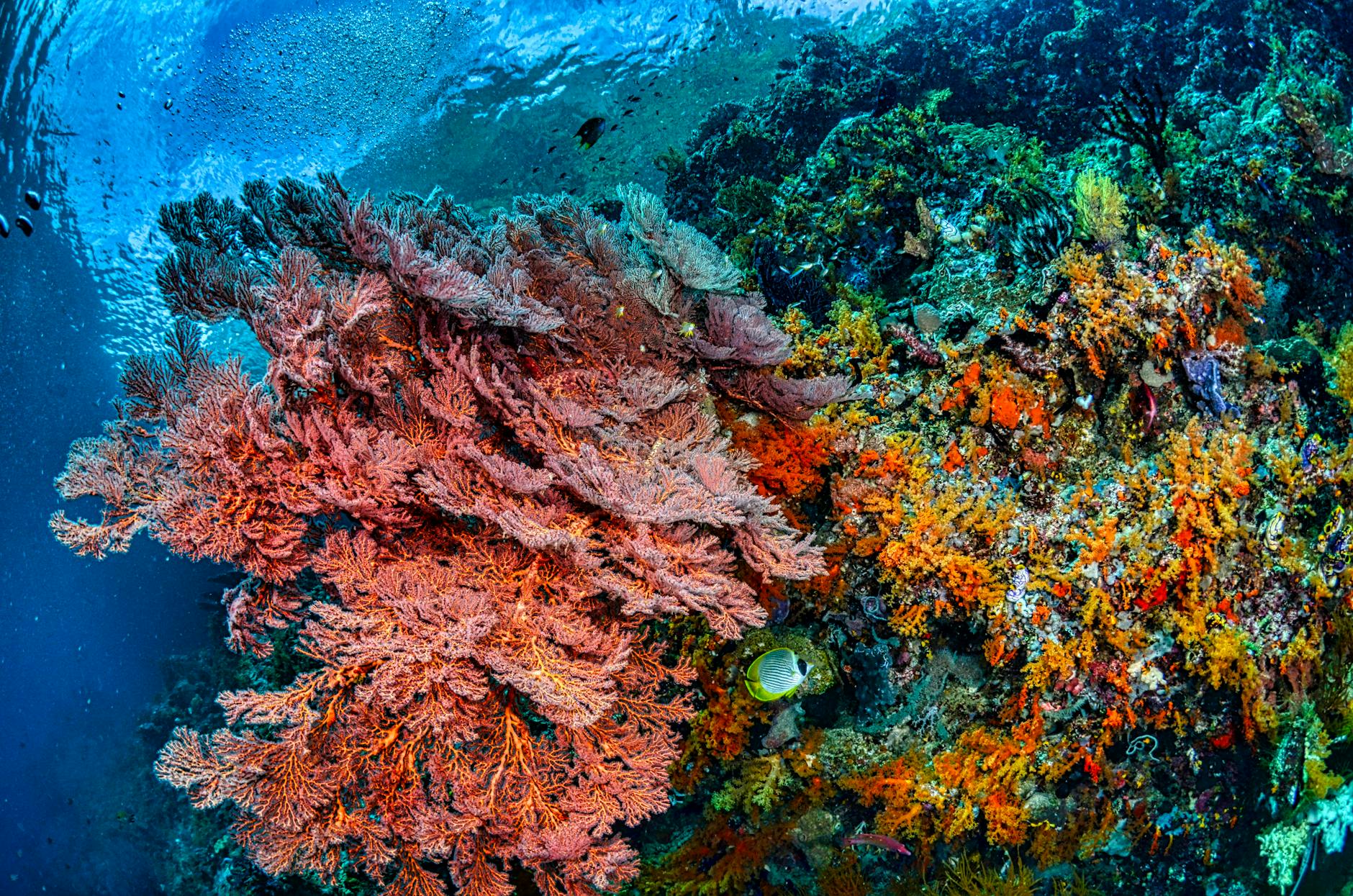
Removing coral, shells, sea glass, marine organisms, and any other submerged natural material from waters within national park boundaries is prohibited under both park regulations and federal marine protection statutes. This rule catches many visitors off guard in coastal parks such as Biscayne and Channel Islands, where snorkelers and divers are accustomed to collecting shells on non-protected beaches. Living coral is particularly vulnerable because a single broken branch can represent years of biological growth and the habitat of dozens of marine species. The prohibition extends to dead shells resting on the seafloor, which provide substrate for invertebrates and contribute to the sediment chemistry that supports reef ecosystems. Rangers and volunteer dive patrols actively monitor underwater areas during peak visitor seasons.
Noise Ordinances

National parks enforce noise ordinances that go well beyond the quiet hours most campground visitors expect. Amplified music, loudspeakers, and audio devices that can be heard more than a specified distance from their source are prohibited throughout the day in most parks, not only at night. The soundscape itself is considered a protected resource, and parks including Muir Woods and Zion have implemented silence zones where even conversational voices are expected to remain low. Research conducted by the National Park Service has documented measurable declines in animal communication success in areas with chronic human noise intrusion. Visitors who violate noise regulations can be cited and removed from the park without a refund of any entrance fees paid.
Which of these rules surprised you most? Share your thoughts in the comments.