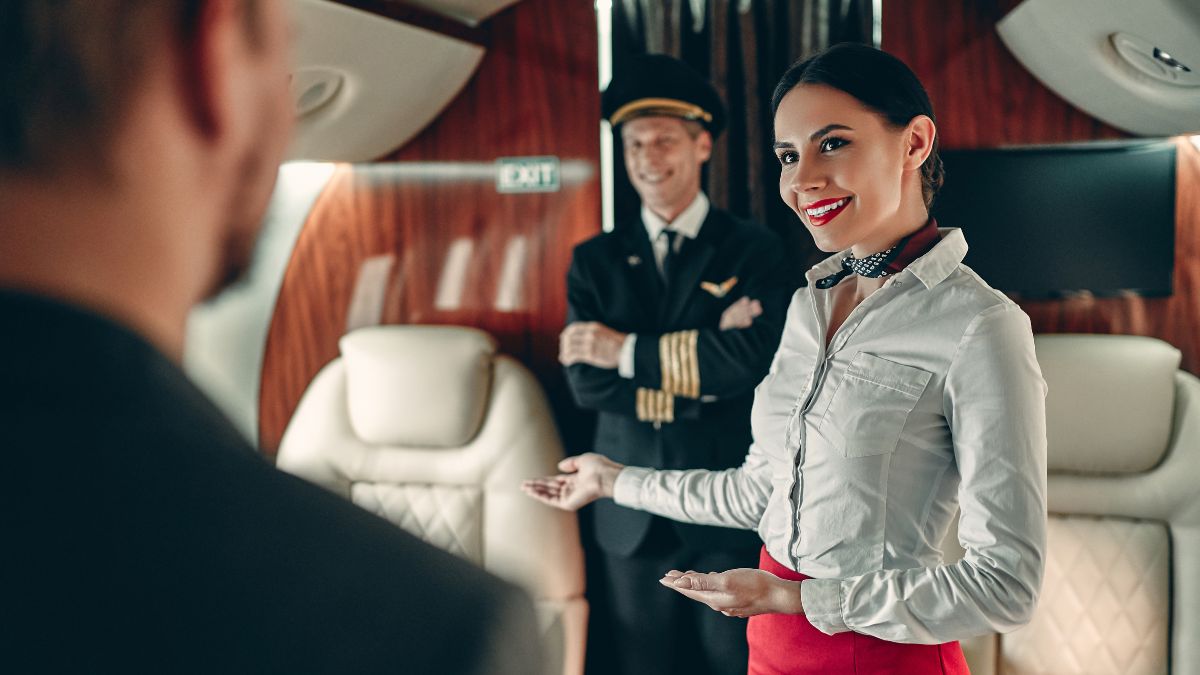
Flight attendants are trained to absorb an enormous amount of information about every passenger who steps onto a plane. Their assessments happen in a matter of seconds and are shaped by years of observational experience. What most travelers do not realize is that these quick reads go far beyond a simple smile and a seat assignment. From the moment you enter the jet bridge to the moment you buckle your seatbelt, a quietly detailed portrait of you has already been formed.
Footwear

Shoes are one of the very first details a flight attendant registers when passengers board. Practical footwear signals that a traveler is experienced and prepared for the realities of air travel. Flip flops and high heels are noted as potential safety concerns in the event of an emergency evacuation. A passenger wearing sturdy closed-toe shoes is often perceived as someone who has thought through the journey carefully. Footwear also provides subtle clues about a traveler’s overall level of preparation.
Eye Contact
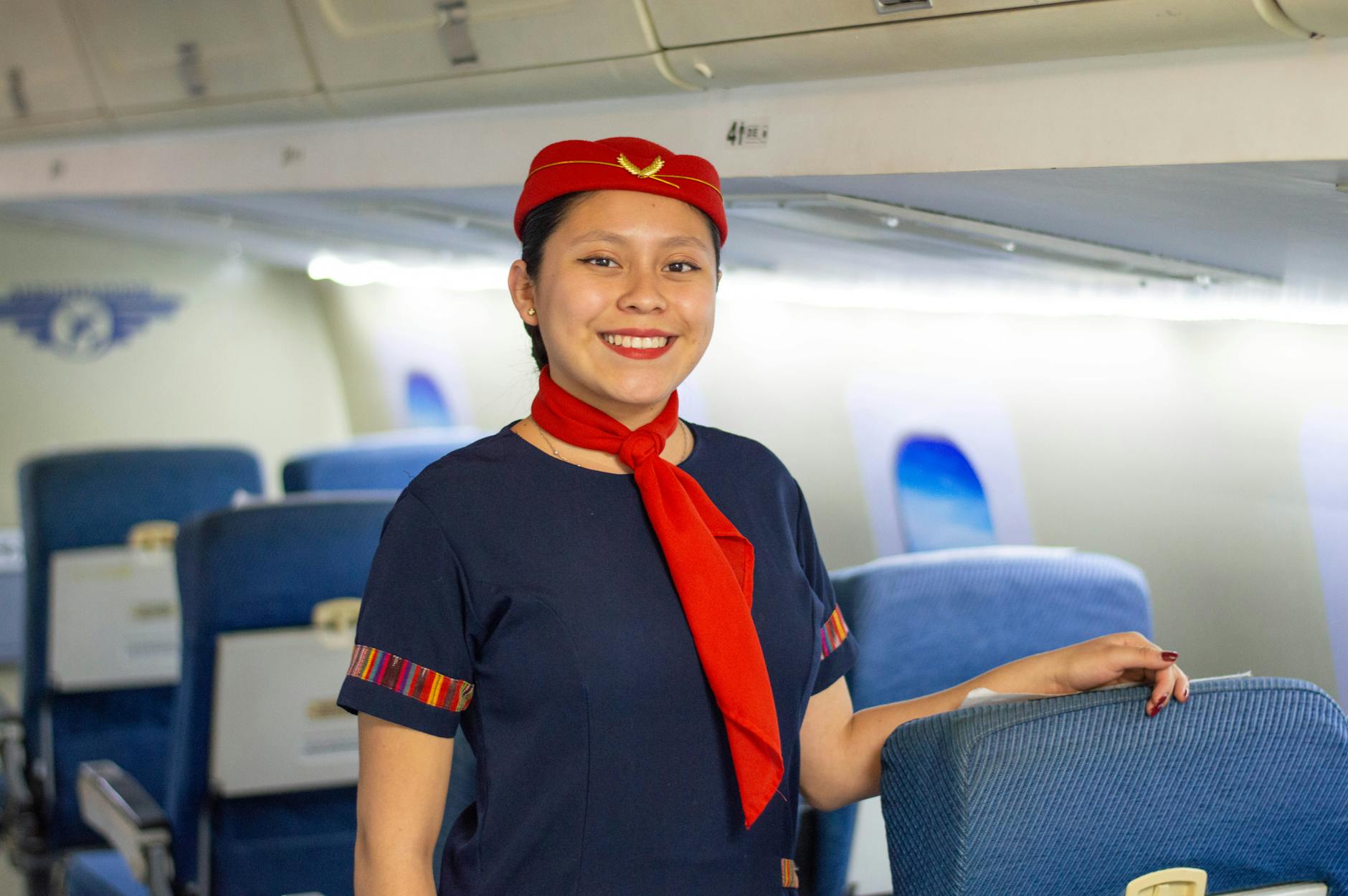
The moment a passenger crosses the threshold of the aircraft a flight attendant makes direct eye contact as a standard practice. This brief exchange tells crew members a great deal about a traveler’s mood and mental state. A passenger who returns the gaze warmly is typically categorized as calm, cooperative and socially aware. Avoidance of eye contact can sometimes signal anxiety, distraction or a reluctance to engage. Flight attendants use this initial read to anticipate how a passenger may behave throughout the flight.
Your Greeting

Whether or not a passenger offers a greeting during boarding is noticed immediately and remembered. A simple acknowledgment signals basic social awareness and a willingness to treat crew members as people rather than service fixtures. Passengers who walk past without any recognition are quietly noted as potentially more demanding later in the flight. Flight attendants who receive a genuine hello are more likely to feel a positive connection with that traveler. This small social gesture has a measurable effect on the quality of attention a passenger receives.
Posture
The way a passenger carries their body while walking down the aisle communicates confidence, fatigue or stress before a single word is spoken. Slumped shoulders and a heavy gait often indicate exhaustion or travel anxiety. An upright and relaxed bearing typically suggests a frequent flyer who is comfortable in the environment. Crew members use posture as a quick indicator of who may need extra assistance or reassurance during the flight. It also helps attendants identify passengers who might be ill or physically unwell before any symptoms are verbally reported.
Carry-On
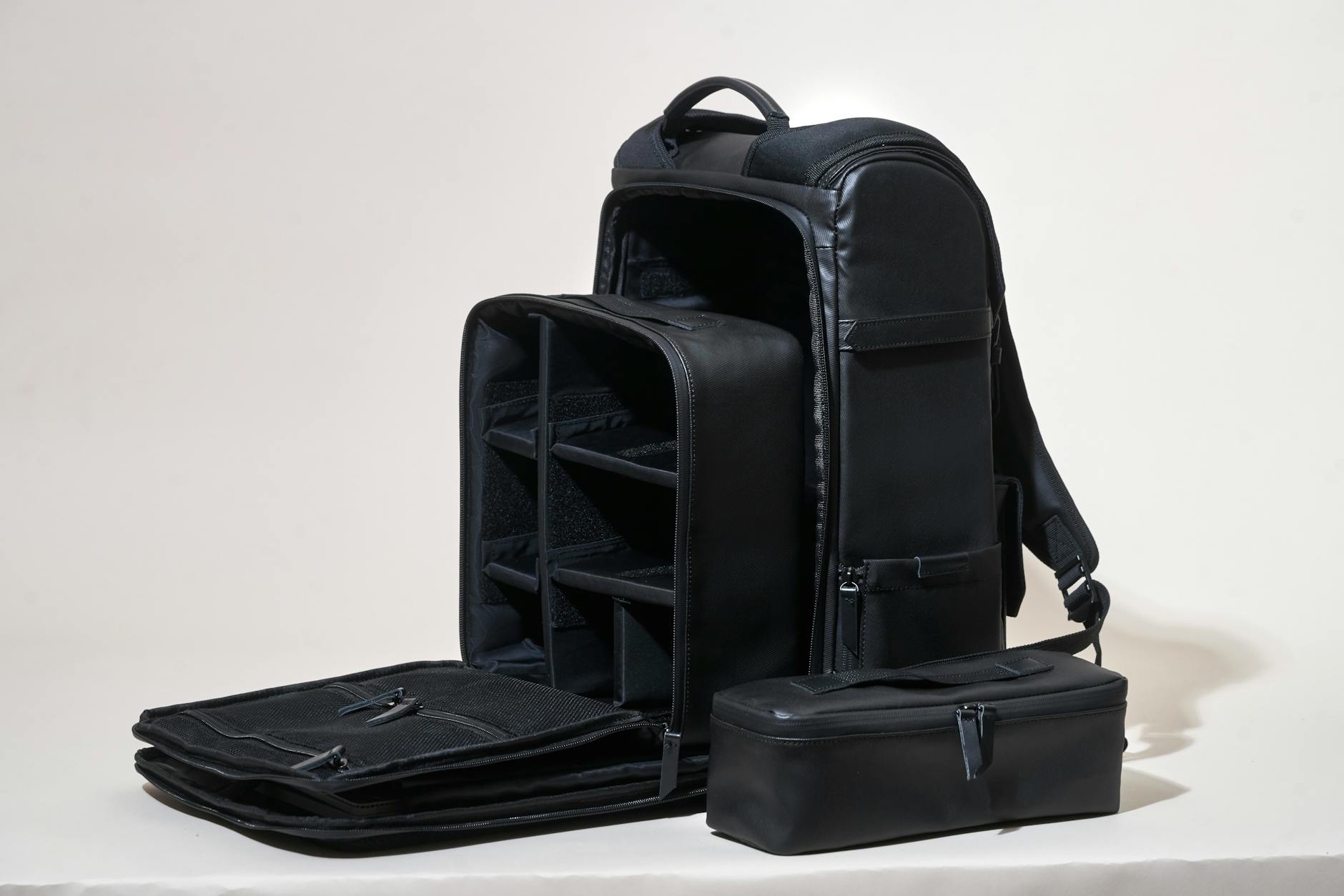
The size and organization of a passenger’s carry-on bag reveals quite a lot about their travel experience. Overstuffed bags that clearly will not fit in the overhead bin signal an inexperienced traveler who may slow down the boarding process. A well-packed bag that slides in effortlessly suggests someone who flies regularly and respects shared space. Flight attendants also notice whether a passenger handles their luggage with ease or requires repeated assistance. The carry-on is a practical window into how prepared and considerate a traveler is likely to be.
Clothing

The overall outfit a passenger wears during a flight provides attendants with a layered set of impressions. Travelers in business attire boarding economy class are sometimes flagged as potential upgrade candidates or frequent flyers traveling on personal time. Clothing that is inappropriate for a pressurized cabin environment such as very tight waistbands or synthetic fabrics can hint at future discomfort complaints. Layering is noticed positively as it reflects awareness of how cabin temperatures fluctuate. The overall neatness or dishevelment of an outfit contributes to the crew’s first impression of a passenger.
Skin Health

The condition of a passenger’s skin is something flight attendants observe with genuine attention. Pale or gray-toned skin can be an early indicator of illness, low blood pressure or significant travel stress. Flushed cheeks and a rapid breathing pattern are also noted as possible signs of anxiety or a health concern. Attendants are trained to recognize the physical symptoms of dehydration which become visible on the skin before a passenger might even feel thirsty. These observations help crew members act quickly and preventatively when a health situation may be developing.
Your Hands

Hands are an often overlooked but highly readable part of a passenger’s body language. Clenched fists or white knuckles around a boarding pass immediately communicate flight anxiety to an observant crew member. Relaxed open hands typically indicate a calm and unbothered traveler. Nail condition and hand hygiene are also quietly registered as part of the broader first impression. Flight attendants often use these visual cues to decide whether to offer a reassuring word to nervous flyers before the plane even pushes back.
Phone Behavior

How a passenger manages their phone during boarding tells a story about their awareness of the people around them. A traveler who walks down the aisle with their face buried in a screen is more likely to cause bottlenecks and miss safety instructions. Flight attendants notice whether a passenger is present and attentive or completely absorbed in their device during the boarding process. Those who put their phone away early and pay attention to the pre-flight environment are perceived as cooperative and low-maintenance. Phone behavior is also an indicator of how receptive a passenger will be to crew instructions during the flight.
Boarding Pass
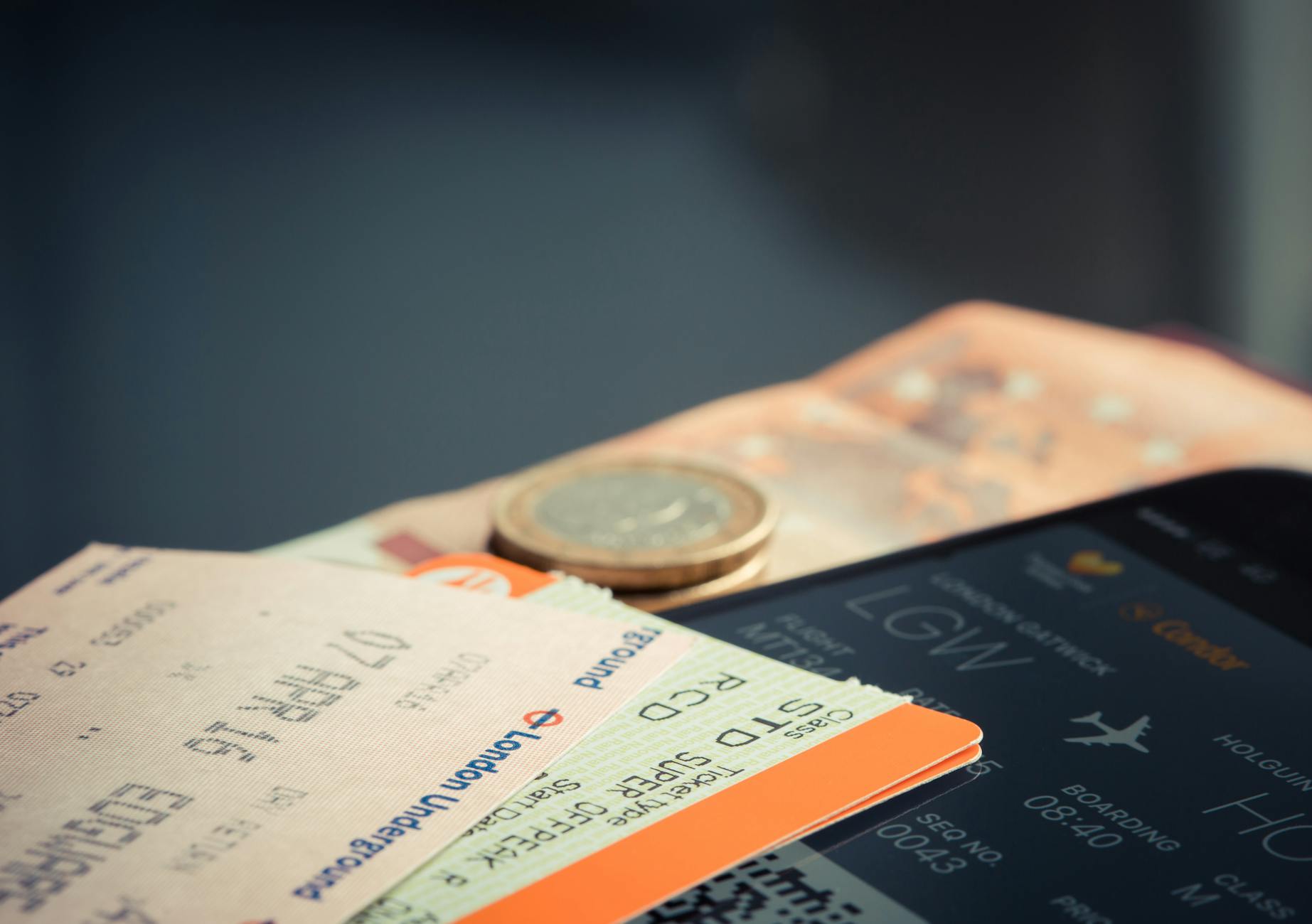
Flight attendants glance at boarding passes far beyond their function as entry tickets. The gate number, boarding time and ticket class are all absorbed in a quick look that happens as passengers file past. A crumpled or disorganized boarding pass suggests a rushed or scattered traveler while a neatly stored one signals preparedness. Whether a passenger is holding a paper ticket or using a digital pass provides minor but noted context about their tech comfort level. In some cases the boarding pass also reveals whether a passenger is a frequent flyer member which can influence the level of personalized service offered.
Seat Manners
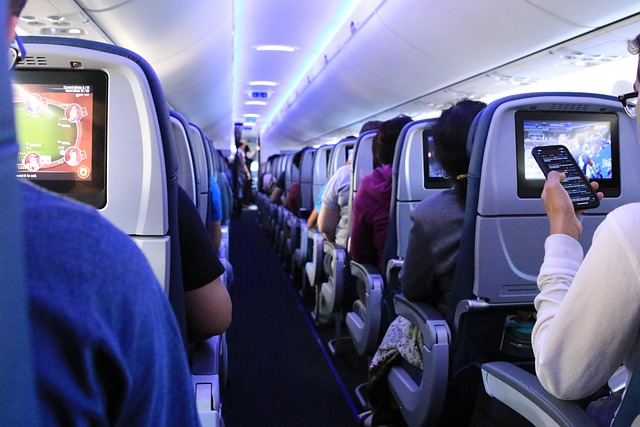
The way a passenger settles into their seat after boarding is carefully observed from the aisle. Travelers who immediately recline their seat during boarding before others have stored their luggage are noticed as potentially inconsiderate. Passengers who help fellow travelers with overhead bins without being asked are viewed warmly and remembered positively. How quickly and efficiently someone stows their items and sits down affects the entire boarding timeline. These early behaviors in the seat area establish a clear picture of how a passenger will interact with both crew and fellow travelers throughout the journey.
Drink Order
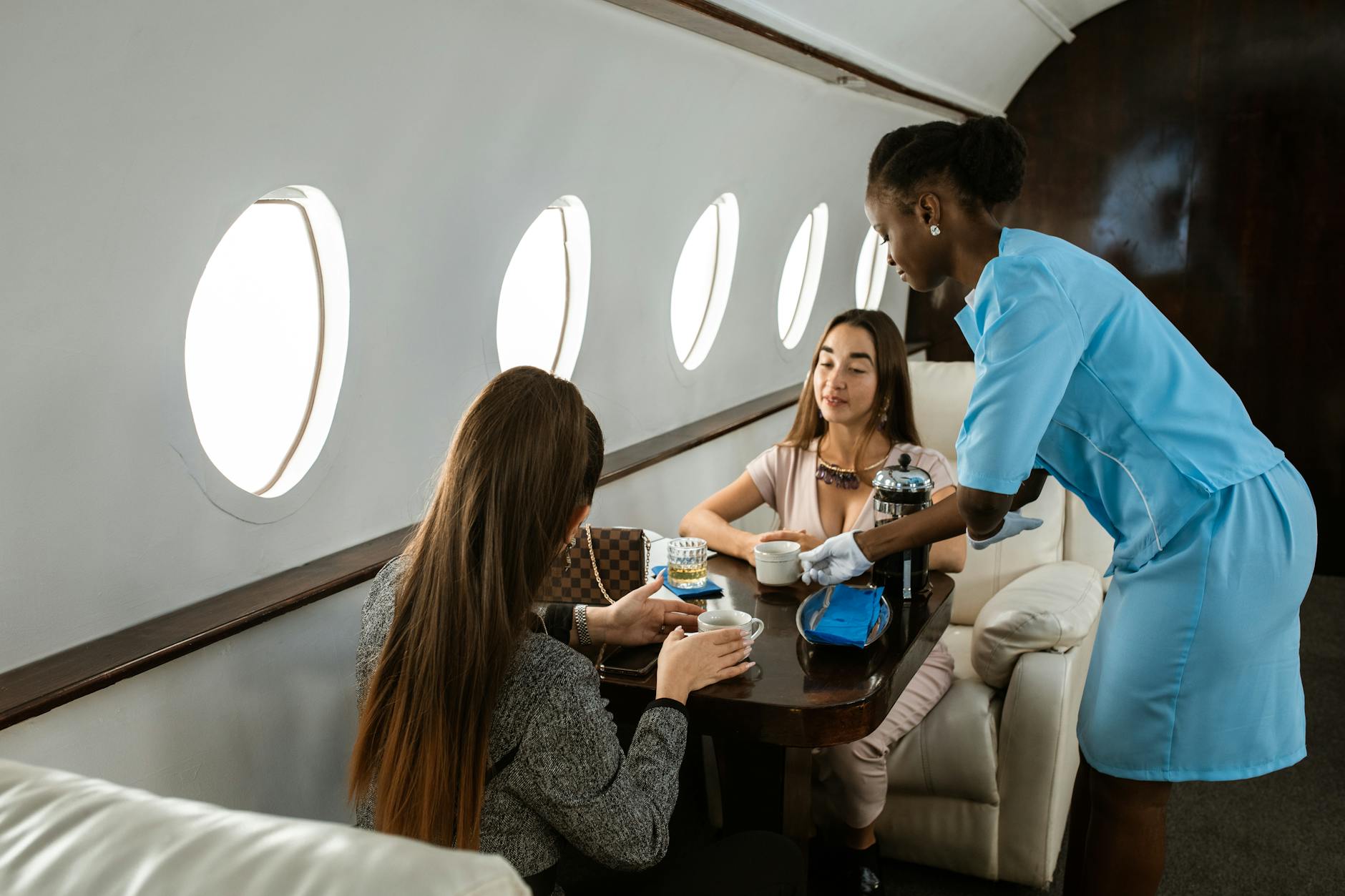
A passenger’s drink order carries more information than a simple beverage preference. Ordering alcohol immediately after takeoff or before the plane has leveled off is a recognized pattern that crew members pay attention to. The manner in which a passenger makes the request whether politely or with impatience shapes the crew’s perception significantly. Hydration choices such as water or juice are noted positively as they reflect awareness of how altitude affects the body. Repeat drink orders made in quick succession are tracked quietly as part of responsible in-flight service management.
Travel Confidence
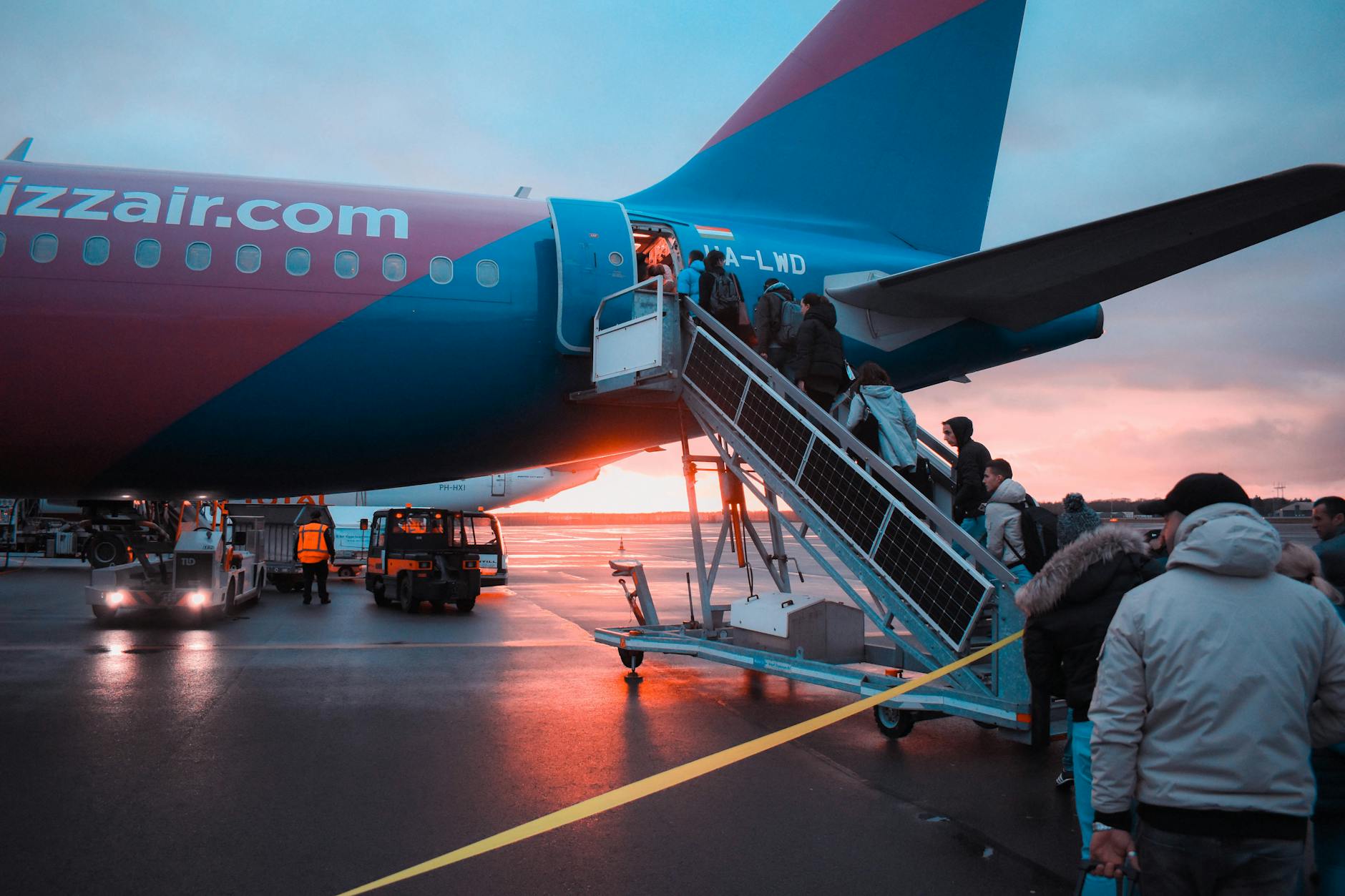
Experienced travelers move through the boarding process with a fluid ease that is immediately recognizable to flight attendants. Knowing exactly where to stow a bag, when to sit and how to prepare for departure signals years of accumulated flying experience. Nervous or first-time flyers tend to hesitate, ask repeated questions and look to crew members for constant reassurance. This distinction shapes the way attendants allocate their attention and emotional energy across a full cabin. Recognizing a confident traveler also helps crew identify who might be a reliable resource in an unexpected situation during the flight.
Body Language

The broader vocabulary of a passenger’s body language forms the final and perhaps most comprehensive part of a flight attendant’s rapid assessment. Open body language with relaxed arms and an approachable expression suggests a cooperative and easy traveler. Crossed arms, avoidance of interaction and a tense jaw can indicate stress, frustration or a difficult interpersonal dynamic waiting to surface. Flight attendants are trained in behavioral pattern recognition as part of their safety responsibilities making this observation far more than casual people-watching. Every gesture, glance and physical posture contributes to the full picture that a crew member carries with them for the duration of a flight.
If you have ever noticed a flight attendant’s knowing glance during boarding or experienced surprisingly attentive service without asking for it, share what you think gave you away in the comments.