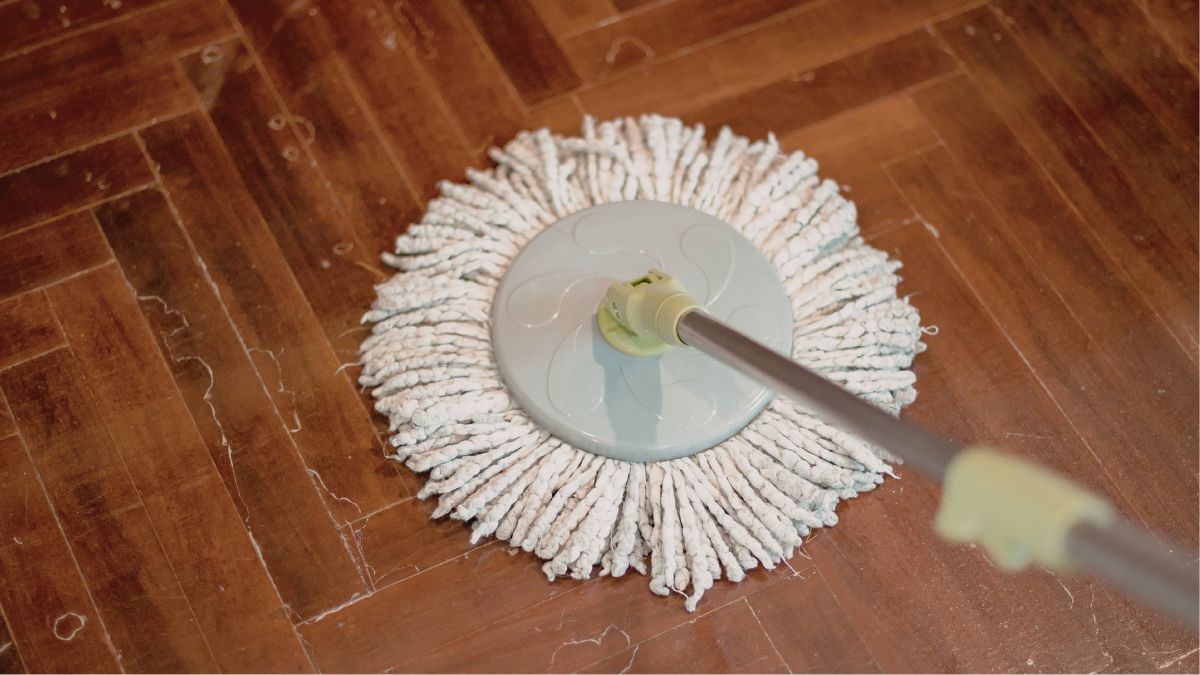
Many everyday objects found in homes around the world carry hidden risks that most families are completely unaware of. From the kitchen to the bathroom and everywhere in between, common household items are often used in ways that quietly pose health and safety concerns. Research continues to uncover unsettling truths about products people have trusted for decades. Understanding these risks is the first step toward making smarter choices for everyone living under your roof.
Non-Stick Cookware
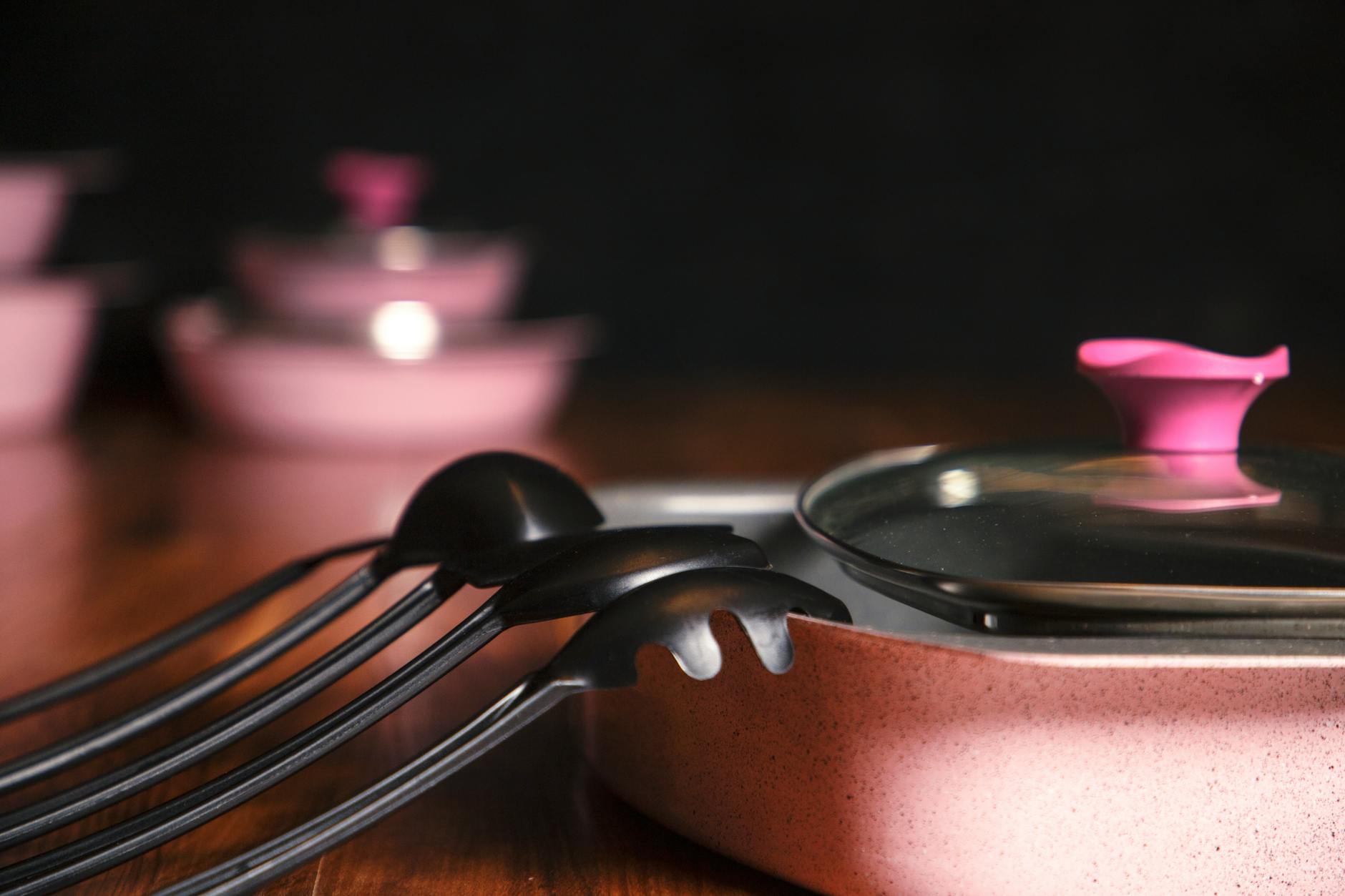
Most non-stick pans are coated with polytetrafluoroethylene, a synthetic chemical compound that begins to break down at high cooking temperatures. When overheated, these coatings can release toxic fumes that have been linked to flu-like symptoms in humans. Pet birds are especially vulnerable and can die from brief exposure to these fumes in an enclosed kitchen. Replacing older or scratched non-stick pans with stainless steel or cast iron alternatives is widely recommended by health advocates.
Air Fresheners
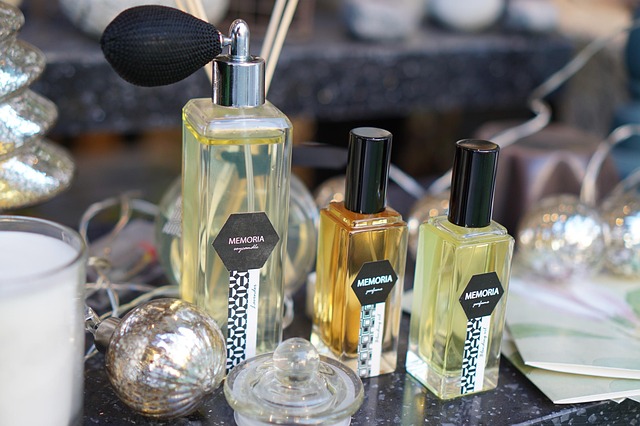
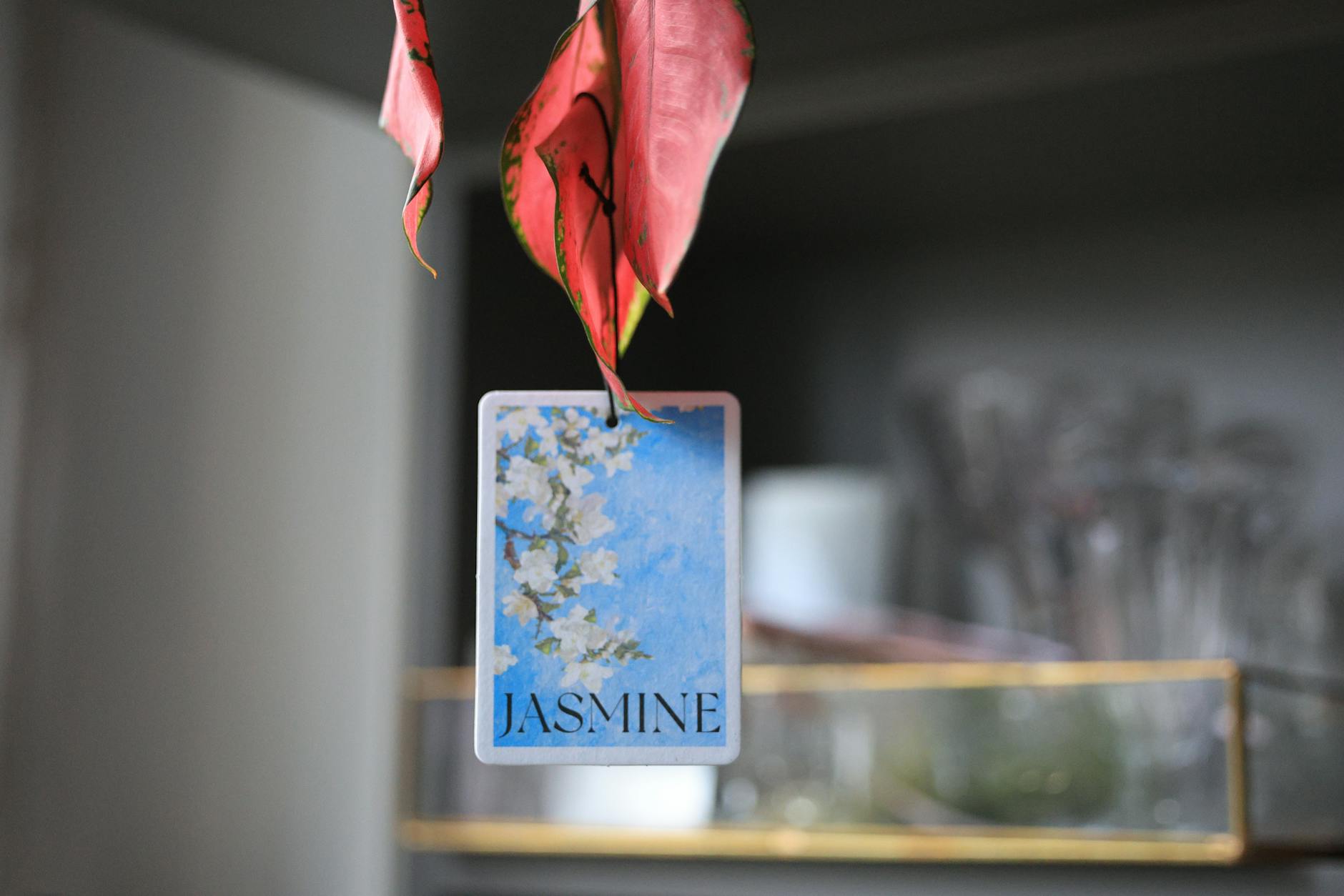
Plug-in and spray air fresheners often contain volatile organic compounds that contribute to indoor air pollution. Many formulas include phthalates, which are chemicals associated with hormonal disruption in both children and adults. The pleasant scent masks the presence of these compounds, making it easy for families to overlook the risk. Ventilating rooms regularly and switching to natural alternatives like essential oil diffusers can significantly reduce exposure.
Scented Candles
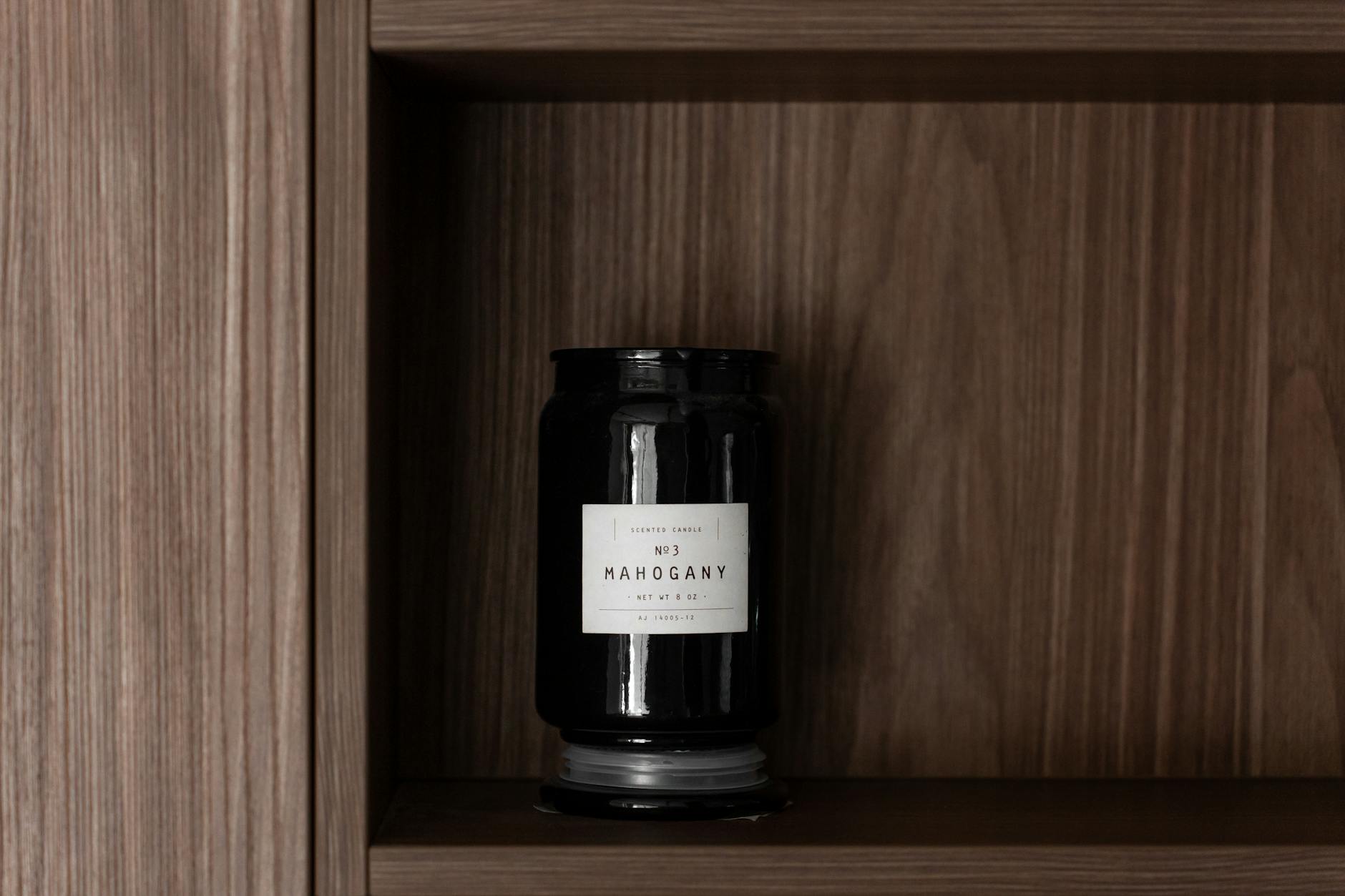
Paraffin wax candles release benzene and toluene when burned, both of which are classified as potentially harmful airborne compounds. The soot produced during burning can settle on surfaces and be inhaled over time, particularly in poorly ventilated spaces. Synthetic fragrance oils used in many candles add another layer of chemical exposure for sensitive individuals. Beeswax or soy candles with cotton wicks and natural scents are considered safer options for regular home use.
Plastic Food Containers

Many plastic containers still in circulation contain bisphenol A or its chemical substitutes, which can leach into food especially when heated. Microwaving food in plastic packaging accelerates the transfer of these compounds into meals. Children are considered more vulnerable to the effects of endocrine-disrupting chemicals found in certain plastics. Glass or stainless steel containers are increasingly recommended as safer alternatives for food storage and reheating.
Mattresses
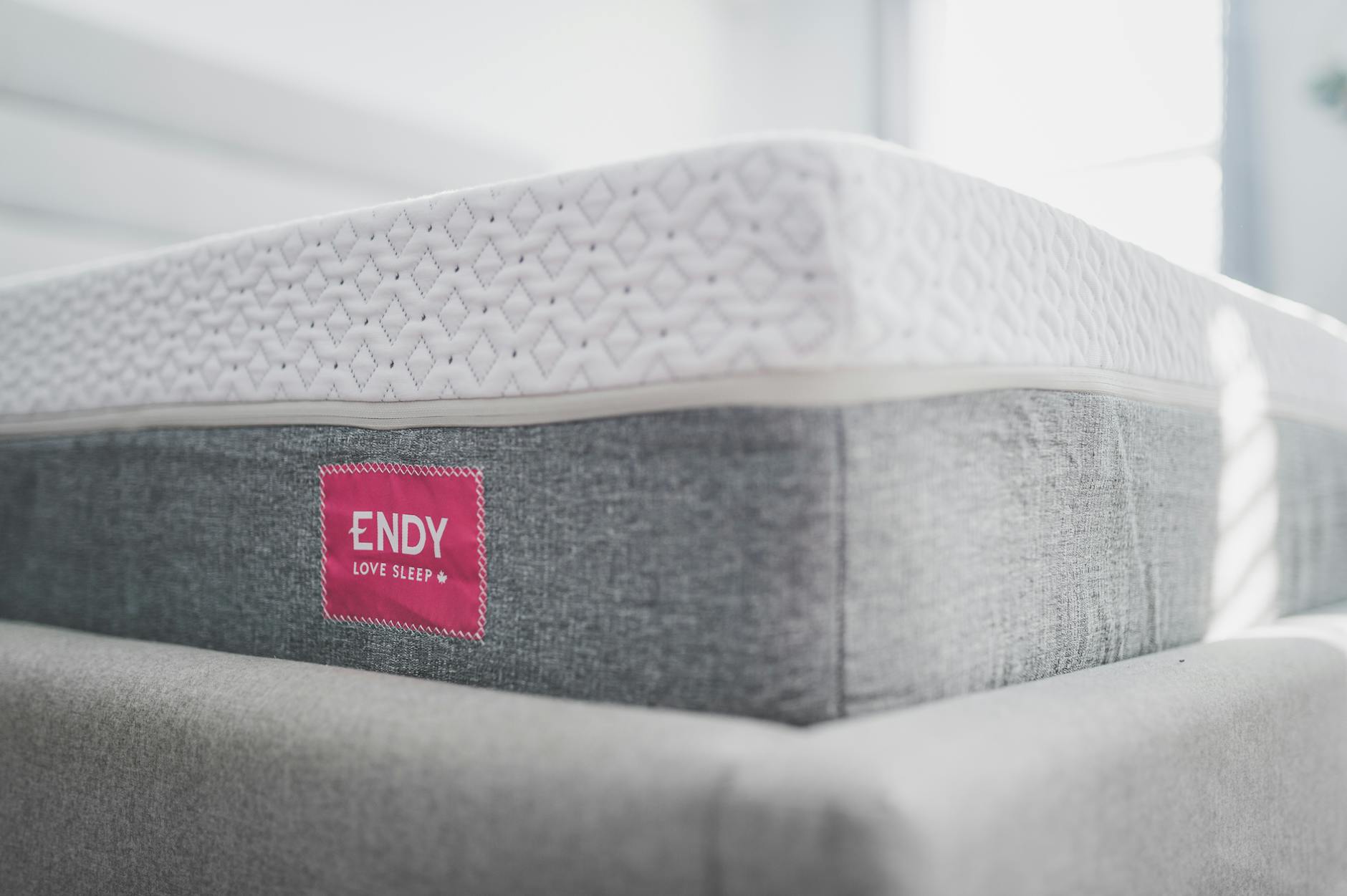
Conventional mattresses are often treated with flame-retardant chemicals that have been linked to neurological and developmental concerns with prolonged exposure. Some of these substances off-gas slowly over years, meaning families breathe them in nightly during sleep. Foam mattresses may also contain formaldehyde and other volatile compounds released during the early months of use. Allowing a new mattress to air out thoroughly before use and choosing certified low-emission products can help reduce risk.
Shower Curtains

Vinyl shower curtains made from PVC plastic are known to release a cocktail of airborne chemicals when first installed and during warm showers. The distinctive smell associated with new shower curtains is actually the off-gassing of dozens of volatile organic compounds. Studies have detected hormone-disrupting chemicals in the air of bathrooms with PVC curtains at levels that raise concern. Fabric curtains made from natural fibers or PEVA alternatives are widely considered safer choices for enclosed bathroom spaces.
Carpet

Wall-to-wall carpeting can trap dust mites, mold spores, pet dander, and pesticide residue tracked in from outdoors. Many new carpets also off-gas volatile organic compounds from adhesives, backing materials, and stain-resistant treatments during their first months in a home. Young children who spend time playing on the floor face the highest level of exposure to these accumulated particles and chemicals. Frequent vacuuming with a HEPA-filter machine and choosing low-VOC certified carpeting are practical ways to minimize risk.
Antibacterial Soap
Triclosan, a key ingredient once found in many antibacterial soaps, was linked to hormone disruption and the development of antibiotic-resistant bacteria before regulatory agencies restricted its use. Some antibacterial hand and dish soaps still contain related compounds that raise similar concerns among researchers. Regular soap and water has been shown to be equally effective at removing harmful germs without the associated chemical risks. Health organizations generally advise against routine use of antibacterial products in the average household.
Dry-Cleaned Clothes
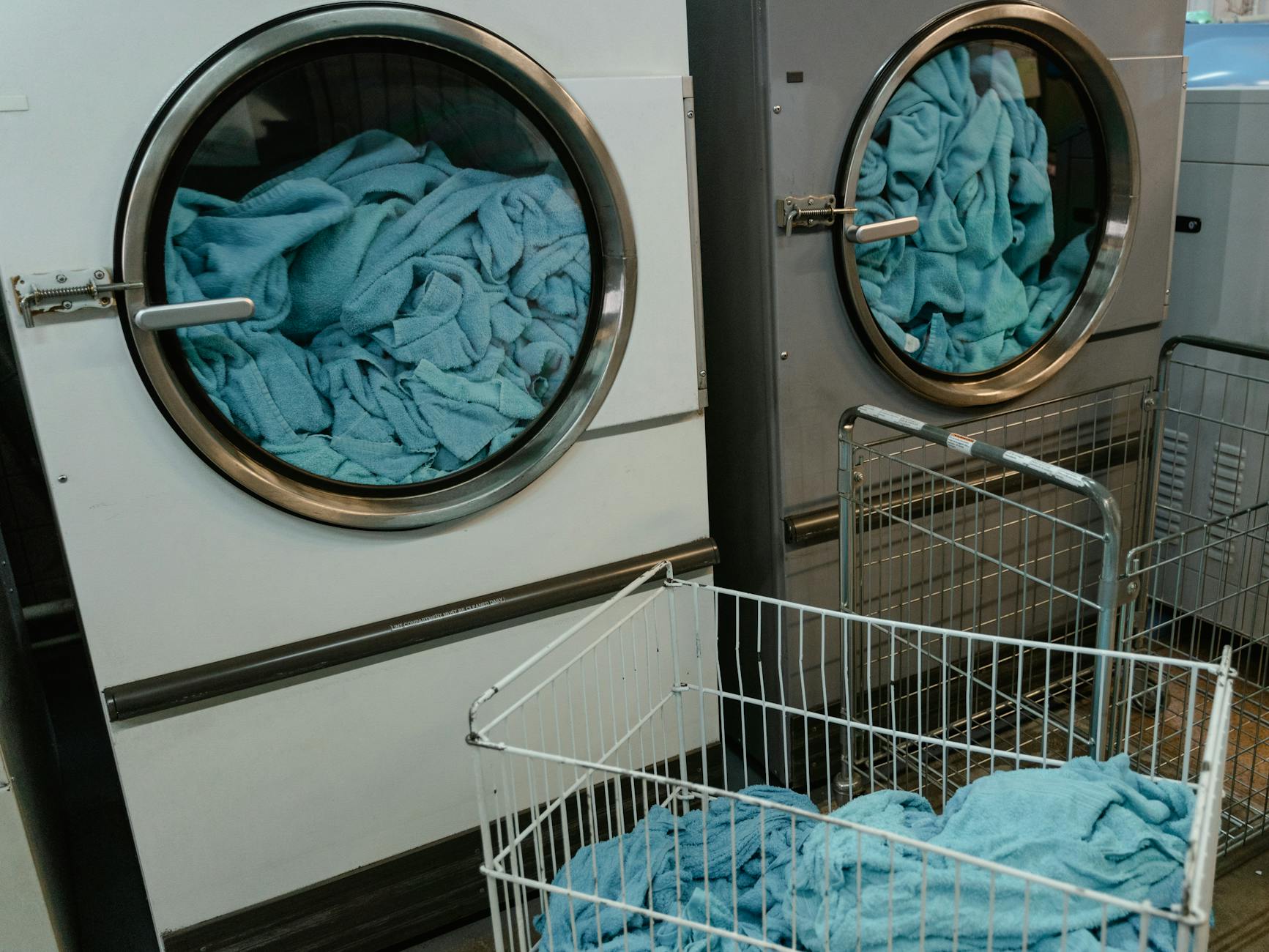
Garments returned from conventional dry cleaners are often treated with perchloroethylene, a solvent classified as a probable human carcinogen by multiple health agencies. This chemical clings to fabric and continues to off-gas inside the home, particularly when clothing is stored in enclosed wardrobes. Children and pregnant women are considered most at risk from sustained exposure in poorly ventilated spaces. Airing dry-cleaned items outside before bringing them indoors and seeking wet-cleaning or liquid carbon dioxide alternatives can significantly reduce exposure.
Mothballs
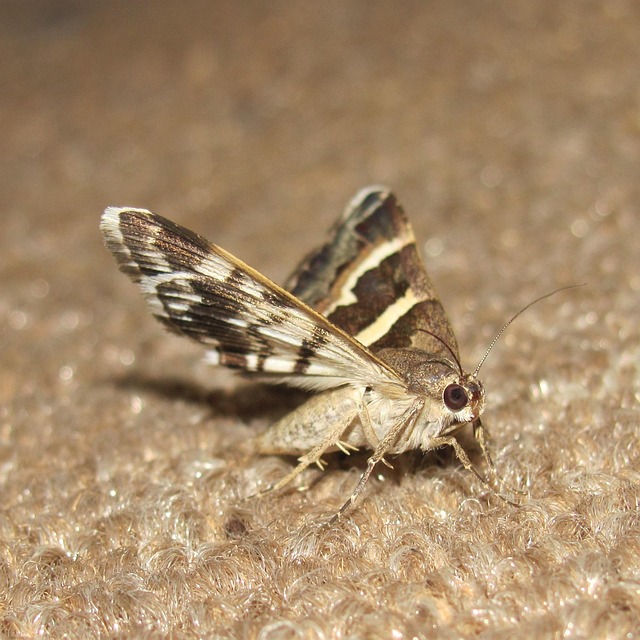
Traditional mothballs contain either naphthalene or paradichlorobenzene, both of which release vapors that are toxic when inhaled over time. These vapors accumulate in enclosed storage spaces such as closets, drawers, and under-bed bins where families often retrieve clothing and bedding. Naphthalene exposure has been associated with red blood cell damage, while paradichlorobenzene is classified as a possible carcinogen. Cedar blocks, lavender sachets, and sealed garment bags offer effective and far less harmful alternatives for protecting stored clothing.
Furniture Polish
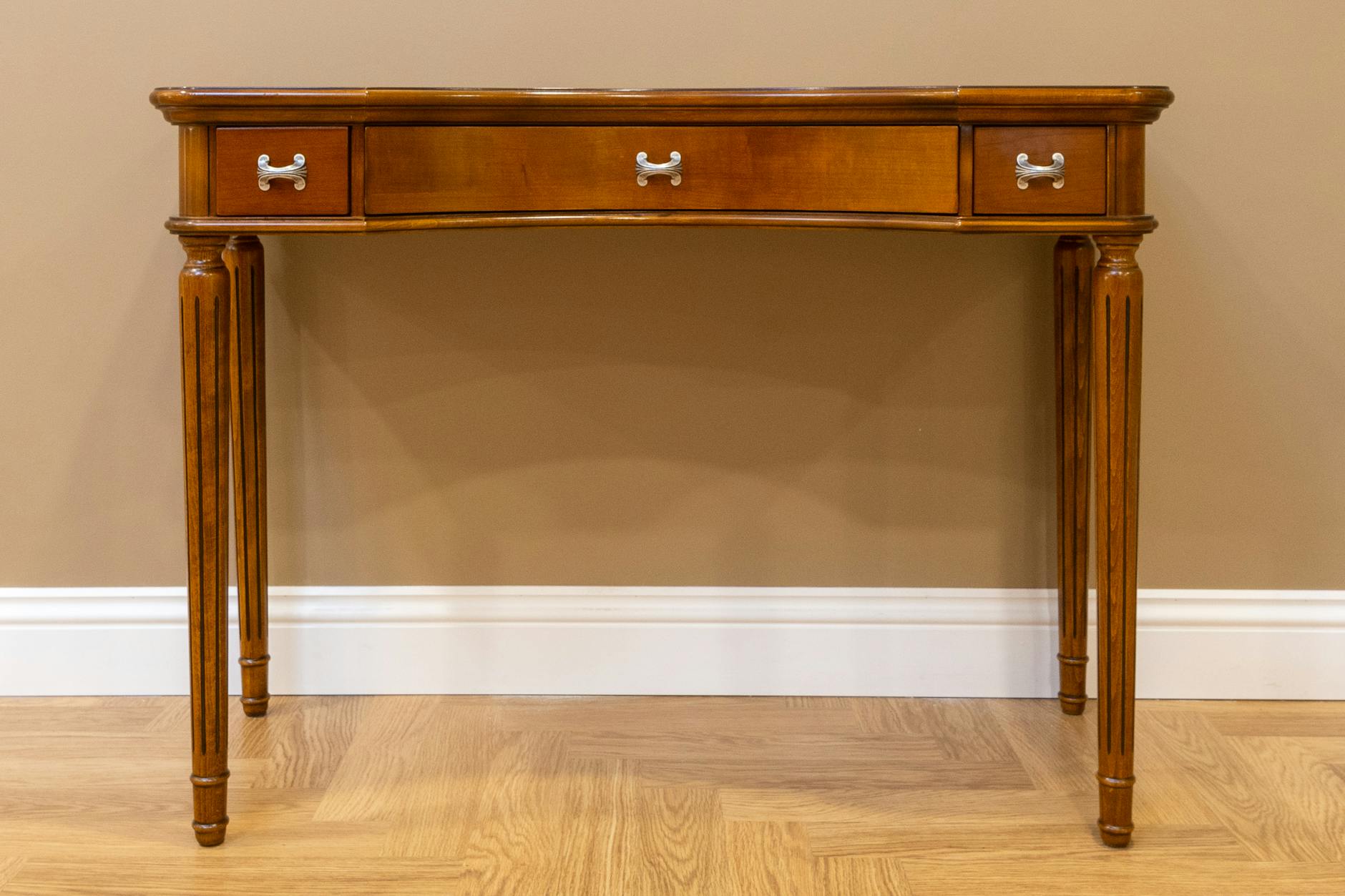
Many commercial furniture polishes contain petroleum distillates and other solvents that can be absorbed through the skin or inhaled during application. These products are also among the most common causes of accidental poisoning in young children who may be attracted to their pleasant scents. Residue left on treated surfaces can transfer to hands and mouths, especially in homes with toddlers who touch and explore furniture frequently. Plant-based polishes and simple mixtures of olive oil and white vinegar offer effective cleaning power without the associated chemical load.
Laundry Detergent Pods

Brightly colored and compact, laundry detergent pods are frequently mistaken for candy or toys by young children. Ingesting even a small amount of the highly concentrated detergent inside can cause severe vomiting, breathing difficulties, and loss of consciousness. Poison control centers in multiple countries have recorded thousands of pod-related incidents involving children under five years old. Storing pods in locked cabinets well out of reach and considering traditional powder or liquid detergents in child-resistant containers is strongly advised in homes with young children.
Pressed Wood Furniture
Furniture made from particleboard, plywood, and medium-density fiberboard often contains urea-formaldehyde resins in the adhesives used during manufacturing. Formaldehyde is a known carcinogen that off-gasses from these materials over time, with emissions typically highest in new furniture and in warmer or more humid environments. Prolonged exposure has been associated with respiratory irritation, headaches, and increased cancer risk with sustained contact. Choosing solid wood pieces, sealing pressed wood surfaces with low-VOC paint, and maximizing ventilation in furnished rooms are commonly recommended precautions.
Plastic Wrap
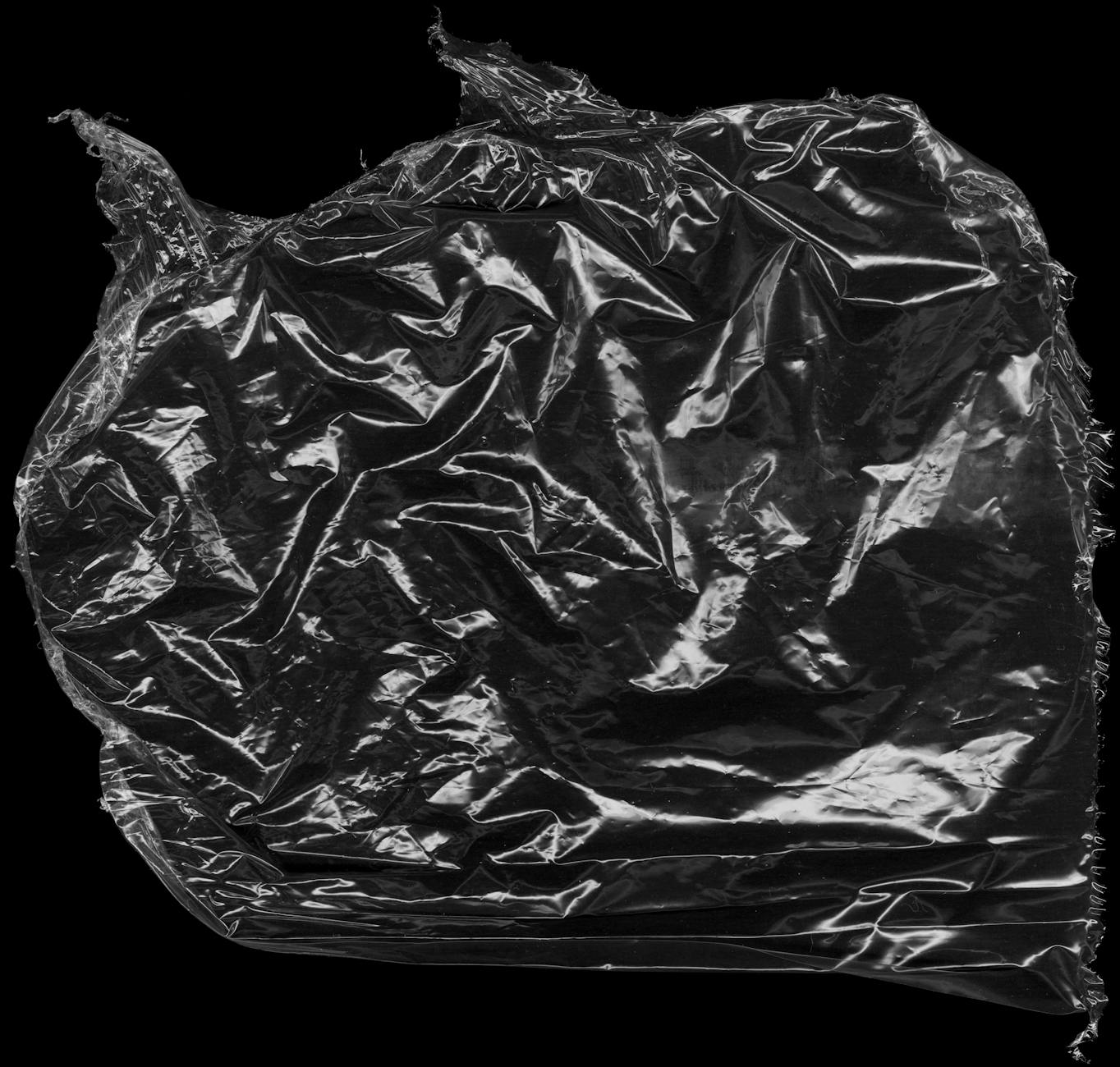
Conventional plastic wrap is often made from polyvinyl chloride and may contain plasticizers that can migrate into fatty foods like cheese and meat during contact. Heating food covered with plastic wrap in a microwave can accelerate the transfer of these compounds directly into meals. Regulatory bodies in various countries have updated guidelines around the use of PVC-based wraps in food contact applications. Switching to beeswax wraps, silicone lids, or glass containers with fitting lids provides effective food coverage without the same chemical concerns.
Baby Powder
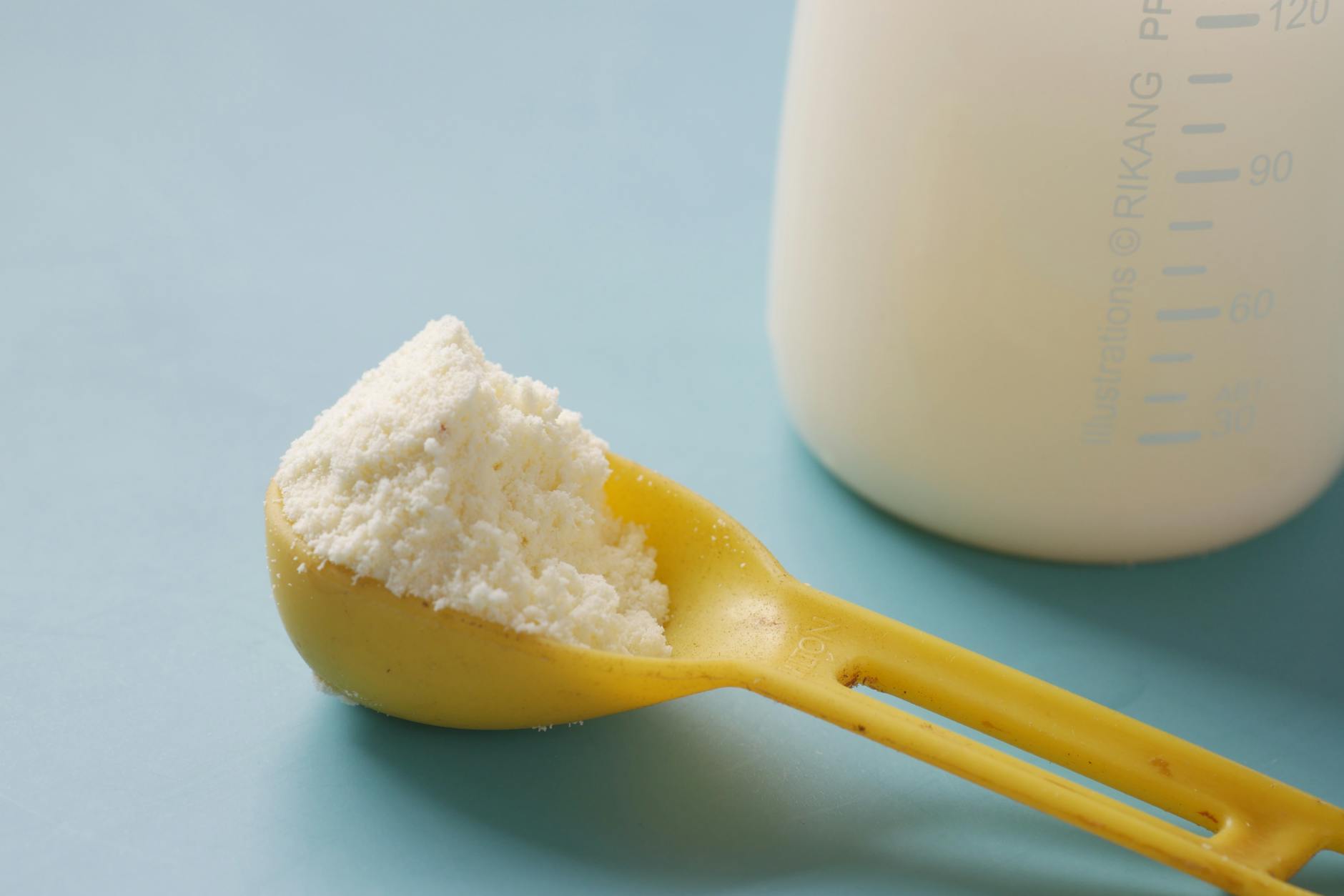
Talc-based baby powders have been the subject of ongoing legal and scientific scrutiny due to concerns about asbestos contamination in naturally occurring talc deposits. Inhalation of talc particles has long been considered a concern for infant respiratory health when powder is applied near the face. Several major manufacturers have faced lawsuits linking talc products to ovarian cancer and mesothelioma in adult users following decades of regular use. Cornstarch-based powders are now widely recommended as a safer alternative for diaper rash and skin moisture management.
Teflon-Coated Appliances

Beyond non-stick pans, many kitchen appliances including rice cookers, waffle makers, and sandwich presses use PTFE coatings that carry similar off-gassing risks. Overheating these coatings during regular use can cause the release of perfluorocarbon gases that are harmful when inhaled in enclosed kitchens. The risks are amplified in small apartments or homes with limited ventilation where fumes have less opportunity to dissipate. Reviewing the coating materials used in frequently operated kitchen appliances and ensuring adequate airflow during cooking is a straightforward protective measure.
Aluminum Foil
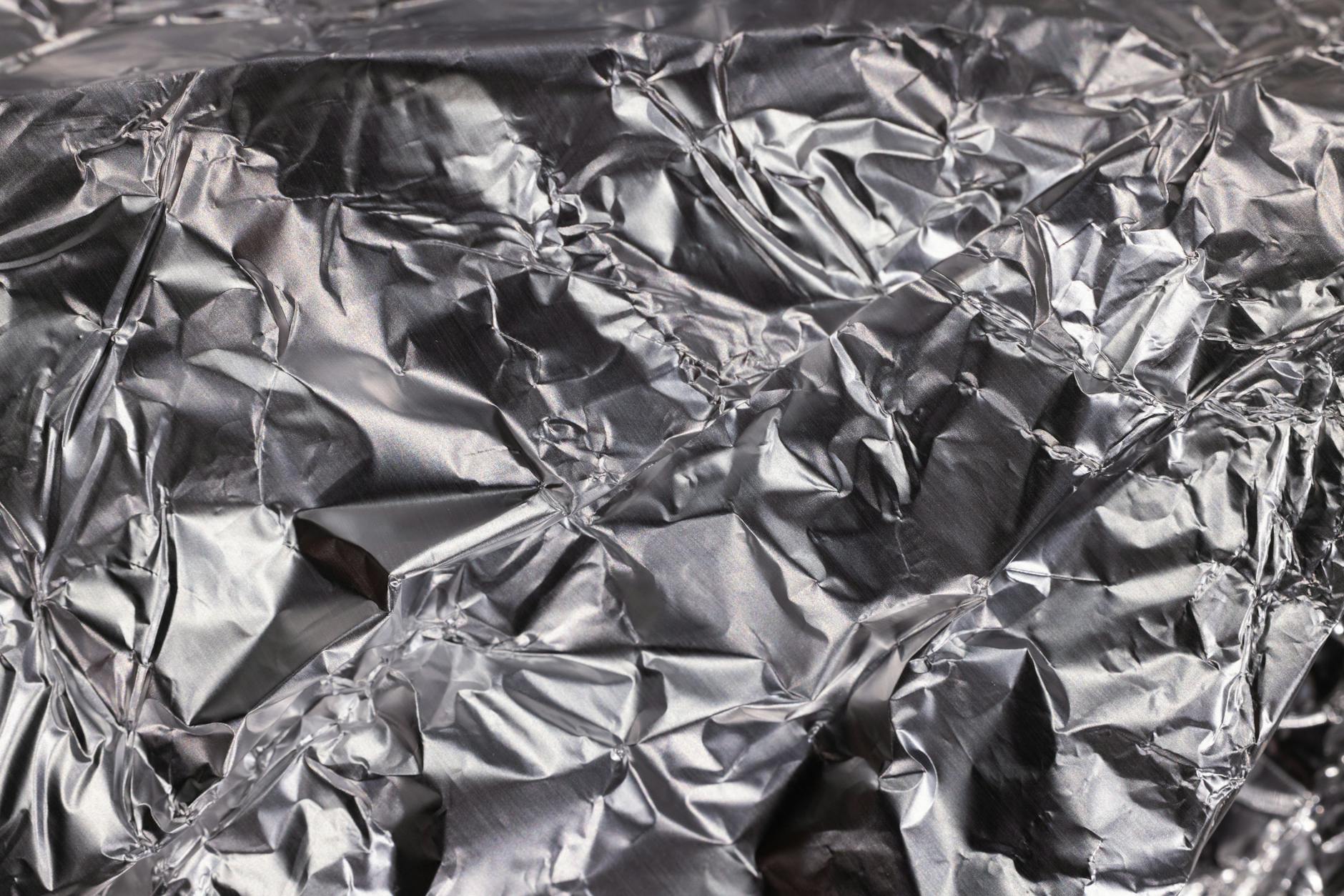
Using aluminum foil to wrap or cook acidic or spicy foods can cause the metal to leach into the food at levels above what researchers consider safe for regular consumption. Cooking at high oven temperatures with foil in direct contact with food further increases the rate of aluminum migration. While the body can process small amounts of aluminum, chronic dietary exposure has been studied in relation to neurological health. Using parchment paper as an alternative lining for baking and avoiding foil contact with marinated or seasoned dishes are simple adjustments that reduce exposure.
Receipts
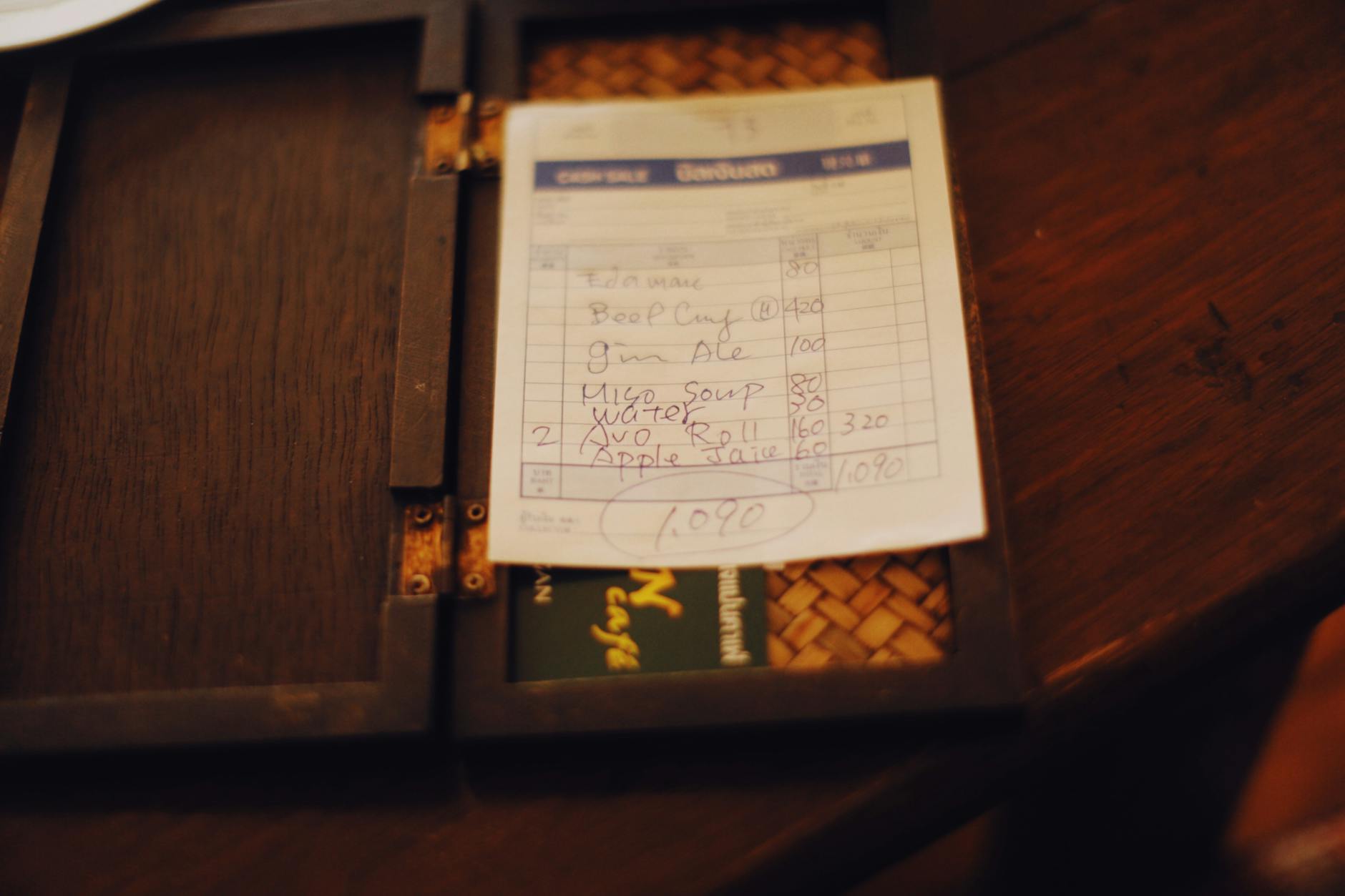
Thermal paper receipts are coated with bisphenol A or bisphenol S to allow ink-free printing, and these chemicals absorb readily through skin contact. Handling receipts frequently throughout the day and then touching food or the face can result in meaningful cumulative exposure over time. Cashiers and retail workers who handle receipts repeatedly are considered at particularly elevated risk compared to the general public. Opting for digital receipts wherever available and washing hands after handling paper receipts are effective ways to limit unnecessary contact with these compounds.
Tap Water

Municipal tap water can contain trace amounts of chlorine byproducts, heavy metals, pharmaceutical residues, and agricultural runoff depending on the age of local infrastructure and treatment methods. Lead contamination from aging pipes remains a significant concern in older homes and neighborhoods with outdated plumbing systems. Fluoride levels in treated water vary by region and continue to be debated among health researchers regarding long-term effects at cumulative doses. Installing a certified water filter and having tap water independently tested is a practical first step for households wanting greater certainty about what they are drinking.
Scented Dryer Sheets

Dryer sheets release a range of synthetic fragrance compounds and fabric-softening chemicals through dryer vents and onto treated clothing during each cycle. Several compounds detected in dryer sheet emissions are classified as hazardous air pollutants, including acetaldehyde and benzene derivatives. These chemicals remain on fabric fibers after drying and come into prolonged contact with skin throughout the day. Unscented dryer balls made from wool offer an effective static-reducing and fabric-softening alternative without the associated chemical residue.
Rubber Duck Bath Toys

Soft rubber bath toys frequently harbor mold and bacteria inside their hollow bodies due to water entering through the squirt hole and failing to dry completely between uses. Studies testing used bath toys found a wide range of potentially harmful microorganisms inside, including some associated with gastrointestinal and skin infections. Young children who squeeze these toys and place them near or in their mouths face the highest risk of exposure. Sealing the hole with waterproof adhesive, cleaning toys regularly with a dilute vinegar solution, or replacing rubber toys with solid alternatives can help manage the risk.
Conventional Cleaning Sprays
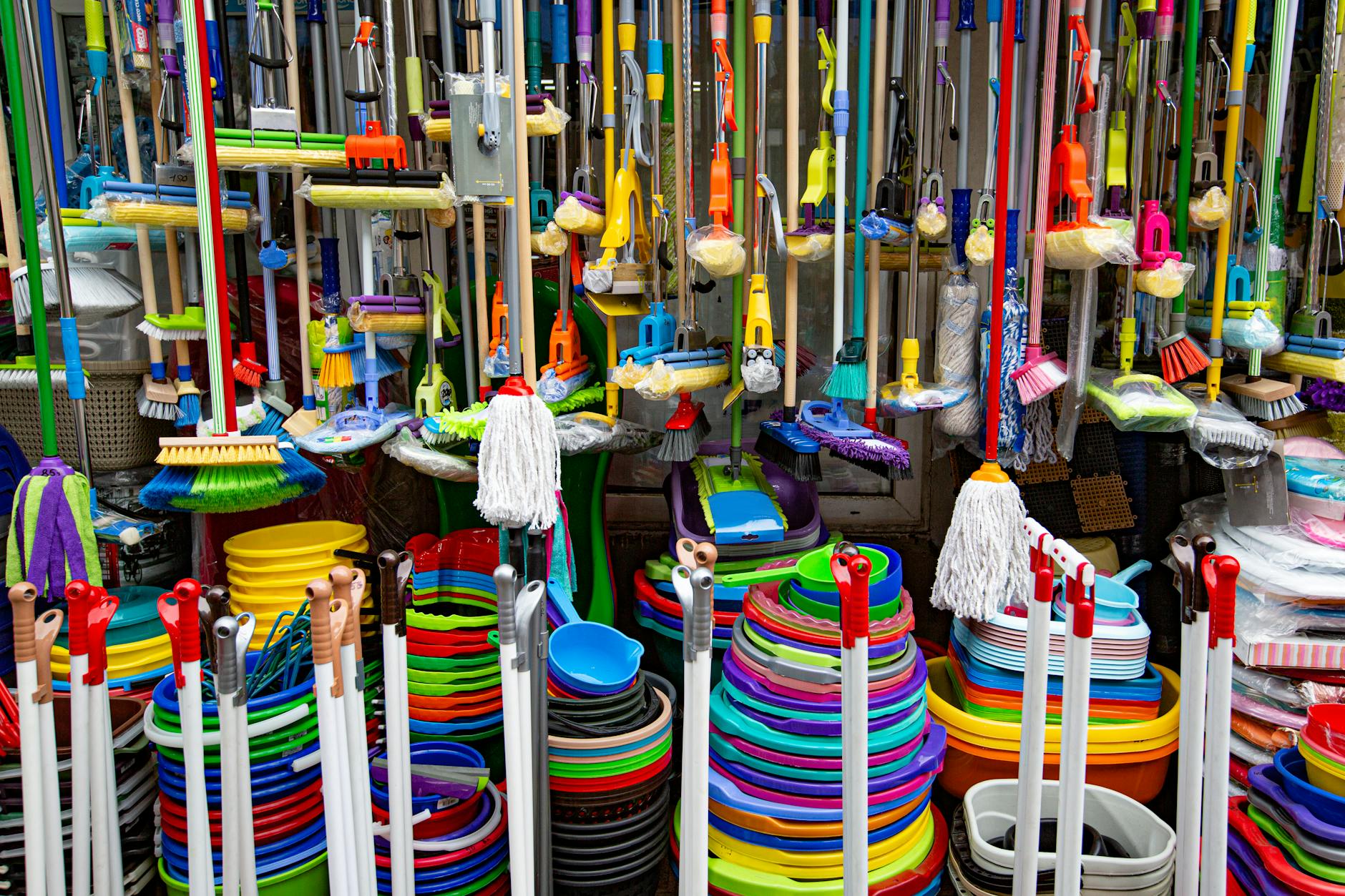
All-purpose cleaning sprays commonly found under kitchen sinks contain ammonium compounds, synthetic fragrances, and solvents that linger on surfaces long after application. Frequent use of these products in enclosed spaces has been associated in research with reduced lung function similar in scale to smoking a moderate number of cigarettes per day over many years. Residue left on countertops and tables can transfer to food and hands, particularly in households with young children. Plant-derived cleaning products and diluted vinegar or bicarbonate solutions achieve comparable surface hygiene with a significantly reduced chemical footprint.
Old Painted Walls

Homes built before the late 1970s in many countries are likely to contain lead-based paint beneath layers of more recent coats applied over the years. As this paint ages and deteriorates it produces dust and chips that can be ingested or inhaled by children, causing lasting neurological damage even at low exposure levels. Renovation activities like sanding or drilling in older homes can disturb lead paint and release dangerous concentrations of particles into the air without proper precautions. A professional lead inspection and the use of certified encapsulation products are recommended before undertaking any renovation in pre-1980s properties.
Scented Cleaning Products
Cleaning products marketed with fresh or floral scents frequently achieve that fragrance through the use of undisclosed synthetic chemical blends under broad labeling terms like “parfum.” These compounds include potential allergens and respiratory irritants that are not required to be individually listed on product labels in many countries. Children and individuals with asthma or chemical sensitivities are particularly vulnerable to reactions triggered by these formulations. Fragrance-free cleaning products or those with transparent ingredient lists are consistently recommended by environmental health organizations as safer alternatives for regular home use.
Extension Cords

Extension cords are among the most commonly misused electrical items in the home and are a leading cause of residential fires and electrocution injuries each year. Using an extension cord as a permanent wiring solution overloads its capacity over time and creates sustained heat that can ignite nearby materials. Daisy-chaining multiple extension cords together multiplies these risks significantly and is explicitly warned against by electrical safety bodies in most countries. Having a licensed electrician install additional permanent outlets in frequently used areas is the safest long-term solution for homes with ongoing extension cord dependency.
Plug-In Night Lights
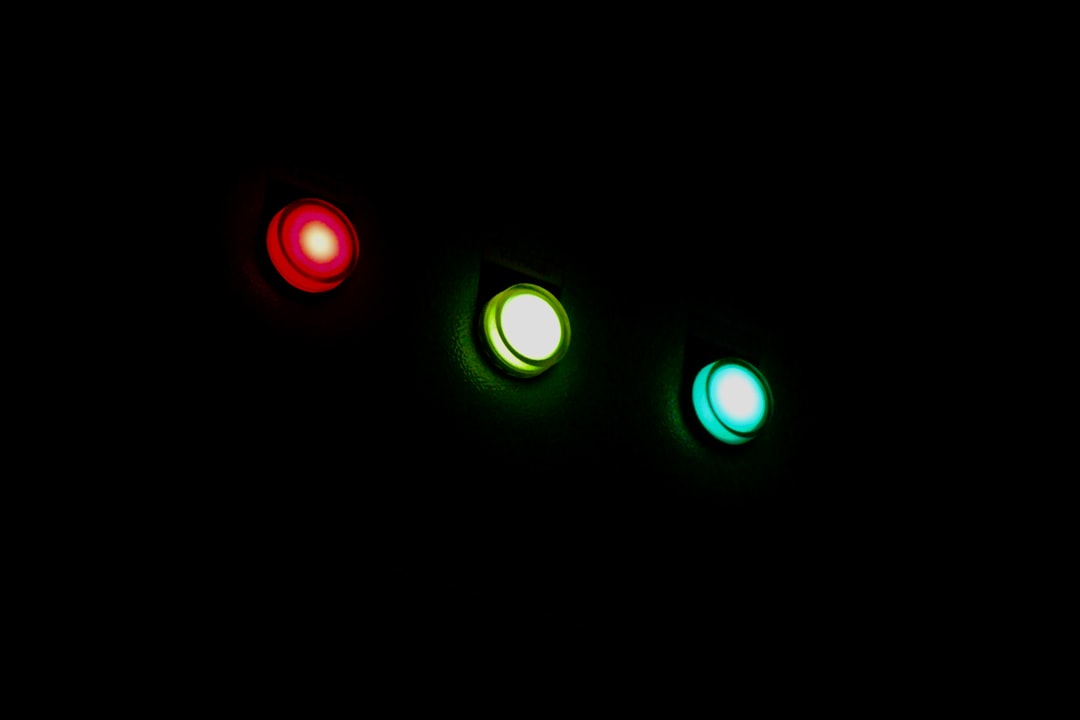
Plug-in night lights that remain in sockets continuously for extended periods can overheat, especially when covered by furniture or curtains that trap warmth around the outlet. Faulty or aging night lights have been identified as the cause of outlet fires in residential settings, particularly in older homes with worn electrical systems. Leaving any plug-in device unattended and unmonitored for months or years without inspection increases the likelihood of electrical faults developing undetected. Battery-operated or motion-sensor LED alternatives provide soft illumination without maintaining a continuous load on household wiring.
Humidifiers
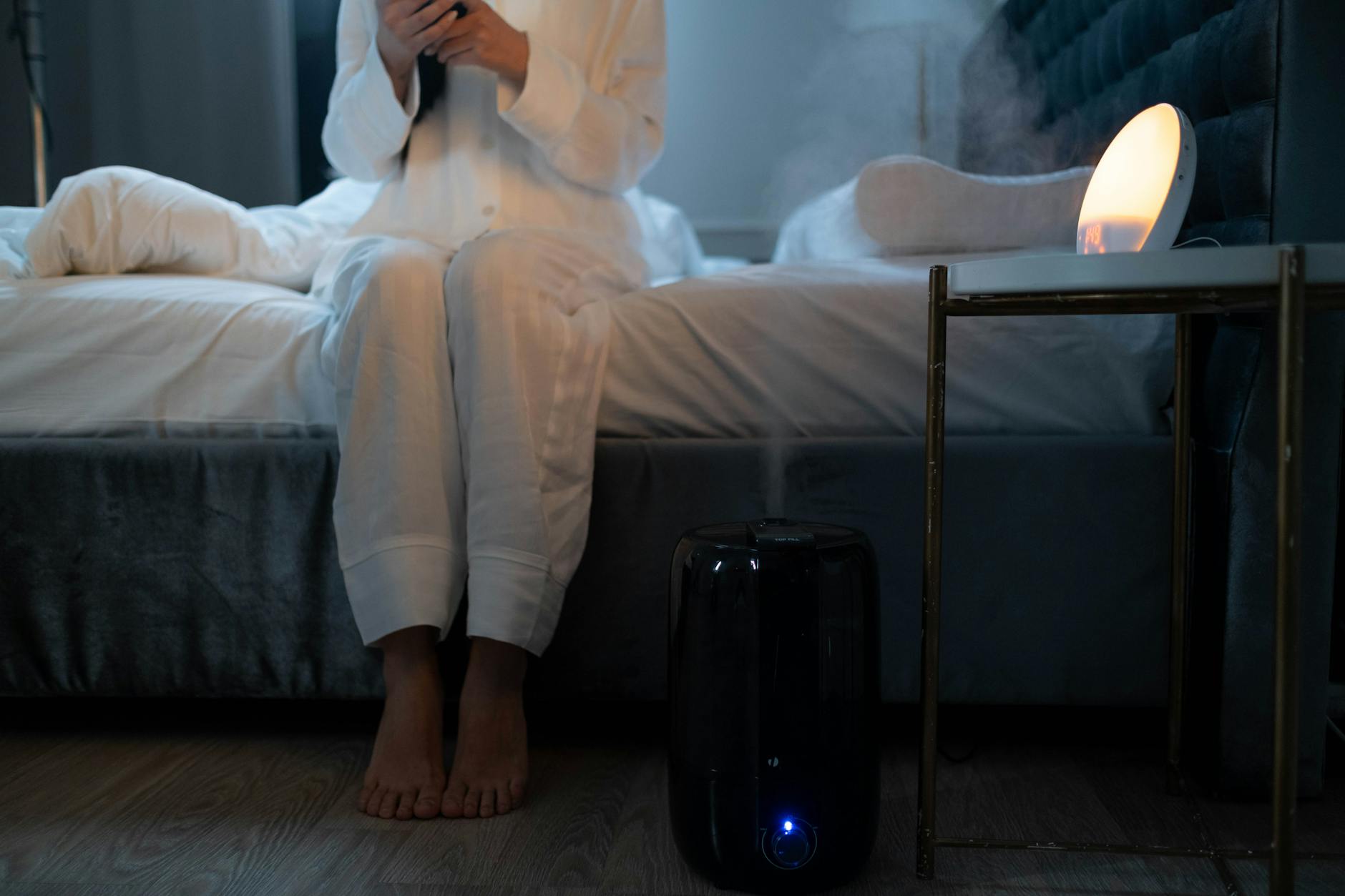
Humidifiers that are not cleaned according to manufacturer guidelines can become breeding grounds for mold and bacteria that are then dispersed directly into the air of living spaces. Using tap water in ultrasonic humidifiers releases mineral dust into the air along with any contaminants present in the water supply. Breathing in this aerosolized mist over time has been linked to a condition called humidifier lung, a form of hypersensitivity pneumonitis. Cleaning humidifier tanks daily with a dilute vinegar solution and using distilled water are the two most effective steps for preventing microbial growth and mineral dispersion.
Gel Nail Products
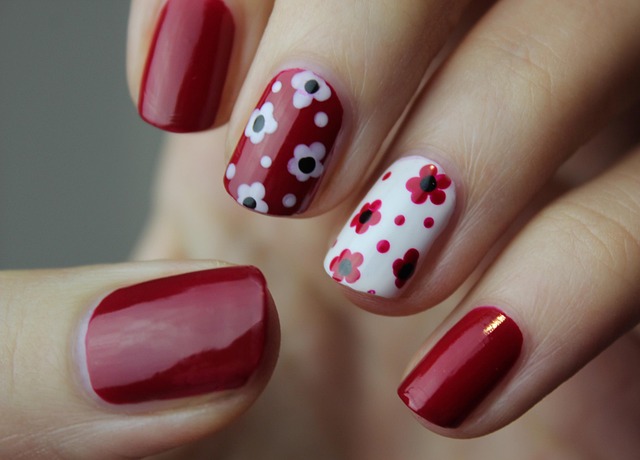
Gel nail kits sold for home use contain methacrylate compounds that are classified as common causes of allergic contact dermatitis when they touch the skin repeatedly during application. The UV or LED lamps used to cure gel products emit ultraviolet radiation that contributes to cumulative skin damage and accelerated aging on the hands with frequent use. Improper removal of gel nails through peeling rather than soaking significantly damages the nail plate and surrounding tissue over time. Dermatologists recommend limiting the frequency of gel applications, using UV-protective gloves with cut fingertips during curing, and seeking professional removal to reduce associated risks.
Decorative Throw Pillows
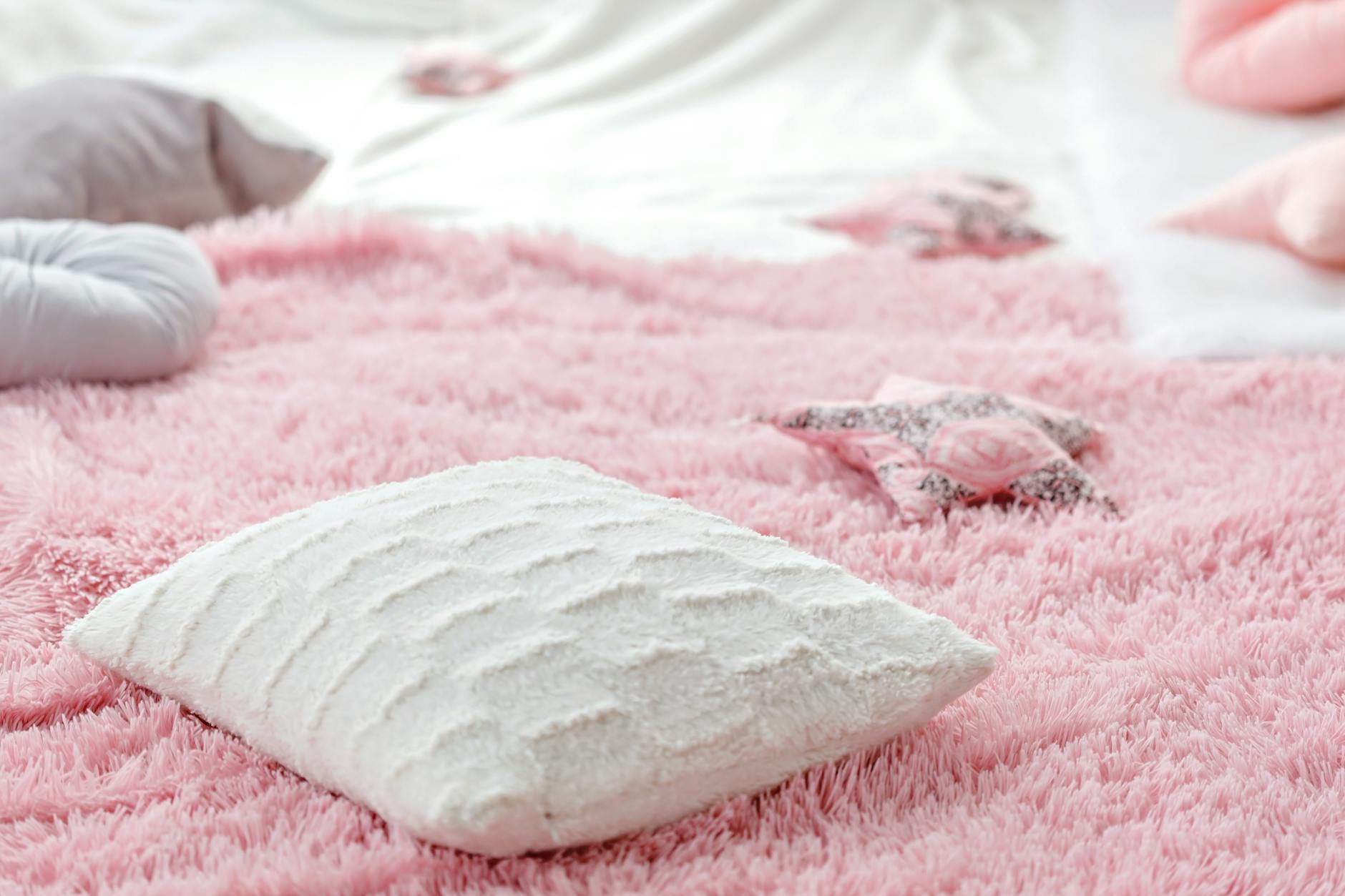
Mass-produced decorative pillows frequently contain polyurethane foam filling treated with flame retardants that belong to chemical families associated with thyroid disruption and developmental concerns. The fabric coverings on imported decorative pillows may also be treated with formaldehyde-based wrinkle-resistant finishes that off-gas in the home environment. Children who regularly hug or nap on these pillows face a higher level of contact exposure compared to adults. Washing pillow covers before first use, choosing pillows filled with natural materials like wool or organic cotton, and looking for certifications such as OEKO-TEX can help families make safer choices.
Stain-Resistant Sprays
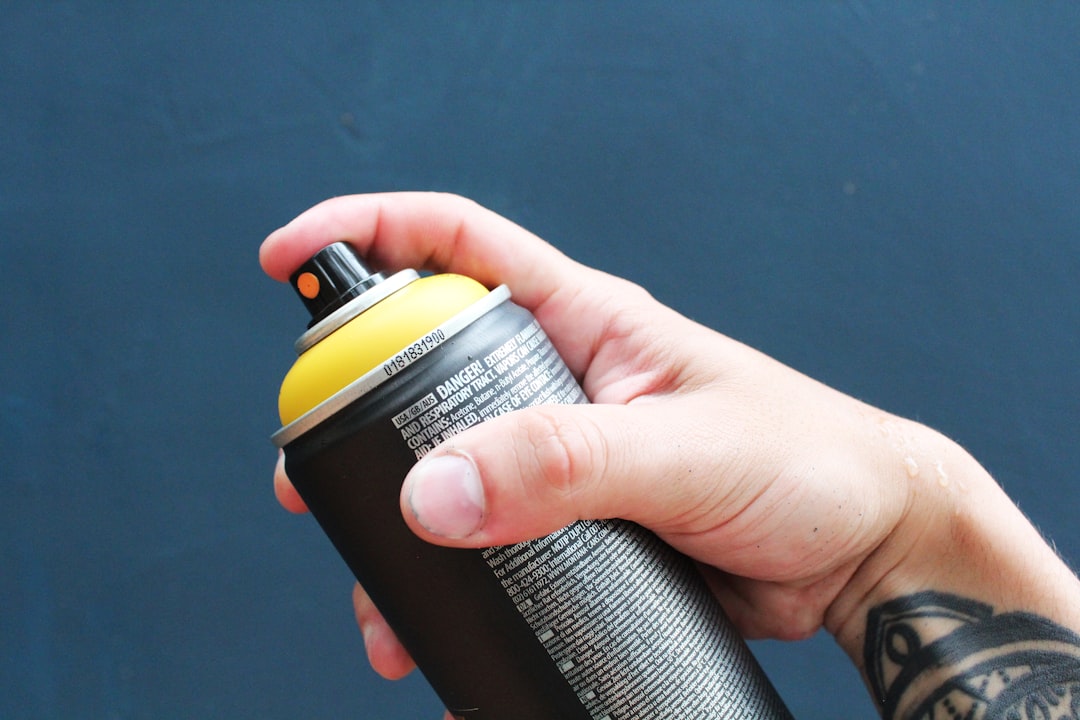
Fabric and carpet protection sprays containing per- and polyfluoroalkyl substances create a chemical barrier against liquids and stains that does not break down easily in the body or the environment. These compounds have been detected in the bloodstream of people with no known occupational exposure, suggesting widespread absorption through treated household surfaces and products. Research has linked sustained PFAS exposure to immune system effects, thyroid disruption, and increased risk of certain cancers. Avoiding PFAS-containing stain treatments and choosing untreated natural fabrics where possible reduces the ongoing chemical load in the home environment.
Share your thoughts about these household hazards in the comments.