The evening wind-down ritual has become one of the most enthusiastically cultivated wellness practices of the past decade with millions of people investing significant time, money, and intention into the hours before bed in pursuit of the restorative deep sleep that modern life so consistently undermines. What sleep researchers, chronobiologists, and clinical sleep medicine specialists have accumulated substantial evidence for is the counterintuitive finding that many of the practices most commonly associated with evening relaxation are actively interfering with the physiological processes that produce genuinely restorative sleep architecture. The gap between what feels calming and what is neurologically conducive to deep sleep is wider and more consequential than the wellness industry that profits from evening routine products and content has any commercial interest in communicating. The human sleep system is governed by precise biological mechanisms involving temperature regulation, hormonal cascades, light sensitivity, and nervous system state that are disrupted with surprising ease by practices that feel intuitively restorative. These are 24 surprising ways your evening wind-down ritual is secretly disrupting your deep sleep.
Warm Baths
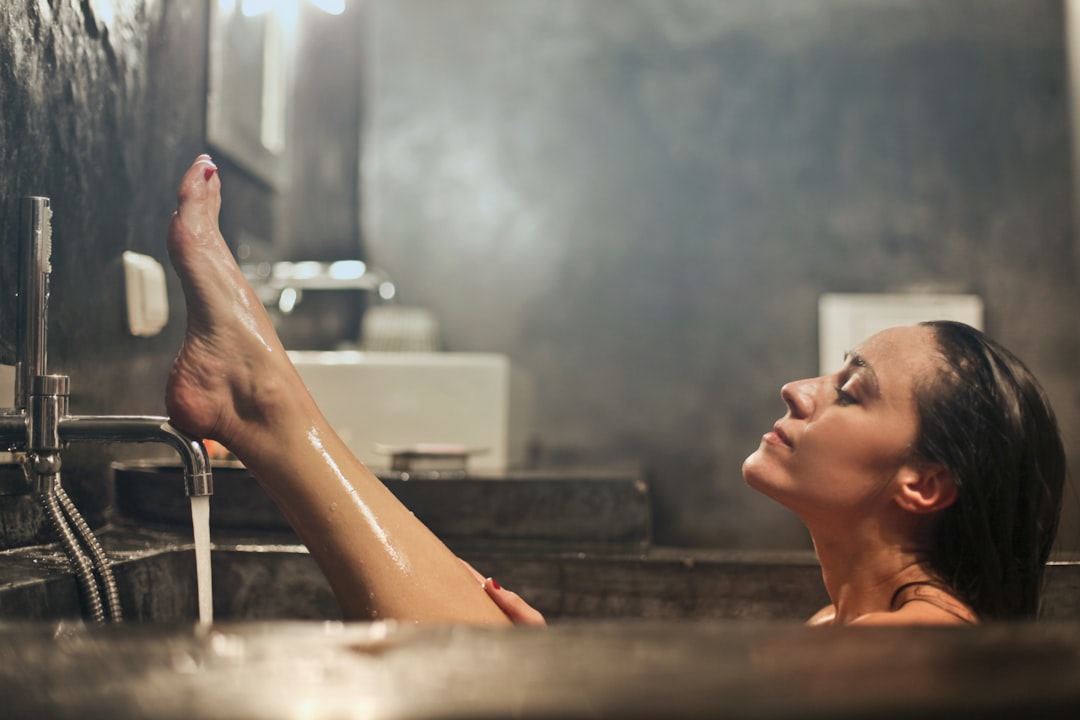
The warm evening bath is among the most universally recommended sleep preparation practices and it does initiate a genuine physiological relaxation response that most people correctly identify as conducive to sleep onset. The disruption occurs when the bath is taken too close to the intended sleep time because the body’s core temperature must drop by approximately one to one and a half degrees Celsius to initiate and sustain deep sleep architecture and a warm bath delays rather than accelerates this cooling process when insufficient time is allowed between bathing and sleeping. Sleep researchers have established that the optimal timing for a warm bath is approximately ninety minutes before the intended sleep time because this window allows the post-bath vasodilation that draws heat to the skin surface to complete its work and the subsequent core temperature drop to occur precisely as the sleep window opens. Baths taken within thirty minutes of bedtime produce the opposite of their intended effect on core temperature regulation and measurably reduce slow-wave sleep duration in the first half of the night when deep sleep is most concentrated.
Evening Yoga

Gentle yoga is promoted almost universally as an ideal evening wind-down practice and the parasympathetic activation it produces through slow movement and breath awareness is genuinely conducive to nervous system calming in ways that direct sleep benefit research supports. The category of yoga most commonly practiced as an evening ritual however frequently includes sequences that are more physically activating than their gentle branding suggests and the elevation of core body temperature, heart rate, and cortisol that accompanies even moderate physical effort disrupts the hormonal and thermal conditions required for deep sleep onset if the practice occurs within two hours of the intended sleep time. Restorative yoga involving fully supported static poses held for extended periods represents a genuinely sleep-compatible practice while flow sequences, standing balances, and any practice that produces noticeable physical exertion does not belong in the ninety-minute window before sleep. The distinction between neurologically calming movement and physiologically activating movement is absent from most evening yoga content and the conflation of the two categories leads practitioners toward practices that feel peaceful while producing measurable sleep architecture disruption.
Herbal Teas

The evening herbal tea ritual carries an exceptionally strong cultural association with relaxation and sleep preparation that substantially exceeds the evidence base for most of the specific herbs most commonly consumed in this context. Chamomile has modest anxiolytic effects supported by limited but genuine research while the majority of herbs marketed in sleep blend teas including passionflower, lemon balm, and valerian have highly variable evidence quality and effect sizes that are far smaller in human trials than their marketing suggests. The more significant and consistently overlooked disruption from evening tea consumption is the fluid intake itself which advances the timing of nocturnal bladder filling and increases the probability of sleep-interrupting arousal in the second half of the night when the body processes the consumed fluid. The ritual warmth and the psychological comfort of the tea ceremony produce genuine nervous system calming that is real and valuable but the fluid volume consumed in the name of sleep preparation is simultaneously creating the conditions for the fragmented sleep that the ritual is intended to prevent.
Reading Before Bed

Physical book reading before sleep is consistently positioned as the gold standard of screen-free wind-down activity and for readers whose material is genuinely light and whose reading produces drowsiness within a short period this characterization is broadly accurate. The disruption emerges for the significant proportion of readers whose chosen material is cognitively engaging, narratively compelling, or emotionally activating in ways that sustain or increase mental arousal rather than allowing it to naturally subside toward the threshold of sleep. A reader who becomes absorbed in a genuinely gripping narrative is experiencing elevated heart rate, sustained cortisol, narrative anticipation, and the neurological state of active story processing that is incompatible with the mental quieting that precedes deep sleep onset regardless of whether the medium is a physical book or a screen. The light-free nature of physical book reading addresses only the photic component of pre-sleep disruption and leaves entirely unaddressed the cognitive and emotional activation that content engagement produces in a reader whose chosen material exceeds their actual drowsiness threshold.
Journaling

Evening journaling is recommended across therapeutic, wellness, and productivity frameworks as a practice that externalizes mental content, reduces rumination, and creates psychological closure on the day in ways that prepare the mind for sleep. The disruption that clinical sleep researchers observe in patients with journaling habits stems from the category of journaling most people actually practice in the evening which involves problem analysis, emotional processing, relationship examination, future planning, and the active engagement with unresolved psychological material that increases rather than decreases cognitive and emotional activation in the period immediately before sleep. Gratitude journaling with a genuinely brief and completion-oriented format represents a meaningfully different neurological activity from analytical or exploratory journaling and the evidence for its sleep-compatible effects is more robust. The journaling practice that feels most meaningful and therapeutically valuable is frequently the practice most likely to generate the rumination, problem-solving activation, and emotional arousal that directly competes with the mental quieting that deep sleep requires.
Magnesium Supplements

Magnesium supplementation has accumulated substantial popular and clinical support as a sleep-promoting intervention and the genuine physiological role of magnesium in GABA pathway function, muscle relaxation, and nervous system regulation provides a credible mechanistic basis for this reputation. The timing, form, and dose of magnesium supplementation introduce disruptions that the popular sleep content ecosystem rarely addresses with the specificity that would make supplementation genuinely effective rather than psychologically reassuring. Magnesium oxide, the most common and least expensive form found in retail supplements, has poor bioavailability and produces gastrointestinal effects in many users that create the physical discomfort and nocturnal awakening that the supplement was intended to prevent. Magnesium glycinate and magnesium threonate have substantially better bioavailability and tolerability profiles but even these more effective forms require consistent multi-week supplementation to produce meaningful tissue saturation and the single nightly dose taken as an acute sleep aid produces minimal acute physiological effect in the majority of users who have not established baseline sufficiency.
Meditation Apps
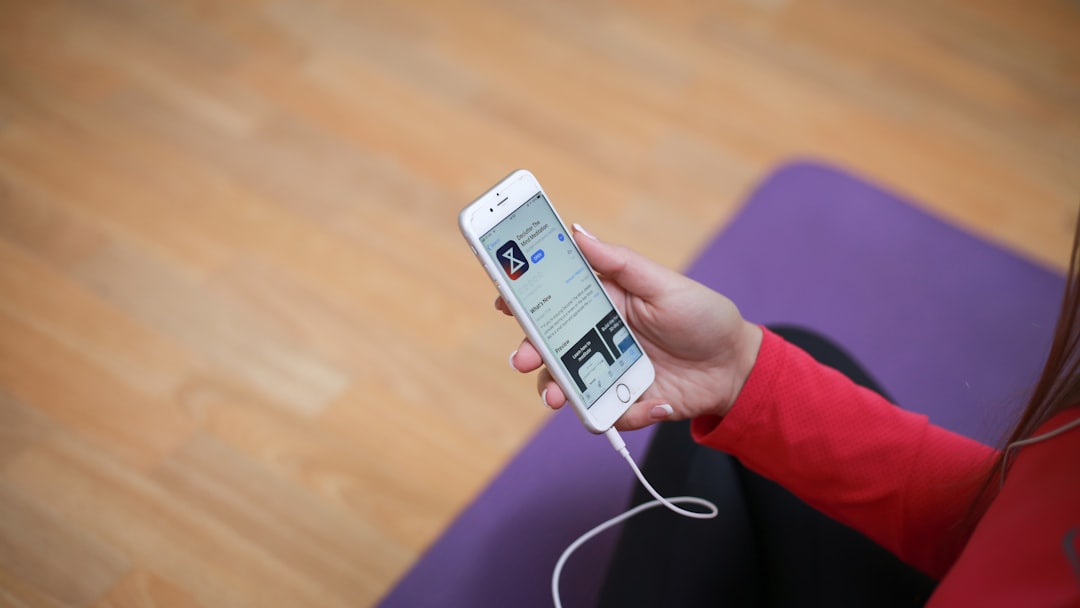
Guided meditation applications represent one of the fastest-growing categories of sleep wellness technology and the genuine neurological effects of sustained meditative practice on sleep architecture are supported by research of reasonable quality in experienced practitioners. The disruption introduced by app-based guided meditation in the pre-sleep period stems from several sources that the apps themselves have no commercial incentive to address including the device interaction required to initiate the session, the blue light exposure that accompanies app navigation even in night mode settings, and the cognitive effort that following guided instructions requires from individuals who have not developed sufficient meditation experience to enter a genuinely passive receptive state in response to verbal prompting. Novice meditators attempting to follow complex body scan or visualization instructions frequently report increased rather than decreased mental activity because the instruction-following process itself generates the evaluative self-monitoring that meditation is intended to dissolve. The technology delivery mechanism of the practice and the cognitive demands of guided instruction combine to undermine the sleep-preparation benefit that genuine meditative quieting could otherwise provide.
Evening Supplements

The elaborate evening supplement stacks promoted in biohacking and sleep optimization communities including combinations of glycine, theanine, ashwagandha, phosphatidylserine, and various adaptogenic compounds introduce a category of disruption that operates through the anxiety and hypervigilance that supplement-dependent sleep produces rather than through the direct physiological effects of the compounds themselves. Individuals who have constructed elaborate pre-sleep supplement protocols frequently report significant anxiety about the consequences of missing a component of the stack, variation in sleep quality that they attribute to supplement timing rather than to other variables, and a progressive increase in supplementation complexity that reflects supplement-seeking behavior rather than genuine sleep optimization. The nocebo effect of believing that sleep will be poor if the supplement protocol is incomplete or imperfectly timed is a documented and clinically significant phenomenon that the supplement industry has no incentive to address and that sleep medicine specialists observe regularly in patients who have constructed elaborate chemical sleep dependencies. Genuine sleep architecture is governed by the body’s own neurochemical systems and the external supplementation of these systems produces the most reliable benefit in individuals with specific documented deficiencies rather than in generally healthy people seeking optimization.
Night Creams
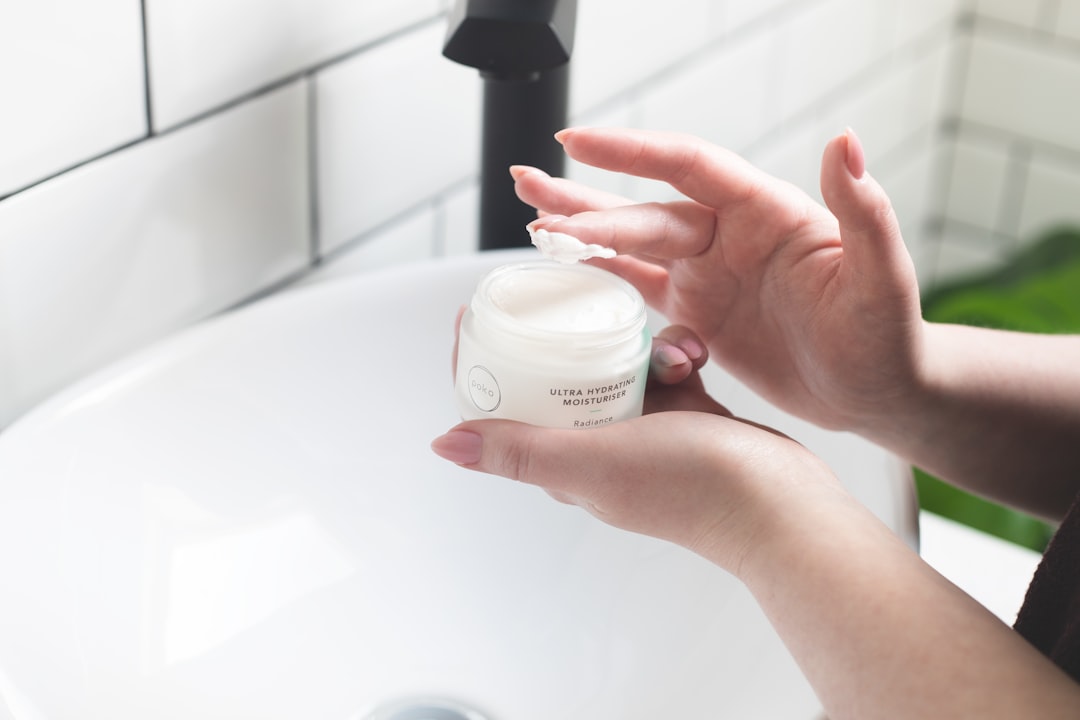
The elaborate multi-step evening skincare routines that have become a significant cultural ritual for millions of people introduce both thermal and neurological disruptions to the pre-sleep period that the beauty industry has no commercial interest in examining. Facial massage performed as part of an evening skincare routine activates the trigeminal nerve network and produces a mild vasodilatory and alerting response that counteracts the thermal cooling process required for deep sleep onset when the routine occurs within the thirty minutes immediately preceding sleep. Active ingredient skincare products including retinoids, exfoliating acids, and high-concentration vitamin C serums applied in the evening produce low-level cellular activity and occasional mild photosensitivity reactions that can generate the physical awareness and discomfort associated with sleep-disrupting micro-arousals in sensitive individuals. The psychological ritual value of an elaborate skincare practice is genuine and the timing of the routine earlier in the evening wind-down sequence rather than immediately before sleep would preserve the ritual benefit while removing its thermal and neurological proximity to the sleep onset window.
Sleep Podcasts
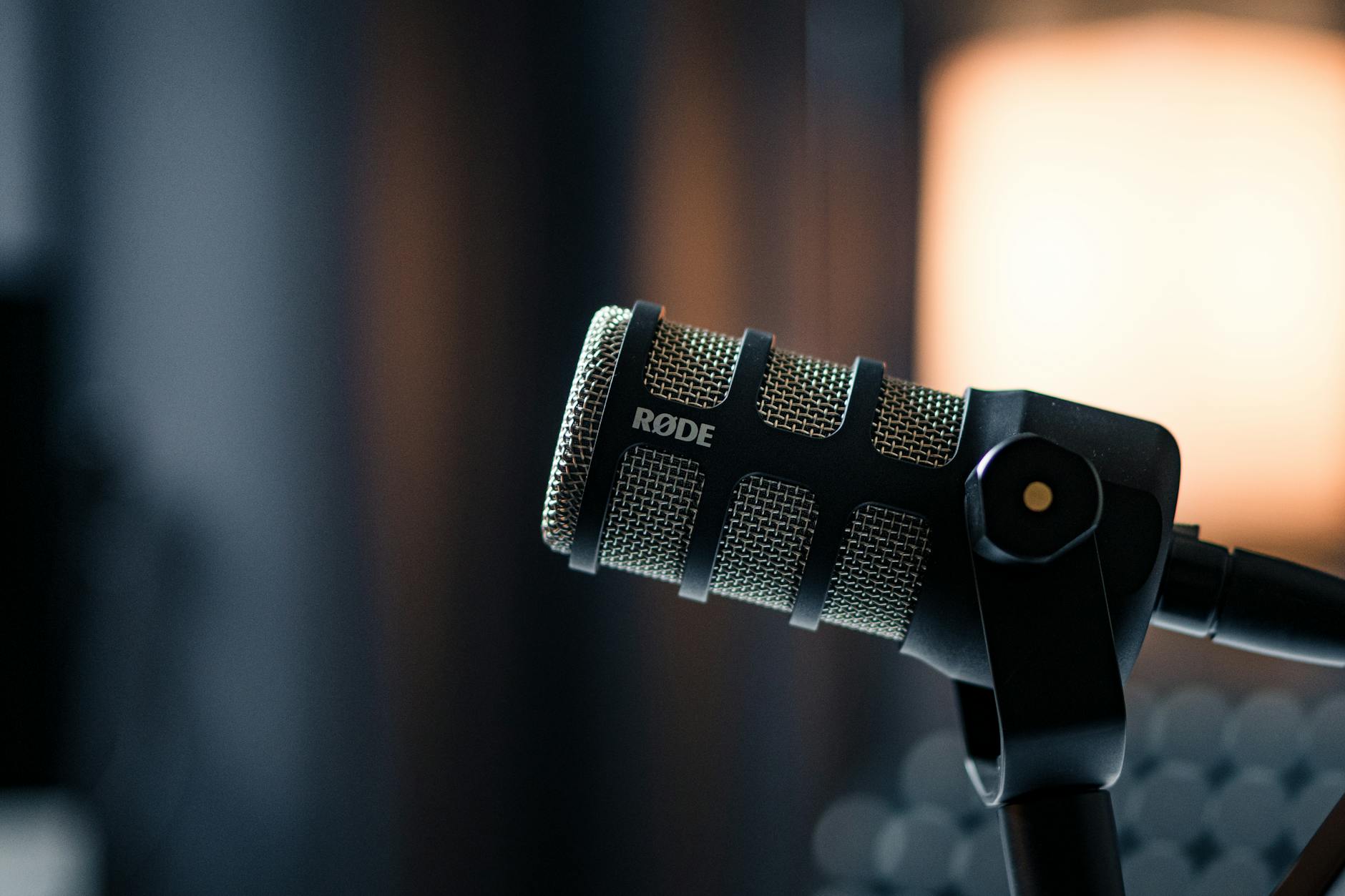
Podcast listening as an evening wind-down practice exploits the genuine relationship between narrative engagement and drowsiness that many people experience as a conditioned relaxation response to the specific vocal qualities and content patterns they associate with pre-sleep audio. The disruption emerges from the audio continuation that occurs after sleep onset because the sleeping brain continues to process environmental sound at a level sufficient to produce micro-arousals and sleep stage transitions that measurably reduce slow-wave sleep duration without rising to the threshold of full awakening that the sleeper would register or remember. Sleep architecture research using polysomnography in participants who listen to audio content through the night consistently shows reduced deep sleep percentage and increased light sleep percentage compared to silence or white noise conditions even when subjects report subjective sleep quality as unaffected. The podcast that successfully initiates sleep onset is simultaneously creating the conditions for the fragmented and architecturally shallow sleep that the wind-down ritual was designed to prevent.
Stretching Routines

Evening stretching is among the most intuitively appealing pre-sleep practices because the immediate physical sensation of releasing muscular tension produces an unmistakable subjective experience of relaxation that is genuinely occurring at the level of the peripheral nervous system. The core temperature elevation that accompanies even gentle sustained stretching when practiced as a deliberate sequence rather than as incidental movement creates the same thermal disruption to sleep onset conditions that exercise produces in a more modest but still measurable form. Proprioceptive activation generated by deliberate stretching sequences sustains a level of body awareness and motor engagement that competes with the progressive sensory disengagement that precedes deep sleep and that is most efficiently achieved in conditions of physical stillness and thermal neutrality. The timing principle that applies to warm baths and exercise applies equally to stretching sequences and moving the practice to at least sixty minutes before the intended sleep time preserves its genuine relaxation benefits while allowing the thermal and neurological conditions for deep sleep to establish themselves without competition.
Alcohol Nightcap

The evening alcoholic drink is among the oldest and most culturally entrenched sleep preparation practices and the genuine sedative effect of alcohol on sleep onset latency creates a subjective experience of sleep-promoting benefit that is powerfully reinforced by the speed and reliability with which it produces drowsiness. Sleep architecture research has established with exceptional consistency that while alcohol reliably accelerates sleep onset it simultaneously suppresses REM sleep in the first half of the night and produces a rebound arousal effect in the second half as the liver metabolizes the alcohol load and the nervous system transitions from sedation to stimulation. The deep sleep disruption produced by even moderate alcohol consumption the same evening is measurable on polysomnography in doses as low as one standard drink in sensitive individuals and becomes pronounced at two or more drinks regardless of individual tolerance level. The feeling of having slept deeply after alcohol consumption reflects the sedative depth of alcohol-induced sleep rather than the restorative architecture of genuine slow-wave sleep and chronic reliance on alcohol for sleep initiation produces a progressive deterioration of natural sleep drive that requires increasing doses to achieve diminishing sedative effect.
Blue Light Glasses

Blue light blocking glasses have achieved significant cultural traction as an evidence-based solution to the photic disruption of melatonin secretion that screen use produces in the evening and the genuine circadian science underlying their mechanism has been compellingly communicated by the wellness industry that profits from their sale. The disruption they introduce is not physiological but behavioral because the perceived protection of blue light glasses consistently produces an extension of screen use time in individuals who believe the glasses have neutralized the sleep-disruptive effects of their device use in ways that the research on blue light blocking lenses does not support for the majority of retail products available. The cognitive and emotional activation produced by engaging content, the postural tension of device use, the social obligation arousal of messaging and social media, and the narrative engagement of streaming content all represent sleep-disrupting mechanisms that blue light blocking addresses none of and that continue to operate regardless of the spectral profile of the light reaching the wearer’s retina. The glasses that feel like a solution have in many cases become a permission structure that extends the behavior they were intended to mitigate.
CBD Products

CBD sleep products represent one of the fastest-growing categories in the evening wellness market and the genuine anxiolytic effects observed in clinical research on CBD at specific doses provide a mechanistic basis for their sleep-adjacent benefit claims that most other supplement categories cannot match. The disruption introduced by retail CBD sleep products stems from the dose inconsistency that characterizes the unregulated supplement market where independent testing has repeatedly found significant discrepancies between labeled and actual CBD content, from the carrier oils and additional ingredients in many formulations that produce gastrointestinal effects in sensitive users, and from the psychological dependency dynamic that any chemically mediated sleep preparation practice creates over time. The anxiety about sleep quality that drives CBD supplementation is frequently more significant as a sleep disruptor than the sleep architecture deficit the product is intended to address and the cognitive model of sleep as something that requires chemical assistance creates a hypervigilance around sleep performance that is among the most reliably documented causes of insomnia maintenance. Genuine CBD research suggests that effects on anxiety rather than on sleep architecture directly are the primary mechanism through which benefit occurs and that dose calibration far beyond what retail products support is required to produce consistent results.
Evening News

Consuming news content in the evening whether through television, digital publications, social media feeds, or podcast formats represents one of the most behaviorally normalized yet sleep-architecturally consequential practices in the contemporary wind-down repertoire. News content is designed by its production architecture to maximize engagement through the activation of threat-detection, moral outrage, social identity, and uncertainty-resolution drives that are among the most powerful activators of the sympathetic nervous system and the cortisol response that directly opposes the hormonal cascade required for deep sleep initiation. The topics that generate the highest engagement in news consumption are by definition the topics that produce the most significant threat-appraisal responses in the viewer and the relationship between news-induced cortisol elevation and the timing of peak melatonin secretion means that evening news consumption directly competes with the hormonal conditions for deep sleep at precisely the moment when those conditions should be consolidating. Habitual evening news consumers who discontinue the practice report improvements in sleep onset latency and morning energy that they consistently underestimate before making the change because the disruption has been normalized as a background condition of their sleep experience.
Social Media Scrolling
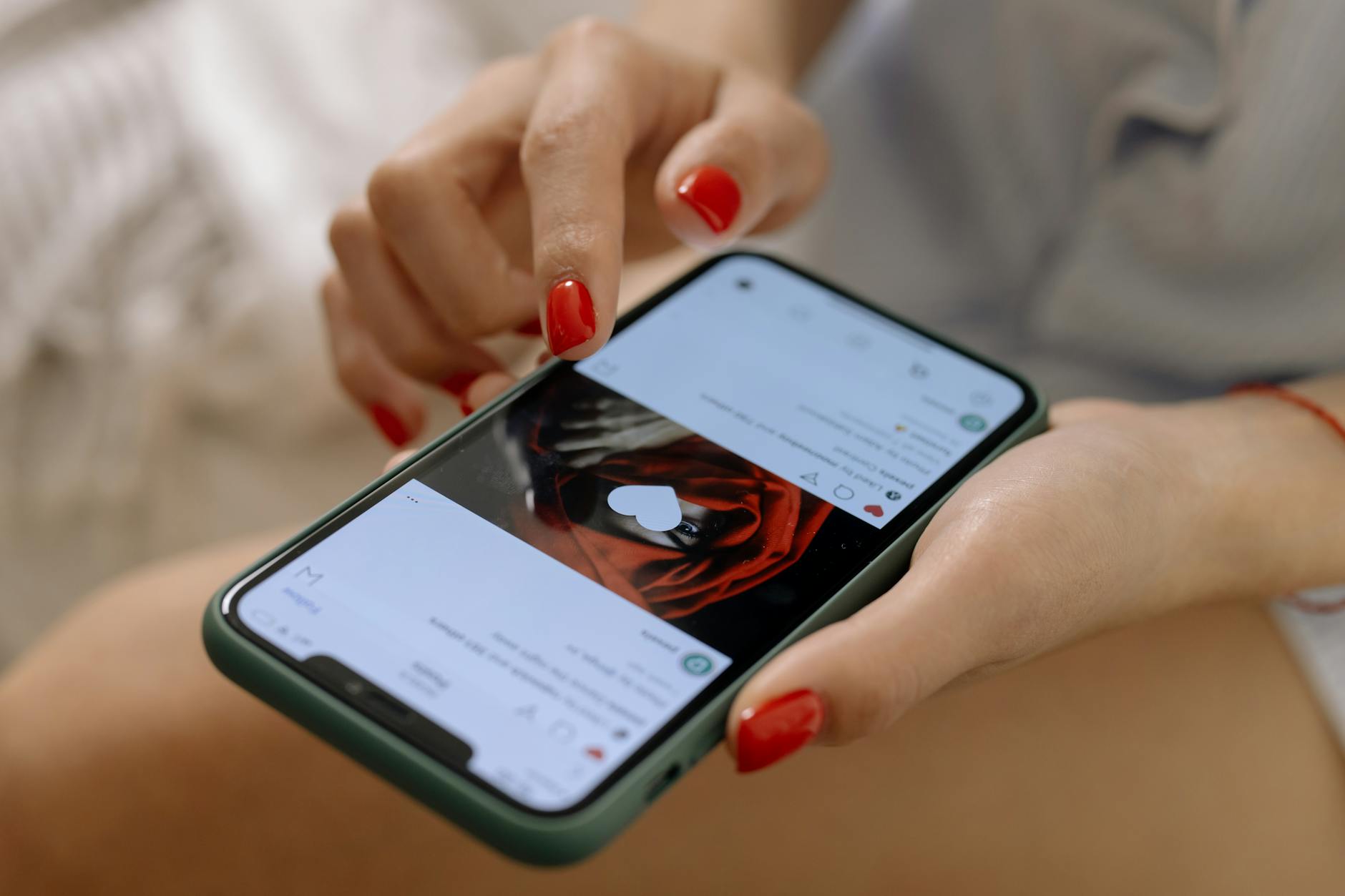
Social media use in the evening wind-down period introduces a category of sleep disruption that extends well beyond the blue light component that most sleep hygiene guidance focuses on and that operates through the social comparison activation, emotional contagion, identity management arousal, and unpredictable reward scheduling that platform design optimizes for at a level of sophistication that no other evening behavior matches. The variable reward architecture of social media feeds is specifically engineered to prevent the voluntary disengagement that the user intends to exercise and the compulsive continuation beyond intended use duration produces both the acute cortisol of self-regulatory failure and the extended screen exposure that compounds photic and cognitive disruption simultaneously. Social threat detection activated by comparison content, relational anxiety generated by unanswered messages, and the parasocial emotional investment that content consumption produces all contribute to a sympathetic nervous system state that is measurably incompatible with the parasympathetic dominance required for deep sleep architecture. The ten-minute pre-sleep scroll that users believe they are controlling is in the majority of cases a significantly longer and more neurologically activating experience than self-report captures.
Room Fragrance

Evening aromatherapy practices including essential oil diffusion, scented candles, room sprays, and incense burning are promoted extensively in the sleep wellness market on the basis of lavender’s genuine but modest anxiolytic effects and the broader sensory association between pleasant fragrance and relaxation that conditioning produces over time. The disruption categories that fragrance-based sleep practices introduce include the particulate matter and volatile organic compound load that candle combustion and incense burning add to the bedroom air, the trigeminal nerve stimulation that strong fragrances produce that generates mild alerting responses in some individuals, and the fire safety arousal that candles burning near the sleep transition period create in the form of the monitoring attention required to ensure safe extinguishing. Synthetic fragrance compounds in room sprays and many commercial essential oil blends contain chemical constituents including phthalates and synthetic musks that have documented endocrine-disrupting properties at chronic low-level exposure and whose cumulative effect in the enclosed breathing environment of a bedroom during the eight hours of sleep represents a meaningfully different exposure level than daytime environmental fragrance. The sleep environment that maintains the most favorable respiratory conditions for restorative sleep is one characterized by clean air, moderate humidity, and the absence of combustion byproducts and synthetic chemical compounds.
Temperature Manipulation
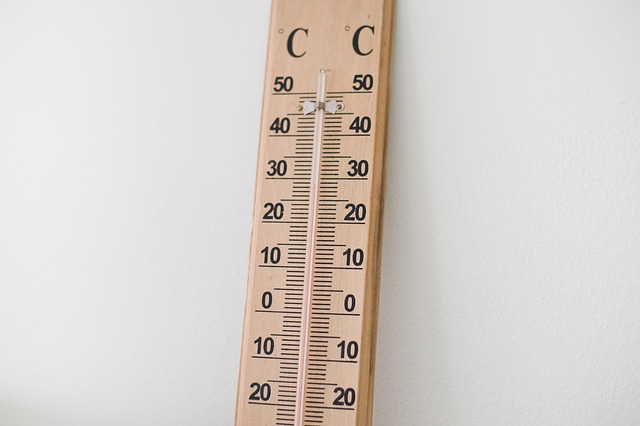
Active temperature manipulation through electric blankets, heated mattress pads, and bedroom heating systems used to create warmth and comfort in the pre-sleep environment introduces the same core temperature disruption as warm baths but with a longer duration of effect that extends through the sleep period rather than resolving before sleep onset. The thermal comfort that electric blanket use produces is genuine and the behavioral reinforcement is powerful but the maintenance of elevated skin and core temperature through the first half of the night when slow-wave sleep is most concentrated measurably reduces the depth and duration of restorative deep sleep stages by competing with the thermoregulatory processes that the sleep system depends on. The optimal thermal environment for deep sleep involves a cool bedroom between sixteen and eighteen degrees Celsius with bedding that allows the body to regulate its own temperature through the natural fluctuations of the sleep cycle rather than maintaining a fixed external temperature input. Pre-warming the bed as a comfort practice before entering it represents a meaningfully different sleep architecture outcome than maintaining active heating through the night and the distinction matters significantly for the restorative quality of sleep produced.
Evening Exercise

Late evening exercise of any intensity represents one of the most clearly documented disruptions to deep sleep architecture in the sleep science literature and the endorphin-mediated subjective wellbeing that follows a workout creates a reliable experiential dissociation between how good exercise feels in the evening and what it does to the sleep that follows. Core temperature elevation from exercise requires approximately four to six hours to resolve completely and any residual thermal elevation at sleep onset reduces slow-wave sleep in the first sleep cycle which contains the highest concentration of the most restorative deep sleep architecture of the entire night. Cortisol released during exercise as part of the physiological stress response of exertion directly opposes the melatonin cascade that initiates sleep architecture and the half-life of exercise-induced cortisol elevation means that workouts completed within three hours of sleep onset are producing cortisol levels at sleep time that measurably delay onset and reduce slow-wave depth. The cultural narrative of evening exercise as a stress-relieving wind-down activity conflates the genuine psychological benefit of exercise with the physiological consequences of its timing in ways that cost millions of people a significant portion of their most restorative sleep nightly.
Emotional Conversations
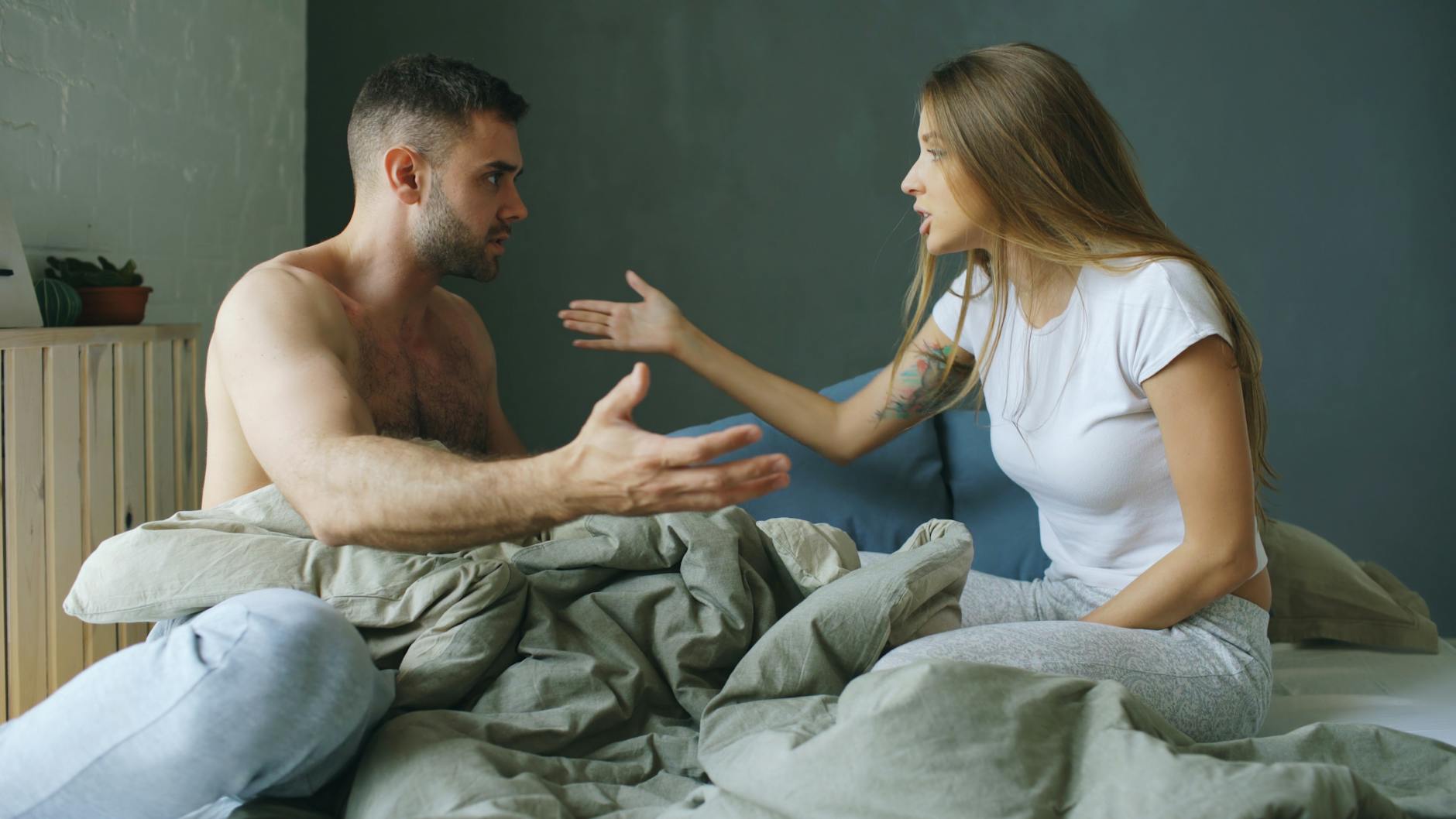
Significant emotional conversations with partners, family members, and close friends conducted in the pre-sleep period represent a category of evening activity whose sleep-disruptive potential is almost entirely absent from sleep hygiene guidance because the relational health value of genuine communication creates an understandable reluctance to frame intimate conversation as a sleep risk. The neurological reality is that emotionally significant conversations activate the same sympathetic nervous system arousal, cortisol release, and cognitive engagement that any other activating evening behavior produces and that the content of unresolved emotional exchanges generates the rumination and anticipatory processing that is the most reliably documented cause of sleep onset difficulty in clinical insomnia populations. Conversations that reach resolution, produce emotional closure, and end in a state of relational warmth and security have a measurably different sleep architecture outcome than conversations that are left unresolved, that produce ambiguity, or that activate attachment anxiety in either participant. The timing and completion status of emotional conversations rather than their relational content is what determines their sleep architecture consequence and the practice of deferring significant unresolved discussions to morning rather than initiating them in the ninety minutes before sleep is among the most consistently effective behavioral changes that sleep medicine clinicians recommend to couples presenting with insomnia.
Light Dimming Theater
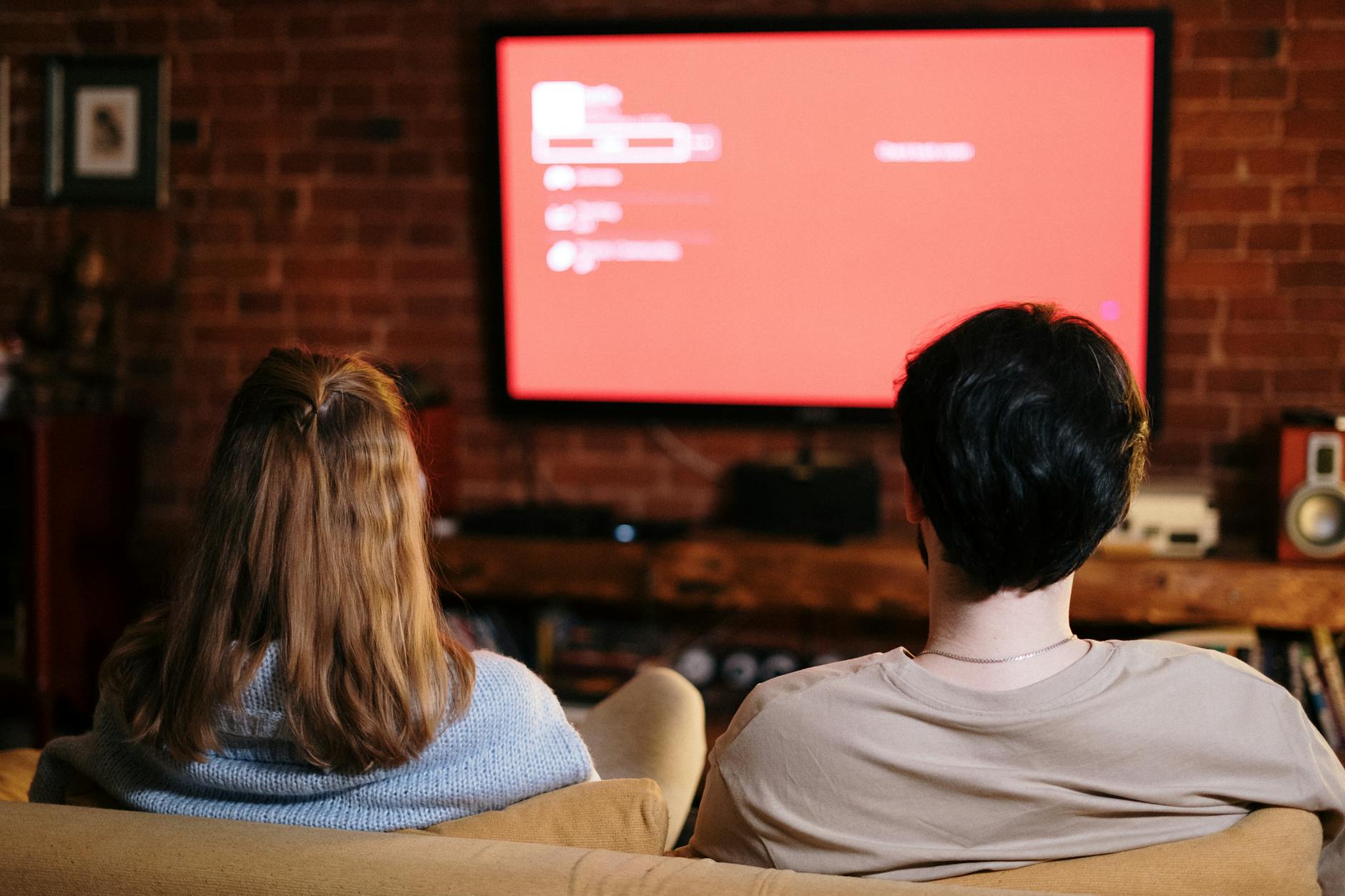
The elaborate smart lighting systems marketed specifically for evening wind-down use produce a genuine circadian signal through the reduction of blue-spectrum light that has real and documented effects on melatonin onset timing when implemented with the consistency and timing precision that the circadian system requires to respond optimally. The disruption that smart lighting wind-down routines introduce stems from the false security that dim warm light creates in users who continue engaging in cognitively and emotionally activating behaviors under the perceptual cover of a correctly dimmed environment, essentially combining the physiological benefit of appropriate light management with the continued neurological disruption of activating content engagement. The circadian system responds to light spectrum and timing with a precision that the behavioral system does not match and a person consuming arousing content under amber-tinted smart lighting is receiving a correctly timed circadian signal while simultaneously preventing the neurological quieting that the circadian signal is attempting to initiate. Light management is one component of a sleep preparation environment that requires concurrent behavioral quieting to produce the deep sleep architecture benefit that the technology is marketed to deliver independently.
Gratitude Practices

Evening gratitude practices including gratitude journals, verbal gratitude sharing with partners, and gratitude meditation represent one of the most robustly evidence-supported psychological interventions for wellbeing and the genuine effects on anxiety reduction, positive affect, and rumination interruption that consistent gratitude practice produces have meaningful sleep-adjacent benefits for individuals whose sleep difficulty stems primarily from negative cognitive activation. The disruption that gratitude practices introduce for a specific and clinically significant subpopulation comes from the positive emotional activation that genuine gratitude produces in individuals with high positive affect sensitivity where the arousal generated by positively valenced emotional content is as neurologically activating as the negatively valenced rumination the practice is designed to replace. The assumption that positive emotional states are inherently sleep-compatible while negative emotional states are inherently sleep-disruptive does not reflect the neurological reality that emotional arousal of any valence produces a cortisol and sympathetic nervous system profile that competes with sleep architecture when it occurs in the immediate pre-sleep period. Gratitude practices moved to earlier in the evening rather than immediately preceding sleep preserve their genuine psychological benefits while allowing the emotional activation they produce to resolve before the sleep onset window opens.
Melatonin Timing

Melatonin supplementation taken at the dose and timing that most retail packaging recommends introduces a disruption to the body’s endogenous melatonin system that the marketing of melatonin as a natural and harmless sleep aid consistently obscures. The endogenous melatonin signal is a timing cue rather than a sedative agent and its role in sleep architecture is to communicate darkness onset to the circadian system rather than to directly induce sleep in the way that sedative medications do. Retail melatonin doses between three and ten milligrams are between six and sixty times the physiological dose that the pineal gland produces naturally and supraphysiological doses taken at the wrong point in the circadian cycle produce a phase-shifting effect on the circadian clock that can worsen rather than improve the timing mismatch between biological sleep drive and intended sleep time when used incorrectly. Chronic high-dose melatonin supplementation suppresses endogenous melatonin production through receptor downregulation in ways that create a supplementation dependency and that reduce the natural melatonin signal whose integrity is essential for the consolidated deep sleep architecture that the supplement is intended to support.
If any of these wind-down habits have changed how you think about your own pre-sleep routine share your experience in the comments.