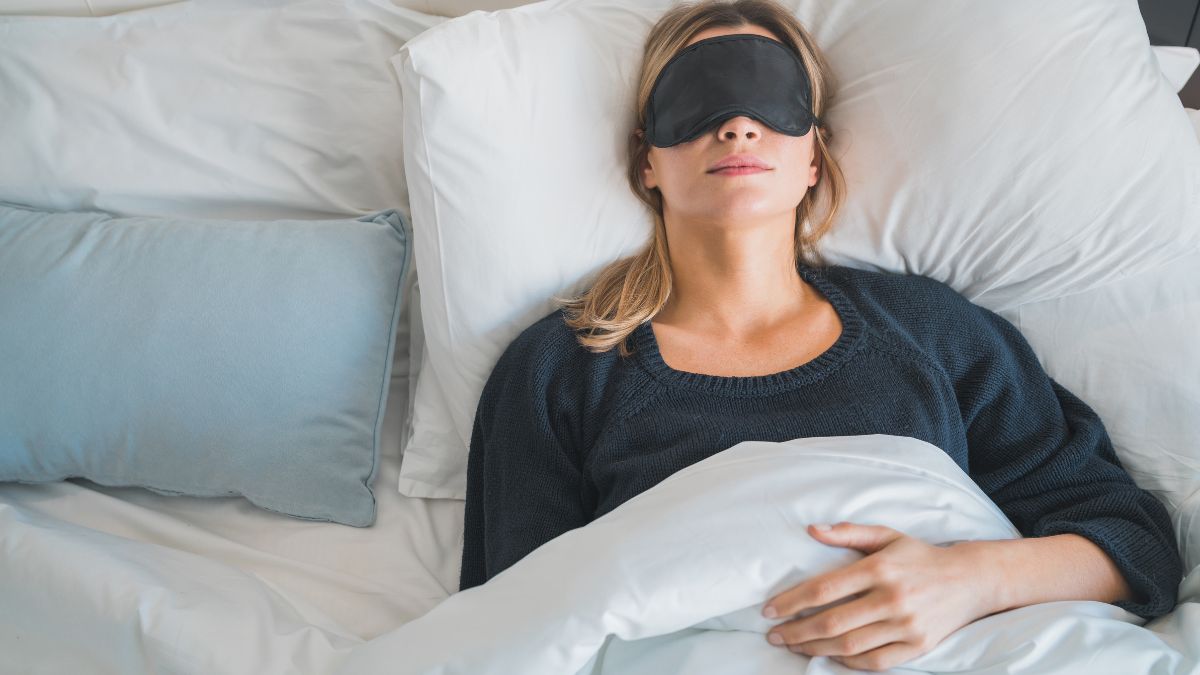
The relationship between artificial light and sleep quality is one of the most consequential and least understood dimensions of modern domestic life. The lighting decisions made throughout a home from the color temperature of installed bulbs to the placement of fixtures relative to sleeping areas create a continuous biological signal that either supports or undermines the hormonal architecture that governs sleep onset quality and duration. Most people adjust their lighting for aesthetic comfort and task performance without any awareness of the simultaneous biological message those choices are sending to the systems that control when and how deeply they sleep. These are the specific ways your home lighting environment is shaping your sleep cycle in ways that go well beyond simply having lights on or off at bedtime.
Bulb Color Temperature
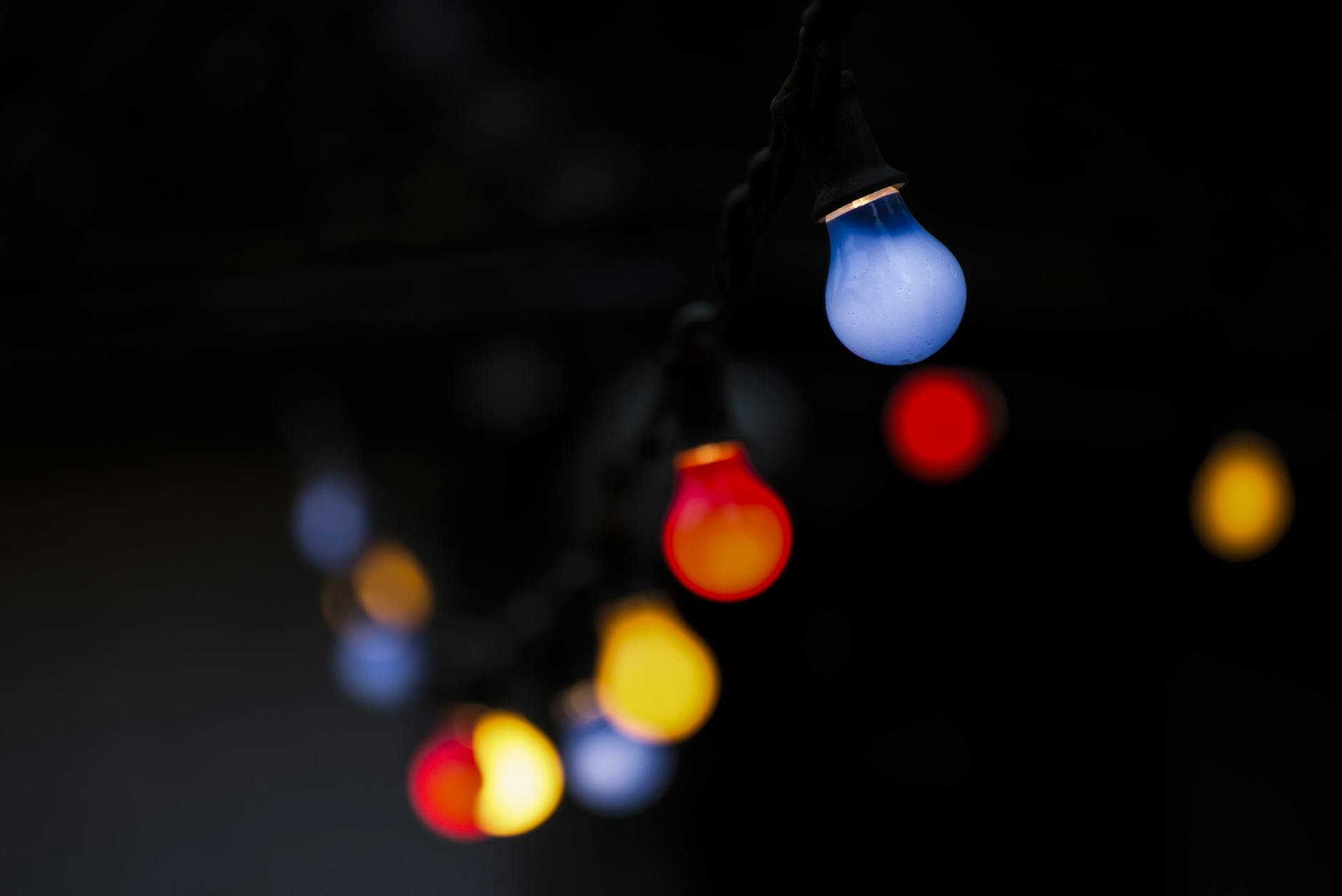
The color temperature of the bulbs installed throughout your home measured in Kelvin determines the ratio of blue to amber wavelengths in the light your environment produces and this spectral composition is the primary variable through which artificial light communicates timing information to the circadian system that governs melatonin production and sleep onset. Bulbs rated above 4000 Kelvin produce a cool bluish white light that the circadian system interprets as mid-morning daylight suppressing melatonin production and promoting alertness even when used in the evening hours in ways that directly delay sleep onset and reduce the depth of early sleep cycles. Warm white bulbs rated between 2700 and 3000 Kelvin produce an amber-biased light that more closely resembles the low-blue spectral composition of sunset and firelight which the circadian system interprets as a biological cue to begin melatonin release and prepare for sleep. Auditing the color temperature of every bulb installed in rooms used during evening hours and replacing cool white bulbs with warm equivalents is a one-time investment that produces a nightly improvement in the circadian appropriateness of your home lighting environment.
Overhead Fixture Dominance
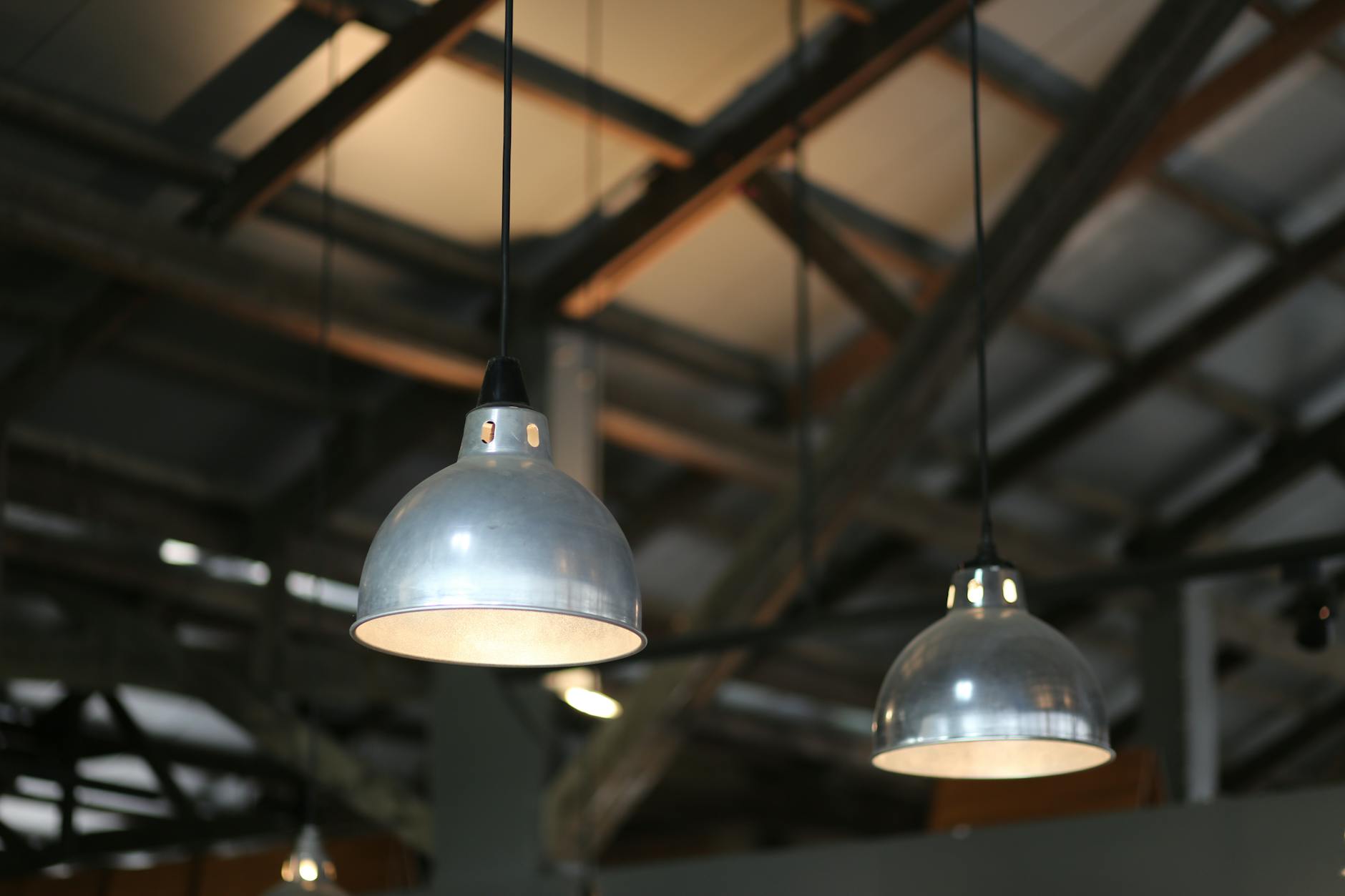
Rooms lit predominantly by overhead ceiling fixtures direct light downward into the eyes from above in a pattern that closely mimics the angular position of the sun during the active daylight hours when the circadian system expects maximum light input and maximum alertness signaling creating a biological environment that is incongruent with the wind-down function that evening home hours are meant to serve. The angle of light entry into the eye relative to the horizon is a specific variable in circadian light processing with overhead light producing the strongest alertness signals and low-angled light from floor lamps table lamps and wall sconces producing progressively weaker circadian stimulation at equivalent brightness levels. Transitioning evening lighting from overhead fixtures to lower-positioned lamp sources is a spatial change that reduces the circadian stimulation of your lighting environment without reducing the practical illumination available for evening activities. This shift from overhead to peripheral lighting sources in the hours before bedtime is one of the most impactful single changes available in home lighting optimization for sleep and requires only the addition of appropriately positioned lamp sources rather than any structural modification.
Dawn Simulator Absence

The absence of a gradual light increase during the pre-waking period means that most people wake from their final sleep cycle into complete darkness before an abrupt transition to full artificial lighting creating a cortisol awakening response that is less well-regulated and a morning alertness trajectory that is flatter and more sluggish than the wake experience produced by a gradual light transition. Dawn simulators which are alarm clock devices or smart bulb programs that produce a thirty to forty-five minute gradual increase in warm light before the target wake time replicate the pre-dawn light increase that human sleep architecture evolved to use as a biological preparation signal for the transition from sleep to waking. The cortisol awakening response which is the surge of cortisol that the body produces in the final minutes of sleep as a preparation for waking is stronger more precisely timed and produces cleaner morning alertness when it is supported by a concurrent light signal that matches the gradual pre-dawn light the circadian system expects. Installing a dawn simulator in the bedroom environment addresses the abrupt darkness-to-light transition that characterizes most modern wake experiences and produces measurable improvements in morning alertness and the quality of the sleep-wake transition.
Screen Backlight Intensity
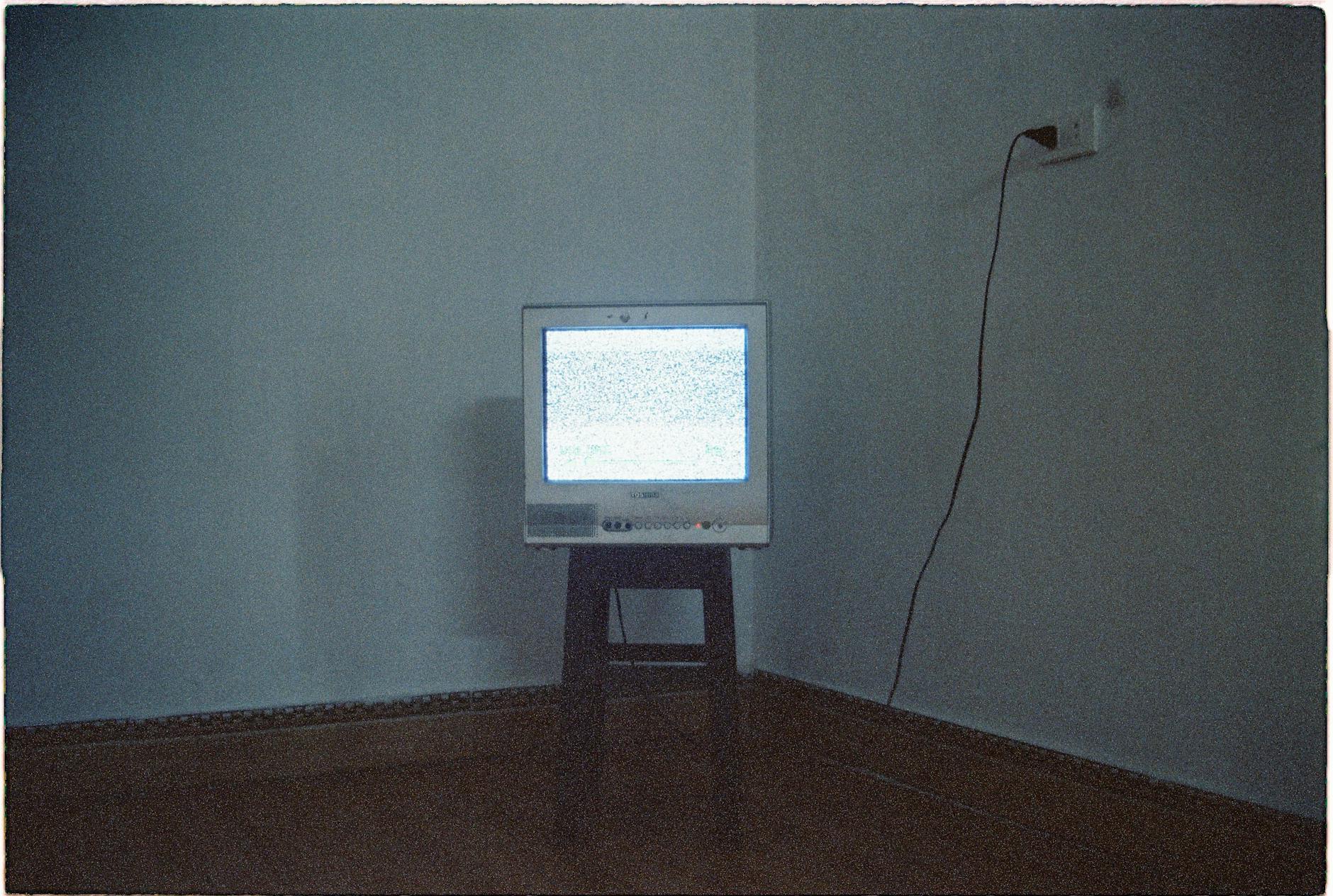
The automatic brightness adjustment of phone tablet and television screens that increases backlight intensity in response to ambient light conditions means that screens used in dimly lit evening rooms often operate at their highest blue-light output levels precisely in the environment where their circadian impact is greatest because the low ambient light of an evening room makes the contrast between screen brightness and background illumination maximally stimulating to the light-sensitive retinal cells that drive melatonin suppression. A screen at maximum backlight brightness viewed in a dark room delivers a more potent circadian stimulus than the same screen at lower brightness viewed in a well-lit daytime environment because the relative light intensity experienced by the retina is determined by the contrast between the screen and its surroundings rather than by the absolute screen brightness alone. Manually reducing screen backlight intensity to its lowest comfortable level during evening use and enabling the warm color filter modes available on most modern devices reduces but does not eliminate the circadian stimulation produced by evening screen use. These adjustments represent meaningful harm reduction within a behavior pattern that ideally would be eliminated during the pre-sleep window but whose complete elimination is practically unrealistic for most people in contemporary life.
Bathroom Lighting Brightness
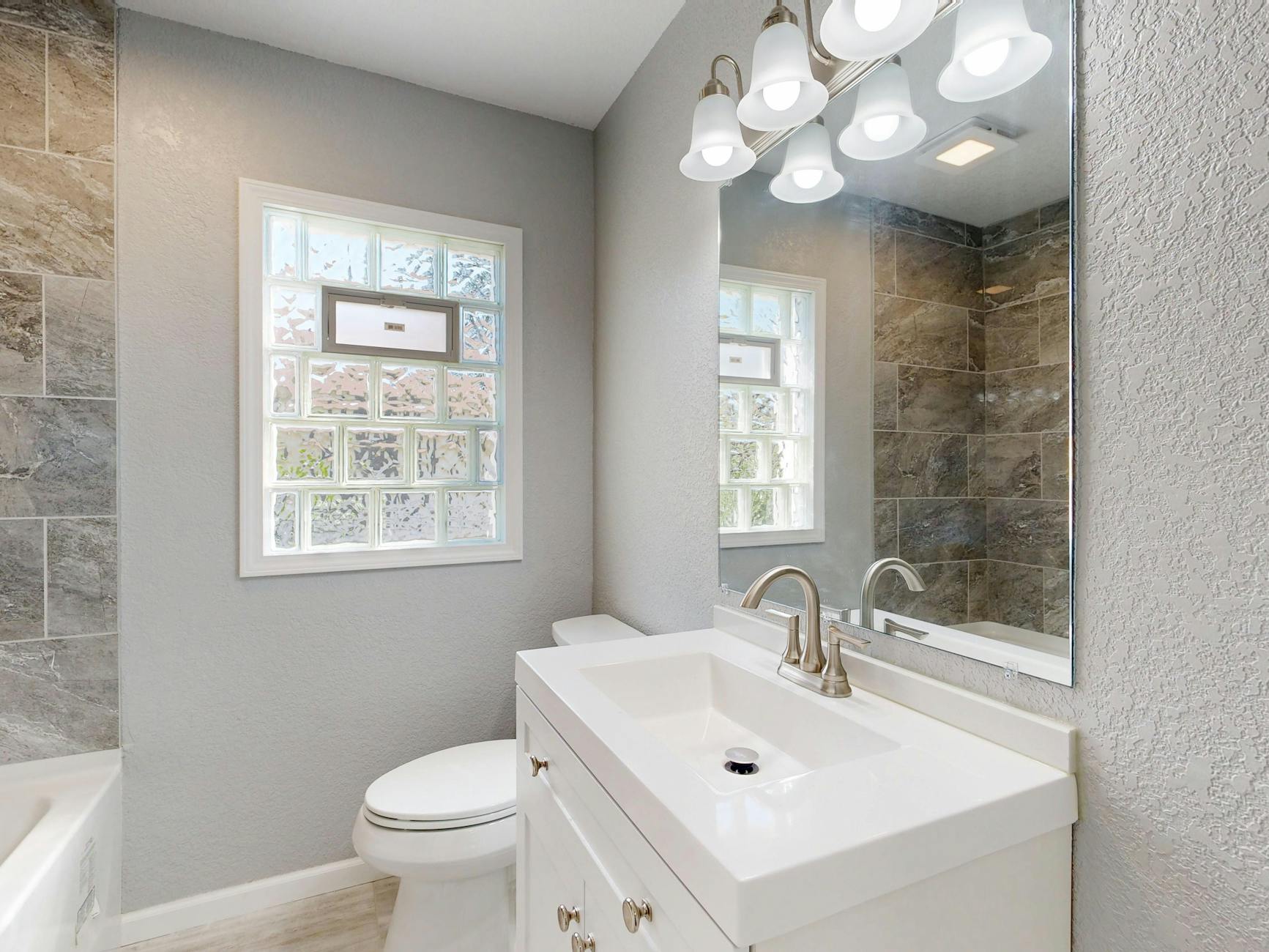
The lighting environment of a bathroom used during overnight waking periods for toilet visits is one of the most consequential and least managed lighting variables in a home sleep environment because a brief exposure to a brightly lit white bathroom at two or three in the morning can suppress melatonin for the remainder of the night and significantly compromise the quality of sleep returned to after the visit. The melatonin suppression threshold for nighttime light exposure is dramatically lower than during daytime hours with research showing that exposures as brief as a few minutes to moderately bright light during the overnight period produce melatonin suppression that persists for hours beyond the exposure event. Installing a separate low-level amber-toned night lighting circuit in the bathroom that can be used for overnight visits without activating the main overhead fixtures provides a practical solution that maintains safe navigation while preventing the melatonin suppression that full bathroom lighting produces. Motion-activated floor-level pathway lighting using amber or red spectrum bulbs represents the most functionally elegant solution to the overnight bathroom visit lighting problem because it requires no behavioral change from a half-awake person and automatically provides the minimum necessary light at the circadianly appropriate spectrum.
Kitchen Task Lighting
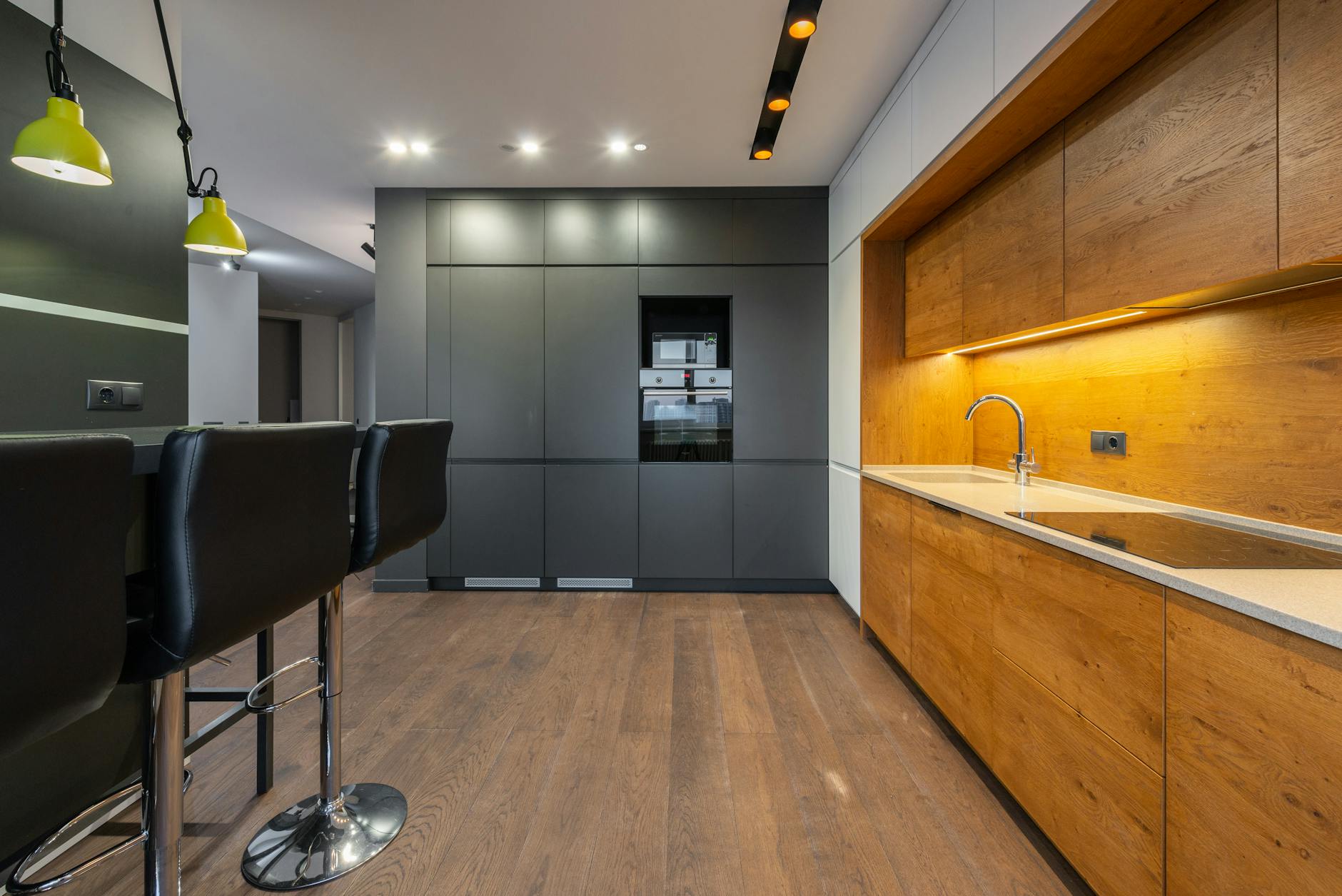
The bright cool-white task lighting installed under cabinets and above work surfaces in kitchens used for evening meal preparation and after-dinner activity delivers a high-intensity short-wavelength light exposure at face level that is among the most potent circadian stimulation sources in a typical home precisely because it is used during the evening hours when the biological transition toward sleep onset should be progressing. Kitchen task lighting is designed and installed for visual accuracy and safety during food preparation and its spectral composition and intensity are selected for functional performance rather than circadian appropriateness creating a nightly conflict between the practical requirements of evening cooking and the biological requirements of sleep preparation. Replacing cool-white kitchen task bulbs with warm-spectrum equivalents reduces the circadian impact of evening kitchen use without compromising the task illumination that safety and food preparation quality require. Completing the most light-intensive kitchen activities including detailed food preparation and cleaning earlier in the evening and reducing task lighting use during the final kitchen activities of the night creates a progressive reduction in kitchen light stimulation that supports the melatonin trajectory that sleep onset depends upon.
Streetlight Infiltration
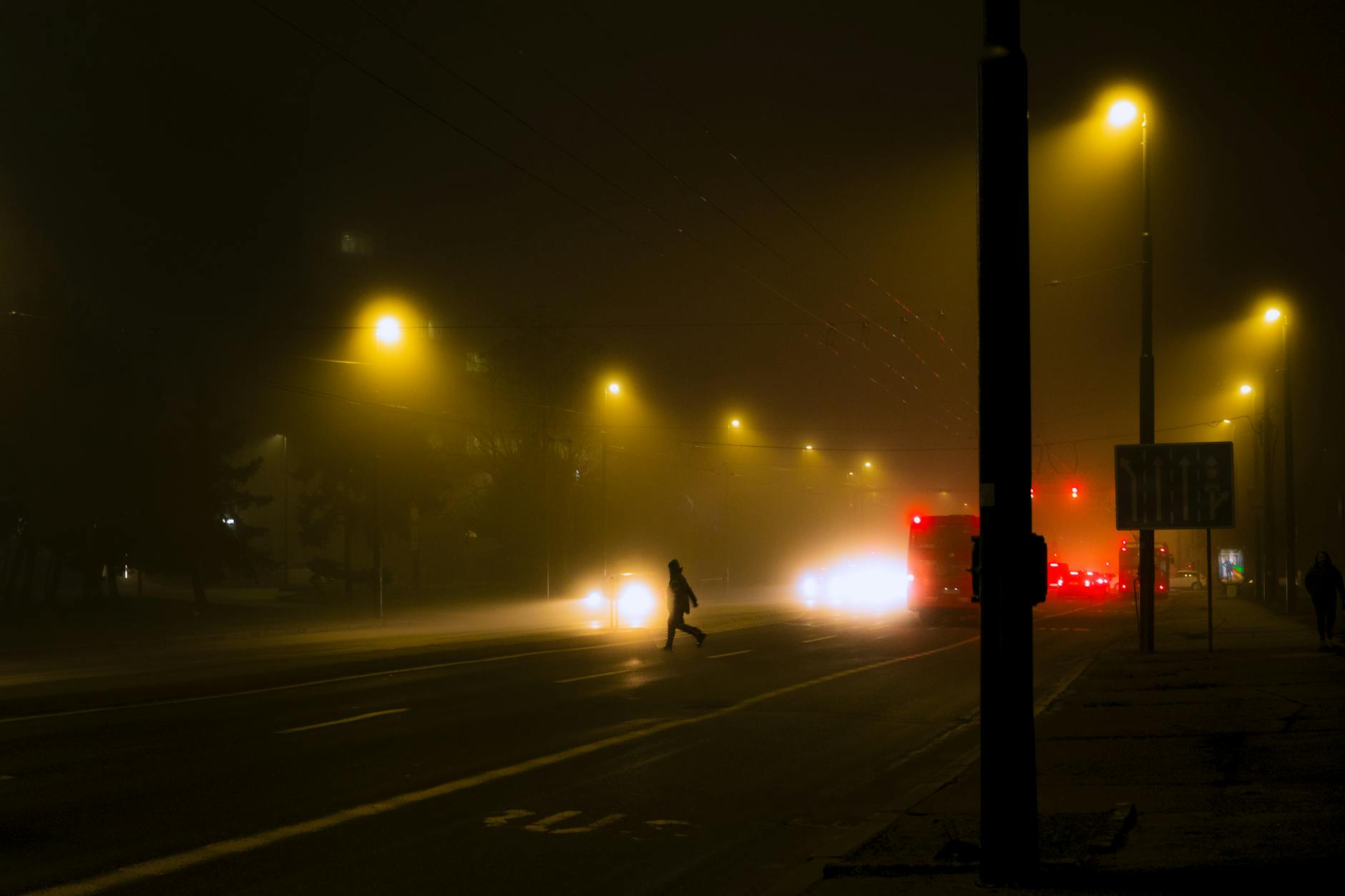
External light from street lamps security lighting and neighboring properties that penetrates bedroom windows through inadequate window coverings creates a continuous low-level light environment in the sleeping space that disrupts melatonin production and suppresses deep sleep stages even when the intrusion level is too low to prevent sleep onset and is never perceived as a conscious disturbance by the sleeping occupant. Research into the sleep effects of low-level light exposure during sleep has demonstrated that even light levels that do not wake a person or produce conscious awareness of the light affect the depth of sleep stages the duration of restorative slow-wave sleep and the morning cortisol profile in ways that accumulate across weeks and months of chronic exposure. The eyelid provides only partial light filtering with a meaningful proportion of moderate-intensity external light passing through closed eyelids and being detected by the retinal photoreceptors responsible for circadian and sleep-stage regulation. Installing blackout-lined curtains or purpose-designed blackout blinds that fully cover the window opening rather than simply providing privacy from outside observers is the physical intervention that eliminates streetlight infiltration from the sleep environment and represents one of the highest-return sleep quality investments available in bedroom setup.
Hallway Night Lighting
Bright white hallway lights left on overnight for safety navigation purposes create a light spill under and around bedroom doors that produces a detectable light signal in otherwise dark sleeping rooms in a way that is sufficient to affect melatonin maintenance during the overnight period without being bright enough to be identified as the source of sleep quality impairment by the occupants affected. The gap under a standard interior door is sufficient to allow meaningful light transmission from a brightly lit hallway into a dark bedroom and the retinal sensitivity to light during the overnight period is high enough that this low-level intrusion has measurable biological effects on sleep architecture. Replacing standard halogen or LED hallway bulbs with low-intensity amber or red spectrum night lights for overnight use maintains the navigation safety function of hallway lighting while dramatically reducing the melatonin-suppressing light signal that passes into adjacent sleeping rooms. Draft excluders and door seals that reduce the gap under bedroom doors provide an additional passive light barrier that reduces hallway light intrusion without requiring any behavioral change from household members navigating during overnight hours.
Nursery Lighting
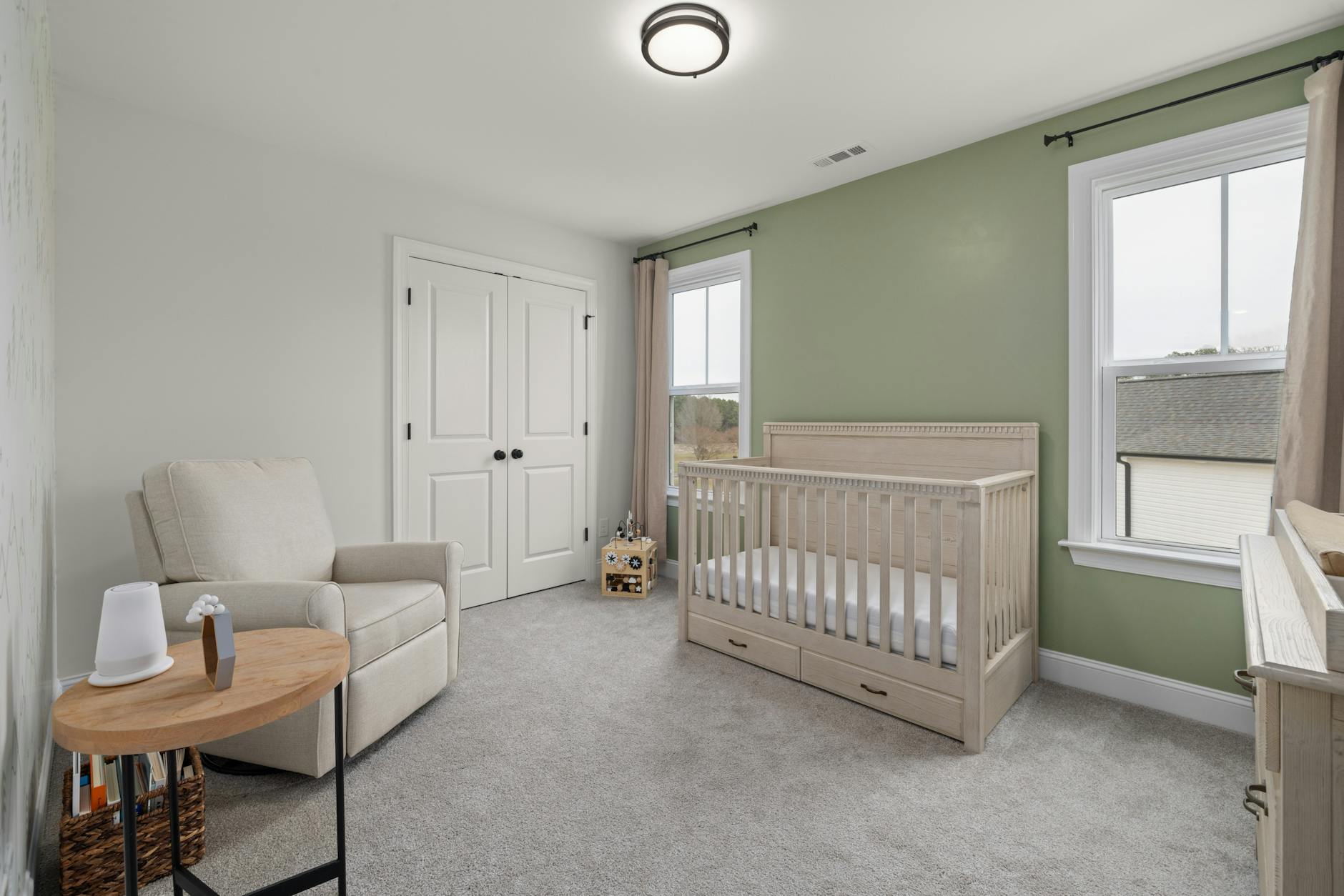
The lighting environment of an infant or toddler nursery has a disproportionate effect on the development of the child’s circadian rhythm during the critical period when the biological clock is establishing its foundational timing patterns and inadequate attention to nursery lighting during both overnight care visits and daytime sleep periods can contribute to the sleep consolidation difficulties that exhaust parents and compromise infant development. Infants are born without an established circadian rhythm and the light environment they experience during the first months of life is one of the primary external signals through which their biological clock calibrates its timing relative to the local light-dark cycle. Overnight feeding and changing visits conducted under bright white nursery lighting suppress the infant’s melatonin and signal daytime conditions at precisely the moments when reinforcing the association between darkness and sleep is most developmentally important. Using low-intensity amber or red spectrum lighting for all overnight nursery visits maintaining full darkness during overnight sleep periods and providing bright natural light exposure during daytime waking hours creates the light contrast that most efficiently supports infant circadian rhythm development and sleep consolidation.
Smart Bulb Scheduling
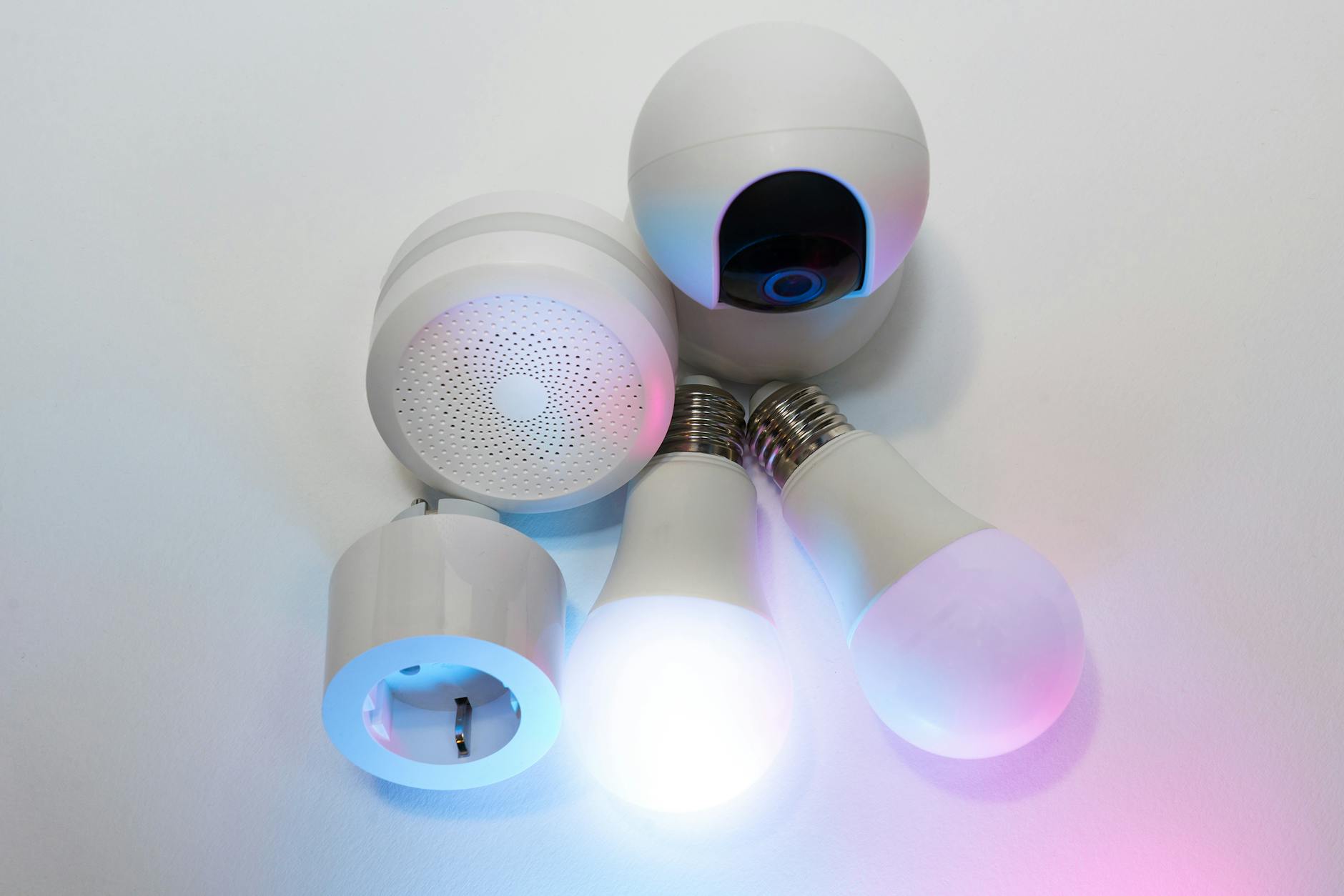
The absence of programmed circadian-appropriate scheduling in smart bulb installations means that the automation and remote control capabilities of smart lighting systems are commonly used to reproduce the same circadian-inappropriate lighting patterns more conveniently rather than to create the progressive spectral and intensity transitions that would make smart lighting a genuine sleep quality tool rather than simply a remote-controlled version of conventional lighting. Smart lighting systems including popular platforms are capable of automatically transitioning color temperature from cool daylight simulation during morning and midday hours to progressively warmer amber tones during evening and pre-bedtime periods in a way that mirrors the natural spectral progression of daylight across a full day without any manual intervention once programmed. The biological benefit of smart lighting for sleep is entirely contingent on the programming choices made during setup and a smart bulb set to a fixed cool white regardless of time of day has no sleep advantage over a conventional bulb of equivalent specification. Investing the setup time required to program a circadian-appropriate color temperature and intensity schedule into a smart lighting system converts a convenience technology into a genuine sleep health tool that operates automatically without requiring ongoing behavioral compliance.
Reading Light Position
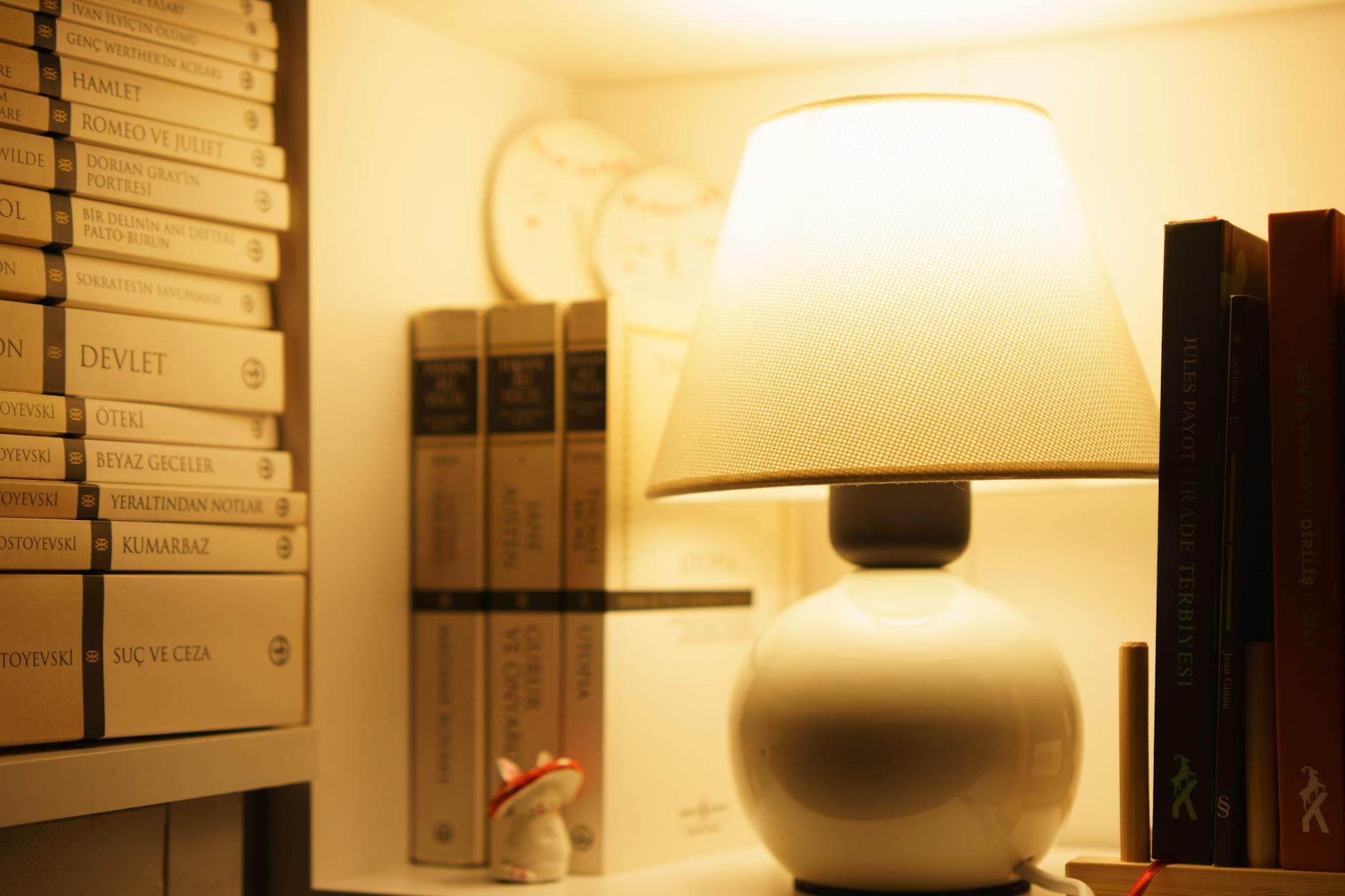
The position of a reading light relative to the eye during pre-sleep reading determines both the intensity and the angle of light entry that the retina receives during this commonly practiced pre-bed activity with overhead or directly facing light sources producing significantly stronger circadian stimulation than side-positioned or downward-directed alternatives at equivalent visible brightness. A bedside lamp positioned at eye level or above and directed toward the face during reading delivers the retinal light stimulus in a configuration that maximally activates the intrinsically photosensitive retinal ganglion cells responsible for circadian signaling while a lamp positioned below eye level and directed toward the page rather than the face produces the same reading illumination with a substantially lower circadian signal. The specific direction of light entry matters because the intrinsically photosensitive retinal cells that drive circadian responses are distributed more densely in the lower retina which receives light from above meaning that overhead light is detected by more circadian-relevant cells than equivalent light arriving from below. Positioning reading lights below eye level directed toward reading material rather than toward the face and using the warmest color temperature bulb that provides adequate reading illumination are two specific adjustments that preserve the pre-sleep reading habit while substantially reducing its circadian cost.
Exercise Space Lighting
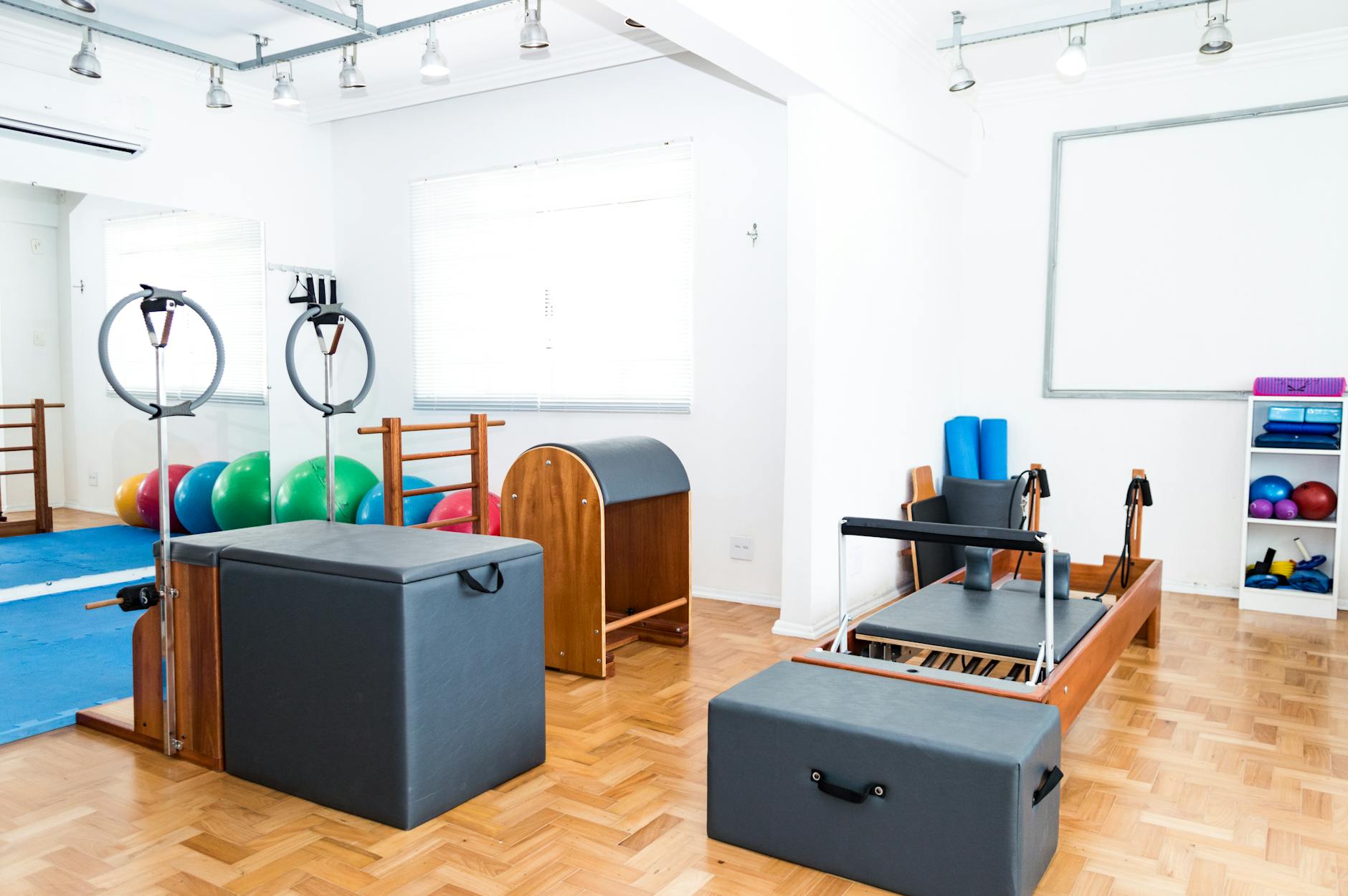
The bright cool-white lighting typical of home gym spaces exercise rooms and garages used for evening workouts delivers the combination of high intensity and short wavelength that produces the strongest circadian stimulation available in a domestic environment at precisely the time of day when the biological transition toward sleep should be accelerating rather than being reversed by a powerful alertness signal. The circadian cost of evening exercise is partly independent of the exercise itself and partly driven by the lighting environment in which the exercise occurs meaning that the same physical activity performed under warm amber lighting produces a smaller delay in melatonin onset than the same activity performed under cool white high-intensity lighting. Replacing cool white bulbs in home exercise spaces with warm spectrum alternatives and using the minimum intensity that safely supports the exercise activity reduces the lighting component of the circadian disruption associated with evening exercise without requiring any change to the exercise behavior itself. This is a particularly relevant adjustment for individuals who cannot avoid evening exercise timing due to work or family schedule constraints because it reduces the sleep impact of an unavoidable behavior pattern without eliminating the health benefits of the exercise itself.
Light Alarm Clocks
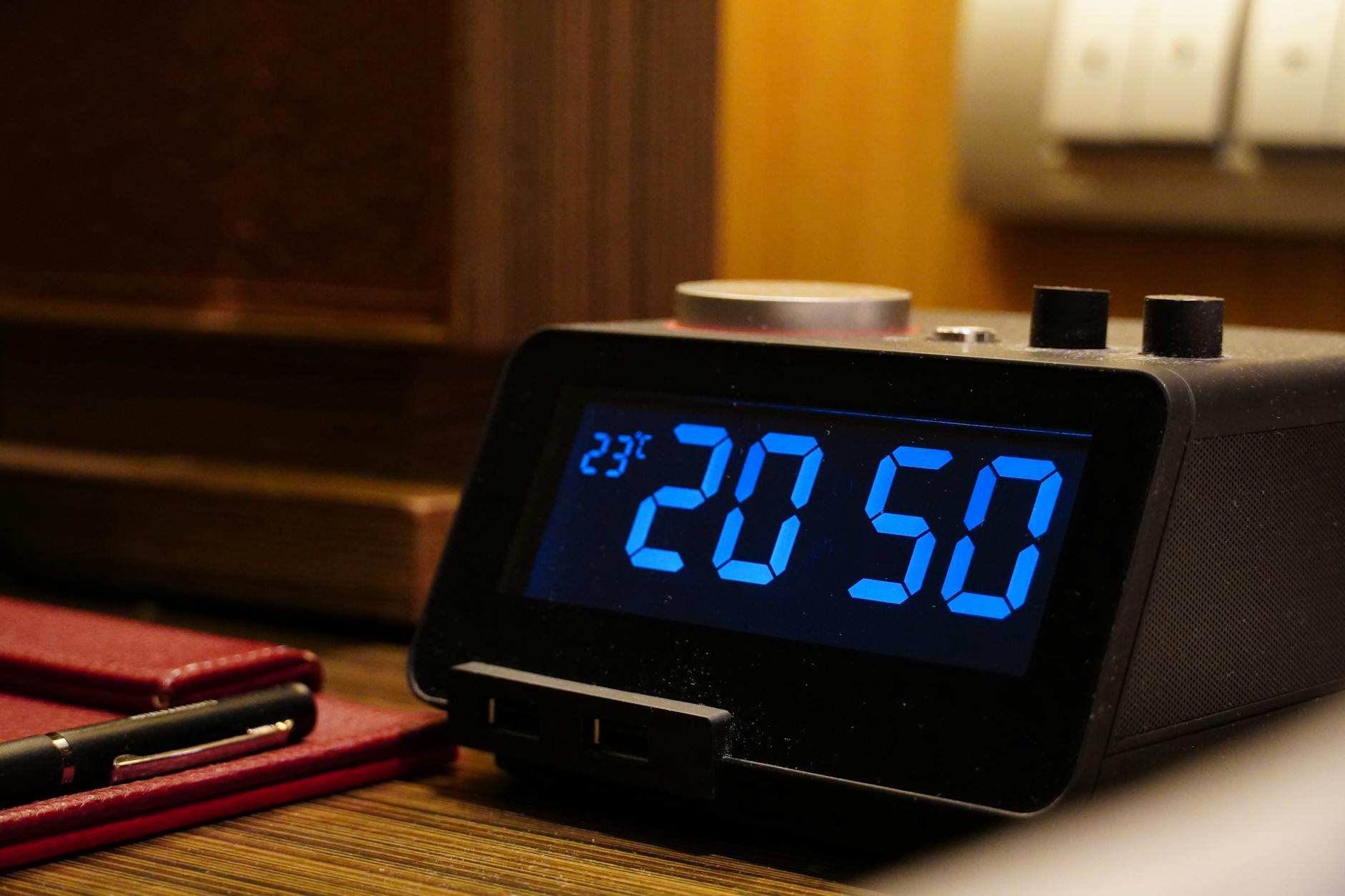
Conventional alarm clocks with brightly lit displays that remain visible throughout the night create a continuous low-level light source in the sleeping environment that contributes to the ambient light level of the bedroom during overnight hours and produces the additional sleep-incompatible behavior of clock-watching that increases sleep anxiety and fragments the psychological conditions that support sleep maintenance. The display brightness of a typical bedside alarm clock while modest relative to a reading lamp or phone screen is sufficient to create a detectable light stimulus in a fully dark bedroom and its continuous overnight presence differs from the brief episodic nature of other accidental light exposures in that it is uninterrupted across the entire sleep period. The behavioral dimension of a visible clock display creates a psychological sleep disruption that compounds the physiological light exposure effect with anxious time-monitoring behavior that activates the cognitive arousal incompatible with sleep re-entry after overnight waking. Turning alarm clock displays away from the sleeping position covering them with an opaque material or replacing them with display-free alarm options that activate only at the programmed wake time eliminates both the light exposure and the clock-watching behavior that visible overnight displays enable.
Seasonal Adjustment Absence
Failing to adjust home lighting intensity duration and color temperature between summer and winter months means that the home lighting environment provides an identical circadian signal year-round regardless of the dramatic seasonal changes in natural light availability that the human circadian system evolved to track as a calendar signal with implications for sleep timing depth and duration. The circadian system uses seasonal light variation to calibrate the timing and duration of the melatonin secretion window which naturally lengthens during winter months in response to shorter days and higher-latitude populations show measurable differences in sleep architecture between summer and winter that reflect this seasonal melatonin adjustment. Maintaining the same evening lighting intensity and color temperature in winter as in summer overrides the seasonal melatonin extension signal that would otherwise occur in response to naturally earlier darkness and contributes to the circadian flattening that underlies some of the mood and energy changes associated with darker seasons. Reducing home lighting intensity earlier in winter evenings extending warm-toned low-intensity light phases and being more conservative with cool-white light use during winter months creates a seasonal lighting variation that supports rather than suppresses the circadian seasonal adjustment that human sleep biology is designed to perform.
Candle Replacement Loss
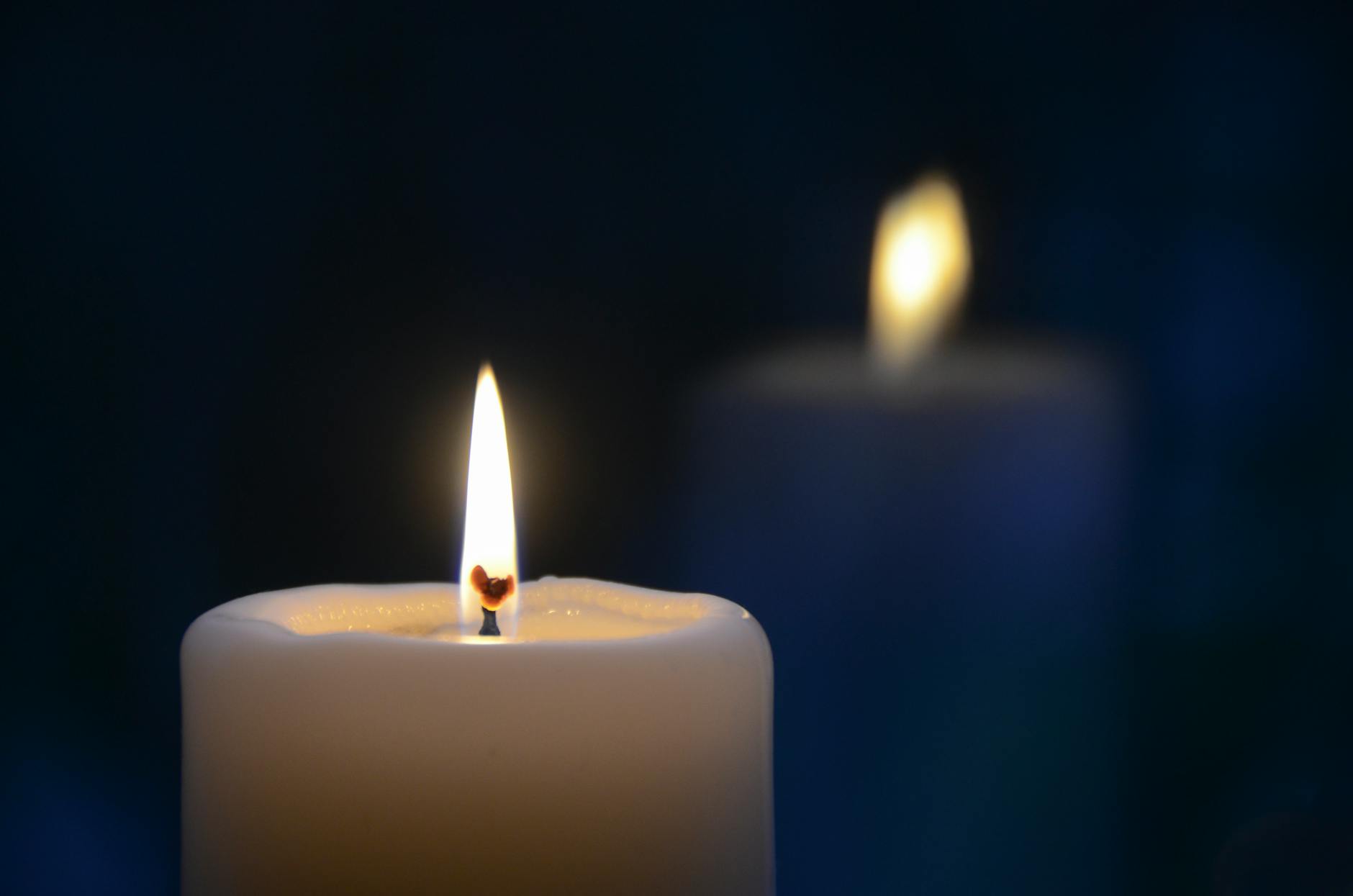
The widespread replacement of candle and firelight use during evening hours with electric lighting across all residential spaces has eliminated the amber-dominated extremely low blue-content light source that served as the primary human evening light environment throughout evolutionary history and that produced the minimal circadian stimulation relative to its visible brightness that no current artificial light source fully replicates. Candle and firelight has a color temperature of approximately 1800 Kelvin which sits significantly below even the warmest currently available LED bulbs and contains virtually no blue wavelength content meaning that extended candle-lit evenings produce negligible melatonin suppression compared to any intensity of electric lighting. The reintroduction of candle use during the final hour before bedtime as a supplement to or replacement for electric lighting in the bedroom or pre-sleep environment is a circadianly appropriate practice that has been validated by chronobiology research as producing measurably faster sleep onset and higher overnight melatonin concentrations than equivalent illumination from any electric source. The fire safety requirements of candle use are genuine constraints but purpose-designed candle holders appropriate room selection and attentive use during a supervised pre-sleep routine make the practice manageable for adults seeking to genuinely optimize their pre-sleep light environment.
Garage and Workshop Exposure

Extended time spent under the bright cool-white fluorescent or LED lighting typical of garages workshops and utility spaces during evening hours for hobbies maintenance and project work delivers a sustained high-intensity short-wavelength light exposure that produces circadian stimulation equivalent to outdoor daylight conditions in a period when the biological clock needs to be receiving a sunset signal rather than a midday signal. The enthusiasm and absorption that accompany engaging evening projects in well-lit workspaces creates conditions in which the individual spends two or three hours in the highest circadian-stimulating light environment in their home during the precise hours when the melatonin system most needs progressive darkness to initiate the overnight hormonal cascade. The combination of mental engagement with a project and bright light exposure during these sessions creates a double alertness signal that can delay sleep onset by several hours beyond the intended bedtime with the project holder frequently experiencing genuine sleepiness only very late at night when the accumulated sleep pressure finally overrides the circadian stimulation. Finishing garage and workshop activities earlier in the evening and spending at least sixty to ninety minutes in warm low-intensity lighting before attempting sleep provides the minimum deactivation window that the circadian system needs to recover from high-intensity cool light exposure before sleep onset becomes physiologically possible.
Loft and Attic Bedroom Skylights
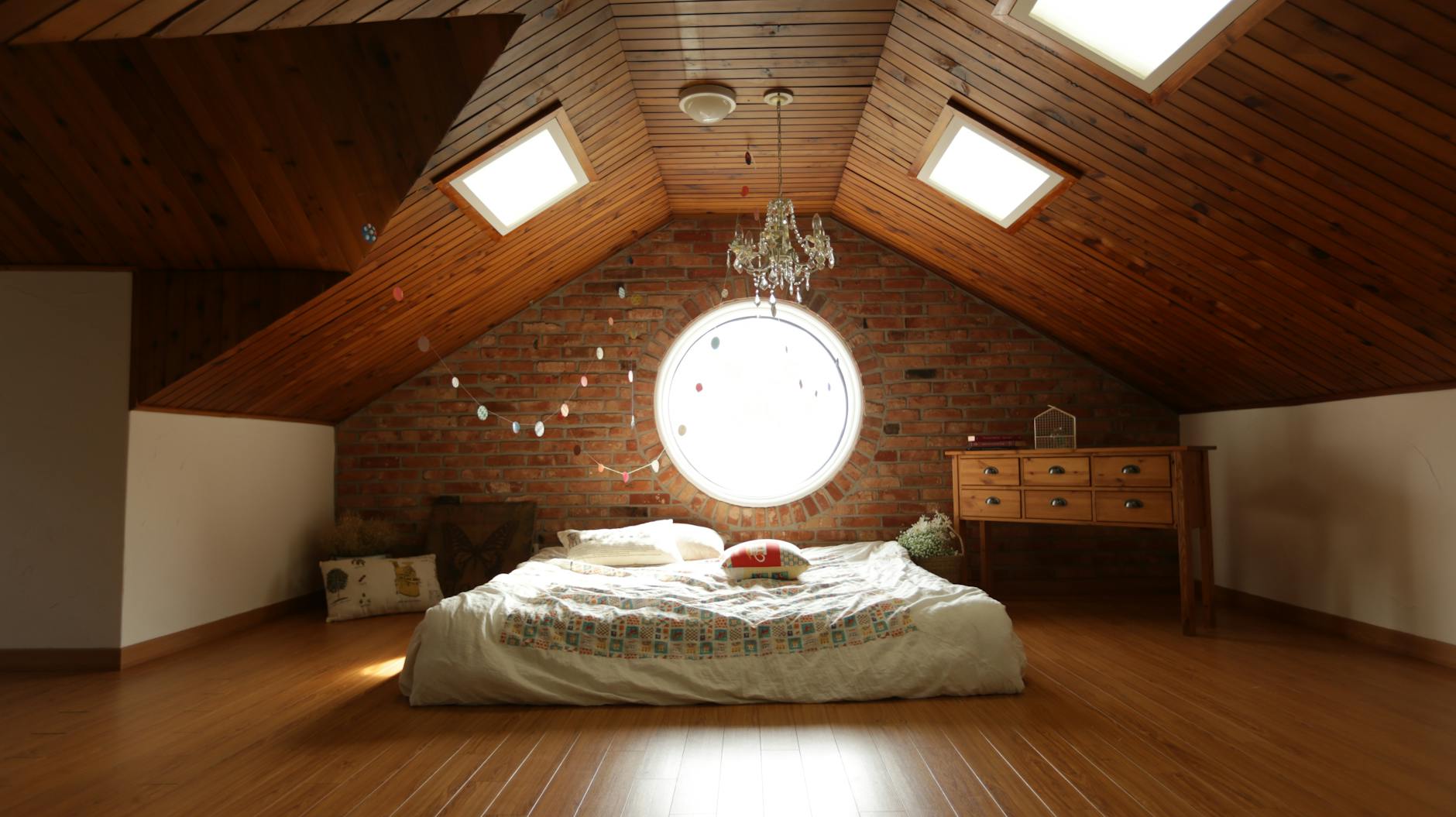
Bedrooms positioned in loft conversions or attic spaces with skylights or roof windows that admit moonlight starlight and early morning pre-dawn light directly from above rather than from a side-positioned window create a light environment in which overhead astronomical light enters the bedroom at the retinally most impactful angle across the entire overnight period in a way that side-positioned windows with the same glazing area would not replicate. The overhead angle of skylight-admitted light places it in the retinal position that most efficiently stimulates the circadian photoreceptors that are most densely distributed in the lower retina and that receive light entering from the upper visual field meaning that even the low-intensity light from a full moon through an unshaded skylight produces a stronger circadian signal than equivalent light arriving from a side window. The practical challenge of shading a skylight completely is greater than shading a conventional vertical window because standard curtain and blind systems are designed for vertical applications and skylight-specific blackout solutions require purpose-designed products and installation. Investing in a purpose-designed blackout blind system specifically fitted to each skylight opening in a sleeping space is the only intervention that fully addresses the overhead astronomical light exposure that represents the distinctive sleep environment challenge of loft bedroom formats.
Wearable Device Displays
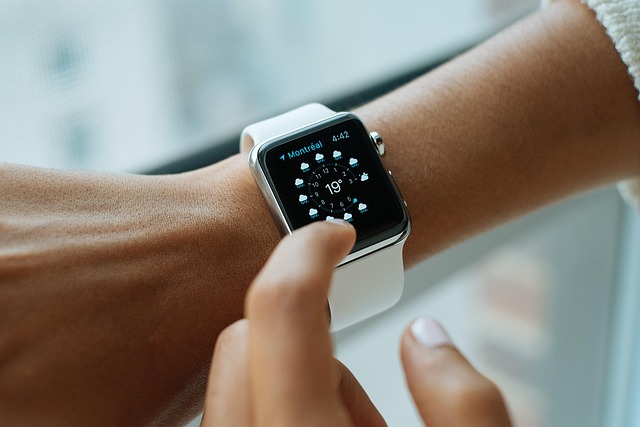
Smartwatch and fitness tracker displays that activate in response to wrist movement during the overnight period create brief but repeated light exposures at wrist level that are close enough to the face during typical sleeping positions to deliver a detectable retinal stimulus in an otherwise dark sleep environment contributing to the light exposure total of the overnight period in a way that most wearable users are not aware is occurring. The motion-activated display of most wearable devices is designed to activate in response to the wrist-raise gesture used for daytime viewing but the normal movements of sleep including position changes restlessness and the wrist movements associated with adjusting covers produce sufficient acceleration to trigger display activation repeatedly during the overnight period. The display brightness of wearable devices while modest in daytime conditions is sufficient in a fully dark sleep environment to create a light stimulus that can contribute to arousals and sleep stage transitions in light sleepers whose overnight sleep quality is sensitive to environmental light changes. Enabling the theater or sleep mode available in most wearable devices that disables overnight display activation maintains the sleep tracking function of the device while eliminating the repeated light exposure events that motion-triggered overnight display activation produces.
Dimmer Switch Underuse
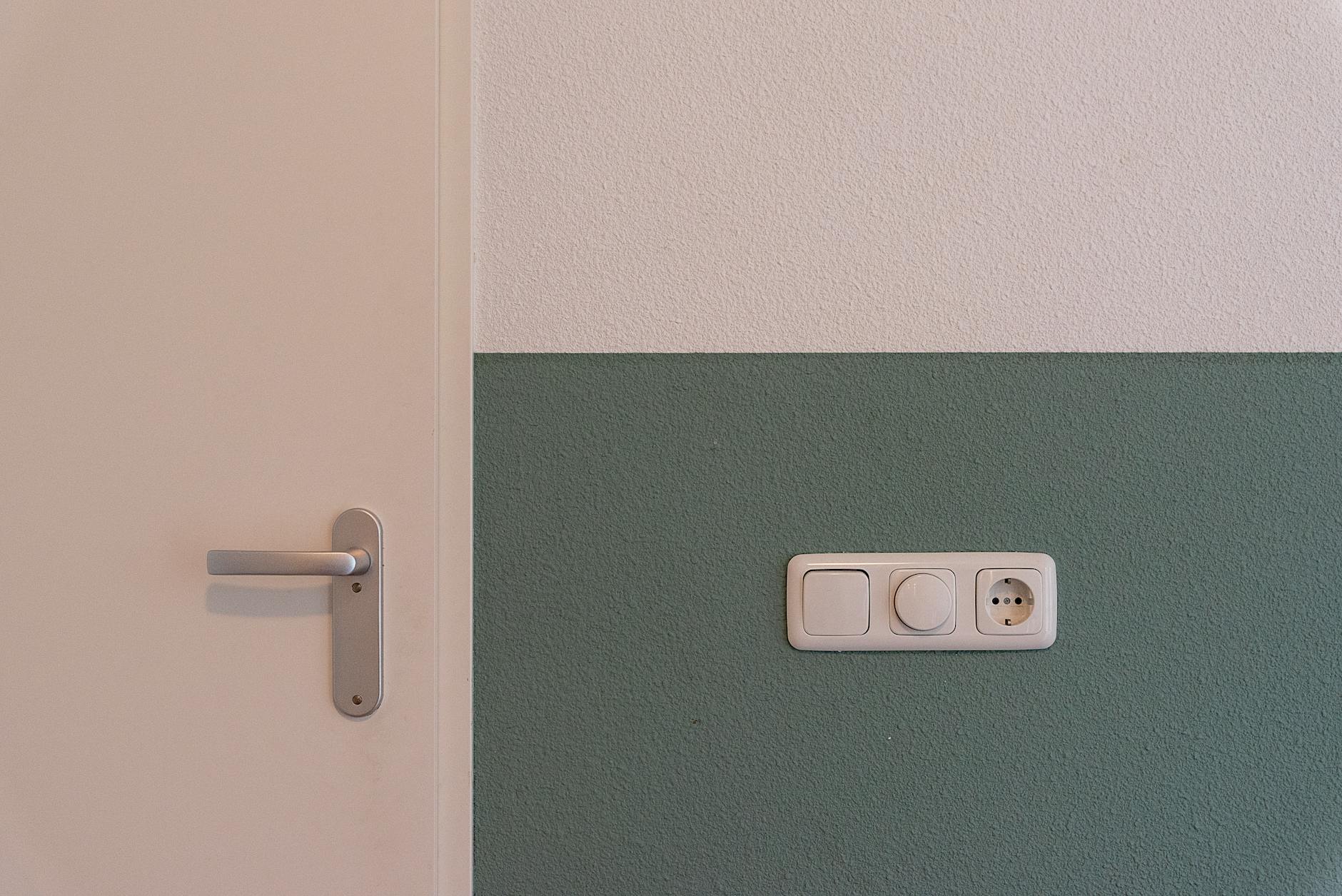
Installing dimmer switches in key living areas and then routinely operating them at full brightness throughout the evening negates the sleep quality benefit that the installation of dimming capability was potentially intended to provide and leaves the home lighting environment at a fixed high intensity that produces equivalent circadian stimulation to a non-dimmable installation regardless of the hardware investment made in variable intensity capability. The behavioral step of actually using dimmer switches to progressively reduce lighting intensity across the evening hours requires a deliberate habit formation that many households never develop after installation leaving dimmers as aesthetic features rather than functional circadian tools. Establishing a specific time-linked dimming practice in which lighting is reduced to fifty percent of maximum intensity at a set evening time and to twenty-five percent or lower in the final hour before the intended sleep time creates the progressive intensity reduction that the circadian system uses as a biological wind-down signal. Pairing the dimming action with an existing evening routine event such as the end of dinner or the beginning of a television program creates the habit anchor that transforms an underused hardware capability into an automatic nightly circadian support behavior.
Blue Light Blocking Inconsistency
Wearing blue light blocking glasses during screen use but then moving through brightly lit cool-white rooms without them during the same evening period creates an inconsistent light environment in which partial protection during one activity is offset by unprotected exposure during transitions between activities allowing the circadian stimulation that the glasses were intended to prevent to occur through the ambient lighting rather than the screen source. The circadian impact of evening light exposure comes from the total blue wavelength dose received by the retina across all sources simultaneously meaning that protecting against one source while remaining unprotected against another of similar or greater magnitude produces limited net benefit compared to the effort invested in the protective behavior. Amber-tinted blue light blocking glasses that are worn continuously during all evening hours after a set transition time rather than only during screen use provide consistent protection against the cumulative blue wavelength dose from all room light sources regardless of whether the individual is using a screen at any given moment. The consistency of application across all light sources rather than selective use during screen-only periods is what determines whether blue light blocking glasses produce a meaningful improvement in melatonin timing and sleep onset speed.
Colored Accent Lighting
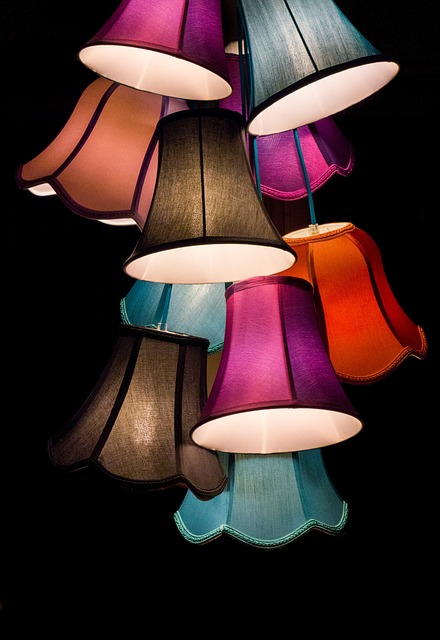
Decorative colored LED accent lighting used in entertainment systems gaming setups and bedroom aesthetics produces circadian stimulation profiles that vary dramatically by color selection with blue and green accent lighting delivering wavelengths that directly suppress melatonin while red and amber accent lighting in the same positions and at equivalent brightness produces negligible melatonin suppression making color selection rather than presence or absence of accent lighting the relevant sleep variable. The popularity of cool blue and white LED strip lighting as a bedroom aesthetic particularly in younger populations creates a sleeping environment that is simultaneously designed for relaxation and equipped with the precise light wavelengths most effective at preventing the biological conditions that make relaxation transition to sleep possible. Replacing cool-toned accent lighting in bedroom and pre-sleep environments with red or deep amber alternatives maintains the decorative and atmospheric function of accent lighting while eliminating its melatonin-suppressing biological effect. The availability of color-adjustable LED strip systems that can be programmed to shift from cool to warm tones at a set evening time makes this transition automatic within an existing decorative lighting installation without requiring any manual color switching behavior.
Partner Lighting Conflict
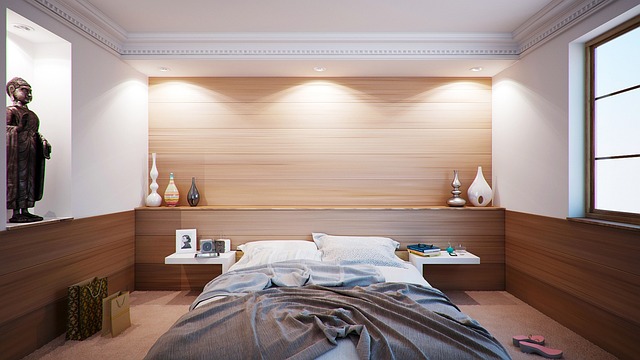
Sleeping alongside a partner with different pre-sleep lighting preferences creates a shared light environment that defaults to the more circadian-disruptive of the two preferences in a way that imposes the sleep-delaying effects of the higher-stimulation choice on the partner who would otherwise choose lower stimulation creating an asymmetric sleep quality impact that is rarely acknowledged as a household lighting management issue. A partner who uses a bright overhead reading light while the other is attempting to sleep exposes the sleeping person to overhead light at the most retinally impactful angle at a time when their melatonin production is actively progressing creating a suppression event that the sleeping person is unaware of but that measurably affects their overnight melatonin profile. Individual reading lights that can be directed specifically toward the reading partner’s page without illuminating the sleeping partner’s retinal field represent a hardware solution that resolves conflicting pre-sleep lighting preferences without requiring behavioral compromise from either person. The specific solution of a directional clip-on reading light with a warm color temperature bulb used by the partner who continues pre-sleep activity while the other sleeps represents the highest compatibility option for different sleep timing preferences within a shared sleeping environment.
If any of these lighting habits have made you reconsider the relationship between your home environment and your sleep quality share your observations and experiences in the comments.