Retail security is a profession built on pattern recognition, and certain clothing choices consistently trigger the attention of loss prevention staff in ways that most shoppers never intend or anticipate. The relationship between appearance and surveillance in retail environments is well documented in loss prevention industry training materials, with specific garment types and styling combinations appearing repeatedly as visual cues that prompt closer monitoring. This does not reflect fair or unbiased treatment of shoppers, and the profiling concerns raised by consumer rights advocates are legitimate and important. The items on this list were selected based on their consistent appearance in retail security training resources, loss prevention industry reports, and documented shopper experience accounts.
Oversized Hoodies
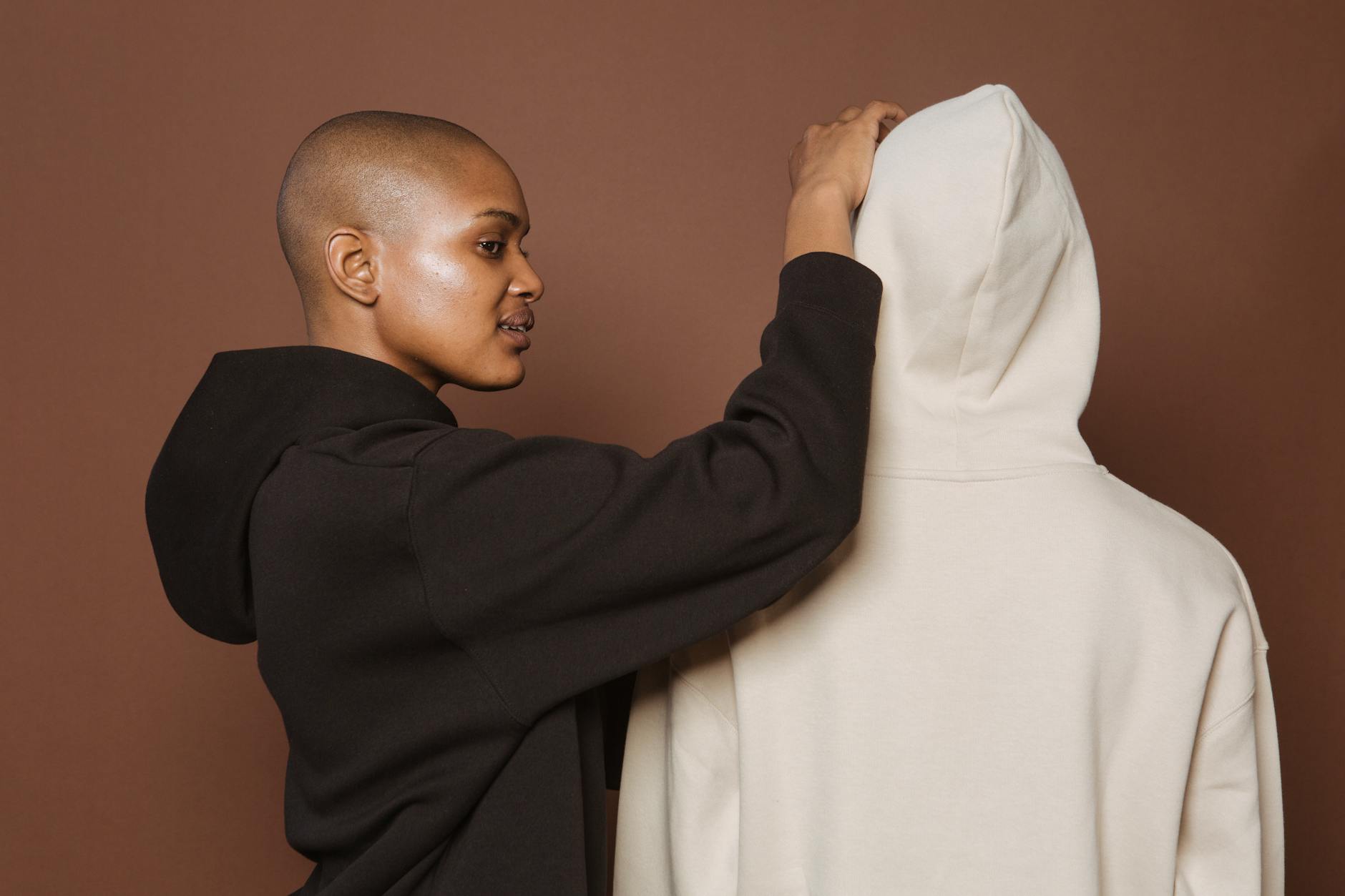
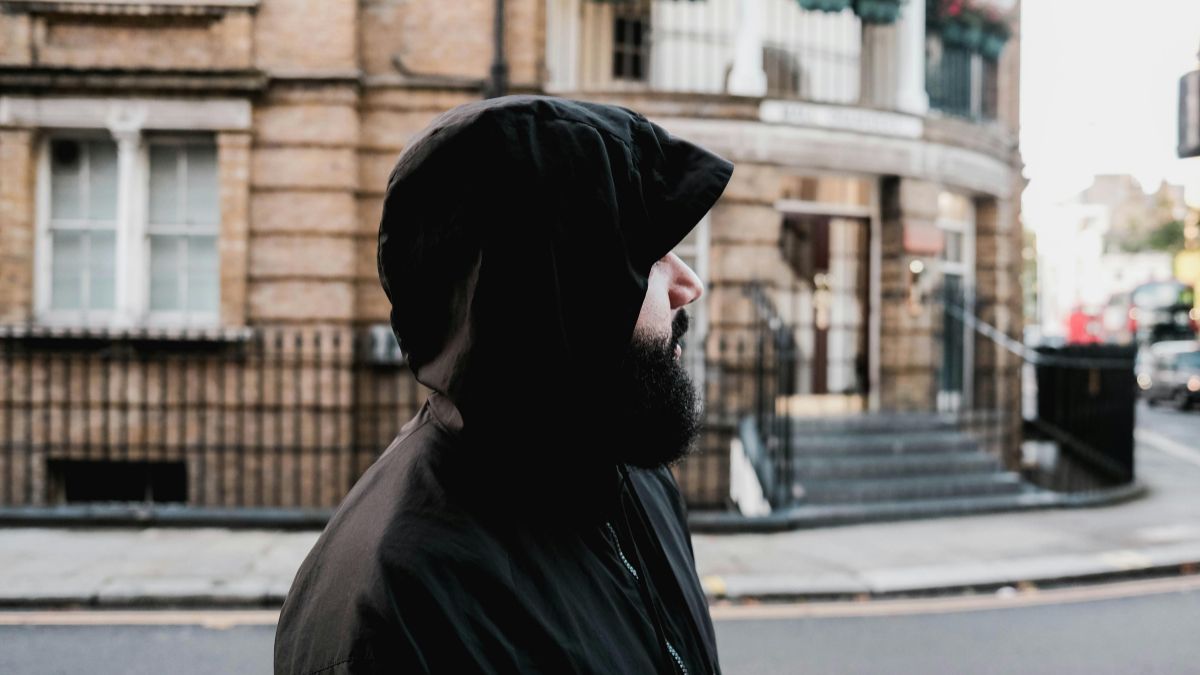
The oversized hoodie is the single most referenced garment in retail loss prevention training materials across North America, Europe, and Australia. The combination of a large front pocket, loose fabric that obscures body shape, and a hood that can be raised to partially conceal the face creates a profile that security staff are specifically trained to monitor. Retailers with high shrinkage rates in particular have internal policies that flag this garment type for increased floor attention regardless of the behavior of the individual wearing it. The irony is that oversized hoodies are among the most popular and widely sold garments in the stores where they attract the most security attention.
Long Trench Coats
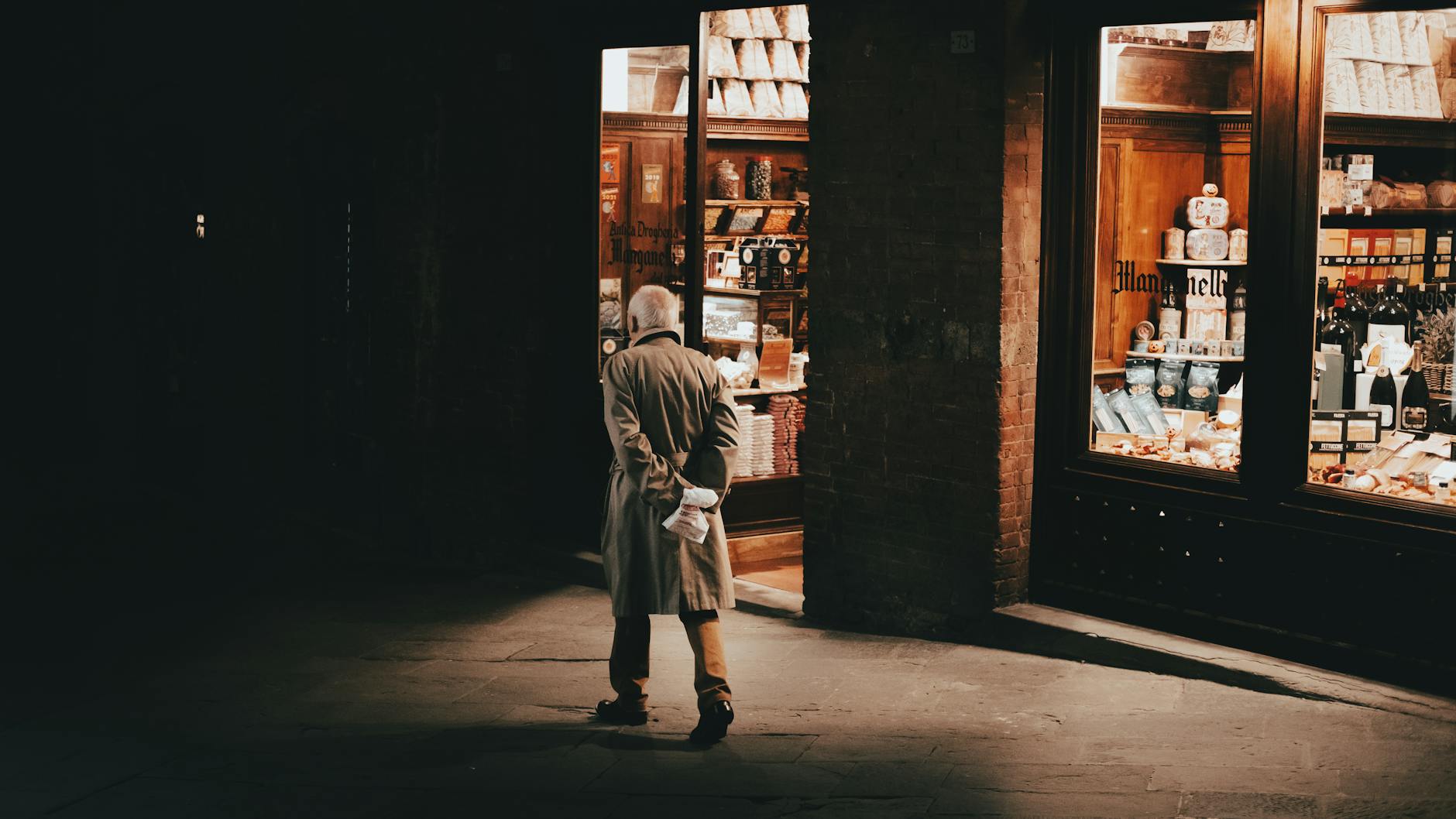
The floor-length or mid-calf trench coat has been a fixture of loss prevention concern since the early days of department store security, and its association with concealment has never fully separated itself from the garment’s fashion reputation. The interior of a full-length trench coat can conceal an extraordinary volume of merchandise without producing any visible external bulk, a fact that is as well known to security professionals as it is to the general public. Wearing a heavy trench coat into a clothing retailer or electronics store during warmer months raises the concern level among security staff significantly above what the same coat would generate in winter. The dramatic visual impact of the garment also draws general attention in a way that can feel like surveillance even when no specific concern has been flagged.
Cargo Pants

The sheer number and depth of the pockets in traditional cargo pants make them a garment of persistent interest to retail security teams responsible for monitoring high-value merchandise in accessible display formats. Standard cargo pants can feature anywhere from six to ten individual pockets of varying depths, several of which are large enough to accommodate packaged goods, folded garments, or small electronics without creating a visible silhouette change. Loss prevention training programs routinely use cargo pants as a practical example when teaching staff about concealment capacity and the relationship between clothing construction and merchandise security risk. Shoppers wearing cargo pants in stores that sell small high-value items such as jewelry, cosmetics, or electronics report a noticeably elevated level of floor staff attention compared to visits in standard trousers.
Baggy Track Suits
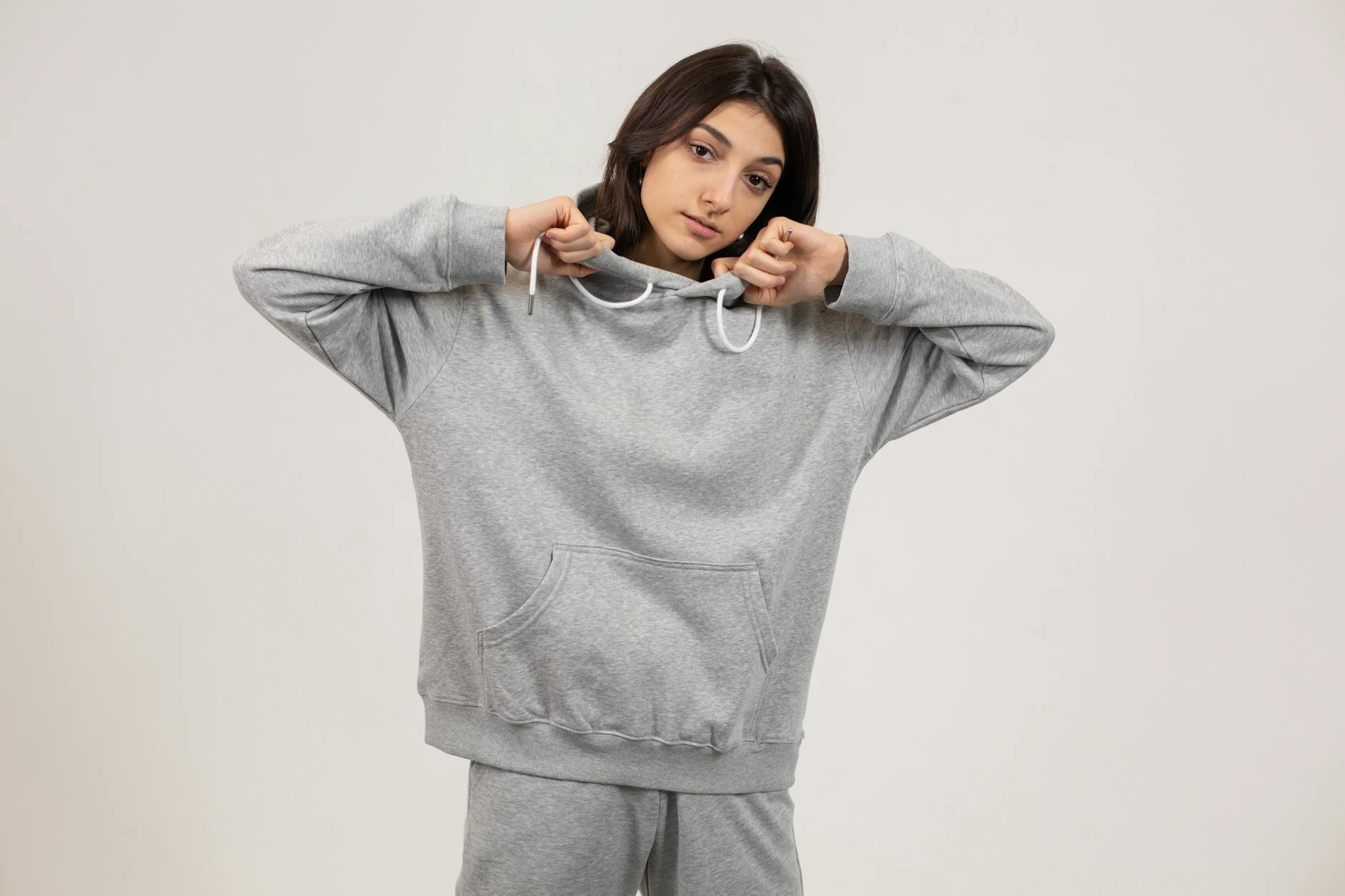
Full baggy tracksuits in which both the top and bottom are substantially oversized create a layered concealment environment that loss prevention professionals describe as among the most difficult to monitor without direct physical observation. The elastic waistband of tracksuit bottoms in particular allows items to be tucked against the body in a way that produces no visible external change in silhouette or movement pattern. Matching sets in dark or plain colors reduce the visual contrast that helps floor staff identify unusual bulging or asymmetry in a shopper’s profile as they move through the store. Retail security incidents involving tracksuits are disproportionately represented in industry case studies relative to the overall frequency with which the garment is worn by the shopping public.
Fake Pregnancy Bumps

Prosthetic pregnancy bumps used for theatrical, medical, or empathy training purposes occasionally appear in retail security incident reports as concealment devices, a fact that has influenced loss prevention training to include visible pregnancy as a category requiring careful and sensitive monitoring protocol. The ethical complexity of this situation is significant given that the overwhelming majority of visibly pregnant shoppers are simply shopping and the potential for discriminatory treatment is high. Security staff are trained to rely on behavioral rather than physical indicators in these cases but the existence of documented incidents means the garment category appears in training materials regardless. Consumer rights organizations have raised serious concerns about the implications of this aspect of loss prevention training for pregnant shoppers in retail environments.
Floor-Length Skirts
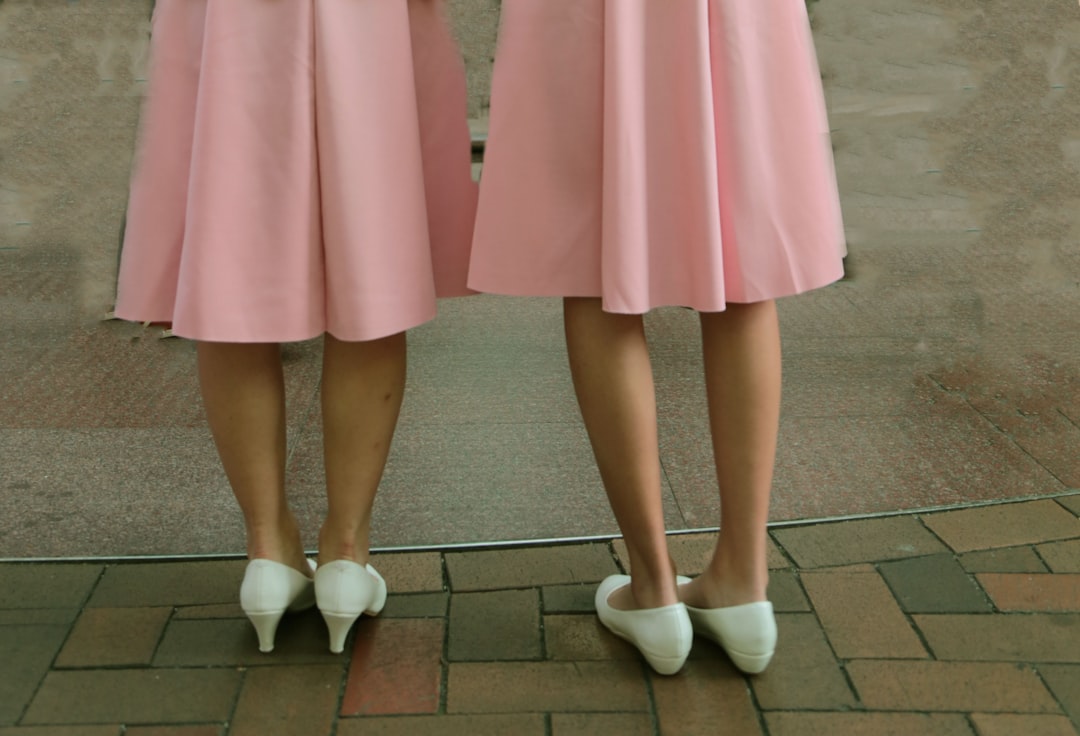
Wide, full floor-length skirts with substantial volume in the skirt panel create a concealment space beneath the fabric that is genuinely difficult to monitor through standard visual observation techniques used by retail floor staff. Historical and contemporary loss prevention reports include documented cases involving merchandise concealed beneath full skirts in specialty bags or harnesses designed specifically to exploit the visual coverage the garment provides. The bohemian and modest fashion communities who wear floor-length skirts as a regular style choice report feeling unfairly monitored in retail environments as a result of these associations. As with all garments on this list the connection between the clothing choice and security attention reflects a systemic profiling issue rather than any reasonable suspicion of the individual wearer.
Multiple Layered Clothing
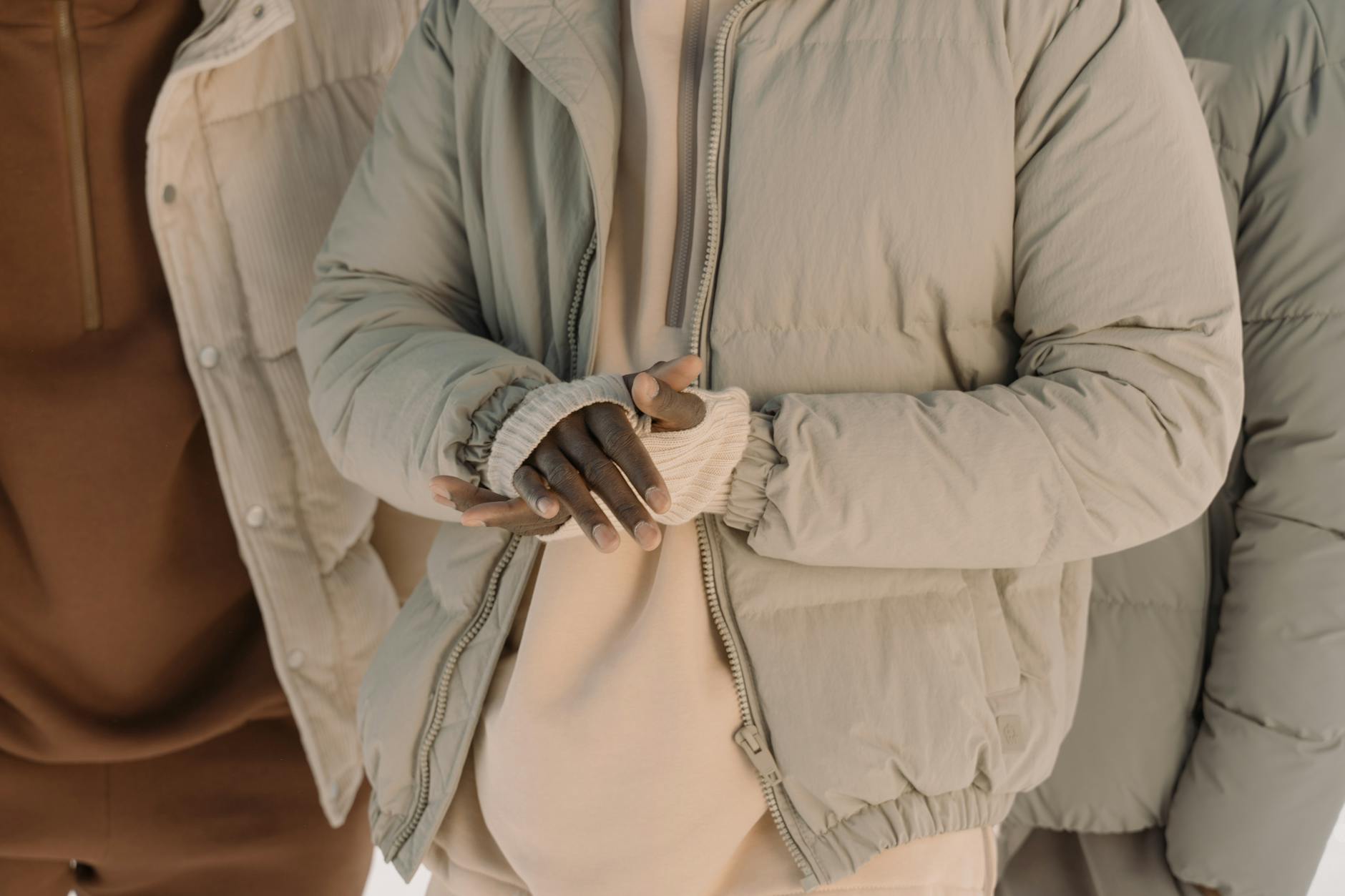
Entering a retail clothing store already wearing multiple visible layers of clothing is a pattern flagged in loss prevention training as a potential indicator of tag removal and garment layering, a method in which new items are put on beneath existing clothing and walked out of the store. The challenge for security staff is that layering is also an entirely ordinary fashion and practical choice for a significant portion of the shopping public particularly during transitional weather seasons. Stores with fitting room attendants use the count of items entering the changing room as a monitoring tool but floor-level layering presents a more complex detection challenge. Shoppers who habitually dress in multiple layers report that their experience in retail stores involves a noticeably higher level of unprompted staff interaction than single-layer dressing produces.
Dark Sunglasses Indoors

Wearing dark or mirrored sunglasses inside a retail store removes one of the primary behavioral cues that trained security staff rely on to assess shopper intent, specifically the direction and pattern of eye movement relative to merchandise and camera positions. Loss prevention professionals note that the inability to track eye direction significantly increases the monitoring attention given to a shopper because the behavioral assessment tools available to floor staff are materially reduced. Fashion sunglasses worn indoors are common in certain style communities and geographical regions but the effect on the security experience of the wearer is consistent regardless of the stylistic intent behind the choice. Shoppers who wear prescription tinted lenses indoors for medical reasons can carry documentation that some retailers have protocols to accommodate at the customer service level.
Sports Jerseys With Deep Pockets

Certain sports and athletic jerseys designed for active use include internal pockets, chest pouches, and compression storage panels that create concealment opportunities invisible to standard visual monitoring by retail floor staff. Cycling jerseys in particular feature multiple deep rear pockets accessible without removing the garment that loss prevention training materials identify as a specific concealment risk in cycling and outdoor equipment retail environments. The association between sports jersey styles and loss prevention attention varies significantly by store category with outdoor retailers and electronics stores reporting higher levels of jersey-related monitoring incidents than general clothing retailers. Athletes and cycling enthusiasts who shop for gear while still in their riding or training clothing report that the experience frequently involves staff attention that feels disproportionate to their behavior.
Bulky Winter Coats
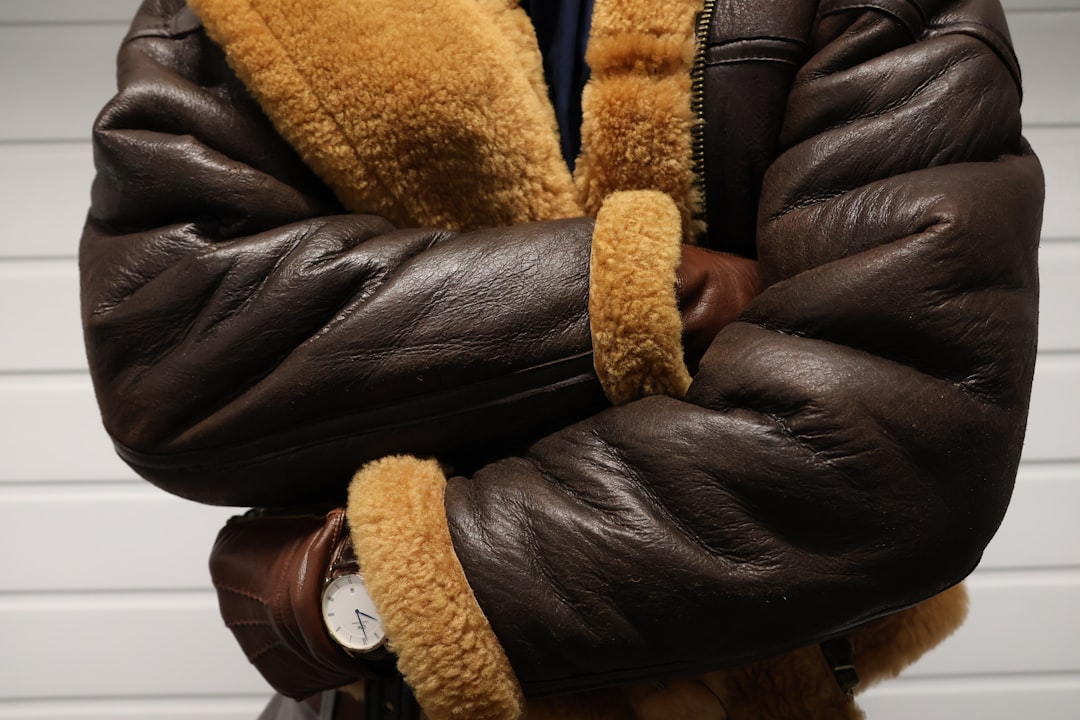
A heavy winter coat worn into a retail store during mild or warm weather conditions is one of the most consistent single-garment triggers for loss prevention attention across all retail categories globally. The thermal and visual insulation provided by a genuinely bulky padded coat makes standard visual observation of body silhouette changes essentially impossible for floor staff without direct physical proximity to the shopper. Retailers in climates where weather can change rapidly during a shopping trip face the challenge of distinguishing between shoppers who are genuinely dressed for outdoor conditions and those who are exploiting the garment for concealment purposes. The discomfort of wearing a heavy coat inside a heated retail environment for the duration of a shopping trip is itself a behavioral indicator that loss prevention staff are trained to note as a potential risk signal.
Oversized Handbags
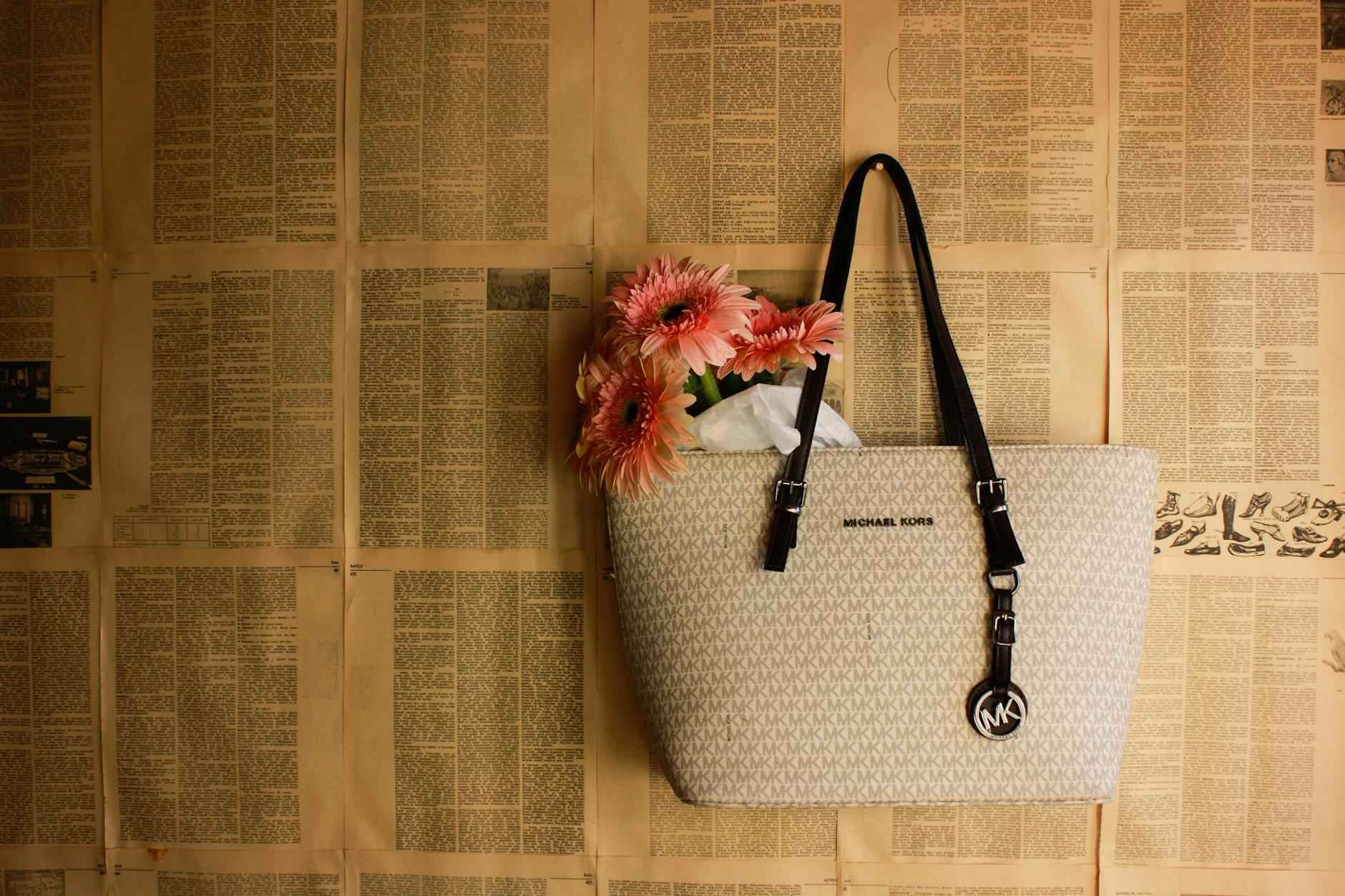
Structured tote bags and oversized handbags with wide openings and significant internal volume are consistently present in retail loss prevention discussions because they create an accessible and concealable storage space that remains in the shopper’s possession throughout the shopping experience. Bags that remain open at the top and are carried on the arm at merchandise height in a store with low shelving or accessible display tables present a specific monitoring challenge that floor staff are trained to address through proximity rather than direct intervention. The fashion market for oversized totes is enormous and the vast majority of shoppers carrying them are doing so for entirely ordinary practical reasons including carrying personal items, laptops, gym clothing, and shopping from other stores. Retailers who have implemented bag check policies at entry have faced significant customer backlash and legal challenges in several jurisdictions where such policies have been found to constitute discriminatory treatment.
Hats With Low Brims
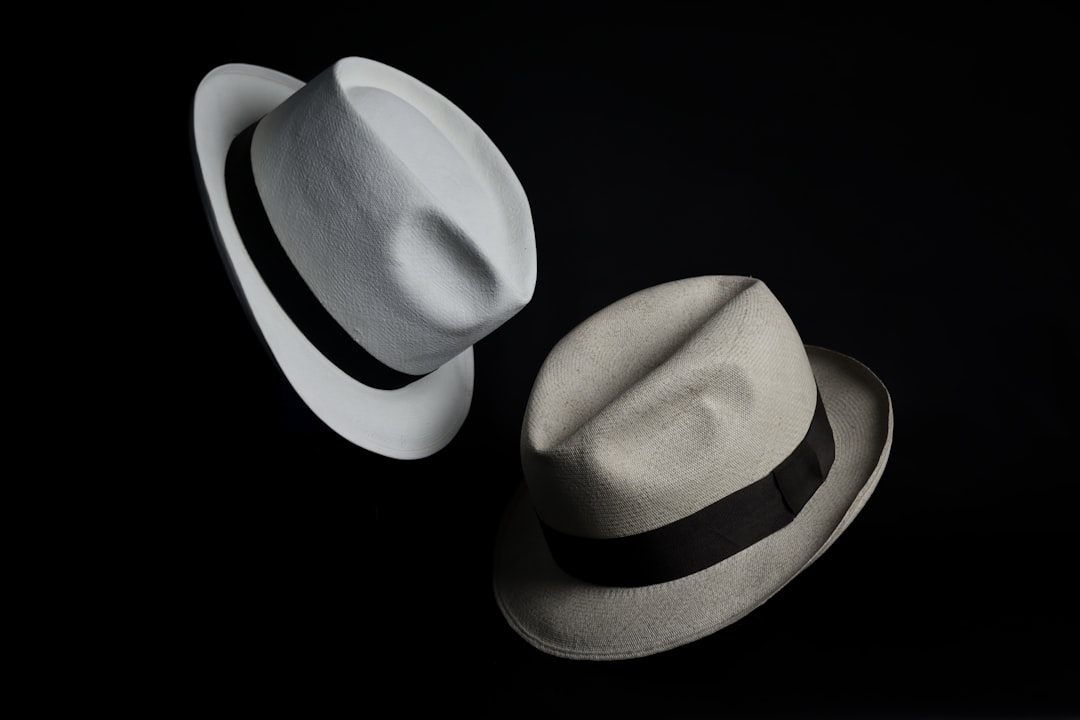
Baseball caps, bucket hats, and wide-brimmed styles worn low over the face reduce the effectiveness of facial recognition systems and overhead camera monitoring that form a core component of modern retail security infrastructure. The positioning of a low brim that covers the upper half of the face is specifically referenced in loss prevention training as a camera-avoidance profile that merits increased floor-level monitoring attention. Hat styles that were once primarily associated with outdoor activity or sports culture have become mainstream fashion items worn by a broad demographic across all age groups and retail environments. The disconnect between the mainstream fashion status of the low-brim hat and its persistent association with security concern in retail training materials is a source of ongoing discussion in both consumer rights and loss prevention professional communities.
Compression Leggings With Hidden Pockets
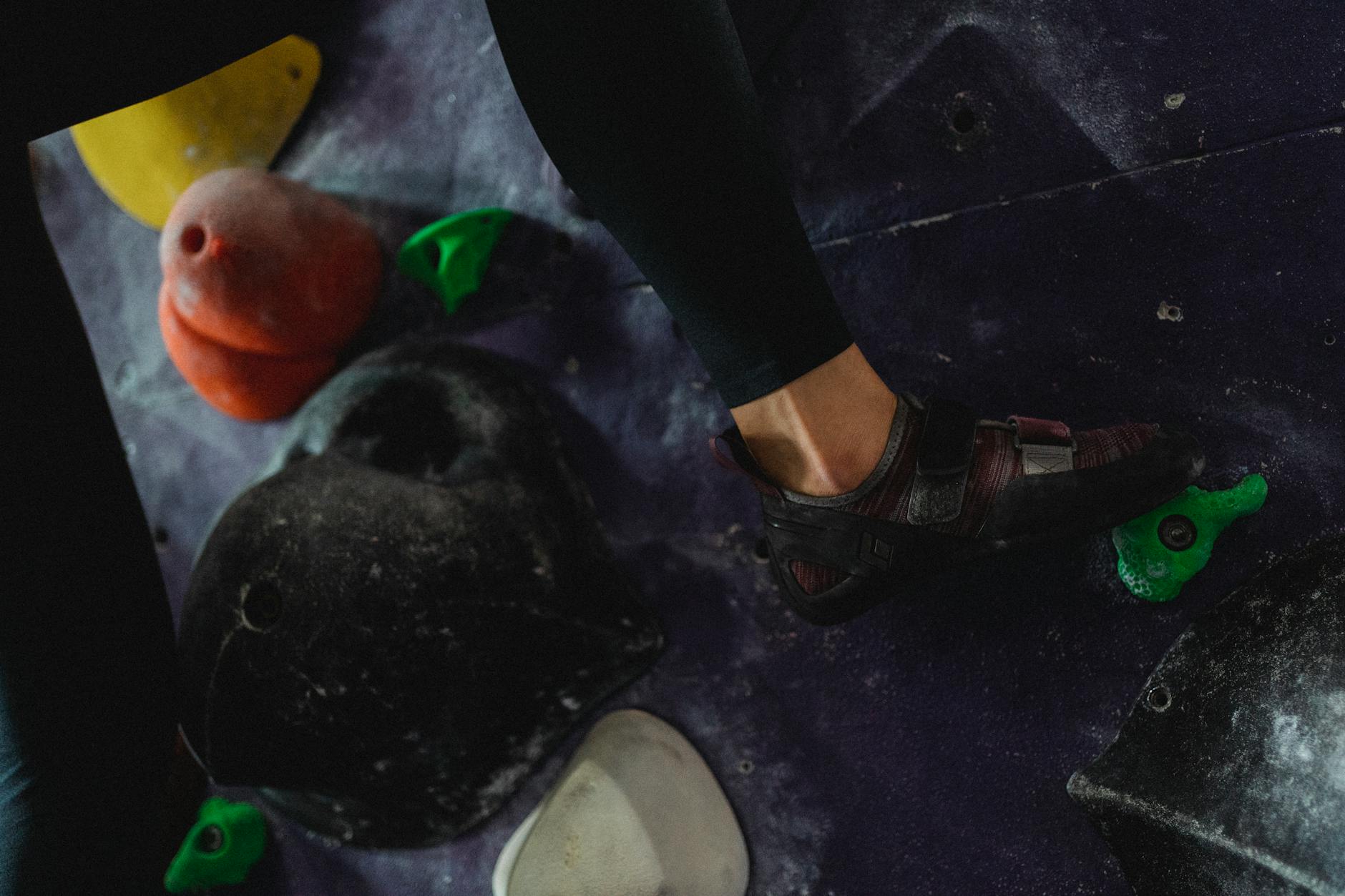
Athletic leggings designed with hidden waistband pockets and thigh storage panels for use during exercise have appeared in loss prevention case studies as concealment garments due to their body-hugging profile that changes minimally when items are stored within them. The form-fitting nature of compression leggings means that small packaged items, cosmetics, or jewelry can be stored against the body in the garment’s internal pockets without producing a visible change in external silhouette. Activewear brands marketing leggings with security pockets for running keys and cards have inadvertently created a garment whose features align precisely with what loss prevention training identifies as a concealment risk profile. The overwhelmingly female demographic that wears this garment type for entirely ordinary fitness and lifestyle reasons bears an unfair share of the profiling consequences generated by this association.
Worn or Dirty Clothing
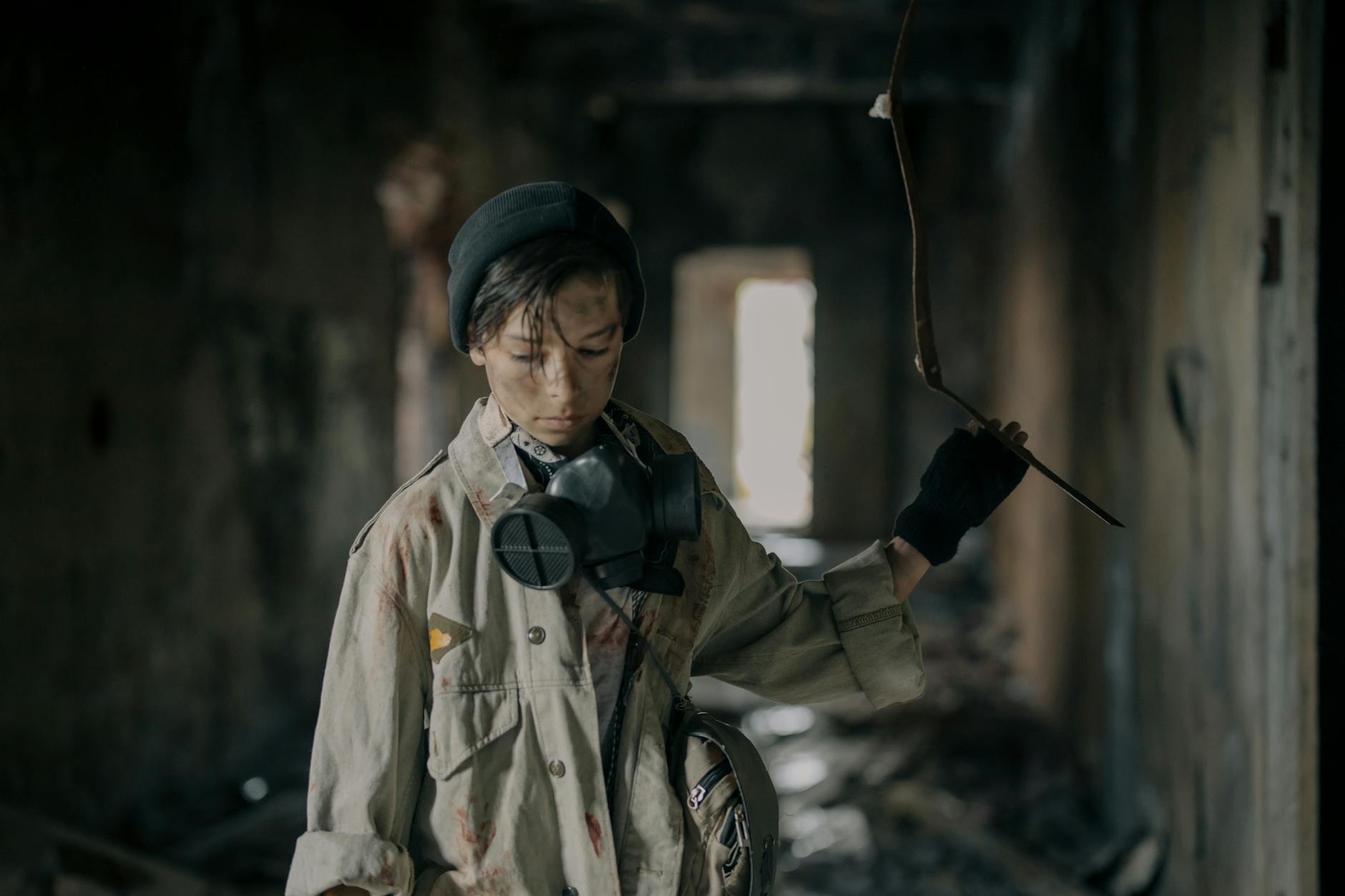
Retail security training programs in some jurisdictions include economic indicators of distress including visibly worn, dirty, or poorly maintained clothing as behavioral context factors that inform monitoring decisions, a practice that raises profound ethical concerns about economic discrimination in retail environments. The correlation between economic hardship and retail theft identified in criminological research has been incorporated into loss prevention practice in ways that result in shoppers of lower economic means receiving disproportionate security attention based on their appearance. Consumer advocacy organizations have consistently argued that this aspect of retail security profiling constitutes discrimination on the basis of socioeconomic status and have pursued legal challenges against retailers whose internal training materials explicitly reference clothing condition as a risk indicator. The human impact of being monitored throughout a shopping experience based on economic circumstances is a documented source of psychological distress and social exclusion for affected shoppers.
Backpacks
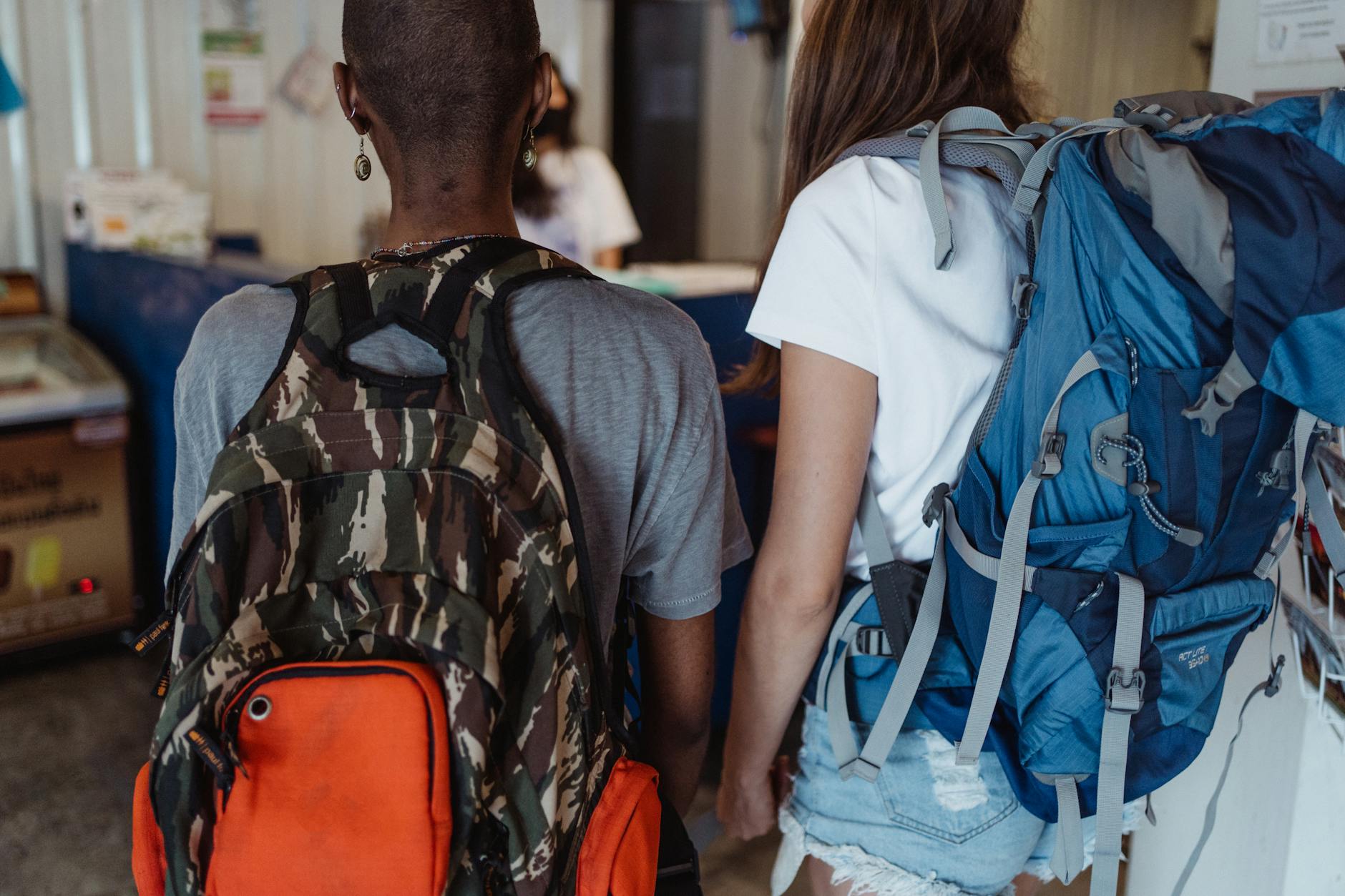
Large backpacks worn into retail stores create a blind-spot concealment zone directly behind the body that is invisible to the wearer, difficult to monitor from standard floor positions, and inaccessible to staff without direct confrontation. Many retailers have implemented backpack check policies at entry or require backpacks to be carried in hand rather than worn on the back while shopping, a policy that draws consistent complaints from students, hikers, and commuters who use backpacks as their primary everyday bag. The volume available inside a standard hiking or school backpack is substantial enough to accommodate significant quantities of merchandise without producing an external change visible to overhead cameras or floor-level observation. Shoppers who wear backpacks into stores that have not implemented check policies report that staff proximity and unprompted offers of assistance increase noticeably compared to visits with a standard shoulder bag.
Loose Linen Shirts
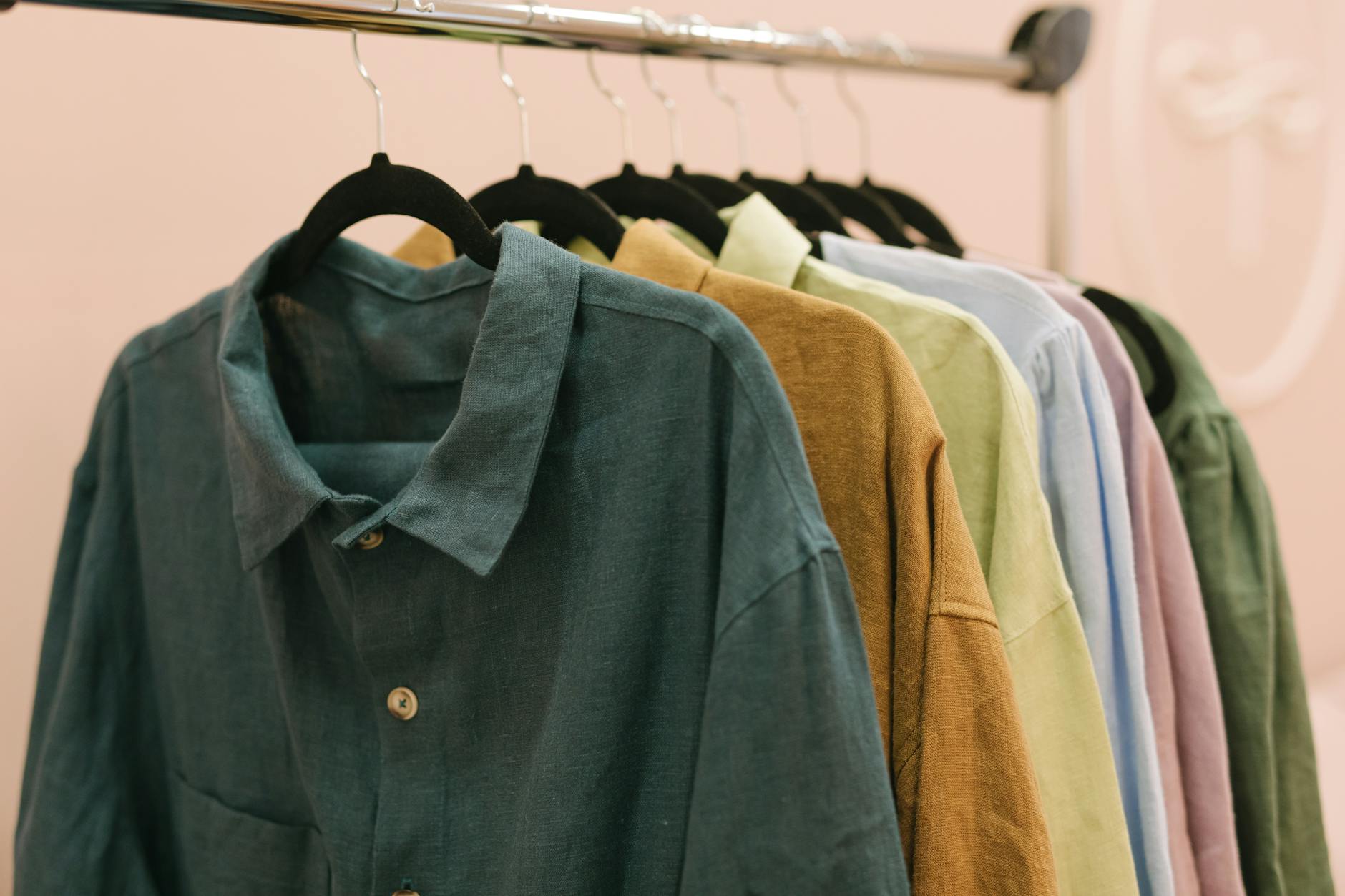
Oversized linen shirts and similar loose-weave garments worn untucked create a draping coverage zone around the mid-body that is difficult to visually monitor for silhouette changes associated with merchandise concealment. The natural texture and movement of linen fabric means that minor changes in the profile beneath the shirt are masked by the movement of the fabric itself, a characteristic that loss prevention training materials note as a visual monitoring challenge in warm-weather retail environments. The popularity of loose linen shirts as a warm-weather staple across multiple fashion demographics means that the garment’s association with security attention falls across a broad cross-section of shoppers who are simply dressing for the climate. Boutique retailers in warm-weather tourist destinations report this garment as one of the most frequently worn by shoppers who subsequently appear in security review footage.
Wrap Skirts

Tie-front wrap skirts with generous fabric panels create an interior concealment zone at the front of the body that is partially accessible from outside the garment through the overlap opening and difficult to monitor from standard overhead camera angles. The flowing movement of wrap skirt fabric masks silhouette changes more effectively than structured skirts and the variable tightness of the tie closure means that the external profile of the garment changes naturally throughout a shopping visit without necessarily indicating concealment activity. Wrap skirts are a staple of resort, bohemian, and modest fashion wardrobes and their wearers represent an extremely diverse demographic with no meaningful statistical connection to retail security incidents. The garment appears in loss prevention training materials primarily because of its construction rather than any documented pattern of misuse by the population that wears it.
High-Visibility Vests
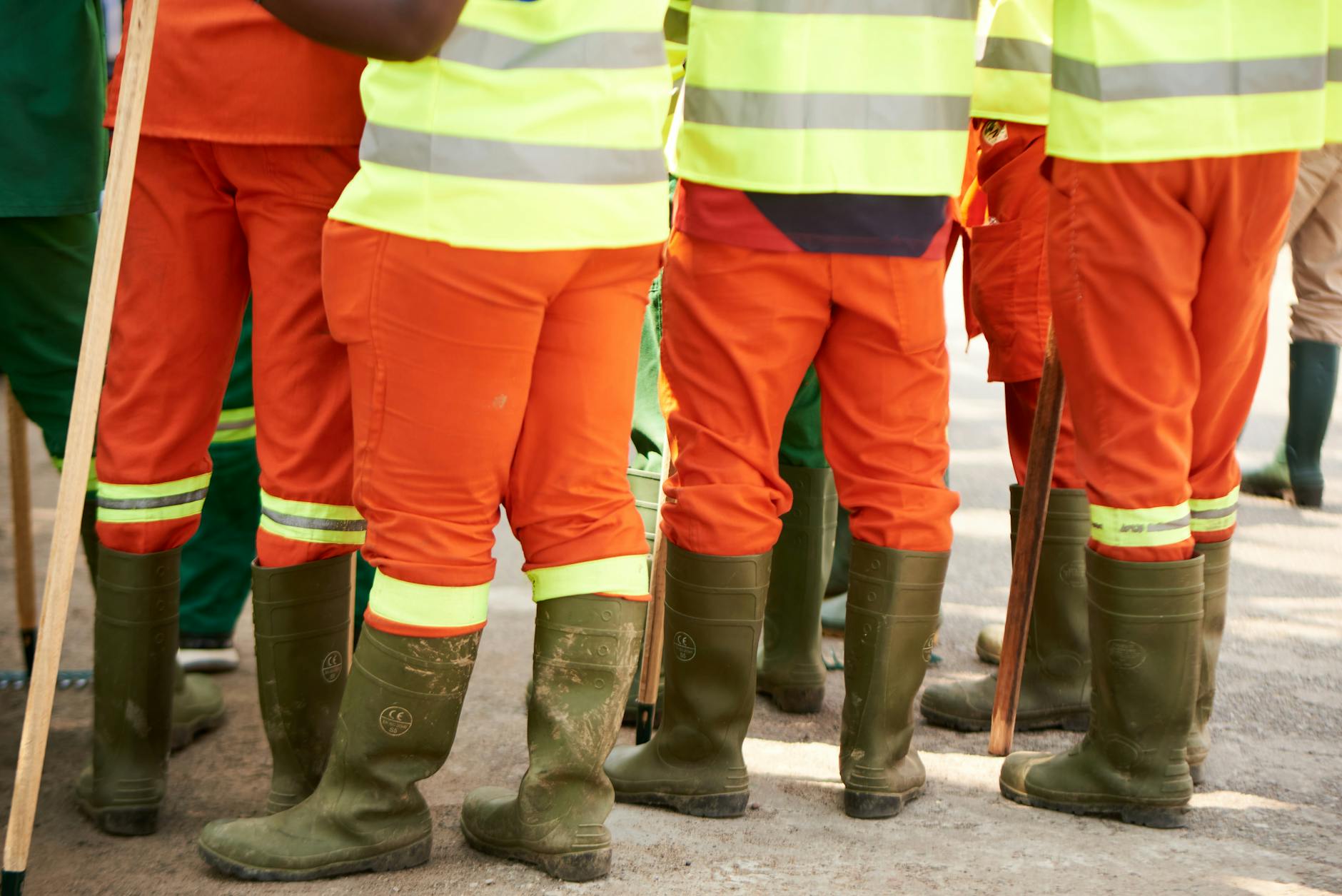
Wearing a high-visibility safety vest into a retail store creates an immediate cognitive dissonance for security staff and floor employees because the garment is strongly associated with professional authority, work crew access, and official presence in ways that reduce the level of scrutiny applied to the wearer’s behavior. Loss prevention case studies document incidents in which high-visibility vests were used to create an impression of professional legitimacy that allowed individuals to move through staff-only areas or handle merchandise in ways that would otherwise have attracted immediate attention. The psychological effect of high-visibility clothing on authority perception is well documented in social psychology research and its retail security implications are a recognized topic in professional loss prevention training. Legitimate tradespeople and delivery contractors who wear high-visibility vests while making personal shopping trips during work hours report that their experience in retail stores varies dramatically from standard shopper treatment.
Matching Loungewear Sets

Coordinated loungewear sets in stretch fabric have been flagged in some retail security training programs for the same body-concealing properties as tracksuits combined with a mainstream fashion appearance that makes them less immediately conspicuous to floor staff than more traditionally profiled garments. The rise of luxury loungewear as a mainstream fashion category has created a wide spectrum of garments from inexpensive supermarket sets to high-end branded matching pieces that all share the same structural characteristics from a loss prevention perspective. Retailers that sell both clothing and small high-value items such as cosmetics or electronics report the highest frequency of loungewear-related security attention relative to stores that sell only one category of product. The normalization of loungewear as everyday public dress across a broad demographic has created an ongoing tension between fashion trends and retail security profiling practices.
Puffy Vests

Quilted and padded vests with multiple zippered pockets across the front and sides create a storage environment distributed across the body that is significantly harder to visually monitor than a single large pocket or bag. The structured padding of a filled vest means that items stored in internal pockets produce no visible external change in the garment’s silhouette because the padding itself already creates a uniformly bulky profile across the torso. Outdoor and workwear retailers who stock high-value tools, equipment, and branded merchandise report puffy vests as a garment of consistent interest in their loss prevention monitoring programs. The outdoor lifestyle and workwear demographics who wear quilted vests as a functional garment are broadly ordinary retail customers whose shopping experience is affected by an association between their practical clothing and security profiling concerns.
Trousers With Elasticated Waistbands
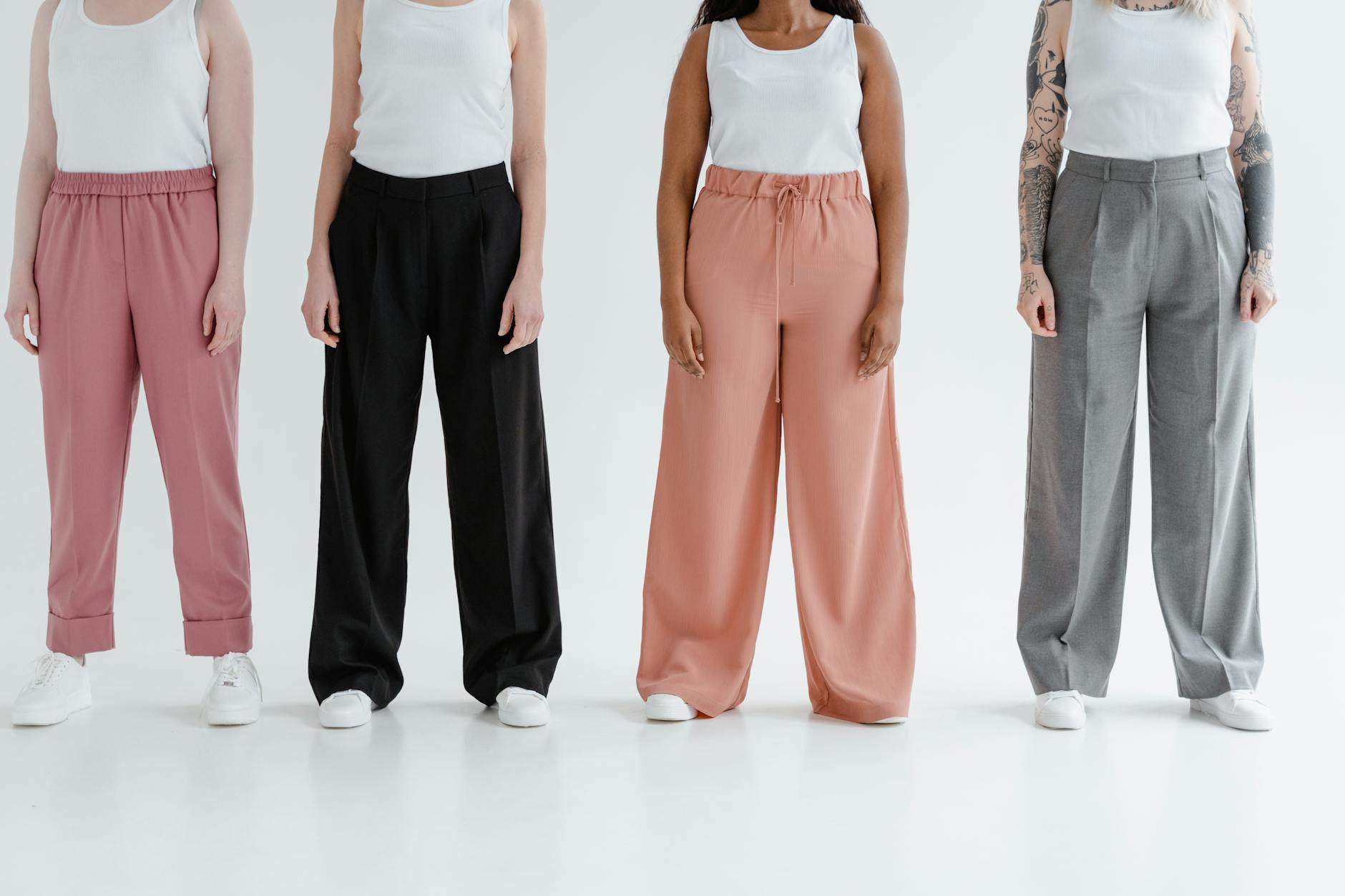
Trousers with wide elasticated waistbands and a generous fit through the hip and thigh area create a tucking zone against the body that produces no visible external change when small items are concealed within the waistband itself. The comfort-driven move toward elasticated waistbands in mainstream menswear and casualwear has expanded this garment category well beyond its traditional association with older demographics and workwear into a broad cross-section of everyday shoppers. Retailers who sell small packaged goods including cosmetics, supplements, and accessories report elasticated waistband trousers as appearing regularly in security review footage in the context of concealment incidents. The enormous and growing market for comfortable elasticated trousers means that the profiling consequences of this garment’s construction characteristics fall across a very wide and diverse shopping demographic.
Festival Clothing
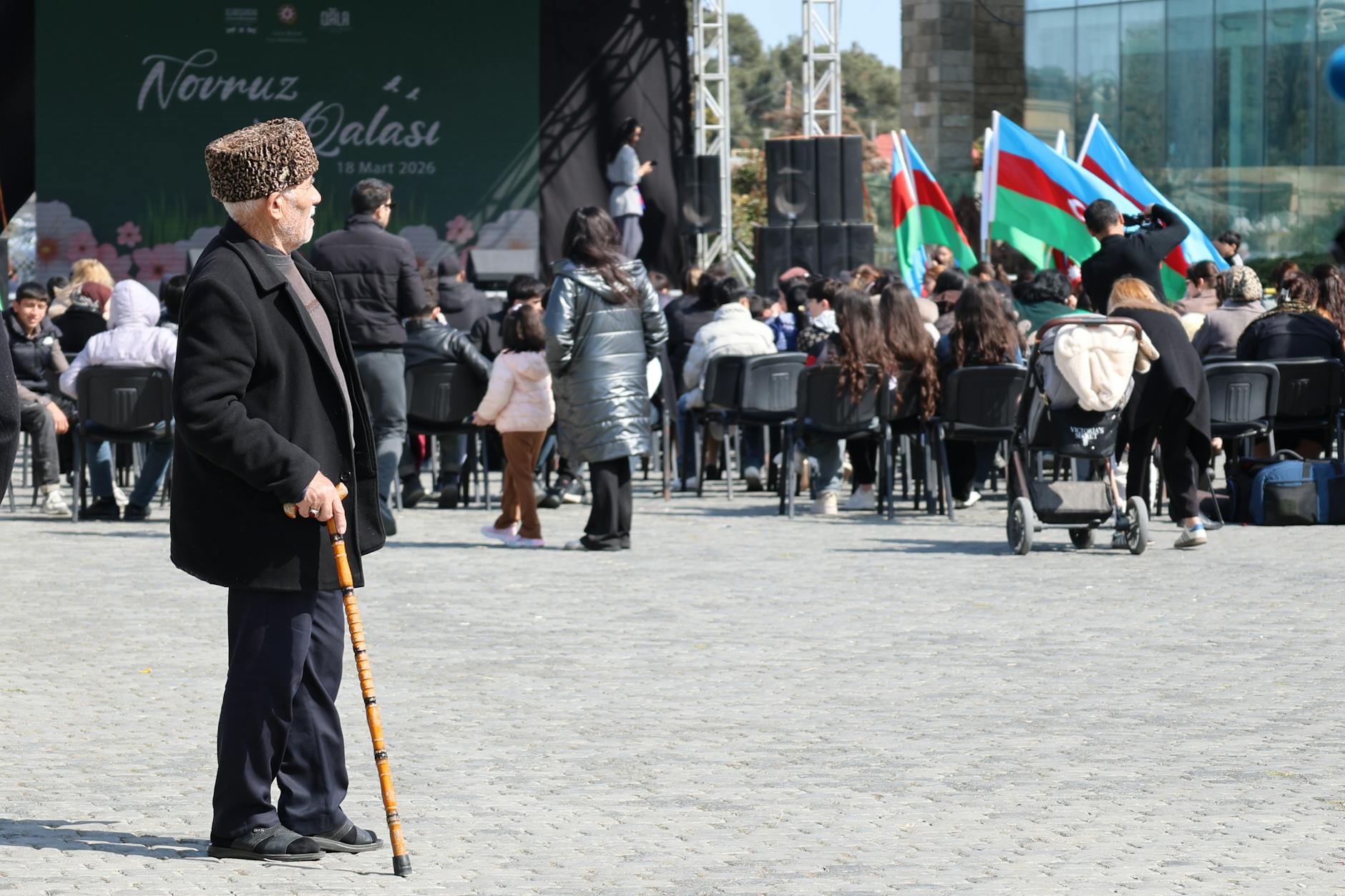
Layered festival-style clothing including multiple flowing tops, wide-leg trousers, fringe garments, and draped accessories creates a complex visual profile that makes standard silhouette monitoring by retail floor staff extremely difficult. The multi-layered and texturally busy surface of festival fashion means that changes in body profile caused by concealed items are effectively masked by the existing complexity of the garment combination. Retailers in urban areas near music venues, arts districts, and university campuses report a higher frequency of festival-style clothing in their shopper profile and a corresponding increase in the complexity of their floor monitoring task during peak seasons. Shoppers who adopt festival style as their everyday wardrobe rather than a seasonal occasion choice report that their retail experience is consistently more heavily monitored than peers shopping in the same stores in more conventional dress.
Oversized Sports Shirts
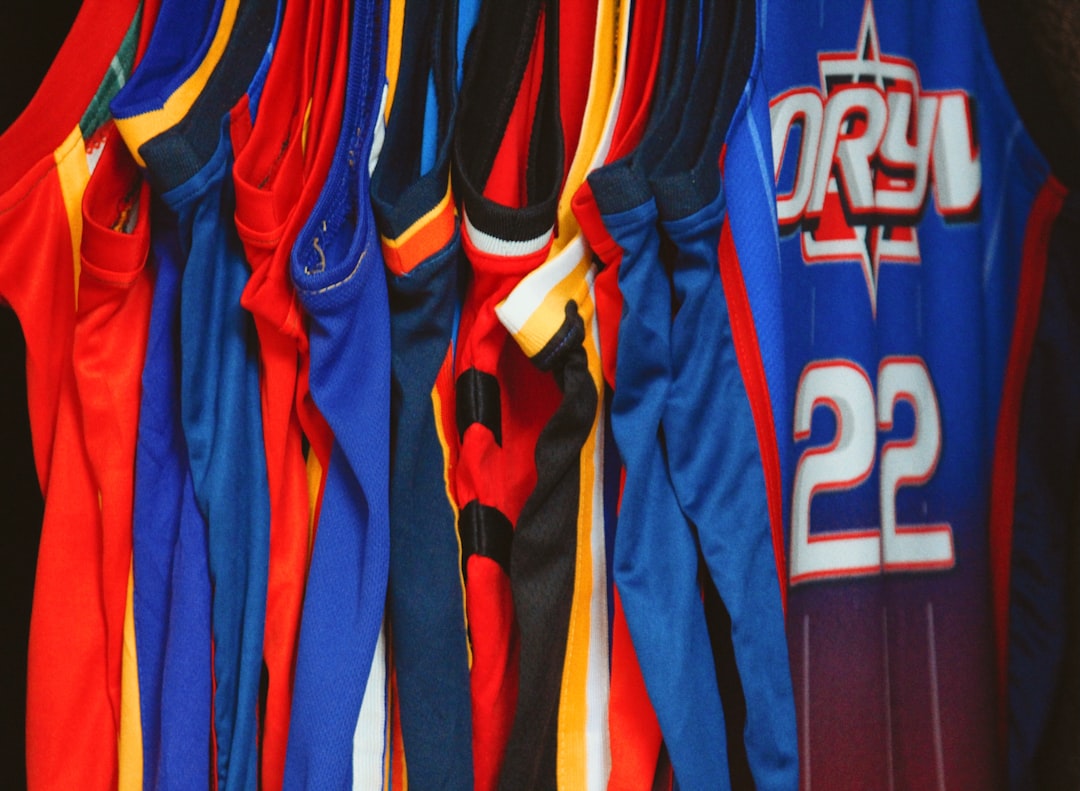
Football shirts, basketball jerseys, and rugby tops in oversized fits extend well below the natural waistline and create a draping coverage zone over the trouser waistband that eliminates one of the primary visual monitoring points used by retail security staff to detect tucking and waistband concealment. The loose weave of many sports shirt fabrics and the side vents common in football and basketball jersey designs add to the concealment profile by creating additional access points and reducing the visual clarity of the mid-body profile. Sports apparel retailers who also stock footwear, equipment, and accessories report oversized sports shirts as among the garments most frequently present in reviewed security footage relating to incidents in those product categories. The sports jersey is one of the most widely worn casual garments across a global demographic and its security association is a source of documented tension in retail environments where sports culture and loss prevention practice intersect.
Fanny Packs
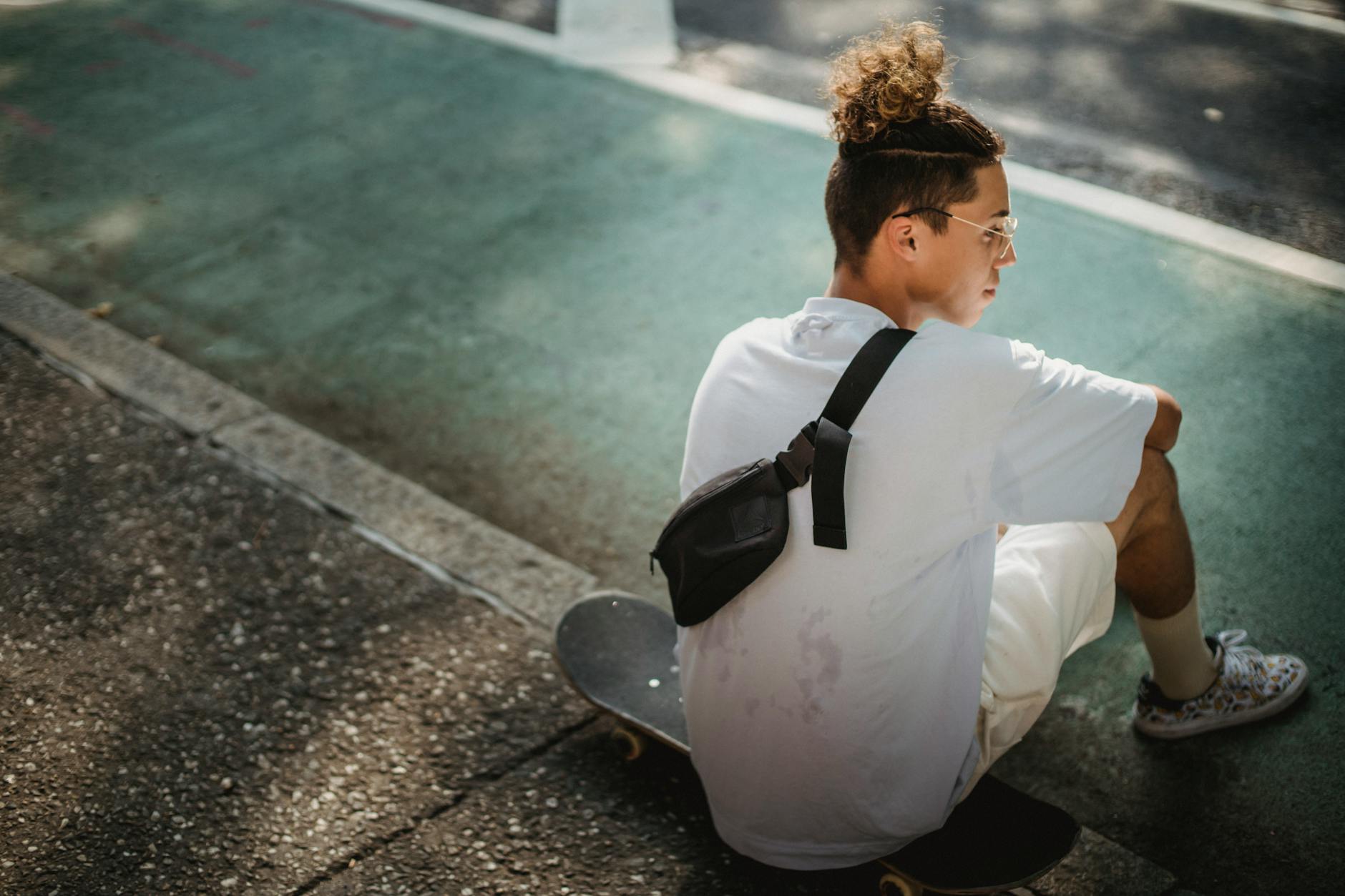
Belt bags and fanny packs worn at the front of the body over clothing create a structured storage compartment at prime concealment height that is fully enclosed, zippered, and inaccessible to visual observation by floor staff or overhead cameras. The repositioning of the fanny pack from ironic accessory to mainstream fashion staple has dramatically expanded the demographic wearing this item into retail environments where its construction characteristics create a specific monitoring challenge for loss prevention teams. High-end designer belt bags and inexpensive market versions share the same structural relationship to security monitoring regardless of their price point or the fashion credentials of their wearer. Retailers who sell small high-value items including cosmetics, jewelry, and packaged electronics report fanny packs as a consistent presence in loss prevention training discussions about external concealment devices.
Biker Jackets
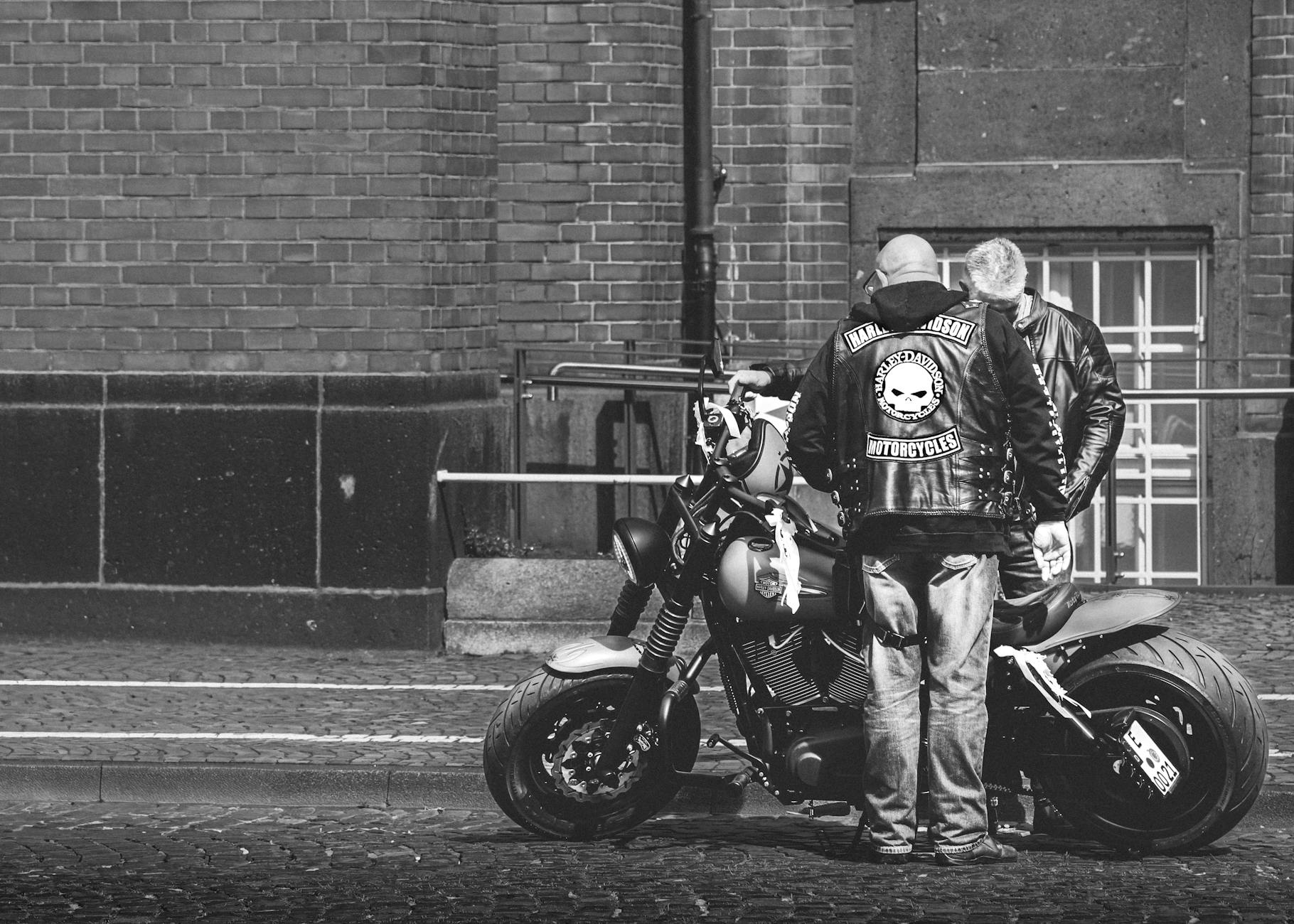
Heavyweight leather and faux leather biker jackets with internal pockets, zippered chest compartments, and structured shoulders create a torso storage environment that is genuinely difficult to visually monitor through standard retail floor observation techniques. The stiff external structure of a biker jacket maintains its shape regardless of what is stored within the internal pockets, meaning that the jacket’s silhouette provides no useful information to a monitoring security officer about changes in the wearer’s concealment profile. Music retailers, independent bookstores, and fashion boutiques cite biker jackets as a garment that prompts consistent security attention in their customer monitoring practice. The enduring popularity of the biker jacket across multiple fashion subcultures spanning several decades means that its association with retail security attention affects an extremely diverse range of shoppers with no shared profile beyond their jacket choice.
If you have ever felt unfairly watched while shopping based on what you were wearing, share your experience in the comments.