Old money circles and elite social environments operate on a set of unspoken visual codes that take years to develop an eye for. Certain styling choices immediately signal to seasoned observers that someone is performing wealth rather than living it. The difference between genuine affluence and its imitation is almost never about price tags but about knowledge, restraint, and context. These are the twenty-four fashion mistakes that quietly announce the performance to everyone in the room.
Logo Overload

Wearing multiple visible luxury logos in a single outfit is one of the most reliable signals of new or aspirational dressing. Genuinely wealthy individuals tend to own pieces for their cut, fabric, and construction rather than their branding. A single understated monogram on a well-chosen accessory reads very differently than head-to-toe branded coordinates. Houses like Loro Piana and Brunello Cucinelli have built entire empires on the principle that the finest things require no announcement. The quieter the branding, the louder the confidence.
Ill-Fitting Suits
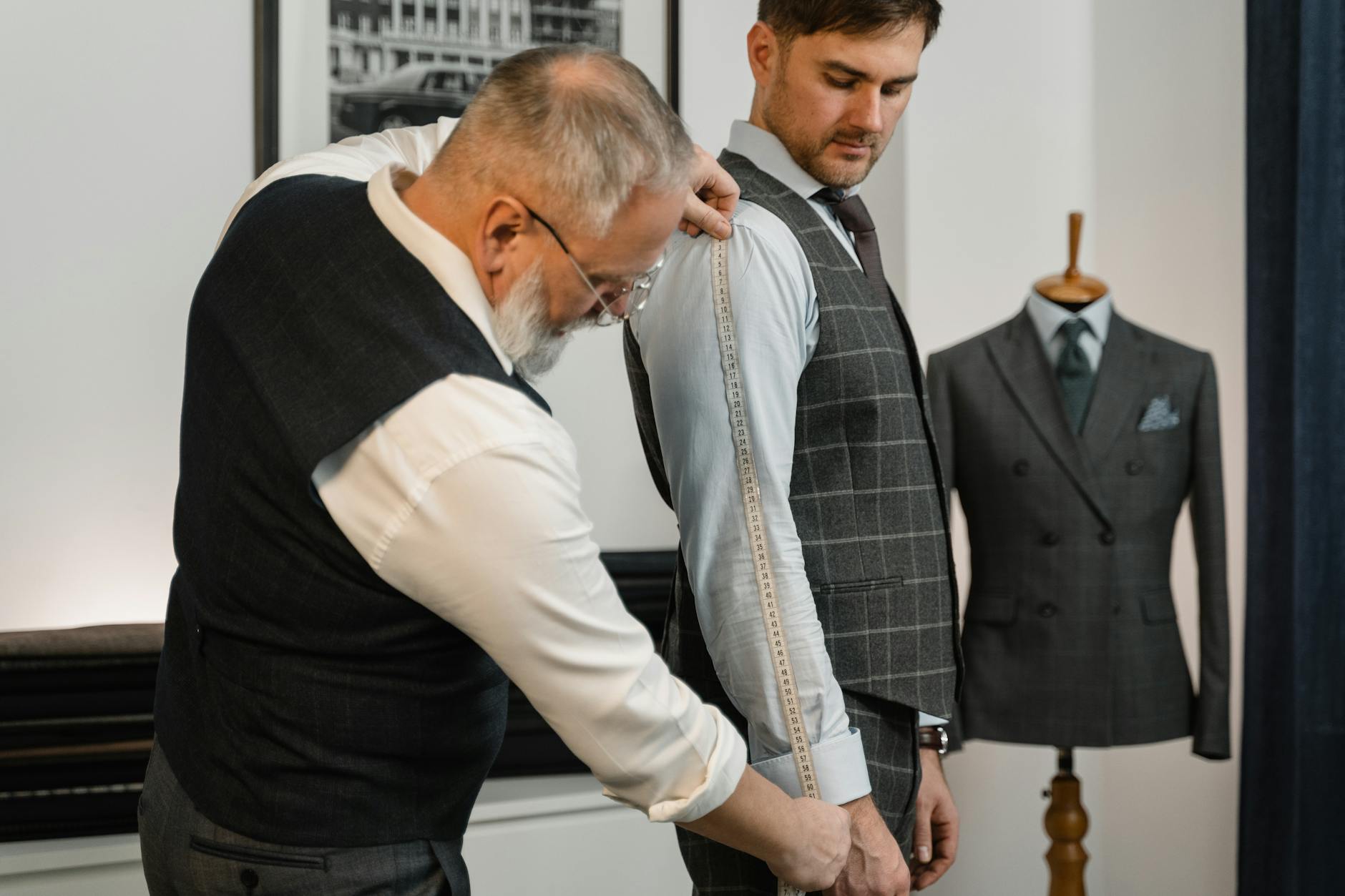
A suit that pulls across the shoulders or puddles at the ankle undermines even the most expensive fabric immediately. Proper tailoring is one of the first investments made by those who have grown up around formal dressing. Ready-to-wear pieces are almost always altered before being worn in well-dressed circles. The silhouette of a garment communicates far more than its label ever could. A modestly priced suit fitted by a skilled tailor will consistently outperform a designer piece worn straight off the rack.
Costume Jewelry
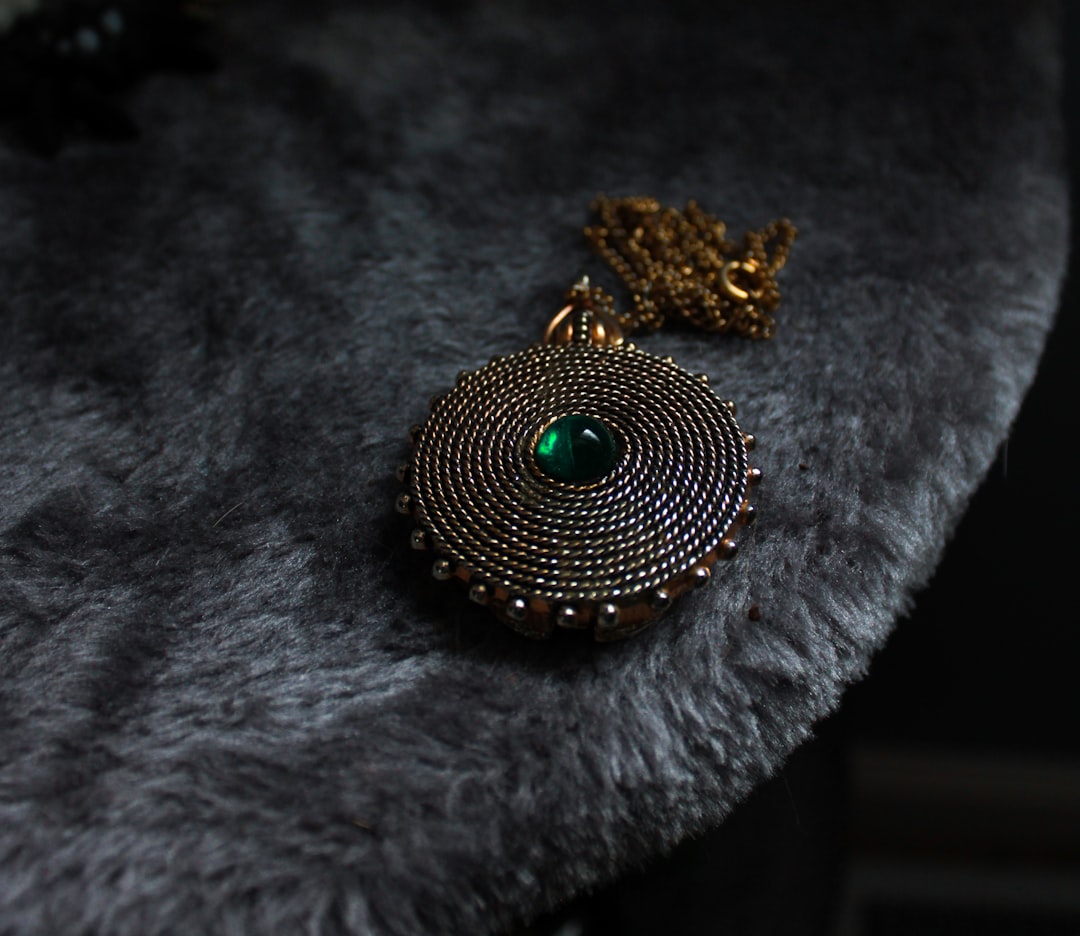
Stacking cheap metal rings or wearing acrylic stones set in bright gold-tone settings reads as costume rather than curated. Understated fine jewelry or no jewelry at all tends to be the preferred approach in genuinely affluent environments. A single well-made piece in sterling silver or solid gold carries considerably more visual authority than multiple flashy imitations. The patina and weight of real materials communicate quality without requiring any explanation. Restraint in jewelry selection is one of the clearest markers of refined personal style.
Overly Distressed Denim

Jeans with factory-applied rips, bleach splatters, and fraying across multiple panels read as a purchased aesthetic rather than lived-in character. Authentic wear develops gradually and tells a story that manufactured distressing cannot replicate. In elevated casual environments, dark selvedge denim or a clean straight-leg cut signals far greater sophistication. The more engineered the distressing appears, the more effort the outfit seems to be making. Effortlessness is the underlying currency of truly expensive-looking style.
Shiny Dress Shoes
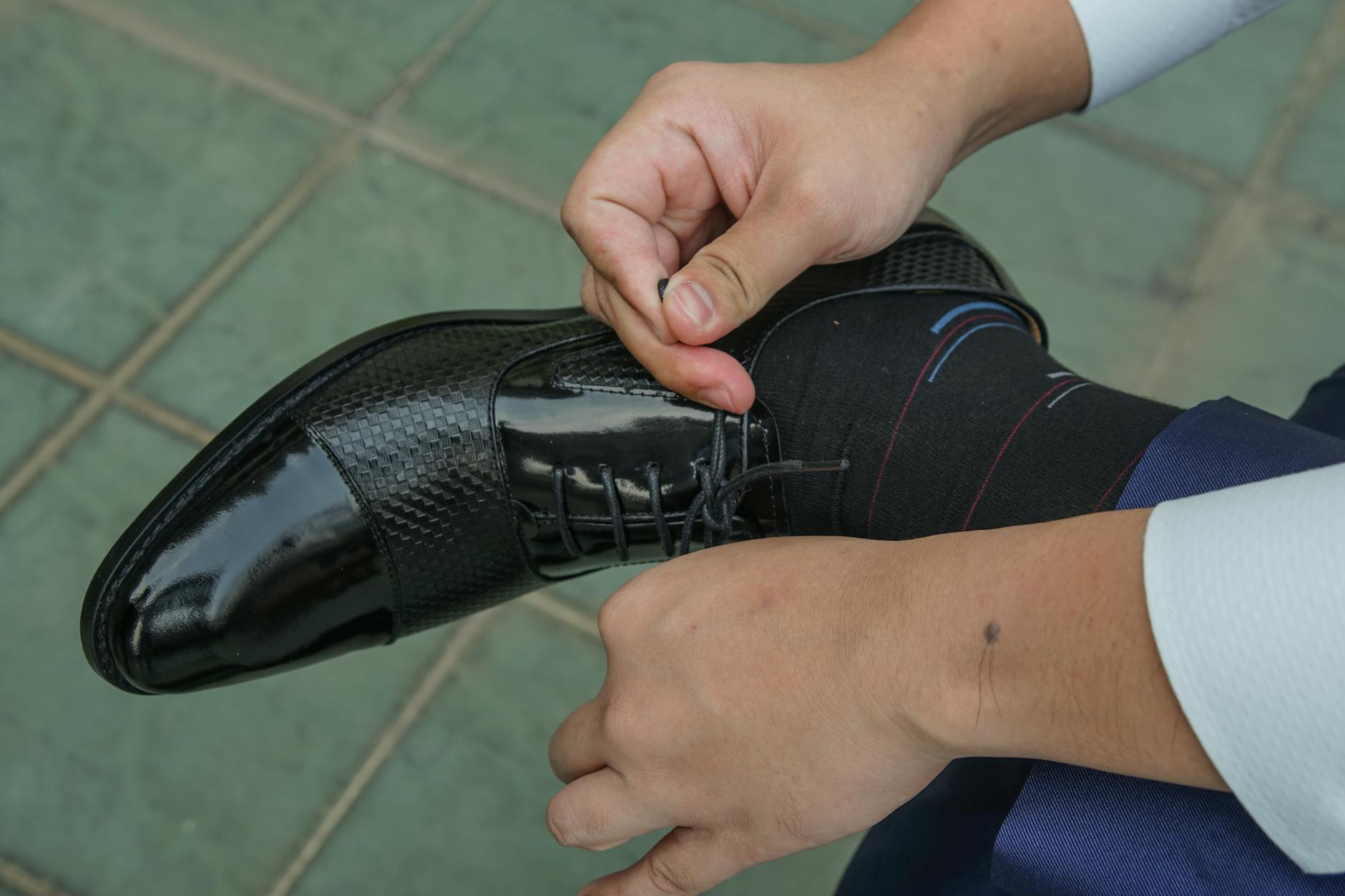
Shoes with an extreme mirror shine created by patent leather or synthetic materials look ceremonial rather than polished in most social settings. Well-worn calfskin or suede that has been properly maintained conveys a far more credible kind of refinement. Footwear in established wealthy circles tends to be understated in finish and exceptional in construction. Brands built on Goodyear-welted soles and full-grain leather are recognized immediately by those who know. The shoe is almost always the first place a trained eye travels when reading an outfit.
Fast Fashion Basics

Thin cotton t-shirts, see-through blouses, and flimsy knitwear signal that fabric quality was not a consideration in the purchase. The drape, weight, and texture of a garment are immediately apparent to anyone who has spent time around well-made clothing. Investing in fewer, better basics in substantial fabrics communicates a long-term approach to dressing. Pilling, uneven hems, and inconsistent stitching are details that register quickly in discerning company. Quality basics form the invisible foundation of every outfit that reads as genuinely expensive.
Obvious Counterfeits
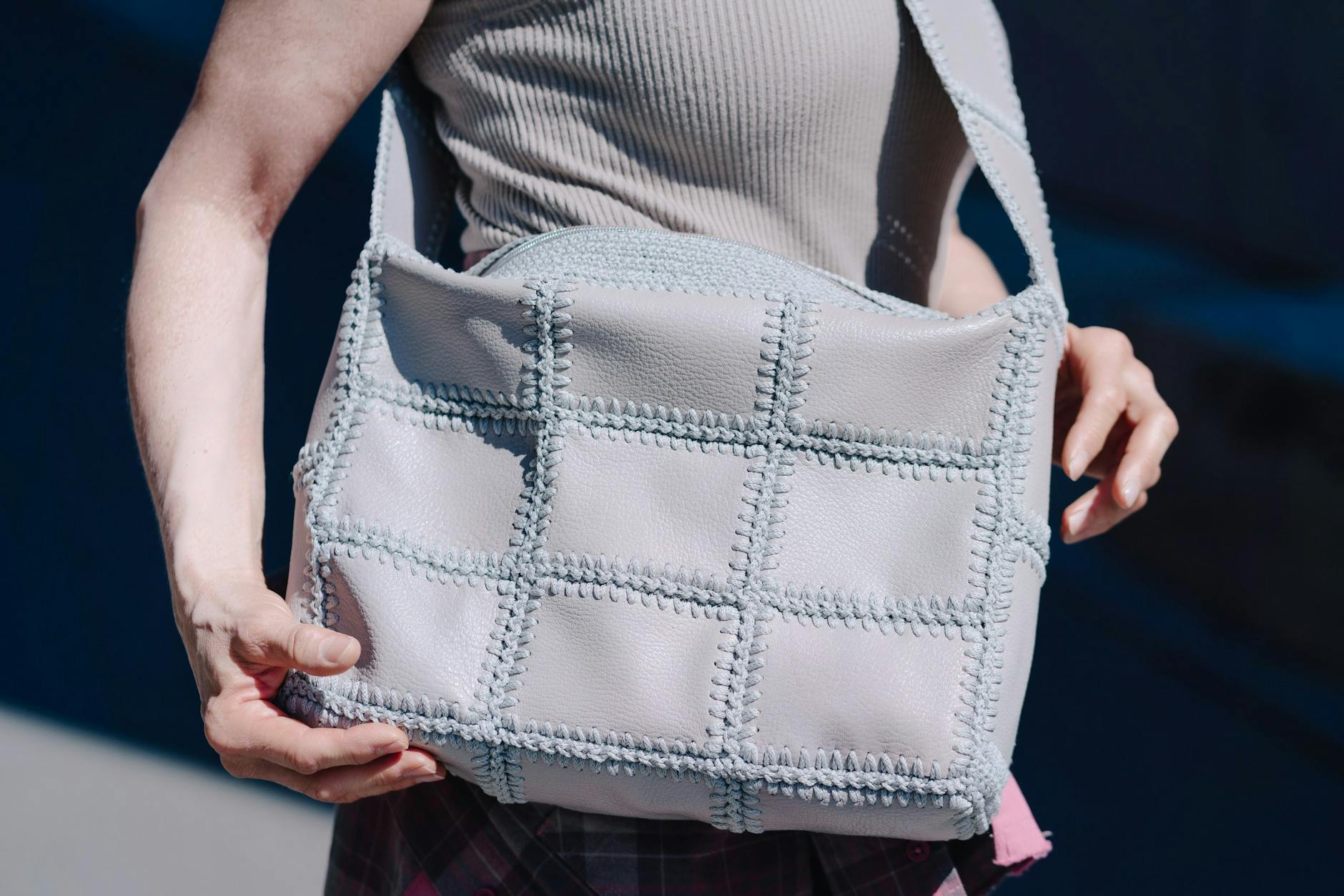
Carrying a bag with slightly misaligned stitching, off-color hardware, or an imprecise logo pattern is immediately apparent to anyone familiar with the genuine article. Those who move in luxury circles handle authentic pieces regularly and develop an instinctive sensitivity to proportion and finish. The presence of a counterfeit item does not merely signal limited budget but also signals a desire to deceive, which undermines social credibility far more than simply carrying no designer piece at all. An unbranded leather bag of genuine quality will always read better than a recognizable fake. Authenticity in material objects tends to mirror a broader personal confidence.
Excessive Heel Height
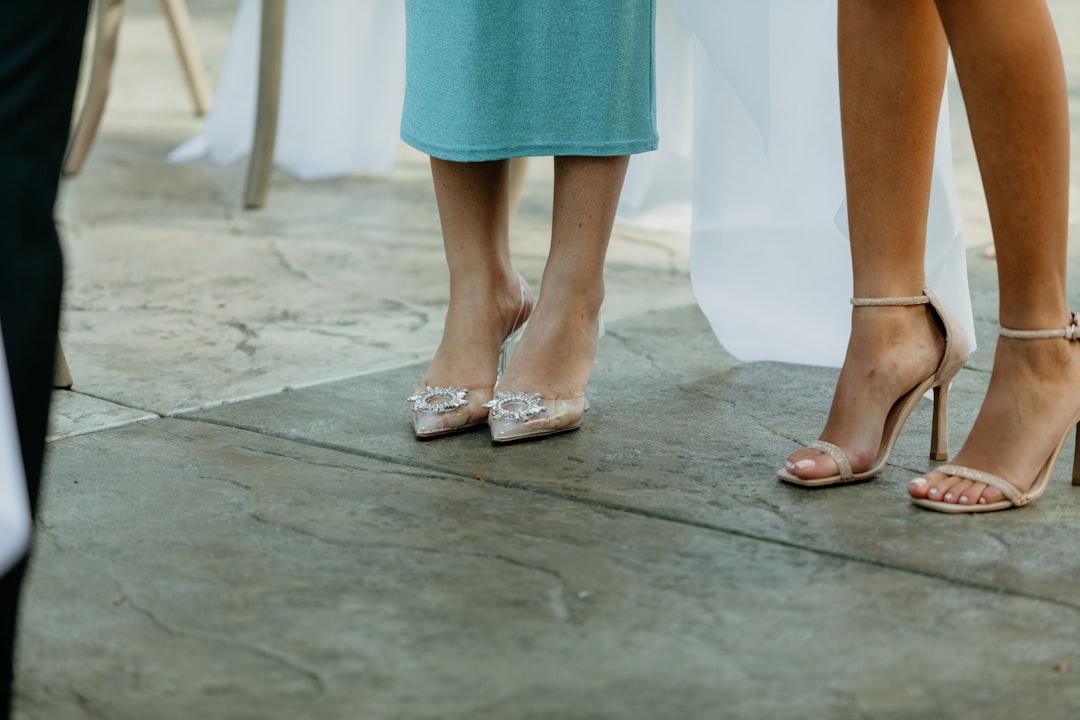
Extremely high stilettos worn in contexts that call for understated elegance tend to read as a performance of glamour rather than an expression of it. Heel height in polished circles is almost always calibrated to the occasion and leans toward the architectural rather than the extreme. A well-constructed block heel or a modest kitten heel in quality leather signals ease and intention simultaneously. The ability to move through a room with complete comfort and composure is itself a mark of refinement. Footwear that demands constant physical attention draws exactly the kind of focus that confident dressing avoids.
Overpowering Fragrance

Applying fragrance so heavily that it enters a room before you do is considered a significant social miscalculation in refined environments. The approach to scent in well-dressed circles tends to favor skin-close application and restraint in quantity. Niche and heritage fragrance houses are favored precisely because their compositions reward proximity rather than broadcasting across a space. Fragrance is understood as a private finishing detail rather than a public announcement. The correct amount of perfume is always the amount that prompts someone to lean in rather than step back.
Mismatched Formality
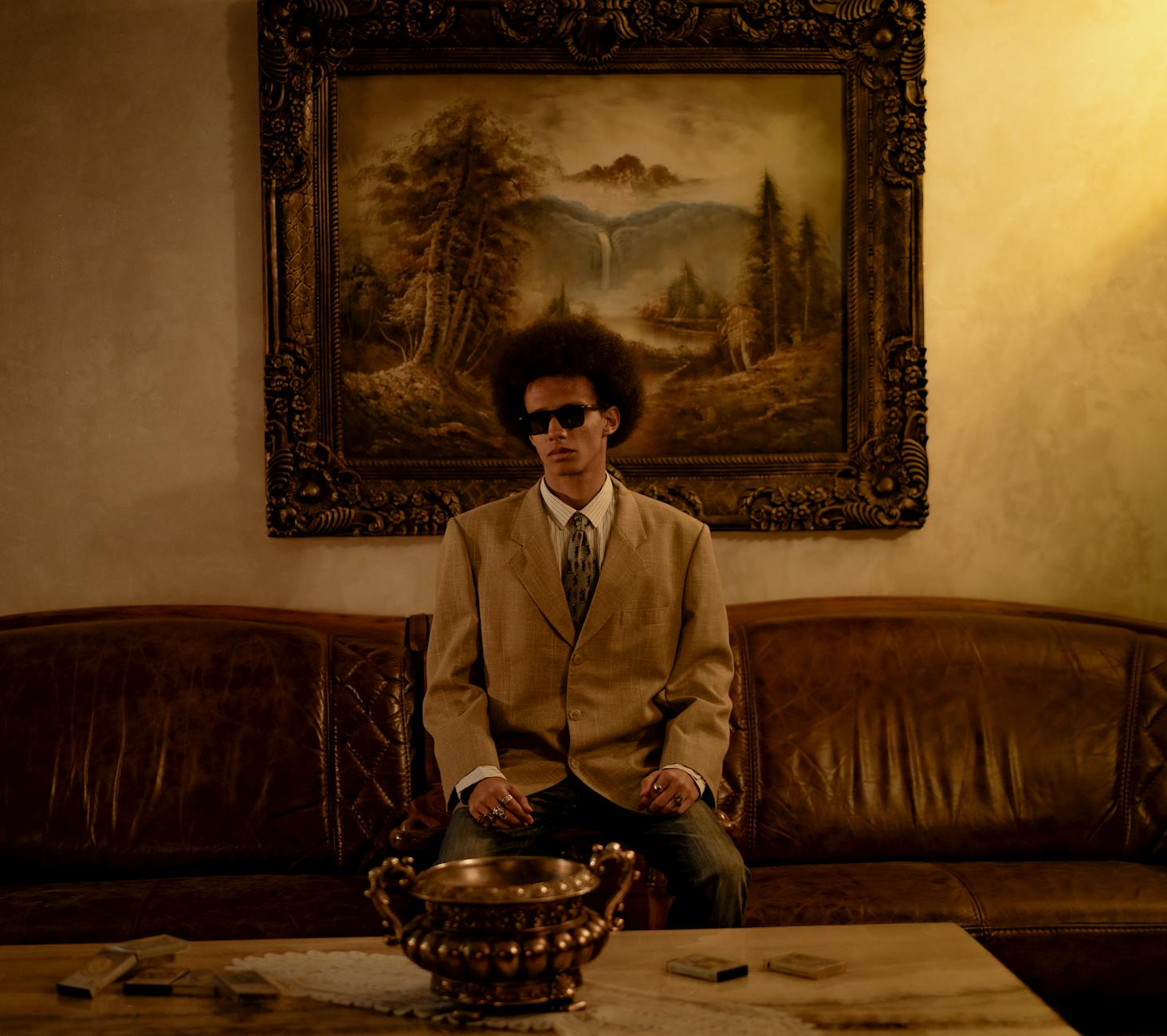
Pairing a formal blazer with athletic shorts or a ball gown with casual sneakers in an unintentional way signals unfamiliarity with dress codes rather than creative confidence. Intentional contrast dressing is a skill built on a thorough understanding of the rules being broken. Those who have grown up around formal environments understand implicitly which combinations read as considered and which read as confused. Context literacy is one of the most sophisticated and least teachable aspects of personal style. Getting the level of formality right is a baseline competency that experienced observers notice immediately.
Cheap Sunglasses
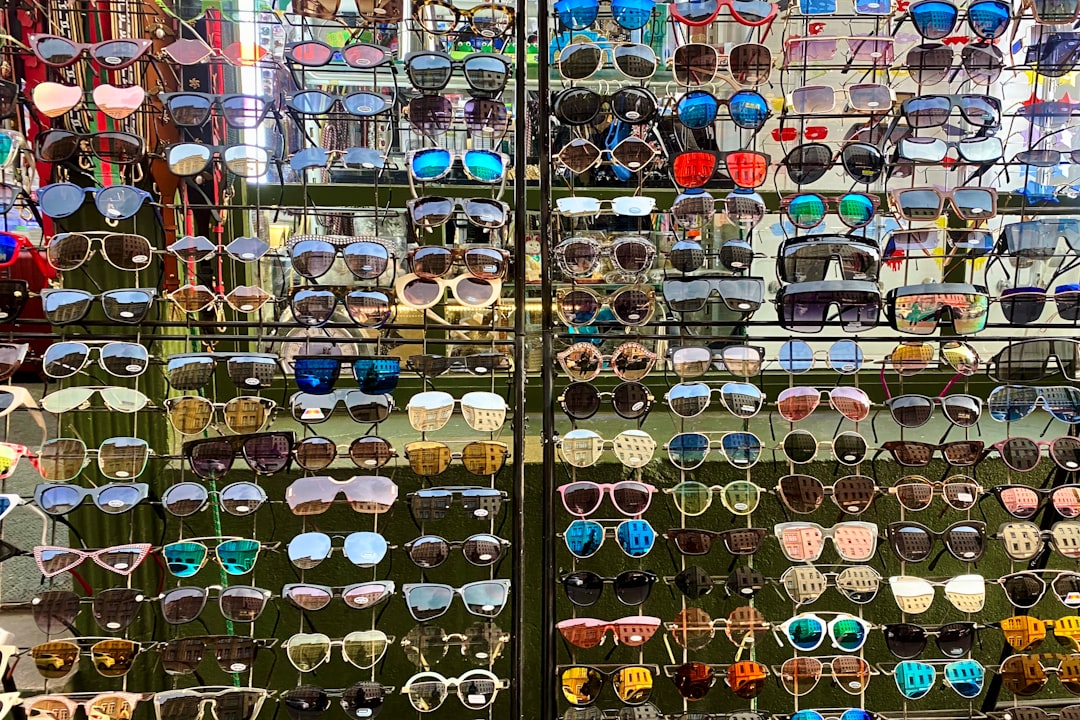
Frames that warp easily, carry highly reflective lenses, or feature broadly imitated silhouettes in lightweight plastic suggest that eyewear was treated as an afterthought. Sunglasses are one of the few accessories worn on the face and therefore receive a disproportionate share of visual attention. Houses with long optical histories produce frames whose proportions are designed around specific face geometries and light conditions. Acetate frames with quality hinges and mineral glass lenses have a tactile presence that reads entirely differently from their mass-market counterparts. Investment eyewear tends to age gracefully rather than becoming visually dated within a single season.
Over-Ironed Shirts

Shirts with razor-sharp creases running down the sleeves or an unnaturally stiff front placket read as ceremonial or overprepared in most contexts. Well-dressed individuals in affluent circles tend to prefer a slight softness in shirting that communicates ease. Fine cotton and linen shirts are typically pressed to smooth rather than to sculpt. The visual goal is a shirt that looks as though it belongs to the body wearing it rather than one that has been presented for inspection. Ease of appearance is a consistent marker across virtually every category of genuinely polished dressing.
Rhinestone Accessories
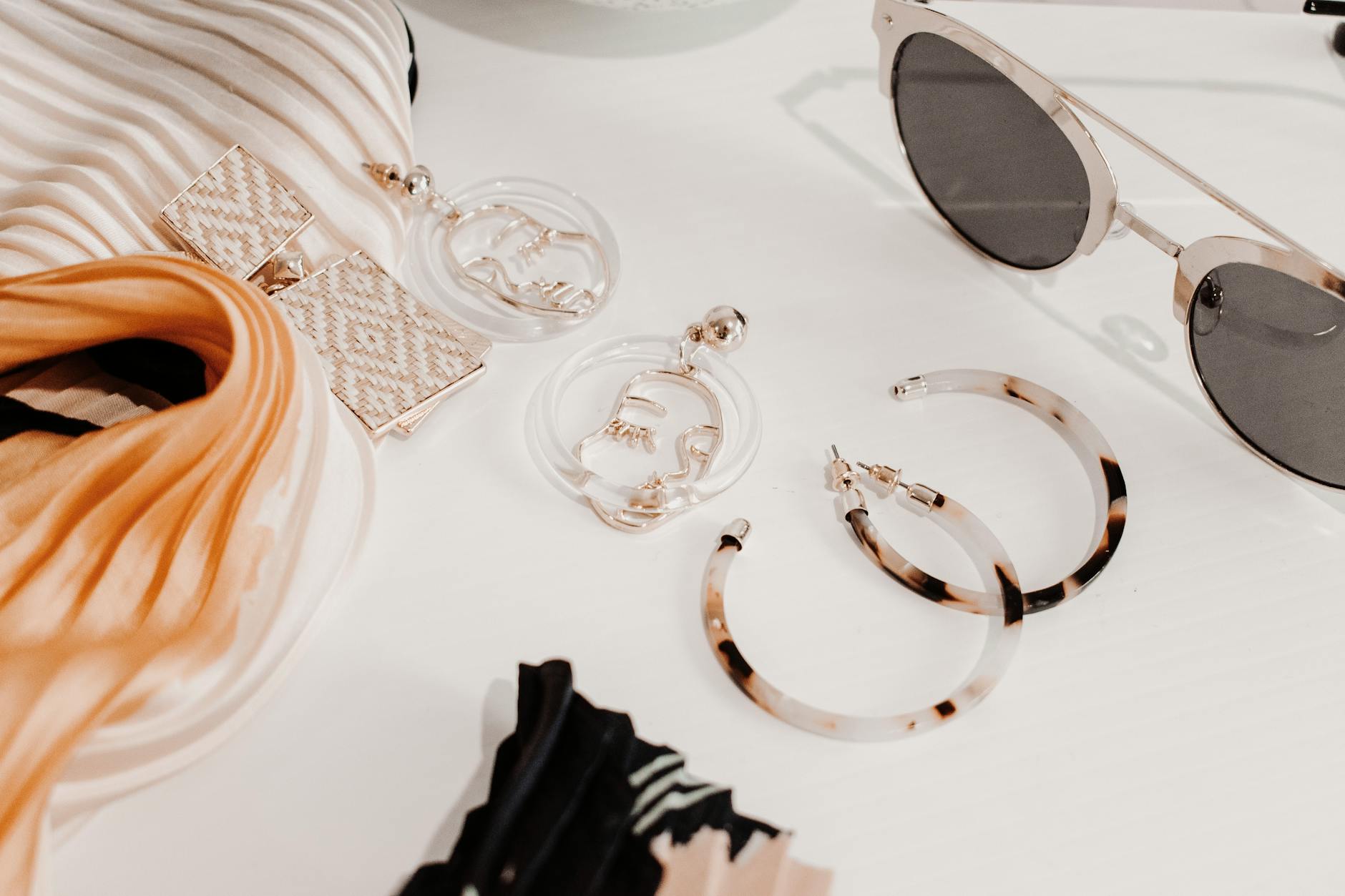
Accessories encrusted with rhinestones or oversized paste crystals in casual or business contexts immediately read as festive costuming rather than curated style. Genuine precious and semiprecious stones have an interior light and imperfection that synthetic crystals cannot replicate. Subtle texture in accessories such as hammered gold, woven leather, or matte gemstones tends to carry greater visual authority. The decorative impulse itself is not the issue but rather the material substitution that signals an imitation of luxury rather than familiarity with it. Accessories in refined circles tend to reward close inspection rather than demanding attention from across a room.
Tight Formal Wear

Formal pieces cut so tightly that movement is visibly restricted signal that fit was sacrificed for the appearance of a slim silhouette. Truly well-cut formalwear allows a full range of motion while maintaining a clean line throughout. The hallmark of skilled tailoring is that the garment appears close to the body without ever competing with it. Those who dress regularly in formal contexts understand that comfort and elegance are not opposing values. A piece that fits with genuine precision looks effortless regardless of the body wearing it.
Sports Luxe Mismatch

Pairing luxury branded sportswear with formal or semi-formal contexts in an unintentional way reads as a failure to code-switch rather than a statement of nonchalance. Athleisure as a genuine style category requires an understanding of proportion, palette, and context that goes beyond simply combining gym wear with dress shoes. Those comfortable in both casual and formal environments tend to keep each category coherent rather than visibly forcing them together. The confidence to dress down in an elevated environment comes from knowing the environment well enough to read its tolerance for informality. An outfit that looks uncertain about what it is communicates the same uncertainty about its wearer.
Novelty Ties
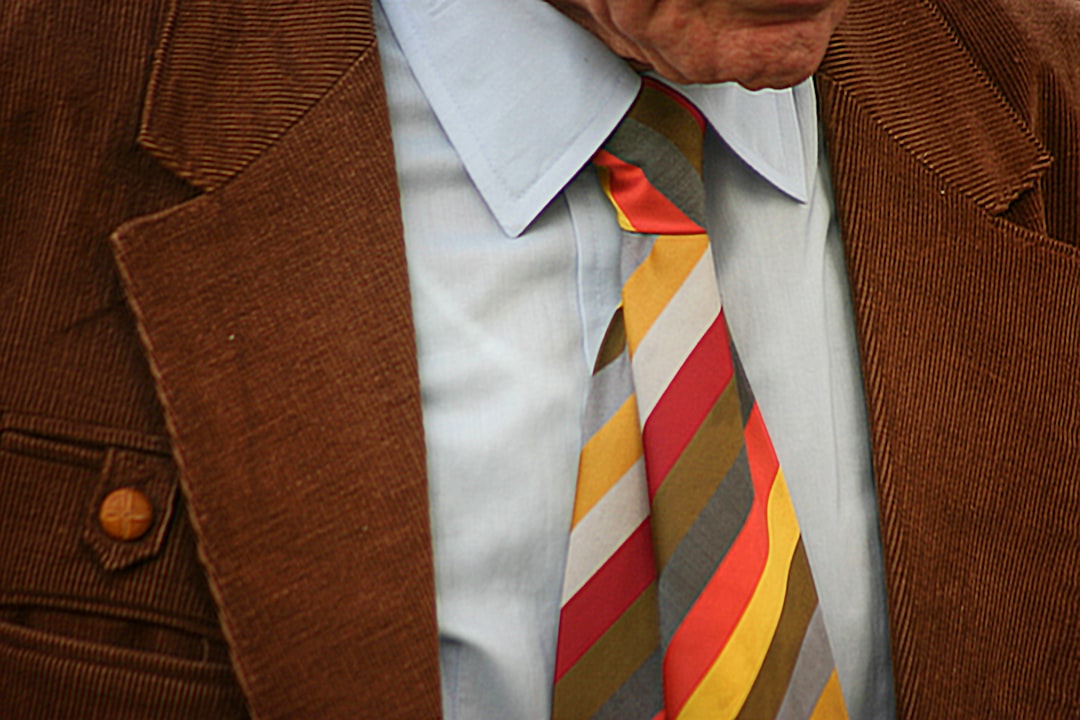
Ties featuring cartoon characters, food motifs, or joke prints in serious professional or social settings signal a misunderstanding of when humor is appropriate in dress. Neckwear in informed circles tends to favor texture, weave, and subtle pattern over overt graphic content. A well-chosen grenadine silk or a finely woven wool tie in a muted palette communicates taste without effort. The tie remains one of the few remaining formal accessories for men and is read accordingly in rooms where formality carries social weight. Novelty in dressing tends to have the shortest shelf life of any stylistic choice.
Platform Sneakers

Extremely thick-soled sneakers in elevated lifestyle or social dining contexts read as streetwear styling applied without contextual awareness. Footwear with architectural proportions requires a specific overall silhouette to function as a considered choice rather than a costume element. Those fluent in contemporary fashion understand the precise contexts in which maximalist sneaker culture reads as relevant. Outside of those specific environments the visual effect tends toward effort rather than ease. Proportional footwear that grounds the silhouette without dominating it is a consistent feature of outfits that read as quietly expensive.
Excessive Layering

Piling multiple branded or heavily textured pieces in a single look without a clear compositional intention reads as an attempt to signal investment rather than taste. Layering as a genuine style technique operates on rules of proportion, palette coherence, and weight distribution. The most sophisticated layered looks tend to appear almost accidental in their arrangement while being entirely deliberate in their construction. Adding volume or texture should serve the overall silhouette rather than add visual noise to it. The fewer the pieces competing for attention in an outfit, the more intentional the whole tends to appear.
Visible Shapewear

Shapewear edges or texture visible through lightweight fabrics or at hemlines signal that the foundational layer was not matched to the outer garment. Proper undergarment selection is one of the most basic finishing skills associated with polished dressing. Seamless options, correctly sized foundations, and shade-matched underlayers are considered baseline requirements in environments where appearance is taken seriously. The goal of foundation garments is invisibility and the moment they become visible the outer garment loses its intended effect. Fit in the outer layer almost always reduces the reliance on corrective underpinnings entirely.
Seasonal Confusion

Wearing heavy velvet or thick wool suiting in warm months or showing up to a winter event in linen reads as a lack of contextual awareness rather than personal expression. Fabric seasonality is a foundational element of dressed-for-purpose style that affluent circles take as a given. Climate-appropriate dressing signals that attention was paid to the full picture of the outfit rather than only its surface appearance. Transitional dressing between seasons follows a set of weight and texture conventions that are legible to experienced observers. Knowing which fabrics belong to which season is one of the quieter markers of genuine fashion literacy.
All-Matching Sets
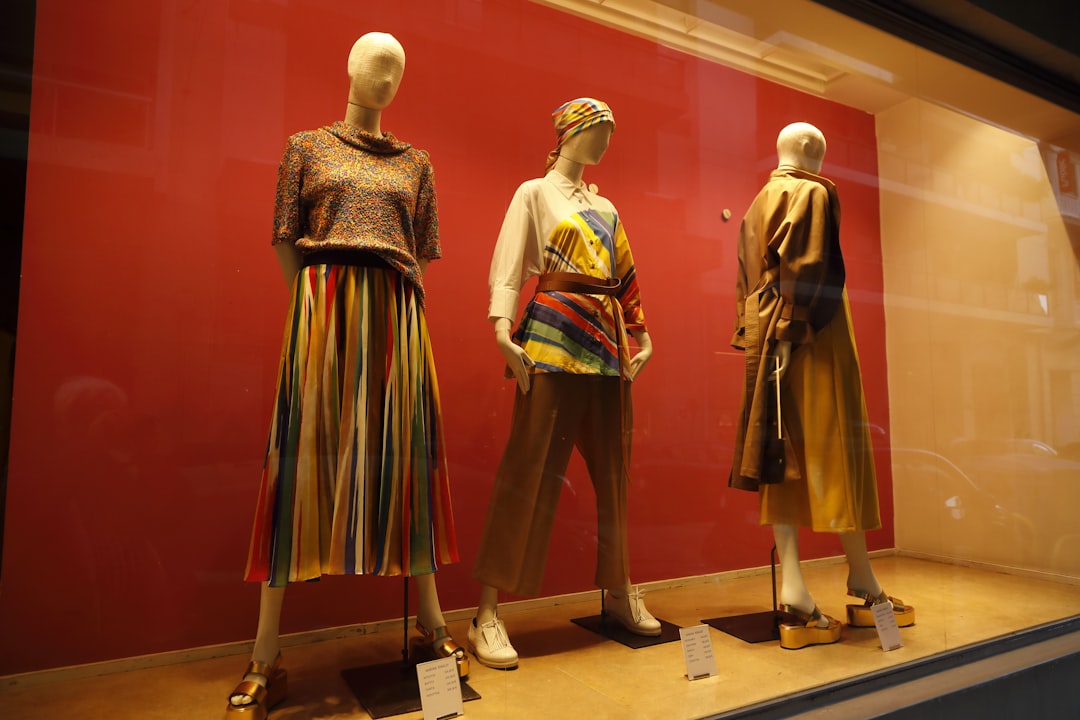
Head-to-toe matching coordinates in identical color and print read as an over-packaged aesthetic rather than a curated personal look. Sophisticated dressing almost always involves some degree of variation in tone, texture, or proportion between components. The most polished outfits tend to appear as though the pieces were chosen independently rather than sold together. Tonal dressing achieves cohesion through variation within a palette rather than repetition of a single element. The difference between a considered look and a costume often comes down to whether the pieces appear chosen or assigned.
Clip-On Ties
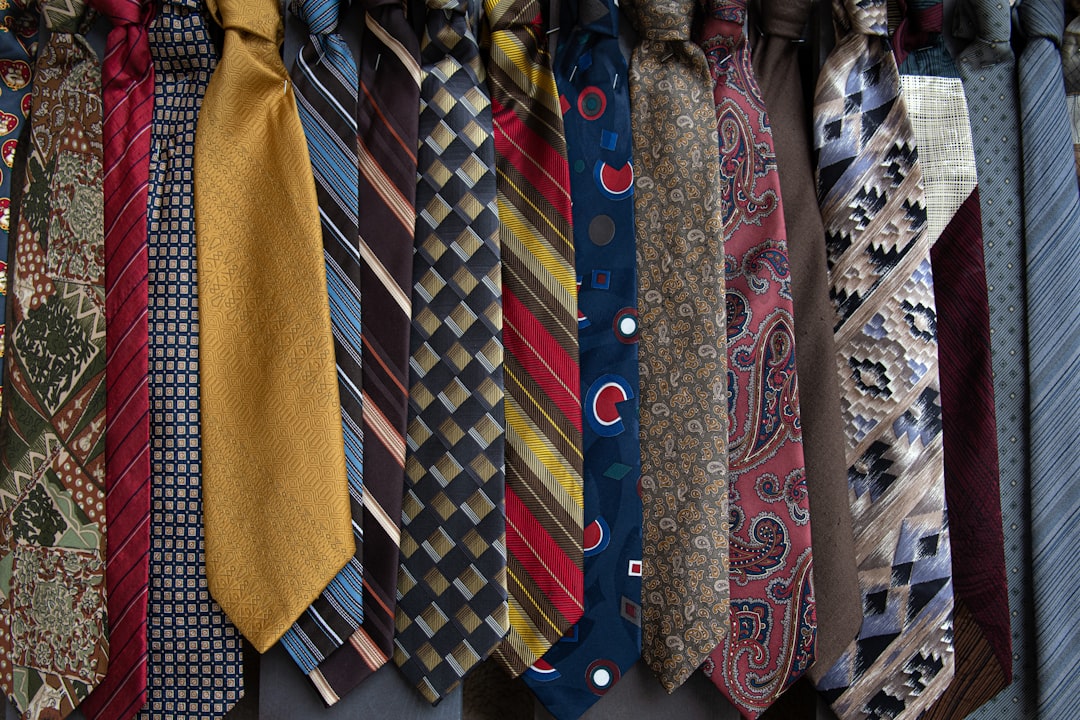
A clip-on tie carries a visible mechanical attachment point that is immediately apparent to anyone who has tied a knot by hand. The ability to tie a proper four-in-hand or half-Windsor knot is considered a baseline competency in environments where ties are worn. The slight asymmetry and natural dimple of a hand-tied knot have a quality that its mechanical alternative cannot replicate. Formal dressing carries with it a set of implicit expectations that those familiar with the code fulfill without discussion. A properly tied necktie is one of the simplest and most readable signals of familiarity with formal convention.
Overly Branded Belts
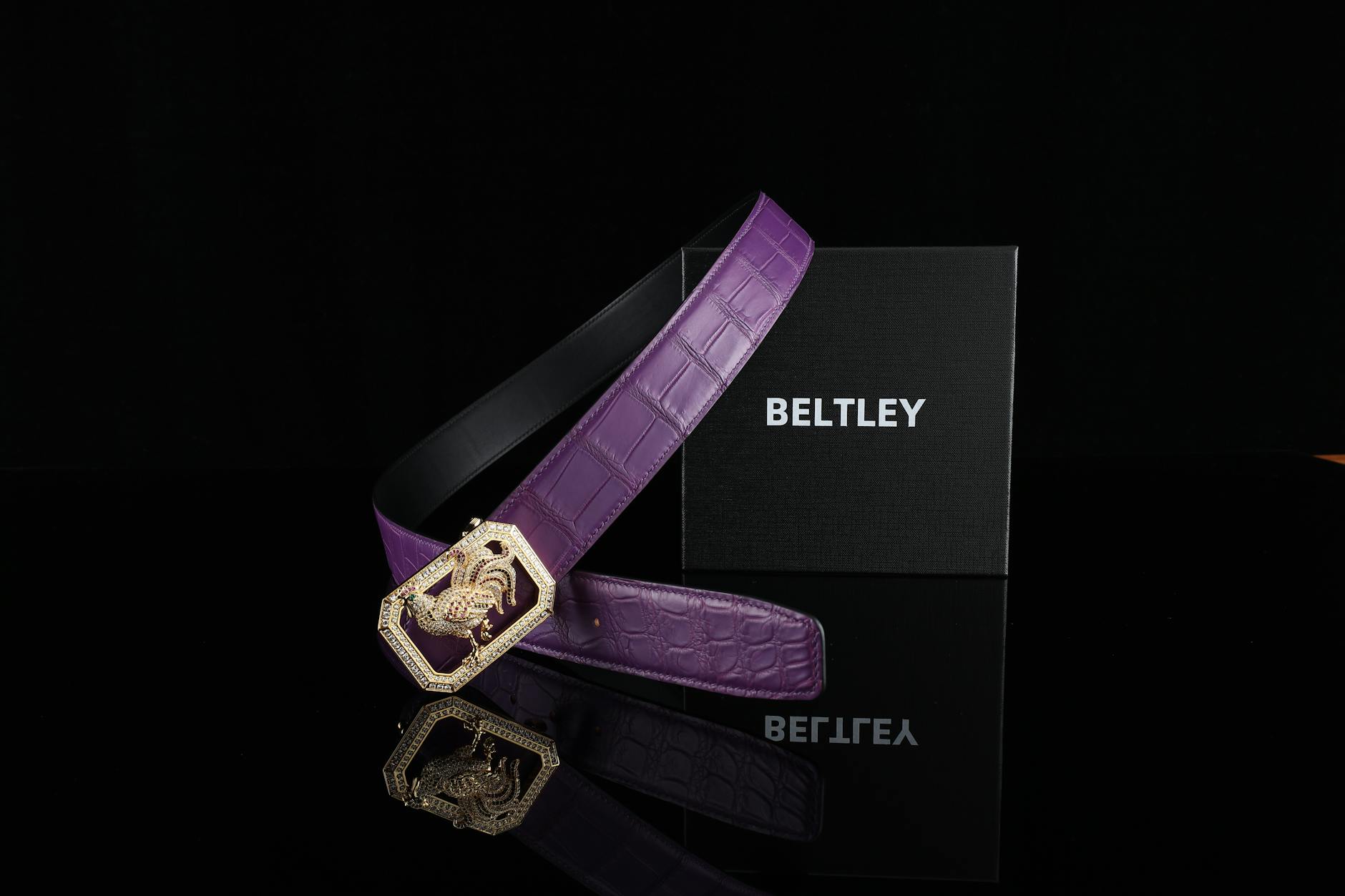
Belts with enormous logo buckles as the primary visual feature of an outfit draw attention to the waist in a way that reads as insecure rather than polished. Fine leather belts in polished or matte finishes with modest hardware in brushed gold or silver are the consistent choice in refined wardrobes. The belt’s function is structural and transitional rather than declarative. Those who understand proportion in dressing tend to allow the garment to carry the visual weight rather than delegating it to an accessory. A buckle that competes with the rest of the outfit for attention almost always loses the room.
Wrong Occasion Wear

Wearing black tie to a smart casual event or arriving in weekend wear to a formal occasion signals that the dress code was either not read or not understood. Dress codes exist as a form of social communication and responding to them correctly is considered a baseline social competency in most privileged environments. The inability to calibrate formality to occasion reads as a more fundamental unfamiliarity than any single piece ever could. Those who move comfortably through varied social contexts tend to treat dress codes as information rather than constraint. Getting the occasion right is the single most foundational element of dressing with genuine confidence.
Whether you recognize these signals from your own wardrobe history or from observing the room at your next event, share your thoughts in the comments.