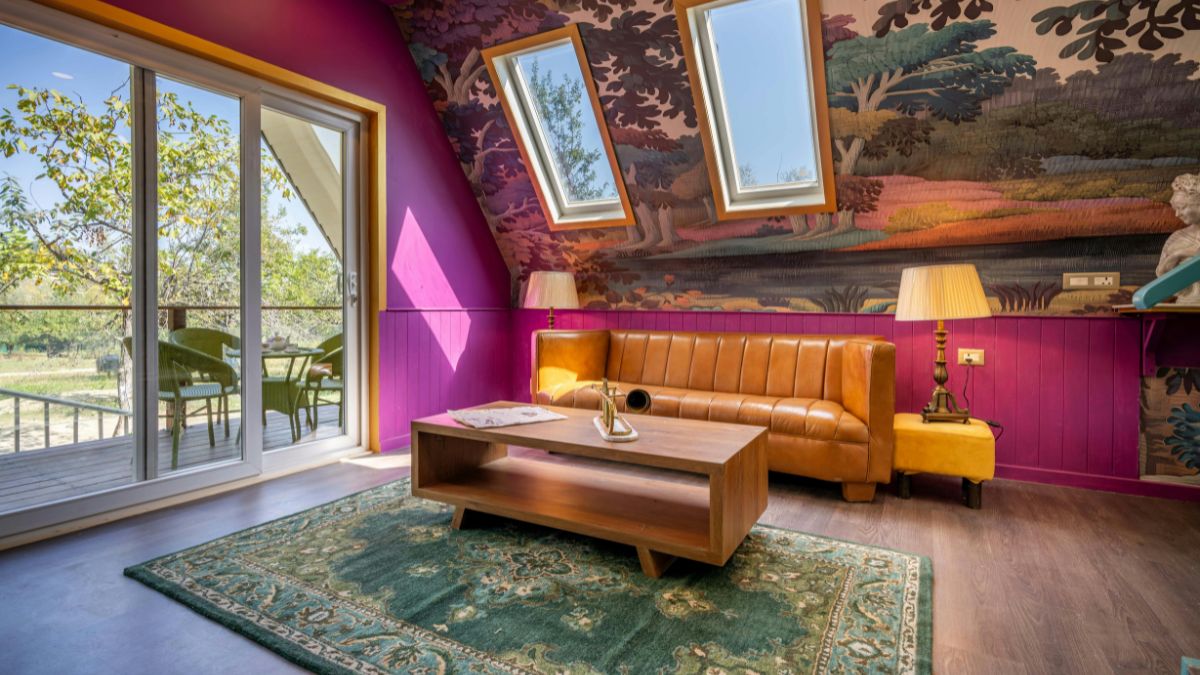
Certain decorating choices can quietly chip away at the perceived and appraised value of a home, sometimes by thousands of dollars. Real estate professionals and certified appraisers consistently flag specific items and trends that signal poor taste or deferred maintenance to potential buyers. Understanding which decorations raise red flags can help homeowners make smarter choices before listing or simply to protect long-term equity. The following decorations are the most commonly cited offenders according to appraisal and real estate industry professionals.
Popcorn Ceilings
Popcorn ceilings became a popular finish in mid-century construction due to their affordability and acoustic properties. Appraisers consistently flag them as a strong negative during home evaluations because modern buyers associate them with outdated interiors. The texture is also notoriously difficult to clean and can trap dust and allergens over time. Removal is a messy and labor-intensive process that many buyers factor into their offer price. Homes with smooth ceilings consistently appraise higher in comparable market analyses.
Wall-to-Wall Carpet
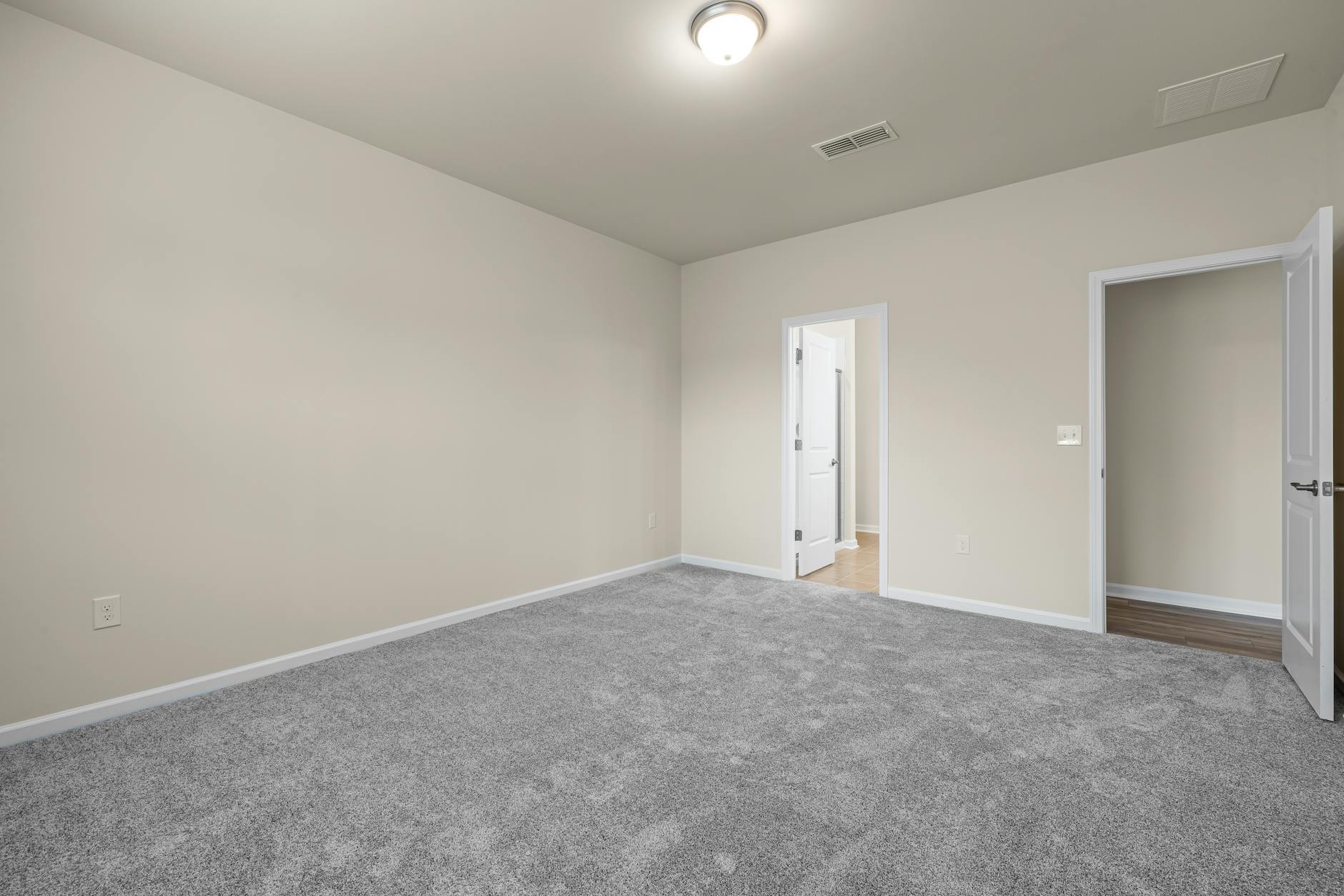
Wall-to-wall carpet covering hardwood floors or concrete subfloors is one of the most value-reducing decorating decisions a homeowner can make. Appraisers note that carpet retains odors, stains, and allergens in ways that hard flooring simply does not. Buyers frequently request allowances or price reductions specifically to fund carpet removal and flooring replacement. The style also feels visually heavy and can make rooms appear smaller and darker than they actually are. Hardwood, tile, and luxury vinyl plank consistently outperform carpet in buyer preference surveys.
Mirrored Walls
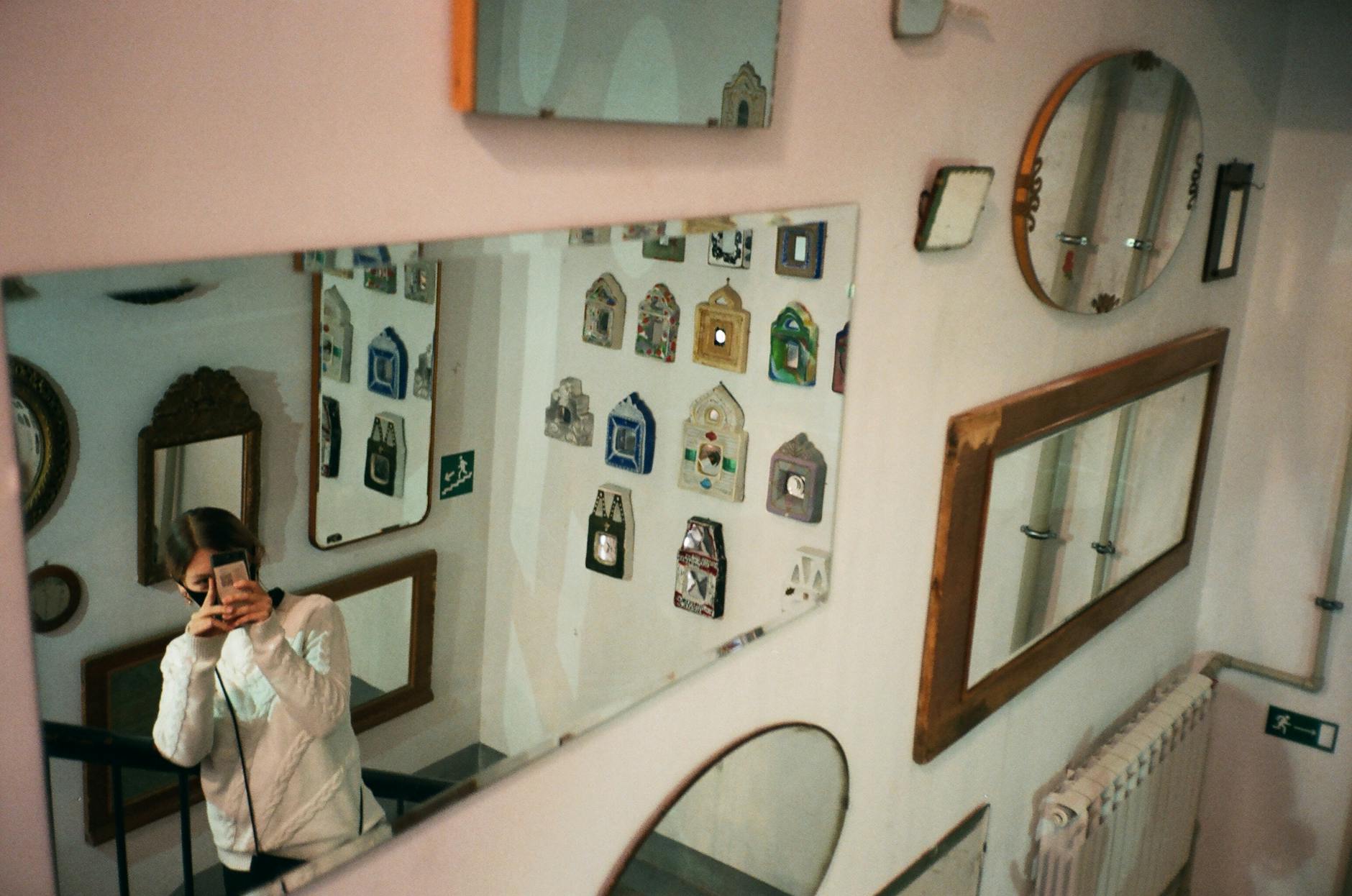
Floor-to-ceiling or large-panel mirrored walls were a signature look of 1970s and 1980s interior design. Appraisers report that they create an immediate perception of datedness that is difficult to overlook during a walkthrough. Beyond aesthetics, mirrored walls are expensive and labor-intensive to remove without damaging the underlying drywall. They can also distort the spatial perception of a room in unflattering ways depending on placement and lighting. Most buyers view them as a renovation project rather than a desirable feature.
Novelty Wallpaper

Bold novelty wallpaper featuring cartoon characters, loud geometric prints, or thematic motifs creates an immediate personalization problem for appraisers. While wallpaper itself has experienced a design revival, highly specific or eccentric patterns alienate the broadest possible pool of buyers. Wallpaper removal is a time-consuming and sometimes damaging process that buyers often factor into negotiation. Appraisers note that themed wallpaper in kitchens and bathrooms is particularly problematic in terms of perceived value. Neutral paint finishes are almost universally preferred by appraisers evaluating resale potential.
Shag Rugs

Oversized or room-defining shag rugs draw immediate attention from appraisers for all the wrong reasons. Their thick pile traps pet hair, dust mites, and debris at a rate that standard cleaning cannot fully address. When used to cover damaged or outdated flooring they signal to appraisers that underlying issues may have been concealed rather than resolved. Buyers walking through a home tend to associate heavy textile floor coverings with maintenance avoidance. Removing them and addressing the flooring underneath almost always improves appraisal outcomes.
Paneling
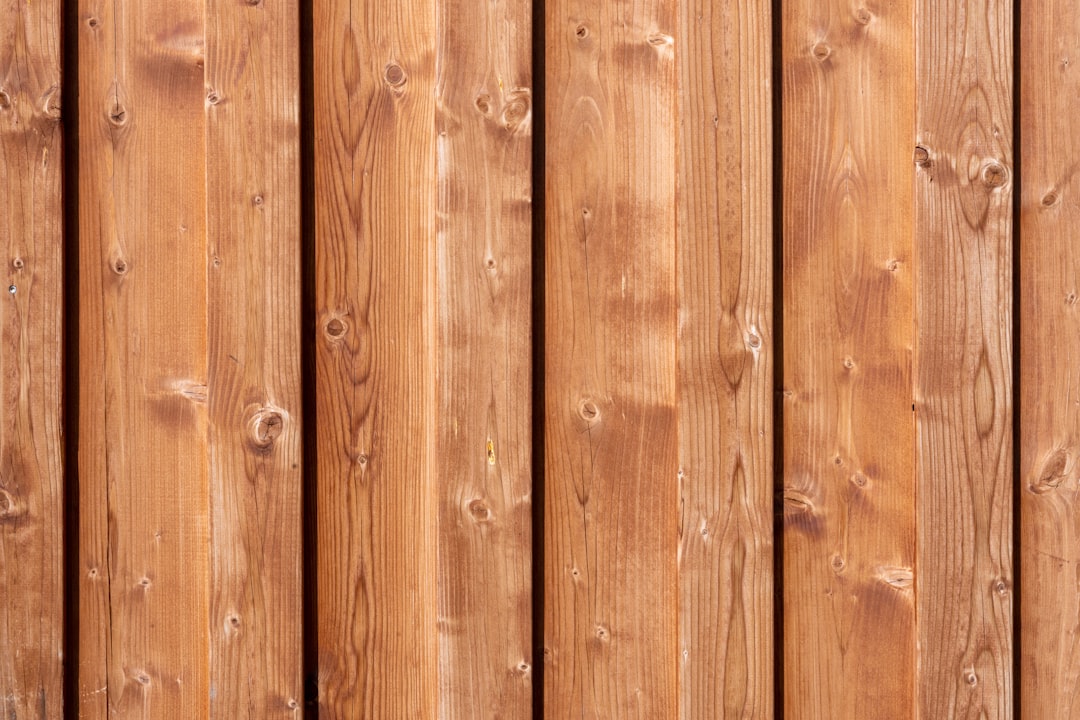
Dark wood paneling covering living room or bedroom walls is one of the most frequently cited value-reducers in residential appraisals. The material absorbs light and creates a visually oppressive atmosphere that modern buyers consistently reject in favor of bright open interiors. Many panels were installed directly over original drywall, meaning removal is possible but requires patching and refinishing work. Appraisers also associate wood paneling with a general lack of renovation investment in the rest of the home. Even painting over paneling is viewed more favorably than leaving it in its original dark state.
Venetian Blinds
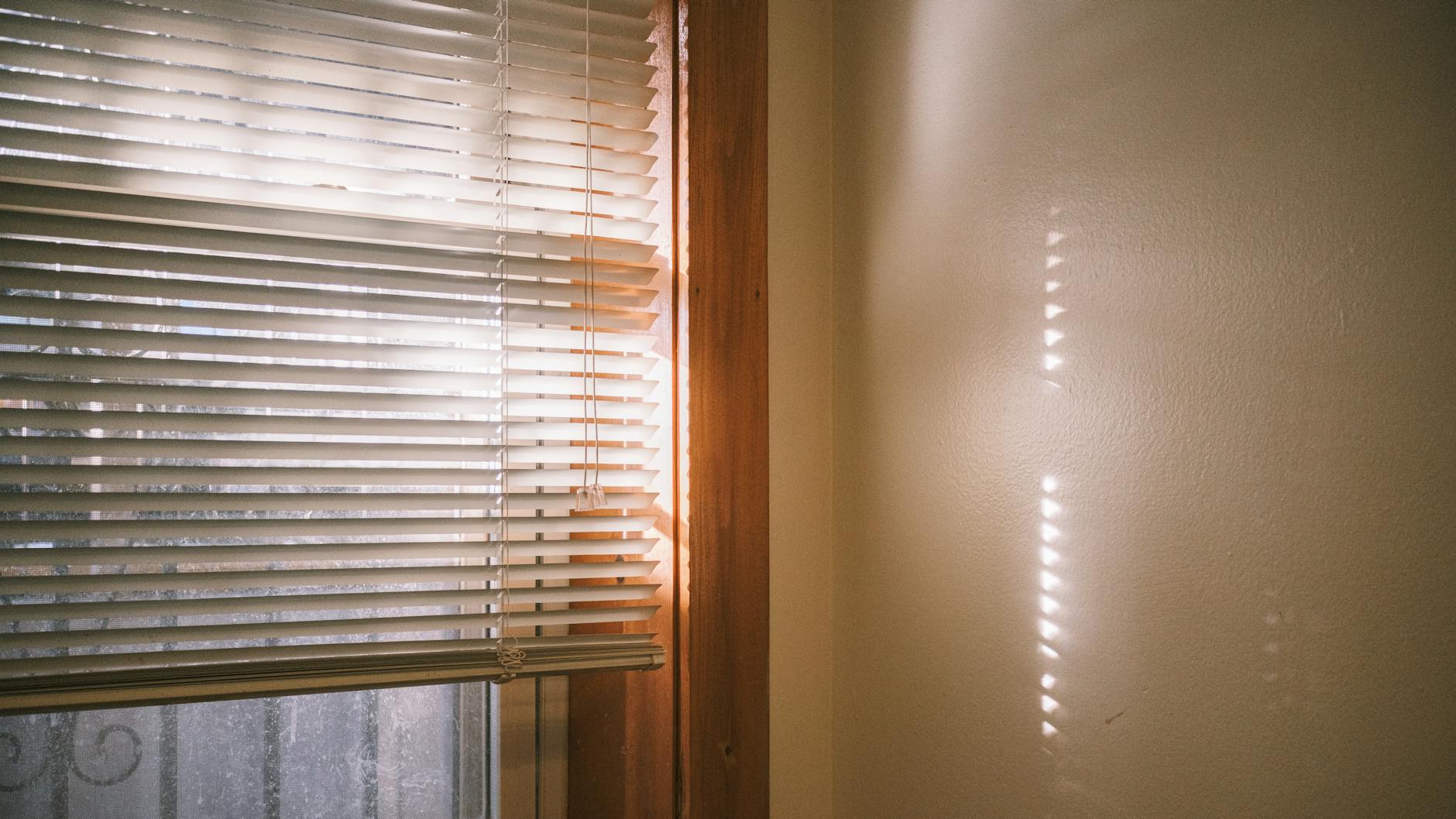
Aging Venetian blinds with bent or broken slats communicate neglect and poor maintenance habits to appraisers during evaluations. The accumulated dust on horizontal slats is visually prominent and suggests infrequent deep cleaning throughout the home. As window treatments they are also considered outdated compared to modern alternatives such as cellular shades or plantation shutters. Appraisers note that window treatments signal how carefully a homeowner has maintained smaller details throughout the property. Replacing them before an appraisal is a low-cost upgrade with a disproportionately positive impression on evaluators.
Gnome Gardens

Elaborate outdoor gnome or figurine gardens create an immediate curb appeal problem that appraisers document before even entering a home. Cluttered lawn decorations communicate a lack of restraint that buyers and appraisers tend to extend to their assumptions about the home’s interior. Appraisers consistently report that first impressions formed at the curb carry measurable weight in final valuation decisions. Collections of novelty figurines also suggest that landscaping has been prioritized for personal expression over universal buyer appeal. Clean minimal landscaping with purposeful plantings is the most appraiser-friendly outdoor approach.
Inflatable Decor

Permanent or semi-permanent inflatable decorations displayed outside a home beyond seasonal occasions create a strong negative first impression with appraisers. Their visual scale is often disproportionate to the property and draws attention away from the architectural merits of the home. Appraisers note that they signal a prioritization of personal sentiment over resale awareness. Lawn inflatables are also associated with potential landscaping neglect underneath them due to blocked sunlight and moisture retention. Removing them entirely before any appraisal or showing is universally recommended by real estate professionals.
Tile Countertops
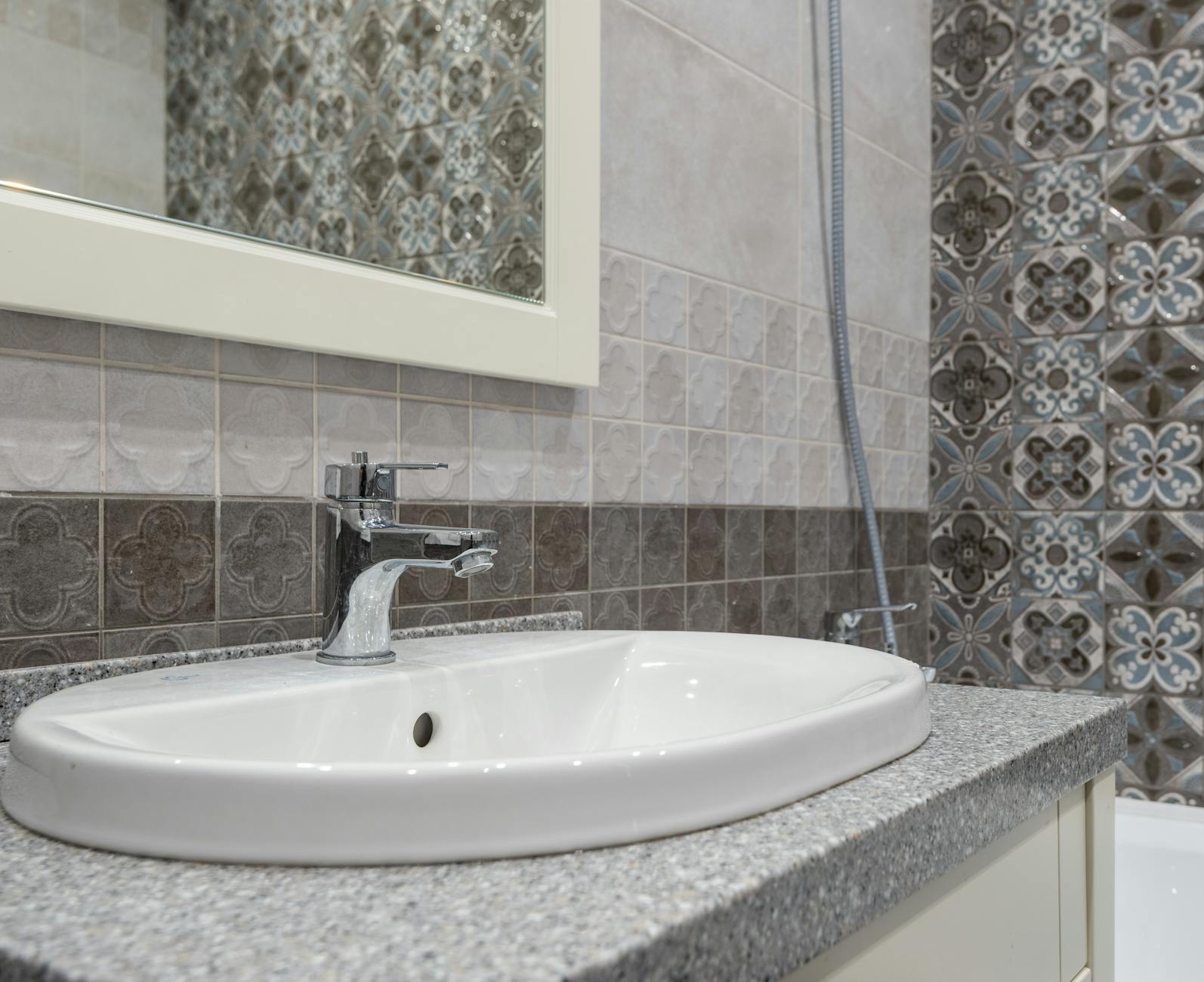
Ceramic tile countertops with visible grout lines are consistently flagged by appraisers as a kitchen and bathroom value-reducer. Grout is porous and accumulates staining and bacteria over time regardless of cleaning frequency. Modern buyers expect quartz, granite, or solid surface materials in kitchens that are meant to compete in current resale markets. Appraisers report that tile countertops immediately position a home as requiring renovation investment in one of the two most value-sensitive rooms. The cost to replace them is often factored directly into a buyer’s offer reduction calculation.
Fluorescent Lighting
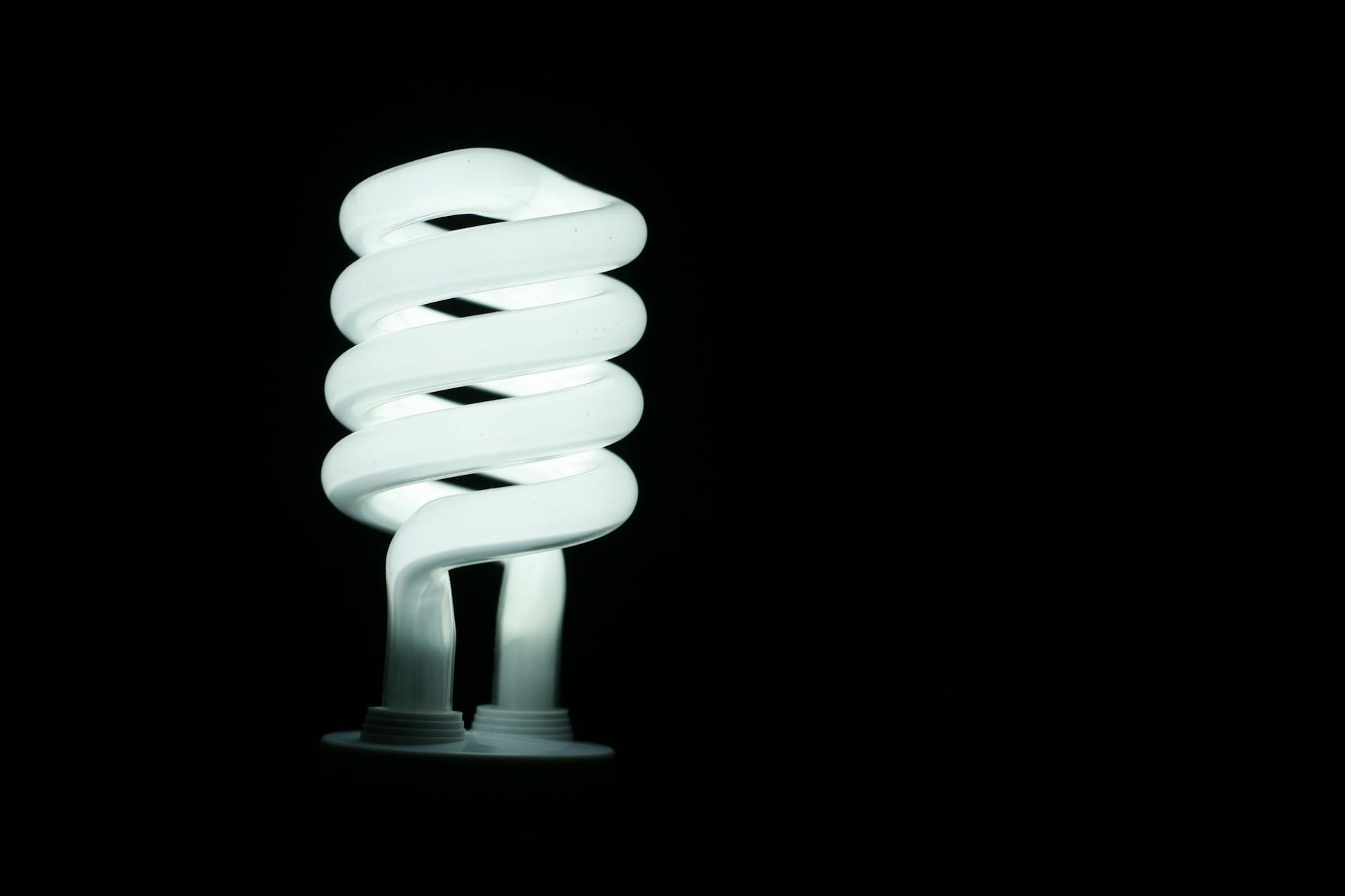
Exposed fluorescent tube lighting installed in kitchens, hallways, or living spaces is one of the most appraisal-damaging lighting choices documented by evaluators. The harsh and unflattering quality of fluorescent light makes rooms feel institutional rather than residential and inviting. Appraisers note that lighting quality is one of the fastest ways buyers form impressions about the overall livability of a space. Modern LED recessed lighting or warm-toned pendant fixtures consistently improve perceived value during walk-throughs. Replacing fluorescent fixtures is a relatively inexpensive upgrade that delivers strong returns in buyer and appraiser perception.
Faux Brick Panels
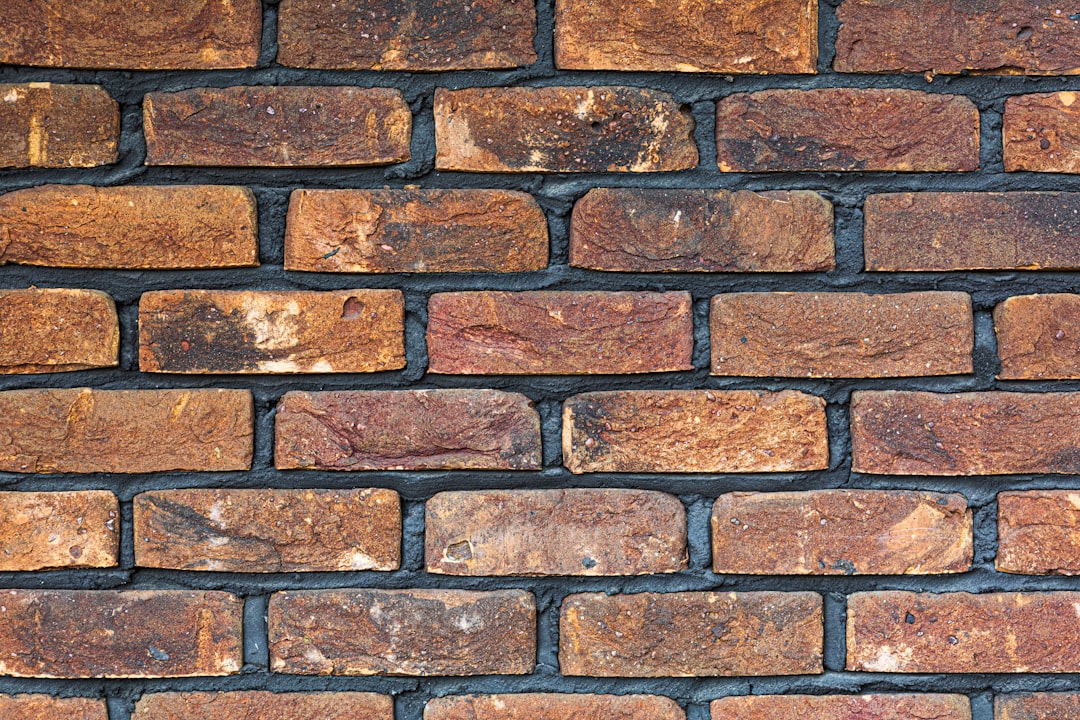
Interior faux brick wall panels installed in living rooms or dining areas are frequently cited by appraisers as a significant aesthetic liability. Unlike real exposed brick which carries authentic architectural character, faux panels communicate an attempt at style that buyers tend to see through immediately. The material also dates a space to specific renovation eras that feel removed from contemporary design preferences. Removal can be straightforward but often reveals wall damage or inconsistent paint beneath that requires additional repair. Appraisers generally recommend neutral smooth wall finishes as the most universally appealing alternative.
Ceiling Fans
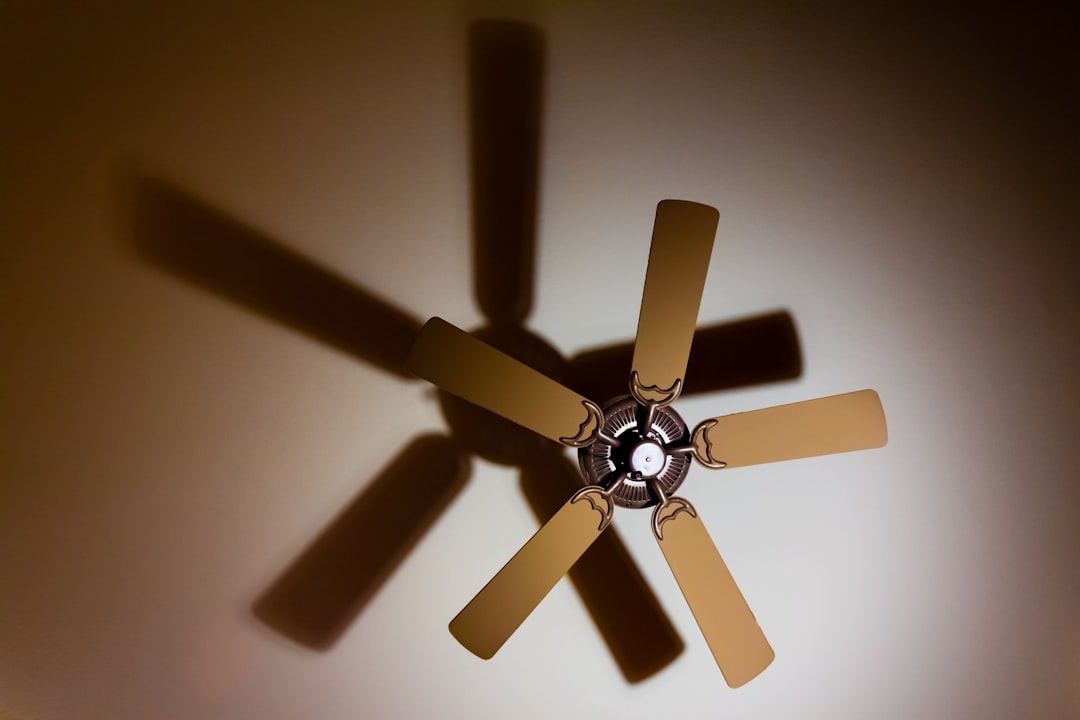
Decorative ceiling fans with ornate or heavily themed designs are noted by appraisers as a persistent value-reducing fixture particularly in main living areas. Oversized fans in low-ceiling rooms feel physically oppressive and create a visual focal point that detracts from the room’s proportions. Fans styled with rustic wagon wheel motifs or tropical palm blade designs are especially flagged for their polarizing aesthetic impact. Appraisers consistently recommend replacing them with simple modern fixtures or recessed lighting before a professional evaluation. The replacement cost is minimal compared to the positive impression created during a walkthrough.
Conversation Pits

Sunken conversation pits or lowered living room floors are structural decorating decisions that create significant appraiser concern in residential evaluations. Beyond their dated aesthetic association with 1960s and 1970s design, they present genuine accessibility and safety concerns that appraisers must document. Buyers with children or elderly family members view them as a liability requiring expensive structural remediation. The cost to fill and level a sunken living area can reach into the tens of thousands of dollars depending on construction type. Appraisers consistently flag them as a feature that reduces rather than adds to comparable market value.
Painted Brick

Painting over original exterior or interior brick is widely regarded among appraisers as one of the most irreversible and value-reducing decisions a homeowner can make. Natural brick carries a premium in most real estate markets because of its durability and authentic material character. Once painted it is virtually impossible to restore the brick to its original appearance without professional chemical stripping that rarely achieves full results. Appraisers note that painted brick reads as a covering decision rather than a design choice which raises questions about the condition of the material underneath. Buyers familiar with renovation costs frequently adjust their offers significantly downward when painted brick is present.
Laminate Flooring
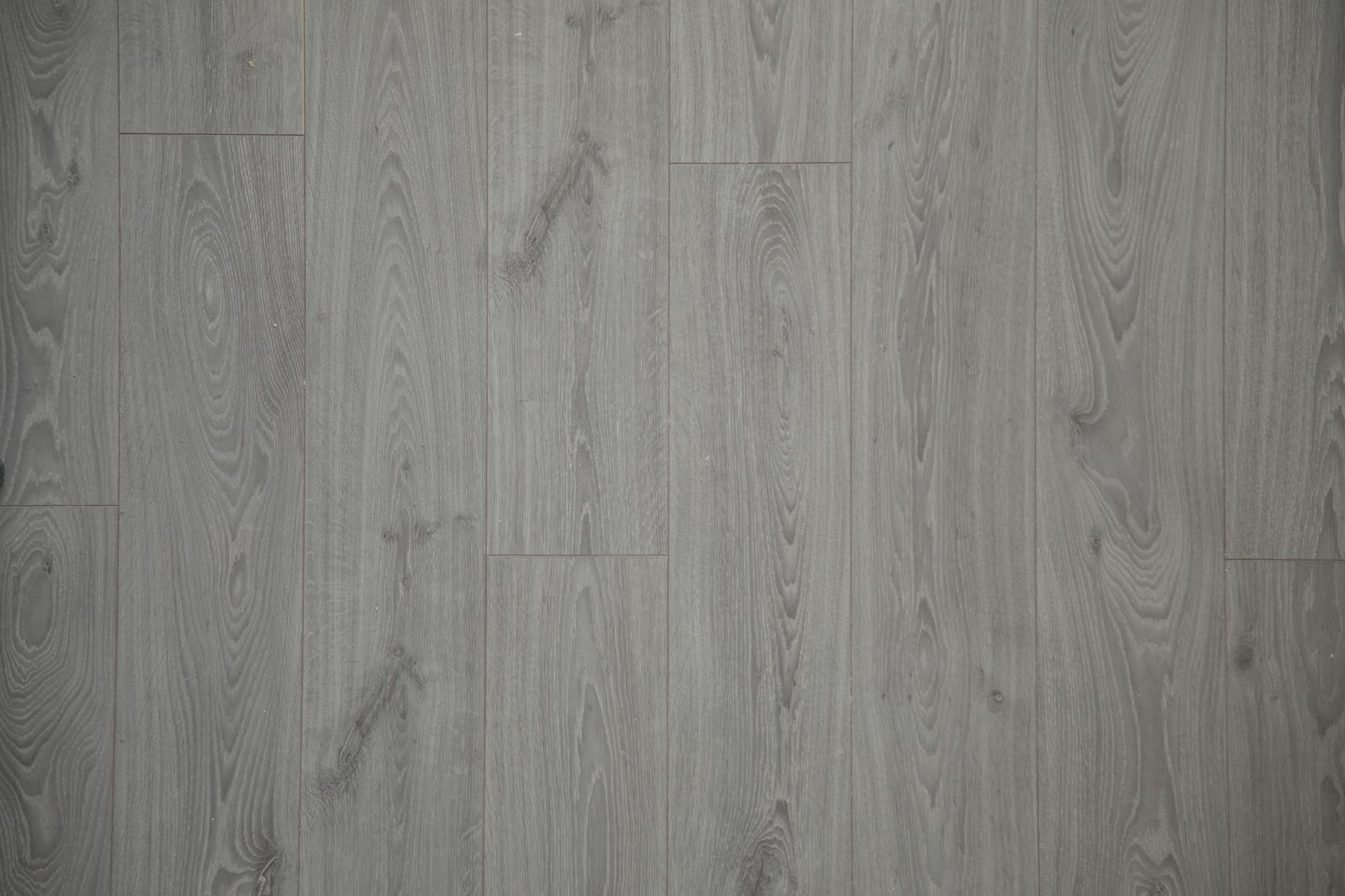
Low-grade laminate flooring installed throughout main living areas is a consistent appraisal concern due to its perceived distance from premium flooring alternatives. Appraisers distinguish between quality engineered hardwood and budget laminate with relative ease during evaluations. Swelling at seams, visible click-lock joints, and hollow sound underfoot are all documented during professional walkthroughs. Buyers in competitive markets use the presence of laminate flooring as a negotiating point to request price reductions toward higher-quality replacement materials. Appraisers report that it consistently underperforms hardwood, stone, and quality tile in comparative home valuations.
Taxidermy

Mounted taxidermy displayed prominently in main living areas creates a documented appraisal challenge due to its deeply polarizing nature among buyers. Appraisers note that while personal collections are the homeowner’s right, visually dominant taxidermy installations affect how broadly a home can appeal during the selling process. Large mounted animals in entryways or living rooms can be the single detail that causes buyers to disengage from an otherwise strong showing. The smell associated with older taxidermy preparations can also affect buyer perception of the home’s overall cleanliness and maintenance. Appraisers recommend storing such collections before showings and evaluations to maximize buyer appeal.
Excessive Paint Colors
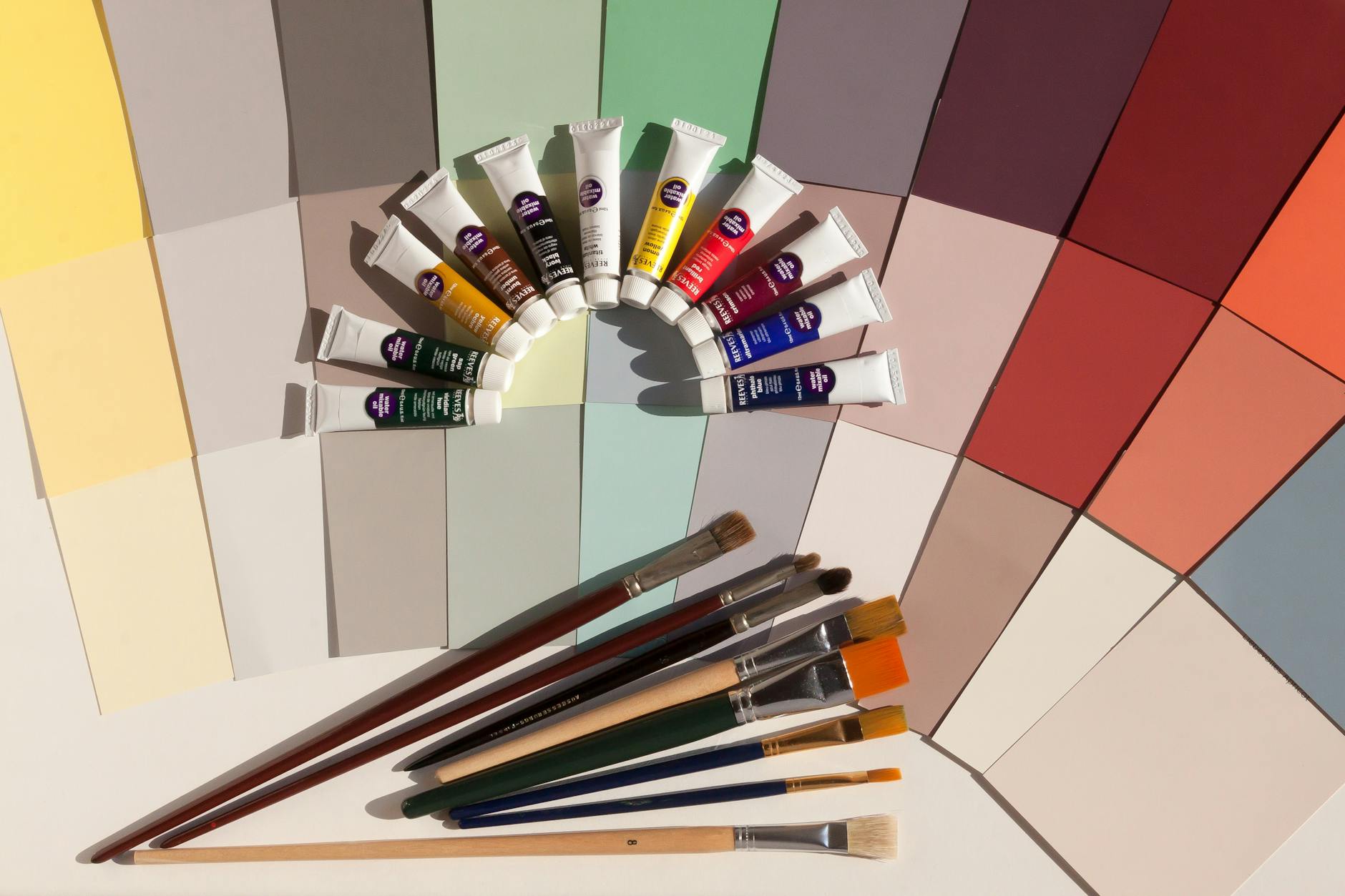
Rooms painted in multiple bold or clashing colors throughout a home create a significant appraisal liability that is frequently documented by evaluators. Appraisers report that non-neutral paint choices force buyers to mentally calculate repainting costs before they have even assessed the structural qualities of the space. A home where every room features a dramatically different color palette reads as high-maintenance and difficult to personalize for a new owner. Current appraisal standards favor light neutral tones that enhance spatial perception and photograph well for listing presentations. Repainting in a cohesive neutral palette before an appraisal is one of the highest return-on-investment improvements available to homeowners.
Drop Ceilings

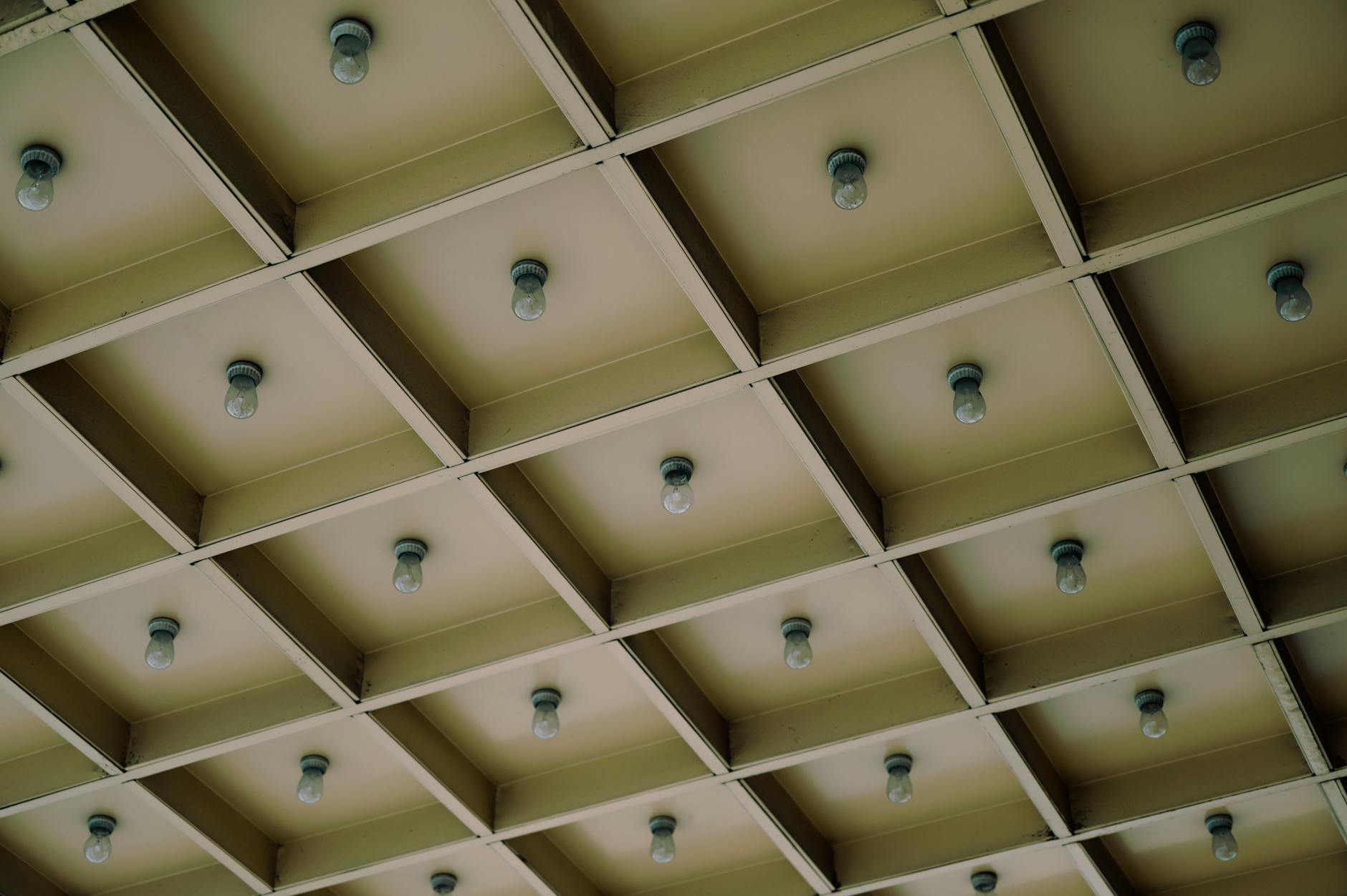
Drop ceilings or suspended tile grid systems installed in living areas and bedrooms are among the most commonly flagged aesthetic issues in residential appraisals. They immediately communicate to appraisers that something has been concealed above the suspended tiles whether or not that is actually the case. The lowered ceiling height creates a compressed and visually heavy atmosphere that buyers associate with dated basement finishing rather than primary living spaces. Appraisers also document the acoustic tile material itself as a design element buyers consistently request be removed before purchase. Opening the ceiling to its full original height is a renovation that reliably improves both appraised and perceived market value.
Carpet Tile

Modular peel-and-stick carpet tiles installed in living areas or bedrooms are flagged by appraisers as one of the clearest signals of budget-driven renovation decision-making. The visible seams between tiles and inconsistent wear patterns create a fragmented floor surface that photographs poorly and underperforms in person during showings. Appraisers note that the material is strongly associated with commercial or rental property rather than owner-occupied residential homes. The adhesive residue left behind after removal also creates an additional refinishing expense that buyers factor into their offer calculations. Any primary living space featuring carpet tile is likely to receive a lower comparable valuation than equivalent spaces with standard flooring.
Barn Doors

Interior sliding barn doors installed throughout a home signal to appraisers that a rushed or trend-driven renovation took place without long-term design planning. While barn doors were widely popular during the mid-2010s farmhouse design wave they are now closely associated with a dating aesthetic in professional appraisal communities. They also present functional concerns including inadequate sound privacy and door overlap that eliminates full doorway clearance. Appraisers note that their presence in multiple rooms of a home creates a uniformly dated impression that affects overall valuation. Traditional hinged doors or modern pocket door systems are viewed more favorably in current market evaluations.
Novelty Sinks
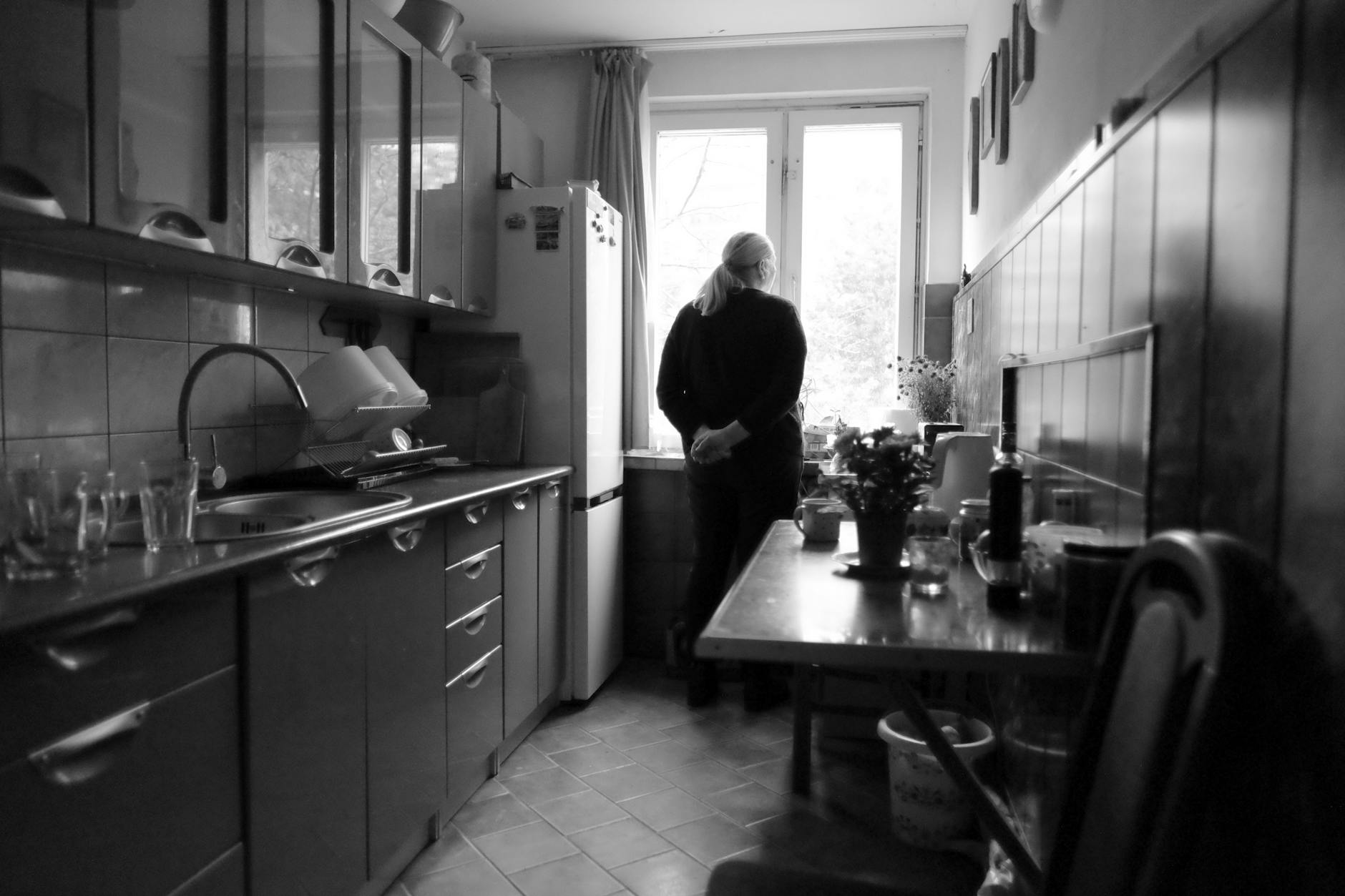
Novelty or themed bathroom sinks shaped to resemble objects or featuring highly unusual material combinations are consistently noted by appraisers as value-reducing bathroom fixtures. Buyers expect plumbing fixtures to communicate quality and durability rather than personal humor or thematic commitment. Appraisers report that unusual sinks draw disproportionate attention during walkthroughs and distract buyers from more positive features of the bathroom. Replacement with a standard undermount or vessel sink in a neutral material is a straightforward upgrade that meaningfully shifts buyer perception. Kitchens and bathrooms carry the greatest weight in residential appraisals making fixture choices in these spaces especially consequential.
Wainscoting
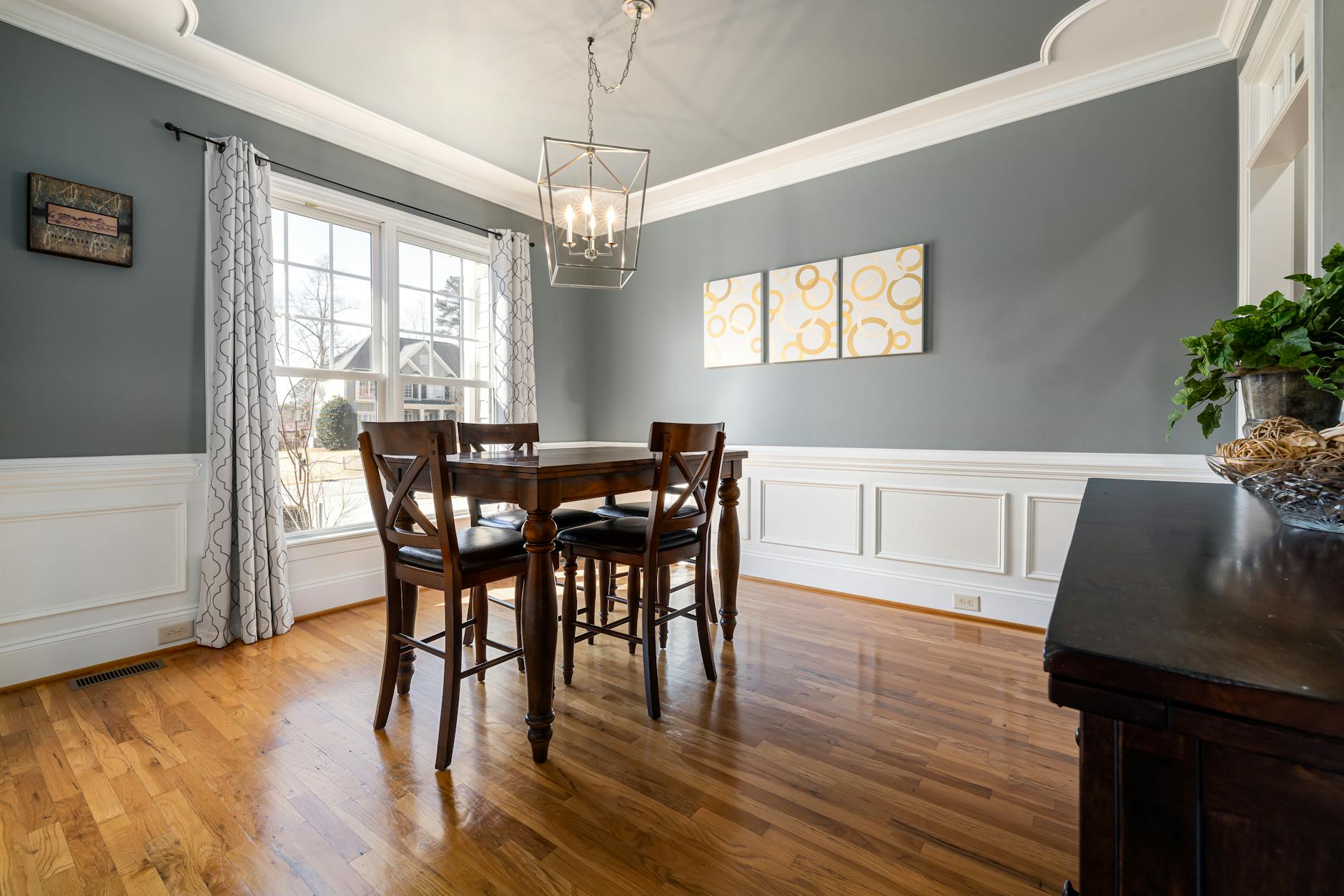
Overly elaborate or poorly installed wainscoting applied throughout multiple rooms is flagged by appraisers when the execution conflicts with the architectural style of the home. Wainscoting applied in a mismatched scale or material to a contemporary or mid-century home reads as an addition rather than an original design intention. Appraisers note that the installation quality of wainscoting is especially apparent during professional evaluations because uneven panels and visible nail holes signal DIY workmanship. In dining rooms and entryways the effect can feel formal in ways that feel disconnected from how modern buyers expect to use their spaces. Professionally installed wainscoting in appropriate architectural contexts is neutral to mildly positive but amateur installations consistently reduce perceived value.
Fake Plants

Artificial plants displayed prominently throughout a home are consistently noted by appraisers as a signal of low design investment and maintenance avoidance. Large faux arrangements in entryways or living rooms collect visible dust and fade over time in ways that communicate neglect to evaluators. Appraisers report that buyers interpret the presence of artificial plants as an indication that the homeowner has made similar budget-driven choices throughout the rest of the property. Real plants or curated minimal greenery signal care and intentionality to buyers during walkthroughs. Removing artificial arrangements before an appraisal or showing requires no financial investment and consistently improves first impressions.
Hot Tub Rooms

Dedicated indoor hot tub rooms or converted spaces housing permanent spa installations are among the most value-reducing specialty room choices documented by residential appraisers. The persistent humidity generated by an indoor hot tub creates documented moisture damage risks to surrounding walls, flooring, and structural elements. Appraisers are required to note the condition of these spaces and the potential remediation costs associated with moisture infiltration and mold risk. Buyers who do not want an indoor spa view the space as a costly and structurally compromised room requiring full renovation. The specialized ventilation and drainage systems required to properly maintain such rooms add additional liability to the appraised value calculation.
Nautical Themes

Heavily committed nautical decorating themes applied throughout a home interior are flagged by appraisers when the design choices are so specific that broad buyer appeal is eliminated. Rope-wrapped light fixtures, anchor motifs, and ship wheel hardware installations communicate a hyper-personal design vision that buyers cannot easily imagine personalizing for themselves. Appraisers note that thematic interiors in non-coastal markets carry an especially pronounced negative effect on perceived value. Even in coastal communities the density of nautical decoration beyond a subtle nod to location is considered excessive by professional evaluators. Neutral interiors that allow buyers to project their own aesthetic vision consistently appraise higher than those dominated by a singular decorating theme.
Recessed Niche Displays
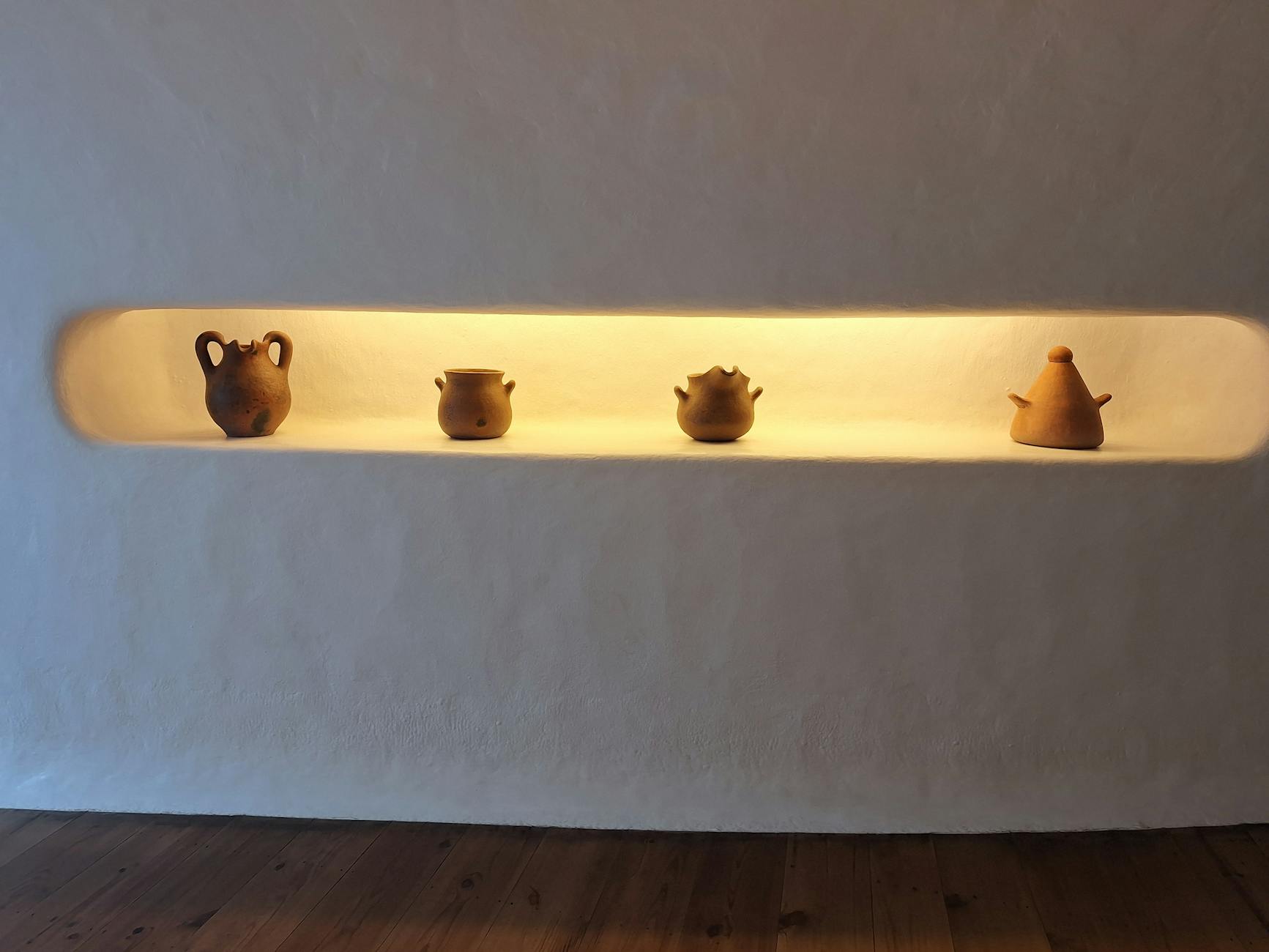
Elaborately tiled or overly styled recessed wall niches installed throughout living areas are noted by appraisers when the execution conflicts with the surrounding design context. While simple recessed niches in bathrooms and showers are standard and expected, theatrical niche displays featuring decorative tile and spotlighting in living rooms read as dated showmanship. Appraisers report that intricate niche installations that reflect early 2000s design sensibility now communicate a need for cosmetic updating rather than a premium feature. The cost of removing or neutralizing ornate niches is absorbed by the buyer in their offer calculation. Clean uninterrupted wall surfaces in living areas are consistently preferred by appraisers assessing current market appeal.
Carpet on Stairs
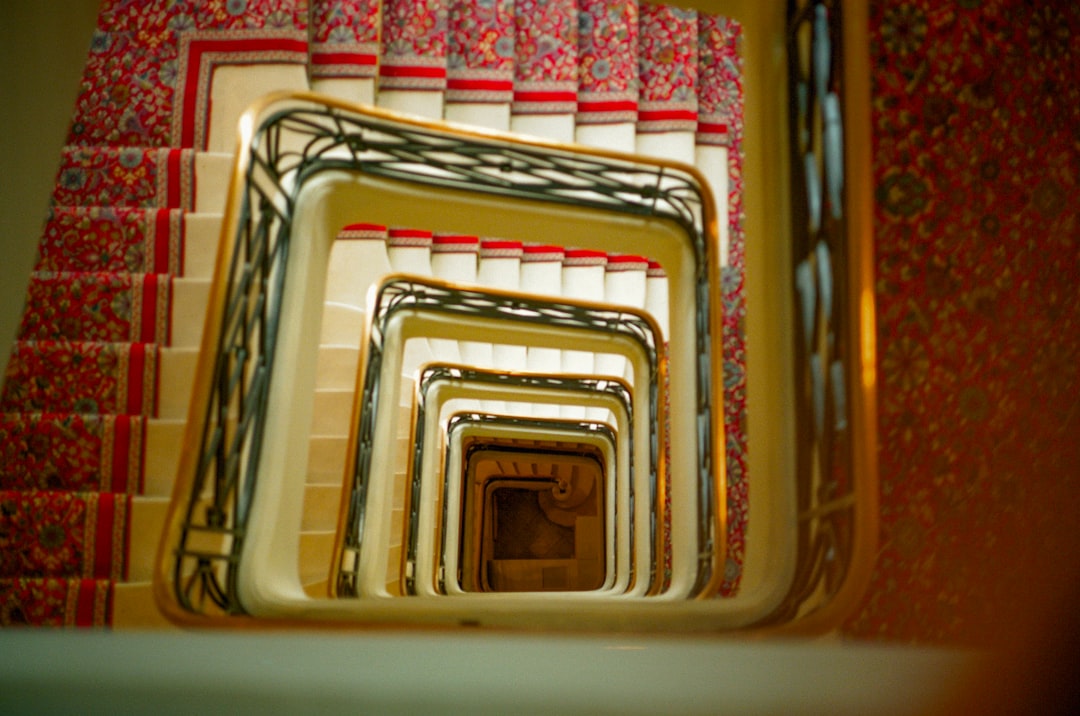
Carpeted staircases are consistently flagged by appraisers as a maintenance and design liability in homes where the rest of the flooring has been upgraded to hard surfaces. Stair carpet accumulates wear patterns at the nosing of each tread that are impossible to conceal and signal high traffic and age to buyers and evaluators. Mismatched carpet on stairs creates a visual disconnection from updated flooring on surrounding levels that undermines the overall renovation narrative of the home. Appraisers note that stair carpet removal and the installation of hardwood or matching hard surface treads is a renovation that buyers expect in higher-end comparable properties. Homes with updated stair treads consistently perform better in side-by-side appraisal comparisons against carpeted staircase alternatives.
If any of these decorating choices sound familiar, share your thoughts and experiences in the comments.