Fine dining establishments have long maintained strict dress codes as a way of preserving atmosphere and upholding a standard of experience for all guests. What guests wear communicates respect for the venue, the chef, and fellow diners sharing the same space. Across the world’s most exclusive restaurants, certain clothing choices are so consistently problematic that they have become notorious among front-of-house staff. Understanding these fashion missteps can save you from the embarrassment of being turned away at the door of a restaurant you have looked forward to visiting for months.
Athletic Wear
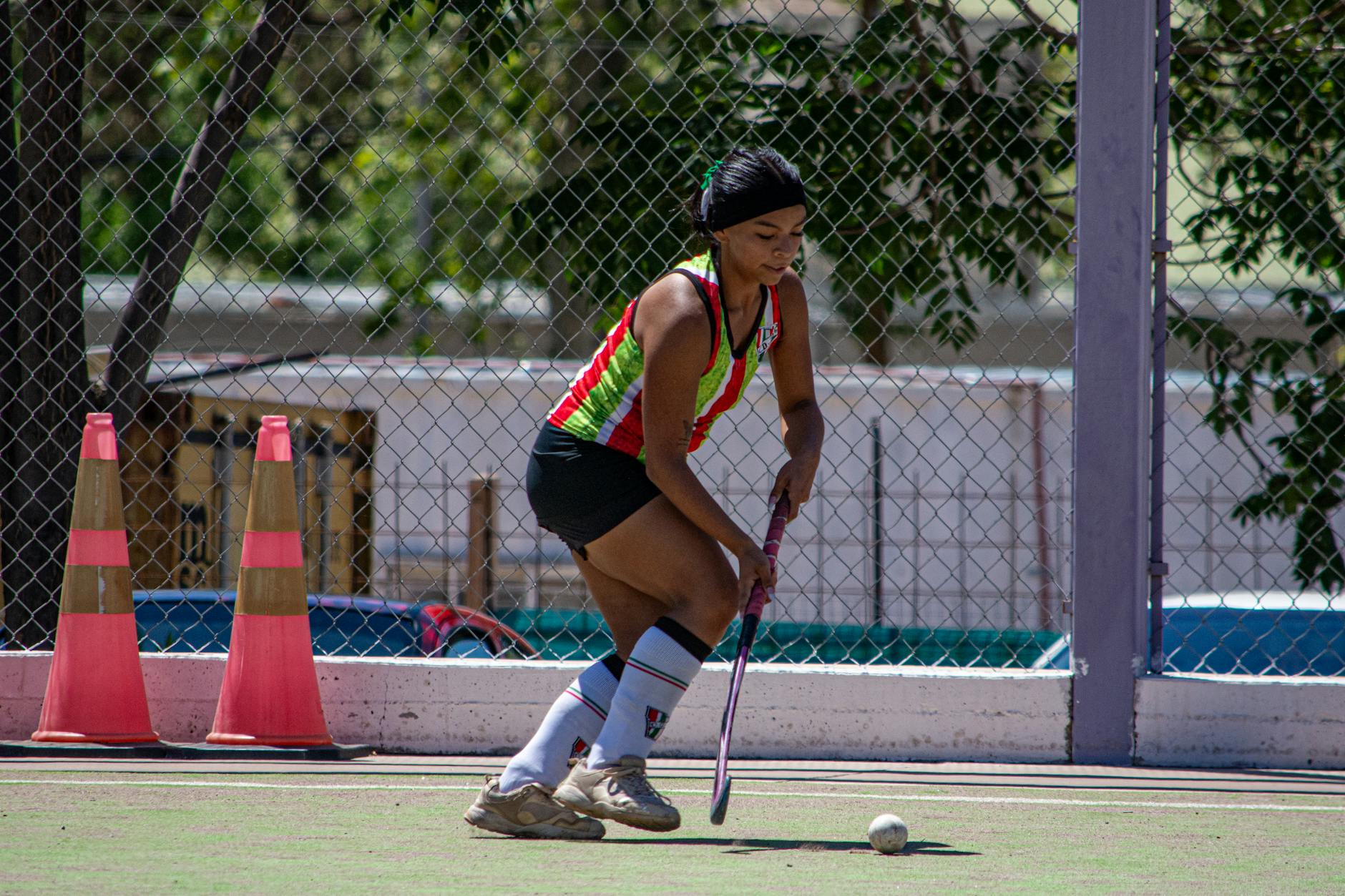
Gym clothes worn outside a fitness context are among the most frequent reasons guests are politely redirected away from upscale dining rooms. Compression leggings, moisture-wicking tops, and sports bras signal that the wearer has made no effort to transition from workout to evening. Many Michelin-starred establishments explicitly name athletic wear in their dress code policies posted online and at the entrance. The relaxed fit and technical fabrics of sportswear clash visually with the formal tablecloths, crystal glassware, and candlelit settings these rooms are designed around. Even expensive athletic brands offer no exemption at the most traditional fine dining addresses.
Flip Flops
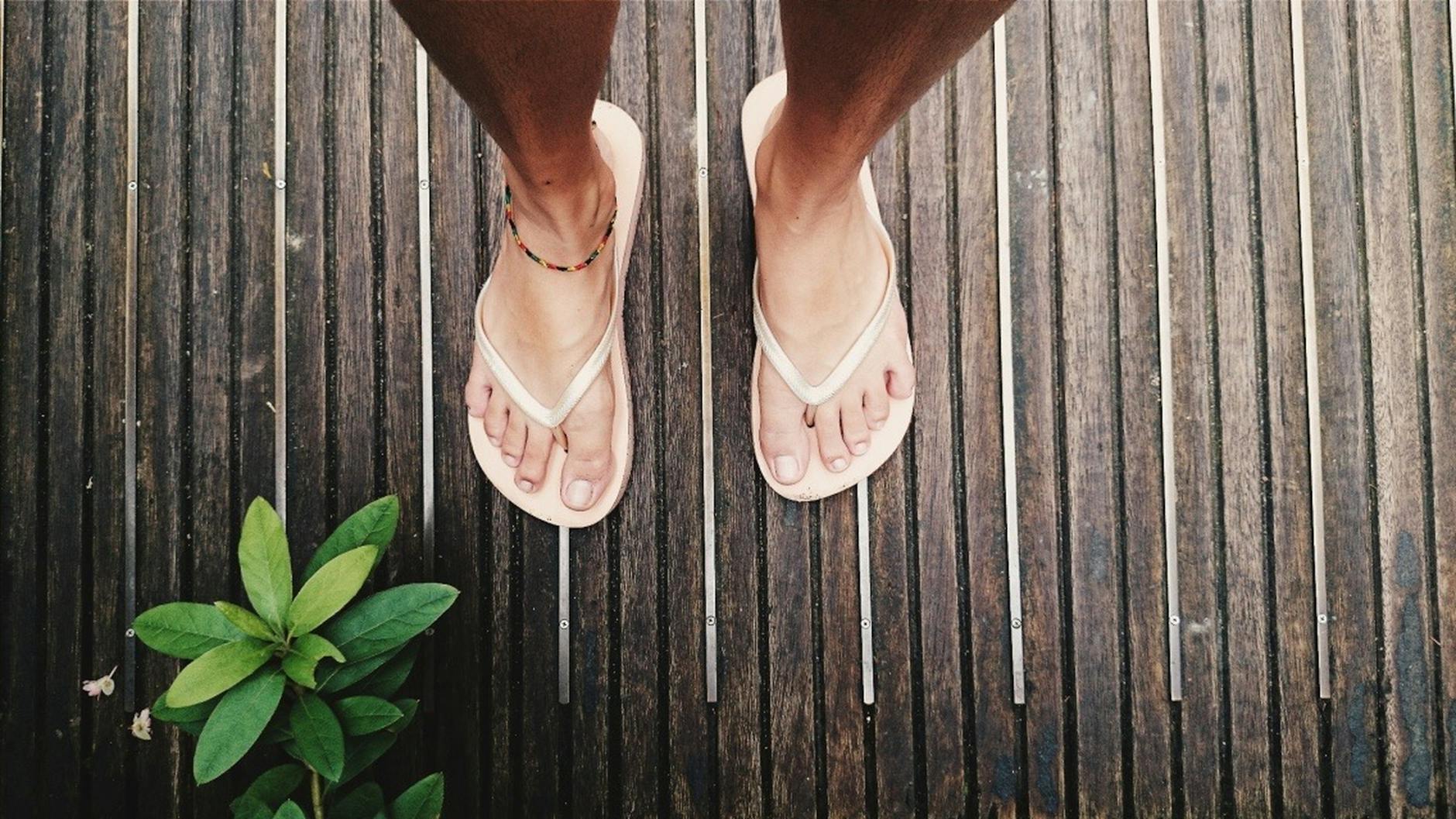
Open rubber sandals are treated as an almost universal dealbreaker at high-end restaurants across Europe, Asia, and North America. The casual beach association of flip flops places them at the furthest possible end of the formality spectrum from a tasting menu environment. Beyond aesthetics, many establishments cite hygiene and safety considerations when enforcing footwear standards in their dining rooms. Front-of-house managers consistently report that flip flop wearers are among the most commonly turned away guests during evening service. Even in warm coastal cities where resort wear is culturally accepted, the most prestigious restaurants maintain firm footwear expectations year round.
Logo Hoodies
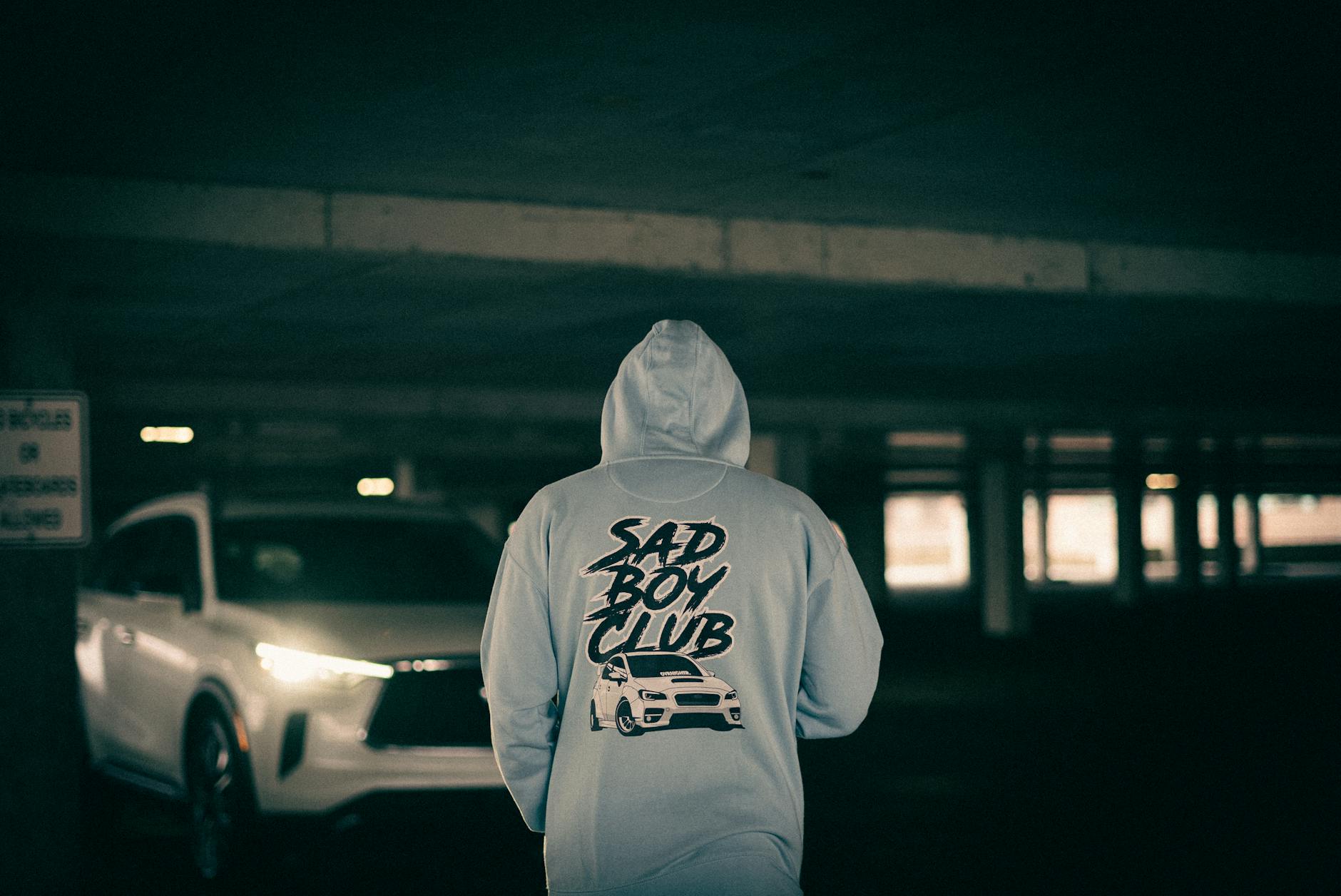
Hooded sweatshirts featuring large brand logos or graphic prints are regularly flagged by door staff at upscale venues around the world. The hoodie silhouette carries strong associations with casual and streetwear culture that sit uncomfortably against the refined expectations of a formal dining room. Luxury label logos do not elevate a hoodie in the eyes of most restaurant dress code enforcers. The relaxed cut and casual fabric send a clear signal that the occasion has not been treated with the appropriate level of seriousness. Several well-known restaurants in London, Paris, and New York have made headlines for turning away guests dressed in even high-end hooded sweatshirts.
Beachwear

Swimwear, board shorts, sarongs, and cover-ups belong exclusively to poolside and coastal casual dining rather than any serious restaurant environment. The fabrics used in beachwear are designed for sun and water exposure and carry an unmistakable informality that no fine dining establishment will accommodate. Restaurants in Mediterranean and Caribbean destinations receive a disproportionate number of guests attempting to dine directly from the beach without changing. Maître d’s at the most respected island and coastal restaurants are trained to intercept and redirect these guests before they reach the dining room. A simple change of clothes is all that separates a memorable meal from a walk back to the hotel empty-handed.
Offensive Prints

T-shirts and garments featuring offensive slogans, graphic imagery, or provocative language are grounds for immediate refusal at virtually every fine dining establishment worldwide. Restaurant management has both the legal and professional right to deny entry based on clothing deemed disruptive to the experience of other guests. The presence of such garments creates discomfort for diners and staff alike and undermines the carefully curated atmosphere the venue works to maintain. Even restaurants with more relaxed dress codes draw a firm line at clothing that could be considered threatening, obscene, or politically inflammatory. This category applies regardless of price point and is one of the most consistently enforced exclusions across the industry.
Sportswear Jerseys
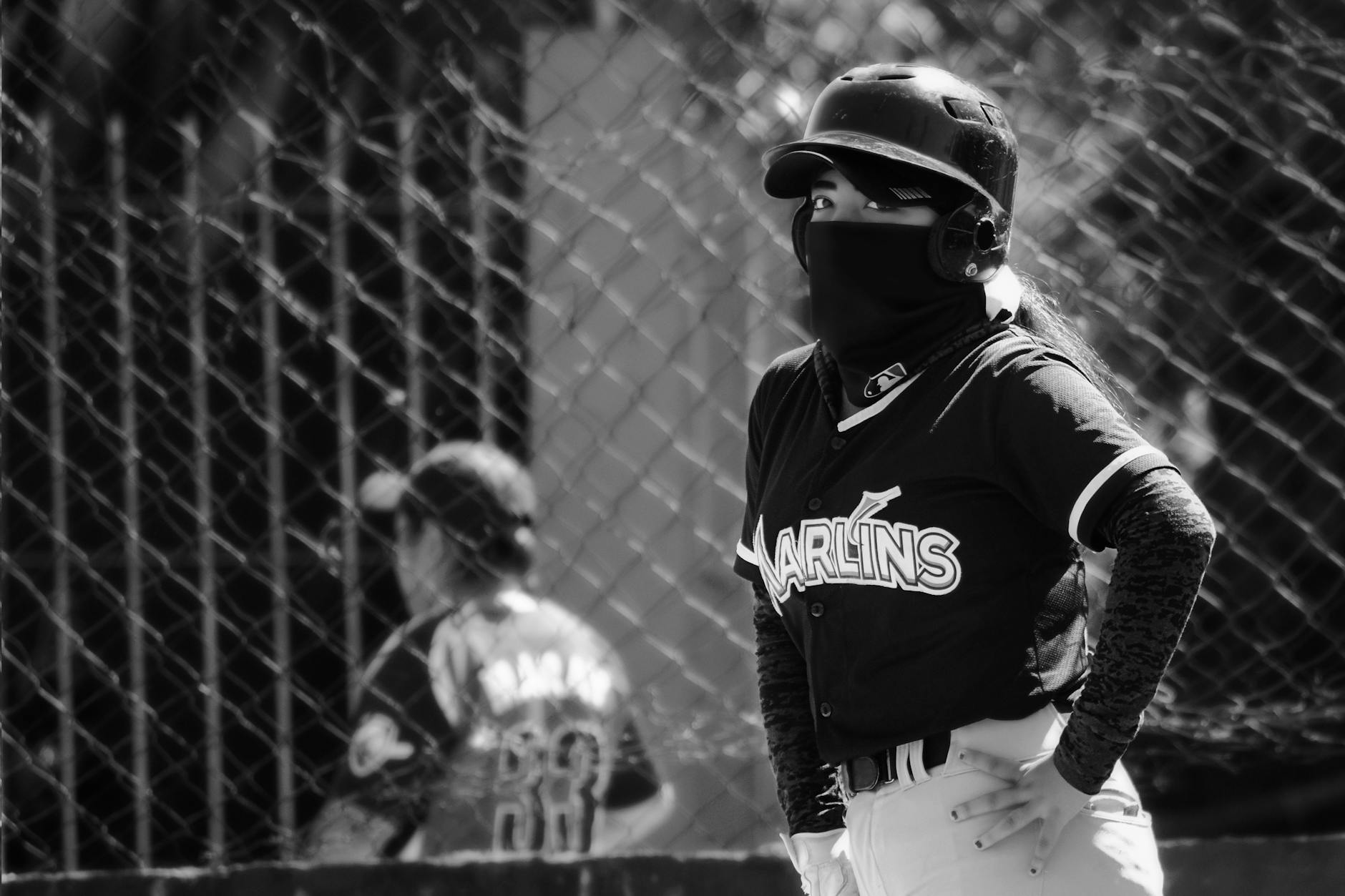
Football shirts, basketball jerseys, and other team sportswear are firmly off the table at prestigious dining addresses regardless of the team or the prestige of the match being celebrated. The association between sports jerseys and stadium crowds places them in direct visual opposition to the calm and refined environment a luxury restaurant cultivates. In cities where sports culture runs deep, restaurants near arenas and stadiums often post explicit jersey bans to manage influxes of fans arriving directly from events. The cut and fabric of a jersey also tend to be unflattering in a formal seated dining context where appearance and presentation matter. Supporters celebrating a victory are better served by choosing a sports bar rather than attempting a jersey-clad reservation at a Michelin-starred venue.
Torn Denim
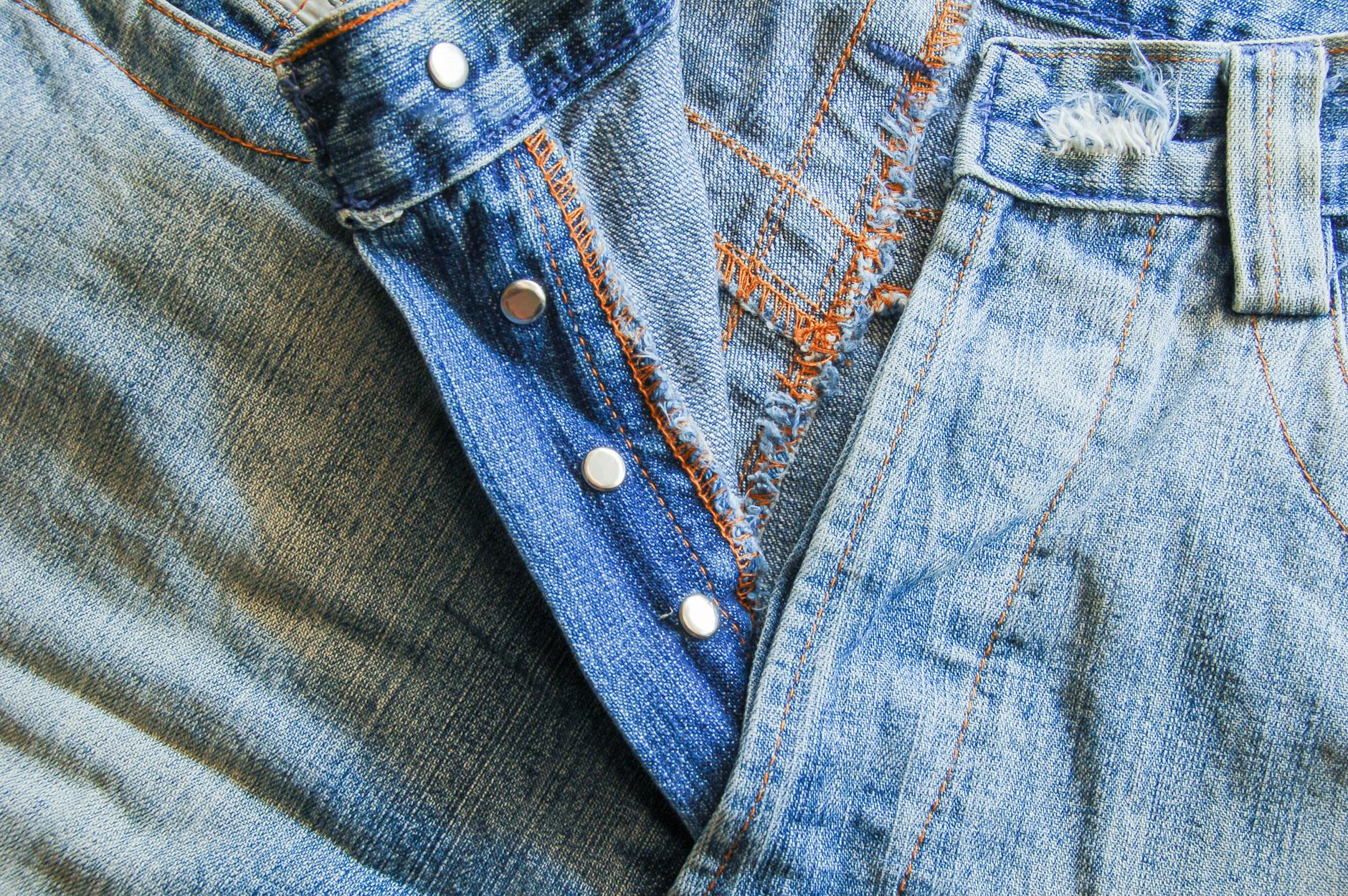
Heavily distressed jeans with large rips, fraying, and visible tears are among the most debated items in restaurant dress code discussions and most upscale venues have firmly landed on the side of exclusion. The deliberate destruction aesthetic of torn denim reads as a lack of effort in environments that expect guests to dress with intention. Some restaurants specify that jeans of any kind are unwelcome while others draw the line specifically at damaged or overly casual denim styles. The distinction matters because clean dark denim is accepted at many contemporary fine dining rooms while torn styles remain almost universally problematic. Fashion credibility offers no protection here since the dress code criteria at most establishments prioritise neatness and effort over trend awareness.
Baseball Caps
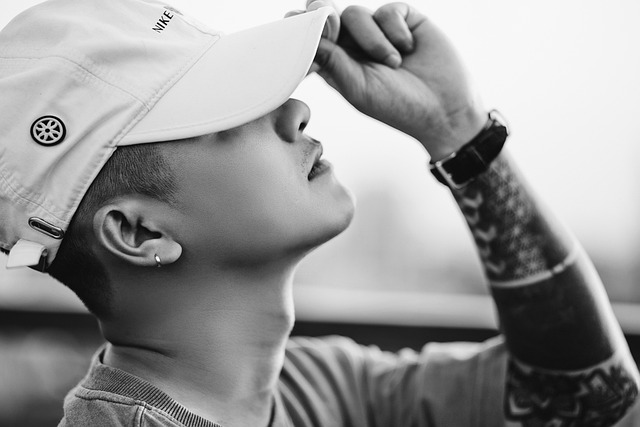
Headwear of the casual variety and baseball caps in particular remain unwelcome at the majority of traditional fine dining establishments in Europe and at many in the United States. The habit of wearing a cap indoors is viewed by many restaurants as a straightforward failure of dining etiquette with roots going back centuries. Front-of-house staff at old-world style restaurants and hotel dining rooms are often instructed to request that caps be removed upon seating or in some cases prior to entry. The silhouette of a baseball cap also disrupts the visual uniformity of a well-dressed dining room in ways that restaurant designers and managers take seriously. Guests who prefer to keep their heads covered are better served by calling ahead to discuss options rather than arriving and hoping for an exception.
Costume Wear
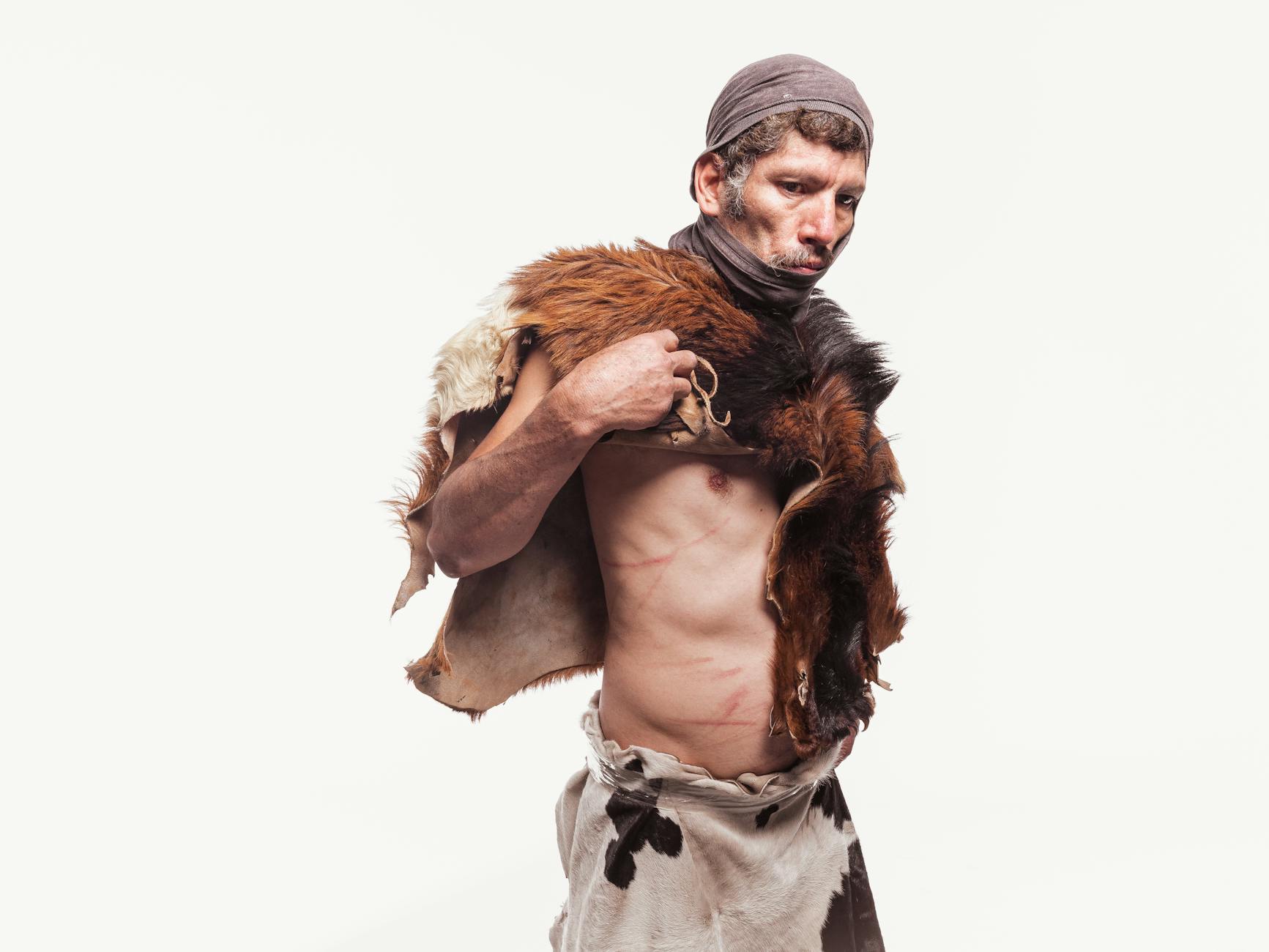
Fancy dress outfits, Halloween costumes, and theatrical clothing worn in a non-ironic context are almost always grounds for refusal at upscale restaurants regardless of the occasion being celebrated. The visual disruption caused by a guest in full costume affects not only the ambiance but the dining experience of every other person in the room. Restaurant staff report that costume-related entry refusals tend to cluster around Halloween, New Year’s Eve, and carnival seasons when groups attempt to dine mid-celebration. Even costumes that might be considered clever or high-quality are subject to the same refusals as cheap novelty outfits. Private dining rooms represent the appropriate solution for groups who wish to combine formal dining with theatrical dress.
Sheer Clothing
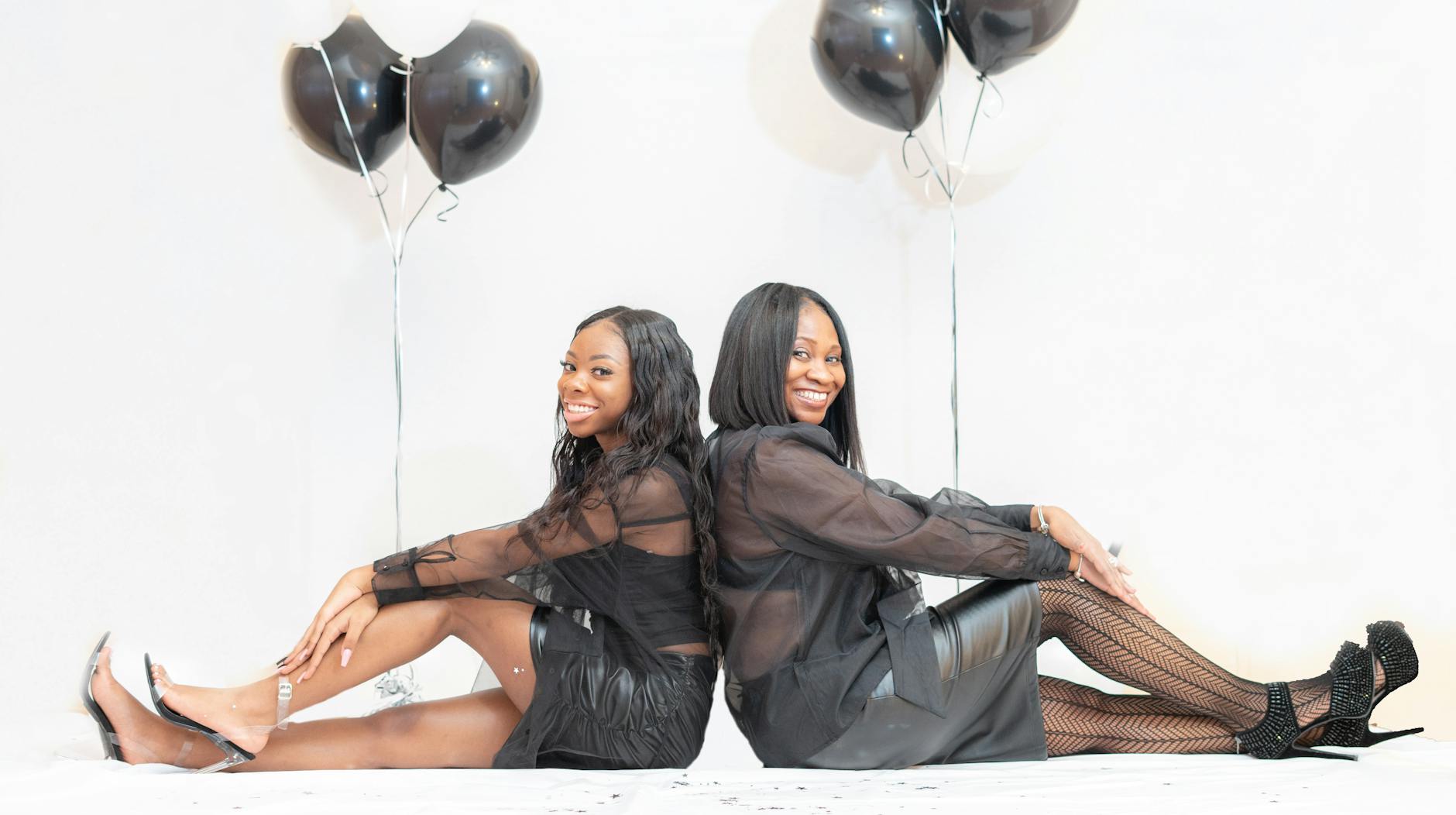
Garments made from sheer or see-through fabrics without appropriate underlayers are consistently flagged as inappropriate at fine dining establishments across most cultures and regions. The exposure created by sheer clothing without lining or undergarments is considered disruptive to the professional and elegant tone fine restaurants work to maintain. While sheer fabrics appear regularly on fashion runways and in editorial contexts the restaurant environment applies a different and more conservative standard of appropriateness. Hosts and managers are generally empowered to make subjective judgements about exposure levels and sheer garments frequently fall on the wrong side of that line. Layering a slip dress or camisole beneath a sheer outer garment is the straightforward solution that allows guests to maintain their chosen aesthetic while meeting venue expectations.
Rubber Clogs
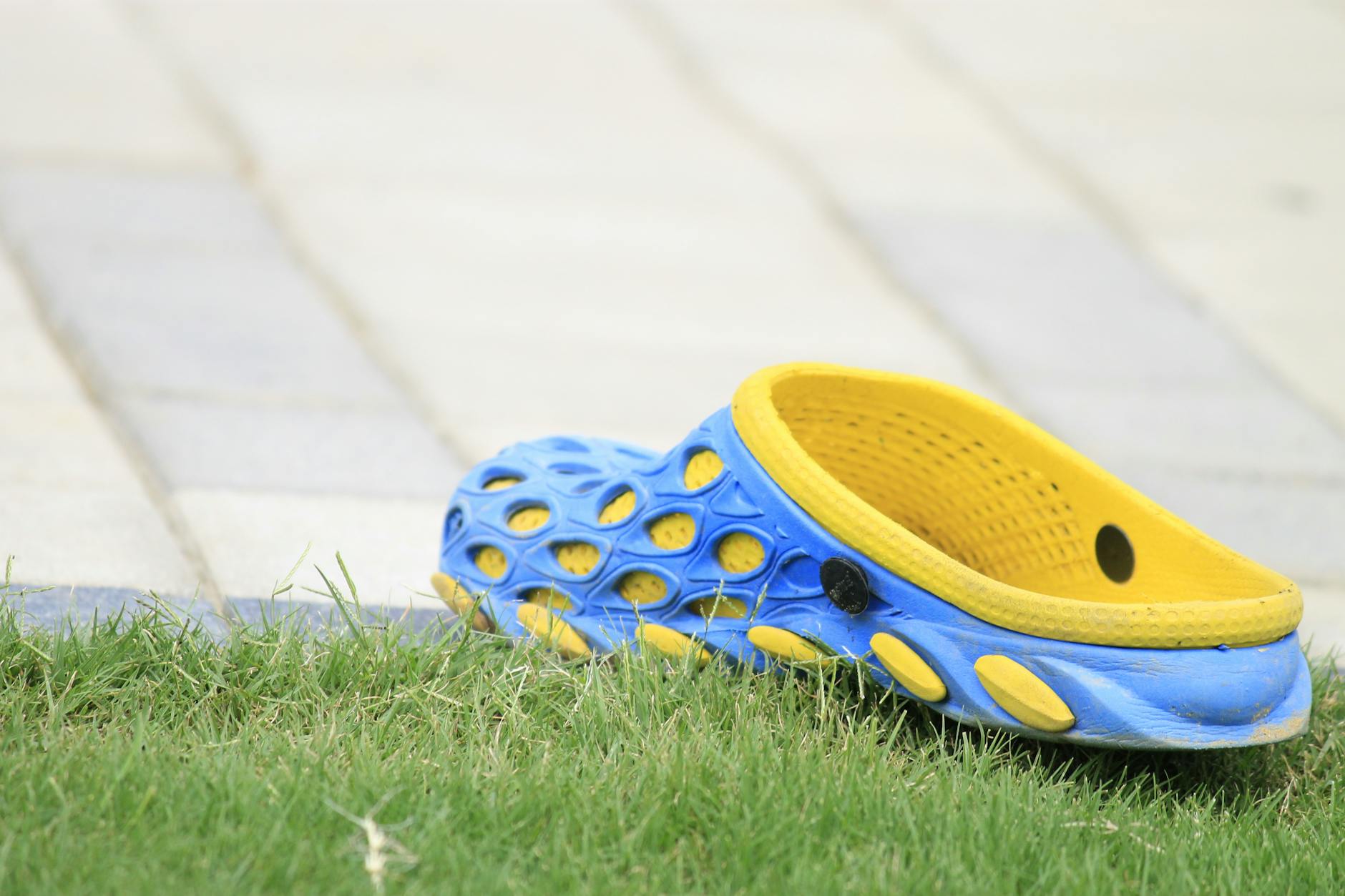
Foam and rubber clogs have become a deeply polarising footwear choice in the broader culture but fine dining establishments have reached a near universal verdict against them. The chunky plastic silhouette and casual garden-shoe origins of foam clogs place them firmly outside the visual vocabulary of any upscale dining room. Even celebrities and fashion figures photographed wearing luxury versions of these shoes would find themselves redirected at the door of a traditional fine dining address. Restaurant dress codes frequently cite footwear as a key marker of guest intention and foam clogs consistently fail that test. The footwear category is taken particularly seriously in European fine dining where shoe standards form a core part of the overall dress expectation.
Novelty Accessories

Oversized novelty accessories including giant sunglasses, flashing LED jewellery, inflatable items, and costume headpieces are unwelcome in serious dining environments for many of the same reasons full costumes are turned away. These items prioritise personal expression and humour in ways that directly conflict with the measured and understated atmosphere premium restaurants cultivate. Party accessories brought directly from a celebration venue into a restaurant are a particularly common scenario that door staff are trained to manage. The presence of flashing or light-up items is especially disruptive in the dimly lit environments that characterise many high-end dining rooms. Guests are generally advised to leave novelty accessories at the coat check or in their vehicles before attempting entry.
Sleeveless Undershirts
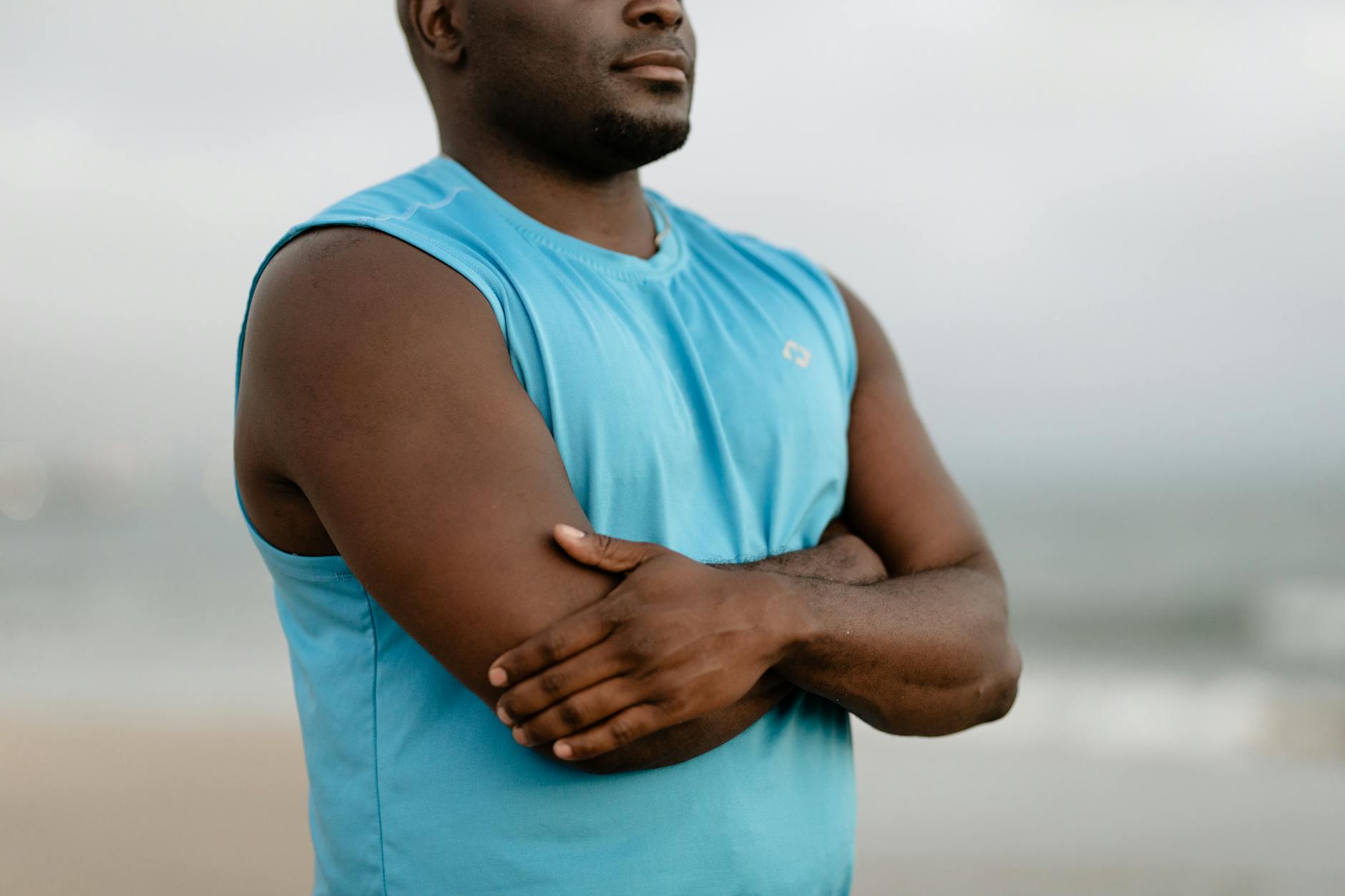
The sleeveless undershirt is among the most explicitly banned items at fine dining establishments globally and appears by name on the exclusion lists of many well-known restaurants. Originally designed as an undergarment the sleeveless vest reads as an unfinished outfit in virtually every formal dining context regardless of how it is styled. Even in extremely warm climates where lighter clothing is culturally normalised the most prestigious restaurants maintain their ban on exposed undershirts. The exposure of the shoulders and armpits in an undershirt format is considered specifically problematic in environments where neatness and coverage are expected. Guests who run warm are better served by selecting breathable formal fabrics rather than substituting an undershirt for a proper shirt.
Muddy Boots
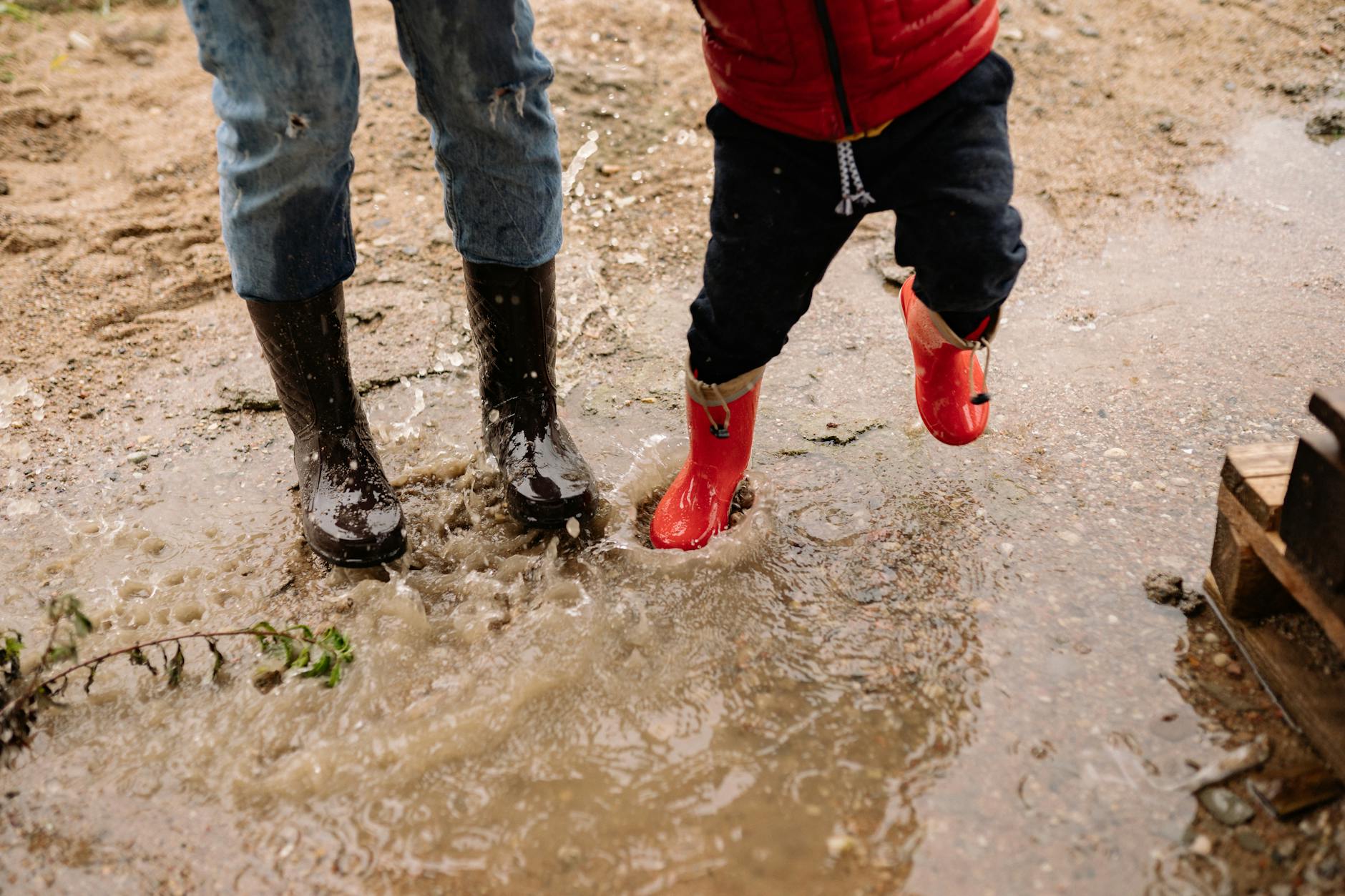
Work boots and outdoor footwear carrying visible mud, paint, or construction debris are treated as a clear signal that a guest has arrived directly from a manual labour environment without taking time to prepare for dining. The physical presence of outdoor debris in a restaurant setting creates practical concerns around cleanliness in addition to the aesthetic mismatch with the formal room. Fine dining floor staff invest significant effort in maintaining immaculate dining rooms and visibly soiled footwear undermines that effort immediately upon entry. Even high-quality work boot brands beloved in fashion contexts are subject to refusal if the shoes are worn and visibly dirty. The issue is not the style of boot but the condition it is presented in when the guest arrives.
Pyjamas

Sleepwear worn in public has become a minor cultural flashpoint in several cities but fine dining establishments maintain a firm and unanimous position against pyjamas and dressing gown style clothing in their dining rooms. The blurring of home comfort wear with public dressing is a trend that restaurants at the premium end of the market have shown no interest in accommodating. Silk pyjama sets regardless of their price point or designer provenance are consistently turned away at the doors of traditionally minded establishments. The association between pyjamas and sleep removes them entirely from the vocabulary of intentional dressing that fine dining requires. Guests who favour luxurious and flowing fabrics are better directed toward wide-leg trousers and relaxed formal separates rather than sleepwear silhouettes.
Motorbike Gear

Full motorcycle leathers, helmets carried into the dining room, and high-visibility riding jackets are regularly cited by restaurant staff as items that create both a visual and practical disruption to the fine dining environment. The bulk and utilitarian design of motorbike gear is engineered for road safety rather than table etiquette and the mismatch in formal dining contexts is immediately apparent. Several iconic restaurants in European cities have specific policies developed in response to the number of motorcycle-riding guests who arrive without a change of clothing. Riders who plan a fine dining stop during a longer journey are well advised to pack a change of outfit in their luggage or choose a more casual venue. The issue applies equally to passenger gear and to the full riding kit of the driver.
Crop Tops
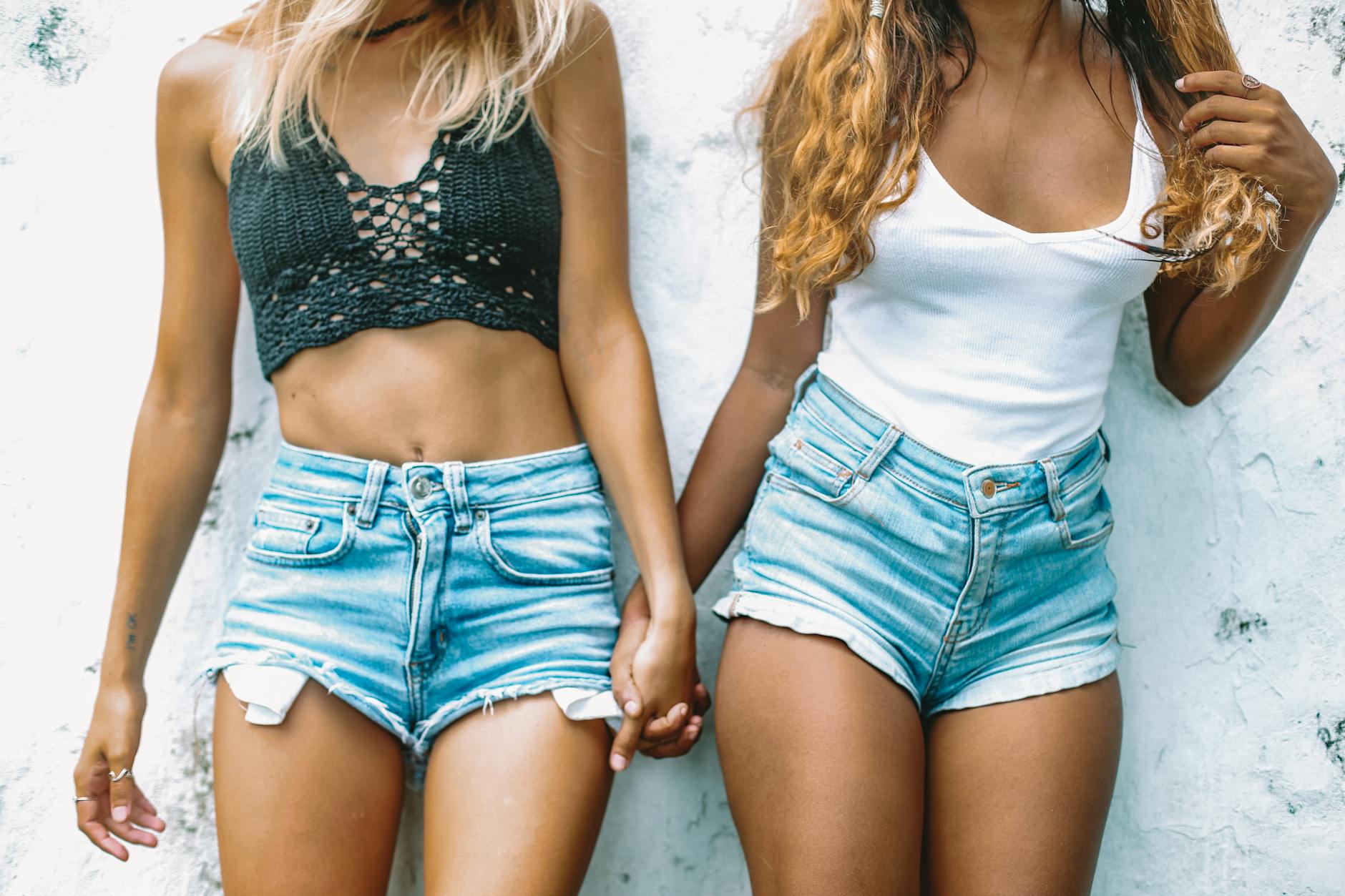
Midriff-baring crop tops are among the clothing items most frequently mentioned in the informal dress code enforcement conversations reported by restaurant industry professionals. The exposure of the stomach area is considered insufficiently formal for the majority of upscale dining rooms regardless of how the crop top is otherwise styled. In practice many restaurants apply this standard more rigorously for evening service and tasting menu experiences than for daytime dining. The styling context surrounding a crop top does little to change the fundamental exposure issue that most fine dining establishments take seriously. Guests who prefer shorter hemlines on their tops are generally advised to pair them with high-waisted trousers or skirts that eliminate midriff exposure before attempting entry.
Platform Sneakers
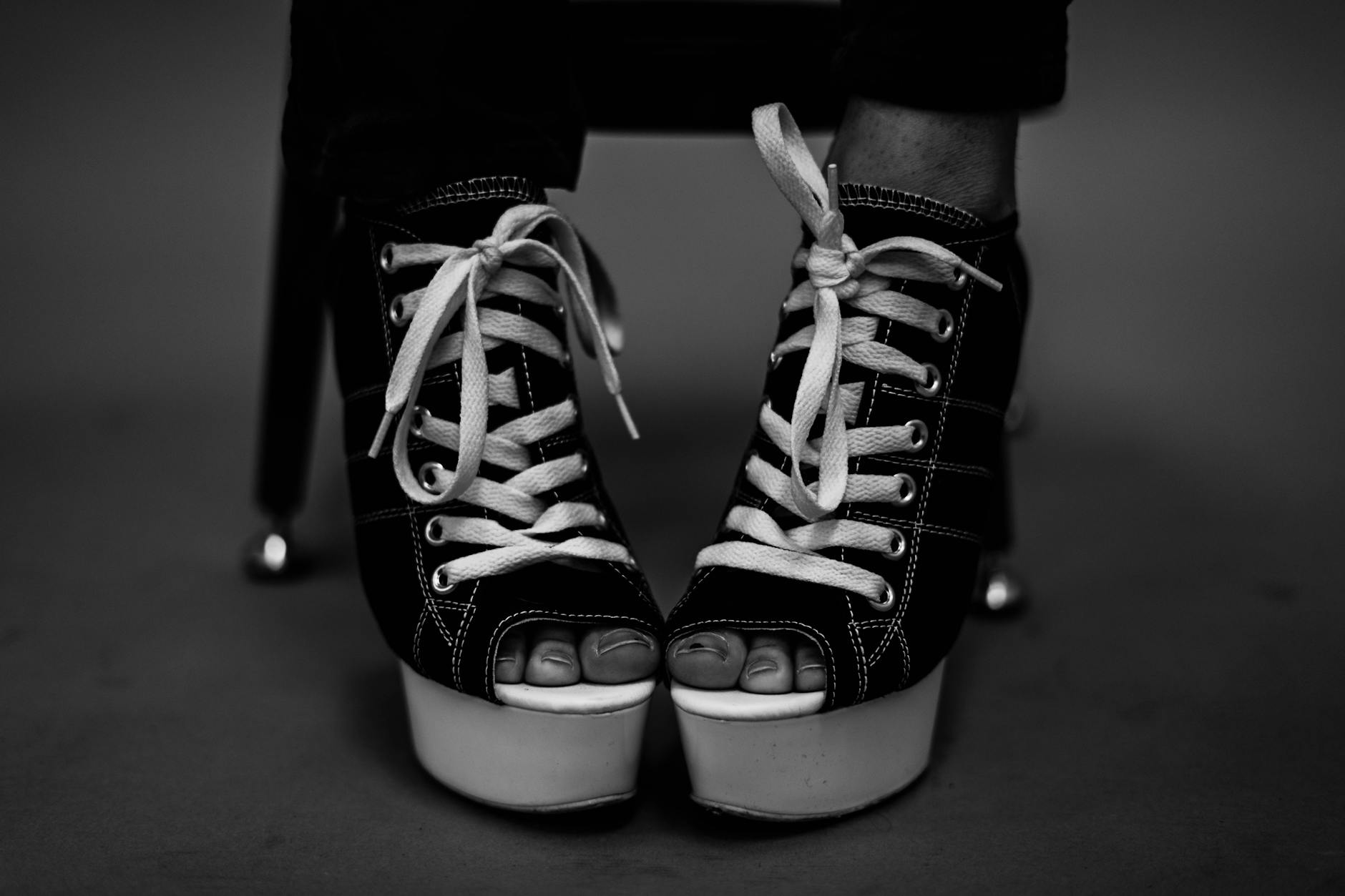
While clean minimal sneakers have won acceptance at a growing number of contemporary fine dining addresses the chunky platform trainer remains a step too far for most traditional establishments. The exaggerated sole height and streetwear aesthetic of platform sneakers create a visual disconnect with the formal and understated environment most premium restaurants cultivate. Restaurant dress code evolution has moved toward accepting refined footwear of various styles but platform trainers are frequently categorised alongside flip flops and foam clogs rather than with acceptable contemporary footwear. The height and bulk of the platform sole also creates practical concerns in the narrow spaces between closely placed tables in many restaurant layouts. Guests invested in trainer culture who want to dine formally are generally better served by choosing a low-profile clean leather option.
Festival Clothing
The layered bohemian aesthetic associated with music festivals including fringe details, face glitter, flower crowns, and patchwork fabrics creates an unmistakable visual identity that sits at the opposite end of the spectrum from fine dining expectations. Festival wear is specifically designed to communicate freedom from social norms and dress expectations which makes it directly oppositional to the etiquette-conscious culture of upscale restaurants. Many guests attempt to visit restaurants directly after festival events without changing and door staff at nearby establishments are well practised at managing these situations. The combination of outdoor wear, fabric wear, and festival accessories creates multiple simultaneous dress code violations in a single outfit. Even guests who have spent significantly on their festival look will find that investment counts for very little at the door of a serious restaurant.
Wet Swimwear

Clothing that is visibly damp from pool or beach use represents one of the most straightforward and universally applied dress code violations at any establishment above a beachside snack bar. The physical presence of wet fabric in a dining room creates immediate hygiene and comfort concerns for staff and fellow diners alike. Upscale resort restaurants and hotel dining rooms in beach destinations report this as one of their most commonly enforced policies particularly during peak summer seasons. The salt, sunscreen, and chlorine residue that typically accompanies swimwear from a day of water activity adds an additional dimension to the refusal beyond simple visual appearance. Even brief pool hops before a meal reservation require a complete change of clothing before a guest should attempt entry at any respected venue.
Overly Casual Shorts
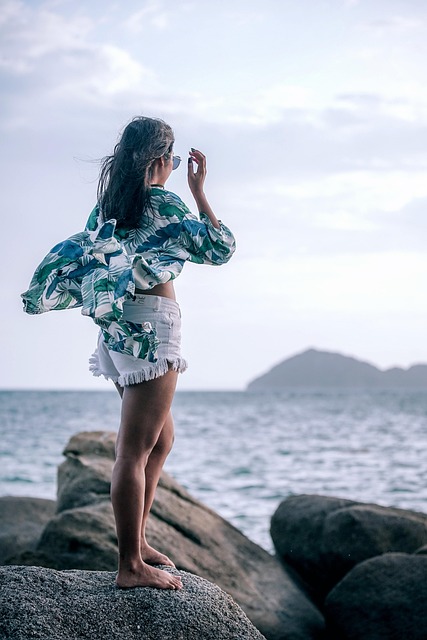
The distinction between acceptable and unacceptable shorts is one of the more nuanced areas of fine dining dress codes but extremely casual styles including cargo shorts, board shorts, and gym shorts are almost universally excluded. The pocket configuration, fabric weight, and hem length of casual shorts all function as signals that communicate the wearer’s relationship with formality. Some restaurants in warmer climates do permit tailored shorts of an appropriate length particularly at lunch service where standards are typically slightly relaxed. The issue is not shorts as a category but the specific styles that communicate beach, gym, or outdoor leisure activity rather than thoughtful dressing for a special occasion. Guests uncertain about whether their shorts meet a venue’s standard are almost always better served by changing into trousers before the reservation.
Loud Graphic Tees
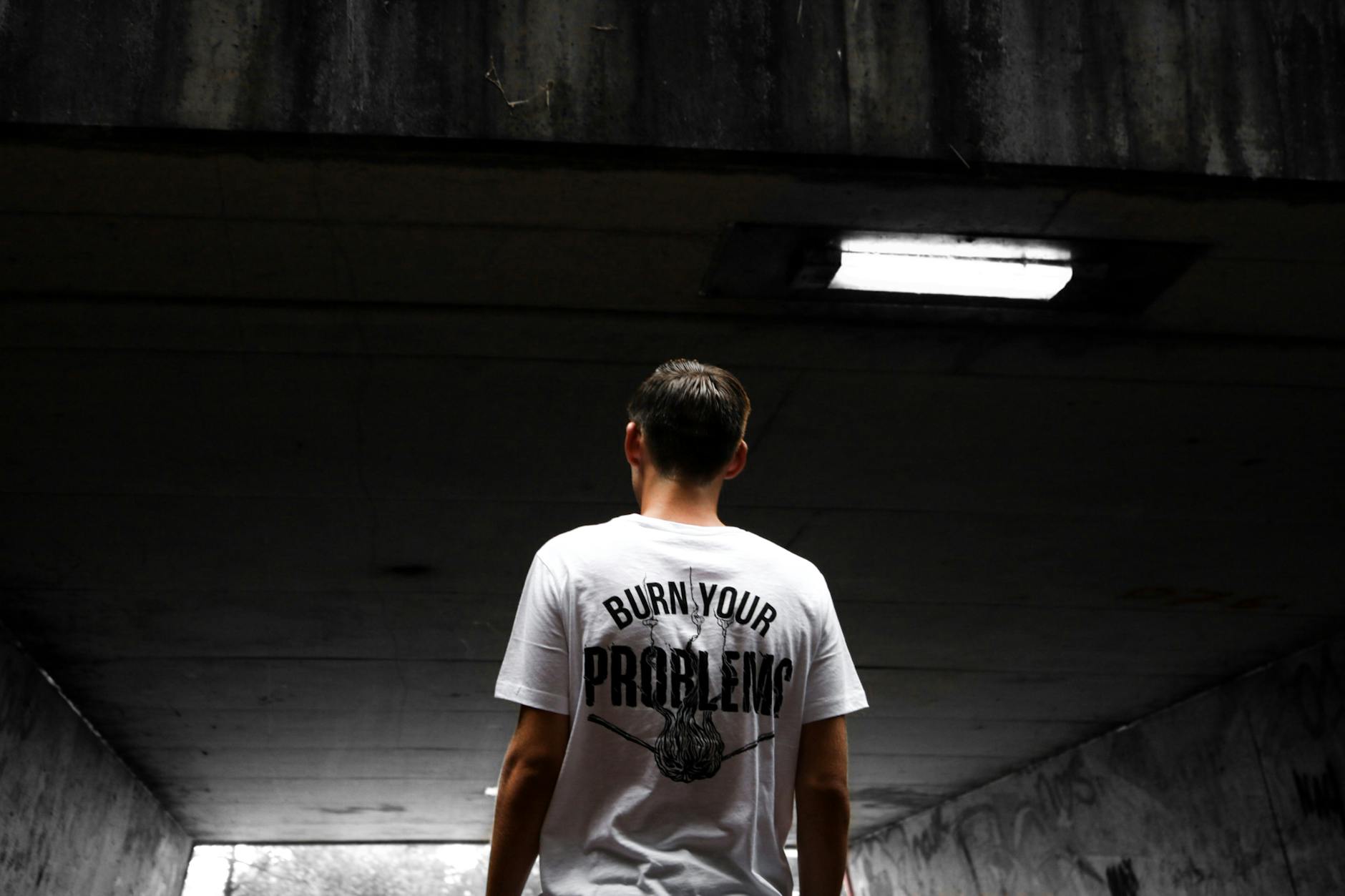
T-shirts featuring large graphic prints, band imagery, cartoon characters, or heavy commercial branding are treated as insufficiently formal at the overwhelming majority of upscale restaurants regardless of their cultural or collector value. The graphic tee exists comfortably at the centre of contemporary street culture and casual fashion but that cultural relevance does not translate to acceptance in formal dining rooms. Even vintage band tees with significant monetary value are assessed purely on their visual presentation rather than their cultural context when guests arrive at the door. Restaurant door staff are not making aesthetic judgements about the quality of the graphic but rather a practical assessment of whether the garment signals adequate effort and formality. A plain shirt in almost any colour is the straightforward substitution that resolves this issue entirely.
Tracksuits
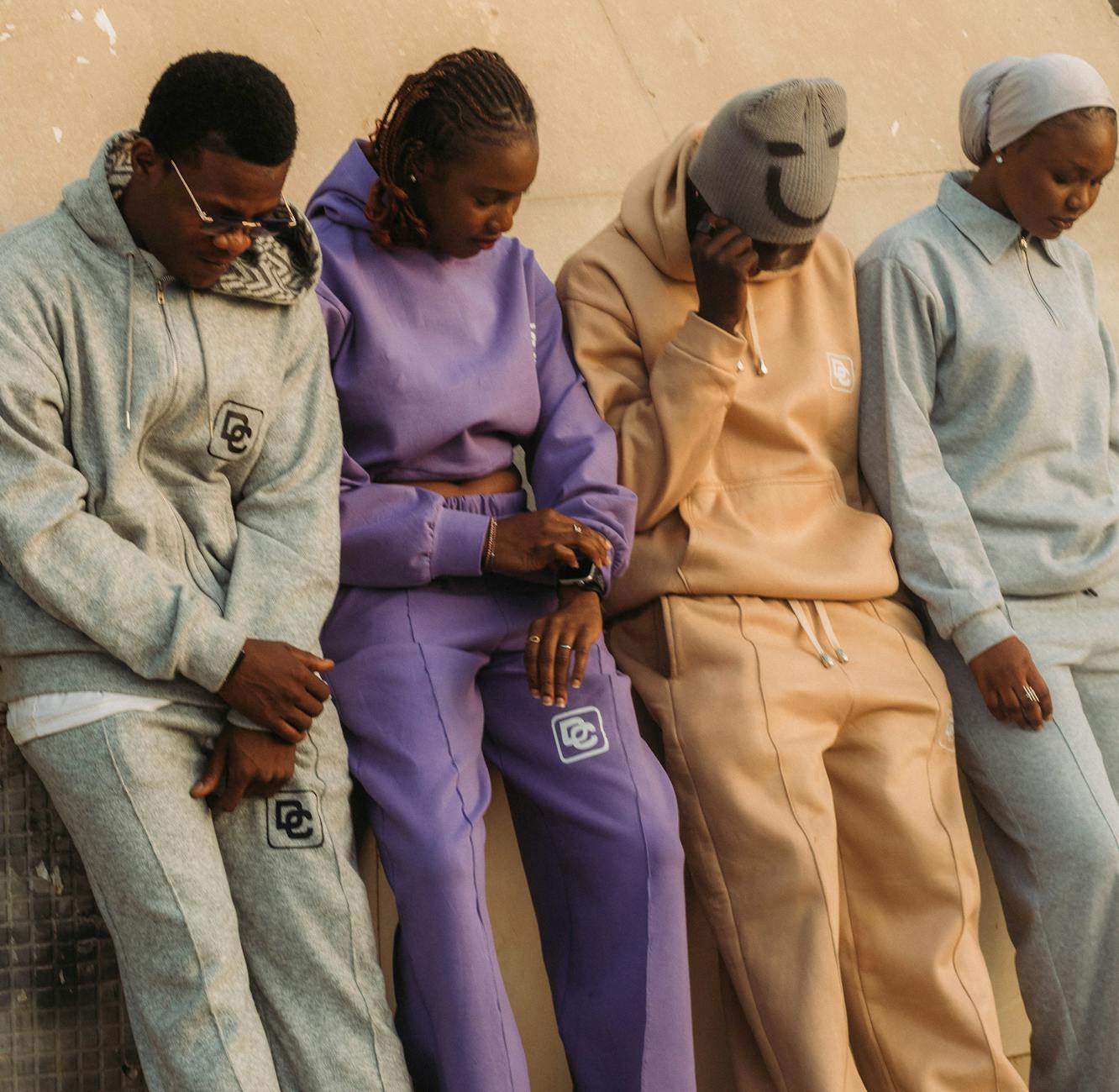
The matching tracksuit in any fabric or colourway sits firmly on the excluded side of the dress code line at virtually all high-end restaurants despite the garment’s sustained popularity in luxury fashion. The tracksuit’s origins and persistent cultural associations with sportswear and loungewear override any recontextualisation achieved by luxury branding or elevated fabrics. Velour, silk, and cashmere tracksuits have all been turned away at prestigious restaurant doors suggesting that fabric quality provides no meaningful exemption from the silhouette problem. Front-of-house managers consistently identify tracksuits as among the clearest signals that a guest has not engaged with the dress code expectations of the venue. The coordinated casual aesthetic communicates comfort-seeking over occasion-dressing in a way that upscale restaurants are unwilling to accommodate.
Halloween Makeup
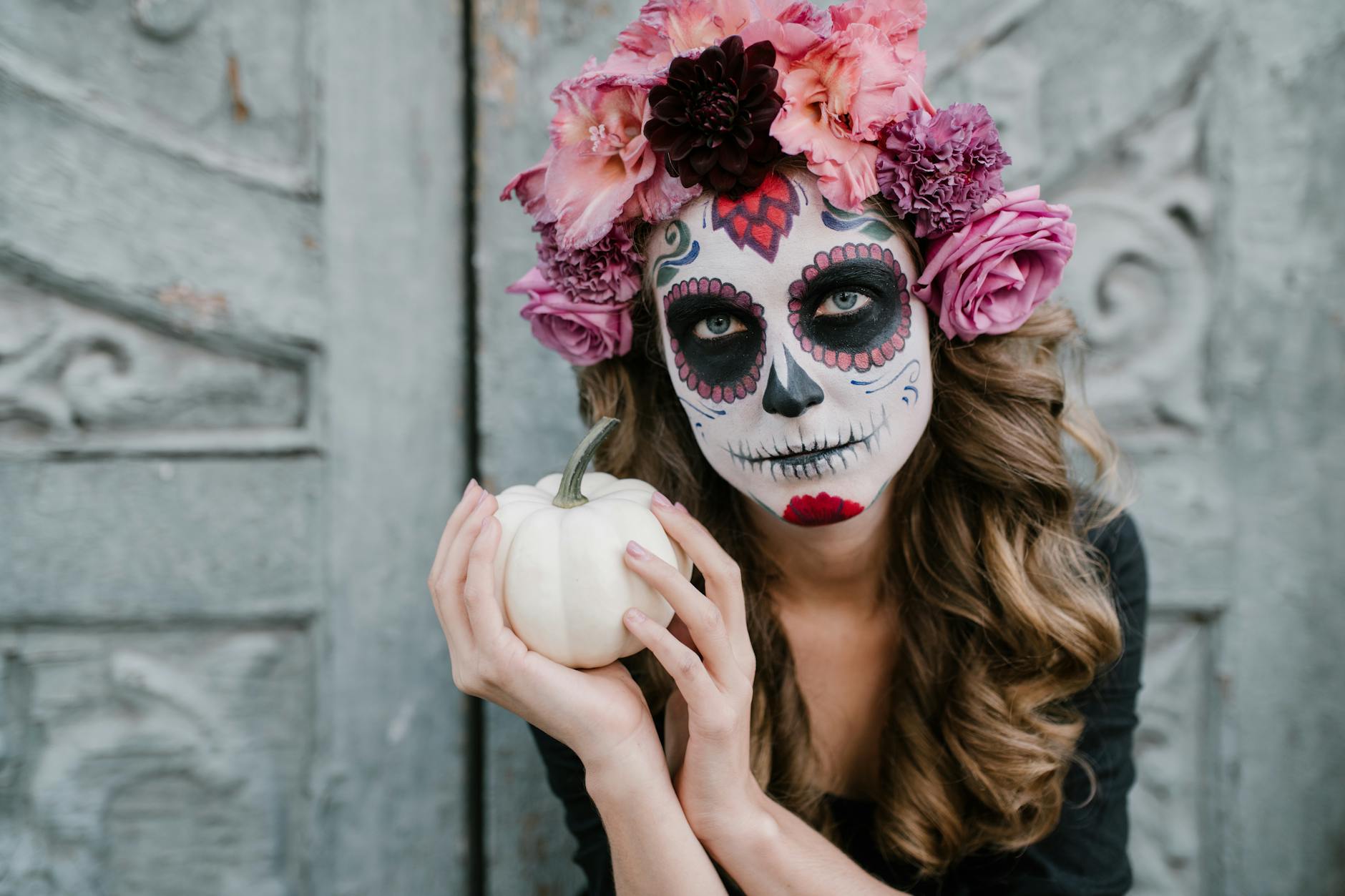
Theatrical face makeup including special effects wounds, full character face paint, and horror-themed cosmetics creates one of the most immediately disruptive visual presences possible in an upscale dining context. The restaurant industry sees a predictable surge in makeup-related refusals each October as guests attempt to move directly from Halloween celebrations to fine dining reservations. Even technically skilled makeup artistry is subject to refusal when it creates a character appearance that disrupts the visual consistency of the dining room. The practical concerns around elaborate face makeup including transfer to linens and glassware add a functional dimension to the aesthetic issue. Guests committed to a full Halloween look are well advised to treat any fine dining reservation as a separate occasion requiring its own preparation rather than an extension of the celebration.
Unkempt Casual
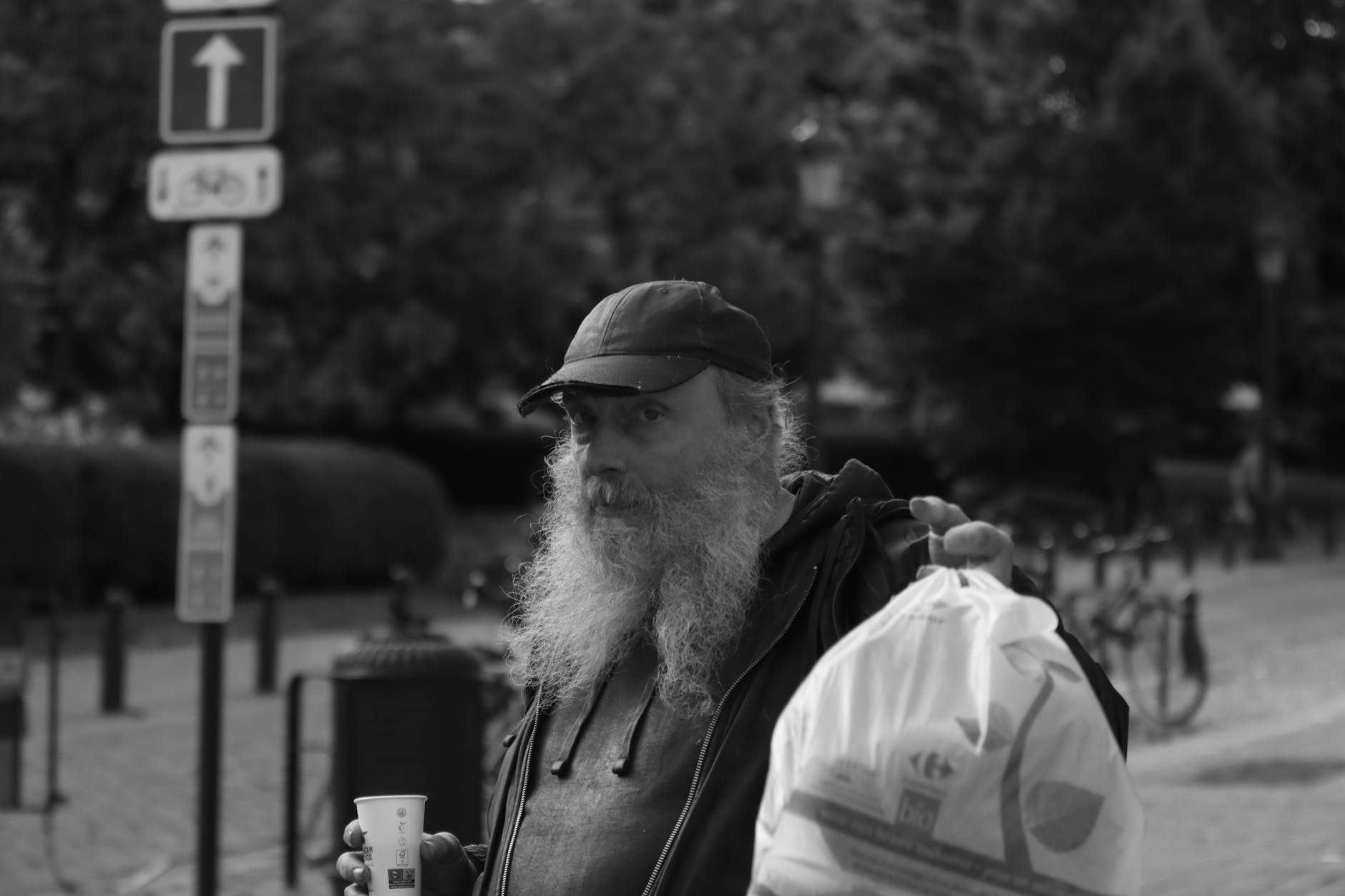
The final and perhaps most difficult category to enforce is general unkemptness including visibly wrinkled clothing, stained fabrics, unwashed garments, and an overall appearance of complete disregard for personal presentation. Fine dining dress codes exist not only to specify particular items but to communicate a general expectation of effort and intentionality in dressing for the occasion. Restaurant management reserves the right to decline service to guests whose overall appearance falls below the minimum standard the venue maintains regardless of whether specific items are technically permitted. The combination of multiple low-formality choices including wrinkled fabric, worn shoes, and dishevelled styling creates a cumulative presentation problem even when no single item would be turned away on its own. Upscale restaurants are investing significantly in every aspect of the dining experience and a baseline of reciprocal effort in guest presentation is considered a reasonable and widely accepted expectation.
If you have experienced a dress code encounter at a fine dining restaurant or have thoughts on where the line should be drawn between personal style and venue expectations, share your story in the comments.