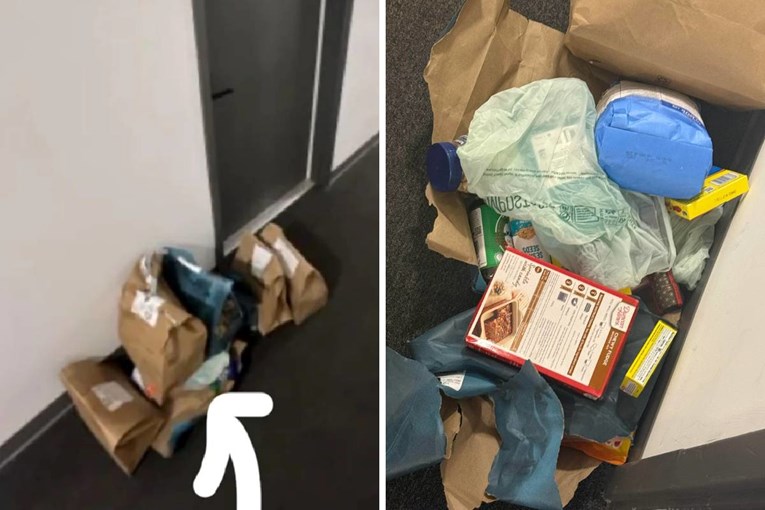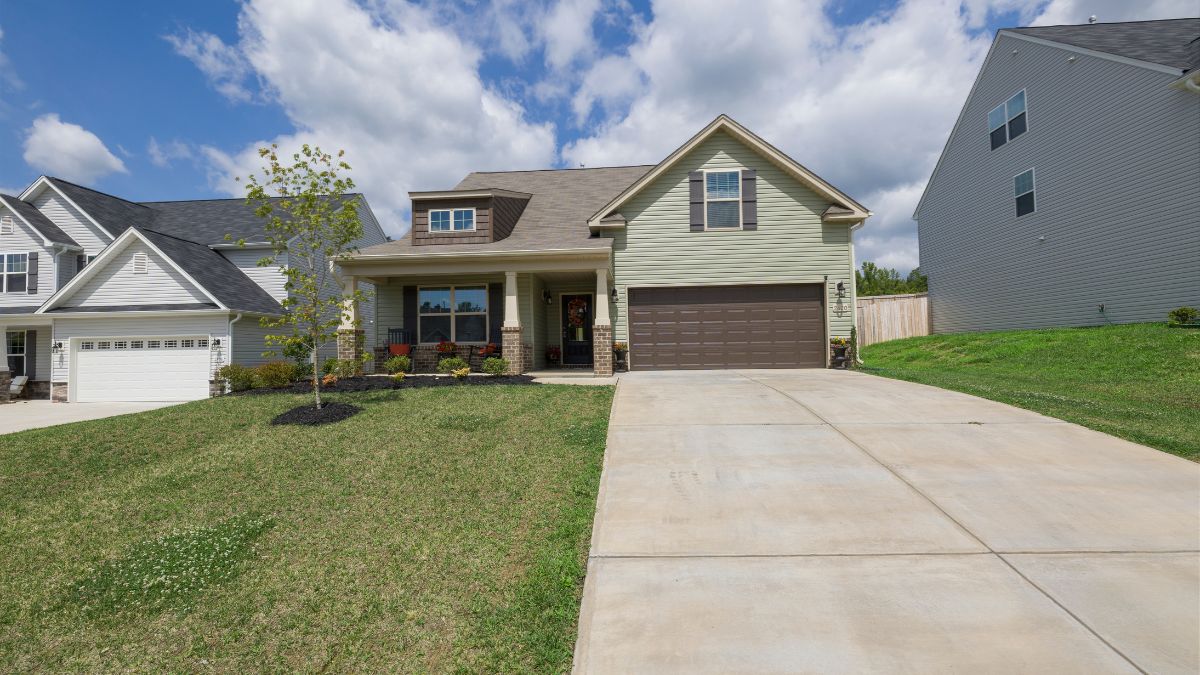
The driveway is one of the most visible elements of any home’s exterior presentation and its condition and styling communicate something immediate and lasting about the household behind it. Real estate professionals consistently identify driveway appearance as one of the first details that shapes a visitor’s or prospective buyer’s impression of an entire street. What homeowners sometimes fail to appreciate is that the choices they make about their driveway surface, decoration, and use extend visually into the shared neighborhood environment in ways that affect everyone around them. The gap between a driveway that enhances a street’s character and one that quietly undermines it often comes down to a small number of specific and entirely avoidable decisions.
Artificial Grass
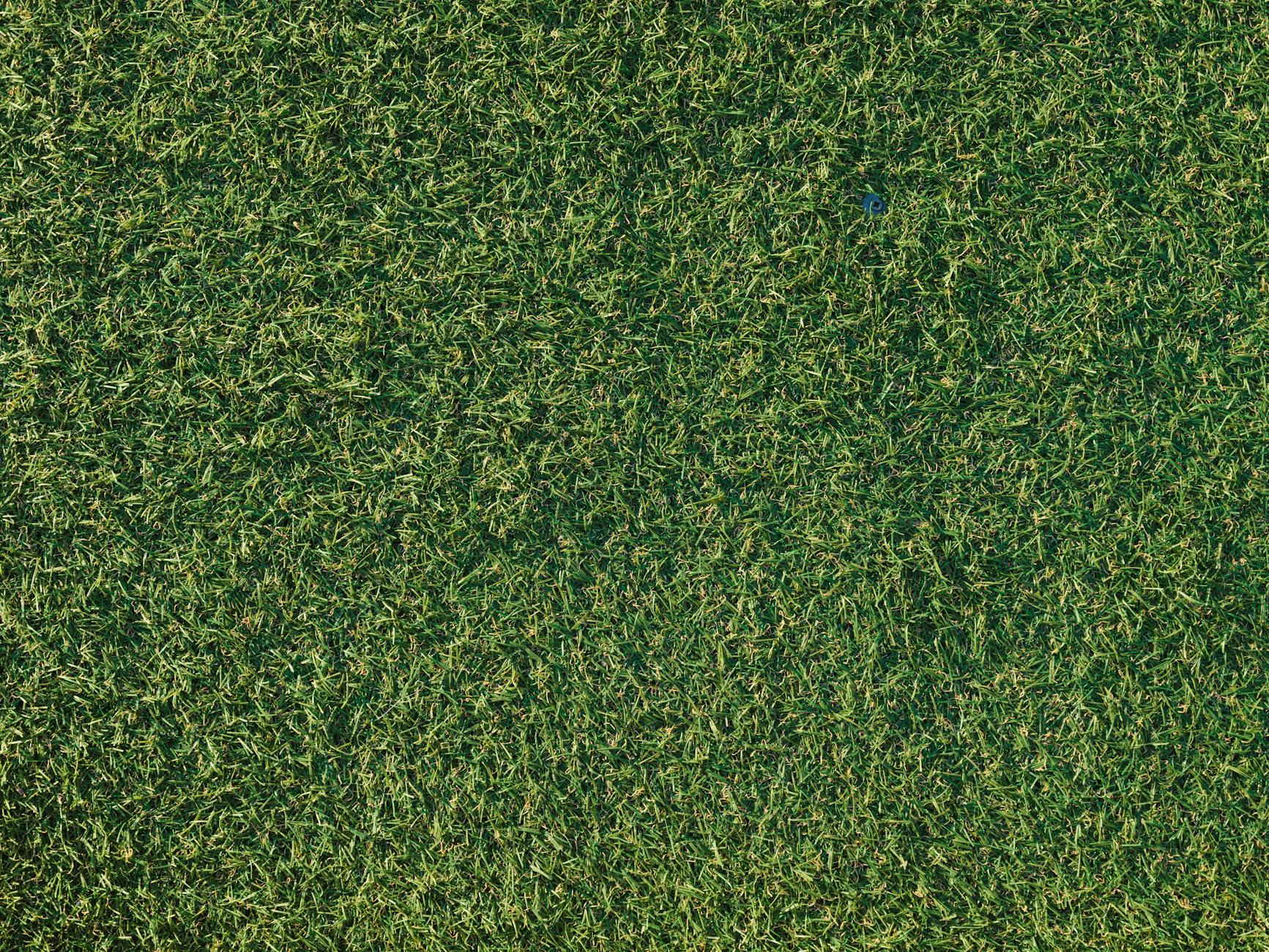
Replacing a driveway surface or bordering landscaping with artificial turf creates an immediate visual incongruity that experienced eyes identify as synthetic from a considerable distance regardless of the product’s stated realism. The uniform color saturation of artificial grass does not replicate the natural variation of living turf through seasons and the plastic sheen visible in direct sunlight is a consistent giveaway that no current product has fully solved. Neighbors and passersby who encounter artificial turf driveway borders in otherwise naturally landscaped streets report a specific visual discomfort that is difficult to articulate but consistently present. The material also accumulates dust, debris, and discoloration in ways that living grass self-corrects through growth meaning the synthetic alternative tends to look progressively less convincing as it ages.
Painted Murals
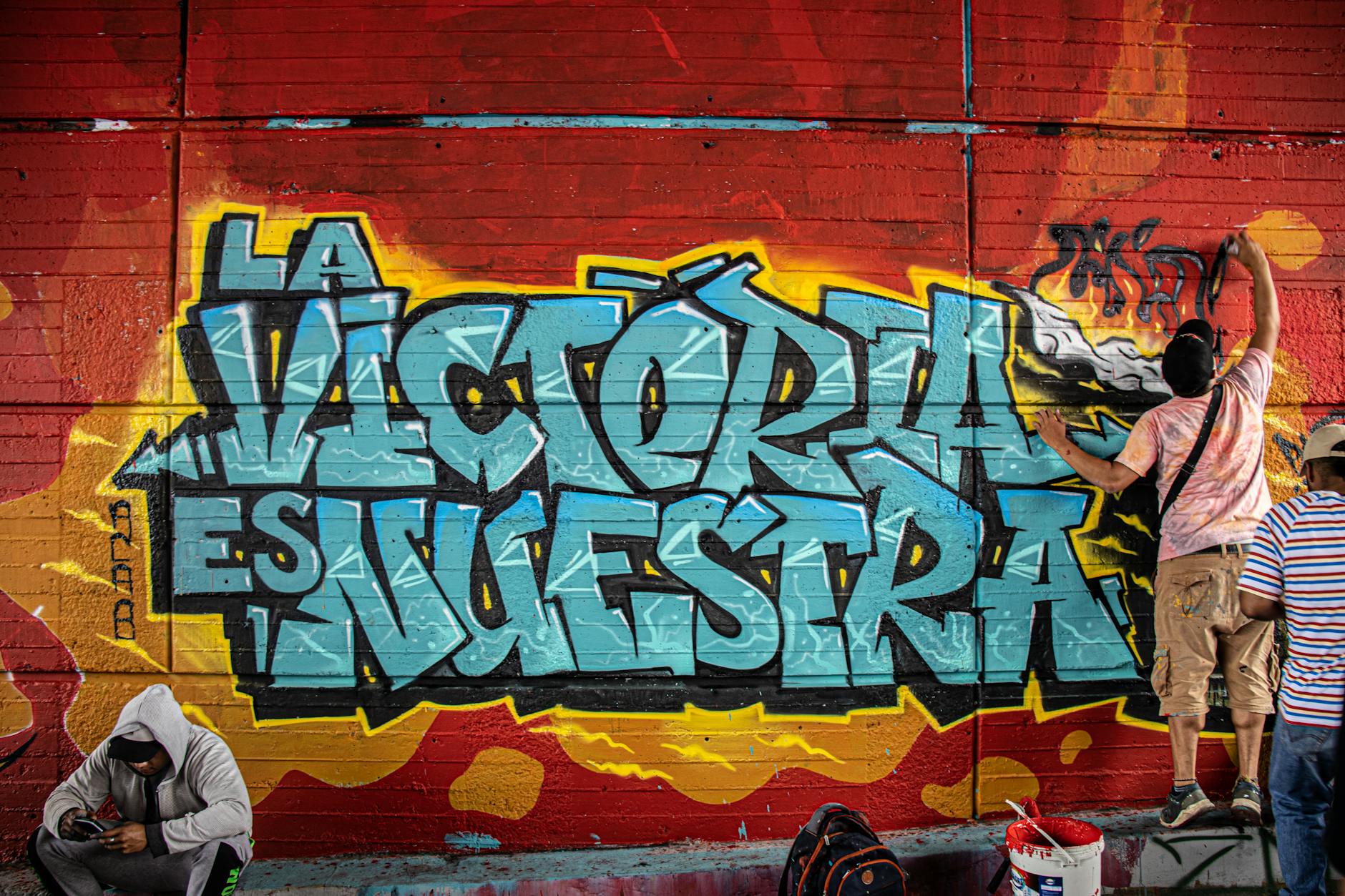
Commissioning or applying large decorative murals directly onto driveway concrete or asphalt surfaces transforms a functional exterior element into a personal artistic statement that the entire neighborhood receives without consent. The artistic merit of the mural itself is largely irrelevant to its impact on surrounding property values and street aesthetics because the scale and permanence of the installation imposes a visual claim on the shared streetscape. Neighbors whose own properties are designed with restraint find that an adjacent driveway mural becomes a dominant visual element in their own sightlines regardless of their personal taste. Municipal regulations in many jurisdictions do not specifically address driveway murals leaving affected neighbors with limited formal recourse despite the significant visual impact on their shared environment.
Gravel Overflow
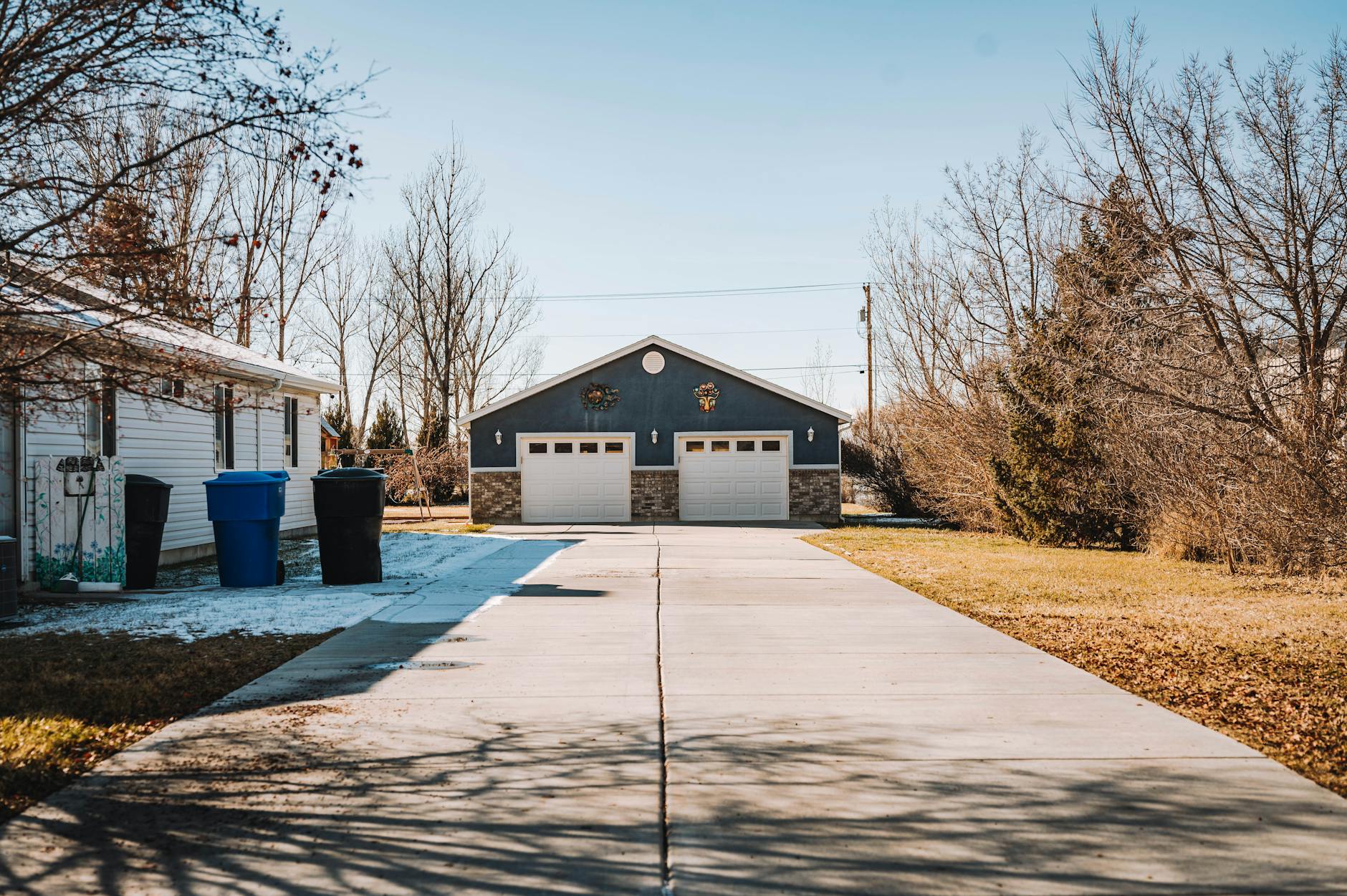
Installing loose gravel as a driveway surface without adequate edging or containment creates a migration problem that deposits stones across sidewalks, gutters, neighboring lawns, and roadways with every vehicle movement and rain event. The initial installation may appear contained but the physics of tire movement and water flow mean that gravel driveways without professional edging systems become progressively more invasive over time. Neighbors who find loose stones in their lawns, flowerbeds, and on their side of the property boundary develop a quiet and justified frustration with the management choices their neighbor has made. Local councils in many areas have begun receiving complaints about gravel migration from adjacent properties with sufficient frequency to consider surface containment requirements in residential planning guidelines.
Excessive Lighting

Installing commercial-grade floodlighting, colored LED strips, or motion-activated systems calibrated for industrial rather than residential environments turns a driveway approach into a light pollution source that disrupts the nighttime visual environment of the entire surrounding street. The impact on immediate neighbors is most severe with windows facing the installation receiving light intrusion that affects sleep environments and interior ambiance regardless of the distance between properties. Residential lighting design professionals consistently distinguish between functional security lighting scaled to domestic needs and performative illumination that prioritizes visual impact over neighborhood compatibility. Planning authorities in urban and suburban areas increasingly receive nuisance light complaints related to residential driveway lighting as the availability of high-output LED systems at consumer price points has made over-illumination accessible to any homeowner.
Rusted Equipment
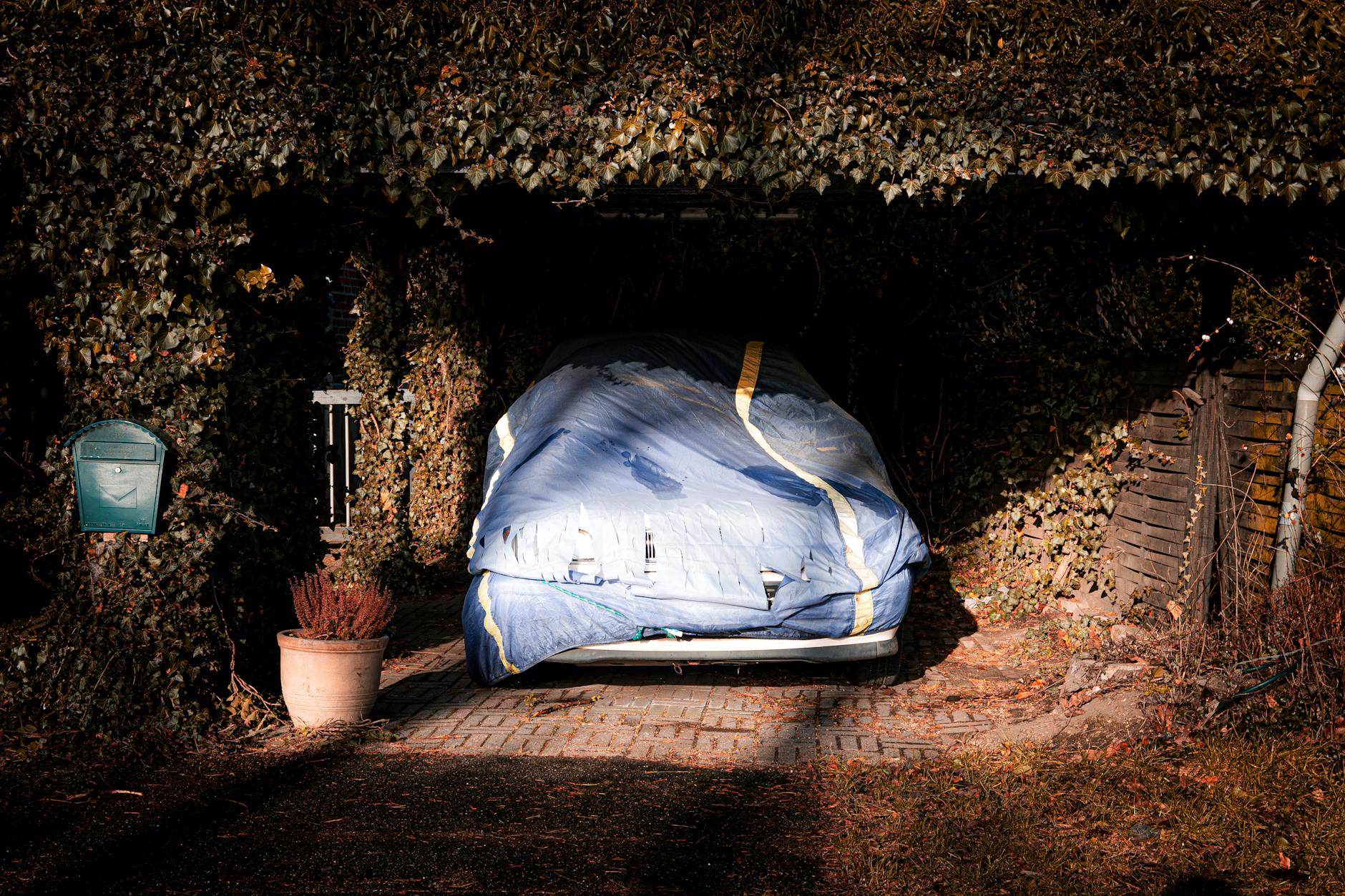
Storing non-operational vehicles, broken machinery, agricultural equipment, or industrial tools in a visible driveway position creates a long-term aesthetic impact that immediately signals neglect to every person who passes the property. The oxidation process that produces rust is visually progressive meaning the problem becomes more visually dominant with each passing season rather than stabilizing at a fixed level of impact. Real estate agents working in neighborhoods with visible rusted equipment storage consistently identify it as a suppressor of surrounding property values because prospective buyers form negative impressions of entire streets from single prominent examples. Homeowners associations in residential communities where such storage is permitted have documented that properties adjacent to visible equipment storage take longer to sell and achieve lower final sale prices than comparable properties elsewhere in the same development.
Sports Installations
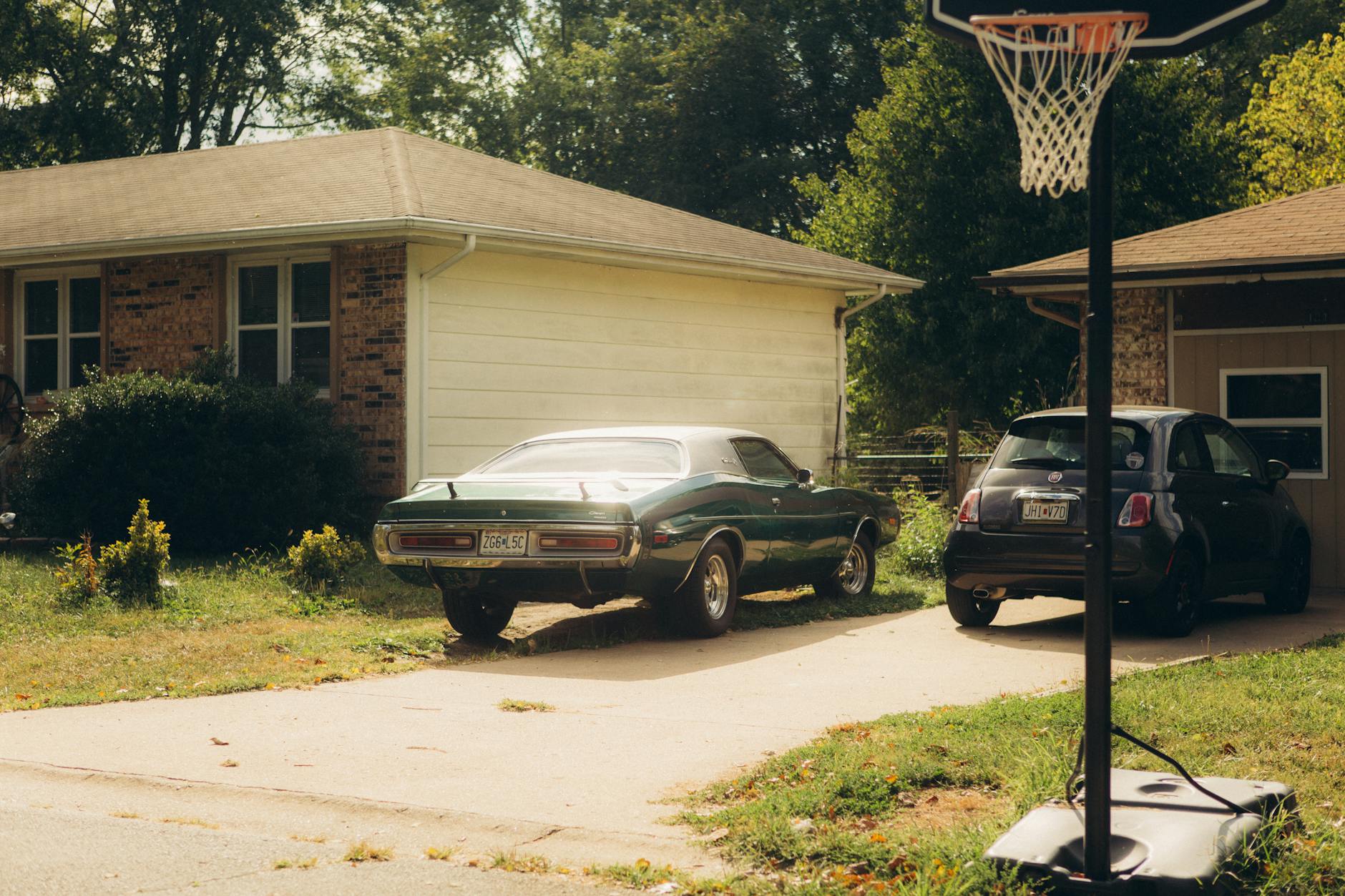
Permanently mounting basketball hoops directly into driveway concrete with no provision for removal or repositioning creates a fixture that dominates the visual character of the property frontage regardless of whether it is actively in use. The structural poles and backboard assemblies used in permanent installations have a visual weight that reads as institutional rather than domestic particularly in streets where other properties maintain clean uncluttered frontages. The associated noise dimension of active basketball play in a driveway environment affects neighbors differently depending on proximity and orientation but the visual dimension of the permanent installation is constant regardless of use patterns. Portable systems that can be moved to the rear of the property when not in use represent a straightforward alternative that preserves both recreational functionality and street-facing visual quality.
DIY Paving

Attempting large-scale driveway paving, resurfacing, or repair work without professional skills or equipment produces surface results that are visually distinguishable from professional work at normal viewing distances and that deteriorate at accelerated rates due to improper substrate preparation and material application. The most common visual indicators of amateur paving work include uneven surface planes, inconsistent joint spacing in block paving, visible trowel marks in concrete work, and patchy color distribution in asphalt applications. These visual characteristics are immediately apparent to neighbors and visitors even when the homeowner cannot objectively assess the quality gap between their work and a professional standard. The longevity problem compounds the initial visual issue because amateur surfaces crack, heave, and deteriorate faster than professionally installed alternatives requiring repeated repair cycles that create an ongoing visual chronicle of the original installation’s shortcomings.
Plastic Ornaments
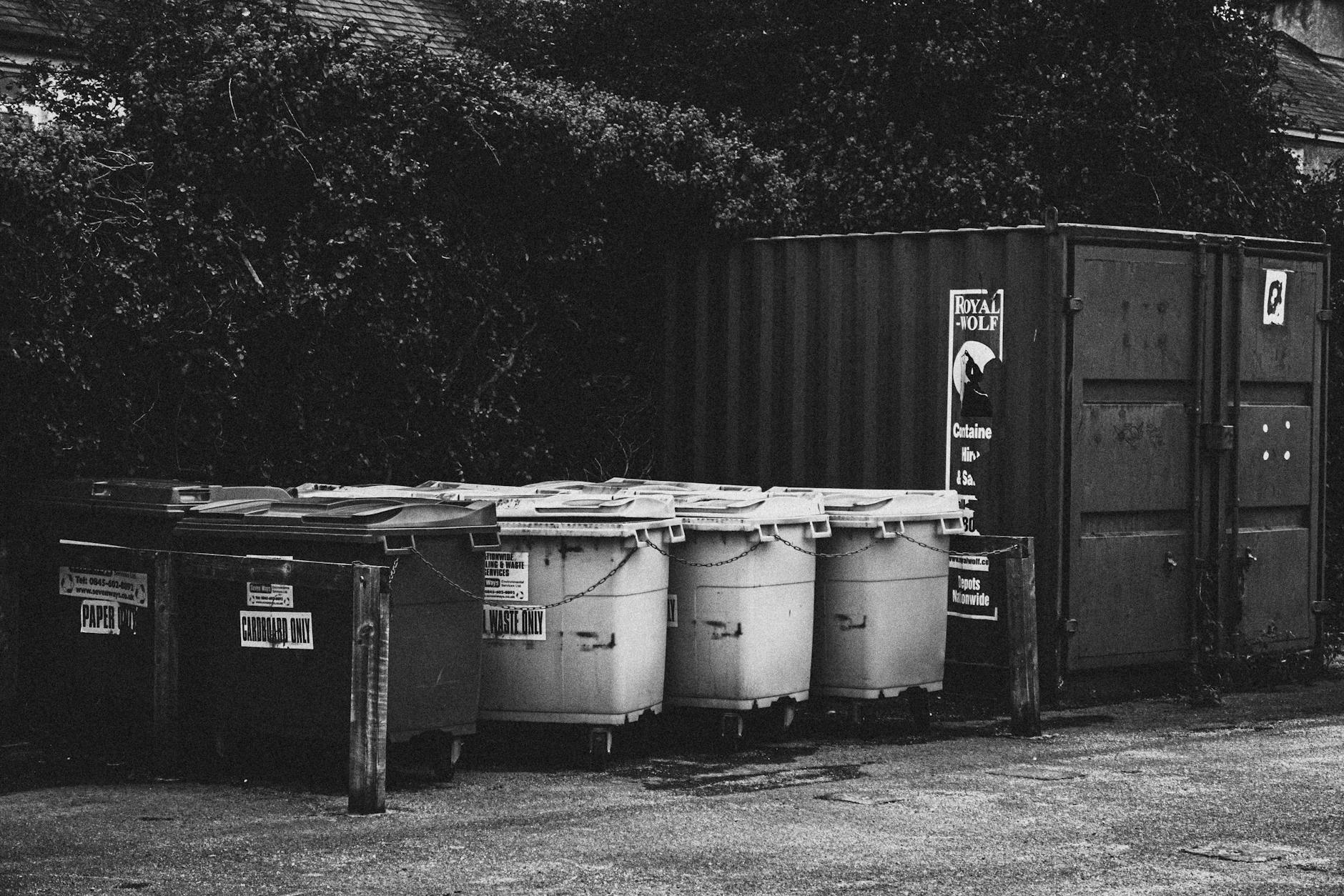
Populating driveway borders and entrance areas with large quantities of plastic garden ornaments including gnomes, flamingos, novelty animals, and decorative characters creates a visual environment that reads as cluttered and thematically inconsistent to neighbors and passersby regardless of the homeowner’s personal affection for the items. The material quality of mass-produced plastic ornaments degrades visibly in outdoor conditions with ultraviolet exposure causing color fading and surface chalking that accelerates the transition from decorative to shabby. Ornament collections that grow incrementally over time tend to lose whatever internal visual coherence they originally possessed becoming accumulations rather than curated displays. The scale at which some homeowners deploy these items transforms a residential driveway into an environment that creates strong and lasting impressions on the street’s overall aesthetic character.
Spray Paint Numbers
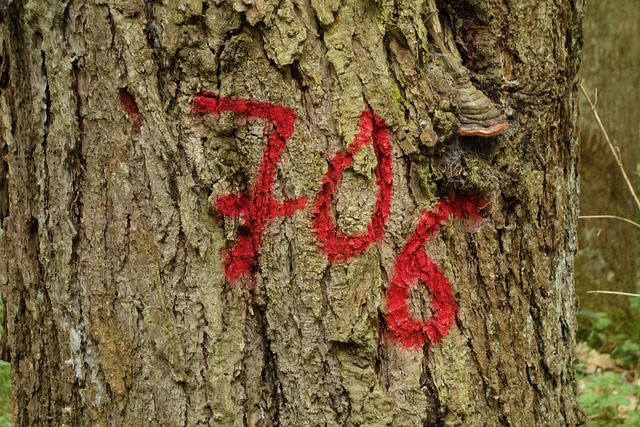
Applying house numbers to driveway surfaces, curb edges, or entrance pillars using aerosol spray paint rather than professional signage or engraved numerals creates an immediately visible quality gap between the application and every other property on the street that uses standard numbering systems. The informal character of spray-applied numbers communicates urgency or improvisation rather than considered property presentation and the font and edge quality produced by freehand spray application is visually inconsistent with residential exterior design standards. Spray paint applied to concrete or asphalt surfaces fades unevenly and resists clean removal creating a semi-permanent visual marker that occupies the most publicly visible surface of the property. Professional alternatives including engraved stone pillars, cast metal numerals, and illuminated address signs are available at modest cost and create an entirely different quality of impression.
Unmarked Oil Stains
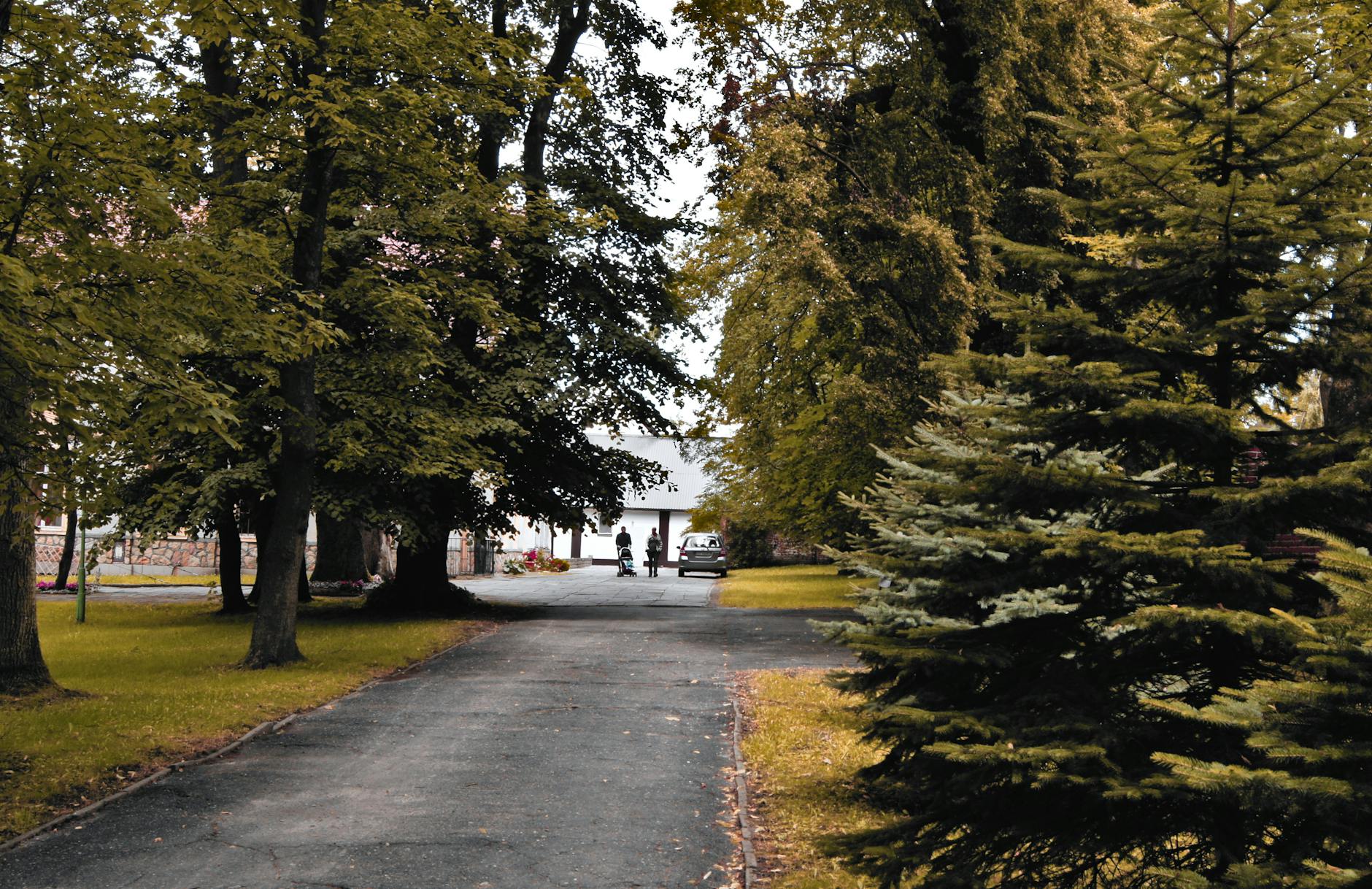
Allowing persistent oil, coolant, or transmission fluid stains to accumulate on a driveway surface without treatment or cleaning communicates active vehicle maintenance neglect that is visible to every neighbor and passerby from the public street. The visual impact of large dark staining on light concrete or block paving is significant because the contrast between clean and stained areas draws the eye directly and the nature of the staining is immediately identifiable to anyone familiar with vehicle maintenance. Beyond the aesthetic dimension oil staining represents an environmental concern as rainfall events transport petroleum compounds from driveway surfaces into storm drain systems and ultimately into waterways. Effective staining removal products and surface sealants are widely available and the maintenance investment required to keep a driveway surface clean is modest relative to the visual and environmental impact of accumulated staining.
Crumbling Edges
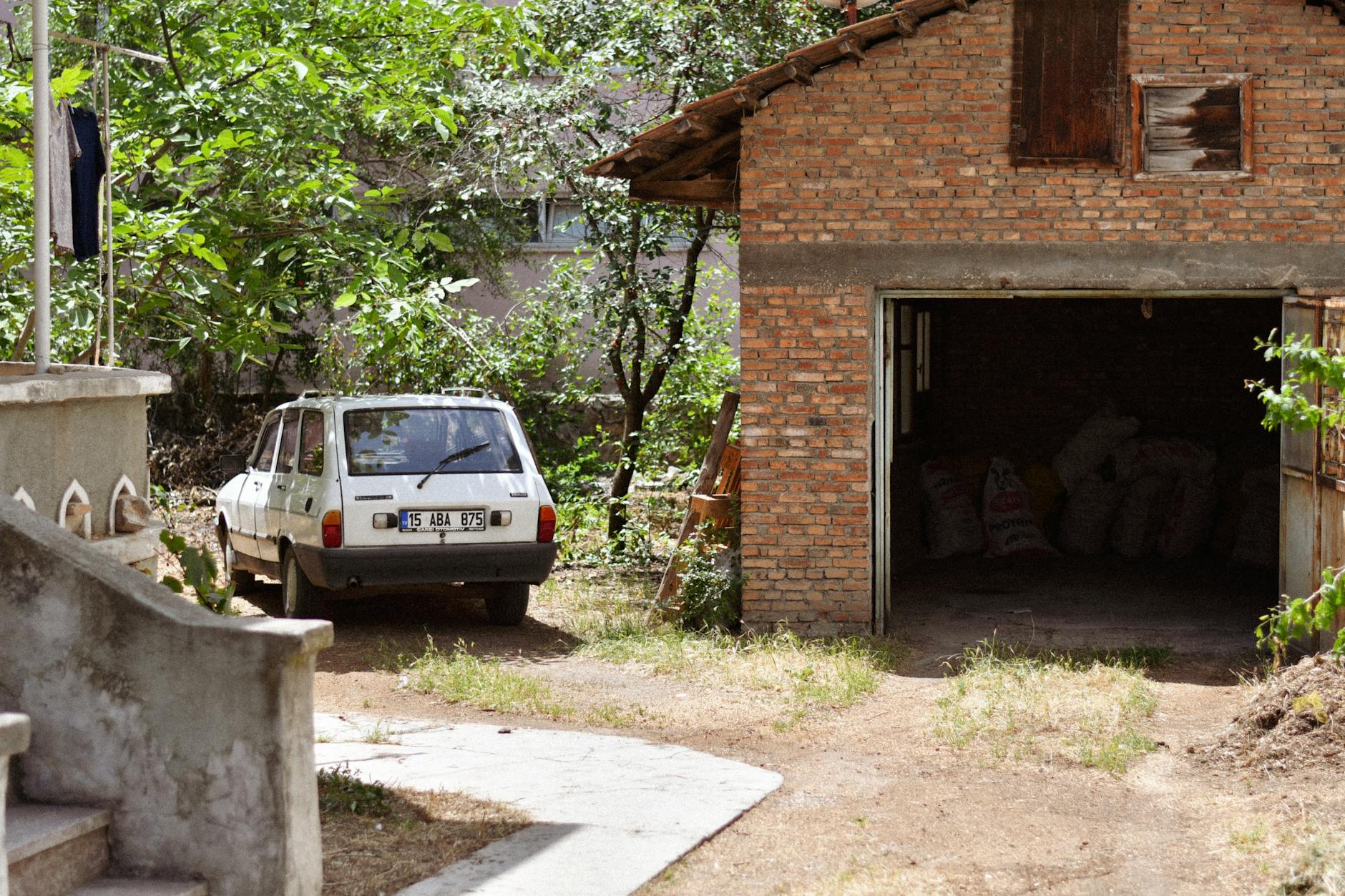
Allowing driveway edges to crumble, crack, and erode without repair creates a progressively deteriorating boundary condition that fragments the visual relationship between the driveway surface and the surrounding lawn or landscaping. Edge deterioration is among the most visible forms of driveway neglect because the perimeter of a surface is the element most readily seen from the street and the transition zone between the hard surface and the soft landscape is where quality of installation and maintenance is most clearly expressed. Unrepaired edge crumbling also accelerates surface deterioration because the structural integrity of a paved surface depends partly on the containment provided by intact edges. Homeowners who address interior surface maintenance while ignoring edge conditions create a visual impression of selective neglect that is often more aesthetically damaging than general wear across the whole surface.
Excessive Signage
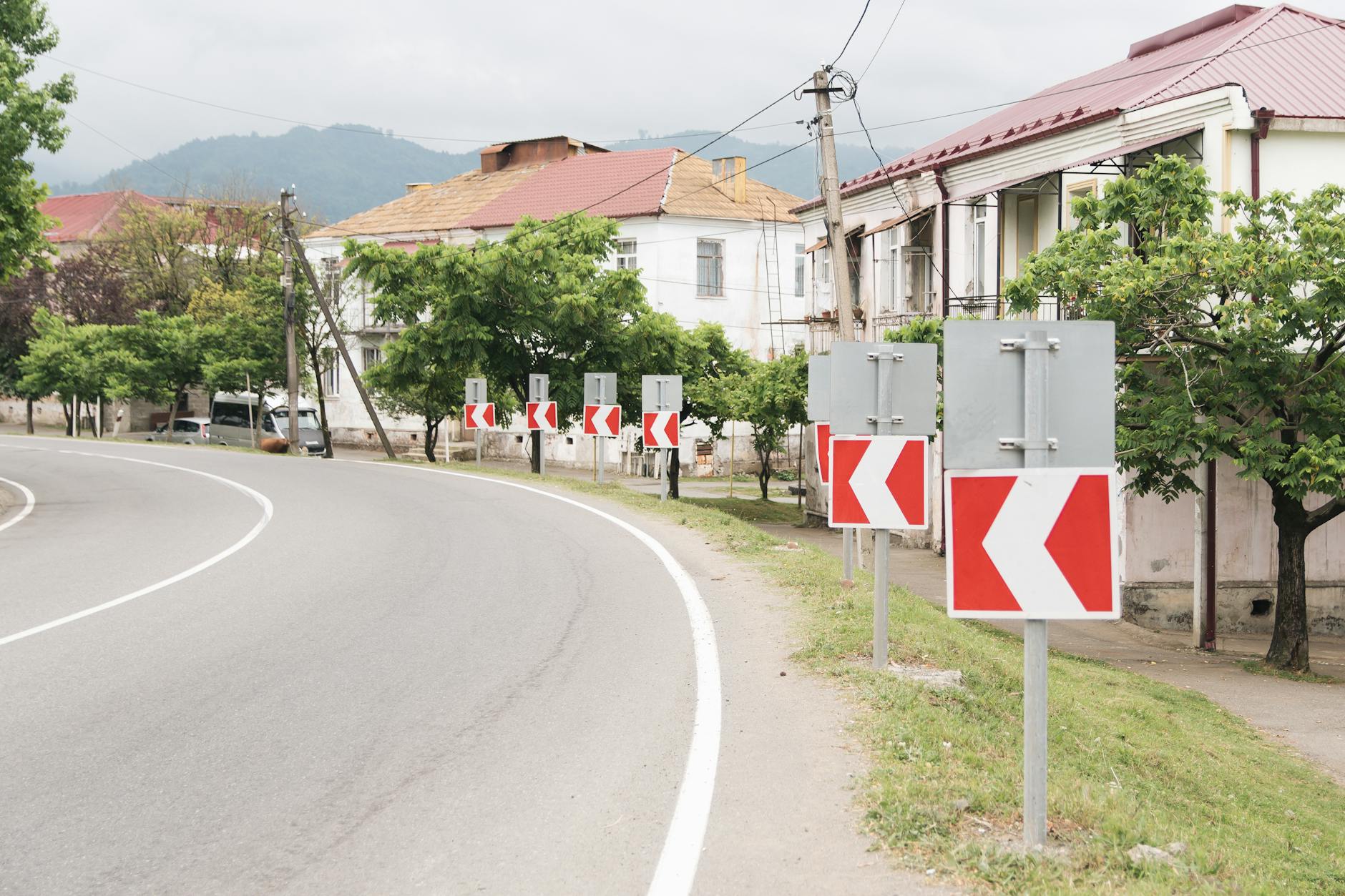
Installing multiple warning signs, decorative plaques, motivational quotes, humorous notices, or private property declarations across driveway entrance areas creates a signage density that transforms a residential frontage into something resembling a commercial or institutional property boundary. Individual signs serving genuine functional purposes such as security system notices or vehicle clearance warnings are entirely reasonable but the accumulation of thematic or decorative signage beyond minimal functional requirements creates visual noise that affects the character of the surrounding street. Neighbors whose own properties maintain clean uncluttered frontages find that an adjacent property with extensive driveway signage becomes a visual reference point for the entire block that influences impressions of the neighborhood as a whole. The specificity and tone of some decorative driveway signage also communicates information about the household’s social attitudes that immediate neighbors may find themselves involuntarily associated with by proximity.
Pothole Neglect
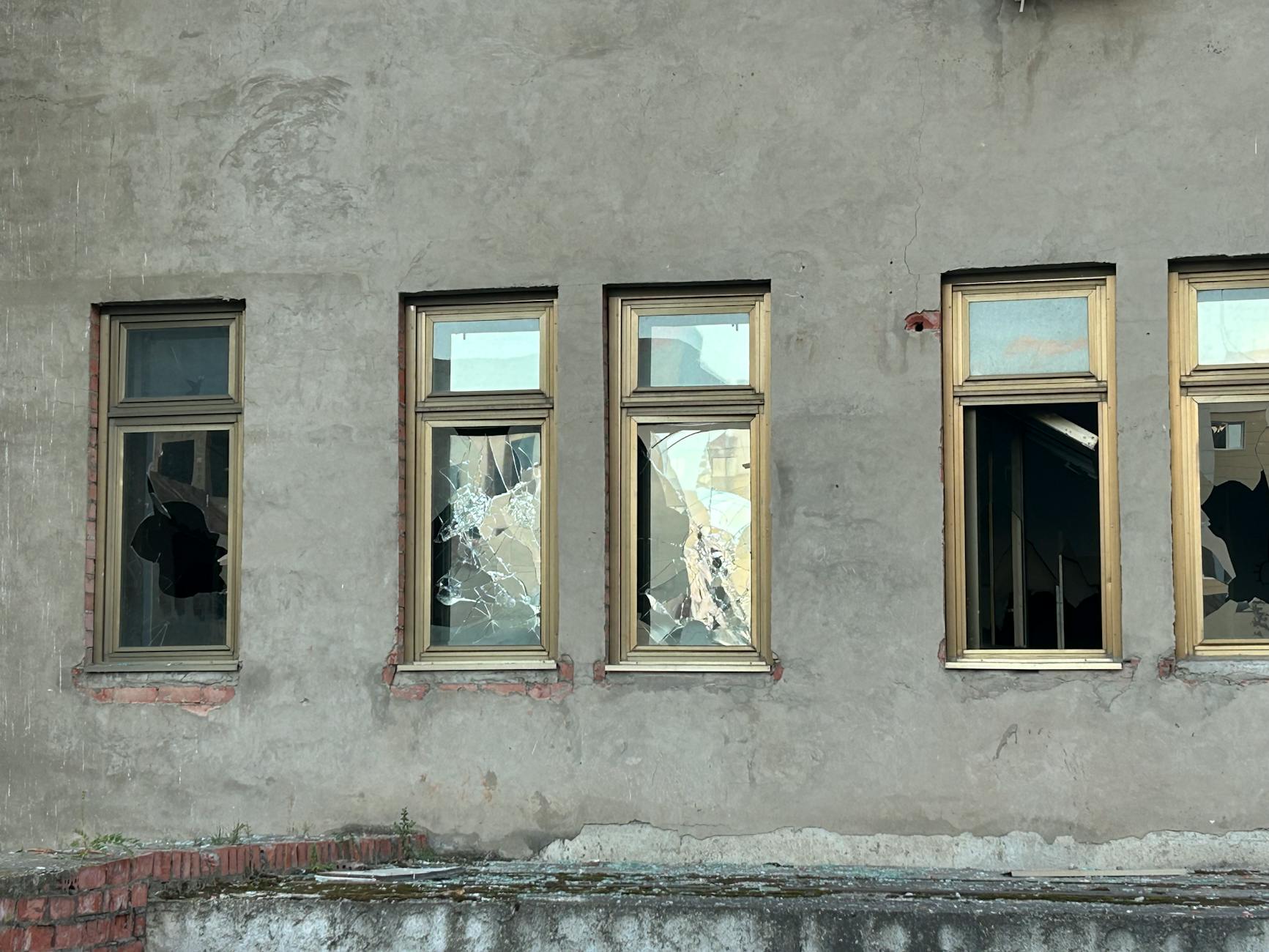
Leaving significant surface depressions, cracking patterns, or structural failures unrepaired in a driveway surface over extended periods communicates a level of property maintenance disengagement that affects how the entire property and its surroundings are perceived. The progression of unrepaired pavement damage follows a predictable deterioration curve where initial surface cracking allows water ingress that accelerates subsurface degradation and produces increasingly severe surface failure with each freeze-thaw cycle. Neighbors who maintain their own properties to a reasonable standard find visible deterioration in adjacent driveways frustrating because the maintenance gap creates an uneven quality baseline for the street that affects collective property values. Driveway repair products suitable for DIY application are widely available and early intervention in cracking and surface deterioration costs substantially less than the full resurfacing required when neglect is allowed to reach structural failure stage.
Temporary Fencing
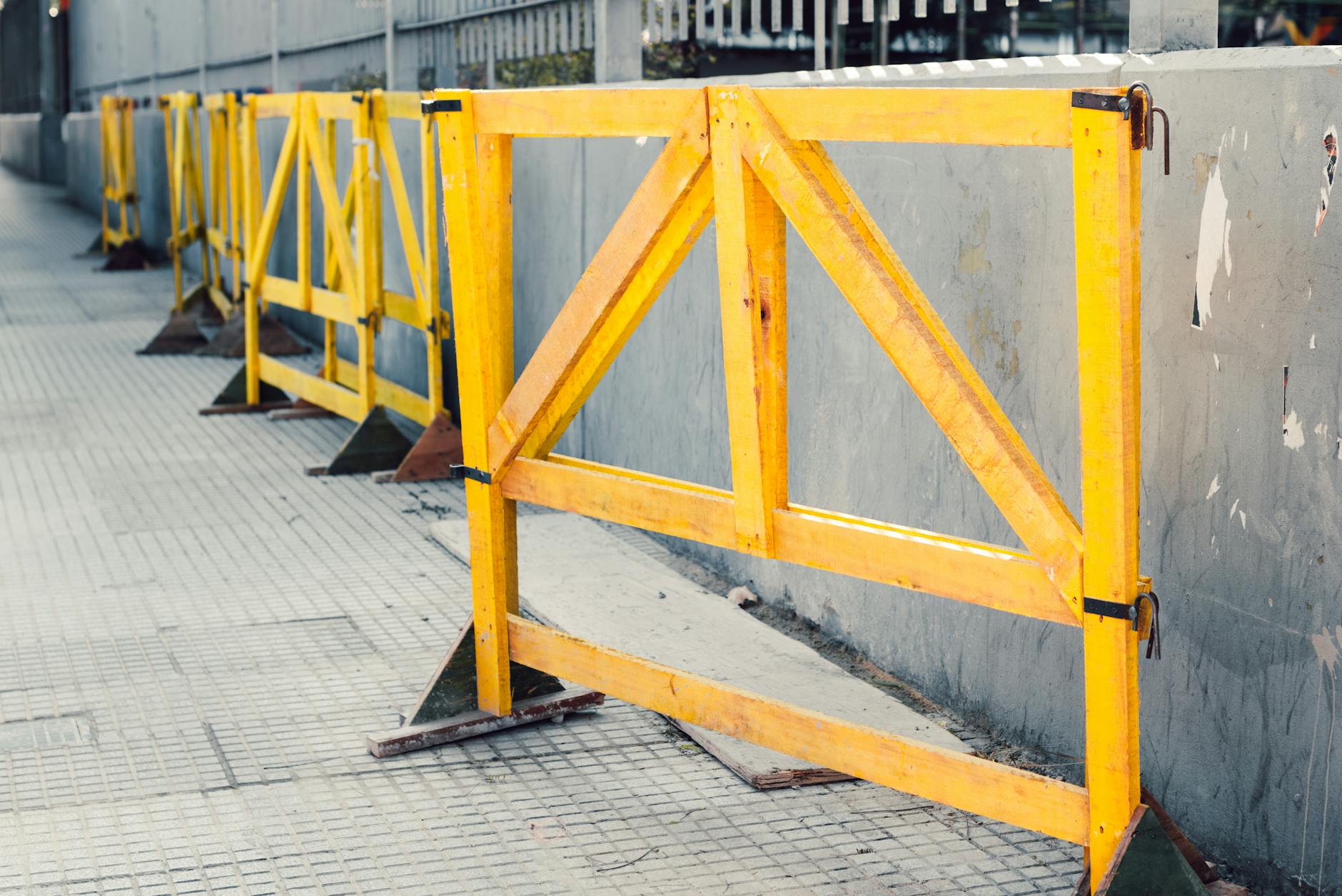
Installing temporary construction fencing, plastic barrier posts, or improvised boundary markers along driveway edges as a permanent spatial definition solution creates an immediate institutional or construction-site visual register that is entirely at odds with residential street character. The materials used in temporary fencing systems are specifically designed for impermanence and their visual language communicates unfinished conditions rather than settled residential property. Neighbors who observe temporary fencing installations that persist through multiple seasons develop reasonable assumptions about the property management standards being applied to the rest of the home that may not accurately reflect the actual condition of the property behind the fence line. Permanent boundary solutions including planted hedging, low masonry walls, timber post and rail systems, and metal railing installations are available across a wide price range and any of them communicates a fundamentally different property management intention than temporary fencing.
Abandoned Vehicles

Parking non-operational, unregistered, or extensively damaged vehicles in a driveway position where they are visible from the street creates a property presentation impact that real estate professionals consistently identify as one of the most significant suppressors of surrounding home values in residential neighborhoods. The visual presence of a vehicle in obvious disrepair communicates active neglect at a scale that is difficult for neighboring properties to counteract regardless of their own maintenance standards. In many jurisdictions the storage of unregistered vehicles in a street-visible position for extended periods constitutes a municipal code violation that can result in formal notices and ultimately enforced removal at the owner’s expense. The gap between the visual impact of an abandoned vehicle on a property’s street presence and the relatively modest cost of removal or storage alternatives makes this one of the more perplexing maintenance decisions that neighborhood observers encounter.
Mismatched Materials
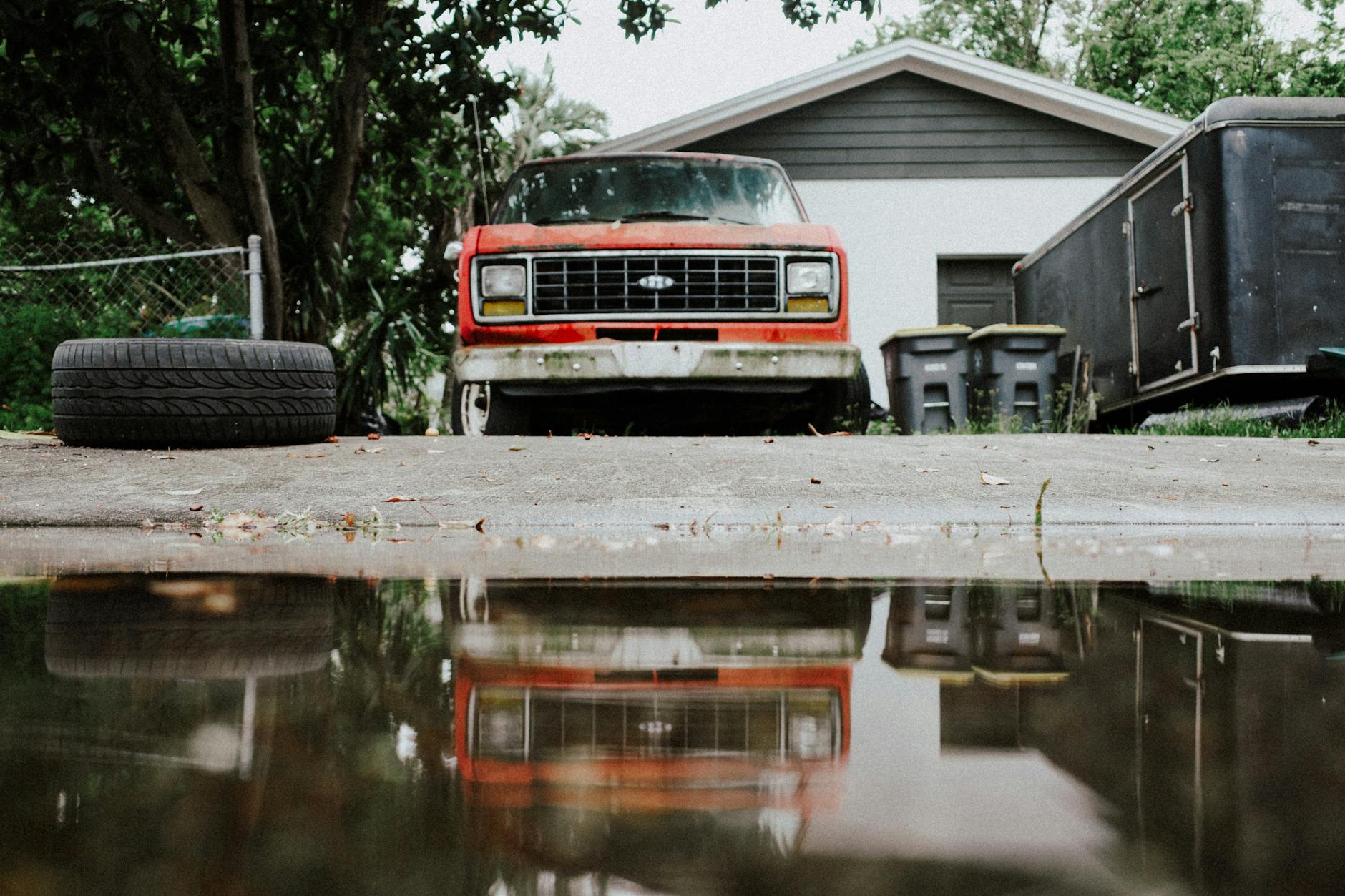
Repairing or extending a driveway using materials that visually conflict with the original surface creates a patchwork appearance that communicates both the history of repairs and a lack of concern for visual coherence in the property’s exterior presentation. The most common version of this problem involves concrete patch repairs applied to asphalt surfaces or block paving sections replaced with non-matching units that differ in color, texture, or size from the surrounding original installation. Material mismatching is often the result of prioritizing immediate functional repair over visual outcome but the long-term aesthetic consequence of the compromise is visible to everyone who passes the property for the life of the repair. Sourcing matching materials for repair work involves additional effort and sometimes modest additional cost but the visual result is a surface that reads as maintained rather than patched.
Overgrown Borders
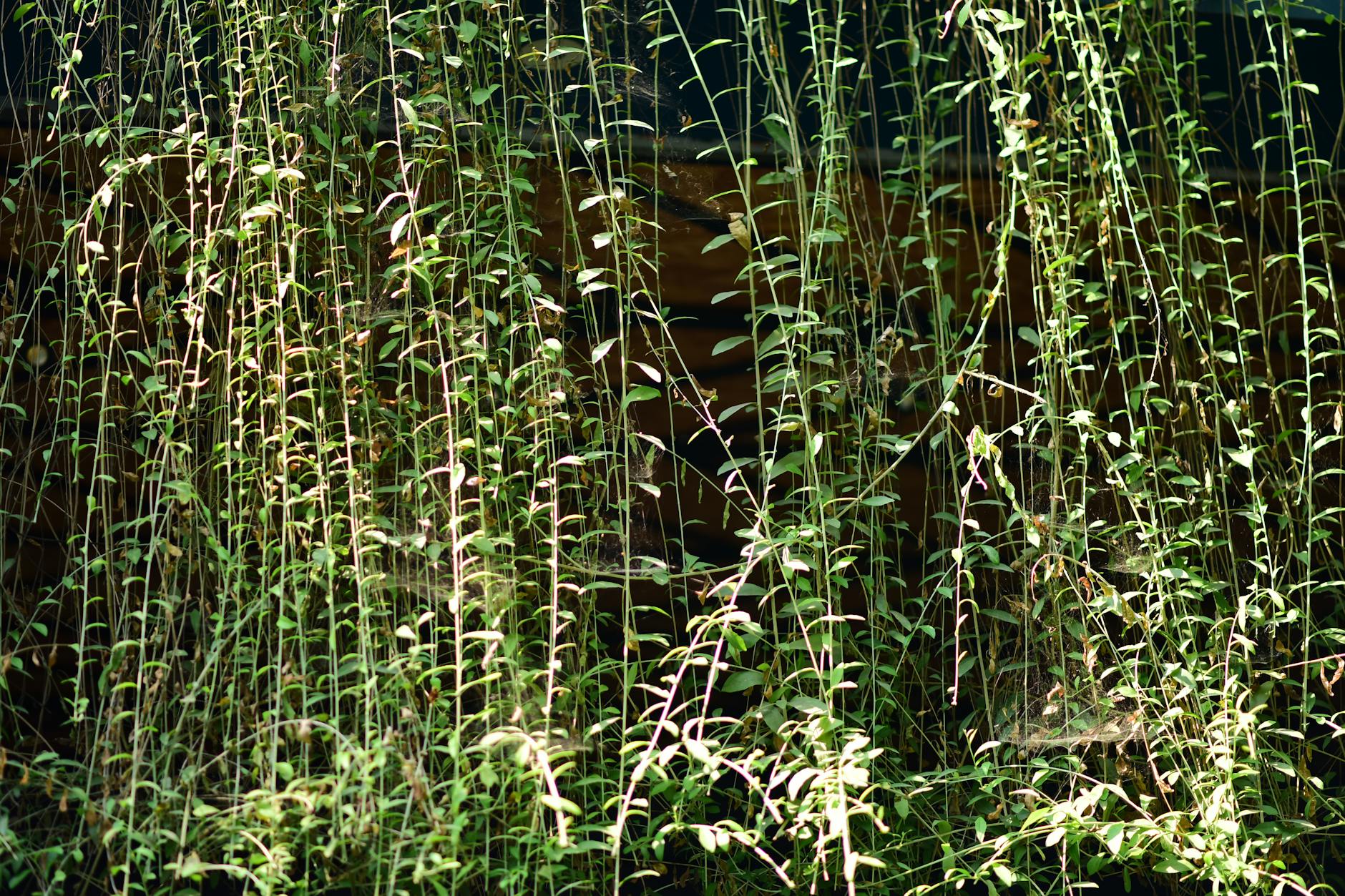
Allowing lawn grass, weeds, or spreading plants to encroach across driveway edges and surface areas without regular trimming and management creates an organic deterioration of the hard surface boundary that signals general garden maintenance neglect to the entire street. The visual effect of vegetation encroachment is progressive and compounds relatively quickly during growing seasons because plant material that crosses a hard surface edge creates a foothold that accelerates the invasion of moisture and root material into the surface substrate. Neighbors who maintain neat boundaries between their own hard surfaces and soft landscaping notice adjacent encroachment with particular clarity because the contrast between managed and unmanaged boundary conditions is visually immediate. The maintenance time required to keep driveway borders clean is modest when addressed regularly but the remediation effort required once significant encroachment has occurred is substantially greater.
Garden Hose Sprawl
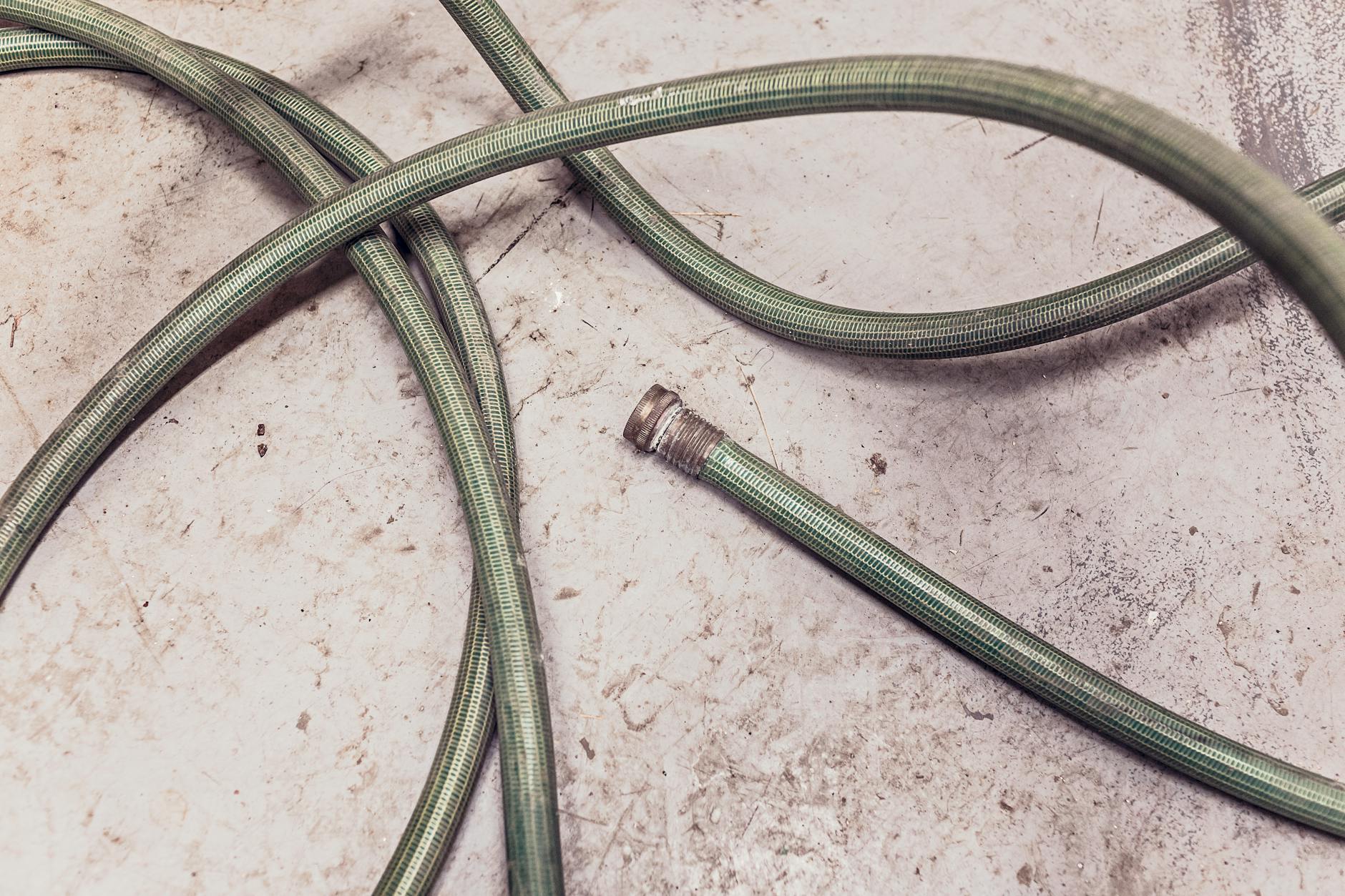
Leaving garden hoses permanently deployed across driveway surfaces in a coiled or uncoiled state rather than storing them properly after use creates a low-level visual disorder that accumulates into a persistent impression of property management indifference. The practical argument for leaving hoses deployed is convenience but the visual argument against it is that a hose sprawled across a driveway is among the most visually chaotic elements that a residential frontage can present to the street. Hose storage solutions ranging from wall-mounted reels to decorative storage pots are available at modest cost and their use transforms a daily maintenance activity from a visual liability into a neutral or positive property element. Neighbors who maintain ordered frontages find persistently deployed hoses in adjacent driveways particularly notable because the remedy is both inexpensive and requires minimal behavioral change.
Political Displays
Installing large political banners, campaign signs, or ideological messaging materials in driveway areas where they are prominent from the street creates a neighborhood environment in which residents with different views feel their shared space has been claimed for partisan expression. The scale and permanence with which some homeowners deploy political messaging in their driveway areas goes substantially beyond the temporary campaign signage that most neighbors accept as a normal feature of electoral periods. Political displays that persist well beyond relevant electoral cycles or that are scaled to maximize visibility rather than simply express a personal position create an ongoing neighborhood conversation that most residents would prefer not to be enrolled in. Real estate professionals working in politically diverse neighborhoods consistently identify prominent and persistent political signage as a factor that influences buyer comfort during property inspections on adjacent streets.
Pressure Washer Damage
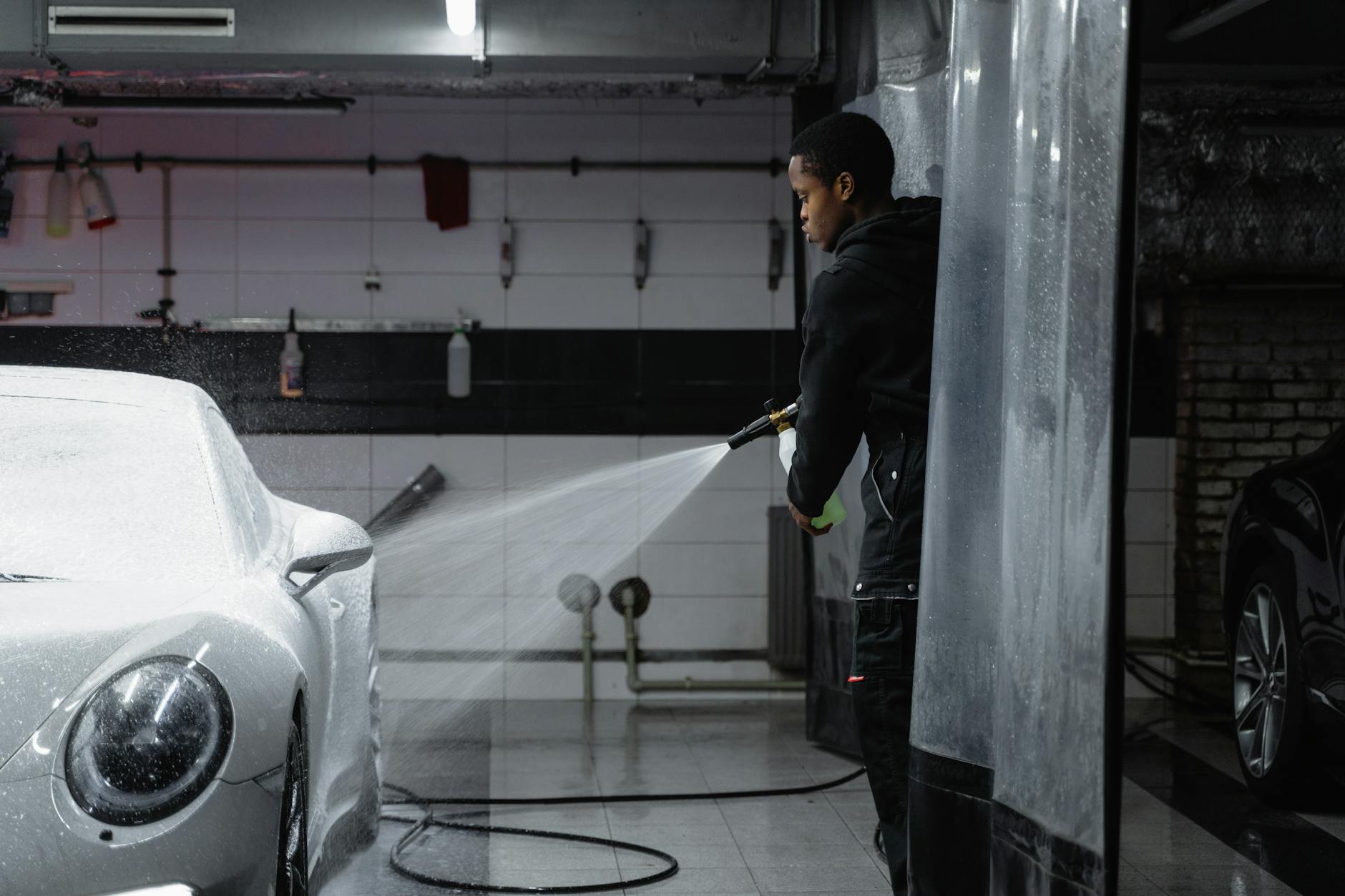
Applying domestic or commercial pressure washing equipment to driveway surfaces at excessive pressure settings or incorrect angles removes surface aggregate from concrete and mortar from block paving joints in ways that accelerate structural deterioration while appearing to clean the surface in the short term. The characteristic surface texture damage from pressure washing at incorrect settings is visible as a roughened or pitted appearance that catches dirt more aggressively than an intact surface and progressively worsens with each cleaning cycle. Neighbors who observe a freshly pressure-washed driveway that subsequently deteriorates faster than comparable untreated surfaces nearby are witnessing the cumulative effect of repeated incorrect maintenance rather than simply aging. Professional driveway cleaning services understand the pressure and technique requirements for different surface materials and the cost differential between professional and amateur cleaning is modest relative to the surface damage that incorrect technique accumulates over time.
Concrete Dyeing
Applying bright or unconventional colors to concrete driveway surfaces through acid staining, paint, or dye products in shades that do not complement the surrounding architecture creates a permanent visual statement that affects neighboring property aesthetics for the life of the surface. While subtle concrete coloring in earth tones or neutral shades is a legitimate design choice that many professional landscapers recommend, saturated or unconventional color choices applied to large driveway surfaces create a dominant visual element that neighbors cannot avoid engaging with from their own properties. The permanence of concrete dyeing distinguishes it from other decorative choices because reversal requires either full resurfacing or the application of an overlying coating that introduces its own visual and structural complications. Property valuers working in residential markets consistently note that non-neutral driveway colorings require specific mention in assessment reports because of their potential impact on buyer perception.
Puddle Formation
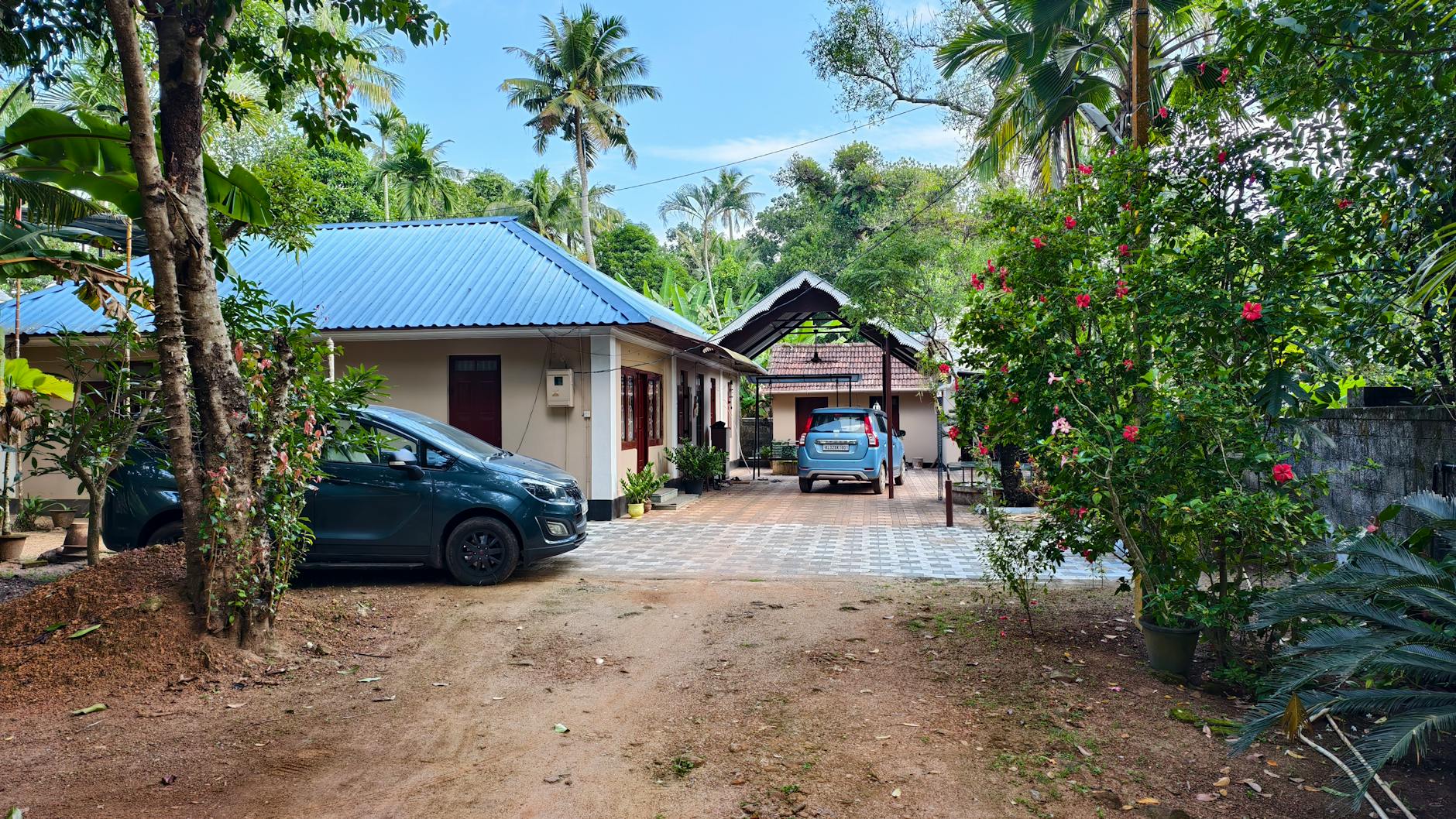
Allowing drainage design failures that produce persistent standing water puddles on driveway surfaces after rainfall events to go unaddressed creates both a practical impediment and a visual signal of unresolved maintenance issues that is visible to the surrounding neighborhood. Standing water on a driveway surface communicates a gradient or drainage infrastructure problem that the homeowner has chosen not to investigate or resolve and the puddles that result are visible from the street after every significant rainfall. The practical consequence of persistent standing water includes accelerated surface deterioration through freeze-thaw cycling in cold climates and the encouragement of moss and algae growth across the affected surface. Drainage corrections ranging from simple surface gradient adjustments to channel drain installation are well within the scope of standard driveway contractors and the visual and structural benefits of addressing persistent puddling are immediate and lasting.
Bin Permanent Parking
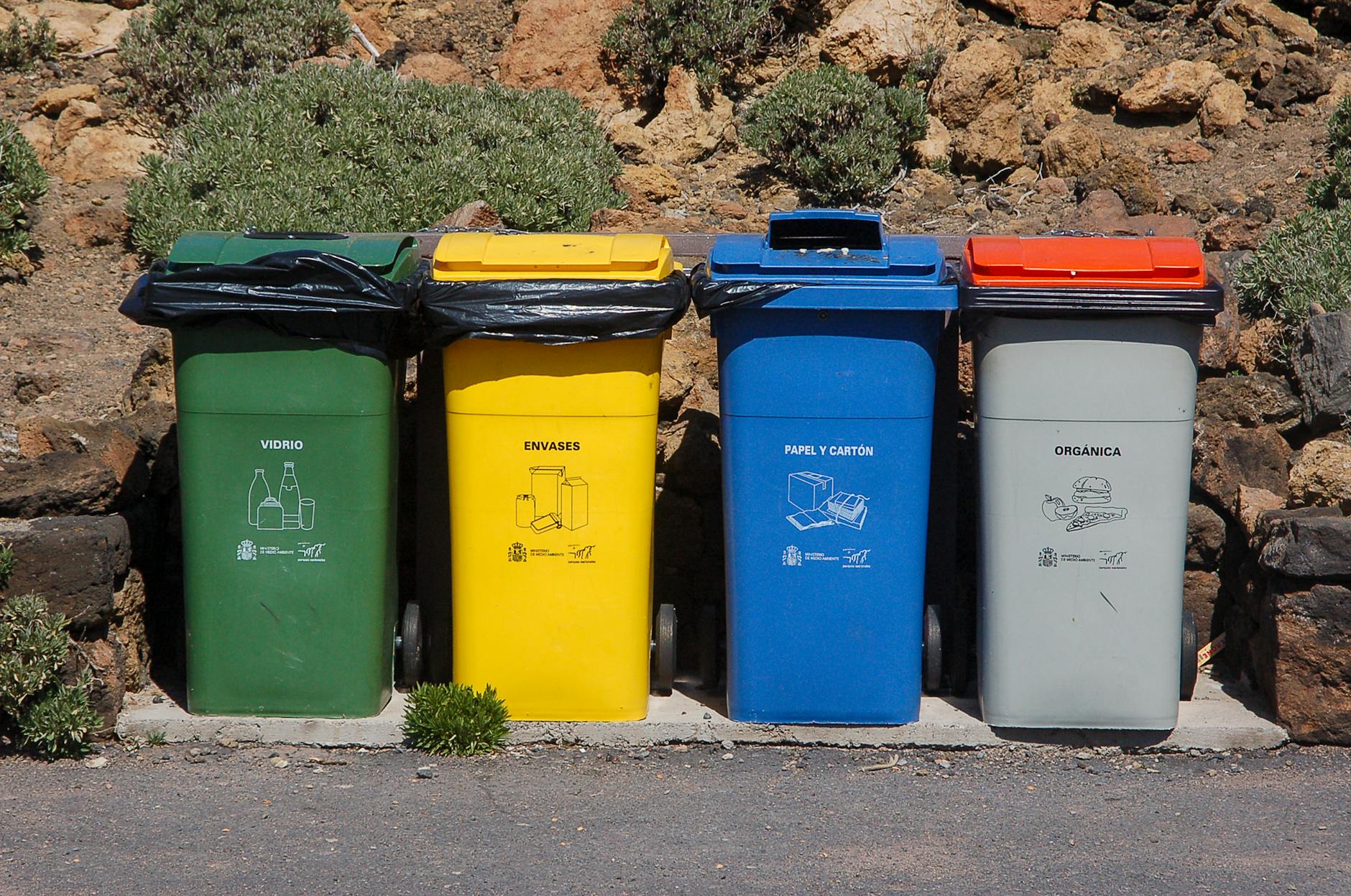
Using the driveway as a permanent storage location for household waste and recycling bins rather than relocating them to less visible positions between collection days creates a persistent visual association between the property’s main frontage and domestic refuse management. Most residential properties have side passages, rear access points, or garden areas that allow bins to be stored out of street view between collection days and the choice to leave them on the driveway permanently reflects a convenience prioritization that imposes a visual cost on the surrounding street. Neighbors whose own bins are stored discreetly are particularly aware of adjacent permanent driveway bin storage because the contrast between managed and unmanaged bin positioning is visually immediate and consistent. Real estate professionals photographing properties for sale on streets where adjacent driveways feature permanent bin storage consistently work to frame their images to exclude the neighboring visual element.
Cracked Concrete Acceptance
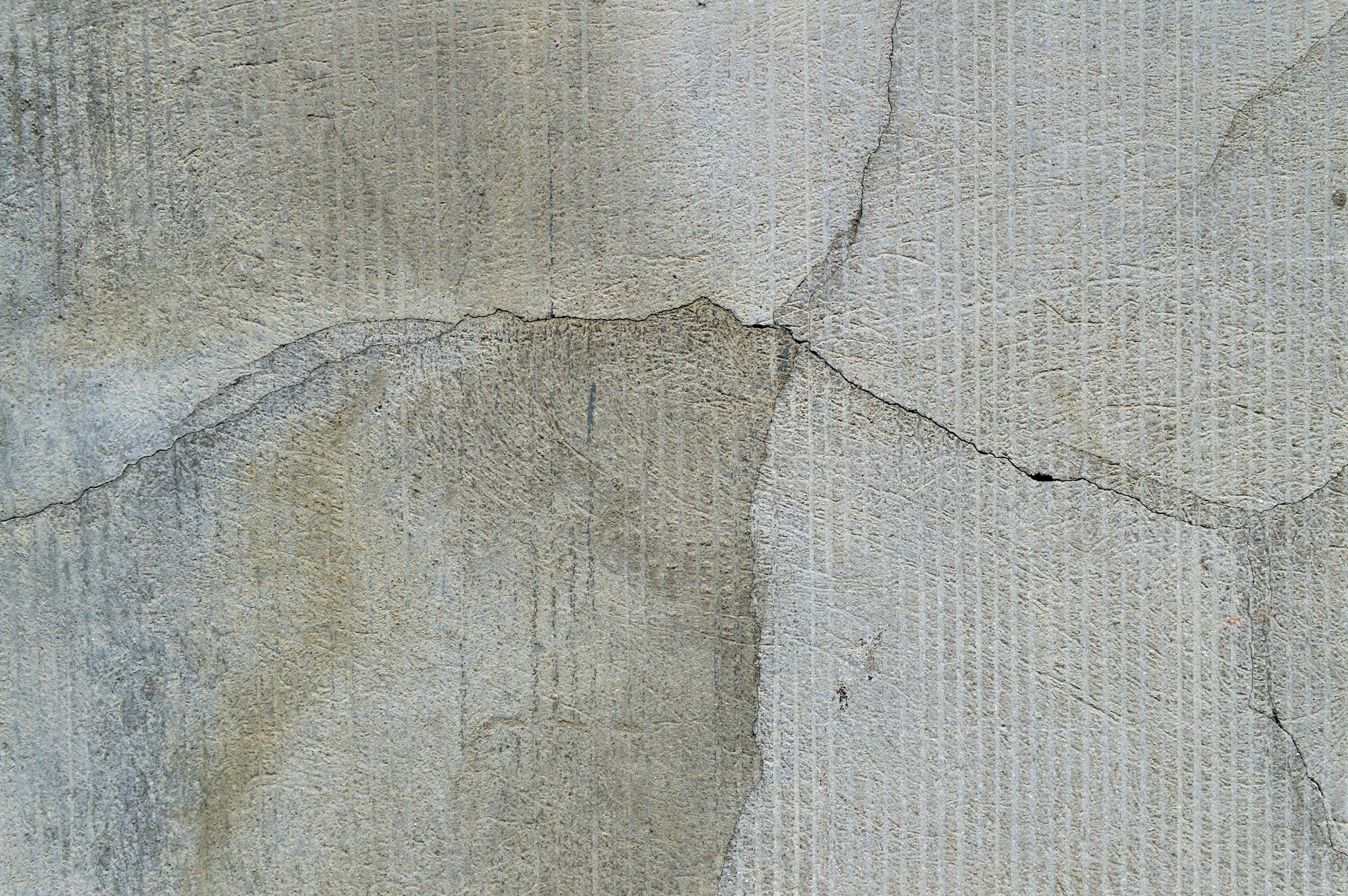
Treating significant surface cracking across a concrete driveway as an acceptable permanent condition rather than a maintenance trigger communicates a property management standard that is visible to the entire street through every season and weather condition. Concrete cracking follows predictable propagation patterns where unaddressed surface cracks admit moisture that expands during freeze events and widens the crack geometry progressively until structural separation of the slab occurs. The visual progression of unaddressed concrete cracking from hairline fractures to significant separation is a publicly visible maintenance timeline that communicates the homeowner’s maintenance philosophy more clearly than almost any other single exterior element. Early intervention in concrete cracking using appropriate fillers and sealants is inexpensive relative to full slab replacement and arrests the deterioration cycle at a point where visual impact is still modest rather than allowing it to progress to the stage where replacement is the only viable remedy.
Share your own neighborhood driveway observations and the choices that have affected your street’s character most in the comments.