The funeral is one of the few remaining social occasions that carries a genuine expectation of behavioral restraint and collective emotional respect. It is a space defined by grief, and the implicit social contract that governs it asks every attendee to subordinate their own comfort, opinions, and self-expression to the shared experience of mourning. Most people navigate this contract instinctively and without difficulty. A small number do not, and the behaviors that result from their failure to read the room are remembered with a clarity and longevity that far exceeds the event itself, because grief sharpens memory in ways that ordinary social occasions do not.
Phone Photography

Raising a smartphone to photograph or video record any part of a funeral service, graveside ceremony, or reception gathering without explicit invitation from the immediate family places personal documentation instincts above the dignity of one of the most private experiences in human life. The visual record of a grieving family at their most vulnerable moment is not content and treating it as such communicates a fundamental misunderstanding of why everyone in that room has gathered. Funeral directors in multiple countries have begun including explicit no-photography guidelines in their service conduct materials specifically because the behavior has become common enough to require formal discouragement. The family members who notice a camera raised in their direction during a eulogy carry that image of the photographer with them long after the service has concluded.
Inheritance Inquiries
Raising questions about the deceased’s estate, possessions, property, or financial arrangements at any point during the funeral day communicates a prioritization of material interest over human loss that the people within earshot find genuinely shocking regardless of how the inquiry is framed. The funeral gathering is not a legal or financial forum and the presence of bereaved family members in an emotionally raw state makes any inheritance-adjacent conversation a form of social aggression regardless of the questioner’s stated intentions. Probate attorneys and estate planners who work with bereaved families consistently identify unsolicited inheritance inquiries at funeral gatherings as one of the most reliably damaging behaviors to family relationships in the immediate post-death period. The person who asks about the will at the wake invariably believes their inquiry is more reasonable than it appears to everyone else present.
Eulogy Hijacking
Standing to speak during a service without having been invited to do so by the family or funeral officiant, or extending an invited tribute well beyond its allocated time to redirect the narrative toward the speaker’s own relationship with the deceased, transforms a communal memorial into a personal platform. The eulogy exists to serve the grief of the assembled mourners and the dignity of the deceased and a speaker who uses it to establish their own emotional centrality or to settle relational scores inverts this purpose entirely. Funeral officiants who manage services professionally develop specific techniques for reclaiming the floor from hijacking speakers but the intervention itself creates an additional disruption that the family must process on top of the original offense. The person who speaks longest at a funeral is rarely the person who was closest to the deceased and the disproportion between speaking time and actual relationship depth is something every attendee silently calculates.
Outfit Provocation

Arriving at a funeral in clothing that is visibly designed to attract attention through color, style, formality level, or explicit statement communicates that the occasion is being treated as a social appearance opportunity rather than a collective mourning event. The social convention of subdued funeral dress exists not as an arbitrary tradition but as a physical expression of the emotional subordination that the occasion requires and deliberate departure from it signals that the individual’s self-presentation has been prioritized over the family’s grief. Bright colors, revealing cuts, promotional or slogan-bearing garments, and extremely casual dress in contexts where formal attire is the clear collective standard all register as the same fundamental failure to read and respect the room. The people who notice provocative funeral dress are not being judgmental about personal style in general contexts but are accurately identifying a specific social failure in a specific high-stakes situation.
Conflict Reignition

Using the physical gathering of family members who may not otherwise be in contact as an opportunity to raise unresolved grievances, reopen old disputes, or pursue ongoing conflicts introduces an emotional agenda that the grief environment makes both more damaging and more impossible to respond to than it would be in any other context. The funeral gathering creates a captive audience of emotionally vulnerable people who cannot easily disengage from a confrontational interaction without creating additional disruption and the person who initiates conflict in this environment exploits that captivity whether they intend to or not. Family therapists who specialize in bereavement consistently identify funeral-day conflict reignition as a source of relational damage that can persist for years beyond the original dispute. The calculation that a family gathering created by death is a good moment to address longstanding tensions is one that the person making it consistently misjudges.
Competitive Grieving
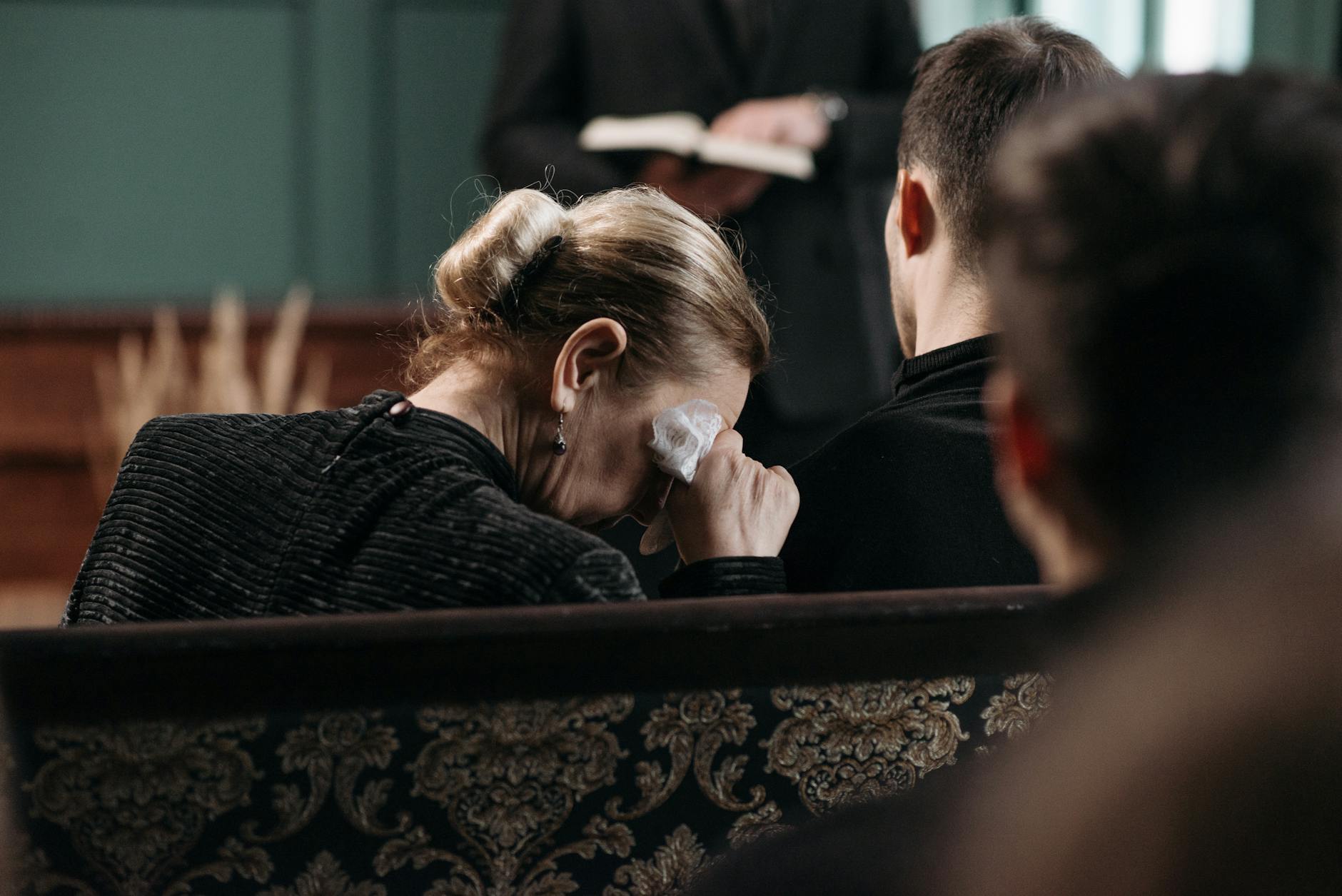
Performing grief at a volume, intensity, or theatrical scale that visibly exceeds the emotional expression of the immediate family transforms mourning from a shared experience into a comparative one in which other attendees are implicitly measured against the performer’s emotional output. The closest bereaved relatives are often the most outwardly composed at a funeral service because the effort of managing the logistics, receiving condolences, and holding the event together channels their emotional energy in ways that leave less available for visible expression. A distant acquaintance who produces the most dramatic display in the room is not demonstrating deeper feeling but is claiming an emotional centrality that the occasion does not support and that immediate family members notice with a discomfort they are too exhausted to address. Grief is not a performance and the people who treat it as one are always more visible to the room than they realize.
Reception Overindulgence

Consuming alcohol at a post-funeral reception to the point of visible intoxication converts a gathering held in honor of the deceased into a context management problem for the hosting family at a moment when they have no emotional resources available for that task. The post-funeral reception exists to allow mourners to share memories, support the bereaved, and begin the collective processing of loss and a visibly intoxicated attendee requires supervision, generates uncomfortable social dynamics, and becomes a story that overshadows the event’s intended purpose. Catering staff and venue managers who work funeral receptions develop a specific professional familiarity with the management challenges created by this behavior and the hosting family is invariably aware of who created those challenges. The person who drinks too much at a funeral always believes their behavior was less noticeable than it was.
Unsolicited Opinions
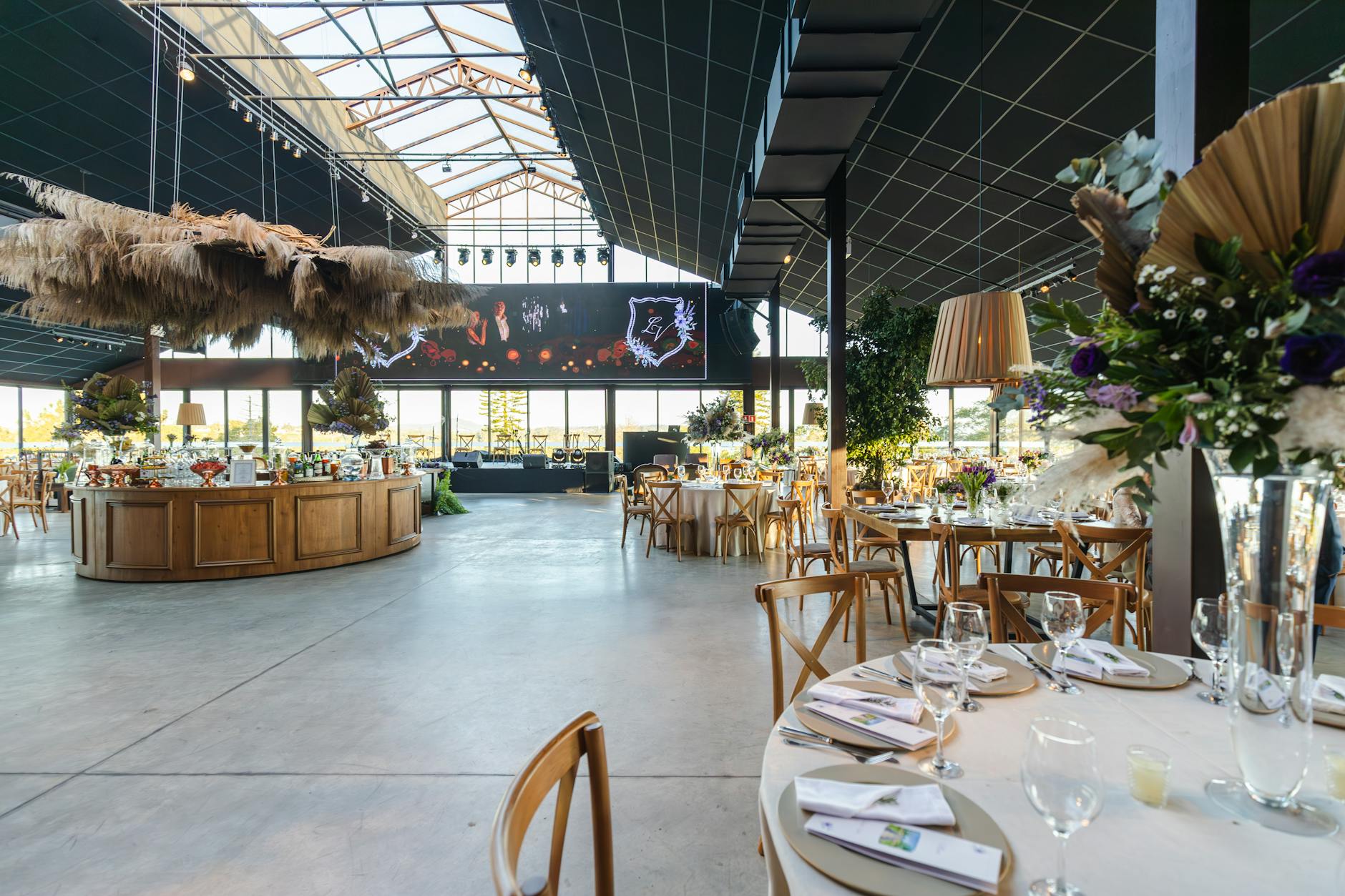
Offering unrequested assessments of the funeral arrangements, the choice of venue, the quality of the catering, the music selection, or any other organizational decision made by the bereaved family communicates that the attendee’s aesthetic preferences occupy mental space that grief should be occupying. The family members who organized the service made their choices while managing active bereavement and whatever their decisions communicate about their taste, budget, or planning capacity is information that the funeral gathering is not an appropriate venue for discussing. Unsolicited opinions about funeral arrangements are reported with remarkable consistency by bereaved families as among the most hurtful and disorienting comments they receive during the entire mourning period. The person delivering the opinion almost always believes they are sharing a helpful or interesting observation rather than a criticism and this disconnect between intention and impact is one of the defining features of the behavior.
Ex-Partner Attendance
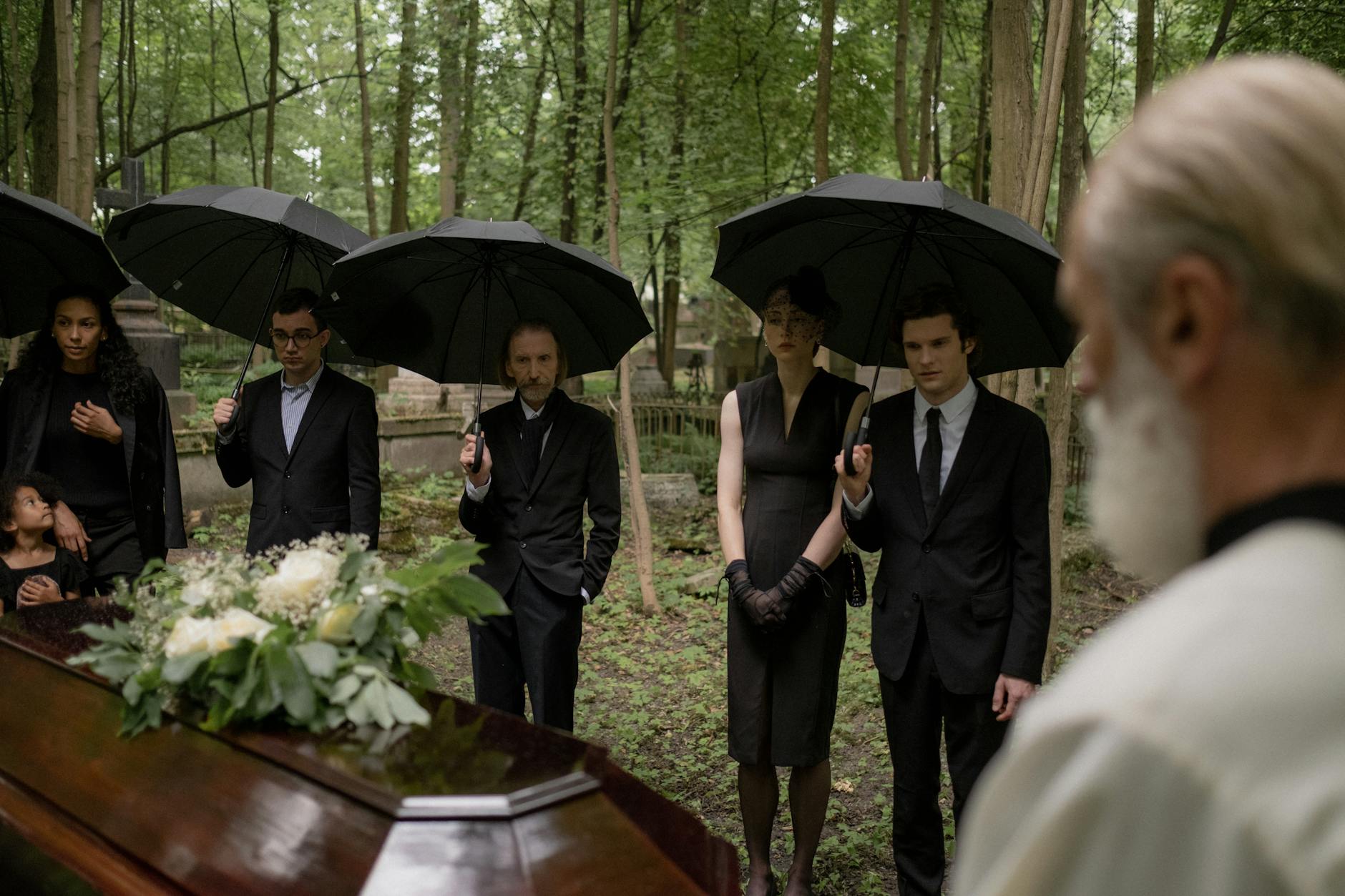
Attending the funeral of a former partner’s family member when the relationship ended badly, when the current partner is present, or when the bereaved family has not issued any indication of welcome creates a social tension that the grieving family must manage on top of everything else the day requires of them. The decision to attend a funeral that involves a complicated relational history should be made with the needs of the bereaved family as the primary consideration and where those needs are unclear a private condolence message is invariably a more appropriate expression of respect than physical attendance. Funeral directors who have managed services complicated by unwelcome attendance describe the visible distress it creates in bereaved families who must navigate the social complexity while in active grief. The former partner who attends to demonstrate emotional maturity or closure is usually perceived by the room as demonstrating something rather different.
Memory Correction
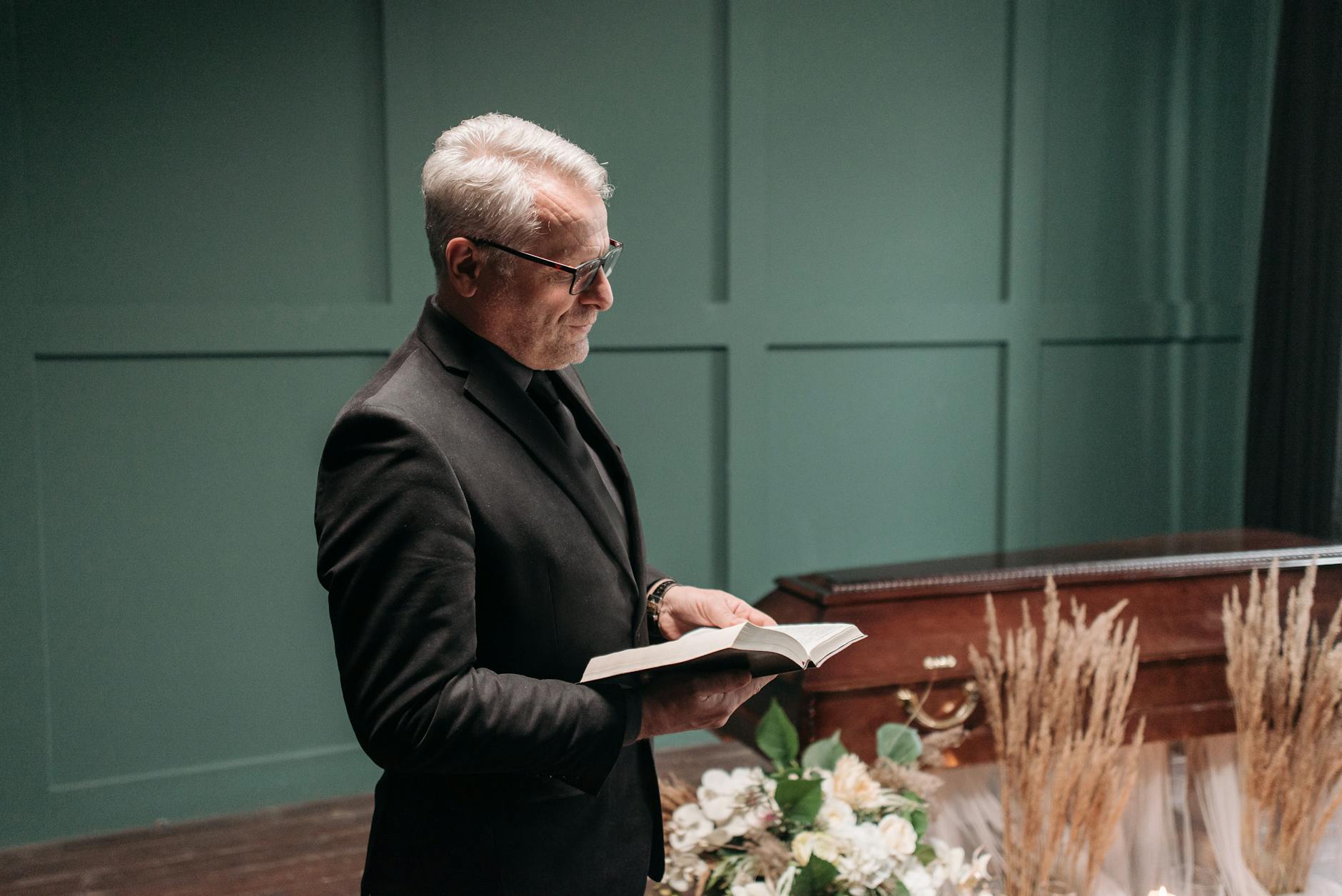
Publicly correcting details of stories told about the deceased during eulogies, remembrance conversations, or reception tributes prioritizes factual precision over the emotional function that shared memories serve in the mourning process. The stories told at a funeral are not historical depositions and their minor inaccuracies are features of how human memory and love interact rather than errors that require intervention from someone with competing recollections. A person who interrupts a tribute to correct a date, a location, a name, or a sequence of events has chosen the wrong value to protect in a context where accuracy is far less important than the emotional truth the storyteller is trying to honor. Bereaved families who witness this behavior in the middle of a memorial tribute experience it as an intrusion that disrupts the fragile communal atmosphere that the entire gathering is working to sustain.
Social Media Posting
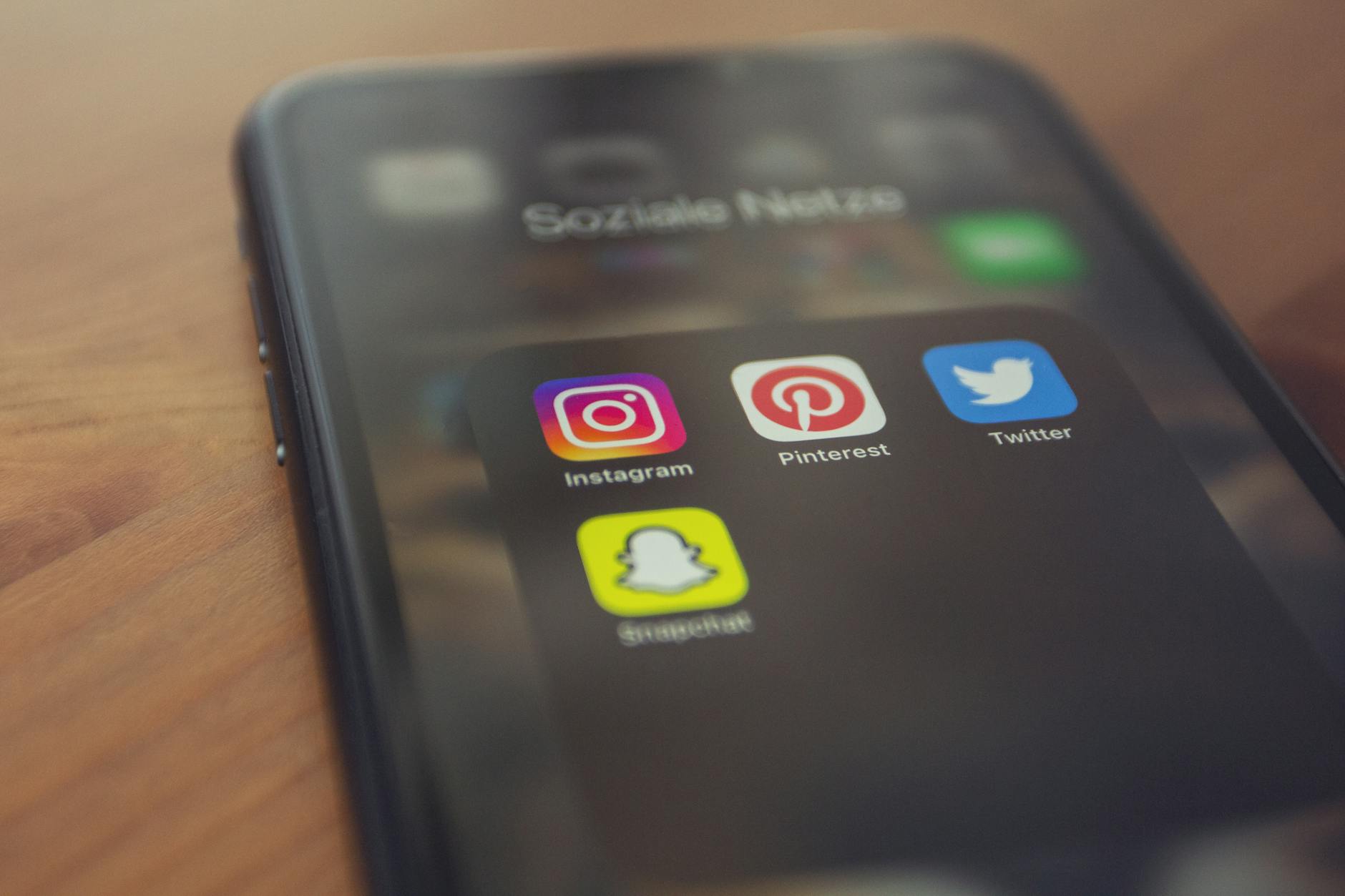
Publishing posts, stories, tributes, or announcements about the funeral on social media platforms before the immediate family has had the opportunity to communicate the death and service details through their own chosen channels removes a fundamental informational control from the people most entitled to it. The timing and manner of communicating a death and its associated services is a decision that belongs to the immediate family and preempting it through social media posting creates a situation where the family learns their loss has been publicly broadcast through a channel they did not choose or approve. Platform posts during the service itself that provide real-time updates to followers who are not present treat a private mourning event as a content opportunity in a manner that funeral professionals across every tradition consistently identify as a serious breach of contemporary funeral etiquette. The impulse to share is understandable but the context in which it is acted upon here makes it a failure of judgment that the family observes and remembers.
Whispering Loudly
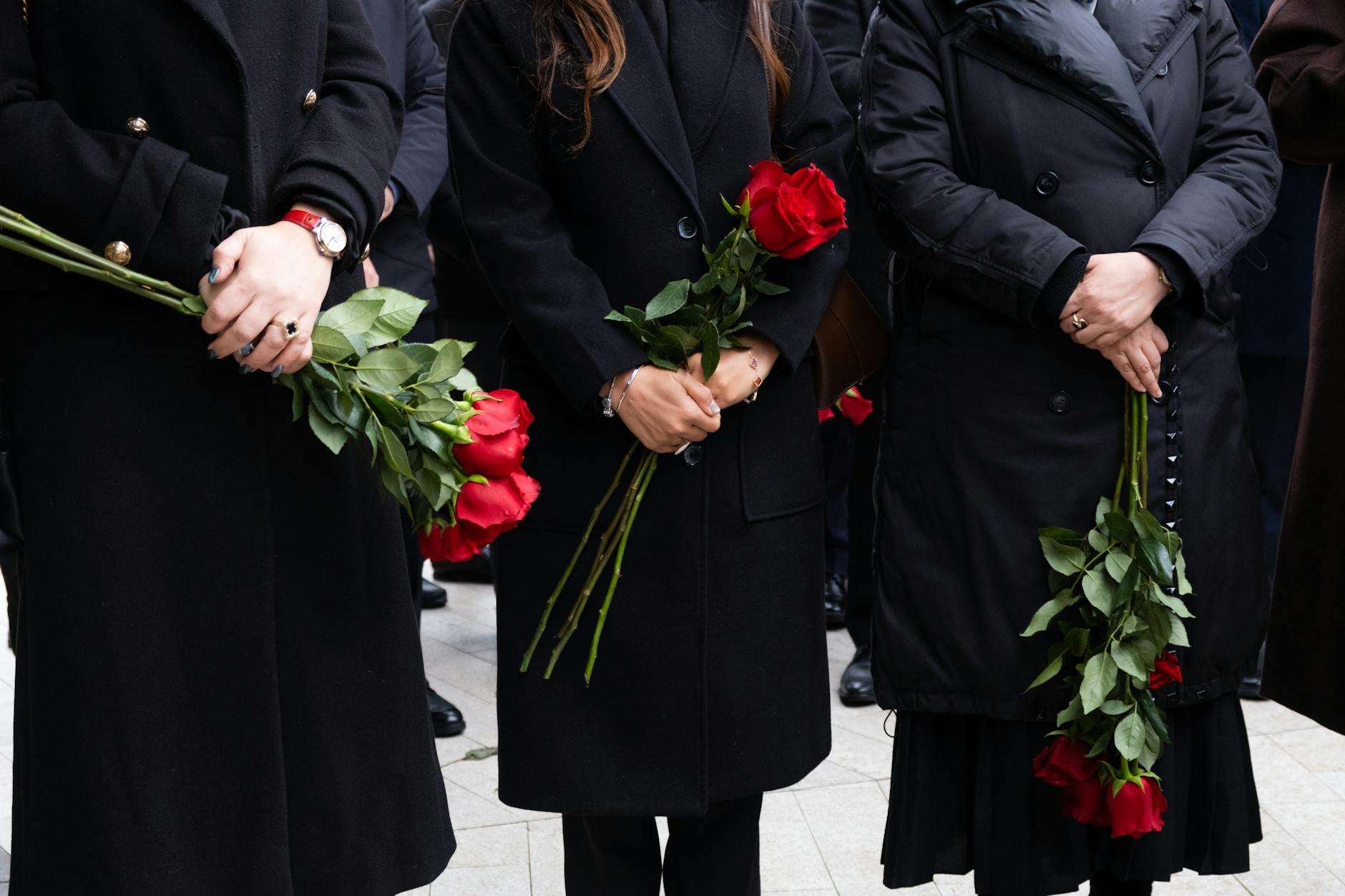
Conducting whispered side conversations during eulogies, prayers, readings, or musical tributes at a volume that is audible to surrounding attendees creates a persistent background disruption that forces those nearby to simultaneously process the tribute content and the conversational distraction. The acoustic environment of most funeral settings including chapels, churches, and function rooms amplifies sound in ways that make conversations intended as private significantly more audible than the speaker estimates. Attendees who are seated near persistent whisperers spend the most emotionally significant portions of the service managing frustration rather than fully accessing their grief and this displacement of emotional experience is a real harm created by the behavior. The content of the whispered conversation is invariably less important than the speaker believes it to be and the decision that it cannot wait until the service concludes is one that the surrounding attendees do not share.
Dietary Complaints
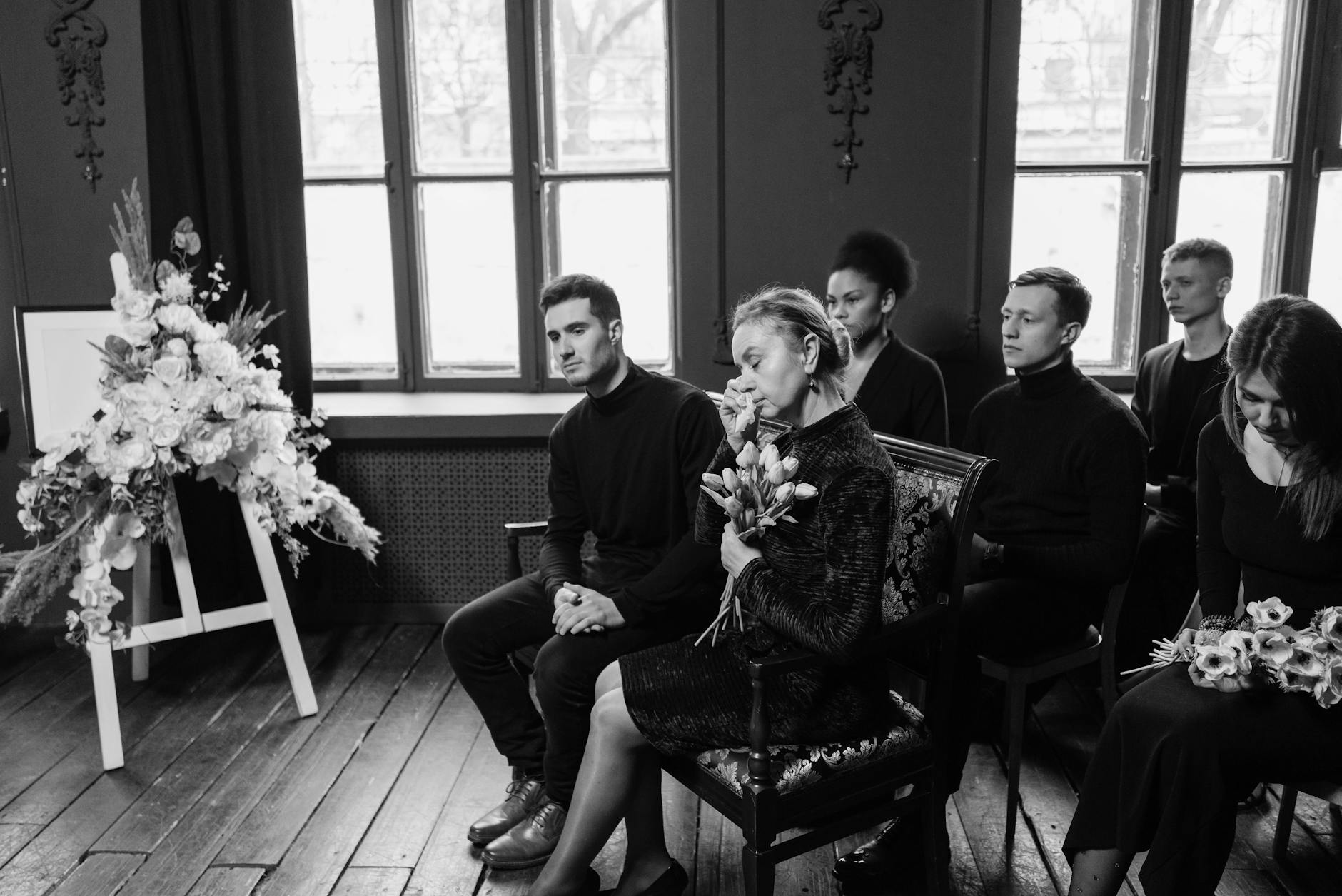
Expressing dissatisfaction with the food provided at a post-funeral reception, making requests for alternatives that are not available, or commenting on the quality or quantity of catering creates a consumer service dynamic in a context that is not a restaurant and where the hosts are managing grief rather than hospitality careers. The catering at a funeral reception reflects whatever the bereaved family was able to organize while simultaneously managing death administration, legal processes, family communication, and their own emotional collapse and commentary on its adequacy applies a standard of evaluation that the occasion does not support. Bereaved families who overhear dietary complaints at their own post-funeral gatherings report the experience as one of the more surreal and hurtful moments of the entire mourning period specifically because the gap between the speaker’s concerns and the family’s reality is so vast. A plate of sandwiches at a funeral is not the appropriate object of consumer assessment regardless of what the attendee would prefer to be eating.
Death Comparisons

Responding to the bereaved family’s expressions of grief by introducing comparisons to other deaths, other losses, or the speaker’s own bereavement experiences redirects emotional attention away from the specific loss being mourned and toward the speaker’s personal grief history in a way that serves the speaker rather than the bereaved. The statement that another loss was worse, harder, or more tragic than the one being mourned applies a hierarchy to grief that the mourning context makes uniquely cruel and the bereaved family member who receives this comparison must process both their own loss and the social navigation of responding to someone who has just ranked it. Bereavement counselors identify unsolicited comparison of losses as one of the most consistently reported hurtful behaviors that bereaved people experience from their social networks during the mourning period. The person making the comparison invariably believes they are providing comfort through shared experience and this intention-impact gap is one of the most reliably painful disconnects in grief social dynamics.
Gift Inadequacy Comments

Commenting on the size, cost, or appropriateness of floral tributes, charitable donations, or sympathy gifts made by other attendees introduces a comparative and evaluative register into a context where contribution should be invisible and uncritiqued. The decision about how to express condolence materially is a private one that reflects the contributor’s means, their relationship with the deceased, and their cultural context and subjecting these decisions to public commentary creates a social anxiety that has no place in a mourning environment. Bereaved families who become aware of commentary about the relative generosity or inadequacy of condolence contributions report it as a distraction from grief that generates interpersonal complexity they are entirely unequipped to manage in the immediate mourning period. The person who assesses the flower arrangements by cost or the donations by amount is operating a social calculation that the funeral context asks everyone present to suspend entirely.
Premature Departure
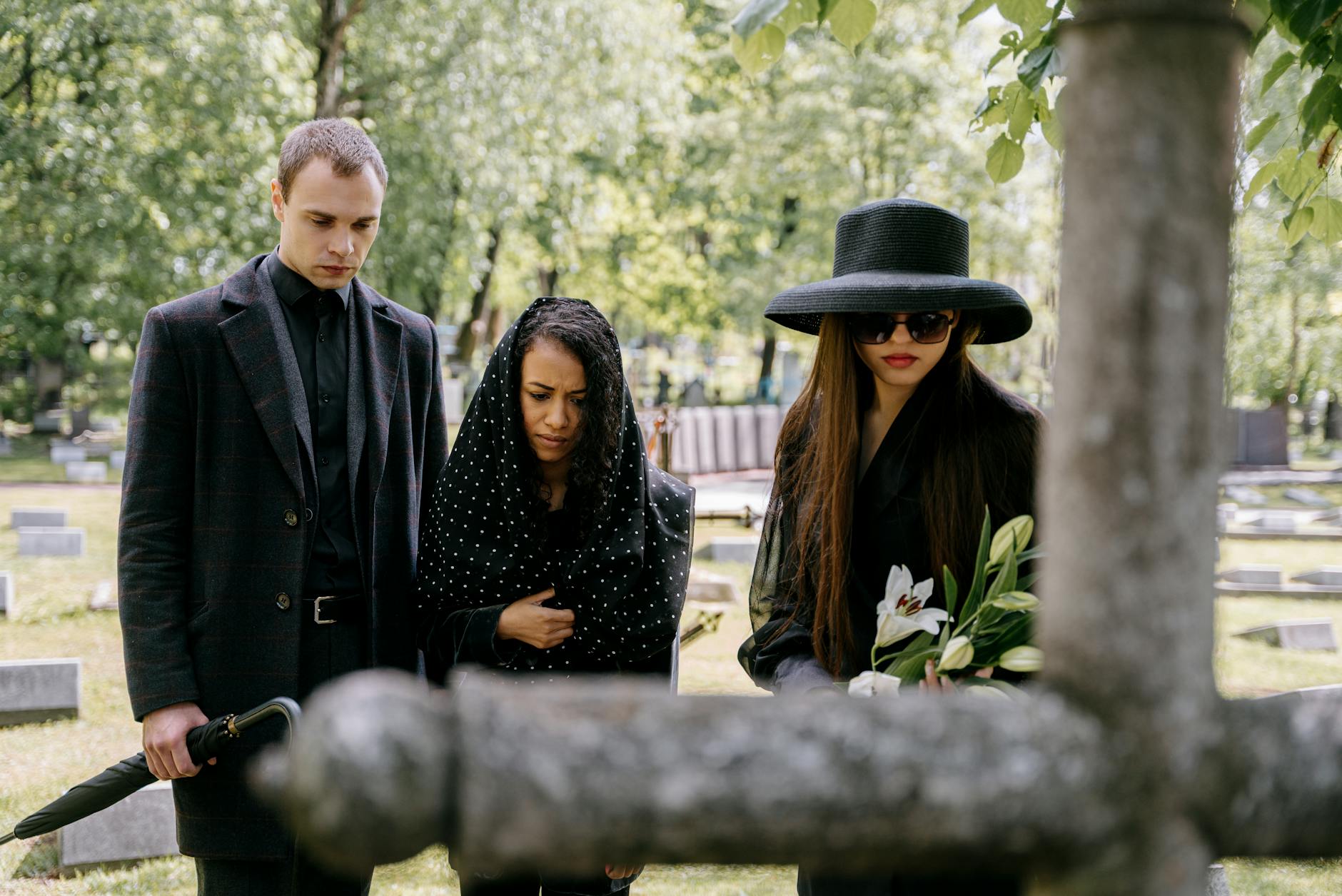
Leaving a funeral service before its formal conclusion, particularly during a eulogy or committal, creates a visible physical disruption that draws attention at the precise moments when collective focus and stillness are most important to the service’s emotional integrity. The movement of a person gathering their belongings and navigating toward the exit during an active tribute is registered by every person in their sightline including the speaker delivering the eulogy and the immediate family members who observe every detail of the room with the heightened awareness that grief produces. Unavoidable genuine emergencies represent an obvious exception but the funerals that involve premature departures for reasons of scheduling preference, personal discomfort, or parking convenience create a specific and lasting impression in the bereaved family’s memory of who was present and how they were present. The family knows who left early and the reason offered afterward rarely fully rehabilitates the impression created by the departure itself.
Religious Disrespect
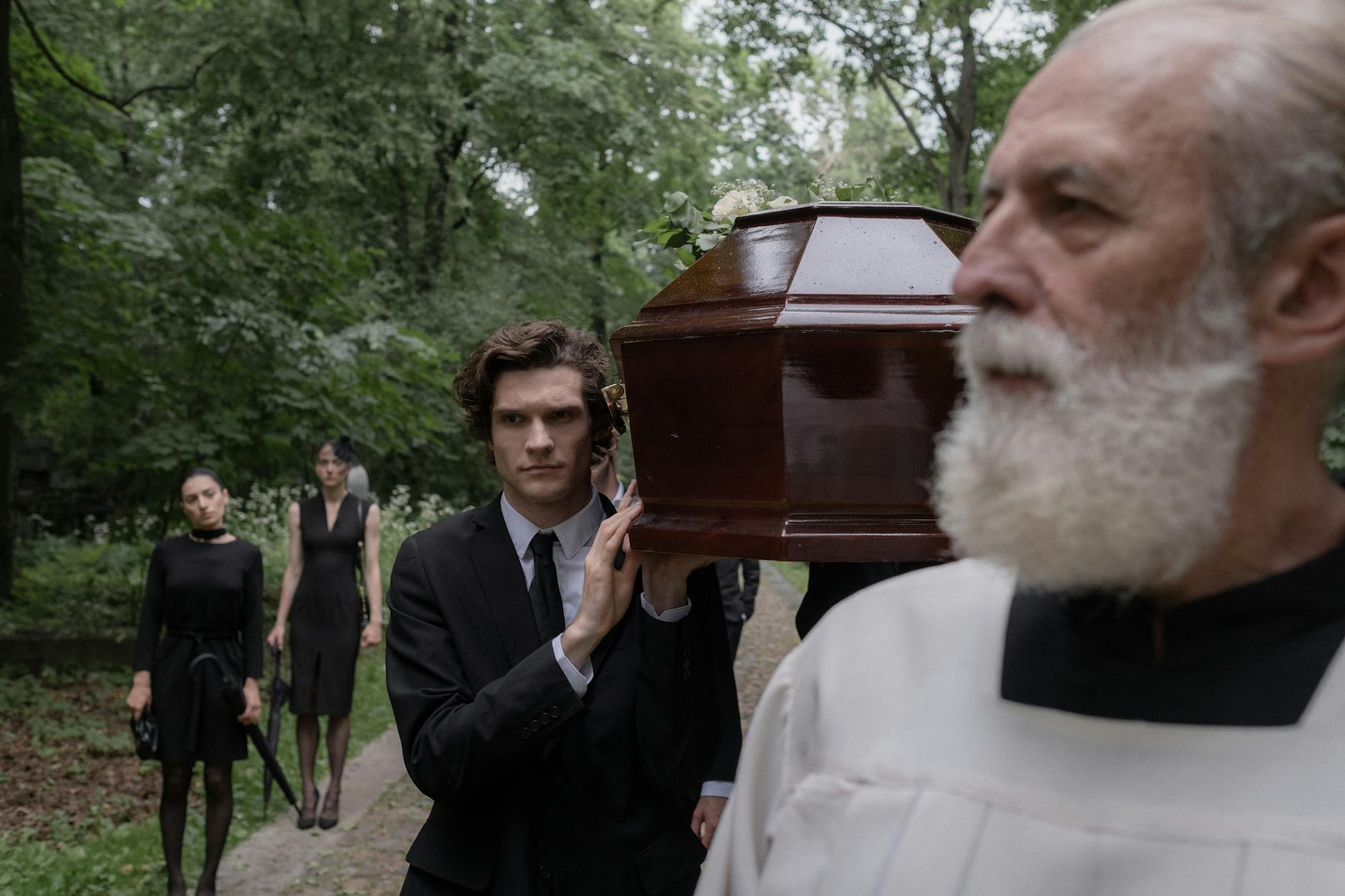
Visibly failing to participate in or respect the religious or cultural rituals that form the structural framework of the funeral service communicates that personal belief differences are being prioritized over the family’s right to mourn within their own tradition. Attendance at a funeral held within a religious or cultural tradition different from one’s own is an act of support for the bereaved family rather than an endorsement of the tradition itself and the distinction between these two things is one that respectful attendees maintain through their behavior. Loud sighing, visible eye-rolling, refusal to stand or sit with the congregation, or audible commentary about religious content creates an atmosphere of judgment in a space that the bereaved family has created for comfort and meaning. People of all belief systems and none attend funerals across religious traditions every day and do so with complete behavioral respect and the small number who cannot manage this communicate something lasting about their relationship priorities.
Arrival Lateness

Arriving after a funeral service has begun in a way that creates noise, disruption, and visible distraction during active eulogies, prayers, or musical tributes forces the entire assembled room to register an entrance at moments specifically designed for collective stillness and focus. The acoustic and visual disruption of a late arrival in a funeral setting is amplified relative to other contexts because the emotional intensity of the gathered room makes every environmental change more perceptible and more disruptive than it would be in ordinary social settings. Attendees who genuinely cannot arrive on time have the option of waiting outside until a natural pause in the proceedings allows for unobtrusive entry and this alternative is consistently chosen by people who understand what the late arrival disruption costs the room. The family members seated at the front who hear the door and the movement behind them during a eulogy about their loved one are aware of exactly who created that moment.
Story Monopolization
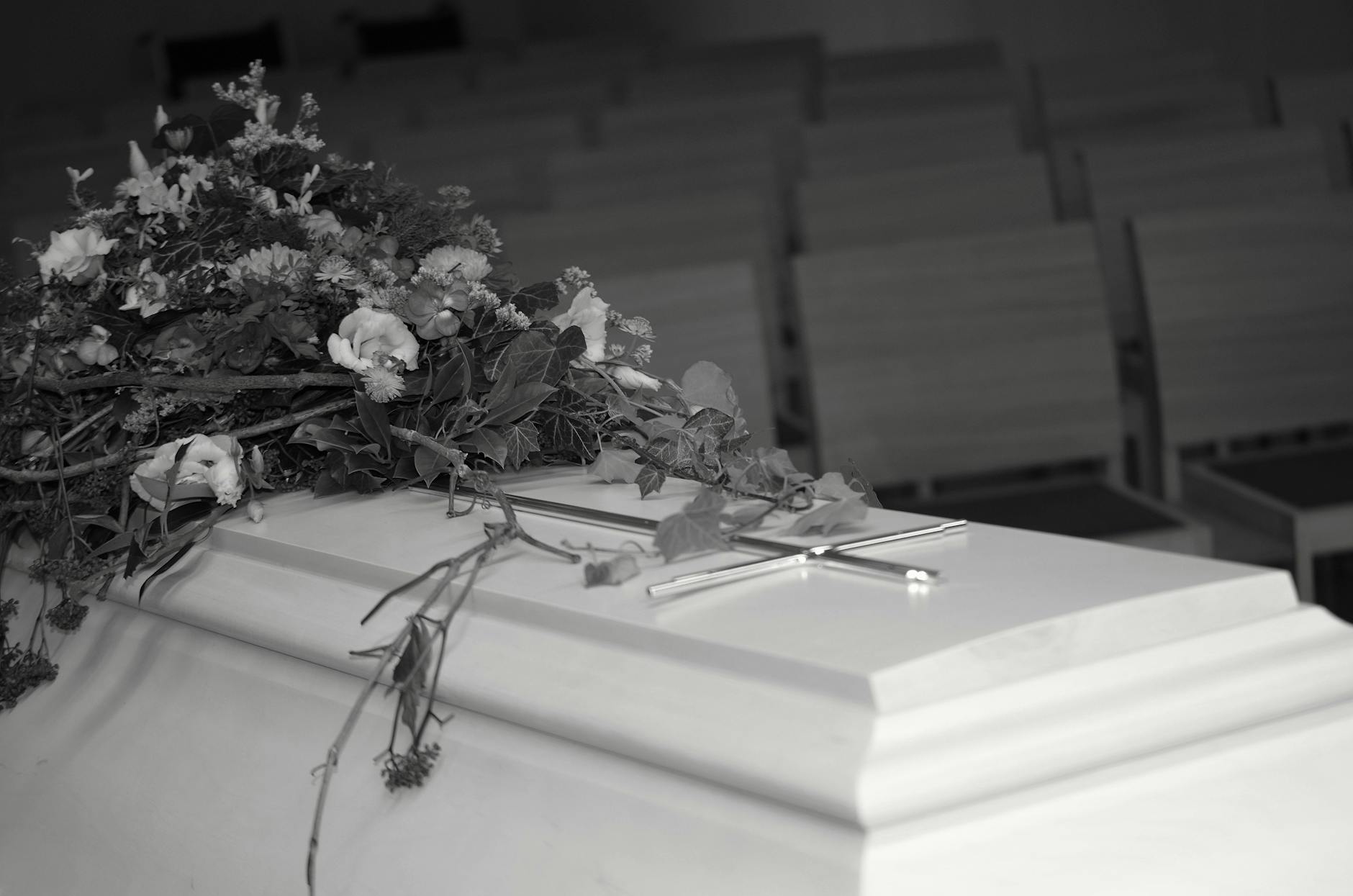
Dominating the reception conversation with an extended personal narrative about one’s own relationship with the deceased without creating space for other mourners to contribute their own memories transforms a collective remembrance into an audience experience that serves the speaker’s grief rather than the shared mourning purpose of the gathering. Every person present at a funeral reception has their own relationship with the deceased and their own memories and stories that they have come to share and the person who occupies the conversational space to the exclusion of these contributions is denying other mourners access to the communal experience that post-funeral gatherings exist to facilitate. Bereaved family members who circulate through a reception and encounter the same person holding a one-sided audience in every corner of the room develop a specific frustration with the behavior that the social constraints of the day prevent them from addressing. The monopolizer consistently believes they are honoring the deceased through the volume and duration of their tribute and misses entirely that honoring the deceased requires leaving room for others to do the same.
Children Mismanagement

Bringing young children to a funeral without adequate supervision or management creates a persistent background noise and movement environment that disrupts the stillness that funeral services require and that places an additional management burden on bereaved family members who are already at their emotional capacity. The presence of well-managed children at funerals is entirely appropriate in most cultural traditions and can be a meaningful part of intergenerational mourning and remembrance but the keyword in that attendance is management rather than presence. Children who run, cry loudly, or play during active service portions create disruptions that the adults responsible for them are obligated to manage by removing them temporarily from the service space rather than allowing the disruption to continue. The bereaved family who must mentally divide their attention between their grief and the unmanaged behavior of an attendee’s child is experiencing a real cost created by the supervising adult’s failure to take responsibility for their child’s impact on the collective space.
Excessive Perfume

Applying heavy fragrance before attending a funeral service held in the enclosed space of a chapel, church, or function room creates an olfactory environment that affects every person in the immediate vicinity and that can trigger headaches, respiratory responses, and physical discomfort in sensitive attendees who cannot easily relocate during an active service. The enclosed and emotionally charged atmosphere of a funeral service amplifies sensory inputs and a heavy fragrance that might pass unnoticed in a larger social environment becomes a persistent and inescapable presence in a funeral chapel. Bereaved family members who experience physical discomfort from a fellow attendee’s fragrance during their loved one’s service are managing a physical symptom on top of an emotional experience and this compounding is entirely avoidable. The social convention of minimal fragrance in medical, funeral, and other emotionally sensitive enclosed environments is sufficiently well-established that its violation communicates either unawareness or indifference to the shared physical environment.
Parking Disputes

Engaging in arguments about parking spaces, arrival positions, or vehicle arrangements in a funeral venue car park creates an aggressive and combative atmosphere at the threshold of a space entered for mourning and the other attendees who witness or are drawn into these disputes carry the emotional residue of the conflict into the service itself. The logistics of funeral parking in busy venues create genuine frustrations but the social expectation that these frustrations will be managed with extraordinary patience and restraint given the nature of the occasion is one that most attendees meet without difficulty. A person who argues loudly about a parking space outside a funeral is demonstrating a prioritization of personal convenience over environmental awareness that the people entering the venue around them observe and register. Funeral directors who manage venue logistics consistently identify parking-related confrontations as a source of pre-service disturbance that affects the emotional readiness of attendees for the ceremony they are about to enter.
Unsolicited Life Advice
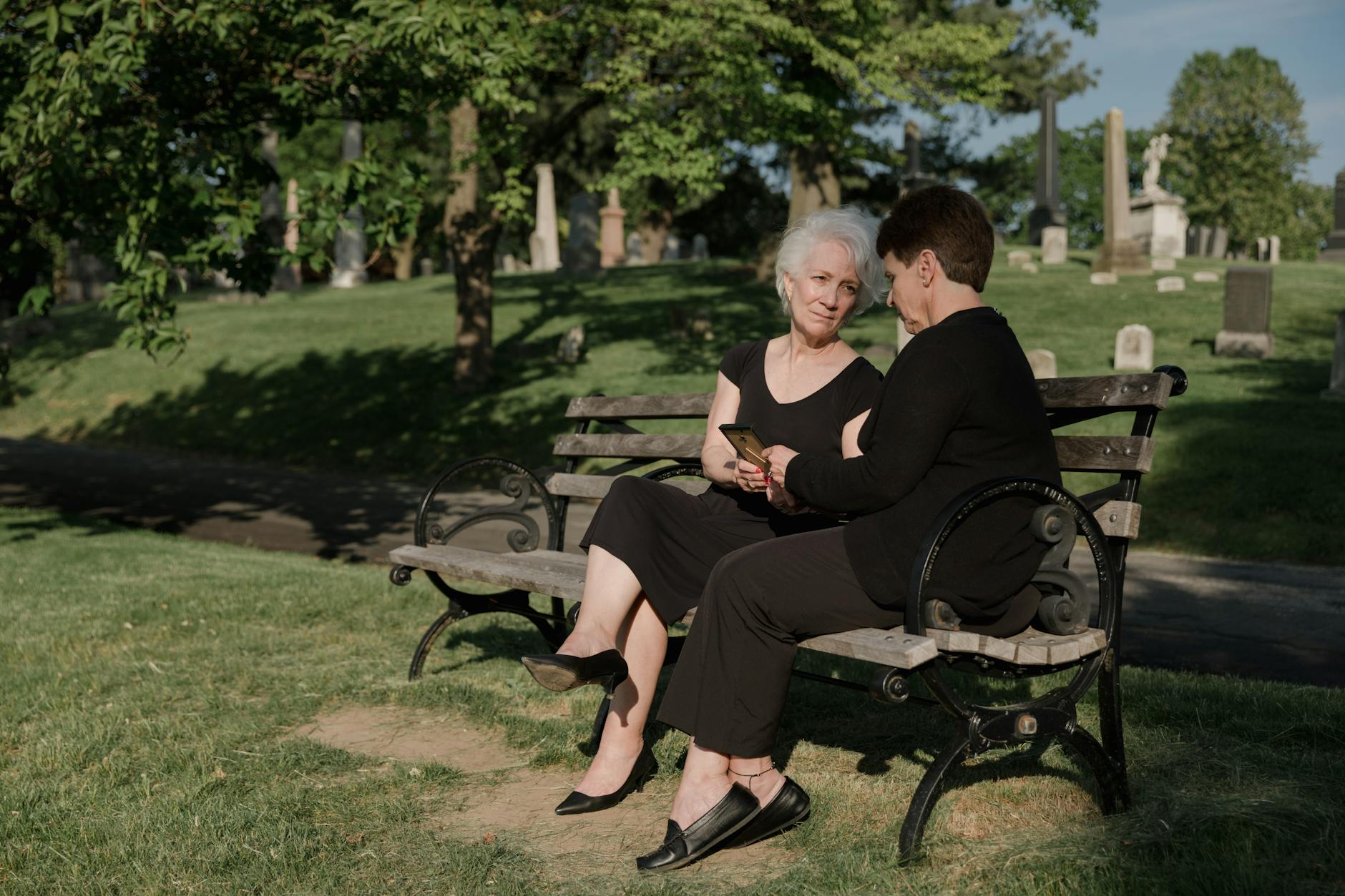
Offering the bereaved unsolicited guidance about how they should manage their grief, when they should return to normal activities, how they ought to feel about the loss, or what the deceased would have wanted them to do applies a prescriptive framework to an emotional experience that resists prescription and that the speaker has no authority to define. The bereaved person who receives directive advice about their grief timeline, their emotional responses, or their future behavior from someone who is not their therapist, their clergy, or their closest confidant is receiving a social intrusion wrapped in the language of support. Bereavement researchers who study social support quality consistently identify directive advice as one of the least helpful and most frequently reported harmful forms of support that bereaved people receive from their social networks. The gap between the giver’s intention to help and the recipient’s experience of being told how to grieve correctly is one of the most reliably documented miscommunications in human social support behavior.
Selfie Taking

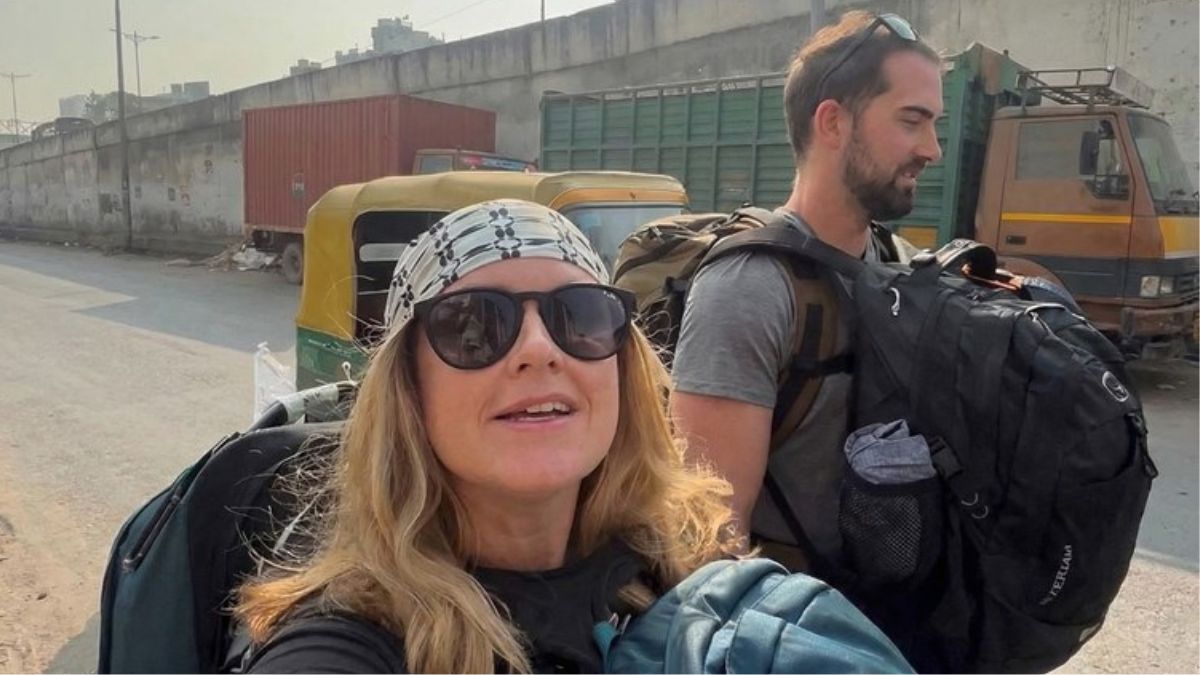
Taking self-portraits at any point during a funeral service, graveside ceremony, or reception gathering for the purpose of personal documentation or social sharing converts a mourning event into a personal content backdrop in a manner that the surrounding mourners find immediately and visibly distressing. The physical act of raising a phone to frame a self-portrait in a room full of grieving people requires a degree of self-focus that is the precise opposite of the other-oriented attention that the occasion demands from every attendee. Funeral professionals across cultural and religious traditions identify self-portrait photography as among the most rapidly emerging and most universally condemned behaviors in contemporary funeral etiquette discussions. The bereaved family member who looks across the room during their loved one’s service and sees someone framing a self-portrait against the floral arrangements carries that image permanently and the relationship it reflects does not recover from it.
Gossip Circulation
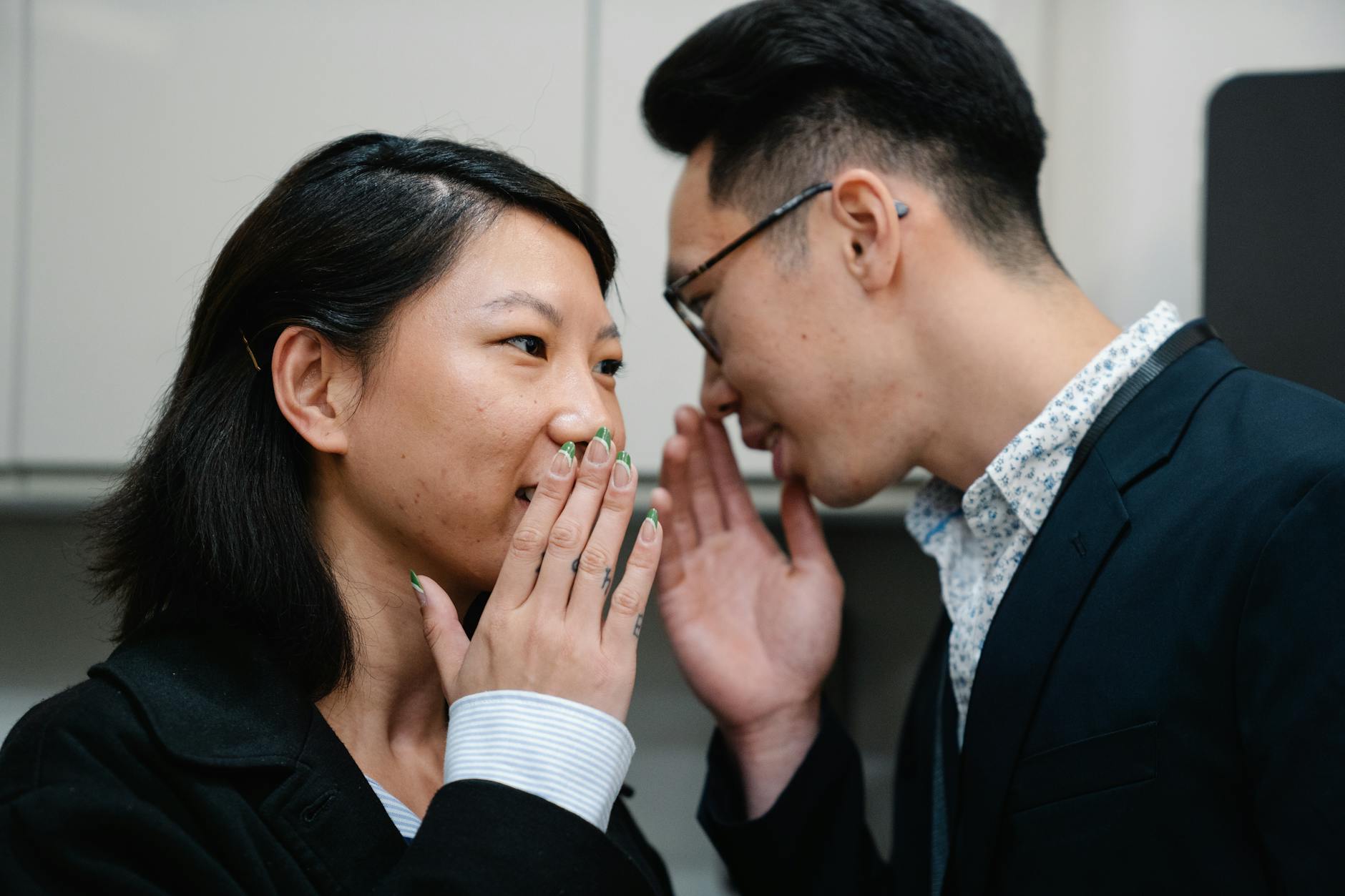
Using the assembly of people who share a connection to the deceased as an opportunity to circulate personal information, relationship updates, or community news about living people introduces a social register into the funeral environment that is fundamentally incompatible with the occasion’s purpose and that the bereaved family finds both disorienting and disrespectful. The funeral gathering brings together people who may rarely otherwise be in the same room and the temptation to use this assembly for social information exchange is one that most attendees resist because the context makes the inappropriateness obvious. Bereaved family members who overhear gossip about living people being exchanged at their loved one’s funeral report a specific kind of dissociation in which the gap between their own emotional state and the conversational content around them becomes briefly unbearable. The occasion has called everyone present together for one specific purpose and using it for any other social agenda is a failure of contextual awareness that the family observes and that their grief amplifies into lasting memory.
Share your own experiences of funeral behaviors that stayed with you long after the day itself in the comments.