From sneaking in outside food to full-blown arguments over seat assignments, movie theater staff have seen it all. Certain behaviors cross the line from mildly annoying to genuinely disruptive, turning a shared entertainment experience into a chaotic ordeal. These are the most common offenses that have cinema employees reaching for their radios and security teams sprinting down the aisles.
Outside Food

Guests frequently attempt to smuggle in elaborate meals, from full takeout containers to sizzling fast food bags that fill the entire auditorium with competing aromas. The crinkling of packaging, the strong food smells, and the visible disregard for venue policy create immediate tension with surrounding guests. Staff are trained to monitor for outside food and will issue warnings before escalating to removal. Theaters generate a significant portion of their revenue through concessions, making this violation both a policy issue and a financial one. Repeat offenders who argue with staff after being caught are the ones most likely to trigger a formal security response.
Seat Saving

Blocking off large numbers of seats with bags, coats, and personal items during peak screenings is one of the fastest ways to create conflict in a crowded theater. When latecomers discover that reserved-looking rows are actually being guarded by a single person, confrontations tend to escalate quickly. Staff are regularly called in to mediate disputes that begin over a single saved seat. In sold-out screenings this behavior causes genuine logistical problems for guests who have purchased assigned tickets. Management takes a firm stance on this issue during high-demand premieres and holiday weekend showings.
Phone Use

Bright screens illuminating a darkened auditorium are among the top complaints filed with theater management during and after screenings. Guests who film portions of the movie create a dual problem by both disturbing other patrons and violating copyright law. Staff conduct regular aisle checks specifically to identify and address ongoing phone use during feature presentations. Repeated warnings that go ignored almost always result in a security escort out of the building. The issue has become significant enough that some chains have introduced phone-detecting technology in their premium auditoriums.
Talking
Sustained conversation during a film is one of the most reported disturbances in multiplex environments worldwide. Guests who narrate the plot, answer questions out loud, or maintain running commentary disrupt the experience for entire rows around them. Theater employees receive specific training on how to approach and manage talkative guests without creating further disruption. A single complaint from a paying customer is often enough to prompt a staff visit to the row in question. Those who become confrontational when asked to be quiet are the primary candidates for security involvement.
Intoxication

Guests who arrive visibly intoxicated or consume smuggled alcohol inside the auditorium present a consistent challenge for theater staff. Loud behavior, stumbling in the aisles, and altercations with neighboring guests are the most common consequences. Many theaters now operate bars or licensed areas, making it easier for staff to distinguish between responsible and problematic alcohol consumption. Security teams are typically briefed on how to handle intoxicated individuals in a way that minimizes disruption to ongoing screenings. Removal is standard procedure when a guest’s condition poses a risk to themselves or those around them.
Recliner Disputes
The widespread installation of luxury recliner seating has introduced an entirely new category of in-theater conflict. Guests who recline without warning into the personal space of the person seated behind them frequently trigger heated exchanges. Staff are called in regularly to manage situations where reclining has resulted in spilled drinks or escalating arguments. Some theaters have introduced informal etiquette guidelines around recliner use in response to the volume of complaints received. The combination of premium ticket prices and perceived disrespect tends to make these disputes particularly difficult to de-escalate.
Laser Pointers
Bringing a laser pointer into a movie theater and directing it at the screen or at other guests is treated as a serious security matter in virtually every major cinema chain. The behavior distracts the entire audience and can cause genuine distress or eye discomfort depending on the device used. Staff are instructed to locate the source quickly and remove the individual without delay. In many jurisdictions the use of laser pointers in this context carries legal consequences beyond simple ejection from the premises. This particular offense has a near-zero tolerance policy across most major theater operators.
Child Mismanagement

Parents who leave young children unsupervised while they visit concessions or restrooms create liability issues that staff are required to address immediately. Unattended children running in the aisles, entering wrong auditoriums, or disturbing other guests generate a high volume of complaints. Staff are trained to locate the responsible adult and issue a formal warning rather than simply returning the child. In cases where children are repeatedly left alone or become distressed, venue management may involve security and in some situations local authorities. This is one of the few categories where a staff response is triggered by concern for safety rather than disruption alone.
Ticket Fraud
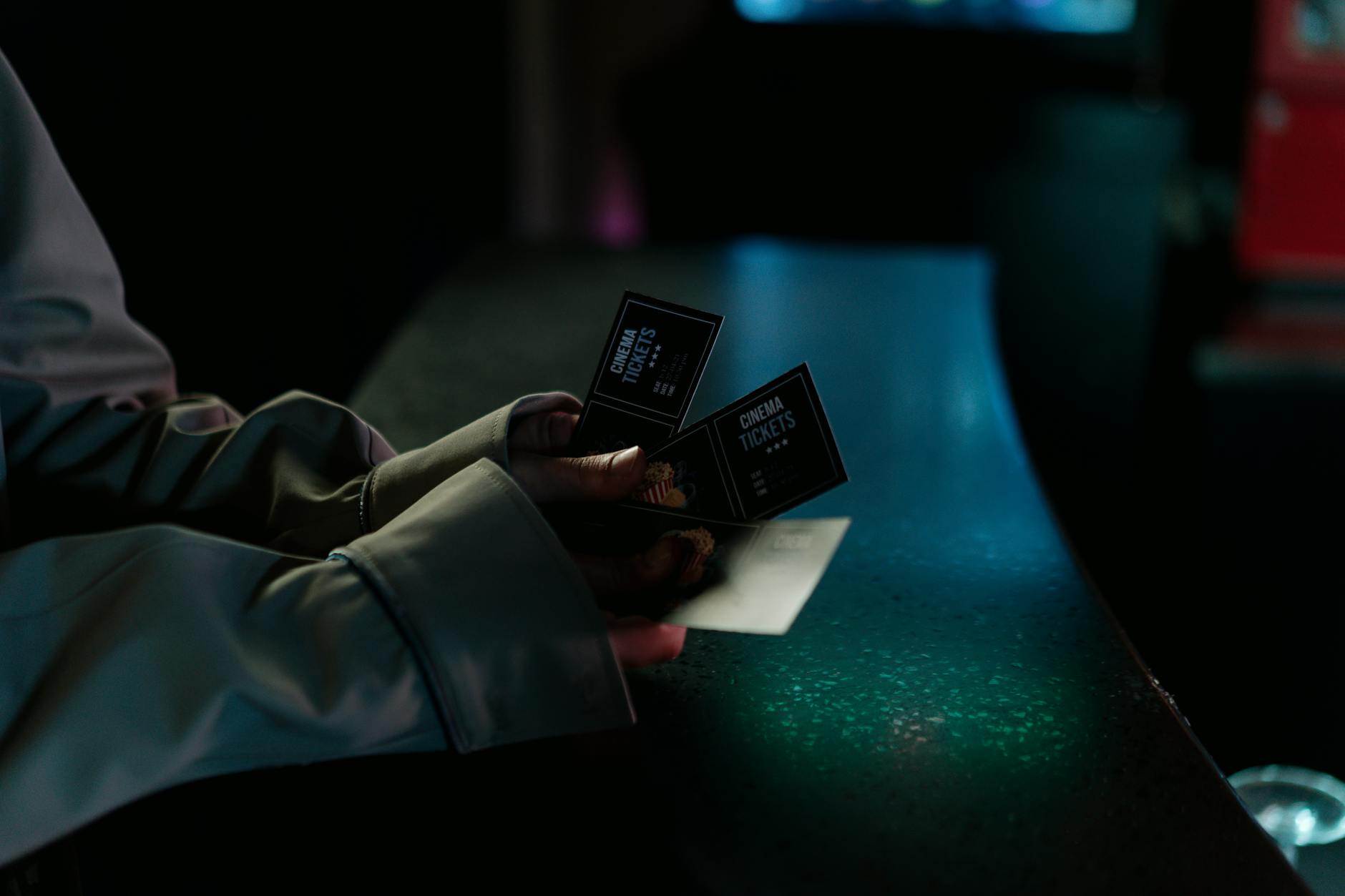
Attempting to enter a higher-category screening or a sold-out showing with an incorrect or duplicate ticket is flagged immediately at most modern theaters using digital scanning systems. Guests who attempt to tailgate through access doors or sneak between auditoriums during busy periods are a persistent challenge for floor staff. When confronted, those engaged in ticket fraud occasionally become aggressive, which is the point at which security becomes directly involved. Theaters lose measurable revenue through this behavior, and many have responded by increasing staff patrols between auditoriums during peak hours. Bans from the venue are a common outcome for guests caught attempting repeated access fraud.
Vandalism
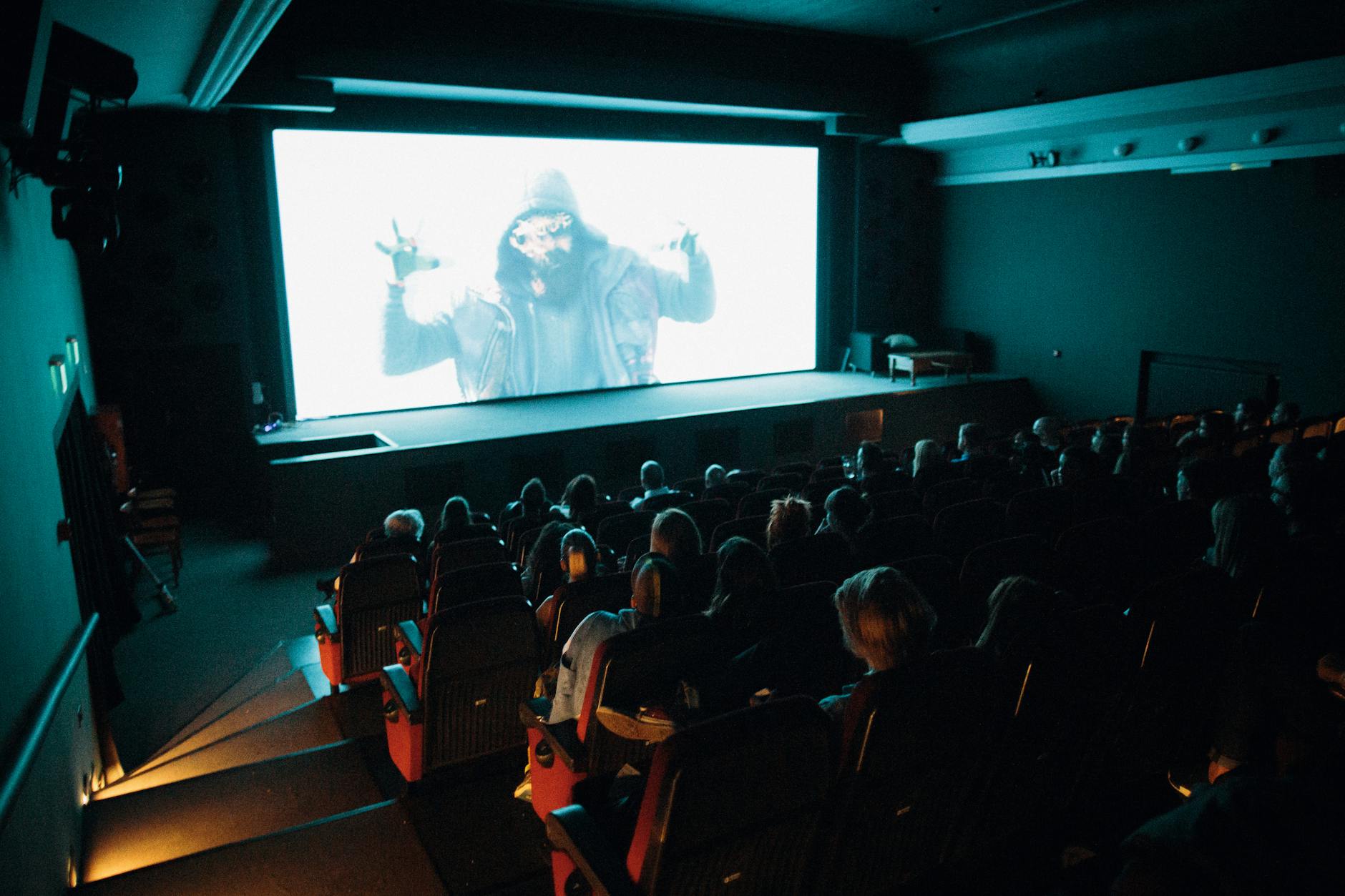
Deliberate damage to seating, screens, walls, or bathroom facilities is treated as a criminal matter rather than a simple policy violation. Staff are instructed not to confront vandals directly but to contact security and management immediately upon discovering damage in progress. The installation of interior cameras in common areas has significantly increased the rate at which vandals are identified and held accountable. Repair costs for premium recliner seating and projection screens are substantial, making theaters particularly firm in their response to this behavior. Prosecution is pursued in a meaningful number of cases, especially when damage is severe or intentional.
Harassment

Verbal or physical harassment directed at other guests or at theater staff is the category most likely to result in an immediate and non-negotiable security response. Staff are trained to take all reports of harassment seriously and to act quickly rather than waiting to observe the behavior themselves. In environments where alcohol is served, harassment incidents tend to increase during evening and late-night screenings. Many chains now operate clear reporting systems that allow guests to notify staff discreetly via app or text without drawing attention. Law enforcement is contacted in situations where harassment crosses into threatening or physical behavior.
Recording
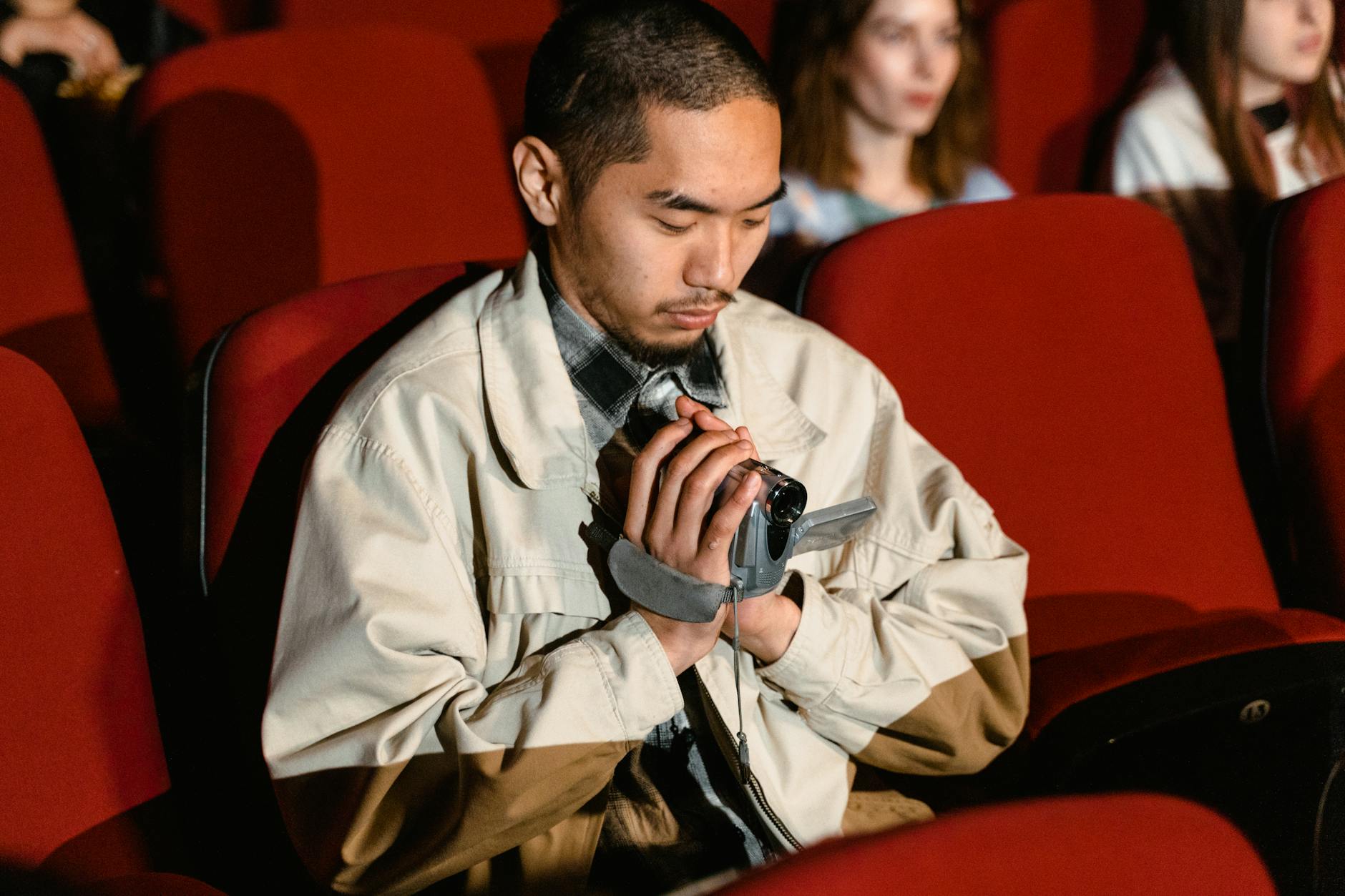
Attempting to record a film in any capacity is a violation of federal copyright law in many countries and is treated with corresponding seriousness by theater management. Staff are trained to identify the glow and positioning of recording devices even in low-light conditions. Individuals caught filming are typically detained by security while management contacts the distributor’s anti-piracy representatives. The consequences can extend well beyond ejection from the venue and into formal legal proceedings. Major studios maintain active relationships with theater chains specifically to ensure that recording incidents are reported and acted upon consistently.
Smoking

Smoking or vaping inside a movie theater auditorium triggers an immediate staff and security response in virtually every jurisdiction. The smell travels rapidly through shared air systems, affecting multiple auditoriums simultaneously and generating a wave of complaints within minutes. Staff are not permitted to ignore reports of smoking due to fire safety regulations and venue licensing requirements. Guests found smoking are removed without the option of a warning in most chain policies. The presence of minors in the building tends to accelerate and intensify the formal response when this behavior is reported.
Fighting
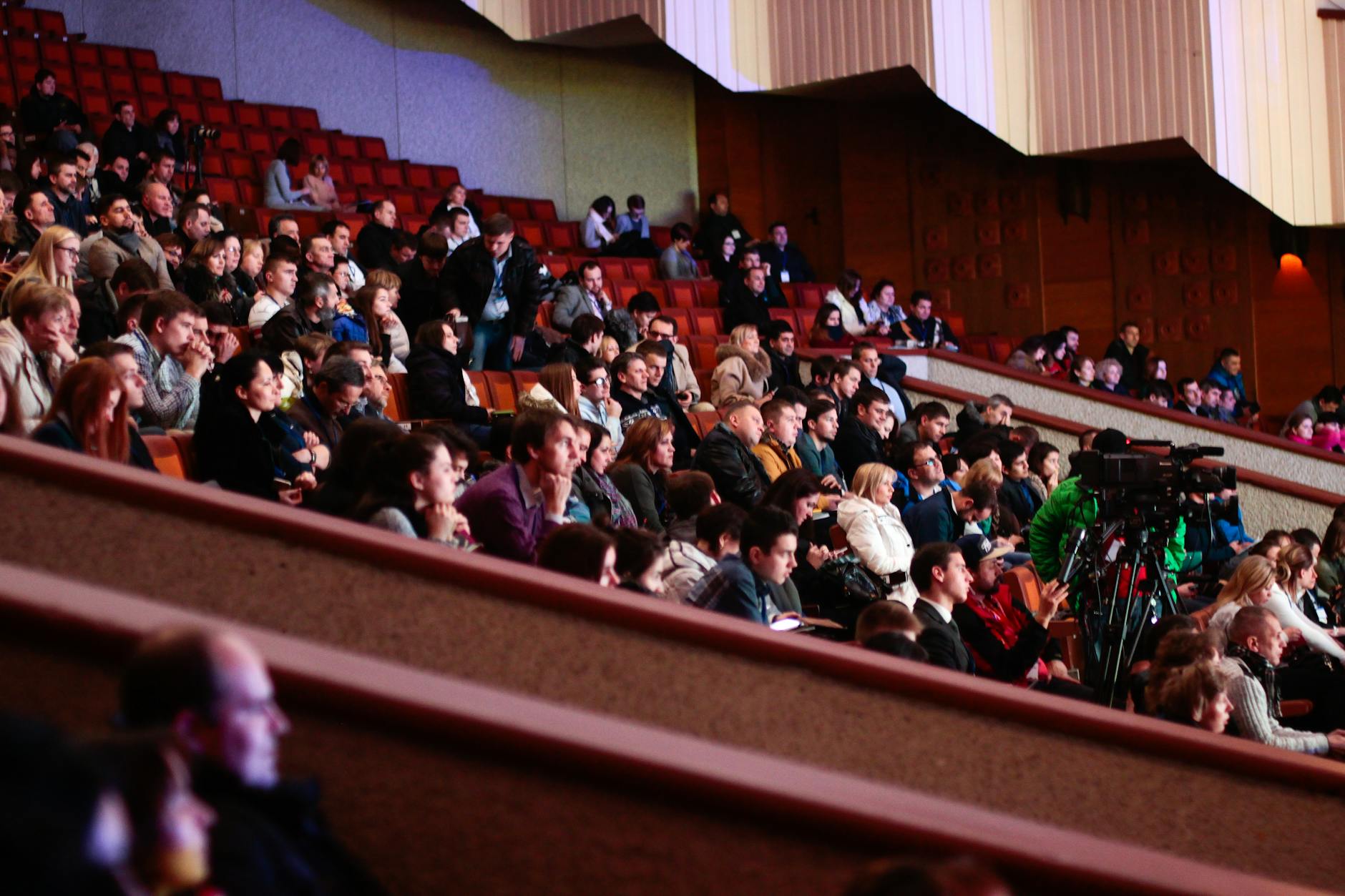
Physical altercations between guests are the highest-priority incidents that theater security teams respond to on a regular basis. Staff are instructed to call for security immediately and to clear surrounding guests away from the area rather than intervening physically. In most urban multiplex environments, a direct line to local law enforcement is maintained for exactly these situations. Fights most commonly begin over seat disputes, noise complaints, or confrontations that started in the lobby and continued inside the auditorium. All parties involved in a physical altercation are typically removed from the premises regardless of who initiated the conflict.
Bag Searches
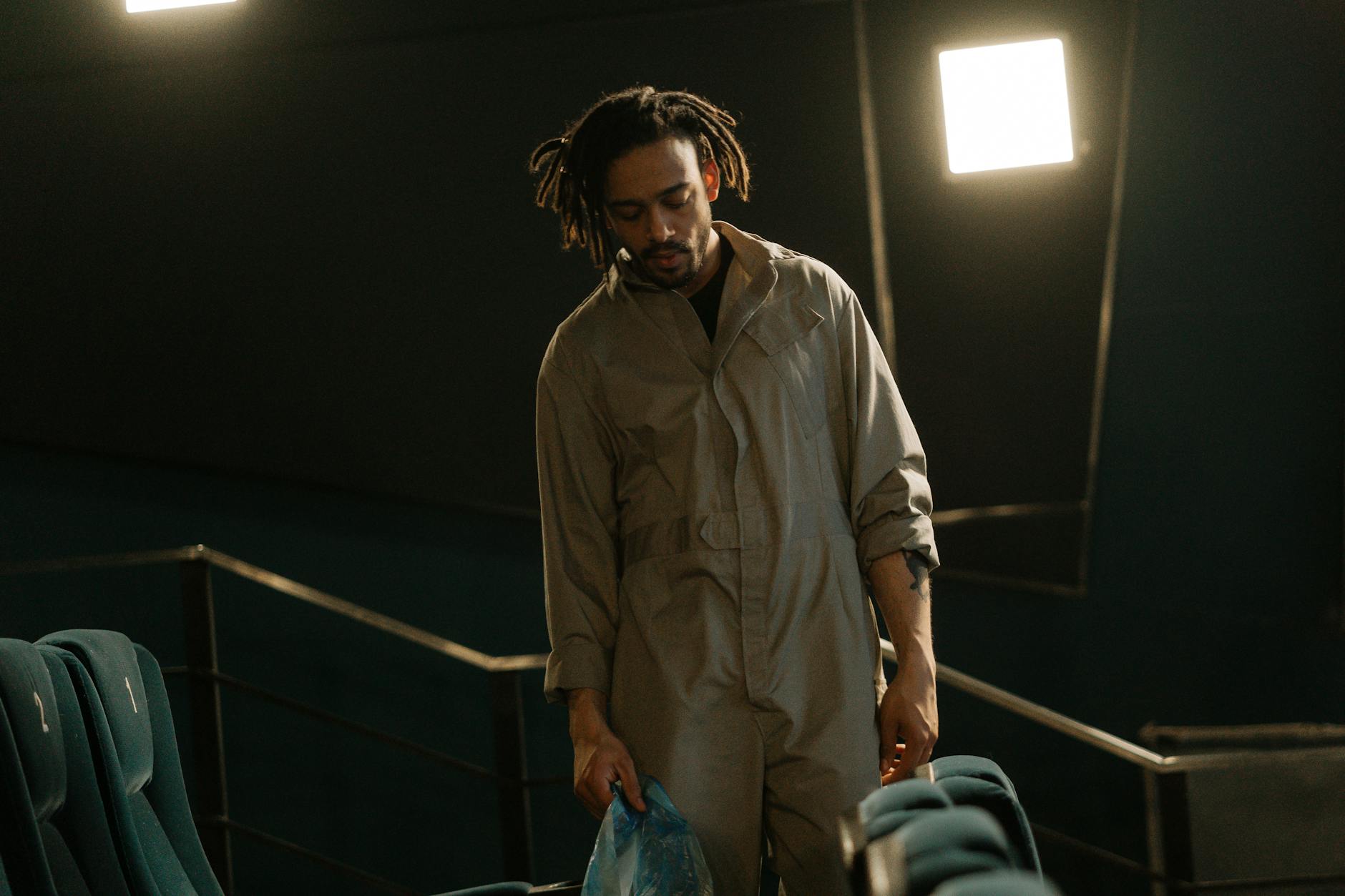
Guests who become aggressive or abusive when asked to submit to a bag check at the entrance create security situations before they even reach the auditorium. Bag checks are standard practice at many theaters, particularly for high-profile premieres and midnight screenings. Staff and security personnel are trained to remain calm but firm when guests resist or protest the process. Those who refuse entirely are denied entry, while those who become threatening are handled by security and in some cases by police. The policy exists primarily to prevent the introduction of outside alcohol, recording equipment, and in some locations weapons.
Auditorium Hopping
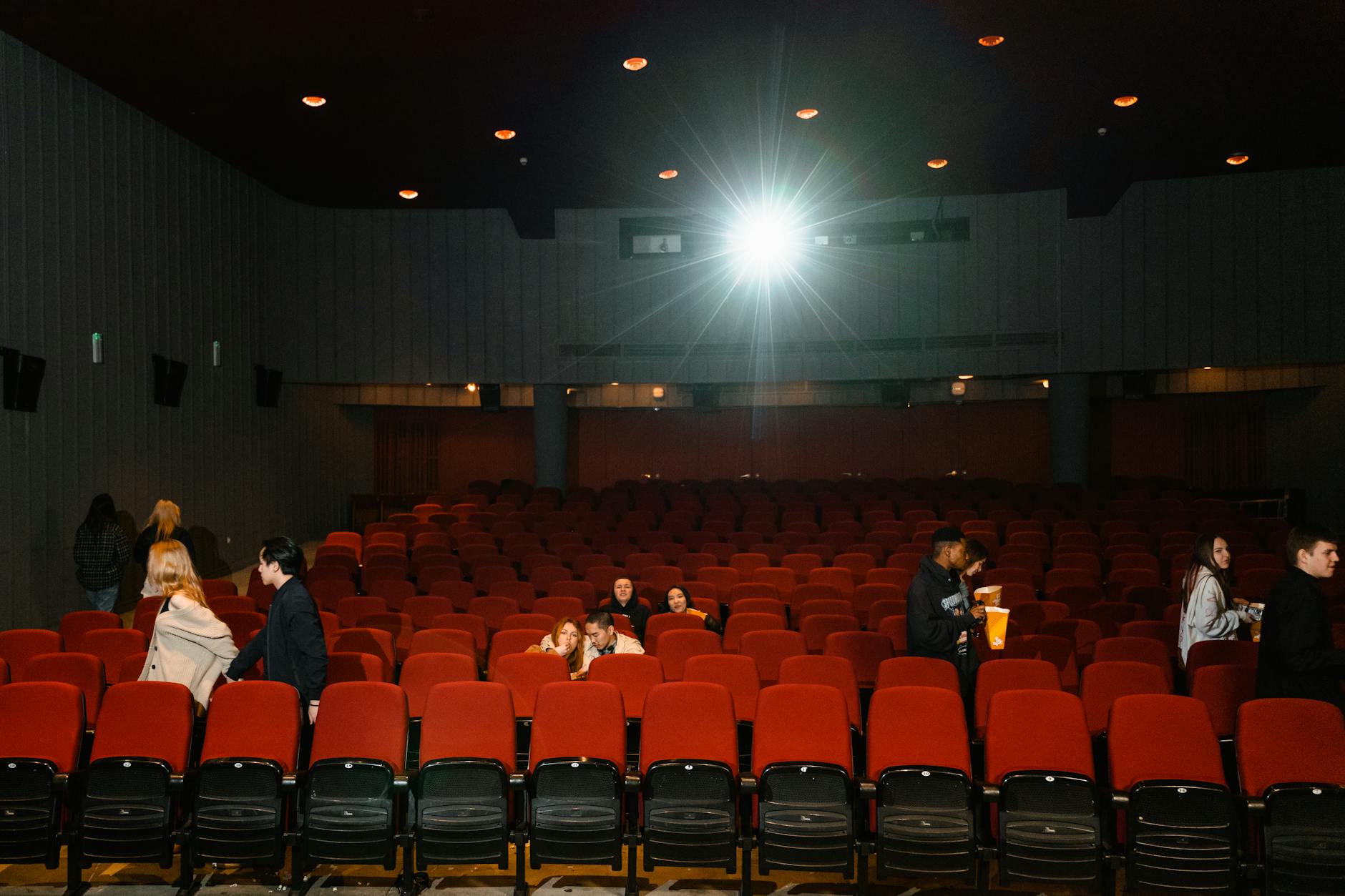
Watching multiple films on a single ticket by moving between auditoriums is a well-documented form of theft that theater staff are specifically trained to detect. Floor teams conduct periodic ticket checks inside auditoriums during the first few minutes of each new screening. Guests caught hopping are escorted out and may be issued a venue ban depending on the frequency and attitude displayed during the confrontation. The practice is more common during school holidays and weekend afternoon sessions when floor traffic is high and staff attention is divided. Digital ticketing systems have made it increasingly easy for staff to verify attendance records in real time.
Feet on Seats
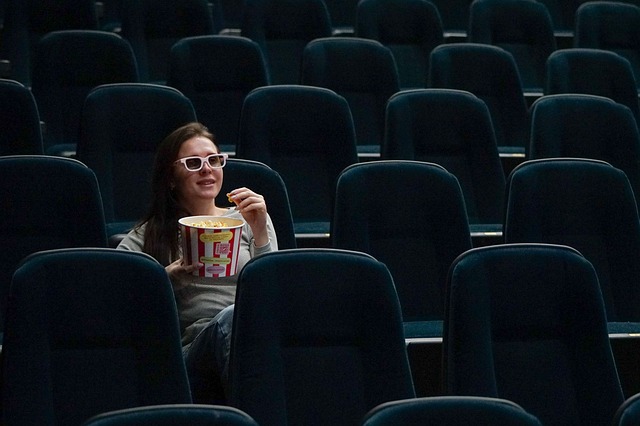
Placing feet on the backs of seats in front causes damage to upholstery and is a source of significant complaint from guests seated in those chairs. Staff conducting aisle checks will issue a verbal warning, and guests who refuse to comply are referred to management. In premium seating environments where individual chairs carry a higher replacement cost, the response to this behavior tends to be faster and less forgiving. Repeated refusal to remove feet after a warning is consistently categorized as disruptive conduct and handled accordingly. The behavior generates a disproportionately high volume of guest complaints relative to how minor it might appear.
Crying Babies
Guests who bring infants to adult screenings and make no effort to remove them when they become disruptive are a frequent source of formal complaints to theater staff. Babies and young children who cry continuously during a film affect the experience of everyone in the auditorium regardless of where they are seated. Staff are trained to approach the situation sensitively but are required to act when multiple complaints are received. Most theaters offer specific parent-and-baby screenings designed to accommodate exactly this situation, and staff will often reference these as an alternative. Guests who refuse to leave or become hostile when asked to step out with a crying child will typically have security called to assist.
Costume Weapons
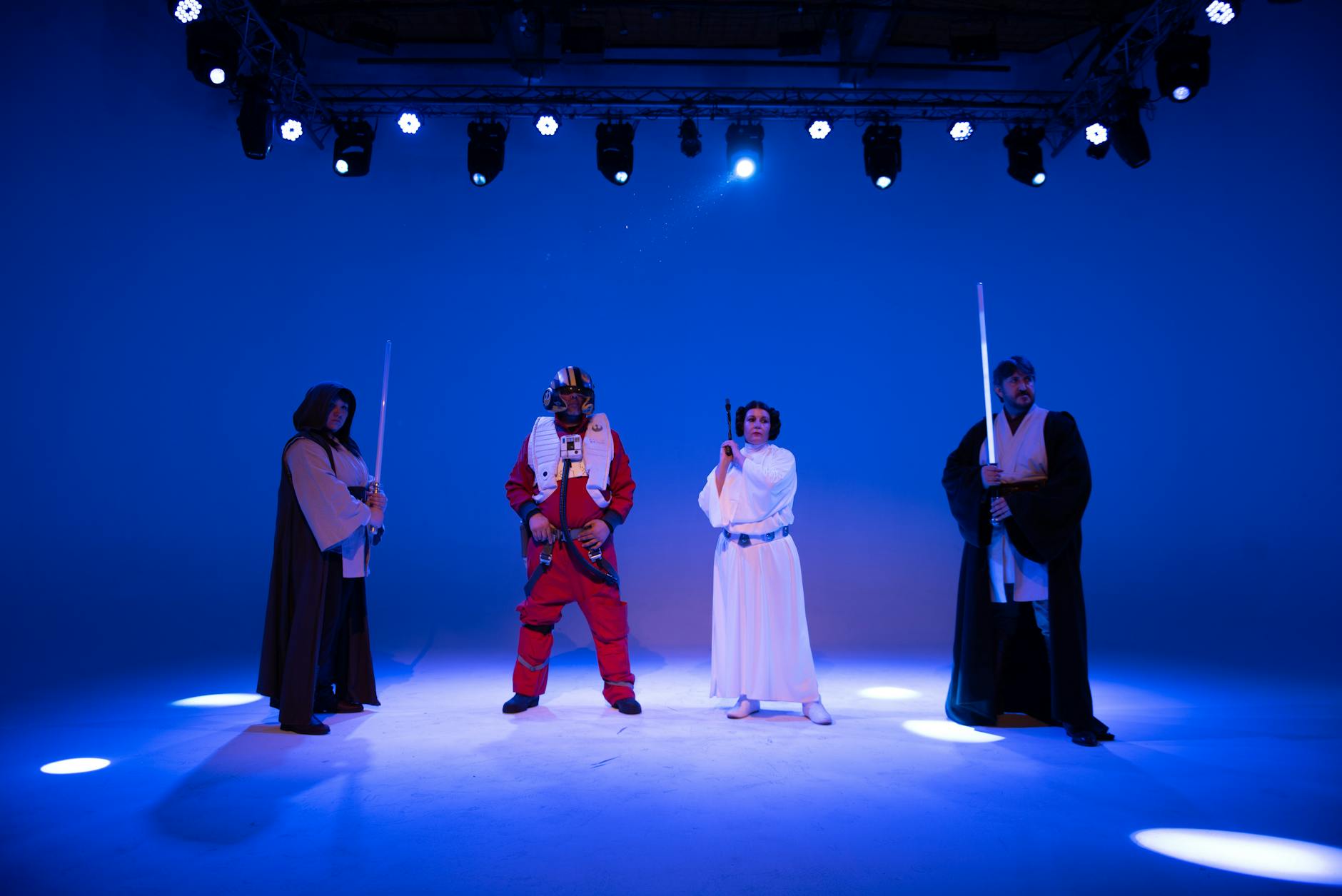
Guests arriving in costume for themed screenings and premieres are welcome at most theaters, but prop weapons of any kind are subject to strict prohibition regardless of how obviously decorative they appear. Staff at the door are instructed to refuse entry to anyone carrying items that resemble functional weapons even in a clearly festive context. The policy exists due to liability concerns and the potential for panic among other guests who may not immediately recognize a prop. Guests who argue at the door or attempt to conceal costume items are flagged to security. Most chains publish their costume policies in advance of major themed events to reduce incidents at the entrance.
Seating Arguments
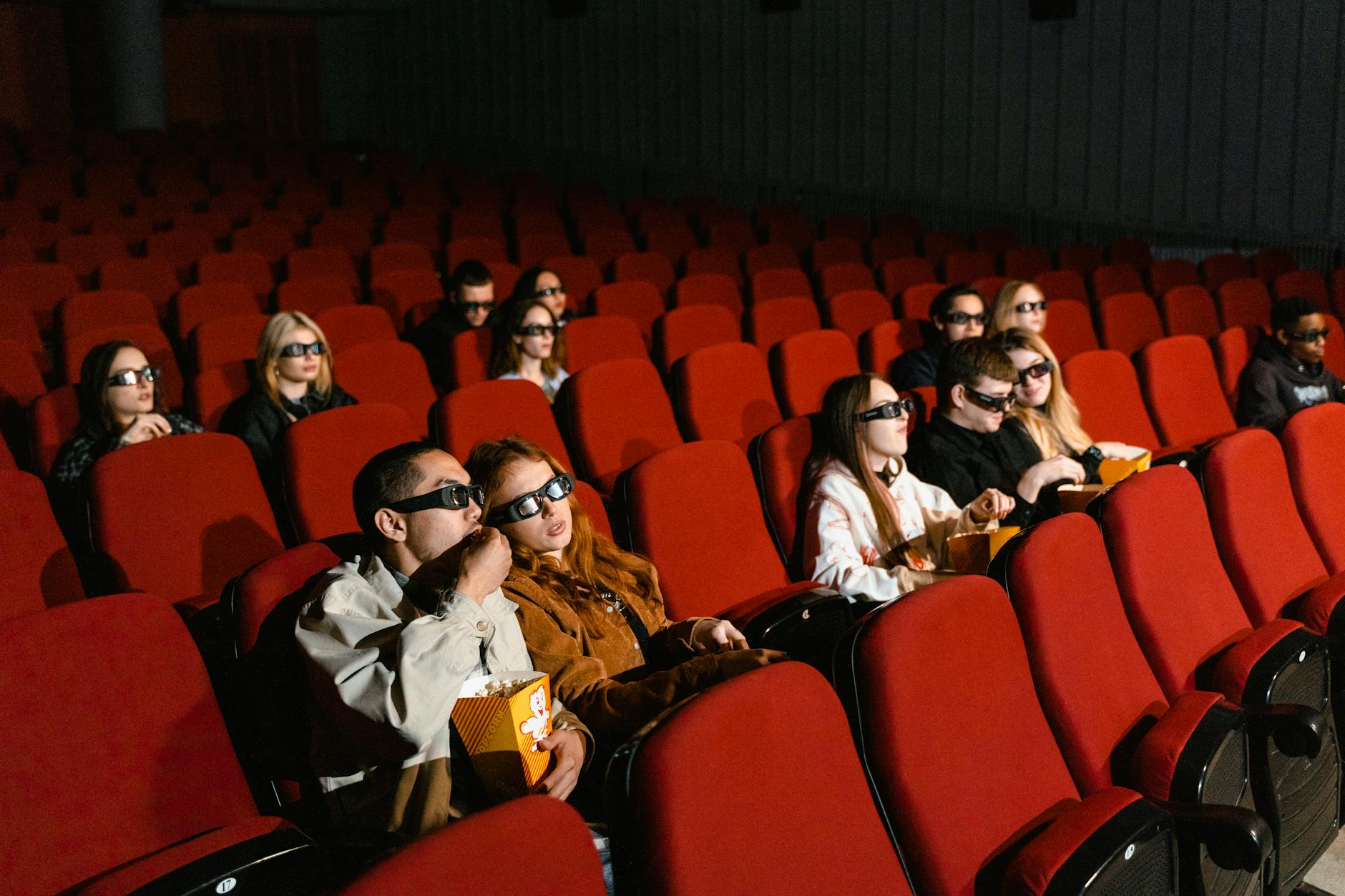
Disputes over incorrect or overlapping seat assignments are among the most common non-emergency incidents that staff are called to resolve during a screening. The introduction of assigned digital seating has reduced but not eliminated this problem, particularly when guests misread their tickets or knowingly sit in better seats than those they purchased. Staff are trained to check both parties’ tickets and resolve the dispute quickly to minimize disruption to surrounding guests. Guests who refuse to move to their correct seats or who become verbally aggressive trigger an automatic escalation to security. The situation becomes significantly more complex and confrontational when alcohol has been consumed prior to the screening.
Spoiling Films
Guests who loudly announce plot details or endings either during a screening or while exiting a previous showing and passing queues for the next one create a distinct and documented category of audience complaint. Staff treat deliberate spoiling as a form of disruptive behavior when it is loud, repeated, or clearly intentional. Reports from distressed guests waiting in line are taken seriously during high-profile opening weekends when anticipation is at its highest. Management has the authority to remove guests who persist in this behavior after a warning. The practice generates an outsized emotional response from affected audience members, making it one of the more volatile situations staff encounter during peak release periods.
Dine-In Misuse
Theaters that operate full dine-in service with waitstaff and table settings experience a specific category of guest misconduct related to the misuse or deliberate abuse of that service. Ordering excessive alcohol, refusing to pay for items consumed, or treating waitstaff in a demeaning or aggressive manner are the most commonly reported issues in these venues. The combination of a traditional hospitality environment with a darkened entertainment space creates conditions where some guests feel emboldened to behave in ways they would not in a conventional restaurant. Management in dine-in theaters typically has a lower threshold for issuing formal warnings given the additional service staff who are vulnerable to mistreatment. Security involvement is common in cases involving non-payment or harassment of dining staff.
Gum and Mess
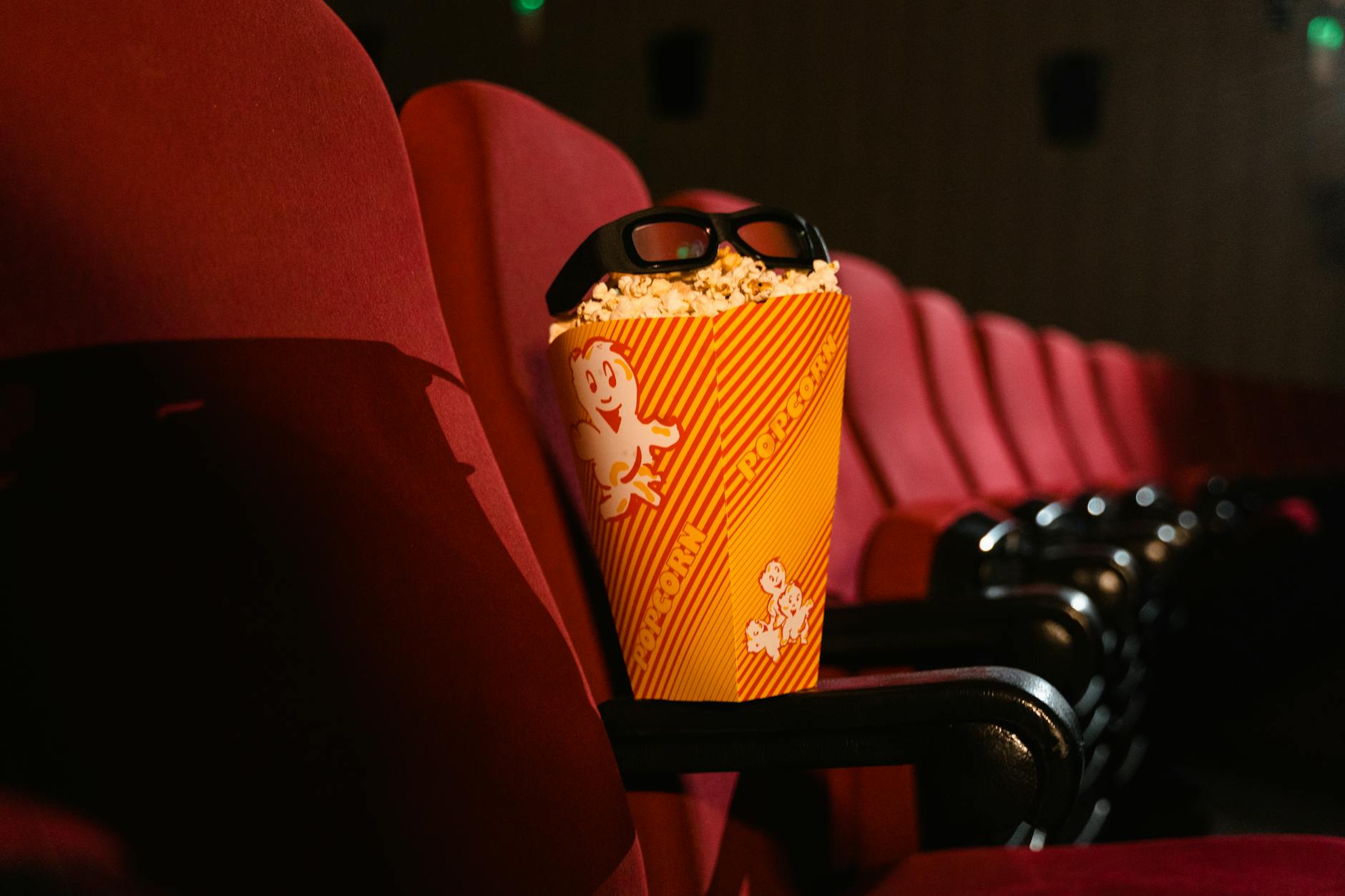
Deliberately sticking chewing gum on seats, armrests, or floors is treated as willful property damage and handled accordingly by theater management. Guests who leave excessive mess including scattered food, spilled drinks left unreported, or waste placed deliberately in unusual locations are subject to being charged for cleaning costs in some venues. Staff who discover significant mess during a screening rather than after it will identify the responsible guests and issue a formal warning. The behavior is disproportionately common during school holiday periods and late evening screenings. Repeat offenders who are recognized by staff or captured on venue cameras may be issued bans.
Dress Code Violations

A small number of upscale and premium cinema venues maintain formal or semi-formal dress codes, particularly those that combine fine dining with the film experience. Guests who arrive in beachwear, sports clothing, or visibly inappropriate attire may be refused entry or asked to cover up before being admitted. Staff handle these situations at the door to avoid the greater disruption of a mid-screening removal. Guests who become argumentative about dress code enforcement are referred to a manager, and those who turn aggressive are handled by security. The policy is more strictly enforced at members-only and boutique cinema clubs than at standard multiplex venues.
Dine-And-Dash
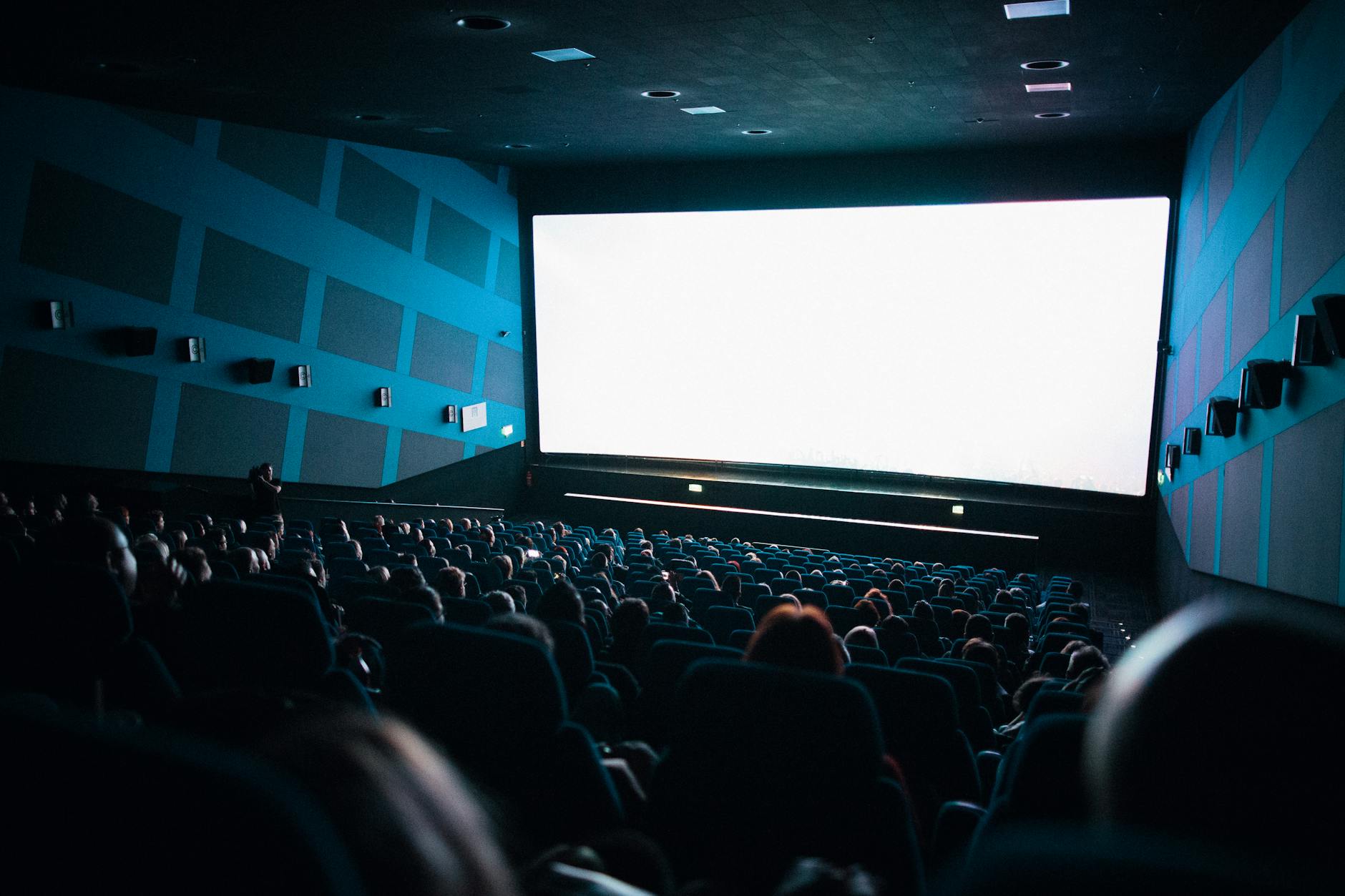
Leaving a dine-in theater without settling a food and beverage bill is treated as theft and handled with the same seriousness as any other form of venue fraud. Staff are trained to identify guests who appear to be preparing to leave before their tab has been processed. Security teams in larger dine-in venues are positioned near exits specifically to prevent this from occurring during the closing minutes of a screening. In documented cases, venues have pursued legal action against repeat offenders identified through booking records and payment information. The behavior is particularly damaging to smaller independent cinema-dining operators for whom food and beverage revenue is central to their business model.
If you have witnessed any of these behaviors at your local cinema or have your own theater etiquette experiences to share, drop your thoughts in the comments.