
Public parks are shared spaces meant for everyone to enjoy, yet certain behaviors consistently lead to hefty fines and awkward confrontations with park rangers. From noise violations to environmental damage, the rules exist to protect both visitors and the natural surroundings. Understanding what crosses the line can save you from an expensive and embarrassing situation. Whether you are a frequent park visitor or an occasional weekend wanderer, awareness of these common missteps is essential.
Littering

Tossing trash on the ground rather than walking to a bin is one of the most ticketed offenses in public parks worldwide. Even small items like cigarette butts, bottle caps, or food wrappers are treated as violations by enforcement officers. Many parks now use cameras and roaming rangers to catch offenders in the act. Fines can range from modest to genuinely shocking depending on the jurisdiction and the volume of waste left behind. Repeat offenders are frequently banned from park grounds entirely.
Alcohol

Drinking alcohol in parks where it is prohibited draws immediate attention from law enforcement and park staff. Many urban parks have strict no-alcohol zones clearly marked with signage throughout the grounds. Officers regularly patrol popular picnic and gathering areas especially on weekends and public holidays. The fine issued is often accompanied by confiscation of the beverages and a formal warning on record. Some regions escalate to criminal charges if the individual is visibly intoxicated or causing a disturbance.
Off-Leash Dogs

Allowing a dog to roam without a leash in a designated on-leash area is a ticketed offense in virtually every public park system. Unleashed dogs can frighten children, disturb wildlife, and create conflict with other animals on the path. Rangers and park wardens actively patrol these areas and issue fines on the spot without prior warning. Many parks use a three-strike system that can ultimately result in a ban from bringing pets onto the grounds. Even well-trained dogs are legally required to be leashed in restricted zones regardless of owner confidence.
Barbecuing
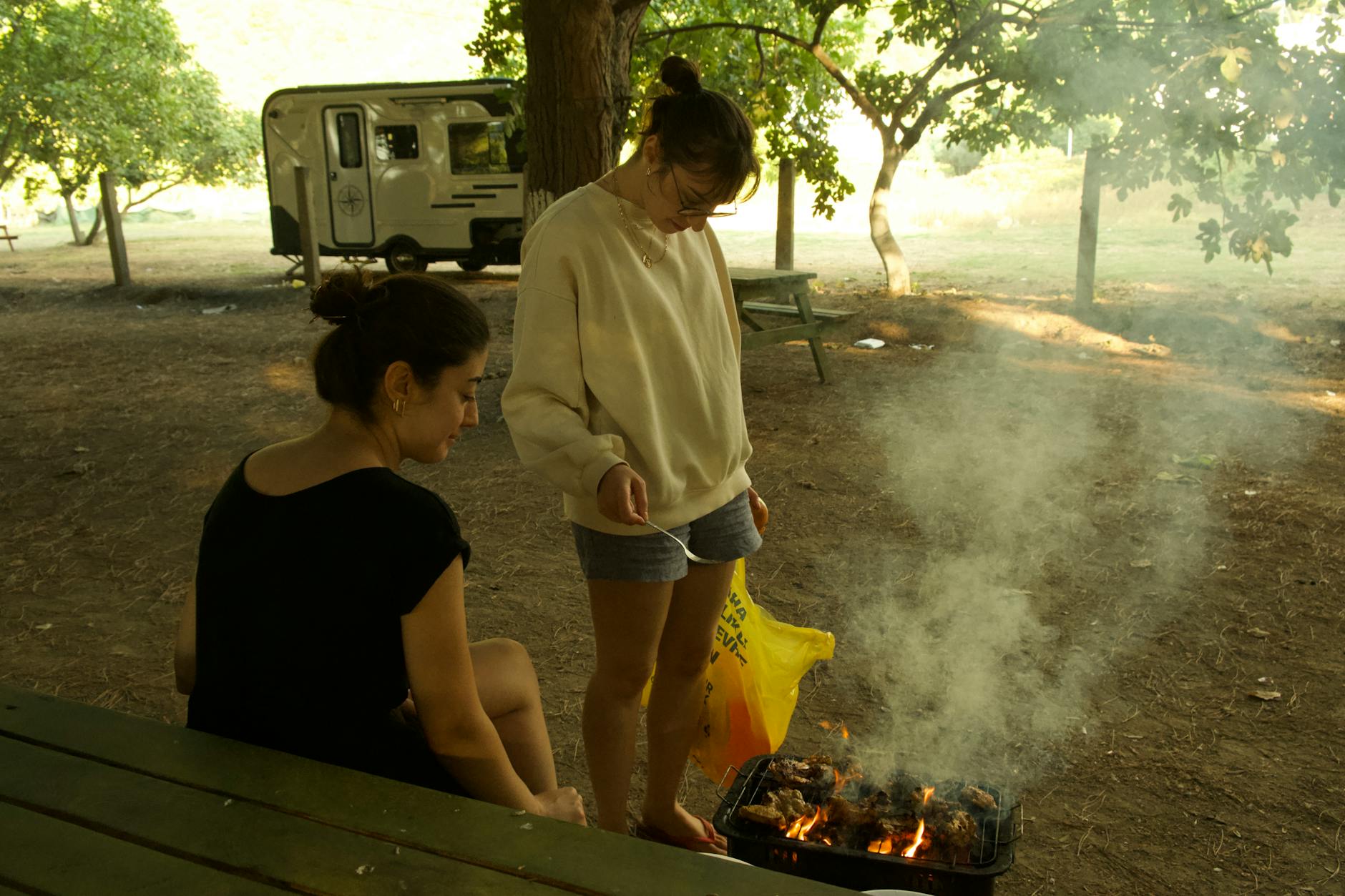
Setting up a portable grill or open fire in an area not designated for barbecuing is a serious park violation. Fire hazards pose a significant risk to surrounding vegetation, wildlife, and other park visitors. Park authorities treat unauthorized flames with urgency and the fines reflect that level of concern. In drought-prone or high-risk fire regions the penalties can be extraordinarily steep and legally binding. Some parks have permanent designated barbecue stations that visitors must reserve in advance to use legally.
Tree Carving

Carving names, initials, or symbols into park trees is considered vandalism and is treated as a criminal offense in most jurisdictions. The damage weakens the tree’s protective bark and creates entry points for disease and pests. Rangers document the damage photographically and can trace it back to witnesses or surveillance footage. Fines are issued per tree damaged meaning a single romantic gesture can result in multiple penalties at once. Restoration costs may also be charged to the individual responsible for particularly severe or widespread damage.
Drone Flying

Operating a drone in a public park without a permit is illegal in the majority of regulated green spaces around the world. Drones can disturb nesting birds, invade the privacy of other visitors, and pose a collision risk to low-flying aircraft. Park authorities have the right to ground and confiscate equipment flown in violation of posted regulations. The operator may also face additional penalties under aviation law separate from the park fine itself. Designated drone zones exist in some parks but require advance registration and compliance with strict altitude rules.
Feeding Wildlife

Offering food to birds, squirrels, ducks, or any other wildlife in restricted areas creates ecological imbalance and is widely prohibited. Animals that become dependent on human food lose their natural foraging instincts and can become aggressive toward visitors. Many parks have explicit signage warning that feeding wildlife carries a direct financial penalty. Rangers observe feeding behavior regularly and will issue fines without extended warning in high-traffic areas. The regulation exists to protect both the animals and the long-term health of the park’s ecosystem.
Picking Flowers

Removing wildflowers, plants, or foliage from a protected park area is classified as theft of public property in most regions. Parks cultivate native plant species as part of deliberate conservation and biodiversity programs. Even picking a single flower is considered a punishable offense when signs or bylaws clearly prohibit it. Enforcement is particularly strict in national parks and heritage-listed green spaces where flora is protected by federal law. Visitors are encouraged to photograph plants rather than remove them from their natural environment.
Loud Music
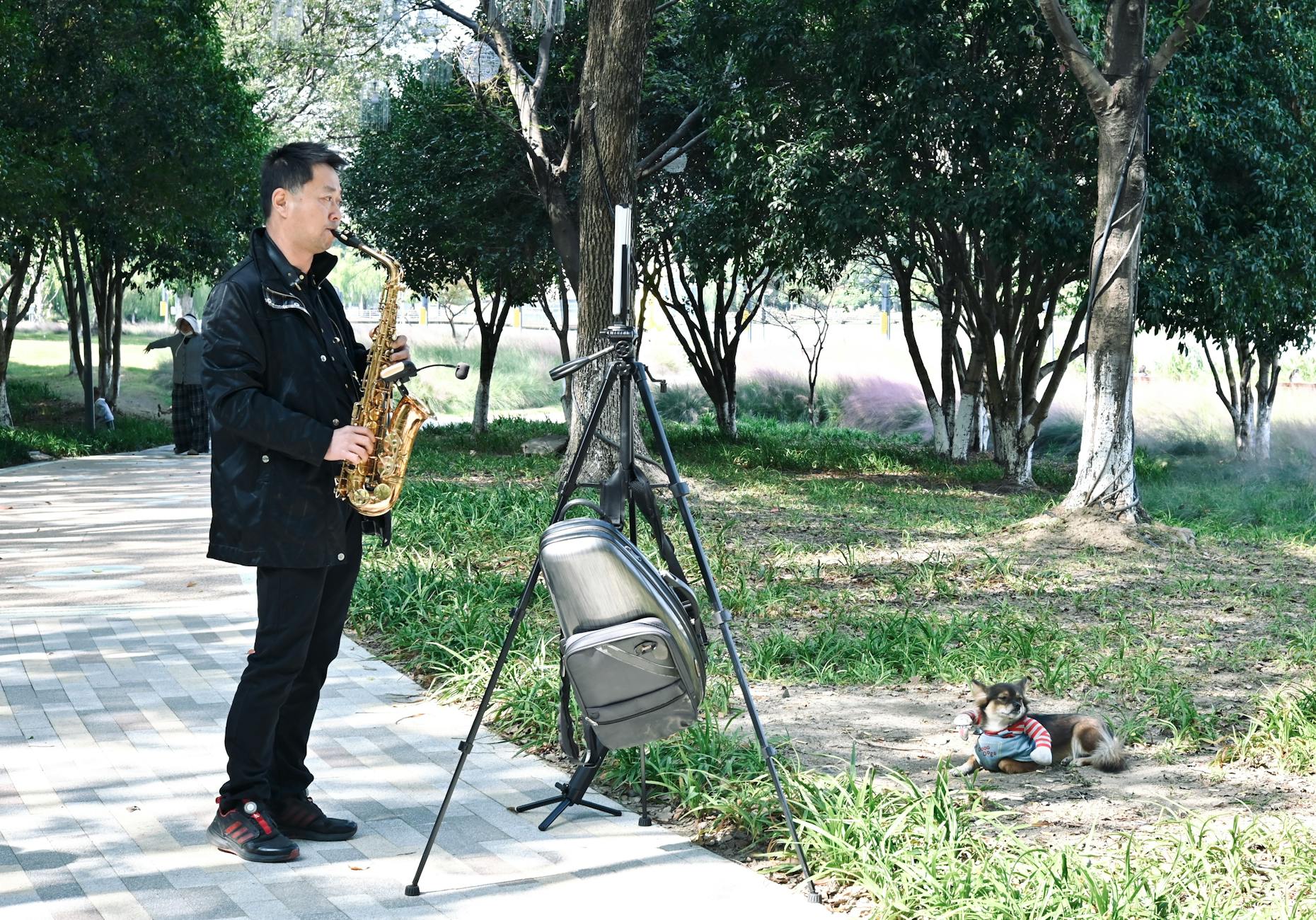
Playing amplified music through portable speakers above permitted decibel levels is a common cause of park fines. Noise ordinances in most cities extend to outdoor public spaces and are actively enforced by park rangers and local police. Fellow park visitors have the right to file a noise complaint which can trigger an immediate response from authorities. Fines increase in severity for repeat violations or for gatherings that continue playing after a formal warning has been issued. Acoustic instruments and personal headphones remain the accepted alternatives in noise-sensitive park zones.
Camping

Setting up a tent or sleeping overnight in a public park that is not designated as a campsite is an offense that carries significant fines. Urban parks in particular enforce this regulation to maintain safety and preserve the grounds for daytime visitors. Rangers conduct regular sweeps in the early morning hours to identify unauthorized overnight stays. Belongings may be confiscated and individuals may be escorted off the premises by law enforcement. Designated campgrounds within or near parks require booking in advance and come with specific rules about setup and departure times.
Vandalism

Spray painting, scratching, or defacing park benches, signs, sculptures, or pathways is treated as criminal damage rather than a simple fine offense. The cost of repairing vandalized public property is frequently passed on to the individual responsible through civil recovery claims. Courts take park vandalism seriously as it degrades communal spaces relied upon by entire neighborhoods. Surveillance coverage in modern parks has made it significantly easier to identify and prosecute offenders after the fact. Community service orders are sometimes issued alongside monetary penalties for first-time offenders caught in the act.
Cycling Off-Paths

Riding a bicycle on pedestrian-only trails or through restricted green zones is a finable offense in the majority of public parks. These regulations exist to protect both cyclists and walkers who share the same general space. Park rangers monitor high-pedestrian areas actively and will flag cyclists who ignore designated path markings. Repeat offenders may have their cycling access to the park suspended under local bylaws. Dedicated cycling lanes and mountain bike trails are available in many parks for those who want a more active riding experience.
Fishing Without License
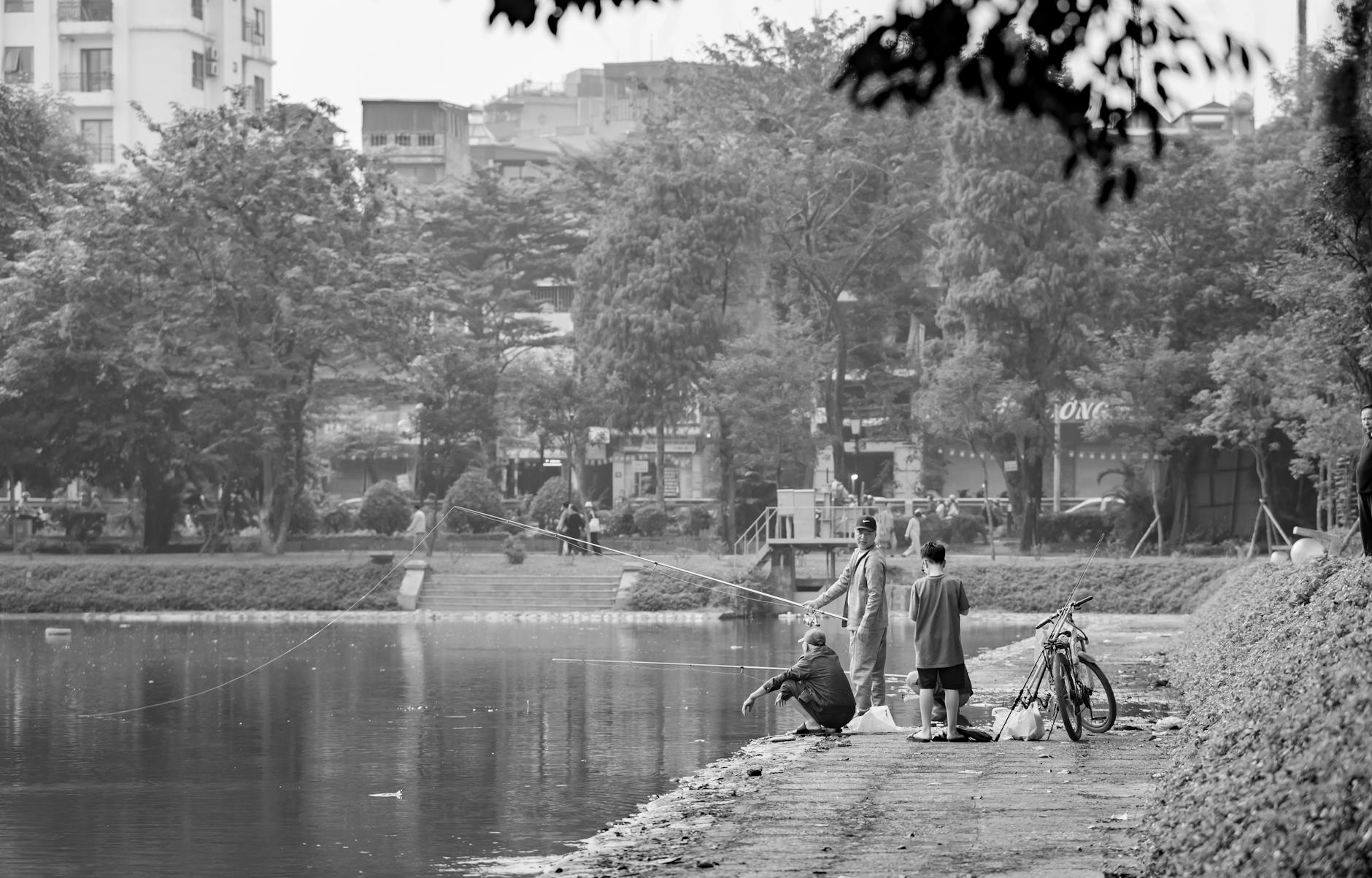
Casting a line in a park pond or lake without a valid fishing permit is a surprisingly common violation that results in substantial fines. Most bodies of water within public parks fall under regional fisheries regulations that require documented licensing. Wardens conduct regular checks in popular fishing spots particularly during peak season. Fines are often scaled to the number of unlicensed individuals in the group rather than issued as a single collective penalty. Permit applications are widely available online and at local park authority offices making compliance straightforward.
Glass Bottles

Bringing glass containers into a park that prohibits them is a safety violation that rangers actively enforce. Broken glass poses serious risks to barefoot visitors, children, and animals that use park grounds. Many parks have adopted explicit bans on glass in high-traffic areas such as picnic zones and playgrounds. Fines are issued to individuals found with glass containers even if the bottles remain intact and unopened. Reusable plastic or stainless steel containers are the widely accepted alternative recommended by park authorities.
Soliciting

Selling goods, services, or accepting donations without an official vendor permit inside a public park is considered unauthorized commercial activity. Street performers, food vendors, and charity collectors all require formal licensing to operate legally on park grounds. Enforcement officers treat unsanctioned soliciting as a direct violation of fair trading and park use regulations. Fines are accompanied by an order to cease activity immediately and vacate the commercial area. Licensed markets and permitted vendor events are the appropriate channels for any form of commercial engagement within the park.
Swimming

Entering a fountain, decorative pond, lake, or any body of water where swimming is explicitly prohibited carries an automatic fine in most parks. These restrictions are in place for public safety reasons as many such water bodies contain harmful bacteria or hidden underwater hazards. Lifeguard-supervised swimming zones exist in parks that officially permit water activity. Children and adults alike are subject to the same regulation with parents held responsible for minors who enter restricted water. Park staff and rangers have the authority to issue fines on the spot and require individuals to exit the water immediately.
Smoking

Lighting a cigarette or any other smokeable product in a designated non-smoking park zone is a finable offense across a growing number of cities globally. Many parks have expanded their smoke-free areas to cover entire grounds rather than isolated sections. Passive smoke affects surrounding visitors including children and individuals with respiratory conditions who frequent outdoor spaces. Enforcement is largely complaint-driven though rangers in busy parks actively monitor and address violations directly. Designated smoking areas where they exist are typically located at park perimeters away from central recreational zones.
Fireworks
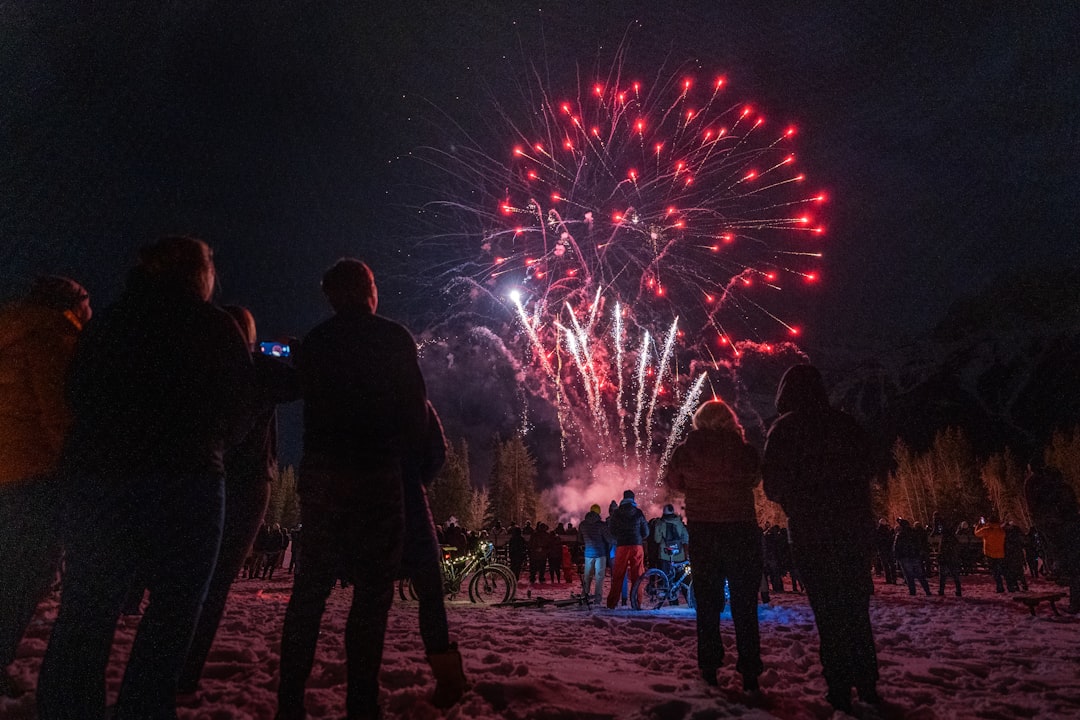
Igniting fireworks or any form of pyrotechnics inside a public park without written authorization from park authorities is illegal in virtually every jurisdiction. The fire risk to dry grass and surrounding tree cover makes unauthorized fireworks one of the most dangerous park violations on record. Fines for this offense are among the highest issued in the park system and can be accompanied by criminal charges. Organized community fireworks events in parks require extensive permitting, insurance, and coordination with emergency services. Personal celebrations that involve fireworks must be moved to privately owned and legally approved venues.
Graffiti
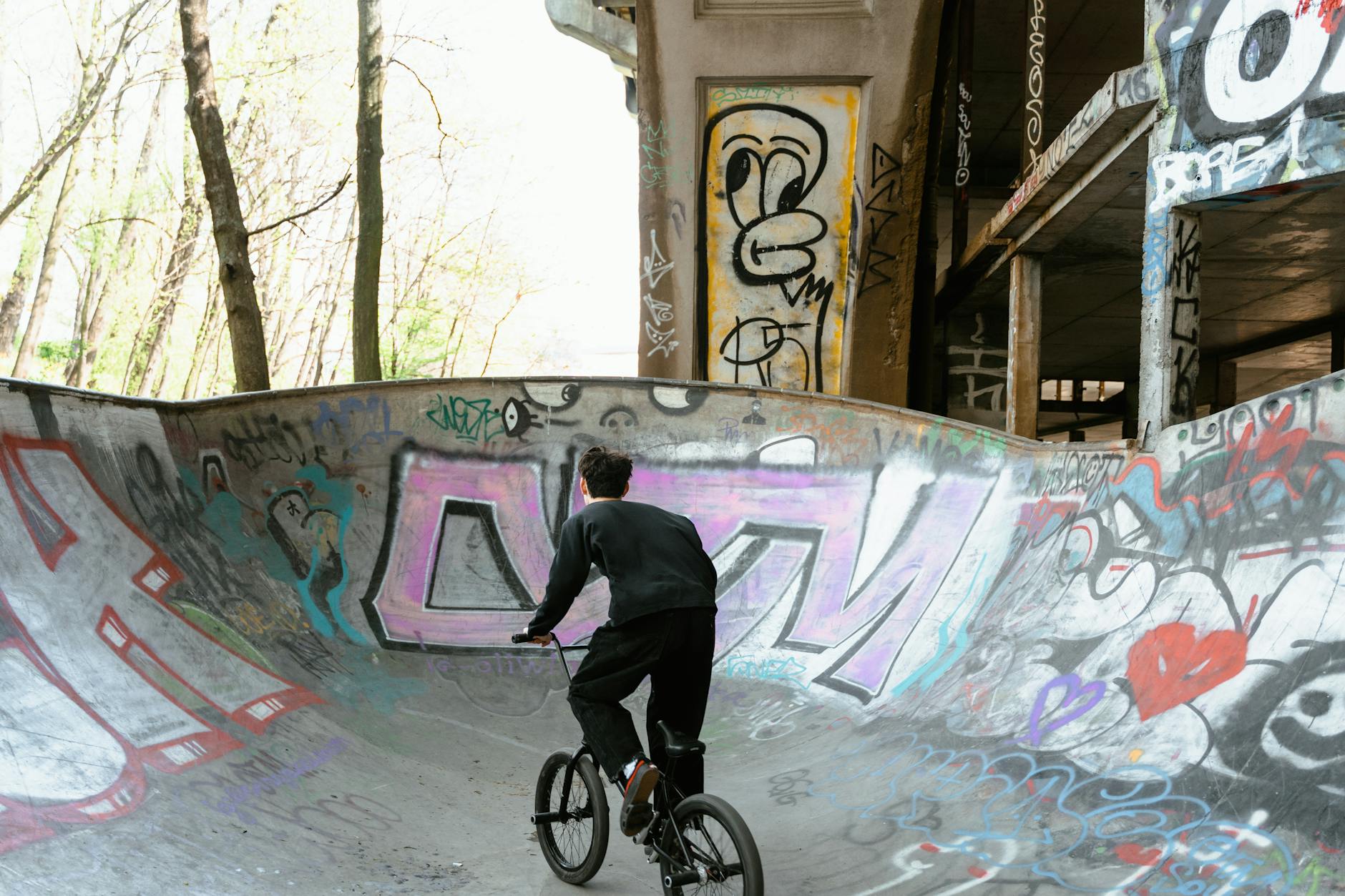
Applying paint, marker, chalk, or any other medium to park infrastructure without authorization is classified as vandalism under public property law. Even temporary or washable applications to rocks, walls, and signage can trigger fines if they alter the appearance of protected surfaces. Urban parks with high footfall often have dedicated staff whose role includes identifying and reporting new graffiti daily. The financial penalties for graffiti in parks frequently include the full cost of professional removal and surface restoration. Some parks have introduced legal mural zones where artists can apply for permission to create approved public art.
Rough Sleeping

Using a public park as a prolonged or permanent place of rest during restricted overnight hours is subject to enforcement action in regulated green spaces. Parks set defined opening and closing hours and remaining on the grounds after closure is treated as trespassing. Authorities in major cities have implemented outreach programs alongside enforcement to address the underlying causes of rough sleeping in parks. Fines issued for this violation are often contested in court and outcomes vary significantly by region and individual circumstance. The regulation is enforced differently across jurisdictions with some areas taking a welfare-first approach before issuing formal penalties.
Metal Detecting

Using a metal detector in a public park without the required permit is prohibited across a large number of protected green spaces. Archaeological finds and historical artifacts discovered on public land are legally considered property of the state in many countries. Unauthorized excavation even at very shallow depths can damage underground infrastructure and protected heritage sites. Rangers and park officers are trained to identify metal detecting equipment and will approach users to verify permit status. Hobbyists who wish to detect legally must apply through the relevant heritage or parks authority and agree to report significant finds.
Organized Sports Without Permit

Running an organized sports event, tournament, or structured group activity in a public park without prior authorization from the parks department is a finable offense. These permits exist to manage space fairly and prevent conflicts between large groups and individual park users. Events that draw crowds require insurance, noise management plans, and sometimes coordination with local emergency services. Fines are issued not just for the activity itself but for any damage caused to turf, signage, or park furniture during the event. Community leagues and recreational groups are encouraged to apply for permits well in advance as popular time slots are frequently booked out months ahead.
Removing Historical Markers
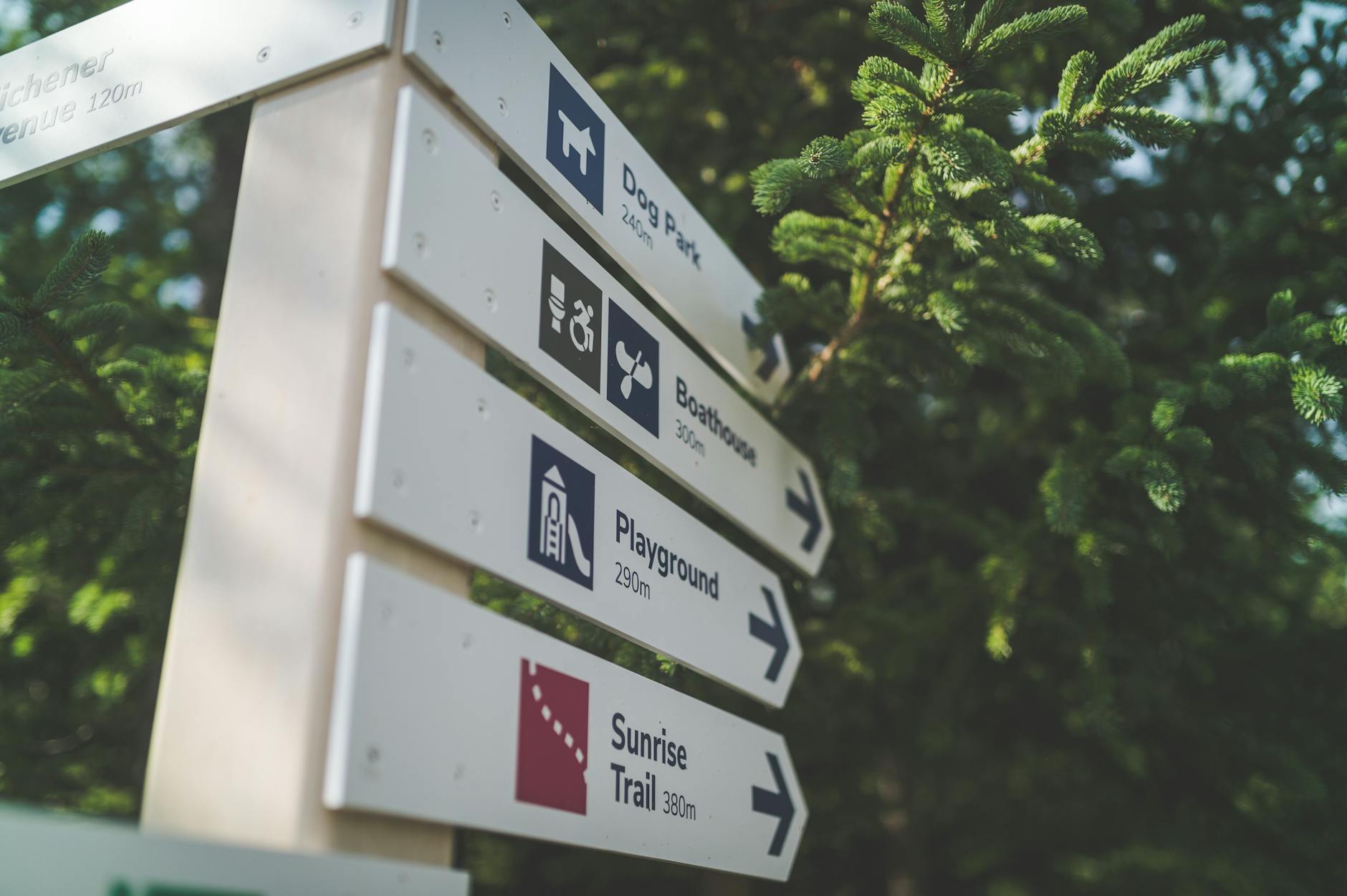
Taking, damaging, or interfering with a historical plaque, monument, or commemorative marker in a public park is treated as a serious criminal offense. These installations are protected under heritage legislation in most countries and carry penalties far beyond a standard park fine. Even unintentional damage caused during photography or climbing on markers can result in liability for the visitor involved. Park authorities document all markers as part of a heritage register meaning any interference is formally recorded and investigated. Visitors are encouraged to engage with historical markers respectfully and report any existing damage to park staff immediately upon discovery.
What is the tackiest park behavior you have personally witnessed or experienced? Share your thoughts in the comments.