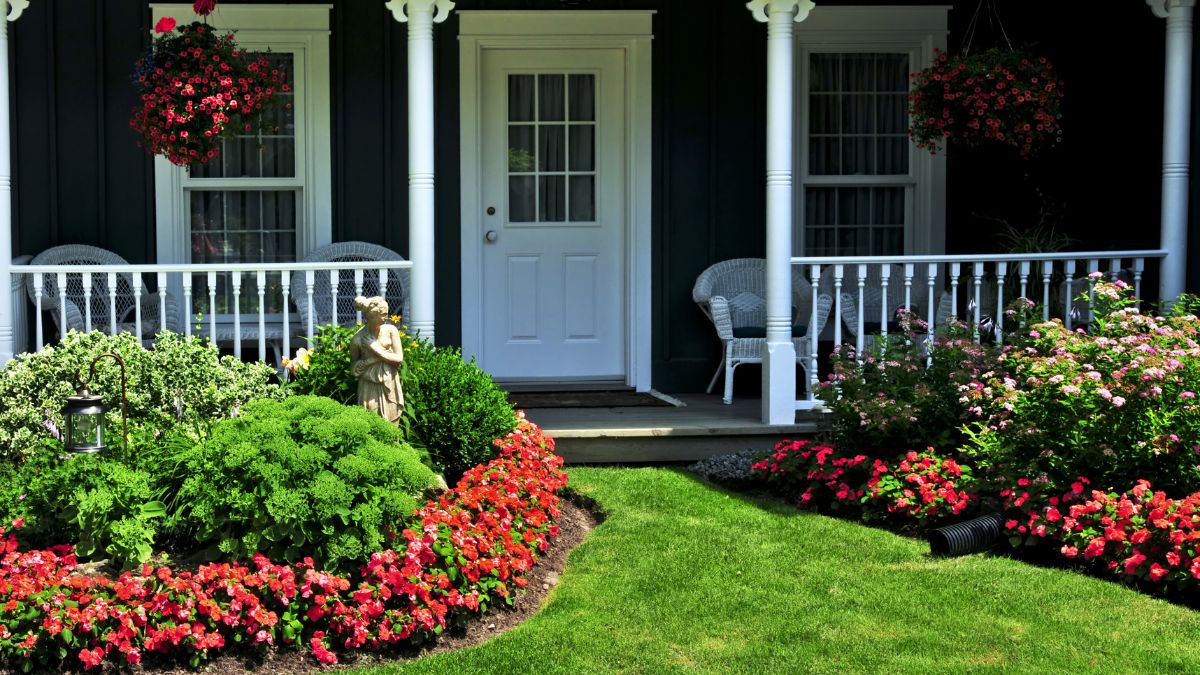
First impressions matter, and the front yard is the first thing neighbors and passersby notice about any home. Certain decorative choices have a way of dragging down the visual harmony of an entire street, no matter how well-maintained the surrounding properties are. Curb appeal is a well-studied concept in real estate and urban design, and what sits in a front yard directly affects property values and neighborhood morale. From overcrowded garden ornaments to neglected inflatables, some trends have earned a near-universal reputation for making a space look cheap and cluttered. Whether the intention is charm or personality, the result often lands somewhere far less flattering.
Plastic Flamingos

The plastic pink flamingo became a cultural symbol of kitsch after its introduction in the late 1950s and has never quite shaken that association. Mass-produced from low-grade plastic, these figures fade quickly under sun exposure and take on a chalky, washed-out appearance within a single season. A single flamingo rarely appears alone, and clusters of them create a chaotic focal point that competes with the architecture of the home itself. Their origins are tied to novelty rather than genuine design intention, which is difficult to overlook when they are placed in a formal or manicured front yard setting. Even in casual neighborhood settings they tend to read as an afterthought rather than a considered decorative choice.
Garden Gnomes

Garden gnomes originated in nineteenth-century German folk tradition and were once considered charming additions to cottage-style properties across Europe. The mass-market versions sold today are typically made from brittle resin and painted in garish primary colors that fade and chip within months of outdoor exposure. Their cartoonish facial features and exaggerated proportions clash with nearly every architectural style found in modern residential neighborhoods. When accumulated in large numbers, which is a common pattern among collectors, they create a cluttered and visually overwhelming display along the front path or garden border. The sheer volume of cheap imitations available in garden centers has diluted any charm the original concept may have carried.
Vinyl Banners

Vinyl banners printed with seasonal slogans or holiday greetings are designed for temporary commercial use and translate poorly to residential front yards. The material is inherently industrial, and its glossy or matte finish looks out of place against grass, hedging, or brick facades. Wind causes them to flap noisily and creates visible creasing and tearing along the edges within a short period of time. Faded or damaged banners that are left up past their seasonal relevance contribute significantly to an impression of neglect across the entire streetscape. Their association with storefronts and promotional events makes them a jarring visual interruption in an otherwise domestic setting.
Broken Fountains
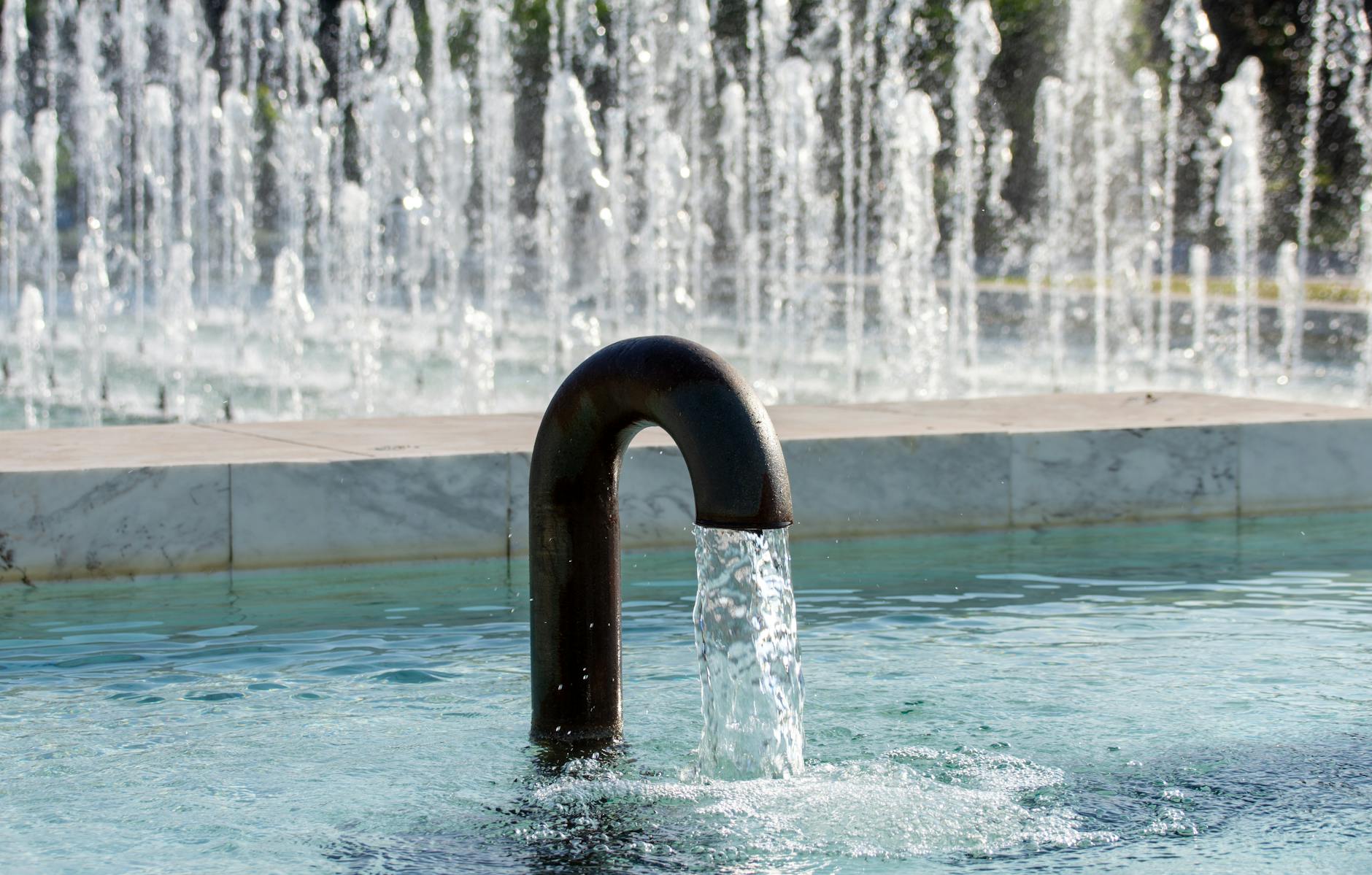
A water fountain can be an elegant addition to a front garden when it is properly scaled, maintained, and functioning as intended. The problem arises when fountains are left to sit without running water, which causes algae buildup, staining, and a generally abandoned appearance. Low-cost resin fountains modeled after classical stone designs rarely achieve the look they imitate and instead highlight the limitations of the material. Cracked basins, green-tinged bowls, and mineral deposits are common outcomes when maintenance is inconsistent or when the unit is left outdoors through harsh winters. A non-functioning fountain draws the eye directly to its deterioration rather than adding any sense of elegance or movement to the space.
Oversized Flags

Residential flagpoles displaying oversized flags on standard suburban lots create a scale imbalance that is difficult to ignore from the street. Flags of an inappropriate size relative to the property dominate the visual field and make surrounding architectural details disappear by comparison. Fraying edges and sun-bleached color are frequent issues when flags are left flying continuously without regular replacement. Multiple flags stacked on a single pole or spread across the yard introduce competing graphics and colors that create visual noise rather than a coherent decorative statement. The combination of industrial-scale hardware and residential surroundings often produces an effect that feels more like a car dealership forecourt than a welcoming home exterior.
Fake Rocks

Decorative fake rocks made from hollow resin or concrete composite are sold as a discreet way to conceal utility fixtures or fill garden beds, but they rarely achieve the subtlety their marketing promises. The uniform color and texture of manufactured rocks makes them immediately identifiable as artificial, particularly when placed alongside real stone, soil, or mature planting. Their tendency to shift position after rainfall or wind exposure draws even more attention to their lightweight construction and artificial origins. A cluster of identical fake boulders arranged in a neat row amplifies the artificiality rather than disguising it. The effect reads as an attempt to shortcut genuine landscaping investment that ultimately highlights the absence of it.
Rusted Metal Art

Metal yard sculptures and decorative stakes can work well in the right context, but poorly made or improperly treated pieces begin to rust visibly within one or two rainy seasons. Rust streaks spread from the base of the piece outward onto paving, concrete, and surrounding soil, leaving permanent staining that is difficult to remove. Thin gauge metal used in budget decorative items bends and warps under its own weight as it weakens, causing sculptures to lean or collapse entirely. Animals, sunflowers, and abstract spirals cut from untreated sheet metal are particularly common offenders given how widely they are sold at discount home stores. The damage they cause to surrounding surfaces often outlasts the item itself and adds a layer of visible neglect to the property.
Holiday Inflatables

Inflatable yard decorations first became popular in the early 2000s and quickly established themselves as one of the most polarizing trends in residential exterior decoration. During daylight hours when the blower is switched off, deflated inflatables collapse into shapeless heaps of printed nylon that sit pooled around their tethering stakes. The scale of many commercial inflatables is calibrated for maximum roadside visibility rather than residential proportion, resulting in decorations that tower over rooflines and dwarf surrounding plantings. Extension cords and ground tethers running across the lawn add a utilitarian layer of visual clutter that no amount of festive theming can fully disguise. Neighbors and passersby consistently cite oversized inflatables as one of the most disruptive elements to streetscape cohesion during holiday seasons.
Plastic Windmills

Decorative plastic windmills sold as garden spinners are among the most common impulse purchases in seasonal garden centers and among the quickest to show wear. The lightweight plastic construction means that blades crack or snap after a single storm, leaving the unit partially functional or entirely stationary. Faded color is a near-universal outcome given that the dyes used in budget plastic products are rarely UV-stabilized for extended outdoor use. A broken or motionless windmill sitting in an otherwise tidy front garden draws the eye precisely because it suggests something is wrong or unfinished. When grouped with other ornaments they contribute to a cumulative sense of clutter that overwhelms rather than enhances the planted space around them.
Cracked Birdbaths

A well-made stone or ceramic birdbath can serve as a genuine focal point in a front garden and contributes positively to local wildlife. The versions sold at low price points are typically made from reconstituted stone powder or thin-walled resin that cracks during the first frost cycle, often within the first winter of use. A cracked basin holds water unevenly and becomes a breeding ground for mosquitoes when the stagnant water is not regularly refreshed or drained. Green algae and black mold colonize the bowl surface rapidly in humid climates, creating a visible ring of biological growth that is not easily removed. An unmaintained birdbath in a prominent front yard position draws attention in precisely the way that no decorative object should.
Lawn Jockeys
The decorative cast iron or resin lawn jockey figure has a long and widely documented history of racial association in North American culture that makes its continued presence in front yards uncomfortable and offensive to many viewers. Beyond the significant social dimension, the figures themselves are typically rendered in a cartoonish style that sits awkwardly in contemporary landscape design regardless of finish or color. Resin versions are prone to the same UV fading and surface cracking that affects most budget outdoor figurines, accelerating their visual deterioration. Their rigid posed stance and garish painted detailing make them a conspicuous and jarring presence against almost any planting or architectural backdrop. They represent one of the few front yard decorations where the objections go beyond aesthetics alone.
Tire Planters

Repurposing old car tires as raised planters is a widespread practice in DIY gardening culture that consistently produces a result more associated with salvage yards than curated front gardens. Tires retain heat at a level that can stress plant roots during summer months, meaning the plants grown in them often look less healthy than those in conventional containers. The black rubber surface fades to a dull gray under UV exposure and develops surface cracking that is difficult to conceal even with layers of exterior paint. When tires are stacked to create height, the visual effect is of improvised industrial infrastructure rather than intentional garden design. Their presence at the front of a property sends a strong signal about the investment level applied to the rest of the exterior.
Ceramic Mushrooms

Glazed ceramic mushroom clusters are a garden ornament staple sold across every price bracket, but the budget versions share a uniformly garish quality that is difficult to integrate into a considered planting scheme. The oversaturated reds, yellows, and whites of mass-market ceramic mushrooms conflict with the natural tones of soil, foliage, and stone in ways that draw attention rather than complement the surrounding garden. Ceramic is inherently fragile outdoors, and chips, cracks, and glaze crazing begin to appear after the first cycle of freezing and thawing temperatures. Groups of identical mushroom figures arranged in a semicircle are a particularly common configuration that amplifies the manufactured quality of each individual piece. Their association with fairy-tale and fantasy imagery makes them a difficult fit for any garden style outside of a very deliberately whimsical design.
Dead Plants

Leaving dead or severely neglected plants in prominent front yard positions is one of the most universally recognized signals of exterior neglect across residential neighborhoods. Brown grass patches, skeletal shrubs, and dried-out annuals left in pots communicate that the property is not receiving regular maintenance attention. The contrast between a dead specimen and healthy neighboring plantings makes the deterioration far more visible than it would be in an isolated context. In climates with distinct seasons there is a reasonable window for plant dormancy, but a dead plant left in a pot or border well past any seasonal justification reads as simple abandonment. Real estate professionals consistently cite dead plantings as one of the fastest ways to reduce perceived curb appeal and the associated market value of a property.
Painted Rocks

Painting rocks and placing them throughout a front garden bed became a popular craft trend and has remained a common sight in suburban front yards ever since. Amateur paint application on rough stone surfaces chips and peels rapidly under rain and frost, leaving partially decorated rocks that look more damaged than decorative within a single season. The imagery chosen tends toward cartoon characters, inspirational words, and holiday motifs that date quickly and clash with the natural materiality of a garden environment. A scattering of hand-painted rocks across a mulched border introduces a level of visual randomness that works against any sense of cohesion in the surrounding planting design. The craft origin of the objects is immediately readable, which positions them as a children’s activity rather than a considered design element.
Gravel Excess

Replacing a front lawn entirely with uncontained loose gravel is a low-maintenance landscaping solution that frequently creates more visual and practical problems than it resolves. Without proper edging and a weed membrane beneath the surface, gravel migrates onto pathways, driveways, and neighboring properties after rainfall and foot traffic. A uniform expanse of gray or beige gravel without any planted softening creates a flat, utilitarian aesthetic more associated with industrial lots than residential streetscapes. Faded plastic edging used to contain the gravel adds another layer of cheap visual detail that compounds rather than disguises the underlying cost-cutting intention. Gravel that has scattered into lawns and flowerbeds next door is a reliable source of friction between neighbors in residential areas.
Excessive Statuary

One or two well-chosen garden statues can anchor a planting design and provide a visual focal point appropriate to the scale of the space. The problem that arises in many front yards is accumulation without curation, resulting in a crowded assembly of figures in competing styles, scales, and materials. Angels, wildlife figures, religious icons, and classical busts placed within a few feet of each other create a density of visual information that reads as hoarding rather than decorating. Budget statuary made from resin or reconstituted stone develops a patchy, stained surface quickly under outdoor conditions, compounding the cluttered impression with visible material deterioration. The overall effect overwhelms rather than enhances the architecture it is intended to complement.
Unsecured Trampolines
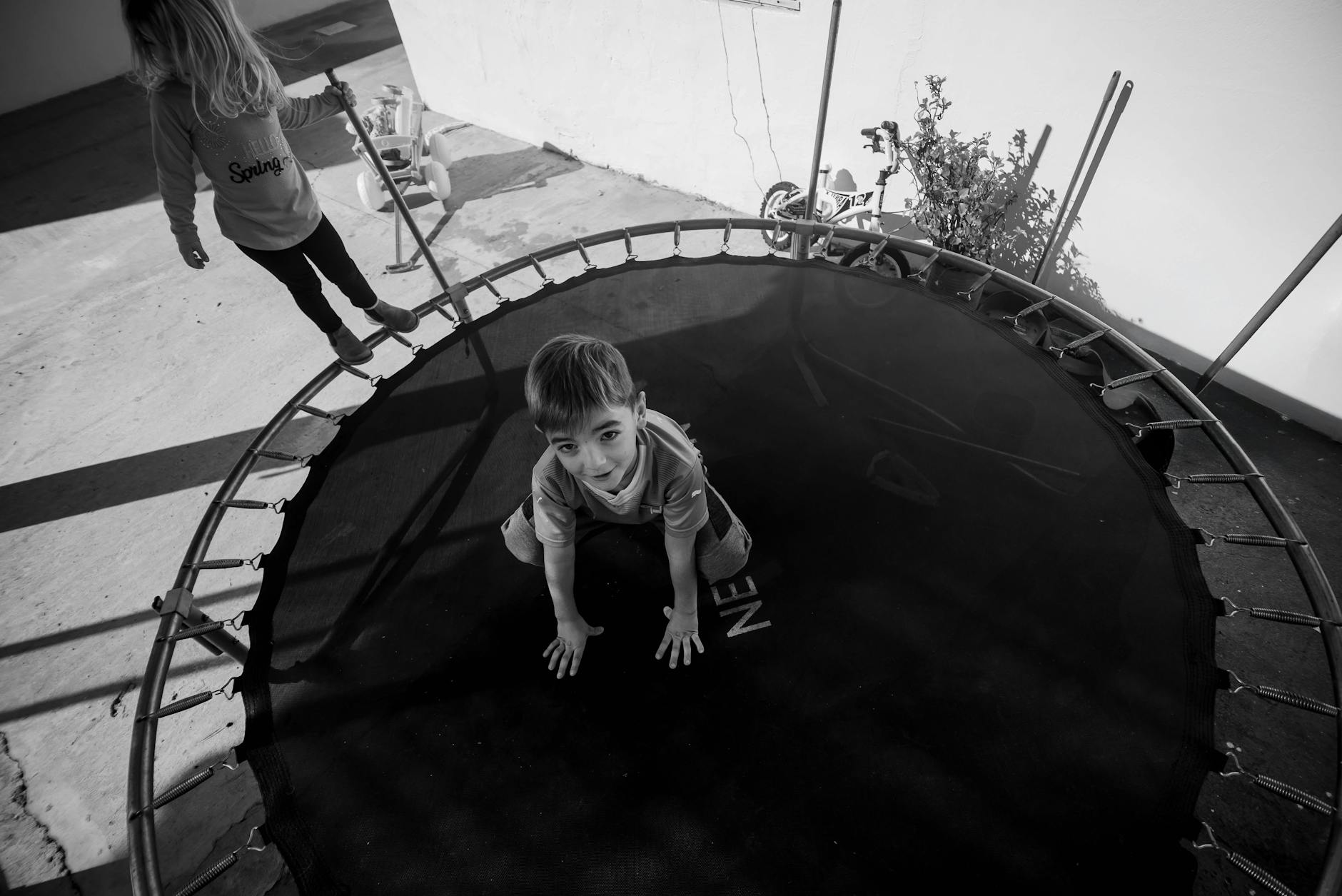
A trampoline positioned in a front yard rather than a more private rear garden is an unusual choice that produces a particular visual effect on the street. The large circular frame and black jumping mat dominate any domestic-scale front space and leave little room for planting, path, or any other design element. Safety netting enclosures that are torn or sagging add a layer of visible wear that makes the equipment look neglected regardless of how recently it was purchased. The equipment is designed for recreational use in private outdoor spaces and its presence in a public-facing front yard carries a strong association with a lack of spatial planning. Trampolines left outdoors year-round suffer visibly from UV degradation, rust, and fabric deterioration that contributes to an overall impression of neglect from the street.
Faded Doormats
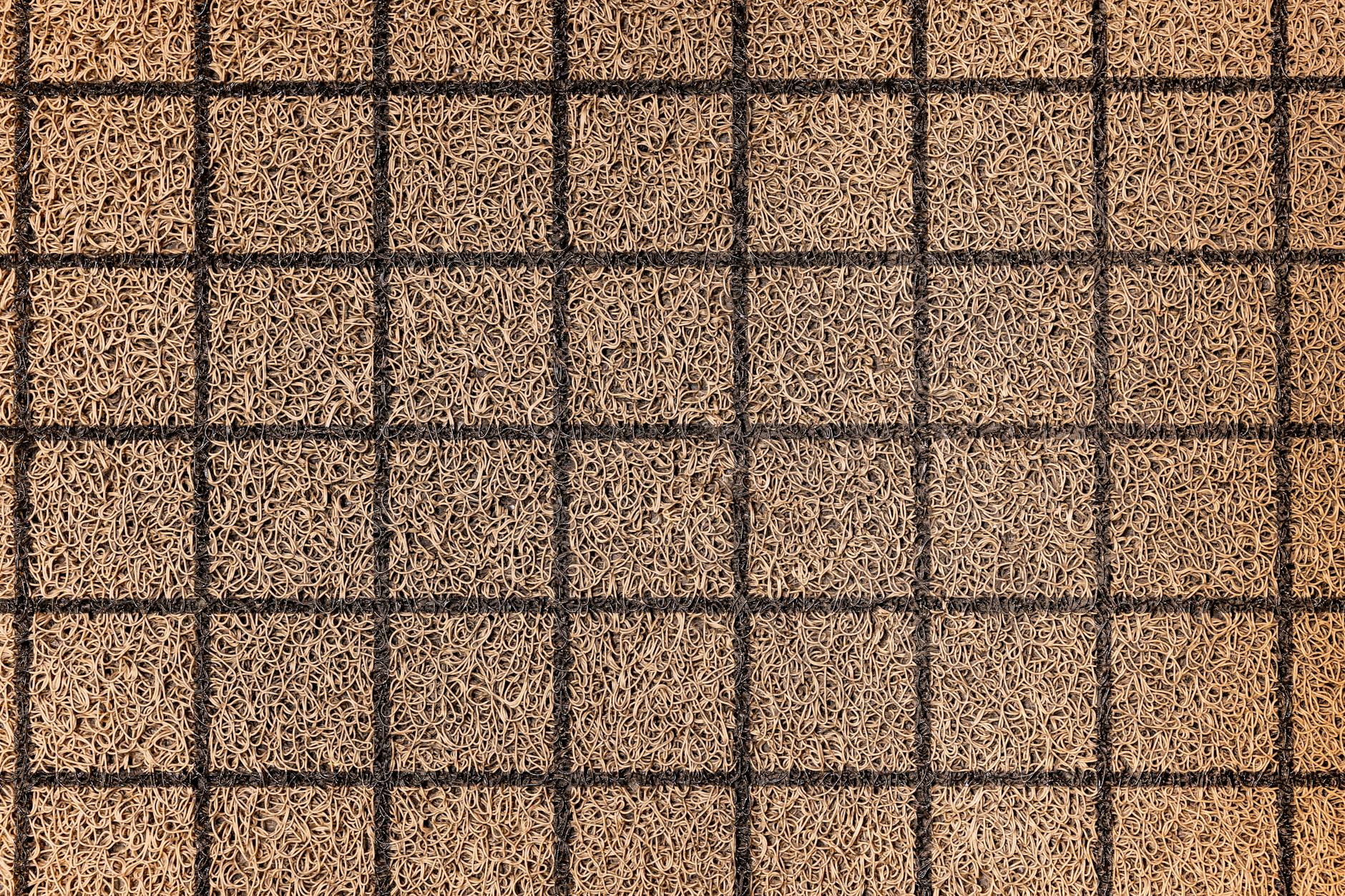
A front doormat is one of the smallest elements of exterior decoration and one of the most visible given its placement directly at the threshold of the home. Mass-market doormats with printed slogans or patterns fade within weeks of regular sun and rain exposure, leaving a bleached, illegible version of the original design. A mat that is fraying at the edges, waterlogged, or visibly molding communicates a lack of attention to the entry point of the home that carries a disproportionate impact on first impressions. The range of novelty slogan mats widely available has produced a category of object more associated with internet humor than considered home presentation. Replacing a worn doormat is among the cheapest and fastest improvements available to any front entrance, which makes its neglect particularly noticeable.
Satellite Dishes

A satellite dish mounted on the front facade of a home or positioned prominently in the front yard is a functional piece of telecommunications equipment that carries few aesthetic qualities suited to a residential exterior. Older large-format dishes that have been superseded by smaller modern units are frequently left in place rather than removed, collecting weathering and surface grime over years. The hardware required to mount and cable a dish involves visible brackets, cabling, and penetrations through exterior walls that add to the industrial character of the installation. In terraced or semi-detached street settings a single dish on one property is immediately visible from several angles, compounding its impact on the visual coherence of the block. Planning regulations in many jurisdictions restrict front-facing satellite installations for precisely this reason.
Broken Fencing
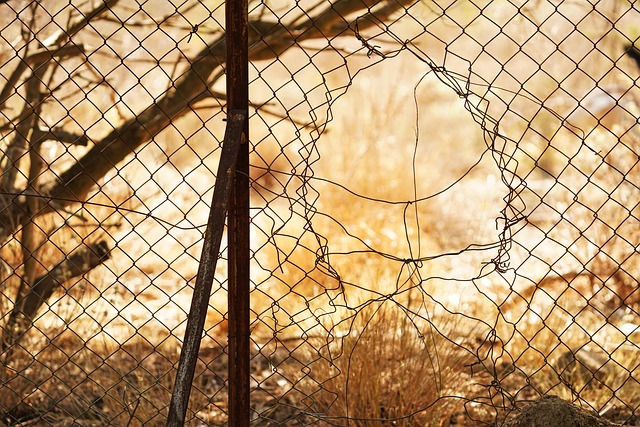
A front boundary fence that is visibly broken, leaning, or missing sections draws attention along the entire street frontage of a property in a way that few other maintenance failures can match. The boundary fence is one of the longest continuous visual elements of any residential exterior, meaning that damage affects a large proportion of the visible facade at once. Partial repairs using mismatched materials or colors create a patchwork effect that is often more visually disruptive than the original damage. A fence that is structurally compromised but left in place suggests that the property is either unoccupied or receiving minimal investment in ongoing maintenance. Real estate valuations consistently reflect the condition of boundary fencing as a primary indicator of overall property care.
Plastic Garden Furniture
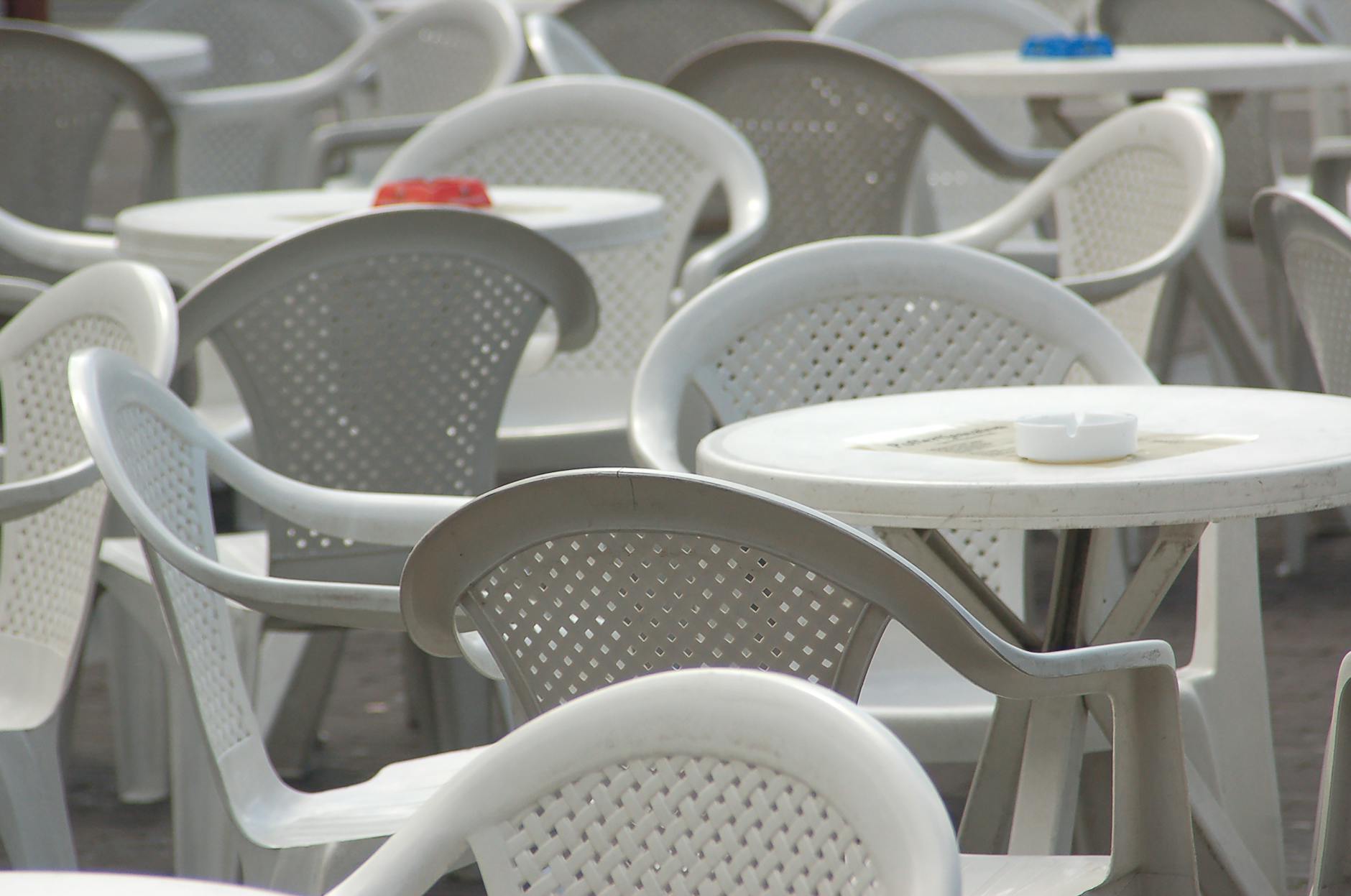
Front yard furniture made from white or pastel plastic patio sets creates a strong visual association with temporary outdoor living rather than intentional landscape design. The material stains and yellows rapidly when left outdoors permanently, particularly in climates with high UV exposure or atmospheric pollution. Lightweight plastic chairs and tables shift position in wind, creating a perpetually disordered appearance that is difficult to manage without securing the pieces. A full dining set positioned in a small front garden displaces any planting opportunity and leaves the space dominated by functional furniture rather than greenery or considered design. The gap between the intended holiday leisure aesthetic and the reality of weathered plastic in a suburban front garden is one that is rarely bridged successfully.
Overgrown Hedges
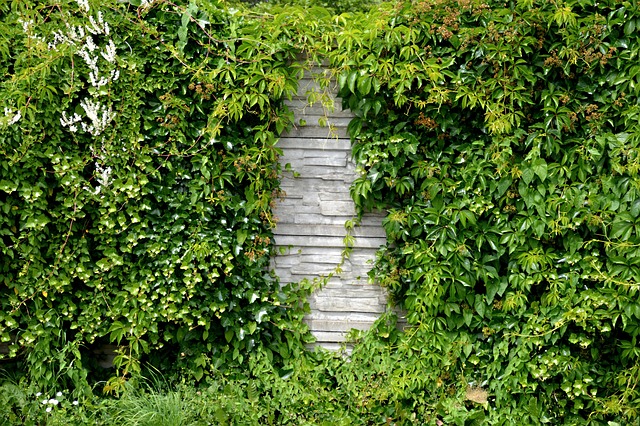
A hedge that has grown beyond its intended height and width is one of the most common contributors to a neglected streetscape appearance in established residential neighborhoods. Overgrown boundary hedges block natural light from neighboring properties, narrow pedestrian pathways, and create a sense of enclosure that makes the street feel less safe and less inviting. The visual texture of an unclipped hedge contrasts sharply with the maintained properties around it, drawing the eye and creating an imbalance in the overall streetscape rhythm. In suburban settings where properties are closely spaced, an overgrown hedge on one lot affects the appearance and light access of multiple neighboring homes simultaneously. Regular trimming is a low-cost maintenance task whose absence becomes disproportionately visible over a single growing season.
Stone Veneer Excess
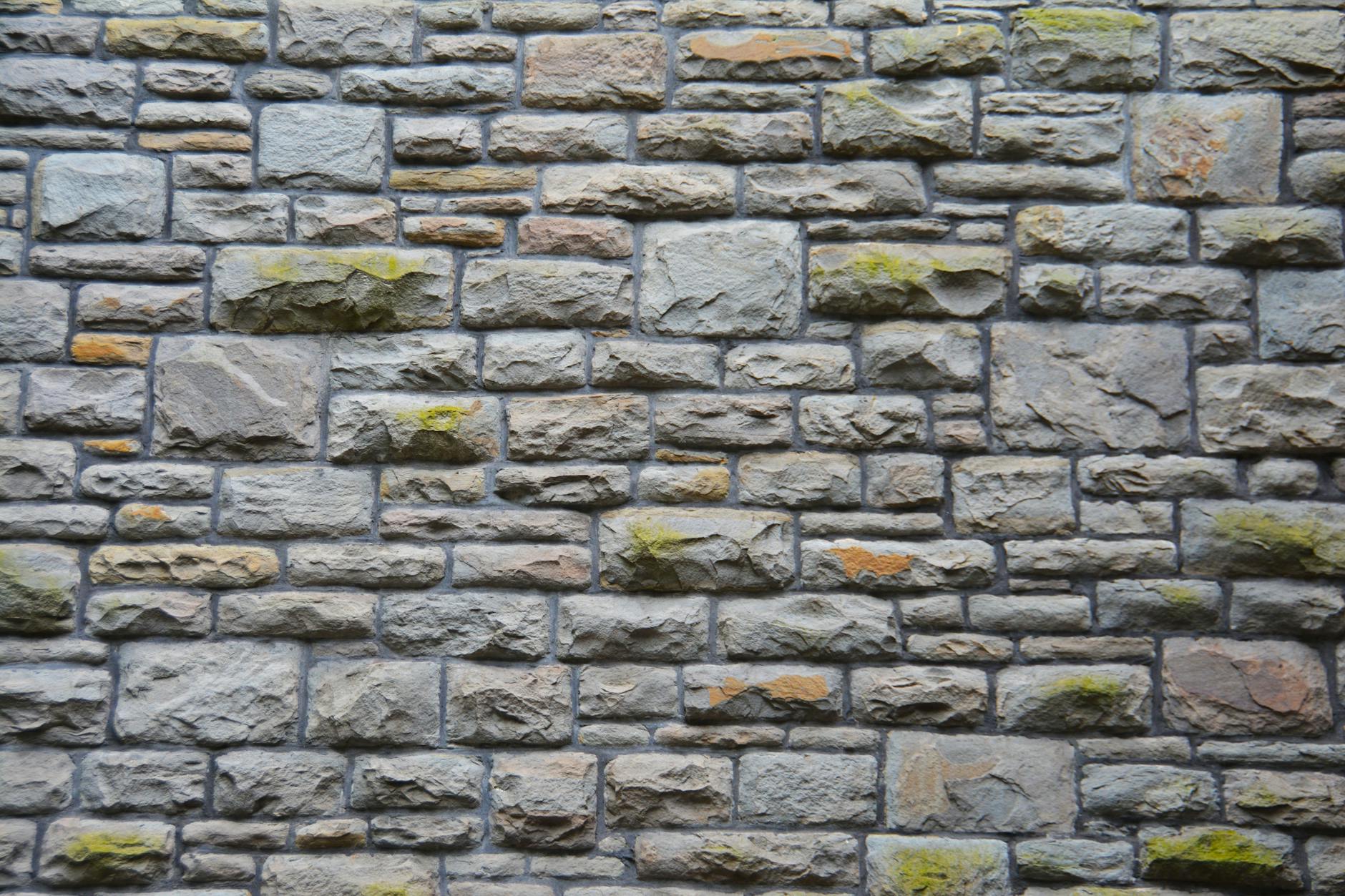
Applying stone veneer cladding to front garden walls, planters, or facades is a popular renovation choice intended to add a sense of quality and permanence to an exterior. When applied without professional guidance, the results often include mismatched joint widths, inconsistent stone orientation, and visible adhesive that undermine the natural material effect the veneer is meant to create. Budget stone veneer products manufactured from thin concrete castings carry a flatness of texture and uniformity of color that makes them immediately distinguishable from genuine cut stone. Large areas of veneer applied to a facade that is architecturally inconsistent with a natural stone aesthetic create a visual conflict that highlights the artificiality of the material. The intended effect of permanence and solidity is precisely reversed when the quality of the installation draws attention to its own limitations.
Novelty Mailboxes
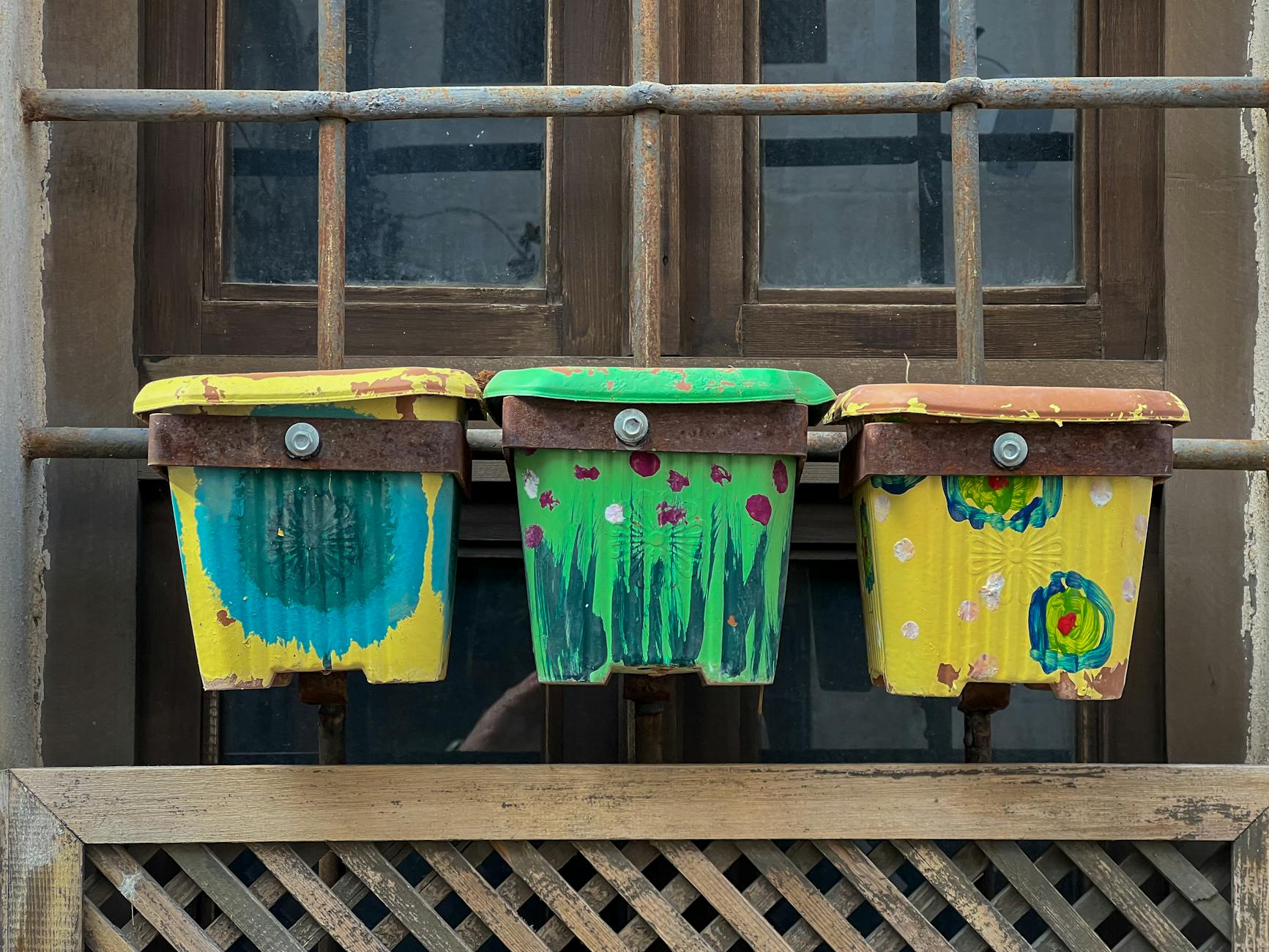
A mailbox shaped like a barn, a fish, a football, or any other novelty form is a common sight in suburban front yards and one that consistently undermines the visual coherence of an otherwise tidy exterior. The humor or personality intended by the choice is readable on first encounter but becomes a permanent visual fixture that sits in contrast with every seasonal and stylistic change made to the surrounding property. Novelty mailboxes are typically manufactured from thin metal or plastic that weathers poorly and develops rust, fading, and mechanical failure within a few years of installation. Their placement at the street boundary means they are among the most visible elements of any property from both directions of approach. A standard, well-maintained mailbox in a finish appropriate to the exterior palette of the home consistently outperforms novelty alternatives in terms of long-term curb appeal.
Share your thoughts on front yard design and the decorating choices you find most impactful in the comments.