
Hiring a contractor should be a straightforward process, but unscrupulous operators have developed a sophisticated playbook designed to drain your wallet at every turn. From the first handshake to the final invoice, dishonest contractors exploit homeowner trust, inexperience, and urgency to extract far more money than any job is worth. Understanding these tactics is the single most effective way to protect yourself before a single nail is driven or a single pipe is touched. The following schemes are among the most common and costly that homeowners across the country encounter every year.
Lowball Bids

A contractor submits an unusually low estimate to win the job over more honest competitors, knowing full well the final bill will look nothing like the original quote. Once work begins and materials are ordered, the price begins to climb through a steady stream of change orders and unexpected complications. Homeowners feel trapped at this stage because stopping mid-project often costs more than pressing forward. This tactic is especially effective on large renovation projects where the full scope is difficult for a homeowner to independently verify. Always get multiple bids and treat any estimate that seems dramatically lower than the rest as a serious warning sign.
Upfront Cash Demands

Legitimate contractors typically require a modest deposit to cover initial materials, but a scammer will push hard for a large payment before any work begins. Once that cash changes hands, the contractor may disappear entirely or drag out the project indefinitely while refusing to refund the advance. High-pressure language around supply shortages or scheduling conflicts is often used to justify the demand for immediate payment. Reputable professionals have established supplier relationships and lines of credit that make massive upfront cash grabs unnecessary. Never pay more than ten to thirty percent of the total project cost before work actually starts.
Phantom Permits
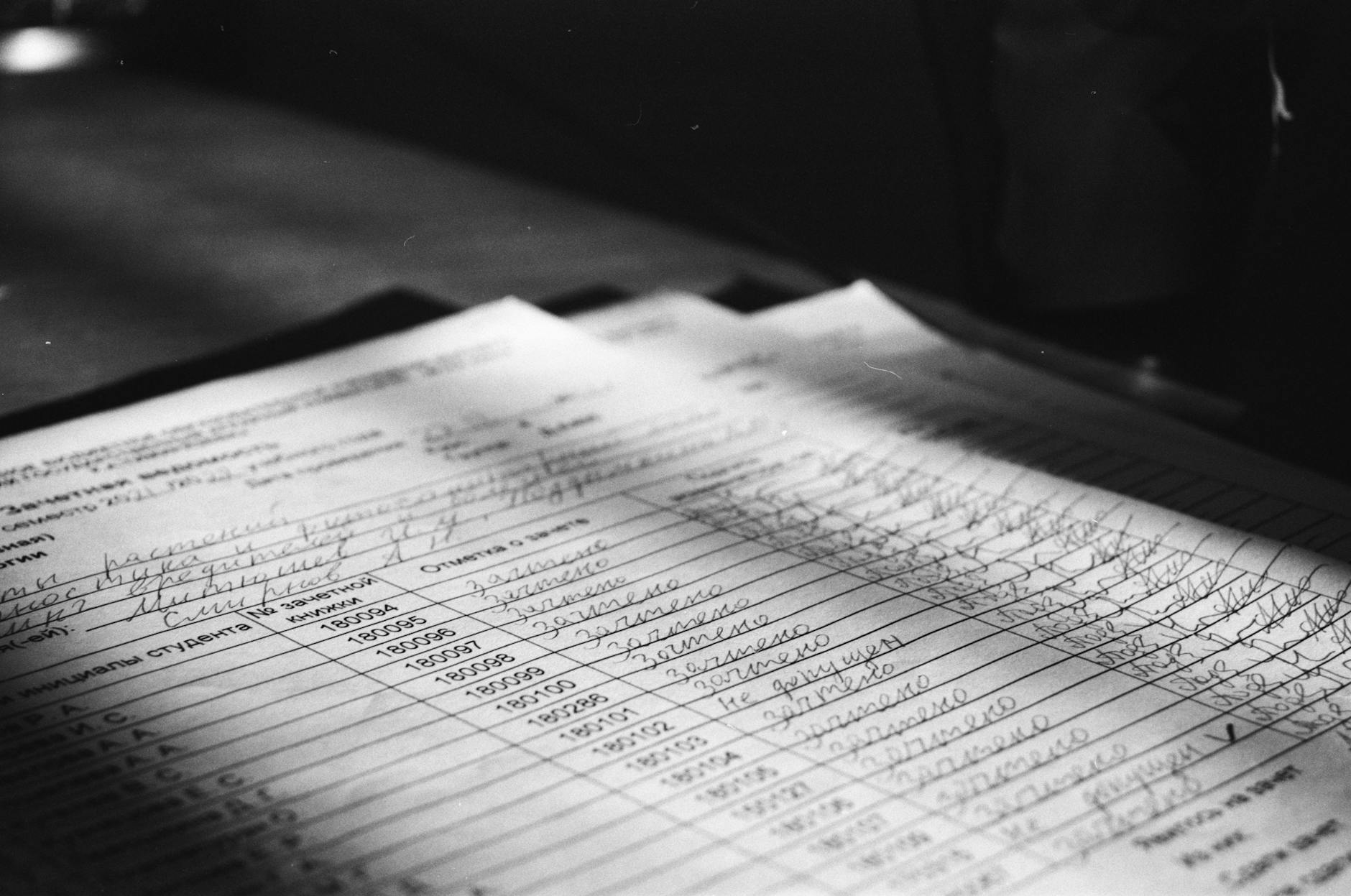
Some contractors pocket the permit fee without ever filing the actual paperwork, leaving homeowners with unpermitted work that can cause serious problems during future sales or insurance claims. Others tell clients that permits are unnecessary for certain projects when local codes clearly require them, saving themselves the time and scrutiny that comes with official inspections. Unpermitted work can result in fines, mandatory demolition, and a significantly reduced property value. Always verify directly with your local building department that permits have been filed and approved under your property address. The permit process exists to protect the homeowner and should never be treated as optional.
Material Substitution
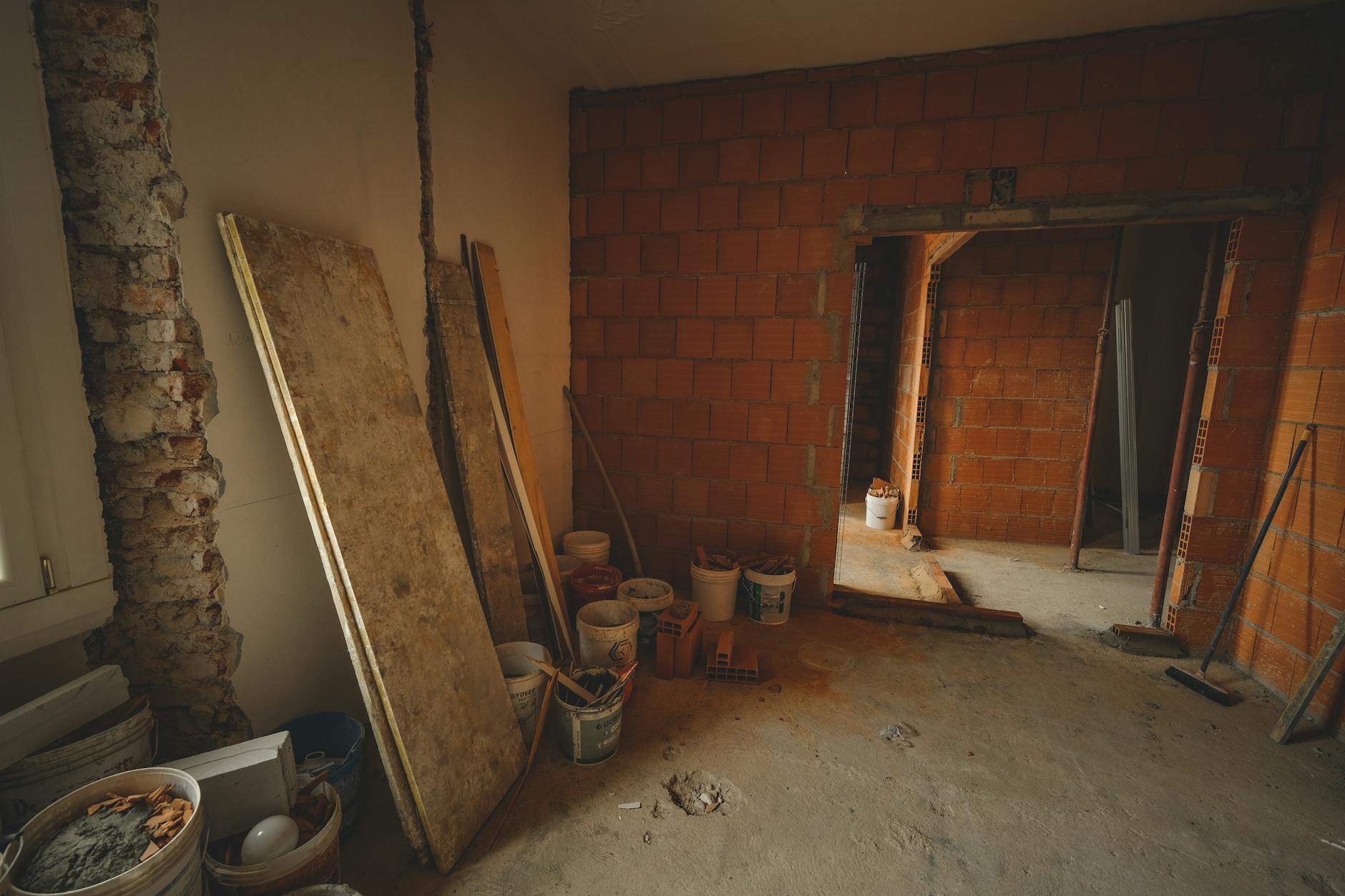
A contractor quotes the job using high-quality materials specified in the contract but quietly swaps them out for cheaper alternatives once work is underway. The visual difference between premium and substandard materials is often minimal to the untrained eye, making this one of the hardest scams to detect. Over time, the inferior products fail faster, leading to additional repair costs that the original contractor is long gone to address. Always request that the specific brand, grade, and product number of key materials be written into the contract before signing. Spot-check deliveries when possible by comparing what arrives on site against what was agreed upon in writing.
Fake Credentials

Dishonest contractors present licenses, insurance certificates, or association memberships that are expired, forged, or simply invented to appear more credible than they are. Some go as far as creating professional-looking websites and fake reviews to reinforce the illusion of legitimacy. A contractor without proper licensing may not meet local building codes, and one without active insurance leaves the homeowner liable for accidents that occur on their property. Always verify license numbers directly through your state licensing board and call the insurance company directly to confirm coverage is current. A few minutes of research can prevent years of legal and financial headaches.
Storm Chasing

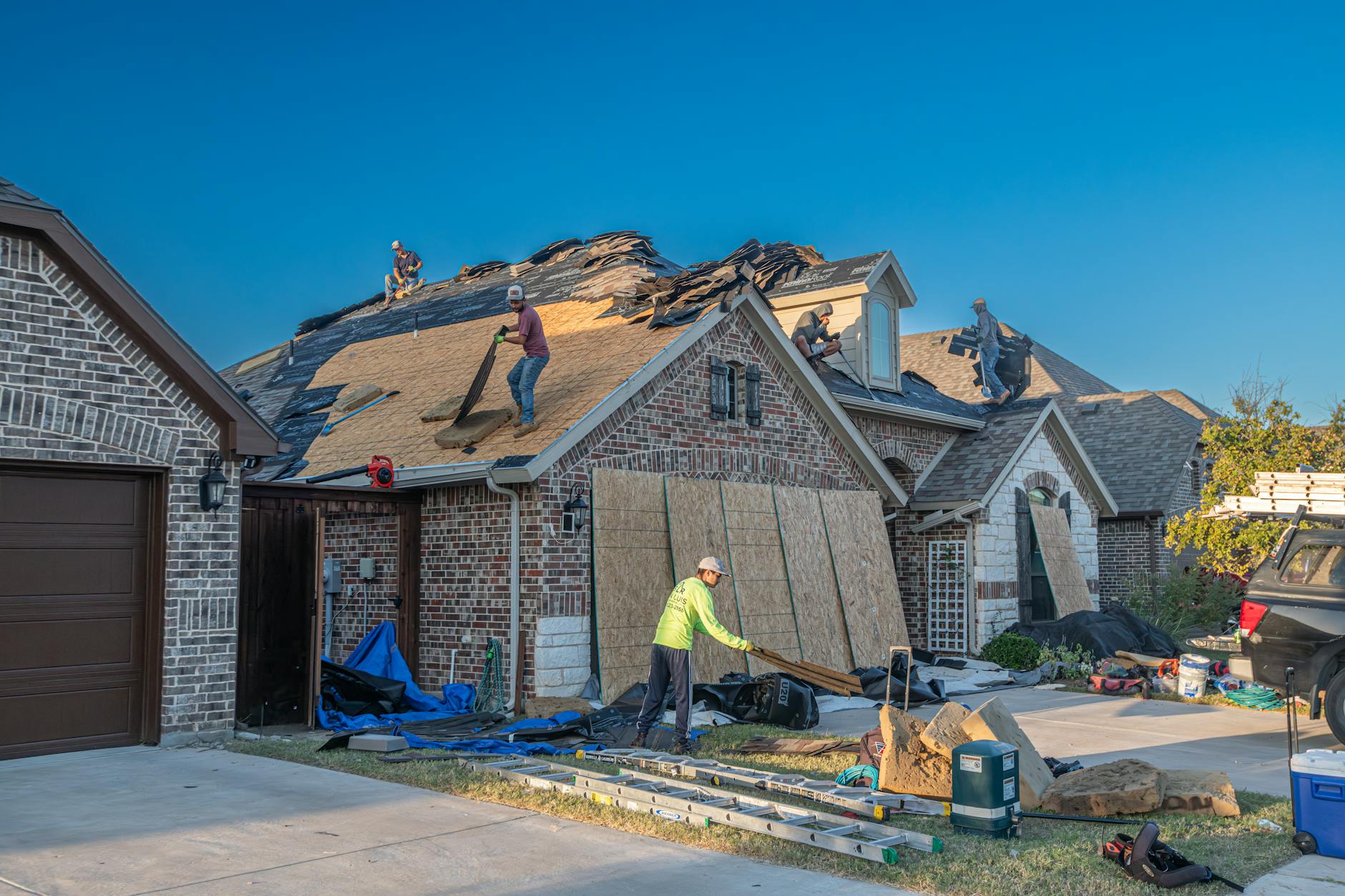
Following a major weather event, opportunistic contractors flood affected neighborhoods, going door to door offering fast repairs at prices that seem reasonable given the urgency. These so-called storm chasers often have no local roots, no verifiable track record, and no intention of standing behind their work once payment is collected. They exploit the emotional stress of storm damage to push homeowners into signing contracts on the spot without time to research alternatives. Work performed by storm chasers is frequently shoddy, overpriced, and completed with materials that do not meet local code requirements. Always take time to vet any contractor who approaches you unsolicited, regardless of how pressing the damage seems.
Change Order Abuse

Change orders are a legitimate part of any construction project, used to document scope adjustments and price modifications that arise from genuine unforeseen circumstances. Dishonest contractors, however, manufacture reasons to issue change order after change order as a strategy to systematically inflate the final cost. Each individual charge may seem minor, but the cumulative effect over a long project can add tens of thousands of dollars to the original estimate. A pattern of frequent change orders early in a project is one of the clearest signs that a contractor is padding the bill rather than managing it honestly. Require written approval for any change before work on that change begins and keep a running total to track how far the project has drifted from the original scope.
Lien Waivers Ignored

When a contractor is paid but fails to pay their own subcontractors and suppliers, those parties can file a mechanic’s lien against your property even though you have already settled your bill in full. This tactic leaves homeowners legally exposed and can complicate or entirely block a home sale until the lien is resolved. Dishonest general contractors sometimes pocket payments intended for subcontractors while assuring the homeowner that everyone has been compensated. Always request lien waivers from the general contractor and any major subcontractors before releasing final payment. This document confirms that all parties in the payment chain have been satisfied and relinquish their right to place a claim against your home.
Unnecessary Work

Some contractors diagnose problems that do not exist or dramatically overstate the severity of a minor issue in order to sell services that are entirely unnecessary. This is particularly common in areas like foundation repair, mold remediation, and electrical upgrades where homeowners lack the technical knowledge to push back confidently. A manufactured sense of urgency is typically layered on top, with warnings about structural failure or safety hazards designed to override careful decision-making. Getting a second or third independent opinion before agreeing to any major unplanned repair is one of the most protective steps a homeowner can take. A trustworthy contractor will never object to a client seeking additional perspectives before committing to significant work.
Disappearing Acts
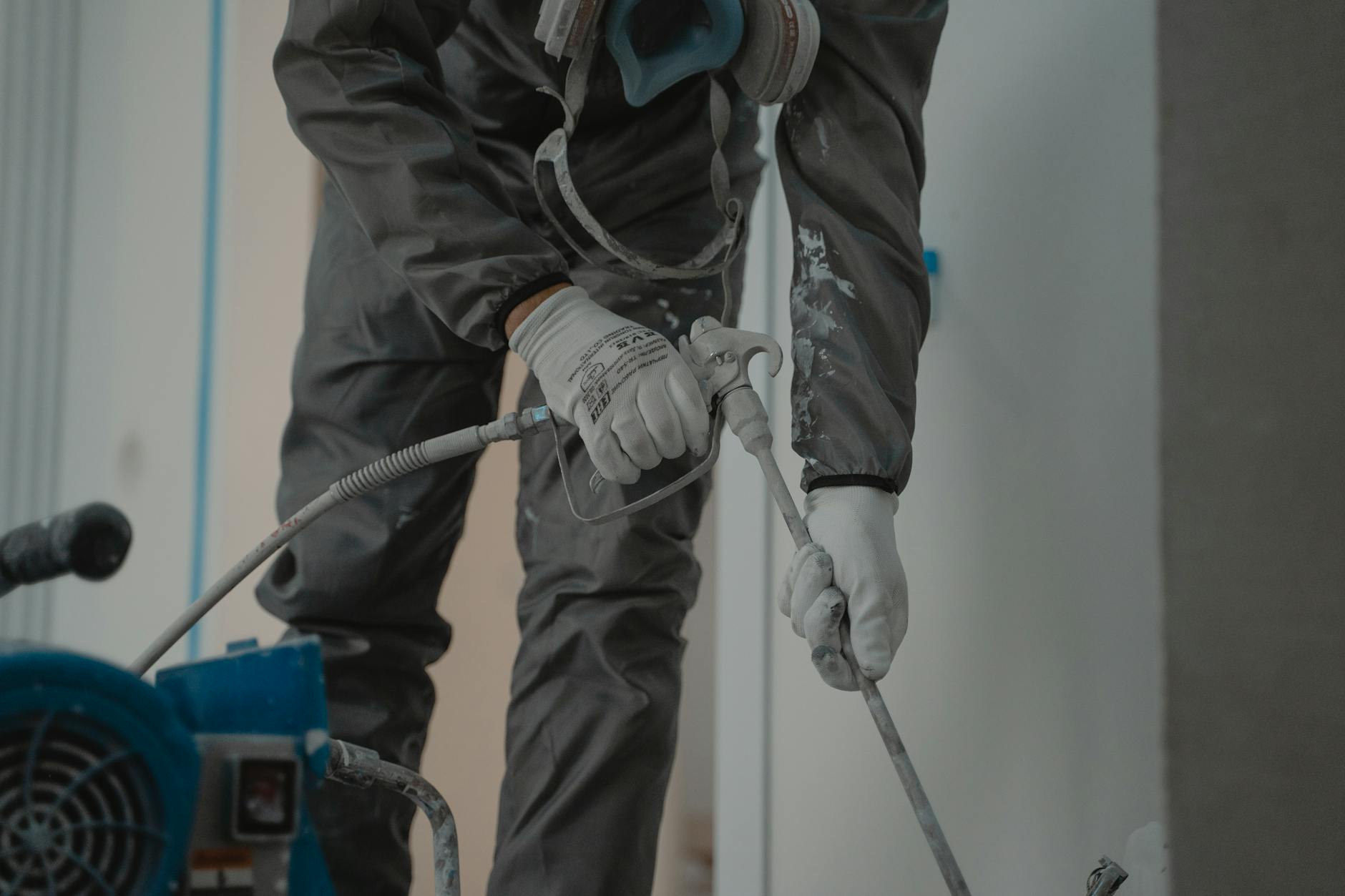
A contractor collects payment at various milestones and then becomes increasingly difficult to reach as the project nears completion, ultimately abandoning the job before the final punch list is addressed. This tactic is especially painful because the homeowner has already paid for most of the work and is left to find another contractor to finish what was started. Incomplete work frequently requires the new contractor to undo and redo portions of what the original crew left behind, adding significant cost. Retaining a final payment holdback of ten to fifteen percent until all work is inspected and approved gives the homeowner meaningful leverage to ensure the project is seen through to completion. Document every stage of the project with dated photographs to support any dispute that may arise.
Verbal-Only Contracts

Operating on a handshake and a verbal agreement is exactly what dishonest contractors prefer because it leaves the homeowner with almost no legal recourse when things go wrong. Without a written contract, there is no agreed scope of work, no defined timeline, no specified materials list, and no clear payment schedule to point to in a dispute. Contractors who resist putting terms in writing are almost always hiding flexibility they intend to exploit once work is underway. Every project, regardless of how small or how well you feel you know the person doing the work, deserves a detailed written contract signed by both parties before work begins. The contract is not a sign of distrust but a professional standard that protects everyone involved.
Bait and Switch Crews

A homeowner meets with and hires an experienced, credentialed contractor, only to find that an entirely different and far less qualified crew shows up to do the actual work. The contractor of record may make only token appearances on site while unlicensed workers complete the bulk of a job they are not qualified or insured to perform. Work quality suffers, liability questions multiply, and the homeowner has no relationship with the people actually making decisions about their home. Ask upfront who specifically will be performing the labor and include language in the contract requiring notification if the crew composition changes significantly. Confirm that any subcontractors brought onto the job carry their own valid licensing and insurance.
Padded Invoices

Line items on a final invoice are inflated well beyond what was agreed upon, with charges for materials never used, hours never worked, and equipment rentals that were never necessary. The sheer length and technical complexity of a detailed invoice is often used to discourage homeowners from scrutinizing it carefully. Comparing the final bill line by line against the original contract and any signed change orders is a tedious but essential exercise before releasing final payment. Request receipts for any materials charged above a certain threshold and verify that rental charges align with actual project timelines. Honest contractors welcome invoice questions because they have nothing to hide.
Referral Rings

Some contractors operate within informal networks where they refer clients to one another not based on quality or fit but in exchange for kickbacks that are never disclosed to the homeowner. The referred contractor may be no more qualified than the first, and the hidden financial arrangement means the homeowner’s interests were never the primary consideration in the recommendation. This is particularly common in specialty trades like HVAC, roofing, and plumbing where general contractors frequently bring in outside help. Always seek referrals from sources that have no financial relationship with the contractor being recommended, such as neighbors, community groups, or independent review platforms. Ask any referred contractor directly whether they have a financial arrangement with the party who sent them your way.
Scare Tactics

Unethical contractors manufacture urgency by warning that a delay of even a few days will result in catastrophic structural damage, mold spread, or code violations that bring heavy fines. These pressure tactics are designed to prevent homeowners from taking the time to research alternatives, get competing bids, or consult with knowledgeable friends or family. The manufactured crisis almost always has a conveniently immediate and expensive solution that only the contractor in question is prepared to provide. Legitimate professionals understand that an informed client is a satisfied client and will give you reasonable time to make a considered decision about major work. Treat high-pressure urgency as a significant red flag rather than a reason to act fast.
Driveway Pavers
Roving crews offer to seal or repave driveways at rock-bottom prices, claiming they have leftover materials from a nearby job and can start that afternoon. The materials used are frequently substandard, the work is performed hastily, and the finished surface begins to crack or peel within a single season. Payment is demanded in cash on the spot, and the crew is untraceable once they leave the neighborhood. This scam is among the oldest and most widely documented in residential contracting yet continues to claim thousands of victims every year because the offer appears so convenient and affordable. Reputable paving companies operate on scheduled timelines with written proposals and never solicit work door to door.
Skimping on Cleanup
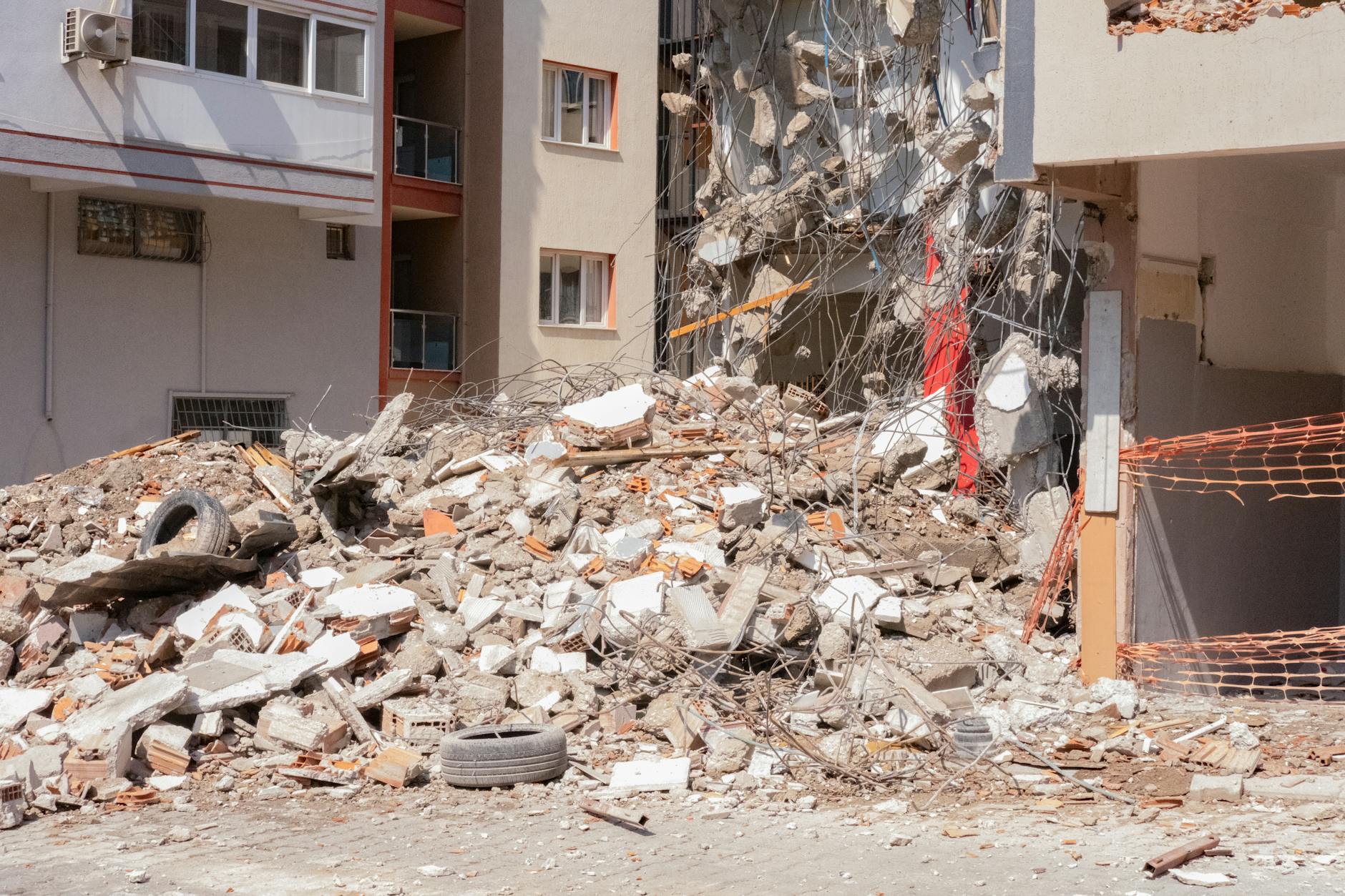
A contractor finishes the visible work but leaves behind debris, hazardous materials, or incomplete site restoration that will cost the homeowner additional money to address. Disposal fees for construction waste can be substantial, and some contractors avoid them entirely by leaving materials on site or dumping them illegally in ways that expose the property owner to liability. Cleanup and site restoration expectations should be spelled out explicitly in the contract, including who is responsible for debris removal and what condition the surrounding area must be left in. Withholding a portion of the final payment until the site passes a documented cleanup inspection is a reasonable and widely accepted practice. A job is not finished until the property looks as though professional work was done there.
False Warranties

A contractor promises a lengthy warranty on both labor and materials but provides nothing in writing, making the guarantee entirely unenforceable if problems surface after the project closes. Even when a written warranty exists, some contractors structure their businesses to dissolve and reform under a new name every few years, effectively voiding any service commitments made under the previous entity. Always insist that warranty terms be spelled out in the contract, including the duration of coverage, what is and is not included, and the specific process for making a claim. Research whether the contractor has operated under previous business names and whether complaints were filed against those entities. A warranty is only as valuable as the business standing behind it.
Overbilling Hours

On time-and-materials contracts, dishonest contractors bill for hours that were never worked, crew members who never showed up, or tasks that required far less time than was logged. This arrangement is inherently harder to audit than a fixed-price contract and is sometimes chosen by contractors specifically because of the latitude it creates for inflated billing. Keeping a daily log of when crew members arrive and depart, along with notes on what work was actually performed each day, provides a basis for disputing suspicious invoices. Whenever possible, negotiate a fixed-price contract for the full scope of work rather than agreeing to a time-and-materials arrangement on a large project. When time-and-materials billing is unavoidable, establish a not-to-exceed ceiling that protects the homeowner from runaway costs.
Licensing Lapses

A contractor who was licensed at the time of their last job may have had that license suspended or revoked since then due to complaints, code violations, or failure to carry required insurance. Homeowners who assume a previously verified license remains in good standing without checking again are taking a risk that can have serious legal and financial consequences. License status can change quickly and should be confirmed through the relevant state or local licensing board as close to the project start date as possible. Some jurisdictions also require that specific trades hold separate licenses beyond a general contractor credential, meaning a licensed general contractor may still be operating illegally in a specialty area. Never treat a prior license verification as a substitute for a current one.
Have you encountered any of these contractor tactics firsthand? Share your experience in the comments.