
The fitness industry has quietly built one of the most sophisticated membership retention and billing systems of any consumer sector, designed to keep money flowing long after a member has stopped showing up. What feels like an administrative oversight when an unexpected charge appears on a bank statement is almost always the result of a deliberate contractual and operational strategy. Former members who believed they had successfully cancelled their memberships discover months or years later that payments never actually stopped. Understanding the specific mechanics behind these tactics is the first step toward protecting a bank account from an industry that has made billing persistence a core business model.
Cancellation Clauses

Gym membership contracts routinely contain cancellation clauses that require members to provide written notice within a precise and narrow window before the next billing cycle. Missing this window by even a single day resets the entire notice period and triggers another full billing cycle before the cancellation can be processed. The window is typically defined in pages of contract fine print that members are not guided through at the point of signing. Gym staff who handle sign-ups are trained to move quickly through the contract acknowledgment process to minimize the time a new member spends reading the terms. The practical result is that most members have no working knowledge of their own cancellation requirements until they attempt to leave.
Third Party Billing

Many gyms outsource their billing operations to third-party payment processors that operate entirely independently of the gym’s own front desk and management staff. When a member attempts to cancel in person at the gym the front desk staff have no direct control over the external billing system that continues processing charges. The separation between the gym’s customer-facing operations and its billing infrastructure creates a deliberate accountability gap that former members must navigate across two separate organizations. Third-party billing companies have their own cancellation procedures, documentation requirements, and processing timelines that differ from anything communicated at the gym itself. Members who believe they cancelled by speaking to gym staff discover weeks later that the billing company received no instruction to stop charging their account.
Automatic Renewal

Annual membership contracts include automatic renewal clauses that roll the agreement into another full year unless the member takes affirmative action to cancel within a specified opt-out window. The opt-out window is almost always shorter than the advance notice most members would need to remember and act on such a requirement. Renewal notifications are sent by email to addresses that may have changed since the original membership was created, providing gyms with plausible deniability when members claim they received no warning. The renewed contract carries the same cancellation restrictions and billing terms as the original agreement, effectively resetting the member’s exit timeline by twelve months. Gyms that rely on automatic renewal generate a predictable revenue stream from members who are no longer actively using the facility.
Freeze Exploitation

Membership freeze options offered by gyms as a short-term solution for travel, injury, or financial hardship are structured in ways that often extend total membership duration and billing exposure rather than reducing it. A member who freezes a membership for three months may find that the freeze period is added to the end of the contract term rather than counted against it. Freeze fees charged during the suspension period keep revenue flowing while the member is not attending. The administrative process for converting a frozen membership into a full cancellation involves a separate set of steps that gym staff do not volunteer at the time the freeze is requested. Members who freeze intending to eventually cancel often find themselves navigating two separate processes with different notice requirements and timelines.
Membership Transfer Loops

Some gyms offer membership transfer options that allow one member to pass their contract obligation to another person, a provision that sounds consumer-friendly but creates significant complications when the transfer falls through. If a transferred membership is rejected or the receiving party defaults on payments the original member’s billing obligation may be reinstated without clear notification. The transfer process involves paperwork that gyms process slowly and inconsistently, creating windows during which both the original and receiving member may technically be billed simultaneously. Members who believe a transfer resolved their membership obligation discover months later that the contract reverted to their name and payment method. The complexity of the transfer process serves the gym’s interests by introducing enough confusion to generate continued billing during the resolution period.
Escalation Barriers

Gym cancellation processes are deliberately structured to require multiple escalating steps that most members do not complete before giving up or forgetting to follow through. An initial cancellation request at the front desk is typically followed by a requirement to speak with a manager, then to submit a written request, then to wait for written confirmation from the billing department. Each step introduces delay and the possibility that the member fails to complete the sequence within the billing window required for the next charge to be stopped. Gyms benefit financially from every incomplete cancellation sequence because a member who abandons the process midway remains on active billing. The friction embedded in cancellation procedures is not accidental but is a deliberate feature of gym membership architecture.
Personal Training Contracts

Personal training packages sold as add-ons to standard gym memberships operate under entirely separate contracts with their own cancellation terms and billing cycles. A member who successfully cancels a gym membership may be unaware that an attached personal training contract continues billing independently on the same payment method. Personal training billing is frequently handled by a different department or third-party provider than the main membership, meaning that a cancellation communicated to one does not automatically reach the other. The value of unused personal training sessions does not automatically convert to a refund upon cancellation under most contract terms. Members departing a gym who have active personal training packages must initiate a completely separate cancellation process with different documentation requirements.
Annual Fee Timing

Gyms that charge annual fees structure the timing of these charges strategically relative to membership anniversary dates in ways that are rarely transparent to members at signup. An annual fee charged shortly before a member attempts to cancel represents a full year of prepaid membership that the gym is not required to refund under most contract terms. Members who cancel after an annual fee has been processed may technically complete the cancellation but receive no refund for the portion of the year they will not use. Gyms schedule the annual fee charge early in the billing cycle to maximize the amount of non-refundable prepaid time that exists at any likely cancellation point. The annual fee functions as a retention mechanism that discourages cancellation in the months immediately following its collection.
Digital Cancellation Failures

Online cancellation portals offered by gyms as a convenient self-service option are frequently designed with incomplete or malfunctioning submission pathways that do not actually process requests. A member who submits a cancellation form through a gym’s website may receive no confirmation email and no acknowledgment from the billing system that any action was taken. The portal creates the appearance of a simple cancellation option while the technical infrastructure behind it fails to communicate with the billing system in a reliable or timely way. Members who completed what they believed was an online cancellation discover subsequent charges and are told by gym staff that no record of the request exists. The digital cancellation pathway serves as a diversion from the certified mail or in-person process that the contract actually requires for a valid cancellation.
Certified Mail Requirements

Many gym membership contracts specify that the only legally valid method of cancellation is a written letter sent via certified mail to a specific administrative address that differs from the gym’s physical location. This requirement is buried in contract language that members encounter only when they consult the original agreement during a billing dispute. The certified mail address is frequently a corporate headquarters or billing processor located in a different state than the gym itself. Members who cancel in person, by email, or by phone are told later that these methods do not satisfy the contractual cancellation requirement regardless of what any staff member communicated at the time. The certified mail requirement is the single most effective mechanism gyms use to invalidate cancellations that members believed were properly completed.
Credit Card Update Requests

When a member’s credit card expires or is replaced gyms actively request updated payment information through persistent outreach rather than treating the lapsed payment method as a de facto cancellation. Automated emails, phone calls, and sometimes physical mail are deployed to recover the billing relationship with members who have stopped attending and allowed their card information to lapse. Members who ignored these outreach attempts believing the lapsed card resolved their membership discover that providing updated card information for any reason restores full active billing. Gyms also use card network account updater services that automatically receive new card numbers when a card is replaced without the cardholder explicitly providing them. The account updater system means that replacing a card as a billing avoidance strategy does not reliably stop charges at gyms subscribed to these services.
Contract Assignment
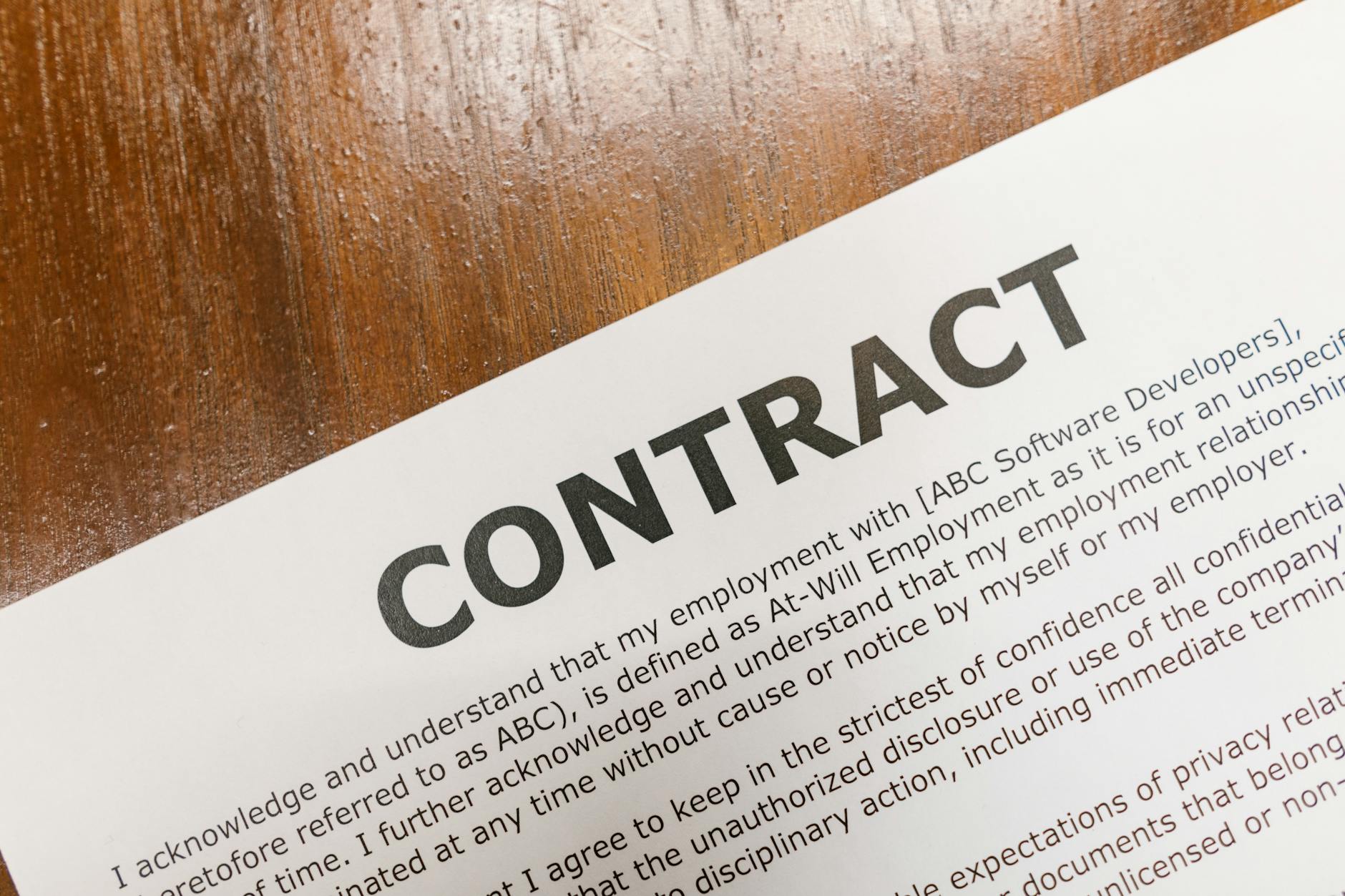
Gym chains that are sold, acquired, or merged routinely transfer existing member contracts to the acquiring entity without requiring member consent or re-acknowledgment of terms. A member who signed an agreement with a locally owned gym may find that their contract and billing obligation have been assumed by a large national chain following an ownership change. The new operator inherits all existing billing relationships and in many cases applies stricter cancellation requirements than the original gym communicated. Members who believed a gym closure or sale resolved their membership obligation are frequently contacted months later by the acquiring company for outstanding balances or continued monthly fees. Contract assignment clauses that permit this transfer are standard in gym membership agreements and are almost never highlighted during the signup process.
Chargeback Retaliation

Members who attempt to resolve unauthorized gym charges by initiating a credit card chargeback through their bank are sometimes referred to collections agencies by the gym for the disputed amounts. Gyms treat chargebacks as breach of contract rather than as legitimate consumer protection mechanisms, particularly when the underlying membership agreement contains terms that technically authorize the charges. A chargeback that succeeds at the bank level may result in the gym sending the account to a third-party collections agency, which creates a separate negative credit reporting event. The threat of collections and credit reporting activity deters many members from pursuing chargebacks even when the underlying charges are clearly unauthorized. Gyms that operate with high chargeback rates have developed systematic responses to dispute resolution that shift the burden of proof back onto the former member.
Guest Pass Reactivation

Some gym contracts contain clauses that reset billing and membership terms if a former member uses the facility even once after initiating a cancellation. A guest pass used by a friend or family member who brought the former member in as a visitor can technically constitute re-engagement under certain contract interpretations. Gyms have used facility access logs to document post-cancellation visits that they then cite as grounds for reinstating the membership and billing relationship. The reactivation clause is not disclosed at the point of cancellation and is not something most former members would think to ask about before accompanying an active member on a social visit. Any physical visit to a gym during or after the cancellation process should be preceded by written confirmation that the visit will not affect the cancellation status.
Promotional Lock-Ins

Promotional membership rates offered at sign-up as a limited-time incentive frequently come attached to minimum commitment periods that are longer than the promotional pricing window itself. A member who signed up for a discounted rate may be locked into the contract for eighteen or twenty-four months regardless of when the promotional price expires and the standard rate takes effect. The transition from promotional to standard pricing is often communicated in a brief email that does not prominently disclose the continued lock-in period. Members who attempt to cancel after the promotional rate ends are informed that their minimum commitment period extends well beyond what they understood when they signed up. The gap between the promotional pricing duration and the actual contract term is one of the most common sources of unexpected continued billing among former gym members.
Inactivity as Acceptance

Some gym contracts include language specifying that continued inactivity without a formal cancellation request constitutes ongoing acceptance of all membership terms and billing obligations. This clause is designed to prevent members from arguing that a prolonged absence from the facility implied an intent to cancel. A member who stopped attending for six months while still intending to return has technically renewed their consent to all billing terms under this contract interpretation. The inactivity clause removes the most natural behavioral signal of disengagement from the legal calculus of contract termination. Members who have not visited a gym in many months may not realize that their absence has no contractual significance without an accompanying formal cancellation request.
Location Closure Loopholes

When a specific gym location closes due to business performance issues, the parent company typically offers affected members a transfer to the nearest alternative location rather than a clean contract termination. Accepting the transfer to an alternative location extends the full contract terms and billing relationship without requiring the member’s acknowledgment of the change in distance or convenience. Members who reject the transfer offer and attempt to cancel on the grounds of location closure are informed that the contract does not guarantee access to a specific facility but only to the network as a whole. The distance to the alternative location, even if substantial, does not automatically constitute grounds for contract termination under most gym membership agreement terms. Members facing a location closure must proactively research their specific state’s regulations regarding the cancellation rights triggered by a facility’s permanent shutdown.
Referral Credit Dependency

Gyms that offer referral credits applied to a member’s monthly balance create a billing dependency that complicates cancellation by tying the account to ongoing financial transactions. A member with accumulated referral credits who initiates a cancellation is told that the credits are non-transferable and will be forfeited rather than refunded. The perceived financial loss of forfeiting accrued credits serves as a psychological deterrent to completing the cancellation process. Members who stay to use remaining credits extend their active billing period during which the gym continues collecting monthly fees that may exceed the value of the credits themselves. The referral credit system is designed to create loyalty through financial entanglement rather than through service satisfaction.
SMS and Email Opt-Out Traps

Some gym chains have connected marketing communication preferences to membership status in ways that are not disclosed at signup. A member who opts out of gym marketing emails or text messages may inadvertently affect their ability to receive billing notifications, cancellation confirmations, or renewal warnings through the platform. When a billing dispute arises the gym cites the member’s own communication opt-out as the reason cancellation documentation or renewal notices were not received. The connection between marketing preferences and billing communications is buried in privacy policy and terms documents that operate independently of the membership contract. Members who opt out of promotional communications should explicitly confirm in writing that billing and membership status notifications will continue to be delivered through an alternative channel.
Wellness Benefit Bundling

Corporate gym memberships offered through employer wellness benefit programs create an additional billing layer that complicates individual cancellation attempts. When a member’s employer subsidizes part of the membership fee the gym maintains a billing relationship with both the employer and the individual member simultaneously. Leaving an employer does not automatically terminate the individual billing component of the membership because the two payment streams are governed by separate agreements. Former employees who assume their gym membership ended with their employment discover months later that the individual billing component continued without interruption. Terminating a wellness-benefit-linked gym membership requires separate cancellation actions directed at both the gym and the former employer’s benefits administrator.
Cooling-Off Period Suppression

Consumer protection laws in many jurisdictions provide a legally mandated cooling-off period during which a newly signed contract can be cancelled without penalty, a right that gym staff routinely fail to disclose at the point of signing. The cooling-off period is often three to five business days and represents the cleanest and simplest exit from a gym membership that a consumer will ever have access to. Gym sales staff are trained to move new members quickly through the facility tour, equipment orientation, and class scheduling process during the post-signup period in ways that occupy the cooling-off window with positive experiences. Members who reach the end of their cooling-off period without exercising it lose access to the most straightforward cancellation pathway available under law. Awareness of the cooling-off period and its precise duration is one of the most practically useful pieces of information any new gym member can have.
Debt Collection Escalation

Gyms that are unable to collect on outstanding membership balances through direct billing escalate accounts to third-party debt collection agencies that operate with significantly more aggressive recovery tactics than the gym itself. A former member who stopped paying after an unsuccessful cancellation attempt may receive debt collection communications years after the last gym visit. The debt collector pursues the balance under the authority of the original membership contract regardless of whether the member believed the account was closed. Collection activity can result in negative credit bureau reporting that affects the former member’s credit score for up to seven years. Gyms have established systematic pipelines from their billing systems to collection agencies that activate automatically when accounts reach a defined delinquency threshold.
Legacy Payment Method Retention

Gyms retain payment method information on file for periods far longer than active membership duration, a practice that creates ongoing billing risk for former members who believe their financial information has been purged from the system. Stored card data can be used to resume billing if a gym’s internal system incorrectly reclassifies a cancelled account as active following a software migration or administrative error. Data retention policies that allow gyms to hold payment information indefinitely are disclosed in privacy policies rather than in membership agreements, meaning most members never encounter them. Former members who have not seen a gym charge in over a year may find that a system error triggers a resumption of billing against a card that is still on file. Requesting written confirmation of payment data deletion as part of the formal cancellation process is a protective step that most consumer guides do not include in standard cancellation advice.
Social Media Cancellation Dismissal

Gyms that receive cancellation requests submitted through social media direct messages, public comments, or review platform responses treat these communications as customer service inquiries rather than as legally valid cancellation notices. Responding to a member’s social media cancellation request with a sympathetic message does not initiate any action within the gym’s billing or contract management system. The social media team and the billing department operate entirely independently in most gym organizational structures. Members who receive warm responses to public cancellation complaints believe the matter has been resolved when in practice nothing in the billing system has changed. All cancellation communications should be directed through the specific channel defined in the original membership contract to have any legal standing in a subsequent dispute.
Statute of Limitations Billing

Some gym billing operations have been documented reactivating or attempting to collect on accounts that were disputed or abandoned years earlier, timed to fall within the longest possible interpretation of the applicable statute of limitations for contract claims. A former member who believed a billing dispute was resolved through a chargeback or account closure may receive new billing activity or collection notices years later based on the original contract obligation. The reactivation of dormant billing claims is facilitated by the fact that gym membership contracts rarely have explicit expiration dates for the gym’s collection rights. Members who experience a sudden resumption of gym billing after a multi-year gap are often confused about their legal rights and responsibilities because the underlying contract is so old. Retaining copies of all cancellation documentation, confirmation emails, and certified mail receipts permanently rather than for just a few years is the most reliable protection against delayed billing reactivation.
If any of these tactics have appeared on your credit card statement long after you walked away from a gym, share your story in the comments.