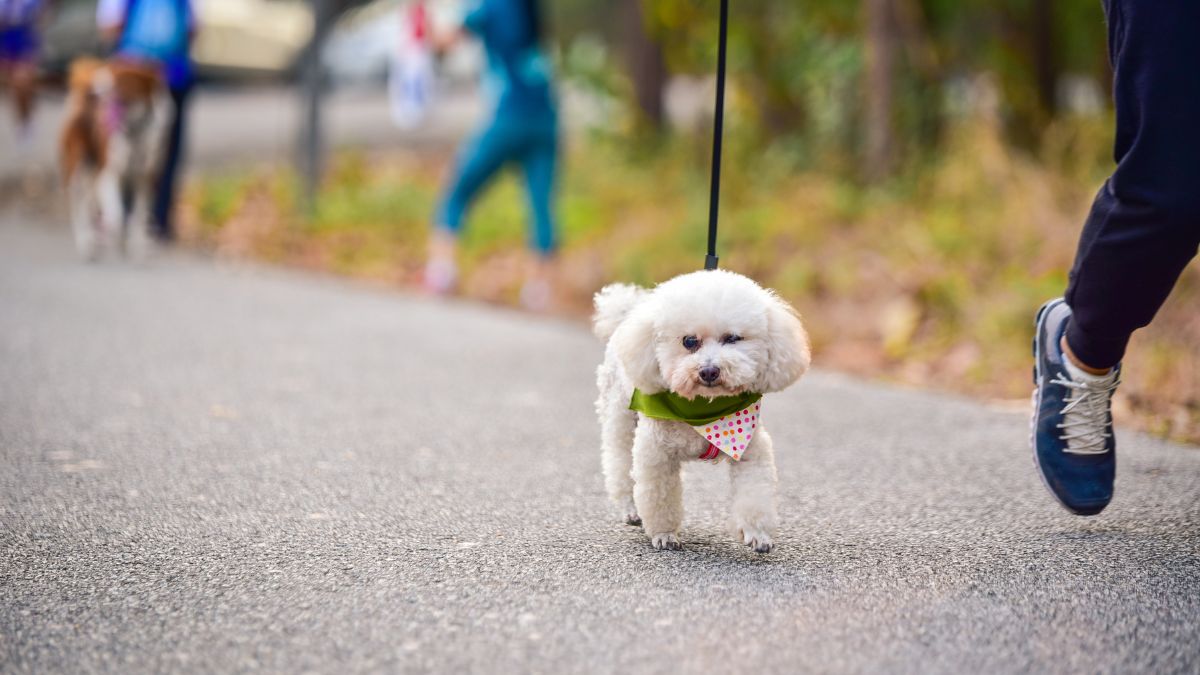
Proper leash behavior goes far beyond simple rules and forms the foundation of good manners while ensuring safety for both the dog and its owner. A puppy that masters calm walking enjoys greater freedom to explore its surroundings without causing stress or hazards. Owners benefit too by avoiding situations where an untrained dog might pull them into traffic or toward other animals. Puppies do not instinctively understand leashes and often pull in the opposite direction at first. Starting training early prevents bad habits from taking root.
Begin the process as soon as the puppy arrives home while it is still small and eager to learn. Allow the young dog time to become comfortable with a collar or harness before attaching any leash. Let the puppy sniff the equipment thoroughly so it feels familiar rather than frightening. Select a standard leash around six feet long that suits the puppy’s size and avoid retractable models since they can encourage pulling. Never let the puppy chew on the leash as it should never become a toy.
The main objective involves teaching the puppy to stay beside you with a loose leash that never stays tight. Hold the leash relaxed without any tugging or jerking motions that might confuse the animal. Keep high value rewards like small treats or a favorite toy ready to motivate good choices. Decide early whether the puppy will walk on your left or right side and remain consistent with that choice. Many trainers prefer the left side but the decision rests with what feels natural for you and the dog.
Show the puppy a treat while it sits or stands calmly next to your leg. Use a clear short command such as “let’s go” once the puppy focuses on the reward. Hold the treat near its nose to guide it forward in the correct position. Practice short sessions filled with praise for every successful step. As the puppy improves gradually increase the challenge by changing speeds from a slow walk to a gentle trot and back again.
Incorporate direction changes to build flexibility and attention. Turning away from the puppy’s side often proves easier at first while turns toward the dog may need extra treat guidance initially. Transform the entire session into an engaging game so the puppy looks forward to training time. Once basic loose leash walking feels solid introduce the command “heel” which means staying aligned with your knee and sitting automatically when you stop.
Address common issues promptly to keep progress steady. If the puppy jumps for treats simply lower your hand or use a long spoon with the reward on the end to avoid bending over repeatedly. When pulling occurs stop walking and lure the puppy back to your side with a treat before continuing. Build reliability by practicing around mild distractions such as passing cars or someone tossing a ball nearby. The aim is for calm leash walking to become an automatic habit no matter the environment.
Over time shift from rewarding every correct step to occasional praise and treats on a random schedule. This variable reward system strengthens the behavior because the puppy never knows exactly when the next treat might appear yet stays motivated to listen. Regular short practices in the yard or around the house help solidify the skill before venturing into busier areas. Patience remains essential throughout since every puppy learns at its own pace and positive reinforcement always yields the best results.
Mastering leash walking opens up a world of enjoyable adventures for both you and your growing dog. It strengthens your bond while providing the control needed for safe daily outings. With consistent gentle guidance any puppy can become a polite walking companion that makes every stroll a pleasure instead of a struggle.
What has been your experience teaching leash manners to a puppy and which tips worked best for you in the comments.