Leaving a dog in someone else’s care for the weekend is an act of enormous trust and for most pet owners it comes with a quiet but persistent undercurrent of anxiety that no amount of reassurance fully eliminates. The pet boarding industry ranges from highly professional licensed facilities to informal backyard operations with almost no oversight and very little standardization between them. Problems that occur during a boarding stay are frequently invisible to owners because dogs cannot report what happened and facilities have every incentive to present a polished version of events upon collection. Understanding what actually goes wrong behind closed doors is the most effective way to ask better questions choose more carefully and recognize warning signs before they become emergencies.
Ignored Feeding Schedules
A dog’s digestive system is significantly more sensitive to routine disruption than most owners realize and even a single day of altered feeding times or incorrect portion sizes can trigger vomiting diarrhea and significant gastrointestinal distress. Many boarding facilities operate on a standardized feeding schedule designed around staff convenience rather than the individual dietary needs of each animal in their care. Dogs with specific nutritional requirements breed-related sensitivities or medically prescribed diets are particularly vulnerable when their carefully maintained routines are casually disregarded. The food an owner packs and labels is sometimes ignored entirely in favor of a generic house brand that is cheaper and easier to distribute across a large number of animals simultaneously.
Skipped Medications
Administering medication to a dog that resists it takes time patience and often a degree of creativity that understaffed or indifferent facilities are simply not motivated to invest in during a busy weekend period. Antiparasitic treatments thyroid medications seizure suppressants and joint pain management drugs all require consistent administration to maintain therapeutic effectiveness and missing even a single dose can have measurable clinical consequences. Some boarding staff accept medication from owners with no intention of administering it and simply return the unused supply at collection time with a vague explanation about the dog not needing it. Owners who do not specifically verify that medications were given at the correct times and in the correct doses have no reliable way of knowing whether their dog received appropriate care during the stay.
Overcrowded Kennels
Facilities that overbook during peak periods including holiday weekends and school vacation windows routinely house more animals than their space safely accommodates in order to maximize revenue. Overcrowding creates chronic stress in dogs because proximity to unfamiliar animals triggers sustained cortisol elevation that suppresses immune function and increases aggression reactivity over a period of days. Dogs housed in cramped conditions also have elevated exposure to airborne pathogens including kennel cough and canine influenza which spread rapidly through poorly ventilated spaces containing large numbers of animals. Owners who book during high-demand periods should ask directly about maximum capacity occupancy rates and the physical dimensions of the space their dog will occupy rather than assuming standards are maintained under commercial pressure.
Unsupervised Play Groups
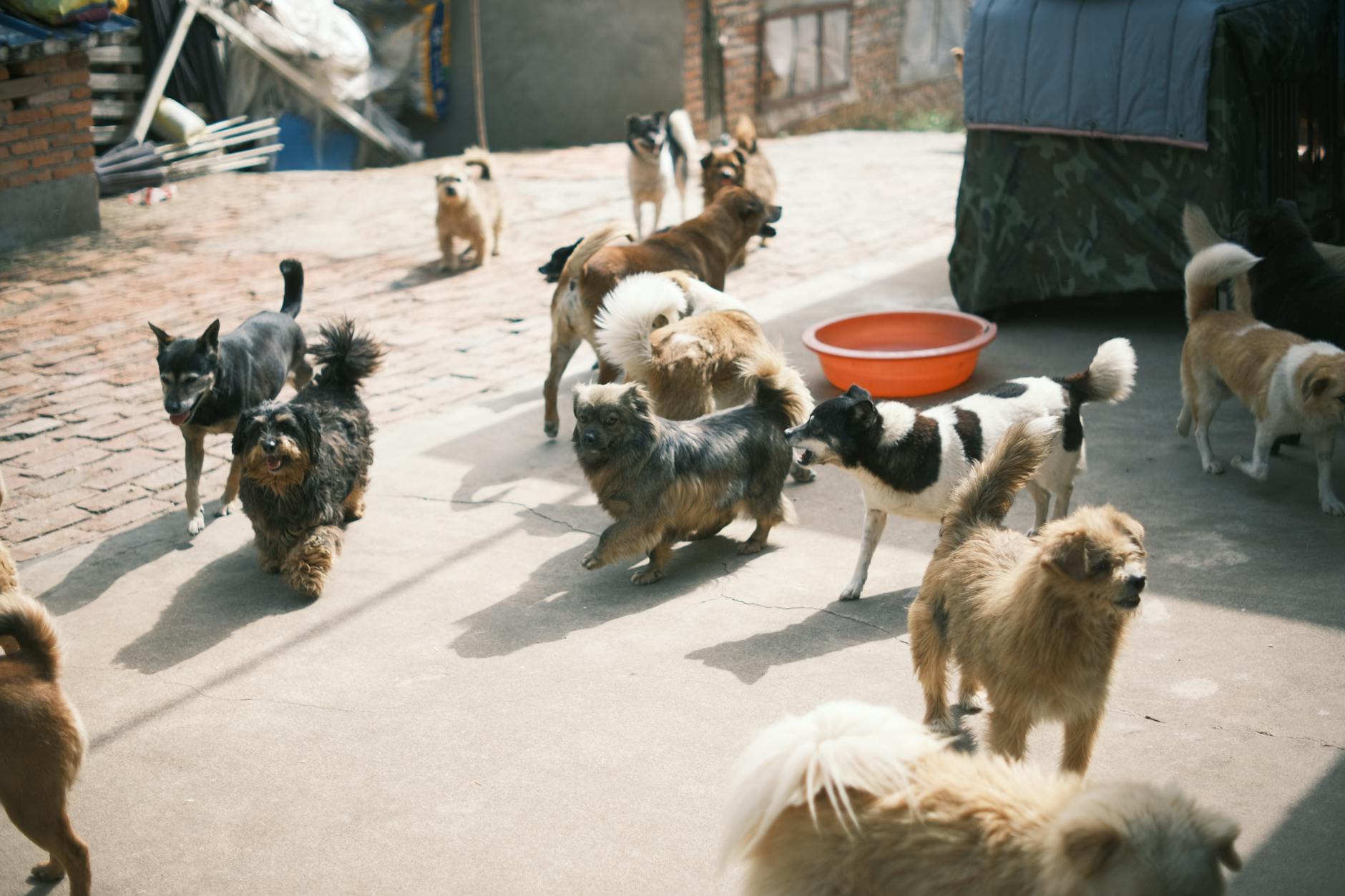
Group play sessions are frequently presented in facility marketing materials as a premium social enrichment feature without disclosing that those sessions may involve fifteen or more dogs of varying sizes temperaments and socialization histories simultaneously occupying the same space. Dog-on-dog aggression incidents are among the most common unreported events in boarding facilities because they are difficult to prevent unpredictable in outcome and expensive to disclose when they result in injury. A single resource-guarding incident a fear response from an undersocialized dog or a size mismatch between animals can escalate into a serious injury in seconds and the presence of an adequate number of trained supervisors is rarely guaranteed. Owners of dogs with any history of reactivity anxiety or selective socialization should ask specifically how play groups are structured who supervises them what the staff-to-dog ratio is and what the protocol is when conflict arises.
No Exercise Outside
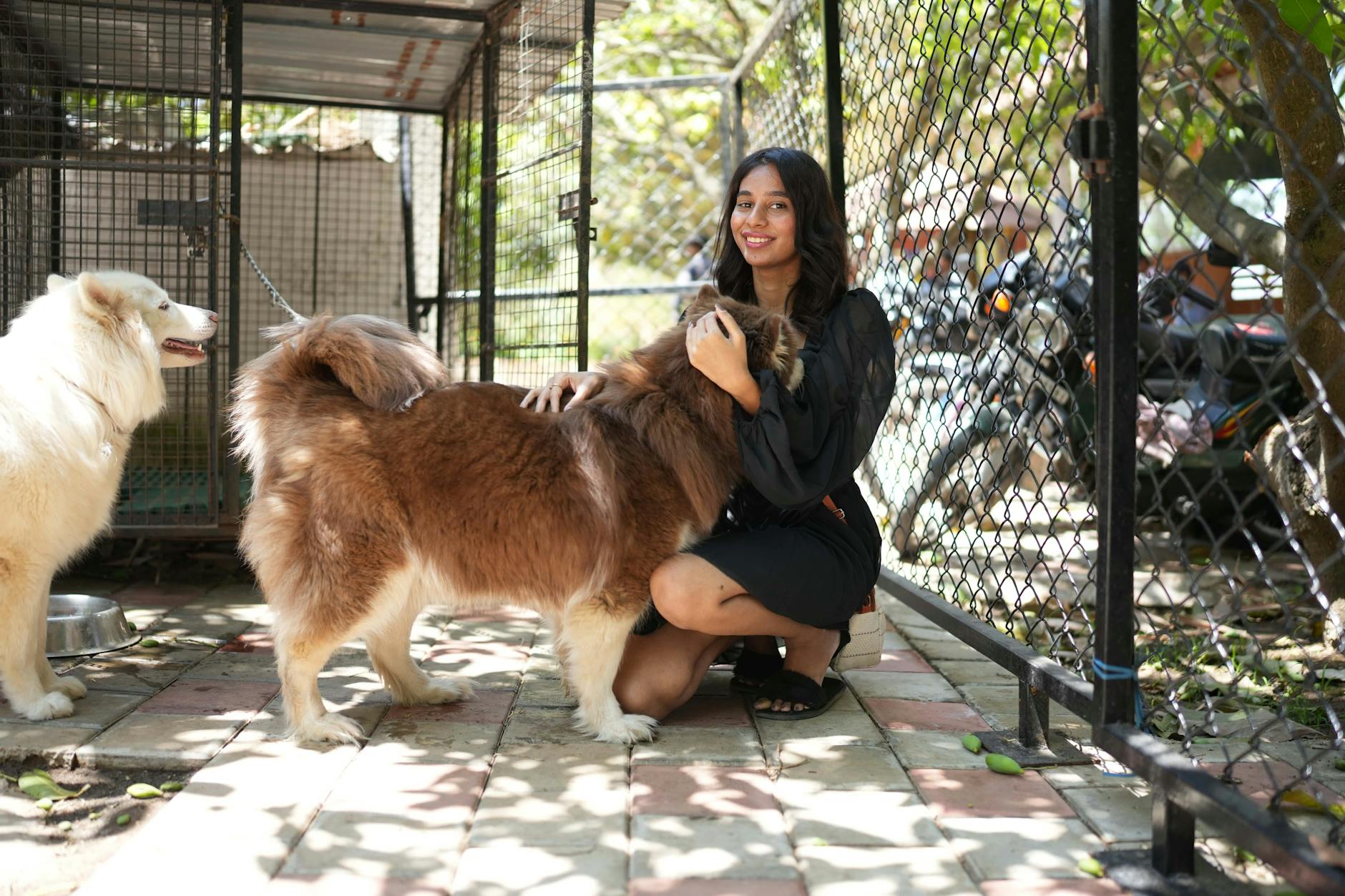
Marketing language about daily walks and outdoor time often refers to brief toilet breaks in a concrete yard rather than any meaningful form of physical exercise or mental stimulation appropriate to the dog’s breed size and energy level. High-energy working breeds and young dogs that receive inadequate physical outlet during a boarding stay develop behavioral responses including destructive chewing excessive vocalization and redirected anxiety that owners then incorrectly attribute to separation issues rather than unmet exercise needs. Some facilities charge additional fees for individual walks and when those fees are not paid the dog may spend the majority of a two-day stay confined to a kennel with only minimal supervised outdoor access. Asking specifically how many minutes of outdoor time are included how many individual walks are provided and whether those walks leave the facility premises gives a far more accurate picture than accepting general descriptions of an active environment.
Ignored Anxiety Signals

Dogs communicate distress through a well-documented repertoire of behavioral signals including excessive panting lip licking yawning tucked tails flattened ears and attempts to escape or hide and staff who are not trained in canine body language routinely misread or overlook these indicators entirely. A dog in a state of sustained anxiety experiences measurable physiological stress including elevated heart rate suppressed digestion and immune compromise that has real health consequences extending well beyond the duration of the boarding stay. Facilities with high staff turnover and minimal training investment are particularly likely to employ people who interact with distressed animals using reassurance techniques that inadvertently reinforce anxiety rather than addressing it. Owners who return to find a dog that is unusually withdrawn clingy or displaying new behavioral patterns should consider the possibility that unrecognized and unaddressed anxiety was a feature of the stay rather than assuming the dog simply needs time to readjust.
Unclean Sleeping Areas
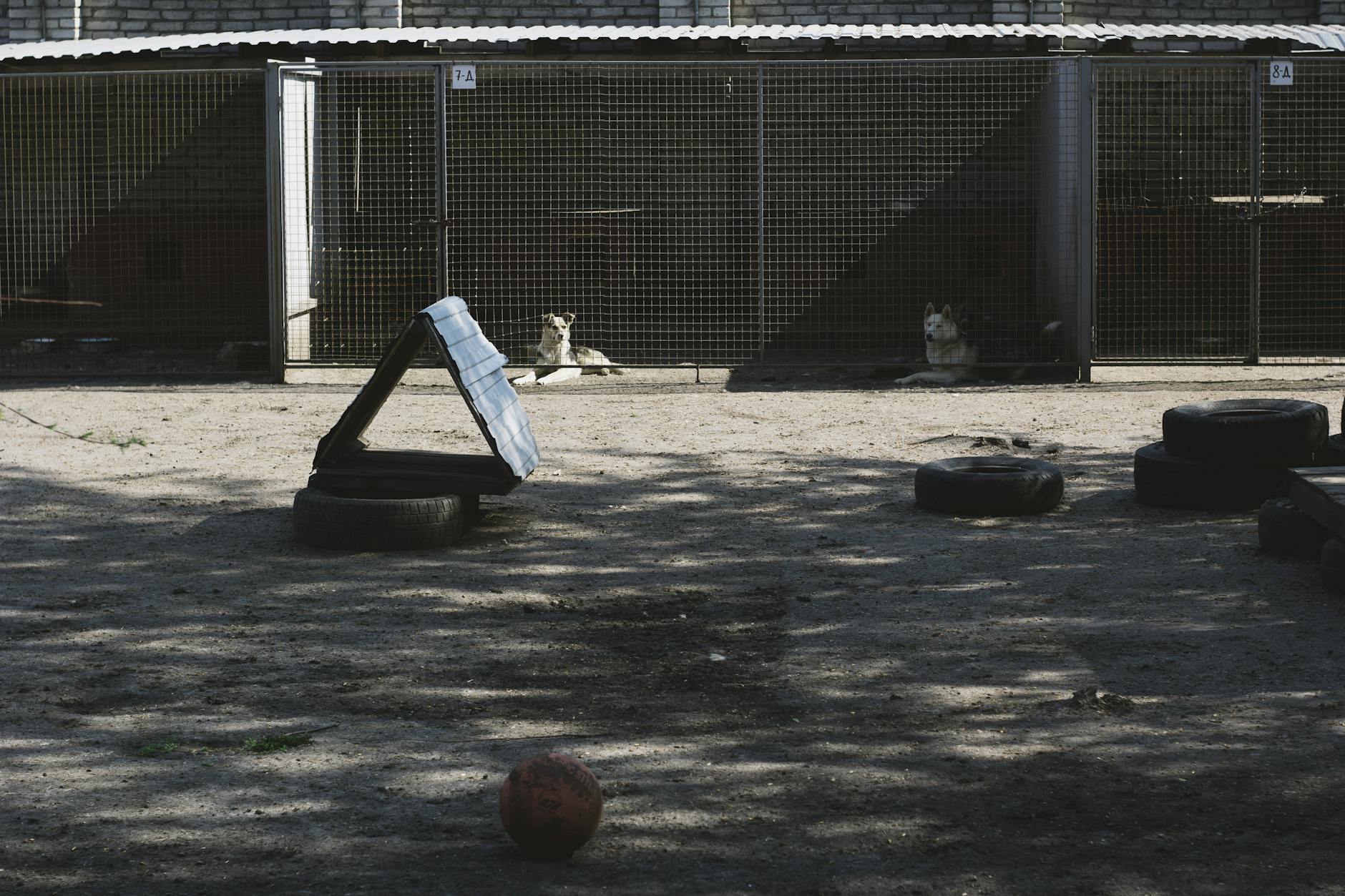
Kennel hygiene standards vary enormously between facilities and the visible cleanliness presented during a daytime tour does not reliably reflect conditions during the less supervised overnight hours when cleaning staff may be absent and soiling incidents go unaddressed for extended periods. Dogs forced to sleep in proximity to their own waste or in bedding contaminated by previous occupants face elevated risks of bacterial skin infections urinary tract infections and paw pad irritation that may not become apparent until days after the stay concludes. Facilities that use communal bedding without laundering it between occupants are operating a direct transmission pathway for parasites including ringworm mange mites and fleas that can then establish themselves in a home environment. Inspecting sleeping areas during a pre-booking visit specifically looking at drain cleanliness wall surfaces bedding quality and odor management gives a far more reliable indication of standards than any written hygiene policy presented on a website.
Excessive Crating
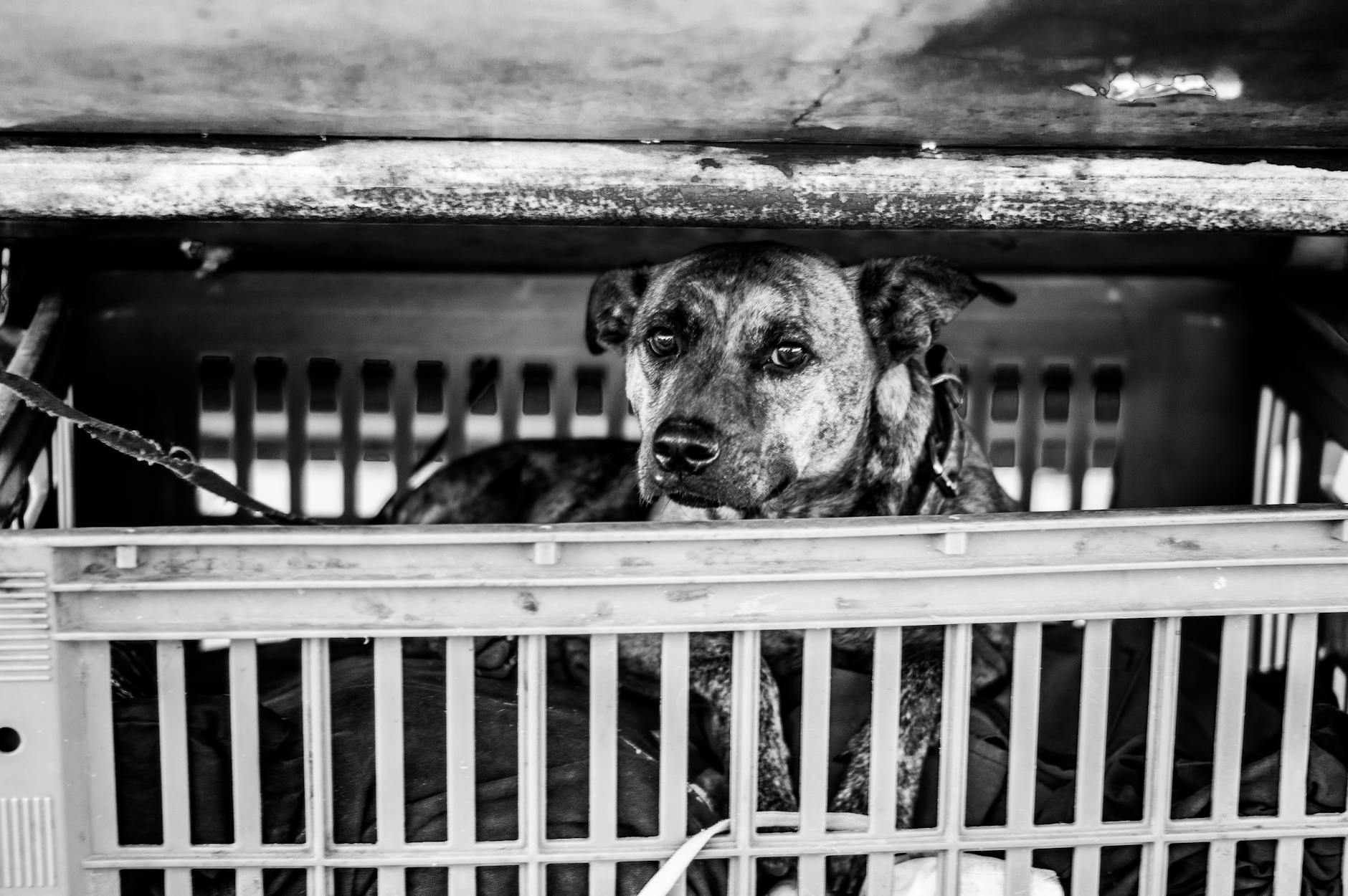
Keeping a dog in a crate for the majority of a boarding stay is a cost-reduction strategy that requires minimal staffing and supervision but produces significant physical and psychological consequences for animals not accustomed to extended confinement. Dogs that spend more than four to six hours continuously in a crate experience physical discomfort from restricted movement urinary pressure from inability to toilet appropriately and psychological distress that compounds with each additional hour of confinement. Facilities that rely on crating as their primary management tool for overnight and off-peak periods are not providing the level of care implied by standard boarding marketing language regardless of how the daytime program is described. Asking specifically how many cumulative hours per day a dog will spend crated during the stay including overnight is one of the most important and frequently overlooked questions an owner can ask before confirming a booking.
Rough Handling
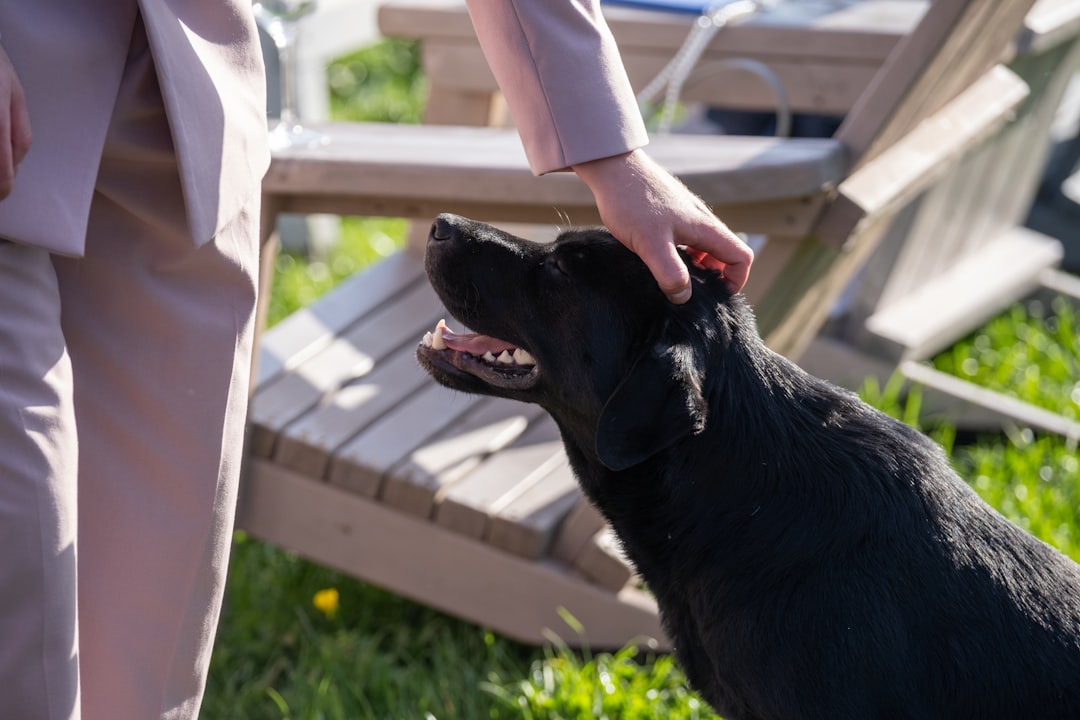
Physical management techniques used on dogs that bark resist or fail to comply with staff direction are rarely disclosed to owners and can range from collar dragging and scruff grabbing to the use of spray deterrents and forced physical restraint that would be immediately rejected if witnessed. Dogs that are handled roughly during a boarding stay frequently show signs of handler anxiety upon return including reluctance to approach unfamiliar adults exaggerated startle responses and defensive posturing that owners may find confusing or alarming. Staff training in low-stress handling techniques is not uniformly required across the boarding industry and facilities that do not voluntarily reference their handling philosophy or training certifications may not have a formalized approach to ethical animal management. Asking directly whether staff hold any recognized animal handling certifications and requesting a description of how resistant or stressed dogs are managed provides useful insight into whether professional standards are genuinely in place.
Falsified Updates
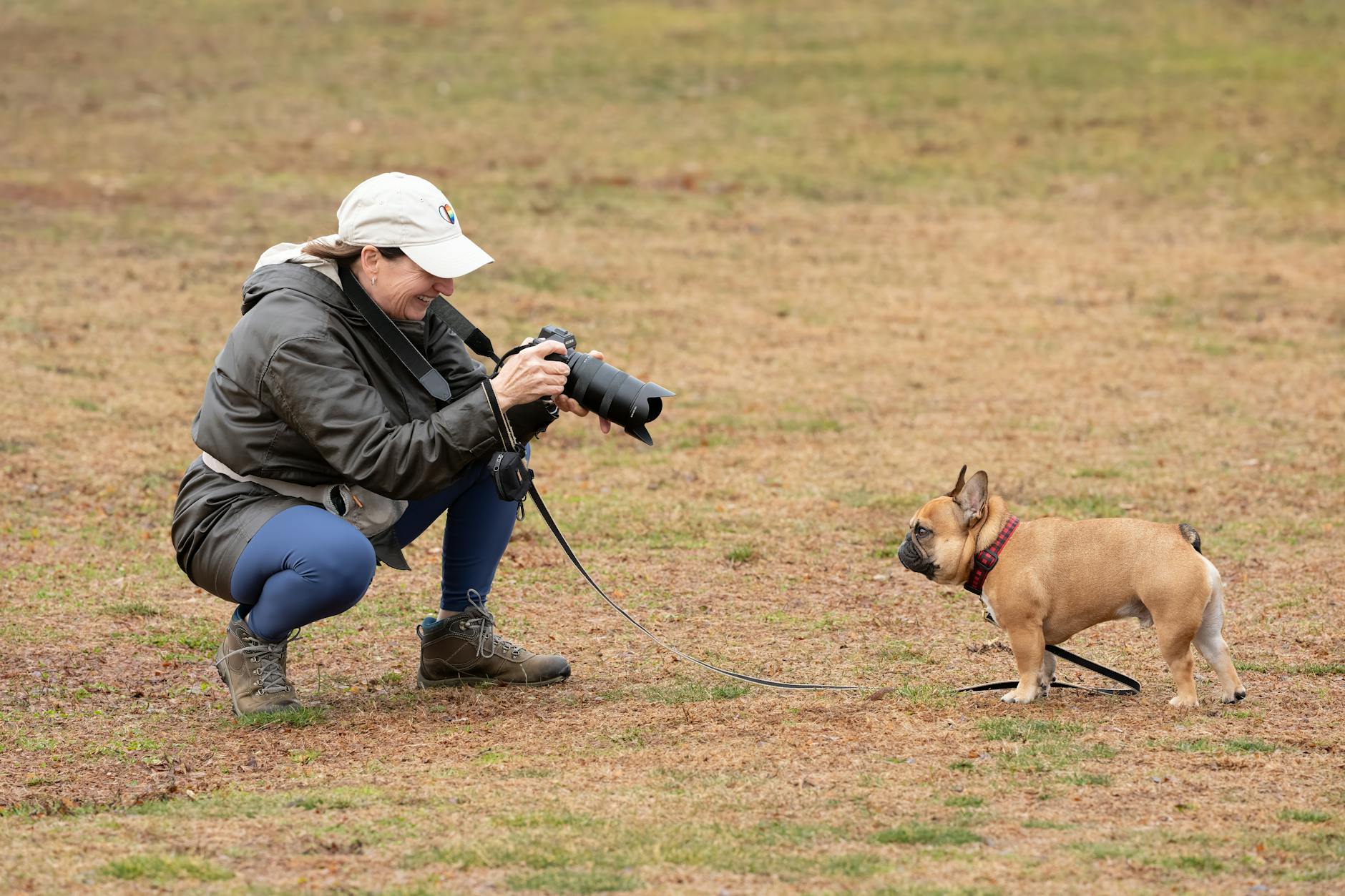
Photo updates sent to owners during a boarding stay are a popular feature that provides reassurance but can be staged manipulated or simply reused from previous occasions in ways that are impossible for a remote owner to detect. A single comfortable-looking photograph shared on the first morning of a stay tells an owner nothing about conditions during the remaining thirty hours of a two-night booking or about what happened in the hours before and after the image was captured. Facilities that send only positive-looking updates with no honest communication about stressful moments incidents or health concerns are prioritizing customer perception over transparent animal welfare reporting. Owners who are genuinely concerned about their dog’s wellbeing during a stay should request video updates at unscheduled intervals and pay attention to the background environment visible in shared images rather than focusing exclusively on the dog’s expression in the frame.
Ignored Health Symptoms
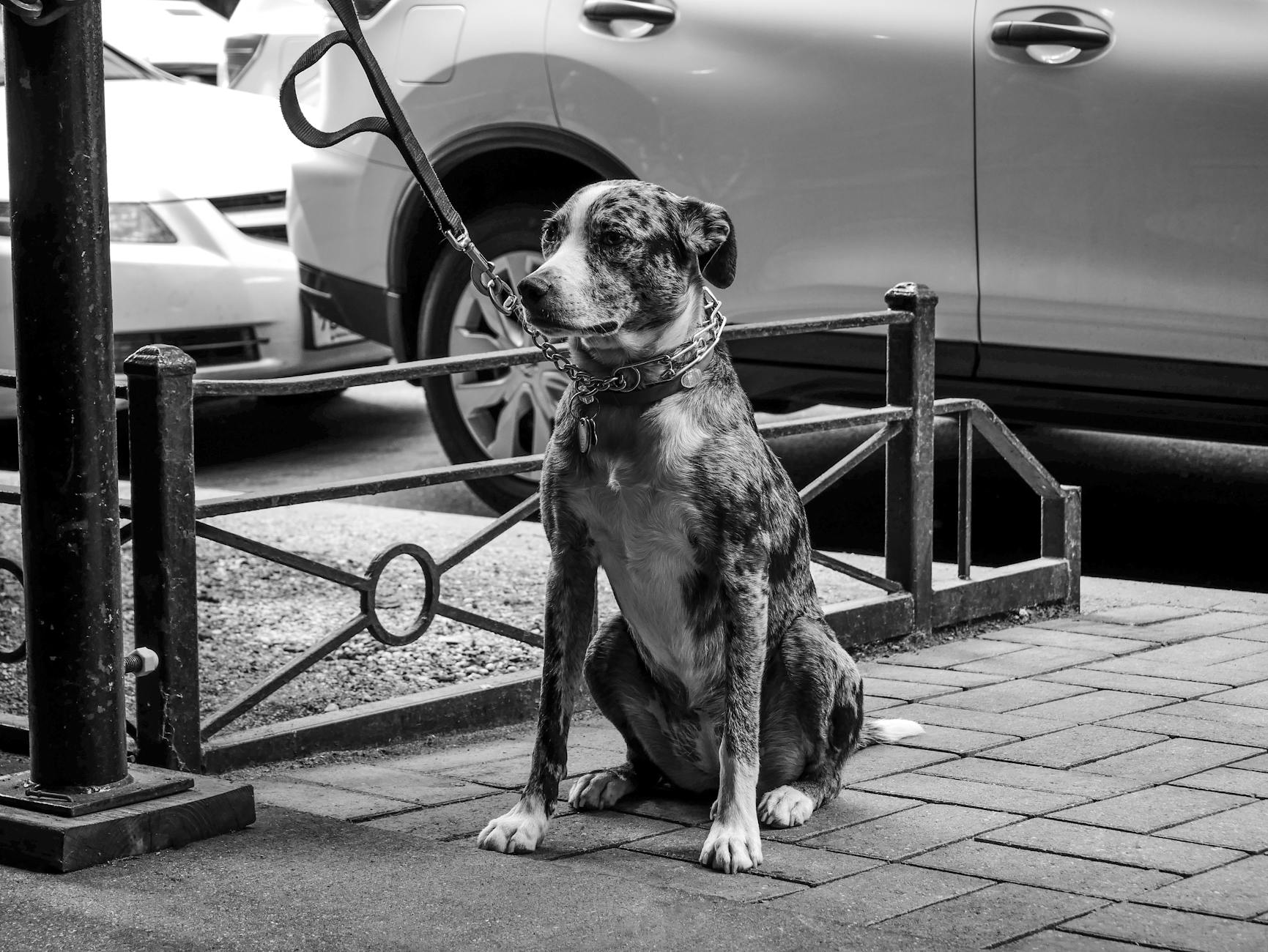
A dog that develops vomiting diarrhea lethargy or respiratory symptoms during a boarding stay requires prompt assessment and communication with the owner yet facilities that fear liability or negative reviews frequently minimize observable symptoms rather than escalating them appropriately. Kennel cough can progress to pneumonia in vulnerable animals within forty-eight hours and gastrointestinal distress from dietary changes or pathogen exposure can reach a point of dangerous dehydration if not recognized and treated promptly. Staff who are not trained to distinguish between a dog having a minor adjustment period and a dog showing early signs of illness are poorly equipped to make the judgment calls that animal welfare during a stay depends upon. Requesting a clear written description of the facility’s protocol for managing health symptoms during a boarding stay including at what point a veterinarian is contacted and how quickly owners are notified is essential information that every boarder should provide before a booking is confirmed.
Lack of Staff Overnight
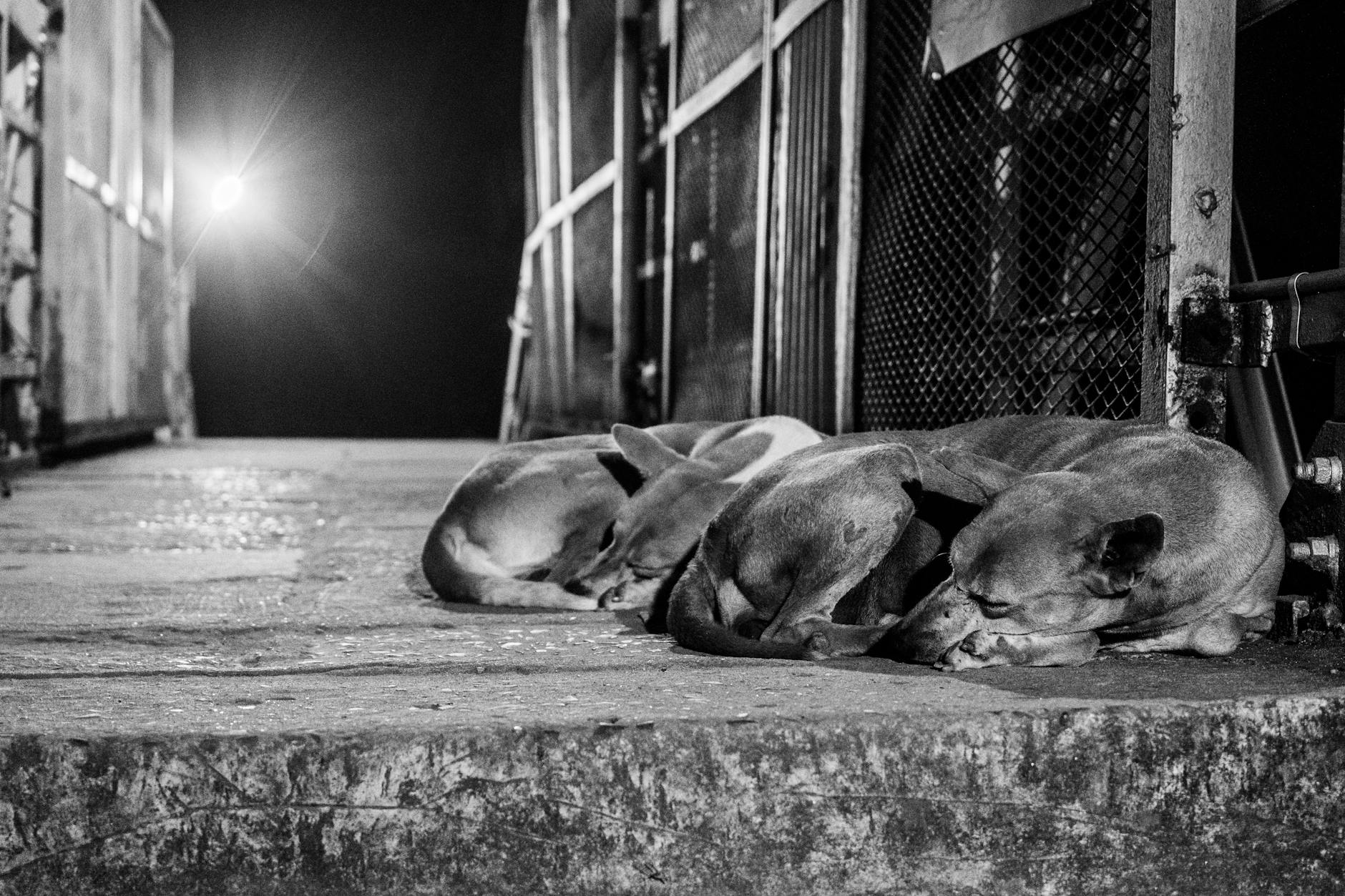
Many boarding facilities that appear fully staffed during business hours operate with no on-site human presence during overnight hours leaving animals entirely unsupervised in an enclosed space for eight or more consecutive hours. A dog that becomes injured ill distressed or involved in a conflict with another animal during overnight hours in an unstaffed facility has no access to human intervention until morning regardless of the severity of the situation. Fire medical emergencies and kennel equipment failures including heating and ventilation systems present serious risks in facilities where no staff member is present to respond. Asking directly whether a human staff member sleeps on the premises overnight and what the emergency response protocol is for after-hours incidents distinguishes between facilities that genuinely prioritize animal safety and those whose care standards effectively end at closing time.
Shared Water Bowls
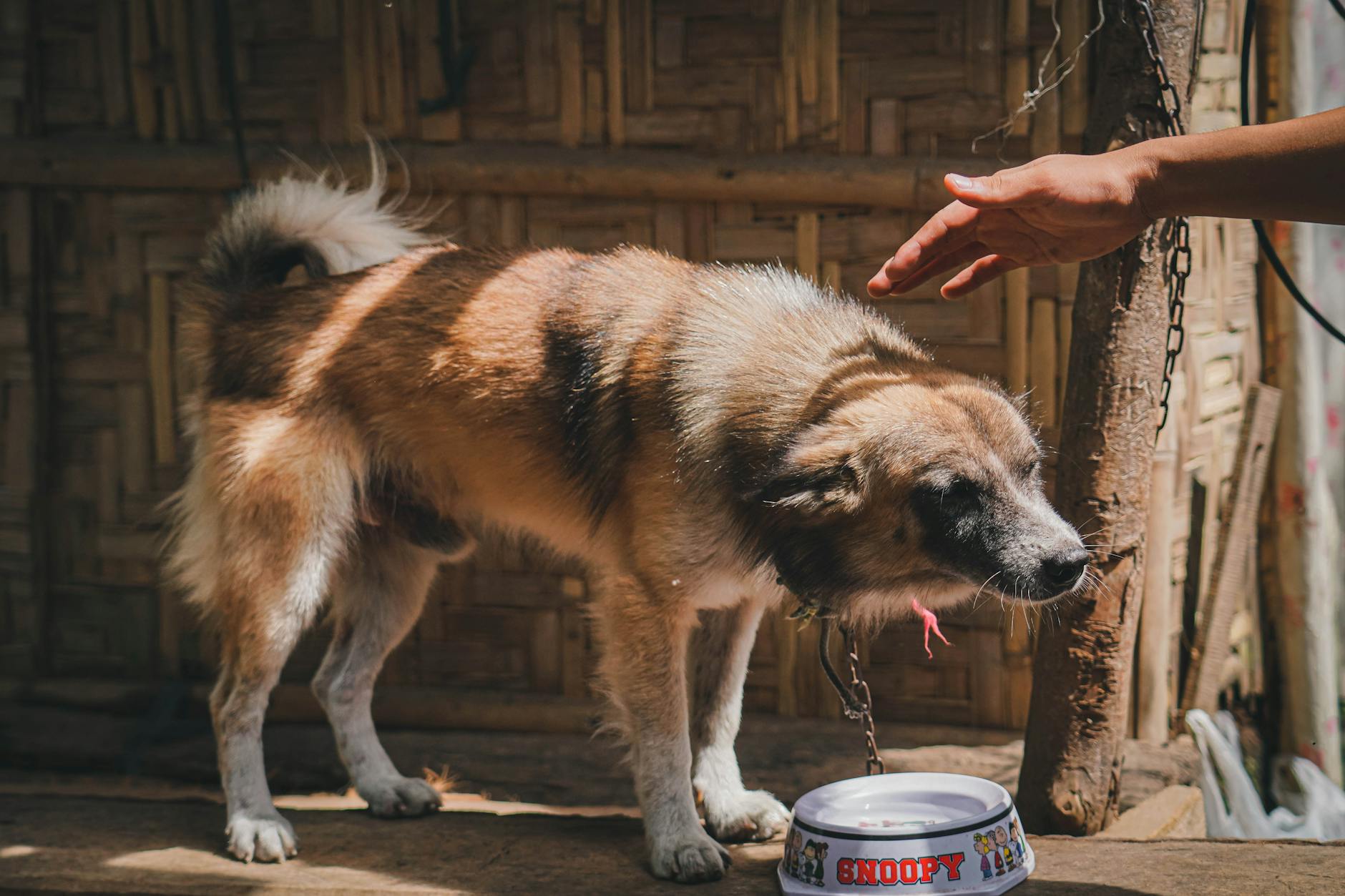
Communal water stations shared between multiple dogs are a direct transmission vector for a range of infectious conditions including kennel cough canine influenza oral papillomavirus and leptospirosis depending on the vaccination status of the animals sharing the resource. A dog that drinks from a bowl used minutes earlier by an infected animal has been directly exposed to pathogens in a way that an owner would almost certainly object to if they were present to observe it. Individual water provision for each dog requires more labor and more equipment but represents an elementary standard of hygiene that any facility genuinely prioritizing animal health should be able to confirm as standard practice. Asking specifically whether water is provided in individual bowls cleaned between uses or through shared communal stations is a simple question that reveals a significant amount about the facility’s baseline hygiene philosophy.
Untrained Staff
The boarding industry has no universal minimum training requirement for frontline staff meaning that a person with no formal animal care education or behavioral knowledge can be placed in sole charge of a large number of dogs with no credential verification whatsoever. Staff who lack training in canine body language stress signals and behavioral management are not equipped to recognize when an animal is in distress prevent escalating conflict between dogs or respond appropriately to a medical or behavioral emergency. High staff turnover rates common in budget boarding facilities mean that even facilities with good training programs may frequently have new and inexperienced employees managing animals without adequate supervision or support. Asking about staff training requirements onboarding processes behavioral education and whether any team members hold recognized certifications in animal care or handling provides a meaningful indication of the seriousness with which the facility approaches professional standards.
No Vet Partnership
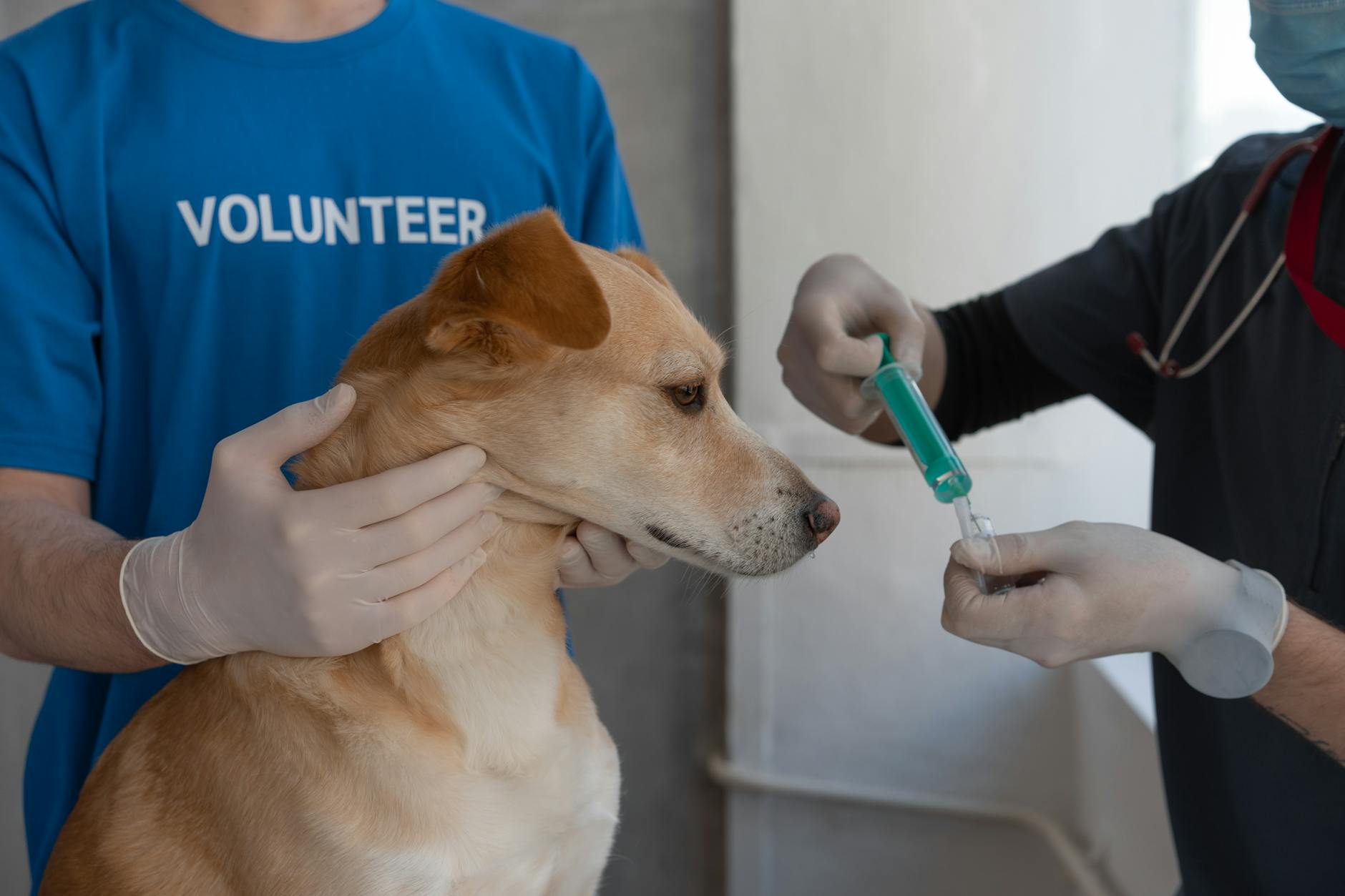
A boarding facility that does not have a formal working relationship with a licensed veterinary practice is not prepared to respond appropriately to the medical emergencies that statistically do occur across facilities caring for large numbers of animals on a regular basis. Without a pre-established veterinary relationship a facility facing a medical emergency must either attempt to reach an unfamiliar practice during business hours find an emergency clinic at significant cost or make the judgment to wait and monitor rather than seek professional assessment. Some facilities hold pet owners financially responsible for emergency veterinary costs but do not obtain explicit consent for treatment in advance leaving owners to discover unexpected bills upon collection without having authorized the care that generated them. Asking for the name and contact details of the veterinary practice the facility works with and requesting a written policy on emergency medical decision-making and cost authorization is essential groundwork before any booking is finalized.
No Socialization Records
Placing a dog into a group play environment without first reviewing its vaccination history socialization background temperament assessment results and known behavioral triggers is a practice that endangers every animal in the group not just the individual being assessed. Responsible facilities require documented evidence of current core vaccinations conduct an in-person temperament evaluation before approving group participation and maintain records that allow them to make informed decisions about which animals should interact with one another. Facilities that accept dogs into group settings based solely on an owner’s verbal description of their pet’s temperament are making risk assessments without adequate information in ways that can have serious consequences for all animals involved. Owners who are asked for no documentation beyond payment confirmation should treat that absence of due diligence as a significant warning about the facility’s overall approach to animal safety.
Ignored Breed Needs

Brachycephalic breeds including bulldogs pugs and French bulldogs have specific respiratory vulnerabilities that make them particularly susceptible to heat stress in poorly ventilated environments and to respiratory compromise during periods of excitement or extended physical activity. Giant breeds have joint and mobility considerations that make hard flooring inappropriate for sleeping surfaces and that require different management during any physical exercise component of the stay. Working breeds and high-drive sporting dogs experience significantly greater psychological distress from under-stimulation than lower-energy breeds and require qualitatively different enrichment to maintain behavioral stability during a multi-day stay. Asking specifically how the facility accommodates the known physical and behavioral characteristics of a dog’s specific breed before booking ensures that the environment being paid for is actually appropriate for the individual animal being left there.
Punitive Discipline
Aversive training and management techniques including verbal punishment physical correction and the use of spray or noise deterrents to manage barking or movement are still used in boarding facilities that have not updated their practices to reflect contemporary behavioral science. Punishing a dog that is already in a state of stress and confusion in an unfamiliar environment compounds its distress without addressing the underlying behavioral driver and can create lasting negative associations with confinement and unfamiliar handling that persist long after the stay concludes. Dogs returned to owners after a stay in which punitive methods were used may exhibit new fears increased reactivity and deteriorated responses to previously reliable commands that require significant rehabilitation to address. Asking a facility directly how they manage unwanted behaviors such as persistent barking or jumping and what their policy is on the use of any aversive tools or techniques gives a clear picture of whether their management philosophy aligns with evidence-based animal welfare standards.
Lost Belongings
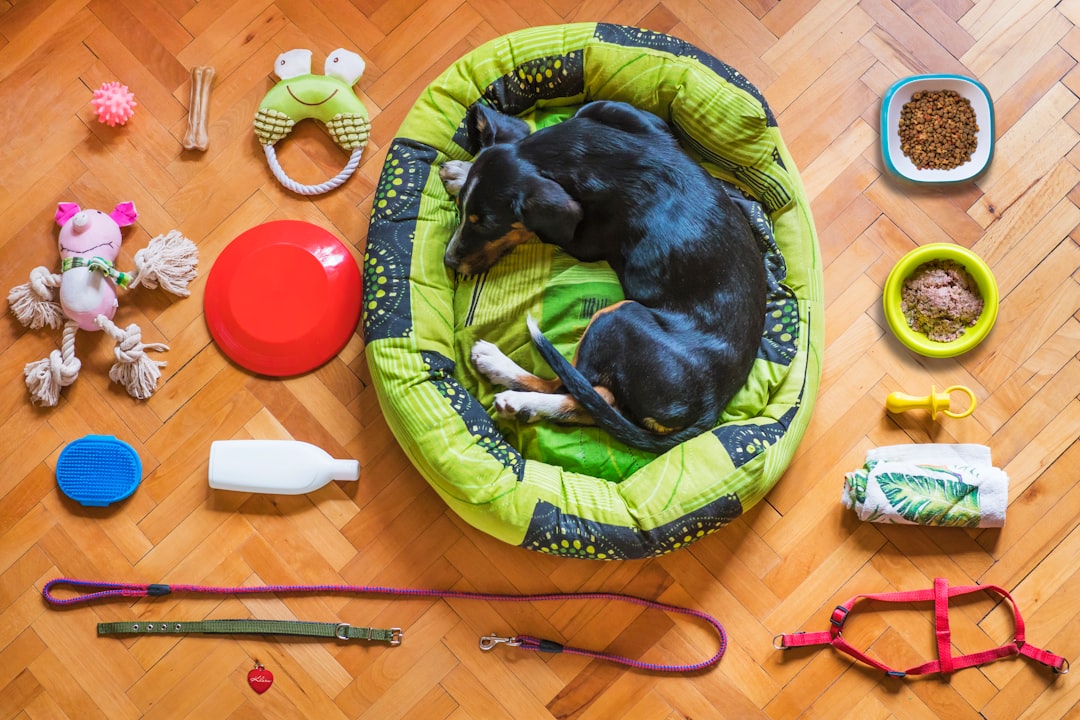
Comfort items including familiar blankets beds and toys sent with a dog to provide olfactory reassurance and environmental continuity are routinely lost damaged or returned in a condition that suggests they were never used or were used inappropriately during the stay. A facility that cannot return a dog’s personal belongings intact has not maintained the basic level of organizational care that accurate individual animal management requires. The loss of a comfort item may seem trivial compared to other concerns but it is often a reliable indicator of wider organizational failures in how individual animals and their specific needs are being tracked and managed. Photographing all items sent with a dog before drop-off and providing a written inventory to the facility creates a simple accountability mechanism that also signals to staff that the owner is detail-oriented and expects professional standards to be maintained throughout the stay.
Poor Ventilation

Indoor kennel environments with inadequate ventilation accumulate ammonia from urine hydrogen sulfide from feces and elevated levels of airborne pathogens at concentrations that cause respiratory irritation in dogs over a sustained period of exposure. The combination of poor air quality and the stress-related immune suppression that confined dogs commonly experience creates conditions in which respiratory illnesses develop and spread with particular efficiency. A strong animal odor detectable immediately upon entering a facility is one of the clearest indicators of inadequate ventilation and waste management even when visible cleanliness appears acceptable at surface level. Requesting to view the indoor kennel area where dogs are housed overnight rather than only the reception and play areas shown during a standard tour provides access to the environmental conditions that most directly affect animal health during a boarding stay.
Deceptive Advertising

Photographs of spacious grassy outdoor areas comfortable individual suites and attentive staff interactions used in facility marketing materials are frequently not representative of the actual conditions in which the majority of boarding animals spend most of their stay. Industry analysis of pet boarding marketing has consistently found significant gaps between the environments depicted in promotional imagery and the operational realities of facilities during high-occupancy periods. Virtual tours pre-recorded video content and testimonials curated by the facility itself provide no reliable guarantee that the experience described will match the experience delivered during a specific booking. An unannounced or minimally announced in-person visit to the facility at a time other than the scheduled tour slot is one of the most effective methods of observing actual operating conditions rather than the managed presentation designed specifically to secure bookings.
No Emergency Contacts
A facility that does not collect multiple emergency contact numbers an authorized alternate decision-maker and a backup veterinary contact from an owner before confirming a boarding stay is operating without the minimum information infrastructure needed to manage an unexpected situation appropriately. If an owner is unreachable during a medical emergency a boarding facility without a pre-authorized secondary contact may face paralysis in decision-making at the exact moment when speed of response is most critical to the animal’s welfare. Some facilities make no attempt to contact owners during a stay even when an animal’s condition warrants communication because their intake process established no clear expectation or protocol for emergency escalation. Providing a detailed emergency contact sheet including veterinary details authorized decision-makers and explicit written consent for emergency veterinary treatment up to a specified cost threshold removes ambiguity and ensures that appropriate care can be authorized promptly if the primary owner is temporarily unreachable.
Hidden Cameras Blocked

Facilities that advertise live camera access as a feature of their service but restrict viewing to a small number of pre-selected camera angles operate a transparency illusion that owners are unlikely to detect from a distance. Camera systems that cover only reception areas play yards and entry points leave the indoor kennel spaces where dogs spend the majority of their time entirely outside the scope of owner observation. Some facilities that offer camera access during business hours disable or restrict feeds during overnight periods when standards of care are most likely to decline due to reduced staffing. Asking specifically how many camera feeds are accessible to owners what areas of the facility each camera covers whether overnight feeds are included and how long footage is retained provides a meaningful test of whether the camera system represents genuine transparency or a selective marketing feature.
Unreported Incidents

Bites scratches injuries sustained during group play kennel escape attempts and significant behavioral incidents are among the categories of events that boarding facilities most commonly fail to disclose to owners upon collection of their animal. A facility that does not proactively report an incident is making a unilateral decision that the owner does not need to know about something that happened to their animal while in paid professional care. Unreported injuries may require veterinary attention that is delayed because the owner was not informed they needed to look for a specific wound or monitor a specific symptom during the days following collection. Asking at the point of collection whether any incidents occurred during the stay and requesting a written incident report if anything of note did happen establishes an expectation of transparency that professional facilities should be entirely comfortable meeting.
If this list has changed how you think about where you leave your dog share your experiences and recommendations in the comments.