Creating a sanctuary for rest involves more than just comfortable bedding and soft lighting. Integrating greenery into your sleeping space can significantly improve air quality by filtering out common household toxins. Many specific plant varieties are celebrated for their ability to release oxygen at night or remove pollutants like formaldehyde and benzene. This list curates twenty exceptional botanical companions that combine aesthetic appeal with functional air purification benefits.
Snake Plant
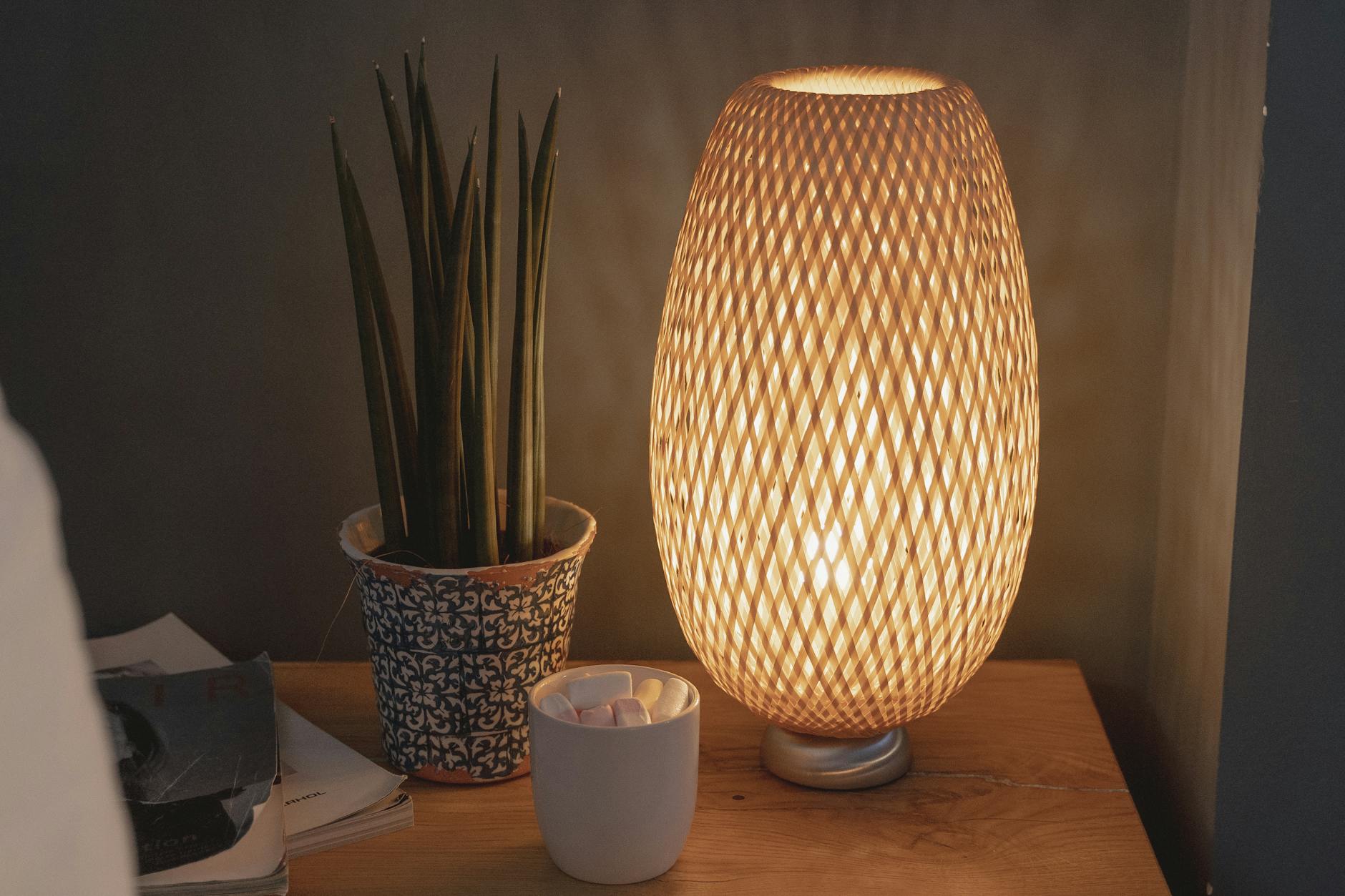
The Snake Plant is widely recognized for its unique ability to convert carbon dioxide into oxygen during the night. It features tall and upright leaves that add a striking architectural element to modern bedroom decor. This hardy succulent requires minimal watering and thrives even in low light conditions. NASA research has highlighted its effectiveness in removing harmful toxins such as benzene and formaldehyde from the air. Its low maintenance nature makes it an ideal choice for those without a green thumb.
Spider Plant

Spider Plants are among the easiest indoor varieties to grow and maintain in a bedroom setting. They are prolific at battling toxins including carbon monoxide and xylene commonly found in indoor environments. The plant produces long arching leaves that look beautiful in hanging baskets or on high shelves. Tiny plantlets often sprout from the mother plant and can be easily repotted to expand your greenery collection. This non-toxic species is also safe for households with curious pets.
Aloe Vera
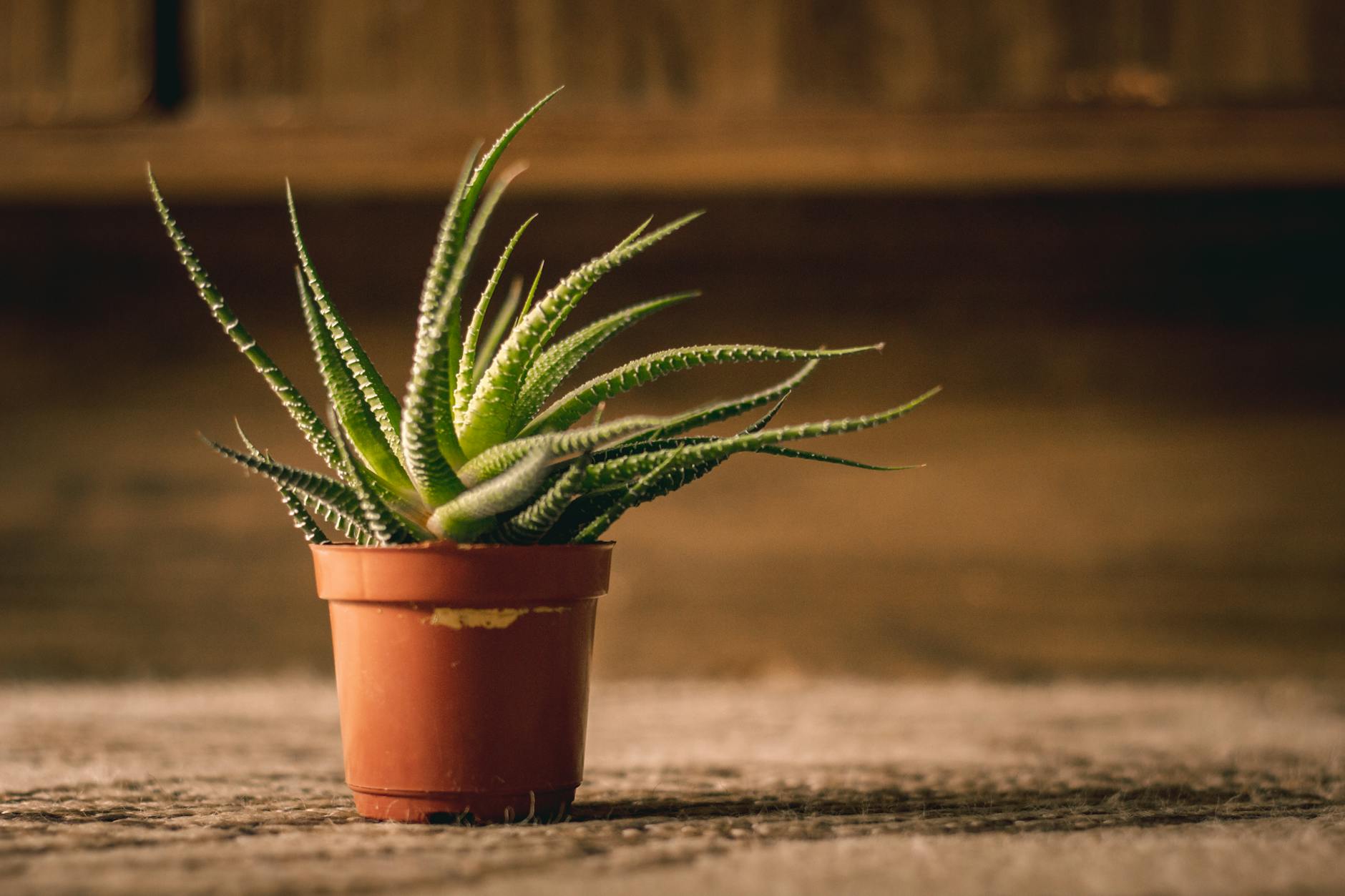
Aloe Vera is a succulent famous for the healing gel found inside its thick fleshy leaves. It emits oxygen at night which helps create a better environment for restful sleep. This plant prefers a sunny spot on a windowsill where it can soak up plenty of natural light. It also acts as an air quality monitor by developing brown spots when harmful chemicals are present in the room. You can harvest the gel to treat minor cuts or burns in addition to enjoying its purifying properties.
Peace Lily
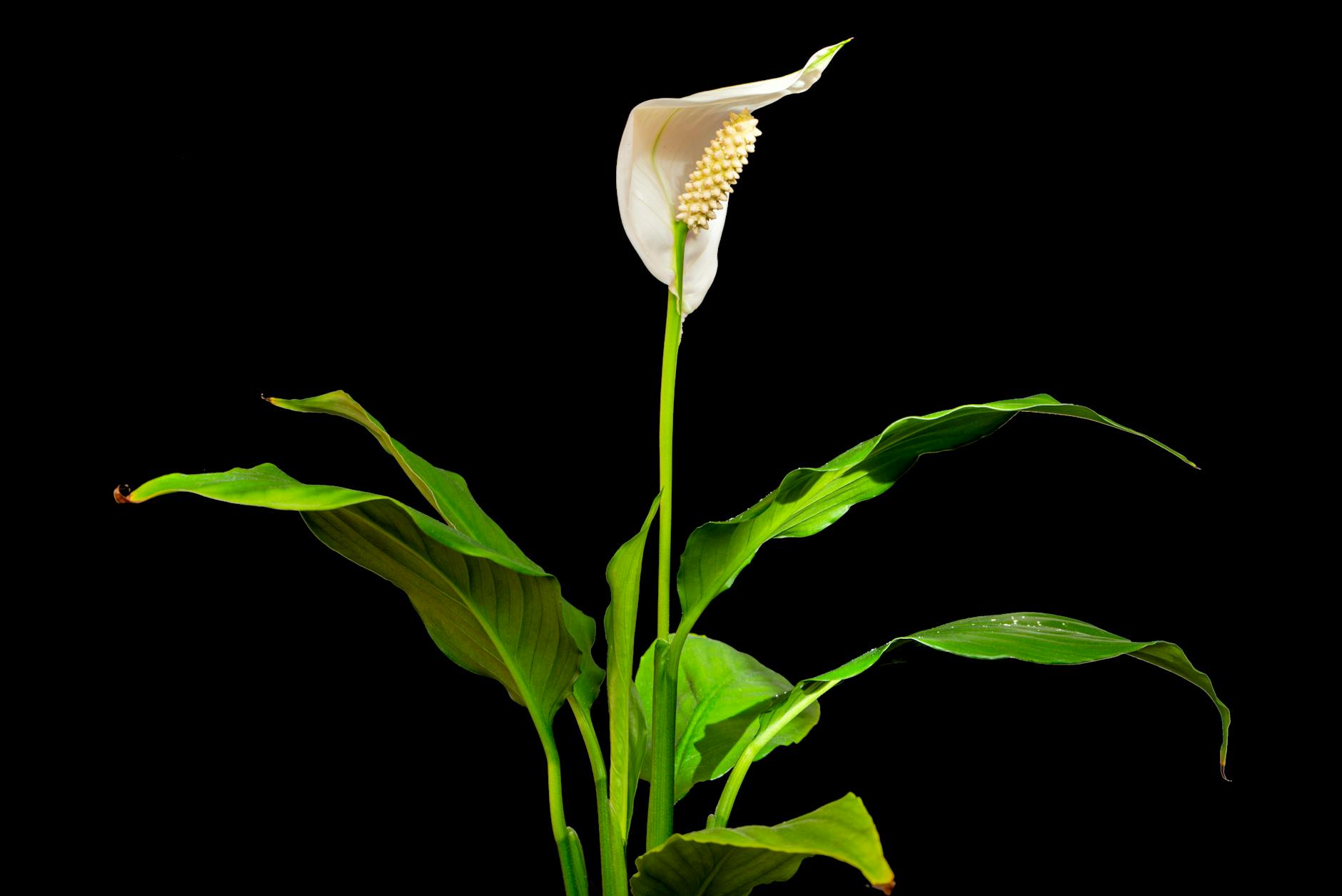
The Peace Lily is beloved for its elegant white blooms and lush dark green foliage. It excels at breaking down airborne mold spores and neutralizing gases like carbon monoxide and formaldehyde. This plant effectively communicates its hydration needs by drooping slightly when it requires water. It thrives in shady spots and keeps the humidity levels in your bedroom balanced. Note that this plant can be toxic if ingested so it is best kept out of reach of pets.
English Ivy
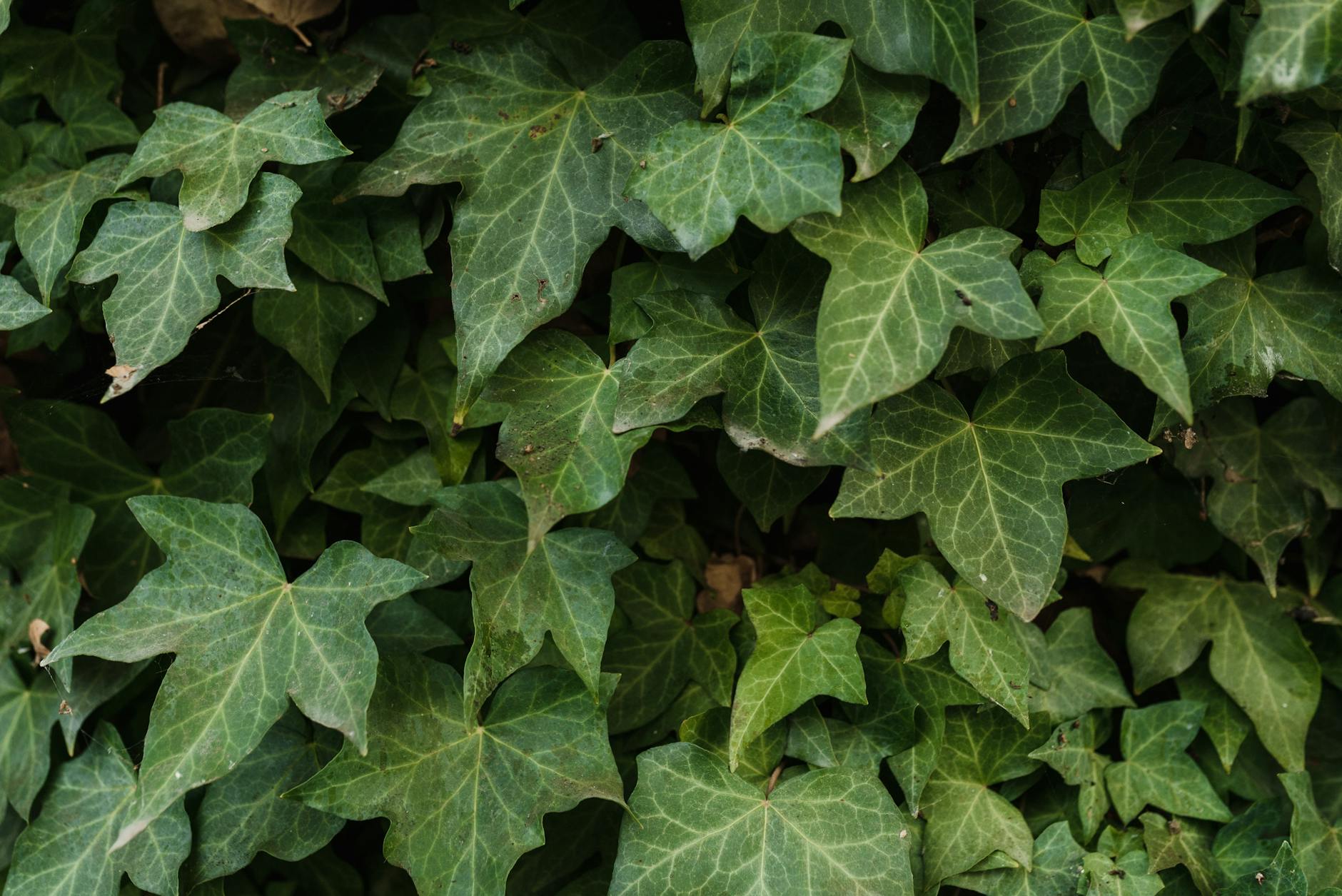
English Ivy is a classic trailing vine that is particularly effective at reducing airborne fecal particles and mold. It grows rapidly and looks stunning when allowed to cascade from a hanging planter or high shelf. This plant prefers moderate temperatures and medium light exposure to maintain its vibrant color. Keeping the soil slightly dry between waterings helps prevent root rot and keeps the plant healthy. It is an excellent choice for allergy sufferers looking to breathe easier at night.
Bamboo Palm
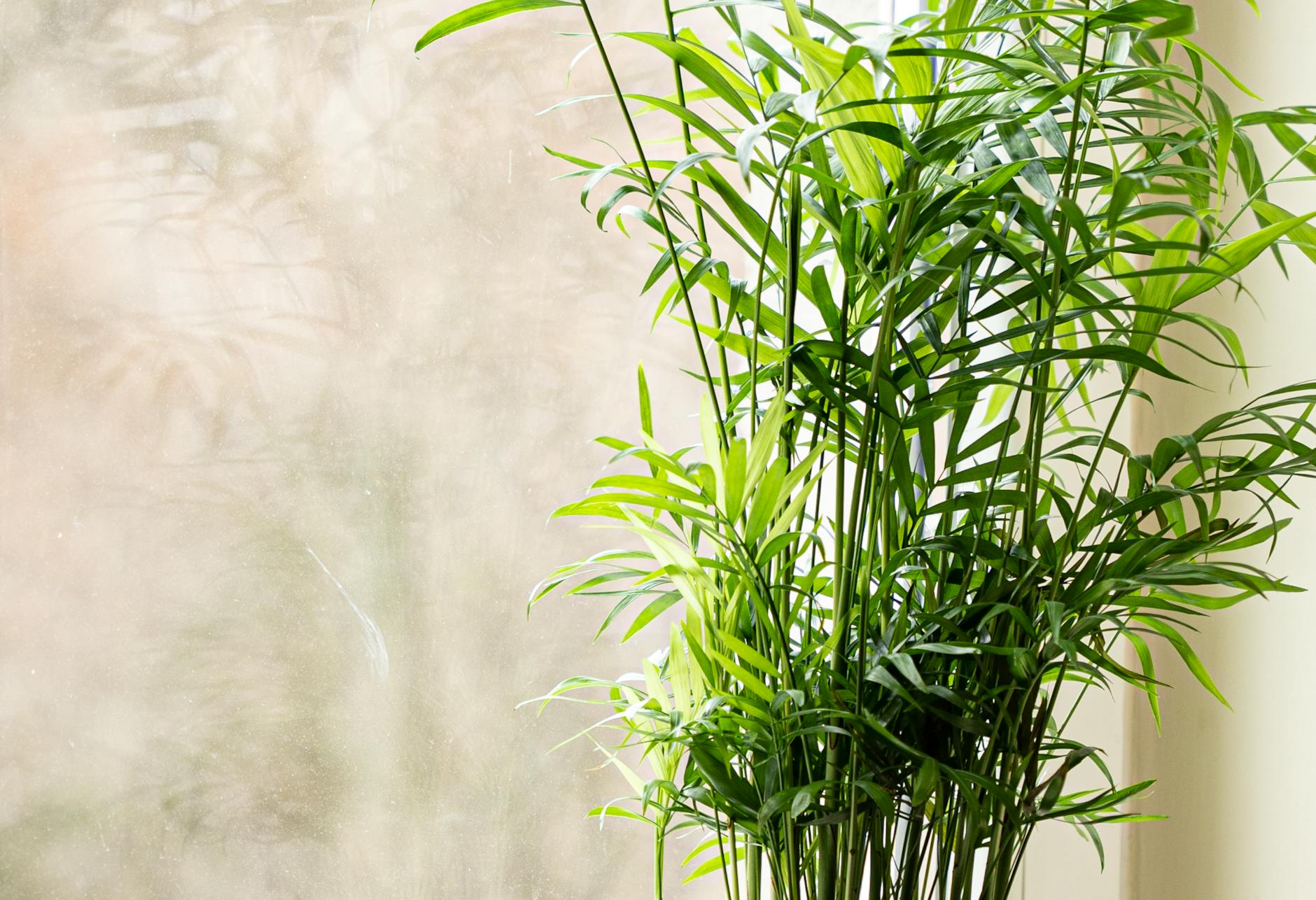
The Bamboo Palm adds a tropical touch to any bedroom with its tall and feathery fronds. It scores highly on air purifying ratings for its ability to filter out benzene and trichloroethylene. This palm prefers indirect light and moist soil to stay lush and green throughout the year. It also acts as a natural humidifier which can be beneficial during dry winter months. The plant can grow quite large and serves as a beautiful natural focal point in a corner.
Rubber Plant

Rubber Plants are characterized by their large glossy leaves that can absorb airborne chemicals and break them down. They are extremely effective at eliminating formaldehyde from indoor air. This robust plant prefers bright but indirect light and requires occasional dusting of its leaves to maximize photosynthesis. It can grow into a substantial indoor tree that anchors the design of a room. The soil should be allowed to dry out slightly between waterings to avoid overhydration.
Golden Pothos
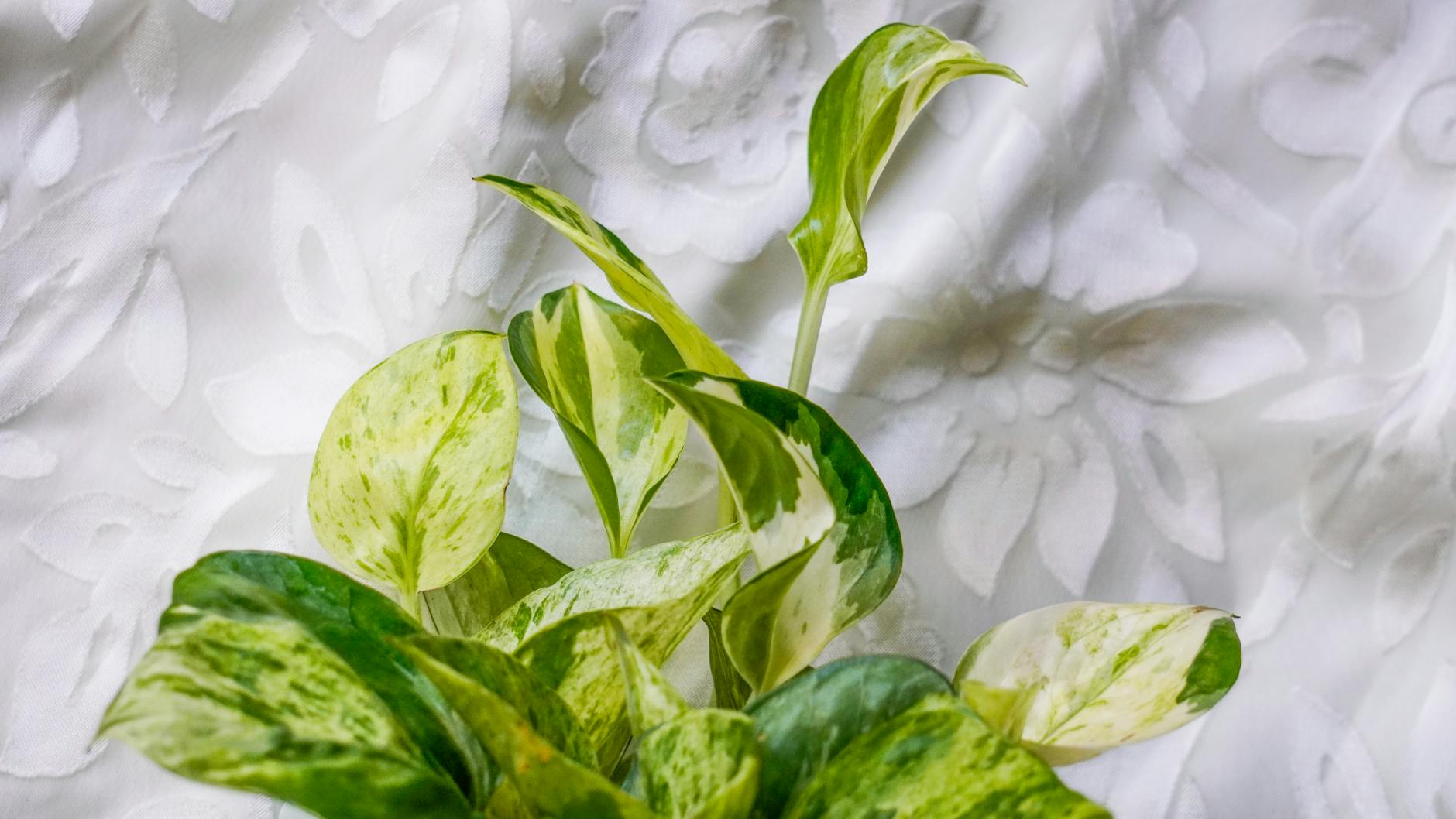
Golden Pothos is a resilient vine known for its heart-shaped leaves splashed with yellow variegation. It is incredibly effective at tackling formaldehyde pollution commonly emitted by carpets and furniture. This plant is nearly indestructible and can survive in very low light conditions with irregular watering. You can train it to climb a trellis or let it trail down from a bookshelf. It remains one of the most popular choices for beginners due to its forgiving nature.
Boston Fern
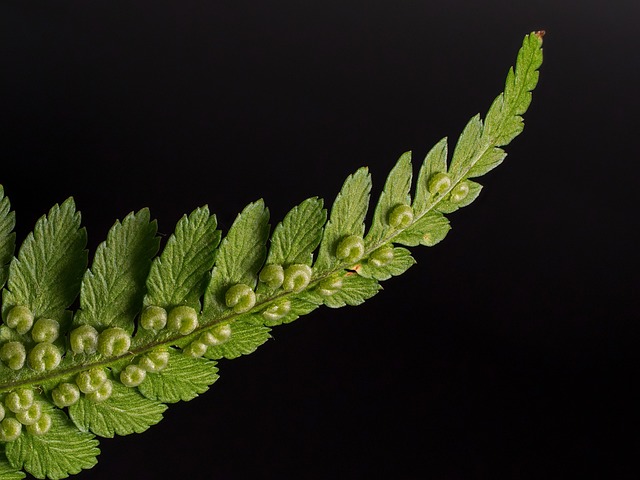
The Boston Fern is a lush and feathery plant that acts as a fantastic natural humidifier. It specializes in removing formaldehyde and xylene from the air to improve overall indoor quality. This plant requires consistent moisture and enjoys being misted regularly to mimic its native humid environment. Its graceful arching fronds create a soft and relaxing visual texture perfect for a bedroom. Placing it on a pedestal stand allows the foliage to drape beautifully.
Chinese Evergreen

Chinese Evergreen varieties offer a range of leaf patterns featuring silver and green or red and pink combinations. These plants are durable and maintain their purifying capabilities even in spaces with poor lighting. Over time they become increasingly effective at removing common toxins from the air. They require very little attention and only need watering when the soil feels dry to the touch. The slow growth rate makes them a long-lasting companion for your bedside table.
Areca Palm

The Areca Palm is a biological machine when it comes to releasing moisture into the air. It features multiple reed-like stems with arching fronds that create a soft and feathery appearance. This plant is highly efficient at removing toluene and xylene from indoor environments. It requires bright indirect light to flourish and should be watered enough to keep the root ball damp. This species is non-toxic and safe for homes with cats and dogs.
Dracaena

Dracaena plants come in many varieties including the popular Corn Plant and Dragon Tree. They are powerful eliminators of trichloroethylene and xylene which come from lacquers and varnishes. These plants feature long stripey leaves growing from a woody stem that adds vertical interest to a room. They tolerate lower light levels but will grow faster in bright indirect sun. You should ensure the pot has good drainage to prevent water from accumulating at the roots.
Weeping Fig

The Weeping Fig is a popular indoor tree that has been a staple in home decor for decades. It excels at filtering out pollutants that typically accompany carpeting and furniture such as formaldehyde. This plant prefers a stable environment and may drop leaves if moved frequently or exposed to drafts. It needs bright indirect light and consistent watering to maintain its dense canopy of leaves. With proper care it can live for many years and grow quite tall.
ZZ Plant
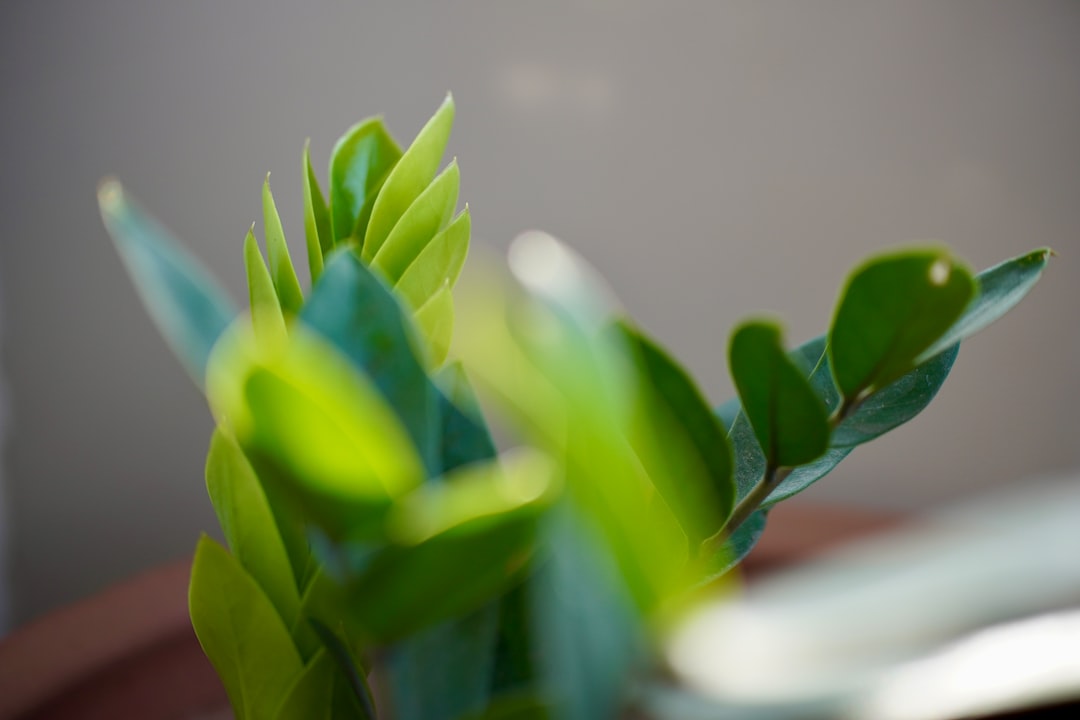
The ZZ Plant is celebrated for its waxy green leaves that reflect sunlight and brighten up dim corners. It is incredibly drought tolerant and can survive weeks of neglect thanks to its rhizome water storage system. This plant works to remove toxins like xylene and toluene from the air while you sleep. It is virtually pest-free and rarely suffers from common plant diseases. The slow growth habit means it rarely needs repotting or pruning.
Philodendron
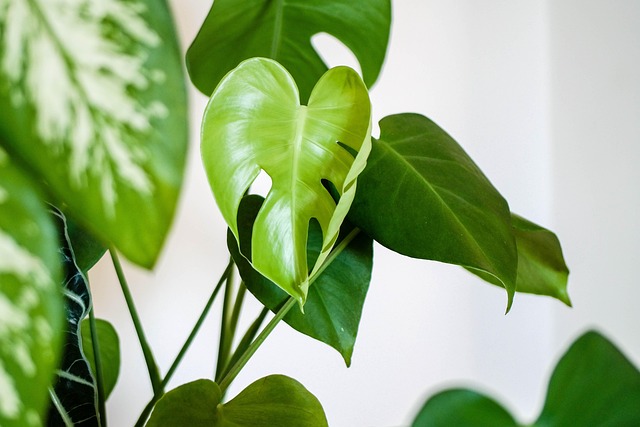
Philodendrons are classic houseplants with large leaves that are excellent at absorbing formaldehyde. They come in both vining and non-vining varieties to suit different space requirements in your bedroom. These plants communicate clearly by drooping when thirsty and perking up quickly after watering. They prefer moderate natural light but can adapt to fluorescent lighting if necessary. Their heart-shaped leaves add a touch of romance and softness to the room.
Gerbera Daisy
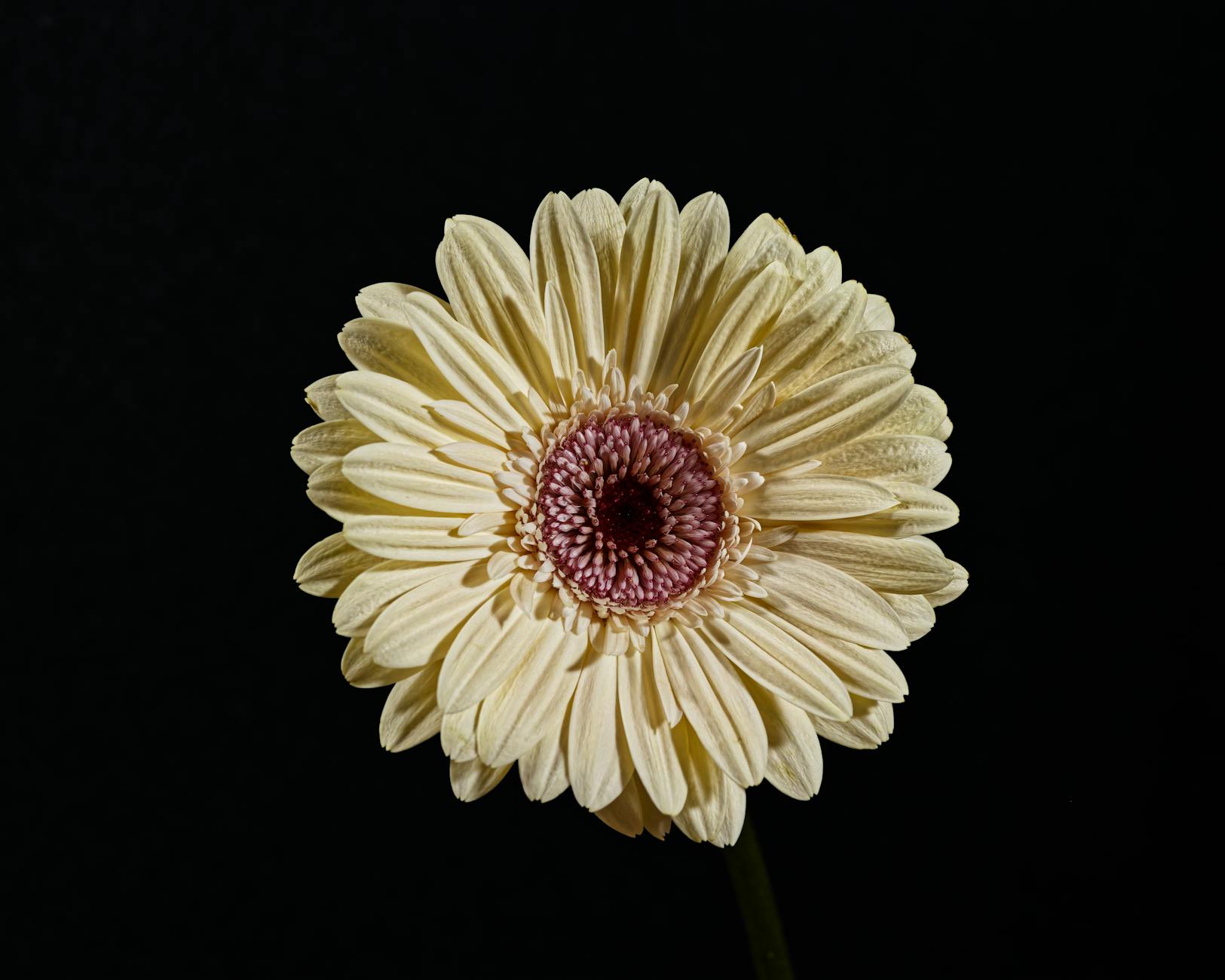
Gerbera Daisies bring a cheerful pop of color to the bedroom while working hard to clean the air. They are particularly good at removing trichloroethylene which may come home with your dry cleaning. This flowering plant releases oxygen at night to help you sleep more soundly. It requires bright light to continue blooming so a south-facing window is the ideal location. The soil needs to be kept moist but well-drained to prevent fungal issues.
Broad Lady Palm

The Broad Lady Palm is an elegant multi-stemmed fan palm that adapts well to indoor living. It is one of the few plants capable of reducing levels of ammonia often found in cleaning products. This species grows slowly and tolerates low light making it suitable for darker corners. It prefers a consistent temperature and protection from cold drafts near windows. The dark green glossy leaves add a sophisticated and calming tropical feel.
Chrysanthemum
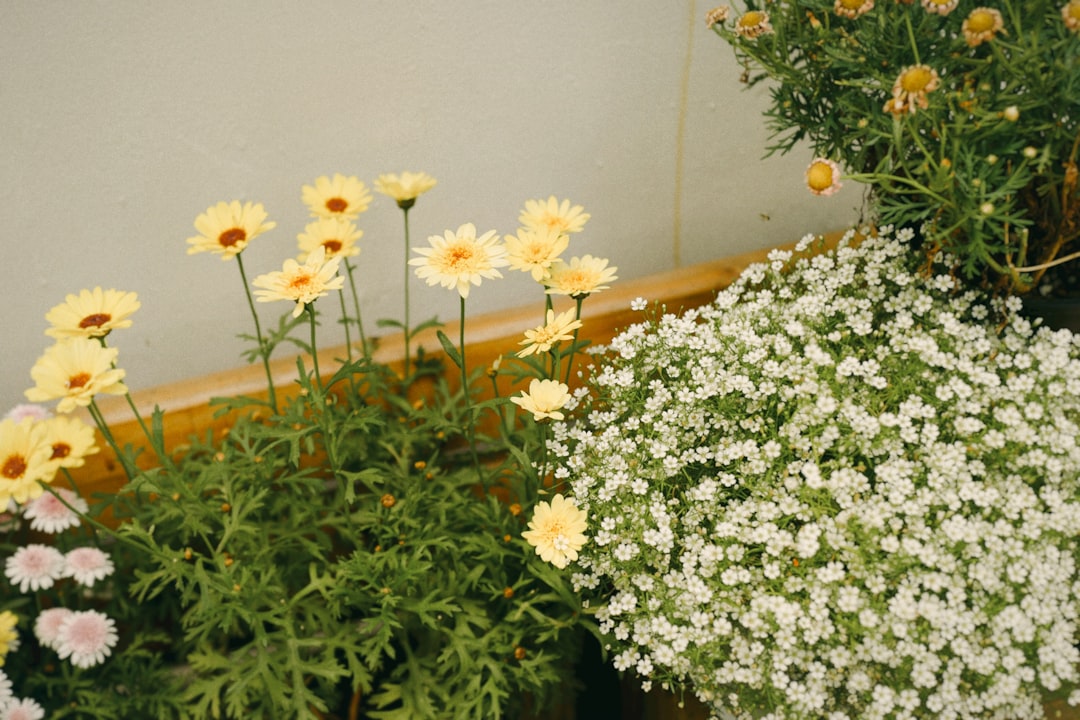
Chrysanthemums are vibrant flowering plants that rank among the best for air purification. They effectively filter out a host of toxins including ammonia and benzene found in plastics and detergents. These flowers need bright sunlight to open their buds and display their colorful petals. They are typically treated as seasonal additions rather than permanent fixtures but offer immense benefits while they bloom. Keeping the soil damp will prolong the life of the flowers.
Barberton Daisy
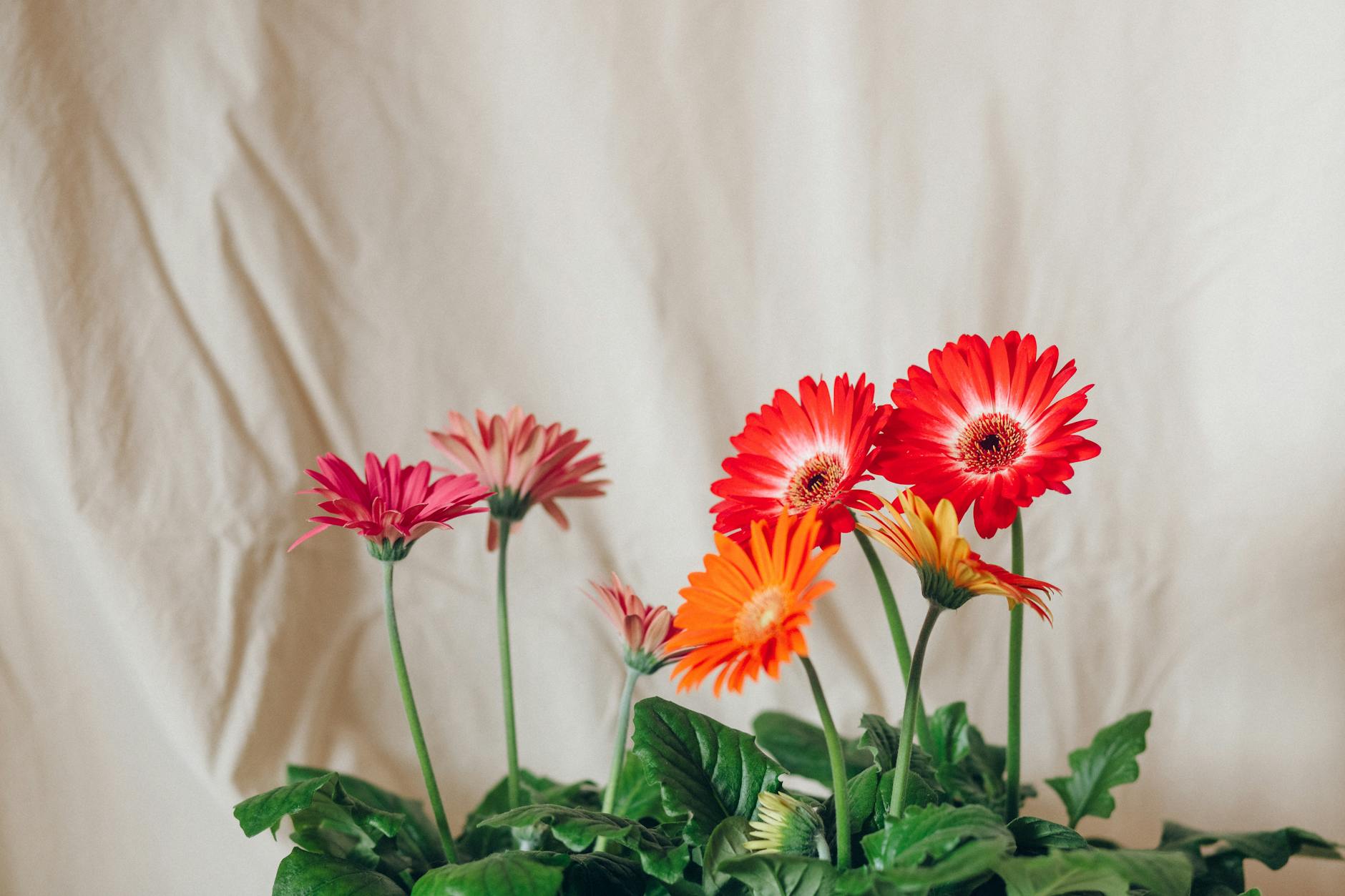
The Barberton Daisy is a specific variety known for its red and orange blossoms that brighten any space. It is effective at cleansing the air of benzene and formaldehyde to create a fresher sleeping zone. This plant appreciates cooler temperatures at night which aligns perfectly with ideal sleeping conditions. It needs plenty of light during the day to maintain its health and flowering capability. Regular deadheading of spent blooms encourages new growth and keeps the plant tidy.
Flamingo Lily
The Flamingo Lily is instantly recognizable by its shiny heart-shaped red flowers and yellow spadix. It is a powerhouse for removing ammonia and xylene from the surrounding air. This plant loves high humidity so it thrives in an en-suite bathroom or on a bedside table with a pebble tray. It blooms for huge portions of the year to provide constant color and visual interest. The soil should be kept continuously moist during its active growing season.
We invite you to tell us which of these air-purifying plants you plan to add to your bedroom in the comments.