Navigating the grocery store checkout requires a shared understanding of basic social etiquette. The final step of shopping often brings out impatient behaviors that disrupt the flow of the store. Cashiers and fellow shoppers alike appreciate a smooth and efficient transaction process. Certain actions slow down the line and create unnecessary friction for everyone involved.
Talking on the Phone

Having an active phone conversation while standing at the register prevents proper communication with the cashier. Store employees need to ask important questions about bags and receipts during the transaction. An engrossed shopper often misses these prompts and delays the entire process for the people waiting behind them. Giving full attention to the payment process ensures a swift and respectful interaction.
Leaving Unwanted Items
Shoppers frequently change their minds about products right before the final scan. Discarding random goods among the candy displays forces the staff to clean up the mess later. This practice is especially damaging when frozen goods are abandoned to melt at room temperature. Handing the unwanted product directly to the cashier is the only proper way to handle this situation.
Digging for Exact Change

Paying with physical currency is perfectly fine but searching for pennies wastes valuable time. A long line of tired customers quickly grows frustrated when someone empties a coin purse onto the scanner. Having a payment method ready before the final total is announced keeps the queue moving efficiently. Electronic payments or easily accessible bills provide a much faster resolution to the transaction.
Ignoring the Cashier
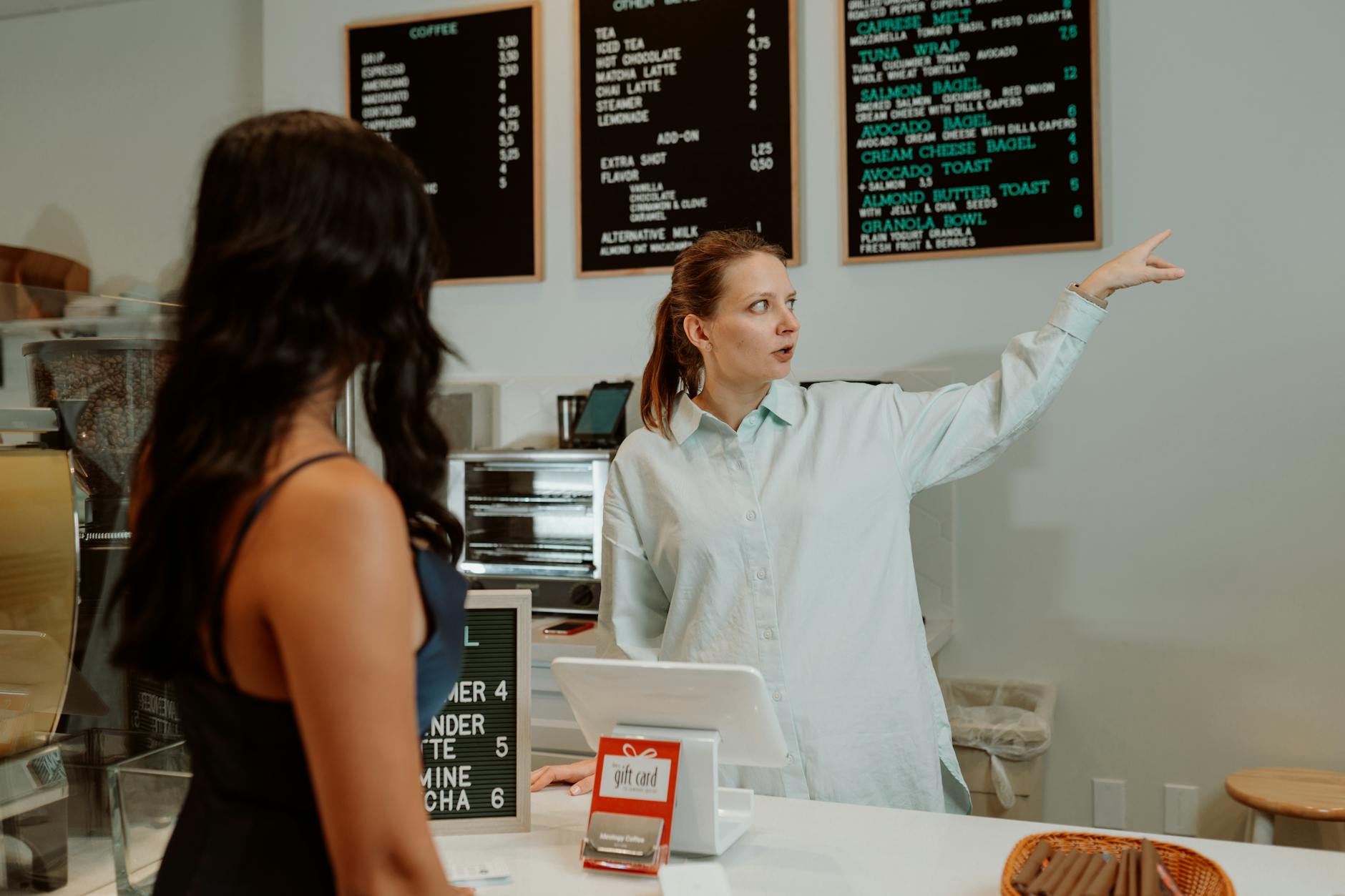
Basic courtesy dictates acknowledging the store employee processing the transaction. Failing to return a greeting or averting eye contact entirely reduces the interaction to a purely mechanical process. Cashiers work long shifts and appreciate customers who treat them with standard human decency. A simple nod or verbal response makes the brief exchange much more pleasant for both parties.
Holding the Line
Realizing a crucial ingredient is missing often prompts shoppers to abandon their spot to grab it. Sprinting back to the produce section while the cashier waits halts all progress at that register. Other customers are then forced to stand idly by while the absent shopper navigates the crowded aisles. The appropriate action is to finish the current purchase and go back for the forgotten product later.
Aggressive Price Disputes

Mistakes happen and items sometimes ring up incorrectly at the scanner. Yelling at the cashier over a discrepancy creates an uncomfortable environment for everyone nearby. Store policy dictates how pricing errors are handled and employees must follow those specific procedures. Calmly pointing out the error allows the staff to correct the issue or call a manager without unnecessary drama.
Crowding the Customer Ahead

Personal space remains important even in the most cramped store environments. Pushing a cart too closely into the person currently paying causes completely avoidable tension. Shoppers need adequate room to swipe their cards and organize their receipts in peace. Maintaining a respectable distance ensures privacy and comfort for the individual completing their purchase.
Ignoring the Divider
The plastic conveyor belt dividers serve a very specific functional purpose. Failing to place one behind your groceries forces the next person to guess where the orders separate. The cashier might accidentally scan items belonging to two different people if the boundary is unclear. Taking one second to grab the plastic bar prevents awkward financial mixups and keeps orders distinct.
Overloading the Express Lane
Store managers designate specific registers for individuals purchasing a handful of items. Bringing a fully loaded cart into the ten item lane completely defeats the purpose of the fast track. This action delays people who followed the rules and only brought a few things. Respecting the signage ensures the express lane functions exactly as the store intended.
Eating Unpaid Food

Consuming products before purchasing them creates complications at the register. Handing an empty wrapper or half eaten apple to the cashier is both unsanitary and confusing. The staff must handle discarded packaging to properly scan the barcode and process the sale. Waiting until the transaction is fully complete before snacking is the most polite approach.
Tossing Payment on the Belt

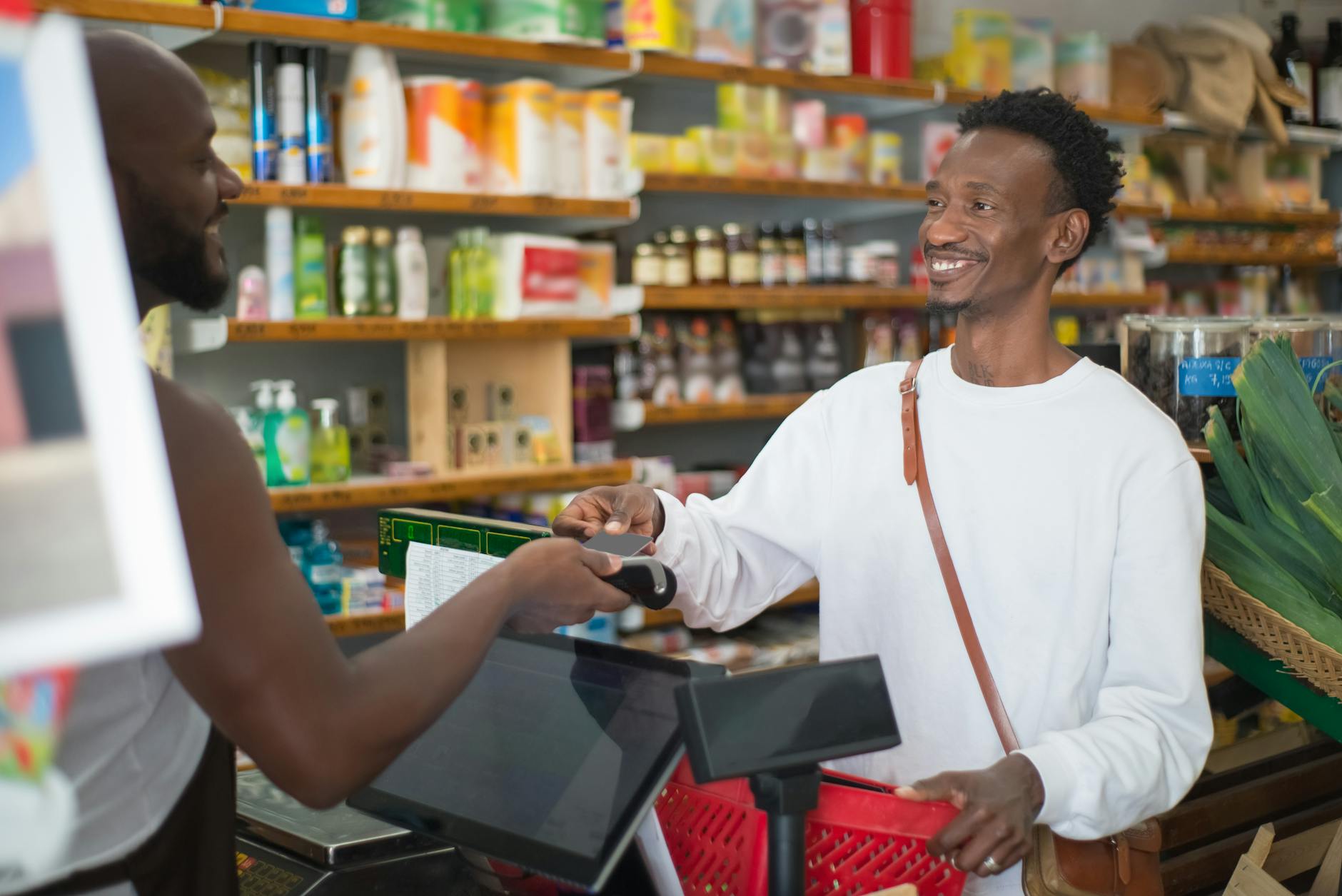
Throwing cash or credit cards carelessly onto the moving belt shows a lack of respect. The cashier must then reach awkwardly to retrieve the scattered payment method. This action often slows down the process if coins roll away or cards slide under the scanner. Handing the payment directly to the employee ensures a secure and polite transfer of funds.
Packing Bags Slowly
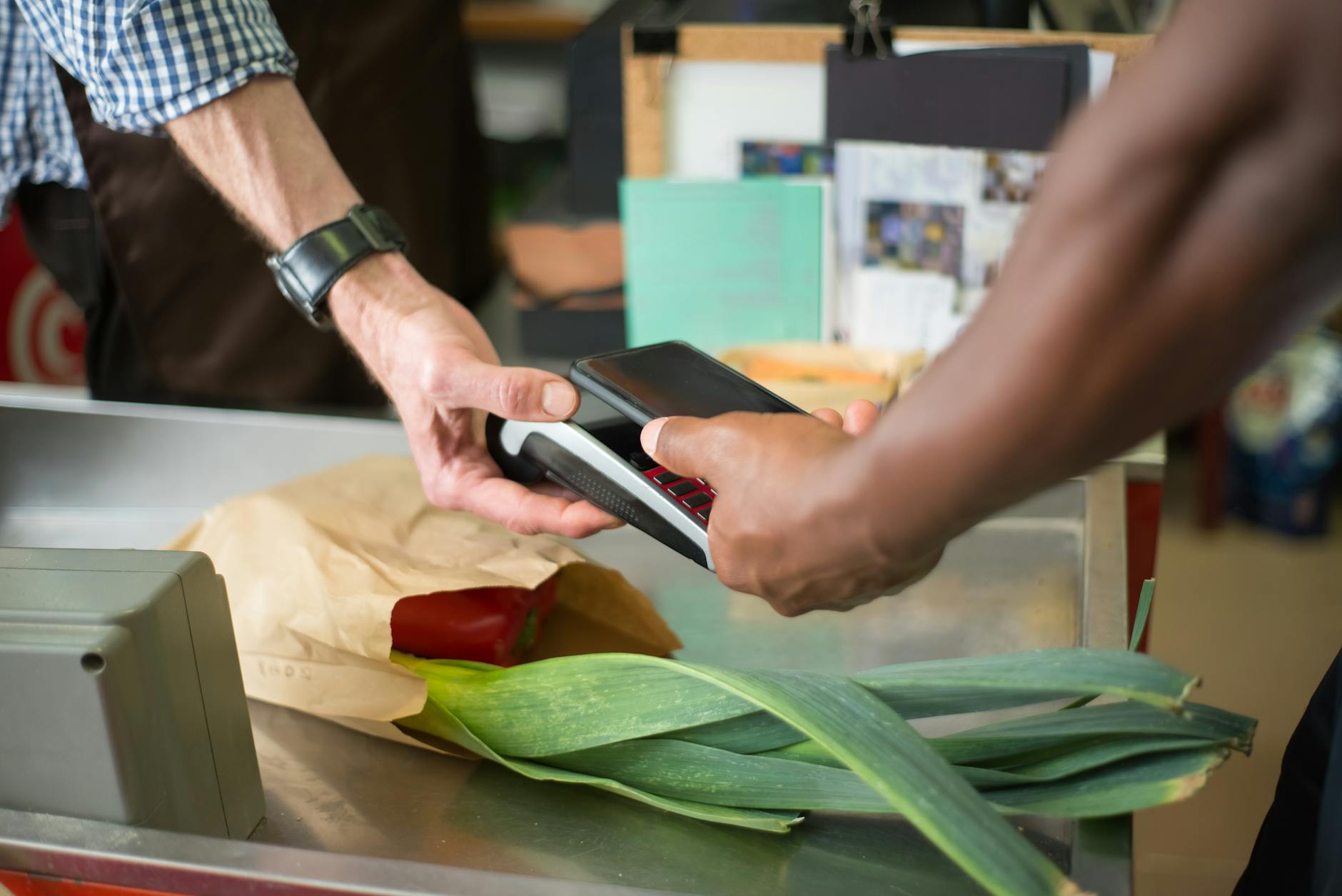
Bagging your own groceries helps speed up the checkout process immensely. Ignoring the pile of scanned items while staring blankly causes a massive backlog at the end of the register. Shoppers should actively load their reusable totes while the cashier continues to scan the remaining products. A collaborative effort gets everyone out of the store much faster.
Leaving Carts in the Way
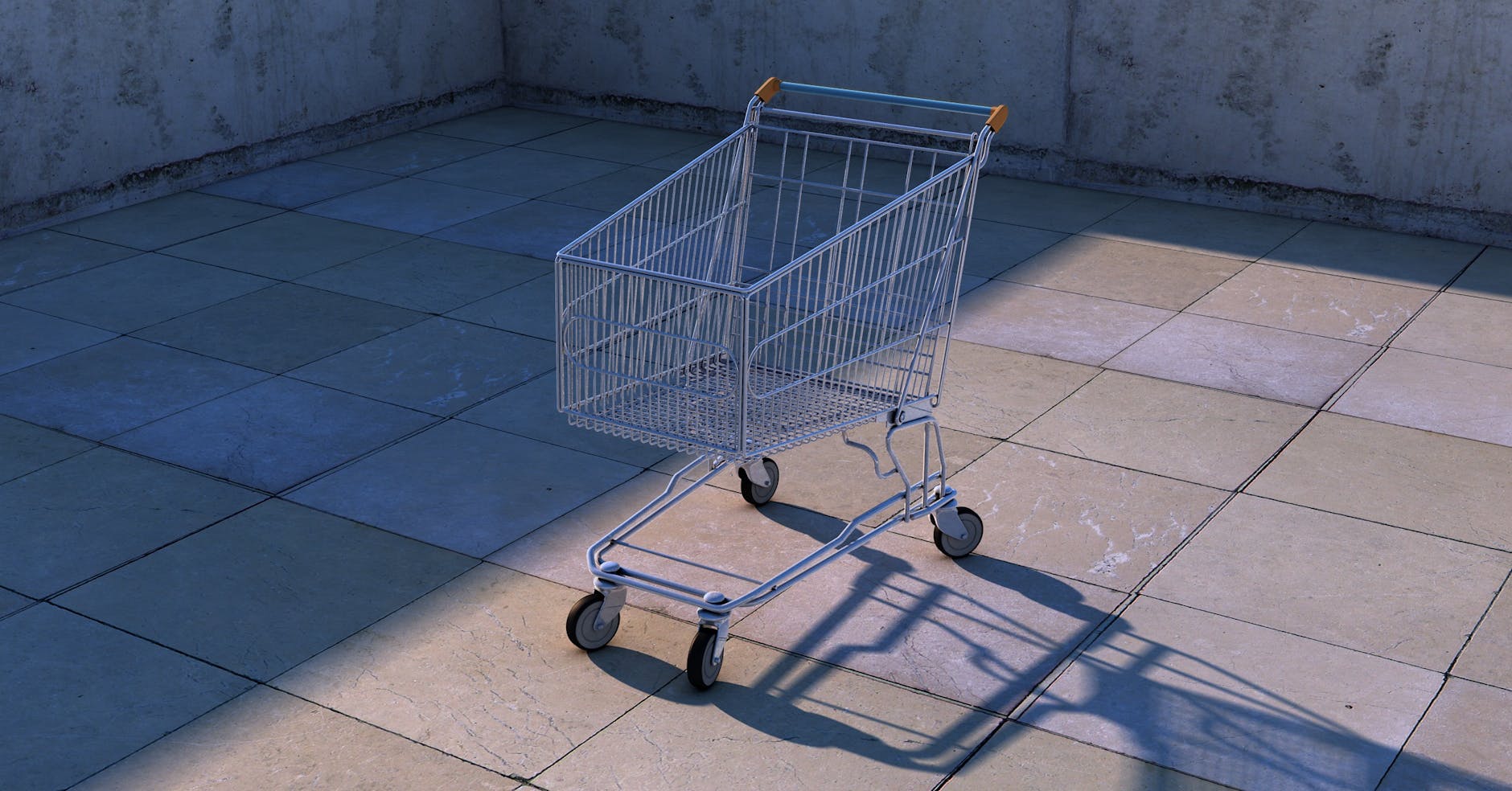
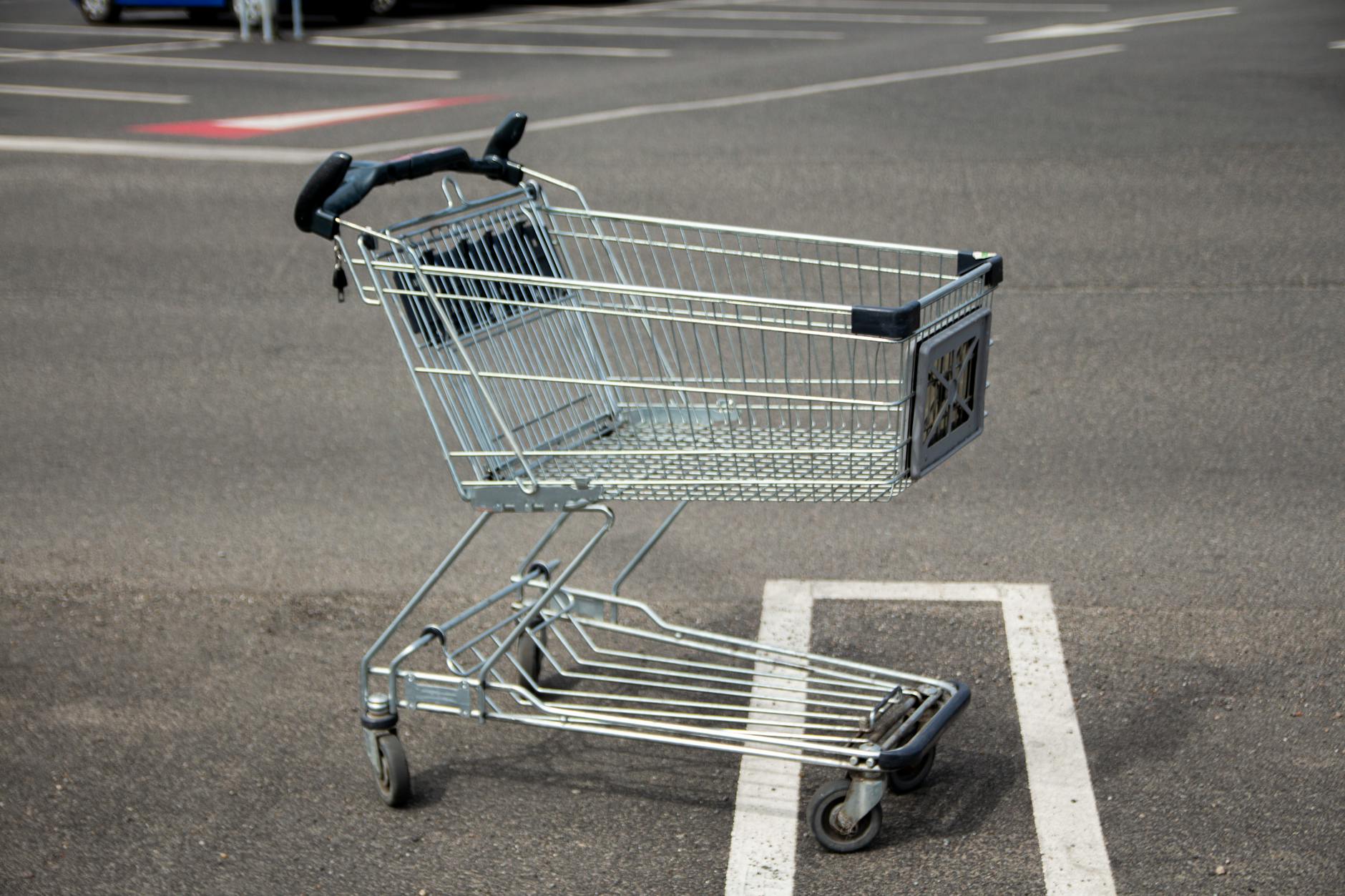
Abandoning a shopping cart right at the end of the register blocks the exit path. The next customer struggles to navigate their own buggy through the narrow space left behind. Stores provide designated corrals for carts both inside the lobby and outside in the parking lot. Taking the time to return the equipment keeps the thoroughfare clear for fellow patrons.
Letting Children Run Wild

The checkout area contains numerous distractions that easily attract wandering toddlers. Allowing young children to play with the candy displays or block the aisle creates safety hazards. Store employees are busy processing orders and cannot monitor unattended youth near the registers. Keeping dependents close by ensures they stay safe and out of the way of busy shoppers.
Complaining About Wait Times
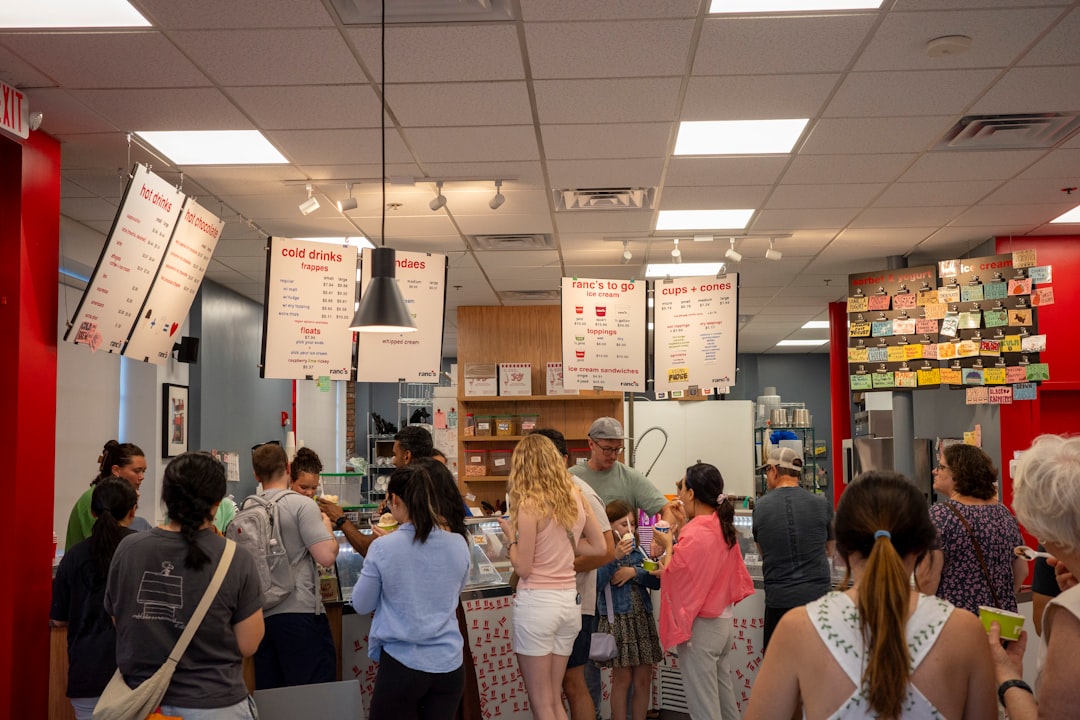
Lines inevitably back up during holiday rushes or evening commuter hours. Whining loudly about the delay does absolutely nothing to make the register move faster. Cashiers already feel the pressure of a long queue and vocal complaints only increase their stress levels. Patience is a necessary requirement when shopping during peak operational hours.
Fumbling for Loyalty Cards
Store reward programs require a barcode scan or a phone number entry to activate discounts. Waiting until all items are bagged to search for the physical card creates an unnecessary pause. Shoppers should have their app open or card ready while waiting in line. Promptly presenting the loyalty information keeps the payment sequence smooth and efficient.
Demanding Special Packaging
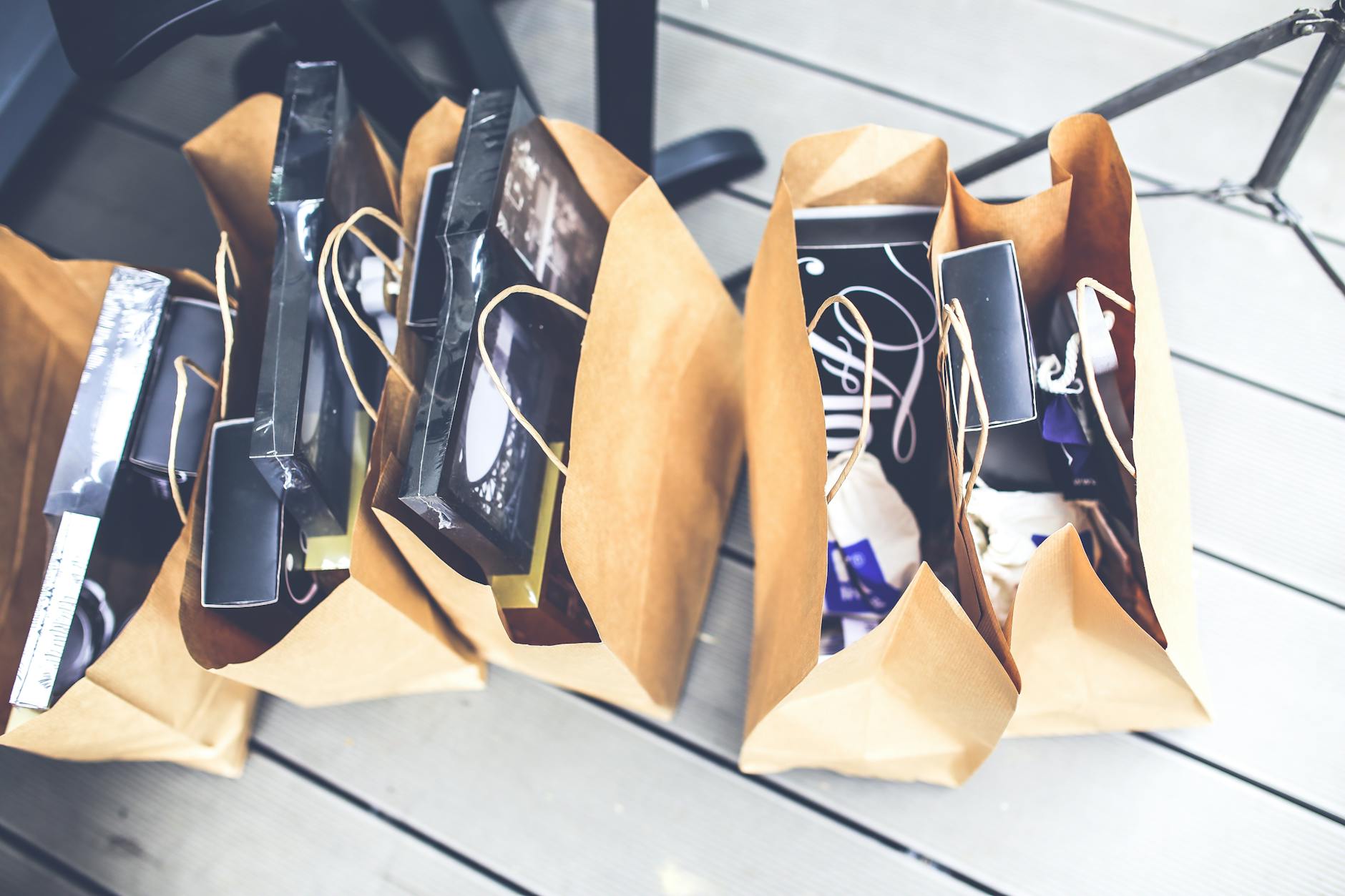
Some items naturally require separate bags to prevent cross contamination or damage. Requesting that every single item be double bagged individually consumes excessive store resources and time. Cashiers strive to pack goods logically but extreme requests slow the entire line down considerably. Bringing your own specialized bags is the best way to ensure specific packing preferences are met.
Arriving at Closing Time

Rushing to the register three minutes before the store locks its doors inconveniences the entire staff. Employees must stay late to process these final massive orders instead of completing their closing duties. This behavior shows a disregard for the personal time of the workers who want to go home. Completing shopping trips well before closing announcements begin is the most considerate approach.
Unloading Unorganized Items
The order in which products hit the conveyor belt directly affects bagging efficiency. Tossing delicate bread under heavy canned goods forces the cashier to sort everything out manually. Grouping cold items together and saving fragile goods for last makes the packing process highly logical. A little organization on the belt leads to perfectly packed bags every single time.
Refusing to Move Forward
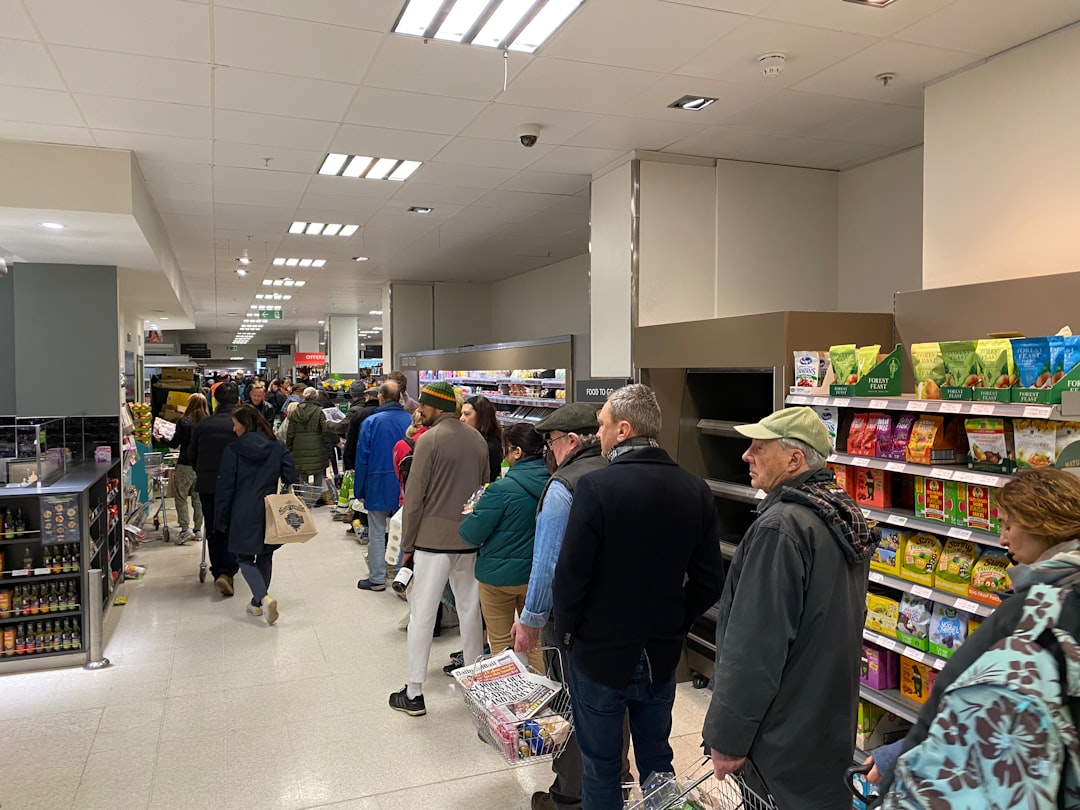
The line progresses steadily only when every person takes a step up as space becomes available. Standing stationary while a massive gap forms ahead blocks the aisles stretching into the main store. Other shoppers trying to navigate the perimeter are then trapped by an artificially long line. Closing the gap promptly keeps the physical footprint of the queue as compact as possible.
Please share your thoughts on these grocery checkout behaviors in the comments.