Choosing the right state for retirement goes far beyond weather preferences and family proximity. The combination of healthcare access, air quality, mental wellness resources, cost of living pressures, and social opportunities plays a decisive role in how well retirees actually thrive. Research consistently shows that environment has a profound impact on both physical longevity and emotional satisfaction in later life. Some states simply present a far more challenging landscape for retirees hoping to maintain their health and happiness. These are the states that retirement experts and wellness advocates most frequently flag as poor choices for those prioritizing a vibrant and fulfilling post-career life.
Mississippi
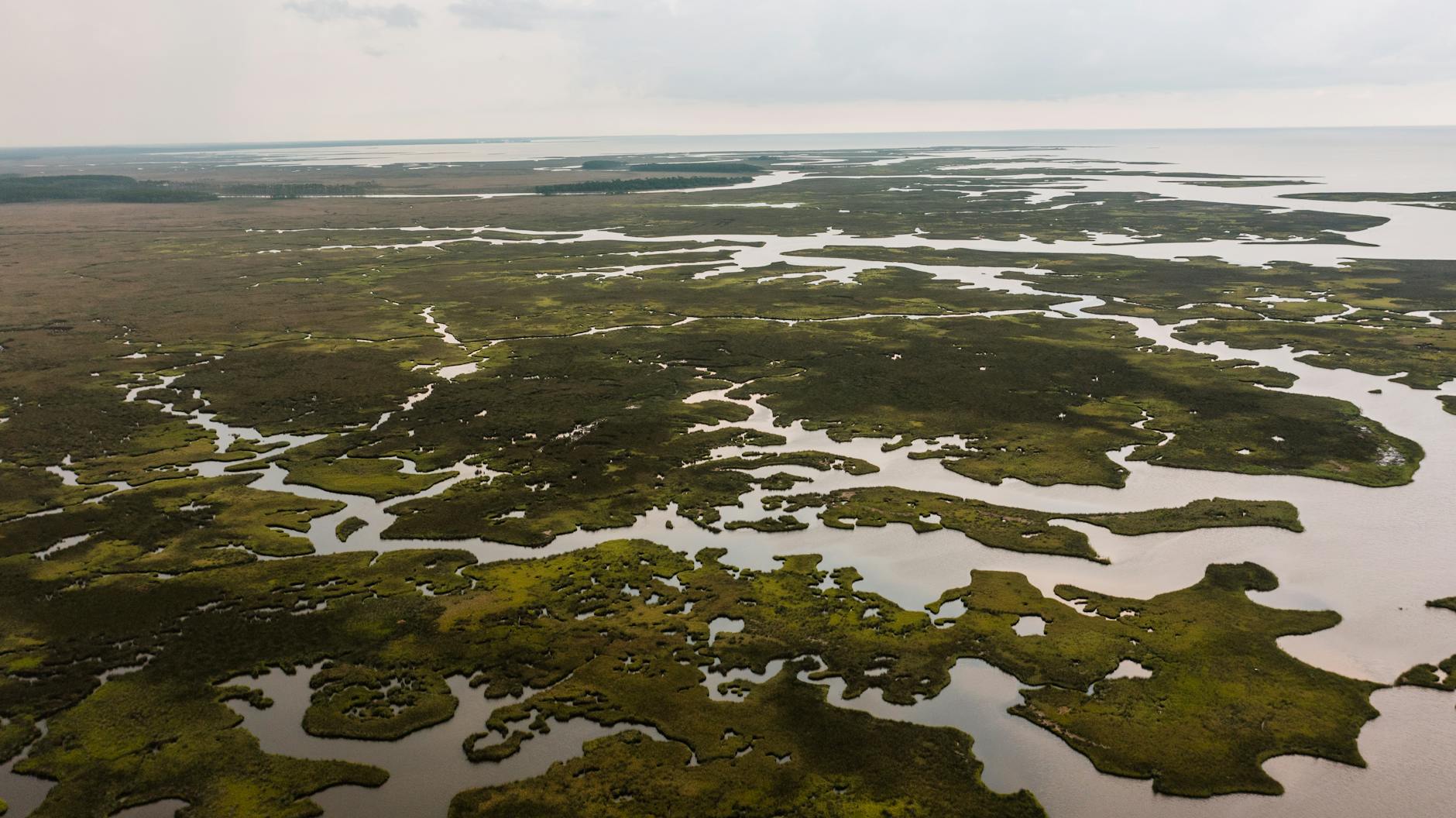
Mississippi consistently ranks at or near the bottom of national health outcome reports for older adults. The state has one of the highest rates of chronic disease in the country including diabetes, heart disease, and obesity. Access to quality healthcare is limited in many areas with significant shortages of specialists and longer wait times in rural regions. Mental health resources are also sparse making it difficult for retirees to find adequate support. The combination of high poverty rates and limited wellness infrastructure creates a difficult environment for those hoping to age well.
West Virginia
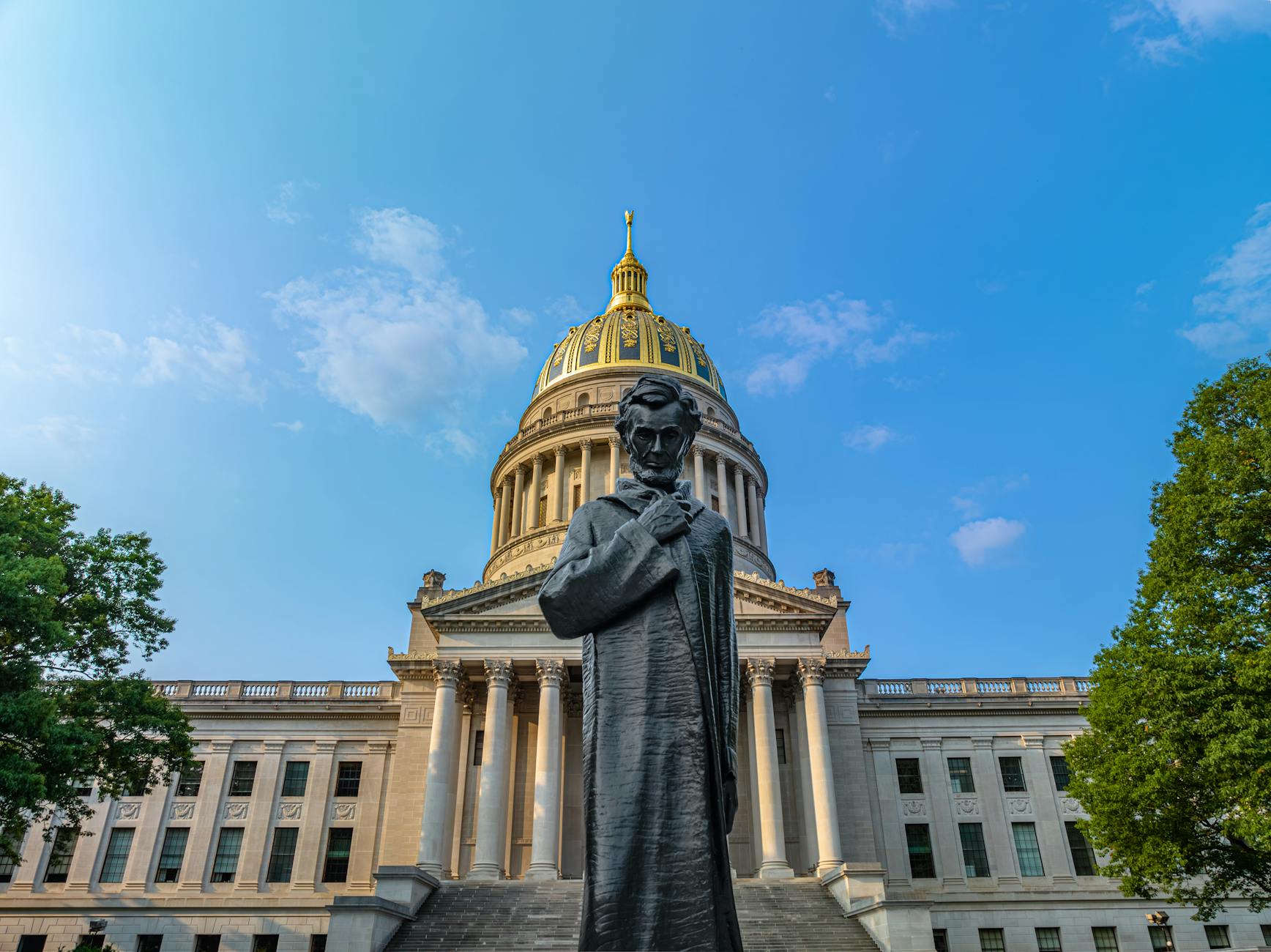
West Virginia faces some of the most serious public health challenges of any state in the nation. Rates of respiratory illness are elevated due to the region’s industrial history and ongoing air quality concerns in certain areas. The opioid crisis has deeply strained healthcare and social service systems across the state. Retirees looking for vibrant community programming or diverse social engagement may find options considerably limited. The state also struggles with a shrinking workforce which puts additional pressure on healthcare availability and local economies.
Louisiana
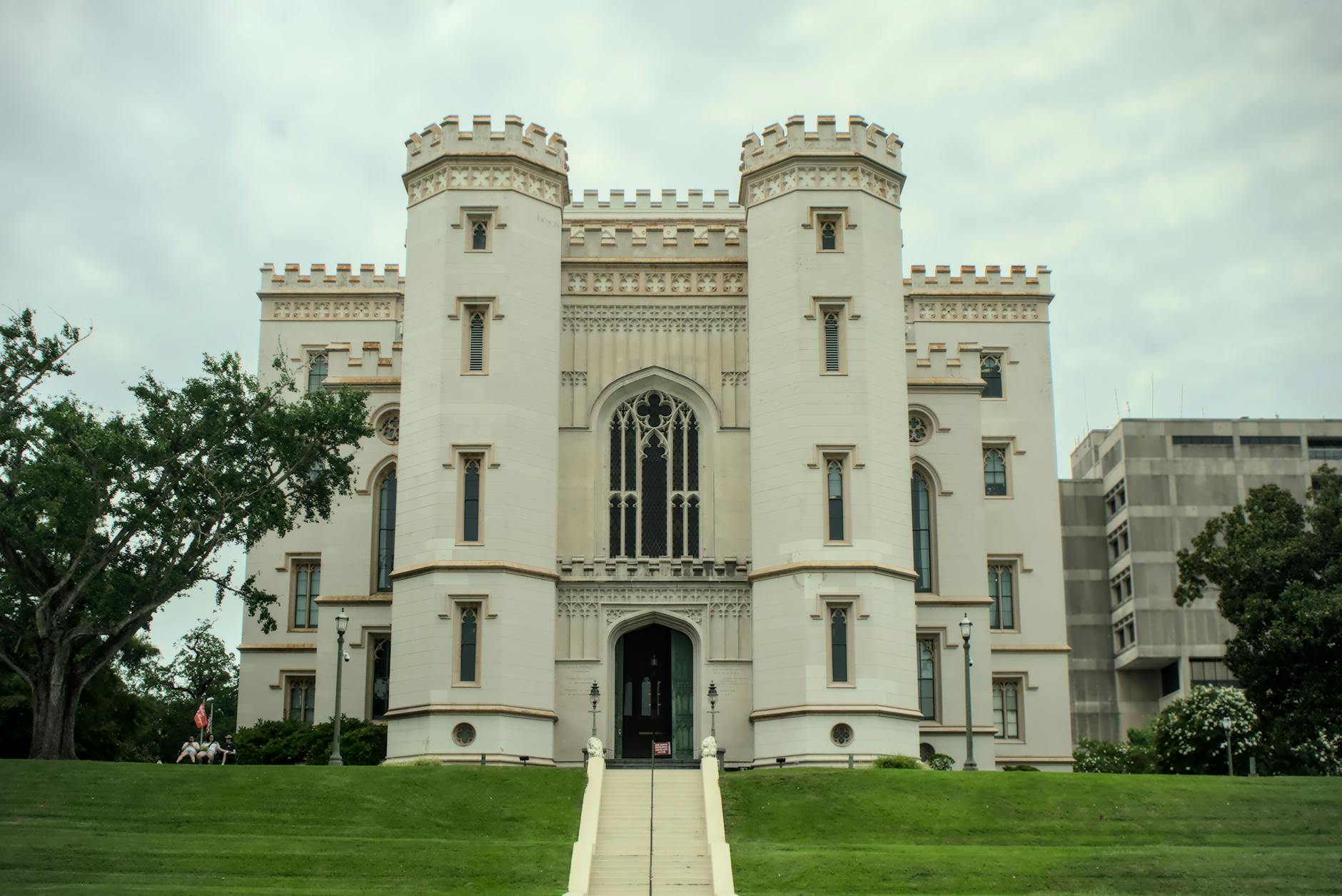
Louisiana has long grappled with poor public health outcomes that disproportionately affect its older population. High rates of cardiovascular disease and diabetes are compounded by limited access to preventive care in many parishes. Extreme summer heat and hurricane season introduce environmental stressors that can be particularly taxing on aging bodies. The state ranks poorly on mental health access and social support systems for seniors. While the culture is rich and vibrant the practical challenges of maintaining good health here are significant.
Oklahoma
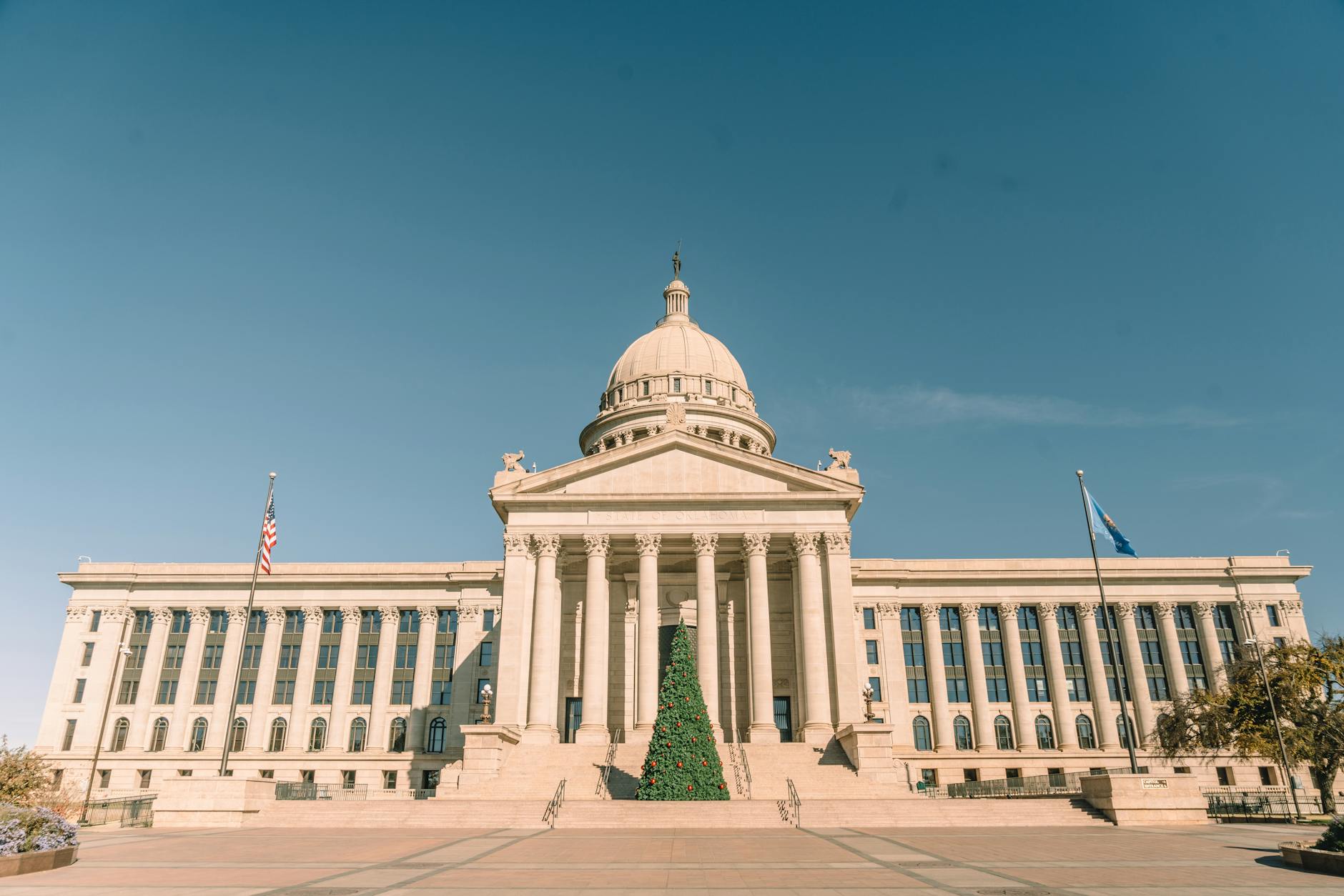
Oklahoma presents a challenging combination of healthcare shortages and high chronic disease burden for retirees. Rural communities make up a large portion of the state and many lack adequate medical facilities or specialist access. The state has one of the highest rates of preventable hospitalizations among older adults in the country. Mental health services are severely underfunded and often inaccessible outside of major urban centers. Extreme weather events including tornadoes and ice storms also add a layer of physical risk and anxiety for older residents.
Alabama

Alabama’s healthcare infrastructure struggles to meet the needs of its aging population in many parts of the state. High rates of hypertension, stroke, and diabetes place consistent demand on a system that lacks sufficient resources in rural areas. The state ranks poorly on senior wellness indicators including physical activity rates and access to nutritious food. Social isolation is a documented concern particularly for retirees who move to less populated areas without existing community ties. Limited public transportation options further restrict independence and access to services for non-driving seniors.
Arkansas

Arkansas combines a high cost of chronic illness management with a healthcare network that is stretched thin across largely rural geography. Older adults here face some of the highest rates of poor physical health days reported nationally. Fresh food access is limited in many communities creating challenges for retirees trying to maintain a nutritious diet. Social and recreational programming for seniors is inconsistent and often underfunded at the county level. The state’s overall wellness infrastructure lags behind what many retirees need to maintain an active and engaged lifestyle.
Tennessee
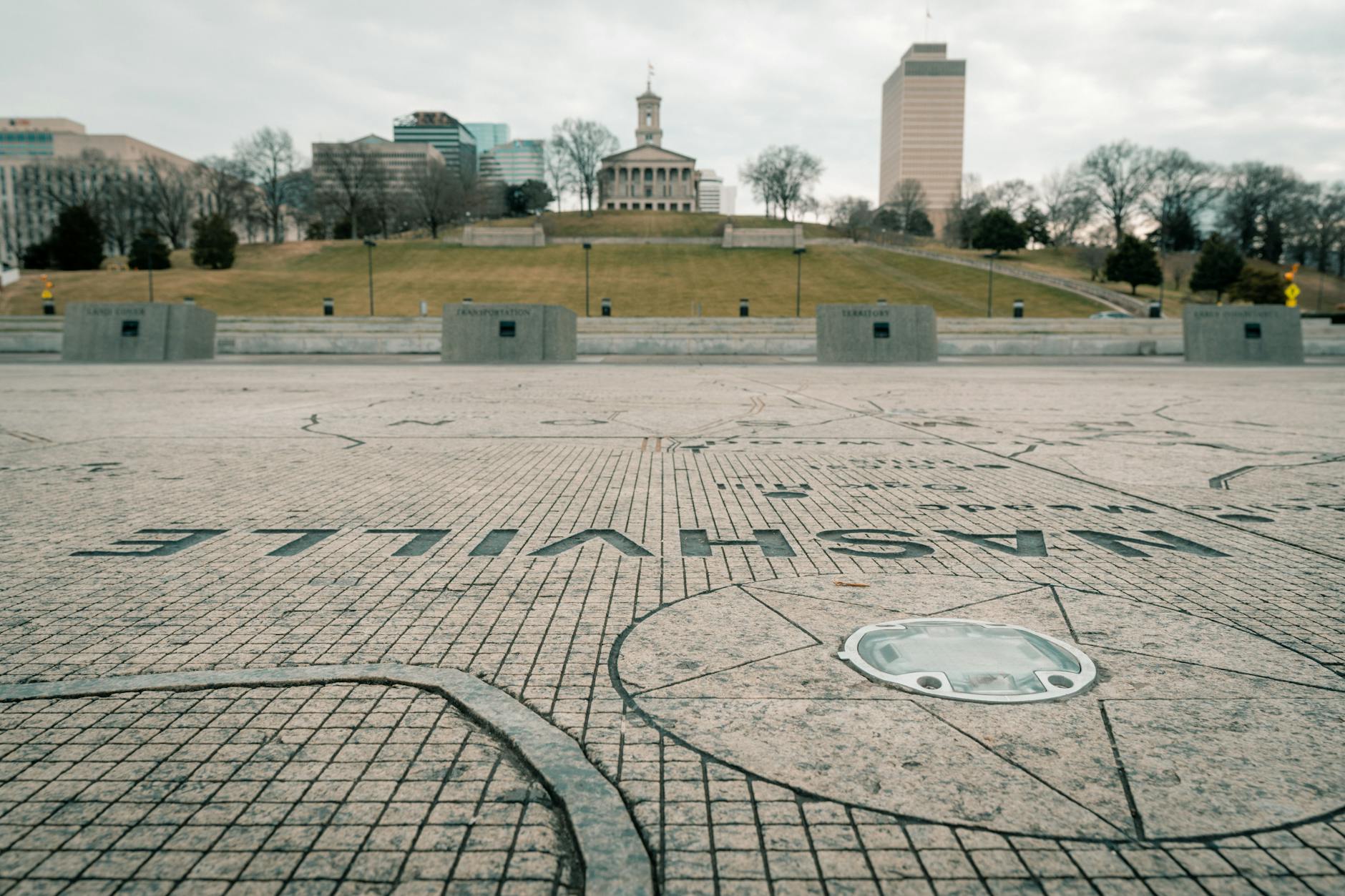
Tennessee offers appealing scenery and a lower cost of living but its health outcomes for seniors tell a more complicated story. The state has elevated rates of heart disease and stroke compared to the national average. Air quality in certain urban corridors and valleys can be problematic for those with respiratory conditions. Healthcare access in rural eastern and western portions of the state is significantly less robust than in Nashville or Memphis. Rising housing costs in popular retirement destinations are also beginning to erode the affordability advantage the state once reliably offered.
New Mexico
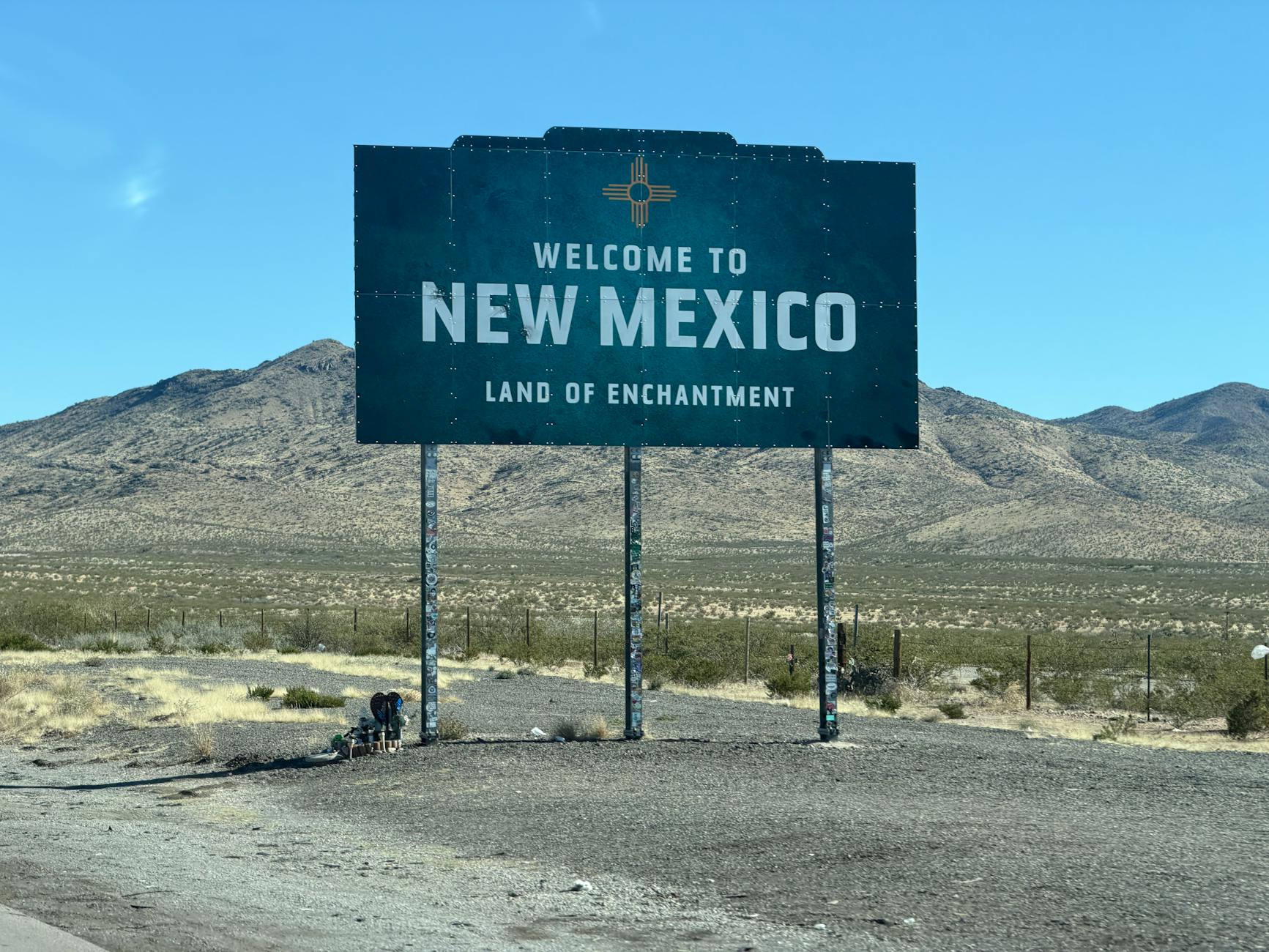
New Mexico faces a unique set of challenges for retirees related to both healthcare access and environmental conditions. Large portions of the state are medically underserved with long distances between residents and quality care facilities. Wildfire smoke has become an increasingly serious seasonal air quality threat in recent years. Poverty rates are among the highest in the nation which affects the quality and availability of local public services for older adults. Social isolation is a particular risk for retirees who settle in remote or rural communities far from family networks.
Nevada
Nevada’s appeal as a retirement destination is often undermined by the realities of living there long term. The extreme desert heat poses genuine health risks for older adults particularly during the increasingly intense summer months. Healthcare quality outside of Las Vegas and Reno is limited with many rural residents traveling long distances for basic medical appointments. Nevada consistently reports high rates of depression and suicide among its older population. The culture in major cities is heavily oriented toward tourism and entertainment which can feel disconnected from the day-to-day needs of settled retirees.
Missouri
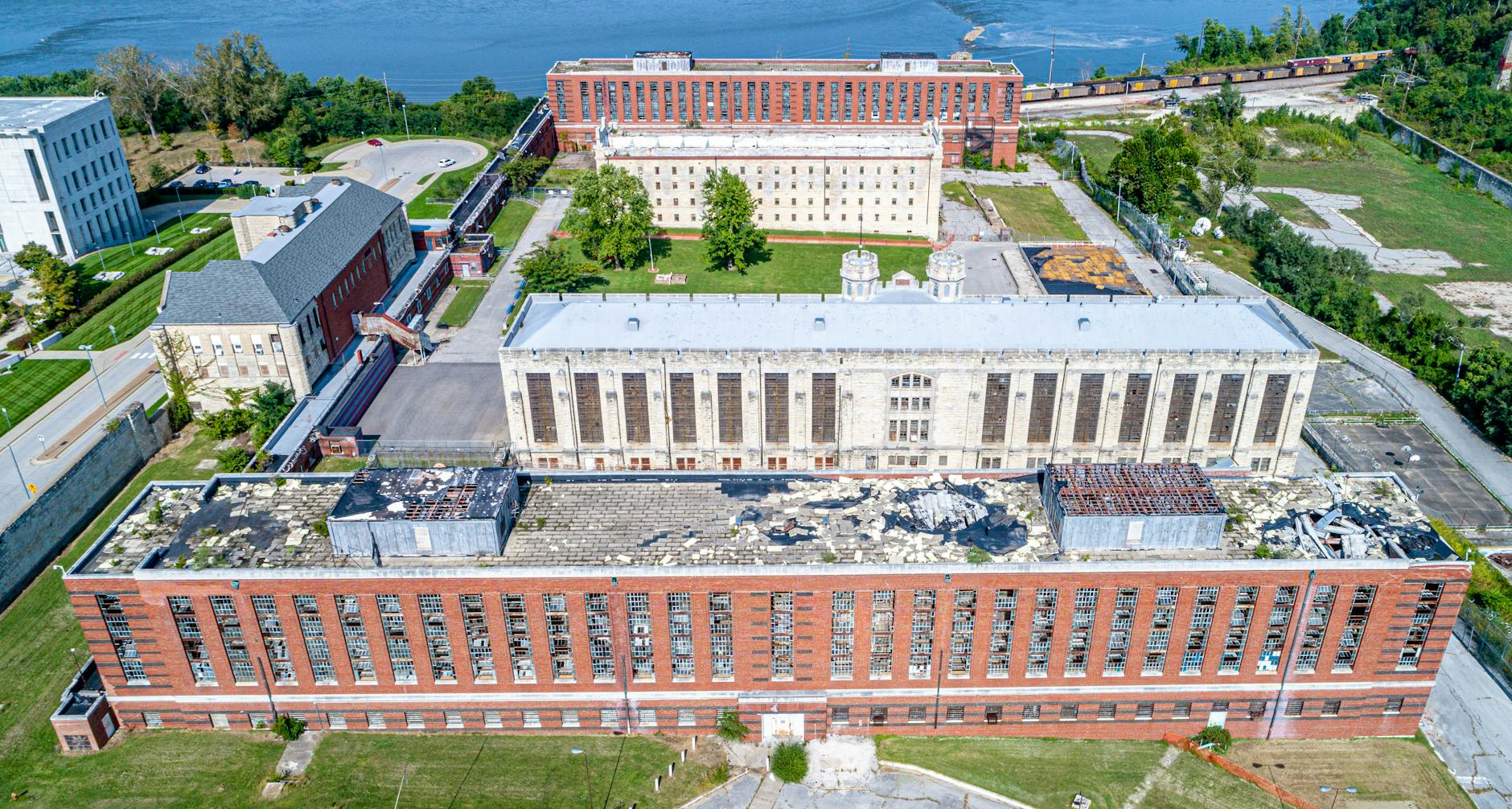
Missouri presents a mixed picture for retirees with some appealing qualities but notable health and wellness concerns. Rates of chronic illness among older adults are above the national average and preventive care utilization is lower than desired. Air quality in certain industrial corridors and along major river valleys can affect those with breathing sensitivities. Mental health provider shortages affect large swaths of the state outside of Kansas City and St. Louis. Harsh winter weather and the physical demands it places on older residents also factor into quality-of-life assessments for this region.
If you have personal experience retiring in any of these states or know someone who has navigated these challenges share your thoughts in the comments.