Every destination has a season that frequent travelers quietly dread. Crowds, extreme weather, inflated prices, and shuttered attractions can turn a dream trip into an exhausting ordeal. Knowing when not to go is just as valuable as knowing the best time to book. Here are ten iconic cities and the windows of time you might seriously want to avoid.
Paris
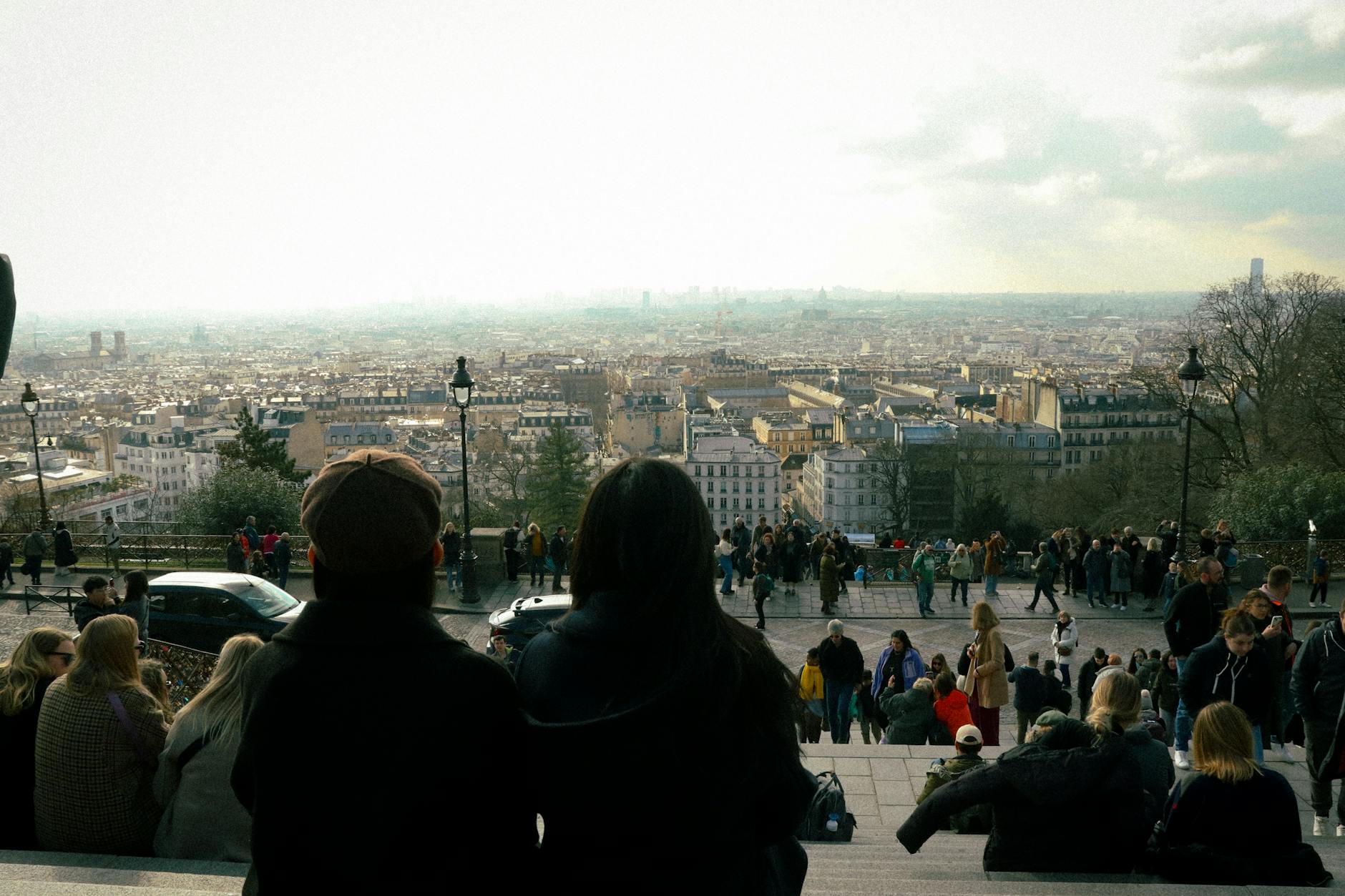
August is widely considered the most frustrating month to visit the French capital. A significant portion of local businesses, family-run restaurants, and boutique shops close entirely as Parisians take their own summer holidays. The city fills instead with tourists, pushing wait times at major landmarks like the Louvre and the Eiffel Tower to punishing lengths. Temperatures climb into uncomfortable territory and the city loses much of its authentic daily rhythm. Travelers seeking the real Paris tend to find August a hollow version of the city they imagined.
Bangkok
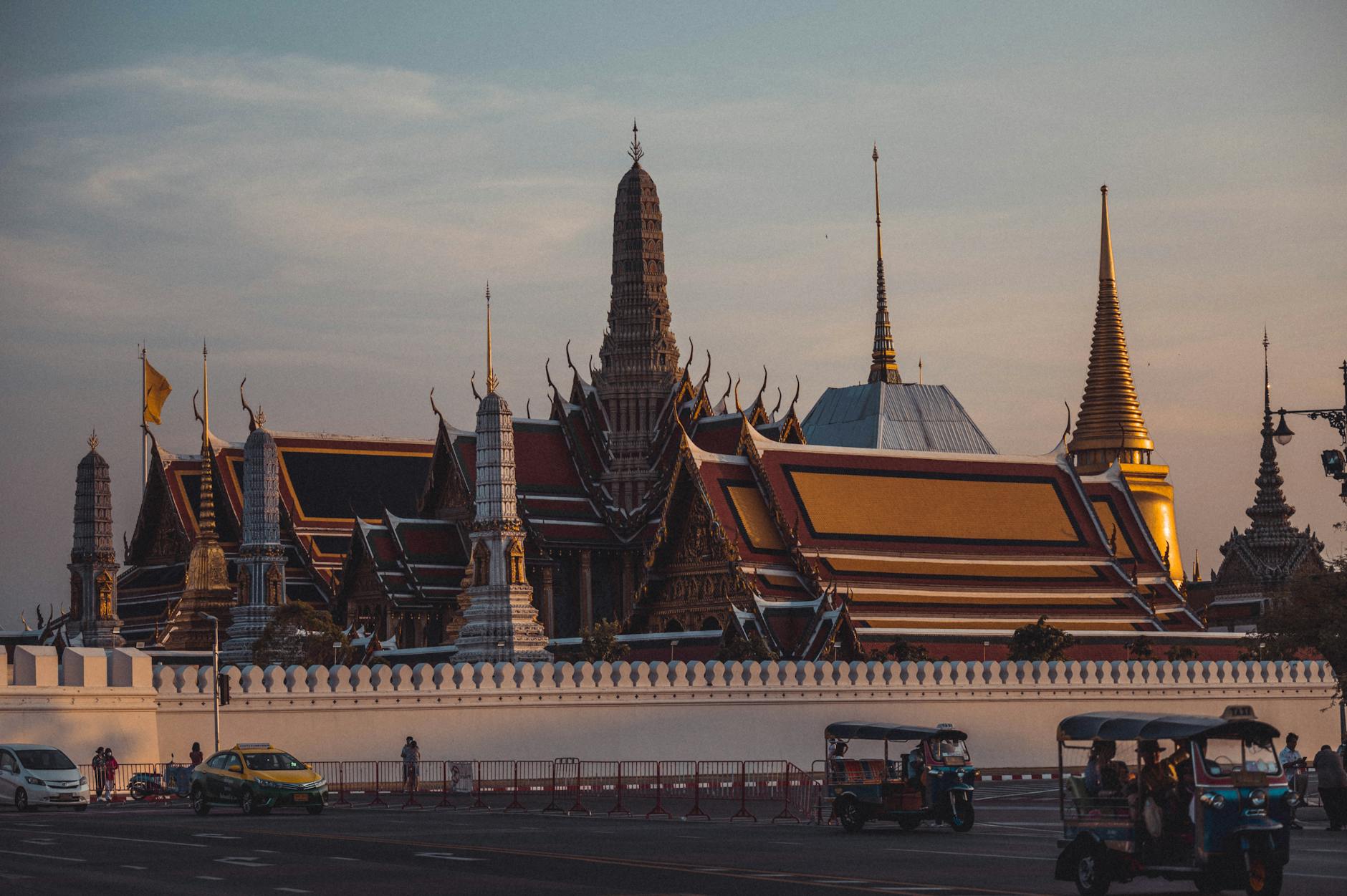
April brings the full force of Thailand’s hot season to Bangkok, making outdoor exploration genuinely taxing. Temperatures regularly exceed 40 degrees Celsius and humidity wraps around the city like a thick, wet blanket. The famous street markets and temple complexes become difficult to enjoy when heat exhaustion becomes a real concern within minutes of stepping outside. Songkran, the Thai New Year water festival, draws enormous domestic and international crowds that clog transport and accommodation. Those with sensitivity to extreme heat will find the experience far more draining than rewarding.
Venice
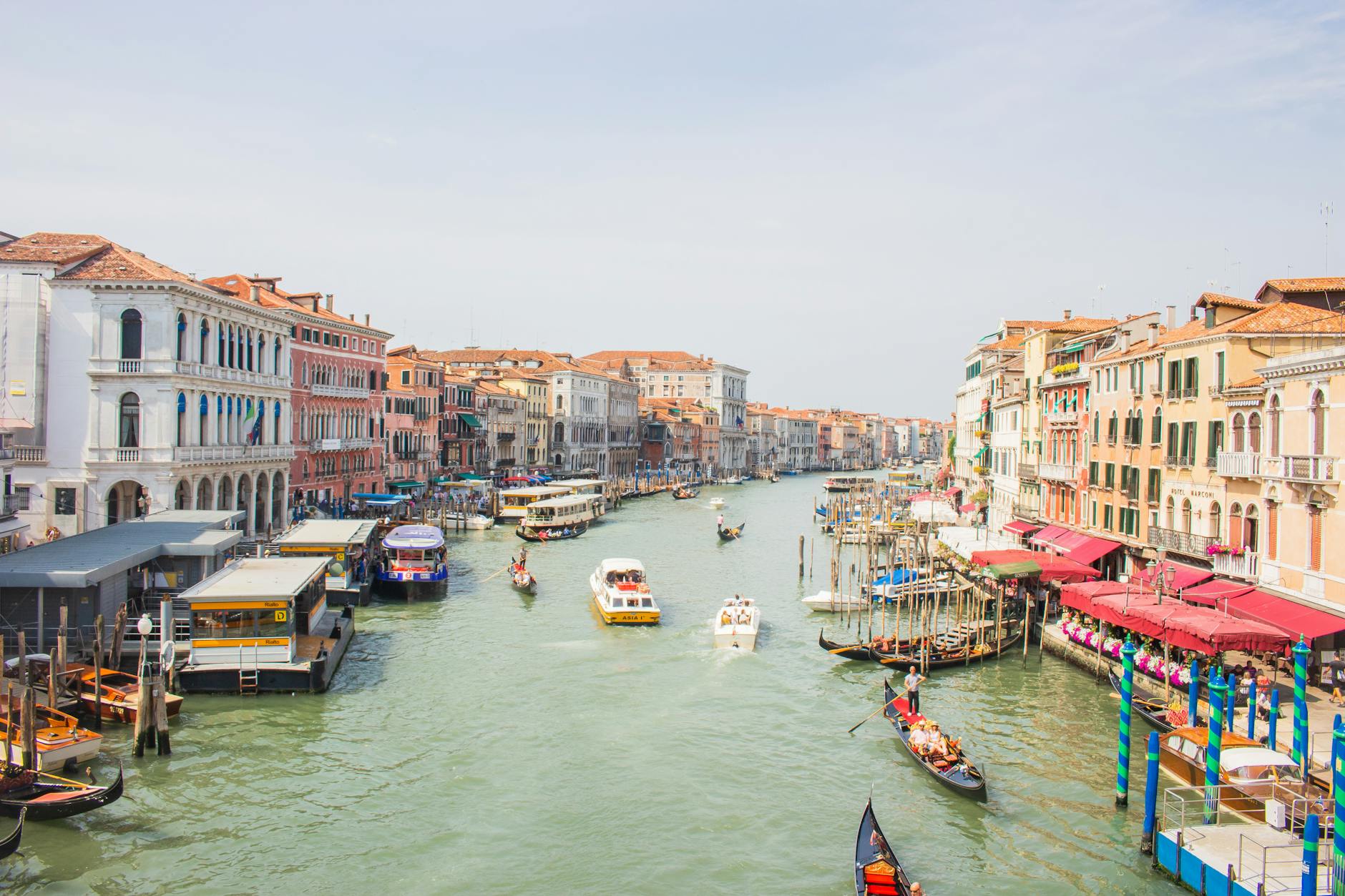
The months of July and August transform Venice into one of the most overcrowded destinations in the world. The narrow calli fill shoulder to shoulder with visitors, making simple navigation between landmarks a slow and often frustrating exercise. The summer heat combined with the city’s famous canal system produces strong odors that become noticeable in the warmest weeks. Hotel prices spike dramatically during this period, often doubling or tripling standard rates. The romantic atmosphere that defines Venice’s appeal is largely buried beneath the weight of mass tourism in these months.
New York City
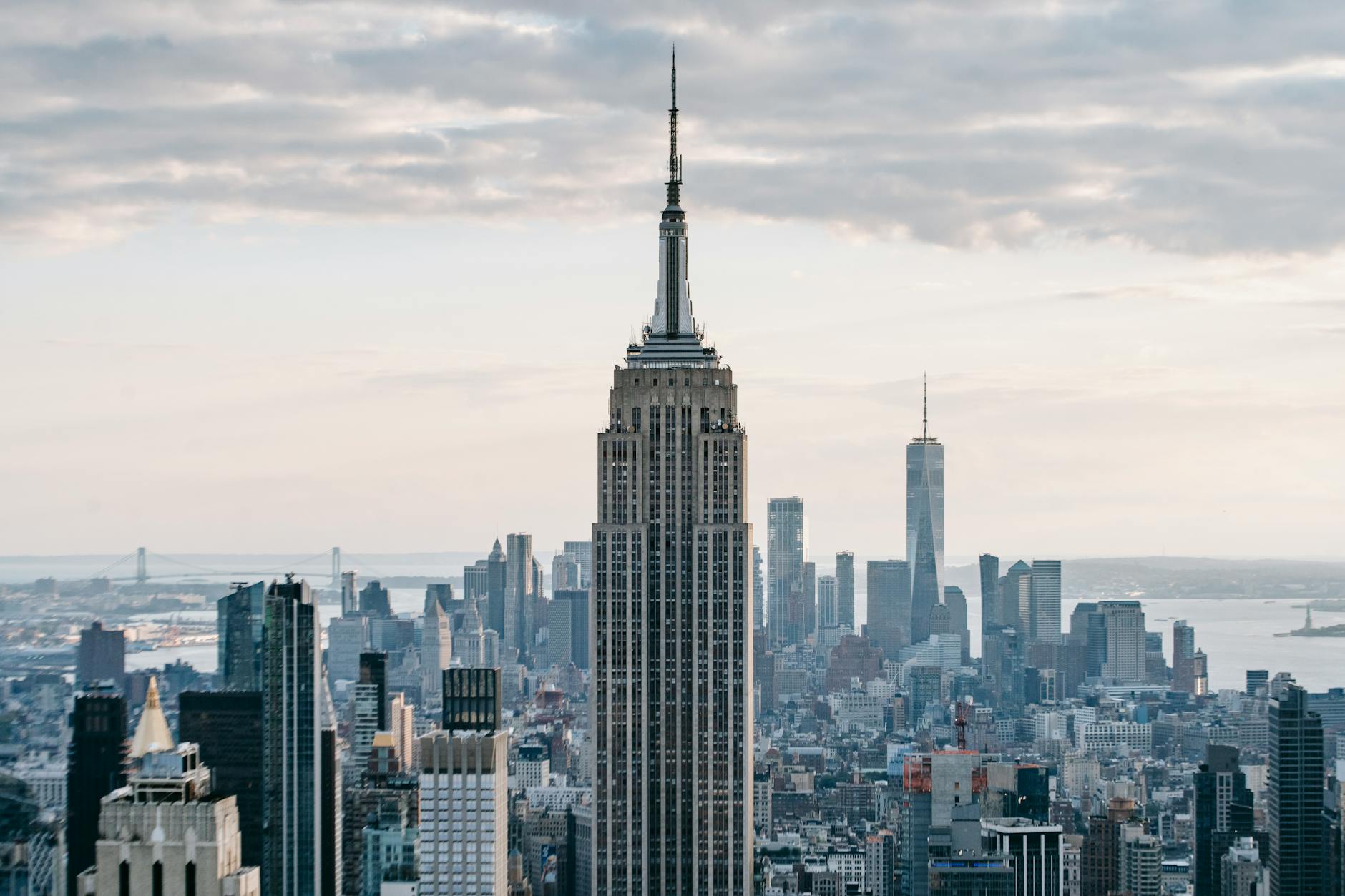
Late December through early January sounds appealing in theory but delivers a challenging reality for most visitors. While the holiday decorations are undeniably spectacular, the sheer volume of tourists descending on Midtown Manhattan makes Times Square and Fifth Avenue nearly impassable. Accommodation prices surge to some of their highest points of the entire year during this festive window. Bitter cold temperatures and unpredictable winter storms add logistical complications to every itinerary. Iconic experiences like the Top of the Rock or Central Park walks lose their magic when navigated in freezing wind alongside enormous crowds.
Rome
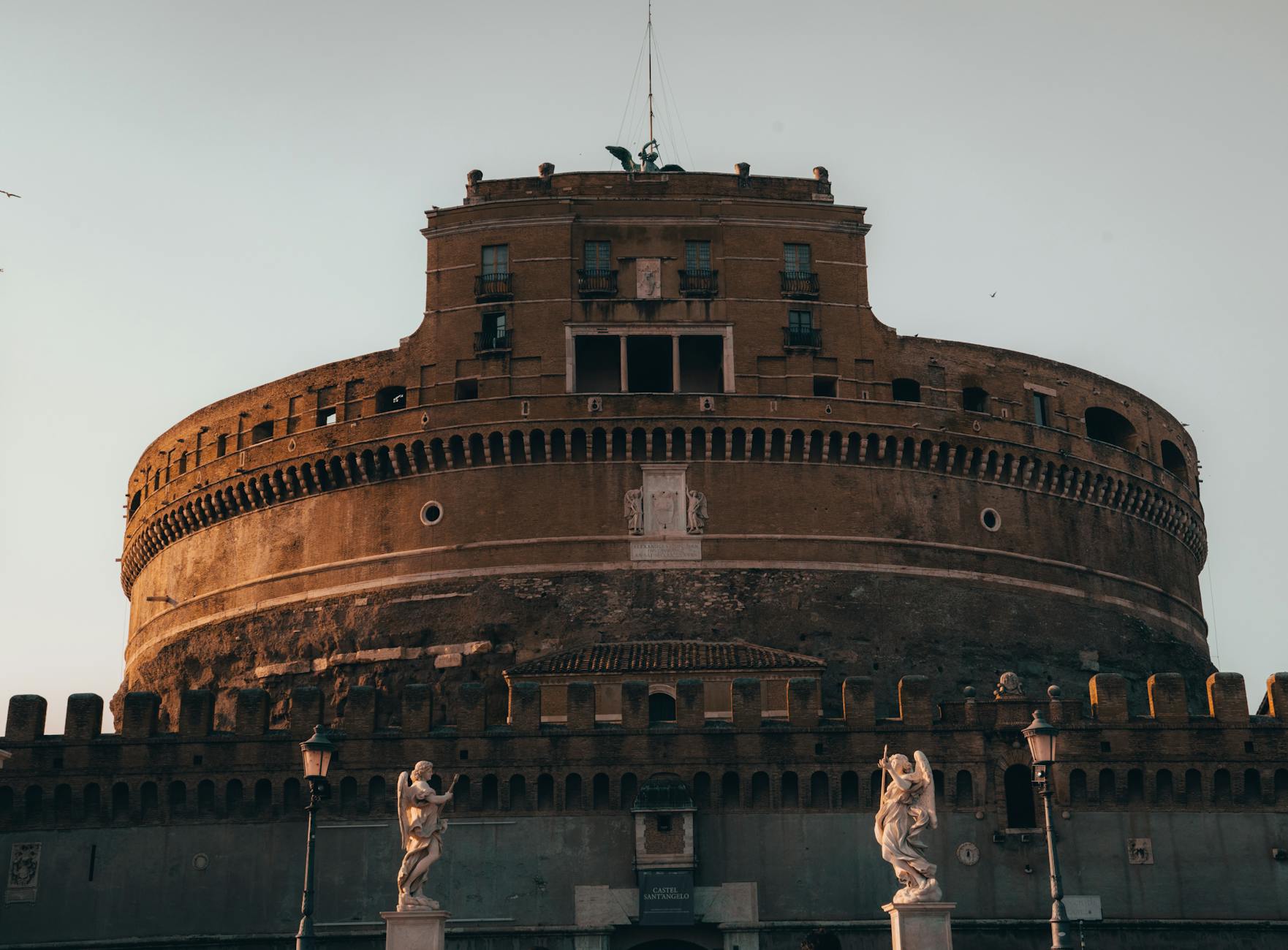
August in Rome presents a near identical problem to Paris, with locals fleeing the city en masse for coastal escapes. Many traditional trattorias and neighborhood gems close their doors for weeks at a time, leaving tourists reliant on tourist-trap restaurants near the main attractions. The heat bears down on ancient stone streets with little shade, making visits to the Colosseum or Roman Forum physically demanding by midmorning. Long queues stretch outside every major site as visitor numbers peak across the summer. The city that rewards slow, exploratory wandering becomes nearly impossible to enjoy at a comfortable pace.
Tokyo
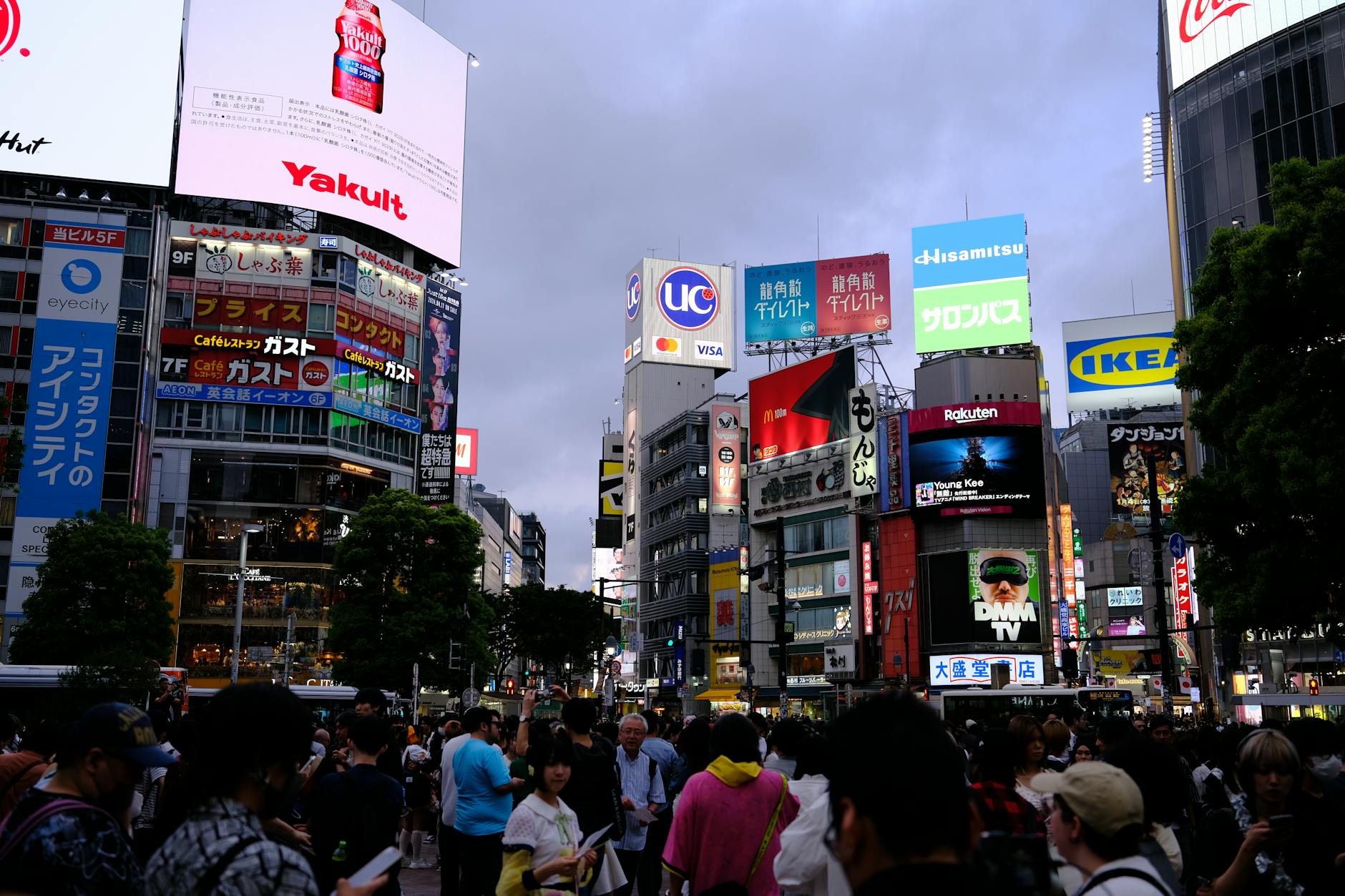
Golden Week, which runs from late April through early May, is Japan’s busiest domestic travel period and one of the worst times for international visitors to arrive. Shinkansen trains sell out weeks in advance, popular ryokans and hotels reach full capacity, and tourist spots like Senso-ji and teamLab venues operate at maximum crowd density. Prices across accommodation and flights reflect the extreme demand during this national holiday cluster. The quiet, orderly energy that makes Tokyo so captivating is temporarily replaced by a more frantic, congested version of the city. Travelers planning a first visit would benefit significantly from choosing almost any other time of year.
Dubrovnik
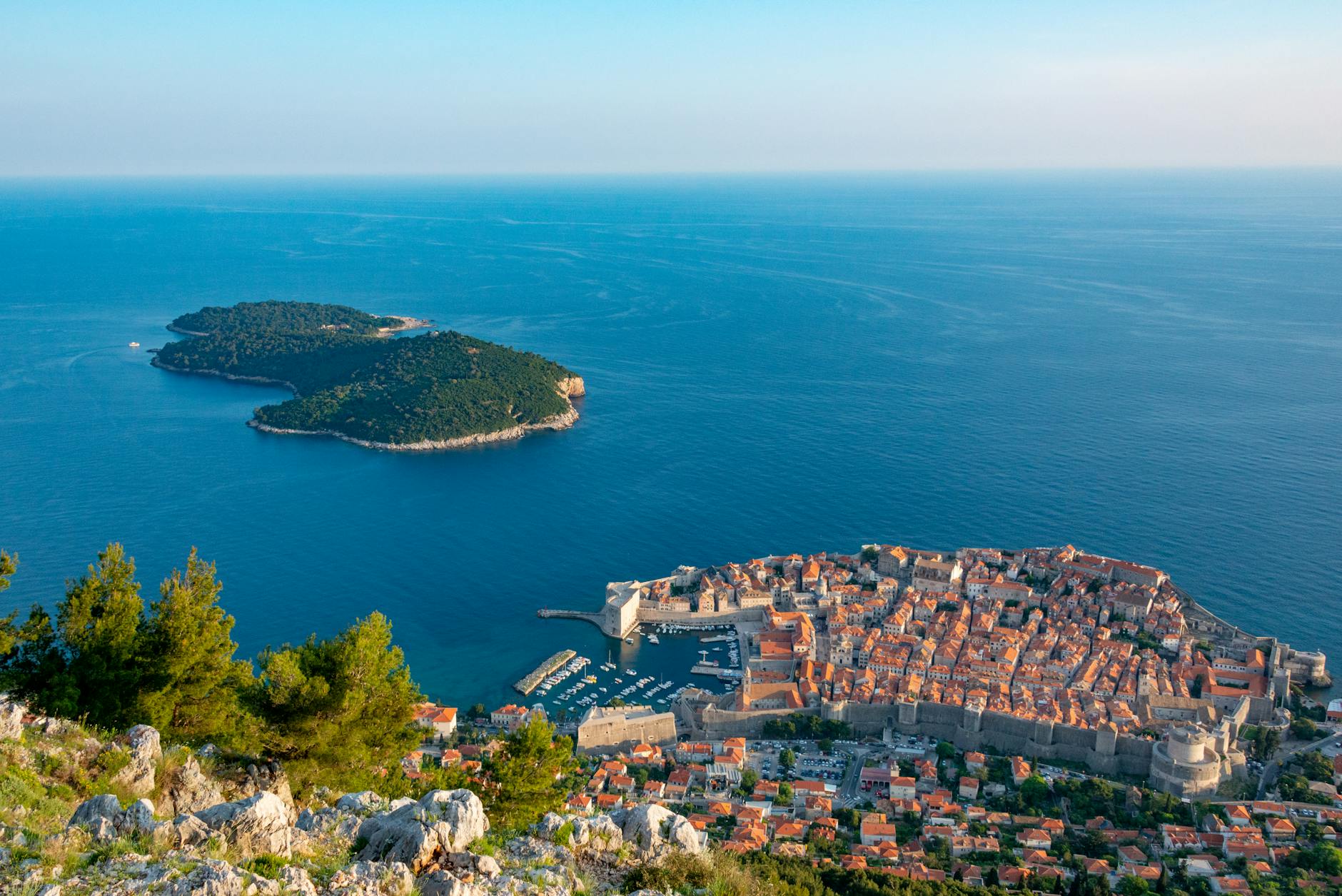
Midsummer in Dubrovnik has become a cautionary tale in the world of overtourism. July and August see the city’s famous Old Town flooded with day-trippers arriving from cruise ships, sometimes in the thousands within a single morning. The limestone streets radiate heat and the walls of the city offer little respite from the sun or the crowds. Local authorities have introduced crowd management measures but the summer peak still pushes the experience beyond what many travelers find enjoyable. The striking Adriatic beauty that made Dubrovnik iconic risks being completely overshadowed by the logistics of navigating it in peak season.
Cairo
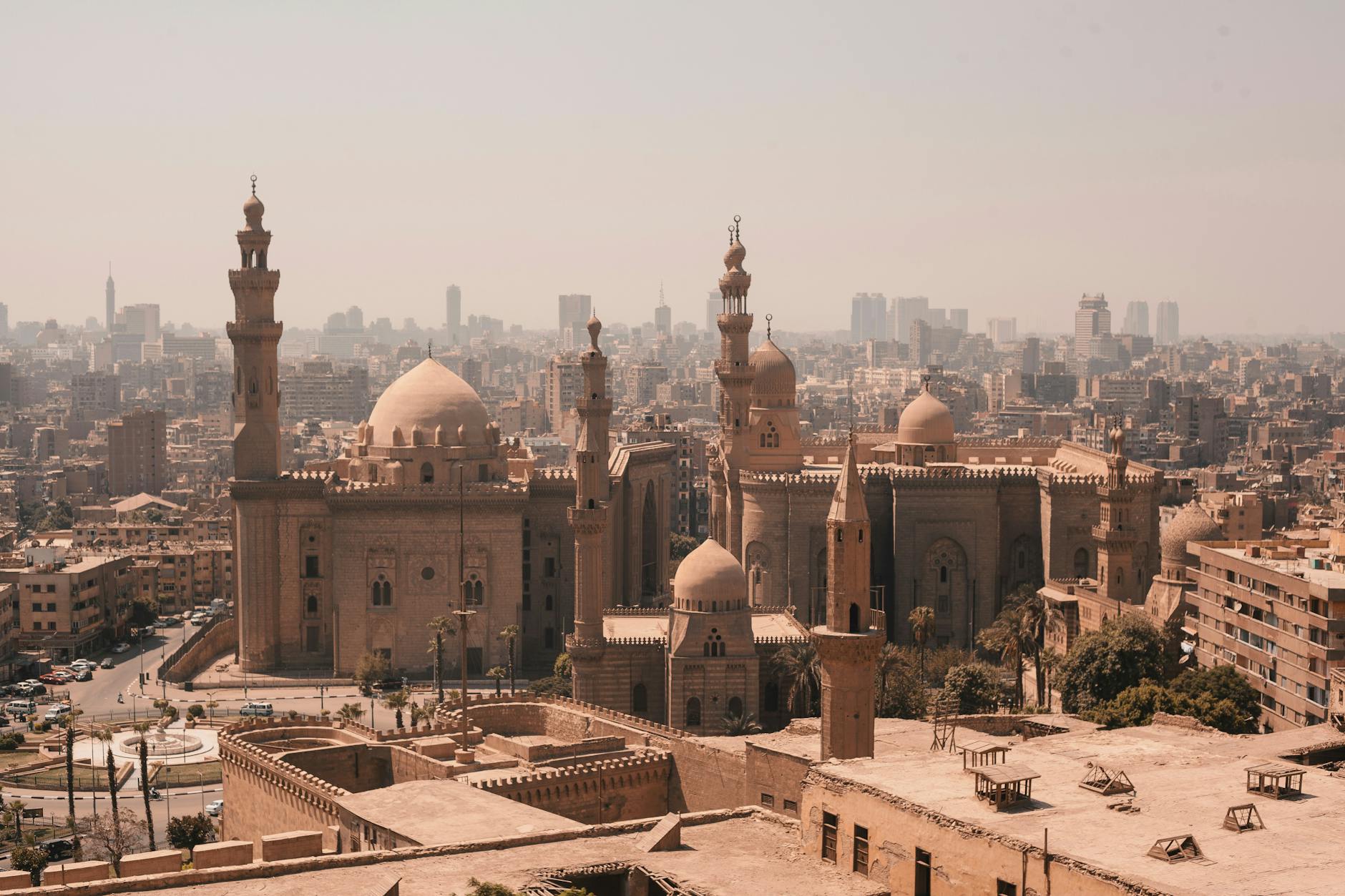
June through August brings fierce desert heat to Cairo, with temperatures frequently reaching well above 40 degrees Celsius across the city and the surrounding sites. Visiting the Pyramids of Giza or exploring the Egyptian Museum in such conditions requires significant physical preparation and constant hydration. The heat also affects the quality of the experience at outdoor archaeological sites where shade is minimal and ground temperatures intensify the discomfort. Air quality in Cairo during summer months adds another layer of challenge for visitors with respiratory sensitivities. Most seasoned Egypt travelers point firmly toward the cooler months of October through February as the only sensible window for a visit.
Barcelona
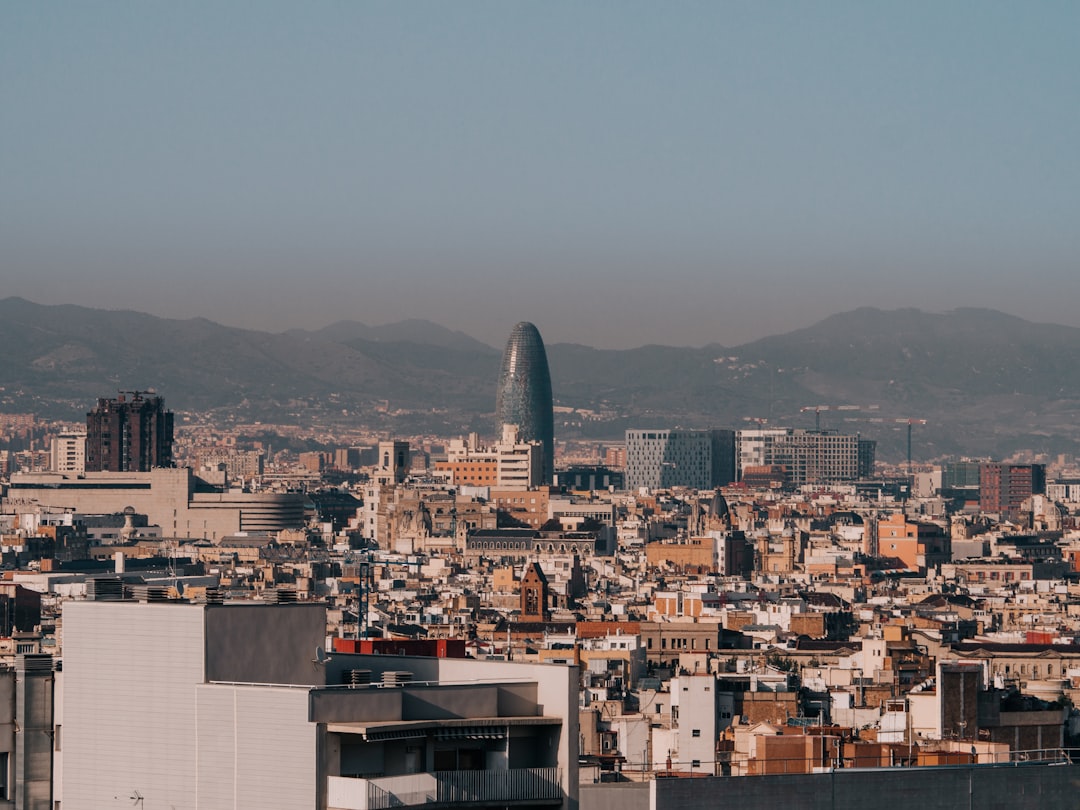
La Tomatina crowds in late August combine with peak European summer tourism to make Barcelona one of the continent’s most congested cities during this period. Las Ramblas and the Sagrada Familia queue for hours as visitor numbers overwhelm the city’s infrastructure. Beach areas like Barceloneta become so densely packed that finding space is a competitive effort from early morning. Petty theft statistics rise noticeably during the summer tourist peak, requiring heightened vigilance throughout the trip. The vibrant, creative city that defines Barcelona’s reputation takes a backseat to the logistical challenges of visiting at the worst possible time.
Reykjavik
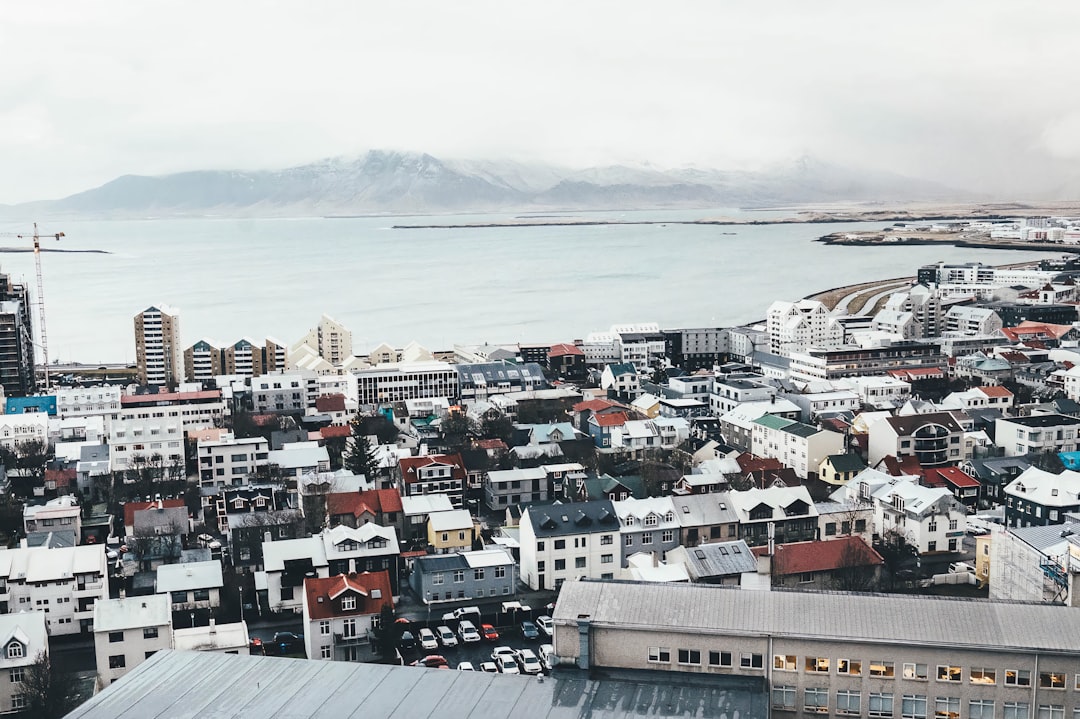
January sits at the opposite extreme, offering near-total darkness, fierce Arctic winds, and severely limited daylight hours that cap outdoor exploration. Most of Iceland’s famous natural highlights including the highland roads and many waterfall access points are either closed or dangerously difficult to reach in deep winter. Flight disruptions and road closures due to storms can strand travelers and reshape itineraries without warning. While the Northern Lights are a genuine draw, their appearance is never guaranteed and the harsh conditions come at a steep physical and logistical cost. Visitors hoping to experience Iceland’s dramatic landscapes in full would find the effort significantly more rewarding in the shoulder seasons of May or September.
Have you ever landed in one of these cities at exactly the wrong time? Share your experience in the comments.