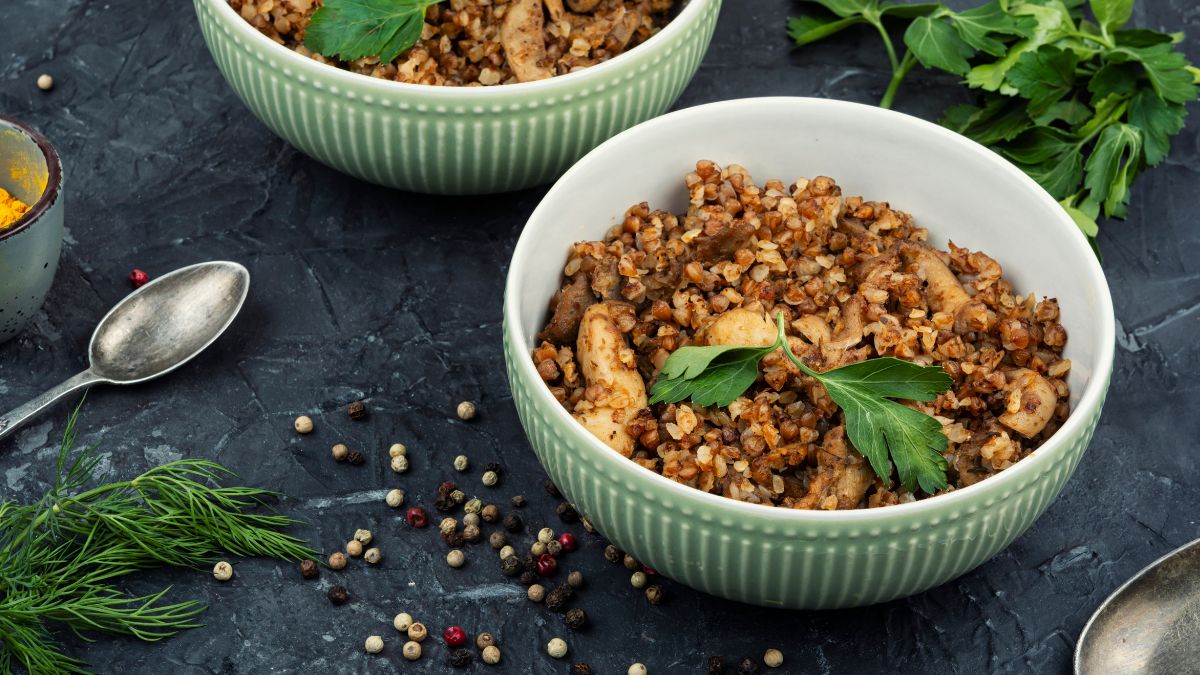
Buckwheat is one of the oldest cultivated grains in Europe and Asia, with a history stretching back thousands of years, yet most modern kitchens have completely overlooked it. For centuries, this humble seed was a cornerstone of everyday meals across mountain villages and rural communities, prized not for any trendy superfood label, but simply because it was filling, nutritious, and easy to grow in tough terrain where other crops struggled. Today, buckwheat is making a quiet but determined comeback, reclaiming its place on dinner tables and in health-conscious pantries alike.
Buckwheat originated in Central Asia and made its way to Europe during the Middle Ages, gradually becoming a staple across regions where soil conditions and climate made growing wheat difficult or impractical. Between the 16th and 18th centuries, it became especially widespread throughout mountainous areas, where farming communities relied on it as a reliable source of sustenance through harsh winters. It was not a luxury food by any stretch of the imagination. It was the food that kept families going, that stretched meager resources, and that provided the energy needed for grueling days of physical labor.
Our ancestors were remarkably resourceful when it came to preparing buckwheat. The most common preparation was a thick porridge cooked in water or milk, often enriched with a bit of fat, cheese, or cream, and served at breakfast or dinner. Simple flatbreads and cakes made from buckwheat flour were also common, sometimes blended with other grains to soften the flavor or improve the texture. In regions where wheat was expensive or scarce, buckwheat flour became the primary base for bread. It was also added to hearty soups and stews, thickening them into deeply satisfying one-pot meals that could sustain a family through a long working day.
Beyond its practical versatility in the kitchen, buckwheat was genuinely believed to strengthen the body. Folk wisdom credited it with supporting digestion, building endurance, and fortifying people against illness. These beliefs were not entirely unfounded. Buckwheat is rich in protein, fiber, and minerals including magnesium and iron, making it nutritionally dense in ways that many refined grains simply cannot match. It also contains rutin, a plant compound with antioxidant properties, which further supports its reputation as a food that does more than just fill you up.
One of buckwheat’s most appealing qualities for today’s eaters is that it contains no gluten, making it a naturally suitable option for people with celiac disease or gluten sensitivity. This single characteristic has driven much of its renewed popularity, as more people seek out whole-food alternatives to conventional wheat-based products. Health-focused bakeries now use buckwheat flour to craft pancakes, breads, and pastries with a distinctly nutty flavor that many find more complex and satisfying than their wheat-based counterparts. Buckwheat flakes have also found a home in granola and protein-forward breakfast bowls, appealing to athletes and health enthusiasts looking for clean, whole-food energy sources.
In the broader context of modern cooking, buckwheat’s slightly bitter, earthy character opens up a surprising range of culinary possibilities. It pairs beautifully with roasted vegetables, mushrooms, and fresh herbs in savory dishes, and its robust flavor holds up equally well in sweet preparations when balanced with honey, fruit, or warm spices. Contemporary chefs have embraced it not just as a health ingredient but as a genuinely interesting flavor component worth building dishes around. In that sense, buckwheat connects two very different eras of cooking, equally at home in a rustic farmhouse kitchen from three centuries ago and on the menu of a farm-to-table restaurant today.
The story of buckwheat is ultimately a story about rediscovery. Foods that sustained entire communities for generations rarely disappear entirely. They simply wait, sometimes for a very long time, until the culture catches up to what earlier cooks already understood intuitively. Buckwheat never needed to be reinvented. It just needed people to start paying attention again.
Buckwheat is technically not a grain at all but a seed related to rhubarb and sorrel, which is why it has no gluten despite behaving so much like a cereal in the kitchen. Japan has been eating buckwheat noodles, called soba, for over 400 years, and in some rural Japanese communities the first soba of the New Year is still eaten as a ritual for longevity. Russia’s beloved kasha, made from toasted buckwheat groats, remains one of the most widely consumed breakfast foods in the country to this day, eaten by millions every single morning.
Have you ever cooked with buckwheat, or do you remember it from childhood meals? Share your thoughts in the comments!