Starting the day with the right fuel can make the difference between sluggish afternoons and sustained mental and physical performance from morning to night. The foods chosen at breakfast directly influence blood sugar stability, cognitive focus, and how efficiently the body converts nutrients into usable energy. Whole foods rich in protein, complex carbohydrates, and healthy fats are consistently linked to longer-lasting vitality compared to refined or sugary alternatives. Building a breakfast around nutrient-dense ingredients is one of the most practical lifestyle choices available for anyone looking to perform at their best throughout the day.
Oats

Oats are one of the most widely consumed breakfast staples in the world and for good reason. They are rich in complex carbohydrates and soluble fiber that slow digestion and release glucose gradually into the bloodstream. This slow-release mechanism prevents the sharp energy crashes that come with refined grain options. A single serving also provides meaningful amounts of iron and B vitamins that support energy metabolism. Steel-cut and rolled varieties deliver the greatest nutritional benefit compared to heavily processed instant versions.
Eggs

Eggs are a nutritional powerhouse that deliver high-quality complete protein along with essential vitamins and minerals. The protein content supports muscle repair and keeps hunger signals at bay for several hours after eating. Eggs contain choline which plays an important role in brain function and mental clarity throughout the morning. They are also one of the few natural food sources of vitamin D which supports overall cellular energy production. Preparing them scrambled, poached, or boiled preserves the most nutritional value compared to high-heat frying methods.
Greek Yogurt

Greek yogurt contains roughly twice the protein of regular yogurt making it a far more satisfying and energising breakfast option. The probiotics it contains support gut health which is increasingly linked to nutrient absorption efficiency and sustained energy. It provides a good source of calcium and B12 both of which play direct roles in maintaining energy levels at the cellular level. The thick creamy texture makes it a versatile base for toppings like berries, nuts, and seeds. Choosing plain unsweetened varieties avoids the blood sugar spikes associated with flavoured commercial products.
Bananas

Bananas are one of the most convenient and effective natural energy sources available for breakfast. They contain three forms of natural sugar alongside dietary fiber which together create a measured and steady release of energy. Potassium found in bananas supports healthy muscle function and nerve signalling throughout physical and mental activity. Vitamin B6 present in bananas assists in converting food into usable energy at the metabolic level. They pair well with nut butter or yogurt to create a more complete and balanced meal.
Chia Seeds
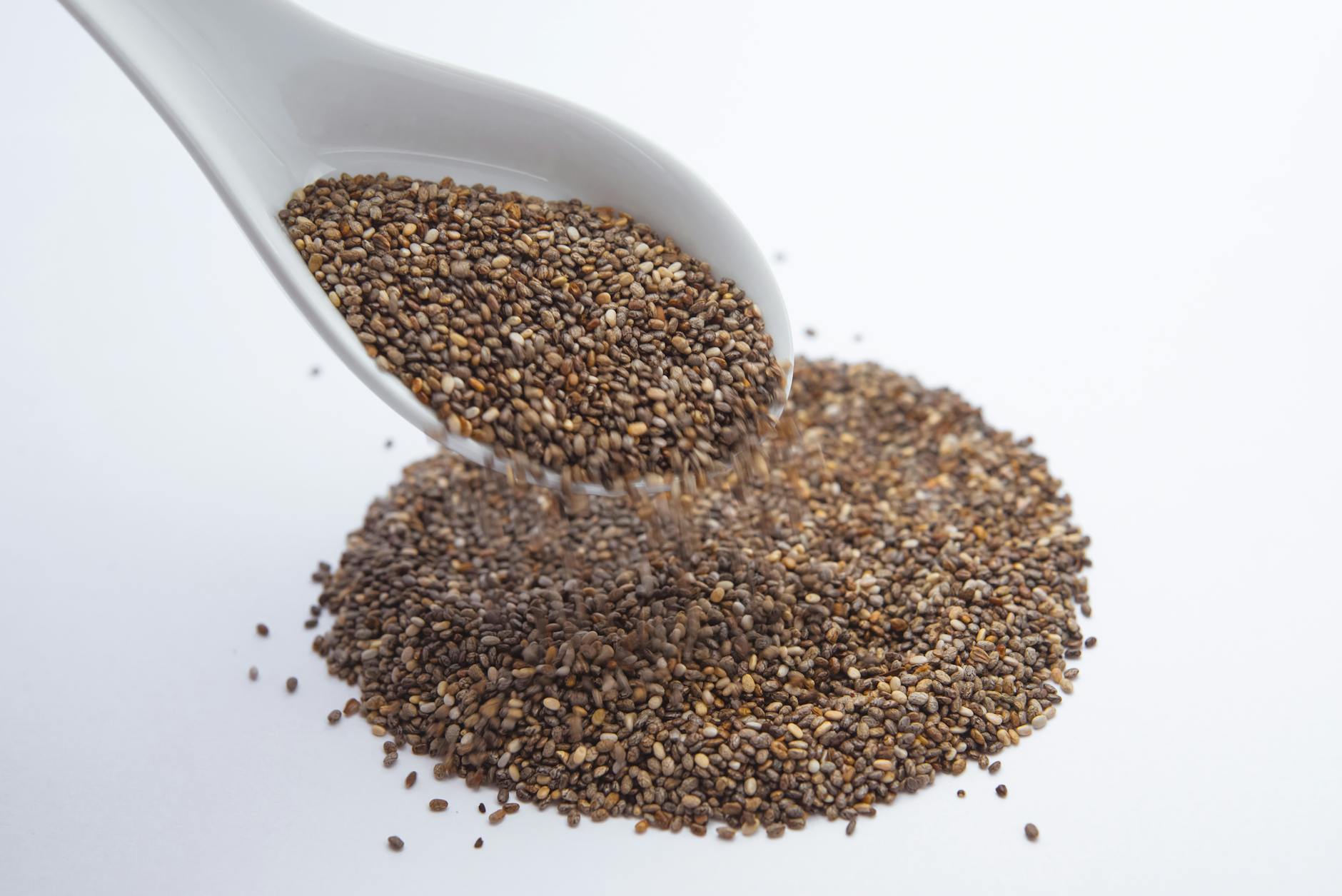
Chia seeds may be small but they are extraordinarily dense in nutrients that support sustained energy output. They absorb liquid and expand to form a gel-like substance in the digestive system slowing the absorption of carbohydrates. This digestive property helps maintain stable blood glucose levels across long stretches of time between meals. Chia seeds are a rich plant-based source of omega-3 fatty acids which support brain health and reduce inflammatory fatigue. Adding them to yogurt, smoothies, or overnight oats is a simple way to increase nutritional density without extra effort.
Avocado
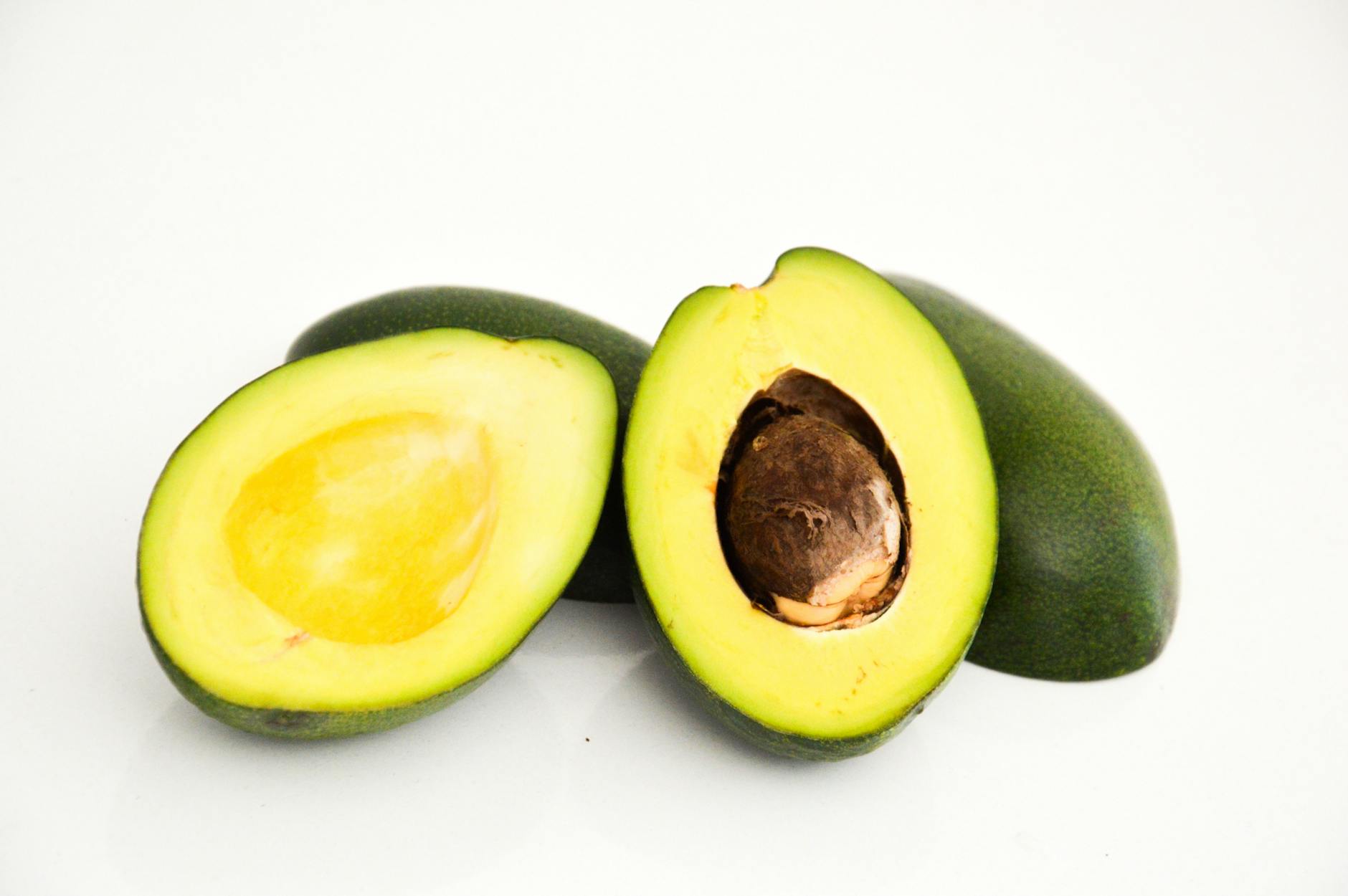
Avocado provides a rich source of monounsaturated fats that serve as a long-burning and efficient energy substrate for the body. These healthy fats slow gastric emptying which prolongs the feeling of satiety and reduces mid-morning hunger. Avocados contain B vitamins including riboflavin niacin and pantothenic acid all of which are essential for energy production pathways. The potassium content rivals that of bananas and helps maintain electrolyte balance during physical activity. Spreading avocado on whole grain toast or pairing it with eggs creates a particularly well-rounded breakfast combination.
Whole Grain Toast

Whole grain toast delivers complex carbohydrates that digest more slowly than white bread alternatives providing a longer window of steady energy. The fiber content supports digestive health and helps regulate the speed at which sugars enter the bloodstream. Nutrients like magnesium iron and B vitamins found in whole grains contribute directly to the body’s energy conversion processes. Choosing bread with visible whole grains or seeds adds additional nutritional depth to each slice. It serves as an ideal base for toppings like eggs, nut butter, or avocado that further extend its energising qualities.
Almonds
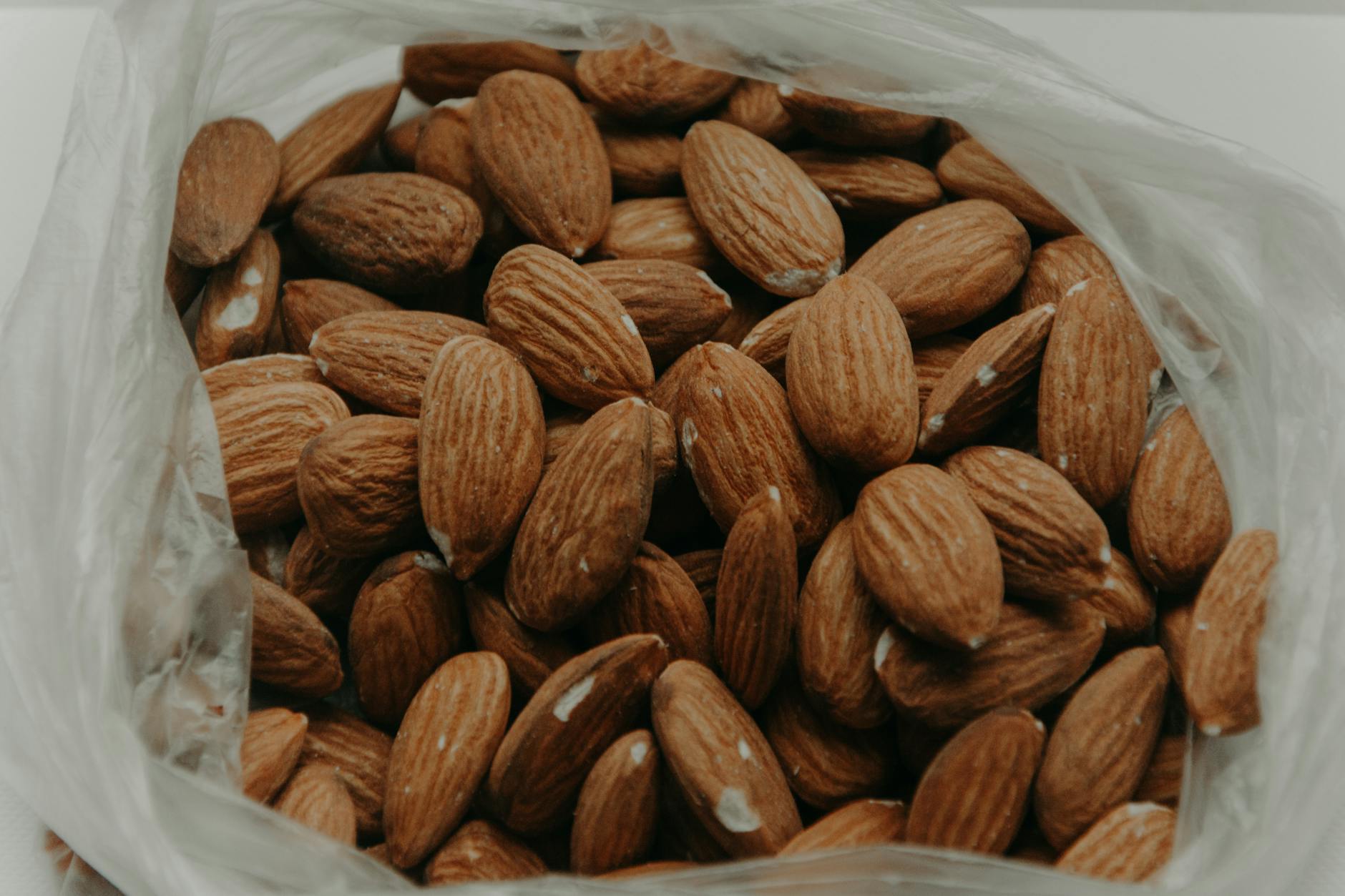
Almonds are a compact and highly efficient source of energy-sustaining nutrients including protein healthy fats and magnesium. Magnesium in particular is a mineral that plays a central role in over 300 biochemical reactions many of which involve the generation of energy. A small handful adds meaningful nutritional value to a breakfast without requiring any preparation time. They also contain riboflavin and L-carnitine two nutrients associated with neurological health and improved energy metabolism. Incorporating almonds into yogurt bowls or eating them alongside fruit creates a balanced pairing that extends morning energy.
Salmon

Smoked or poached salmon at breakfast is a practice common in Scandinavian and broader European dietary traditions with strong nutritional justification. Salmon is extraordinarily rich in omega-3 fatty acids that support brain function and help reduce the inflammation that can contribute to feelings of fatigue. It provides high-quality protein that keeps energy levels stable by avoiding blood sugar volatility after eating. The vitamin D and B12 content of salmon directly supports mitochondrial function which is where cellular energy is produced. Pairing it with whole grain bread or eggs creates one of the most nutritionally complete breakfast combinations possible.
Sweet Potatoes

Sweet potatoes at breakfast are gaining recognition as an exceptional source of complex carbohydrates that sustain energy across long periods. Their high fiber content ensures that the natural sugars they contain are absorbed gradually rather than flooding the bloodstream at once. Beta-carotene and antioxidants in sweet potatoes reduce oxidative stress which is a common underlying factor in persistent low energy. They provide vitamin C manganese and potassium which support cellular function and electrolyte balance. Roasted or mashed sweet potato pairs well with eggs or nut butter for a hearty and sustaining morning meal.
Quinoa
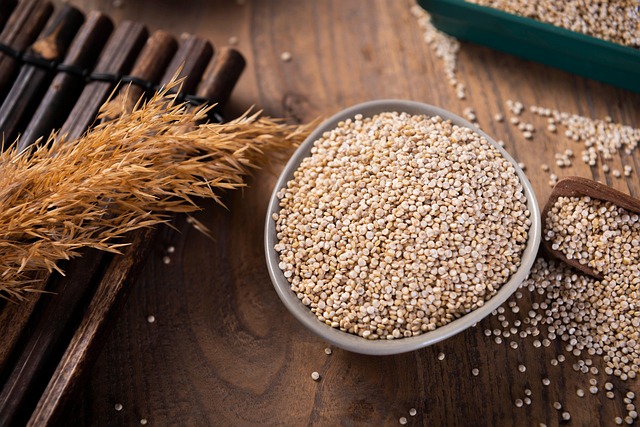
Quinoa is one of the rare plant foods that qualifies as a complete protein containing all nine essential amino acids. This makes it particularly valuable for breakfast as it supports muscle maintenance and helps prevent the energy dip associated with protein-poor morning meals. Its complex carbohydrate structure provides a slow and measured release of glucose into the bloodstream over several hours. Quinoa also contains iron which is essential for transporting oxygen through the body and maintaining physical stamina. Preparing it as a warm porridge with fruit nuts and a drizzle of honey creates a deeply nourishing start to the day.
Berries

Berries including blueberries strawberries and raspberries are among the most antioxidant-rich foods available for breakfast. Antioxidants combat oxidative stress and inflammation which are biological processes known to deplete physical and mental energy over time. Their natural sugars are accompanied by significant fiber content which prevents rapid blood sugar spikes and the crashes that follow. Berries provide vitamin C and flavonoids that support cognitive function and brain circulation. Adding a generous serving to oats yogurt or a smoothie significantly elevates both the nutritional quality and the energy-sustaining capacity of any breakfast.
Peanut Butter

Peanut butter is a widely accessible and nutrient-dense breakfast ingredient that provides a satisfying combination of protein and healthy fats. These two macronutrients work together to slow digestion and provide a stable source of energy that persists well into the mid-morning hours. It contains niacin and magnesium both of which are directly involved in the metabolic processes that generate cellular energy. The caloric density of peanut butter means that even a modest portion has a substantial and lasting impact on hunger and energy. Natural varieties without added sugars or hydrogenated oils deliver the cleanest and most effective nutritional profile.
Cottage Cheese

Cottage cheese is a high-protein low-fat breakfast food that is frequently overlooked in favour of more commonly marketed options. Its protein content is dominated by casein a slow-digesting dairy protein that provides a prolonged release of amino acids into the bloodstream. This slow absorption pattern is particularly effective at sustaining energy and preventing hunger between meals. Cottage cheese is a good source of riboflavin calcium and phosphorus all of which support metabolic function and bone health. Pairing it with fresh fruit or a sprinkle of seeds transforms it into a well-rounded and satisfying morning dish.
Flaxseeds

Flaxseeds are a highly concentrated source of omega-3 fatty acids fiber and lignans that collectively support long-term and sustained energy. The soluble fiber they contain slows digestion and contributes to stable blood sugar management which is foundational to consistent energy output. Ground flaxseeds are more bioavailable than whole ones making it important to mill or buy pre-ground versions for maximum benefit. They also provide thiamine and manganese two micronutrients involved in the body’s primary energy-producing metabolic pathways. Stirring a tablespoon into smoothies yogurt or porridge is an effortless way to access their considerable nutritional benefits.
Spinach

Spinach may be more commonly associated with lunch or dinner but it is an exceptionally powerful addition to a breakfast designed around all-day energy. It is rich in iron which is essential for the production of haemoglobin and the efficient transport of oxygen to muscles and the brain. Low iron levels are one of the most common nutritional causes of persistent fatigue and incorporating spinach into morning meals is an effective preventative measure. Spinach also provides magnesium folate and vitamin C which together support cellular energy production and immune resilience. Wilting it into scrambled eggs or blending it into a smoothie are two popular and practical methods of morning preparation.
Walnuts
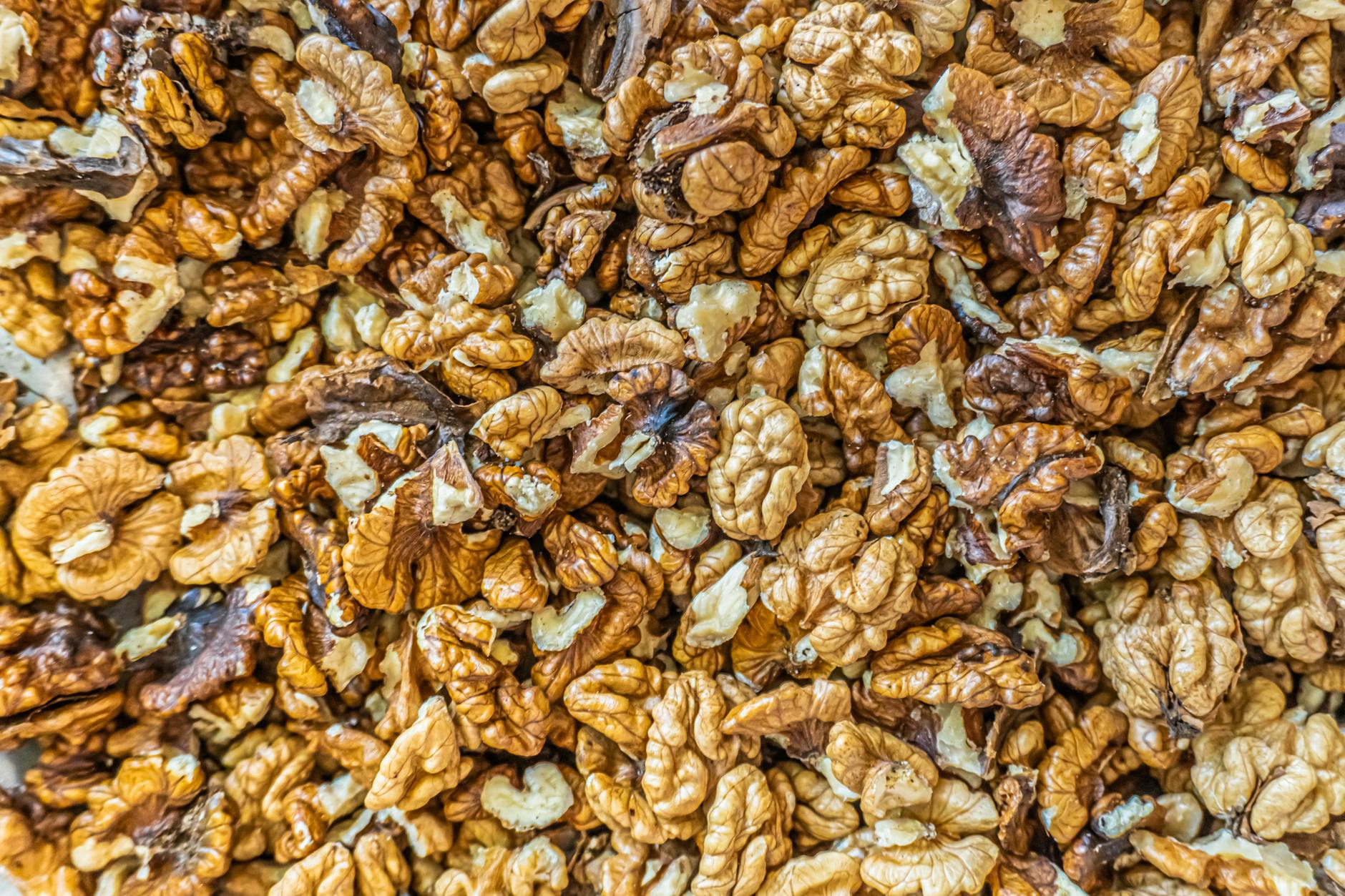
Walnuts have one of the highest omega-3 fatty acid concentrations of any nut making them a particularly valuable food for brain-focused energy and cognitive performance. They contain polyphenols and antioxidants that reduce neurological inflammation which is associated with mental fatigue and decreased concentration. A small portion provides meaningful amounts of copper manganese and magnesium which are minerals that support the enzymes responsible for energy production. Walnuts also deliver melatonin and other compounds that have been associated with improved sleep quality which in turn supports better daytime energy levels. Adding a handful to oats or yogurt in the morning requires minimal effort for substantial nutritional return.
Kefir

Kefir is a fermented dairy drink that combines the protein and calcium of yogurt with an even higher concentration of beneficial probiotic bacteria. A healthy gut microbiome is increasingly understood to be a key factor in how efficiently the body absorbs energy-yielding nutrients from food. Kefir is rich in B vitamins including B12 which plays a direct and well-established role in the production and regulation of energy at a cellular level. It is generally well tolerated by people with lactose sensitivity due to the fermentation process that partially breaks down lactose during production. Drinking a glass alongside or in place of conventional breakfast foods is a practical way to support both gut and metabolic health.
Edamame

Edamame at breakfast is a practice rooted in East Asian culinary tradition and one that delivers impressive nutritional value for sustained energy. These young soybeans are a complete plant protein source meaning they contain all the amino acids required for muscle maintenance and efficient metabolic function. They provide complex carbohydrates that break down slowly and iron that supports effective oxygen delivery to the muscles and brain. Edamame is also rich in folate and vitamin K both of which play important roles in cellular function and overall physical vitality. Lightly salted and steamed they can be eaten on their own or added to grain bowls and scrambles for a protein-rich morning boost.
Pumpkin Seeds
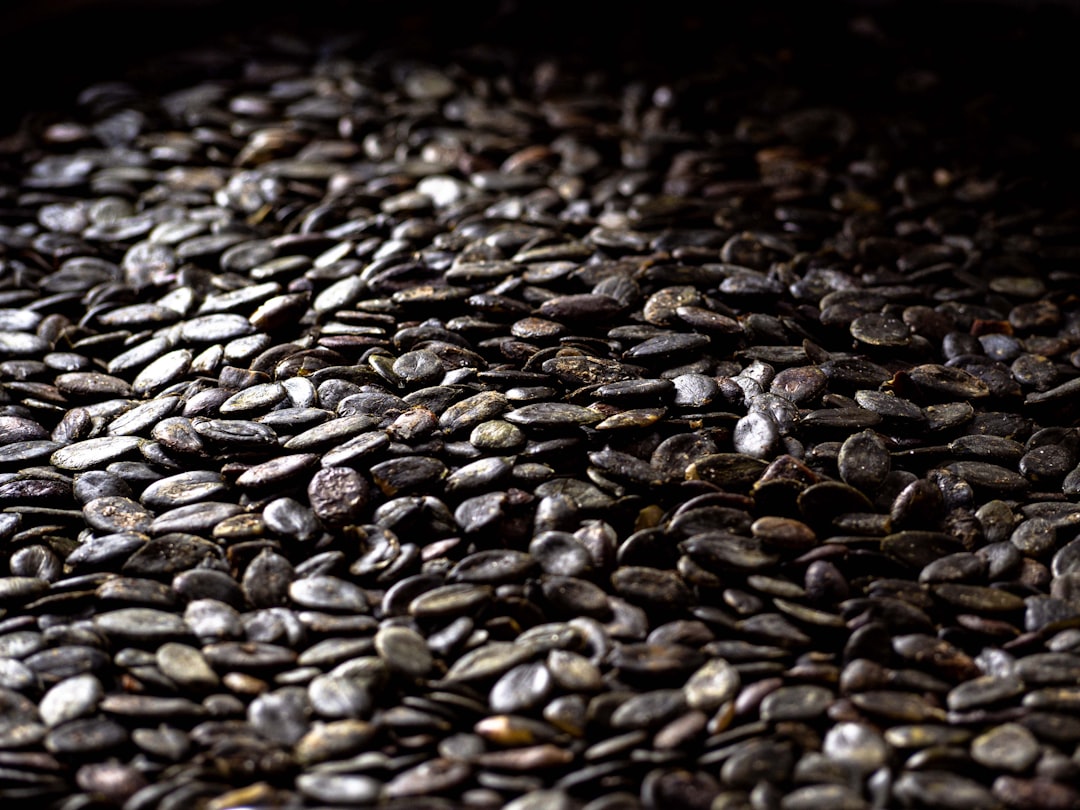
Pumpkin seeds are one of the most magnesium-dense foods available and magnesium is a mineral with a critical role in converting food into energy within the body. They also provide iron zinc and manganese which collectively support immune function oxygen transport and antioxidant activity. The protein content of pumpkin seeds adds to their ability to stabilise blood sugar and extend the period of sustained morning energy. Their compact form makes them easy to incorporate into a wide range of breakfast preparations without altering flavour significantly. Sprinkling them over yogurt oats or avocado toast is one of the simplest nutritional upgrades available for a breakfast routine.
Whole Milk

Whole milk provides a complete nutritional package that includes protein fat carbohydrates calcium and a range of B vitamins in a single liquid format. The fat content slows the digestion of the naturally occurring lactose in milk which helps moderate the speed of glucose release into the bloodstream. Research consistently identifies dairy as a food group associated with improved satiety and reduced caloric intake at subsequent meals throughout the day. Iodine found in whole milk supports thyroid function which regulates metabolic rate and has a direct bearing on energy levels. Consuming it warm or cold as a drink alongside other breakfast foods adds density and nutritional completeness to the morning meal.
Mango

Mango is a tropical fruit with a naturally high vitamin C content along with a combination of natural sugars and fiber that deliver a relatively measured release of energy. Vitamin C supports the absorption of plant-based iron and also plays a role in the synthesis of carnitine a compound essential for the transportation of fatty acids into cells for energy production. Mangoes provide folate vitamin B6 and copper all of which are involved in metabolic processes linked to vitality and physical stamina. The sweetness and vibrant flavour make mango a naturally appealing addition to smoothie bowls and yogurt parfaits. Its relatively high water content also supports morning hydration which is foundational to maintaining energy across the day.
Brown Rice
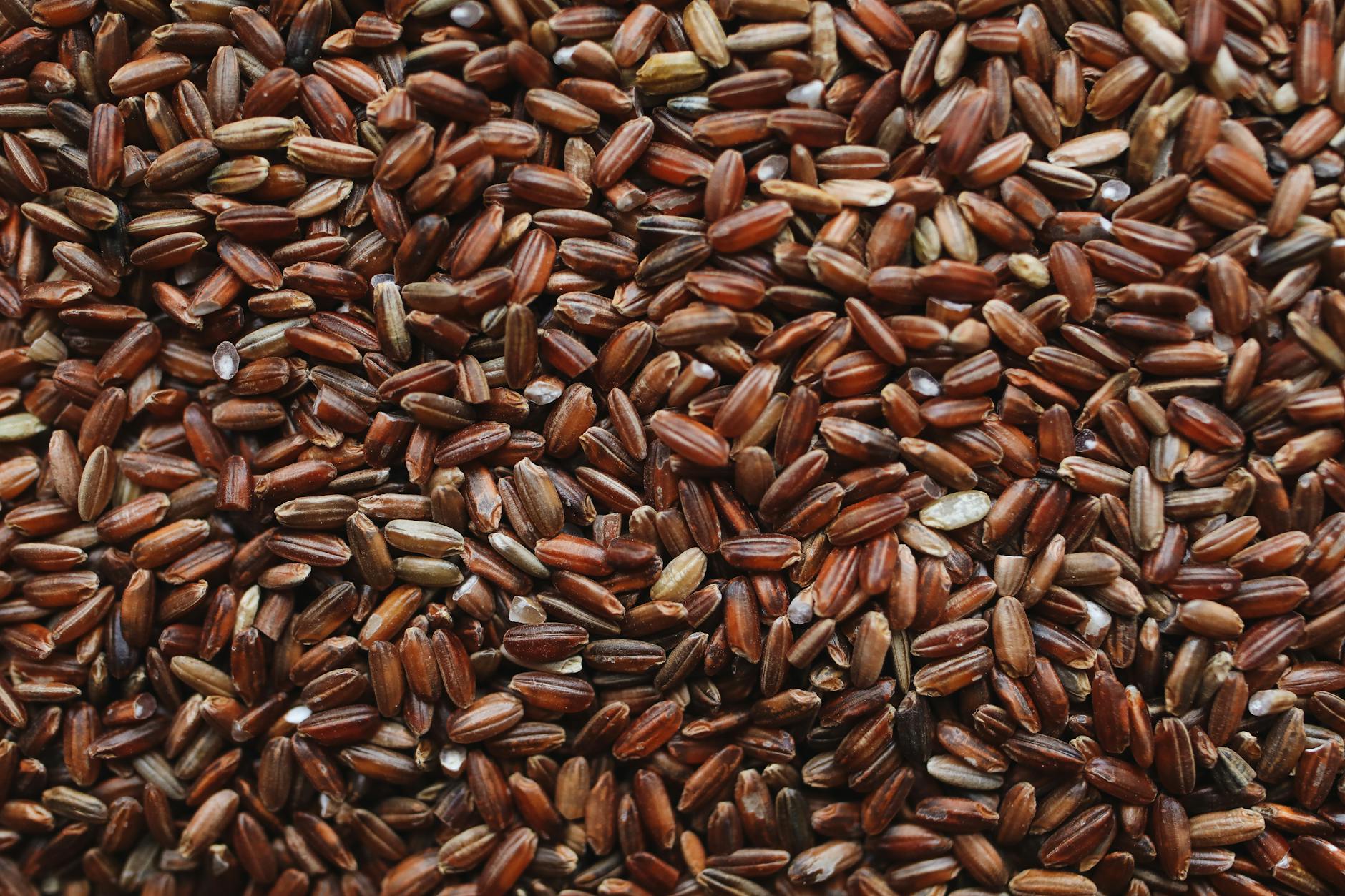
Brown rice at breakfast is a staple in many Asian culinary traditions and it offers a far more nutritionally complete profile than its white counterpart. The bran layer retained in brown rice contains fiber B vitamins and minerals that are stripped away during the refining process applied to white rice. This fiber slows digestion and results in a gradual and sustained glucose release that supports stable energy for hours after eating. Brown rice also provides magnesium selenium and phosphorus which support mitochondrial energy production and cellular health. Served warm with a soft-cooked egg and vegetables it forms the basis of a balanced and deeply sustaining breakfast.
Lentils

Lentils are most commonly eaten at lunch or dinner but their nutritional profile makes them equally suitable for a high-energy breakfast in many global food cultures. They are rich in plant protein and complex carbohydrates that together create a slow-digesting meal with exceptional staying power. The iron content of lentils supports haemoglobin production and effective oxygen delivery throughout the body which directly impacts physical and mental endurance. Lentils also provide folate and potassium along with a modest glycaemic index that prevents the blood sugar volatility associated with energy fluctuations. A small lentil-based savoury dish alongside eggs or flatbread creates a substantial and globally inspired morning meal.
Tempeh

Tempeh is a fermented soy product with a firm texture and a nutritional density that rivals or surpasses many animal protein sources. The fermentation process increases the bioavailability of its nutrients making the proteins iron and zinc it contains more readily absorbed by the body. It provides all essential amino acids along with significant amounts of riboflavin and manganese which are central to the enzymatic pathways that produce cellular energy. Tempeh also supports gut health through its fermented nature which contributes to more efficient nutrient absorption overall. Sliced and pan-cooked alongside whole grains and vegetables it forms a complete and energising morning plate.
Beetroot

Beetroot contains dietary nitrates that the body converts into nitric oxide a compound that improves blood flow and oxygen delivery to muscles and the brain. This physiological mechanism is one reason beetroot is widely used by endurance athletes to enhance performance and reduce the perception of fatigue. It provides folate potassium and vitamin C along with natural sugars that offer a quick initial energy lift followed by sustained metabolic support. Beetroot is particularly effective when consumed as part of a mixed breakfast alongside protein-rich foods that slow its digestion. Juiced roasted or grated into a morning grain bowl it is a distinctive and powerful addition to an energy-focused breakfast routine.
Hemp Seeds
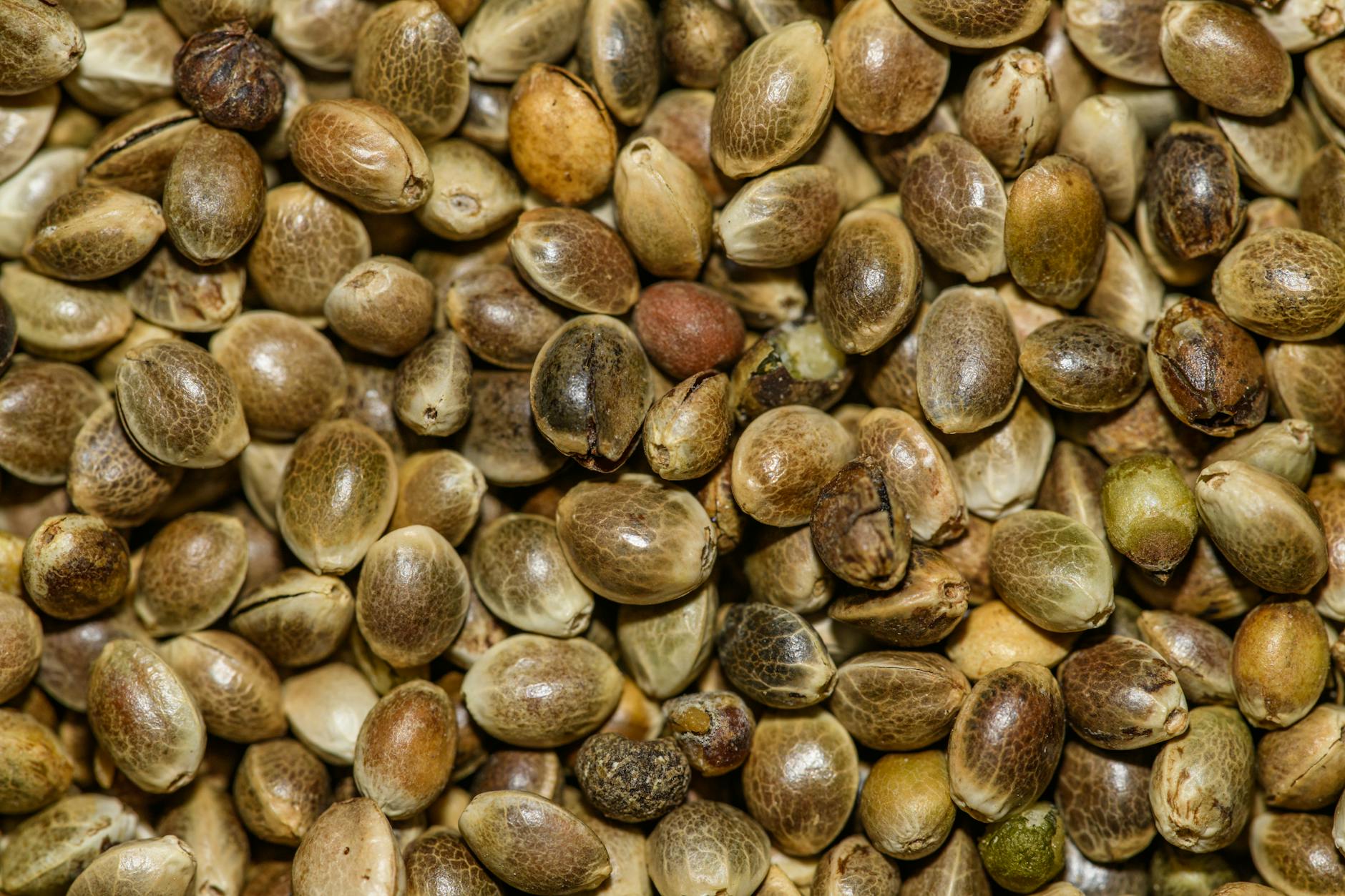
Hemp seeds are a complete plant-based protein source that also deliver an optimal ratio of omega-3 to omega-6 fatty acids for anti-inflammatory and energy-supporting benefits. They provide magnesium iron and zinc which are minerals frequently depleted in people experiencing persistent low energy or physical fatigue. The combination of healthy fats and protein in hemp seeds contributes to satiety and blood sugar stability across the hours that follow breakfast. Unlike many seeds they have a mild nutty flavour that integrates easily into a wide variety of breakfast foods without overpowering other ingredients. Sprinkling two to three tablespoons over cereal fruit or yogurt is one of the most efficient and unobtrusive ways to raise the nutritional value of any morning meal.
Oranges

Oranges are one of the most familiar sources of vitamin C a nutrient that plays a significant role in reducing oxidative fatigue and supporting iron absorption from plant-based breakfast foods. Their natural sugars are accompanied by dietary fiber which moderates the pace of glucose absorption and prevents sharp energy crashes. The high water content of oranges supports cellular hydration which is a prerequisite for efficient energy metabolism throughout the day. Flavonoids in oranges have been associated with improved blood vessel function and cognitive performance both of which contribute to sustained mental energy. Eating whole oranges rather than drinking processed juice preserves the fiber content and delivers a more nutritionally complete and energy-supportive experience.
Dark Chocolate

Dark chocolate with a cocoa content of 70 percent or above contains theobromine and caffeine two natural stimulants that provide a mild and sustained increase in alertness and physical energy. It is rich in magnesium iron and antioxidants that reduce inflammation and support the metabolic processes associated with energy production. Flavanols in dark chocolate have been linked in nutritional research to improved cerebral blood flow and enhanced cognitive performance. Unlike milk chocolate the lower sugar content of high-cocoa varieties avoids the blood sugar spike and subsequent crash that undermines all-day energy. A small portion paired with nuts or stirred into morning oats is a deeply satisfying and evidence-supported way to elevate a breakfast routine.
Matcha

Matcha is a finely ground green tea powder that delivers a unique combination of caffeine and L-theanine an amino acid that modulates the stimulating effects of caffeine to produce a calm and focused state of alertness. This dual-action mechanism is widely regarded as producing a cleaner and more sustained energy effect compared to coffee which can cause jitteriness and rapid energy loss in some individuals. Matcha is rich in catechins powerful antioxidants that reduce cellular stress and support metabolic efficiency over time. It provides a modest amount of chlorophyll and trace minerals that contribute to overall nutritional balance in a morning routine. Whisked with warm water and a touch of honey or blended into a smoothie it is one of the most refined and effective energy-supporting breakfast additions available.
Share your favourite energy-boosting breakfast foods in the comments and let others know what keeps you fuelled throughout the day.