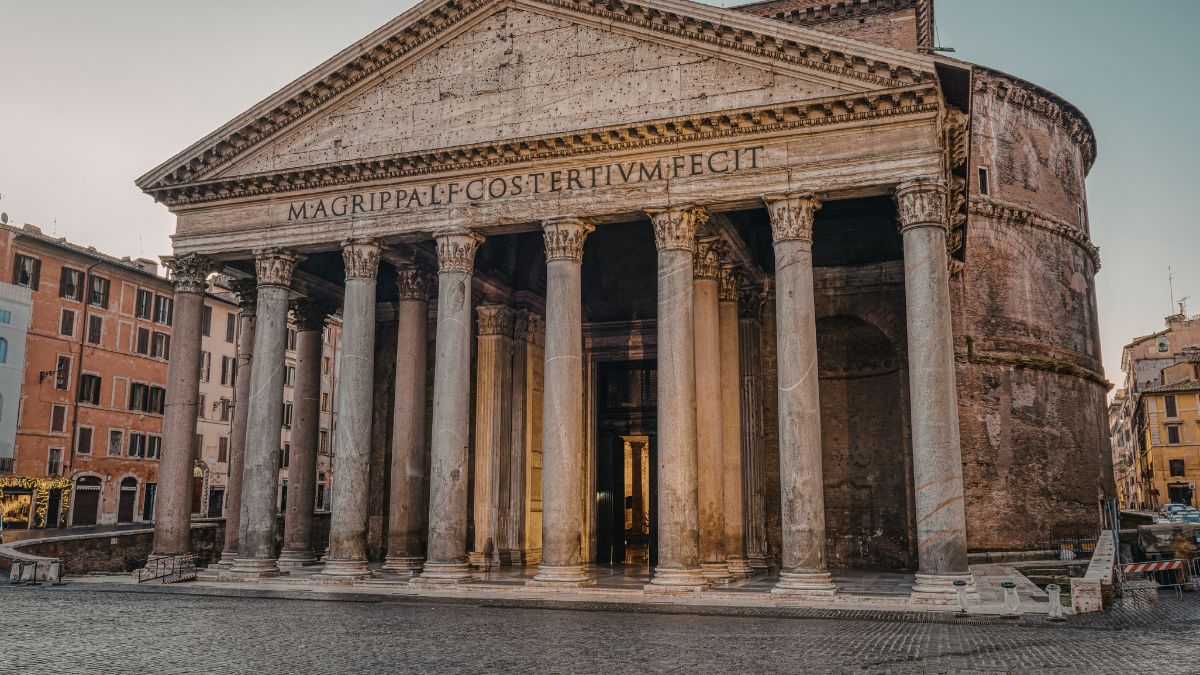
For travelers who find meaning in cobblestone streets, ancient ruins, and the stories etched into stone walls, the world is an endless classroom. These destinations offer some of the most profound connections to human civilization across thousands of years of recorded history. Each city on this list carries layers of cultural memory that reward curious and thoughtful visitors.
Athens
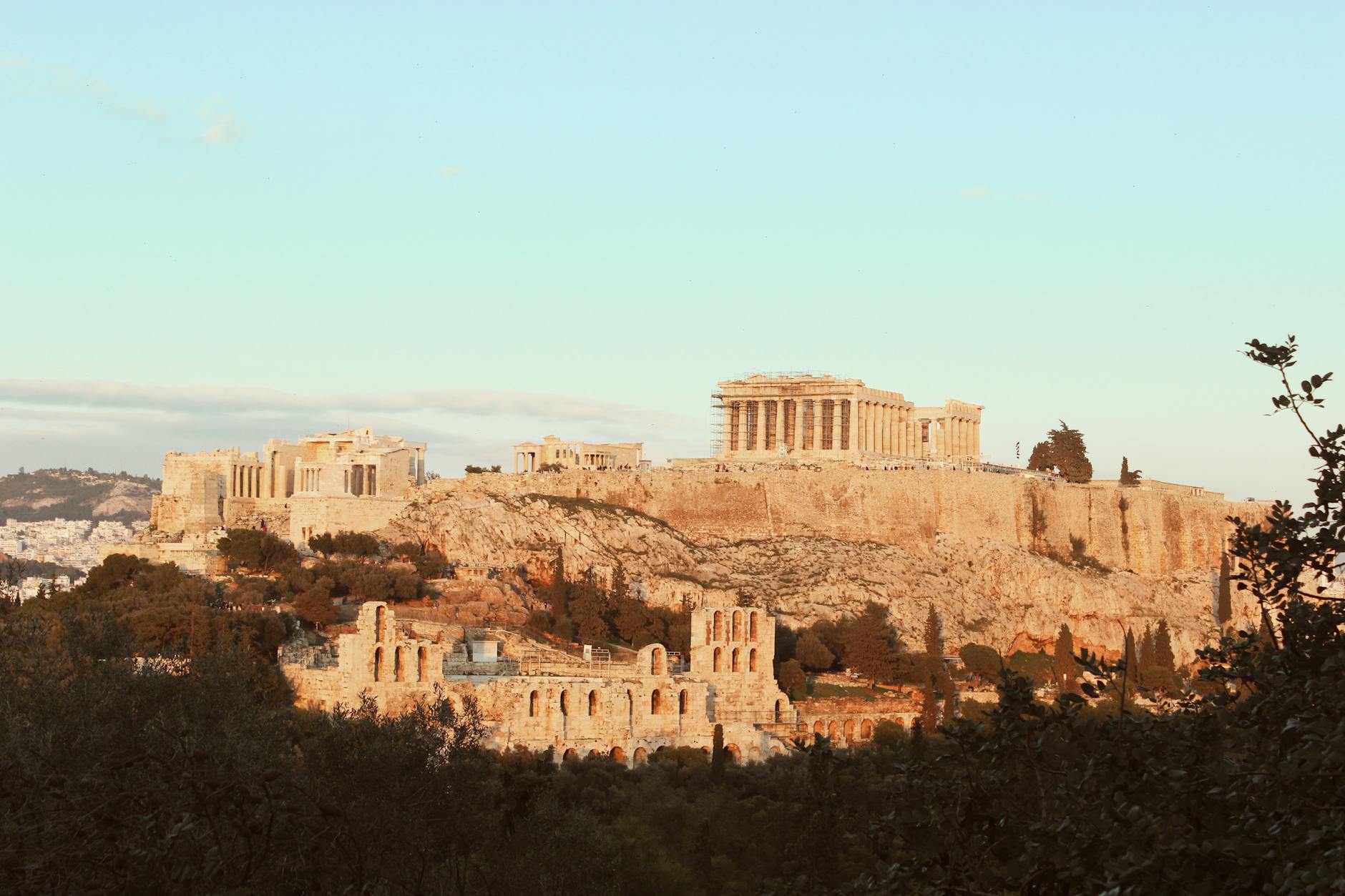
Athens is widely regarded as the birthplace of Western civilization and democracy, making it an essential destination for any history enthusiast. The Acropolis dominates the skyline and houses the Parthenon, a temple dedicated to the goddess Athena that has stood for over 2,400 years. The Ancient Agora below once served as the heart of public life where philosophers like Socrates engaged citizens in debate. The National Archaeological Museum holds one of the most significant collections of Greek antiquities in the entire world. Wandering through the Plaka district reveals Byzantine churches and Ottoman-era architecture layered beneath the ancient city.
Rome
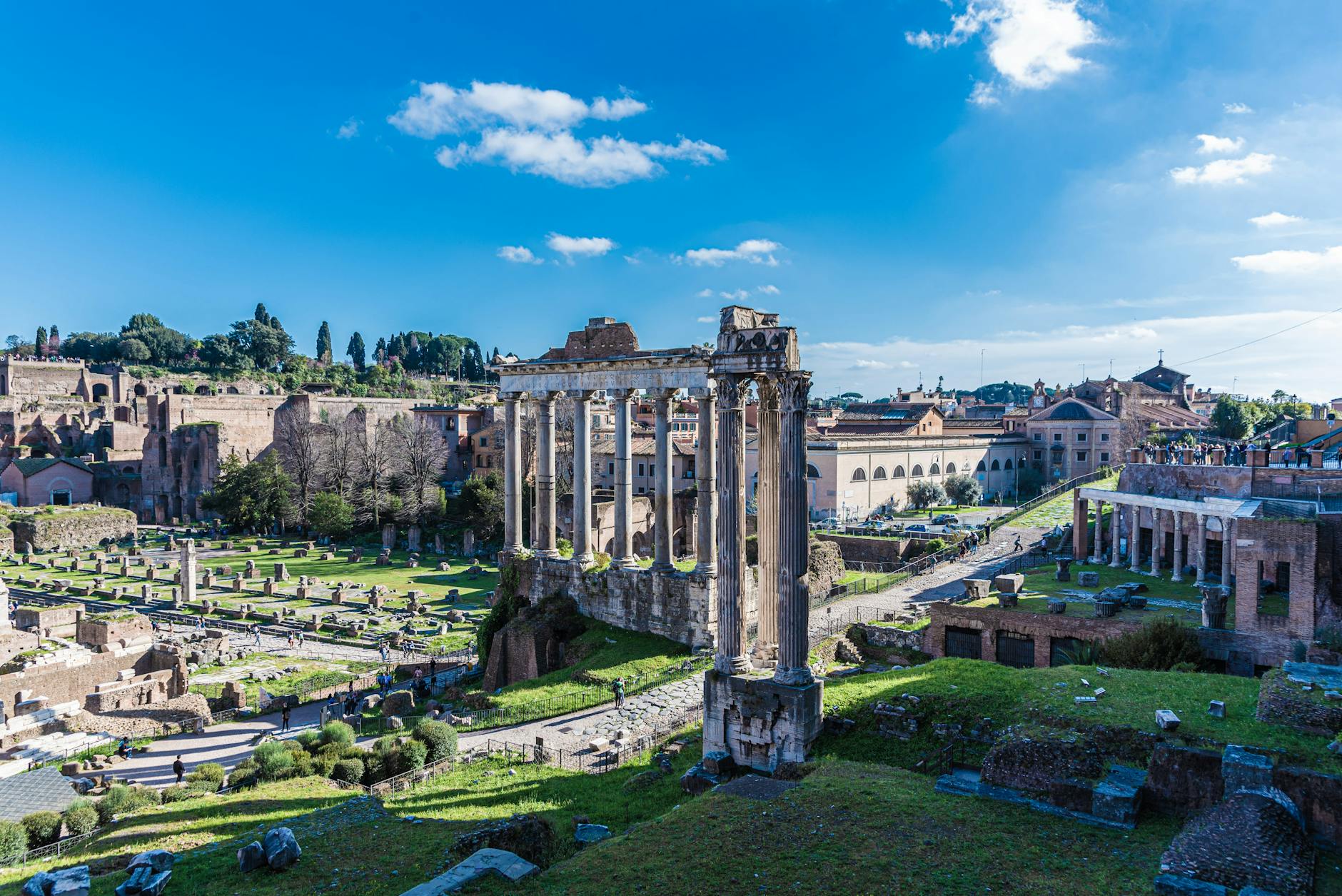
Rome earned its nickname the Eternal City through millennia of continuous habitation and monumental historical contribution. The Colosseum stands as one of the most recognizable structures on earth and once hosted gladiatorial contests for audiences of up to 80,000 spectators. The Roman Forum nearby served as the political and ceremonial center of the entire Roman Republic and later the Roman Empire. Vatican City within Rome’s boundaries holds the largest collection of Renaissance art and papal history ever assembled in one location. The sheer density of historically significant sites means that nearly every street corner contains something worth pausing to appreciate.
Cairo
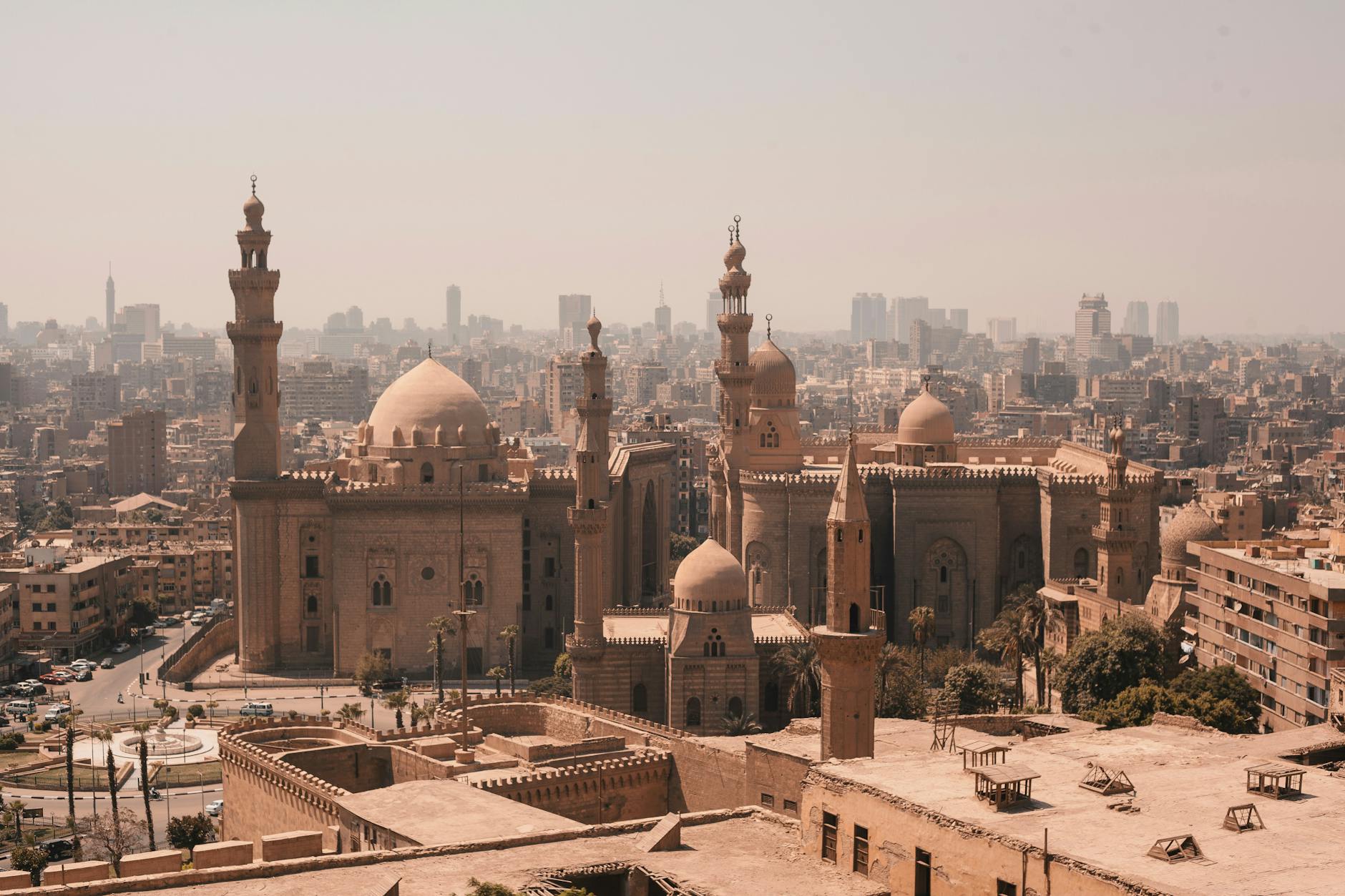
Cairo positions visitors at the edge of one of the oldest and most sophisticated civilizations ever to emerge on earth. The Giza Plateau just outside the city holds the last surviving wonder of the ancient world in the Great Pyramid of Khufu alongside the iconic Sphinx. The Egyptian Museum in Tahrir Square houses over 120,000 artifacts including the treasures recovered from the tomb of Tutankhamun. The city’s Islamic quarter contains hundreds of medieval mosques and madrasas that chronicle the flourishing of Islamic scholarship and architecture. Memphis and Saqqara on Cairo’s outskirts add even deeper layers of pharaonic history stretching back more than 5,000 years.
Jerusalem
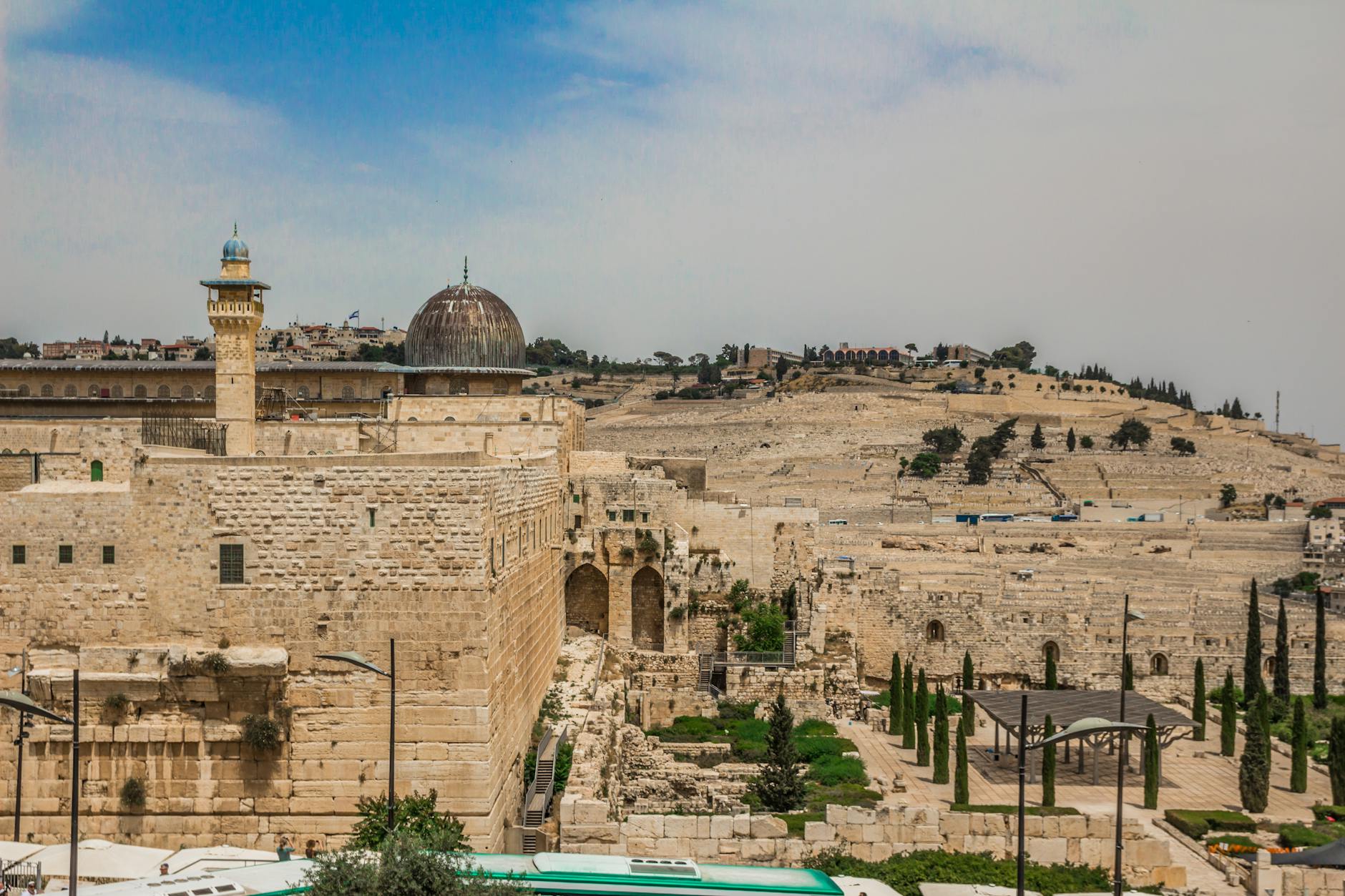
Jerusalem holds profound significance for three of the world’s major religions and has been contested, destroyed, and rebuilt more times than almost any other city in history. The Old City is divided into Jewish, Muslim, Christian, and Armenian quarters each preserving distinct architectural and cultural traditions from different eras. The Western Wall represents the last remaining remnant of the Second Temple and draws millions of pilgrims and visitors annually. The Church of the Holy Sepulchre marks the traditional site of the crucifixion and burial of Jesus Christ within its ancient stone walls. The Dome of the Rock crowns the Temple Mount and stands as one of the oldest and most visually stunning examples of early Islamic architecture in existence.
Istanbul
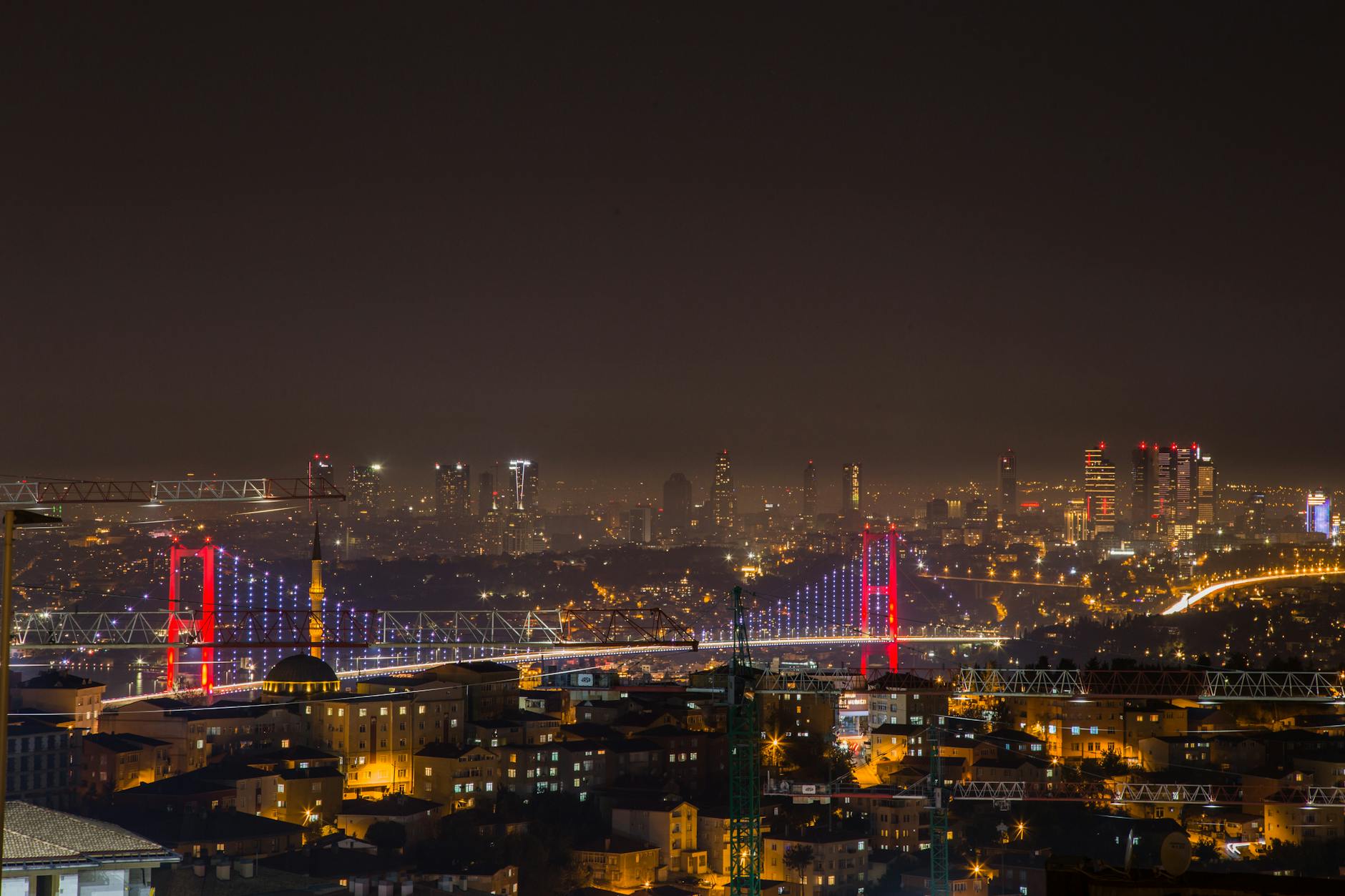
Istanbul is the only city in the world to have served as the capital of three successive empires including the Roman, Byzantine, and Ottoman. The Hagia Sophia alone represents over 1,500 years of shifting religious and political power having functioned as a cathedral, mosque, and museum throughout its history. Topkapi Palace once housed the Ottoman sultans and their courts and now preserves an extraordinary collection of imperial relics and artifacts. The ancient Hippodrome at the heart of the old city was for centuries the social and sporting center of Constantinople. Istanbul’s unique geographical position straddling Europe and Asia makes it a living crossroads of civilizations visible in every architectural detail.
Kyoto
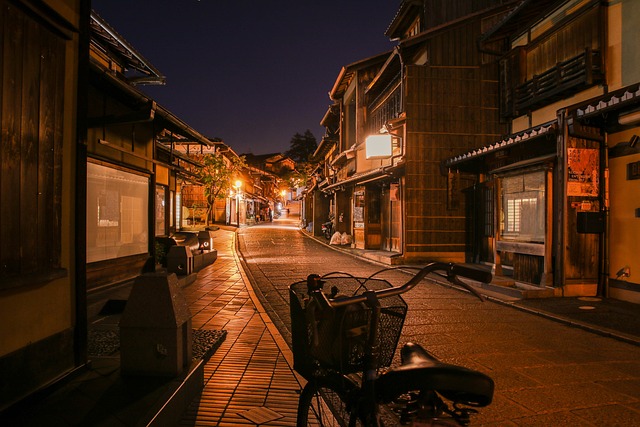
Kyoto served as the imperial capital of Japan for over a thousand years and remains the most concentrated repository of traditional Japanese culture in the country. The city contains more than 1,600 Buddhist temples and 400 Shinto shrines including the iconic Fushimi Inari with its seemingly endless tunnels of vermillion torii gates. Nijo Castle preserves the opulent interiors and famous nightingale floors of the Edo-period Tokugawa shogunate. The Gion district maintains the historic geisha culture and traditional machiya townhouses that defined urban Japanese life for centuries. Kyoto’s careful preservation policies have ensured that ancient aesthetics coexist with modern life in a way found nowhere else in Japan.
Cusco
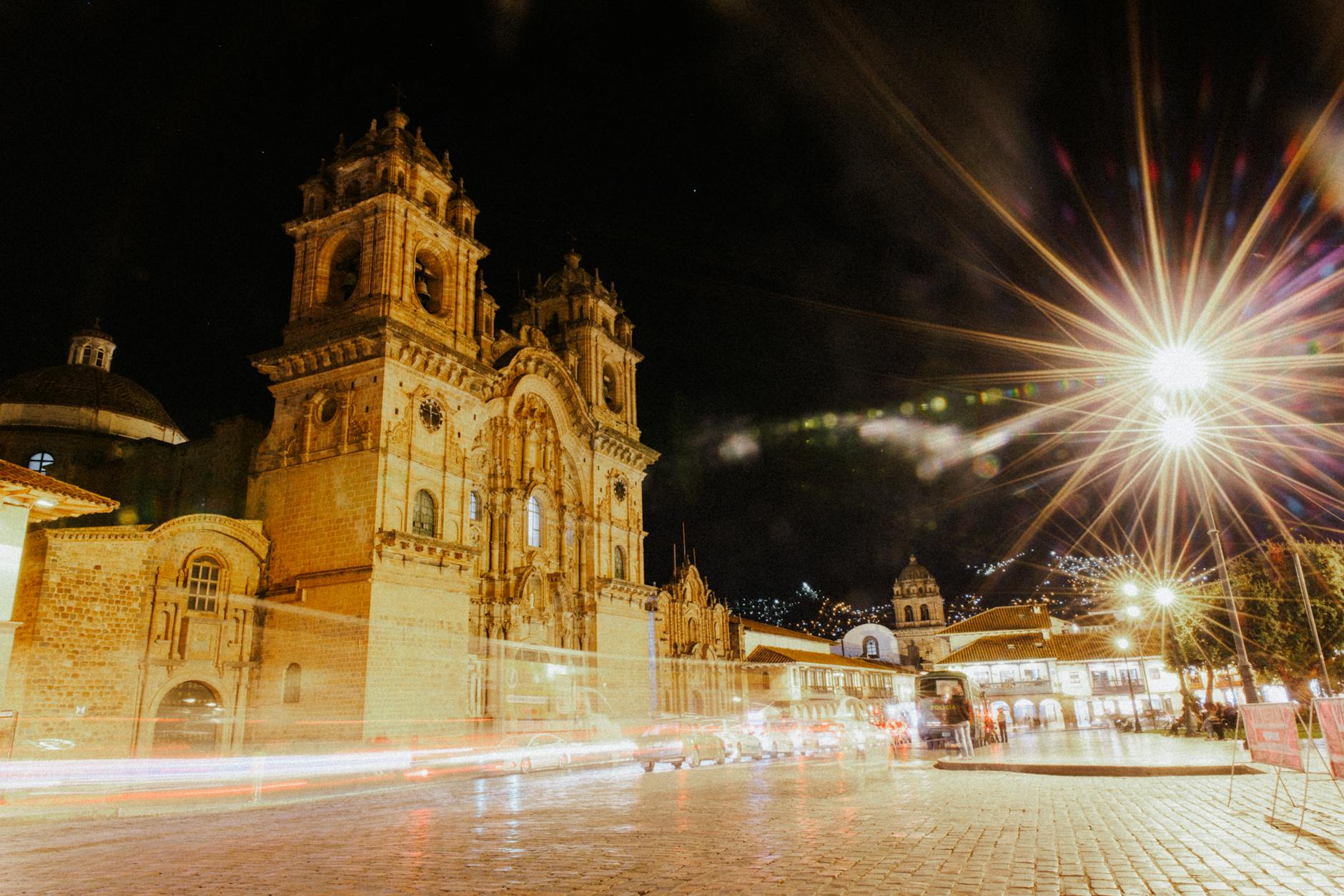
Cusco served as the sacred capital of the Inca Empire and remains deeply embedded in Andean cultural identity to this day. The city’s historic center contains remarkable examples of Inca stonework so precisely fitted that not even a sheet of paper can pass between the blocks. The nearby ruins of Sacsayhuaman reveal the engineering genius of a civilization that built monumental structures entirely without wheeled vehicles or iron tools. Spanish colonial architecture sits directly atop Inca foundations throughout the city creating a visible and striking layering of conquest and continuity. Cusco also serves as the gateway to Machu Picchu, one of the most celebrated and mysterious archaeological sites in the entire world.
Luxor
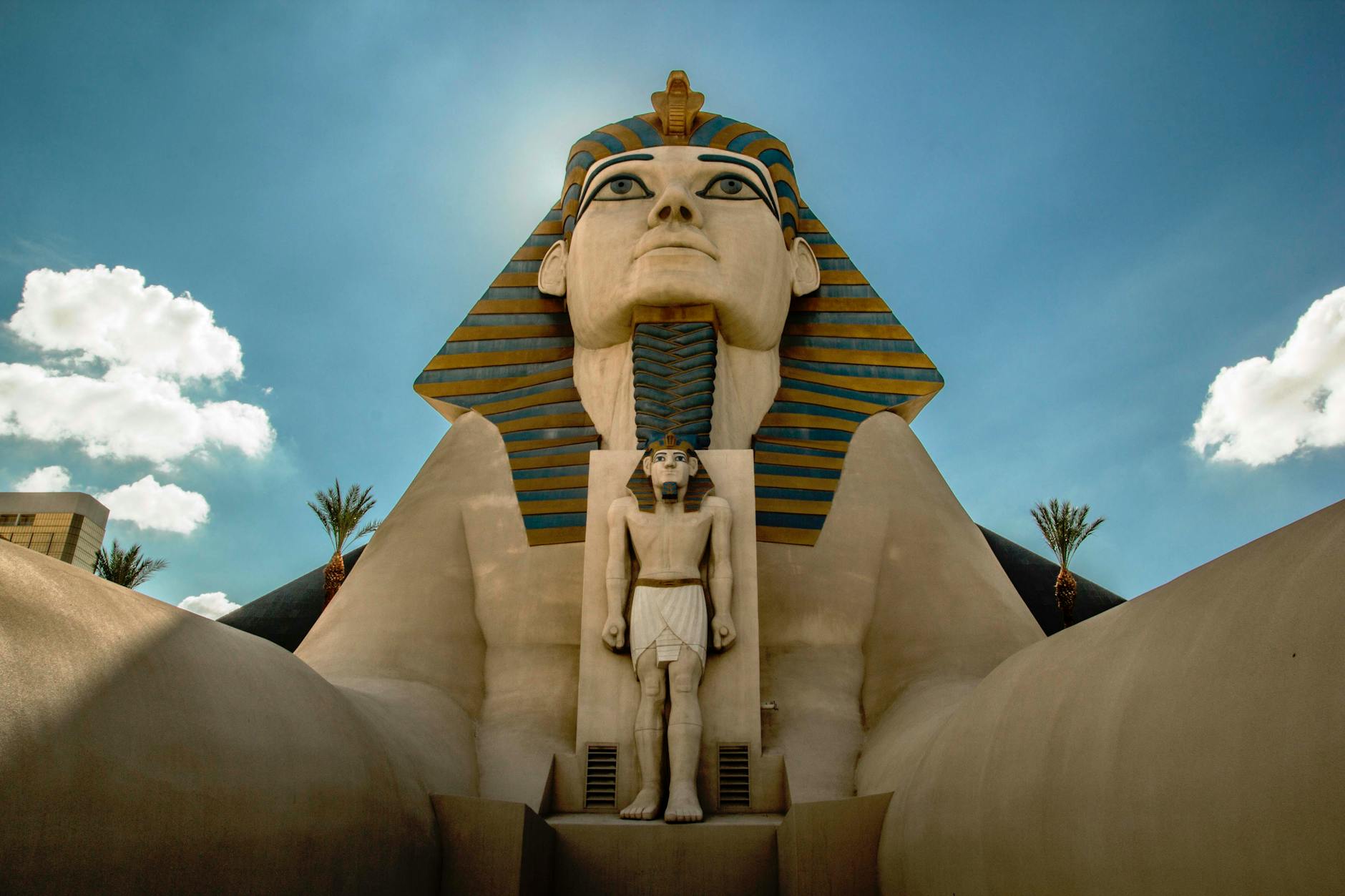
Luxor has been described by experts as the world’s greatest open-air museum and the description is entirely warranted by what the city contains. The East Bank holds the massive temple complexes of Karnak and Luxor which were once connected by a sphinx-lined processional avenue stretching over two kilometers. Across the Nile on the West Bank lies the Valley of the Kings where pharaohs of the New Kingdom including Ramesses II and Tutankhamun were buried in elaborately decorated tombs. The Mortuary Temple of Hatshepsut stands as a masterpiece of ancient Egyptian architecture dedicated to one of history’s few female pharaohs. Luxor’s concentration of monuments from the height of ancient Egyptian civilization is unrivaled anywhere else on the planet.
Havana
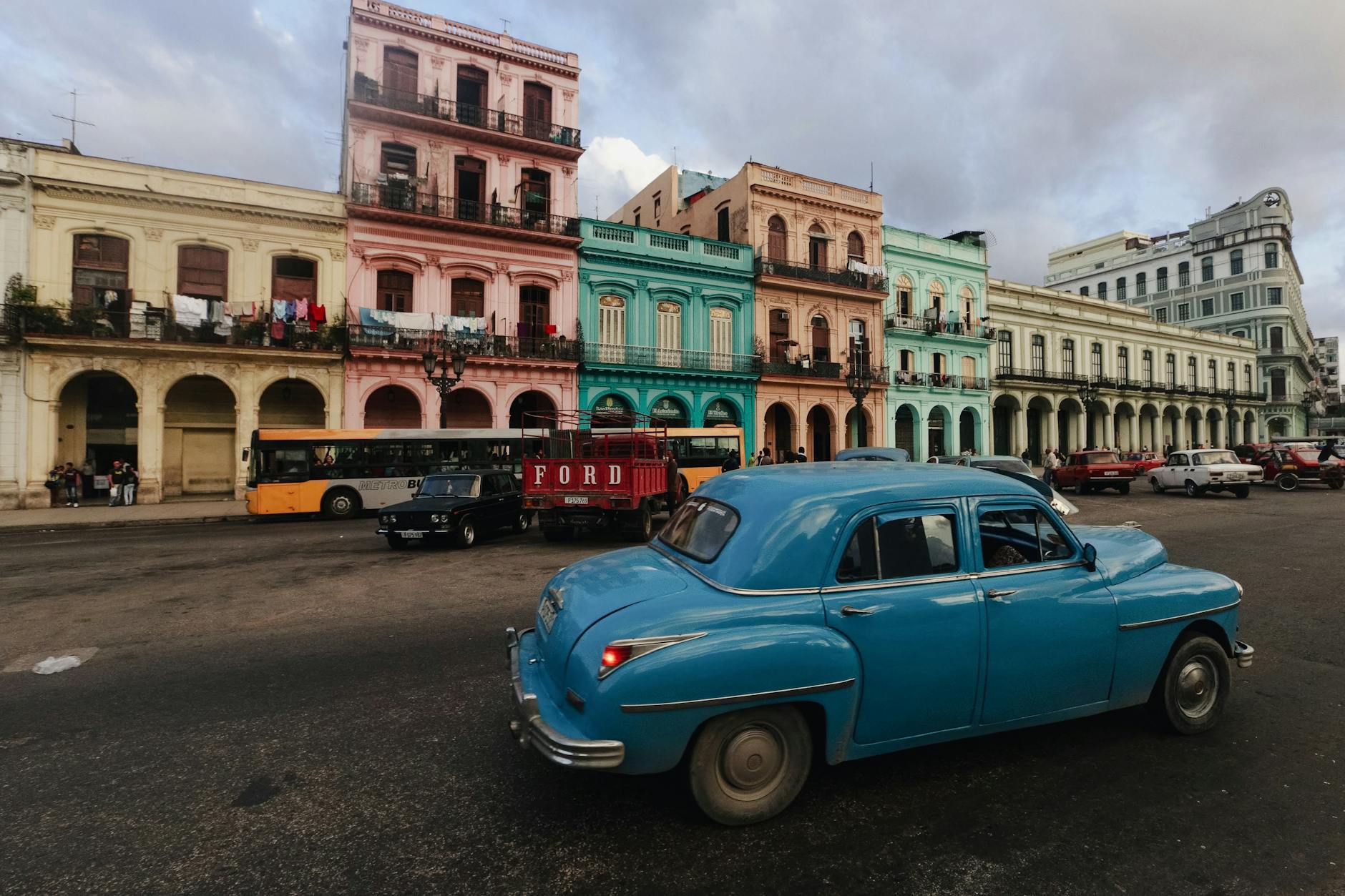
Havana offers a uniquely preserved window into colonial Caribbean history shaped by Spanish imperialism, the slave trade, and 20th-century political revolution. Old Havana or Habana Vieja is a UNESCO World Heritage Site containing fortresses, plazas, and baroque cathedrals dating back to the 16th and 17th centuries. The Castillo de la Real Fuerza is one of the oldest surviving European fortifications in the Americas and once guarded the city from pirate raids. The Morro Castle and La Cabana fortress complex across the harbor played a critical role in controlling maritime access to one of the most important ports in the New World. Havana’s streets preserve the architectural memory of colonialism alongside murals and monuments dedicated to the Cuban Revolution creating a remarkably layered historical landscape.
Varanasi
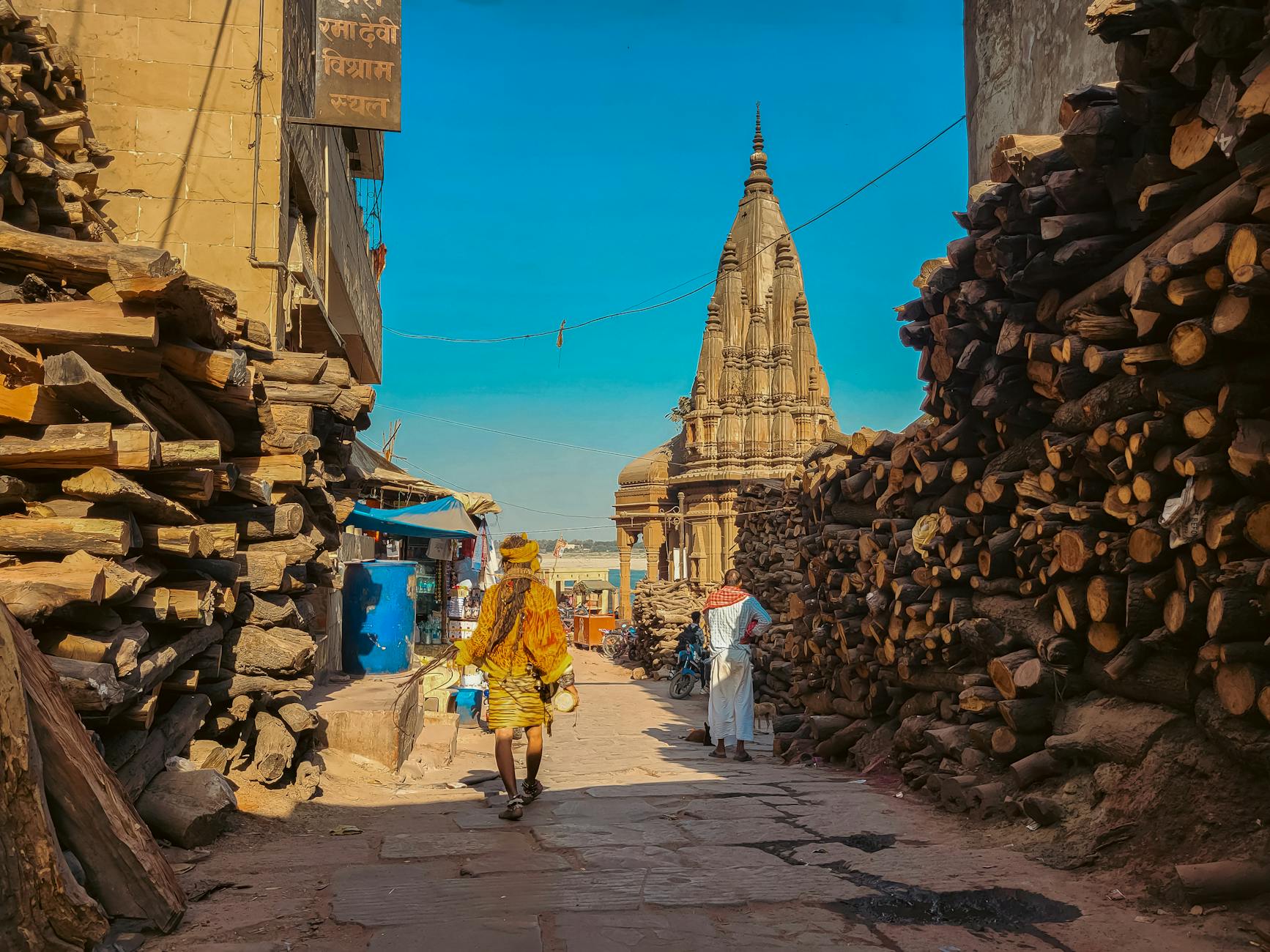
Varanasi is considered one of the oldest continuously inhabited cities on earth with a history stretching back at least 3,000 years according to archaeological evidence. Situated along the sacred Ganges River it has been a center of Hindu spiritual life, scholarship, and pilgrimage for millennia. The ghats lining the riverbank are ancient stone steps where daily rituals of bathing, cremation, and prayer have continued uninterrupted across countless generations. The old lanes of the city contain hundreds of temples dedicated to Shiva as well as mosques and Buddhist sites reflecting centuries of religious coexistence and conflict. Sarnath just outside the city is where the Buddha delivered his first sermon and remains one of the most important pilgrimage sites in Buddhism.
Cartagena
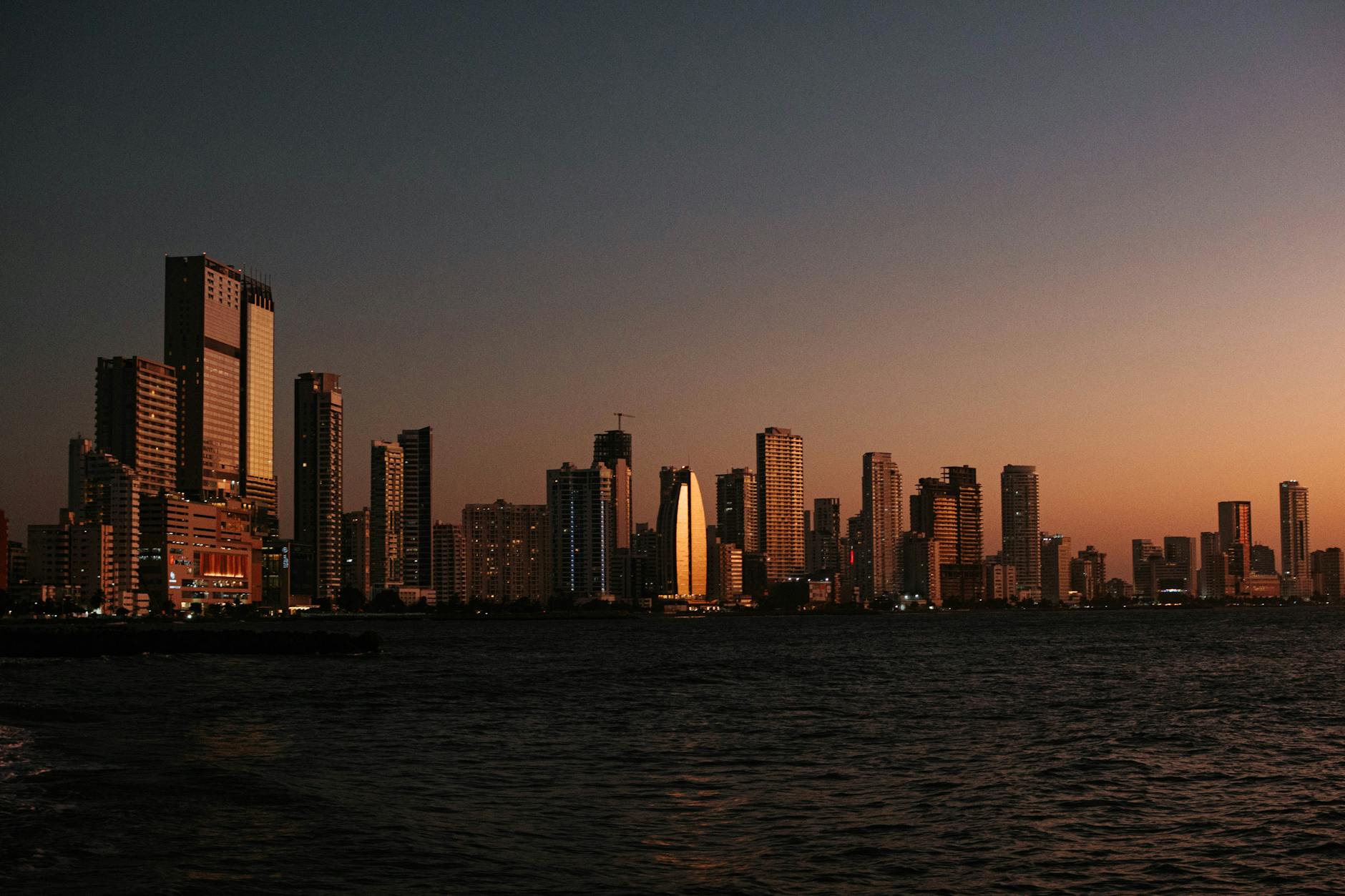
Cartagena de Indias on the Caribbean coast of Colombia is one of the best-preserved examples of Spanish colonial urban planning in the Americas. Its massive defensive walls built in the 16th and 17th centuries encircle the old city and were constructed to protect the enormous wealth of gold and silver being shipped back to Spain. The city’s colorful architecture belies a complex history deeply entangled with the transatlantic slave trade as Cartagena was one of the primary entry points for enslaved Africans brought to the New World. The Palace of the Inquisition in the central plaza serves as a sobering reminder of the religious persecution imposed during the colonial era. Cartagena’s historic center is a UNESCO World Heritage Site recognized for its outstanding universal value as a testament to the colonial period of the Americas.
Prague
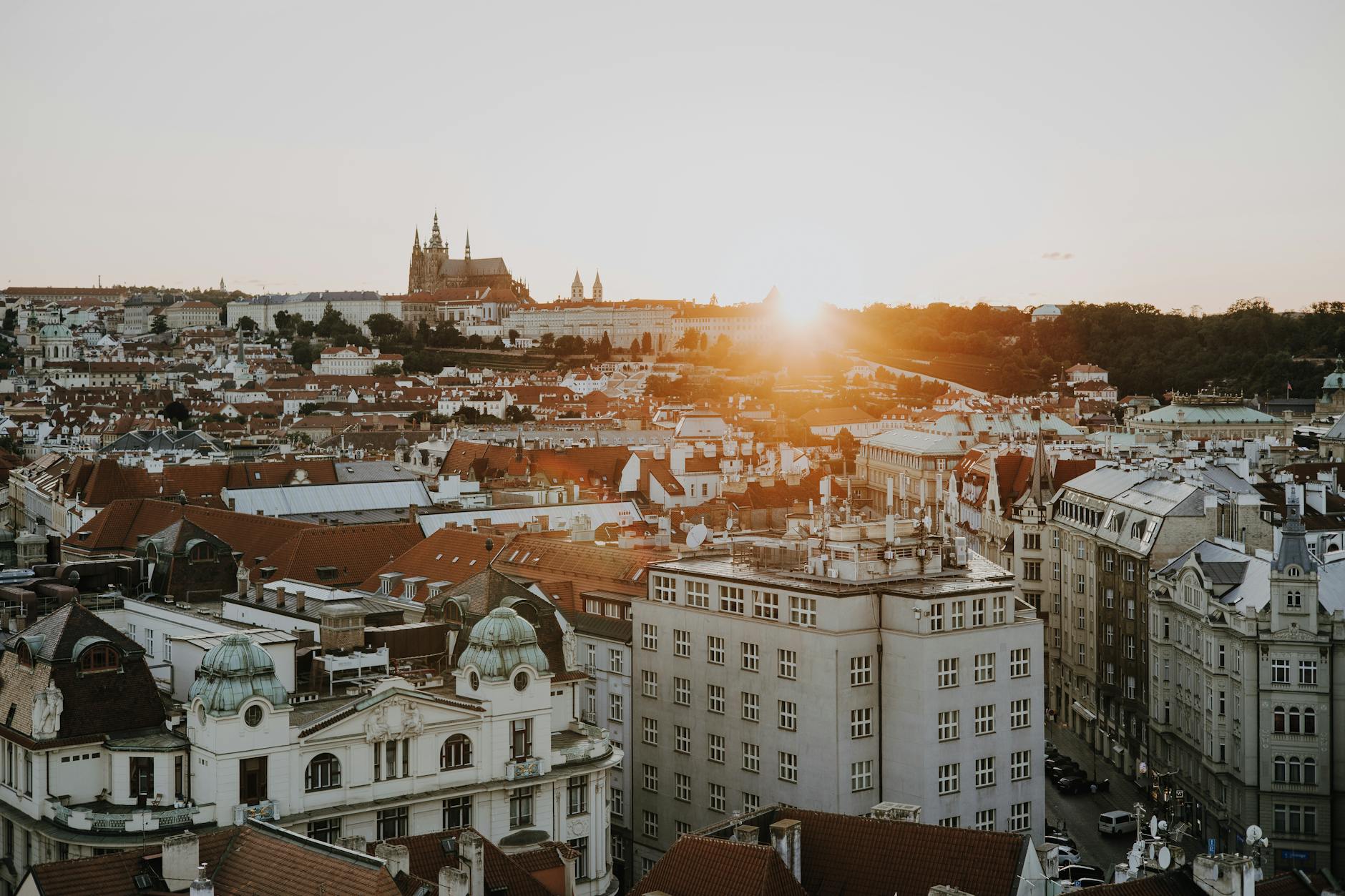
Prague is one of the few major European capitals that escaped significant destruction during the Second World War leaving its medieval and baroque architecture largely intact. Prague Castle is the largest ancient castle complex in the world and has been the seat of Bohemian kings, Holy Roman Emperors, and Czech presidents across centuries. The Old Town Square contains the famous Astronomical Clock first installed in 1410 which draws visitors to its hourly mechanical display of apostles and allegorical figures. The Charles Bridge lined with baroque statues has connected the Old Town to the Lesser Town across the Vltava River since the 14th century. The Jewish Quarter preserves synagogues and a cemetery that bear witness to one of Central Europe’s oldest and most significant Jewish communities.
Petra
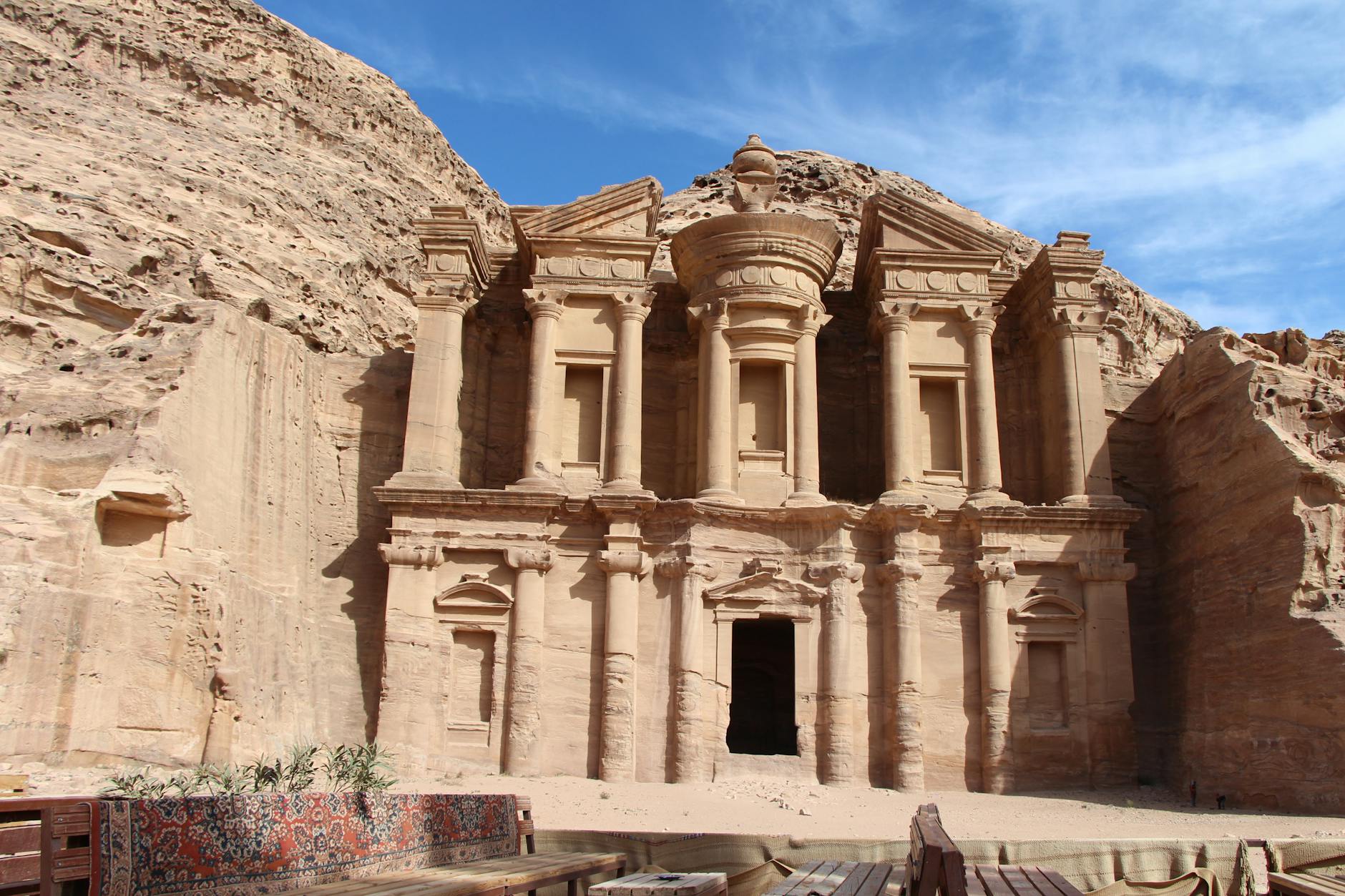
Petra is a rock-cut archaeological city in southern Jordan that served as the capital of the Nabataean Kingdom from roughly the 4th century BCE onward. The famous Treasury or Al-Khazneh carved directly into rose-red sandstone cliffs is just one of hundreds of elaborate facades cut into the canyon walls by the Nabataeans. The city was a crucial hub on the incense trade routes connecting Arabia, Egypt, and the Mediterranean and its wealth is reflected in the extraordinary scale of its architecture. Roman influence is visible in the colonnaded street and the large temple complex added after Petra was absorbed into the empire in 106 CE. Petra was largely unknown to the Western world until the Swiss explorer Johann Ludwig Burckhardt rediscovered it in 1812 and it remains one of the most spectacular archaeological sites ever uncovered.
Thessaloniki
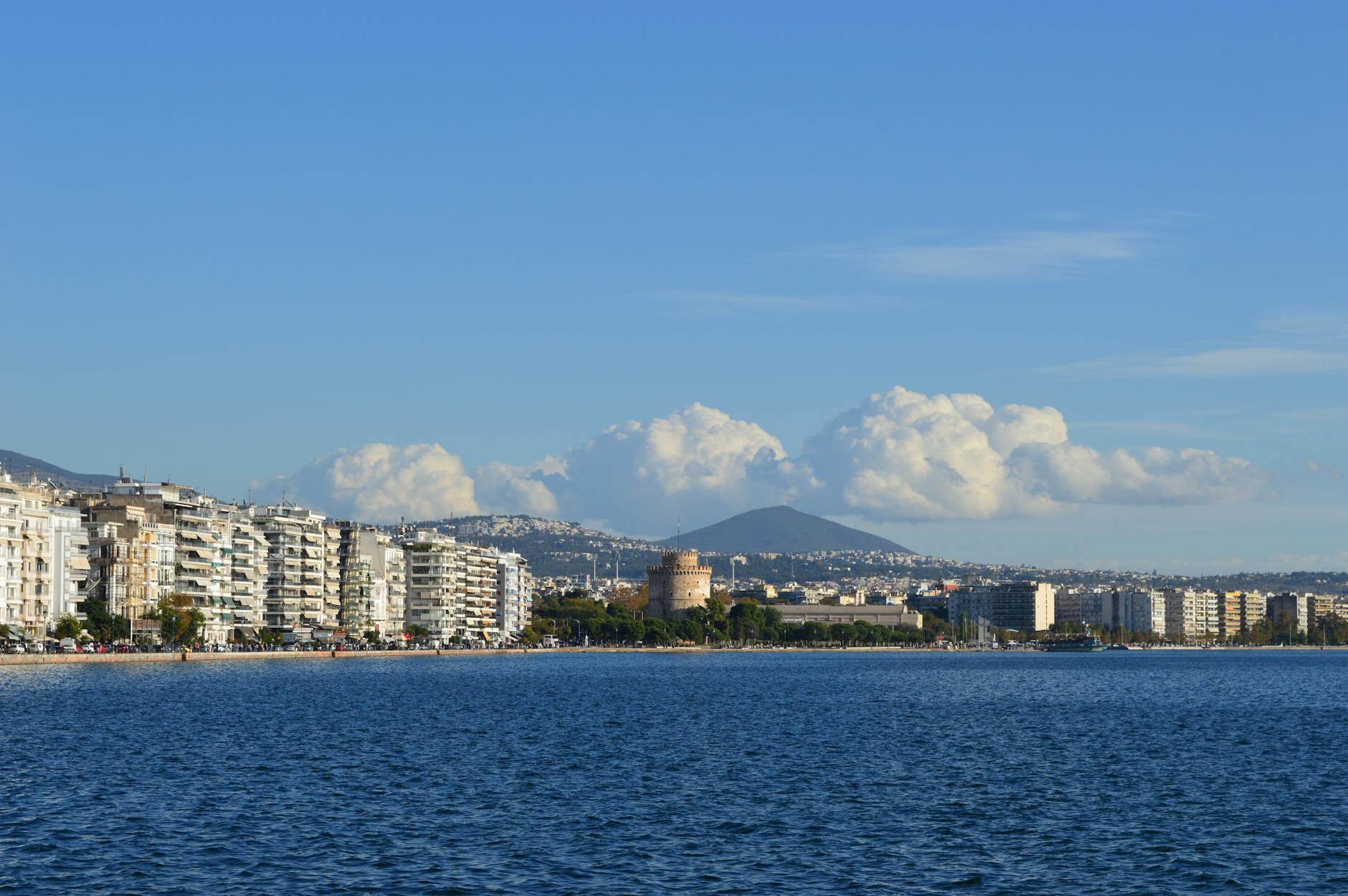
Thessaloniki is Greece’s second city and arguably its most historically layered destination containing significant remains from Byzantine, Roman, Ottoman, and Jewish civilizations within a compact and walkable urban center. The city was founded in 315 BCE by the Macedonian king Cassander and named after his wife who was the half-sister of Alexander the Great. The Rotunda and the Arch of Galerius are monumental Roman structures dating to the early 4th century CE when Thessaloniki was one of the most important cities in the entire Roman Empire. The Byzantine walls, towers, and more than a dozen UNESCO-listed early Christian and Byzantine churches and monuments document the city’s central role in the development of Orthodox Christianity. The Jewish Museum of Thessaloniki preserves the remarkable history of the Sephardic community that made the city one of the most significant Jewish cultural centers in the Mediterranean world for centuries.
Bruges
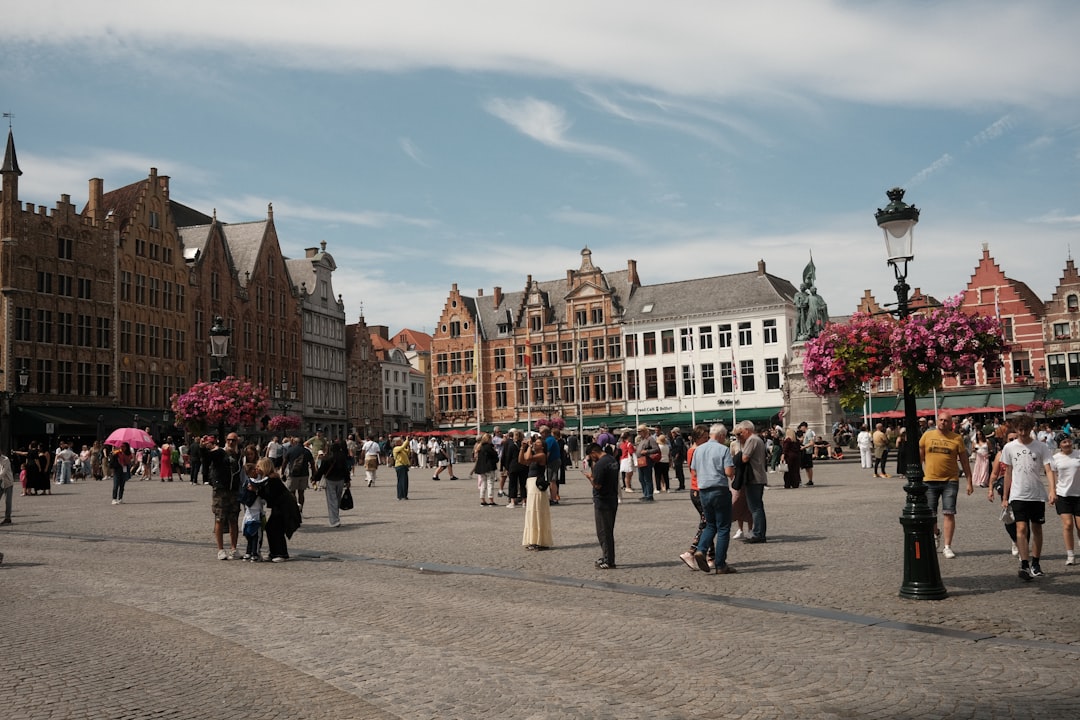
Bruges in Belgium is one of the most remarkably preserved medieval cities in northern Europe and its historic center has changed little in appearance since the height of the Flemish Golden Age. During the 13th and 14th centuries the city was one of the wealthiest trading centers in the entire world connecting English wool merchants with Italian bankers and Hanseatic traders. The Belfry of Bruges towers over the central Market Square and has been a symbol of civic pride and mercantile wealth since the Middle Ages. The Groeningemuseum houses an exceptional collection of Flemish Primitive paintings including works by Jan van Eyck who spent much of his career in the city. The intact canal network, guild houses, and Gothic architecture allow visitors to experience medieval urban life in a way that few other cities in Europe can offer.
If you have a favorite historically rich city that deserves a spot on this list, share your thoughts in the comments.