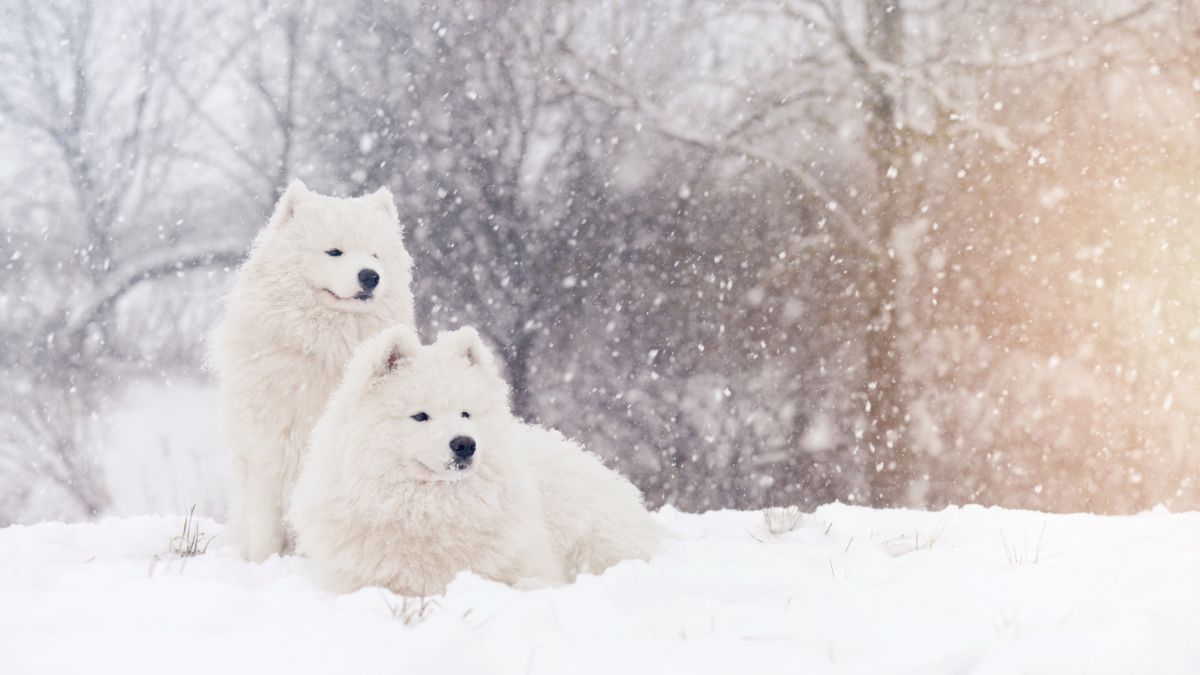
Some dogs were practically born for the snow, thriving in freezing temperatures that would send other breeds retreating indoors. Whether you live in a mountainous region, a northern city that sees months of frost, or a rural area where winters are long and unforgiving, choosing the right breed makes an enormous difference in your dog’s happiness and health. Cold-weather dogs tend to share certain physical traits including dense double coats, compact builds, and hardy constitutions developed over centuries of working in harsh environments. These fifteen breeds are beloved by winter-climate owners around the world for their resilience, temperament, and natural affinity for the cold.
Siberian Husky
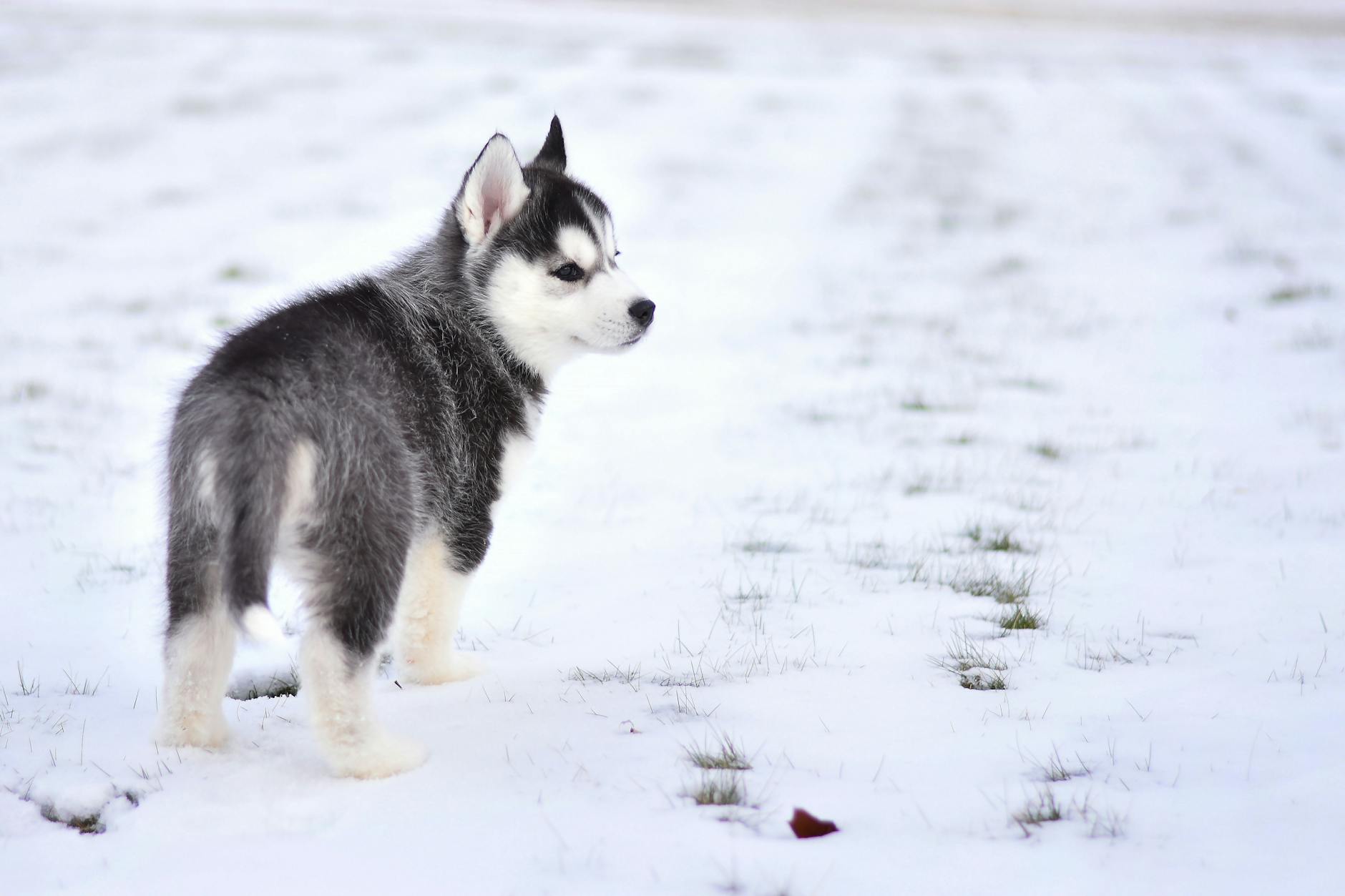
The Siberian Husky is one of the most iconic cold-weather breeds in the world, originally developed by the Chukchi people of northeastern Asia to pull sleds across vast frozen tundras. Their dense double coat provides exceptional insulation against temperatures that would be dangerous for most other dogs. Huskies are energetic and athletic, requiring significant daily exercise to stay mentally and physically balanced. They are highly social animals that thrive in the company of people and other dogs. Their natural endurance and love of outdoor activity make them an outstanding companion for active families in cold climates.
Alaskan Malamute
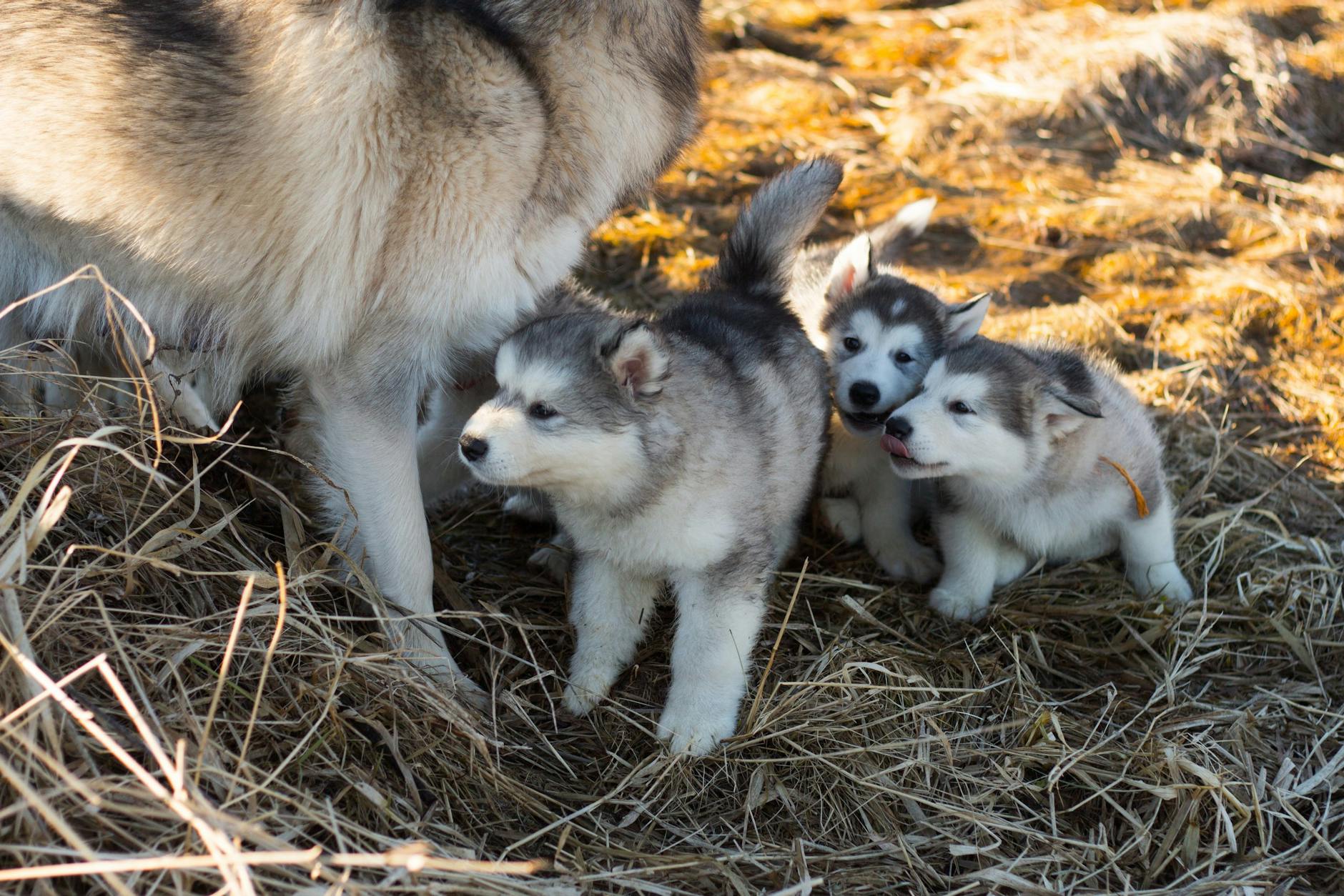
The Alaskan Malamute is a powerful, heavy-boned breed built for hauling heavy freight through snow and ice over long distances. Their thick, coarse outer coat and dense woolly undercoat work together to trap body heat even in extreme Arctic conditions. Malamutes are known for their dignified and affectionate personality, forming strong bonds with their human families. They are independent thinkers with a strong work drive, and they genuinely enjoy having a job or physical challenge to focus on. Owners in cold climates often find that a Malamute becomes more energetic and playful once the temperature drops.
Bernese Mountain Dog
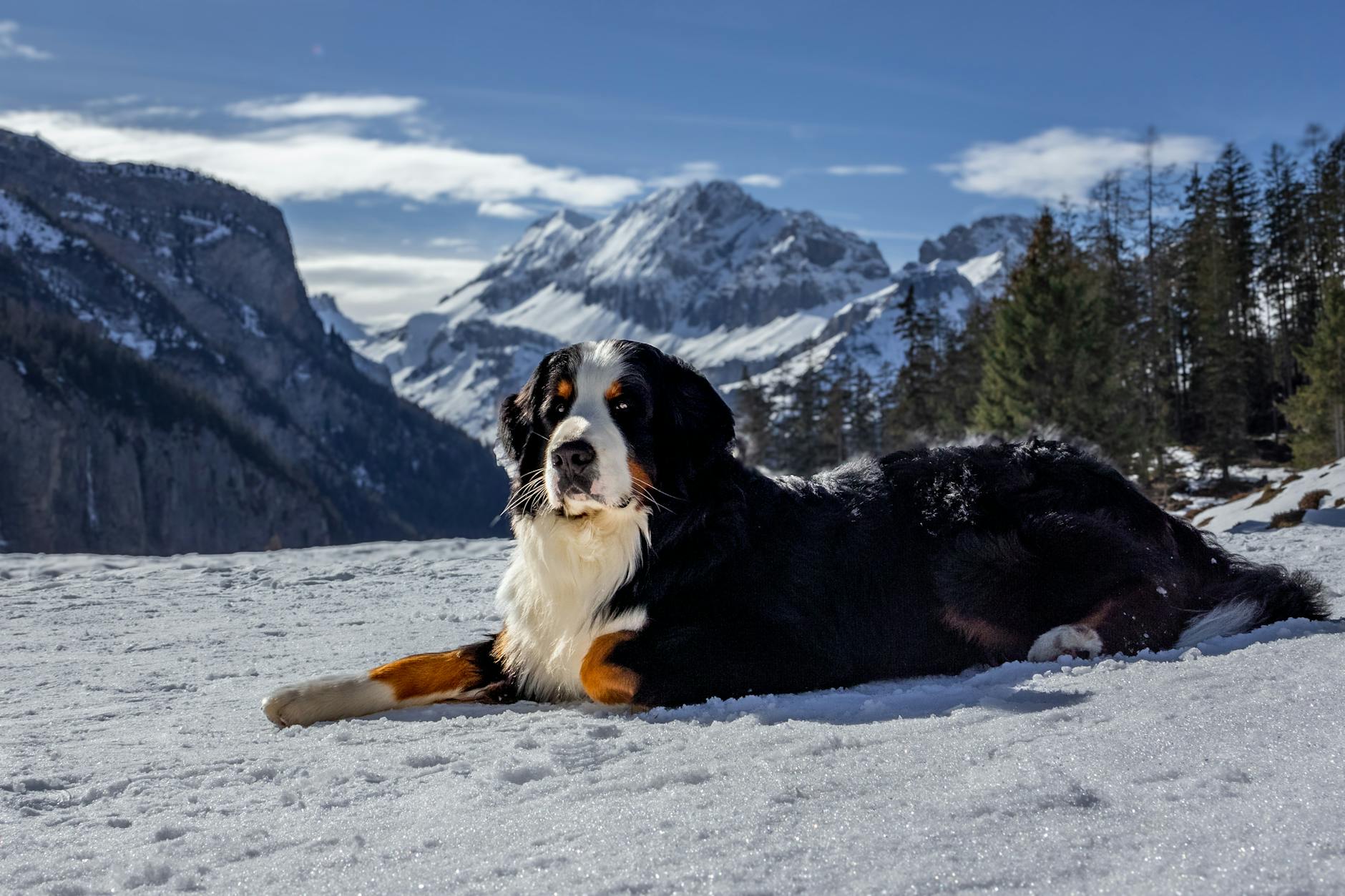
Originally bred as a working farm dog in the Swiss Alps, the Bernese Mountain Dog is perfectly suited to cold and snowy environments. Their long, silky tricolored coat offers natural protection from wind and moisture, keeping them comfortable through harsh winters. Berners are gentle, calm, and deeply loyal, making them a wonderful choice for families with children in cold-climate regions. They are strong enough to pull carts and assist with farm tasks, yet patient and affectionate in a home setting. Their love of the outdoors and easy going temperament make them a standout choice for mountain and rural living.
Samoyed
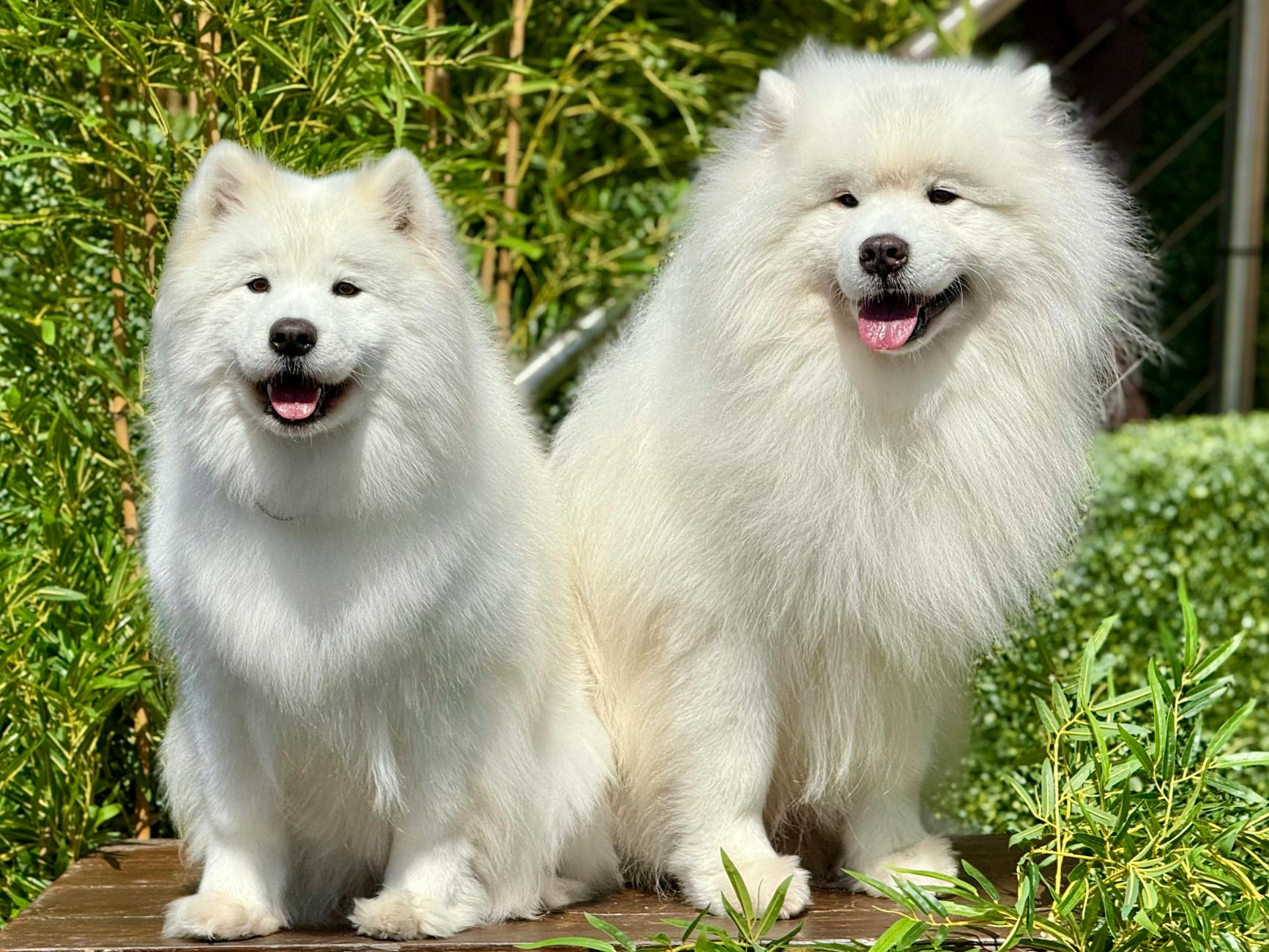
The Samoyed hails from Siberia, where it was used by the Samoyedic peoples for herding reindeer and pulling sleds in some of the coldest inhabited regions on earth. Their stunning white double coat is not only beautiful but functionally superior at retaining warmth in freezing conditions. Samoyeds are famously friendly and sociable, often described as having a permanent smile due to the upturned corners of their mouths. They are playful and gentle, making them exceptional family dogs for households that spend time outdoors in winter. Their thick coat does require regular grooming to prevent matting, but their temperament and cold-weather hardiness make the effort well worthwhile.
Newfoundland
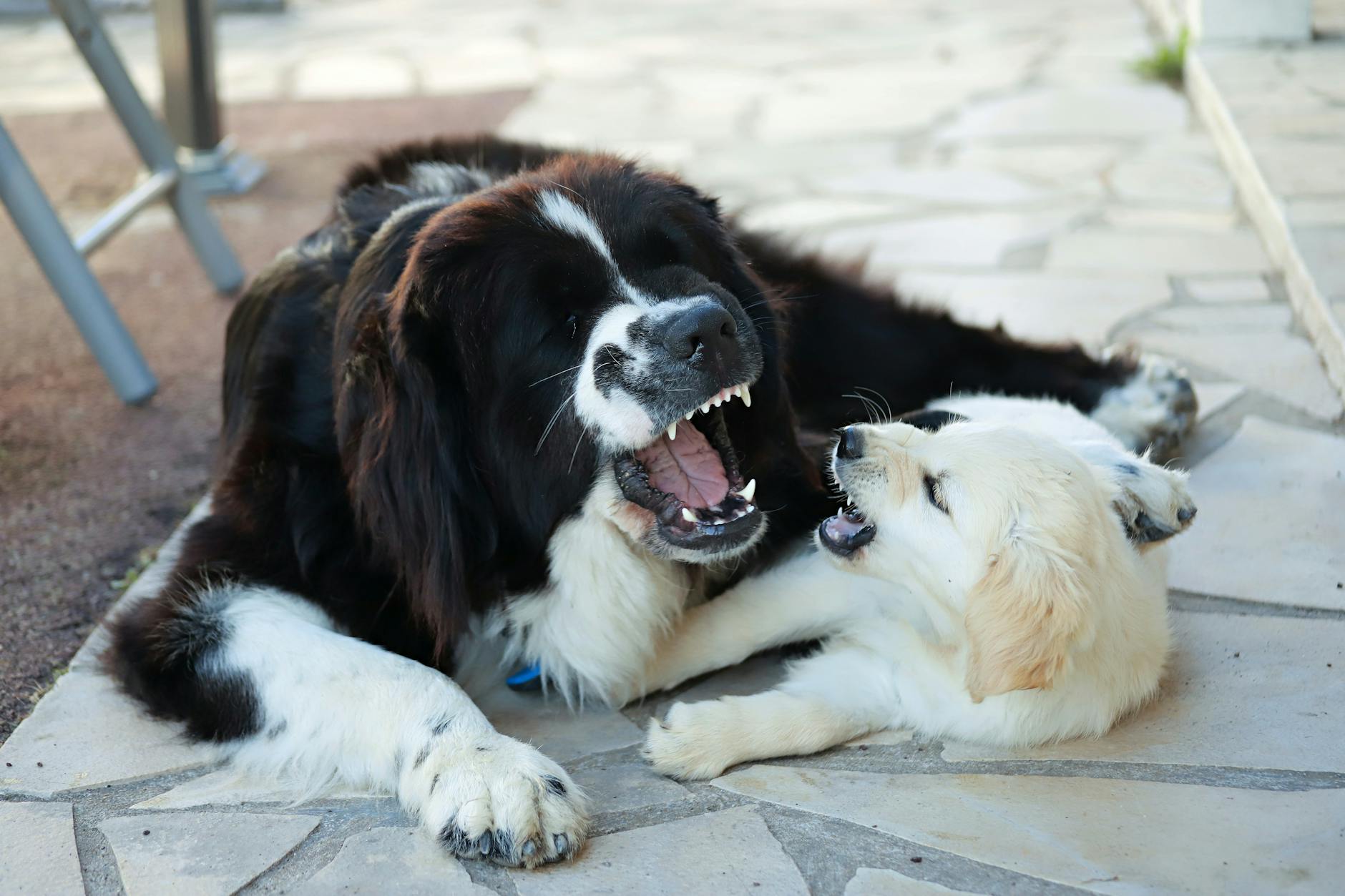
The Newfoundland is a massive, water-resistant breed that originated in the cold coastal province of Canada and was historically used by fishermen for water rescues and hauling nets. Their heavy, oily double coat repels water and provides remarkable insulation in cold and wet conditions. Despite their enormous size, Newfoundlands are extraordinarily gentle and patient, earning them a well-deserved reputation as natural nanny dogs. They are calm and sweet-natured indoors, yet fully capable of enduring long outdoor adventures in freezing weather. Their combination of strength, warmth tolerance, and gentle disposition makes them a beloved breed in cold northern communities.
Norwegian Elkhound
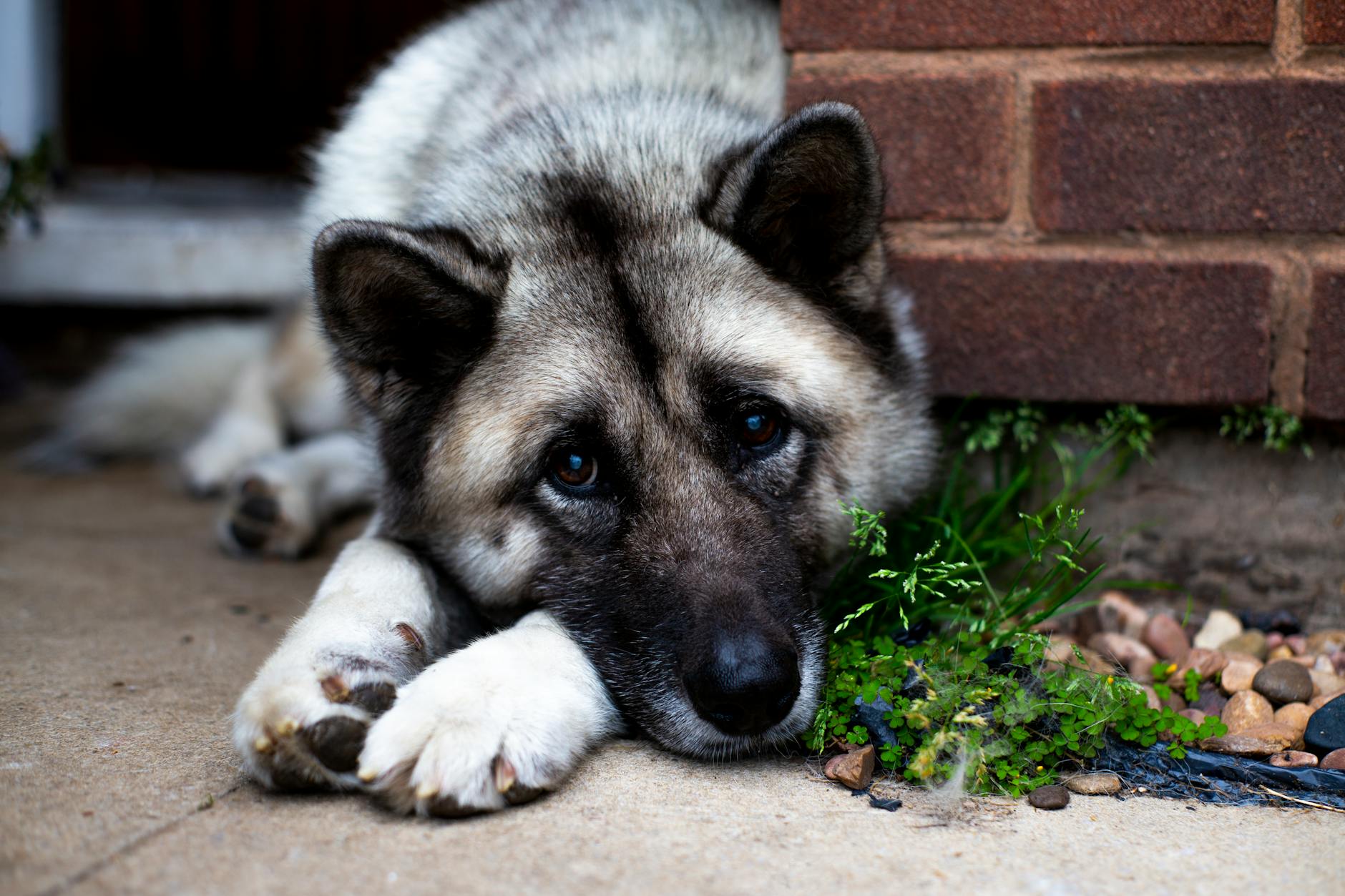
The Norwegian Elkhound is one of the oldest breeds in existence, with a history stretching back thousands of years among the Scandinavian peoples who relied on them for hunting, herding, and guarding in harsh Nordic climates. Their tightly coiled tail, upright ears, and thick grey double coat are all hallmarks of a dog designed for cold environments. Elkhounds are bold, energetic, and highly alert, making them excellent watchdogs as well as outdoor companions. They are devoted to their families and tend to be outgoing and confident with the people they know well. Their stamina and weather resistance make them a practical and loyal choice for cold-climate households.
Tibetan Mastiff
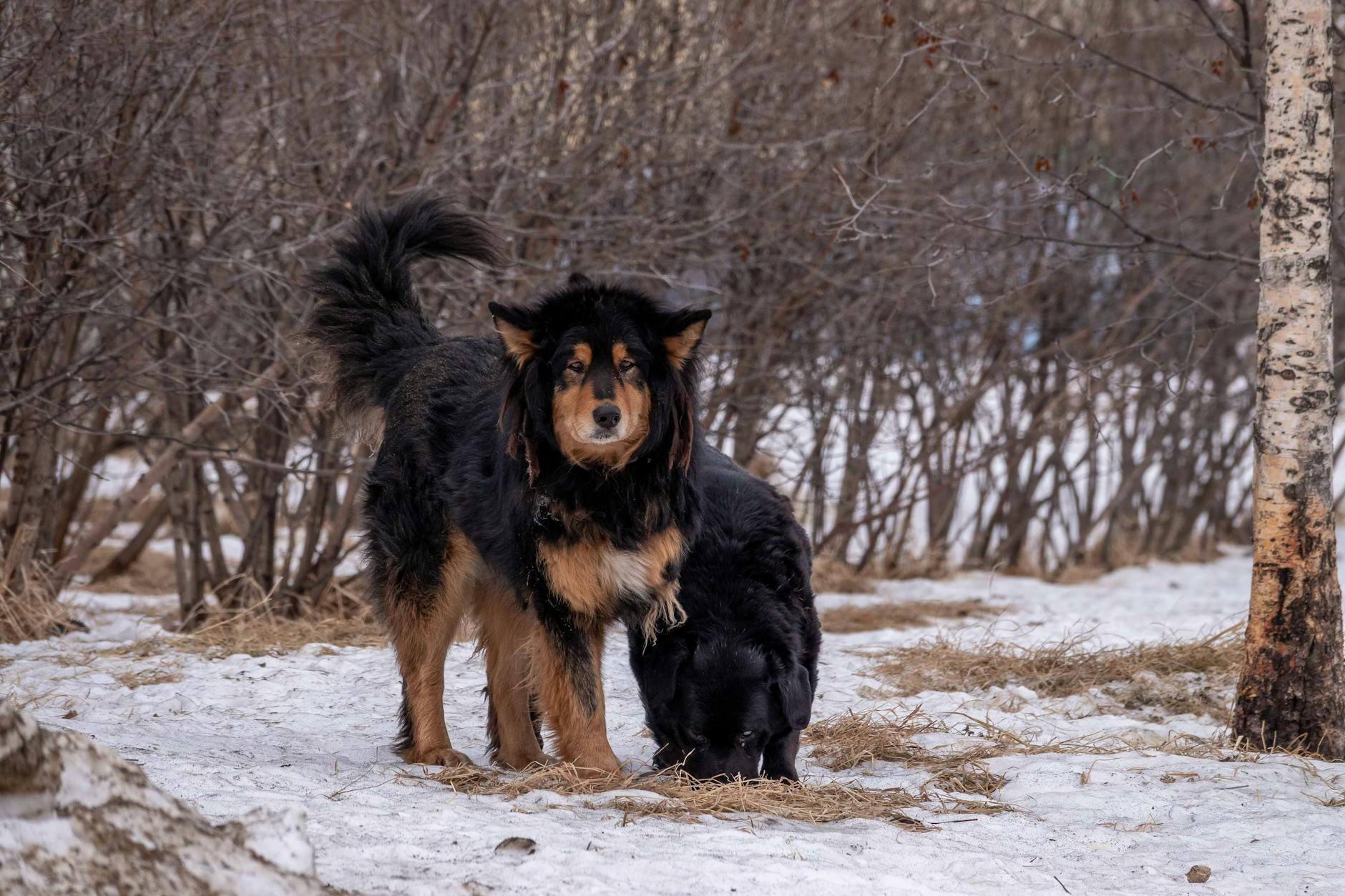
The Tibetan Mastiff is an ancient guardian breed that developed on the high-altitude Himalayan Plateau, where temperatures can plummet to extreme lows for months at a time. Their immense, lion-like double coat provides insulation that allows them to sleep outdoors comfortably in freezing conditions. Tibetan Mastiffs are independent, protective, and deeply devoted to their families, making them exceptional guard dogs in rural cold-weather settings. They tend to be calm and reserved rather than hyperactive, preferring to patrol and observe their territory. Their natural instincts and cold-hardiness have made them a trusted companion for Himalayan communities for thousands of years.
Akita
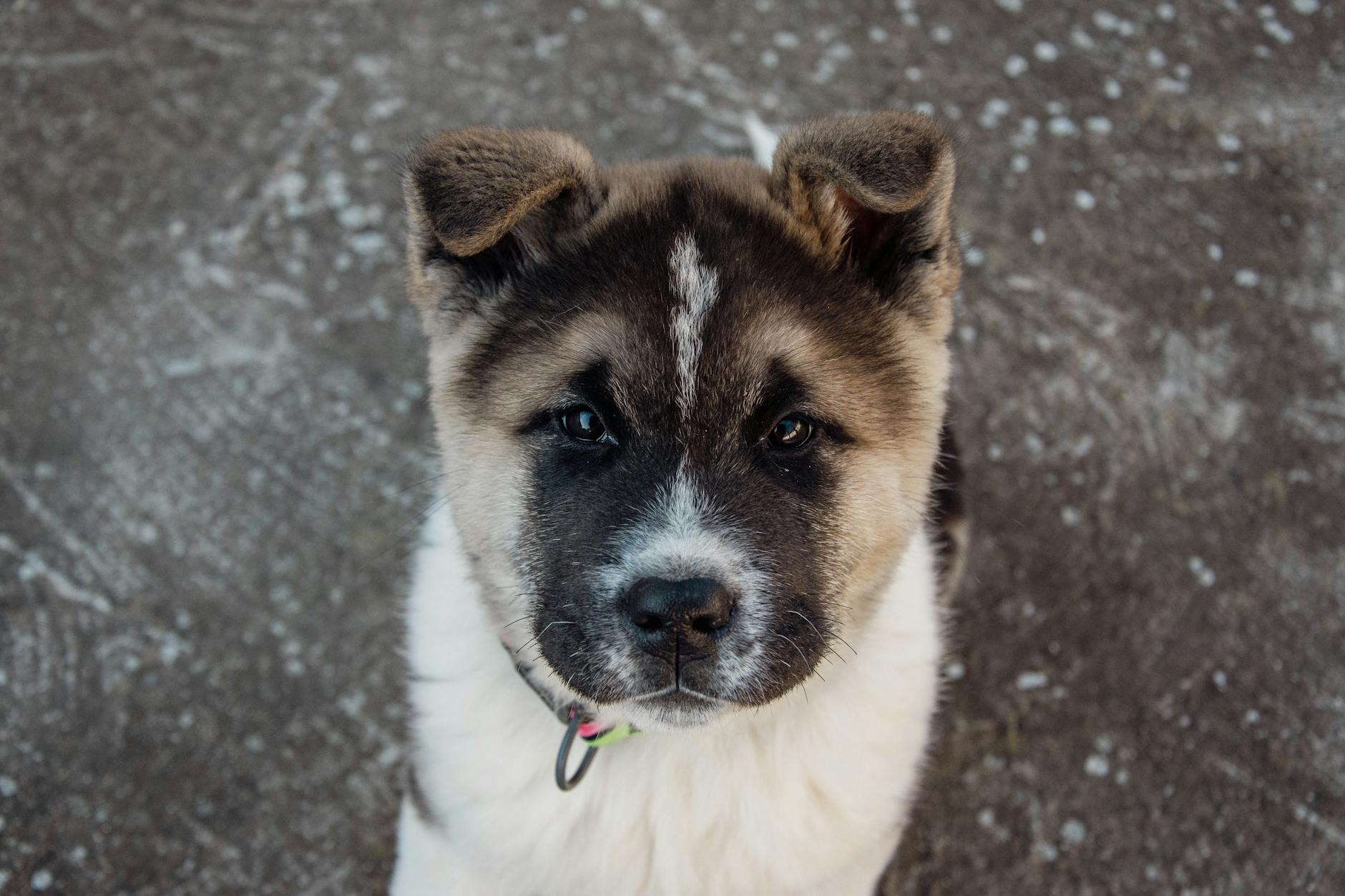
The Akita is a dignified and powerful breed that originates from the mountainous regions of northern Japan, where harsh winters are a fact of life. Their plush double coat, broad head, and compact, muscular frame are all adaptations for surviving cold and snowy conditions with ease. Akitas are deeply loyal to their families while remaining reserved and somewhat aloof with strangers, giving them a natural guarding instinct. They are quiet and composed indoors, yet fully capable of vigorous outdoor activity in cold weather without hesitation. Their combination of beauty, loyalty, and cold-weather toughness has made them a national symbol of Japan and a respected breed worldwide.
Great Pyrenees
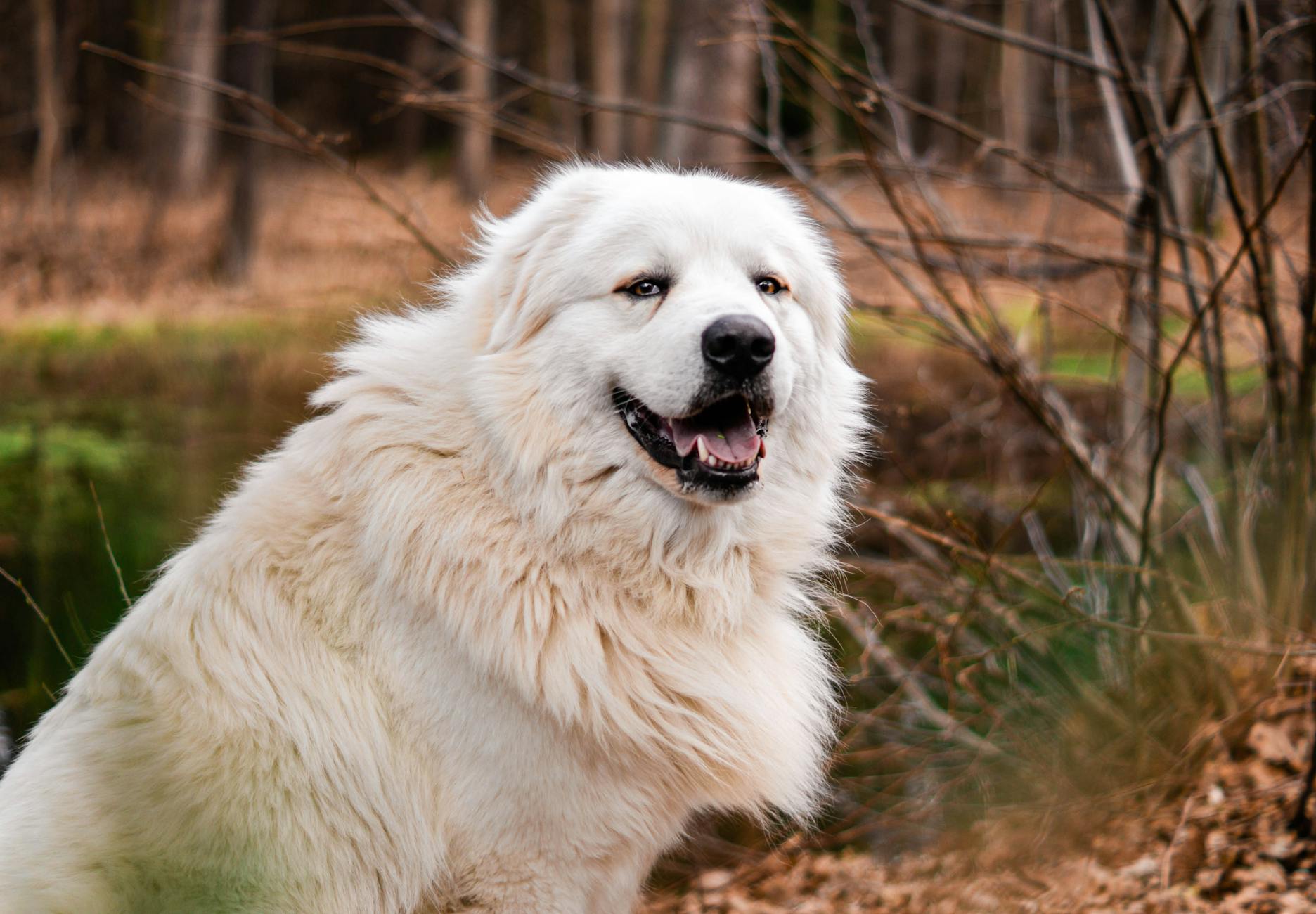
The Great Pyrenees was developed in the Pyrenean mountain range between France and Spain to guard livestock through long, cold alpine winters with little human supervision. Their profuse white double coat is weatherproof and thick enough to insulate them against bitter mountain temperatures and snowfall. These dogs are calm, patient, and nurturing by nature, often extending their gentle guardianship to children and smaller household animals. They are nocturnal by instinct, having historically kept watch over flocks through the night, and they tend to be most active in the cooler hours. Their size, composure, and natural cold-weather resilience make them a dependable presence on rural properties in cold climates.
Finnish Spitz
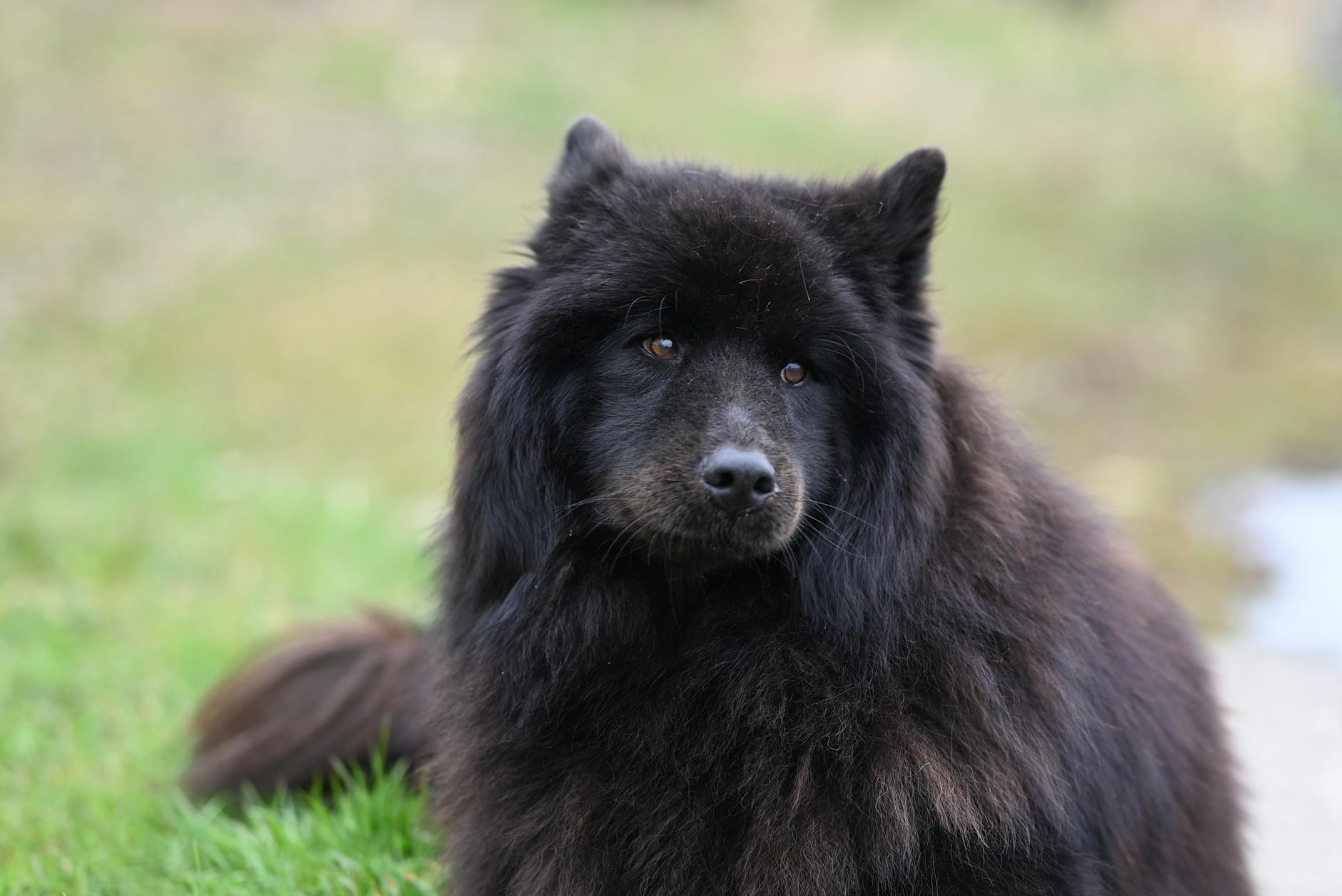
The Finnish Spitz is the national dog of Finland, bred for centuries to hunt game in the dense, snow-covered forests of Scandinavia. Their foxy appearance, bushy tail, and dense reddish-gold double coat are ideally suited to cold northern climates. They are lively, curious, and expressive dogs with a distinctive bark they use to communicate with their owners during hunts. Finnish Spitz dogs are friendly and playful with their families, though they maintain a degree of independence and alertness that makes them excellent watchdogs. Their history in one of the world’s coldest countries speaks to their natural ability to thrive in low temperatures and snowy outdoor environments.
Keeshond
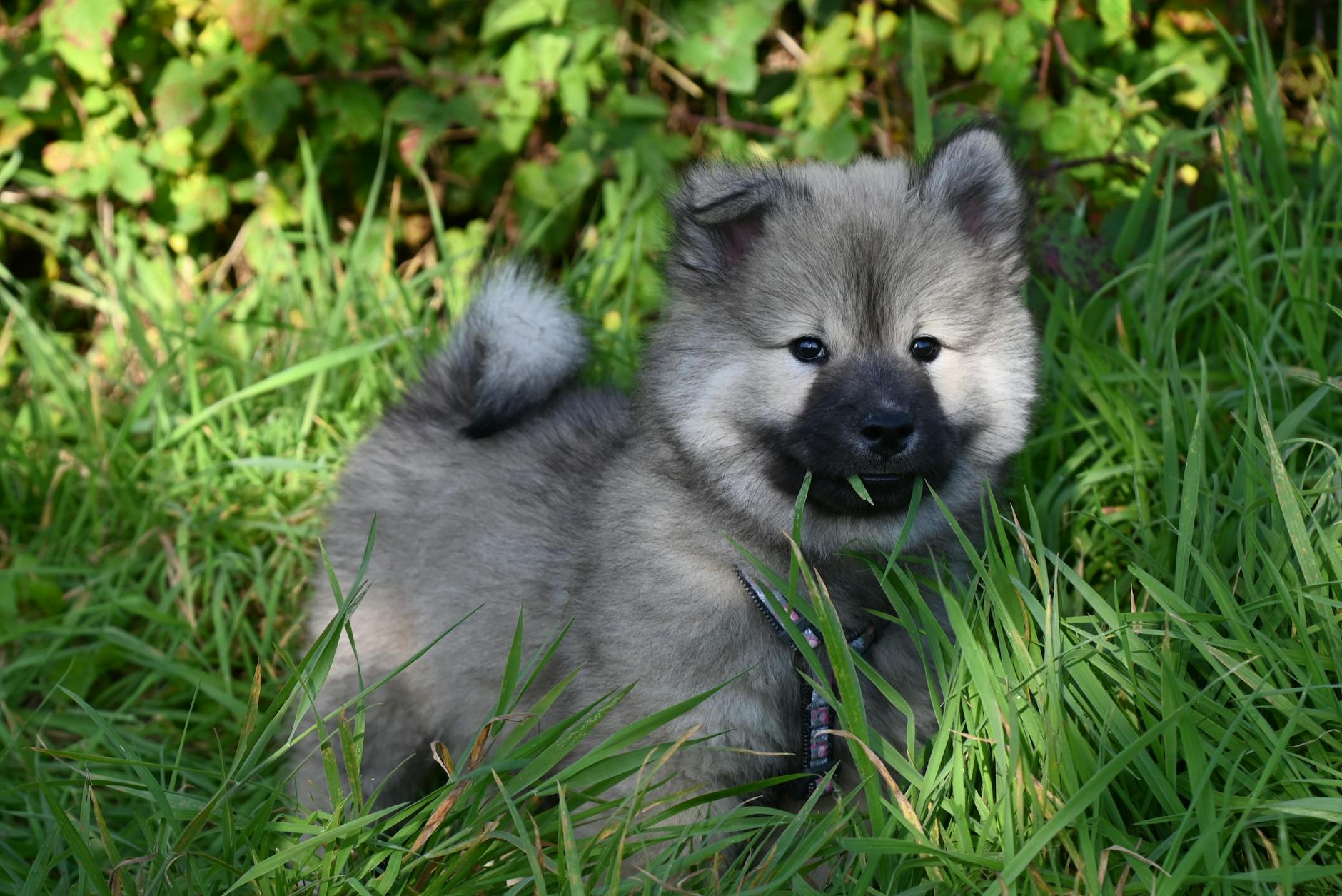
The Keeshond is a Dutch breed with deep roots in the waterways and barges of the Netherlands, where cold, damp winters are the norm for much of the year. Their spectacular double coat forms a distinctive mane around the neck and shoulders, offering superior protection from wind and cold. Keeshonden are famously cheerful, affectionate, and people-oriented, often following their owners from room to room and enthusiastically greeting guests. They adapt well to both urban and rural living environments as long as they receive adequate exercise and companionship. Their outgoing personality and robust cold-weather coat make them a wonderful choice for families looking for a sociable companion that loves winter walks.
Chow Chow
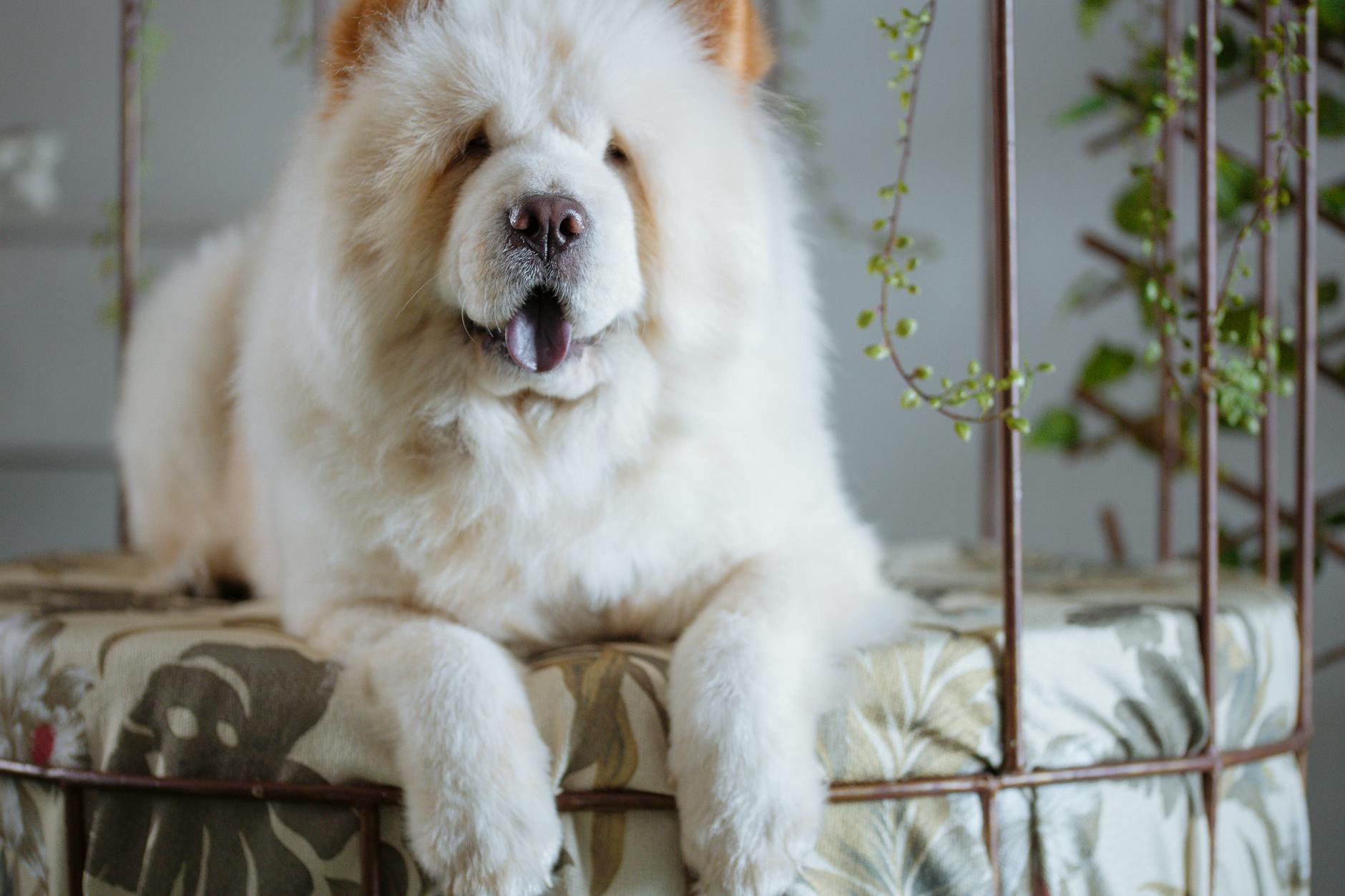
The Chow Chow is an ancient breed from northern China, developed as a versatile working dog capable of hunting, herding, and guarding through bitterly cold northern winters. Their remarkably dense double coat, which can be either rough or smooth, provides exceptional warmth in cold and snowy conditions. Chow Chows are known for their cat-like independence and quiet dignity, tending to be deeply loyal to one or two primary people rather than outwardly social with everyone they meet. They are clean, calm, and low-drama dogs that require moderate exercise and consistent grooming to maintain their impressive coat. Their stoic nature and natural cold tolerance make them a distinctive and devoted companion for the right owner.
Leonberger
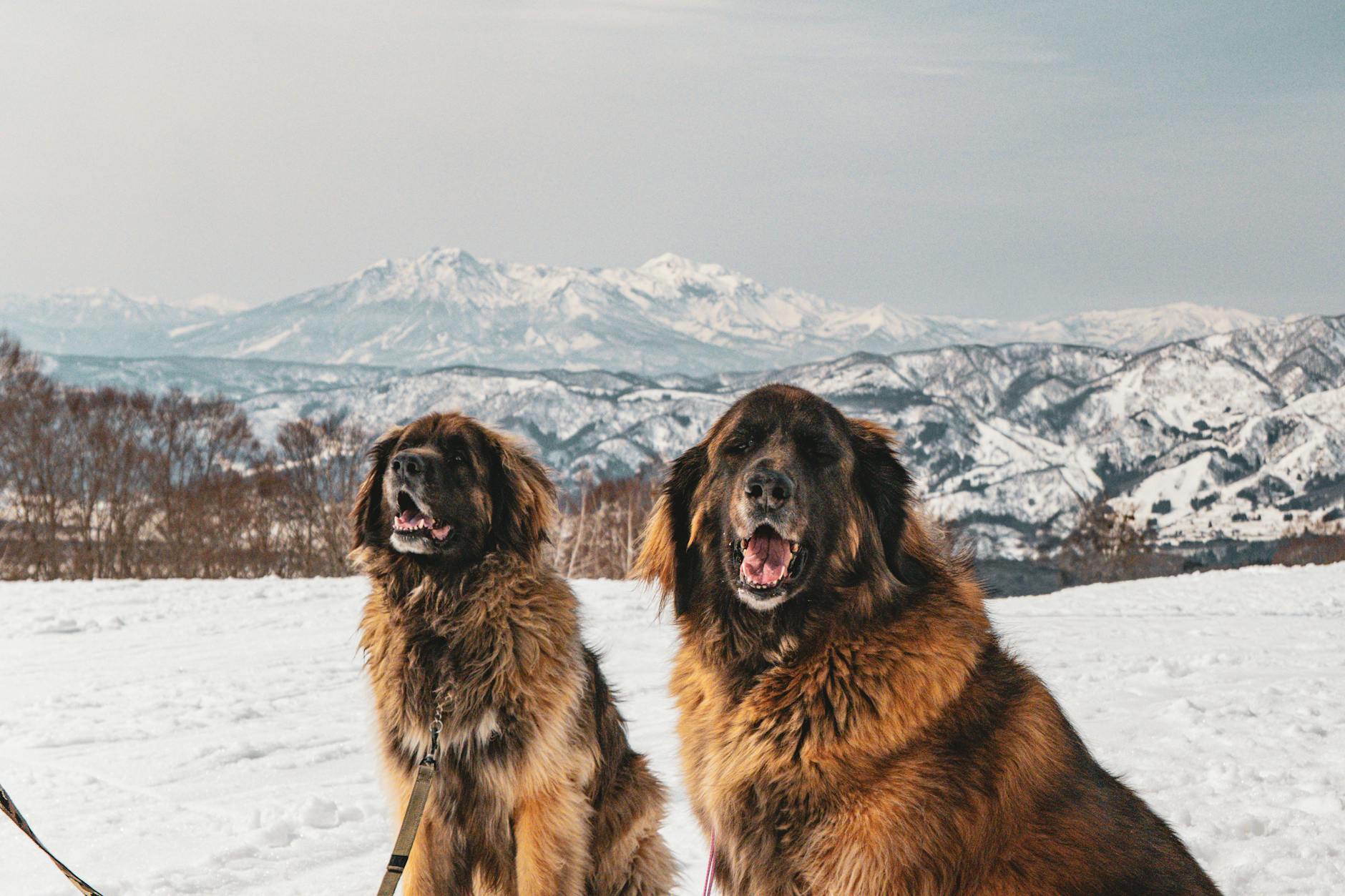
The Leonberger is a majestic giant breed originating from the town of Leonberg in Germany, developed to resemble the lion on the town’s crest while also functioning as a capable working dog. Their thick, lion-maned double coat provides outstanding insulation for cold-weather living and outdoor activity in snow and frost. Leonbergers are exceptionally gentle and patient despite their imposing size, making them beloved family dogs in cold northern climates. They excel at water rescue, cart pulling, and hiking alongside active families who enjoy outdoor winter pursuits. Their combination of lion-like presence, warm temperament, and cold-hardy coat makes them one of the most impressive winter breeds available.
Anatolian Shepherd
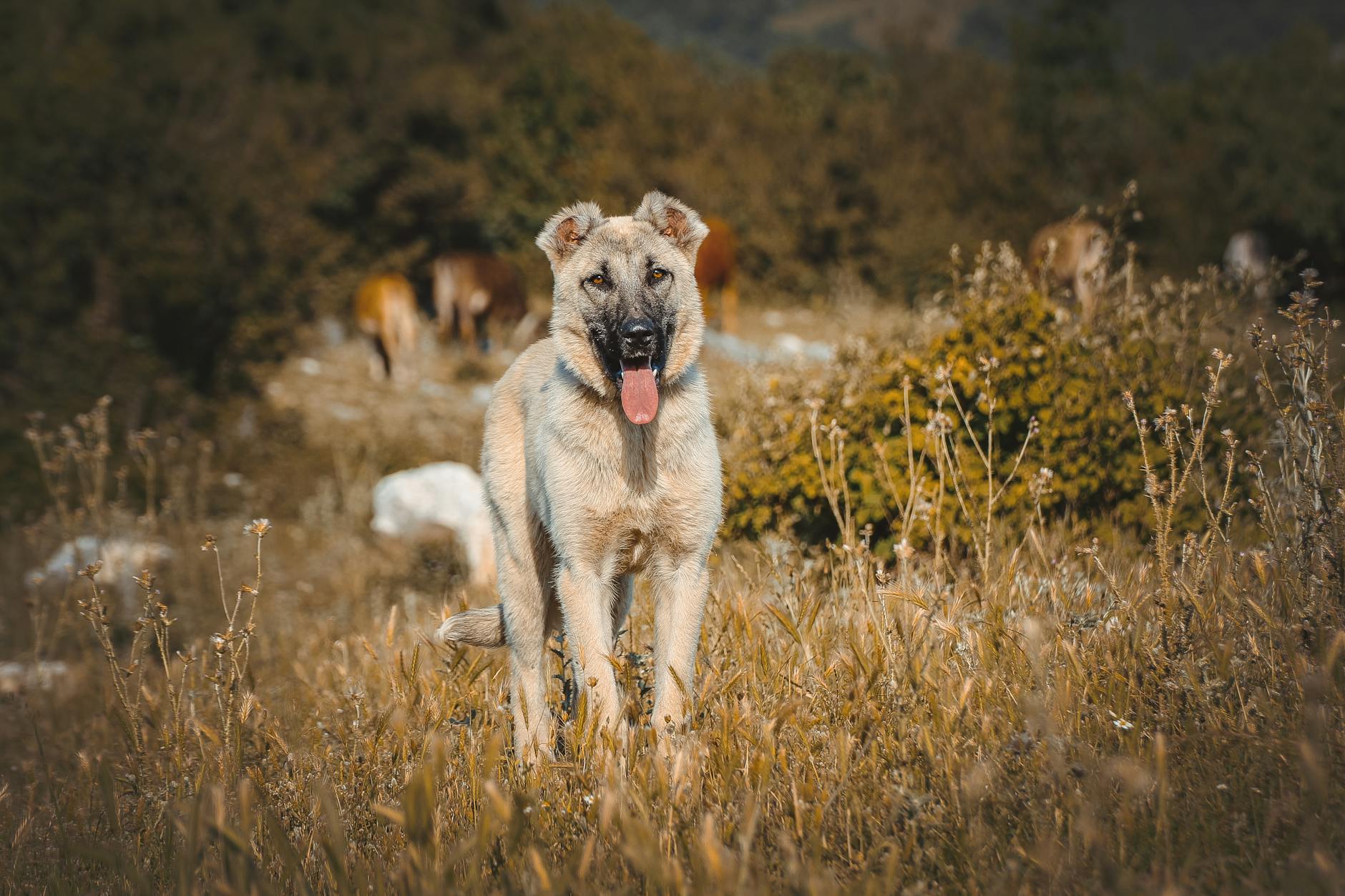
The Anatolian Shepherd is a large, rugged livestock guardian breed developed in the high plateaus of Turkey, where extreme cold, wind, and demanding terrain are constant challenges. Their short to medium double coat is dense enough to provide solid insulation through cold winters while remaining functional during the physical demands of outdoor guarding work. Anatolians are fiercely independent, highly intelligent, and naturally protective, bonding strongly with the livestock or family members placed in their care. They require experienced owners who understand livestock guardian dynamics and can provide ample space for this large and alert breed. Their hardiness, self-sufficiency, and weather resistance make them an invaluable working dog in cold rural environments around the world.
Shiba Inu
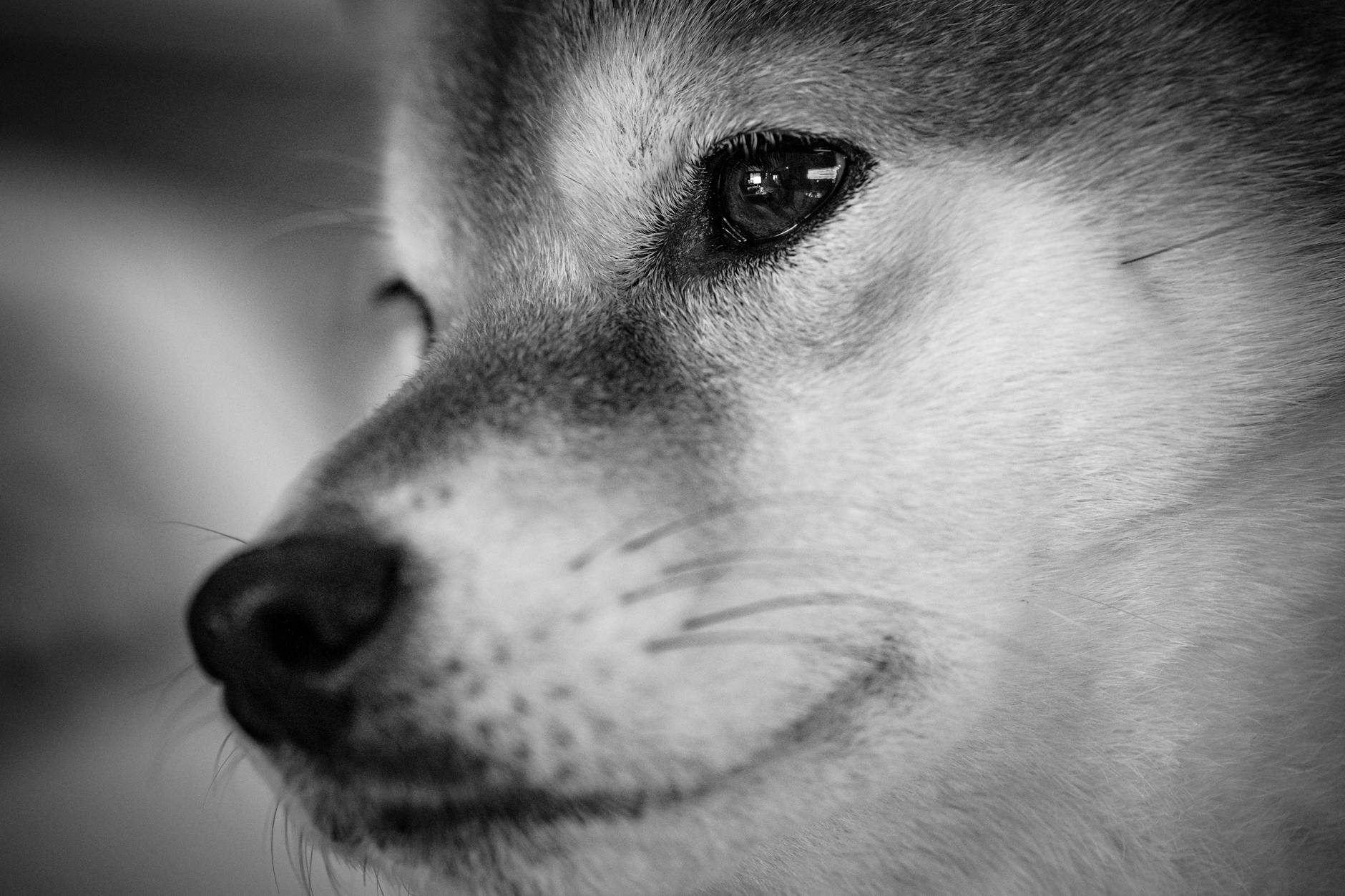
The Shiba Inu is a small but exceptionally hardy breed from the mountainous regions of Japan, where it was originally used to hunt in dense forest and difficult terrain through cold seasons. Their compact frame is paired with a thick double coat that provides impressive insulation for a dog of their size. Shibas are spirited, alert, and independent with a clean and almost feline approach to self-grooming that suits cold-weather living well. They are confident and curious outdoors, showing no reluctance to explore snowy trails or cold morning walks with enthusiasm. Their compact size, bold personality, and natural cold-weather origins make them a surprisingly capable and charming choice for winter climates.
Which of these cold-weather breeds do you share your winters with, and do they love the snow as much as their reputation suggests? Share your thoughts in the comments.