Dogs have an extraordinary ability to provide comfort and emotional support to people in hospitals, nursing homes, schools, and rehabilitation centers. The right breed can make all the difference in a therapy animal’s success, combining temperament, intelligence, and an innate desire to connect with humans. Certain breeds naturally excel at this meaningful work due to their gentle nature, trainability, and capacity for genuine human bonding. These canine companions help reduce stress, lower blood pressure, and bring joy to countless individuals during challenging times in their lives.
Golden Retriever
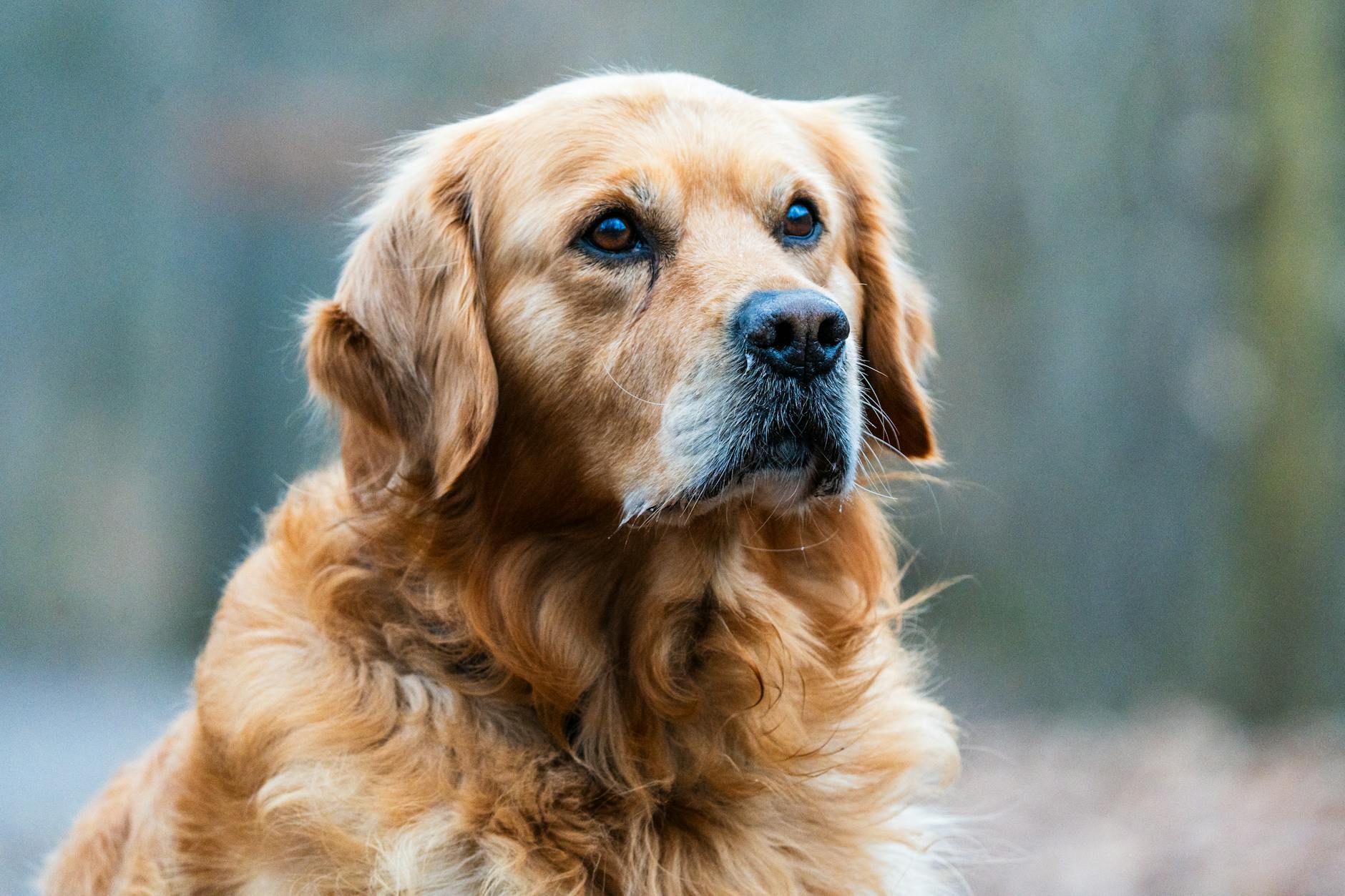
Golden Retrievers remain the gold standard for therapy work due to their legendary patience and unwavering affection toward people of all ages. Their medium to large size makes them substantial enough to provide physical comfort while their gentle mouths allow them to take treats softly from recipients. These dogs possess an almost supernatural ability to sense emotional distress and respond with calm companionship rather than anxiety. Their intelligence makes them highly trainable for structured therapy environments, and their sunny dispositions brighten even the most difficult situations. Golden Retrievers thrive on human interaction and genuinely seem to understand the importance of their therapeutic role.
Labrador Retriever

Labrador Retrievers share many qualities with Golden Retrievers but offer a more energetic presence that can engage and motivate individuals in recovery. Their short, easy-care coats make them practical choices for frequent handling and close contact in medical settings. Labs bond deeply with their handlers and quickly adapt to the specific emotional needs of different patients and environments. Their eager-to-please attitude means they respond well to training and direction from therapy coordinators and medical staff. These versatile dogs excel at both active engagement and quiet companionship depending on what each individual requires.
Poodle
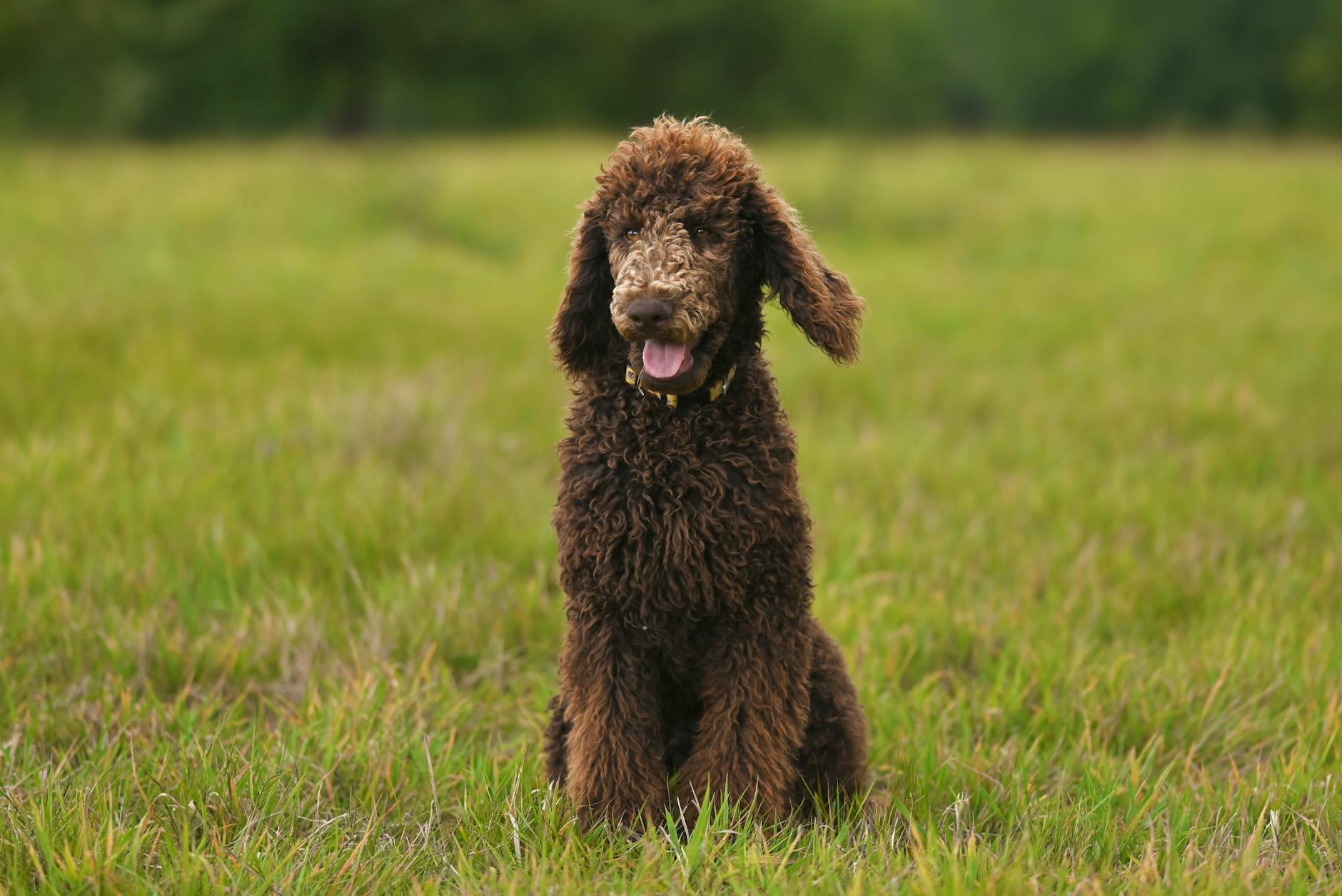
Poodles of all sizes make exceptional therapy dogs because of their remarkable intelligence and emotional responsiveness. Their hypoallergenic coats benefit patients with allergies while maintaining the soft texture that people find comforting to touch and pet. Poodles possess an intuitive understanding of human emotion and adjust their behavior based on the energy and needs they perceive in their surroundings. Their trainability is unmatched among most breeds, allowing them to learn specific commands and therapeutic protocols with ease. Standard Poodles work well in institutional settings while toy and miniature varieties bring comfort to hospitalized children and elderly patients in confined spaces.
Cavalier King Charles Spaniel

Cavalier King Charles Spaniels embody gentle affection and seem genuinely interested in the wellbeing of every person they meet. Their small to medium size and soft, flowing coats create an irresistible appeal that draws people in and makes them comfortable enough to open up emotionally. These dogs have minimal exercise requirements, making them ideal for visiting extended care facilities and hospitals where outdoor access is limited. Their lapdog nature means they’re content to curl up with patients for hours, providing steady, quiet companionship during recovery periods. Cavaliers rarely show any signs of aggression or fear, making them dependable in unpredictable medical environments.
Bernese Mountain Dog

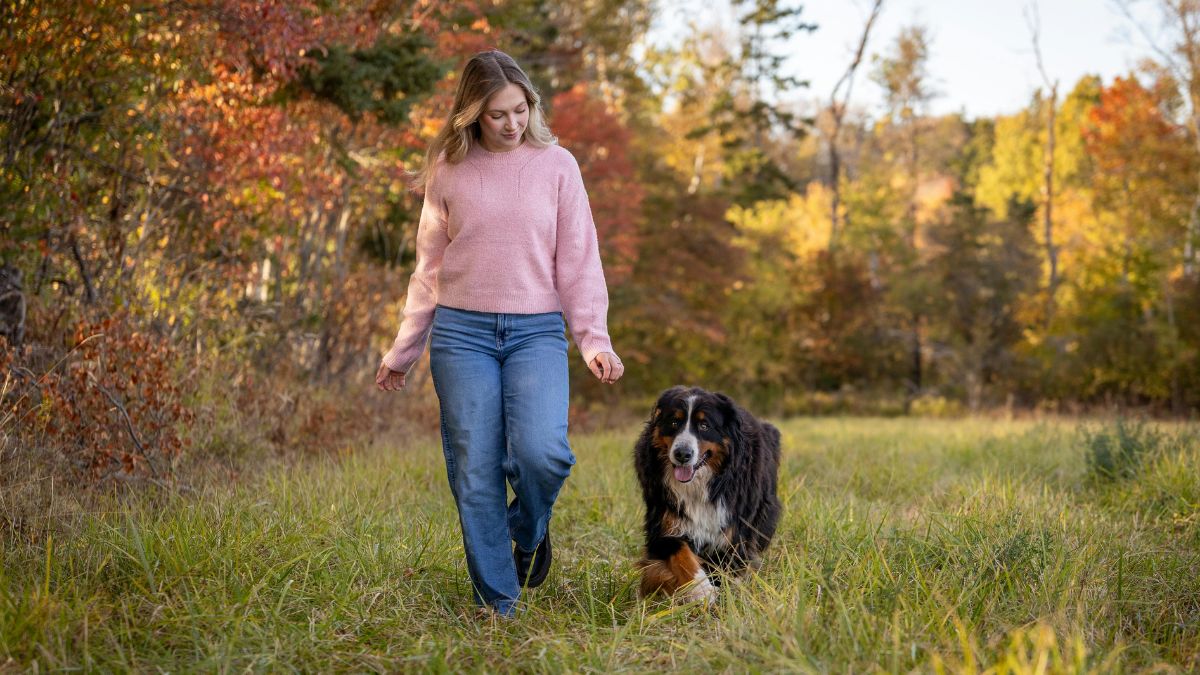
Bernese Mountain Dogs bring calm stability to therapy environments through their naturally serene temperament and impressive size. Their large frames provide substantial physical support for patients learning to walk again or needing tactile reassurance during anxiety or trauma responses. These dogs possess incredible patience with repetitive tasks and behaviors, never showing frustration when individuals require extended one-on-one time. Despite their size, they move gently and are acutely aware of their weight and physical presence around vulnerable patients. Their loyal nature means they bond deeply with regular patients, providing consistency and familiarity in uncertain circumstances.
Bichon Frise
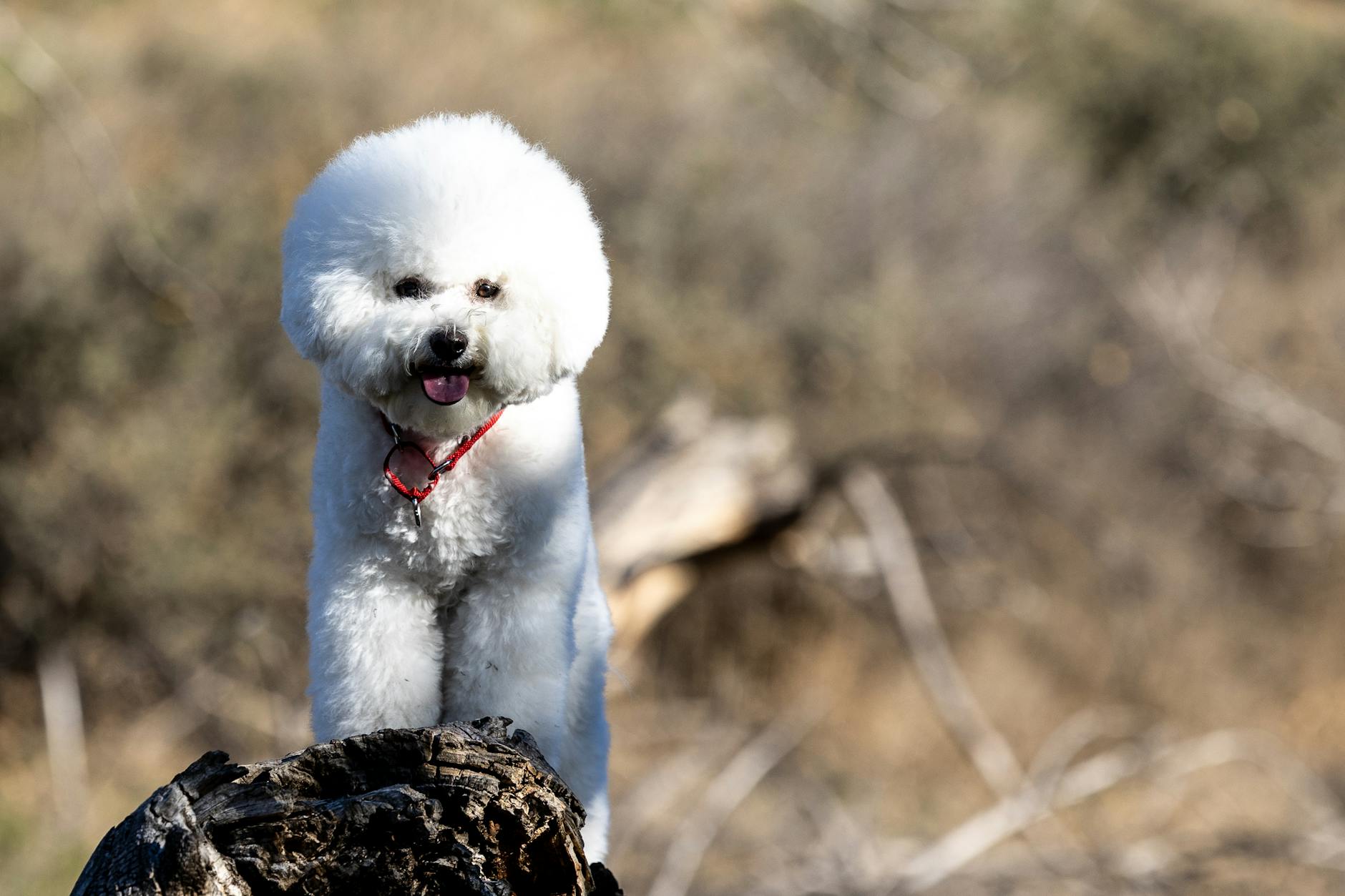
Bichon Frises demonstrate that smaller breeds can have an outsized impact on patients’ emotional wellbeing through their infectious joy and willingness to engage. Their white, fluffy coats appeal to children and elderly patients alike, creating an almost comforting, cloud-like presence in sterile medical environments. These small dogs are surprisingly sturdy and well-suited to being held, handled, and cuddled by people with limited mobility or strength. Their playful attitude can gently encourage withdrawn patients to interact and participate in therapy activities without pressure. Bichons’ adaptability to different environments and people makes them reliable assets in varied care settings.
German Shepherd
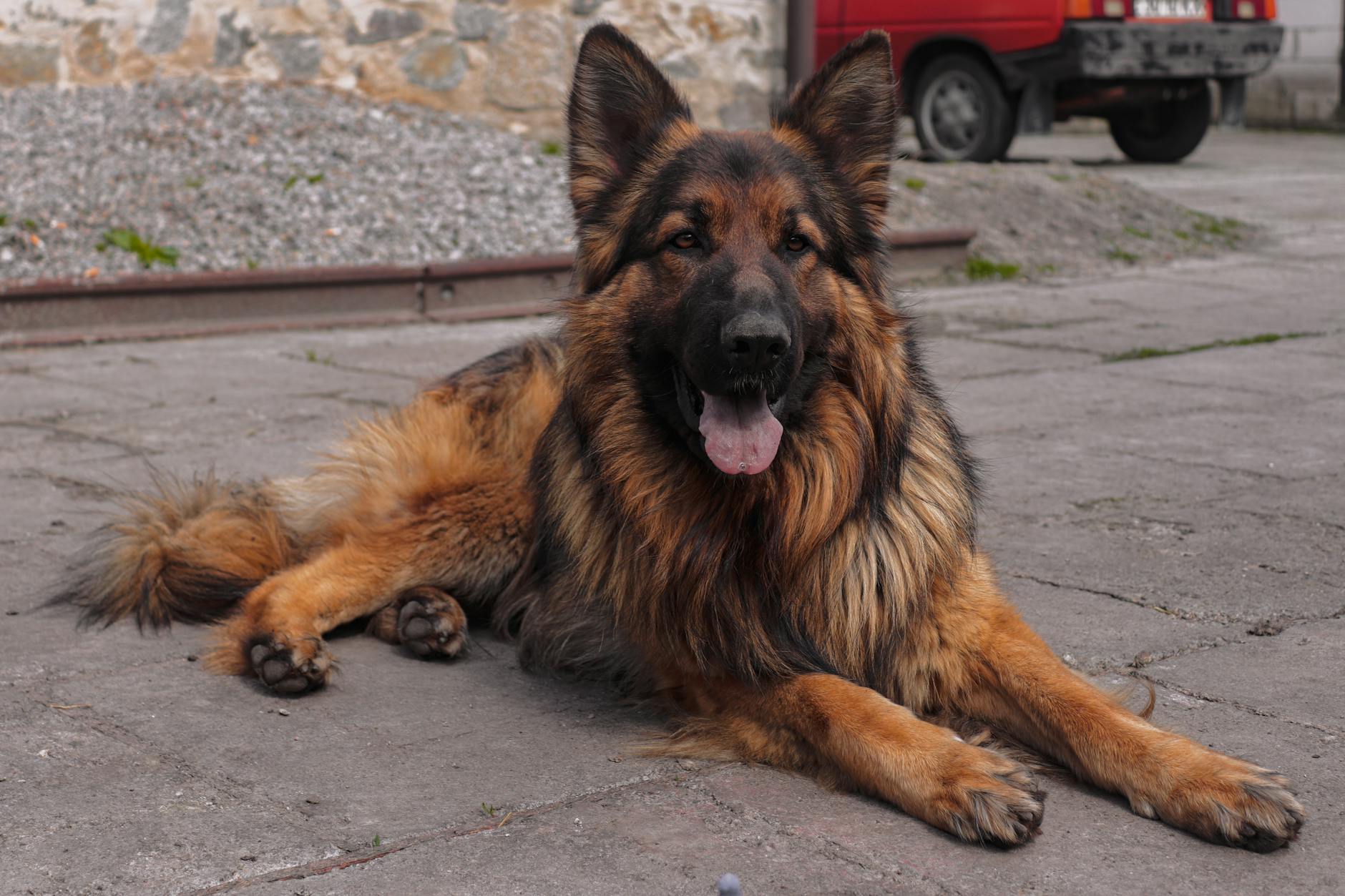
German Shepherds bring intelligence and purposeful calm to therapy programs, particularly for veterans and individuals with trauma histories. These highly trainable dogs excel at learning specific therapeutic protocols and responding to subtle behavioral cues from handlers and patients. Despite their imposing appearance, well-trained German Shepherds display remarkable gentleness and can provide the grounding physical presence that some patients desperately need. Their protective instincts translate into attentiveness toward the emotional safety of their human companions during vulnerable moments. German Shepherds’ work ethic and desire to serve make them natural therapy partners who seem to understand the importance of their role.
Cocker Spaniel
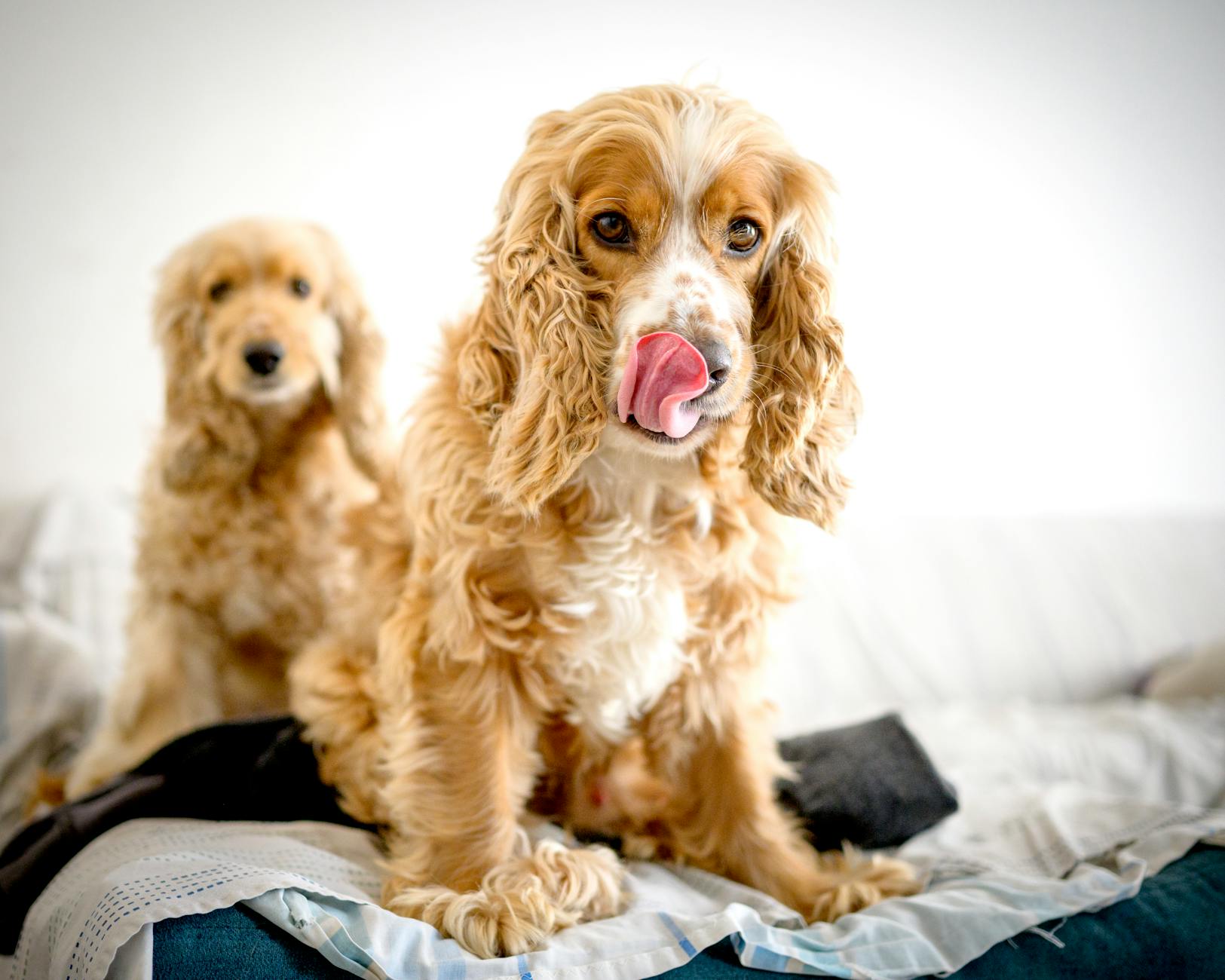
Cocker Spaniels offer the perfect middle ground between energy and calm, engaging patients without overwhelming them with excessive enthusiasm. Their medium size and soft, silky coats create an approachable presence that appeals across age groups and comfort levels. These affectionate dogs form quick attachments to people they meet and genuinely seem to enjoy therapeutic work, bringing authentic warmth to interactions. Their spaniel heritage means they’re adaptable to various settings and comfortable around unfamiliar people and environments. Cocker Spaniels’ responsive nature makes them effective at adjusting their behavior based on each patient’s emotional state.
Pug
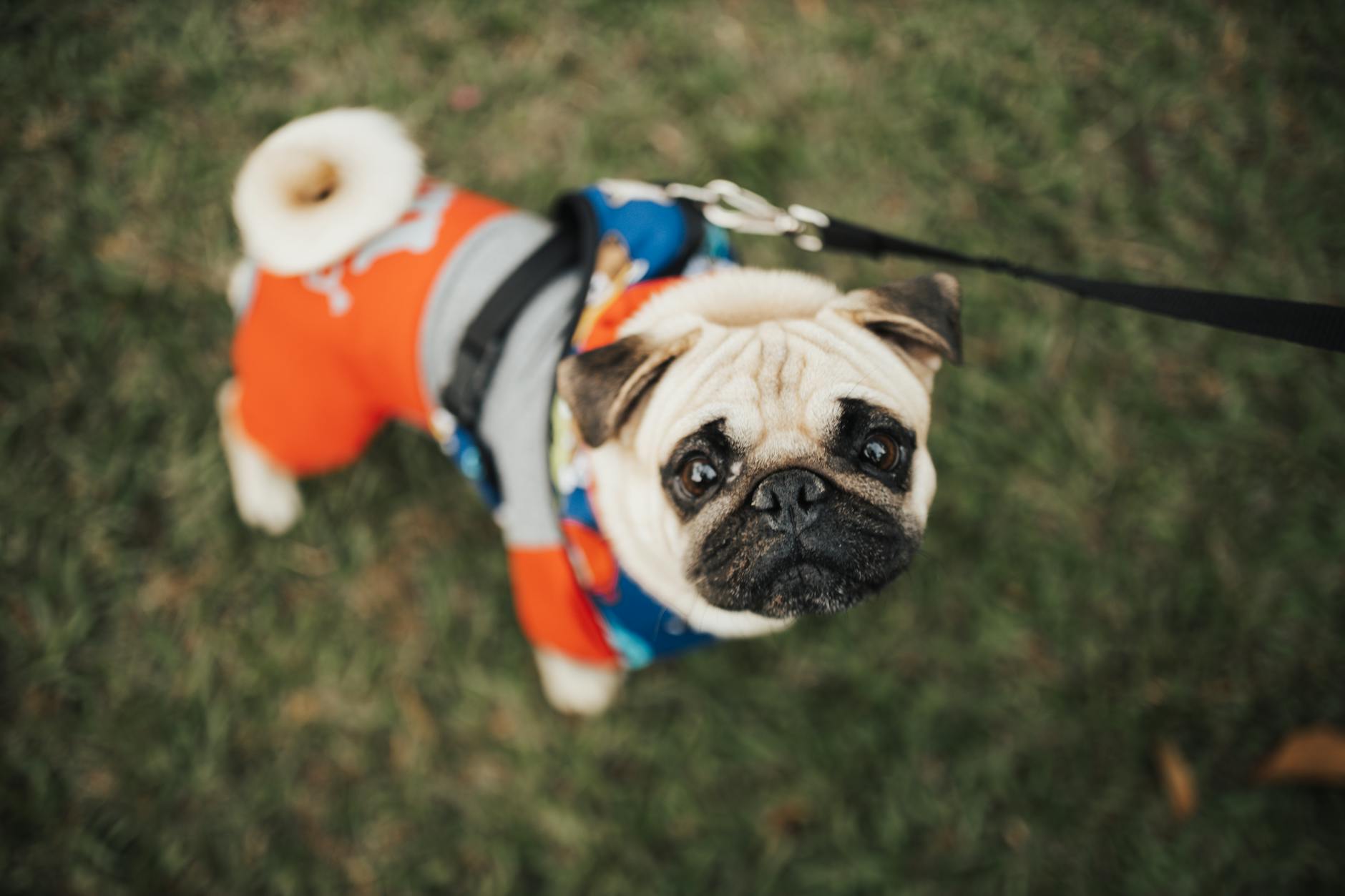
Pugs may be small, but they possess enormous personalities that bring smiles and laughter to even the most depressed patients. Their compact size makes them perfect for hospital beds, laps, and confined spaces where larger dogs cannot navigate. Pugs bond intensely with their people and seem to understand that their primary job is to provide comfort through presence and affection. Their expressive faces create a nonverbal dialogue that patients find deeply engaging and humanizing during dehumanizing medical experiences. These charming dogs require minimal space and exercise, making them ideal for facilities with limited outdoor areas.
Newfoundland
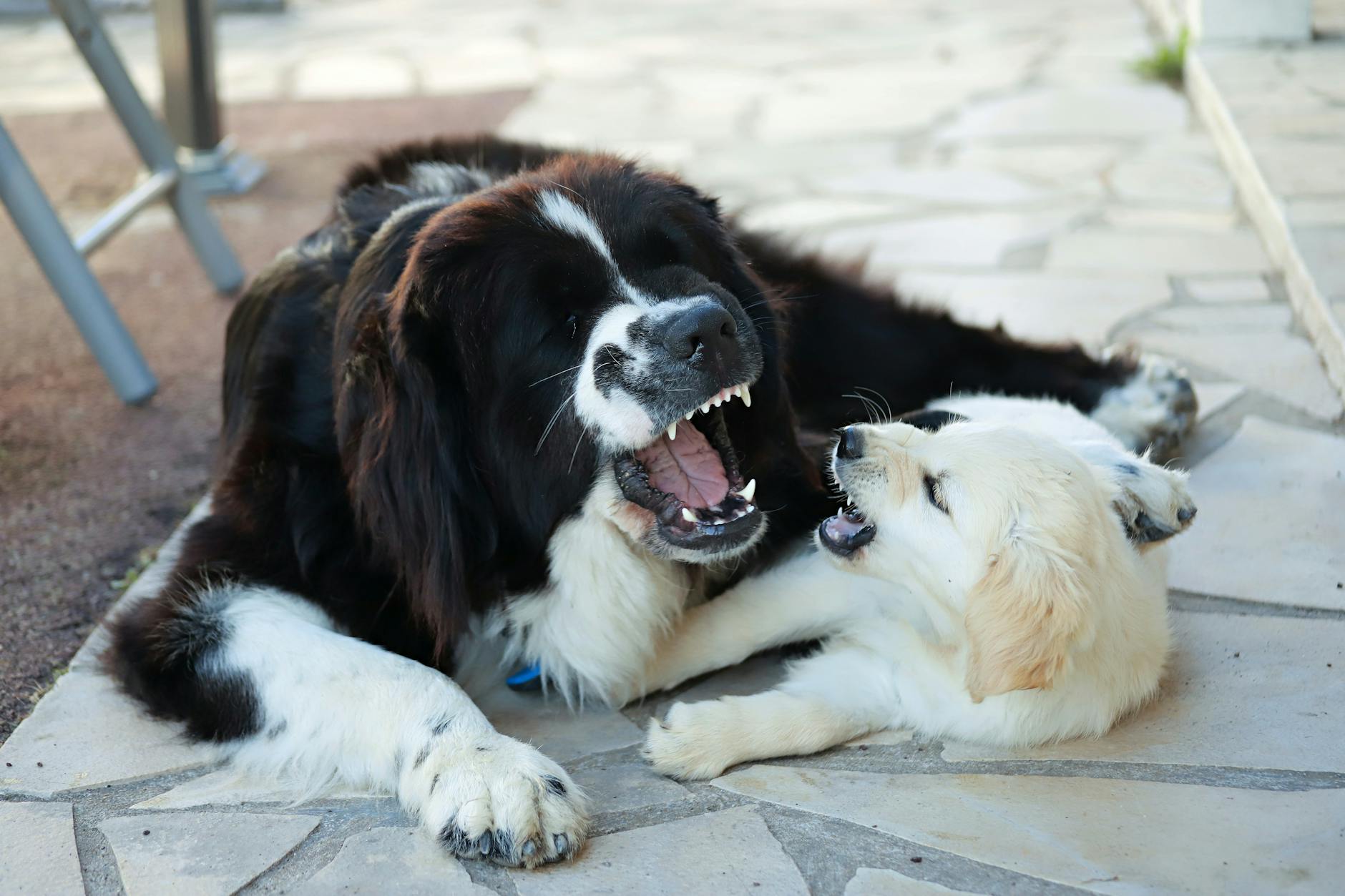
Newfoundlands are gentle giants whose calm, patient demeanor and water-loving heritage make them exceptional therapy dogs for varied settings. Their large size provides substantial comfort for patients who need physical support or grounding during panic or dissociative episodes. These dogs possess an almost supernatural tolerance for unusual behavior, noise, and unpredictable reactions from patients experiencing neurological or psychiatric conditions. Their thick coats make them excellent for patients who need deep pressure from petting and contact as part of their healing process. Newfoundlands’ legendary rescue instincts translate into a protective care attitude that benefits vulnerable populations.
Australian Shepherd
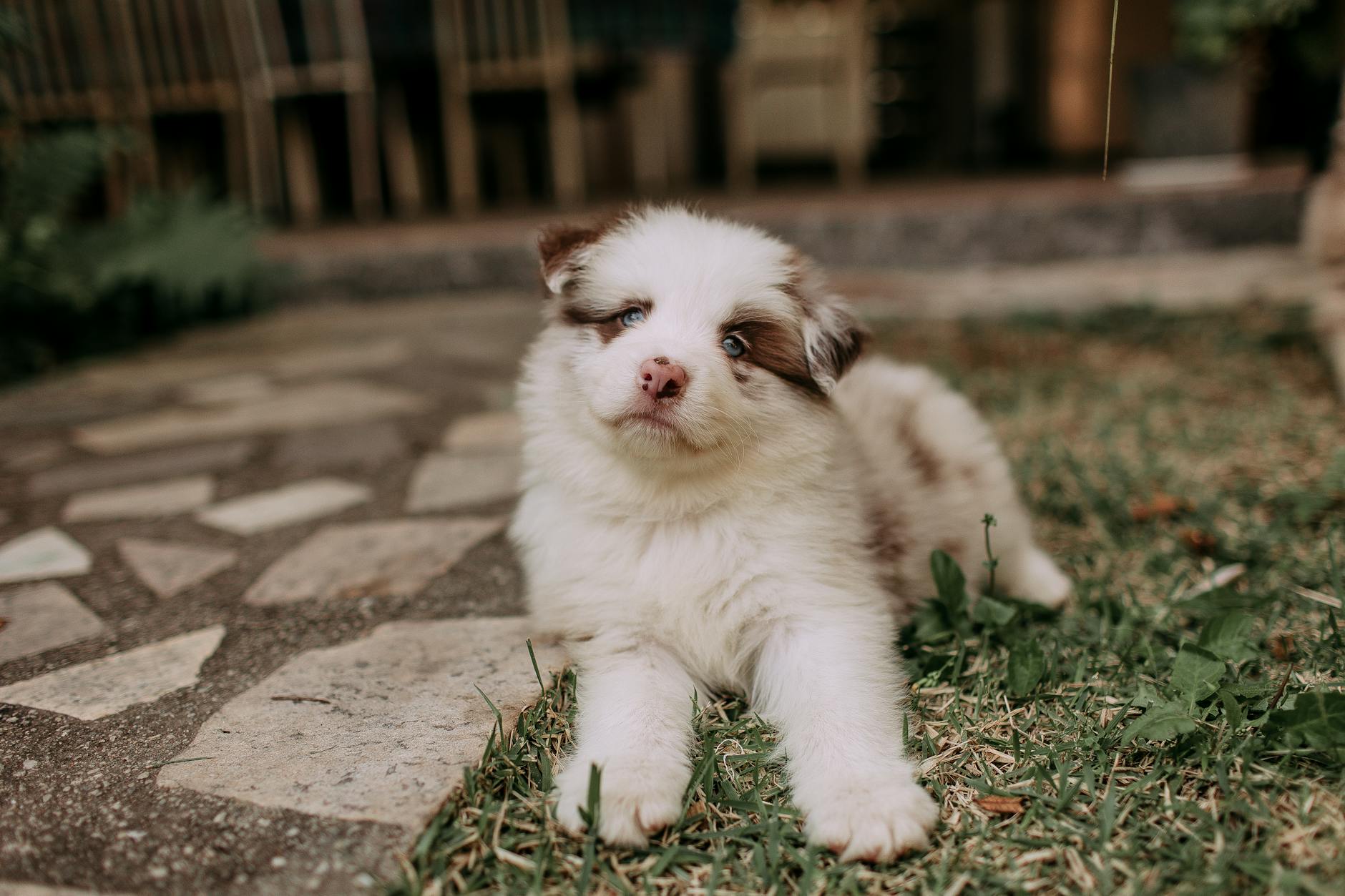
Australian Shepherds bring intelligence and focus to therapy work despite being herding dogs with strong work drives that seem naturally suited to purpose-driven roles. These medium-sized dogs excel at learning complex therapeutic protocols and responding to sophisticated handler direction in structured environments. Their high intelligence means they can be trained for specialized tasks that support patients with specific disabilities or conditions. Australian Shepherds’ enthusiastic nature can motivate withdrawn or depressed patients to engage while their responsiveness keeps them from becoming overwhelming. Their medium coat sheds but provides wonderful texture for tactile therapy and emotional regulation through petting.
Greyhound
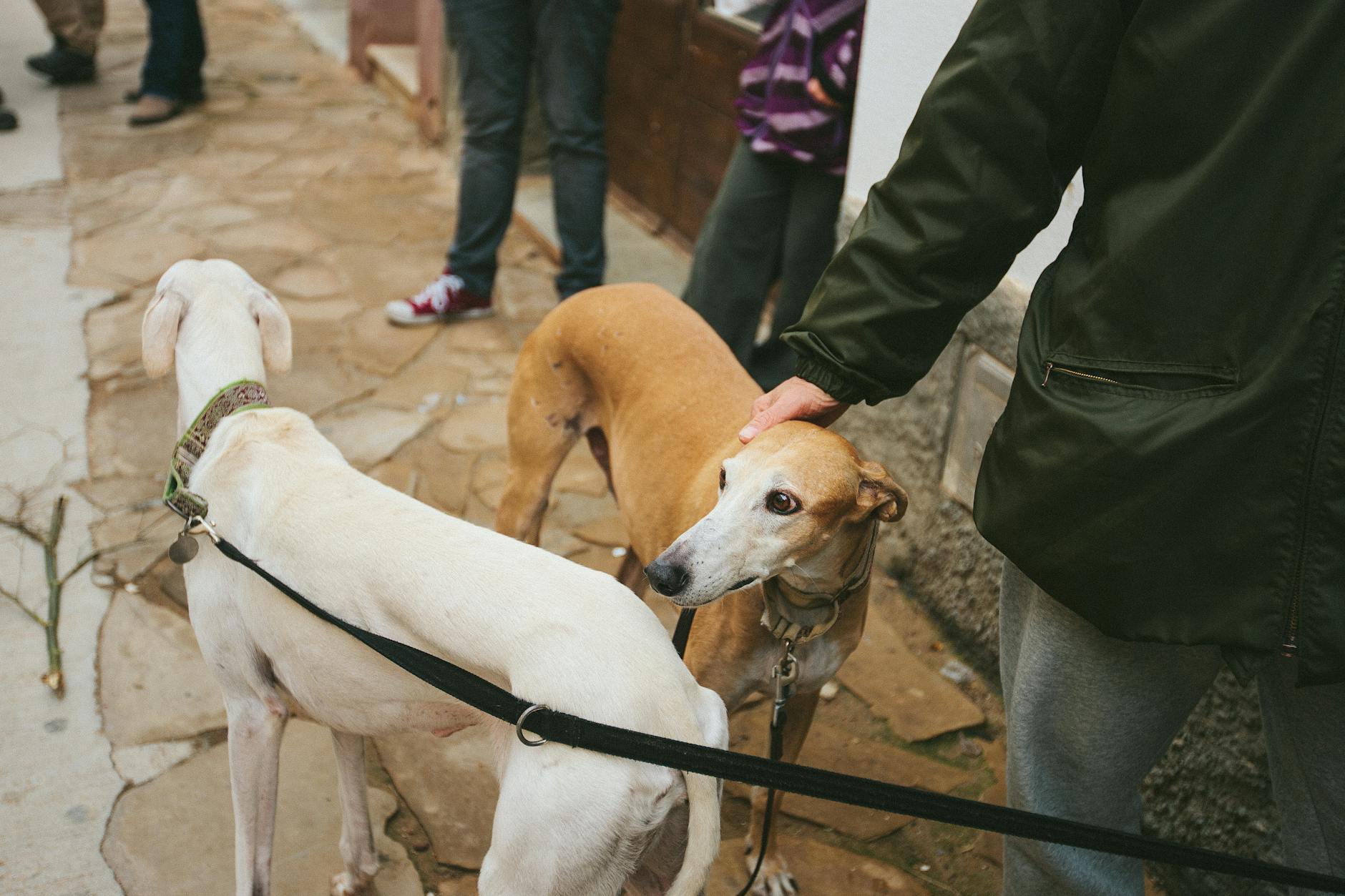
Greyhounds often surprise people by becoming exceptional therapy dogs despite their racing heritage and reputation for high prey drive. These gentle souls possess surprisingly calm dispositions and an interest in human connection that shines through once they’re retired and properly socialized. Their lean frames and soft coats appeal to patients who might be intimidated by stockier breeds or those with size concerns. Greyhounds adapt beautifully to indoor environments and patient schedules, requiring moderate exercise that suits institutional settings. Their quiet elegance and unexpected warmth create meaningful connections with patients who feel overlooked or disconnected from society.
Dachshund

Dachshunds pack remarkable courage and affection into their small, distinctive frames, making them natural companions for hospitalized children and elderly patients. Their bold personalities encourage engagement and laughter while their manageable size allows them to visit patients with limited space or mobility restrictions. These clever dogs bond quickly and intensely with their people, displaying an almost comical devotion that brings lightness to difficult circumstances. Their adaptability to apartment and facility living makes them practical choices for various care environments without requiring extensive outdoor space. Dachshunds’ surprising strength for their size allows them to provide comfort through leaning and cuddling that larger dogs cannot manage in confined spaces.
Pomeranian
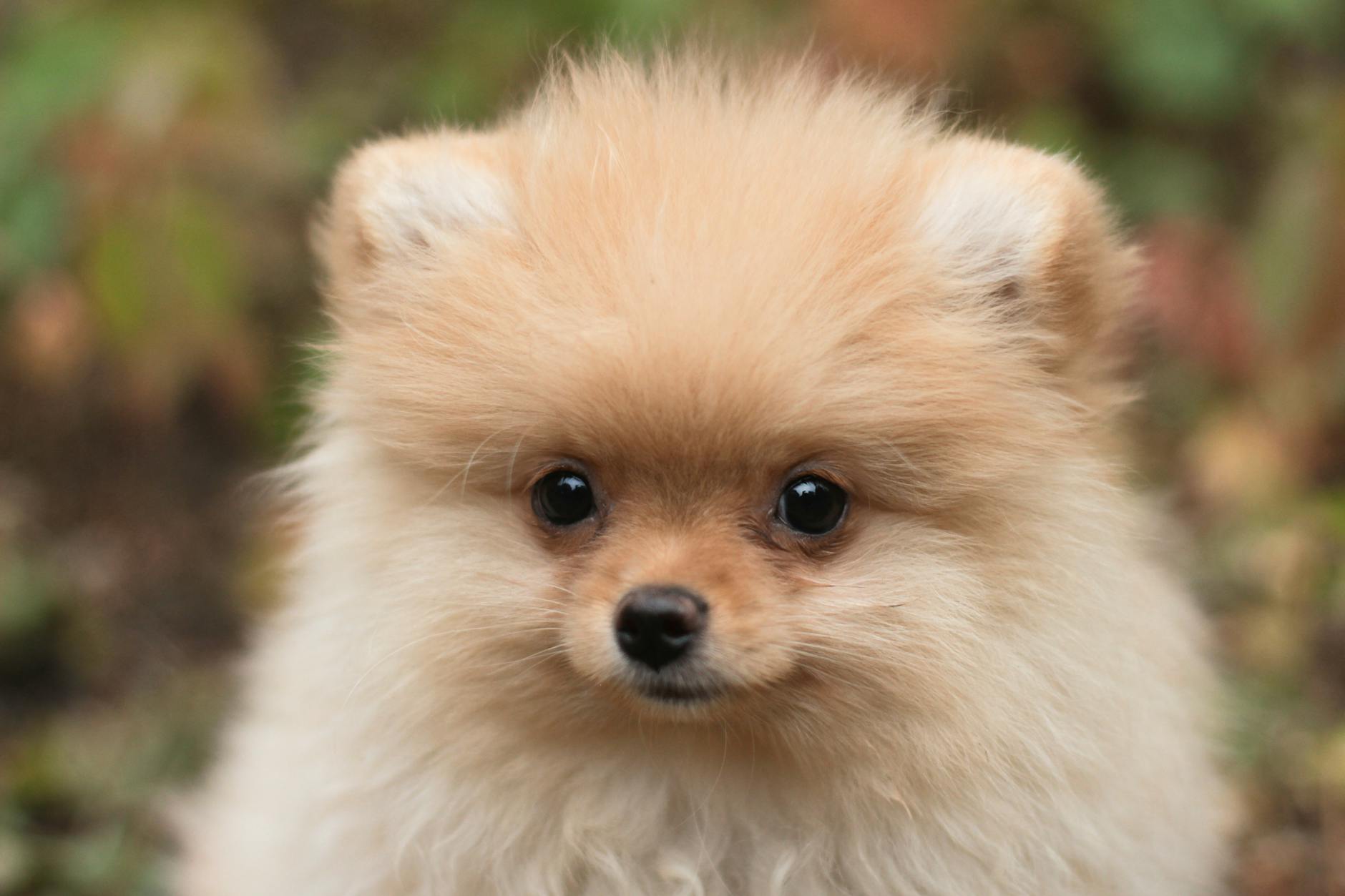
Pomeranians may be tiny, but their bold spirits and affectionate nature make them remarkable therapy dogs for specific patient populations and settings. Their small size makes them ideal for visiting seriously ill children, elderly patients with tremors, and individuals in isolation wards where space is extremely limited. Despite their small stature, these dogs display genuine intelligence and can be trained to respond to patient needs with surprising sophistication. Pomeranians’ fluffy appearance and soft texture create an almost irresistible appeal that encourages reluctant patients to interact and engage. Their loyal temperament means they bond quickly and provide consistent comfort during extended therapy sessions.
Shih Tzu
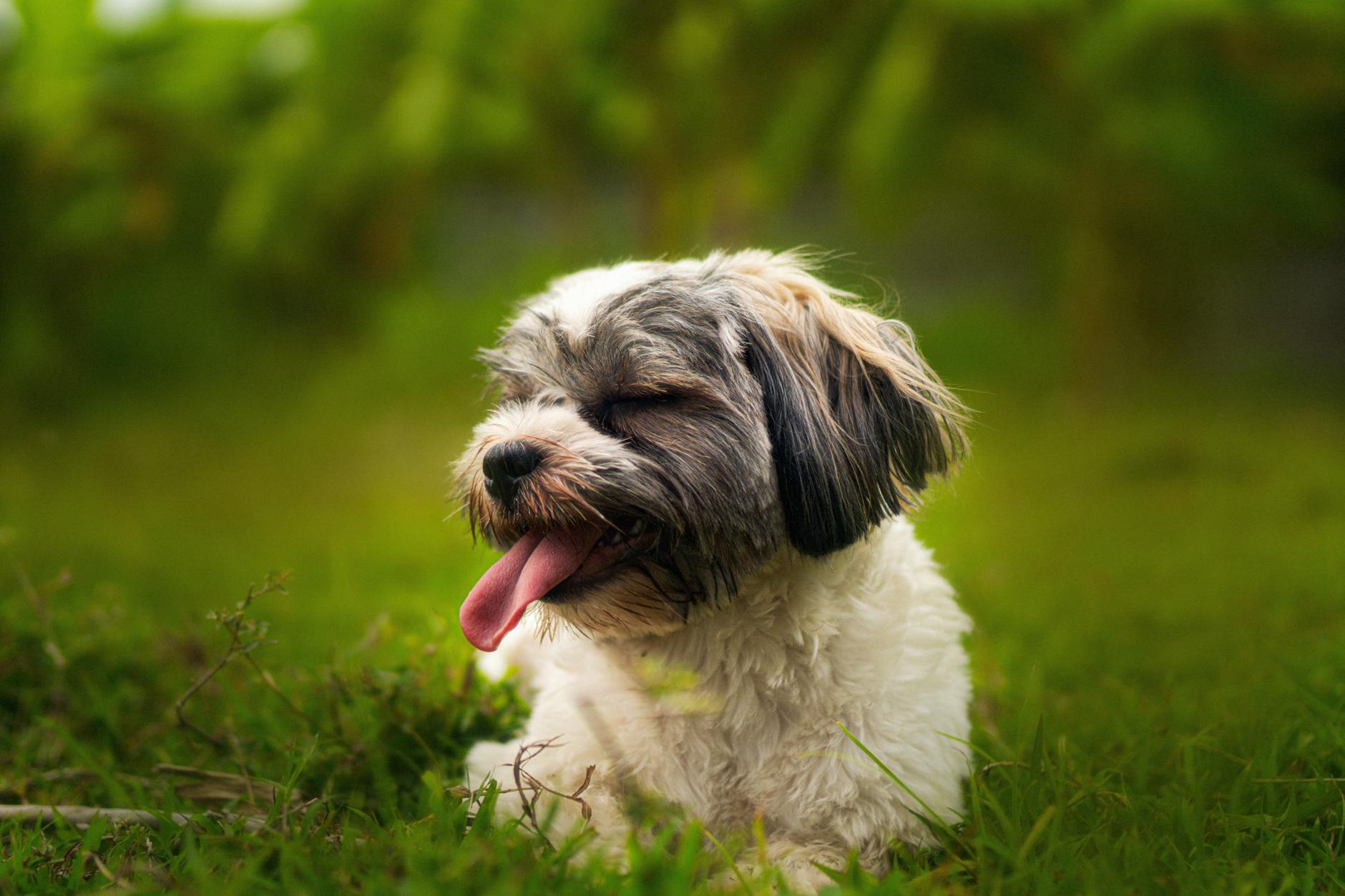
Shih Tzus combine affection, intelligence, and a calm demeanor that makes them well-suited to therapy work in various care settings and patient populations. Their small size and non-shedding coats make them appropriate for hospitals and facilities with strict cleanliness standards and patients with allergies. These toy breeds possess surprising warmth and emotional awareness, sensing when patients need active engagement versus quiet, steady companionship. Shih Tzus’ adaptable nature allows them to transition between different patients and environments without stress or behavioral changes. Their companionable presence and genuine interest in human interaction create the kind of meaningful connection that accelerates healing and emotional recovery.
What breed of therapy dog have you encountered that touched your heart or inspired you to learn more about these incredible animals?