Essential oils have been used for centuries as natural tools to calm the nervous system, ease tension, and invite a deeper sense of peace into daily life. Whether diffused into the air, blended into a warm bath, or applied topically with a carrier oil, these botanical extracts work on both the body and the mind. Science continues to support what ancient wellness traditions have long understood about the power of plant-based aromatherapy. The following fifteen essential oils are widely regarded as the most effective choices for achieving genuine, lasting relaxation.
Lavender
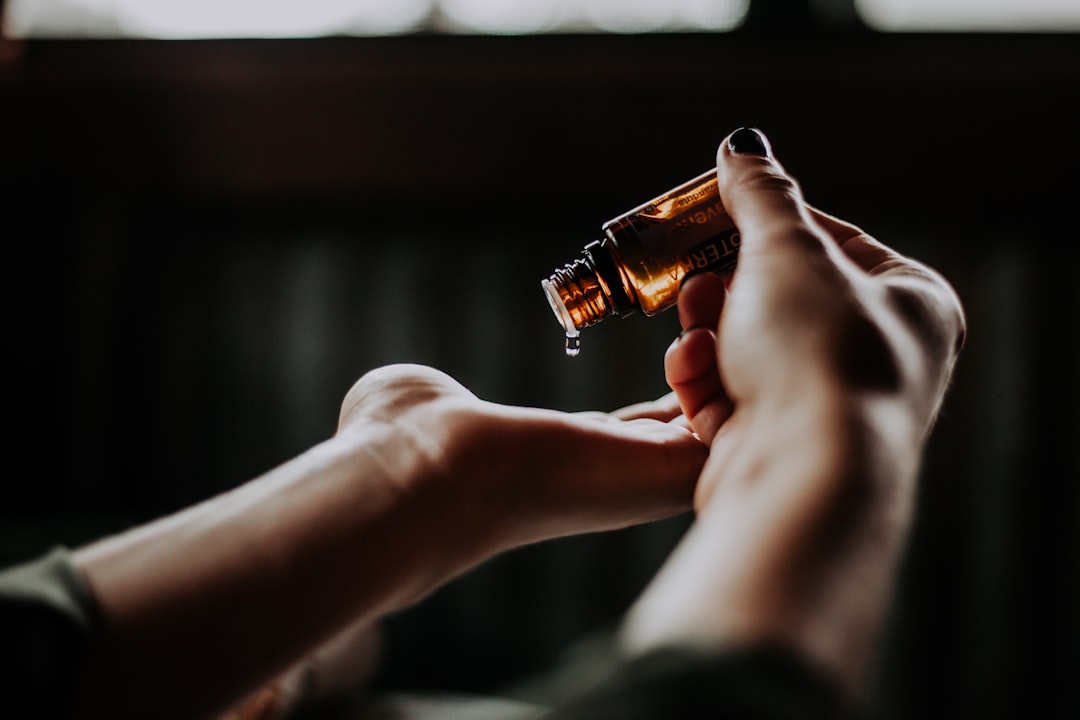
Lavender is arguably the most well-known essential oil in the world of relaxation and stress relief. Its calming floral scent has been shown in numerous studies to reduce anxiety and promote a slower heart rate. It works especially well when diffused in the bedroom thirty minutes before sleep to signal to the body that rest is approaching. A few drops blended with a carrier oil and massaged into the temples or wrists can also provide quick tension relief. Its versatility and gentle nature make it suitable for nearly all skin types and ages.
Roman Chamomile
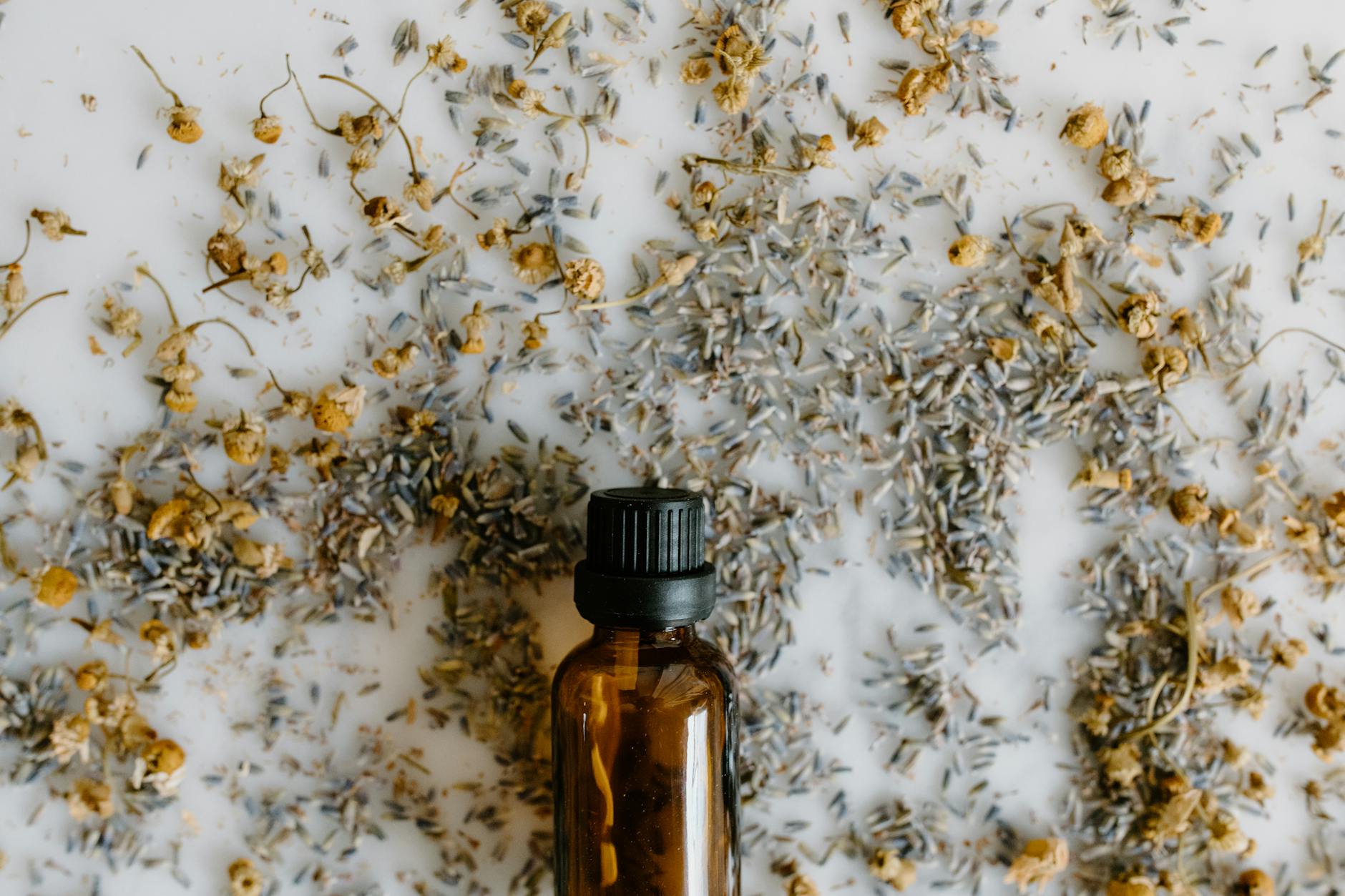
Roman chamomile carries a soft, apple-like sweetness that has a deeply sedative effect on the nervous system. It is particularly favored by aromatherapists for its ability to ease emotional restlessness and quiet an overactive mind. Unlike its German counterpart, Roman chamomile is lighter in scent and tends to feel more approachable for those new to essential oils. Blending it with lavender in a diffuser creates a powerful combination for winding down after a stressful day. It is also commonly added to nighttime skincare routines for its gentle and soothing properties.
Bergamot

Bergamot is a citrus-based oil with a uniquely floral undertone that sets it apart from other oils in its family. It is widely used in aromatherapy to reduce feelings of stress and emotional tension without causing drowsiness. Research has indicated that bergamot inhalation can lower cortisol levels and promote a more balanced emotional state. It blends exceptionally well with lavender and sandalwood for a grounding yet uplifting aromatic experience. Since it can increase photosensitivity, it is best used in formulations labeled as bergapten-free when applying to the skin.
Cedarwood

Cedarwood has a rich, warm, woody aroma that creates an immediate sense of groundedness and calm. It contains a naturally occurring compound called cedrol, which has been studied for its sedative effects on the nervous system. Many people find that diffusing cedarwood in the evening helps ease the transition from a busy day into a restful night. It pairs beautifully with vetiver and frankincense to create a deeply earthy and calming atmosphere. Cedarwood is also a popular addition to massage blends designed to relieve muscle tension and promote physical relaxation.
Frankincense

Frankincense has been used in spiritual and healing practices for thousands of years across many cultures. Its deep, resinous aroma is known to slow the breath naturally and encourage a meditative state of mind. It is frequently used in yoga and mindfulness practices because of its ability to deepen awareness and reduce mental chatter. When diffused alongside lavender or sandalwood, frankincense creates a profoundly peaceful environment ideal for unwinding or practicing breathwork. Its grounding properties make it especially effective for those dealing with chronic stress or anxiety.
Vetiver
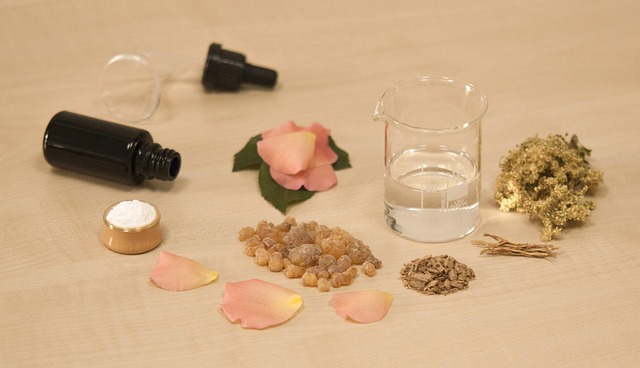
Vetiver is one of the most grounding essential oils available and is often described as having an earthy and smoky depth. It is derived from the roots of the vetiver plant and carries a heaviness in its aroma that many people find deeply stabilizing. Aromatherapists frequently recommend it for individuals who feel mentally scattered or emotionally overwhelmed. A single drop diluted in a carrier oil and applied to the soles of the feet before bed is a popular technique for encouraging deep sleep. Its thick consistency means a little goes a long way in both diffusion and topical applications.
Ylang Ylang
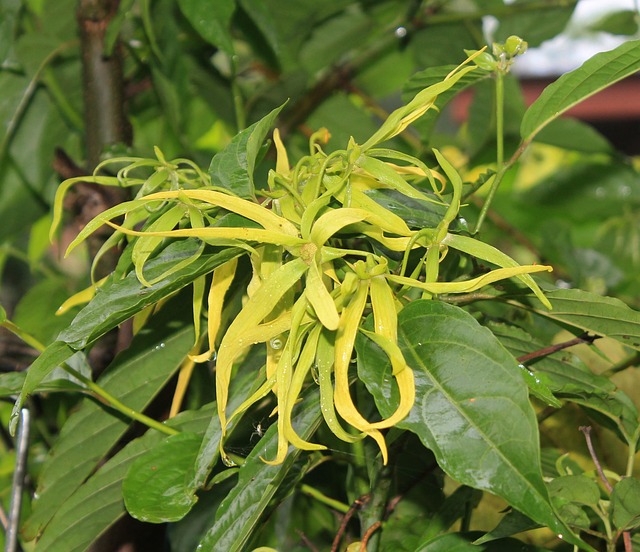
Ylang ylang is a tropical flower-derived oil with a rich, sweet floral scent that has long been associated with romance and calm. Studies have shown that inhaling ylang ylang can meaningfully reduce blood pressure and heart rate in stressed individuals. Its intensely aromatic quality means it is best used in small amounts to avoid becoming overwhelming in a blend. It pairs particularly well with bergamot and sandalwood for a balanced and luxurious relaxation blend. Ylang ylang is also a popular ingredient in bath oils and massage preparations designed to soften both the skin and the mood.
Sandalwood
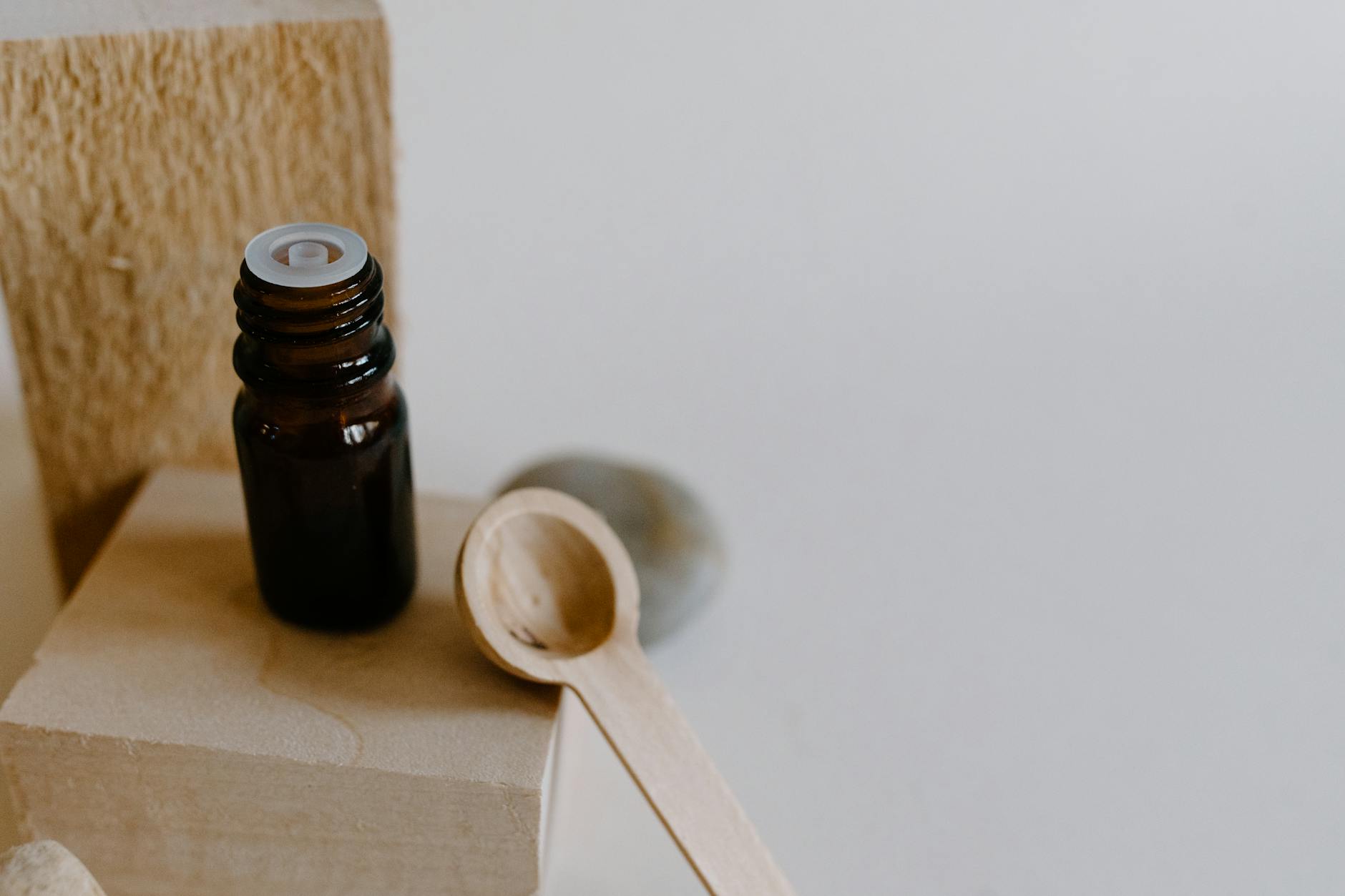
Sandalwood is prized for its creamy, smooth, and deeply woody aroma that has a naturally quieting effect on the mind. It is one of the most frequently used oils in meditation traditions across South and Southeast Asia. The scent is known to encourage mental clarity while simultaneously reducing feelings of nervousness and unease. It blends seamlessly with nearly every other relaxation oil, making it a foundational choice for custom aromatherapy blends. Sustainably sourced Australian sandalwood has become an increasingly popular ethical alternative to the traditional Indian variety.
Clary Sage
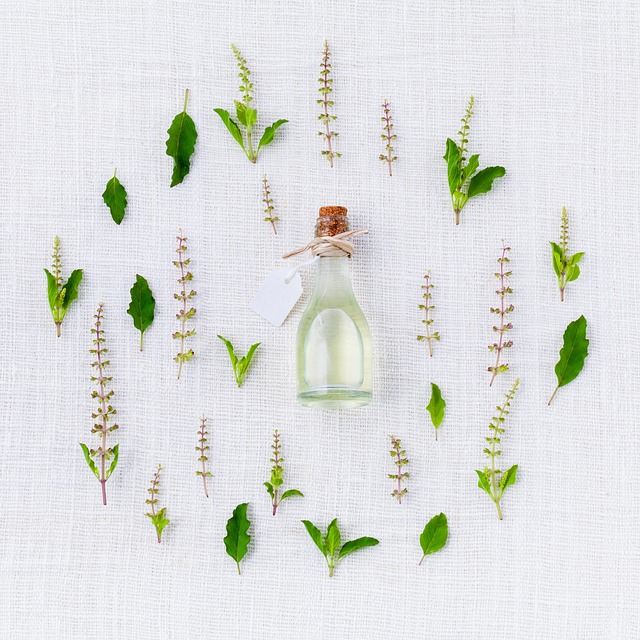
Clary sage is a herbaceous oil with a slightly earthy and sweet character that is particularly effective for hormonal stress relief. It has been studied for its ability to reduce cortisol levels and ease feelings of tension associated with hormonal fluctuations. Many women find it especially helpful during times of hormonal imbalance or heightened emotional sensitivity. When diffused with lavender and geranium, it creates a beautifully balanced blend suited to evening relaxation routines. It is important to avoid clary sage during pregnancy as it may stimulate contractions.
Neroli
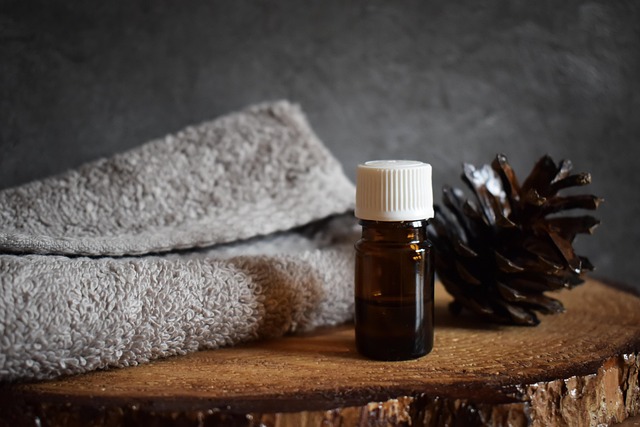
Neroli is derived from the blossoms of the bitter orange tree and carries one of the most refined and elegant scents in all of aromatherapy. It has a long history of use in European traditions as a remedy for anxiety, shock, and nervous exhaustion. Research into neroli inhalation has demonstrated measurable reductions in anxiety and blood pressure in clinical settings. Its light floral scent makes it a popular choice for luxurious personal inhalers and fine relaxation mists. A few drops in a warm evening bath create an almost immediate sense of enveloping calm.
Marjoram
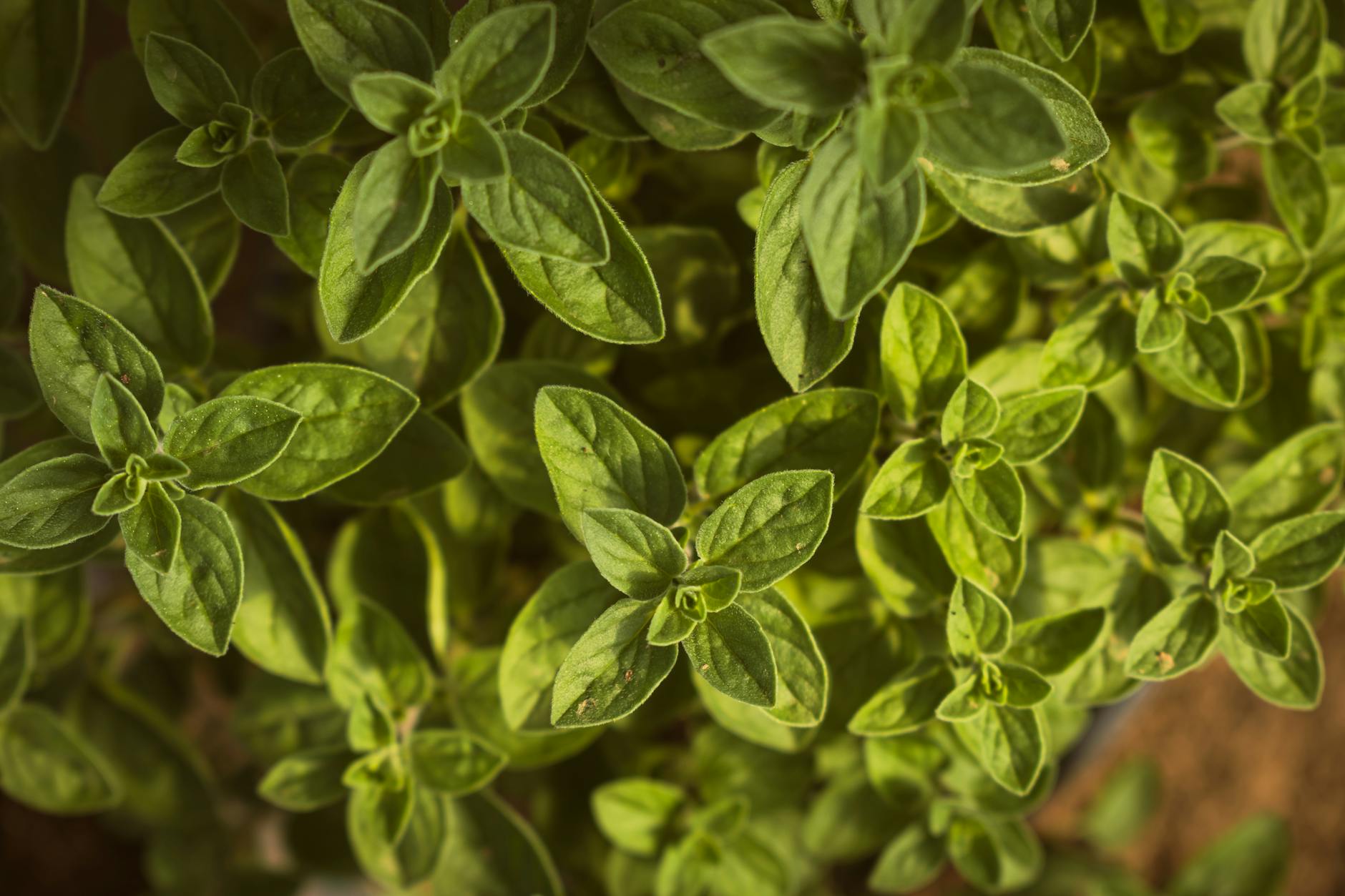
Sweet marjoram is a warming and slightly spicy herb-derived oil that is frequently overlooked in favor of more popular relaxation choices. It has traditionally been used to soothe physical tension in the muscles as well as emotional tension in the mind. Its sedative properties make it a strong candidate for nighttime diffusion or inclusion in a pre-sleep massage blend. Marjoram combines well with lavender, bergamot, and cedarwood to create a deeply warming and calming aromatic profile. It is particularly appreciated by those who prefer herbal or green scents over floral options.
Jasmine
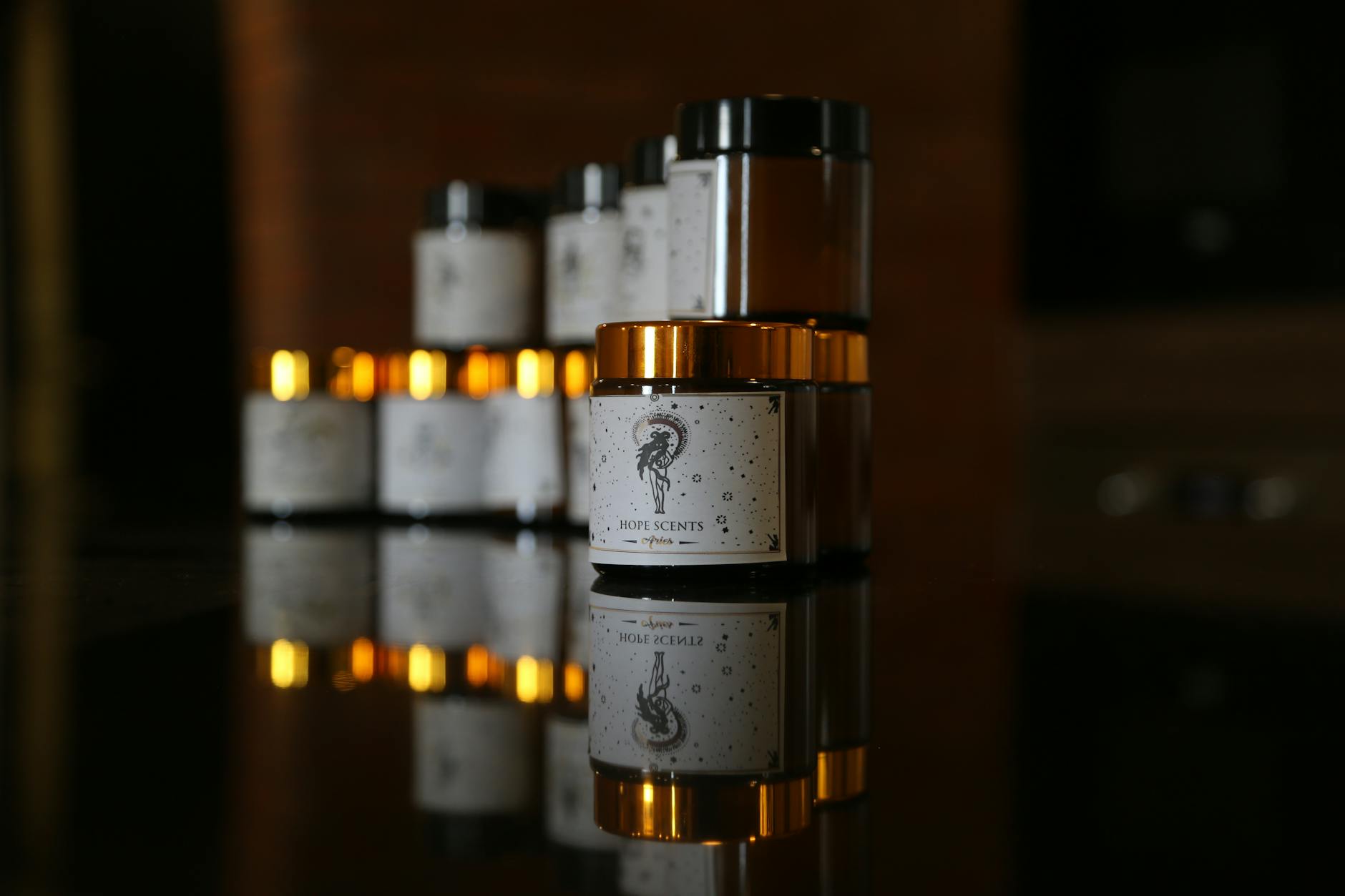
Jasmine is a deeply sensory oil with a rich, exotic floral fragrance that has been linked to mood elevation and nervous system calm. Unlike many sedative oils, jasmine creates a relaxed alertness rather than promoting drowsiness, making it ideal for mindful relaxation in the evening hours. It is widely used in high-end aromatherapy products and natural perfumery for its emotionally uplifting yet calming qualities. Even small amounts of genuine jasmine absolute in a diffuser blend can transform the energy of a room. It is often paired with sandalwood or rose for an indulgent and calming sensory experience.
Patchouli
Patchouli is an earthy and musky oil with deep grounding qualities that make it a staple in relaxation and meditation blends. It has been used for centuries in South Asian traditions and became widely popular in Western wellness culture during the twentieth century. Its aroma is known to help settle feelings of anxiety and bring a sense of rootedness during emotionally turbulent periods. A small amount in a carrier oil makes an excellent grounding body oil when applied to the lower back or soles of the feet. Patchouli aged in metal containers develops a smoother and richer fragrance that many aromatherapists prefer for therapeutic use.
Rose
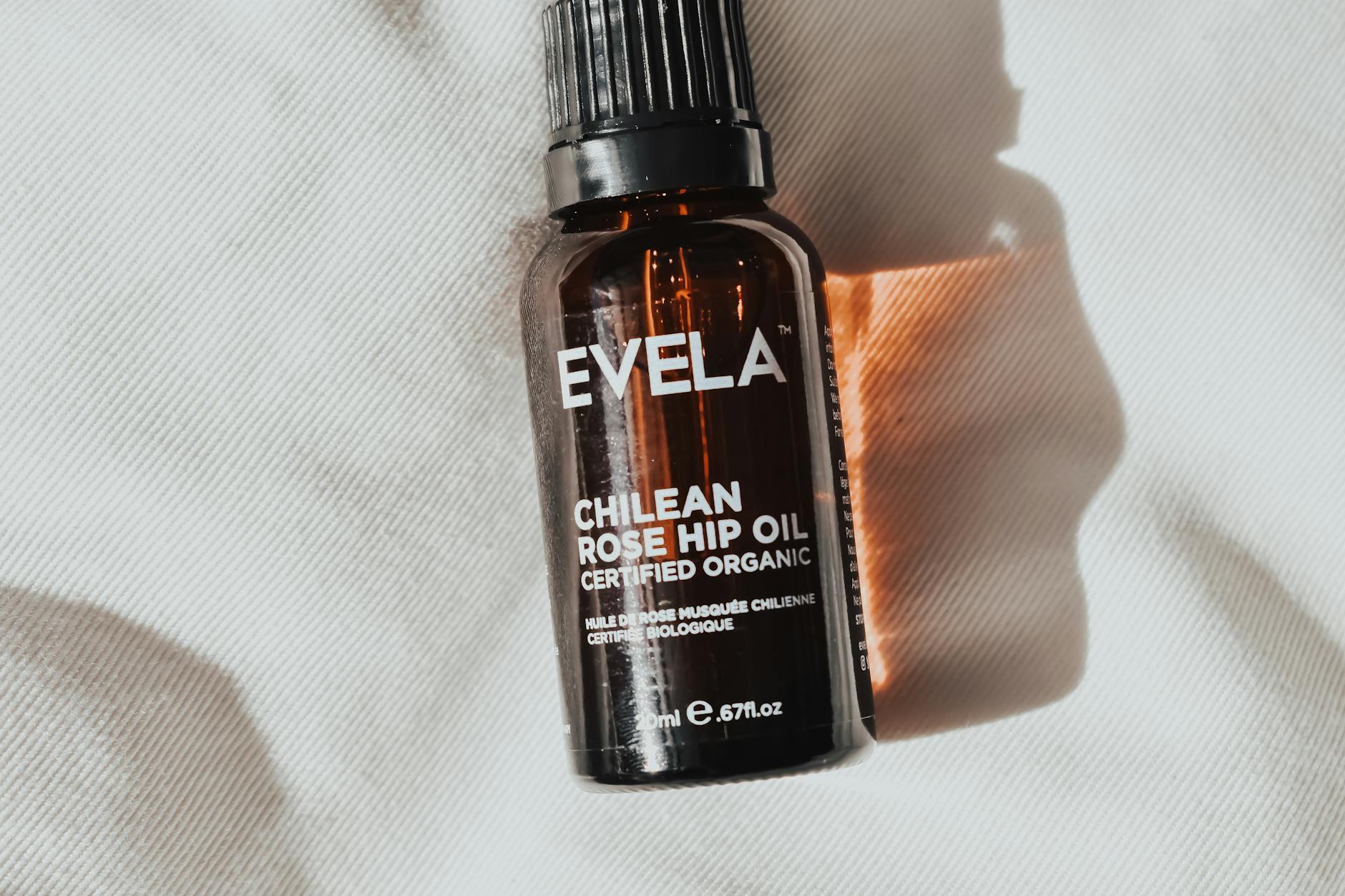
Rose essential oil is one of the most precious and sought-after oils in the world due to its extraordinarily complex and soothing fragrance. It is associated with emotional healing, heart-centered calm, and the gentle release of grief or sadness. Research has shown that rose inhalation can reduce the concentration of the stress hormone adrenaline in the body. Even a single drop diffused with geranium and palmarosa creates a profoundly nurturing and peaceful environment. Its high cost is often considered worthwhile by those who experience its unmatched depth of emotional and physical relaxation.
Valerian
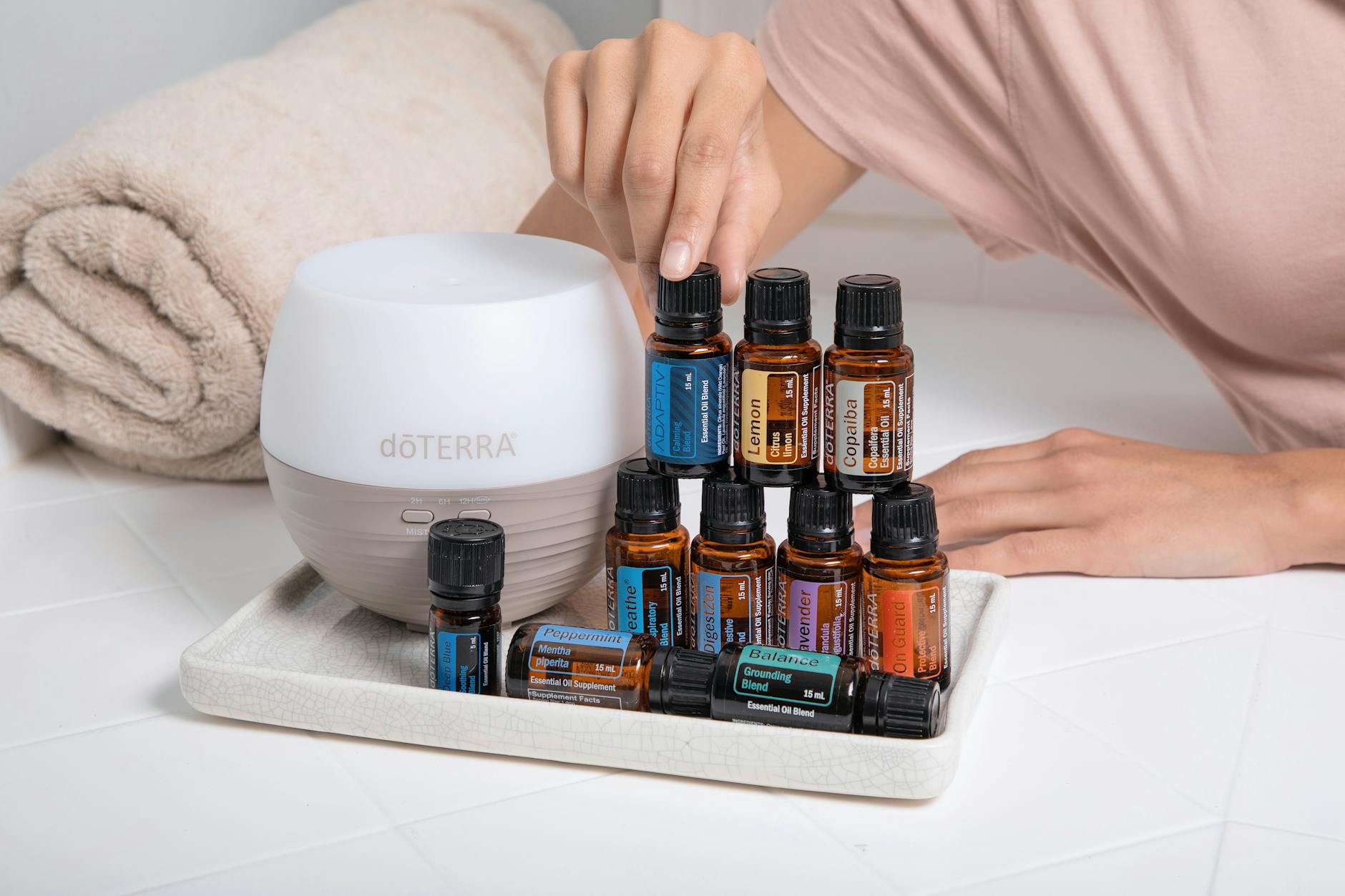
Valerian essential oil is one of the most powerfully sedative options in the aromatherapist’s toolkit and is derived from the same plant used in herbal sleep supplements. Its aroma is earthy and pungent and is best used in very small quantities blended with sweeter oils such as lavender or rose to soften its intensity. It has been studied specifically in the context of sleep quality and has shown promising results in reducing the time it takes to fall asleep. Many sleep-focused aromatherapy blends include a micro-dose of valerian as a base note to anchor lighter floral elements. Its strength makes it most appropriate for evening use by those dealing with persistent restlessness or sleep disruption.
If you have a favorite essential oil that brings you calm or a blend you swear by for deep relaxation, share it in the comments.