
Lower back pain affects millions of people worldwide and is one of the most common reasons for missed workdays and reduced quality of life. The good news is that targeted movement and consistent exercise can make a significant difference in managing and relieving discomfort. Research consistently shows that staying active rather than resting is one of the most effective approaches to recovery. The following exercises are widely recommended by physical therapists and movement specialists for building strength, improving flexibility and reducing tension in the lower back region.
Cat-Cow Stretch
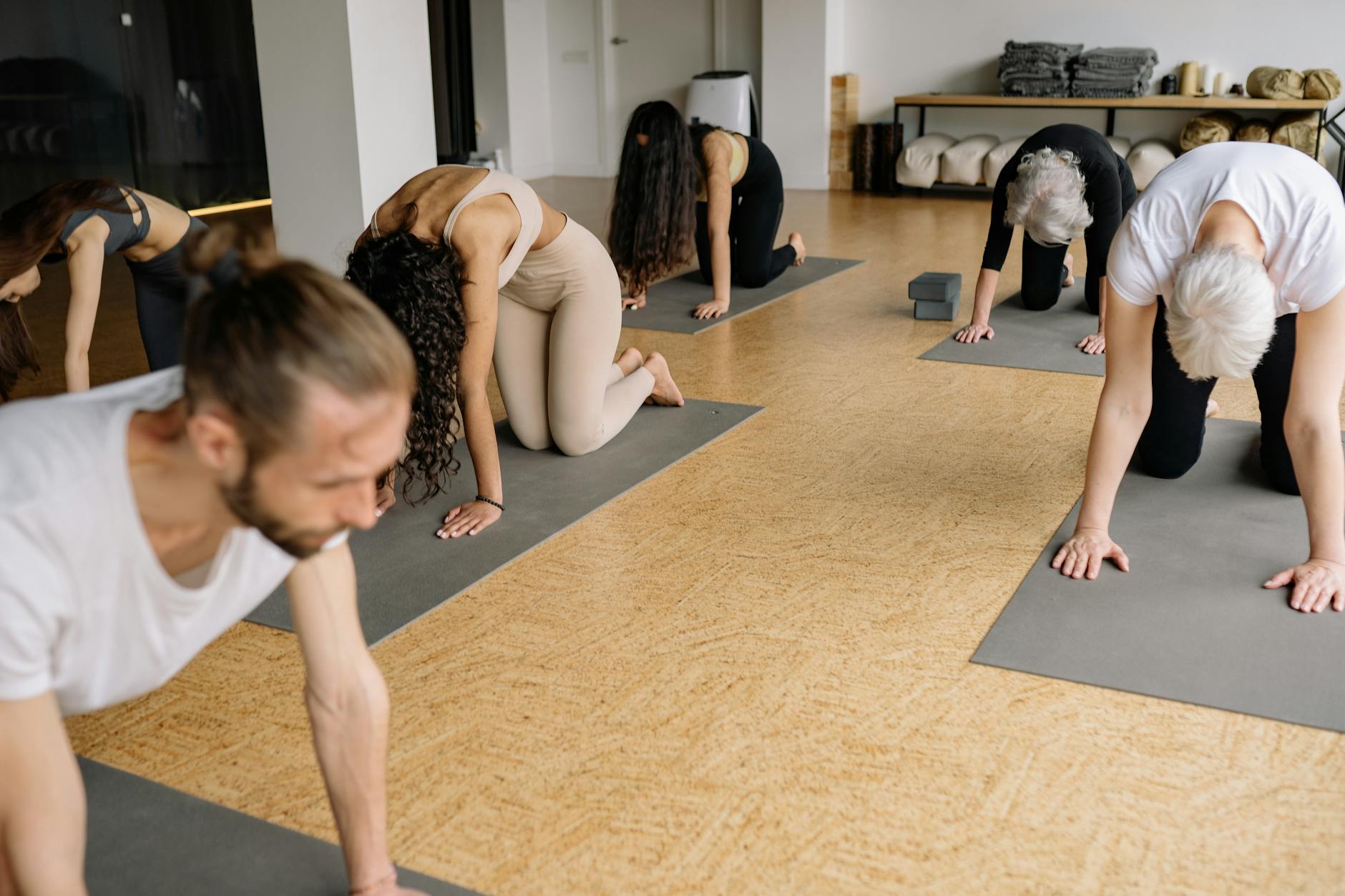
The cat-cow stretch is a gentle spinal mobility exercise performed on all fours that moves the spine through flexion and extension. It helps loosen tight muscles along the back and improves circulation to the spinal discs. Performing ten slow repetitions encourages better posture and reduces morning stiffness effectively. It is commonly used as a warm-up before more demanding movements and is suitable for nearly all fitness levels. Regular practice has been shown to meaningfully reduce chronic tension in the lumbar region.
Child’s Pose
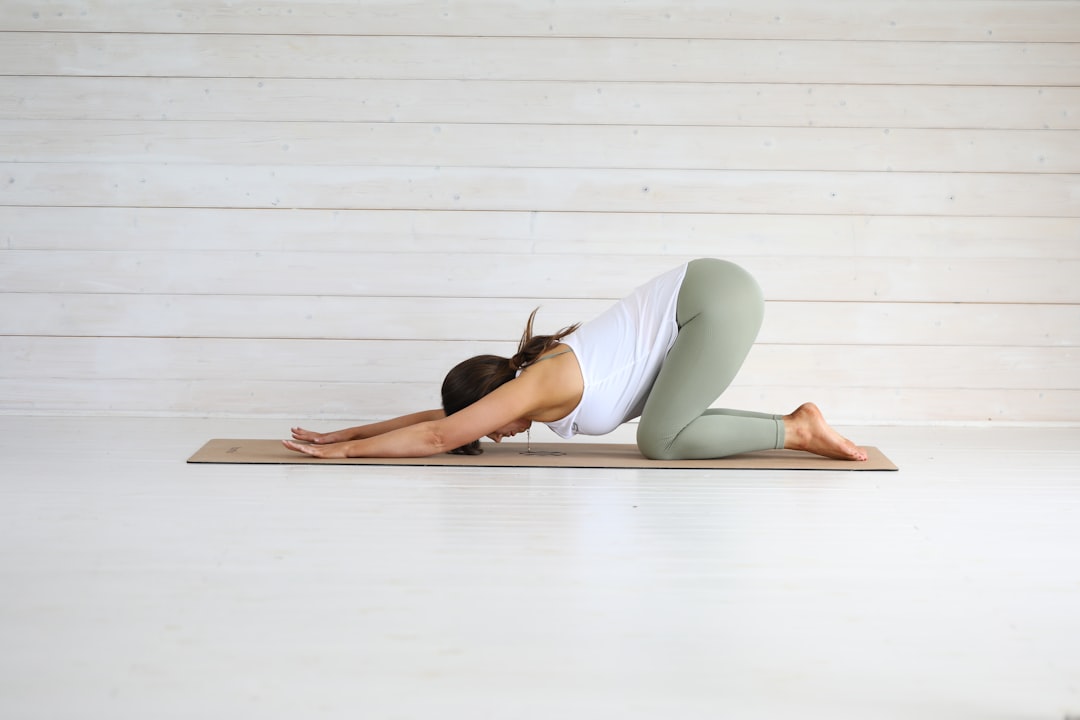
Child’s pose is a restorative yoga position that gently lengthens the lower back muscles and decompresses the spine. The body folds forward from a kneeling position with arms extended or resting alongside the body. Holding the position for thirty seconds to two minutes allows deep muscle tension to gradually release. It targets the erector spinae and the muscles around the sacrum that often become tight from prolonged sitting. Physical therapists frequently recommend this pose as both a recovery tool and a daily stress-relief movement.
Pelvic Tilts
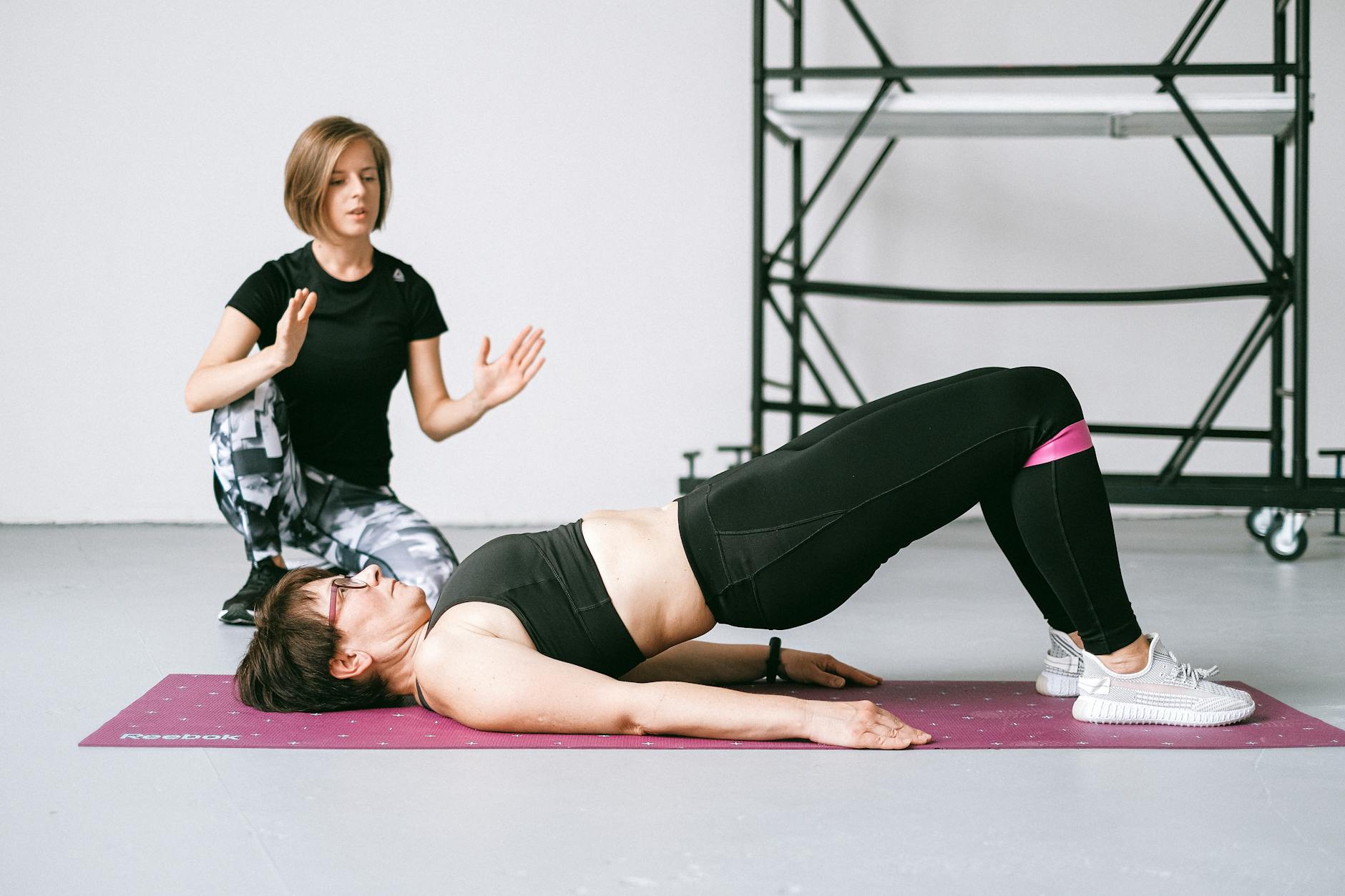
Pelvic tilts are a foundational exercise that strengthens the deep core muscles responsible for supporting the lumbar spine. The movement is performed lying on the back with knees bent and involves gently pressing the lower back into the floor. This subtle motion activates the transverse abdominis which acts as a natural corset around the spine. Consistent practice helps correct anterior pelvic tilt which is a common contributor to chronic lower back discomfort. Even beginners can perform this exercise safely making it one of the most accessible starting points for back pain relief.
Bird Dog
The bird dog exercise trains stability and coordination by extending opposite arm and leg while maintaining a neutral spine position. Performed from a tabletop position it challenges the core back and glute muscles simultaneously without placing load on the spine. This movement reinforces proper spinal alignment and teaches the body to resist rotation under pressure. Physical therapists use it widely in rehabilitation programs because it builds functional strength that translates directly to everyday movement. Performing two to three sets of ten repetitions on each side builds meaningful endurance in the stabilising muscles.
Knee-to-Chest Stretch

The knee-to-chest stretch directly targets the lower back hip flexors and glutes with a simple pulling motion performed while lying on the back. Drawing one or both knees toward the chest elongates the lumbar muscles and relieves compression along the spine. Holding the position for twenty to thirty seconds allows the nervous system to relax the surrounding muscle tissue. This stretch is particularly effective first thing in the morning before the body has fully warmed up. It requires no equipment and can be performed in bed making it one of the most convenient additions to any daily routine.
Glute Bridges
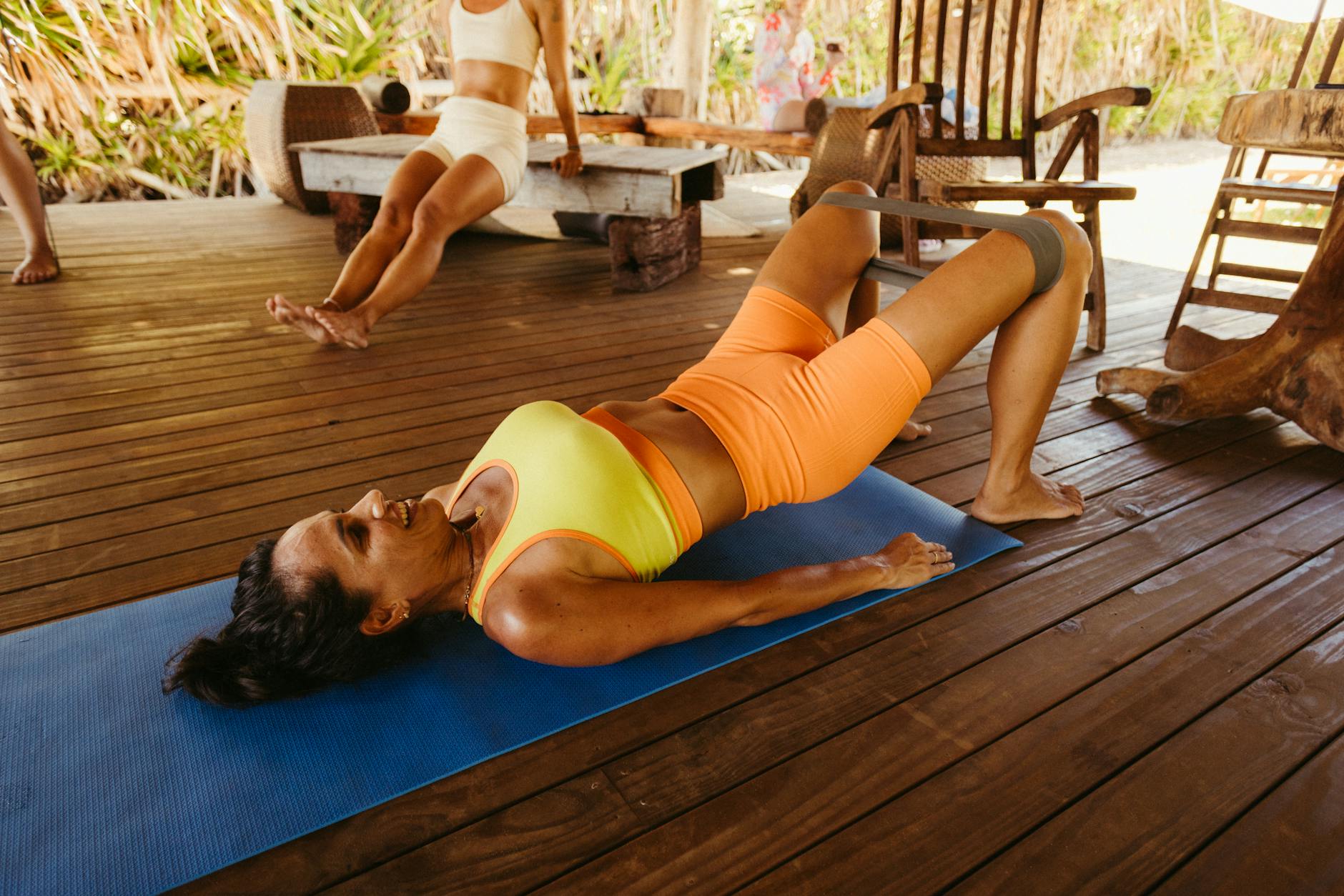
Glute bridges strengthen the gluteal muscles and hamstrings which play a critical supporting role in reducing strain on the lower back. The exercise is performed by lying on the back with knees bent and lifting the hips toward the ceiling while engaging the core. Weak glutes are frequently identified as a contributing factor to lower back pain because surrounding muscles overcompensate for their inactivity. Progressing from bodyweight to single-leg variations increases the challenge while continuing to protect the spine. Three sets of fifteen repetitions performed several times a week produces noticeable improvements in back stability over time.
Dead Bug

The dead bug is an advanced core stability exercise that trains the abdominals to maintain a neutral spine while the limbs move independently. Performed lying on the back it involves extending opposite arm and leg toward the floor while preventing the lower back from arching. This movement pattern directly mimics the coordination demands placed on the core during walking running and lifting. It is particularly effective for individuals whose lower back pain is driven by poor core control rather than muscular tightness alone. Breathing patterns are emphasised during the exercise to further reinforce diaphragmatic engagement and spinal support.
Standing Hamstring Stretch
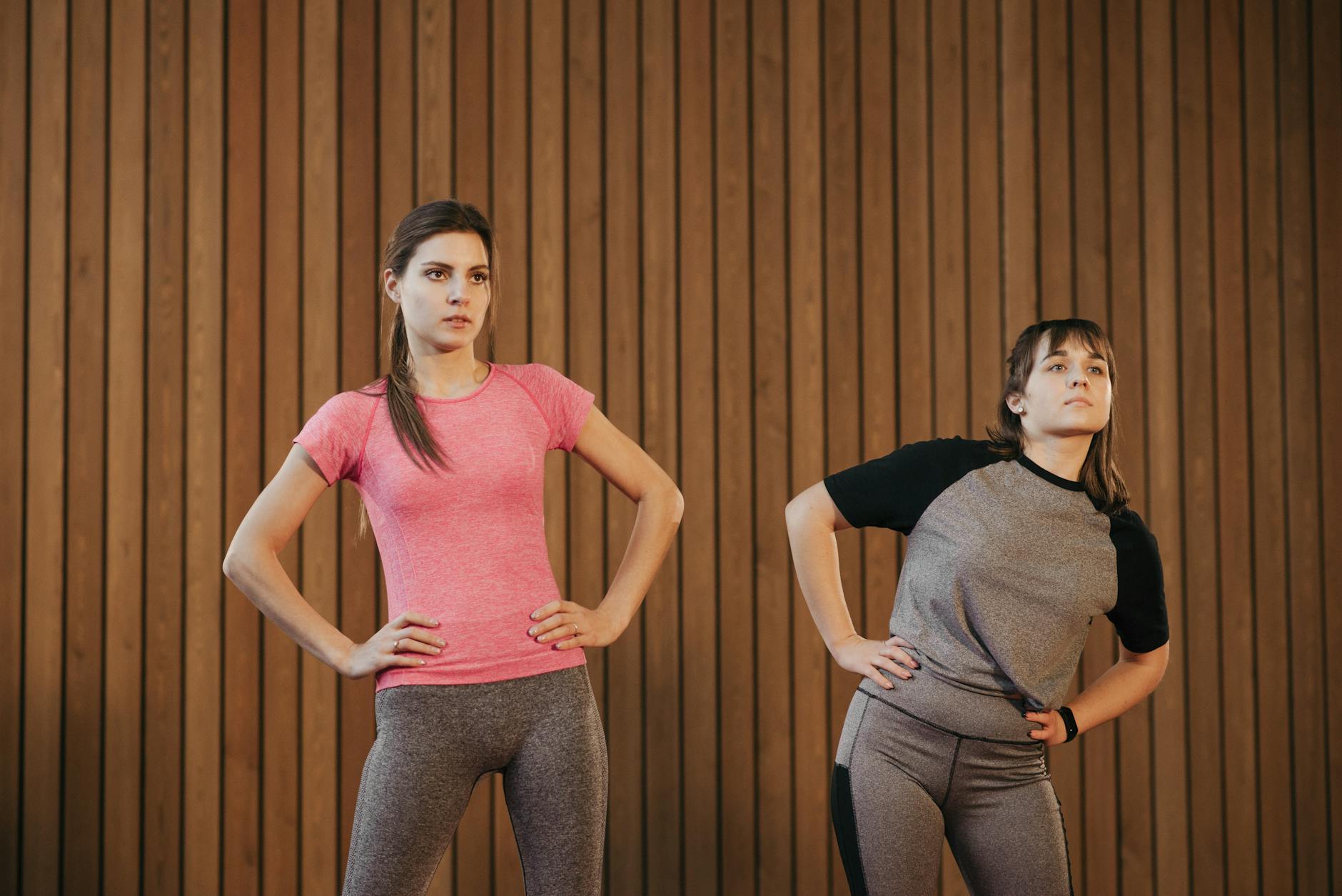
Tight hamstrings are a frequently overlooked contributor to lower back pain because they attach directly to the pelvis and alter its position when shortened. The standing hamstring stretch can be performed by extending one leg onto a raised surface and hinging forward gently from the hips. Holding the stretch for thirty to sixty seconds on each side progressively lengthens the hamstring over time. Regular stretching of this muscle group helps restore normal pelvic mechanics and reduces the pulling sensation that radiates into the lower back. Flexibility gains tend to be most noticeable when the stretch is performed consistently at least five times per week.
Wall Sits

Wall sits build isometric endurance in the quadriceps and glutes while encouraging the spine to maintain a neutral upright position. The exercise is performed by sliding the back down a wall until the thighs are parallel to the floor and holding the position. Strengthening these large lower body muscles reduces the demand placed on the lumbar spine during standing walking and climbing stairs. Holding for thirty to sixty seconds and gradually increasing duration builds meaningful endurance across multiple muscle groups. Wall sits are a practical option for individuals who need a low-impact strength exercise that avoids forward bending or spinal loading.
Swimming

Swimming is widely regarded as one of the most therapeutic forms of exercise for individuals experiencing lower back pain due to the buoyancy of water reducing spinal load. The horizontal body position during strokes like freestyle and backstroke encourages spinal lengthening and gentle mobilisation. Water resistance provides a full body workout that strengthens the core back and postural muscles without the impact forces associated with land-based exercise. Aquatic exercise has been supported by clinical research as an effective method for reducing pain intensity and improving functional mobility in chronic back pain sufferers. Even gentle water walking in a pool provides therapeutic movement benefits that support long-term recovery.
If you have found relief through any of these exercises or have a favourite movement that has transformed your lower back health share your experience in the comments.