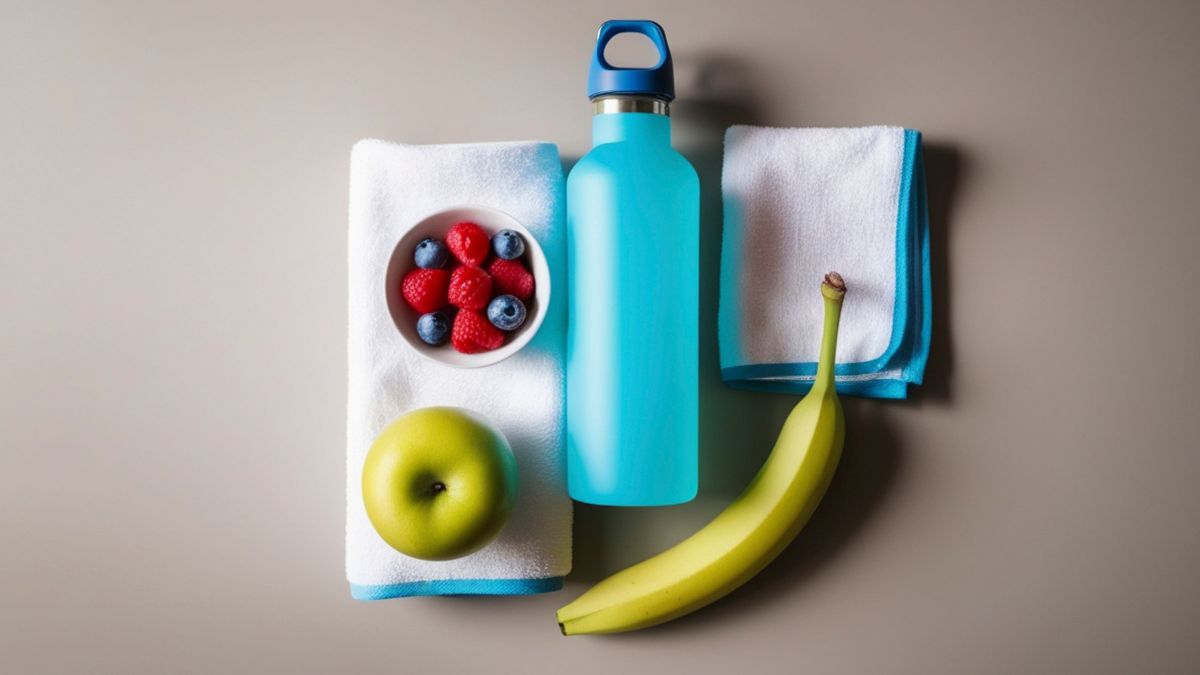
Fueling your body correctly before exercise can make a significant difference in your energy levels, endurance, and overall performance. The foods you choose in the hours leading up to a workout directly influence how effectively your muscles function and recover. A well-chosen pre-workout meal or snack provides the right balance of carbohydrates, protein, and healthy fats to sustain effort and prevent fatigue. Understanding which foods deliver the best results helps you train smarter and get more out of every session.
Bananas
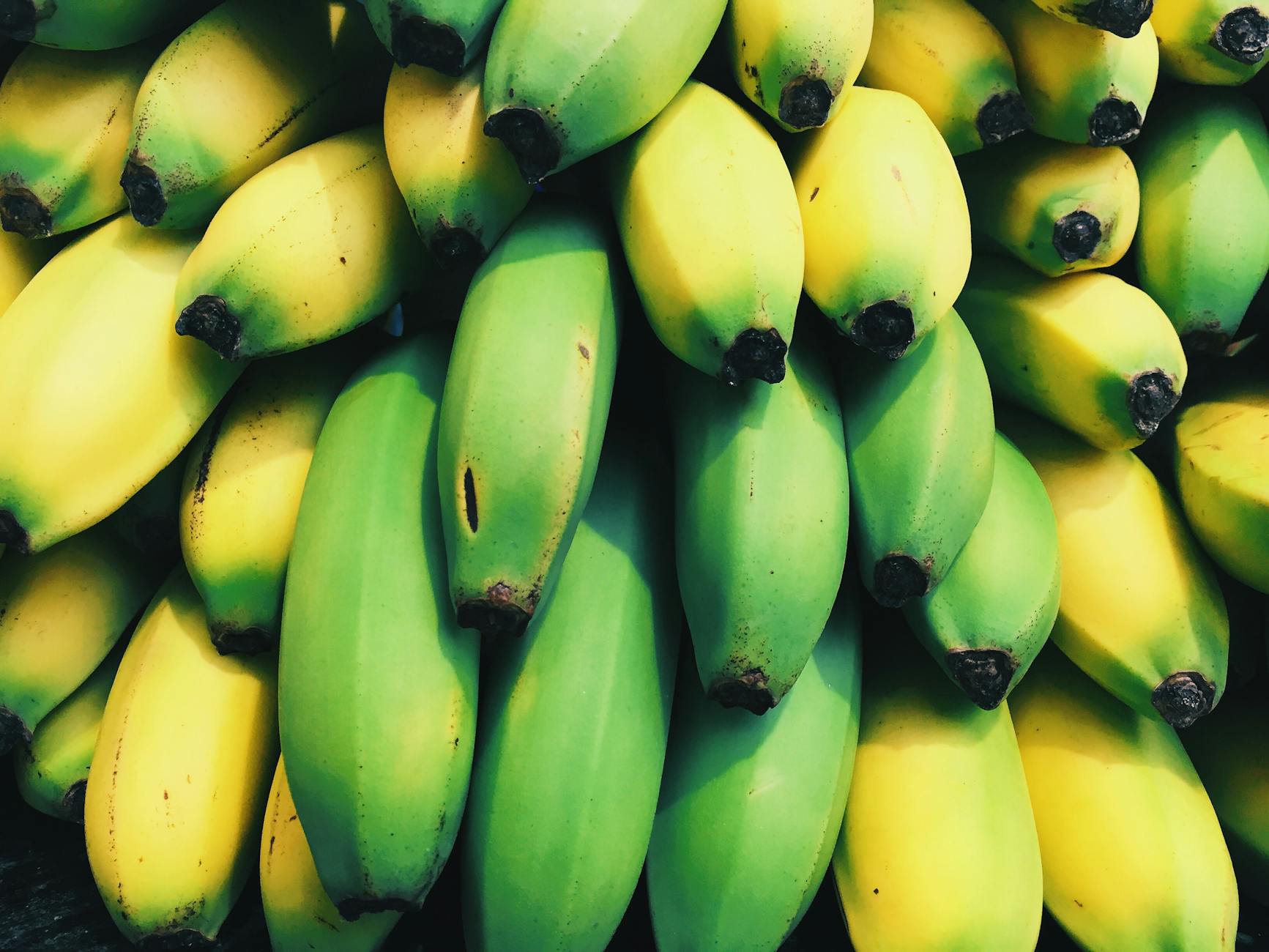
Bananas are one of the most popular pre-workout foods among athletes and fitness enthusiasts worldwide. They are rich in fast-digesting carbohydrates that provide a quick and reliable source of energy for physical activity. The natural sugars in bananas are easily absorbed by the body, making them ideal for consumption 30 to 60 minutes before exercise. They also contain potassium, which supports proper muscle function and helps prevent cramping during intense training.
Oatmeal
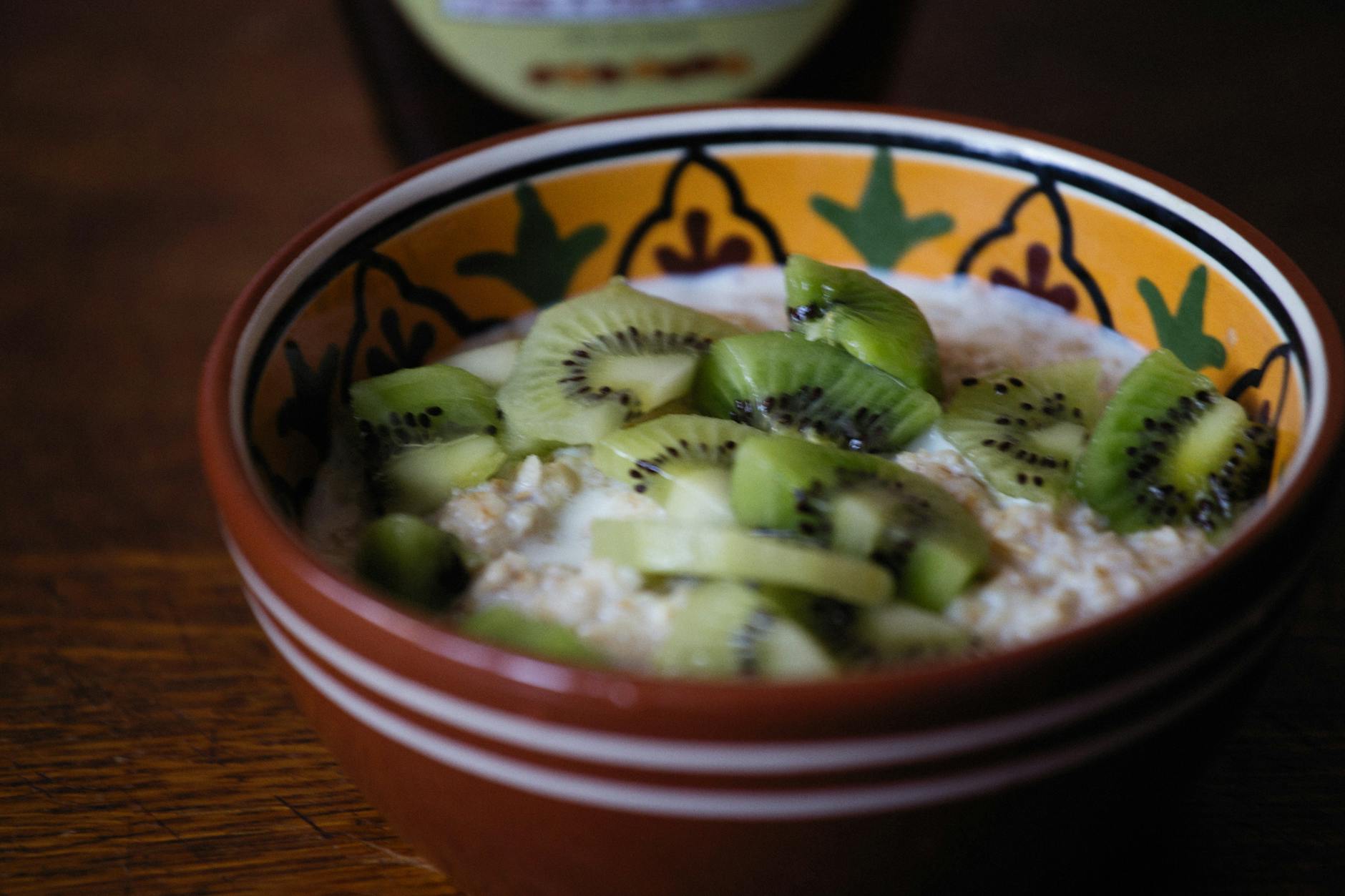
Oatmeal is a slow-digesting complex carbohydrate that delivers a steady stream of energy throughout a workout. It has a low glycemic index, meaning it releases glucose gradually into the bloodstream rather than causing a sharp spike and crash. A bowl of plain oatmeal eaten one to two hours before training helps maintain stamina and mental focus during longer sessions. Adding a small amount of fruit or nut butter increases the nutritional value without weighing the stomach down.
Greek Yogurt
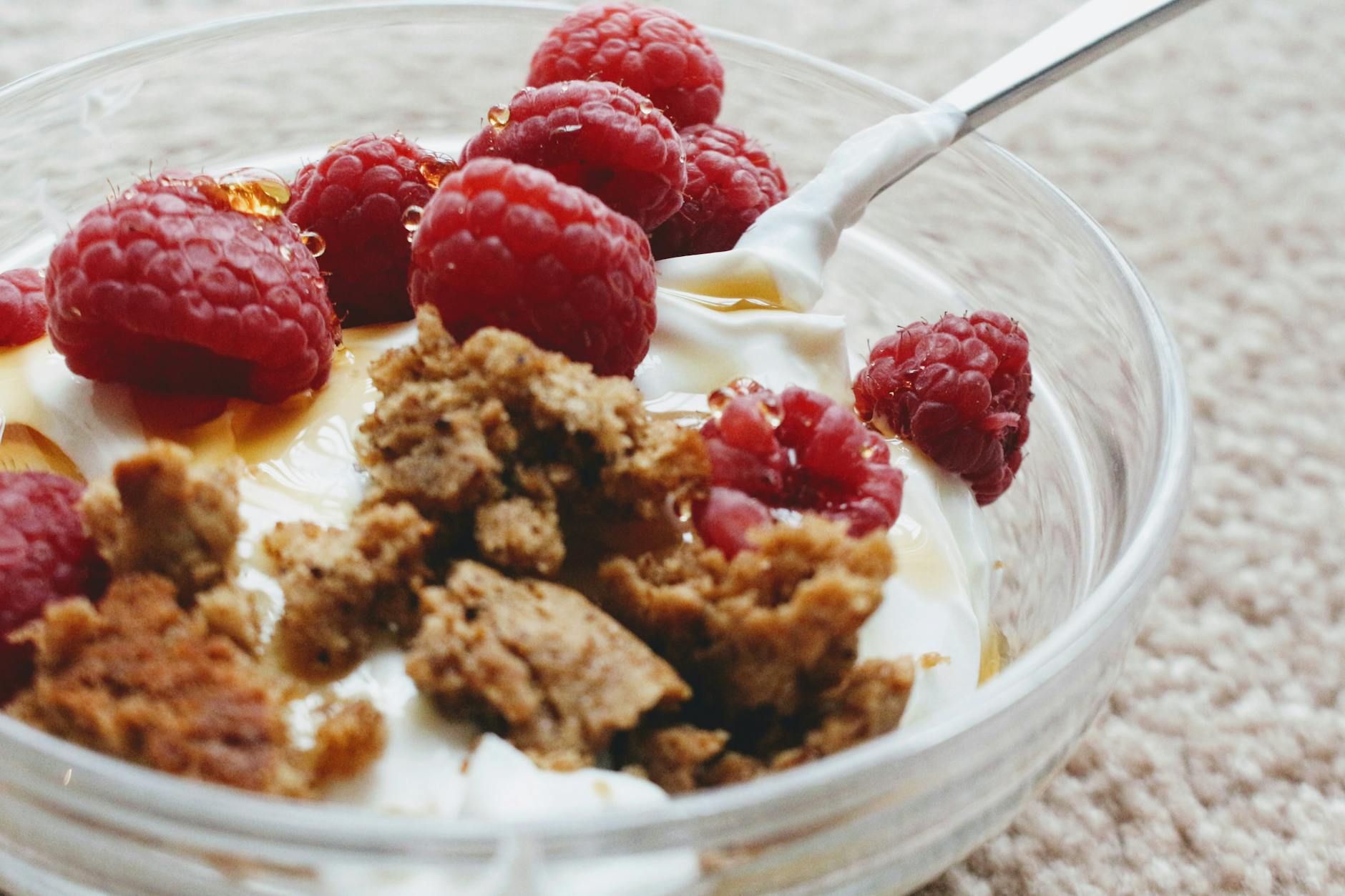
Greek yogurt is a protein-dense food that supports muscle preparation and recovery when consumed before exercise. It contains a combination of fast and slow-digesting proteins that help protect muscle tissue during physical exertion. The live cultures found in Greek yogurt also support digestive health, which is important when the body is under physical stress. Pairing it with granola or berries adds a carbohydrate component that rounds out the pre-workout nutritional profile.
Whole Grain Toast
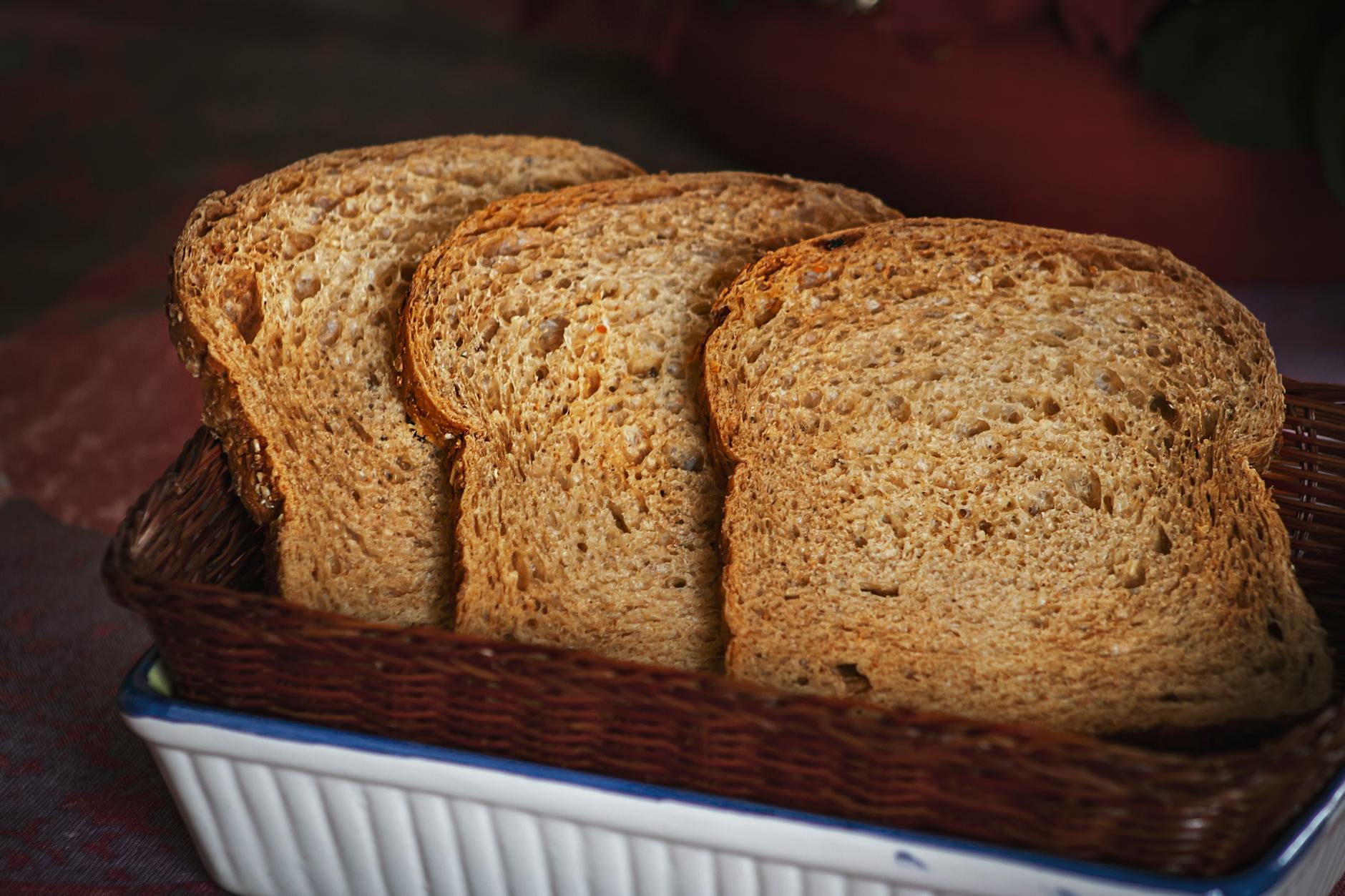
Whole grain toast provides complex carbohydrates that digest at a moderate rate, offering sustained energy without causing digestive discomfort. It is a versatile base that can be topped with nutrient-rich additions such as nut butter, sliced banana, or avocado. The fiber content in whole grain bread slows digestion slightly, which helps maintain blood sugar levels during training. It is particularly well-suited as a pre-workout option when eaten one to two hours before physical activity.
Eggs

Eggs are a complete protein source containing all nine essential amino acids needed for muscle repair and growth. Consuming eggs before a workout provides the body with high-quality fuel that supports both strength and endurance activities. They are also rich in B vitamins, which play a key role in converting food into usable energy at the cellular level. A light preparation such as boiled or scrambled eggs is easiest for the digestive system to handle before exercise.
Sweet Potatoes
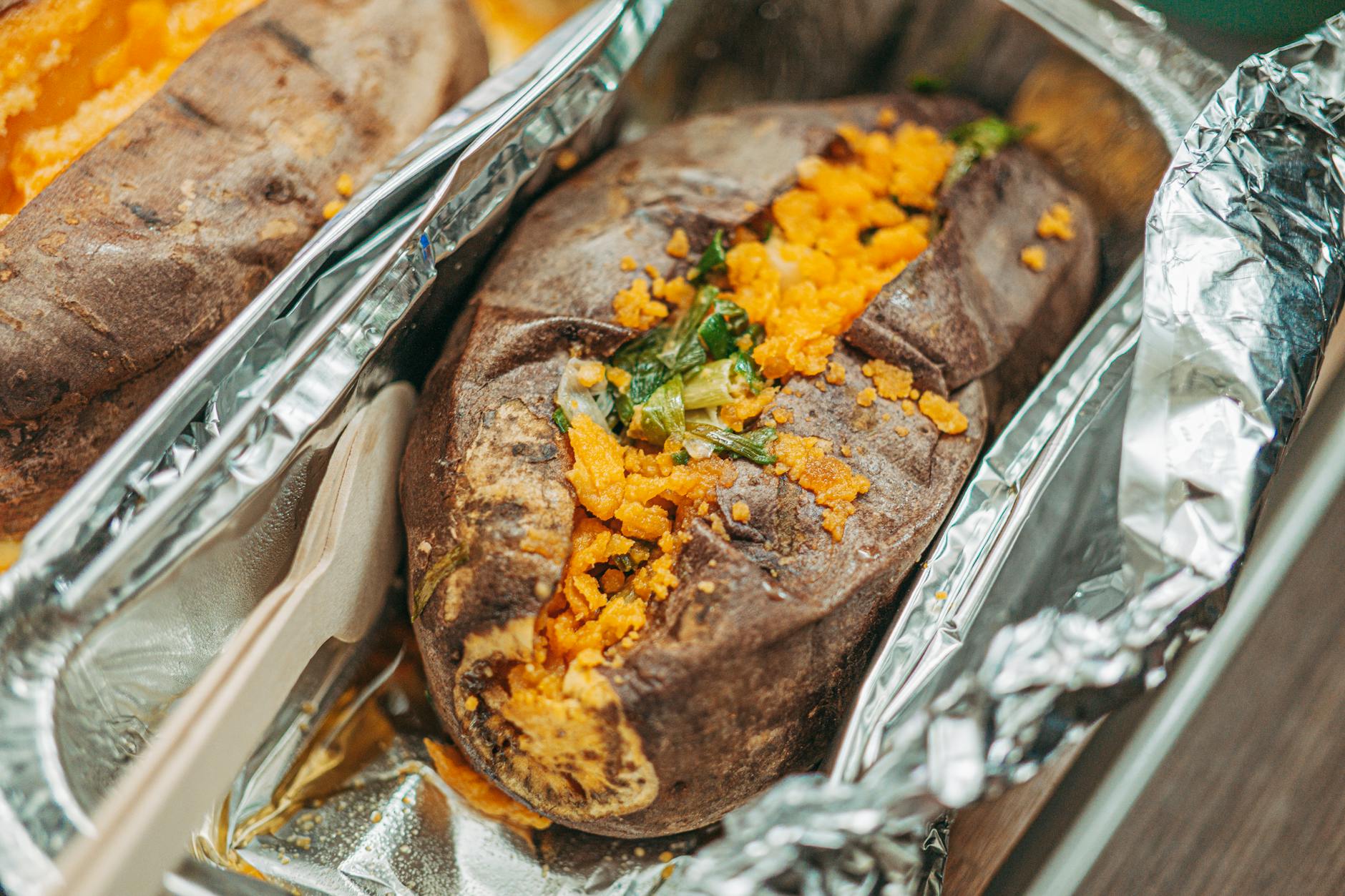
Sweet potatoes are an excellent source of complex carbohydrates and are packed with vitamins, minerals, and antioxidants. Their natural fiber content promotes a slow and even release of energy, making them ideal for sustained physical performance. They are particularly high in vitamin A and potassium, both of which support muscle function and reduce the risk of cramping. Eating sweet potatoes two to three hours before a workout gives the body ample time to digest and absorb their nutrients.
Brown Rice
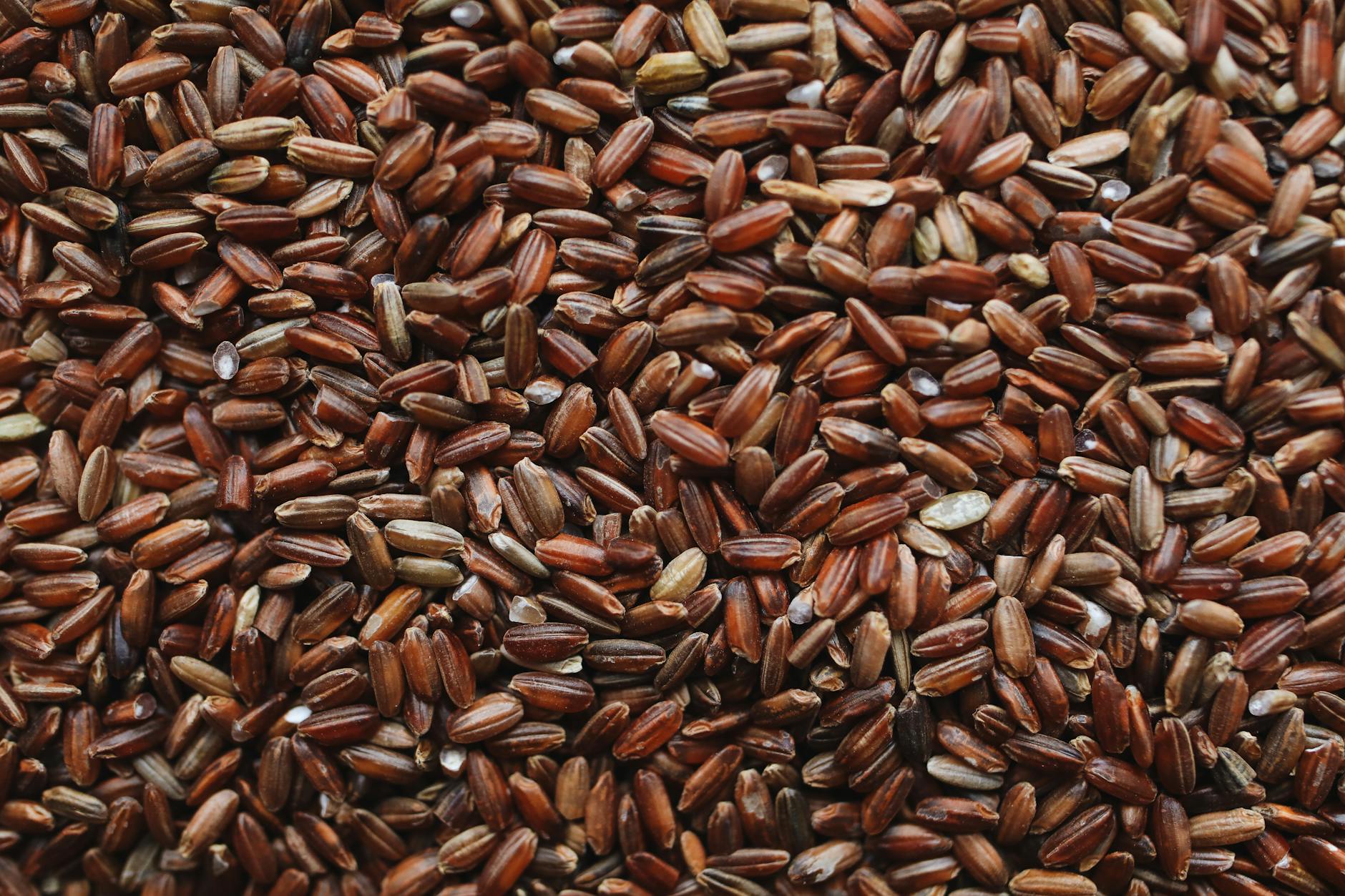
Brown rice is a whole grain carbohydrate that delivers long-lasting energy suitable for both cardio and strength training. It is minimally processed, which means it retains more fiber and nutrients compared to refined white rice. The complex carbohydrates in brown rice help maintain glycogen stores in the muscles, which is the primary fuel source during high-intensity exercise. Combining it with a lean protein source such as chicken or tofu creates a well-balanced pre-workout meal.
Chicken Breast
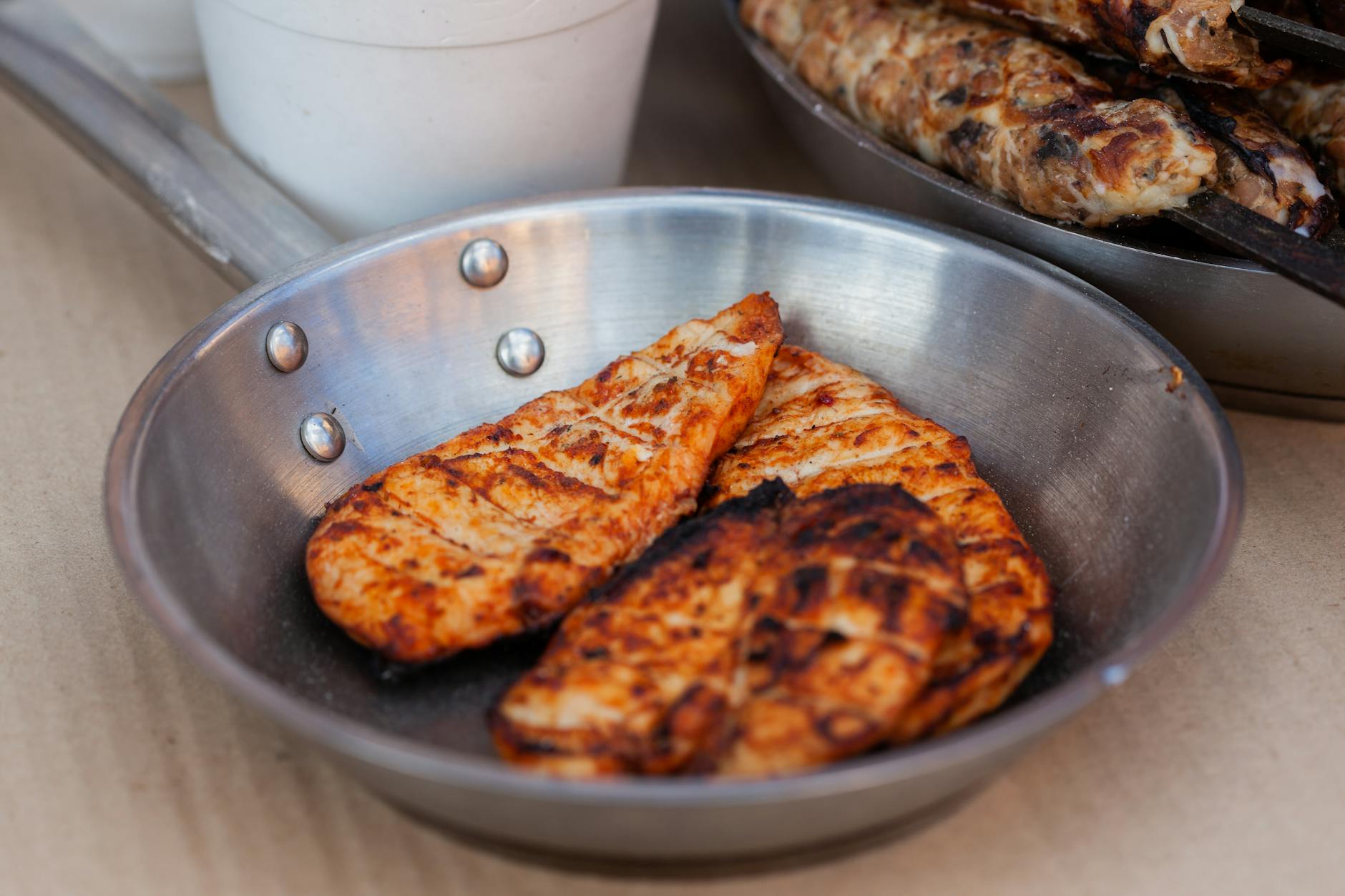
Chicken breast is one of the leanest and most widely consumed protein sources among athletes preparing for training. It is low in fat and easy to digest, making it a practical choice when eaten two to three hours before a workout. The high protein content helps preserve muscle mass and supports the body’s ability to perform under physical stress. Grilling or baking chicken breast without heavy seasoning keeps the meal light and easy on the stomach.
Peanut Butter
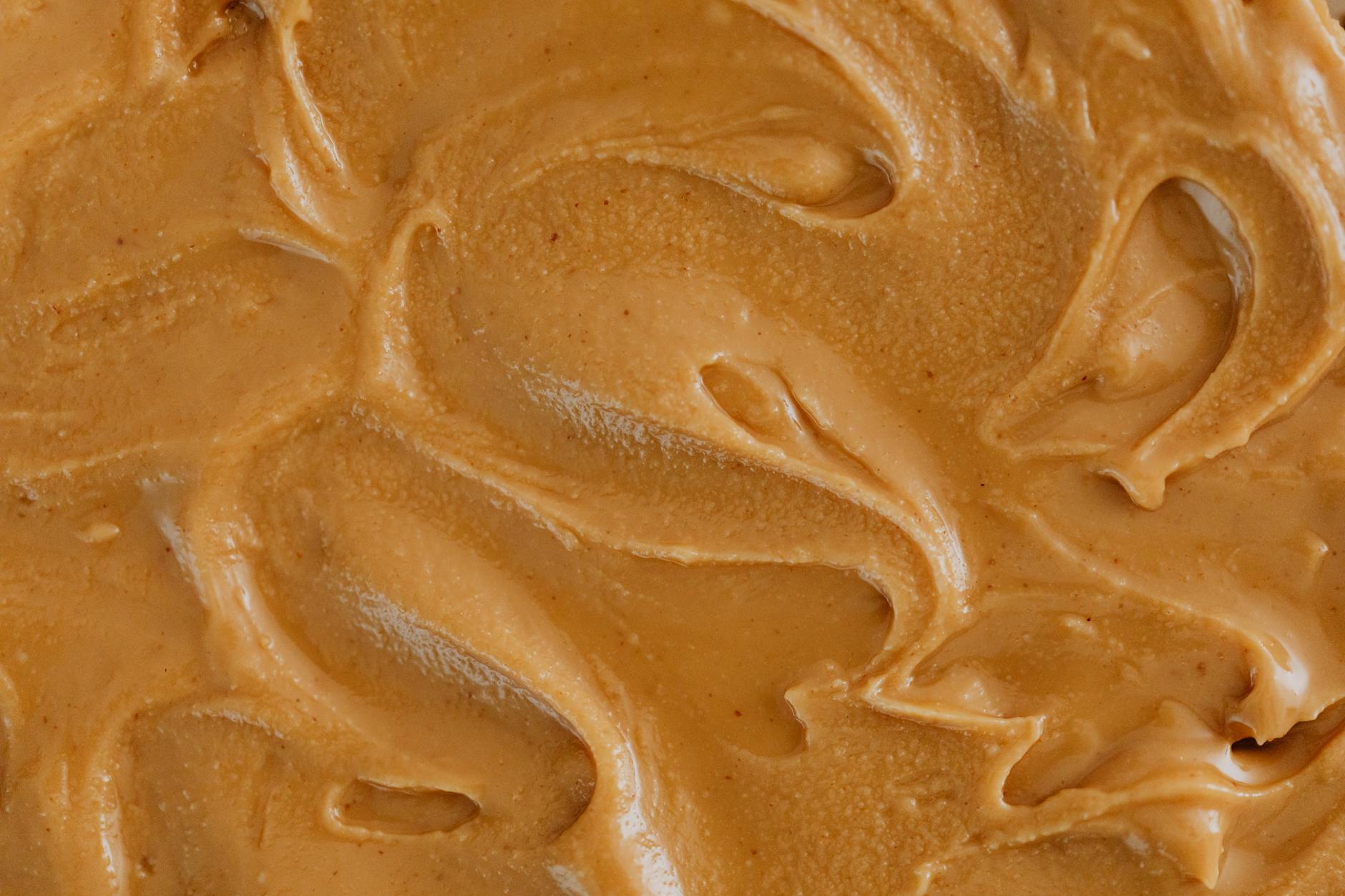
Peanut butter provides a combination of healthy fats and protein that helps sustain energy levels during moderate to longer duration workouts. It is calorie-dense, so a small portion spread on whole grain toast or paired with a banana is generally sufficient before exercise. The healthy monounsaturated fats in peanut butter support heart health and help the body absorb fat-soluble vitamins. Natural varieties without added sugar or hydrogenated oils offer the most nutritional benefit as a pre-workout food.
Almonds
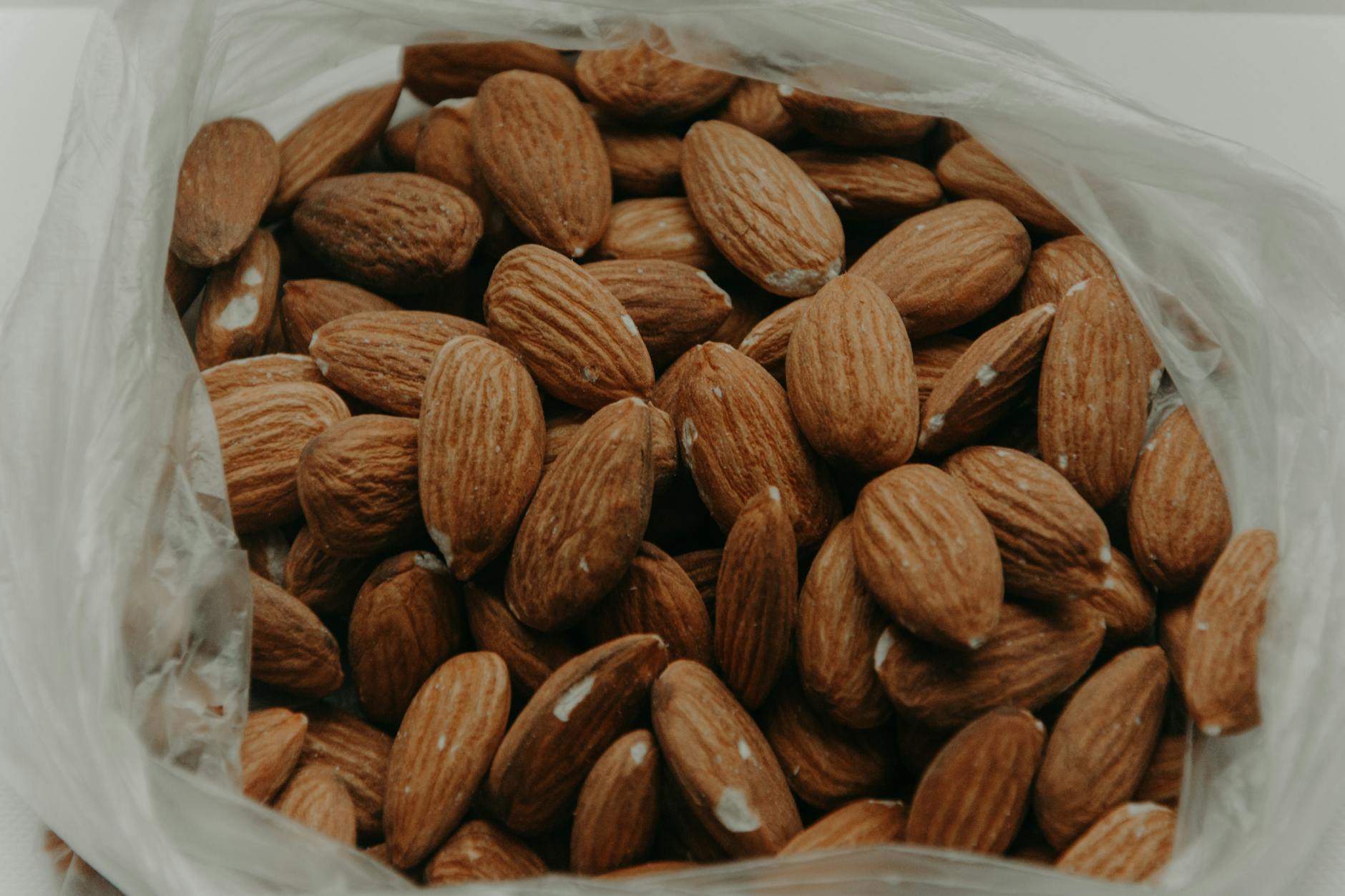
Almonds are a convenient and nutrient-rich snack that supplies protein, healthy fats, and magnesium before physical activity. Magnesium plays an important role in muscle contraction and energy metabolism, making almonds especially useful for athletes. A small handful eaten 30 to 60 minutes before a light workout provides enough sustained energy without causing digestive heaviness. Their portability and long shelf life make them one of the most practical pre-workout snack options available.
Apples

Apples are a light and hydrating fruit that offer natural sugars and fiber to provide a modest energy boost before exercise. Their carbohydrate content digests at a moderate pace, which makes them a suitable choice for shorter or less intense training sessions. Apples also contain quercetin, a plant compound with anti-inflammatory properties that may support respiratory function during cardiovascular activity. Pairing an apple with a small amount of almond butter adds protein and healthy fat for a more balanced pre-workout snack.
Cottage Cheese

Cottage cheese is a high-protein dairy food that is relatively low in calories and fat, making it an efficient pre-workout fuel source. It contains casein protein, which digests slowly and provides a prolonged supply of amino acids to the muscles during exercise. Cottage cheese is also a good source of calcium and phosphorus, which support bone strength and muscle function. It can be eaten on its own or combined with fruit for a simple and nutritious pre-workout meal.
Quinoa
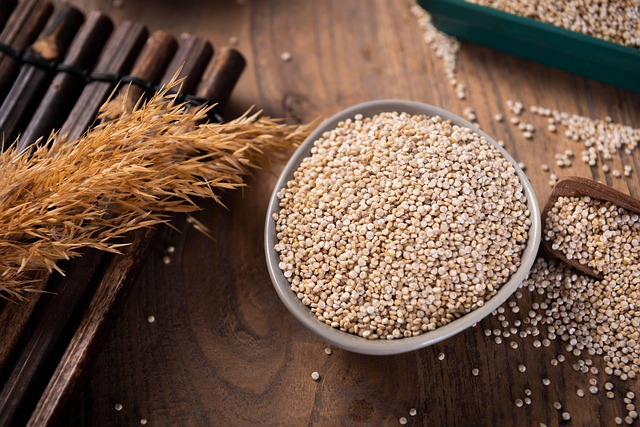
Quinoa is a unique plant-based food that provides both complex carbohydrates and a complete protein profile in a single ingredient. It is gluten-free and easy to digest, making it a suitable option for individuals with dietary sensitivities who are seeking pre-workout fuel. The combination of protein and carbohydrates in quinoa helps prime the muscles for exertion while supporting energy availability throughout a session. Preparing a quinoa bowl with vegetables and a light dressing two hours before training is an effective and satisfying approach.
Berries
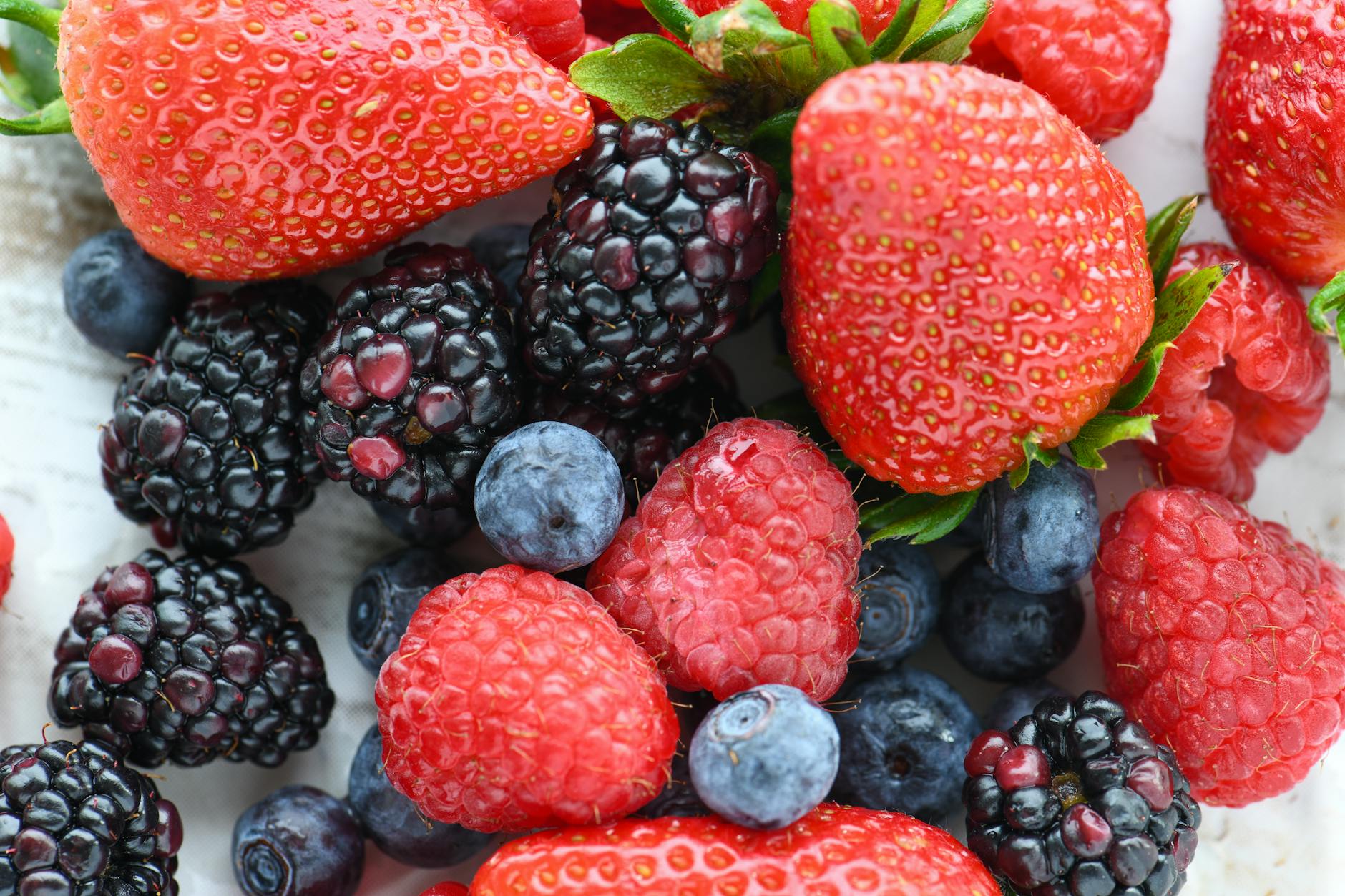
Berries such as blueberries, strawberries, and raspberries are rich in antioxidants that help reduce oxidative stress caused by intense physical activity. They contain natural sugars that provide a light and quick energy source without placing excessive load on the digestive system. Berries are also high in vitamin C, which supports immune function and collagen production for joint health during movement. Adding a handful to oatmeal, yogurt, or a smoothie creates a flavorful and functional pre-workout combination.
Hummus

Hummus is made from chickpeas and provides a notable amount of plant-based protein, fiber, and complex carbohydrates. It is a satisfying and relatively easy-to-digest option when paired with raw vegetables or whole grain crackers before a workout. The chickpeas in hummus are a source of iron and folate, both of which support oxygen transport and red blood cell production during physical activity. Eating a moderate portion one to two hours before exercise allows adequate time for digestion without discomfort.
Smoothies
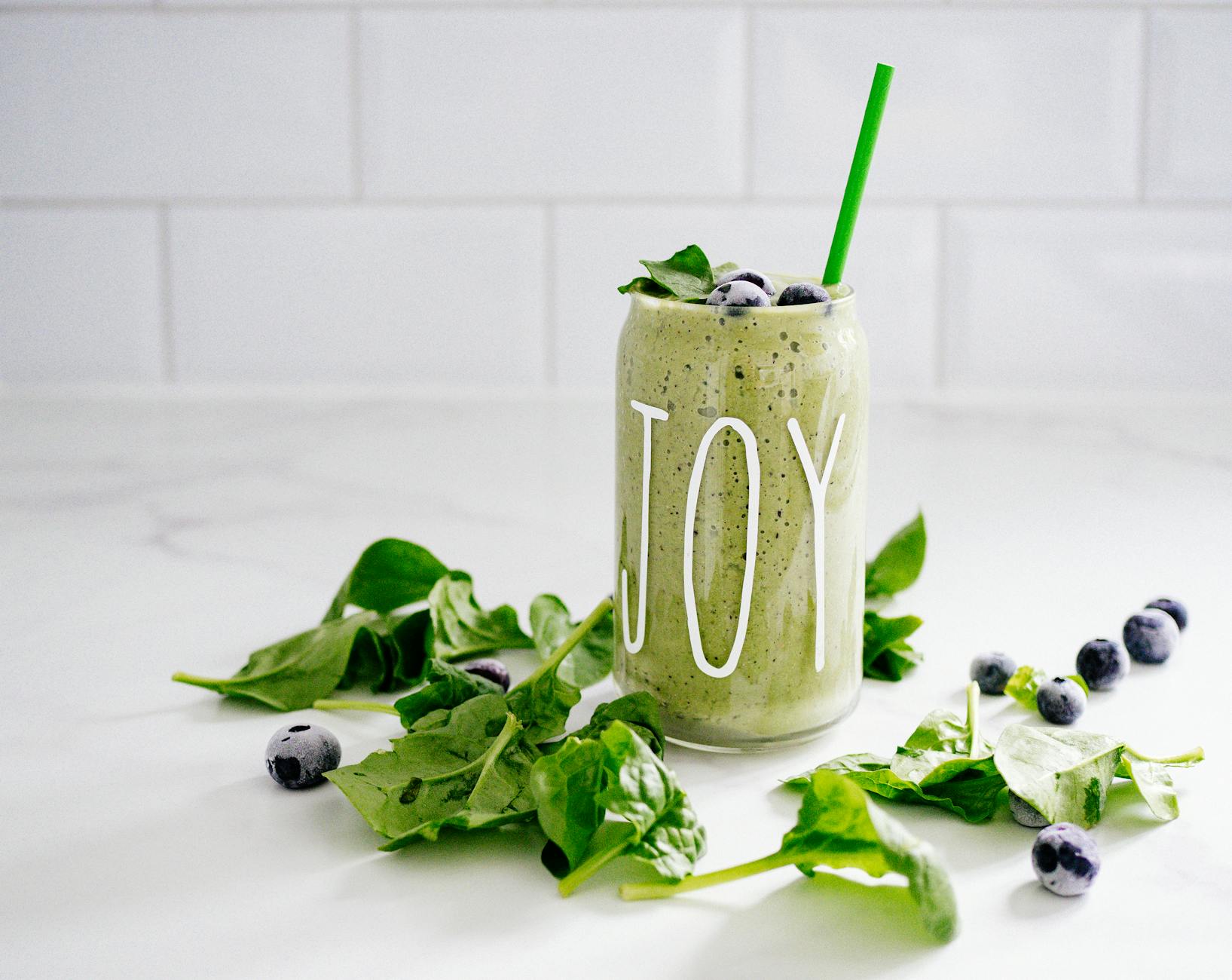
Smoothies are a highly customizable and efficient way to consume a combination of carbohydrates, protein, and micronutrients before exercise. Blending ingredients such as banana, spinach, protein powder, and almond milk creates a nutrient-dense drink that is easy for the body to digest quickly. The liquid format means the nutrients are absorbed faster than solid foods, which is advantageous when time before a workout is limited. Keeping added sugars low and whole food ingredients high ensures the smoothie delivers quality fuel rather than empty calories.
Rice Cakes

Rice cakes are a light and simple carbohydrate source that digest quickly and are unlikely to cause stomach discomfort before training. They have a neutral flavor and work well as a base for toppings such as nut butter, avocado, or sliced fruit. Because they are low in fiber and fat, rice cakes enter the bloodstream relatively fast, making them a good option when eating 30 to 45 minutes before exercise. They are particularly useful before high-intensity interval training or weightlifting sessions that require immediate energy.
Avocado
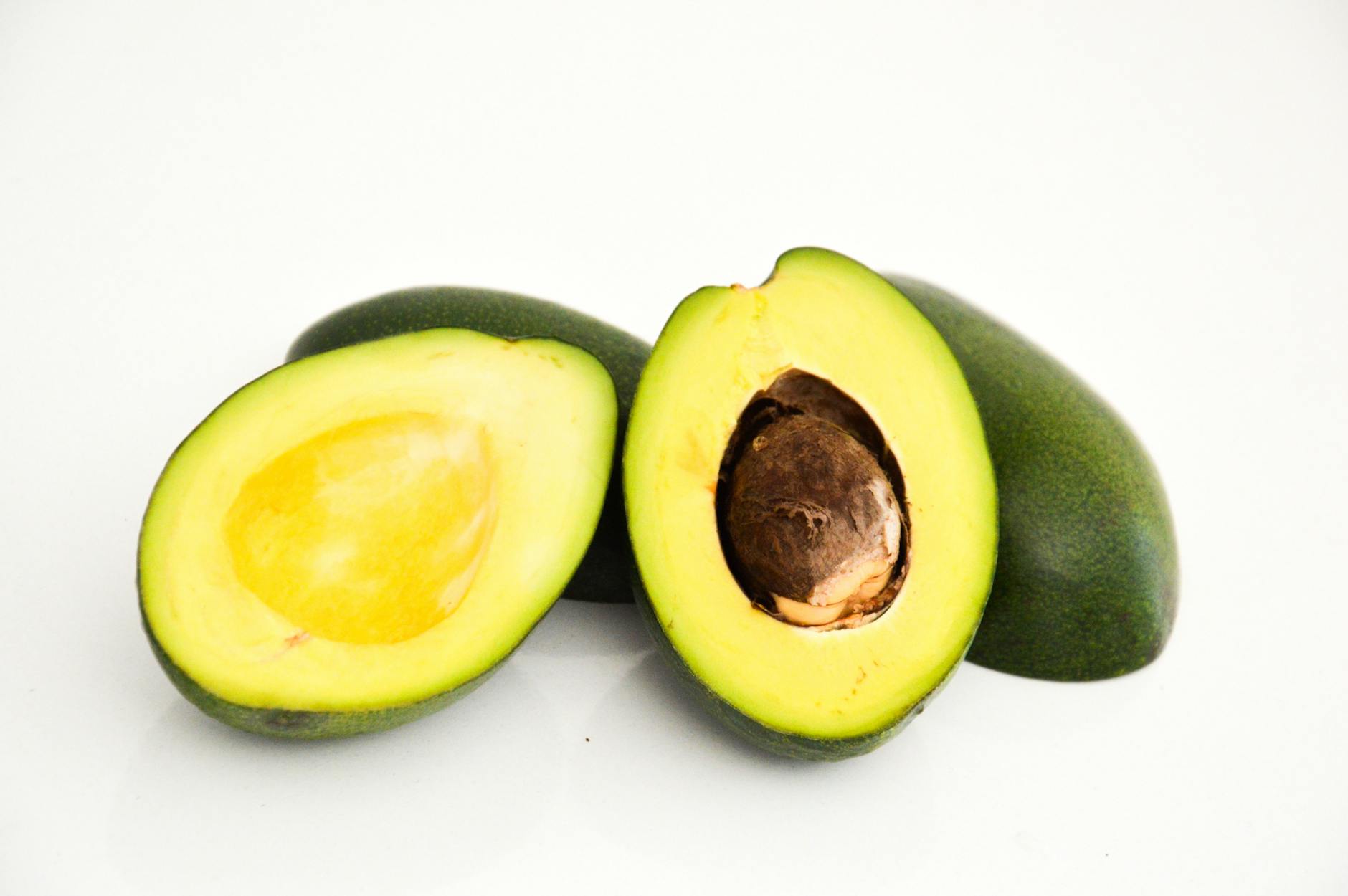
Avocado is rich in monounsaturated fats and contains a range of vitamins including B6, C, E, and K, all of which contribute to overall exercise performance. The healthy fats in avocado slow digestion slightly, providing a steady and lasting source of energy ideal for endurance activities. It also contains potassium at levels comparable to bananas, which helps prevent muscle cramps during prolonged physical effort. Spreading avocado on whole grain toast or adding it to a pre-workout bowl offers both flavor and substantial nutritional support.
Dates

Dates are a natural and concentrated source of simple and complex carbohydrates that provide rapid energy before a workout. They have been used as a performance food in many cultures for centuries due to their dense caloric content and ease of digestion. Dates contain natural sugars including glucose and fructose, which are both absorbed efficiently by the body to fuel active muscles. Eating two to four dates around 30 minutes before exercise is a straightforward and effective way to top up energy stores.
Edamame
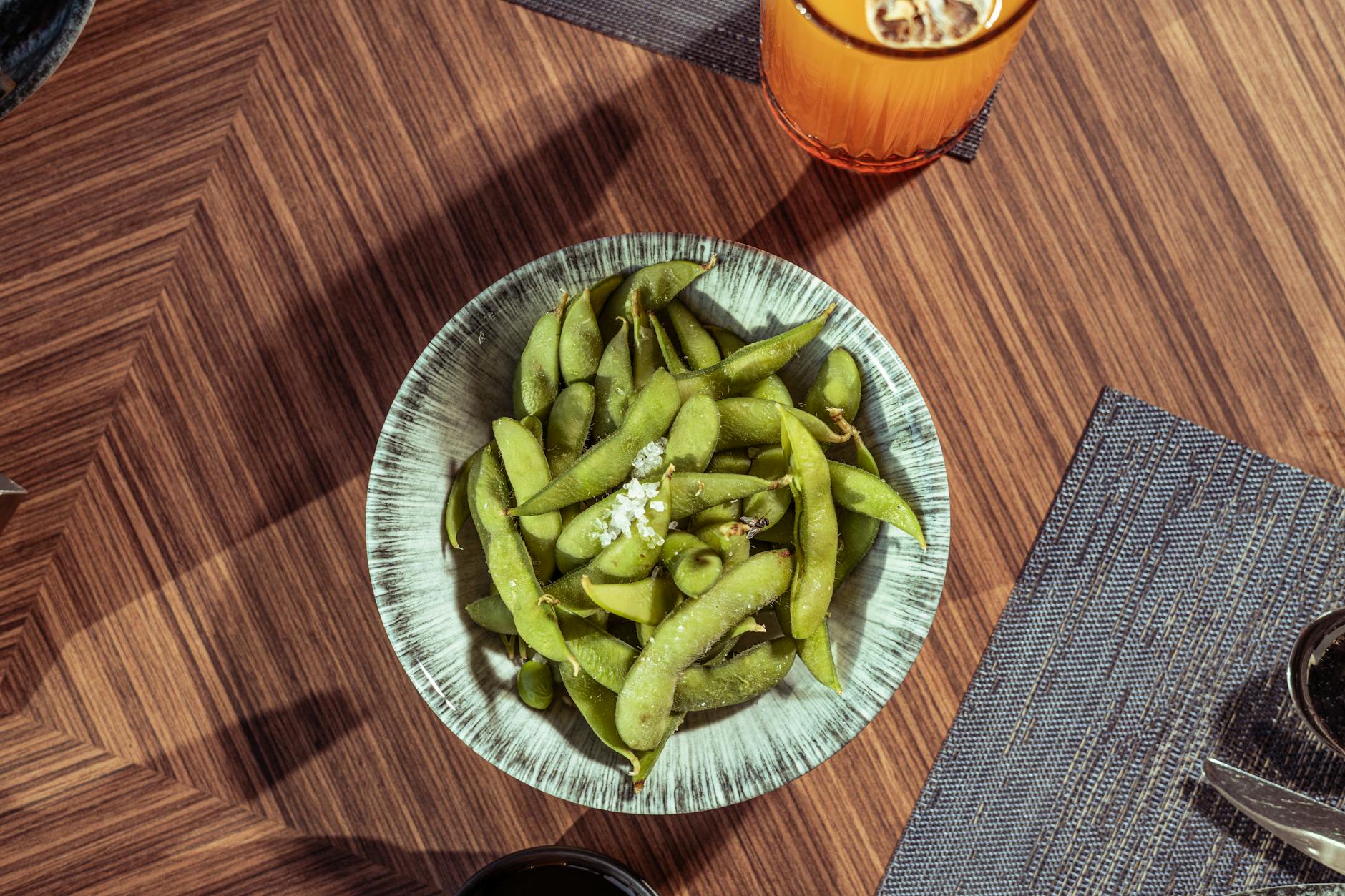
Edamame are young soybeans that deliver an impressive combination of plant-based protein, complex carbohydrates, and fiber in a compact serving. They are a complete protein source, meaning they contain all essential amino acids required for muscle maintenance and repair. The moderate fiber content in edamame supports digestive health and helps regulate blood sugar levels during physical activity. A lightly salted portion of steamed edamame eaten one to two hours before a workout serves as a satisfying and well-rounded pre-exercise snack.
Tuna

Tuna is a lean protein source that is low in fat and calories while being exceptionally high in essential amino acids and omega-3 fatty acids. The omega-3 content in tuna has been linked to reduced muscle soreness and improved blood flow during exercise. It is best consumed two to three hours before a workout to allow sufficient time for digestion without causing heaviness or discomfort. Mixing canned tuna with whole grain crackers or on a slice of toast creates a protein-rich pre-workout meal that is easy to prepare.
Lentils
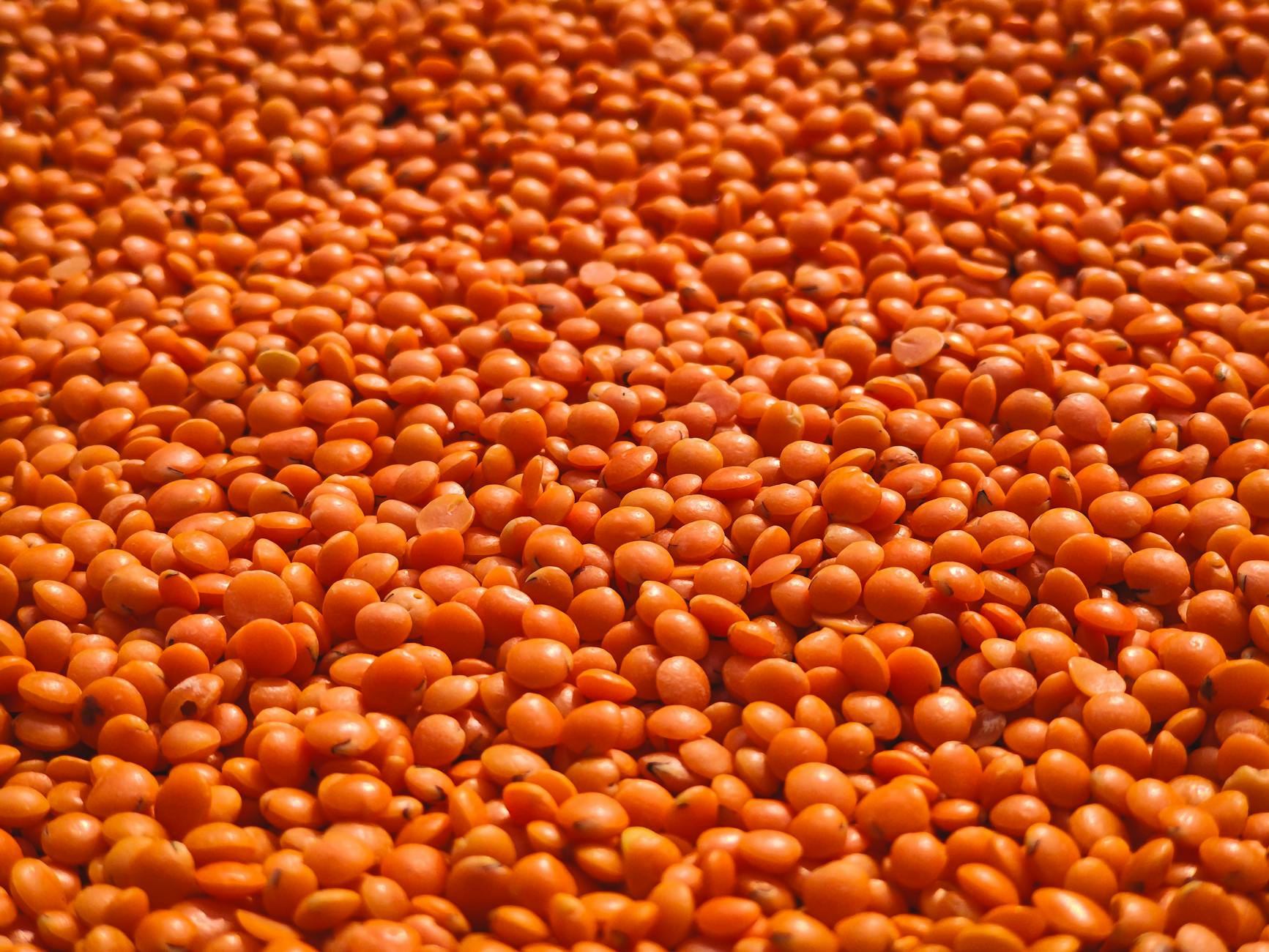
Lentils are a fiber-rich legume that provides a hearty combination of plant protein and slow-releasing carbohydrates to support sustained physical effort. They are also an excellent source of iron, which is essential for oxygen delivery to working muscles during cardiovascular and strength training. Their high fiber content means they digest more slowly, so they are best consumed two to three hours before a workout rather than immediately beforehand. A warm bowl of lentil soup or a lentil-based salad is a nutritious and filling pre-workout meal option.
Milk
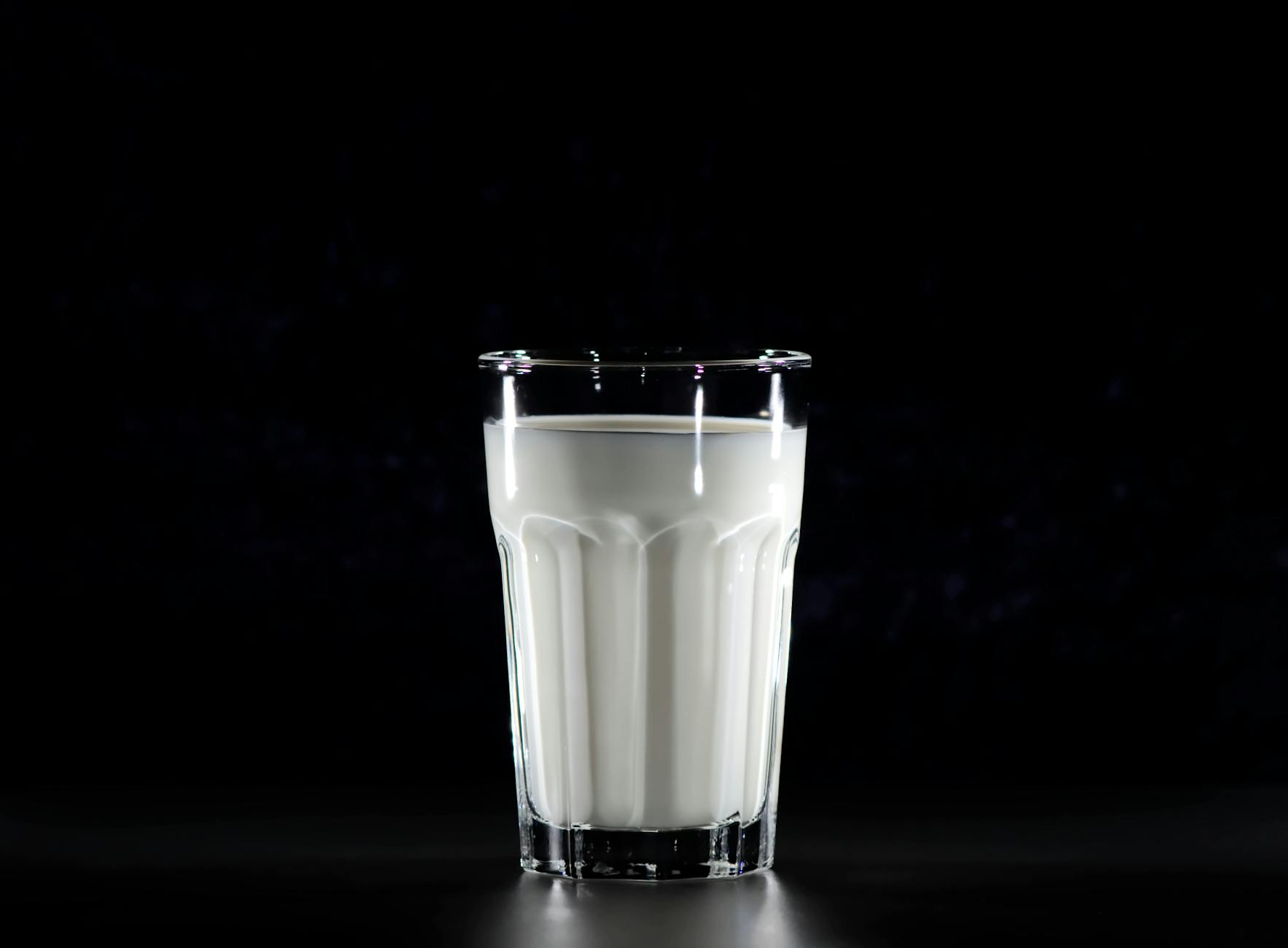
Milk is a nutrient-complete beverage that provides carbohydrates, protein, and essential electrolytes in a single serving. It contains both whey and casein proteins, which work together to support muscle priming before exercise and recovery afterward. The natural sugars in milk offer a quick energy component while the protein fraction helps protect muscle tissue during physical exertion. Low-fat or whole milk are both appropriate depending on individual dietary goals, and either can be consumed one to two hours before training.
Protein Bars
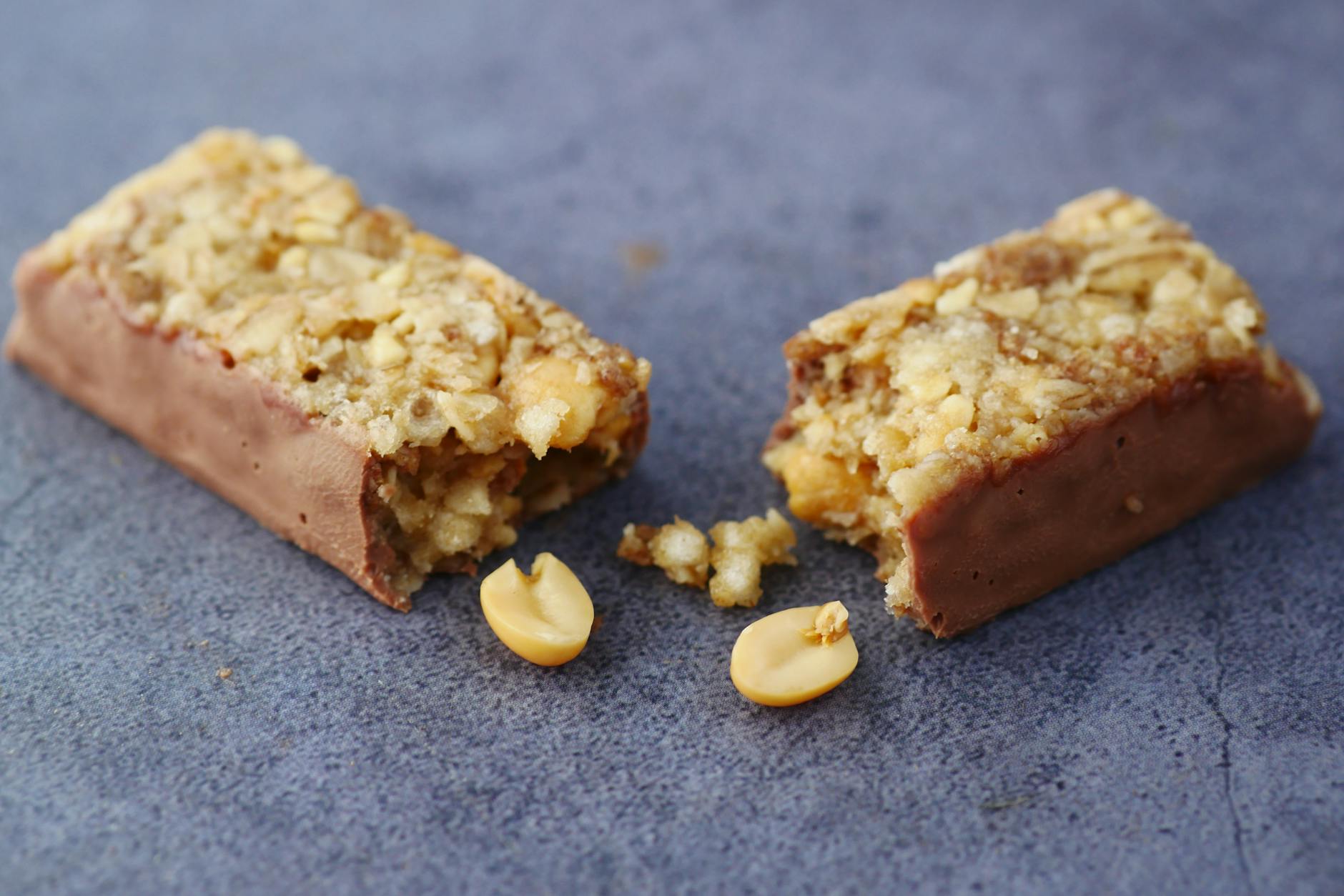
Protein bars formulated with whole food ingredients offer a convenient and portable way to consume balanced macronutrients before exercise. The best options contain a combination of complex carbohydrates and moderate protein without excessive added sugars or artificial ingredients. They are particularly useful for individuals who train early in the morning or have limited time to prepare a full pre-workout meal. Reading ingredient labels carefully ensures the bar chosen provides genuine nutritional value rather than simply masking sugar content with a health-oriented appearance.
Chocolate Milk

Chocolate milk has gained recognition in the fitness community as an effective pre-workout and recovery beverage due to its favorable carbohydrate-to-protein ratio. The natural sugars in chocolate milk provide quick-digesting fuel for the muscles, while the protein content supports muscle preservation during exercise. It also contains key electrolytes such as sodium, potassium, and calcium, which help maintain hydration and muscle function throughout training. Consuming a moderate portion of low-fat chocolate milk around one hour before a workout offers a simple and accessible nutritional strategy for active individuals.
What are your go-to pre-workout foods? Share your favorites and any tips that have worked for you in the comments.