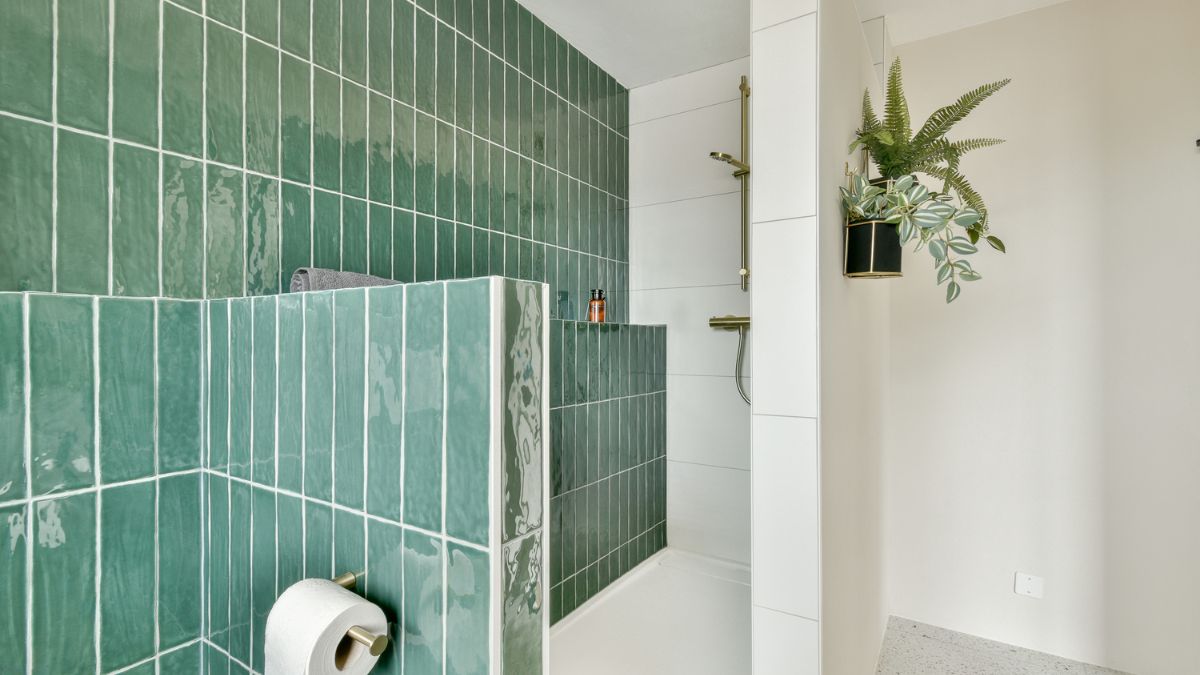
Bathrooms with no windows present a unique challenge for plant lovers, but the good news is that a surprising number of plants actually thrive in low light and high humidity conditions. These resilient species have adapted to survive with minimal sunlight, making them perfectly suited to the warm, moisture-rich atmosphere that windowless bathrooms naturally provide. Choosing the right plants for this environment transforms a purely functional space into a lush, spa-like retreat. With the right selection, even the darkest bathroom can support thriving greenery year-round.
Cast Iron Plant
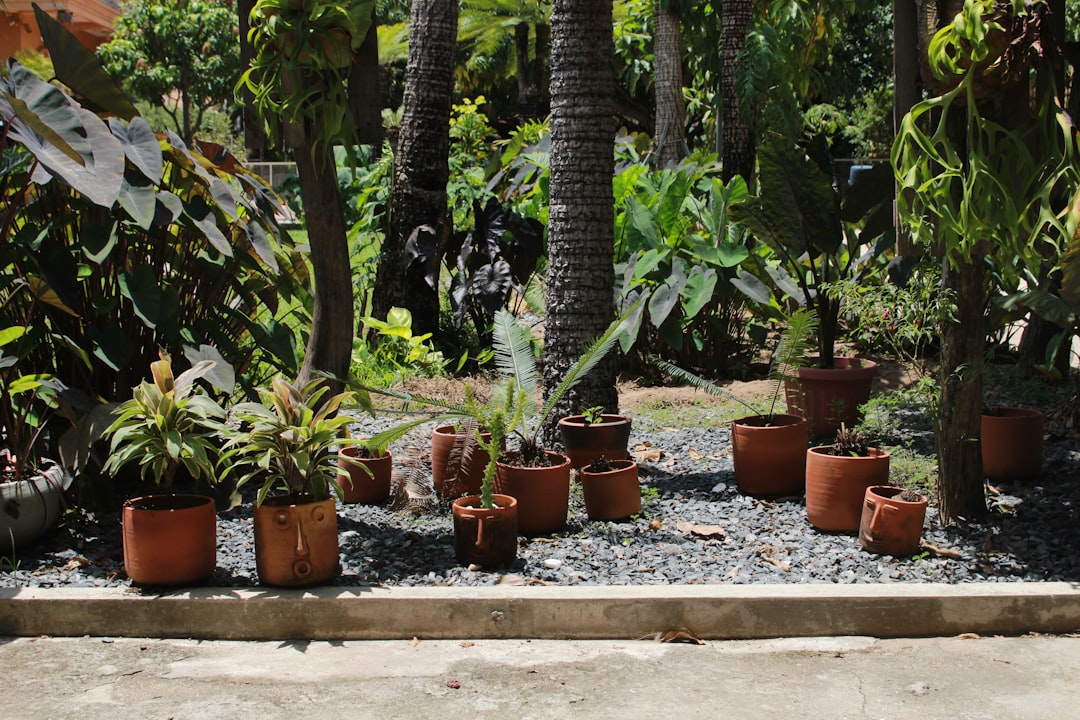
The cast iron plant earns its name from its extraordinary ability to endure neglect, low light, and fluctuating temperatures without complaint. Its broad, deep green leaves add a dramatic architectural quality to bathroom shelving or floor corners. This plant requires watering only when the soil has dried out completely, making it one of the most forgiving options available. It grows slowly but steadily, eventually reaching an impressive size that fills empty bathroom corners beautifully.
ZZ Plant
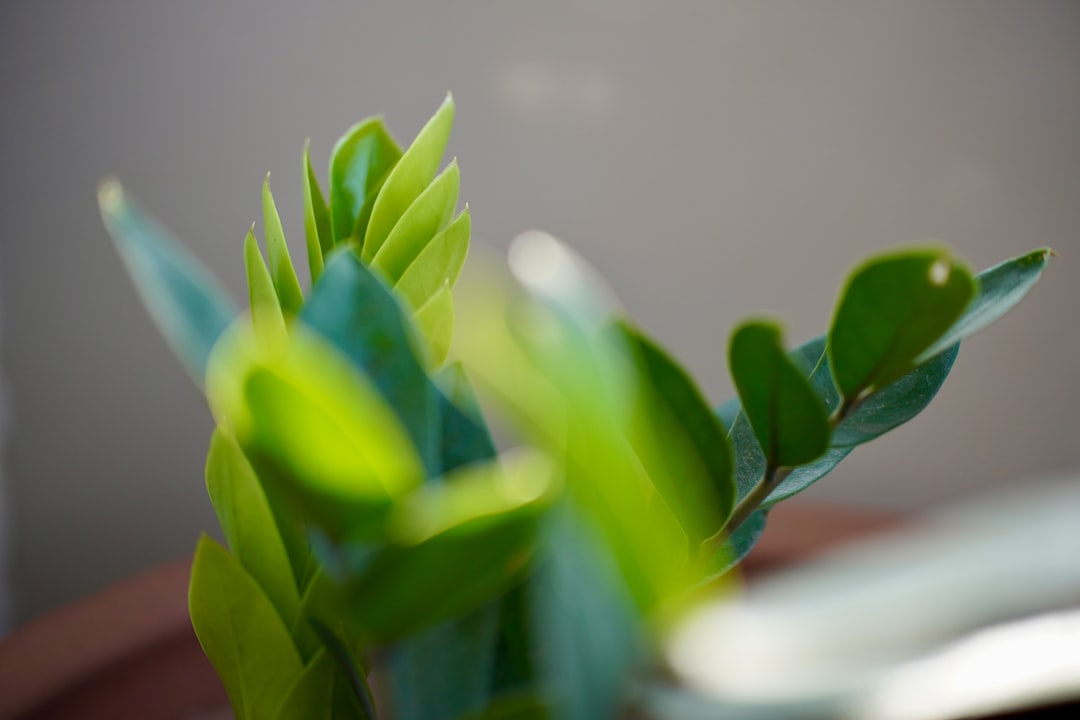
The ZZ plant is one of the most recommended options for low-light interiors thanks to its naturally waxy, reflective leaves that make the most of whatever ambient light is available. Its thick rhizomes store water underground, meaning it can go weeks without attention and still look polished and healthy. The glossy foliage has a naturally sculptural quality that complements both modern and traditional bathroom aesthetics. This plant tolerates the humidity of a bathroom exceptionally well and rarely suffers from the overwatering mistakes that plague beginners.
Pothos
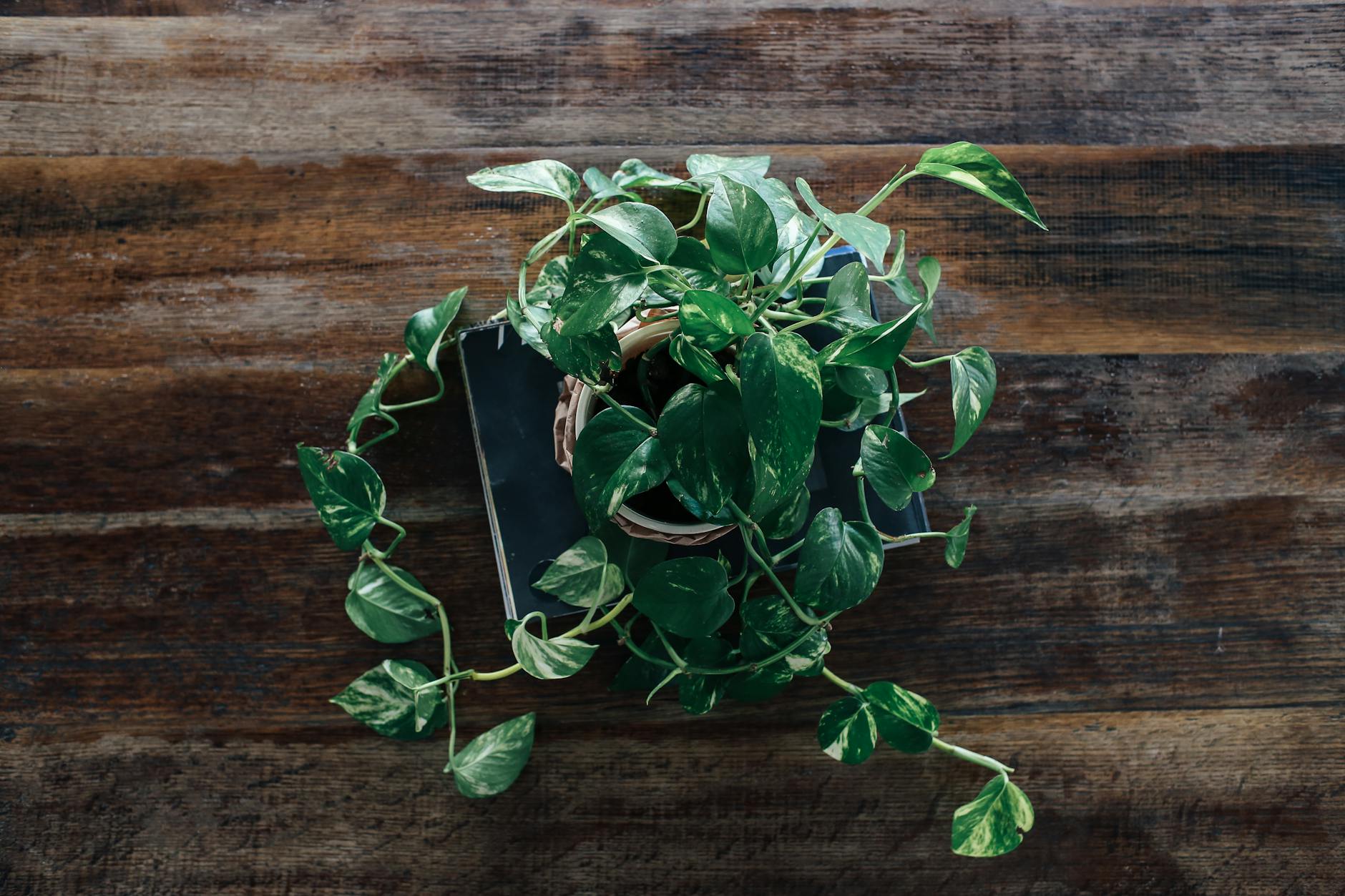
Pothos is widely regarded as one of the easiest houseplants in existence, thriving in conditions that would cause most other plants to decline rapidly. Its trailing vines look stunning when placed on a high shelf or in a hanging planter, allowing the heart-shaped leaves to cascade dramatically downward. The plant adapts readily to fluorescent lighting, which is often the only light source in a windowless bathroom. Regular trimming encourages bushier growth and keeps the plant looking full and intentional rather than leggy and overgrown.
Peace Lily
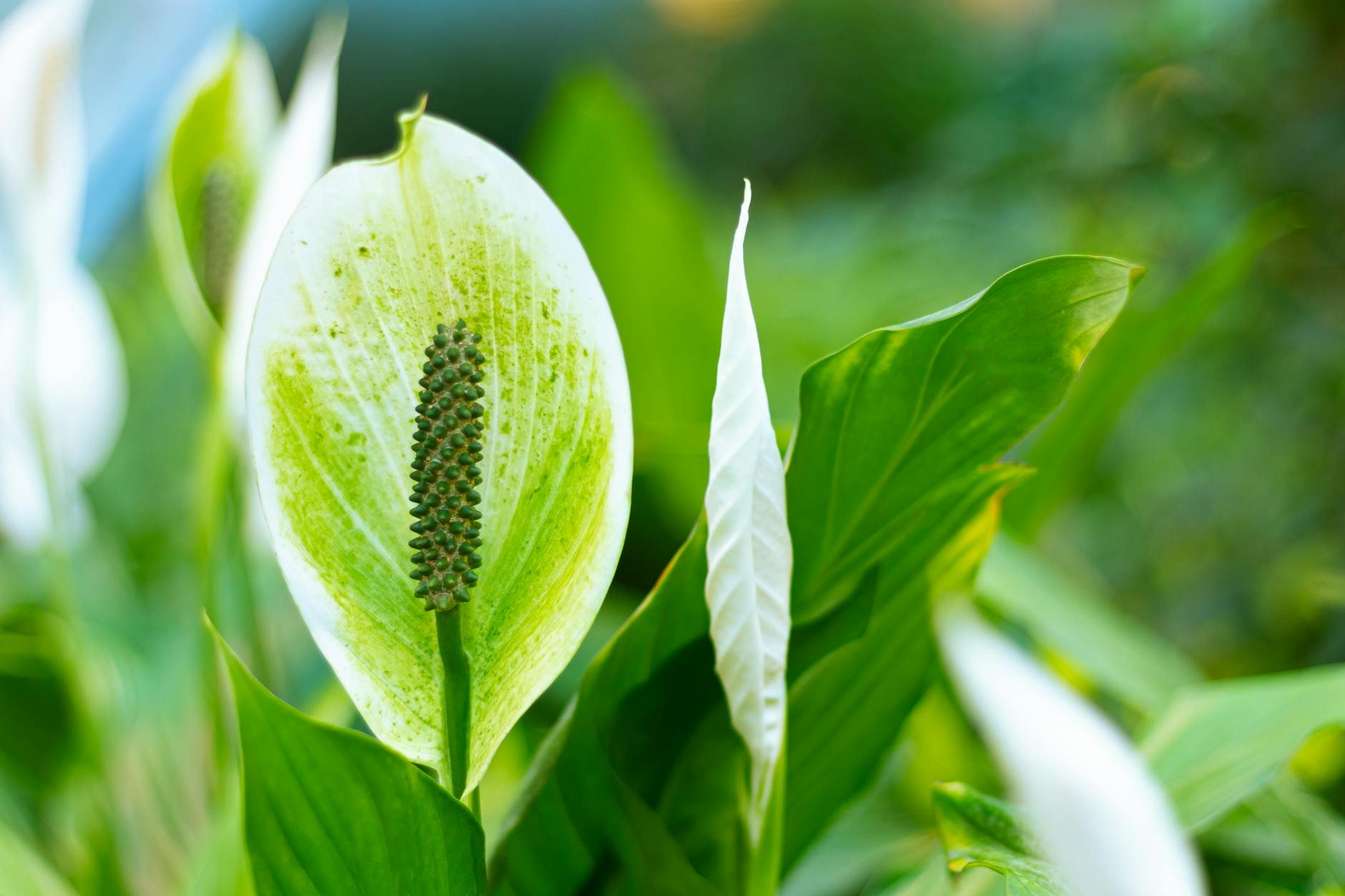
The peace lily is one of the few flowering plants capable of blooming in very low light, occasionally producing elegant white spathes even in artificially lit environments. It actively thrives in high humidity, which makes a steamy bathroom one of its preferred habitats. The plant communicates its watering needs clearly by drooping slightly when thirsty, then perking back up quickly once it receives moisture. Its air-purifying qualities add a functional benefit that makes it a particularly appealing choice for enclosed spaces.
Snake Plant
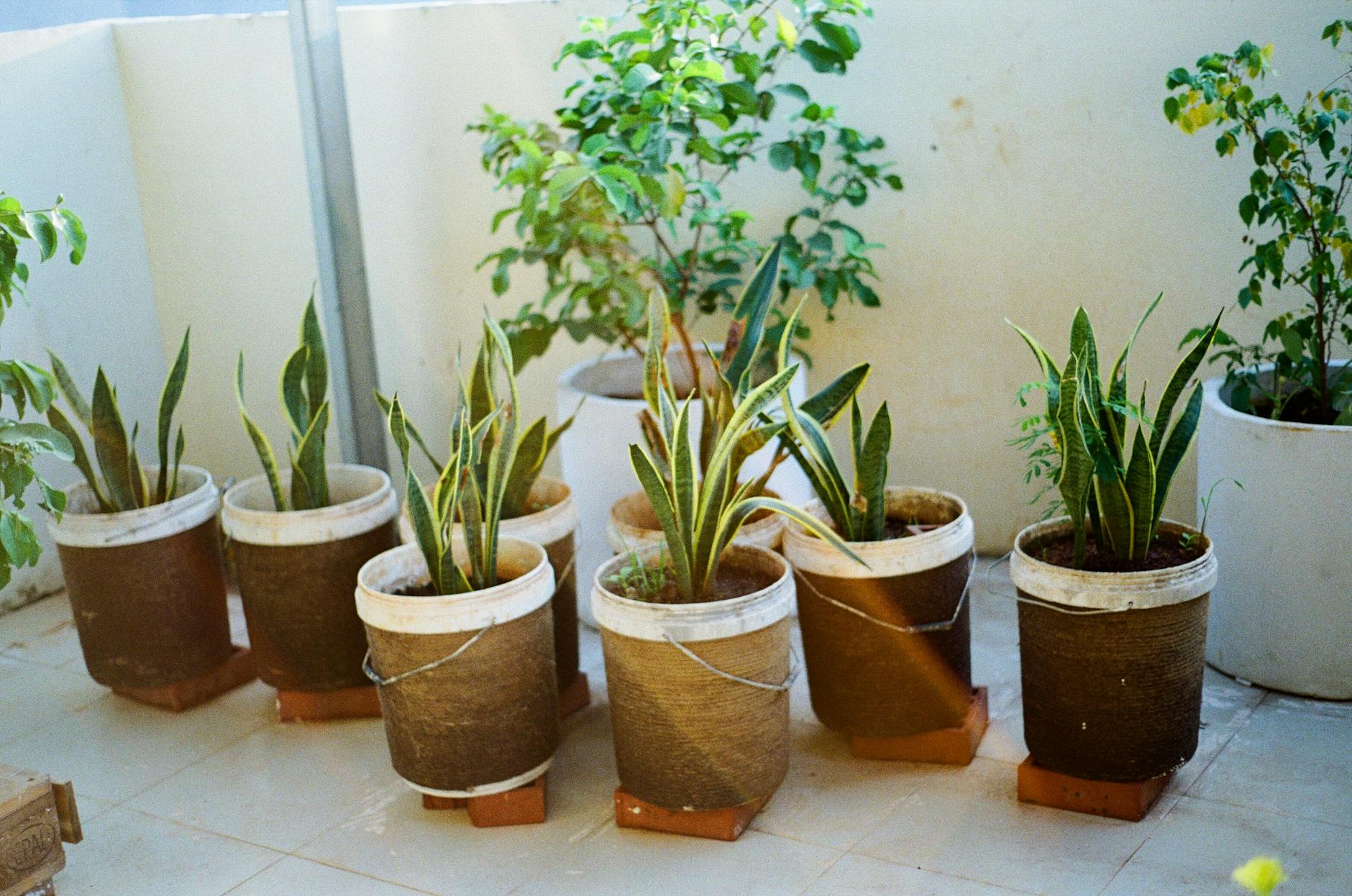
The snake plant is a champion of low-light survival, capable of tolerating near-total darkness for extended periods while maintaining its upright, structural form. Its architectural silhouette and bold striped patterning make it one of the most visually striking plants for minimalist bathroom interiors. It stores water in its thick leaves and prefers to be left alone between waterings, making overwatering the only real threat to its health. The plant adapts well to the warm temperatures and humidity of indoor bathrooms without requiring any special intervention.
Chinese Evergreen
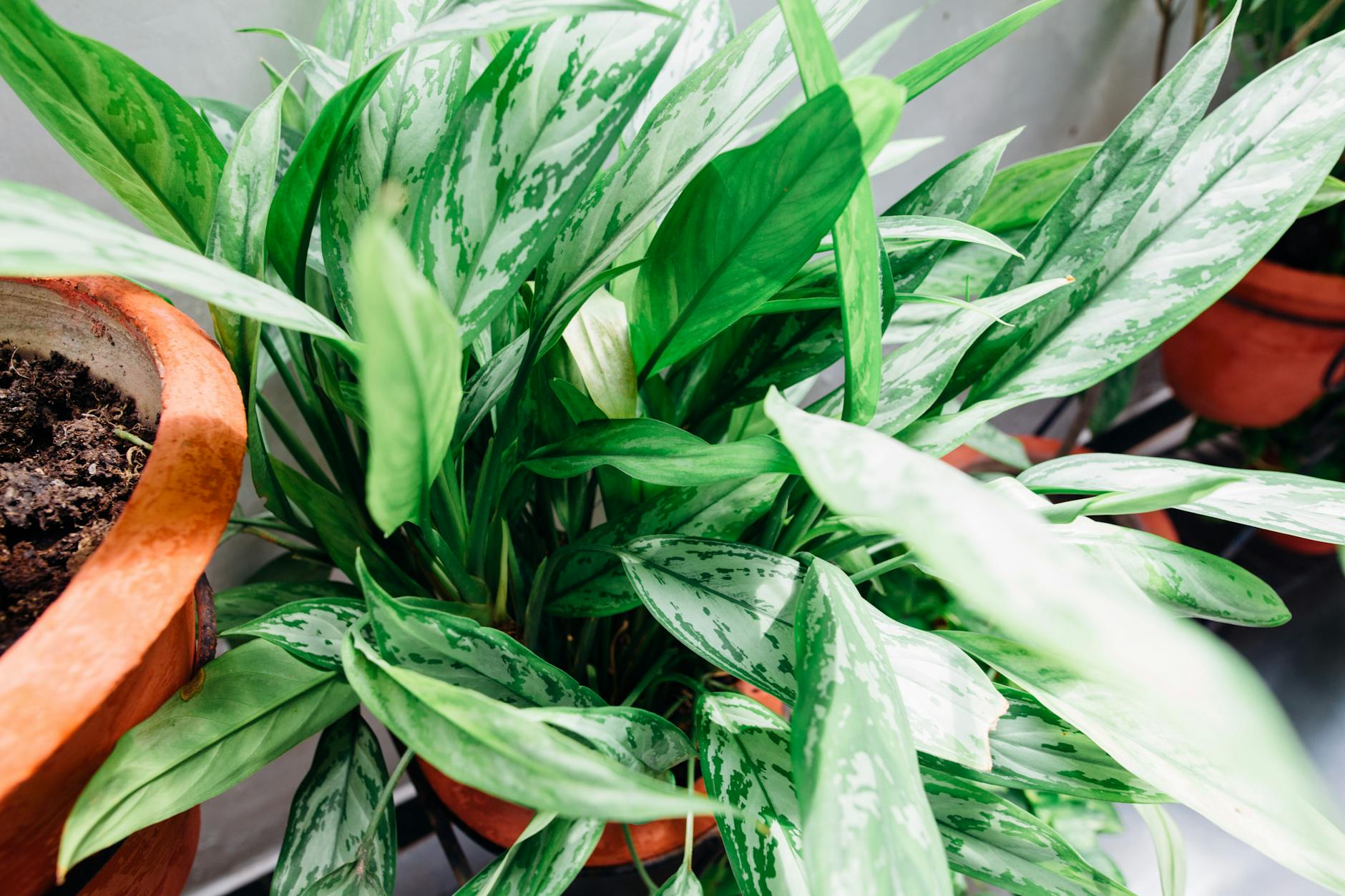
Chinese evergreens are prized for their strikingly patterned foliage, which comes in shades ranging from deep green to silver and even pink-tinged varieties. They have been cultivated as indoor plants for centuries specifically because of their tolerance for low light and inconsistent care routines. In a windowless bathroom the plant benefits from the ambient humidity without needing misting or additional moisture from the grower. The wide leaves have a lush, tropical appearance that instantly elevates the visual warmth of any bathroom space.
Dracaena
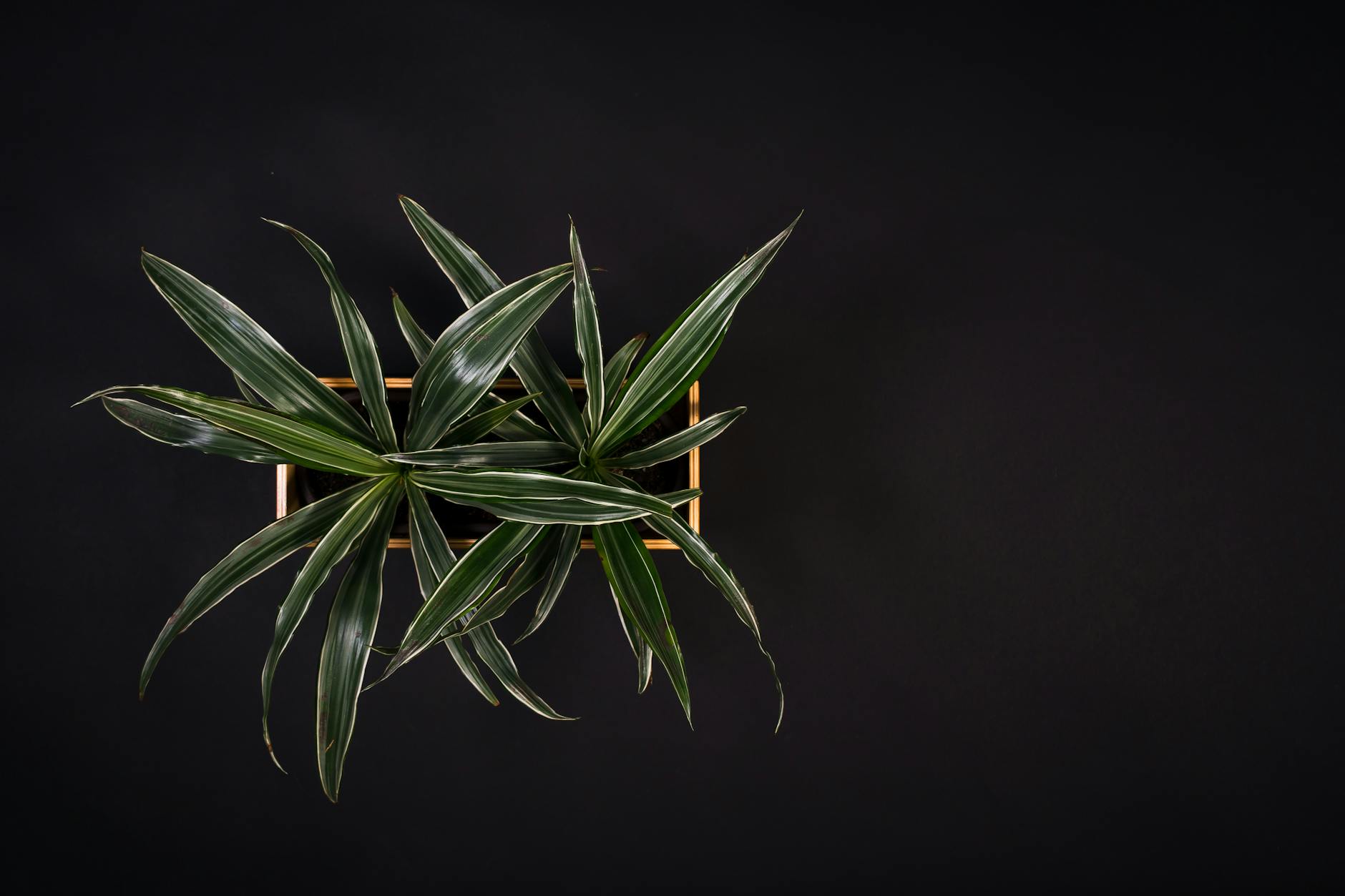
Dracaena encompasses a wide family of plants, many of which are remarkably well-suited to low-light indoor environments with stable humidity levels. The long, strappy leaves grow in bold rosette formations that create a strong visual focal point when placed on the floor or a low bathroom shelf. Most varieties prefer to dry out slightly between waterings, which makes them forgiving for growers who tend to forget a watering here and there. The plant grows slowly in low-light conditions but maintains its attractive form throughout, rarely looking sparse or unhealthy.
Heartleaf Philodendron
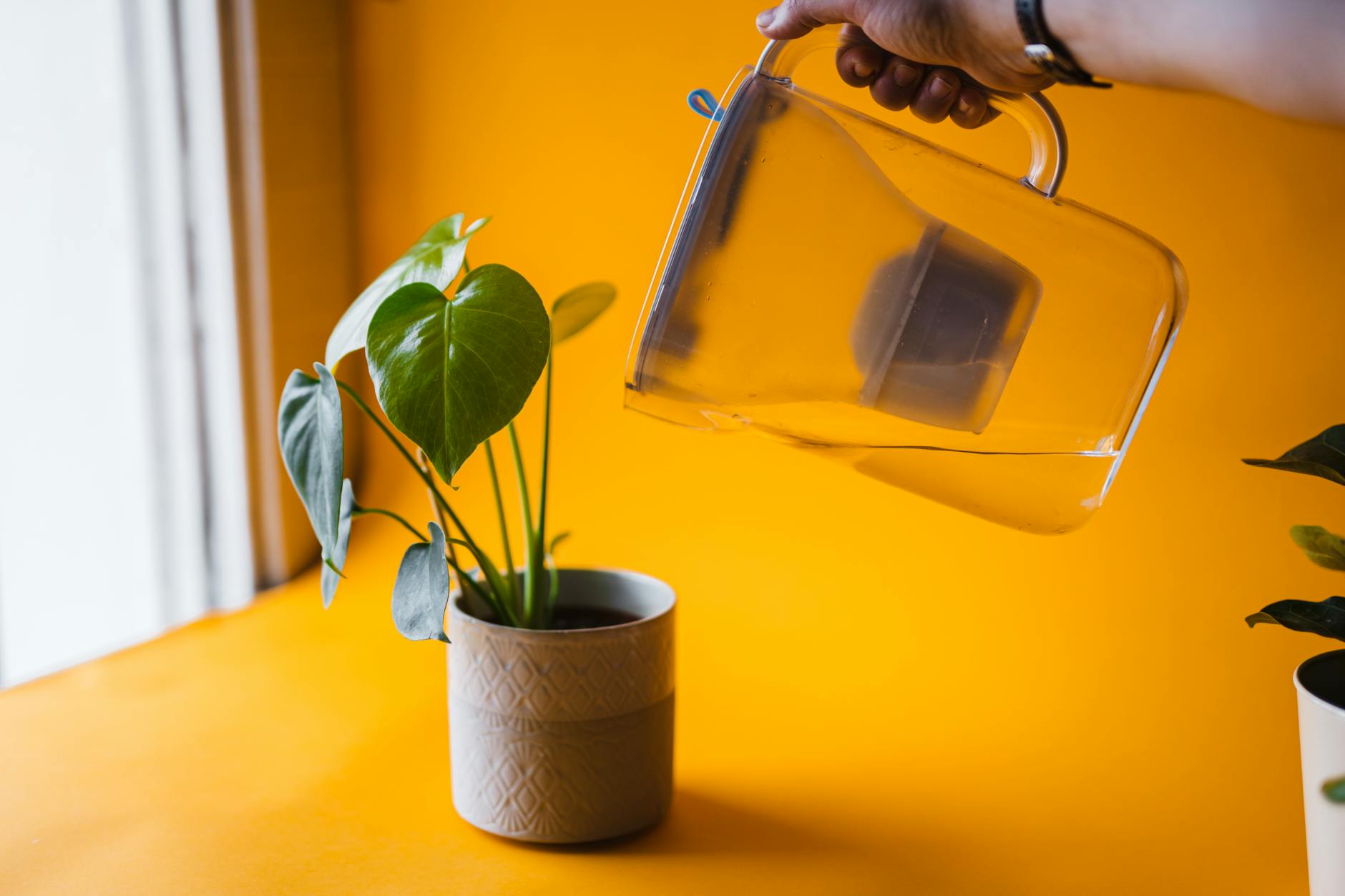
The heartleaf philodendron is a vigorous, fast-growing trailing plant that adapts beautifully to the indirect and artificial lighting found in windowless bathrooms. Its large, velvety heart-shaped leaves have a lush, tropical quality that transforms functional spaces into something far more inviting. The plant prefers consistent moisture in the soil without sitting in standing water, and the humid bathroom environment often reduces the need for supplemental misting. It is particularly well-suited to hanging planters placed at ceiling height where its trailing stems can be appreciated from below.
Lucky Bamboo
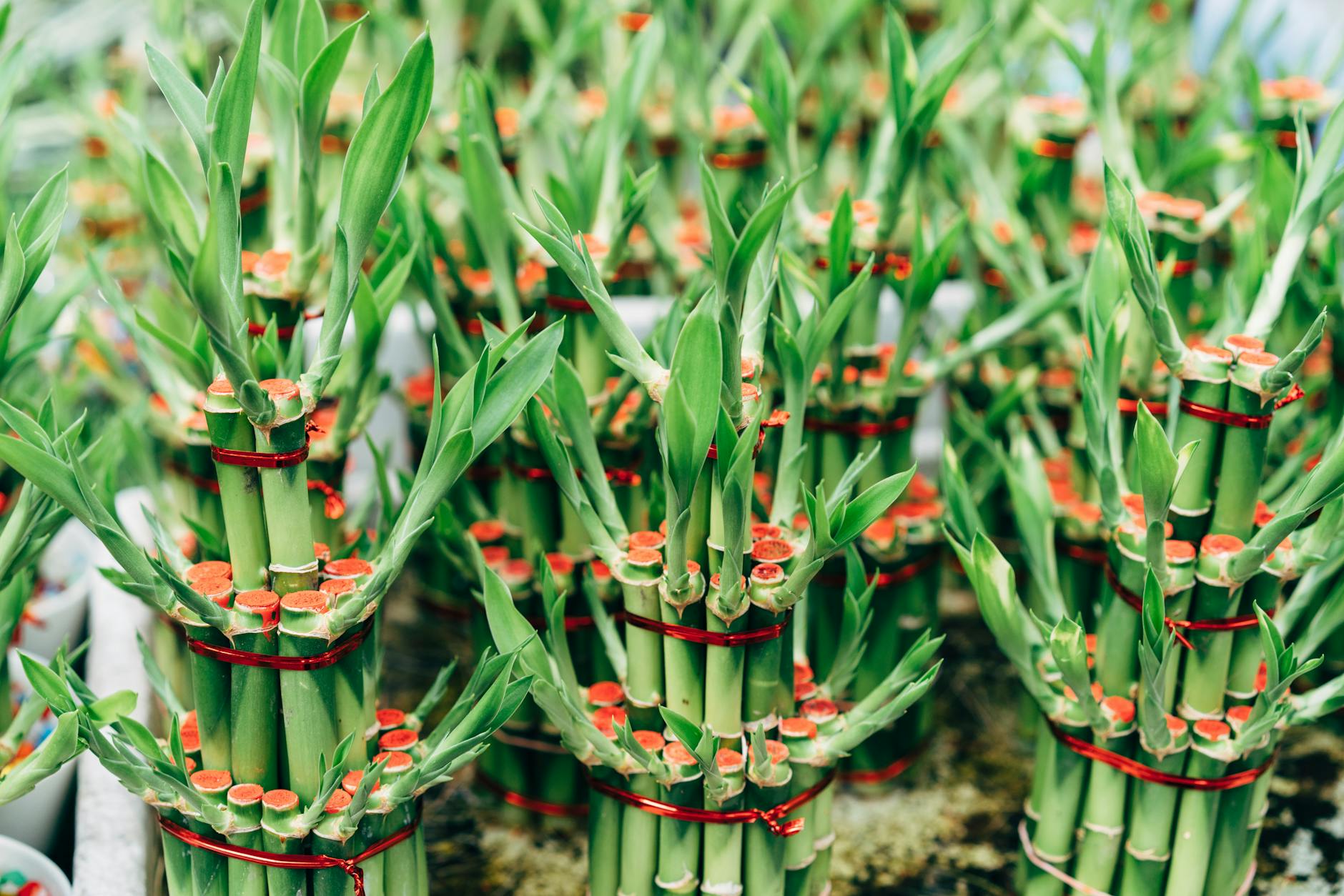
Lucky bamboo is technically a dracaena rather than true bamboo, and it grows happily in water or soil under low-light conditions that would challenge most ornamental plants. Its sculptural, jointed stems can be trained into spirals and creative arrangements, making it as much a decorative object as a living plant. It thrives in the warmth and humidity of a bathroom environment, benefiting from the consistent moisture in the air. Keeping the water fresh and clean is the primary maintenance requirement, making it an extremely low-effort option for busy households.
Bird’s Nest Fern
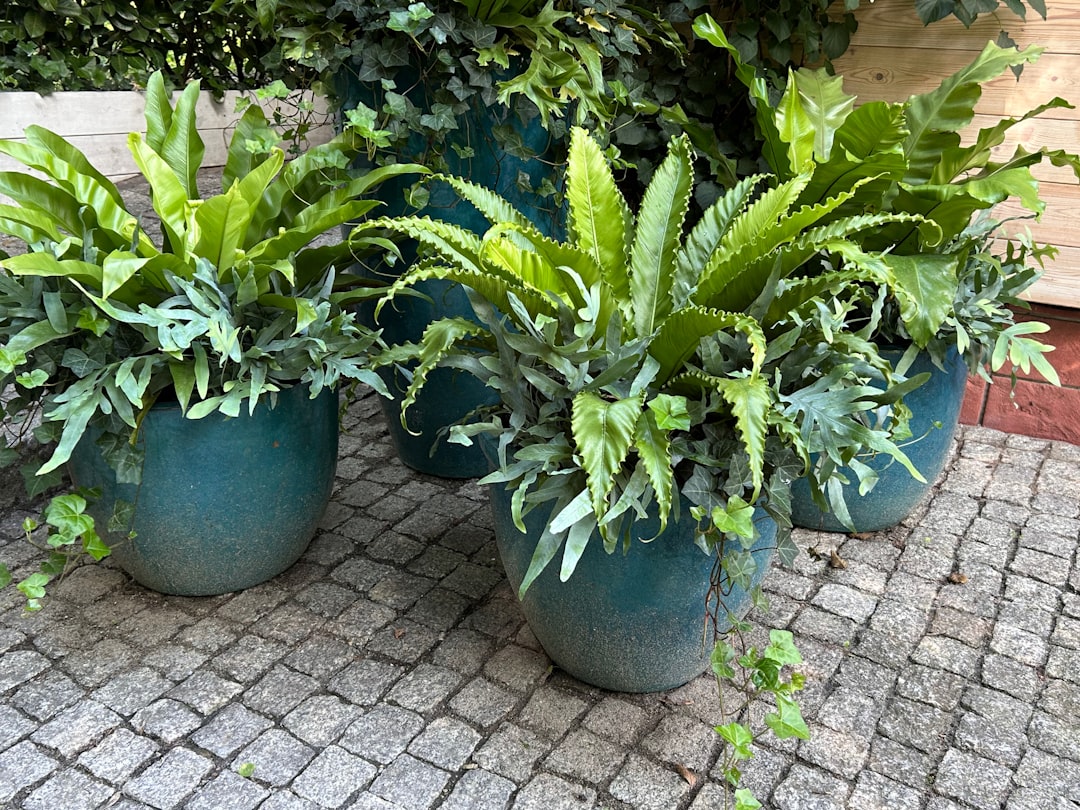
The bird’s nest fern stands apart from other ferns because of its broad, undivided fronds that collect moisture and tolerate lower light levels far better than more delicate fern varieties. It genuinely loves the humid conditions created by showers and baths, often thriving in bathrooms in a way that it struggles to do in drier indoor environments. The fronds unfurl from a central rosette in a way that is visually captivating, giving the plant an organic, natural quality. It prefers indirect or artificial light and should be kept away from air vents that might dry out its moisture-loving foliage.
Parlor Palm
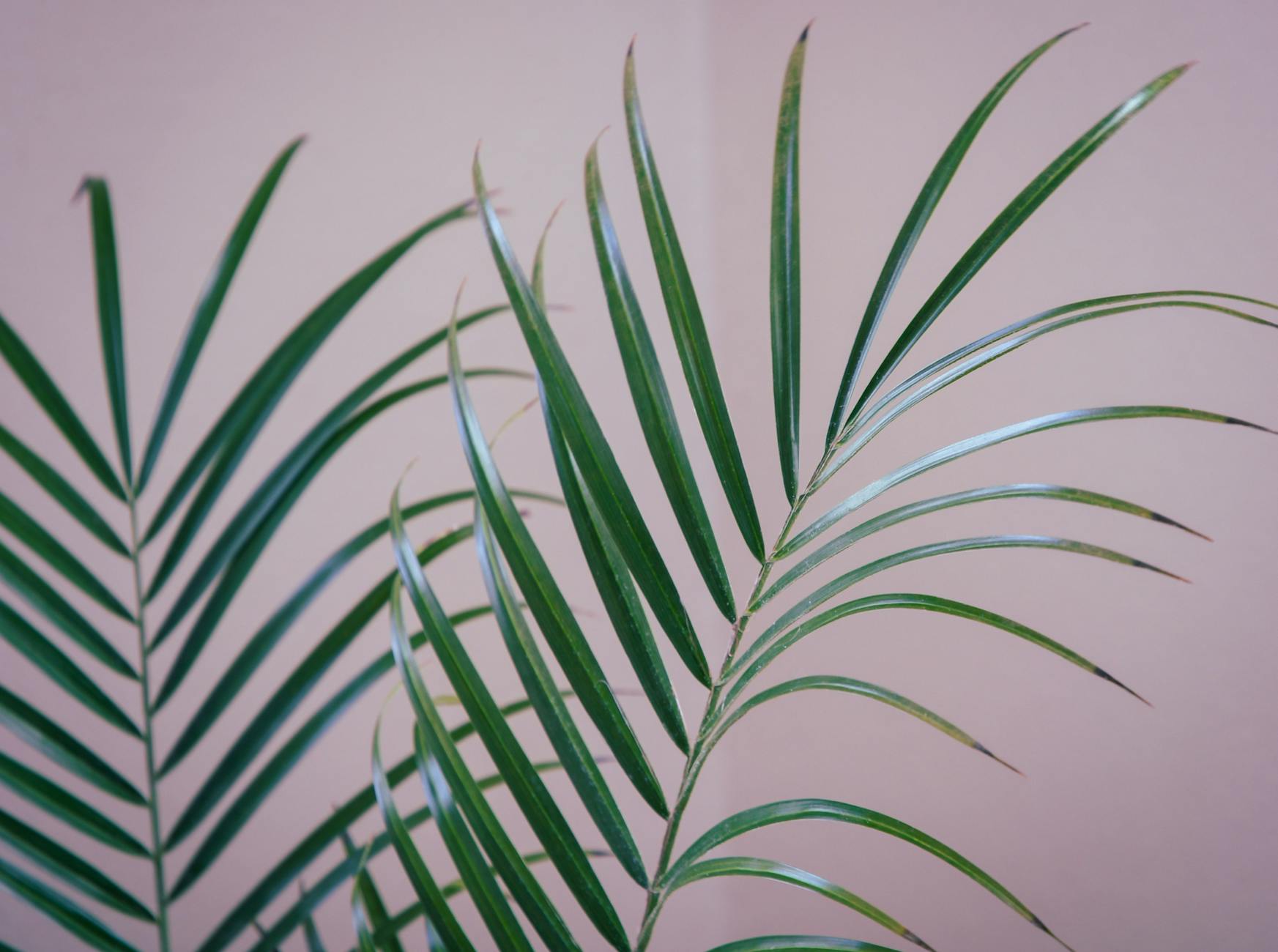
The parlor palm is a refined and elegant plant that has been grown indoors since the Victorian era precisely because of its ability to flourish in low-light, indoor conditions. Its feathery, arching fronds bring a sophisticated tropical ambiance to bathroom spaces without requiring the bright sun that most palms demand. The plant prefers consistently moist but well-drained soil and benefits from the natural humidity that a bathroom provides. It grows slowly and remains compact enough to sit on a bathroom shelf or vanity corner without taking over the space.
Nerve Plant
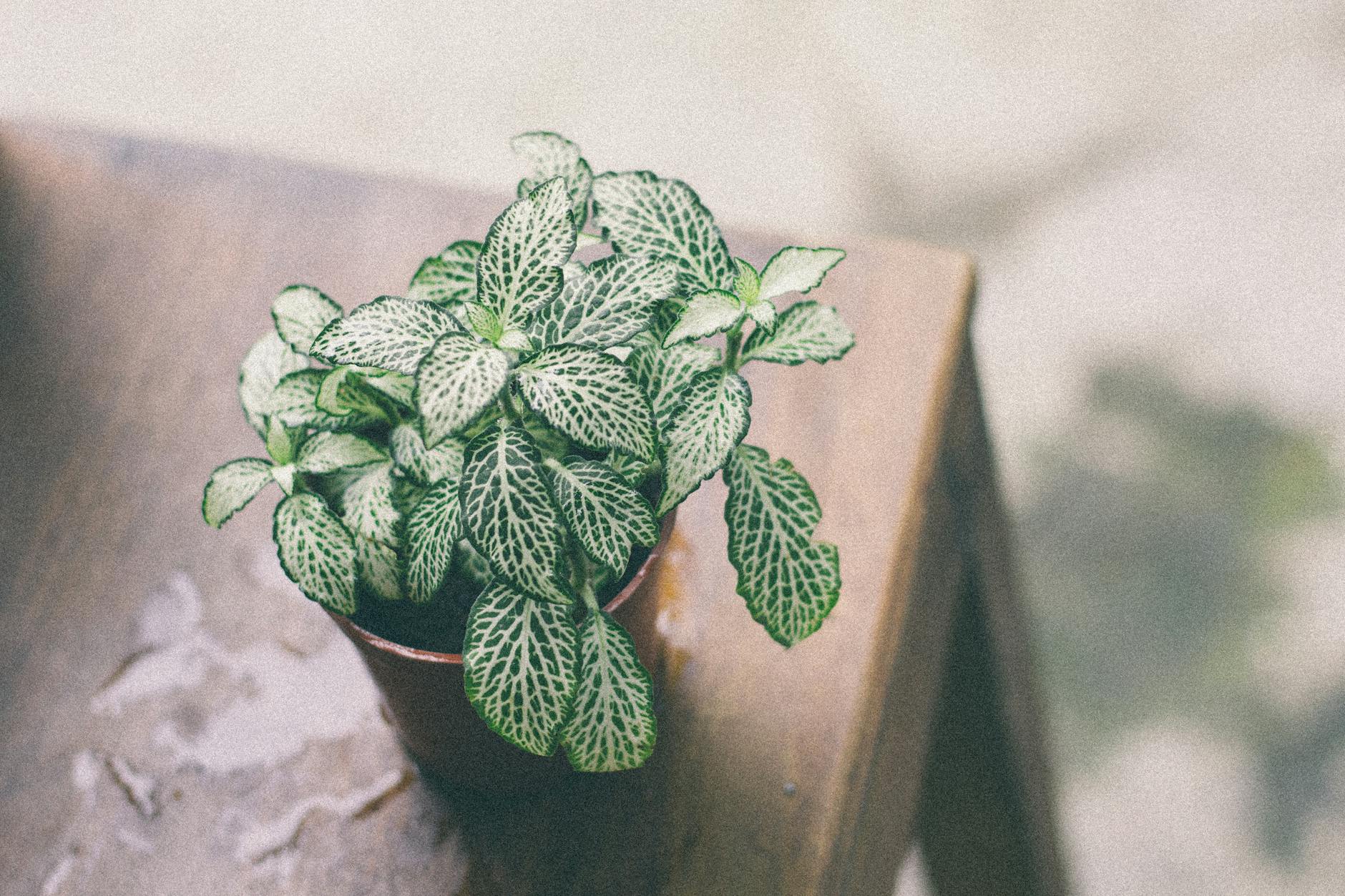
The nerve plant is a compact, low-growing species known for its dramatically veined foliage in colors ranging from bright red to white and pink. It thrives in high humidity and warm temperatures, making a windowless bathroom one of the most suitable environments a grower can offer it. The plant stays small and tidy, making it ideal for narrow bathroom windowsills, shelves, or the edge of a bathtub surround. It prefers consistently moist soil and will show signs of stress quickly if allowed to dry out, making it a responsive and engaging plant to care for.
Calathea
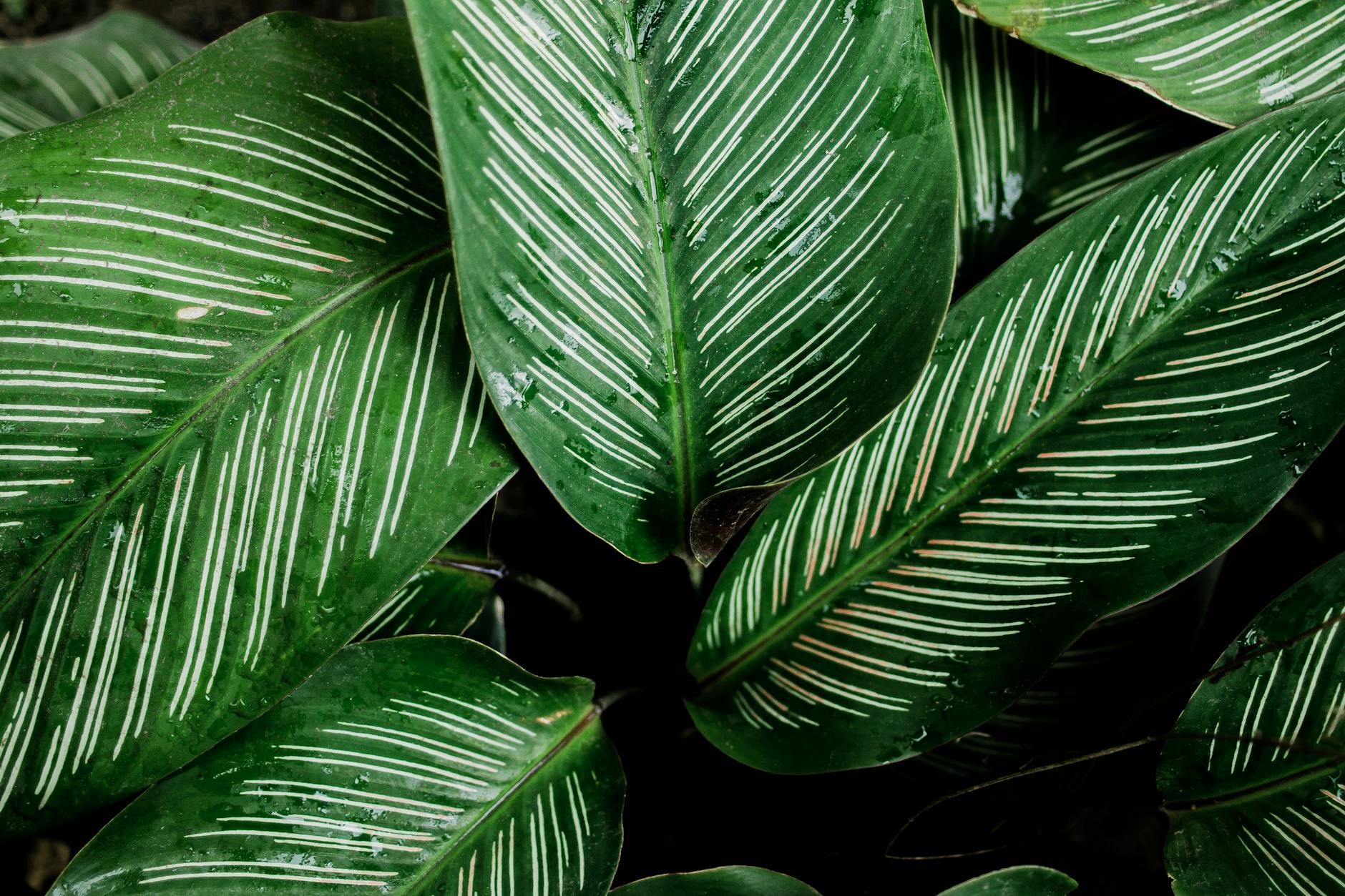
Calatheas are renowned for their ornate, patterned foliage that resembles hand-painted artwork, with striking contrasts of deep green, purple, and cream across their broad leaves. They are naturally found on tropical forest floors where light is filtered and humidity is consistently high, conditions that a bathroom replicates well. The high moisture content of a bathroom environment suits calatheas particularly well and often reduces the need for supplemental misting that they typically require in other rooms. Their leaves move slightly throughout the day in response to light changes, a behavior known as nyctinasty that makes them especially captivating to observe.
Maidenhair Fern
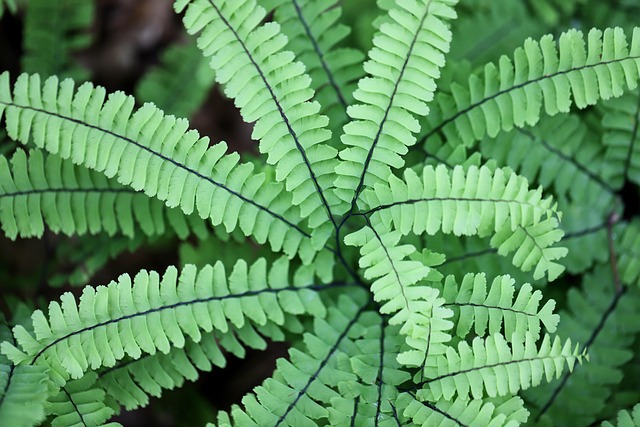
The maidenhair fern has a reputation for being temperamental, but this reputation largely stems from the dry indoor air of most living spaces rather than any inherent fragility in the plant itself. In a humid bathroom environment it finally has the consistent moisture it craves, often thriving far more confidently than it does elsewhere in the home. Its delicate, fan-shaped leaflets cascade from wiry black stems in a way that feels genuinely graceful and botanical. It prefers indirect or artificial light and benefits from being kept away from cold drafts or sudden temperature changes near bathroom doors.
Moss
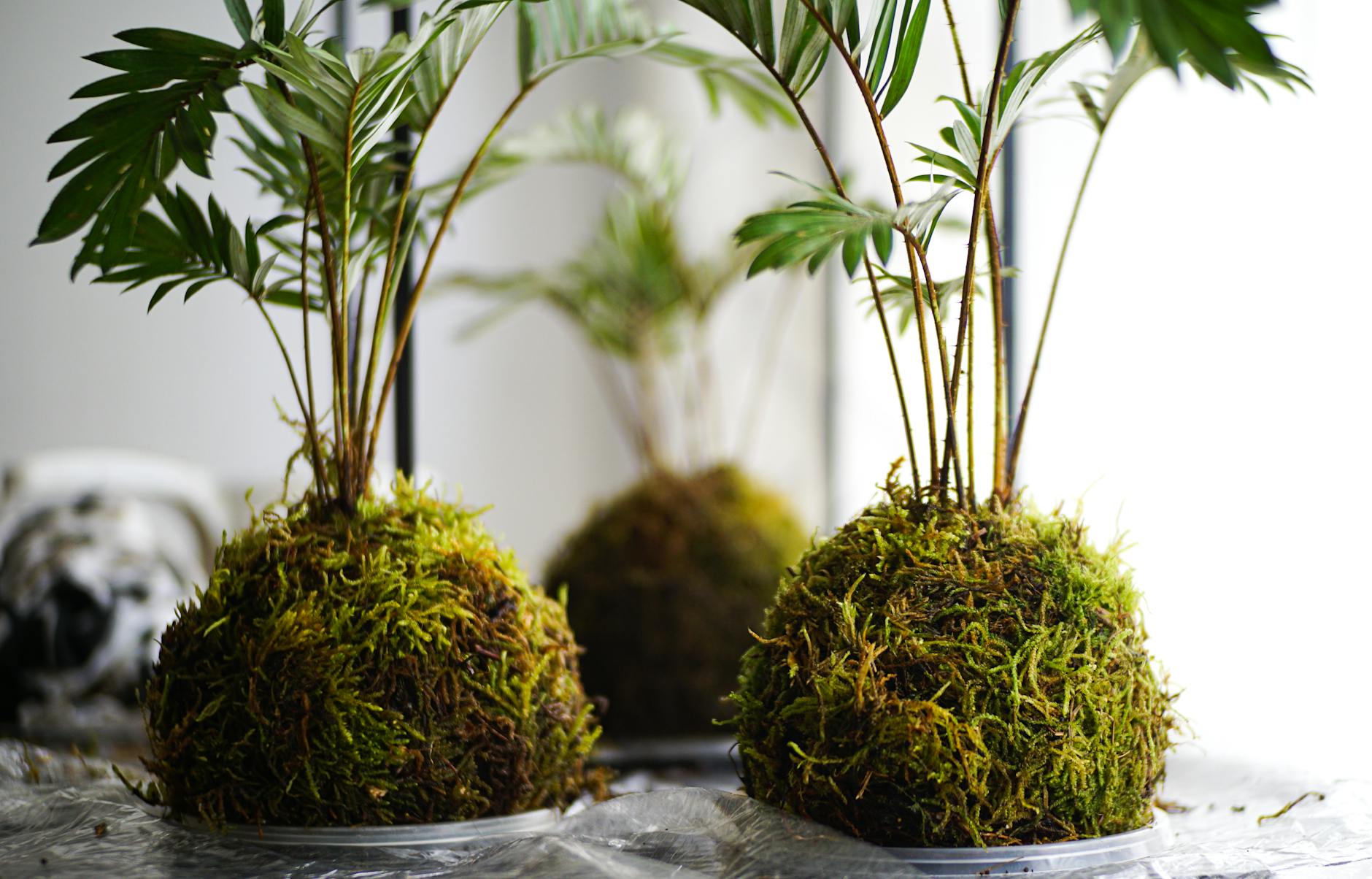
Sheet moss and cushion moss varieties can be incorporated into bathroom spaces in terrariums, living walls, or decorative bowls, bringing an almost meditative quality of greenery into the room. Moss requires no soil and derives its moisture entirely from the humid air around it, making a windowless bathroom one of the most naturally compatible environments it can inhabit. It stays lush and vibrant under fluorescent lighting and needs very little maintenance beyond occasional misting if the air feels particularly dry. Incorporating moss into bathroom decor creates a serene, forest-like atmosphere that feels both modern and deeply connected to the natural world.
Which of these plants are you growing in your bathroom? Share your experience in the comments.