Indoor air quality is a significant factor in maintaining a healthy and comfortable living environment. Many common household items release pollutants that can accumulate in enclosed spaces over time. Integrating specific varieties of indoor plants offers a natural way to filter these harmful substances while enhancing the beauty of the home. These selected plants are chosen for their resilience and their documented ability to remove common airborne toxins. Choosing low maintenance options ensures that even beginners can enjoy the benefits of cleaner air without extensive gardening knowledge.
Snake Plant

The snake plant is a hardy succulent known for its ability to convert carbon dioxide into oxygen at night. It thrives in low light conditions and requires minimal watering to remain healthy. This plant effectively filters common indoor toxins such as formaldehyde and benzene from the air. Its stiff sword-like leaves add a modern aesthetic to any room while improving overall air quality. Owners appreciate its resilience and slow growth rate which makes it ideal for small spaces.
Spider Plant
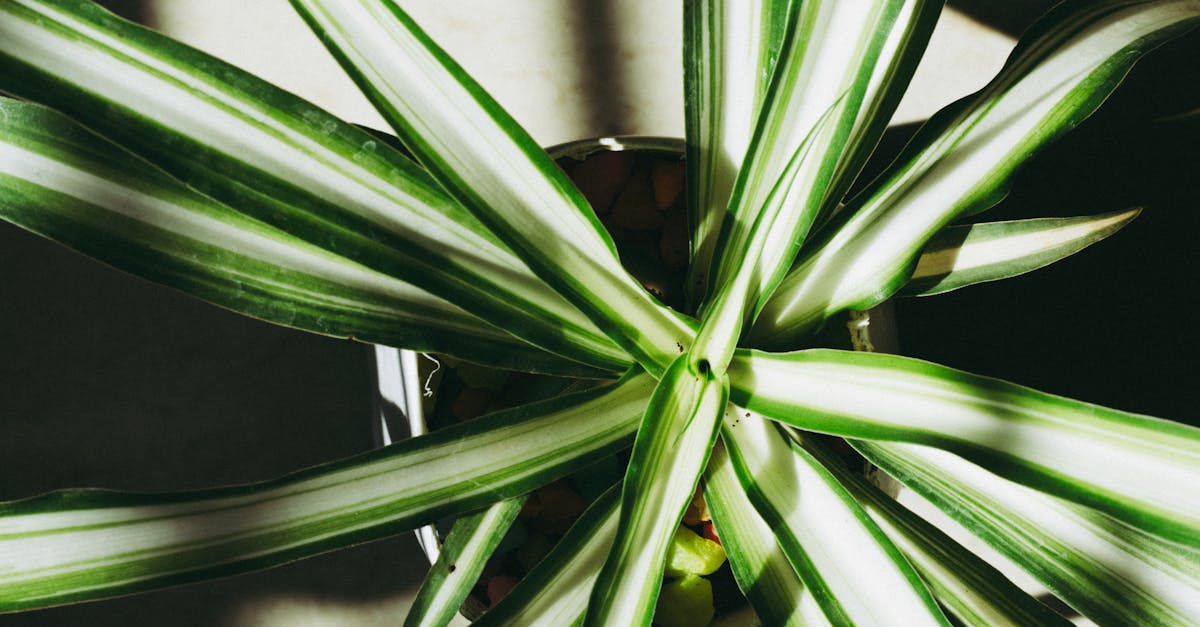
Spider plants are incredibly easy to grow and are particularly effective at removing carbon monoxide from the air. They produce long thin leaves that gracefully arch and create a lush appearance in hanging baskets. These plants prefer bright indirect light but can tolerate lower light levels if necessary. Small plantlets often grow from the main stems and can be easily propagated to create new plants. Regular watering keeps the foliage vibrant and the air purification process efficient.
Peace Lily

The peace lily is a popular choice for indoor environments due to its elegant white blooms and deep green leaves. It is capable of filtering out harmful substances such as ammonia and trichloroethylene. This plant signals its need for water by slightly drooping its leaves which makes it very beginner friendly. It thrives best in shaded or medium light areas and adds a touch of sophistication to any office or living room. Keeping the leaves free of dust ensures the plant can effectively absorb pollutants from the surrounding atmosphere.
Aloe Vera

Aloe vera is widely recognized for its medicinal properties and its ability to clear the air of benzene and formaldehyde. This sun-loving succulent is easy to maintain as it requires infrequent watering and bright light. The clear gel inside the leaves can be used to soothe minor burns and skin irritations. It grows best in well-draining soil and a sunny window sill where it can flourish. Monitoring the soil moisture prevents overwatering and keeps the plant healthy for years.
Pothos

Pothos is an adaptable trailing vine that can survive in almost any lighting condition from low to bright. It is highly efficient at removing indoor toxins like xylene and toluene from the air. The heart-shaped leaves come in various shades of green and yellow which adds visual interest to shelves. This plant requires very little attention and can be grown in either soil or water. Its fast growth rate allows it to quickly fill empty spaces with vibrant greenery.
Rubber Plant

The rubber plant features large glossy leaves that are excellent at absorbing airborne chemicals. It prefers bright filtered light and a consistent watering schedule to maintain its lush appearance. This plant can grow into a substantial indoor tree if provided with enough space and care. It effectively removes formaldehyde and other common pollutants found in furniture and flooring. Wiping the large leaves with a damp cloth helps the plant breathe and enhances its air-purifying capabilities.
ZZ Plant

The ZZ plant is famous for its extreme durability and ability to survive in very low light settings. Its waxy green leaves reflect light and brighten up dark corners of the home. This plant is drought-tolerant and only needs watering when the soil is completely dry. It helps remove volatile organic compounds from the air while requiring virtually no maintenance. The slow growth and architectural shape make it a favorite for modern interior design.
Boston Fern

Boston ferns are classic indoor plants that act as natural humidifiers while purifying the air. They are particularly good at removing formaldehyde and providing a lush feathery aesthetic to any room. These ferns prefer cool spots with high humidity and indirect light to prevent the leaves from drying out. Regular misting or placing the pot on a tray of pebbles helps maintain the necessary moisture levels. They look beautiful in hanging containers where their fronds can spill over the sides.
English Ivy

English ivy is a versatile climber that is effective at reducing airborne fecal particles and mold. It grows well in small pots or as a trailing plant on high shelves and cabinets. This plant prefers consistent moisture and medium light to maintain its dark green foliage. It is often used in homes to tackle specific air quality issues while providing a traditional look. Pruning the vines regularly keeps the plant compact and encourages healthy new growth.
Areca Palm
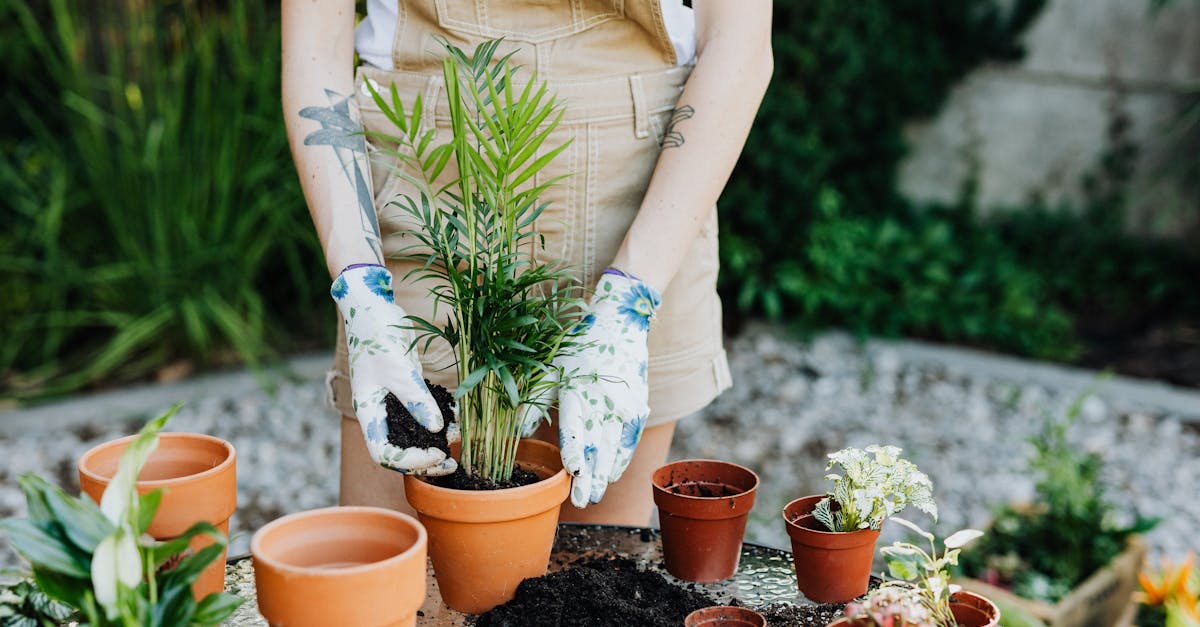
The areca palm is a stunning indoor tree that excels at removing various toxins and adding moisture to the air. It thrives in bright indirect sunlight and needs regular watering to keep its fronds green. This palm is non-toxic to pets which makes it a safe choice for many households. It creates a tropical atmosphere and works well as a focal point in a large room. Proper drainage is essential to prevent the roots from sitting in excess water.
Bamboo Palm

Bamboo palms are excellent for filtering out benzene and trichloroethylene from indoor environments. They prefer bright indirect light but can adapt to lower light levels over time. These plants add a sense of height and tropical flair to living spaces without requiring intense care. Keeping the soil moist but not soggy ensures the plant remains vibrant and healthy. They are especially useful in rooms with brand new furniture or carpet where chemical off-gassing may occur.
Chinese Evergreen

The Chinese evergreen is a durable plant that comes in many attractive leaf patterns and colors. It thrives in low light and can tolerate a variety of indoor conditions with ease. This plant is effective at filtering out a wide range of common household pollutants over time. It requires infrequent watering and is generally resistant to most common indoor pests. The more colorful varieties prefer slightly more light to maintain their vibrant markings.
Weeping Fig
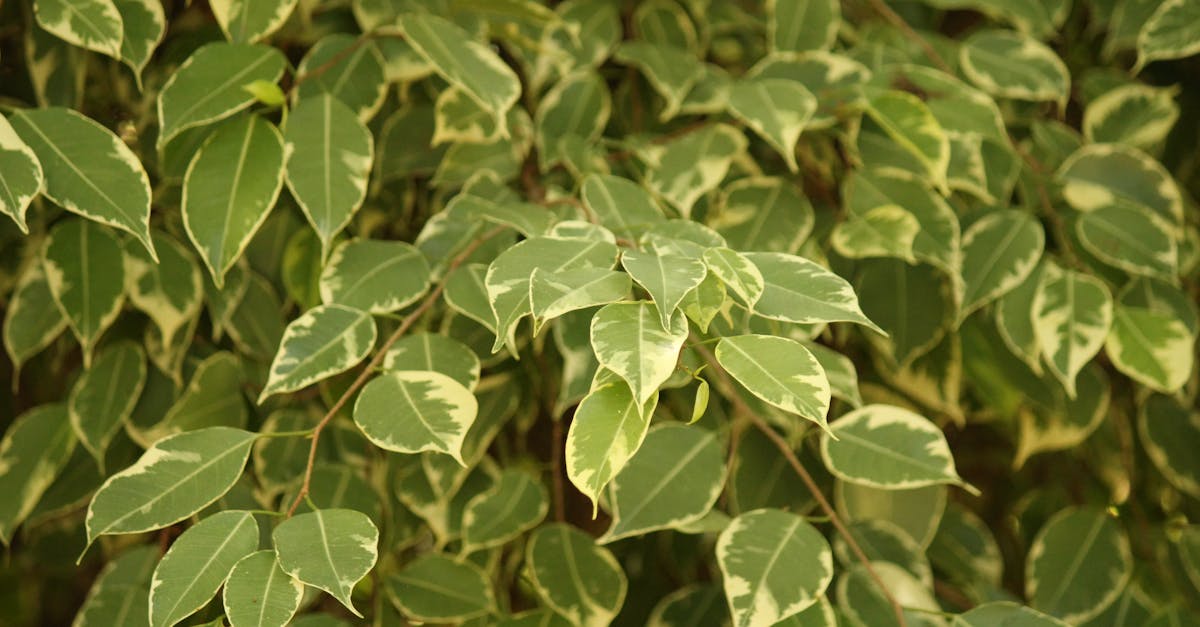
The weeping fig is a popular indoor tree that features delicate pointed leaves on graceful branches. It is a powerful air purifier that targets formaldehyde and xylene in the home environment. This plant prefers a consistent spot with bright indirect light and does not like being moved. Regular watering is necessary but the soil should be allowed to dry slightly between sessions. It adds a sophisticated and natural element to any large indoor space.
Chrysanthemum
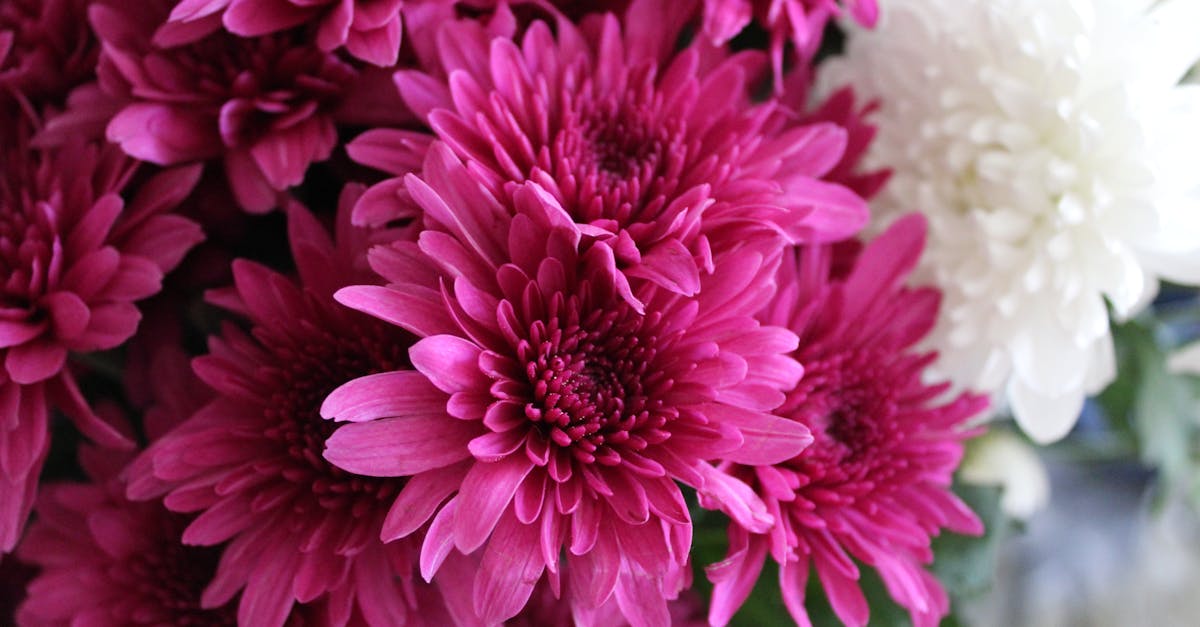
Chrysanthemums are not only beautiful flowering plants but also high performers in air purification. They are known for removing ammonia and benzene which are common in many household cleaners. These plants require bright indirect light to produce their signature colorful blooms. While they are often treated as seasonal plants they can provide significant air quality benefits during their flowering period. Keeping them in a cool spot helps the flowers last longer and maintain their color.
Gerbera Daisy

Gerbera daisies add a bright pop of color to any room while working to remove trichloroethylene and benzene. They are particularly useful for improving air quality in bedrooms or laundry areas. These daisies need plenty of natural light to flourish and produce their large vibrant flowers. Well-draining soil and regular watering are key to keeping them healthy and active. They serve as both a decorative element and a functional air filter in the home.
Heartleaf Philodendron

The heartleaf philodendron is a classic indoor vine that is nearly impossible to kill. It is highly effective at absorbing formaldehyde from the surrounding air. This plant can be grown as a climber or a trailer depending on the available space. It tolerates low light conditions but will grow faster in medium light areas. Occasional watering and basic care are all that is needed to keep this plant thriving for years.
Kimberly Queen Fern

The Kimberly queen fern is a robust variety that grows upright and creates a dense green screen. It is excellent at removing common toxins and increasing the humidity levels in a room. This fern is more tolerant of heat and dry air than many other fern species. It prefers bright indirect light and consistent moisture to keep its fronds looking their best. The large size of this plant makes it a great choice for filling empty corners.
Red-Edged Dracaena
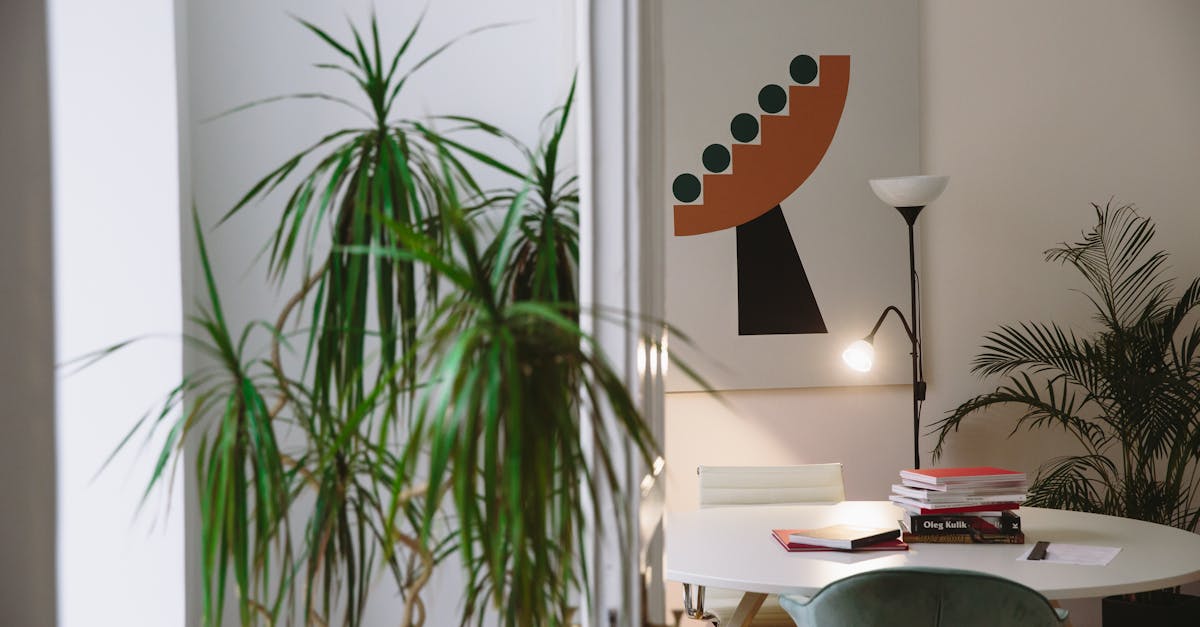
The red-edged dracaena features long narrow leaves with a striking red border along the edges. It is one of the most effective plants for removing xylene and trichloroethylene from the air. This plant can grow quite tall and adds a dramatic vertical element to indoor decor. It prefers bright indirect light but can adapt to lower light levels if needed. Minimal watering is required as the plant stores moisture in its sturdy stems.
Broadleaf Lady Palm
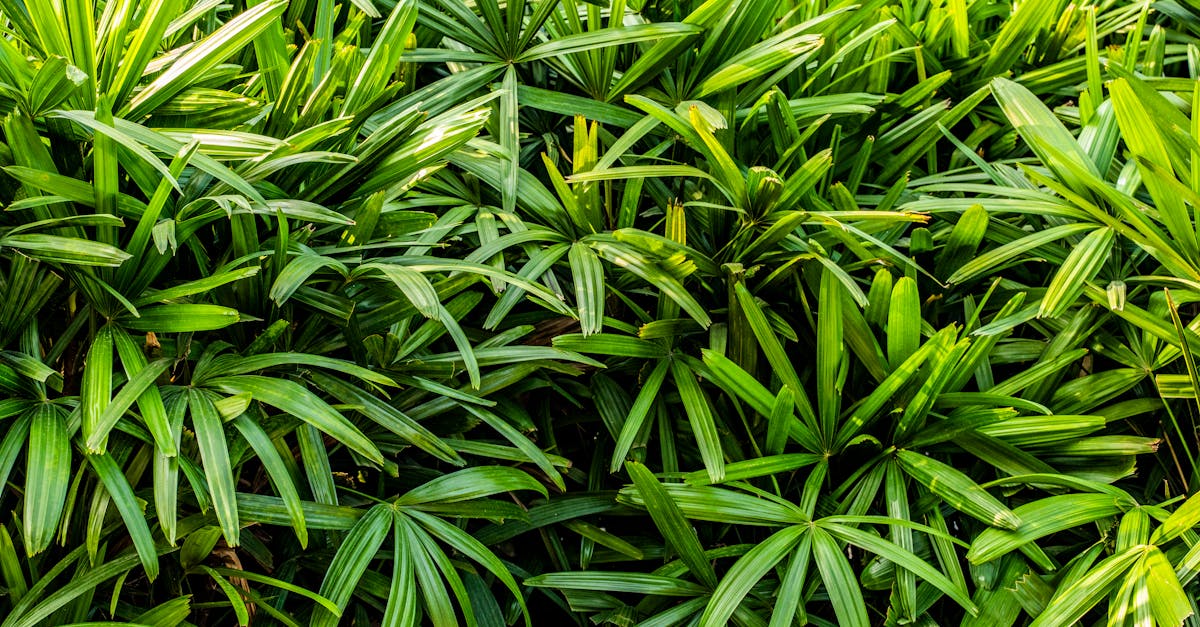
Broadleaf lady palms are elegant multi-stemmed plants that thrive in indoor environments. They are known for their ability to filter out ammonia which is often found in cleaning products. These palms prefer indirect light and can handle cooler temperatures better than many other tropical plants. They are slow-growing and require minimal maintenance once established in a suitable spot. The thick dark green leaves provide a lush and timeless look for any room.
Dwarf Date Palm

The dwarf date palm is a small hardy tree that excels at removing xylene from the atmosphere. It features delicate arching fronds and a textured trunk that adds visual interest. This palm prefers bright light and moist soil to maintain its healthy appearance. It is a slow grower which means it can stay in the same pot for several years. Adding this plant to a home provides a touch of the tropics while improving the air quality.
Flamingo Lily

The flamingo lily is prized for its unique heart-shaped red blooms and waxy green leaves. It is a powerful air purifier that targets ammonia and formaldehyde in the home. This plant prefers bright indirect light and high humidity to encourage consistent flowering. The soil should be kept moist but well-drained to ensure the roots remain healthy. It serves as a beautiful natural accent that works hard to clean the air every day.
Lilyturf

Lilyturf is a resilient plant that looks like grass and produces small purple flowers in the summer. It is particularly effective at removing ammonia and xylene from the indoor environment. This plant can handle a variety of light conditions from full sun to deep shade. It is very low maintenance and only needs occasional watering once it is established. Its compact size makes it perfect for placing on desks or small side tables.
Barberton Daisy

The Barberton daisy is a cheerful plant that removes toxins like formaldehyde and benzene from the air. It thrives in bright light and requires well-draining soil to prevent root rot. This plant is a great addition to bedrooms as it helps improve air quality for better sleep. The vibrant flowers come in various shades and can bloom for several weeks at a time. Regular deadheading of old flowers encourages the plant to produce new growth.
Cornstalk Dracaena
The cornstalk dracaena is a slow-growing plant that features thick woody stems and long green leaves. It is highly effective at removing formaldehyde and other indoor pollutants. This plant prefers bright filtered light but can tolerate lower light levels quite well. It requires very little water and is an excellent choice for busy individuals. The tall upright growth habit makes it a perfect fit for narrow spaces in the home.
Janet Craig Dracaena

The Janet Craig dracaena is known for its dark green glossy leaves and its ability to thrive in low light. It is one of the best plants for removing trichloroethylene from the air. This variety is very tough and can handle a bit of neglect without losing its beauty. It grows best in well-draining soil and should only be watered when the top layer of soil is dry. Its deep color provides a nice contrast to lighter colored walls and furniture.
Warneckii Dracaena
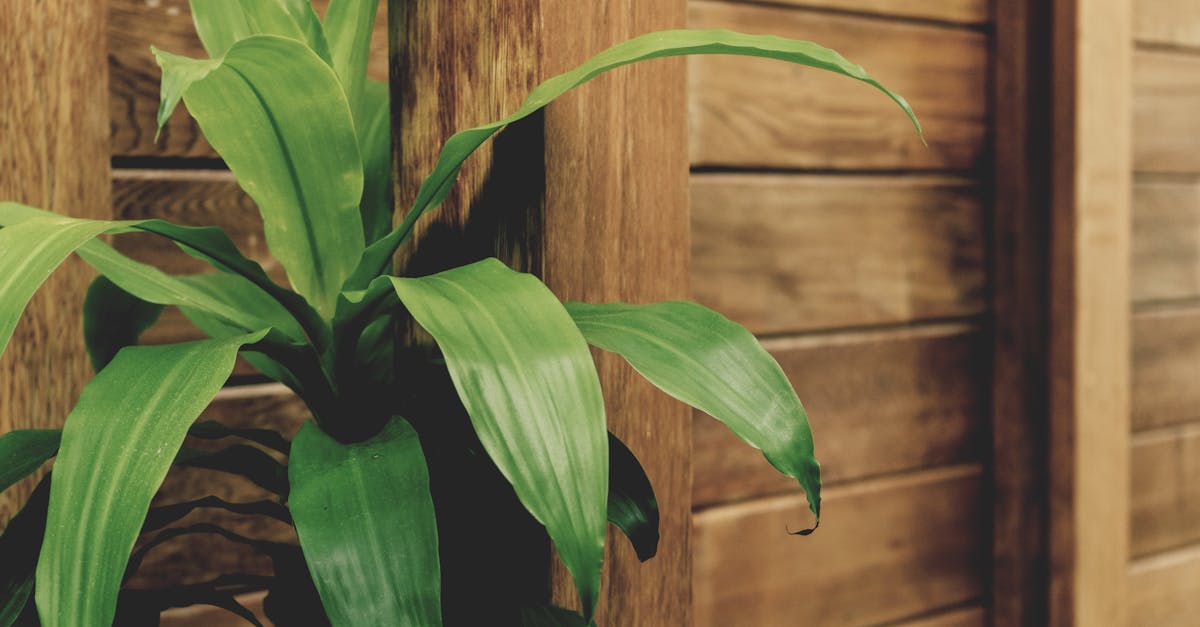
Warneckii dracaena features striking green leaves with white or cream stripes running down the length. It is a powerful air purifier that works to remove benzene and other common toxins. This plant prefers bright indirect light to maintain the clarity of its variegated patterns. It is a low maintenance option that adds a modern look to any indoor setting. Keeping the plant away from direct drafts ensures it stays healthy and vibrant.
Schefflera
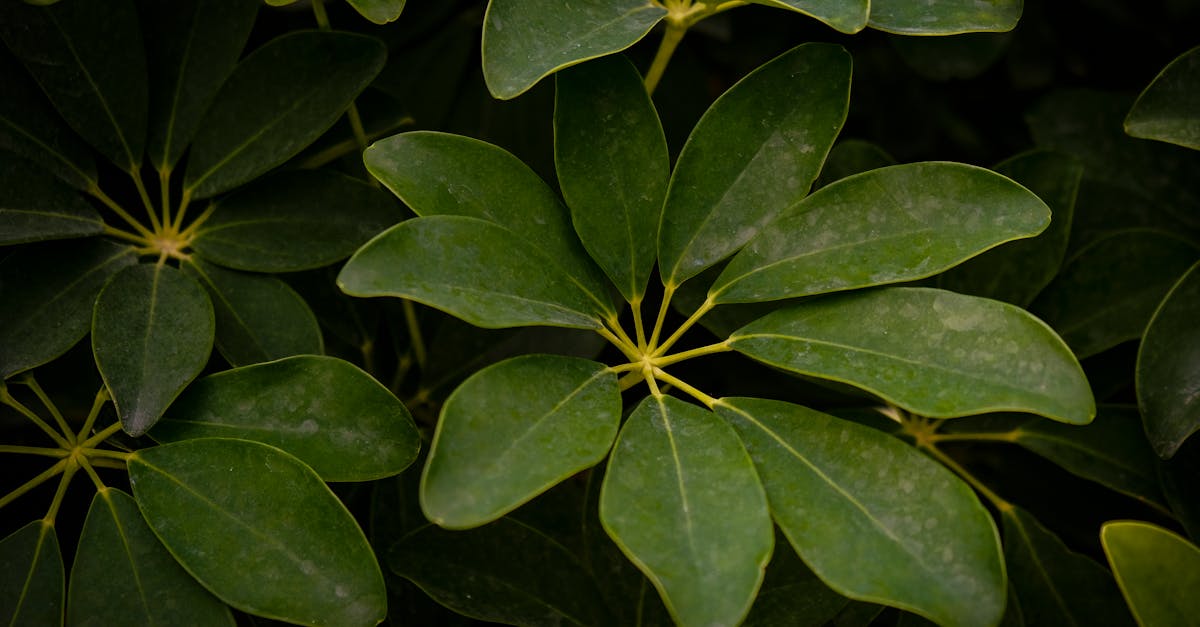
The schefflera or umbrella plant is a popular indoor choice due to its unique leaf clusters. It is very effective at filtering out formaldehyde and other pollutants from the atmosphere. This plant can grow quite large and may require pruning to keep it at the desired size. It prefers bright indirect light and a regular watering schedule for the best results. The glossy leaves are easy to clean and contribute to the plant’s overall health.
Money Tree

The money tree is often associated with good luck and features a braided trunk and lush green foliage. It is a great air purifier that helps remove synthetic chemicals from the air. This plant prefers bright indirect light and deep but infrequent watering. It is a hardy species that can adapt to most indoor environments with minimal effort. The interesting shape of the tree makes it a popular decorative piece in homes and offices.
Parlor Palm

The parlor palm has been a favorite indoor plant since Victorian times due to its elegant appearance and ease of care. It is excellent at removing common household toxins and adding a soft texture to a room. This palm thrives in low light and prefers a consistent moisture level in the soil. It grows slowly and remains compact which makes it ideal for smaller apartments. Its classic look fits well with almost any interior design style.
Cast Iron Plant
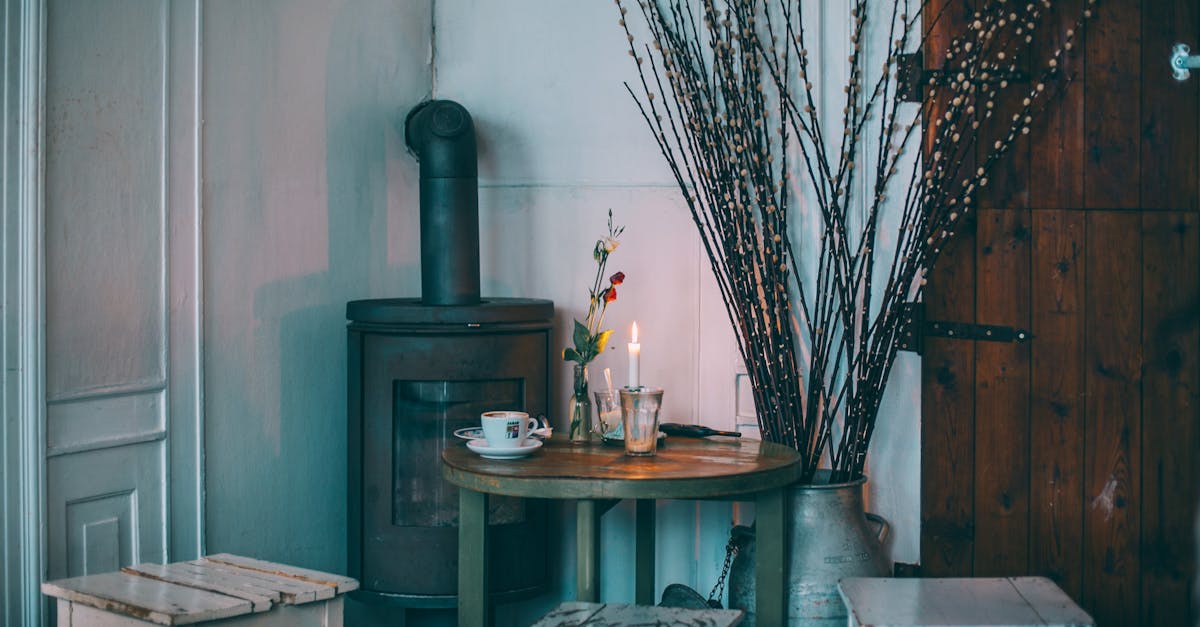
The cast iron plant lives up to its name by being one of the most durable indoor plants available. It can survive in extremely low light and requires very little water to stay green. This plant is effective at purifying the air while demanding almost no attention from the owner. Its large dark green leaves grow directly from the soil and provide a clean minimalist look. It is an ideal choice for hallways or corners where other plants might struggle to survive.
Jade Plant
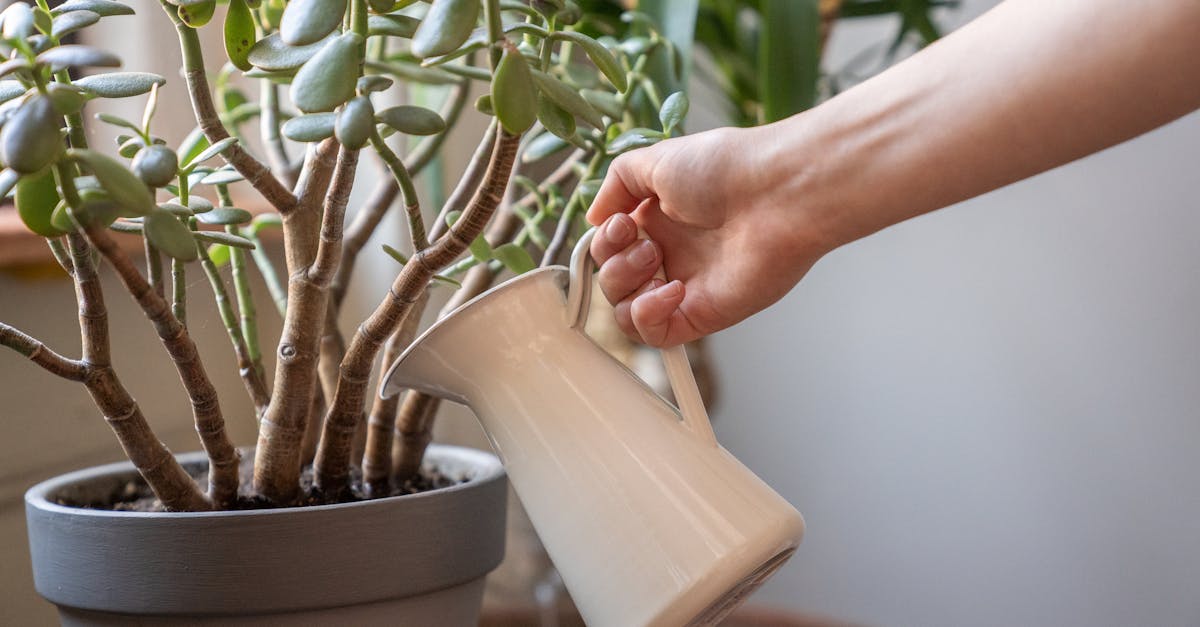
The jade plant is a popular succulent that features thick woody stems and fleshy green leaves. it is known for its longevity and its ability to remove volatile organic compounds from the air. This plant requires bright light and should be watered only when the soil is completely dry. It is often passed down through generations because of its hardy nature and slow growth. Its tree-like appearance adds a unique aesthetic to sunny windowsills.
Dragon Tree

The dragon tree is a member of the dracaena family and is characterized by its thin trunk and spiky leaves. It is very efficient at filtering out xylene and trichloroethylene from the indoor air. This plant is incredibly easy to care for and can tolerate a variety of light conditions. It adds a dramatic architectural element to a room without taking up much floor space. Minimal watering and occasional dusting of the leaves will keep it thriving for years.
Wax Plant

The wax plant is a trailing vine known for its thick waxy leaves and clusters of fragrant flowers. It is an effective air purifier that targets common indoor pollutants and improves air quality. This plant prefers bright indirect light and should be allowed to dry out between waterings. It is a slow grower but can eventually reach impressive lengths if provided with support. The durable leaves make it a resilient choice for a low maintenance indoor garden.
String of Pearls

String of pearls is a unique succulent with small round leaves that resemble green beads on a string. It is effective at filtering the air while providing a striking visual element to shelves or hanging pots. This plant requires bright indirect light and very little water to maintain its health. It is important to avoid overwatering to prevent the delicate roots from rotting. Its unusual appearance makes it a great conversation piece in any home.
Ponytail Palm

The ponytail palm is actually a succulent rather than a true palm and is known for its bulbous base and curly leaves. It is a great air purifier that is exceptionally easy to maintain in a variety of conditions. The thick base stores water which allows the plant to survive long periods of neglect. It prefers bright light but can adapt to lower light levels over time. This plant is a perfect choice for those who travel frequently or often forget to water.
Yucca Cane
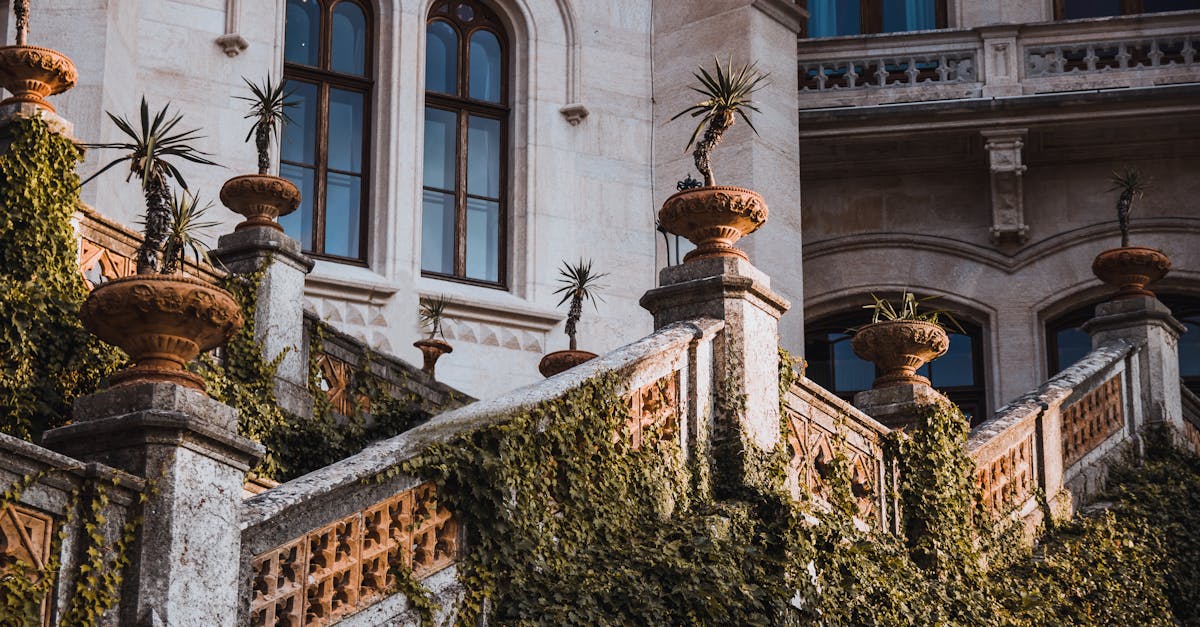
The yucca cane features sturdy trunks and stiff pointed leaves that create a bold desert look. It is effective at removing toxins from the air and adding a sense of structure to a room. This plant thrives in bright light and requires very little water to stay healthy. It is a slow-growing plant that can handle the dry air found in many modern homes. Placing it in a heavy pot will ensure the tall plant remains stable as it grows.
Swiss Cheese Plant

The Swiss cheese plant is famous for the natural holes that develop in its large heart-shaped leaves. it is an excellent air purifier that adds a tropical and trendy feel to any indoor space. This plant prefers bright indirect light and a sturdy pole to climb as it grows larger. Regular watering is necessary but the soil should be allowed to dry slightly between sessions. Its fast growth and iconic look make it a favorite for many indoor gardeners.
Fiddle Leaf Fig

The fiddle leaf fig is a popular statement plant with large violin-shaped leaves and a tall growth habit. It is a powerful air purifier that helps remove common chemicals found in the home. This plant requires bright indirect light and a consistent watering routine to keep its leaves vibrant. While it can be a bit more sensitive to changes than some other plants it remains a low maintenance choice once established. Wiping the large leaves regularly helps the plant absorb more light and clean the air.
Bird of Paradise

The bird of paradise is a stunning tropical plant known for its large paddle-shaped leaves and unique flowers. It is effective at filtering the air and creating a lush green atmosphere in large rooms. This plant needs plenty of bright light and regular watering to flourish indoors. It can grow quite large so it is best suited for spaces with high ceilings and plenty of room. The dramatic foliage provides a year-round tropical vibe even when the plant is not in bloom.
Prayer Plant
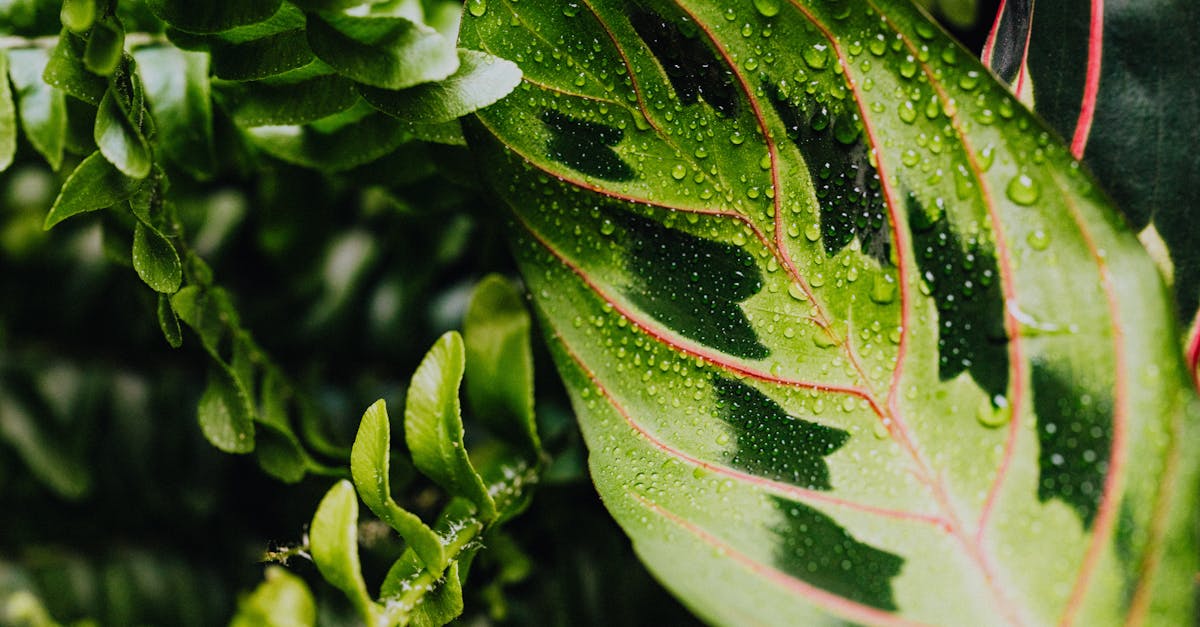
The prayer plant is known for its beautiful variegated leaves that fold up at night as if in prayer. It is a great air purifier that thrives in medium to low light conditions. This plant prefers high humidity and consistent moisture to keep its colorful leaves looking their best. It is a relatively low-growing plant that works well on tables or in hanging baskets. The unique movement and patterns of the leaves add a dynamic element to any indoor space.
Bromeliad
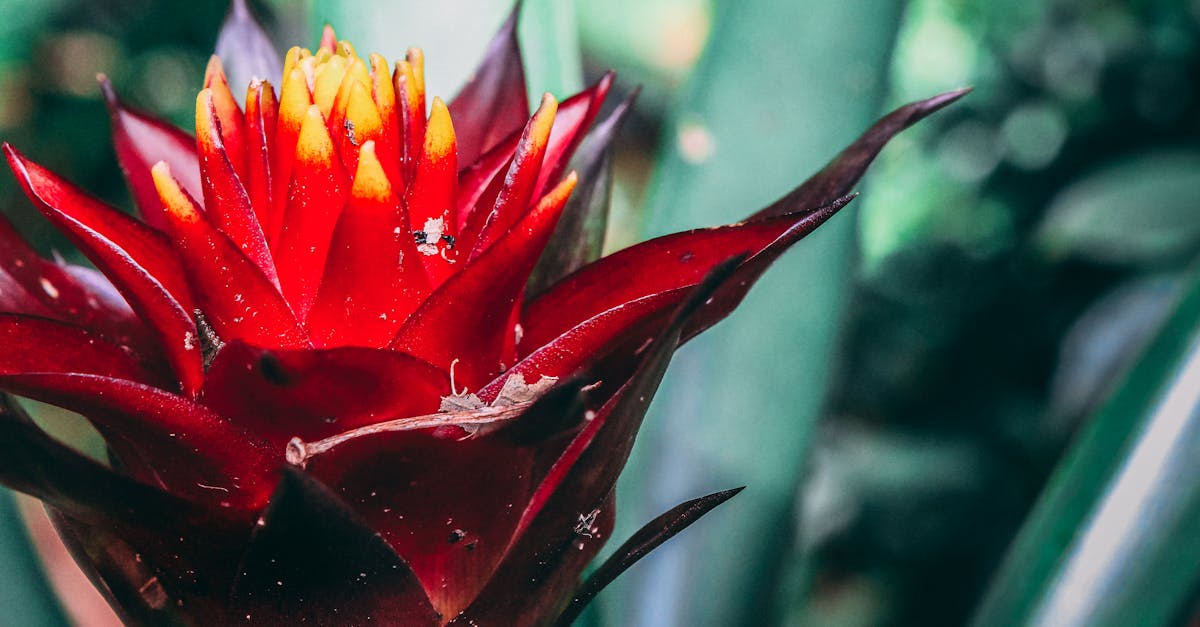
Bromeliads are unique plants that feature a central cup and colorful long-lasting bracts. They are effective at removing pollutants from the air and can thrive in various lighting conditions. These plants absorb water and nutrients through their central cup which should be kept filled with fresh water. They are very low maintenance and add a vibrant pop of color to any room. Once the main flower fades the plant will produce small offshoots to continue its growth.
Nerve Plant

The nerve plant is a small indoor plant characterized by its intricately veined leaves. It is excellent at purifying the air in small spaces like offices or bathrooms. This plant prefers low to medium light and high humidity to prevent the leaves from wilting. It is very expressive and will droop when it needs water which makes it easy to monitor. Its compact size and striking patterns make it a great choice for terrariums or small pots.
Polka Dot Plant

The polka dot plant features spotted leaves in shades of pink, red, or white. it is an effective air purifier that adds a playful and colorful touch to indoor gardens. This plant prefers bright indirect light and consistent moisture to maintain its vibrant spots. It can be pruned regularly to keep it bushy and prevent it from becoming too leggy. Its small size makes it perfect for adding color to a desk or windowsill.
Christmas Cactus

The Christmas cactus is a popular flowering succulent that blooms in the winter months. It is an effective air purifier that is very easy to care for throughout the year. This plant prefers bright indirect light and should be watered when the top inch of soil is dry. It is a long-lived plant that can be passed down as a family heirloom with proper care. The colorful flowers provide a much-needed boost of brightness during the colder seasons.
Wandering Dude
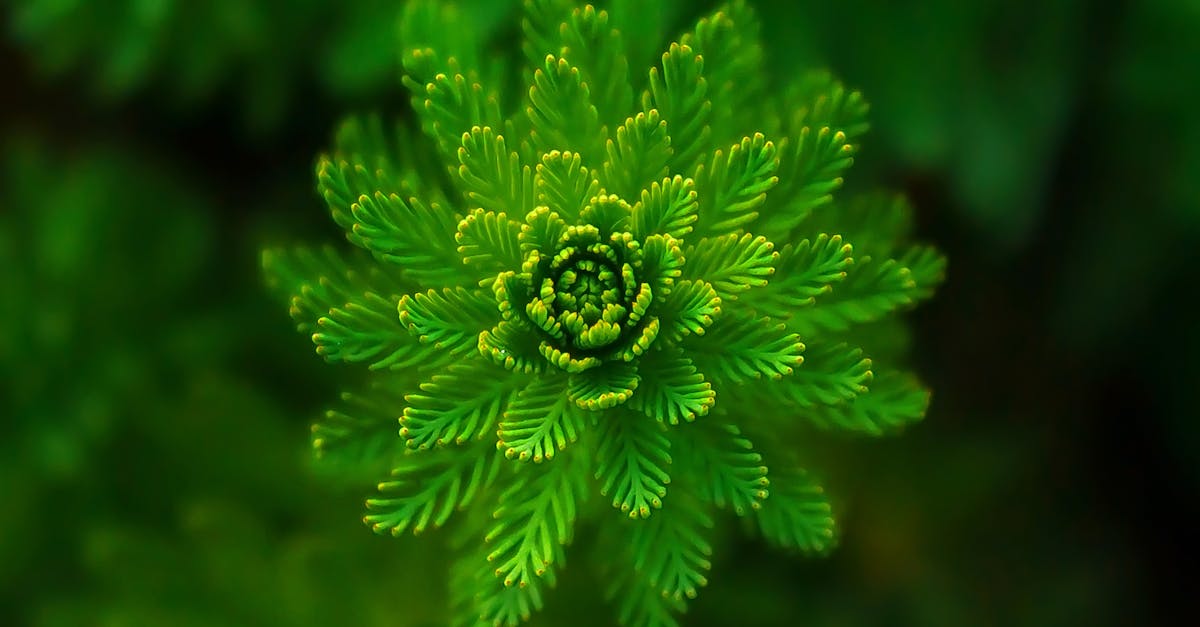
The wandering dude is a fast-growing trailing plant with striking purple and green striped leaves. It is excellent at filtering the air and quickly filling out hanging containers. This plant thrives in bright indirect light and requires regular watering to keep the soil moist. It is very easy to propagate by simply placing stem cuttings in water or soil. Its bold colors and trailing habit make it a popular choice for high shelves and vertical gardens.
African Violet
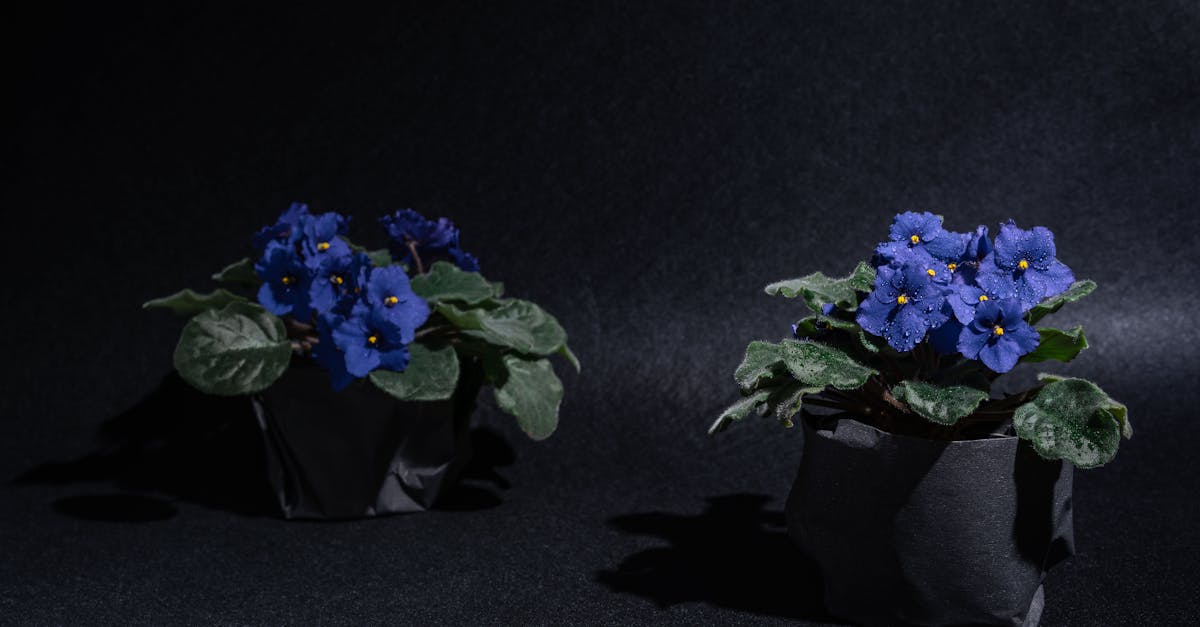
African violets are compact flowering plants that come in a wide variety of colors and leaf shapes. They are effective at purifying the air while providing continuous blooms under the right conditions. These plants prefer bright indirect light and should be watered from the bottom to avoid getting the leaves wet. They are perfect for small spaces and add a classic touch of color to any room. With minimal care they can bloom multiple times throughout the year.
Peperomia

Peperomia is a diverse genus of plants with many different leaf textures and colors. They are highly effective air purifiers that remain compact and easy to manage. These plants prefer medium to bright indirect light and infrequent watering as they store moisture in their thick leaves. They are non-toxic to pets and are a safe choice for any household. The variety of shapes available makes them a fun plant to collect and display.
Air Plant
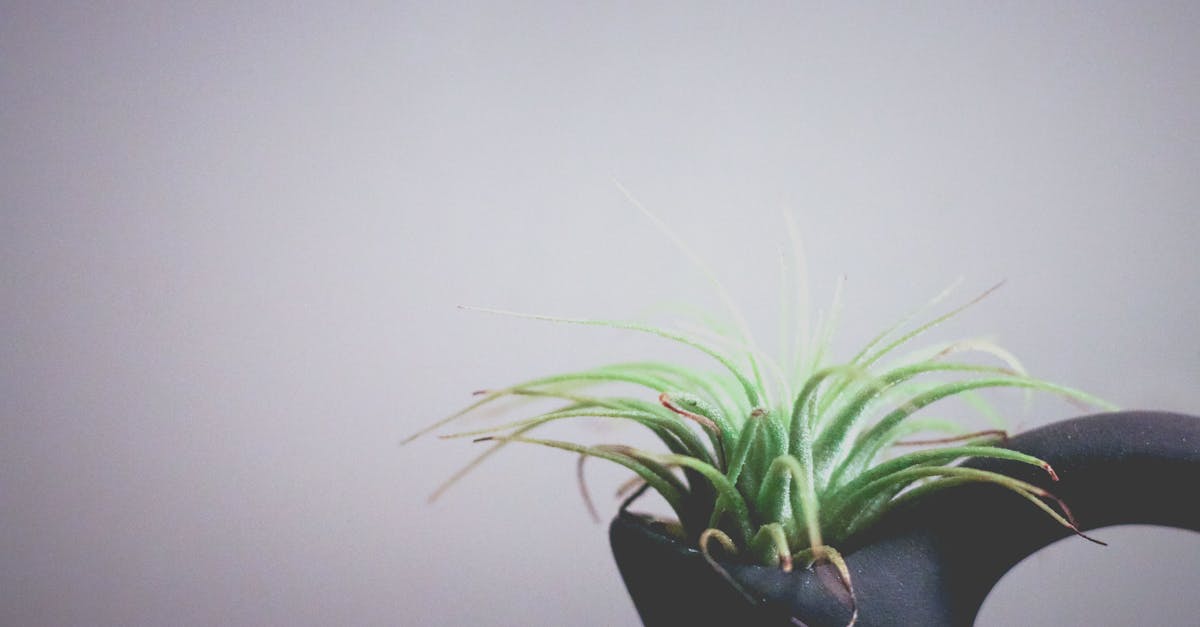
Air plants are unique because they do not require soil to grow and instead absorb moisture through their leaves. They are effective at filtering the air and can be displayed in creative ways such as on wood or in glass globes. These plants need bright indirect light and a weekly soaking in water to stay healthy. They are incredibly low maintenance and perfect for those who want a mess-free gardening experience. Their sculptural shapes add a modern and artistic element to any space.
Creeping Fig

The creeping fig is a versatile climbing vine with small heart-shaped leaves that can cover a variety of surfaces. It is an effective air purifier that grows quickly when provided with bright indirect light. This plant prefers consistent moisture and high humidity to maintain its lush green appearance. It can be trained to grow up a trellis or allowed to trail gracefully from a hanging pot. Regular pruning helps keep the growth dense and prevents the vines from becoming too thin.
Please share which of these low-maintenance air-purifying plants you have in your home in the comments.